Alexandria

Rabies Exposure and Prevention: Spread and Protection

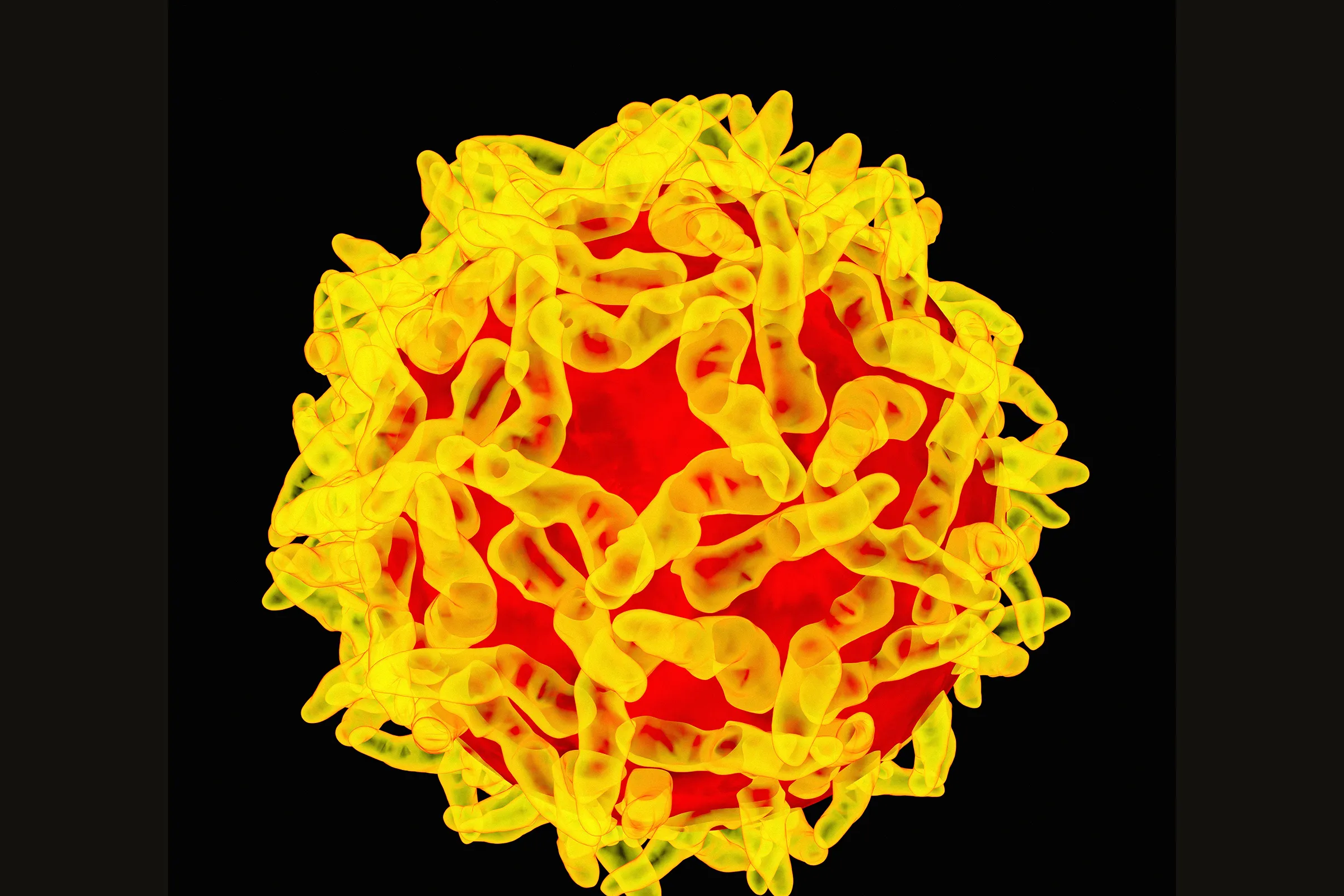
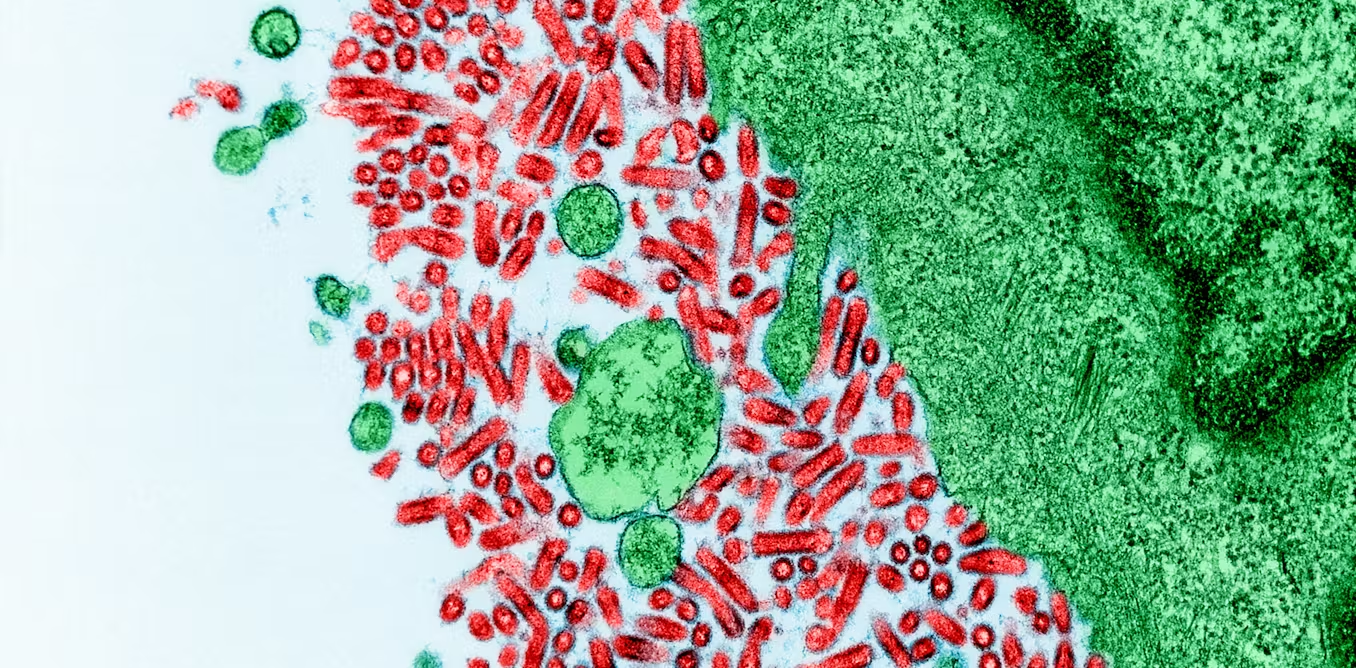
Introduction Rabies exposure and prevention are critical topics for anyone at risk of contact with infected animals. Rabies is a deadly viral disease that attacks the central nervous system and is almost always fatal once symptoms appear. Most human infections occur through bites or scratches from infected mammals, including dogs, bats, raccoons, and other wildlife. Despite being preventable through vaccines and timely medical care, rabies continues to claim thousands of lives worldwide each year, particularly in regions with limited awareness or access to healthcare. Understanding rabies exposure and prevention involves knowing how the virus spreads, identifying high-risk situations, and taking immediate action after potential contact with an infected animal. Early intervention, such as wound cleansing and post-exposure prophylaxis, can completely prevent the onset of the disease. Communities, healthcare providers, and individuals all play a key role in reducing rabies-related fatalities through education, vaccination programs, and responsible animal management. This guide explores how rabies spreads, the symptoms that follow exposure, the risk factors in different environments, and the practical prevention strategies that can protect both humans and animals. The goal is to provide actionable, accurate information to minimize risk, encourage timely medical care, and raise public awareness about this deadly yet preventable disease. Understanding Rabies and Its Transmission Rabies is caused by a virus belonging to the Lyssavirus genus, which primarily spreads through the saliva of infected animals. While bites are the most common method of transmission, scratches, open wounds, or contact with mucous membranes—such as the eyes, mouth, or nose—can also lead to infection. Animals that commonly carry rabies include dogs, bats, raccoons, skunks, foxes, and coyotes. Worldwide, unvaccinated dogs remain the leading source of human rabies deaths, while in the United States, exposure to bats accounts for most cases. The virus primarily affects the central nervous system, leading to inflammation in the brain and spinal cord. Once symptoms appear, rabies is almost always fatal, which underscores the importance of early prevention and prompt post-exposure care. Recognizing Rabies Symptoms in Humans Rabies has an incubation period ranging from weeks to months. During this time, infected individuals may experience no symptoms. As the disease progresses, initial signs resemble flu-like symptoms, including fever, headache, fatigue, and general malaise. Discomfort or tingling at the site of exposure is often an early clue. As the virus advances, neurological symptoms emerge, including confusion, anxiety, agitation, hallucinations, and aggressive behavior. A hallmark sign of rabies is hydrophobia, or fear of water, where individuals panic at the sight of fluids despite feeling extreme thirst. Excessive salivation, difficulty swallowing, and muscle spasms may also occur, ultimately leading to death if untreated. Groups at Higher Risk of Rabies Certain populations face an elevated risk of rabies exposure. Travelers to regions with endemic rabies, people who work closely with animals, and those who explore wildlife habitats are particularly vulnerable. Occupations such as veterinarians, wildlife handlers, laboratory researchers working with live virus, and animal control officers are at greater risk and often recommended to undergo preventive vaccination. Preventive Measures Against Rabies Preventing rabies relies on multiple strategies, both for humans and animals. Vaccination remains the cornerstone of prevention. Pets should receive regular rabies vaccinations, and children should be taught not to approach or handle unfamiliar animals. Ensuring bats and other wildlife cannot enter living spaces reduces exposure risks. Pre-exposure vaccination, known as pre-exposure prophylaxis, is recommended for individuals at high risk. This typically involves two doses of the rabies vaccine spaced a week apart, with periodic antibody checks depending on risk level. For the general population in areas with low incidence, pre-exposure vaccination is generally unnecessary, but post-exposure prophylaxis remains essential if exposure occurs. Immediate Actions After Potential Exposure If a person is bitten or comes into contact with a potentially rabid animal, prompt medical attention is critical. The wound should be washed immediately with soap and water, and medical professionals should be contacted to assess the need for rabies immunoglobulin and vaccines. https://www.who.int/teams/control-of-neglected-tropical-diseases/rabies/vaccinations-and-immunization For individuals who have never been vaccinated, both rabies immunoglobulin and a series of vaccines are administered. Those previously vaccinated require additional booster doses without immunoglobulin. Containment or testing of the animal involved, when safely possible, helps determine the appropriate treatment course. Rabies in Animals and Public Health Measures Surveillance and vaccination of animals play a crucial role in reducing human rabies cases. Wildlife management, stray animal control, and public education campaigns contribute to lowering exposure risks. Maintaining rabies-free domestic pets and wildlife vaccination programs in endemic areas has been shown to dramatically reduce human fatalities. Global Perspective on Rabies Rabies remains a major health concern globally, causing an estimated 60,000 deaths annually, with 95% occurring in Africa and Asia. Effective control strategies, including vaccination campaigns, public awareness programs, and robust medical infrastructure, are critical for reducing rabies-related mortality. Conclusion Rabies is a preventable but deadly viral disease. Understanding how it spreads, recognizing symptoms early, and implementing preventive measures are vital for protecting both humans and animals. Vaccination, safe handling of animals, and immediate medical care following Rabies exposure and prevention potential exposure remain the most effective strategies. Public awareness and proactive health measures can dramatically reduce the risk of this fatal disease.

Read More

Broken Heart Syndrome in Men: Symptoms, Risks, and Prevention

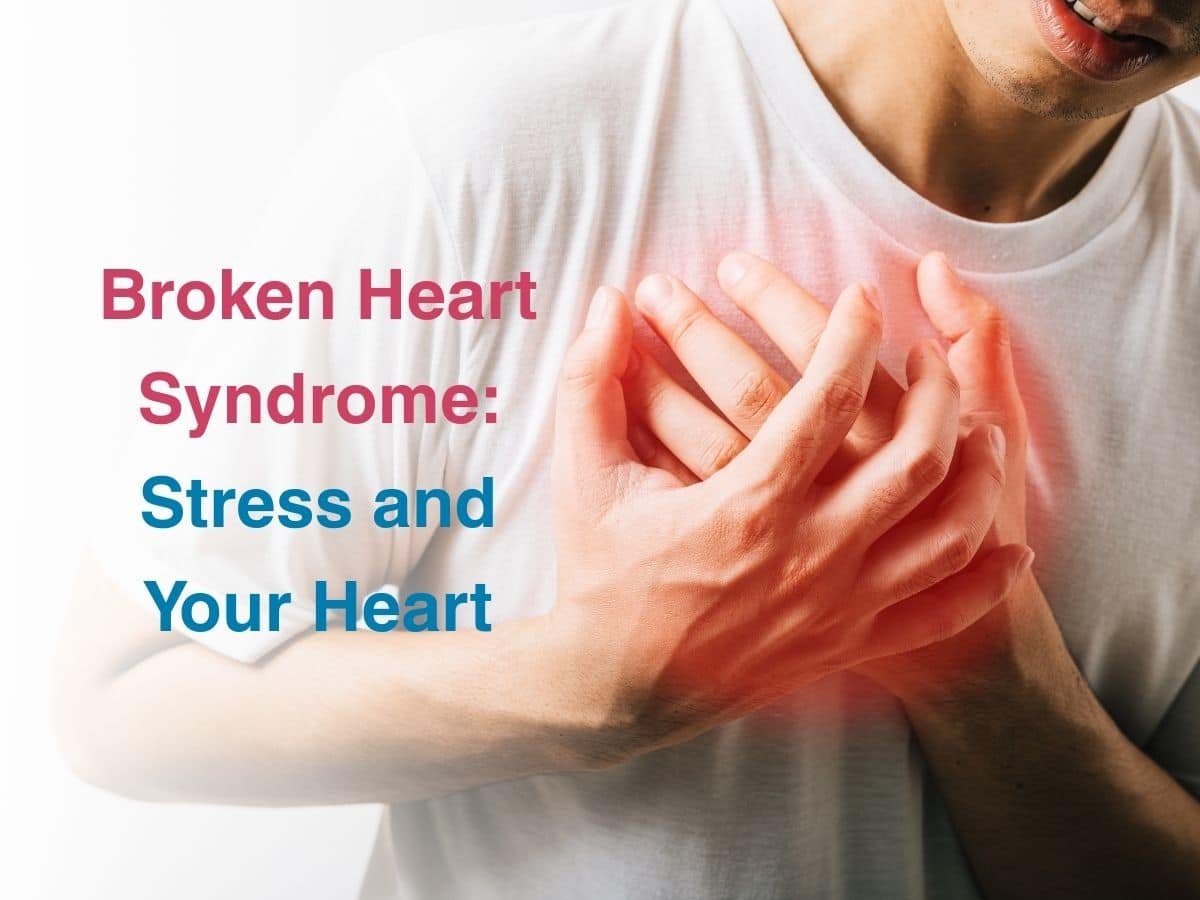
Understanding Broken Heart Syndrome in Men Broken heart syndrome in men, medically known as takotsubo cardiomyopathy (TC), is a stress-induced heart condition that can mimic the symptoms of a heart attack. Although this condition is more commonly observed in women, research indicates that men affected by TC face a higher risk of severe complications and mortality. The condition is triggered by sudden physical or emotional stress, leading to a surge of stress hormones that temporarily impair the heart’s ability to pump blood effectively. Recognizing the warning signs early can save lives and prevent lasting heart damage. What Triggers Broken Heart Syndrome? Broken heart syndrome in men is often caused by extreme emotional or physical events. Emotional triggers can include the death of a loved one, intense fear, or severe anxiety, while physical triggers may involve major surgery, sudden illness, or strenuous physical activity. When the body encounters these stressors, the adrenal glands release large amounts of catecholamines—hormones responsible for the “fight-or-flight” response. Excessive catecholamines can overwhelm the heart muscle, causing a section of it to “freeze” and preventing the heart from pumping efficiently. Symptoms of Broken Heart Syndrome Men experiencing broken heart syndrome often display symptoms similar to a heart attack. Common signs include: Unlike a traditional heart attack, broken heart syndrome does not usually involve blocked coronary arteries. However, the sudden stress on the heart can still lead to serious complications if not addressed promptly. Why Men Are at Higher Risk Recent studies analyzing nearly 200,000 TC patients in the United States have shown that while women represent 83% of cases, men are more than twice as likely to die from the condition. Experts suggest several reasons for this disparity: Complications of Broken Heart Syndrome Broken heart syndrome can lead to a variety of serious complications, particularly in men: Early recognition and treatment are crucial. Medications such as beta-blockers and ACE inhibitors can reduce stress on the heart, prevent complications, and restore proper function within weeks. Diagnosing Broken Heart Syndrome in Men Diagnosis begins with recognizing the symptoms and considering the patient’s recent physical or emotional stressors. Doctors often use: Unlike heart attacks, TC does not typically show blocked arteries on angiograms, which is an important differentiator for accurate diagnosis. Preventing Broken Heart Syndrome While sudden stress cannot always be avoided, men can reduce their risk of TC through lifestyle and mental health strategies: Living with Broken Heart Syndrome Recovery from broken heart syndrome is generally favorable with prompt medical care. Most patients regain full heart function within weeks, but ongoing follow-up is essential to monitor heart health and prevent recurrence. Emotional support is equally important, as stress management plays a key role in preventing future episodes. The Importance of Awareness Healthcare professionals and the public should recognize that broken heart syndrome is not exclusively a female condition. Awareness of TC in men can lead to faster diagnosis, timely treatment, and lower mortality rates. Education on stress management, heart health, and the seriousness of chest pain can save lives. https://www.cdc.gov/heartdisease/prevention.htm Future Research Directions Despite advancements, more research is needed to fully understand why men experience higher mortality rates from broken heart syndrome. Large-scale studies investigating hormonal influence, genetic factors, comorbidities, and effective treatments could lead to better outcomes for male patients. Conclusion Broken heart syndrome in men is a serious and potentially deadly condition, triggered by emotional or physical stress. Men are more likely to experience severe complications and higher mortality rates compared to women, highlighting the need for awareness, early diagnosis, and effective stress management. Recognizing the symptoms and seeking immediate medical care can save lives, and ongoing research will help better protect men from this rare but critical heart condition.

Read More

Muscle Dysmorphia Symptoms: Teen Risks and Prevention

Introduction: Muscle-Building Supplements and Teen Health Muscle dysmorphia symptoms can emerge or worsen in teenagers who use muscle-building supplements such as protein powders, creatine, and pre-workout mixes. These products, often marketed as safe ways to boost muscle growth and performance, may contribute to obsessive concerns about body size, leanness, and physical appearance. Recent research highlights the potential risks of supplement use in adolescents, emphasizing the need for awareness among parents, educators, and healthcare professionals to prevent long-term physical and mental health consequences. Understanding Muscle Dysmorphia Muscle dysmorphia is a subtype of body dysmorphic disorder in which individuals perceive their bodies as insufficiently muscular or lean, even when they have above-average musculature. Symptoms often include excessive exercise, rigid dietary routines, social withdrawal, and emotional distress related to body appearance. Adolescents experiencing muscle dysmorphia may prioritize achieving a particular physique over school, social interactions, and other responsibilities, creating long-term physical and psychological risks. Research indicates that the use of multiple muscle-building supplements is strongly associated with an increase in the severity of these symptoms, particularly among teens who are still navigating rapid physical and emotional changes. Why Teens Are Vulnerable The teenage years are marked by intense physical, emotional, and social development, making adolescents particularly susceptible to body image concerns. Social media and peer influence play a substantial role in shaping perceptions of the ideal body. Teens are exposed to idealized images of muscular physiques that are often heavily filtered or digitally enhanced, creating unrealistic expectations. These factors, combined with aggressive marketing of supplements promising rapid results, contribute to heightened body dissatisfaction and increased reliance on muscle-building products. Adolescents may begin using supplements at an early age, believing these products are harmless shortcuts to achieve their desired body type. The Health Risks of Muscle-Building Supplements While muscle-building supplements are widely available and often considered safe, they carry multiple potential risks. Protein powders and mass gainers can place excess strain on the kidneys and liver if consumed in high quantities. Pre-workout mixes often contain stimulants such as caffeine, which may cause heart palpitations, anxiety, or sleep disturbances. Certain supplements may be contaminated with anabolic steroids or other harmful substances due to minimal regulation in the industry. Practices like “dry scooping” – consuming powdered supplements without dilution – pose immediate dangers including choking, gastrointestinal distress, and acute toxicity. The cumulative effect of these risks, alongside excessive exercise and strict dieting, can seriously compromise adolescent health. https://www.sph.umn.edu/news/adolescent-use-of-muscle-building-supplements-linked-to-later-steroid-use Social Media Influence on Muscle Dissatisfaction Social media platforms amplify the risk of muscle dysmorphia by continuously showcasing idealized body images. Fitness influencers frequently promote muscle-building supplements alongside routines that emphasize rapid muscle gain, creating a perception that these products are necessary Muscle dysmorphia symptoms for achieving an ideal body. Teens may internalize these images, developing a distorted perception of what their bodies should look like. Over time, exposure to this content can increase dissatisfaction with one’s natural body shape. It can worsen compulsive exercise and supplement use. It also increases the risk of anxiety, depression, and other mental health issues. Recognizing Signs of Muscle Dysmorphia Early recognition of muscle dysmorphia is critical to prevent long-term harm. Teens with this disorder may demonstrate obsessive attention to diet and muscle-building routines, avoid social situations where their bodies might be exposed, or prioritize gym attendance over school, work, or social activities. Emotional distress is common when they perceive that they have failed to achieve their desired physique. Friends, family, and educators play an essential role in identifying these warning signs and encouraging professional intervention when necessary. Approaches to Treatment Treating muscle dysmorphia typically involves a combination of cognitive behavioral therapy (CBT) to help teens reframe negative thoughts about their body image, along with medication in cases of severe anxiety or depression. Family involvement is crucial, as adolescents often Muscle dysmorphia symptoms have limited insight into the problem. Education about healthy exercise, realistic body expectations, and the risks of unregulated supplement use can help reduce harmful behaviors. Healthcare professionals may also guide safe dietary strategies that prioritize overall health rather than rapid muscle gain. Prevention Strategies Preventing muscle dysmorphia and unsafe supplement use requires a comprehensive approach. Adolescents should be encouraged to pursue balanced diets and natural methods of building strength and endurance. Awareness campaigns that challenge the unrealistic body ideals presented on social media can help teens develop healthier self-perceptions. Parents, coaches, and teachers should model realistic body expectations and support teens in focusing on overall fitness rather than solely on appearance. Regulatory oversight and education about the risks of muscle-building supplements are equally important to protect adolescent health. Conclusion Muscle-building supplements can offer benefits for athletic performance, but excessive or unsupervised use among teens carries substantial risks. Muscle dysmorphia, a disorder characterized by obsessive concern with muscularity, can be exacerbated by reliance on these products, Muscle dysmorphia symptoms social media influence, and societal pressures. Parents, educators, and healthcare professionals must remain vigilant to identify warning signs early, guide teens toward healthy habits, and provide emotional support. Prioritizing safe nutrition, natural muscle-building strategies, and mental health awareness is key to promoting well-being during this critical stage of development.

Read More

Heatstroke Symptoms: Recognition and Prevention

Understanding Heat-Related Illness Heatstroke symptoms are critical warning signs of a severe heat-related illness that can threaten life if not treated promptly. Extreme heat can overwhelm the body’s ability to regulate its temperature, causing organ damage, brain injury, or even death. Recognizing these symptoms early and taking immediate action is essential to protect health, especially for children, the elderly, and those with underlying medical conditions. Heat-related illness progresses in stages: heat rash, heat cramps, heat exhaustion, and heatstroke. Each stage has distinct symptoms, and timely intervention can prevent progression to a life-threatening condition. Heat Rash: Early Warning Signs Heat rash, also known as miliaria, occurs when excessive sweating blocks sweat glands. Symptoms often appear as small red bumps, pimples, or blisters, typically on areas like the chest, neck, groin, under breasts, or elbow creases. Treatment: Keep the skin dry, avoid creams that may block pores, wear loose cotton clothing, and stay in a cool, ventilated environment. Fans can aid cooling. Heat Cramps: Muscle Pain and Spasms As heat exposure continues, painful muscle cramps can develop in the arms, legs, or abdomen. These cramps signal that the body is losing electrolytes through excessive sweating. Treatment: Rest in a cool area and hydrate with water or electrolyte drinks every 10–15 minutes. Light snacks may help, but avoid salt tablets unless recommended by a medical professional. Seek medical care if cramps persist for more than an hour or if the person has heart problems or dietary restrictions. https://my.clevelandclinic.org/health/diseases/21844-dehydration Heat Exhaustion: A Warning Stage Heat exhaustion occurs when the body struggles to maintain a safe temperature. Symptoms may include dizziness, fainting, headache, nausea, fatigue, heavy sweating, irritability, increased thirst, higher body temperature, and decreased urination. Treatment: Move to a shaded or air-conditioned space, remove excess clothing, sip cool water or electrolyte drinks, and use cold compresses or fans to lower body temperature. Monitor the person closely until symptoms subside and seek medical help if they worsen. Heatstroke: Medical Emergency Heatstroke is the most severe form of heat illness and requires immediate medical attention. The body’s temperature can rise above 106°F (41°C) within minutes, potentially causing permanent organ damage or death. Heatstroke symptoms include: Populations at Higher Risk Certain groups are more vulnerable to heat-related illness: Recognizing risk factors allows caregivers to take preventive steps and respond quickly to early warning signs. Preventing Heatstroke: 10 Essential Tips Long-Term Strategies to Stay Safe Heatstroke Symptoms and Prevention: How to Stay Safe in Extreme Heat Heatstroke is one of the most serious forms of heat-related illness and can quickly become life-threatening if not recognized and treated promptly. Understanding heatstroke symptoms, the stages of heat-related illness, high-risk populations, environmental factors, and effective prevention strategies is crucial to keeping yourself and loved ones safe during hot weather. The Science Behind Heat-Related Illness The human body maintains a delicate internal temperature, typically around 98.6°F (37°C). When external heat and internal heat production exceed the body’s cooling mechanisms—primarily sweating and circulation—the body struggles to maintain safe temperatures. Prolonged exposure to high temperatures or intense physical activity in hot, humid conditions can overwhelm the body’s natural cooling system. This may cause a progression from mild heat rash and heat cramps to heat exhaustion and ultimately heatstroke, a medical emergency. Excessive heat can damage vital organs, impair brain function, and, if untreated, result in death. Early recognition of warning signs is critical. When to Seek Immediate Medical Help If anyone exhibits severe heat illness symptoms—confusion, fainting, seizures, high fever—contact emergency services without delay. Prompt intervention can save lives and prevent permanent organ damage. Final Thoughts Heat-related illness is preventable when individuals understand the signs and take proactive measures. Recognizing heatstroke symptoms early, maintaining hydration, wearing appropriate clothing, and avoiding extreme exposure are essential strategies. By combining awareness with practical prevention, individuals and communities can reduce heat-related health risks effectively. Conclusion: Staying Safe in Extreme Heat Heat-related illness is preventable with knowledge, vigilance, and preparation. Recognizing heatstroke symptoms, staying hydrated, wearing protective clothing, and reducing heat exposure are essential steps. Families, caregivers, and communities can minimize risks through education, planning, and supportive infrastructure.

Read More

Yellow Fever in Colombia: Outbreak, Risks, and Prevention

Introduction The yellow fever outbreak in Colombia has raised significant public health concerns as the country reports a surge in infections and fatalities. Since September 2024, multiple departments across Colombia have reported confirmed cases, prompting the government to declare a nationwide health emergency. Yellow fever, a viral disease transmitted by infected mosquitoes, poses serious health risks, especially in regions where vaccination coverage is low. Understanding the scope of the outbreak, the response strategies, and preventive measures is critical for both residents and travelers. Overview of Yellow Fever Yellow fever is a viral infection caused by the yellow fever virus, which primarily spreads through the bite of infected Aedes and Haemagogus mosquitoes. While many individuals experience mild symptoms or remain asymptomatic, severe cases can lead to jaundice, liver failure, and death. The disease occurs in phases: an initial acute phase with fever, headache, and muscle pain, yellow fever outbreak in Colombia and a toxic phase affecting the liver, kidneys, and other vital organs. Vaccination is the most effective preventive measure, and public health agencies globally advocate widespread immunization to control outbreaks. https://www.cdc.gov/yellow-fever Current Situation in Colombia Colombia’s Ministry of Health has officially declared a nationwide health emergency due to the active circulation of yellow fever. Since September 2024, there have been 75 confirmed cases and 34 deaths linked to the virus. This surge has alarmed public health officials and prompted immediate interventions to prevent further spread. The declaration of emergency enables the government to mobilize resources, implement vaccination campaigns, and restrict movement in high-risk areas to contain the outbreak. Spread Across Regions The outbreak has affected nine of Colombia’s 32 departments, including Tolima, Meta, Amazon Basin, and the Magdalena River region. Notably, cases have also appeared in historically low-risk areas, such as the coffee-growing region of Caldas. The widespread geographic distribution underscores the aggressive nature of the outbreak and the challenges faced by healthcare providers in tracking and managing infections. Case Count and Fatalities Since the onset of the outbreak, the Colombian health authorities have reported 75 cases and 34 deaths, highlighting a high case fatality rate. Rural areas are particularly impacted, with limited access to healthcare facilities and slower response times. Ongoing surveillance and case reporting are critical to understanding the trajectory of the outbreak and allocating resources effectively. Government Health Emergency The Colombian government’s decision to declare a health emergency allows for rapid deployment of medical personnel, resources, and vaccination teams. President Gustavo Petro emphasized the urgency of nationwide vaccination, targeting all citizens older than nine months. Emergency measures also include economic interventions and travel restrictions in critical regions to minimize the spread of the virus. Travel Alerts and Restrictions Travel to areas with a critical presence of yellow fever has been restricted, particularly during high-travel periods like Easter weekend. The government advises travelers to receive the yellow fever vaccine before visiting high-risk zones. International travel advisories have also been issued, and health authorities recommend that both residents and visitors adhere strictly to mosquito prevention measures, including the use of repellents and protective clothing. Vaccination Strategy and Coverage Vaccination remains the cornerstone of yellow fever prevention. The Colombian government has mobilized more than 20 immediate response teams to administer the single-dose vaccine. Full vaccination coverage is expected within two months to curb the outbreak. The vaccine is recommended for anyone older than nine months, and medical teams are prioritizing high-risk areas first. Symptoms and Phases of Infection Yellow fever typically begins with nonspecific symptoms, including fever, headache, muscle pain, loss of appetite, nausea, and vomiting. For some patients, a second, more severe phase develops with jaundice, abdominal pain, bleeding, and organ failure. Mortality rates are particularly high among those who progress to the toxic phase, highlighting the importance of early detection and intervention. Diagnosis and Treatment Challenges There is no specific antiviral treatment for yellow fever. Management primarily involves supportive care, including hydration, rest, and monitoring for complications. Diagnosis requires laboratory testing, which can be challenging in rural regions due to limited infrastructure. Rapid identification and isolation of cases are essential to prevent community spread. WHO and International Response The World Health Organization (WHO) monitors yellow fever outbreaks globally, providing guidance on vaccination, surveillance, and containment strategies. International collaboration is critical for ensuring vaccine availability, laboratory support, and technical assistance to affected countries like Colombia. Public Health Preparedness Colombia’s health emergency includes strengthening hospital preparedness, increasing laboratory testing capacity, and expanding community health education. Public awareness campaigns emphasize vaccination, mosquito control, and early recognition of symptoms to reduce mortality. Political and Public Reactions The health emergency declaration has sparked debate among political figures. While some praise the swift government action, others argue that interventions came too late, given that the outbreak began months earlier. Public compliance with vaccination campaigns and mosquito control measures remains essential for outbreak control. Community Outreach and Education Educating communities about mosquito bite prevention and vaccination is critical. Health teams are conducting door-to-door campaigns, distributing educational materials, and partnering with local leaders to ensure widespread awareness of yellow fever risks. Economic and Travel Impacts The outbreak has affected travel, tourism, and commerce in Colombia. Restrictions on movement and advisories against visiting high-risk areas have economic consequences for local businesses and the national economy. Implementing preventive measures while minimizing disruption is a balancing act for authorities. Prevention and Control Measures Preventive strategies focus on vaccination, mosquito control, and personal protection. Eliminating breeding sites, using insecticides, and promoting the use of mosquito nets and repellents are essential components of outbreak containment. Public adherence to these measures can significantly reduce infection risk. Historical Comparisons Yellow fever outbreaks have historically occurred in Colombia, but current case numbers and geographic spread are unprecedented in recent decades. Comparing past epidemics provides insight into effective interventions and lessons learned for improving public health responses. Role of Healthcare Workers Healthcare professionals are at the forefront of managing the outbreak, from diagnosing and treating patients to implementing vaccination campaigns and educating communities. Protecting healthcare workers with appropriate equipment and training is vital for…

Read More

Ultra Processed Foods Lung Cancer : Effects and Prevention

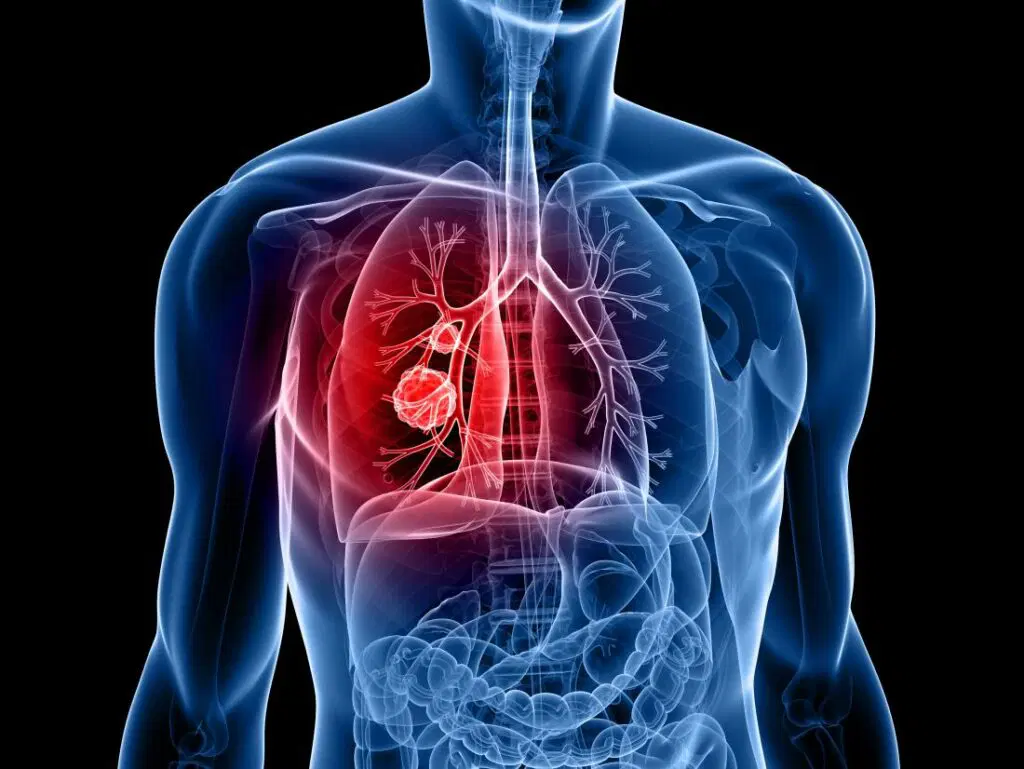
Introduction Recent research highlights a potential link between ultra processed foods and lung cancer risk, adding another reason to limit consumption of highly processed items. Ultra processed foods include items rarely found in home kitchens, such as packaged snacks, sodas, frozen meals, and processed meats. These foods often contain artificial additives, preservatives, emulsifiers, and flavor enhancers, which can affect long-term health. While smoking remains the leading cause of lung cancer, studies suggest diet quality may also play a critical role in disease development. What Are Ultra processed Foods? Ultra processed foods are industrially manufactured products that include ingredients not commonly used in traditional cooking. Examples include: These foods often contain: Research suggests that long-term consumption of such products can disrupt metabolic health, trigger inflammation, and potentially contribute to cancer development, including lung cancer. Study Findings on Lung Cancer Risk A recent observational study analyzed dietary patterns of over 100,000 participants using the National Health and Nutrition Examination Survey’s Food Frequency Questionnaire. Participants’ intake of ultra processed foods was compared with lung cancer diagnoses recorded in medical databases. Key findings included: Although the study does not definitively prove causation, it strengthens evidence linking diet quality with lung cancer risk, emphasizing that reducing processed food intake can have meaningful health benefits. https://www.cancercare.org/diagnosis/lung_cancer Why Ultra Processed Foods May Increase Lung Cancer Risk Several mechanisms could explain the observed association between ultra processed food consumption and lung cancer risk: Smoking and Diet: A Combined Risk While smoking is the most recognized risk factor for lung cancer, research shows that diet quality independently contributes to lung cancer risk, particularly in non-smokers. Adjusting for smoking habits in studies is complex, but evidence suggests that even individuals who never smoke may face higher risk if ultra processed foods dominate their diet. Nutrition experts emphasize that combining a balanced diet with avoidance of tobacco products offers the greatest protection against lung cancer. Healthier Alternatives to Reduce Risk Switching from ultra processed foods to whole, minimally processed foods is key to reducing lung cancer risk and improving overall health. Some recommendations include: Transitioning gradually by adding whole foods instead of focusing solely on removing processed items can help taste preferences adjust and create sustainable habits. Tips for Practical Dietary Changes By adopting these strategies, individuals can significantly improve nutrient intake, reduce exposure to harmful additives, and lower potential risk for lung cancer. Future Research Directions Although current studies suggest a link between ultra processed foods and lung cancer risk, more research is needed to clarify mechanisms and establish causal relationships. Areas for further investigation include: Researchers also recommend public health campaigns to raise awareness about the dangers of ultra processed foods and the importance of a nutrient-rich diet. Conclusion Diet plays a crucial role in lung cancer prevention, alongside well-known factors such as smoking cessation and regular physical activity. Evidence increasingly shows that ultra processed foods and lung cancer risk are linked through mechanisms involving inflammation, oxidative stress, poor nutrient quality, and harmful chemical exposure. Prioritizing whole, unprocessed foods and minimizing processed items not only reduces lung cancer risk but also supports overall health, immunity, and longevity. Small, consistent dietary changes can yield long-term benefits and empower individuals to take control of their health.

Read More

Unexplained Hepatitis in Children: Symptoms and Causes

Introduction Recent reports indicate a rise in cases of unexplained hepatitis in children across the United States. The Centers for Disease Control and Prevention (CDC) is investigating over 100 cases, spanning 25 states and territories. While the overall incidence remains rare, many affected children required hospitalization, and several severe cases have resulted in liver failure or even death. Understanding the potential causes, early hepatitis symptoms in children, and preventive steps is essential for parents and caregivers. What is Hepatitis in Children? Hepatitis refers to inflammation of the liver. It can occur due to viral infections such as hepatitis A, B, or C, but also from medications, toxins, or autoimmune reactions where the body attacks its own liver cells. In children, hepatitis unrelated to these common causes is exceptionally rare, which is why the current increase in unexplained cases is a significant public health concern. Recent Case Overview Globally, more than 200 probable cases of unexplained child hepatitis have been reported, with dozens more under investigation. In the US alone, 109 cases are being tracked by the CDC. Alabama, for example, reported nine cases among otherwise healthy children aged 1–6 years, with three progressing to acute liver failure. Two of these children required liver transplants. While the reason for the concentration in certain regions is unclear, improved reporting and awareness may account for the observed clusters. Possible Causes Under Investigation Investigators have ruled out common hepatitis viruses, medications, toxins, and autoimmune conditions. Interestingly, many affected children show signs of adenovirus infection, suggesting a potential link. While adenoviruses typically cause mild illness, they may trigger severe liver inflammation in rare cases. Current studies are also exploring whether environmental or infectious cofactors could contribute to the condition. Symptoms to Watch For Early hepatitis symptoms in children are often nonspecific and can include: As the disease progresses, more specific signs may appear: Parents should seek medical care if symptoms persist or worsen, especially if jaundice develops, as early intervention can prevent severe complications. Treatment and Recovery Currently, treatment focuses on supportive care, monitoring liver function, and managing complications. In severe cases, liver transplantation may be required. Most children are recovering, but the situation emphasizes the need for early detection and specialized pediatric care. https://www.hopkinsmedicine.org/health/conditions-and-diseases/hepatitis Preventive Measures Since the exact cause of these unexplained hepatitis cases is unknown, specific prevention strategies are limited. However, if adenovirus is implicated, general hygiene practices can help reduce risk: Public Health Guidance and Monitoring The CDC has issued health advisories to clinicians nationwide, urging immediate reporting of suspected cases. Enhanced surveillance allows for better tracking and understanding of potential causes. Internationally, the World Health Organization is also monitoring cases, with significant clusters identified in the United Kingdom and other countries. Parental Awareness and Action Parents do not need to panic, as the condition remains extremely rare. Awareness is key: knowing hepatitis symptoms in children, recognizing warning signs, and seeking timely medical attention can save lives. Pediatricians and liver specialists are essential partners in evaluating any suspected cases. Conclusion The rise of unexplained hepatitis in children highlights the importance of vigilance, early detection, and public health awareness. While research continues into potential causes, parents should focus on monitoring symptoms, maintaining good hygiene, and ensuring regular pediatric care. By staying informed, families can protect their children and support health authorities in managing this rare but serious condition.

Read More

Measles Outbreak in the US: Causes, Symptoms, and Prevention

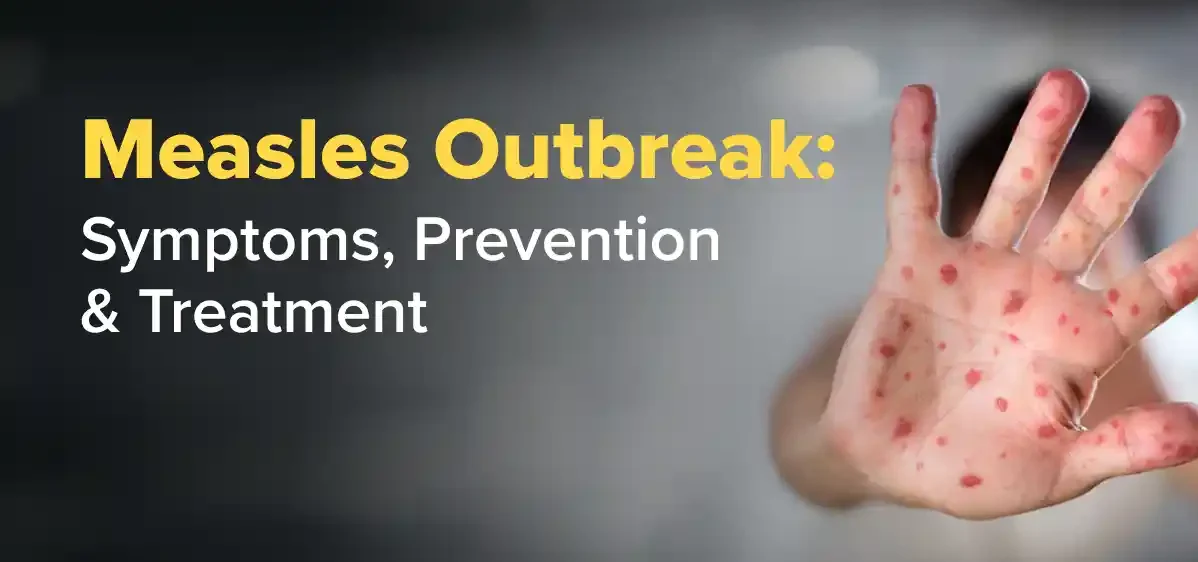
Introduction Measles cases in the United States have reached record levels, marking the highest number of infections since the disease was officially declared eliminated. The surge is raising concerns among public health officials, pediatricians, and parents nationwide. Measles is a highly contagious viral illness that can cause serious complications, particularly in children and those with weakened immune systems. Understanding the symptoms, transmission, and preventive measures is crucial for controlling the outbreak and protecting vulnerable populations. What is Measles? Measles is a viral infection caused by the measles virus, a member of the paramyxovirus family. The virus spreads through respiratory droplets when an infected person coughs or sneezes. Because it is highly contagious, measles can quickly infect unvaccinated individuals, particularly in communities with low vaccination coverage. Symptoms typically appear 7–14 days after exposure and include high fever, cough, runny nose, red eyes, and a characteristic red rash that spreads across the body. Symptoms of Measles Recognizing early measles symptoms is essential for timely medical care and preventing further transmission. The initial symptoms often mimic a common cold, including fever, cough, nasal congestion, and fatigue. Red, watery eyes are another hallmark feature. Within a few days, a rash typically appears, beginning on the face and spreading downward. In severe cases, complications such as pneumonia, encephalitis, or hospitalization may occur, particularly in young children and immunocompromised individuals. Causes of the Recent Measles Surge The current spike in cases is largely attributed to gaps in vaccination coverage. Public health experts point to vaccine hesitancy, misinformation, and disruptions to routine immunizations during the COVID-19 pandemic as key contributing factors. Travel to regions where measles is endemic can also introduce the virus into communities with low immunity, leading to outbreaks. https://www.who.int/news-room/fact-sheets/detail/measles How Measles Spreads Measles is one of the most contagious viruses known. It spreads primarily through droplets in the air when an infected person coughs or sneezes. The virus can linger on surfaces for several hours, meaning people can become infected even after contact with contaminated objects. This high transmissibility underscores the importance of vaccination and early identification of cases to prevent community spread. Vaccination and Prevention The most effective way to prevent measles is through vaccination. The MMR (measles, mumps, rubella) vaccine provides long-lasting immunity and is typically administered in two doses during childhood. Ensuring high vaccination coverage is critical for achieving herd immunity, measles outbreak which protects those who cannot be vaccinated due to medical reasons. Public health campaigns also emphasize hygiene measures, such as handwashing, isolating infected individuals, and avoiding contact with vulnerable populations during outbreaks. Complications of Measles While many children recover fully from measles, severe complications can occur. These include ear infections, diarrhea, pneumonia, and encephalitis, which can lead to long-term neurological damage or death. Infants, pregnant women, and immunocompromised individuals are particularly at risk. Prompt medical care, supportive treatments, and monitoring are essential to reduce the severity of these complications. Public Health Response Health authorities are closely monitoring the measles outbreak and working to contain it. Measures include increasing public awareness, providing catch-up vaccination campaigns, and tracking infection clusters. Schools and community organizations are also involved in ensuring children receive recommended immunizations to prevent further spread. Conclusion The surge in measles cases in the United States highlights the ongoing importance of vaccination, early detection, and public awareness. Parents, caregivers, and healthcare providers must remain vigilant in recognizing symptoms, ensuring timely vaccinations, and following public health guidelines. By maintaining high vaccination coverage and adopting preventive measures, measles outbreak communities can reduce the risk of further outbreaks and protect vulnerable populations from this highly contagious disease.

Read More

Brain Abscess Symptoms in Children: Causes and Trends

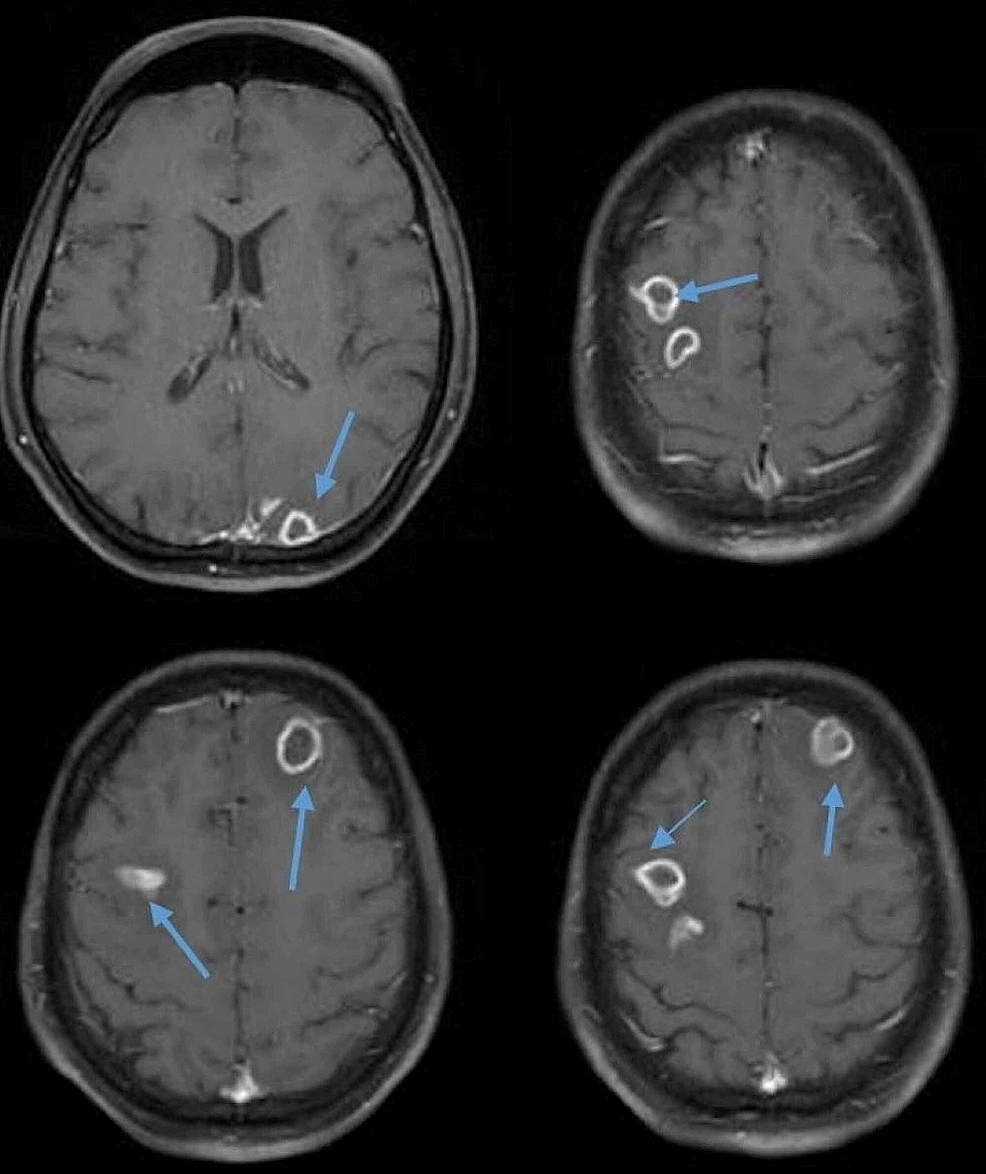
Introduction Brain abscess symptoms in children have drawn attention following a noticeable rise during the winter of 2022, coinciding with a surge in viral respiratory infections. Although these infections remain rare, the increase has prompted concern among pediatric specialists nationwide. Brain abscesses are localized pockets of infection within brain tissue, often resulting from common sinus or ear infections that spread to the brain. Recognizing the symptoms, understanding risk factors, and learning preventive measures are essential for parents and caregivers. What is a Brain Abscess in Children? A brain abscess occurs when bacteria or other pathogens infect the brain, forming a pocket of pus. In children, these infections often start as routine sinusitis or ear infections that travel to the brain. Though rare, brain abscesses are considered medical emergencies because they can rapidly worsen if untreated. Early recognition and treatment are critical to preventing complications and promoting full recovery. National Trends and Recent Increases Data collected from multiple children’s hospitals across the United States indicate that pediatric brain abscess cases surged in December 2022. This rise coincided with an unusually high number of respiratory infections, including influenza and RSV. While historically, the average monthly number of cases ranged from 30 to 60, the peak in December 2022 reached over 100 cases, representing a significant increase. Experts attribute this spike to secondary bacterial infections following widespread viral illness in children. How Brain Abscesses Develop Brain abscesses usually occur when an infection in another part of the body, such as the sinuses or ears, spreads to the brain. The immune system often contains infections in children, but under certain conditions, bacteria can travel through the bloodstream or directly invade brain tissue. Children recovering from severe viral infections are at higher risk, as viral illness can weaken local defenses and make the brain more vulnerable to secondary bacterial invasion. https://my.clevelandclinic.org/health/diseases/21777-brain-abscess Symptoms to Watch For Recognizing early brain abscess symptoms in children is crucial. Common warning signs include persistent headache, swelling around the eyes, fever, nausea, and neurological symptoms such as seizures or weakness. Parents should seek prompt medical attention if a child exhibits these symptoms, especially following a recent sinus or ear infection. Pediatric specialists emphasize that timely diagnosis can significantly improve outcomes. Treatment and Recovery Treatment for pediatric brain abscesses typically involves antibiotics and, in some cases, surgery to drain the infected area. Recovery can be prolonged, with some children requiring multiple procedures and rehabilitation. Despite the severity, most children recover fully with early intervention. Staying up to date on immunizations, including influenza and COVID-19 vaccines, can reduce the risk of brain abscess symptoms secondary infections that might lead to brain abscess formation. Preventive Measures for Parents Preventing brain abscesses in children starts with managing routine infections effectively. Prompt treatment of ear and sinus infections, monitoring for warning signs, and ensuring children receive recommended vaccines are all critical steps. Parents should also educate themselves about symptoms that warrant medical evaluation, such as localized headache, eye swelling, or prolonged fever. Understanding the Link Between Viral Illnesses and Secondary Infections Experts note that spikes in viral infections can lead to an increase in secondary bacterial infections. Following a particularly heavy season of respiratory viruses, bacteria can invade previously compromised areas, occasionally resulting in severe infections like brain brain abscess symptoms abscesses. Pediatric infectious disease specialists emphasize monitoring recovery closely and seeking care if symptoms worsen. Conclusion While brain abscesses in children remain uncommon, recent national trends highlight the importance of awareness, early recognition, and prompt treatment. Parents and caregivers should remain vigilant during respiratory virus seasons, ensuring routine infections are treated appropriately and children stay up to date on vaccinations. Understanding the causes, symptoms, and preventive measures can help safeguard children’s health and prevent serious complications.

Read More

Dopamine Deficit Symptoms: How to Reset Your Brain Naturally

Introduction Have you ever noticed that activities that once brought joy now feel dull, or that you spend hours on social media without real enjoyment? These are common dopamine deficit symptoms, indicating an imbalance in dopamine, a key neurotransmitter responsible for motivation, reward, and pleasure. Modern life exposes the brain to highly stimulating foods, behaviors, and digital media that can overwhelm the reward system, leading to reduced satisfaction from everyday activities. Understanding these symptoms and learning how to restore dopamine balance can help bring back motivation, focus, and genuine enjoyment in life. What Dopamine Is and Why It Matters Dopamine is a chemical messenger produced in the brain that communicates between neurons, helping regulate essential processes such as mood, motivation, and the perception of pleasure. It allows the brain to evaluate experiences and assign them a sense of reward, guiding behavior toward activities necessary for survival and well-being. Dopamine is not solely responsible for pleasure, but it is one of the most important neurotransmitters for measuring the brain’s response to rewarding stimuli. When dopamine levels are balanced, simple pleasures feel satisfying, and motivation to pursue goals remains high. Signs of Dopamine Deficit A dopamine deficit can develop when the brain’s reward system is overstimulated repeatedly, leading to a downregulation of dopamine receptors. When this happens, everyday activities that once felt enjoyable may no longer bring satisfaction, leaving individuals feeling unmotivated and emotionally flat. People experiencing dopamine deficit often struggle to find excitement in hobbies, lose interest in social interactions, and rely on high-stimulation activities like video games, social media, or ultraprocessed foods to feel temporarily engaged. This pattern can create a cycle where dopamine release from natural rewards feels insufficient, driving cravings for stronger or faster sources of pleasure. How Modern Lifestyles Affect Dopamine Contemporary life is filled with easily accessible high-potency rewards. Ultraprocessed foods with high sugar content, addictive digital media, and social comparisons on social platforms all trigger intense dopamine responses. Unlike natural sources of pleasure, these modern stimuli often provide immediate and concentrated dopamine surges, which the brain may struggle to regulate. Over time, constant exposure can lower the baseline of pleasure, making normal daily activities feel less satisfying. Additionally, the convenience of modern life reduces friction to access these rewarding behaviors, increasing the likelihood of overconsumption and further disrupting dopamine balance. The Connection Between Dopamine and Addiction Dopamine plays a central role in addiction because it regulates the brain’s reward pathway. When highly stimulating behaviors or substances are repeatedly consumed, the brain adapts by reducing the sensitivity of dopamine receptors, which diminishes the sense of pleasure from normal activities. This adaptation can lead to tolerance, requiring more intense stimulation to achieve the same effect. Withdrawal symptoms such as irritability, anxiety, and low mood may appear when the behavior or substance is unavailable. Addiction is not limited to drugs or alcohol; digital media, sugar, and other highly rewarding behaviors can also hijack the brain’s dopamine dopamine deficit symptoms system, producing similar compulsive patterns. Strategies to Reset Dopamine Balance Restoring dopamine balance requires intentional changes to daily habits and environments. One effective approach is a structured abstinence period, often referred to as a dopamine fast. This involves avoiding the behavior or substance that is overstimulating for a set period, typically around 30 days. During this time, individuals may experience temporary discomfort as the brain adjusts, but over a few weeks, simple pleasures regain their appeal, and motivation returns. Another important strategy is creating physical and behavioral barriers to overstimulating activities. For instance, removing ultraprocessed foods from the home or scheduling limited, intentional time for social media can help reduce compulsive consumption. Surrounding oneself with people who practice healthy behaviors also reinforces positive habits. After the abstinence period, reintroducing these activities in a controlled, intentional way allows for moderation while maintaining balance in the reward system. Lifestyle Changes to Support Dopamine Function “Natural ways to support dopamine include regular exercise, eating a balanced diet, getting enough sleep, and practicing mindfulness. Exercise helps increase dopamine receptor density, enhancing the brain’s response to natural rewards. Eating tyrosine-rich foods such as eggs, nuts, and lean proteins helps the body produce dopamine. Quality sleep regulates dopamine sensitivity, while meditation and mindfulness reduce stress and improve emotional regulation. Setting achievable goals and celebrating small successes also creates healthy dopamine responses, reinforcing motivation and positive behavior. https://med.stanford.edu/addictionmedicine.html Preventing Future Dopamine Deficits Maintaining balanced dopamine levels requires awareness and intentional planning. Limiting exposure to high-potency rewards, monitoring digital media usage, and creating environments that support moderation are key strategies. Intentional self-binding can prevent overconsumption. This includes setting boundaries around screen time or keeping tempting foods out of reach. Engaging in social circles that model balanced behavior further reinforces healthy patterns. By managing these influences consciously, individuals can maintain a stable dopamine system. This helps reduce dopamine deficit symptoms and brings more enjoyment and motivation to daily life. Conclusion Dopamine deficit can quietly undermine motivation, pleasure, and overall life satisfaction. Recognizing the signs and understanding what disrupts dopamine balance can help. Using intentional strategies to reset the reward system restores joy in simple activities. Structured abstinence, environmental changes, and healthy lifestyle practices can help regain dopamine balance and rediscover natural sources of pleasure..

Read More