
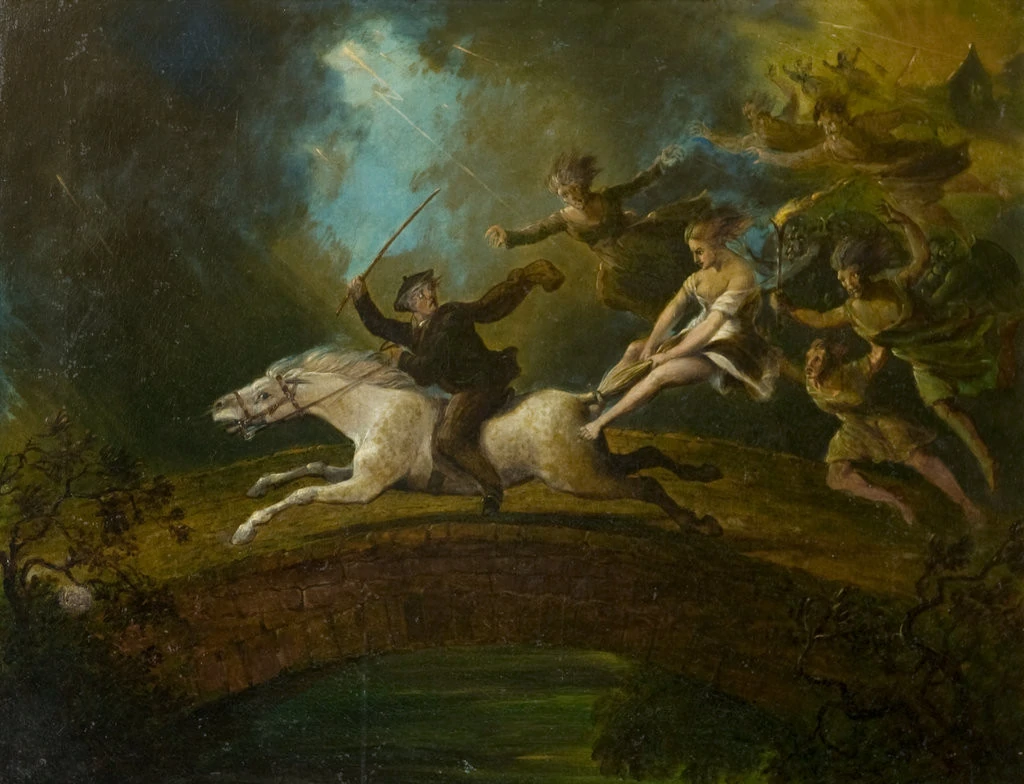
Why Tam O’Shanter by Robert Burns Remains a Masterpiece of Scottish Literature
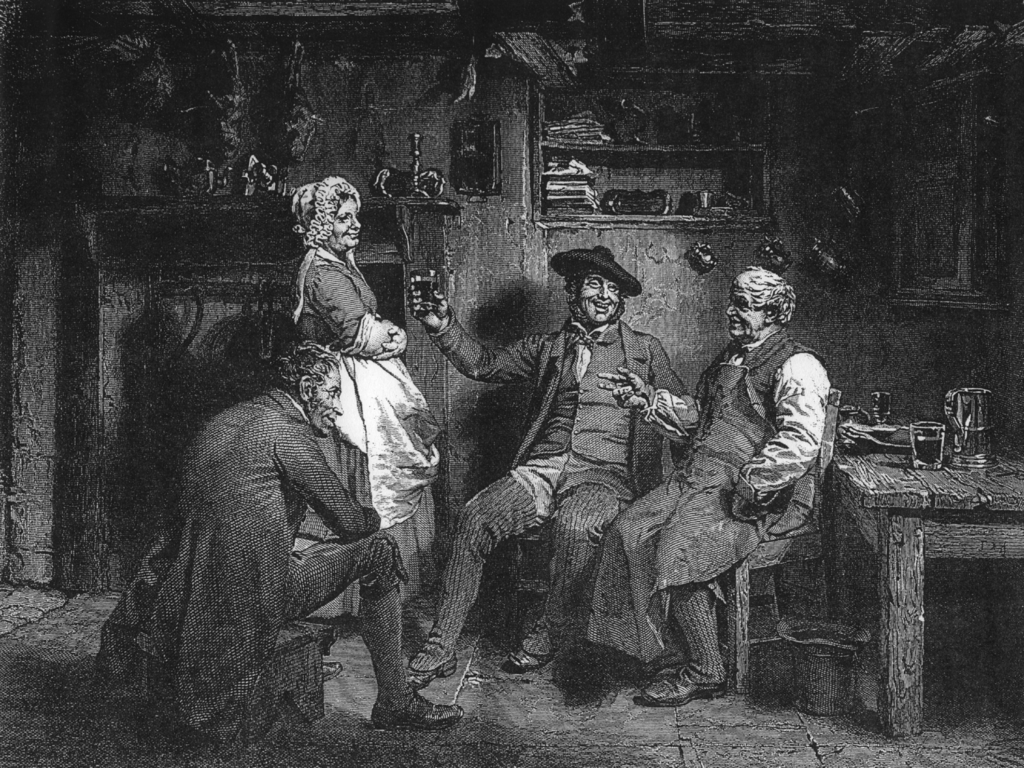
Tam O’Shanter by Robert Burns is more than a tale of witches and revelry—it is a richly layered masterpiece that blends humor, horror, and human insight. First published in 1791, the poem remains a centerpiece of Burns Night celebrations worldwide. Scotland’s national poet, Robert Burns, used this work to capture the universal human experience, making it both entertaining and thought-provoking.
Tam O’Shanter by Robert Burns and Its Enduring Appeal on Burns Night
Every year, Burns Night commemorates the poet’s birthday on 25 January. Across the globe, people celebrate with haggis, whisky, and readings of Burns’s poems. Tam O’Shanter is often recited alongside classics like Ae Fond Kiss, To a Mouse, and Auld Lang Syne. While its plot is lively and humorous, the poem contains deeper reflections on human nature, morality, and society.
The Story Behind Tam O’Shanter by Robert Burns
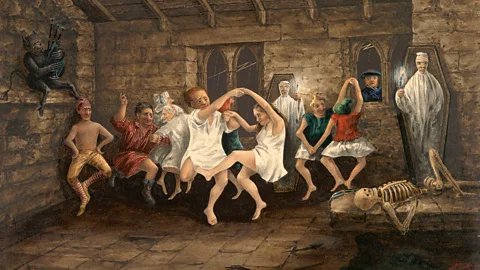
The poem follows Tam O’Shanter, a farmer who enjoys drinking nearly as much as working. One stormy night, after spending hours at the pub with his friend Souter Johnnie, he rides home on his horse, Maggie. On his way, he stumbles upon a supernatural gathering in Alloway’s Auld Kirk, where witches and warlocks dance to the devil’s bagpipes. Tam’s mischievous exclamation, “Weel done, Cutty-sark!” directed at the young witch Nannie, triggers a frantic chase, culminating in Maggie losing her tail as they escape across the River Doon.
Humor, Darkness, and Human Insight
While the story contains thrilling action and supernatural elements, Burns also weaves in humor, social commentary, and philosophical reflection. The poem balances bawdy jokes with chilling imagery, offering tributes to friendship, the joys of indulgence, and the transient nature of pleasure. Its clever use of Scots and English adds depth and accessibility, making it a standout in Scottish literature.
Burns’s Mastery of Form and Style
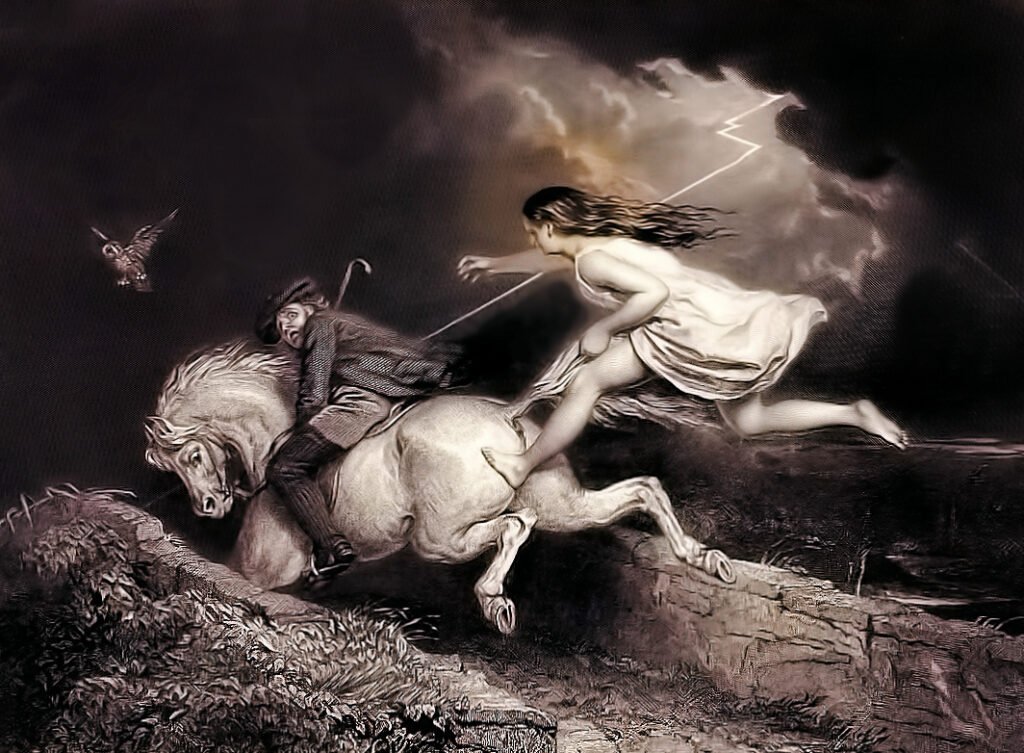
Tam O’Shanter is written in rhyming iambic tetrameter, showcasing Burns’s versatility. He blends folk traditions, literary genres, and linguistic styles, demonstrating virtuosity in narrative and rhythm. Through Tam’s adventures, Burns paints a vivid picture of 18th-century Scottish life, folklore, and human folly. The poem’s universal themes and memorable characters contribute to its enduring appeal.
Universal Themes and Character Insight
The poem’s central figure, Tam, represents the “everyman,” reflecting Burns’s egalitarian ideals. Through humor and exaggeration, Burns explores masculine foibles, human appetites, and the complexities of social interaction. Women, too, may recognize aspects of themselves in the story, as the poem examines universal human traits such as ambition, desire, and vulnerability.
Legacy and Lasting Influence
Even centuries later, Tam O’Shanter by Robert Burns continues to captivate readers and performers alike. It remains a staple of Burns Night, celebrated for its lively storytelling, philosophical depth, and exploration of human nature. The poem’s clever combination of humor, horror, and compassion ensures its place as one of Scotland’s most treasured literary works.