































Shark Attacks in Australia: Safest Beaches and Times to Swim
Shark Attacks in Australia: How to Stay Safe in the Water Australia’s coastline attracts millions of visitors each year, yet recent shark attacks have reminded..

by
Read Time
Shark Attacks in Australia: How to Stay Safe in the Water
Australia’s coastline attracts millions of visitors each year, yet recent shark attacks have reminded swimmers and surfers of the importance of ocean safety. While the overall risk of shark attacks in Australia remains low, understanding where, when, and how to enter the water can significantly reduce danger.
Which Sharks Are Most Likely to Attack Humans?
The majority of shark attacks in Australia occur in New South Wales, due to its dense population of surfers and beachgoers. Common species involved include:
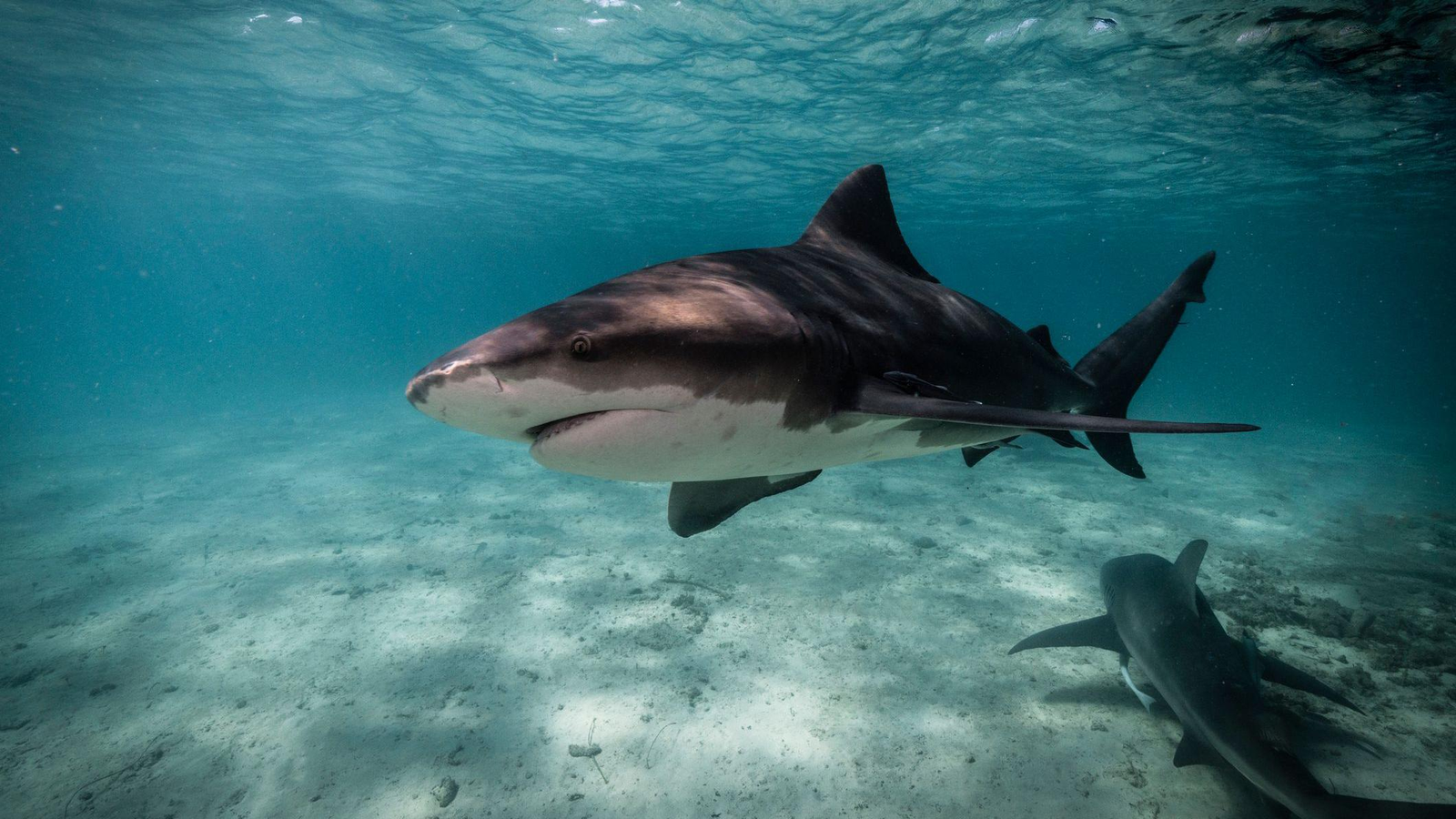
- Bull sharks: Known for tolerating freshwater, they frequent river mouths and shallow coastal areas. They are most active in murky water, after heavy rain, or during dawn and dusk.
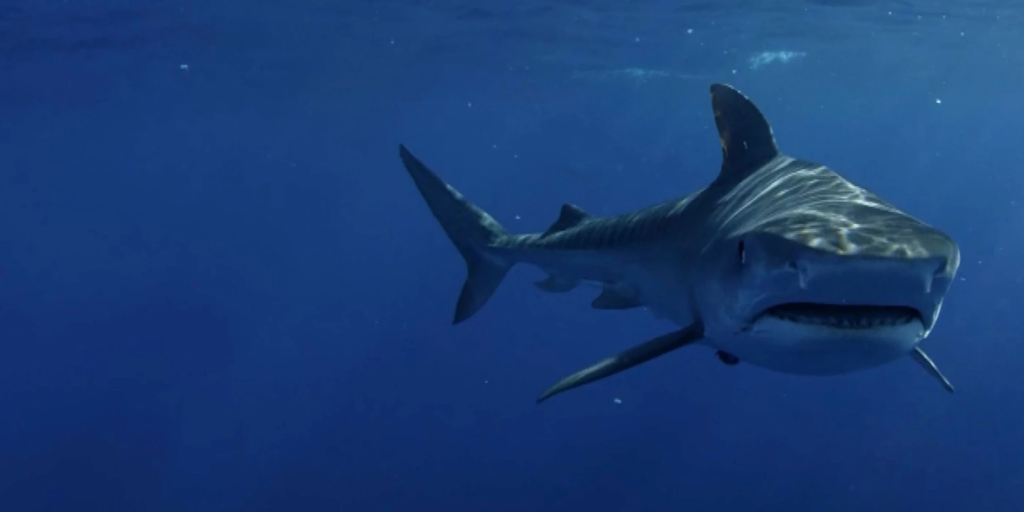
- Tiger sharks: Prefer tropical waters and are more commonly reported in Queensland and northern coastal regions.
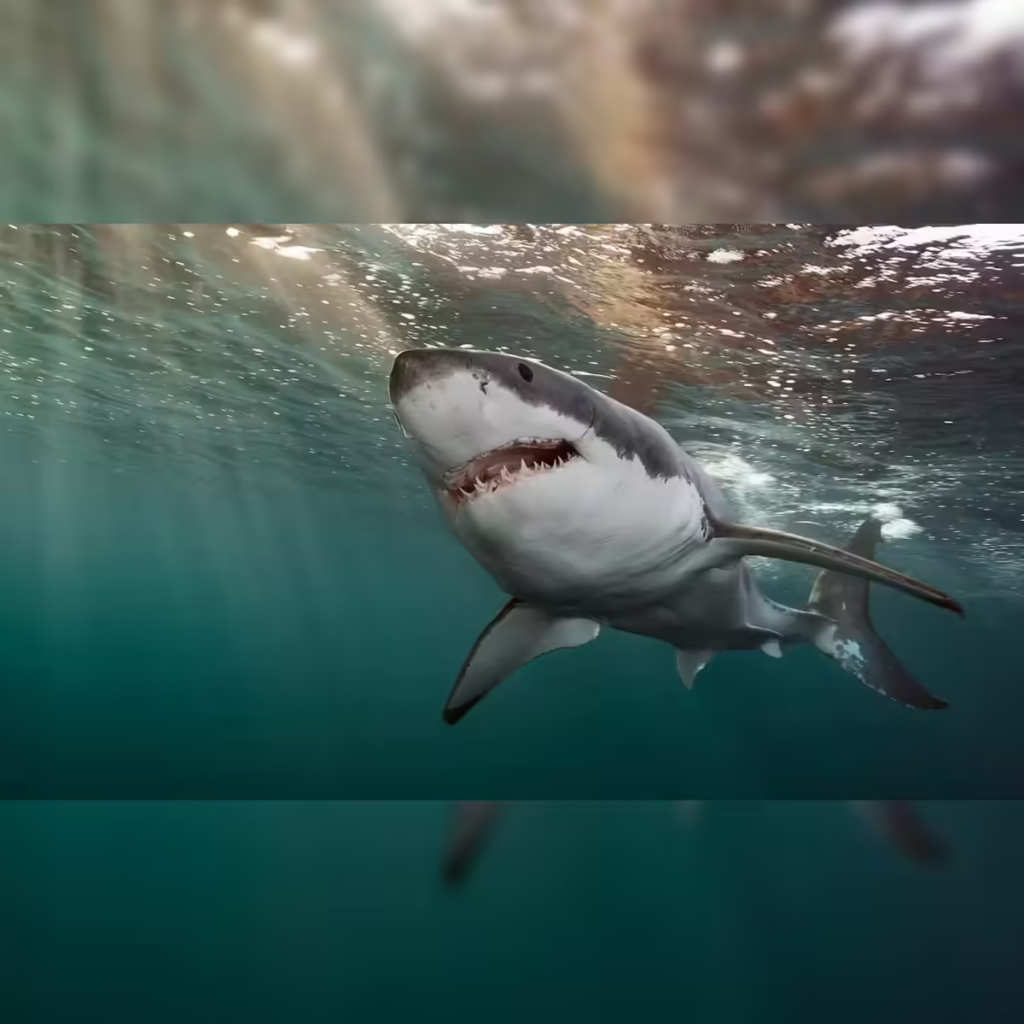
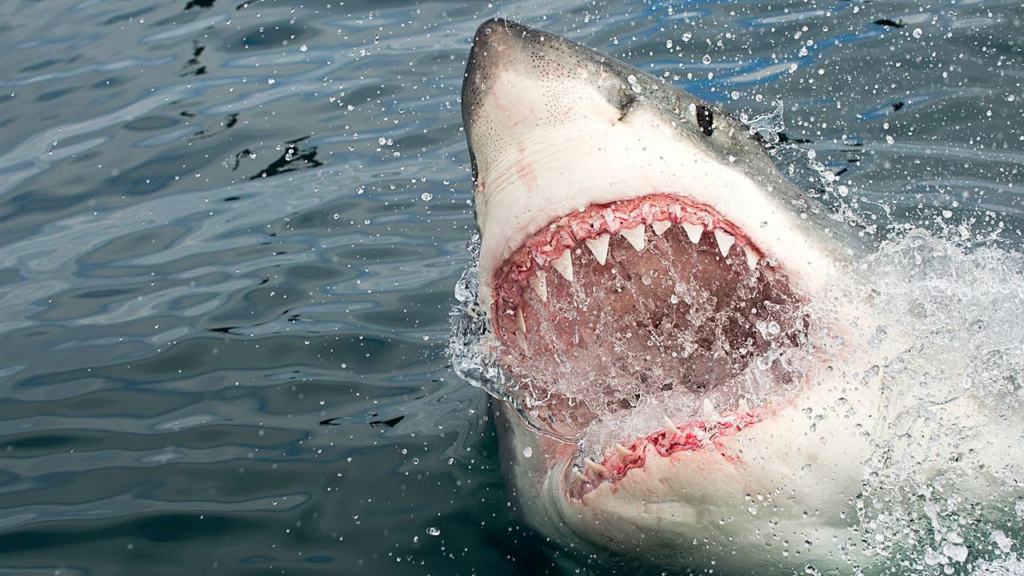
- Great white sharks: Favor cooler, temperate waters and are often sighted off southern Australia and NSW beaches during winter and spring.
Western Australia has also seen shark attacks over the years, particularly in areas like Margaret River, Exmouth, and Esperance, reflecting the rich marine biodiversity of the region.
Seasonal Patterns of Shark Activity
Shark encounters are influenced by water temperature, prey availability, and seasonal migration. Key patterns include:
- Bull sharks: Most active in warmer months, particularly January to February, along southern and eastern coastlines.
- Great whites: Peak activity from August to November in NSW, and September to December in WA.
- Tiger sharks: Higher encounters during Queensland’s summer months (December to February).
- Sharks often follow whale migrations between April and November, increasing their presence near the shore.
Times to Avoid Swimming
Sharks are more likely to attack in low-visibility conditions, including:
- Dawn and dusk
- Nighttime swimming
- Murky water after storms or heavy rain
Experts warn that bull sharks are especially dangerous in estuaries and rivers after floods, as they move upstream in search of prey. Even minor rainfall events can increase shark activity near the coast, so swimmers should exercise caution. Experts warn that bull sharks are especially dangerous in estuaries and rivers after floods, as they move upstream in search of prey. Even minor rainfall events can increase shark activity near the coast, so swimmers should exercise caution. Experts warn that bull sharks are especially dangerous in estuaries and rivers after floods, as they move upstream in search of prey. Even minor rainfall events can increase shark activity near the coast, so swimmers should exercise caution. https://www.youtube.com/shorts/UvWEpBj94tM
Weather, Water Conditions, and Risk
Environmental factors play a significant role in shark behavior:
- Heavy rain or floods: Increase turbidity and attract baitfish, drawing sharks closer to shore.
- Warm water: Raises sharks’ metabolic rates, prompting more active feeding.
- Storms: Can agitate sharks, leading them to move into areas where humans swim.
Understanding local weather patterns can help beachgoers reduce risk.
Surfing and Swimming Precautions
Experts recommend the following to minimize encounters:
- Swim between red and yellow flags: Lifeguards use these areas for maximum surveillance and drone monitoring.
- Avoid high-contrast clothing: Bright colors like yellow can attract sharks.
- Surf in groups: The presence of multiple people can deter sharks and increase early detection.
- Check local knowledge: Speak with lifeguards, dive centers, and fishers to learn about recent shark activity.
Safest Beaches in Australia
While shark attacks are rare, some beaches offer extra protection:
- NSW: Patrolled beaches like Bondi, Manly, and Byron Bay.
- Queensland: Beaches with lifeguard patrols, especially around the Whitsundays.
- Western Australia: Popular surf spots with lifeguards, such as Cottesloe and Margaret River.
Staying on patrolled beaches, following safety advice, and avoiding risky times dramatically lowers the likelihood of shark encounters.
Final Tips for Ocean Safety
While sharks are an integral part of Australia’s marine ecosystem, informed swimming habits reduce risk. Key takeaways:
- Check water conditions before entering.
- Avoid swimming alone, especially at dawn or dusk.
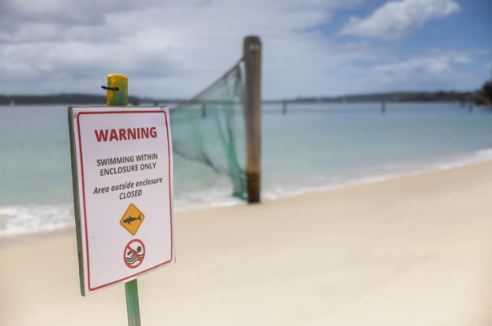
- Respect warning signs and patrol advice.
- Learn first aid and keep basic equipment nearby.
- Stay aware of local wildlife activity.
Author

About The Author

About the Author

Previous Post
Next Post
About


Latest News
Search the Archives
Access over the years of investigative journalism and breaking reports
You May Have Missed

Leave a Reply