

Menstrual Blood Health Insights: What Period Blood Can Reveal About the Body
Menstrual blood health insights are becoming an important area of scientific research. For decades, medical testing has relied mainly on blood drawn from veins, urine samples, and tissue biopsies. However, scientists now believe menstrual blood could provide a powerful new way to study reproductive health and detect disease earlier.

Menstrual fluid is not simply blood. It contains a complex mixture of hormones, proteins, immune cells, bacteria, and tissue shed from reproductive organs. Because it originates directly from the uterus and surrounding structures, it may offer valuable clues about conditions affecting women’s health.
Why Menstrual Blood Health Insights Matter for Diagnosis
Researchers have long struggled to diagnose certain reproductive disorders quickly. One example is Endometriosis, a painful condition where tissue similar to the uterine lining grows outside the uterus.
This disorder affects nearly 190 million women worldwide and often leads to:
- severe pelvic pain
- heavy menstrual bleeding
- digestive or bladder issues
- infertility in some cases
Despite its prevalence, diagnosis frequently takes many years because confirmation usually requires Laparoscopy, a surgery involving a small camera inserted into the pelvic cavity.
Scientists are exploring whether menstrual blood could offer a non-invasive alternative for identifying the condition.
What Makes Menstrual Blood a Unique Medical Sample
Experts describe menstrual fluid as one of the most information-rich biological samples available.
It contains cells and molecular markers originating from:
- the uterus
- cervix
- fallopian tubes
- ovaries
- vaginal tissues
Unlike standard blood tests, menstrual samples provide direct insight into reproductive organs. Researchers have identified hundreds of proteins and cell types present only in menstrual fluid.
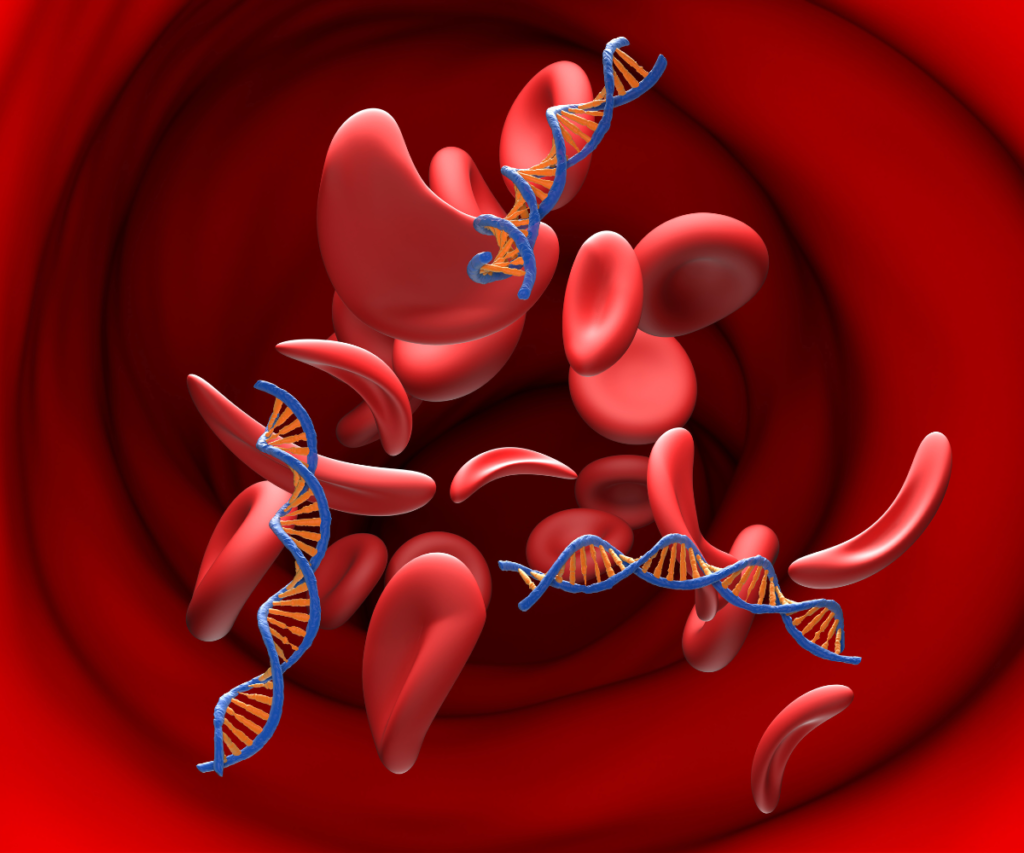
This broad biological snapshot allows scientists to examine uterine health more comprehensively than traditional biopsy methods, which collect only small tissue fragments.https://www.youtube.com/watch?v=edXx6gBwQ0s
Searching for Biomarkers Using Menstrual Blood Health Insights
A key focus of current studies is identifying biomarkers — measurable biological indicators of disease.
Early findings suggest that menstrual samples from individuals with endometriosis show clear biological differences compared with those without the condition. For example:
- lower levels of uterine natural killer immune cells
- increased inflammatory activity in uterine tissue cells
- altered gene expression patterns
These variations could eventually help researchers develop reliable diagnostic tests that detect disease earlier and without surgery.
If successful, future home-testing kits may allow people to collect samples using menstrual cups or tampons and send them to laboratories for analysis.
Beyond Reproductive Disorders: Wider Health Clues
Menstrual blood health insights extend beyond gynecological conditions.
Scientists are investigating whether menstrual samples could help detect:
Metabolic Disorders
Studies indicate that glucose levels in menstrual blood closely reflect overall blood sugar levels. This could help monitor Type 2 Diabetes.
Hormonal Imbalances
Changes in hormone patterns could reveal thyroid disorders such as Hypothyroidism or Hyperthyroidism.
Viral Infections
Researchers are studying whether menstrual samples can detect Human Papillomavirus, which is linked to Cervical Cancer.
Immune and Inflammatory Diseases
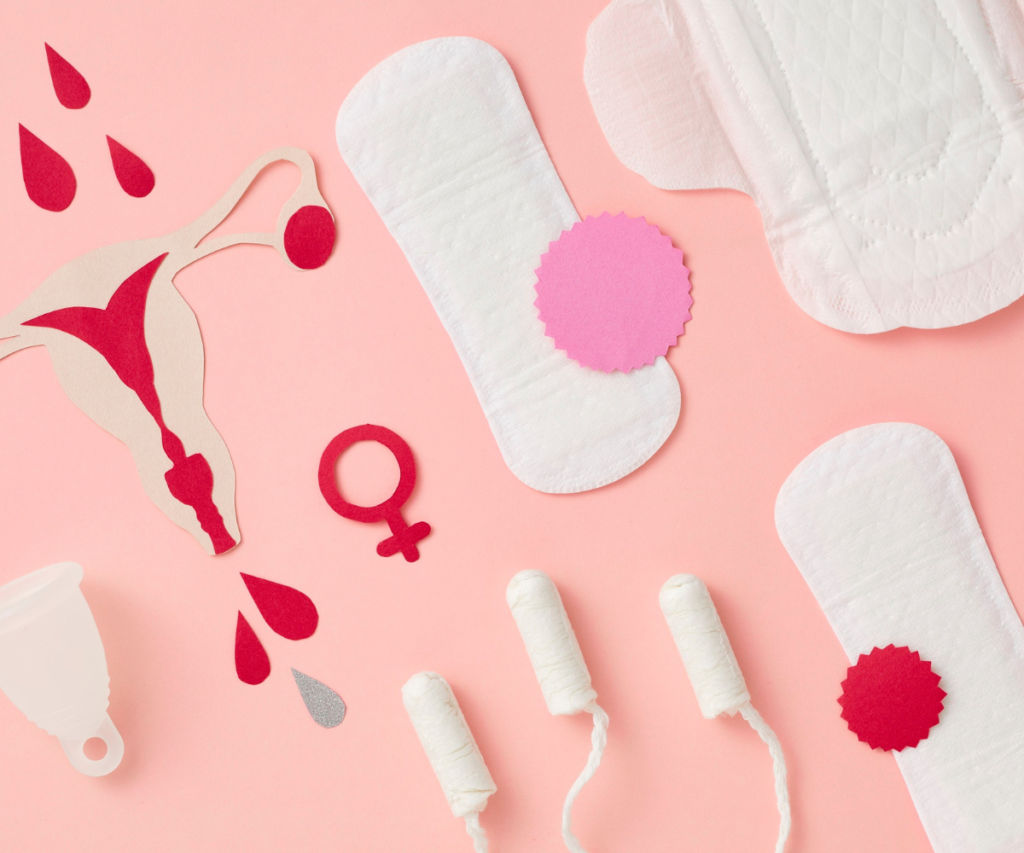
Because the menstrual cycle involves cycles of inflammation and healing, the fluid may help researchers better understand conditions such as autoimmune disorders.
New Technologies for At-Home Health Testing
Several biotechnology startups are developing menstrual blood diagnostic tools.
One approach uses specially designed tampons that capture biological material during menstruation. Another innovation is a sanitary pad equipped with a removable sample strip that can be mailed to a laboratory.
These technologies aim to create convenient health tests that people can perform privately at home. Potential future screenings could include:
- reproductive disease markers
- hormone levels
- infection screening
- metabolic health indicators
Such tools could transform preventive healthcare by making testing more accessible and less invasive.
The Future of Menstrual Blood Health Insights
Although research is still evolving, menstrual blood is increasingly recognized as a valuable diagnostic resource.
The ability to collect samples regularly, without needles or surgical procedures, makes it particularly attractive for long-term monitoring of health conditions.

Scientists believe that as laboratory technologies advance, menstrual blood analysis may eventually help detect multiple diseases earlier, improve reproductive health care, and expand understanding of how the female body functions.
What was once overlooked as medical waste could soon become one of the most informative biological samples in modern medicine.