
Lumumba Drink Germany: The Nostalgic Winter Beverage Sparking Debate
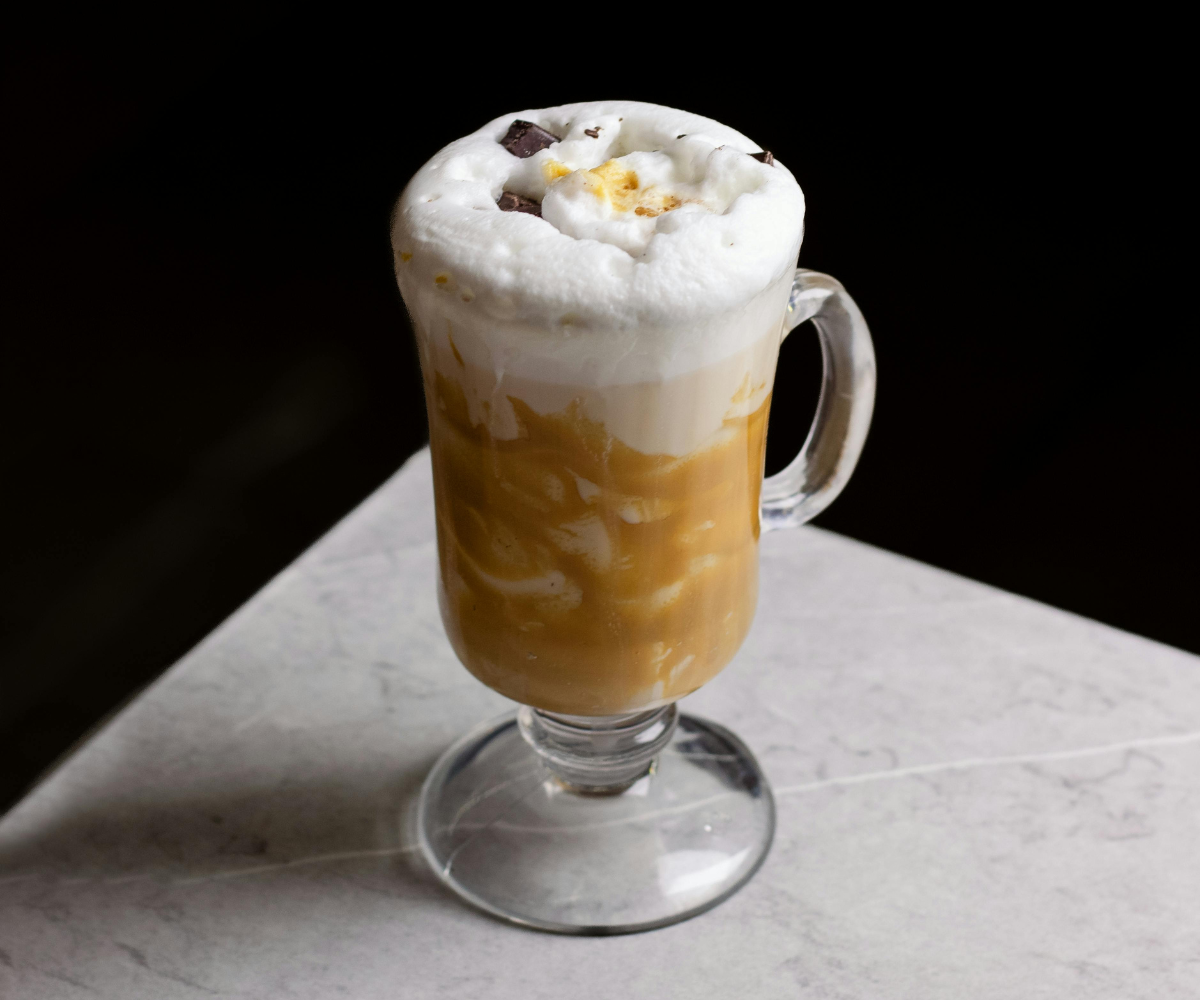
Lumumba drink Germany is a popular winter cocktail enjoyed at Christmas markets and festive gatherings across the country. Across Germany’s winter markets, visitors gather around wooden stalls glowing with warm lights while snow falls softly across historic town squares. In the chilly air, many people order a comforting drink made with hot chocolate, alcohol and whipped cream. Known as the Lumumba drink, this rich and warming beverage has become a seasonal favourite in several parts of Northern Europe.
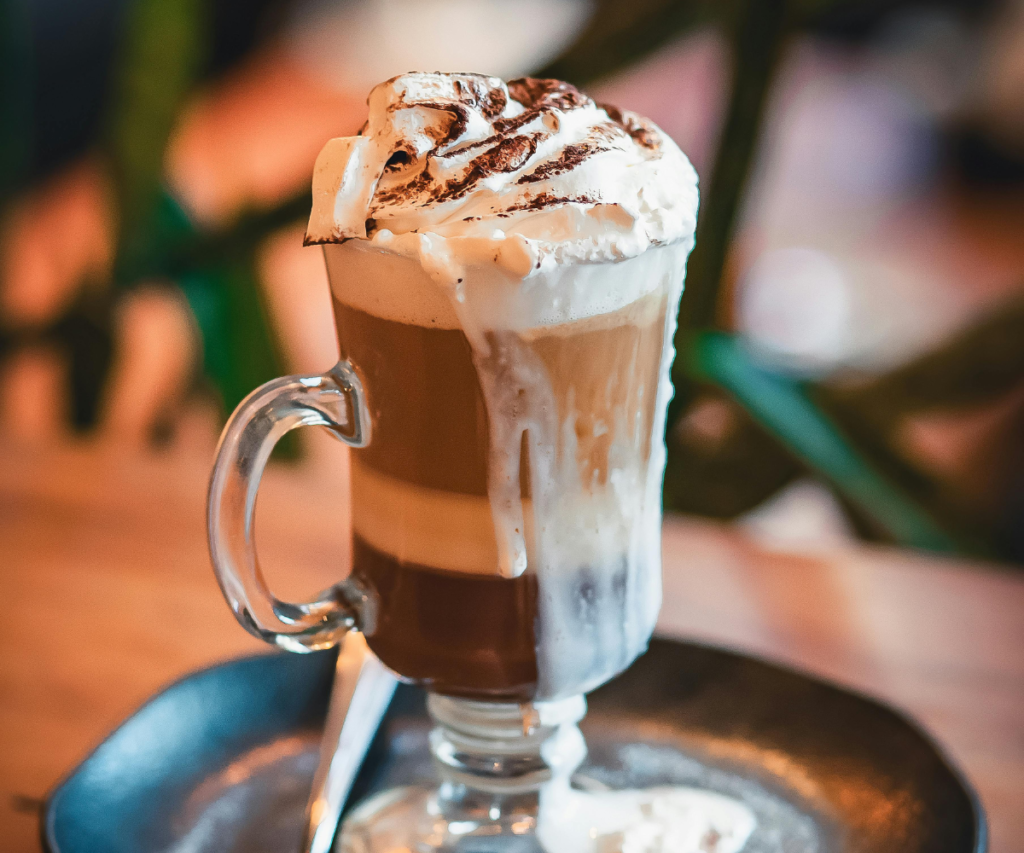
For decades, the drink has been enjoyed during the holiday season, especially at Christmas markets and ski resorts. Visitors sip the warm cocktail while browsing festive stalls, watching ice skaters or strolling through decorated town squares. For many locals, the drink represents winter traditions, nostalgia and the festive atmosphere of the season.
However, in recent years the Lumumba drink Germany has become the subject of a growing cultural discussion. Some critics question whether the drink’s name, connected to a historical political figure, is appropriate for a casual holiday beverage.
Lumumba Drink Germany and Its Popularity at Winter Markets
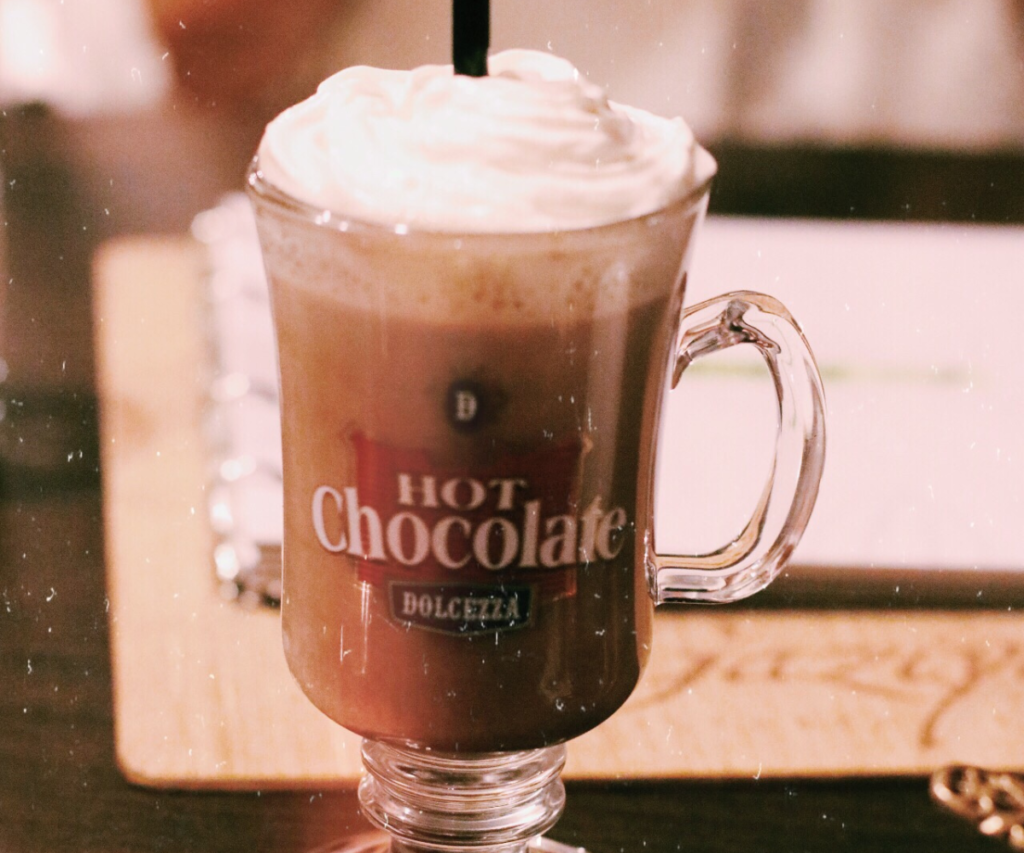
The Lumumba drink is a simple yet indulgent cocktail made from hot chocolate combined with rum or brandy and topped with whipped cream. It is particularly popular in Germany, Austria, Denmark, the Netherlands and Spain.
At German Christmas markets, the drink often appears alongside other seasonal favourites such as mulled wine and spiced cider. Its rich chocolate flavour and warming alcohol make it ideal for cold winter nights.
For many visitors, ordering the drink is part of the traditional Christmas market experience. Families, friends and tourists gather around market stalls holding steaming mugs while enjoying the festive atmosphere.
Despite its popularity, the name of the drink has increasingly attracted attention and debate.
The Historical Figure Behind the Lumumba Name
The drink’s name refers to Patrice Lumumba, the first prime minister of the Democratic Republic of the Congo. Lumumba became a significant figure in African independence movements during the early 1960s.
He played an important role in Congo’s struggle to end colonial rule but was assassinated in 1961 during a period of political conflict influenced by Cold War tensions.
Because of his role in anti-colonial movements, Lumumba later became widely recognised as a symbol of independence and political resistance across Africa and beyond.
The connection between such a historical figure and a winter cocktail has raised questions among historians and cultural commentators.
Why the Lumumba Drink Germany Debate Emerged
In recent years, discussions about colonial history and historical memory have gained attention across Europe. As part of this wider conversation, the name of the Lumumba drink has been re-examined.
Some critics argue that using the name of a political leader who was assassinated may be insensitive. Others believe the drink’s name might have originated during the Cold War era, when Lumumba’s reputation was viewed differently in Western media.
Supporters of the traditional name argue that most people simply see the drink as a harmless winter beverage with a long history. For them, the name has become part of holiday culture rather than a political statement.
The debate has therefore developed into a broader discussion about how history is remembered and represented in everyday life.
Origins of the Lumumba Drink in Europe
The exact origin of the Lumumba drink remains unclear. Some sources suggest the cocktail appeared in Germany during the early 1960s, while others believe similar versions were served in Spanish coastal bars.
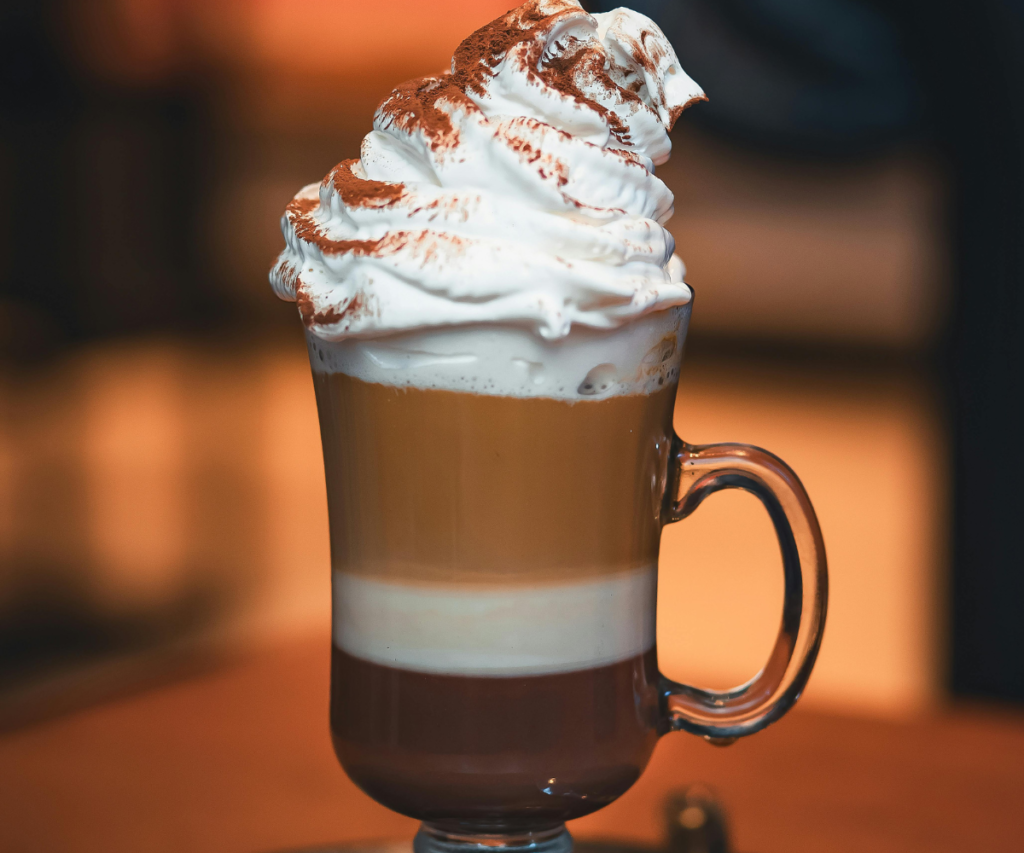
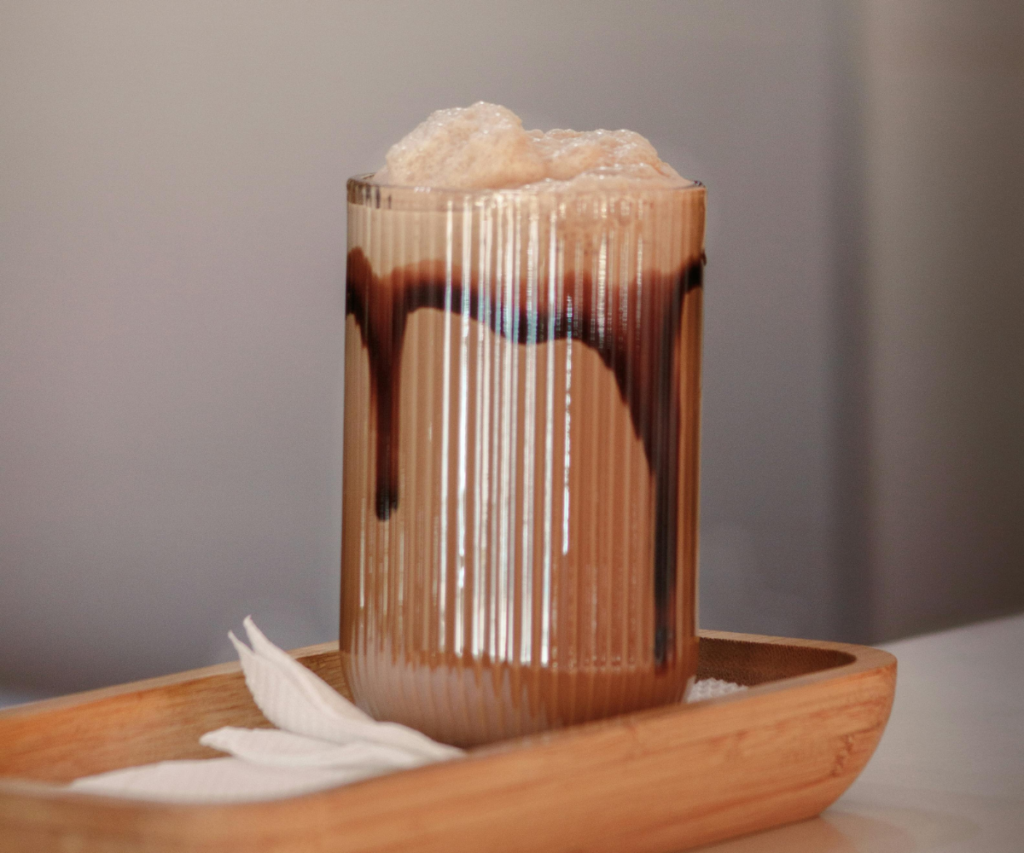
Different regions have also created variations of the drink. In some places it may include coffee instead of chocolate, or different spirits such as amaretto or orange liqueur.
In parts of northern Europe, alternative names have also been used. Despite these variations, the classic combination of hot chocolate and rum remains the most familiar version.
Changing Perspectives on the Lumumba Drink Germany
As awareness of colonial history grows, some cities and event organisers have encouraged vendors to consider alternative names for the drink. Instead of banning the beverage, certain markets have suggested more descriptive titles such as “hot chocolate with rum.”
Some stallholders have chosen to keep the traditional name, while others have adopted new versions to avoid controversy.https://www.youtube.com/shorts/A3MJodQp_Fs
This response reflects a broader trend in which societies reconsider historical symbols and language while balancing tradition with cultural sensitivity.
A Winter Tradition Facing Modern Questions
For many people, the Lumumba drink remains a comforting part of winter celebrations. The warm mixture of chocolate, alcohol and whipped cream continues to attract visitors to Christmas markets every year.
At the same time, discussions about the drink’s name highlight how historical awareness can influence modern traditions.
Whether the drink keeps its original name or evolves into something new, the conversation surrounding the Lumumba drink Germany demonstrates how even familiar seasonal customs can carry deeper historical connections.