
Knitting for Mental Health: How a Simple Hobby Can Help Break Harmful Habits
In recent years, knitting for mental health has gained attention as a surprisingly effective way to manage stress and reduce harmful habits. Once viewed mainly as a relaxing pastime for older generations, knitting is now being explored as a therapeutic activity that may support emotional wellbeing and behavior change.
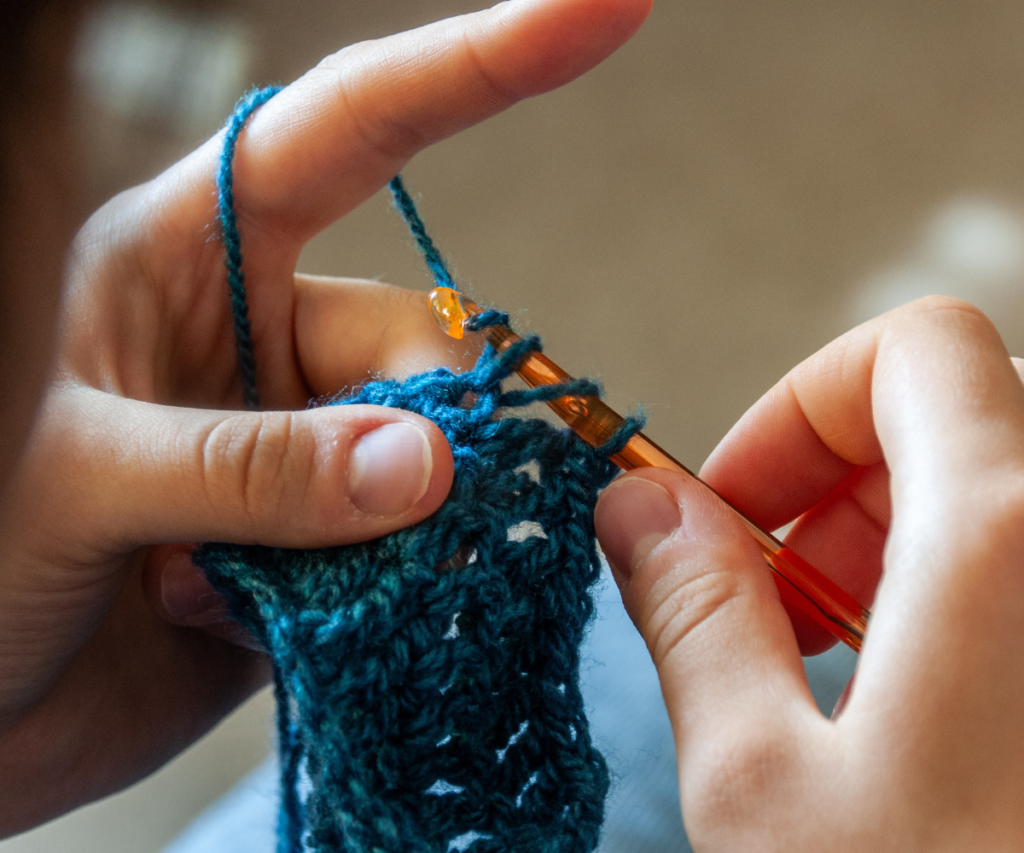
Mental health professionals and researchers are increasingly recognizing that repetitive crafts such as knitting and crocheting may help people control compulsive behaviors. These behaviors can range from nail biting and skin picking to excessive phone scrolling and even substance addiction.
Although knitting seems simple, its impact on emotional regulation and stress management can be significant for many individuals.
How Knitting for Mental Health Supports Emotional Regulation
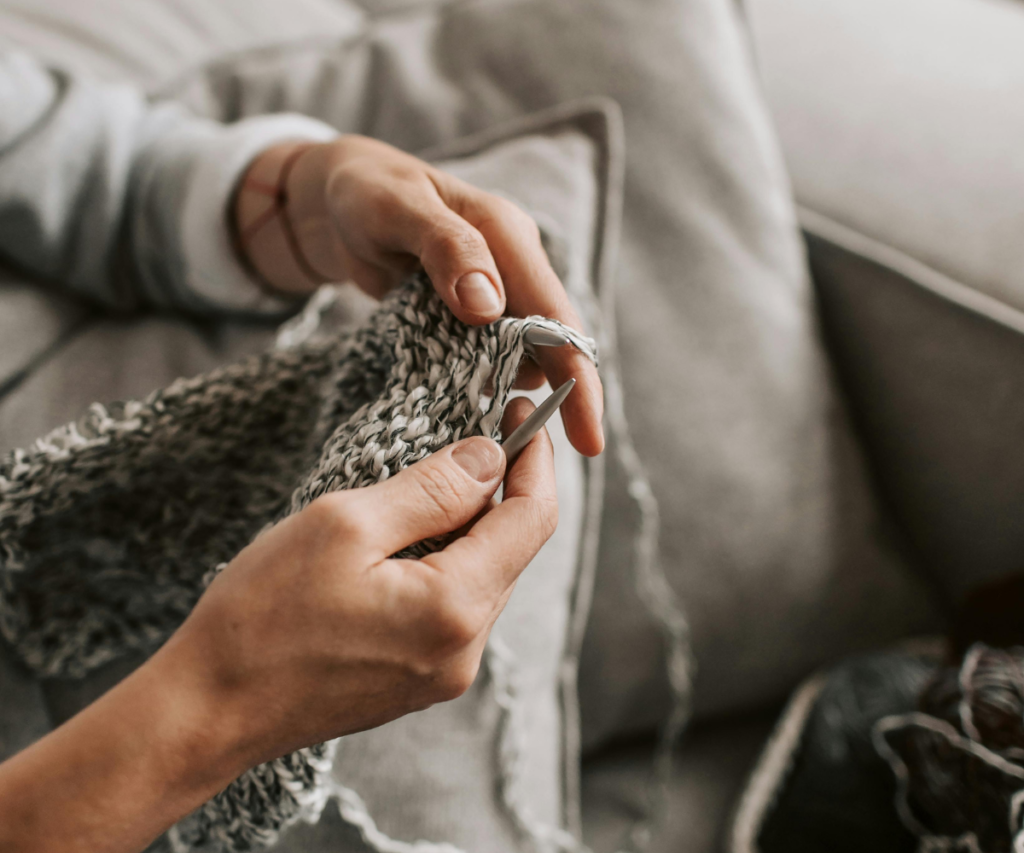
One reason knitting may help improve emotional wellbeing is its repetitive and rhythmic movement. The continuous motion of knitting needles and yarn creates a steady pattern that can calm the nervous system.
Many therapists compare this effect to relaxation techniques used in psychological treatments. When both hands work together in a repetitive motion, the brain becomes focused on the activity rather than stressful thoughts.
This type of focused activity may:
- reduce anxiety levels
- calm racing thoughts
- promote mindfulness
- improve emotional control
Some experts suggest that repetitive hand movements can activate the body’s natural relaxation response, helping the mind shift away from stress or negative emotions.
Why Knitting Helps Replace Harmful Habits
Knitting for mental health can also work as a habit replacement strategy. When someone is trying to break a harmful habit, keeping the hands busy can prevent the urge to engage in destructive behaviors.
For example, people often turn to harmful habits during moments of stress, boredom, or emotional discomfort. Knitting offers a healthier alternative by giving the hands and mind something productive to focus on.
Common habits that knitting may help reduce include:
- nail biting
- skin picking
- excessive social media scrolling
- smoking
- stress eating
By replacing the habit loop with a creative activity, individuals may find it easier to manage cravings and urges.
Research Exploring Knitting for Mental Health Benefits
Scientific research into knitting as a therapeutic activity is still developing, but early studies and surveys suggest promising results.https://www.youtube.com/watch?v=1CtQNlAe5Wk
In surveys among knitters and crocheters, a large percentage report that crafting helps them feel calmer and more relaxed. Many also say knitting improves their mood and reduces feelings of stress or anxiety.
Some small clinical studies have explored knitting in treatment environments where patients receive care for eating disorders or addiction. Participants often report that knitting helps them manage emotional triggers and focus their attention during difficult moments.
While more large-scale studies are needed, these early findings suggest knitting may play a supportive role in mental health treatment.
Knitting as a Tool for Addiction Recovery
Another interesting area of research is the role of knitting in addiction recovery programs.
When someone is attempting to quit smoking or other addictive behaviors, the physical routine of knitting can mimic the repetitive actions associated with the addiction. This makes the transition away from the habit easier for some people.
In recovery programs, knitting has been introduced as a creative coping tool that allows individuals to manage stress and avoid relapse triggers. Participants often report that knitting gives them a sense of accomplishment while keeping their hands occupied during moments when cravings appear.
Because knitting requires focus and patience, it may also help individuals rebuild concentration and emotional stability.
The Psychological Benefits of Creative Crafts
Knitting belongs to a larger category of creative hobbies known to support mental wellbeing. Activities that involve rhythm, pattern, and hand movement can help the brain enter a focused mental state sometimes described as “flow.”
During this state, people become deeply absorbed in the activity and temporarily forget about worries or stress.
Creative crafts like knitting can also provide:
- a sense of achievement
- improved concentration
- stress reduction
- better mood regulation
Over time, these benefits may contribute to improved overall mental health.
Challenges Beginners May Face
While knitting can become relaxing once learned, beginners often experience frustration at first. Learning new stitches and fixing mistakes requires patience.
Dropped stitches and tangled yarn are common early challenges. However, many knitting communities offer support through workshops, online tutorials, and local knitting groups.
Practicing regularly helps beginners develop the rhythm and confidence needed to enjoy the calming effects of knitting.
Not a Universal Solution
Although knitting can be helpful for many people, it is not the perfect solution for everyone. Some individuals may find the activity too difficult or uncomfortable for their hands.
Other repetitive activities such as drawing, crocheting, or using stress-relief tools may offer similar calming effects.
Mental health professionals emphasize that knitting should be viewed as a supportive wellness activity rather than a replacement for professional medical or psychological treatment.
The Growing Interest in Knitting for Mental Health
Interest in knitting for mental health continues to grow as people search for simple ways to manage stress and reduce harmful habits in daily life.
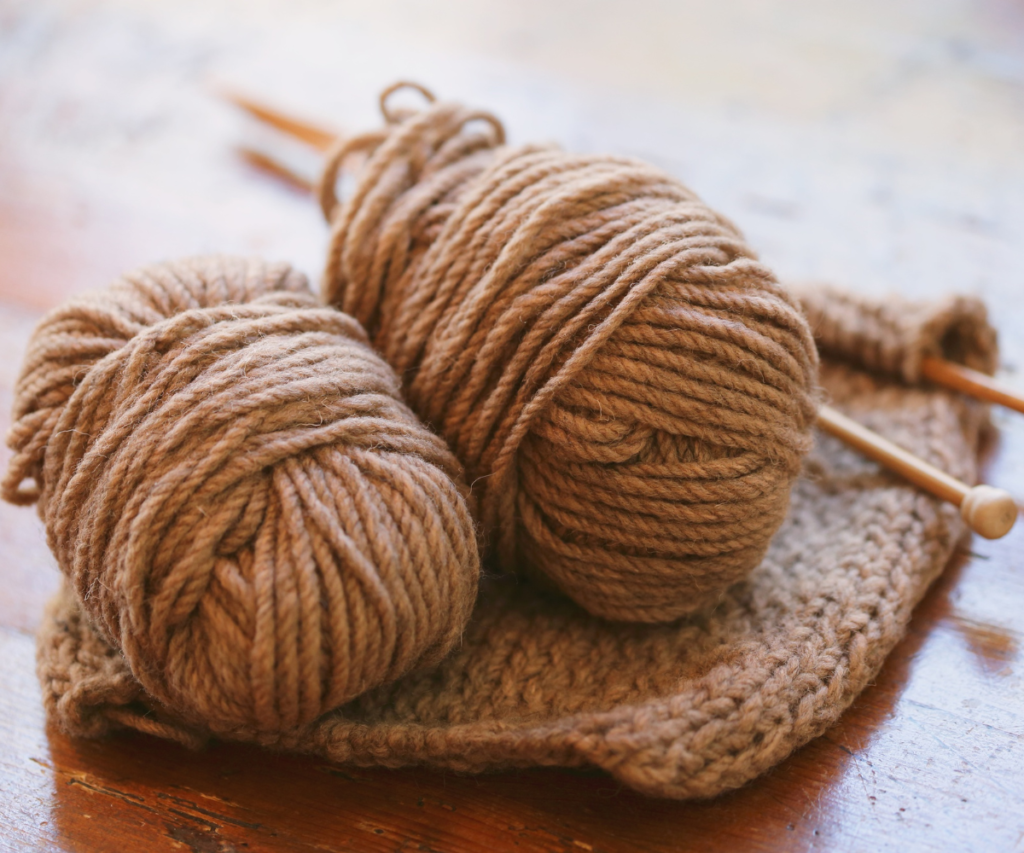
The hobby is inexpensive, portable, and accessible to people of all ages. With only yarn and needles required, knitting can be practiced almost anywhere—from living rooms to parks and public transport.
As research expands, knitting may become more widely recognized as a valuable self-care practice that supports emotional wellbeing and healthier lifestyle habits.