Human Impact on Raptors Is Changing How Birds of Prey Live
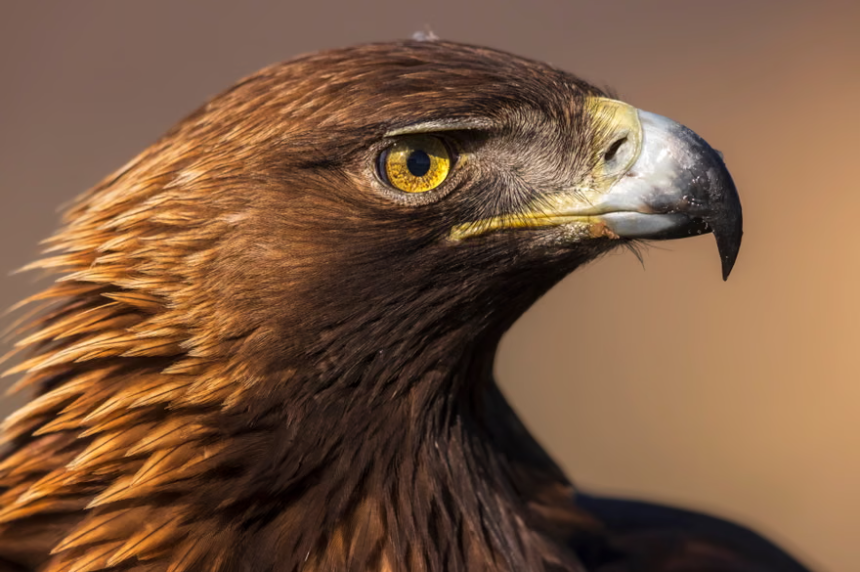
Human impact on raptors has reached further than scientists once expected. Birds of prey soar high above landscapes that appear untouched. Yet new tracking data shows that human activity alters where these birds hunt, rest, and even breed.
Using advanced GPS technology, researchers now follow raptors minute by minute. The results reveal a clear pattern: people influence raptor behaviour even when direct contact never occurs.
How GPS Tracking Reveals Human Impact on Raptors
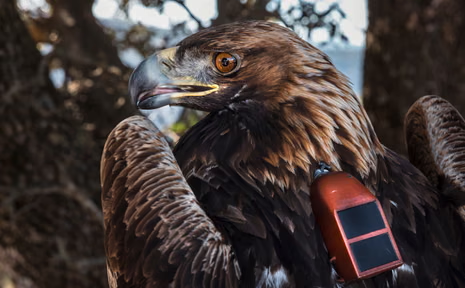
Tiny GPS devices now collect millions of data points from raptors across the world. These trackers record movement, altitude, speed, and sudden stops.
Scientists use this information to understand feeding habits, migration routes, and causes of death. When a signal suddenly stops moving, it often indicates injury or mortality.
As a result, researchers can link raptor deaths to specific human structures or activities with unprecedented accuracy.
Tourism and the “Weekend Effect”
One striking example of human impact on raptors appears during weekends and public holidays. On these days, more people enter natural areas for hiking, climbing, or beach visits.
Tracking data shows that eagles and other raptors expand their hunting range during these periods. They travel farther to avoid disturbance and to locate prey.
Human presence affects prey animals as well. When prey species flee busy areas, predators must follow. This increases energy use and reduces breeding success.
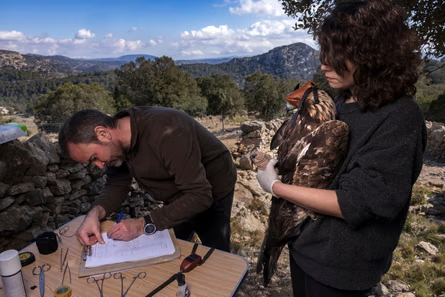
Disturbance Can Stop Breeding Altogether
Many raptors do not simply adapt to disturbance. Instead, they abandon nests when human activity increases.
Climbers, hikers, and photographers often approach nesting sites without realising the consequences. Repeated disturbance can cause adults to leave eggs or chicks behind.
Experts now call for seasonal restrictions in protected areas. Regulation, rather than bans, could protect breeding birds while still allowing people access to nature. https://www.youtube.com/watch?v=2oWodZpmbHo
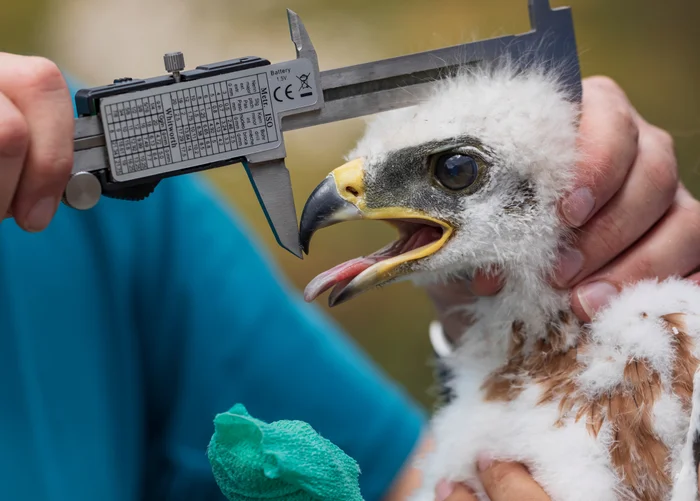
Power Lines Are a Silent Killer
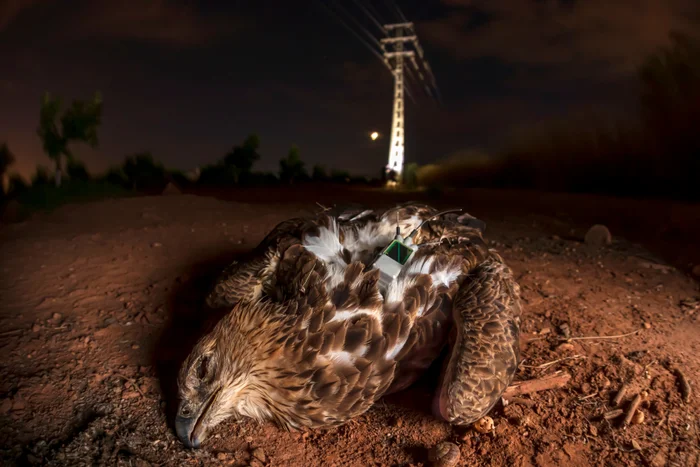
Human impact on raptors becomes deadly around electricity infrastructure. GPS tracking has revealed thousands of deaths caused by collisions and electrocution.
Raptors often use pylons as lookout points in open landscapes. Poorly designed structures can kill birds instantly when wings touch live wires.
Studies show that tens of thousands of birds of prey die each year from power line interactions in some regions alone.
Illegal Killing Still Happens
Tracking data also exposes illegal activity. Despite legal protection, some raptors still die from shooting or poisoning.
Researchers can trace deaths to exact locations, revealing patterns linked to hunting areas, farms, or pigeon racing zones.
This evidence strengthens enforcement and helps authorities target high-risk areas more effectively.
Habitat Change Cuts Deepest
Human impact on raptors did not begin with modern technology. Deforestation, urban growth, and land clearing have reduced suitable habitat for centuries.
Most raptors depend on forests or open wild spaces. When those environments disappear, survival becomes harder.
However, some species adapt. Barn owls thrive in farmland. Peregrine falcons now nest on skyscrapers. Adaptation varies by species.
Renewable Energy Brings New Risks
Renewable energy plays a vital role in fighting climate change. However, large-scale wind farms introduce new dangers for soaring birds.
GPS data links turbine size and placement to increased raptor mortality. Larger rotor blades raise collision risk, especially in migration corridors.
Better planning can reduce harm. Adjusting turbine design and location has already lowered deaths in some projects.
GPS Data Helps Find Solutions
Human impact on raptors is not inevitable. GPS tracking also points toward solutions.
In several regions, conservationists work with power companies to redesign pylons. Simple modifications dramatically reduce electrocution risk.
Targeting a small percentage of high-risk structures often prevents most deaths. This approach saves birds while limiting costs.
A Chance to Rethink Coexistence
Raptors do not ignore humans. They respond to us constantly, even from the sky.
GPS tracking reveals how deeply human behaviour shapes wildlife. With better data, scientists can guide smarter decisions.
Human impact on raptors will continue. The choice now lies in whether that impact leads to decline—or coexistence.