

Heart-Check Certified Recipes: Eat Well for a Strong Heart
Benefits of Nutritious Cooking

Eating for heart health doesn’t have to be complicated. With heart-healthy recipes, it is easier than ever to plan meals that nourish your body while supporting cardiovascular wellness. Certified recipes follow specific nutrition guidelines to ensure they are low in saturated fat, cholesterol, and sodium while being rich in essential nutrients.
These recipes are designed for people looking to maintain a balanced diet, prevent heart-related conditions, and enjoy meals without compromising on flavor. This guide explores heart-friendly cooking, certified recipes, nutritional tips, and meal planning strategies that promote long-term health.
Tips for Creating Balanced Recipes
Heart-Check certified recipes are carefully evaluated to meet stringent nutritional standards. These recipes:
- Limit saturated fat, trans fat, and cholesterol
- Emphasize whole grains, fruits, vegetables, and lean proteins
- Include moderate sodium levels for blood pressure control
- Offer balanced portions and calorie-conscious options
Certified recipes provide clear guidance for preparing meals that are both delicious and heart-supportive, making it easy to maintain a nutritious diet.
Benefits of Certified Healthy Recipes
Using certified heart-healthy recipes offers several advantages:

- Supports Heart Health: Reduces the risk of cardiovascular diseases by encouraging nutrient-dense meals.
- Easy Meal Planning: Offers trusted recipes to plan breakfast, lunch, dinner, and snacks.
- Family-Friendly Options: Recipes cater to all age groups, helping everyone eat healthier.
- Promotes Balanced Nutrition: Ensures a combination of protein, fiber, vitamins, and minerals.
- Encourages Cooking at Home: Home-cooked meals are typically lower in unhealthy fats and sodium compared to processed foods.
Key Ingredients for Heart-Healthy Cooking
Heart-Check certified recipes focus on ingredients that support heart function and overall health:
- Fruits and Vegetables: High in fiber, antioxidants, and vitamins
- Whole Grains: Oats, quinoa, brown rice, and whole-wheat pasta
- Lean Proteins: Skinless poultry, fish rich in omega-3 fatty acids, beans, and legumes
- Healthy Fats: Olive oil, avocado, nuts, and seeds
- Low-Sodium Options: Herbs and spices to replace excessive salt
By emphasizing these ingredients, certified recipes help maintain healthy cholesterol levels, blood pressure, and weight management.
How to Make Your Own Heart-Healthy Recipes
Even when a recipe isn’t pre-certified, there are ways to adapt it to be heart-friendly:
- Reduce Saturated and Trans Fats: Use plant-based oils instead of butter or lard.
- Limit Added Sugars: Replace sugar with natural sweeteners like fruit puree.
- Boost Fiber Content: Add beans, lentils, or whole grains.
- Monitor Sodium: Use herbs, spices, and citrus to enhance flavor without excess salt.
- Portion Control: Keep servings moderate and balanced with vegetables, protein, and grains.
Experimenting with substitutions allows you to create meals that are just as tasty as traditional recipes while being healthier for your heart.https://www.youtube.com/watch?v=gdlVJOkmJd4
Popular Categories of Heart-Check Certified Recipes
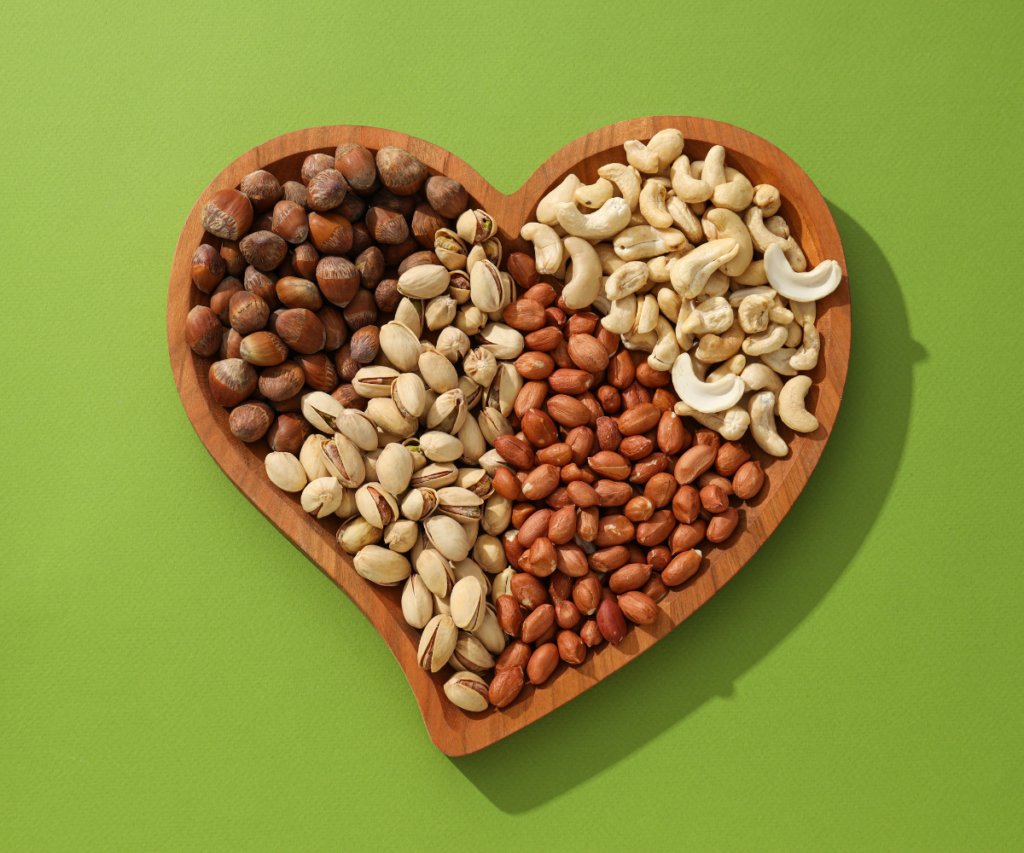
Certified recipes cover a wide range of meal types:
Breakfast Recipes
- Whole-grain oatmeal with berries
- Vegetable omelets with herbs
- Smoothies with leafy greens and fruits
Lunch and Dinner Recipes
- Grilled salmon with quinoa and steamed vegetables
- Stir-fried tofu with brown rice and vegetables
- Chicken and vegetable soups low in sodium
Snack Recipes
- Roasted chickpeas or nuts
- Fresh fruit salads
- Whole-grain crackers with hummus
Dessert Recipes
- Fruit parfaits with low-fat yogurt
- Oatmeal cookies with dried fruits and nuts
- Dark chocolate-dipped fruits
Tips for Following Heart-Healthy Recipes
- Plan Weekly Meals: Reduce reliance on processed foods by preparing a meal plan.
- Cook in Batches: Save time and ensure nutritious meals are always available.
- Read Labels Carefully: Choose products with low sodium, low saturated fat, and high fiber.
- Stay Hydrated: Water and unsweetened beverages support heart function.
- Combine Exercise with Diet: Healthy meals are more effective when paired with regular physical activity.
Common Myths About Heart-Healthy Eating
- Myth: Healthy meals are bland and boring.
Truth: Herbs, spices, and natural ingredients enhance flavor without adding fat or sodium. - Myth: Heart-healthy recipes are expensive.
Truth: Simple ingredients like beans, vegetables, and whole grains are affordable and versatile. - Myth: Only people with heart disease need heart-healthy recipes.
Truth: Everyone benefits from a diet that promotes cardiovascular wellness.
Conclusion
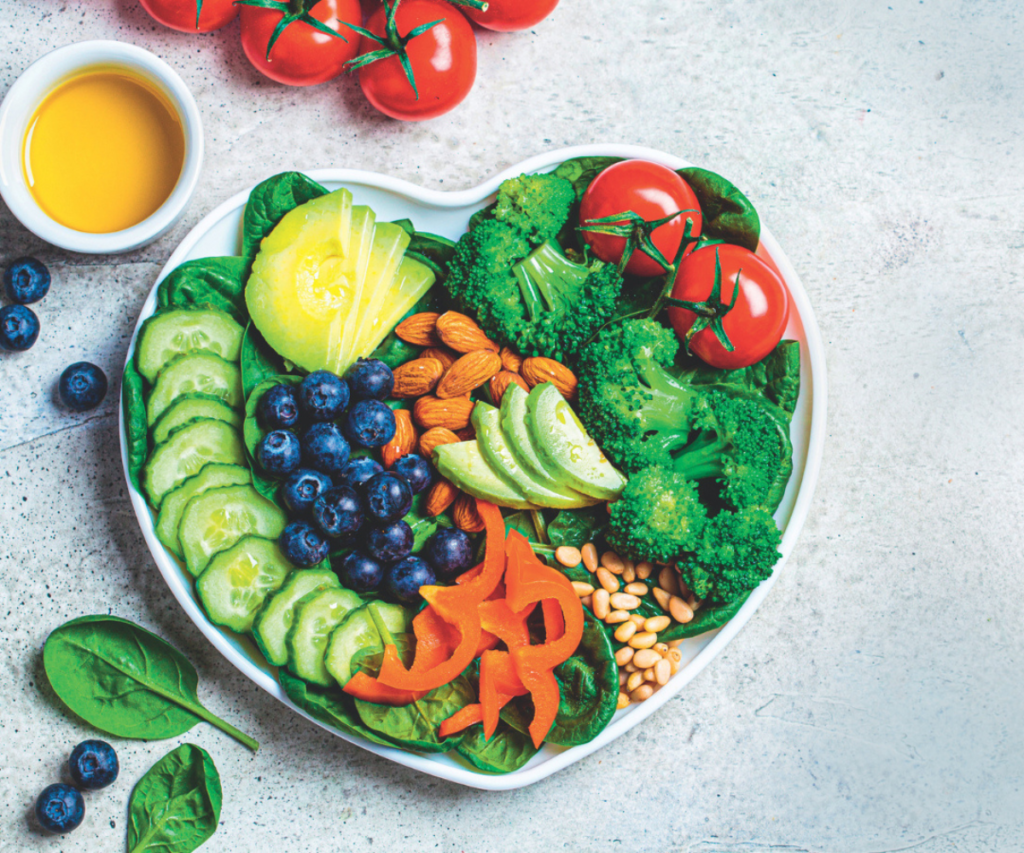
Heart-Check certified recipes provide an accessible, trusted way to eat meals that support cardiovascular health. By focusing on nutrient-dense ingredients, balanced portions, and flavor, these recipes help prevent heart disease while making mealtime enjoyable. Incorporating certified or adapted heart-healthy recipes into your daily routine empowers individuals and families to maintain a strong heart and a healthier lifestyle.