Green Spaces in New Housing Should Be the Standard, Experts Say
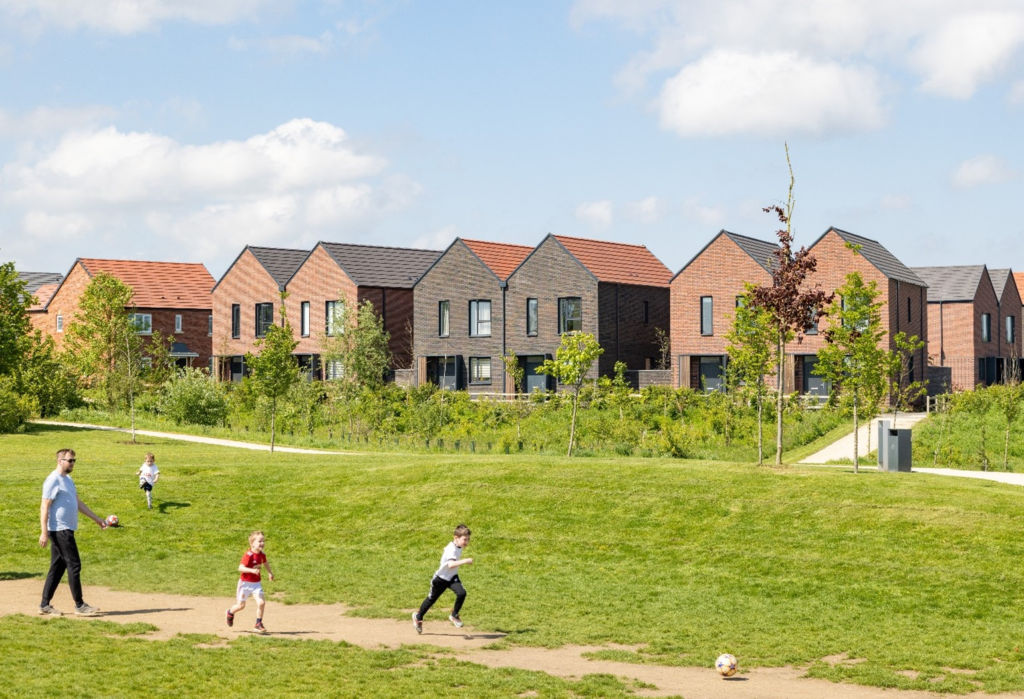
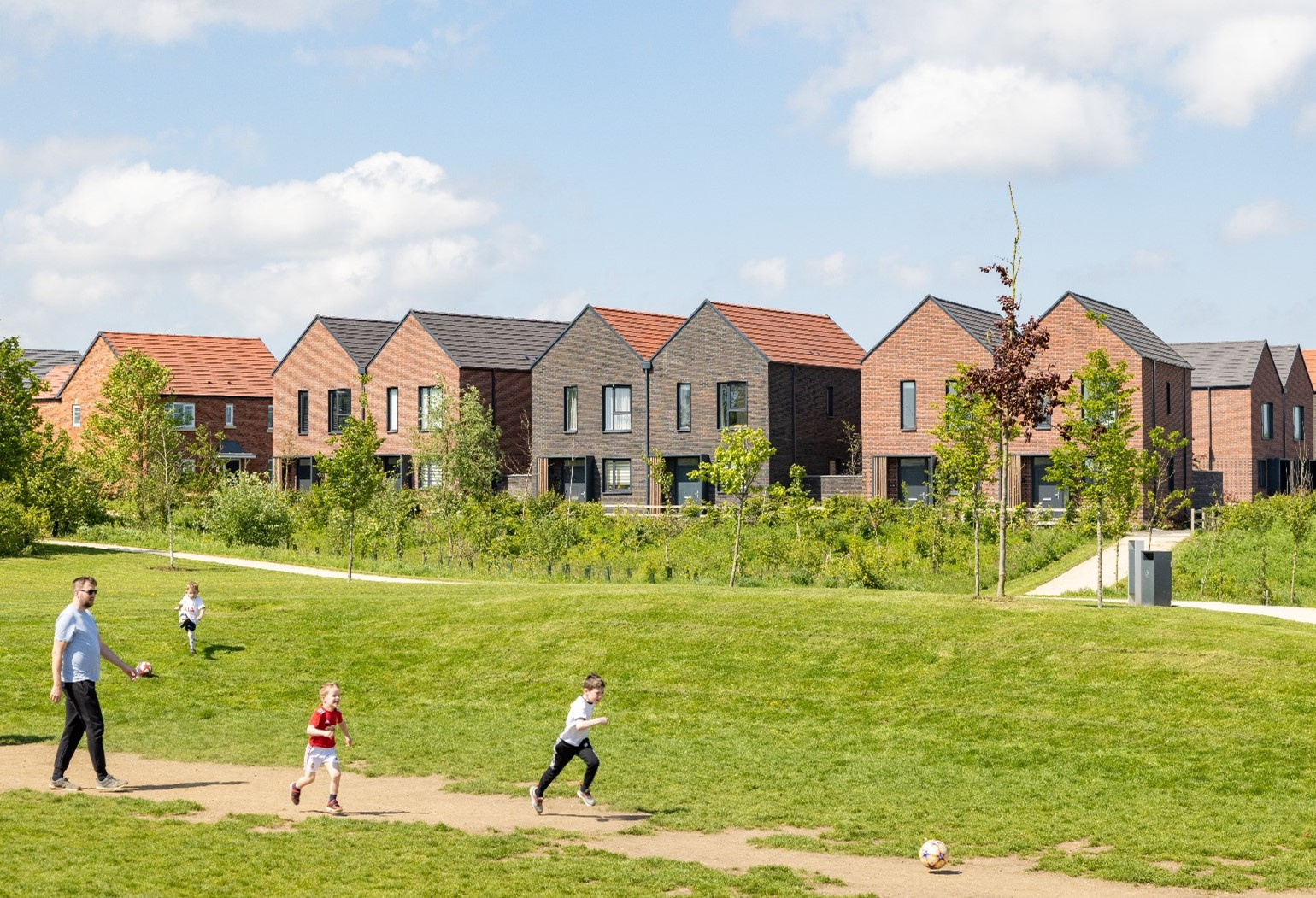
Green spaces in new housing developments should no longer be optional. According to new planning guidance, future neighbourhoods in England are encouraged to prioritise access to nature, strong local identity, and climate resilience. However, experts warn that without mandatory rules, these recommendations may be ignored by developers.
What Nature-Focused Housing Looks Like
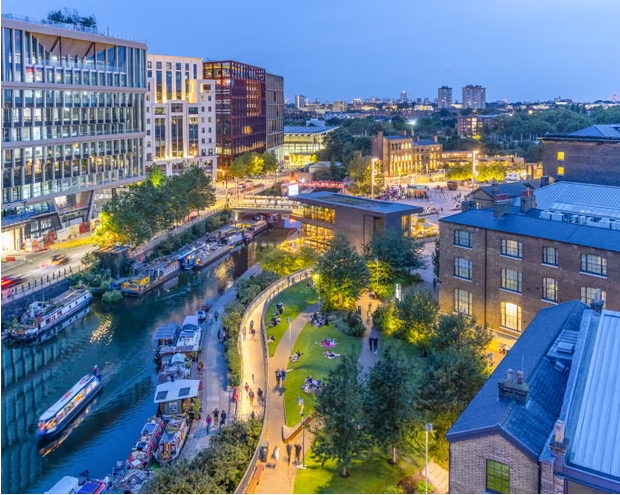
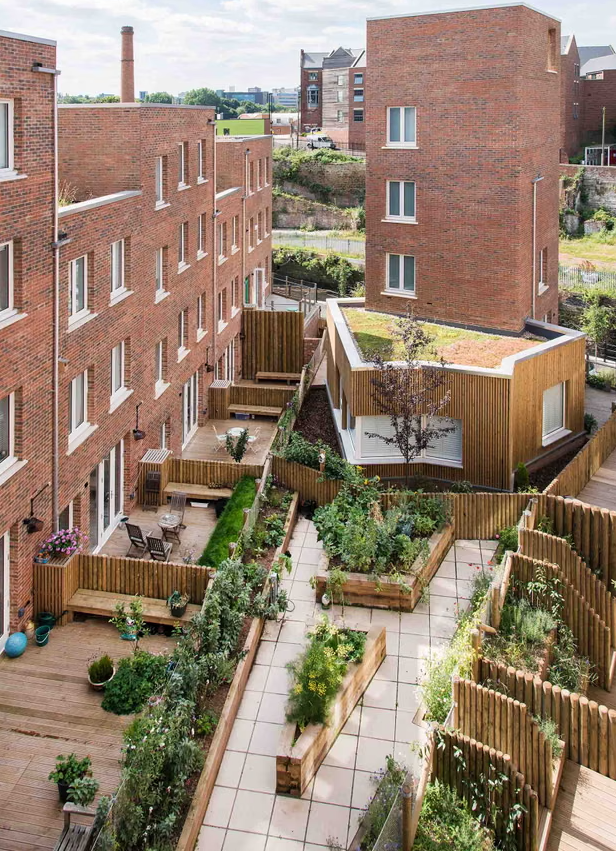
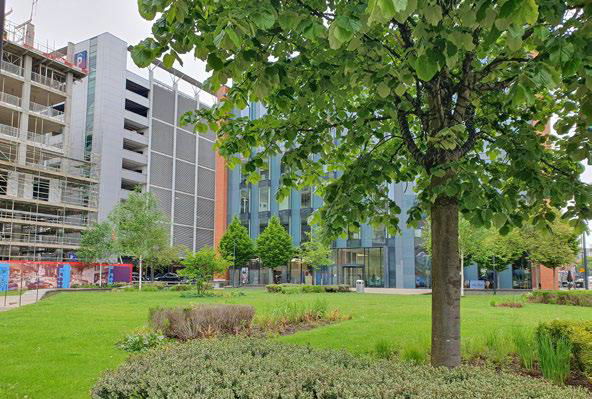
The vision for modern housing goes beyond bricks and mortar. New developments are encouraged to include nearby shops, schools, public transport, and shared social spaces. Green areas such as parks, canals, trees, and wildlife corridors should sit at the heart of communities, not on the margins.
Well-designed neighbourhoods also aim to protect local heritage. Historic buildings, distinctive architecture, and cultural landmarks help residents feel connected to where they live. When housing reflects local history and landscape, communities are more likely to thrive.
Successful Examples of Community-Led Development
Several developments already demonstrate how green spaces in new housing can work in practice. In London, former industrial land has been transformed into mixed-use neighbourhoods with homes, schools, cafes, and public spaces alongside restored waterways and nature reserves.
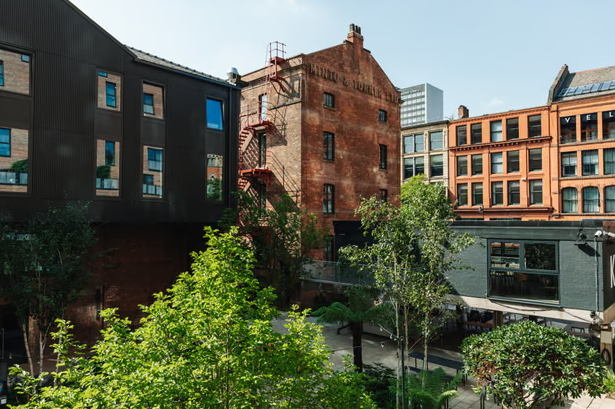
Elsewhere, neglected historic buildings such as old pubs have been renovated and reopened as community hubs while new homes were added nearby. Similar approaches in cities like Manchester and Newcastle show how housing, green infrastructure, and local amenities can coexist successfully. https://www.youtube.com/watch?v=0rDIwRG_RM8
Why Experts Say the Guidance Falls Short
Although the guidelines promote sustainable and people-centred design, they are not legally binding. This means developers can choose whether or not to follow them. Environmental and planning experts argue this is a major weakness.
Without clear requirements, important features such as green corridors, flood protection, and wildlife habitats may be overlooked. Voluntary guidance, critics say, has failed to stop years of environmental decline linked to poorly planned development.
Nature, Climate, and Housing Resilience
Green spaces in new housing play a crucial role in tackling climate challenges. Trees, wetlands, and permeable surfaces help manage flooding, reduce urban heat, and improve air quality. Nature-based solutions also support mental and physical wellbeing for residents.
Experts stress that biodiversity should be treated as essential infrastructure. Features like swift nesting bricks, hedgehog highways, and native planting can help wildlife recover, but only if they are widely adopted.
Calls for Mandatory Nature-Friendly Design
Environmental organisations are urging the government to strengthen the rules. They want wildlife-friendly measures and biodiversity gains to be compulsory for all new developments. According to conservation groups, optional design choices have not delivered meaningful improvements for nature.
Clear regulations, they argue, would give developers certainty while ensuring that every new neighbourhood contributes positively to ecosystems and climate resilience.
What This Means for Future Housing
Local authorities can use the guidance to create their own design codes. In theory, developments that meet higher standards may move through the planning process more smoothly. However, many believe that national rules are still needed to ensure consistency.
Further construction regulations are expected to introduce mandatory energy efficiency measures such as solar panels, heat pumps, and improved insulation. Together with stronger green space requirements, these changes could reshape how homes are built across England.
Why Green Spaces Must Become the Norm
Making green spaces in new housing the default would benefit people, wildlife, and the climate. Attractive, well-connected neighbourhoods are more likely to gain public support and stand the test of time. Experts agree that bold, enforceable action is needed to turn vision into reality.