
The Death of the Living Room: Modern Rentals and Shrinking Communal Spaces
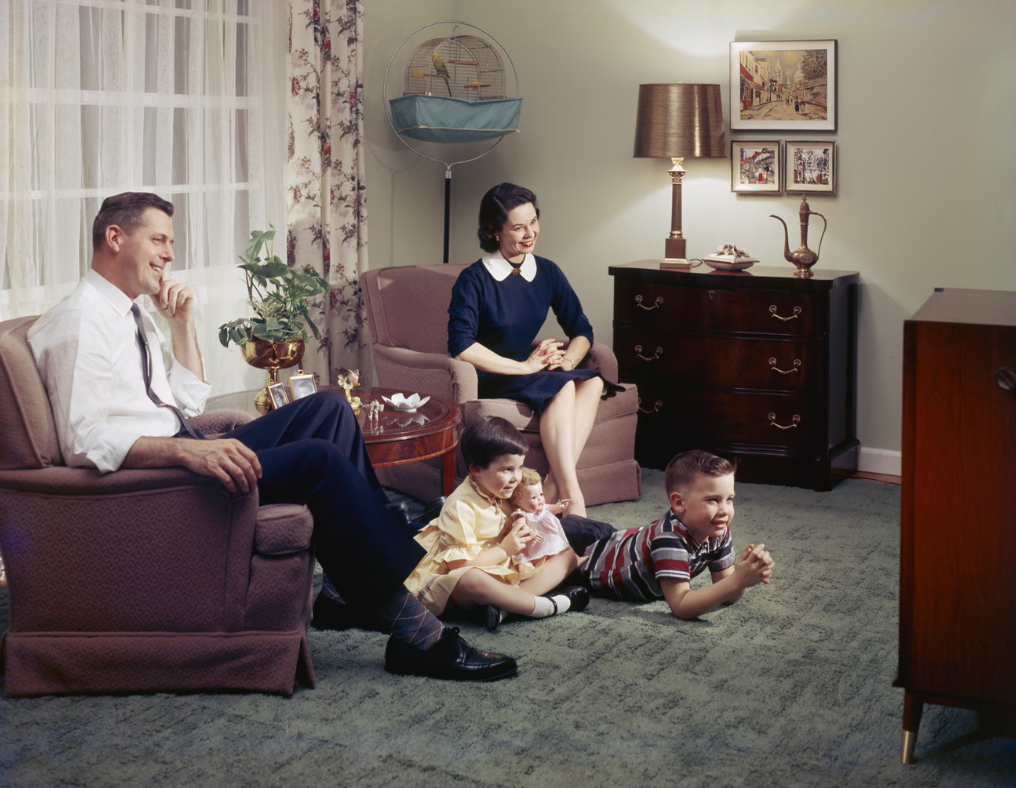
The death of the living room is becoming a growing concern in UK rental properties. Renters increasingly eat, socialise, and work in kitchens, bedrooms, or stairwells due to the loss of communal areas. This change affects both practical living and mental health, reducing social connection and overall quality of life.
Georgie, 27, a climbing instructor, recalls her house-share in Leeds. “Without a living room, your world becomes quite small,” she says. The former lounge had been converted into storage, and the tiny kitchen made communal meals difficult. Residents often ate in their bedrooms, missing opportunities to bond socially.

How Rental Trends Drive the Death of the Living Room
Recent research shows this trend is accelerating in urban areas. Nearly 30% of rental rooms are in properties without a living room, rising to 41% in London. Almost half of renters report that living rooms are now used as bedrooms. Landlords prioritise rental income over communal space.
Rising housing costs, shared living, and limited larger units drive this trend. Many young professionals accept the loss of a living room for cheaper rent, even if it reduces relaxation and social opportunities. https://www.theguardian.com/lifeandstyle/homes
The Historical Role of the Living Room
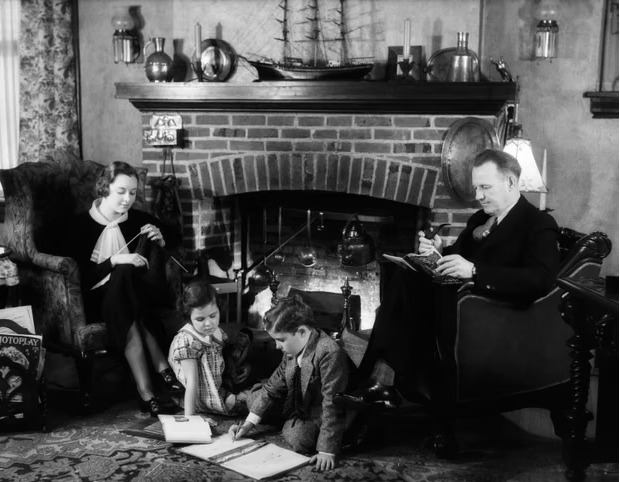
Edward Bok popularised the living room in the late 19th and early 20th centuries. He opposed expensive rooms used only on special occasions, encouraging daily communal use. The living room became central for families to gather, eat, and entertain, reflecting social cohesion.
Modern changes reduced its role. Central heating allowed bedrooms to double as living spaces. Televisions and streaming encouraged individual entertainment. Today, devices and personal screens continue to shrink communal areas.

Social and Mental Health Impacts
The absence of a living room can affect mental wellbeing. Around 44% of people in shared accommodations report that not having a communal space has impacted their mental health. Without a neutral area for socialising, residents feel isolated and disconnected. Kitchens often become the default gathering space, but overcrowding and lack of comfort limit meaningful interaction.
Architect Louis Platman emphasises the importance of a shared space for building community. “It’s really hard to build friendships or a sense of home without a living room,” he says. He argues for recognising the living room as a vital component of wellbeing and social cohesion, even in small or shared properties.
Adaptations and Creative Solutions
Not all renters view the death of the living room as entirely negative. Some, like Imogen in London, have successfully converted former lounges into bedrooms, using kitchens as multifunctional social hubs. Cooking, gaming, crafting, and shared meals in these areas create alternative forms of connection, despite the loss of a traditional lounge.
Designers like Regan Billingsley suggest that modern living spaces can adapt: open-plan kitchens, dining areas, and hallways can be layered with furniture and lighting to create communal gathering points. Built-in seating, large tables, and flexible spaces can provide a sense of connection and comfort, even without a formal living room.
Preserving the Living Room in Modern Rentals
Despite adaptations, experts argue that the death of the living room should not become the norm. Whether in shared flats, family homes, or intergenerational residences, a communal space remains essential for fostering conversation, relaxation, and community. The living room is more than furniture and decor—it represents a shared social space that contributes to wellbeing and a sense of home.