
Jurassic World Rebirth Review: Flat Story, Big Stars

The highly anticipated Jurassic World Rebirth arrives as the seventh entry in a franchise that once redefined cinematic wonder. Yet despite its promise of revitalization and an all-star cast, the film struggles to live up to its legacy. In this Jurassic World Rebirth review 2025, we find that dazzling effects and familiar thrills are no longer enough to mask a formula that feels worn and uninspired. A Familiar Setup in Jurassic World Rebirth Starring Scarlett Johansson as mercenary Zora Bennett and Jonathan Bailey as palaeontologist Dr. Henry Loomis, the film follows a mission to retrieve dinosaur DNA from a dangerous island where past experiments went wrong. Their goal? To harness prehistoric genes to develop a miracle drug for heart disease – and generate massive profits. The plot mirrors the original Jurassic Park structure: a scientific pursuit that spirals out of control. While the premise holds promise, the film never fully commits to originality. It plays it safe, echoing story beats we’ve seen for over three decades, now without the tension that made the original unforgettable. Subplots That Outshine the Main Narrative Oddly enough, the subplot involving a stranded family proves far more engaging than the central story. Manuel Garcia-Rulfo plays Reuben, a father on a boat trip with his daughters Teresa (Luna Blaise) and Isabella (Audrina Miranda), along with Teresa’s boyfriend Xavier (David Iacono). Their adventure begins with a gripping Mosasaur attack that evokes Jaws-style suspense. As the family is separated on the island, their storyline carries more weight and emotion. The stakes feel real, the dangers more immediate. Unlike the stars, who are unlikely to meet a grim fate, the family’s vulnerability provides genuine tension. This dynamic makes the central expedition – led by Zora and Henry – feel oddly muted in comparison. Weak Thrills and Underused Stars in Jurassic World Rebirth Despite Scarlett Johansson’s action credentials and Bailey’s charisma, their characters lack tension-filled arcs. Director Gareth Edwards, known for “Rogue One” and “The Creator,” keeps the stars too distant from the teeth and claws of the film’s primary attraction — the dinosaurs. Even when Henry dangles from a cliff, the moment feels like a stale cliché rather than a pulse-raising set piece. In an awkward attempt at humor, Edwards includes repetitive scenes of Henry chewing mints, which land more as distractions than character-building moments. The pacing drags in the middle, and the island never quite becomes the thrilling landscape it should be. Jurassic Creatures: Awe Over Fear Rebirth does deliver when it comes to the design and scale of its prehistoric cast. The Titanosaurus, Quetzalcoatlus, and Mosasaurus dominate the screen with striking visuals. In one particularly majestic scene, herds of long-necked dinosaurs graze peacefully under soaring orchestral music. Composer Alexandre Desplat integrates John Williams’ original theme beautifully, reigniting nostalgic awe. Yet the sheer beauty of these creatures can’t compensate for the lack of real suspense. The film leans too much into wonder and not enough into fear — a misstep in a series that once thrived on nail-biting tension. Jurassic World Rebirth Review 2025: A Franchise in Decline? Despite Spielberg’s reported involvement in shaping the story, the absence of his directorial presence is deeply felt. Edwards tries to honor the spirit of the original but doesn’t take bold enough risks to evolve the franchise. While the visuals are technically impressive and the cast is talented, Rebirth lacks the magic – and menace – that made Jurassic Park a timeless classic. Final Verdict: Has Dino Fatigue Set In? The line in the film that says “public interest waned” in dinosaurs may unintentionally reflect reality. With Jurassic World Rebirth, the franchise continues, but perhaps not with the roaring success it once knew. For devoted fans, it may be a passable chapter. For newcomers, it’s a lukewarm introduction. This Jurassic World Rebirth review 2025 finds the latest dino outing beautiful to watch but emotionally hollow — more spectacle than storytelling, more repetition than rebirth.
Read More
Squid Game South Korea

Squid Game South Korea: Harsh Realities Beneath the Drama

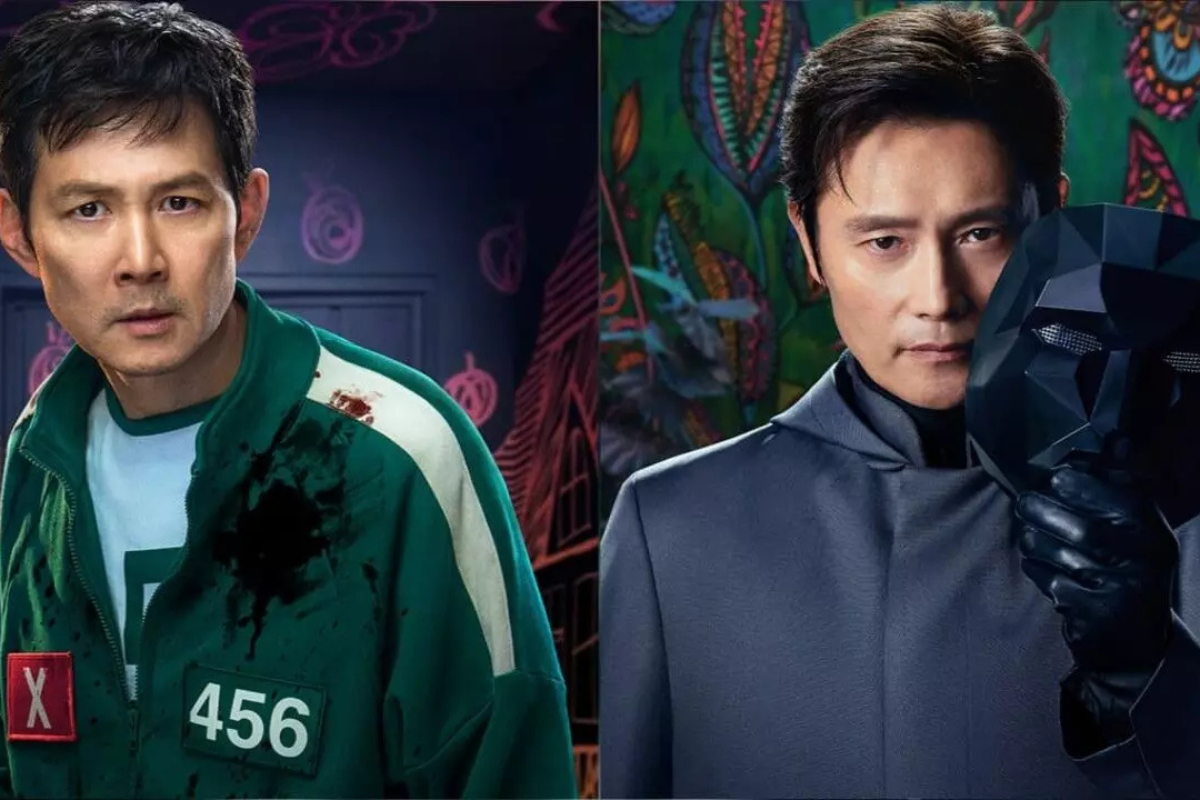
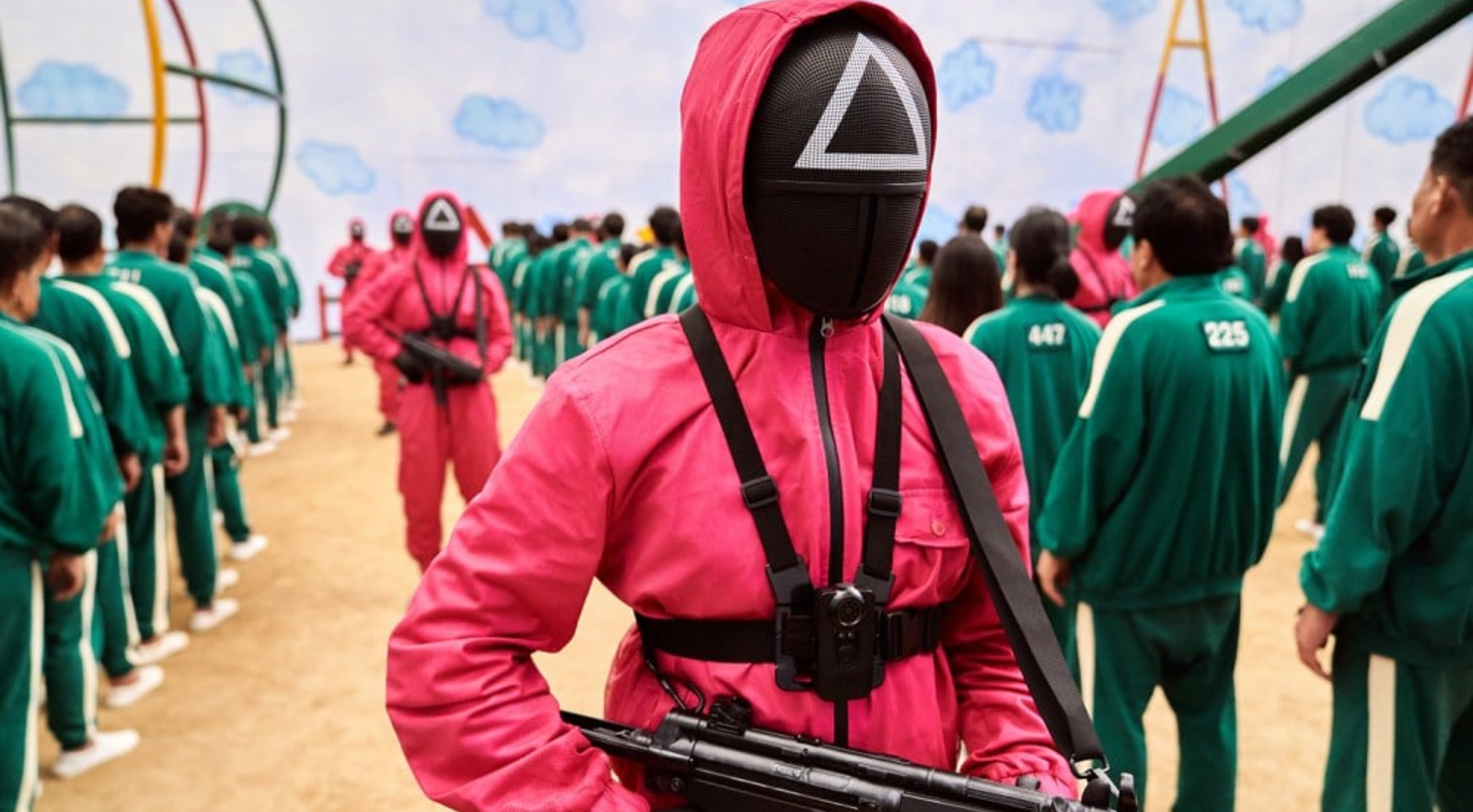
The End of Squid Game and Its Lasting Impact on South Korea Millions of fans around the world bid farewell to Squid Game, Netflix’s Emmy-winning Korean drama that took the world by storm. With its third and final season now streaming, the dystopian thriller closes a chapter in global entertainment. But in South Korea, where the story was born, the show’s end has reignited conversations about the grim Squid Game reality in South Korea. From suffocating debt to cut-throat competition and youth unemployment, Squid Game mirrored real-life issues that continue to plague many South Koreans. As the fictional games end, the harsh truths they reflect remain unchanged. Squid Game South Korea Origins: A Game Born from Harsh Reality Squid Game isn’t just a brilliant piece of fiction—it’s a mirror held up to South Korean society. The creator, Hwang Dong-hyuk, famously stated that the show was inspired by his own financial struggles during the 2008 economic crisis. The characters—a laid-off factory worker, a migrant laborer, a cryptocurrency scammer—aren’t exaggerated archetypes. They represent ordinary people battling economic despair. In fact, Gi-hun, the series’ protagonist, was modeled after workers from the real-life 2009 SsangYong Motor factory strike, where layoffs led to a violent clash with riot police. The fact that Squid Game’s stories resonate so deeply isn’t just a credit to storytelling—it’s a sobering reminder of South Korea’s social inequality. “The drama may be fictional, but it feels more realistic than reality itself,”— Jeong Cheol Sang, film blogger How Squid Game’s Final Season Reflects South Korea’s Real Struggles With Season 3 wrapping up the saga, many South Koreans have turned inward, using the show as a lens to reflect on their own lives. One YouTube commenter noted: “It reflected reality so well, like how in real life, at work, it’s just full of ruthless people ready to crush you.” While international audiences praised the final episodes for their intense drama and philosophical themes, South Korean viewers were more focused on how closely it paralleled their daily battles—crushing workloads, unstable jobs, and the constant fear of financial ruin. Squid Game South Korea Parade: A Mix of Symbols and Contradictions Despite its somber themes, Squid Game was celebrated in downtown Seoul with a massive parade. Pink-suited guards, giant animatronic dolls, and fans filled the streets in a carnival-like sendoff. Yet, the fanfare contrasts sharply with the show’s message. The spectacle highlighted South Korea’s growing cultural influence—through K-pop, K-dramas, and global streaming—but also underscored the disconnect between pop culture success and everyday struggles. Newly elected President Lee Jae-myung has pledged to boost “K-culture exports,” citing Squid Game alongside Parasite and BTS. But critics argue that celebrating these cultural wins shouldn’t overshadow the deep socioeconomic inequalities they portray. Divided Over the Ending: Did Gi-hun’s Sacrifice Go Too Far? The final episode of Squid Game Season 3 has left audiences divided. Gi-hun, in a twist that shocked many, sacrifices himself to save another contestant’s baby. While some praised the act as deeply moving, others found it disjointed from the show’s core message of survival in a brutal system. On South Korean forum Nate Pann, one user wrote: “The characters’ excessive altruism was disturbing—almost to the point of seeming unhinged.” Yet, another viewer countered: “As much as we wanted Gi-hun to take revenge and shut down the games, that’s not the world we live in. The ending reflects that truth.” Hwang Dong-hyuk acknowledged the mixed reactions: “By seasons two and three, expectations were sky high… Everyone expected something different.” What Made Squid Game So Relatable? The reason for Squid Game’s emotional power lies in its themes: Gi-hun’s Journey Reflects South Korea’s Dilemma Throughout the series, Gi-hun transforms from a desperate gambler to someone who chooses morality over survival. His journey is as much a metaphor for modern South Korea as it is a narrative arc. “That paradox—of cruelty and warmth coexisting—is what made the finale so moving,” said Mr. Jeong, a local film blogger. In the final moments, Squid Game reminds us that even in systems built on cruelty, empathy can exist. It’s a sobering but hopeful message. What’s Next for Squid Game—and South Korea? With hints of a potential American spinoff teased in the final scene featuring Cate Blanchett, Squid Game’s story might not be over. However, in South Korea, the broader conversation has shifted from television back to reality. The popularity of Squid Game has already sparked greater scrutiny of labor policies, mental health care access, and income inequality. Whether this translates into tangible reform remains uncertain. Conclusion: Squid Game Ends, But Its Lessons Linger As the Squid Game reality in South Korea continues, the end of the series serves not as closure, but as an invitation. An invitation to reflect, reform, and reimagine a society where people don’t have to fight to survive. While viewers worldwide mourn the end of a gripping series, South Koreans are left facing the daily echoes of its message. Because for many in South Korea, the game isn’t fiction—it’s life.

Read More

Best Films July 2025: 10 Must-Watch Movies This Month

The best films July 2025 has to offer span superhero revivals, dystopian thrillers, nostalgic horror, and quirky romantic comedies. Whether you’re planning a trip to the cinema or prefer streaming at home, this month’s movie lineup has something for everyone. From box office spectacles to indie surprises, the best films July 2025 will deliver unforgettable entertainment. 1. Eddington – One of the Best Films of July 2025 for Satirical Comedy Fans Known for horror hits like Hereditary and Midsommar, Ari Aster pivots to satire in Eddington. Set in a remote desert town in New Mexico, the story follows a power struggle between the sheriff (Joaquin Phoenix) and the mayor (Pedro Pascal), with Emma Stone as a key player. A blend of pandemic-era politics and absurd comedy, this film unpacks the chaos of recent years through dark humor and striking performances. Release Date: July 18 (US), July 24 (Australia) 2. Heads of State – Among July 2025’s Top Action-Comedy Films John Cena stars as a former Hollywood actor turned US President, paired with Idris Elba as the UK’s Prime Minister. After their plane is shot down, the unlikely duo must survive behind enemy lines. Filled with explosive action and sharp comedy, Heads of State promises a fun ride. Release Date: July 2 on Prime Video (Worldwide) 3. Together – One of the Best Films in July 2025 for Horror Romance Fans In this unique horror-romance, Allison Brie and Dave Franco play a couple who relocate to the Australian countryside. After a strange encounter with cave water, their physical and emotional bond begins to manifest literally—as they start fusing together. With critical acclaim for its originality, Together blends body horror with emotional depth. Release Date: July 30 (US, Canada, UK), July 31 (Australia) 4. 40 Acres – One of the Best Films in July 2025 Exploring Dystopian Survival Set in a near-future Canada where food scarcity has turned farms into fortresses, 40 Acres explores the intersection of survival and race. Starring Danielle Deadwyler and Michael Greyeyes, this dystopian thriller delivers high-stakes drama and thought-provoking themes. Release Date: July 2 (US) 5. Superman – A Hopeful Reboot David Corenswet takes flight as the new Superman in this reboot of the DC Universe. With characters like Lois Lane, Lex Luthor, Green Lantern, and even Krypto the Superdog, the film leans into a brighter, more optimistic take on the Man of Steel. Director James Gunn aims to portray Superman as a symbol of compassion and hope. Release Date: July 11 (International) 6. Smurfs – Rihanna Brings Music to Magic The beloved blue characters return in a live-action/animated hybrid set in Paris. With Rihanna voicing Smurfette and contributing original music, this musical adventure blends nostalgia with fresh energy. Inspired by the original Belgian comics, the film offers vibrant animation and heartfelt storytelling. Release Date: July 16 (International) 7. I Know What You Did Last Summer – A Legacy Thriller Returns Jennifer Love Hewitt and Freddie Prinze Jr return in this legacy sequel that introduces a new generation of teens plagued by a deadly secret. The film explores the emotional aftermath of past trauma, while delivering the chills that made the original a cult classic. Release Date: July 16 (International) 8. The Fantastic Four: First Steps – A Retro Sci-Fi Reimagining The iconic superhero team gets another reboot, but this time with a twist. Set in a 1960s utopia, the film imagines the team as celebrity astronauts during the Space Race. Pedro Pascal, Vanessa Kirby, Joseph Quinn, and Ebon Moss-Bachrach bring fresh charisma to the Marvel franchise. Release Date: July 23 (International) 9. Apocalypse in the Tropics – Political Power and Faith Petra Costa returns with a powerful documentary that investigates the influence of evangelical leaders in Brazil’s political system. Apocalypse in the Tropics uses intimate storytelling to explore the complexities of faith, democracy, and public trust in volatile times. Release Date: July 14 on Netflix (International) 10. Jurassic World Rebirth – Back to Dinosaur Basics This new entry strips away the globe-trotting spectacle of its predecessor and brings the focus back to a tight, terrifying adventure. With Scarlett Johansson, Mahershala Ali, and others stranded on a dinosaur-infested island, the film pays homage to Spielberg’s original Jurassic Park. Release Date: July 2 (International) Final Thoughts From nostalgic reboots and thrilling horrors to sci-fi adventures and political documentaries, July 2025 is jam-packed with cinematic gems. Whether you’re streaming from home or catching a blockbuster on the big screen, these films offer something unique for every type of viewer.

Read More

Top Sports Tourism Destinations to Visit in 2025

Top Sports Tourism Destinations Driving a Global Travel Boom Sports tourism is one of the fastest-growing travel sectors, making up nearly 10% of global tourism spending, says UN Tourism. Whether it’s international tournaments, local derbies, or major league games, sports offer fans a reason to travel—and spend. With spending expected to rise 17.5% by 2030, countries are using sports to become top tourism destinations. United States: A Leading Sports Tourism Destination for Mega Events The US is emerging as a global sports tourism leader. It will host the 2026 FIFA World Cup and 2028 LA Olympics. Infrastructure projects like the new LAX/Metro Transit Center aim to improve visitor access ahead of these events. Cities such as Los Angeles, Las Vegas, and Miami are investing heavily to prepare for a surge of international visitors. Las Vegas has transformed dramatically in a decade, evolving from a casino hub to a legitimate sports mecca. With NHL and NFL teams, a future MLB franchise, and a 2024 F1 Grand Prix that drew 175,000 visitors, the city is turning sports into a year-round attraction. Average visitor spending is notably higher for sports tourists, further underscoring the value of this niche. Miami is leveraging global football enthusiasm, especially after signing Lionel Messi in 2023. Miami is building the Miami Freedom Park, set to open in 2026. The city will also host seven World Cup matches, showing its big ambitions. Forecasts predict a $1 billion economic impact from the World Cup alone. Spain: Football Passion and Cultural Integration Spain’s passion for football is world-renowned, making it one of Europe’s strongest sports tourism destinations. With more than 60% of its citizens identifying as sports fans, Spain has long integrated sports into its cultural fabric. Cities like Madrid and Barcelona are prime examples, offering immersive experiences including stadium tours, club museums, and vibrant fan zones. Events like El Clásico between FC Barcelona and Real Madrid attract international fans who plan entire vacations around the matches. Since 2019, Valencia has boosted its presence with a dedicated sports tourism program, supported by over €1.4 million in marketing investments. Two major projects are underway in Valencia: the Roig Arena, set to become Spain’s largest basketball venue, and the Nou Mestalla stadium for Valencia CF. The city is also gearing up to host the Moto Grand Prix in 2025 and the inclusive Gay Games in 2026. These events confirm Valencia’s growing reputation as a top sports tourism destination. Australia: The Decade of Green & Gold Australia’s commitment to becoming a top-tier sports tourism destination is encapsulated in its “Decade of Green & Gold” initiative. Timed with the lead-up to the 2032 Brisbane Olympics, the campaign aims to attract global fans through major events. Melbourne, known as Australia’s sports capital, hosts the Australian Open, Formula 1 Grand Prix, and will welcome the NFL’s first official game in 2025. Officials expect the game to set a new international attendance record. Not to be outdone, Sydney’s marathon joined the elite Abbott World Marathon Majors, expecting 35,000+ runners this August. Australia hosts a wide range of events—from cricket and rugby to American football and tennis—drawing passionate fans from around the world. As Andrew Boxall of Tourism Australia says, ‘We’re showing travelers why Australia is one of the best destinations for sports tourism. South Africa: A Legacy of Unity Through Sports South Africa, with its moderate climate and deep-rooted sports culture, is emerging as one of Africa’s most promising sports tourism destinations. In 2024, the sector generated nearly $4 billion, with projections to more than double by 2034. South Africa’s cricket team, the Proteas, recently won the World Test Championship, boosting excitement for the 2027 Cricket World Cup on home soil. The country also attracts golf enthusiasts with over 400 courses and tournaments like the prestigious Nedbank Golf Challenge. Sports tourism is viewed as more than just an economic booster. Nomasonto Ndlovu, acting CEO of South African Tourism, sees it as a catalyst for social transformation and international unity. Why These Countries Stand Out Each of these four countries offers a unique blend of passion, investment, and infrastructure, positioning themselves at the forefront of global sports tourism destinations: With the global sports tourism market on an upward trajectory, these countries are not just hosting events—they are crafting unforgettable experiences that keep fans coming back year after year.

Read More

Sholay 50 Years: Restored Epic Returns with Original Ending

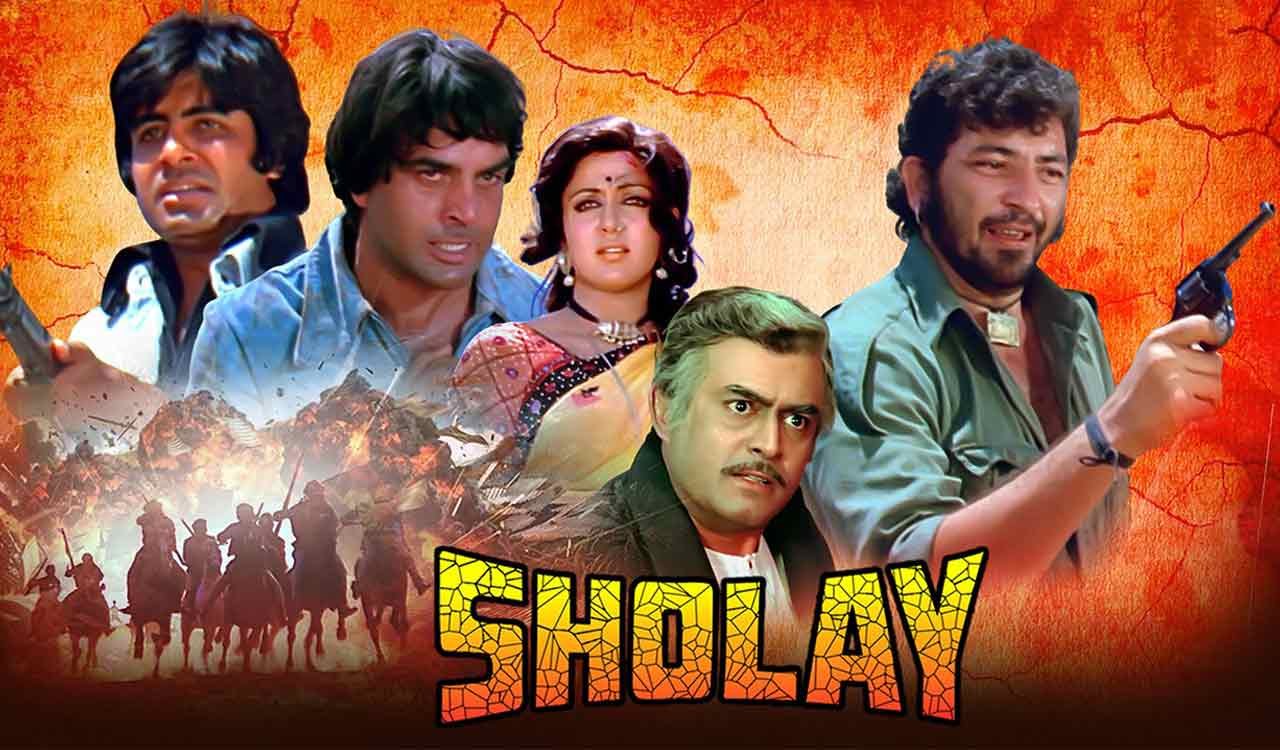
Sholay 50 Years Later: The Epic Returns to the Big Screen with Original Ending Sholay 50 years after its historic release, the legendary Bollywood epic returns in its most complete form yet, promising a nostalgic cinematic experience for a new generation of filmgoers. Restoration experts have fully restored the 1975 classic, which will premiere at the prestigious Il Cinema Ritrovato Festival in Bologna, Italy. Sholay 50 Years On: A Cinematic Phenomenon Reborn Film critics and audiences often regard Sholay, directed by Ramesh Sippy and written by the legendary duo Salim-Javed, as the pinnacle of Bollywood storytelling.The film starred some of India’s most revered actors—Amitabh Bachchan, Dharmendra, Hema Malini, Jaya Bhaduri, Sanjeev Kumar, and Amjad Khan as the unforgettable Gabbar Singh. Blending elements from Westerns and samurai films with Indian storytelling, Sholay follows two small-time criminals, Jai and Veeru, hired by an ex-police officer to capture a feared bandit. Ramesh Sippy and his team transformed what might have been a routine revenge tale into a cultural juggernaut that shaped generations. Sholay’s Lost Ending: A Tale of Censorship and Restoration In the original script, Thakur Baldev Singh kills Gabbar Singh using spiked shoes—a brutal act of justice. However, the Indian censor board demanded a change, deeming it too violent and inappropriate during the political Emergency era, when the government curtailed civil liberties. Director Ramesh Sippy had no choice but to reshoot the ending. In the new, milder version, the police arrest Gabbar instead of killing him. This re-filming took place quickly in the rocky terrains of Ramanagaram, Karnataka, which had become synonymous with Sholay’s fictional village, Ramgarh. Sholay 50 Years Later: The Restoration Journey Bringing Sholay back 50 years later wasn’t easy. The original 70mm prints were missing, and the film’s camera negatives had deteriorated. In 2022, Shehzad Sippy, son of the film’s director, contacted the Film Heritage Foundation (FHF) to begin restoration. Miraculously, unlabelled cans stored in a Mumbai warehouse contained the original 35mm negatives. Additional reels located in the UK, with support from the British Film Institute, completed the picture. The restoration was done at L’Immagine Ritrovata, a world-renowned film preservation facility in Bologna. Archivists also discovered the original camera used for filming, adding another layer of authenticity to the restored version. What began as a risky endeavor turned into a historic cultural recovery effort. Sholay 50 Years On: From Critical Flop to Cultural Landmark2100000 Though revered now, Sholay’s initial release was underwhelming. Early reviews were negative, ticket sales were modest, and critics were unimpressed. India Today called it a “dead ember,” while Filmfare criticized its attempt to impose a Western template on Indian soil. Audiences initially sat in silence—unmoved and unsure. But within weeks, word of mouth began to spread. Viewers returned to watch it again, memorizing dialogues and celebrating characters. By the third week, a cult following was brewing. Sholay’s Unstoppable Rise Polydor’s release of a 48-minute dialogue record a month later was a turning point. The film’s sound design, visuals, and performances resonated with audiences. Its characters—particularly Gabbar Singh—became iconic figures in Indian pop culture. Sholay went on to run for over five years at Mumbai’s Minerva Theatre, setting records. It was later declared “Film of the Millennium” in a BBC India poll and voted the greatest Indian film in a British Film Institute survey. Global Appeal: From India to Italy As the restored Sholay 50 years version premieres in Italy, the global film community acknowledges its legacy. The Bologna screening is not just a revival—it is a tribute to cinematic history, creativity, and cultural impact. From spoofed dialogues in advertising to references in political speeches, Sholay’s influence remains unmatched. Audiences have etched Gabbar Singh’s haunting laugh, Veeru’s drunken water tank monologue, and Thakur’s stoic resolve into collective memory. The Magic of Salim-Javed and RD Burman The duo Salim Khan and Javed Akhtar redefined screenwriting in India, and Sholay was their masterpiece. Every line, every scene, was meticulously crafted. Composer RD Burman added another dimension to the storytelling with his unforgettable score. Half a million records and tapes were sold, adding to the film’s legendary status. Legacy Across Borders Interestingly, Sholay only released in Pakistan in 2015—forty years after its Indian debut. Even then, it outperformed several contemporary films. The film’s resonance crosses borders and generations, proving its universal appeal. As film distributor Shyam Shroff once said, “As they used to say about the British Empire, the sun never sets on Sholay.” What Makes Sholay Timeless? According to Amitabh Bachchan, the answer lies in simplicity: “The victory of good over evil and… most importantly, poetic justice in three hours. You and I shall not get it in a lifetime.” Sholay combines morality, action, humor, and heartbreak—everything that makes for great cinema. It is a film about friendship, betrayal, revenge, and redemption. And above all, it is about storytelling at its finest. A Classic Reborn for the Future The return of Sholay, after 50 years, is more than just a restoration—it is a resurrection. It allows audiences young and old to witness the film as its creators intended, complete with the original ending and lost footage. As global interest in preserving cinematic heritage grows, Sholay’s re-release sets a benchmark for how classic films should be treated. It is a celebration of Indian cinema, its evolution, and its timeless essence. From Ramgarh to Bologna, Sholay’s fire still burns bright. And as fans relive its magic, the legacy of Sholay 50 years continues to grow.

Read More

Elio Box Office Flop: Why Pixar’s Original Film Failed to Launch

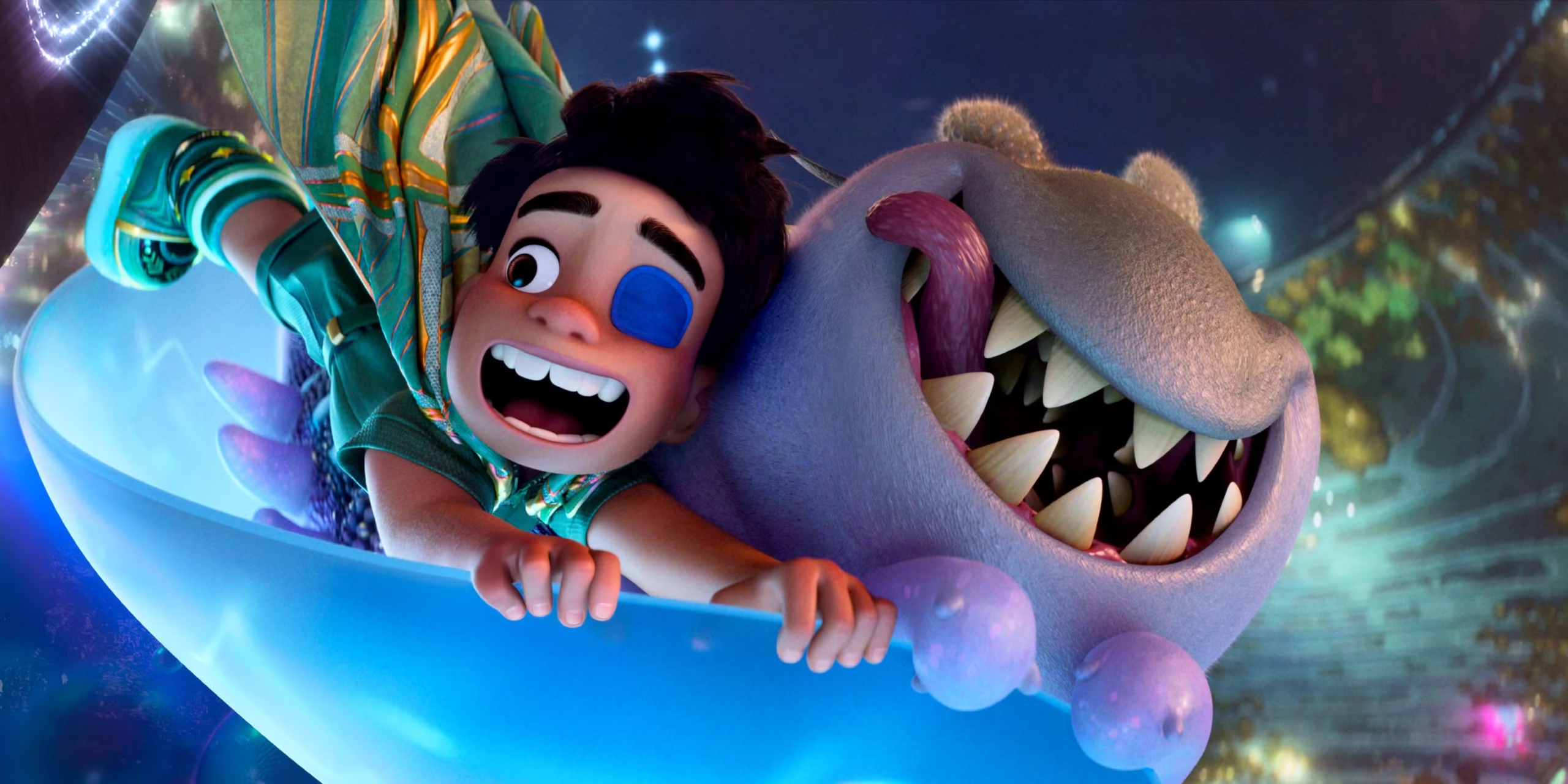
Elio Box Office Flop Signals Trouble for Original Animated Films Elio box office flop headlines are dominating conversations in Hollywood, as Pixar’s latest original film failed to take off at theaters. Meant to be a heartfelt cosmic journey, Elio opened to just $21 million domestically and $14 million globally — the worst box office debut in Pixar’s history. This dismal performance is particularly stark when compared to franchise-driven competitors like How to Train Your Dragon, which nearly doubled its earnings in its second week. Just a year ago, Inside Out 2 soared to nearly $1.7 billion worldwide, helping fuel optimism for a post-pandemic revival of family films. But those box office hits — including Despicable Me 4, Moana 2, and Sonic the Hedgehog 3 — all have one thing in common: franchise familiarity. From Innovation to Indifference – Why Original Ideas Struggle Despite past hits like Toy Story, Frozen, and The Lion King, today’s original family films are floundering. The Elio box office flop underscores this broader trend — it’s not just a Pixar problem. Across Hollywood, the only successful “originals” are based on books or graphic novels, such as The Bad Guys and The Wild Robot. Films built on wholly new ideas and without pre-established branding are struggling to gain traction with audiences. Recent misfires like Strange World, Wish, and Onward from Disney, as well as DreamWorks’ Ruby Gillman: Teenage Kraken and Illumination’s Migration, have further highlighted the market’s shift. And just like the Elio box office flop, titles such as Soul and Turning Red were quietly diverted to Disney+ rather than tested in theaters.. Post-Pandemic Problems: Why Elio’s Failure Wasn’t Just About Timing Some blame the pandemic for a shift in viewing behavior. The lockdowns accustomed families to home viewing, shrinking the market for theatrical releases. However, this doesn’t fully explain the repeated underperformance of original titles. At the core of the issue may lie the content itself—particularly the complexity of modern plots. Narrative Overload: How a Confused Plot Contributed to the Elio Box Office Flop Elio tells a charming story of a lonely boy mistakenly identified as Earth’s ambassador by aliens. But its storytelling is erratic. The plot bounces between Earth, an alien craft called the Communiverse, a villain’s spaceship, and back again—multiple times. A clone subplot adds further confusion. Multiple directors and three credited screenwriters hint at a disjointed creative process. Originally Adrian Molina’s personal story, the project expanded to include Domee Shi and Madeline Sharafian as directors. The result? A narrative that feels overcooked, its emotional core buried under structural sprawl. Too Many Cooks: How Studio Interference Fueled the Elio Box Office Flop Animated films are expensive—Elio reportedly cost $150 million. With that kind of investment, studios often opt for heavy oversight and constant retooling. Writers are brought in to refine, expand, and smooth over any rough edges. But the over-polishing process can remove spontaneity and coherence. British film critic and producer Jason Solomons observes, “You can feel the mechanism creaking… maybe a little craziness, a rough edge here and there, would do them the world of good.” Franchises Offer Familiar Comfort in a Distracted World Sequels and remakes may not always offer brilliant storytelling, but they don’t need to. Today’s audiences are more distracted than ever. With phones in hand and shorter attention spans, audiences are drawn to what they already know. When watching Lilo & Stitch or Minecraft: The Movie, they don’t need to pay close attention—they already know the plot beats. This explains why films like Moana 2 or Mufasa: The Lion King attract more viewers than anything new. It’s not just branding; it’s cognitive ease. Parents feel safer spending money on a known quantity, while kids gravitate toward familiar characters. When Stories Lack Simplicity and Heart Pixar’s early success hinged on simple, emotionally resonant stories. Finding Nemo is literally about finding Nemo. Up opens with a four-minute montage that conveys a lifetime of emotion. In contrast, films like Soul and Strange World require extensive explanation to summarize. Their thematic complexity might engage adults, but they lose children along the way. The most powerful family films strike a balance between depth and accessibility. By trying to do too much, modern originals risk doing very little that truly connects. The Pressure to Launch Franchises Studios don’t just want successful films—they want franchises. Merchandise, streaming series, theme park rides, spin-offs, and Broadway adaptations are the end goal. But for a new franchise to succeed, it must start with a story worth retelling. Films like Frozen weren’t engineered for success—they earned it by touching hearts. Studios now chase that formula mechanically. The disappointment of Elio reflects an industry overreliant on data, focus groups, and formula. Yet audience connection remains unpredictable. A Glimmer of Hope? There’s still a path forward for original children’s films. Success won’t come from massive budgets and endless rewrites. Instead, studios need to trust in the power of a well-told, emotionally sincere story. The next Frozen or Toy Story won’t be created in a committee—it’ll be sparked by a singular vision with a universal message. Until then, audiences will continue to vote with their wallets, and unfortunately for Elio, the vote is clear.

Read More

28 Years Later Review: A Gripping but Uneven Horror Sequel

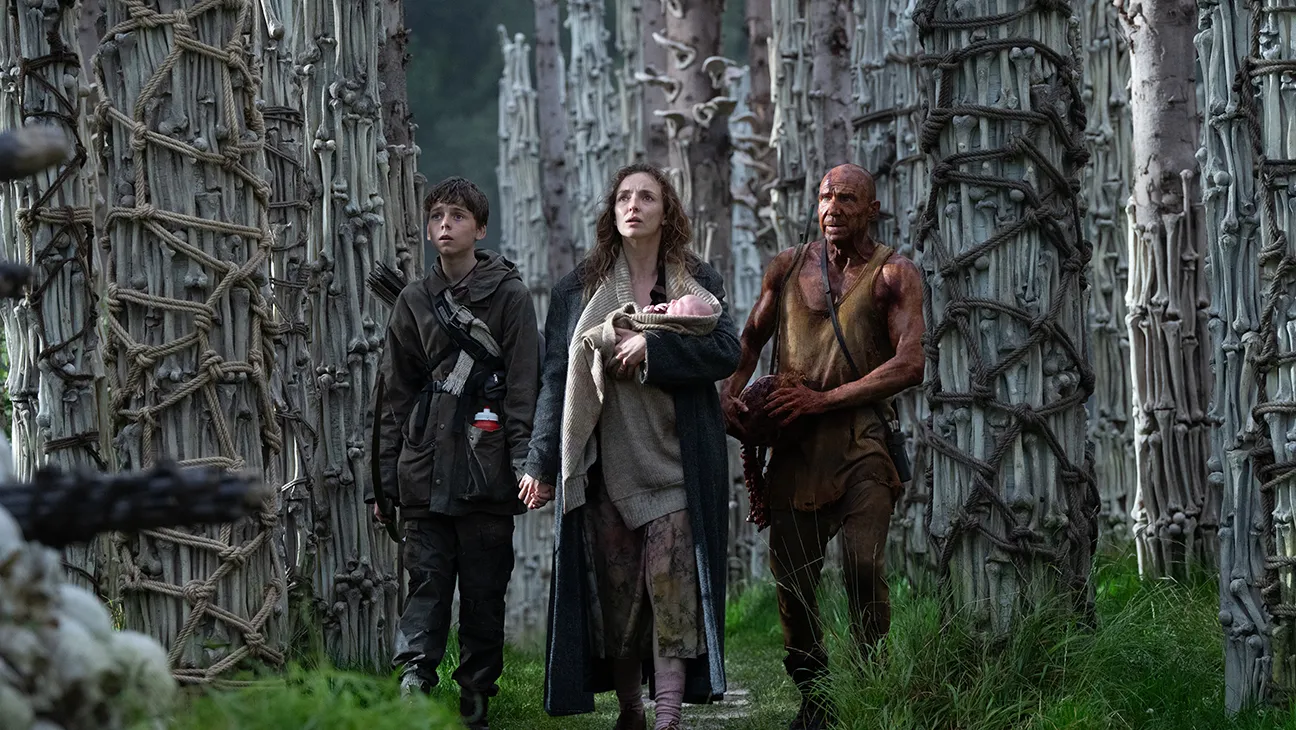
28 Years Later Review: Return of the Rage Virus and the Monster Mythos This 28 Years Later review explores how the film reawakens the chilling world of the Rage virus with a bold, genre-blending continuation that merges horror with medieval survivalist themes. Directed by Danny Boyle and penned by Alex Garland, the film is a long-awaited sequel to the original 2002 cult hit. It paints a harrowing picture of a dystopian Britain abandoned by the world and quarantined from civilization. While it dazzles with stylistic finesse and haunting adversaries, the film stumbles when it leans too heavily into sentimentality and disjointed storytelling. Post-Apocalyptic Britain in 28 Years Later: A World Rebuilt from Ruins In this 28 Years Later review, we explore how the story opens in a starkly altered Britain, where a small island community survives in near-medieval conditions, isolated from the infected mainland. The survivors, cut off for decades, have learned to live with rudimentary tools, crafting weapons from scratch and burning wood for fuel. It is in this haunting and primitive environment that we meet Jamie, played with stoic strength by Aaron Taylor-Johnson, and his ailing wife Isla, portrayed by Jodie Comer. This setting offers an evocative contrast to the fast-paced modern terror of the original film. Their son Spike is at the center of a traditional rite of passage: a hunting expedition to the infected mainland to make his first kill. But it is this journey that exposes deeper horrors, both external and internal. Zombie Horror in 28 Years Later: A Visually Striking, Intense Experience Danny Boyle proves once again that his command over kinetic visuals remains unmatched. The hunting sequences, framed with chaotic energy and visceral tension, thrust viewers directly into the chaos of a world still overrun by the virus. The infected have evolved—some crawl like beasts, others display intelligence and alarming agility. Though still technically not zombies, their horrific transformations heighten the threat level with each encounter. The infected, now dubbed “Slow-Lows” and other mutated forms, burst into geysers of blood when wounded, their bodies caked in dirt and decay. These scenes are expertly constructed, with frantic camera work and pulse-pounding urgency. Boyle’s visual language captures the primal dread of this desolate world. 28 Years Later Review: Politics, Isolationism, and Thematic Depth As noted in this 28 Years Later review, the narrative attempts to layer in political subtext, referencing a quarantined Britain left to rot while European powers enforce maritime boundaries. French and Swedish vessels patrol the waters, ensuring no one leaves or enters. This isolationist theme offers potential relevance in today’s geopolitical climate, but it’s touched on only briefly, lacking the follow-through needed to make it truly impactful. 28 Years Later Review: Family Bonds and Emotional Disconnect The relationship between Jamie, Isla, and Spike is designed to provide emotional depth. However, it often comes off as hollow, with Isla relegated to a passive, bedridden figure. Spike’s character, while central to the narrative, feels underdeveloped and emotionally flat. A bizarre twist involving a pregnant infected woman stretches plausibility, even within the horror genre’s boundaries. At its weakest, the film resembles a more stylized and ambitious cousin to other recent post-apocalyptic media, such as The Last of Us, but without the emotional gravity that made those stories resonate. Ralph Fiennes: The Undeniable Heart of the Film It’s only when Ralph Fiennes enters the narrative as Kelton—a once-doctor now perceived as a madman—that the film transforms into something deeply compelling. Painted in iodine, living in solitude on the mainland, Kelton greets the visitors with eerie politeness and haunting wisdom. He introduces them to his creation: a Memento Mori temple constructed from bones and skulls, each representing a lost soul, not a monster. As highlighted in this 28 Years Later review, Fiennes plays Kelton with eerie warmth and tragic humanity, blurring the line between madness and compassion. His presence elevates the film, making the final act more psychological and introspective. His character becomes a philosophical lens through which to view the horror, and the ambiguity of his sanity leaves a lasting impression. Artistic Symbolism and Haunting Flourishes Stylistic choices, like the recurring audio of Rudyard Kipling’s war poem Boots, add eerie historical resonance. Visions of historical conflicts flash across the screen, linking past violence with the present chaos. Yet these ambitious touches, while visually compelling, often serve more as garnish than substance, leaving thematic threads dangling. Setting the Stage for a New Trilogy “28 Years Later” is the first installment in a new trilogy. The next film, titled 28 Years Later: The Bone Temple, has already been filmed and is scheduled for release in January. With this promising title and the strong foundation laid by Fiennes’s character, there is hope that future entries will refine the narrative, strengthen emotional arcs, and fully realize the potential of this world. Final Verdict: Ambitious but Flawed “28 Years Later” is an ambitious, uneven, and often mesmerizing expansion of its iconic predecessor. It melds striking visuals, grotesque horror, and philosophical musings into a unique cinematic experience. While the emotional threads and political undertones may not land as effectively as intended, the film remains a must-watch for fans of the genre, buoyed by Ralph Fiennes’s magnetic performance.

Read More

Squid Game Spin-Off Teased as Season 4 Plans Are Ruled Out

Netflix’s Squid Game spin-off buzz is real. Director Hwang Dong‑Hyuk recently dismissed Season 4 rumors but teased a potential cinematic expansion set in the Squid Game universe. At a press event, he confirmed that Season 3 will feature a brand-new game not seen in trailers. Moreover, he explained that while Season 4 isn’t in active development, he’ll likely revisit minor characters in future stories. We break down his exact words, the trailer drops, and what this means for fans craving more. Trailer Highlights & New Game Announcement Squid Game spin-off The latest trailer drops viewers straight into tension: Seong Gi‑hun (Lee Jung‑jae) is shown boxed unconscious—echoing past horrors. Additionally, we glimpse a new, unnamed game that raises the stakes even further. Official Netflix trailer for Squid Game Season 3 Hwang Dong‑Hyuk on the Franchise Future “There are no plans to make a Season 4… but I’m thinking about doing a spin‑off,” explained Hwang. He confirmed that while the main arc ends at Season 3, the world might expand via side stories touching on Squid Game lore. Variety interview with Hwang Dong‑Hyuk Why a Spin-Off Makes Sense Fans always wondered: What happened to Player 067? Did the VIPs return? A spin-off offers freedom. Furthermore, it avoids franchise fatigue by keeping focused storytelling in pockets of the universe that remain ripe for exploration. Release Date & What to Expect in Season 3 Release Date: June 27 on NetflixSeason 3 continues by showing Gi‑hun’s infiltration of the system, still haunted by Player 390. The trailer suggests deadly new challenges and expanded character arcs. Netflix’s Season 3 announcement

Read More

Train to Busan 2

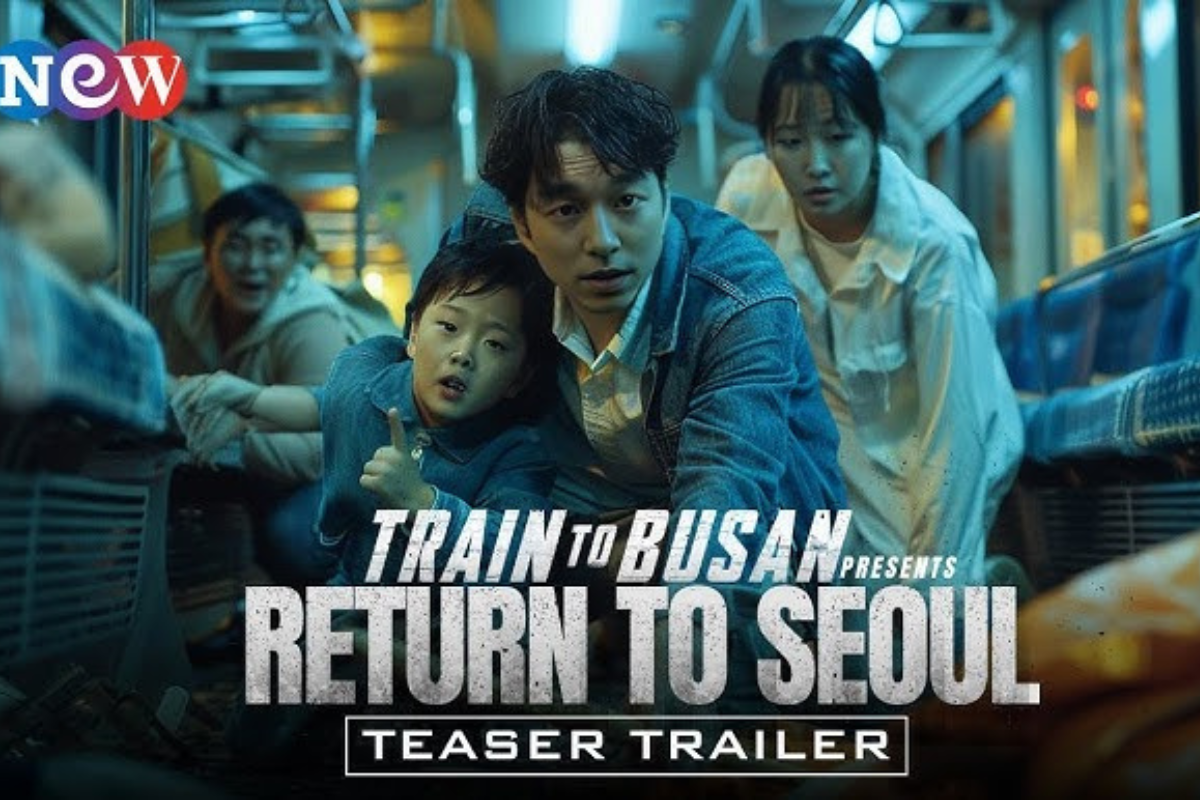
Train to Busan2 and 3 attempt to build on the emotional and creative legacy of the 2016 original. The sequel, Peninsula, prioritized action while drifting away from the father-daughter bond that made the first film so impactful. In contrast, 28 Years Later—the latest sequel to 28 Days Later—returns the focus to family, echoing what made both originals resonate with audiences. But will Train to Busan 3 follow suit and restore the emotional core? Why Train to Busan Revitalized the Zombie Genre In 2016, Train to Busan broke new ground. The zombie wave was oversaturated thanks to The Walking Dead and repetitive film sequels. However, this film brought something fresh: it placed a father and his daughter on a speeding train, raising the tension with a deeply personal lens. Unlike slow-building apocalypses, it compressed horror, heart, and character into a tight emotional ride. Rotten Tomatoes’ review roundup Innovation Then and Now: Train to Busan vs. 28 Days Later In 2002, 28 Days Later shook conventions with its fast, rage-fueled undead. That energy inspired Zack Snyder’s remake of Dawn of the Dead. Yet despite both films’ innovations, they later suffered sequels that failed to match the originals’ emotional impact. Disappointment in the Follow-Ups: Peninsula and 28 Weeks Later Train to Busan’s success sparked the animated spin-off, but it was Peninsula (2020) that split fans. It chased spectacle over emotion, abandoning the father–child core for military-style explosions. Similarly, 28 Weeks Later (2007) lacked Danny Boyle’s original direction and emotional resonance, despite a strong opening. Critics noted its impersonal tone, calling it high‑voltage but hollow. Variety’s Peninsula critique 28 Years Later (2025): Family at the Forefront Released in 2025, 28 Years Later pivots back to relationship-driven narrative. Survivors bond through trauma. Central to the story is a father and son who leave a safe haven behind and face the undead mainland. That return to human-scale storytelling mirrors the trajectory Train to Busan must follow in its third installment. What Train to Busan 3 Must Do 1. Recapture Family Bonds Focusing on intimate character connections gives emotional stakes. According to Game Rant, director Yeon Sang-ho promises smaller settings and more emotional depth—good signs for fans craving heartfelt storytelling. 2. Shrink the Scope Again By closing the lens, not widening it, the film avoids becoming generic action fare. A confined setting—like a building, isolated train, or rural township—can heighten tension and bring focus. Legacy and Remake: The Last Train to New York Plans for an American remake titled The Last Train to New York are in motion, but fans are keenly waiting on the third Korean film. They hope it regains the grit and warmth of the original. Game Rant on Yeon Sang-ho’s vision

Read More

Superman Trailer 2025: Baby Joey, Battles, and More

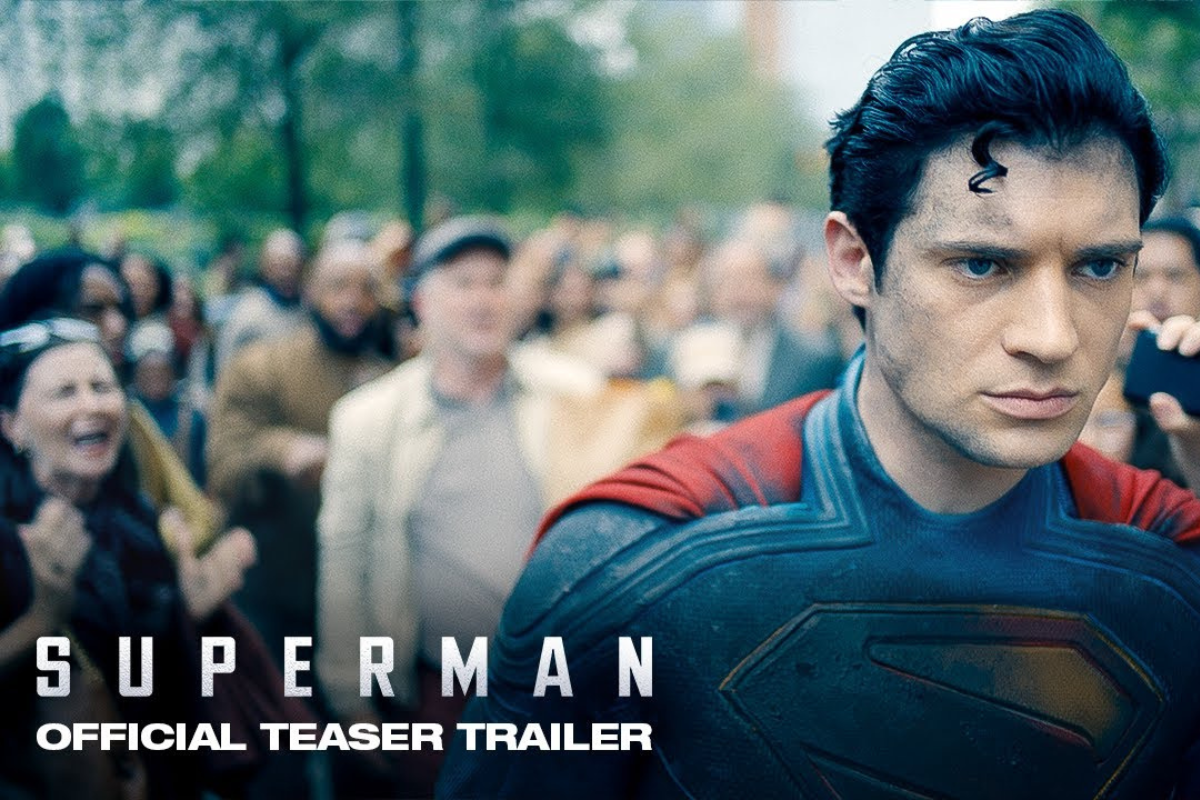
The newly released Superman Trailer 2025 by James Gunn packs intense action, emotional reveals, and a shocking cameo by Baby Joey. Opening with a skyscraper collapse, it shows Superman racing to save civilians before facing Lex Luthor’s full might. The trailer also introduces Lex The Engineer and monsters like the Hammer of Boravia, as well as a tender yet tense space scene featuring Baby Joey—the infant son of Metamorpho. In this article, we break down the trailer beat by beat, highlight key cast members, and explore the themes that define this next entry in the Superman saga. Trailer Highlights & Opening Sequence Keyphrase mention: Superman Trailer 2025 appears again earlyFirst, the trailer thrusts viewers into chaos as a towering building topples. Superman acts swiftly to rescue panicked occupants. Then, Lex Luthor (Nicholas Hoult) delivers a chilling monologue: “Superman, the most powerful being on Earth… We finally meet.” This moment sets the stage for the intense battle to come. Lex Luthor’s Army & Fierce New Fights Subheading contains keyphrase structureNext, Lex unleashes an army against Superman and Guy Gardner. Viewers also meet Lex The Engineer—a villain whose arms morph into saw-like blades. He breaches the Fortress of Solitude, executing a chilling promise: “I’ll destroy you, and that reporter you always interview with.” These scenes escalate the tension dramatically. Nicholas Hoult’s Lex Luthor origin story – Vanity Fair Monster Mayhem & Kaiju Battles Here, the trailer unveils epic combat with the Hammer of Boravia, a fire-breathing Kaiju. Superman fires lasers and destroys flying robots in sweeping action sequences. This section showcases James Gunn’s visually ambitious vision for this Superman universe. Baby Joey in Space Unexpectedly, Superman appears in space cradling a glowing alien infant—Baby Joey, son of Metamorpho and Sapphire Stagg. Metamorpho attacks with a blue, rope-like weapon to protect his child. This tender yet suspenseful moment hints at complex family dynamics and larger cosmic stakes. Full Cast & Character Breakdown Alongside David Corenswet (Superman) and Rachel Brosnahan (Lois Lane), the trailer shows: They round out the film’s emotional and action-packed landscape. Official cast list – IMDb Themes & Clark Kent’s Struggle James Gunn’s trailer highlights Superman’s internal battle: balancing Kryptonian identity with his human upbringing under the Kent family. These themes add emotional depth to the high-stakes action. Release Date & Theatrical Info Superman (2025) will premiere in theaters on July 11, 2025. Expect a box-office blockbuster with major visual spectacles and character growth. DC Films official release schedule

Read More