Marc Maron’s WTF Podcast Ends After 16 Years

Saying Goodbye to Marc Maron’s WTF Podcast Marc Maron’s WTF podcast ends after 16 remarkable years and nearly 1,700 episodes, marking the close of a trailblazing era in podcasting. The show didn’t just entertain—it transformed the podcasting landscape and became a trusted companion to millions of listeners around the world. As word of its final episode spreads, longtime fans are expressing a deep sense of personal loss. Discovering Marc Maron’s WTF Podcast: A Personal Journey I discovered Marc Maron’s WTF podcast at a crossroads in my life. Working pub shifts after university, unsure of what came next, I stumbled upon the show’s long-form interviews. With each episode, Maron’s honesty and wit pulled me in. It was more than background noise on my walks home—it became a companion during a time of transition and uncertainty. What Set WTF Apart in the Podcasting World? What made WTF with Marc Maron stand out was his unique interview style—a mix of humor, vulnerability, and unfiltered honesty. Maron often shared his own background: raised in New Jersey and New Mexico, his battles with self-doubt, and the ups and downs of his career. These weren’t just celebrity chats—they were real conversations about grief, success, addiction, creativity, and emotional growth. That authenticity turned casual listeners into lifelong fans.https://www.youtube.com/watch?v=SwvZ4dihyUs Exploring Culture, Grief, and Growth Through WTF Over the years, Marc Maron’s WTF podcast evolved into more than a comedy show. It became a space for cultural reflection. Maron tackled weighty subjects like the climate crisis, political division, and grief following the sudden loss of his partner, filmmaker Lynn Shelton. He also offered intimate reflections on aging, sobriety, and life’s messy transitions. These deeper layers made the podcast resonate beyond laughs. A Final Season: Why WTF Is Ending In June 2025, Maron announced that WTF would be coming to an end. After 16 years and a staggering number of interviews, he and his longtime producer decided to conclude the podcast. The announcement caught many fans off guard. For those of us who listened religiously, the show had become a routine, a comfort, and in many ways, a friend. Now, with only one episode left, the sense of finality feels deeply personal. Fans React: How Listeners Are Saying Goodbye Tributes have flooded podcast platforms and social media. Listeners describe discovering Marc Maron’s WTF podcast during major life milestones—raising children, moving cities, enduring breakups. One person called it “like losing a goofy uncle,” while another likened the end of the podcast to “losing a friend.” These messages prove the emotional connection Maron built over time—one raw, revealing episode at a time. Marc Maron’s WTF Podcast: A Legacy That Lasts WTF didn’t just make waves—it helped shape the podcasting medium itself. The show redefined what an interview podcast could be, paving the way for others to follow. It encouraged vulnerability, honesty, and emotional storytelling. As someone who went on to become a podcast producer, I can say that Marc Maron’s WTF podcast was a major influence. Its legacy will live on in every podcaster who dares to be real.
Read More

Best TV Shows of 2025: Top 10 Must-Watch Series

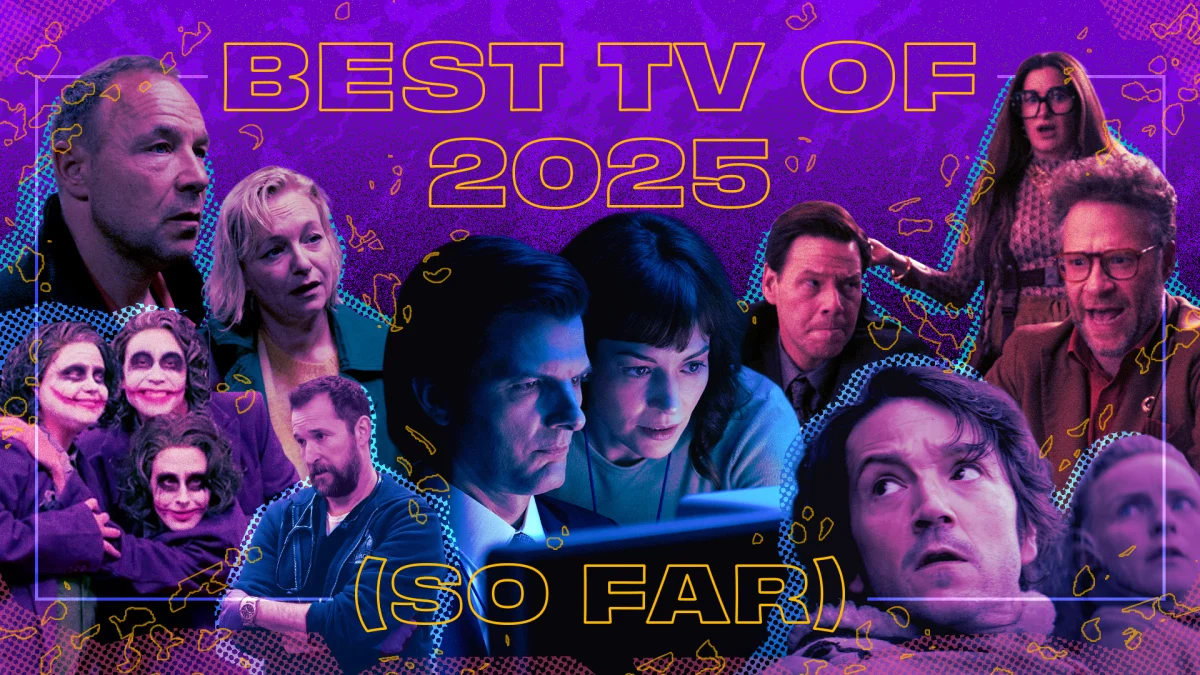
The best TV shows of 2025 are already redefining what we expect from entertainment, with gripping stories, stunning performances, and unforgettable characters that keep audiences hooked. 1. Dept. Q – One of the Best TV Shows of 2025 on Netflix Genre: Crime Thriller | Platform: Netflix (International) This gripping police procedural stars Matthew Goode as Carl Morck, a jaded detective demoted to cold cases. What starts as a cliché becomes an emotional and thrilling series thanks to its stellar performances and compelling writing. Morck’s team includes the mysterious Akram Salim (Alexej Manvelov), whose past in Syria and rough tactics keep viewers guessing. Smart, chilling, and absorbing, Dept. Q redefines the cold-case crime genre. 2. Dying for Sex – Must-Watch 2025 Series on Hulu/Disney+ Genre: Drama | Platform: Hulu (US), Disney+ (International) Based on a true story, Dying for Sex follows Molly Kochan (Michelle Williams), who embarks on a bold sexual journey after a terminal cancer diagnosis. The series avoids melodrama and embraces emotional honesty. From deep friendships to wild encounters, it’s a moving portrayal of finding joy and connection in life’s final chapter. Mr Loverman – Critically Acclaimed 2025 TV Show on BritBox Genre: Drama | Platform: BritBox (US), BBC iPlayer (UK) Lennie James delivers a BAFTA-winning performance as Barry Loverman, a man in his 70s hiding a lifelong romance with his male best friend. As secrets surface, the show explores love, identity, and generational expectations with compassion. No one is villainized—just deeply human. 4. Too Much (Netflix) Genre: Romantic Comedy | Platform: Netflix (International) Lena Dunham returns with Too Much, starring Megan Stalter and Will Sharpe. This heartfelt rom-com tells the story of Jessica, a burnt-out executive who moves to the UK and falls into an unexpected romance. The series digs into emotional baggage, self-discovery, and messy love with humor and charm. 5. Code of Silence – A Promising New 2025 TV Series to Watch Genre: Crime Drama | Platform: TBA Rose Ayling-Ellis plays Alison Brooks, a deaf woman who uses her lip-reading skills to help police crack a criminal gang. More than a crime drama, it’s a powerful statement on inclusivity. Alison’s courage, vulnerability, and intelligence make her one of the year’s most memorable protagonists. 6. The Rehearsal – Season 2 (HBO Max/Now) Genre: Reality Comedy | Platform: HBO Max (US), Now (UK) Nathan Fielder returns with another jaw-dropping season. This time, he tackles pilot miscommunication and airline safety—by recreating an airport and launching a bizarre singing competition. Absurd yet deeply human, The Rehearsal pushes the boundaries of reality TV in surreal and brilliant ways. 7. Étoile (Prime Video) Genre: Drama | Platform: Prime Video (International) Set between New York and Paris ballet companies, Étoile dazzles with rich characters, backstage drama, and stunning dance scenes. Created by Amy Sherman-Palladino, it blends witty dialogue with high-stakes ambition, delivering both style and substance. 8. Such Brave Girls (Hulu/BBC iPlayer) Genre: Dark Comedy | Platform: Hulu (US), BBC iPlayer (UK) This brutally funny British sitcom explores mental illness, broken families, and queer identity through a dysfunctional trio: two sisters and their mother. Kat Sadler, Lizzie Davidson, and Louise Brealey deliver raw and hilarious performances in a show that refuses to hold back. 9. The Studio (Apple TV+) Genre: Satire/Comedy | Platform: Apple TV+ (International) Seth Rogen headlines this sharp satire of Hollywood’s chaotic world. With cameos from A-listers like Martin Scorsese and Kathryn Hahn as a wild PR exec, The Studio is a laugh-out-loud takedown of showbiz egos and creative dysfunction. 10. The White Lotus – Season 3 (HBO/Now) Genre: Drama/Satire | Platform: HBO (US), Now (UK) Mike White’s third season moves to a luxurious Thai wellness resort, diving deeper into class, privilege, and existential angst. With a stellar cast including Parker Posey and Carrie Coon, the show remains both a social commentary and a cultural obsession. Final Thoughts: What Makes the Best TV Shows of 2025 Stand Out? The best TV shows of 2025 prove that great storytelling comes in many forms—gritty thrillers, heartfelt dramas, offbeat comedies, and bold experiments. Whether you’re into emotional depth, sharp satire, or character-driven arcs, these series offer something for every viewer.

Read More

Wednesday Netflix Season 2: Jenna Ortega on Fame and Family

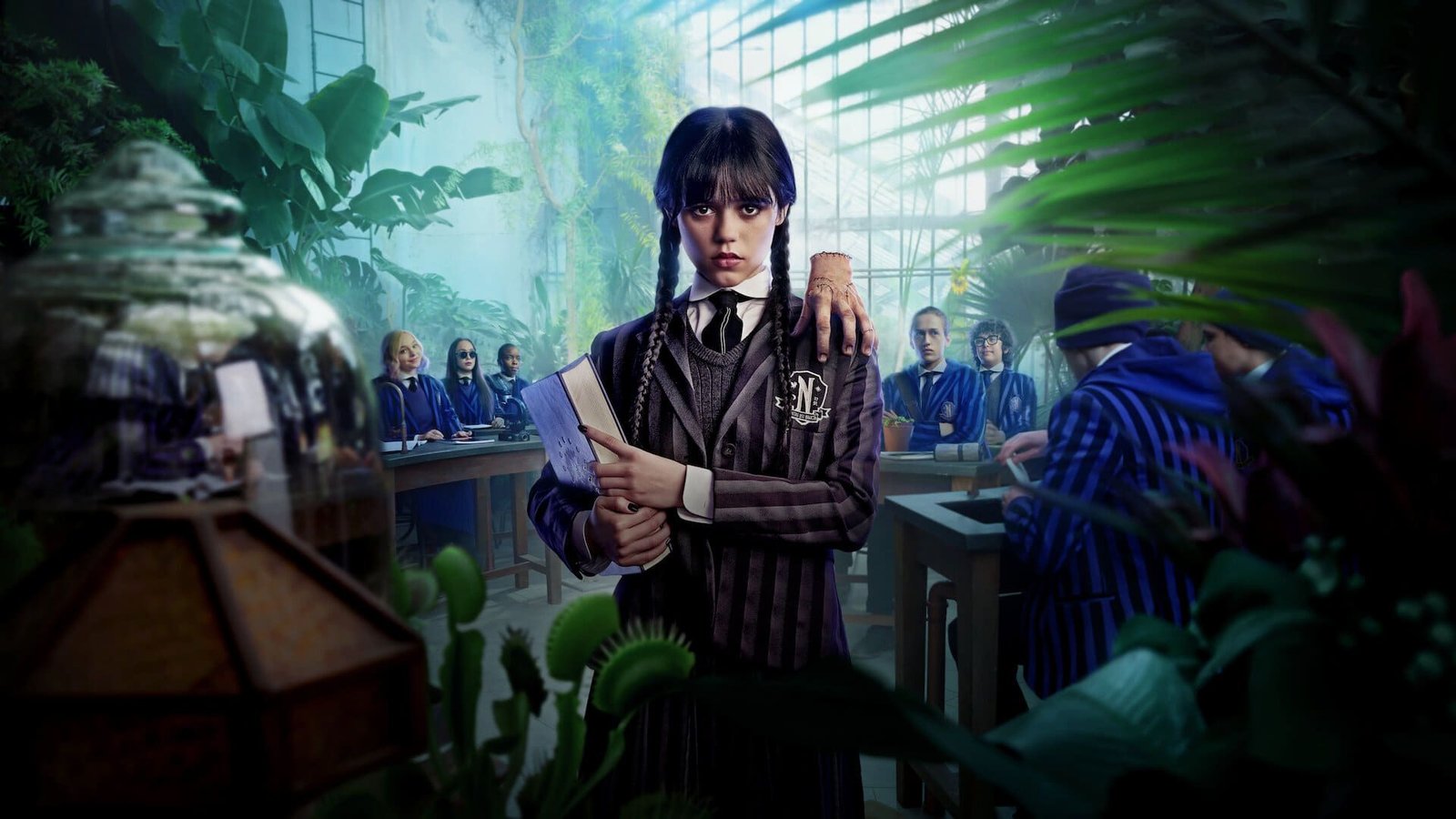
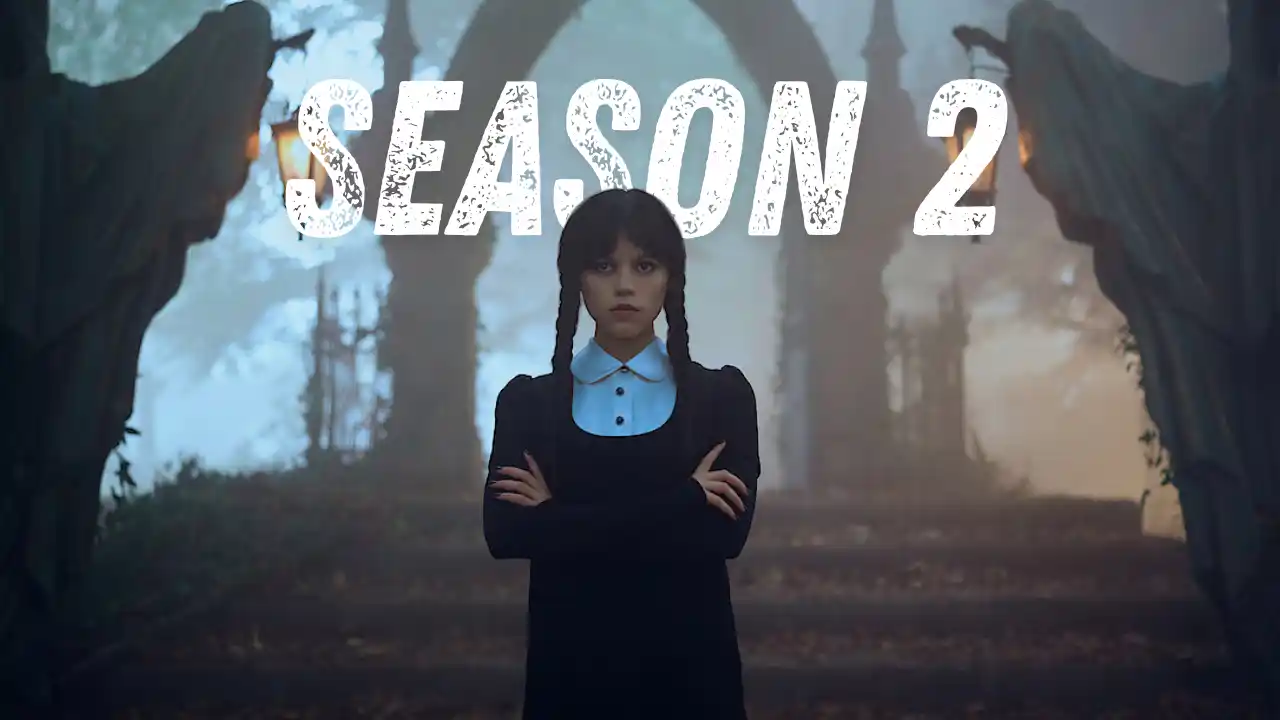
Sudden Fame Was “Overwhelming,” Ortega Admits Jenna Ortega is stepping into a bigger role for Wednesday Netflix Season 2, both on-screen and behind the scenes. After the first season’s unexpected success, Ortega admits she felt overwhelmed by the show’s rapid rise to becoming Netflix’s most-watched English-language series. “You never know how people will react. The attention was massive, and honestly, it took some time to adjust,” Ortega shared. She added that the support from viewers meant a lot, but no one on the team predicted how big the show would become. Wednesday Netflix Season 2 Returns with Bigger Roles for Morticia and Gomez The second season of Wednesday brings the Addams family back to Nevermore Academy. But this time, Wednesday’s parents—Morticia and Gomez—have a much stronger presence. Their involvement on campus introduces new challenges for Wednesday, who values her independence above all. Netflix teased this added dynamic as “a rare new form of torture for a fiercely independent amateur sleuth.” Ortega, who plays the gothic teen detective, says the deeper exploration of family dynamics adds emotional depth to the story. Exploring the Mother-Daughter Bond Catherine Zeta-Jones returns as Morticia Addams, and Season 2 shines a light on the complex relationship between her and Wednesday. “It’s classic mother-daughter conflict,” Ortega explained. “The daughter wants space, the mother wants to protect. It mirrors my own experiences growing up.” The new season allows viewers to see more of Morticia as a fully developed character. Ortega describes Zeta-Jones as a “divine presence” who brings elegance and intensity to the screen. New Cast Joins Wednesday Netflix Season 2 The second season introduces new faces to Nevermore Academy: These additions expand the series’ quirky world and provide fresh dynamics for Wednesday to navigate. Jenna Ortega: Now an Executive Producer Beyond acting, Ortega takes on a behind-the-scenes role this season as an executive producer. She says the experience has been “a crash course in storytelling and leadership.” “I tried to absorb everything I could on set. It’s helped me understand the industry in a deeper way.” She believes the time between seasons allowed the creative team to build something more thoughtful and layered. A Message for Young Viewers Ortega believes Wednesday Netflix Season 2 speaks directly to today’s youth. In a world shaped by online communities and social isolation, she says the Addams family stands as a symbol of acceptance and authenticity. “The show reminds people it’s okay to be different. That your weirdness is your strength.” Zeta-Jones echoes this sentiment, calling the Addamses “the ultimate modern family” because of how they celebrate individuality. When Will Wednesday Season 2 Be Released? Fans have waited patiently for the next chapter—and the cast promises it will be worth it.

Read More

Best TV Shows to Watch This August: Top 10 Picks You’ll Love

Best TV Shows to Watch This August span action, mystery, sci-fi, and drama, promising a thrilling month of binge-worthy entertainment. Whether you’re into historical epics, Marvel adventures, gothic mysteries, or true crime, August’s TV line-up offers something for every taste. 1. Chief of War – A Must-Watch Historical Series This August Platform: Apple TV+ | Premiere: 1 August Jason Momoa stars as Ka’iana, a warrior who tries to unite Hawaii before colonization. Co-created by Momoa, this historical drama blends intense battles with emotional, cultural storytelling. Spoken partly in Hawaiian and cast with Polynesian actors, it brings powerful authenticity. 2. Eyes of Wakanda – Marvel’s Epic Makes the List of Top August TV Shows Platform: Disney+ | Premiere: 1 August This animated Marvel spin-off visits different moments in history as Wakandan warriors reclaim stolen vibranium. With stand-alone episodes and new characters, it expands Black Panther lore with thrilling, espionage-style storytelling. 3. Wednesday Season 2 – One of the Best TV Shows to Watch This August Returns with Gothic Thrills Platform: Netflix | Premiere: 6 August Jenna Ortega returns as the ever-droll Wednesday Addams. New cast members like Joanna Lumley and Steve Buscemi add flair. Expect more secrets, sharp wit, and supernatural tension at Nevermore Academy. 4. Outlander Prequel – One of the Best TV Shows to Watch This August for Time-Travel Romance Platform: Starz (US), MGM+ (UK) | Premiere: 8–9 August This prequel explores the love stories of Claire and Jamie’s parents. With time-travel, war, and passion, it expands the Outlander universe while keeping its romantic roots. 5. Alien: Earth – One of the Best TV Shows to Watch This August for Sci-Fi Horror Fans Platform: Hulu (US), Disney+ (UK) | Premiere: 12–13 August Set two years before the original film, this prequel brings xenomorphs to Earth after a crash. With AI, body transfers, and suspense, it offers a terrifying sci-fi experience. 6. Butterfly – Espionage Runs in the Family Platform: Prime Video | Premiere: 13 August David Jung (Daniel Dae Kim), a former spy, returns to South Korea to save his assassin daughter. Packed with action and emotion, this thriller adds a personal twist. 7. The Twisted Tale of Amanda Knox – Fact Meets Fiction Platform: Hulu (US), Disney+ (UK) | Premiere: 20 August Grace Van Patten stars in this dramatized look at Amanda Knox’s legal battle. It explores the case’s emotional toll and the media storm that followed. 8. Hostage Platform: Netflix | Premiere: 21 August The UK Prime Minister’s husband is kidnapped during a French state visit. Starring Suranne Jones and Julie Delpy, this thriller mixes blackmail, diplomacy, and deadly consequences. 9. Long Story Short – Family Comedy with a Twist Platform: Netflix | Premiere: 22 August From the creator of BoJack Horseman comes a dramedy about three siblings facing adult chaos. Timelines shift, emotions rise, and the laughs are heartfelt and sharp. 10. The Terminal List: Dark Wolf – Origins of a Warrior Platform: Prime Video | Premiere: 27 August This action-packed prequel follows Ben Edwards (Taylor Kitsch) through his early Navy SEAL and CIA missions. Chris Pratt also appears as the story builds toward betrayal and brotherhood. What to Watch This August? Whether you’re chasing aliens, time-traveling lovers, or twisted political drama, this month’s TV schedule is packed with binge-worthy premieres. Add these shows to your watchlist and dive into stories that will keep you glued to your screen. Best TV shows to watch this August.

Read More

Psycho Music Legacy: Herrmann’s Score Changed Film

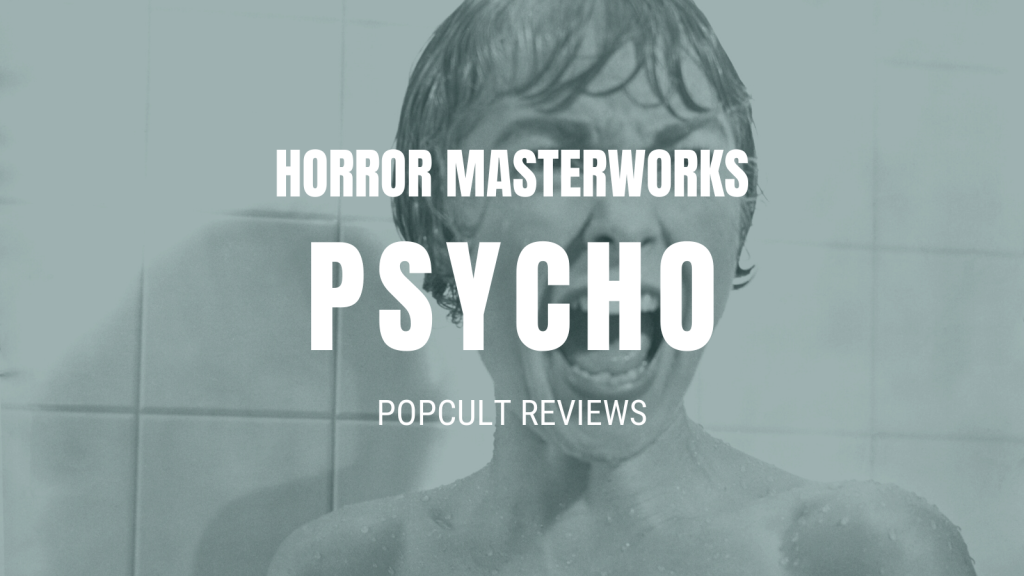
Psycho at 65: A Soundtrack That Defined Suspense When Alfred Hitchcock’s Psycho hit theaters in 1960, audiences were stunned—not just by the brutal shower scene, but by the piercing score that accompanied it. As the film marks its 65th anniversary, the Psycho music legacy continues to influence composers and directors across generations. Bernard Herrmann’s iconic, all-string score didn’t just set the mood—it redefined how music could build suspense. That Psycho music legacy helped turn a low-budget thriller into a cinematic masterpiece. The Shower Scene: How Strings Created Screams The screeching violins during the shower scene have become one of the most recognized audio cues in cinema. Herrmann’s choice of string instruments alone brought a raw, primal intensity to the screen. “That music is everything,” says composer Rachel Zeffira. The sharp, jarring tones mirrored both the violence on screen and Norman Bates’s fractured mind. Psycho’s Music Legacy: Rebirth of a Thriller Through Sound Before Herrmann’s involvement, Psycho lacked tension. But his orchestration added psychological depth. As author Steve C. Smith explains, “Psycho wasn’t a bad film without the score, but it wasn’t terrifying either.” Herrmann’s minimalist “black-and-white sound” perfectly matched Hitchcock’s monochrome visuals. The Psycho Music Legacy: How Hitchcock and Herrmann Shaped Each Other The duo had a fiery yet fruitful relationship, collaborating on six films before parting ways. Herrmann’s talent lay in creating music that lived inside a character’s head—dreams, dread, and delusion all packed into a few bars. When Hitchcock doubted the shower scene, Herrmann insisted on keeping the score. After watching it with the music, the director famously changed his mind. Roots of the Psycho Music Legacy: Herrmann’s Journey from Radio to Film Herrmann’s early work with Orson Welles at CBS Radio helped shape his storytelling instincts. He understood how silence, pauses, and subtle cues could trigger emotional responses. His experience in radio—especially the infamous War of the Worlds broadcast—taught him the power of audio illusion. Psycho’s Musical DNA in Pop Culture From Jaws to Eleanor Rigby, Herrmann’s influence stretches beyond horror. John Williams’s shark theme owes a debt to Herrmann’s creeping bass notes. Even rapper Busta Rhymes sampled Psycho’s strings, proving that Herrmann’s rhythmic intensity resonates far beyond classical circles. A Melancholic Masterpiece: The Composer’s Style Even Herrmann’s lighter pieces—like those in The Ghost and Mrs. Muir—carry an undercurrent of sorrow. Brandon Brown, a filmmaker creating a documentary on Herrmann, believes the composer was shaped by the trauma of his family’s flight from Eastern Europe. That pain echoes through his music, giving it emotional weight. Final Collaborations and Farewell Notes Though Herrmann and Hitchcock parted ways after Torn Curtain, Herrmann’s career flourished. His final score for Scorsese’s Taxi Driver includes a subtle nod to Psycho’s theme—an eerie suggestion that Travis Bickle, like Norman Bates, would strike again. Psycho’s Score: A Lasting Impact Herrmann’s Psycho score is a landmark in film history. It’s a soundtrack that doesn’t just accompany a movie—it defines it. Even decades later, any film that uses dissonant strings or chilling pauses owes something to Herrmann. As he once said, “A composer writes a score for a picture, and he gives it life.”

Read More

KPop Demon Hunters: Netflix’s New Global Sensation

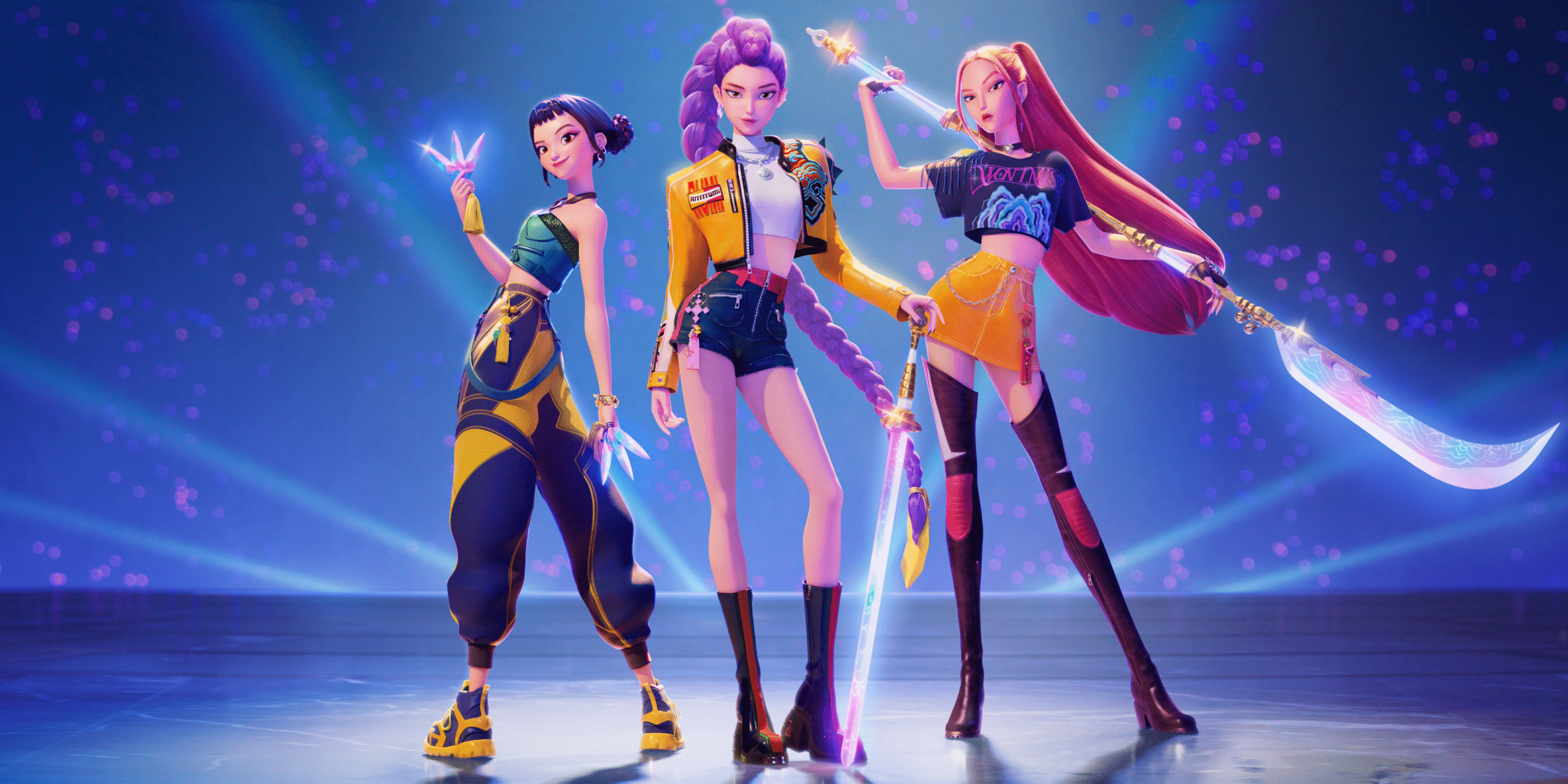
The Rise of KPop Demon Hunters as a Global Hit Since its release in June, KPop Demon Hunters has become an unstoppable cultural phenomenon. The animated feature has skyrocketed to Netflix’s top charts, attracting over 33 million views in just two weeks. Currently ranked among the top 10 in 93 countries, the film has captured the hearts of both dedicated K-pop fans and general viewers alike. Social media platforms are flooded with fan art, tribute videos, and trending hashtags, and audiences everywhere are already demanding a sequel. But what makes this movie more than just another animated release? The answer lies in its perfect combination of high-energy music, dynamic storytelling, and cultural authenticity. Why Music is the Heartbeat of KPop Demon Hunters One of the biggest reasons for the film’s meteoric rise is its soundtrack. Since its debut on June 20, two fictional bands from the film—Huntr/x, a fierce all-girl K-pop group, and their rivals, the enigmatic Saja Boys—have dominated global music charts. Tracks from the film have even overtaken heavyweights like BTS and Blackpink on Spotify, securing the top two spots on the U.S. chart, and seven songs have landed on the Billboard Hot 100. Unlike many animated films where music is an afterthought, in KPop Demon Hunters, songs are woven into the very fabric of the narrative. Each track enhances the emotional depth of the scenes, turning fight sequences into spectacular, music-powered showdowns. K-pop is not a backdrop here—it is the weapon, the identity, and the soul of the story. KPop Demon Hunters: A Story Beyond the Stage At its core, KPop Demon Hunters is about more than fame and fandom. The plot follows Huntr/x, a trio of global superstars—Rumi, Mira, and Zoey—who lead double lives. While they shine on stage as idols, their secret mission is to protect humanity from supernatural forces, including their dark counterparts, the Saja Boys. This unique premise merges fantasy, music, and action, creating a cinematic experience that resonates with viewers worldwide. Themes of friendship, trust, and staying true to oneself give the film a universal appeal. Beneath the glamorous visuals and adrenaline-filled sequences lies a coming-of-age story about identity and self-acceptance, making it relatable even for those unfamiliar with K-pop. Cultural Authenticity That Resonates Another reason behind the film’s success is its authentic portrayal of Korean culture. The creative team behind KPop Demon Hunters went beyond surface-level aesthetics. They traveled across South Korea to capture real-life details—from historic Seoul landmarks like the Namsan Tower to the intricacies of Hanuiwon (traditional Korean medicine clinics) and local dining customs. The film beautifully integrates elements of traditional Korean life such as public bathhouses, street markets, and folk architecture, while also showcasing modern Korean trends and urban design. These thoughtful inclusions make Korean audiences feel represented while giving global viewers a genuine cultural experience. Visual Details and Symbolism One striking detail is the animators’ decision to align character mouth movements with Korean pronunciation, even though the final dialogue is in English. This cultural sensitivity extends to subtle gestures, reactions, and occasional Korean words or lyrics within songs. Symbolism is woven throughout the film: Why Animation Was the Perfect Medium Animation gave the creators freedom to merge K-pop aesthetics with high-fantasy action. Battle scenes infused with synchronized choreography mimic real-life Kalgunmu (K-pop’s signature precise dance moves), while vivid backdrops mirror the drama of live concert stages. This fusion appeals to both anime fans and K-pop enthusiasts, creating a unique crossover experience. The Power of Global Fandom The film doesn’t just depict fandom—it celebrates it. From fan signing events to colorful light sticks and placards, the movie immerses viewers in the authentic world of K-pop culture. For many fans, KPop Demon Hunters feels like a love letter to their passion, which explains the viral explosion of fan art and social media buzz. Behind the Scenes: Music Production at Its Finest Directors Maggie Kang and Chris Appelhans knew music would make or break this project. To ensure authenticity, they partnered with leading figures in the K-pop industry, including Teddy Park (producer for Blackpink) and Grammy-winning Lindgren (associated with BTS and TWICE). Their expertise helped craft a soundtrack that feels genuine and globally appealing, proving that music can unite audiences across cultural lines. Tradition Meets Trend The film is a stunning example of how modern entertainment can honor cultural roots. Huntr/x’s stage costumes incorporate traditional Korean elements while staying stylishly contemporary. Ritualistic motifs—such as fans, swords, and shamanic charms—blend seamlessly with glowing neon stages, making each performance both magical and meaningful. Universal Themes for a Global Audience At its heart, the film carries a message of self-acceptance and resilience. Characters struggle with identity and societal expectations, but their journey reflects a universal truth: embracing who you are is the ultimate power. This theme resonates across cultures, making KPop Demon Hunters not just a movie but a movement.

Read More

Superman Review: DC’s Bizarre New Universe Begins

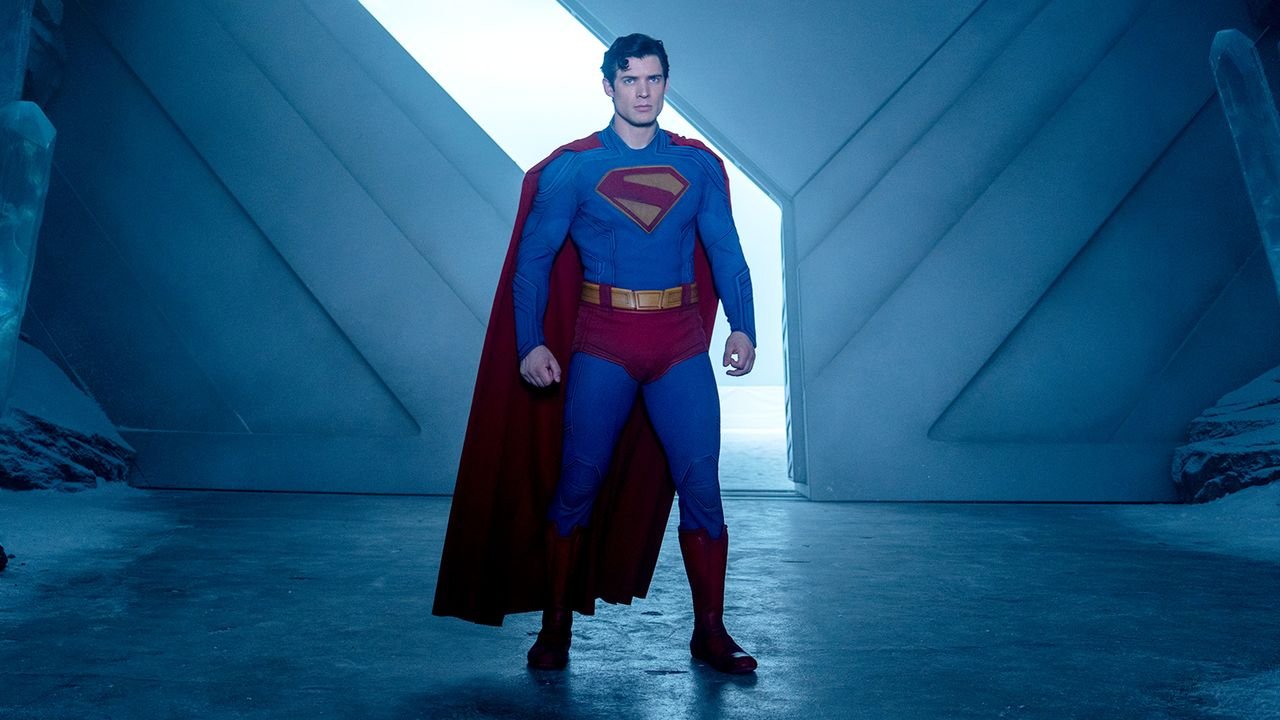
Superman Review: A Wild New Universe or an Overloaded Experiment? This Superman review dives into James Gunn’s bold, bizarre reboot of DC’s cinematic universe, starring David Corenswet as the iconic Man of Steel. Rather than carefully setting up a franchise foundation, Gunn opts for chaos, delivering a sci-fi B-movie cloaked in superhero spandex. It’s not just a standalone film—it’s the launchpad for a new era of DC storytelling. In this Superman review, we find a universe where the Man of Steel already exists, fully formed. There’s no origin story, no quiet Kansas farm—just immediate, breathless action. Director James Gunn boldly starts in the middle, where Superman has been fighting supervillains in Metropolis for three years, dating Lois Lane (Rachel Brosnahan), and battling public opinion stirred up by tech mogul Lex Luthor (Nicholas Hoult). This bold creative choice adds weight to our Superman review, which explores how skipping the traditional backstory affects the film’s narrative flow. Superman Review: How James Gunn Reimagines the Man of Steel David Corenswet’s Superman is handsome and wholesome, with all the right looks for Clark Kent. But while his charm fits the role on paper, Gunn’s script rarely gives him space to breathe. Superman seems rushed, impatient, and prone to emotional outbursts—a far cry from the gentle iconography of Christopher Reeve’s version. Gone is the awe; in its place is a short-tempered crusader with little time for warmth. Even Lois Lane, portrayed with gusto by Brosnahan, is given little development. Their relationship feels pre-written rather than felt. Gunn assumes we already care, without building the emotional stakes. A Superhero Story Skipping Steps What’s striking is how fully Gunn leans into comic book absurdity. The film includes a floating eyeball known as a “dimensional imp,” a squad of Superman Robots, a fire-breathing kaiju, and a subplot about social media disinformation. You’ll also find clones, alternate universes, and scenes that feel plucked from Saturday morning cartoons—except with a much darker tone. While some fans will celebrate this audacity, others may find it overwhelming. Gunn packs so many ideas into the 2-hour runtime that none truly get to shine. The pacing is so frantic that significant events—city destruction, multi-verse hopping, character deaths—feel oddly hollow. The Supporting Heroes: Scene-Stealers or Clutter? Gunn introduces a ragtag group of lesser-known heroes called the Justice Gang, including Green Lantern (Nathan Fillion), Hawkgirl (Isabela Merced), and Mr Terrific (Edi Gathegi). These characters are quirky and fun, but they crowd out the main storyline. Instead of anchoring Superman, they blur his narrative. Their presence also raises an immediate question: where are the heavy hitters? Batman, Wonder Woman, and Aquaman are noticeably absent. While their own stories may come later, this fragmented introduction lacks the narrative cohesion that made Marvel’s early films resonate. Bursting with Weirdness, But Lacking Heart At times, “Superman” feels more like an inside joke for comic book purists than an accessible blockbuster. Gunn brings the same irreverent, genre-twisting spirit that made “The Suicide Squad” a cult hit, but here it borders on indulgent. There’s no space for quieter, character-building moments. Even the score leans on nostalgia, using John Williams’ classic fanfare from 1978’s “Superman: The Movie.” But it doesn’t land with the intended gravitas. Instead of rekindling the magic, it reminds viewers what’s missing—emotional resonance, wonder, and sincerity. The Verdict: Bold, Bizarre, But Not Quite Super “Superman” is a curious gamble—a film that embraces the eccentric side of comic lore, but forgets the human core of its hero. It’s glib, overloaded, and visually chaotic. Corenswet’s potential is buried under clutter, and despite some laugh-out-loud moments, the film fails to inspire awe or confidence in DC’s rebooted universe. Fans of James Gunn’s style will find familiar notes: weird humor, frenetic pacing, and unexpected characters. But those hoping for a soaring, mythic return of Superman may be left grounded.

Read More

Superman’s Radical Origins: From Violent Socialist to Cultural Icon

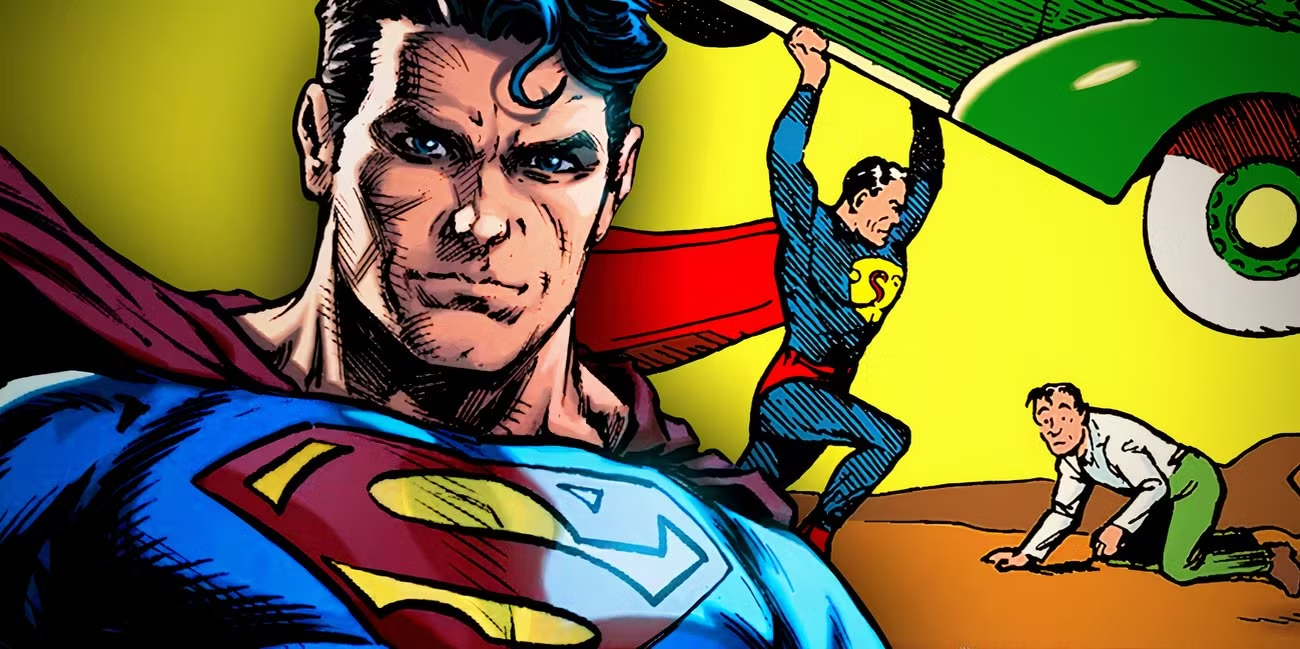
Unmasking Superman’s Radical Origins: The Forgotten Rebel of 1930s Comics When James Gunn’s new Superman film debuts in cinemas, audiences may be expecting the familiar moral paragon of truth, justice, and the American way. But Superman’s radical origins in the 1938 comic books reveal a very different hero. Created by Jerry Siegel and Joe Shuster, the earliest version of the Man of Steel was no patriotic boy scout—he was a violent, anti-authoritarian figure who fought injustice with his fists, not diplomacy. Long before he became the symbol of idealized American values, Superman was the hammer of the oppressed and a thorn in the side of the elite. These radical origins of Superman reflected the creators’ frustration with social inequality, and Superman’s radical origins continue to fascinate readers seeking the deeper, rebellious roots of superhero mythology. From Violent Socialist to Icon: Tracing Superman’s Political Transformation The first Superman, published in Action Comics #1, was far more radical than today’s audiences might imagine. Brimming with righteous fury, he took down slumlords, corrupt businessmen, wife-beaters, and greedy politicians. He smashed through walls, hurled abusers out of windows, and bent iron bars around the necks of the corrupt. His methods were aggressive, his sense of justice unyielding. Some historians, like comic scholar Paul S. Hirsch, even label him a “violent socialist.” This original Superman wasn’t asking politely for change—he was demanding it. Superman’s radical origins are evident in his no-nonsense, working-class attitude and his deep commitment to protecting the oppressed. Unlike the polished, patriotic hero he later became, Superman’s radical origins show a character forged in the fires of economic hardship and social unrest. These early stories underscore Superman’s radical origins as a fierce social crusader, not merely a superhero in tights. The Political Climate Behind Superman’s Radical Origins Siegel and Shuster, two Jewish teenagers from working-class Cleveland, created Superman at the height of the Great Depression. Raised in a time of financial despair and global instability, their superhero emerged from real-life hardship. Siegel once said that Superman was a champion of the downtrodden, a product of their own experiences with poverty and discrimination. In an era where the powerful often trampled the working class, Superman’s early stories served as a wish-fulfilling fantasy: what if the powerless could strike back? Punching Up: How Superman’s Radical Origins Targeted Real-World Villains Unlike most caped crusaders, Superman initially avoided battling mad scientists or alien invaders. Instead, he attacked capitalism’s failures. Superman demolished unsafe tenement housing to force the government into action. Factory owners who cut corners to boost profits at the expense of worker safety became his next targets. Then, he waged a one-man war against reckless drivers, shady used car dealers, and city officials complicit in public negligence. These weren’t fantastical foes—they were painfully real enemies to the everyday American. Why Superman Changed Superman’s radical edge didn’t last. As his popularity soared, so did corporate interest. DC Comics quickly realized the character’s market potential and sanitized him for mass consumption. Gone were the gritty street-level confrontations. In their place came colorful villains, romantic subplots, and more family-friendly adventures. The shift wasn’t just creative—it was political. With World War II on the horizon and American patriotism surging, Superman was molded into a flag-waving icon. Moreover, creators Siegel and Shuster lost control of their creation. Having sold Superman’s rights for a mere $130, they watched from the sidelines as he was repackaged to suit commercial and political agendas. Their personal stories mirrored the very oppression their hero once fought against. A Legacy Muzzled by Profit and Politics By the 1950s, the Comics Code Authority stifled creative expression in the industry. Superman became a clean-cut father figure, battling aliens and interdimensional threats while avoiding controversial topics. The rebellious crusader who once took on slumlords was now delivering moral lessons to children. This “blandification” was driven not only by commercial interests but also by wartime patriotism and Cold War censorship. Creators and publishers were incentivized to avoid political commentary that could jeopardize sales or government approval. The Man Behind the Myth: Jerry Siegel and Joe Shuster The injustice done to Superman’s creators only adds to the character’s layered legacy. Despite inventing one of the most enduring cultural icons of the 20th century, Siegel and Shuster were sidelined by their publisher. Legal battles failed to win them back the rights, and they spent years struggling financially. In many ways, the real-life treatment of Siegel and Shuster underscores the early Superman’s message: that power, left unchecked, often exploits the very people who build it. Superman as a Mirror of America Superman’s evolution is a mirror reflecting America’s cultural tides. In times of war and prosperity, he’s been a patriotic symbol. In eras of unrest, he’s shown flashes of his former radicalism. Creators and storytellers have occasionally attempted to restore his social conscience. From tackling poverty in graphic novels to confronting political corruption in modern story arcs, there remains a glimmer of the original Man of the People in today’s Superman. Which Superman Will We See in 2025? With James Gunn’s reboot on the horizon, speculation is rife about which version of Superman will soar onto the big screen. Will he be the smiling symbol of hope or the social crusader challenging systemic injustice? Perhaps audiences are ready for a revival of the rebellious figure from 1938—a Superman who doesn’t just protect the status quo but questions it. A Timeless Hero with a Forgotten Edge Today’s mainstream image of Superman as a moral, unflappable figure has overshadowed his radical roots. Yet the early Superman—born from economic despair and cultural marginalization—remains a powerful symbol of resistance. His origin story isn’t just about escaping a doomed planet; it’s about fighting for justice on one. In remembering this forgotten version, we rediscover not only the radical beginnings of a comic book icon but also a call to action. Superman didn’t just save lives—he shook the foundations of a broken system.

Read More
Jungle Trouble review

Jungle Trouble Review: A Disappointing Animated Misfire

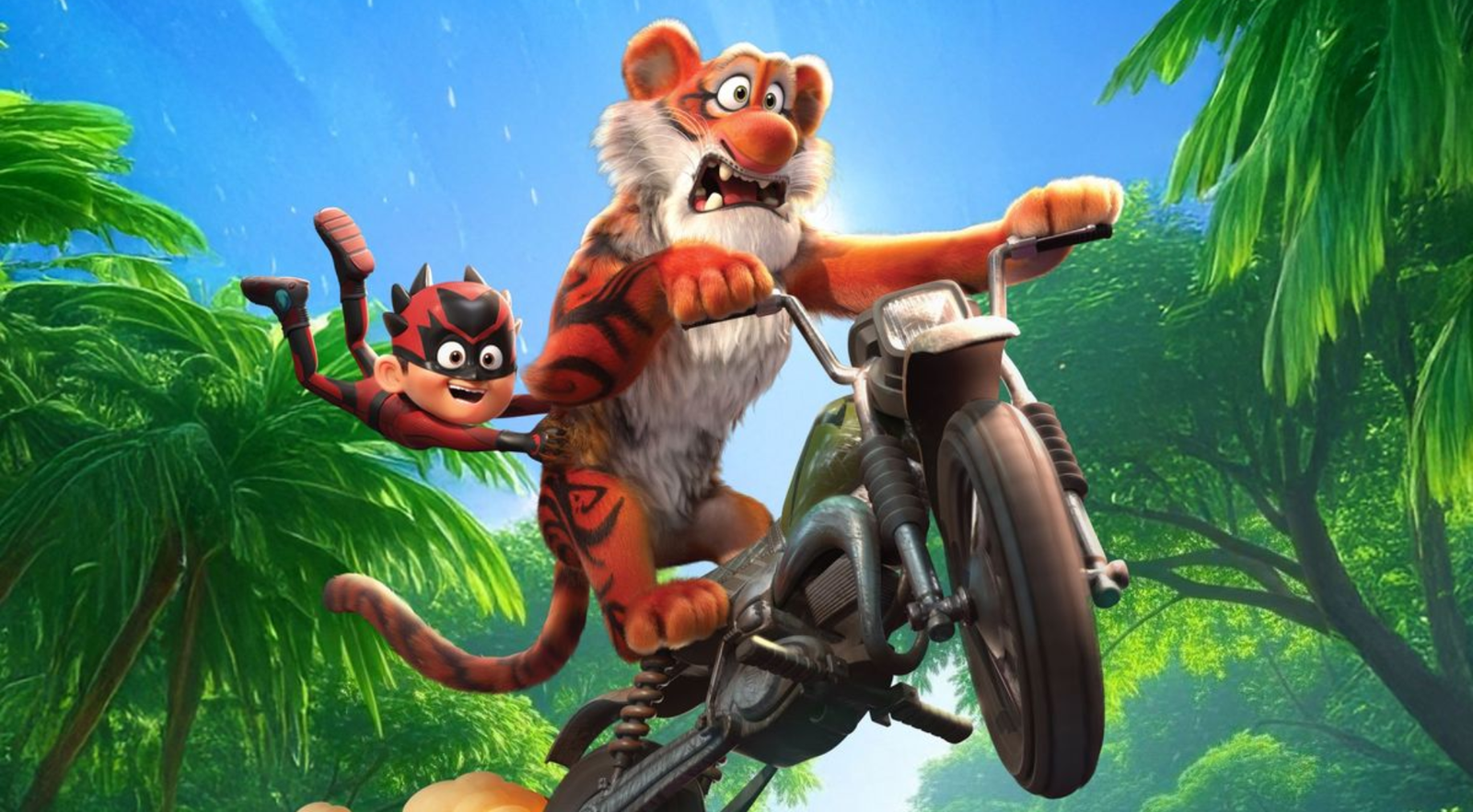
Jungle Trouble Review – A Misguided Animation That Falls Flat Jungle Trouble aims to be a kid-friendly jungle adventure, but as this Jungle Trouble review reveals, the film lands far from the mark. Rather than delivering a fun, fresh experience, it feels like a confusing mashup of better animated movies we’ve seen a hundred times before. From poor storytelling to emotionless characters, Jungle Trouble is yet another forgettable entry in the oversaturated animation genre. Bland Animation and Stale Visuals The animation style in Jungle Trouble offers no personality. It lacks the polished detail of top-tier films and the charm of low-budget indie gems. The character designs are clunky and inconsistent, while the background scenes feel more like flat video game graphics than vibrant jungle life. 🎥 Compare this to something like DreamWorks Animation (outbound link) or even older Disney films, and the flaws become more glaring. A Predictable, Uninspired Plot A central problem in this Jungle Trouble review is the story—or lack of one. The film follows a jungle creature attempting to save the day after a minor mishap. This premise has been used countless times in other animations. But what makes it worse here is the lazy execution. Everything from the “villain” to the “big final moment” feels like it’s been lifted from better films without understanding why they worked. There’s no heart, no meaningful conflict, and certainly no clever humor to keep viewers engaged. (📎 Internal Link: For better storylines, check out our Top Animated Movies for Kids in 2025 article.) Characters That Leave No Impact None of the characters in Jungle Trouble are memorable. The lead animal has no clear personality, while the supporting cast exists solely to fill screen time. Attempts at comedy come across as loud and obnoxious, with no wit or timing. In contrast, consider the layered, lovable characters in Bluey or Zootopia—where charm, motivation, and emotion create a lasting impact. Weak Soundtrack and Forgettable Voice Work The voice acting in Jungle Trouble feels generic and often flat. Some scenes even sound mismatched, as if the voices were added in post-production without syncing. Meanwhile, the soundtrack is just there—unremarkable and repetitive. A Jungle Without Meaning This Jungle Trouble review wouldn’t be complete without mentioning the complete lack of meaningful messaging. Great kids’ movies often sneak in valuable lessons. Jungle Trouble, unfortunately, doesn’t. There’s a faint message about teamwork, but it’s neither earned nor well-integrated into the story. In an era where children’s media can also be educational and socially aware, this film feels like a wasted opportunity. Final Thoughts: A Jungle You Should Avoid To wrap up this Jungle Trouble review, the verdict is simple: skip it. Jungle Trouble offers nothing new or exciting for young audiences or their parents. With so many quality animated titles available today, there’s no reason to settle for a film this underwhelming. If you’re looking for a movie night pick, we recommend classics like Kung Fu Panda or The Croods—films with real heart and humor. 🌟 Rating: 1 out of 5 stars “Jungle Trouble” tries to roar, but ends up barely squeaking.

Read More

Squid Game Reality: How a Korean Drama Reflects Real Life

Squid Game South Korea reality” is more than just a trending topic — it’s a reflection of a harsh truth. As the cultural juggernaut comes to an end with its third and final season, global fans are saying goodbye to the blockbuster Korean drama. But in South Korea, viewers are reflecting on something far deeper: the real-life struggles and societal inequalities that inspired the show’s dark, dystopian narrative. Squid Game Reality Check: A Dystopia That Mirrors South Korean Society The premise of the show may be fictional, but the world it reflects is grounded in truth. Squid Game South Korea reality exposes the widening social inequality, cut-throat job market, and crushing academic pressure that many citizens face daily. These intense challenges form the backdrop of the series and resonate deeply with South Korean audiences. For instance, Gi-hun, the main character, is a laid-off car factory worker — a direct reference to the real 2009 SsangYong Motor plant strike. Through his struggles and those of others in the game, Squid Game South Korea reality becomes a mirror of the country’s ongoing socio-economic crisis. Squid Game Reality in Characters: When Fiction Echoes Real Lives From migrant workers to salarymen and crypto con artists, the characters feel plucked straight from Korean life. Their desperation and vulnerability highlight a system where many feel trapped with no real escape — a theme that resonates strongly with viewers in a country grappling with precarious work and declining birth rates. Celebrations and Symbolism: Squid Game’s Global Send-Off Despite the bleakness, the series was celebrated with grandeur. A massive parade in Seoul featured iconic motifs like the killer doll and the masked guards, blending pop culture with deeper social messaging. This spectacle signifies how the show became not just entertainment, but a mirror held up to society. The Power of K-Content: Beyond Entertainment to Influence South Korea’s government has eagerly embraced Squid Game as a cultural export, adding it to a portfolio of global hits like BTS and Parasite. Newly elected President Lee Jae Myung has expressed interest in using K-culture as soft power to promote the nation’s global image. A Possible Spin-Off? Squid Game’s Influence Reaches Hollywood The final scene, featuring Cate Blanchett engaging in a traditional Korean game in Los Angeles, has ignited speculation about an American continuation. While the Korean series ends, its themes and influence may just be getting started. Ending on Controversy: Gi-hun’s Sacrifice Divides Audiences The finale saw protagonist Gi-hun make the ultimate sacrifice, a plot twist that polarized audiences. While some viewers criticized the act as unrealistic or overly altruistic, others interpreted it as a powerful statement on humanity’s enduring capacity for kindness amidst cruelty. Creator Responds to Feedback: Expectations Were Sky High Show creator Hwang Dong-hyuk acknowledged the mixed reactions to the final season. The absence of surprise, unlike in season one, and varied audience expectations — from more games to character development — made it a challenging project. Kindness in a Cruel World: A Philosophical Takeaway Despite the violence and cynicism portrayed in the series, many South Koreans found solace in its underlying message: that compassion can still shine through in dark times. For viewers like Jeong Cheol Sang, the ending wasn’t about winning or losing, but about human dignity and moral choice. Squid Game Ends, But Its Message Lingers As the global phenomenon wraps up, its real achievement lies in how it reflected South Korea’s socioeconomic fault lines. The show’s gritty realism, emotional depth, and cultural symbolism will continue to spark conversations — long after the final game ends.

Read More