Titmus Retirement Announcement: Swimming Legend Bids Adieu

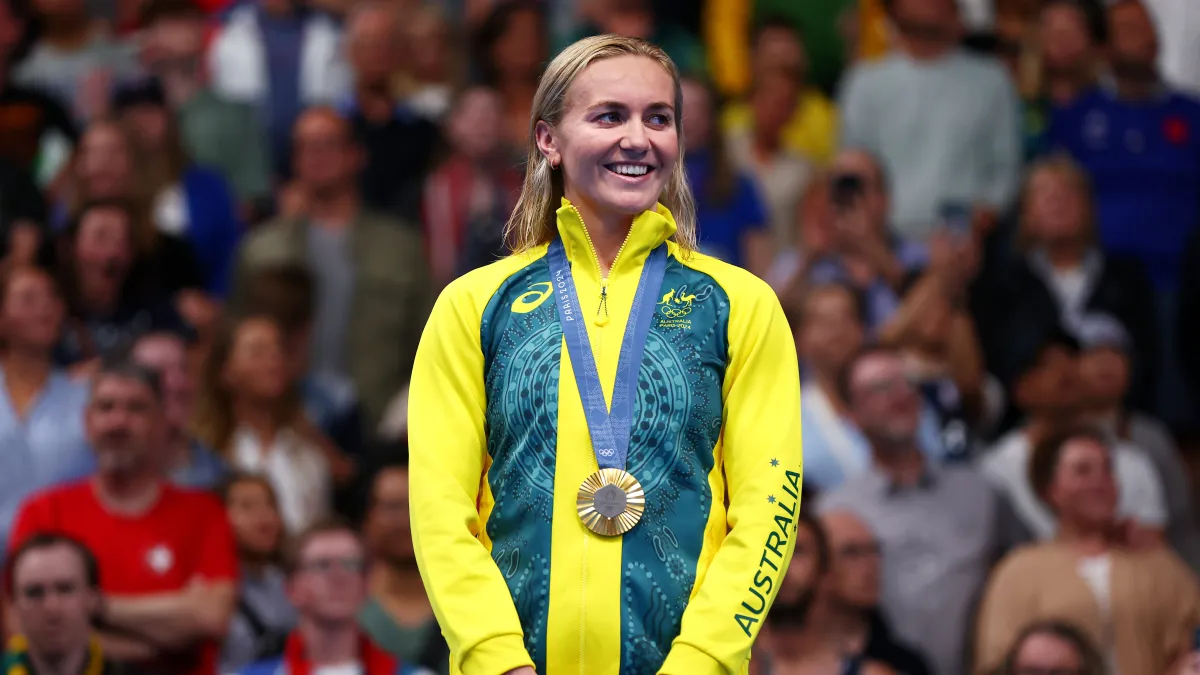
Titmus Retirement Announcement: A New Chapter Begins Australian swimming icon Ariarne Titmus stunned the sports world with her retirement announcement at age 25. Already a four‑time Olympic gold medallist and current 200m freestyle world record-holder, she steps away knowing she gave her all to the water. Her decision reflects a shift in priorities, born partly from serious health challenges she faced ahead of the Paris Games. Why the Retirement Announcement Came Now Titmus described her retirement announcement as the result of deeper personal reflection. Highlights of a Storied Career In her retirement announcement, Titmus leaves behind a legacy filled with historic milestones: Reactions & Legacy Following her retirement announcement, tributes poured in from teammates, rivals, and the swimming community: What’s Next for Titmus? In her retirement announcement, she hinted at future plans beyond the pool:

Read More

Champion Stakes Ascot Status: Big Race, Bigger Challenge

Champion Stakes Ascot Status: Big Race, Bigger Challenge The Champion Stakes Ascot status is under scrutiny even as it attracts top contenders this year. Although it draws elite horses for its £1.3 million purse, the race often trails other global events in terms of prestige and international recognition. A Checkered History: Why It Struggles for Top Billing Since its shift from Newmarket in 2011, the Champion Stakes rarely makes the “World’s Best Horse Race” rankings’ top tier. In fact, five of the last ten editions didn’t even crack the global top 10. Only York’s International Stakes (2020, 2024) has ever secured Britain’s position at the summit. Star Power This Year: A Field to Be Reckoned With Still, Ascot’s promoters have reason to be optimistic. Three of the world’s top 12-rated horses are entered in Saturday’s Champion Stakes: In particular, the showdown between Ombudsman and Delacroix promises to be a high-stakes duel Upgrades, Expansion, and the Race Card This year’s Champions Day marks several upgrades: Such enhancements aim to elevate Ascot’s appeal and help reinforce its place among premier global racing events. The Hard Truth: Timing and Turf Work Against Ascot Despite a quality field, Ascot’s positioning poses a challenge. The Champion Stakes is sandwiched between the Arc (France) and the Breeders’ Cup (USA), both of which boast higher prize pools and global prestige. That makes it tough to lure top international contenders. Meanwhile, Ascot’s ground often trends “soft” in October, while rivals can guarantee fast ground—a critical factor for many trainers. Can Ascot Regain Its Global Footing? This edition might be a turning point. With a deeper card, improved scheduling, and a lineup of elite horses, Ascot has a shot at proving its Champion Stakes status can rival the world’s best. But sustaining that position will require consistent quality, favorable timing, and continued investment in race conditions and prestige.

Read More

World Cup 2026 qualifiers: Northern Ireland and France win

🇬🇧 Northern Ireland Make Statement in World Cup 2026 Qualifiers The World Cup 2026 qualifiers delivered dramatic results across Europe. Northern Ireland secured a crucial 2-0 victory over Slovakia to stay in contention. Meanwhile, Kylian Mbappé inspired France to a comfortable win over Azerbaijan. Additionally, Joshua Kimmich scored twice as Germany cruised past Luxembourg. “It was a great moment. The keeper came out and I just had to guide it in. Most importantly, we got the three points,” said Hume. Captain Conor Bradley was heavily involved in the first goal. He initiated the attacking move that led to an own goal from Slovakia. However, his late yellow card means he will miss the next game against Germany. As a result, Northern Ireland now sit level on six points with Slovakia and Germany in Group A after three matches. 🇩🇪 Germany Thrash Luxembourg as Kimmich Stars in World Cup 2026 Qualifier Germany put on a clinical display in a 4-0 win over 10-man Luxembourg. David Raum opened the scoring with a free-kick. Soon after, Joshua Kimmich converted a penalty following a handball by Dirk Carlson, who was then sent off. Early in the second half, Serge Gnabry made it 3-0. Just minutes later, Kimmich added his second to seal the victory. Thanks to this result, Germany now top Group A on goal difference. 🇲🇰 North Macedonia Hold Belgium in Qualification Battle North Macedonia delivered a disciplined defensive performance to hold Belgium to a 0-0 draw in Group J. Belgium pushed hard, with Jérémy Doku and Kevin De Bruyne creating several chances. Even so, North Macedonia held firm. Goalkeeper Stole Dimitrievski made key saves to deny the hosts throughout the match. With this draw, North Macedonia stay top of the group with 12 points from six games. They sit one point ahead of Belgium and two ahead of Wales. 🇫🇷 Mbappé Leads France to Victory in World Cup 2026 Qualifier Kylian Mbappé was instrumental as France beat Azerbaijan 3-0 in Group D. The Real Madrid forward scored just before half-time and later assisted Adrien Rabiot for the second goal. Substitute Florian Thauvin added a third late on. https://www.youtube.com/watch?v=xMKK_RRvHPQ Despite the win, coach Didier Deschamps was not impressed by his team’s first-half effort. “We got the result we wanted, but our rhythm was far too slow. We need to be sharper,” he said. France now have nine points from three matches. A win against Iceland in their next match would secure qualification. 🇺🇦 Ukraine Edge Iceland in Eight-Goal Thriller Ukraine came out on top in a stunning 5-3 match against Iceland in Reykjavik. After taking a 3-1 lead, they were pulled back to 3-3. However, late goals from Ivan Kalyuzhnyi and Oleh Ocheretko sealed the win. With this result, Ukraine move into second place in Group D. In contrast, Azerbaijan remain bottom with just one point. 🇨🇭 Switzerland Dominate Sweden to Stay Perfect Switzerland extended their perfect start in Group B with a 2-0 away win over Sweden. Granit Xhaka converted a penalty in the 65th minute after Djibril Sow was fouled. In stoppage time, Johan Manzabi’s deflected shot added a second. Sweden had chances. Alexander Isak hit the post, and Lucas Bergvall missed an open opportunity. However, they couldn’t capitalize. Now, Switzerland sit top of the group with nine points from three games. Sweden, on the other hand, are bottom with just one point.

Read More

Caddie Denied UK Entry Over 30-Year-Old Drug Conviction

Caddie Denied UK Entry Sparks Controversy Ahead of The Open Professional golfer Harris English is facing unexpected challenges ahead of The Open Championship at Royal Portrush. His longtime caddie, Eric Larson, has been denied UK entry due to a drug conviction dating back over 30 years. Larson, who has served time and reestablished himself in the professional golf world, now finds himself at the center of controversy due to new travel restrictions. Travel Ban Disrupts Major Tournament Plans Larson’s entry denial stems from updated Electronic Travel Authorization (ETA) rules in the UK. Although Larson has previously caddied at The Open, the new system requires a special exemption for individuals with past criminal convictions. Harris English expressed frustration over the situation, stating, “It’s been over three decades. He rebuilt his life and has lived it well ever since. How long does something like that follow a man?” Endorsements Fail to Overturn UK Caddie Entry Denial Efforts to support Larson’s application have been extensive. Several respected sources have submitted letters of recommendation, including: Despite these endorsements, Larson’s case appears to be in bureaucratic limbo. English believes the government may be delaying the process, saying, ‘Someone at the office is probably just letting the letter sit on their desk. Temporary Replacement for the Scottish Open With the Scottish Open underway, English is currently relying on Davis Thompson’s caddie, Joe Etter, to step in. However, Thompson is scheduled to play at The Open, which means Etter will not be available next week. “Joe was my Plan B,” English said. “Now we’re going to have to get a new Plan B.” Eric Larson’s Redemption: Caddie Denied UK Entry Despite Clean Record Eric Larson’s story is one of personal redemption. After serving 10 years in prison for drug offenses, he rebuilt his life and returned to the PGA Tour as a respected and trusted caddie. His track record since 2006 has been exemplary, working with multiple top-tier golfers and contributing positively to the sport. Call for Policy Reevaluation The incident has reignited discussions on whether long-past criminal convictions should still weigh so heavily in travel and employment opportunities. Golf professionals and fans alike are questioning the fairness and rigidity of the current travel policies, especially when they impact international sporting events. The Stakes Ahead at The Open Championship With one of golf’s most prestigious tournaments just days away, English remains uncertain who will be by his side on the course. The absence of a trusted caddie like Larson could affect performance under high-stakes conditions. Larson’s potential continued exclusion adds pressure to an already competitive event. Broader Implications for International Sporting Events The situation also raises broader questions about international mobility for athletes and their teams. In an era where background checks are increasingly digitized and automated, athletes may face mounting barriers tied to past personal histories — even decades old. Final Decision Pending At the time of writing, no final decision has been issued regarding Larson’s visa status. English and his team continue to explore options as they await official word from UK authorities.

Read More

Lottie Woad Evian Championship: Rising Star’s Big Test

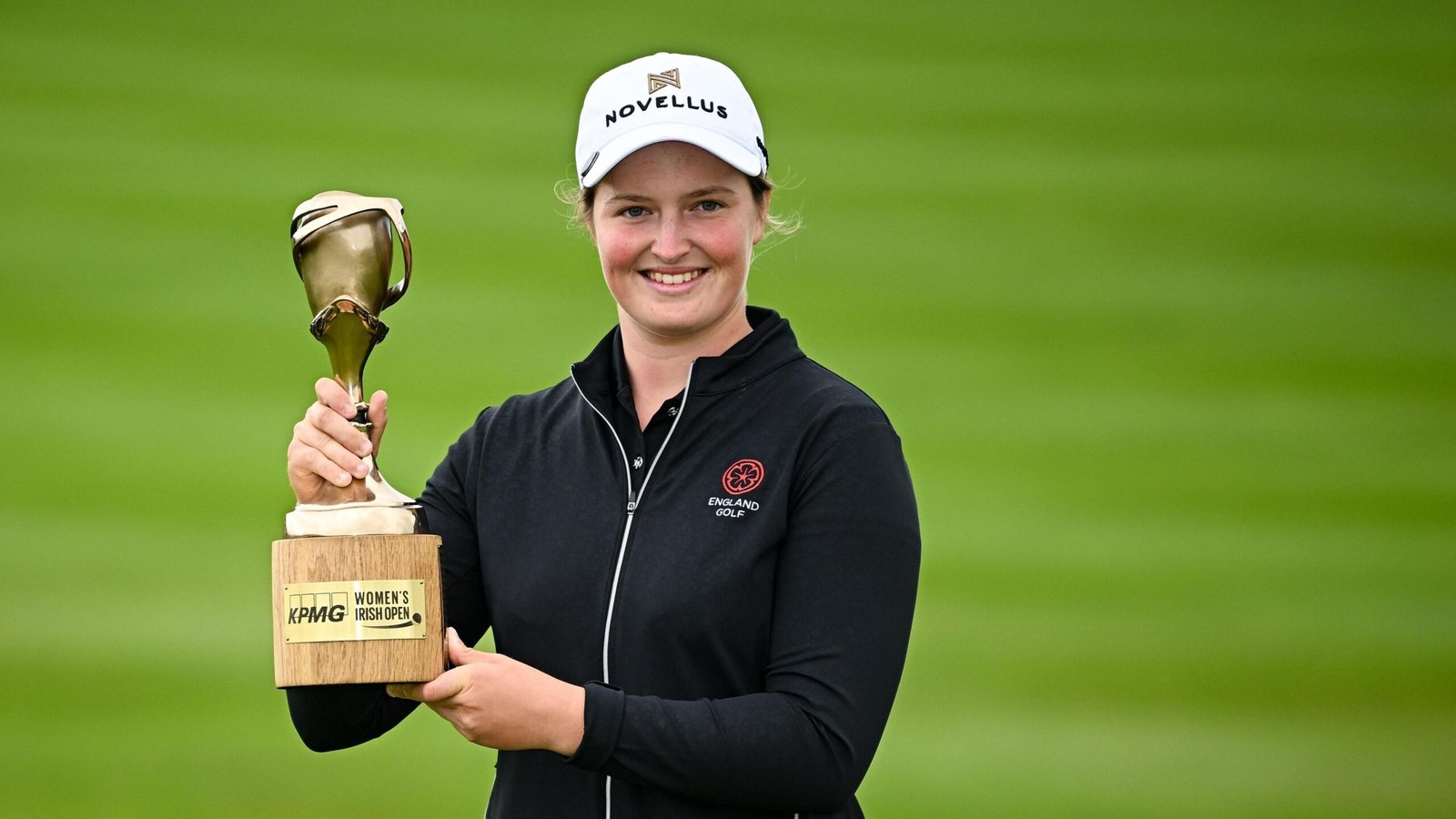
Lottie Woad Evian Championship Bid: A Future Star on the Brink England’s Lottie Woad is heading into the 2025 Evian Championship as one of the most exciting names in women’s golf. At just 21, Lottie Woad holds the top spot in the world amateur rankings and recently secured a commanding victory at the Ladies European Tour’s Irish Open. Woad, still an amateur, dominated a field stacked with professionals, winning by six shots and finishing comfortably ahead of seasoned stars like Charley Hull and Madelene Sagstrom. Now, the young talent has her sights set on a new goal: securing her LPGA Tour membership through the Elite Amateur Pathway. To do that, Woad needs just two more qualifying points, and a top-25 finish at the Evian Championship could seal the deal. Rising Golf Phenom Lottie Woad Prepares for Evian Major Test Woad’s golf journey has been defined by consistency and composure beyond her years. From her early days in regional English squads to competing and winning on the NCAA circuit for Florida State, Woad has proven time and again that she thrives under pressure. With 10 top-three finishes in 11 NCAA tournaments, her collegiate performance has been nothing short of elite. Her crowning amateur achievement came last year when she claimed the Augusta National Women’s Amateur title, birdieing three of the final holes to win. That victory marked her breakthrough on the global golf stage, and she has only grown stronger since. Lottie Woad’s Confidence Grows Ahead of the Evian Championship According to England Golf’s performance director, Nigel Edwards, who has overseen Woad’s development since her early teens, her work ethic is what sets her apart. “Early on, she recognized the need for strength and speed, and she has tirelessly developed those qualities,” he says. “Lottie understands what she needs to practice and isn’t afraid to adjust her approach if something isn’t working.” She showed her mettle again in major tournaments last year, finishing 23rd in her debut at the Chevron Championship and earning the Smyth Salver as the low amateur at the AIG Women’s Open with a share of 10th place. Each outing has been a clear signal that Woad isn’t just keeping pace with the best in the world—she’s beginning to surpass them. Top-25 in Sight at Evian Championship Heading into the Evian Championship, Woad knows what’s at stake. Two more points, or a single top-25 finish, will guarantee her LPGA Tour eligibility. The French major represents the best opportunity to reach that milestone while facing off against the strongest competition in the sport. Unlike some amateurs who shy away from turning professional too quickly, Woad has been patient. After winning the Irish Open, she reaffirmed her focus: “I’m not tempted to turn pro yet.” I want to get those final points and then take it from there.” A Calculated Path to Greatness While many young stars rush into the professional game, Woad’s careful planning and focus on development reflect a maturity that belies her age. She has considered deferring LPGA membership to complete her studies at Florida State, demonstrating her commitment to long-term success over short-term glory. And yet, she’s ready. Her results in majors, her LET victory, and her dominance in collegiate golf make a compelling case. She’s proven she can go toe-to-toe with veterans, play in high-pressure environments, and deliver results. Evian Field Stacked with Elite Talent The 2025 Evian Championship isn’t lacking in star power. World number one Nelly Korda, Olympic champion Lydia Ko, and Women’s PGA winner Minjee Lee are among the favorites. Alongside Woad, several other British hopefuls—Charley Hull, Bronte Law, Alice Hewson, and Gemma Dryburgh—will be competing, adding extra national interest. Despite the fierce competition, Woad is not daunted. Her calm demeanor, consistent ball striking, and ability to remain focused in the biggest moments have made her one of the standout names to watch this week. Final Step Before Stardom Whether she finishes in the top 25 or not, one thing is clear: Lottie Woad is the future of women’s golf. Her career thus far has been a blueprint in how to develop talent the right way—through patience, persistence, and a relentless pursuit of excellence. As her performance director Nigel Edwards put it, “She has incredibly high standards, and that shows in both practice and performance. Big names don’t intimidate her because she holds herself to even higher standards. The Evian Championship could mark the final step in Woad’s amateur career. But regardless of whether she turns pro this year or next, one thing is certain: the golf world is ready, and so is she. Stay tuned for more updates on Lottie Woad’s journey through the 2025 Evian Championship.

Read More

Archer Test Comeback: First Match in Four Years

Archer Test Comeback: A New Beginning in Red-Ball Cricket After more than four years away from the Test arena, Jofra Archer is finally set for his much-anticipated Archer Test Comeback. The England pacer’s return to the red-ball format is not just a sporting event—it’s a powerful narrative of resilience and redemption. “Being back in whites means everything,” said Archer, whose pace and precision once terrorized batting lineups worldwide. Jofra Archer’s Return: Overcoming Injuries and Doubt Archer’s journey has been filled with physical setbacks. Multiple elbow injuries and a stress fracture threatened to derail his Test career. Yet through patience, discipline, and rigorous rehab, Archer is ready once again. This return isn’t just physical—it’s a mental triumph. “I had to rebuild myself inside out,” he revealed in a BBC interview. The Comeback of Jofra Archer: A Mental and Physical Battle What sets Archer apart is his mental resilience. While injuries tested his limits, support from the ECB and his inner circle helped him stay focused. “Comebacks are built in silence,” he said, a quote that now defines this chapter of his career. Why the Archer Test Comeback Changes England’s Bowling Attack England’s Test team has evolved, but Archer’s return adds venom to their pace unit. The Archer Test Comeback comes at a time when the team is balancing youth and experience. Ben Stokes hailed his return, saying, “He’s a game-changer.” With his lethal short balls and ability to reverse swing, Archer reintroduces unpredictability into England’s lineup. Strategic Changes Triggered by Archer’s Inclusion Bowling rotations, field placements, and pitch selection are all likely to shift with Archer back. Coach McCullum said, “With Jofra, we play more aggressively.” The comeback influences more than just team selection—it alters game philosophy. England Fast Bowler Comeback: A Timeline of Archer’s Rehab After his last Test in early 2021, Archer spent over 30 months out of action. From surgeries to practice games, he rebuilt form in stages. His dedication paid off with solid showings in county cricket and franchise leagues. “It’s the small gains that mattered,” said his personal trainer. The Archer Test Comeback is now a fully-fledged reality. Fitness Metrics Ahead of the Return In warm-up matches, Archer hit speeds above 145 km/h and bowled 15+ overs without issue. The ECB confirmed that he’s cleared all fitness protocols. Archer’s form suggests he’s not just back—he might be better than before. Archer in Test Cricket: Comparing Past and Present In 2019, Archer exploded onto the scene with nine wickets in the Lord’s Ashes Test. Today, his style is more calculated. “He’s matured,” said bowling coach Jon Lewis. This version of Archer is smarter and more controlled, making the Archer Test Comeback even more exciting. Stats to Watch During His Return Fans will watch his bowling average, economy, and strike rate closely. His past numbers—42 wickets in 13 matches—speak volumes. If he returns to form, England’s pace battery becomes world-class again. Media and Fan Reaction to Archer’s Comeback Social media erupted with excitement. Hashtags like #ArcherIsBack and #TestComeback trended worldwide. Analysts were equally thrilled. “He’s still young and can dominate again,” said Michael Holding. The Archer Test Comeback has rekindled national excitement around Test cricket. Cricket Legends Weigh In Past legends like Glenn McGrath and Dale Steyn praised Archer’s discipline. “To fight back is harder than debuting,” McGrath stated. Archer’s return is widely seen as a boost not just for England, but for global cricket. Jofra Archer’s Test Return: Voices from the Dressing Room Team members are thrilled. “It’s like having an X-factor back,” said Joe Root. Even new players see him as a mentor. His presence lifts team morale and signals a new era. The Archer Test Comeback has re-energized the squad inside and out. Young Bowlers Inspired by Archer’s Journey Players like Josh Tongue and Rehan Ahmed speak of Archer as a role model. “He showed us that setbacks don’t define you,” said Ahmed. This return is shaping future stars, not just match outcomes. Long-Term Planning After the Archer Test Comeback The ECB is careful not to burn Archer out. He won’t play every game but will be key for marquee series like India and the Ashes. “Sustainable success is our goal,” said Rob Key. Archer’s comeback is a new beginning, not a final hurrah. Load Management and Recovery Protocols Post-match rest, data-driven scheduling, and personalized fitness regimens will guide his workload. The comeback may be slow and strategic, but it’s here to stay. Conclusion: Archer Test Comeback Inspires a New Chapter The Archer Test Comeback is more than a headline—it’s a symbol of persistence, grit, and revival. As Jofra Archer dons his Test whites again, England’s bowling attack looks sharper, and fans feel hopeful. “I didn’t come back to be average,” Archer declared. With eyes on him, the cricket world watches what could be one of the greatest comebacks in the modern era.

Read More

England and Wales: Double Elimination on the Line

Introduction: England and Wales Face a Critical Juncture As the competition intensifies, England and Wales find themselves at a defining moment. The looming threat of a double elimination has made every match a battle for survival. Stakes have never been higher, and both sides must respond with resilience and strategy. Historically, these two nations have shown remarkable spirit under pressure. Now, they must channel that same determination to avoid an early exit from the tournament. “Success is where preparation and opportunity meet.” – Bobby Unser England and Wales: Past Performances Under Pressure England and Wales have consistently navigated challenging paths in tournament history. England, with its depth of talent, often carries the weight of expectations. In contrast, Wales has built a reputation for punching above its weight class. During crucial matches, their performances have varied, yet they frequently demonstrate grit. These experiences, both triumphant and tragic, provide lessons that could prove invaluable now. Moreover, previous turnarounds serve as a motivational reminder of what’s possible under pressure. “Adversity causes some men to break; others to break records.” – William Arthur Ward What Double Elimination Would Mean for England and Wales Getting eliminated at this stage would be more than a disappointment; it could reshape the trajectory of both national squads. A double elimination for England and Wales means lost opportunities, shattered fan hopes, and increased scrutiny of team leadership. Furthermore, the repercussions would extend beyond the pitch. From financial losses to future qualification challenges, the cost of failure is steep. Therefore, every decision and play now carries immense weight. Coaches, players, and support staff are aware that this is about pride as much as performance. An early exit would echo through their respective football cultures for years to come. “It’s not whether you get knocked down; it’s whether you get up.” – Vince Lombardi Tactical Approaches to Stay in Contention To remain in the tournament, both teams must deploy intelligent tactics. England and Wales are likely to adjust strategies based on recent match data and opponent strengths. England may dominate possession and control tempo, while Wales often excels in compact defense and counterattacks. In addition, minimizing mistakes is non-negotiable. Defensive lapses could be catastrophic at this stage. Coaches will emphasize positioning, communication, and game management. Therefore, flexibility and adaptability will be key assets. Winning now depends not just on skill but on reading the rhythm of the game and making timely adjustments. “The will to win is important, but the will to prepare is vital.” – Joe Paterno Player Spotlight: Key Performers for England and Wales In high-stakes matches, individuals often rise to legendary status. For England and Wales, several players have already made headlines. England’s midfielders may provide creative breakthroughs, while Welsh veterans can offer composure and leadership. Equally important are the unsung heroes—those who break lines, win duels, and provide momentum. Furthermore, injuries and suspensions could open doors for new stars to emerge. Every minute on the pitch now represents a shot at national glory. Therefore, it’s not only about talent but about stepping up when it matters most. “Heroes are made by the paths they choose, not the powers they are graced with.” – Brodi Ashton Fan Reactions and Media Pressure The pressure on England and Wales doesn’t come solely from the scoreboard. Media coverage and public expectation are relentless. Moreover, social media amplifies every decision, making errors harder to escape and successes more glorified. Criticism can quickly spiral, affecting morale. However, a strong internal culture can neutralize external noise. Teams must rely on mental resilience and mutual support to stay focused. Managing public perception is now part of tournament strategy. As a result, leadership off the field is just as critical as leadership on it. “Pressure is a privilege – it only comes to those who earn it.” – Billie Jean King Support Systems: Coaches, Analysts, and Team Unity Behind every successful squad is a network of professionals working tirelessly. In the case of England and Wales, coaches, sports scientists, analysts, and medical teams all play pivotal roles. Preparation has become more data-driven and collaborative than ever before. More importantly, unity within the squad fosters resilience. Teams that trust one another adapt better in the face of adversity. Therefore, fostering psychological strength can be as valuable as tactical drills. Off-pitch synergy can directly influence on-pitch performance. When departments align, the entire system moves with purpose. “Talent wins games, but teamwork and intelligence win championships.” – Michael Jordan Historical Context: Similar Situations in Football History Past tournaments have seen both underdog victories and shocking exits. England and Wales have been on both sides of history. For instance, England’s penalty shootout breakthrough and Wales’ magical Euro 2016 run still inspire fans and players alike. These moments teach that no team is ever truly out until the final whistle. Moreover, such legacies show that high-pressure scenarios can birth historic achievements. Reflecting on the past offers lessons and motivation in equal measure. Therefore, drawing from these chapters may help shape the mindset needed to persevere. “Those who cannot remember the past are condemned to repeat it.” – George Santayana Conclusion: Defining Moments Await England and Wales With elimination at stake, England and Wales now face their most crucial challenge. As final fixtures approach, decisions on and off the field will carry lasting consequences. The margin for error is razor-thin, and the hunger to survive must override all distractions. However, history shows that pressure can lead to greatness. This is a chance to create a defining moment, to transform adversity into victory. Fans and players alike await the outcome with bated breath. In football, as in life, the most memorable stories are written in moments of great tension. “Champions keep playing until they get it right.” – Billie Jean King

Read More

Sabalenka Wimbledon 2025: Through to Semi-Finals

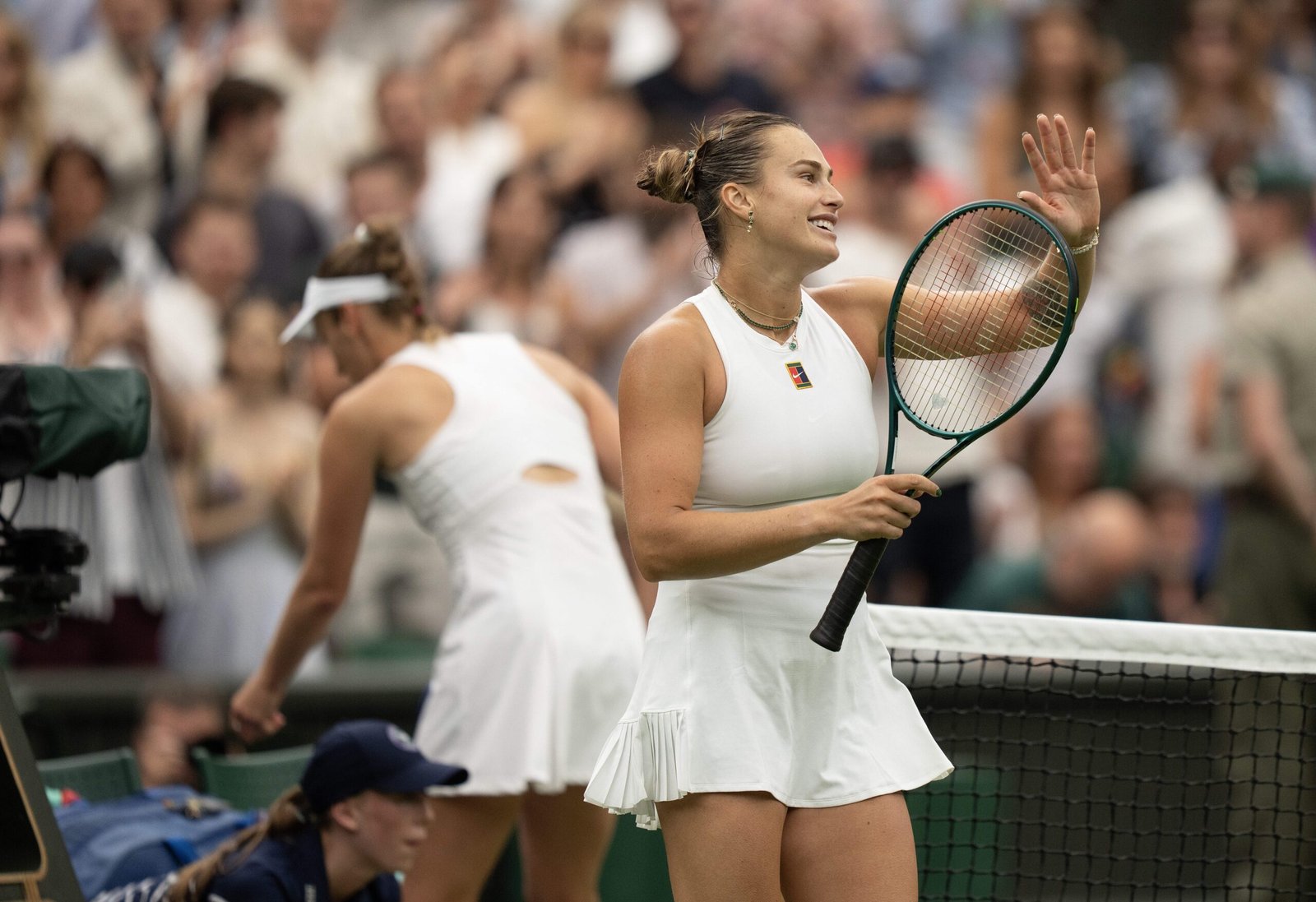
Sabalenka Wimbledon 2025 Campaign Survives Grueling Siegemund Test Sabalenka Wimbledon 2025 campaign remains alive after a thrilling comeback on Centre Court, where world number one Aryna Sabalenka battled past Laura Siegemund in a dramatic three-set quarter-final. The Belarusian title favorite, shaken early, regrouped to win 4-6, 6-2, 6-4 and book her place in the semi-finals after nearly three hours of high-intensity tennis. With most top seeds out, the Sabalenka Wimbledon 2025 run now looks even more promising, as she prepares to face Amanda Anisimova next. If her current form holds, Sabalenka Wimbledon 2025 hopes could very well end in a maiden title at SW19. The match tested every facet of Sabalenka’s game—and patience—as she faced off against a wily veteran who repeatedly disrupted her rhythm. At 37, world number 104 Siegemund had never progressed past the second round at SW19 in singles before, but she came heartbreakingly close to producing one of the tournament’s biggest upsets. Early Struggles Threaten Sabalenka’s Wimbledon 2025 Hopes Sabalenka struggled early on, unable to find her serve or composure against Siegemund’s slow-paced but surgically precise style. Using slices, lobs, and angled drop shots, Siegemund controlled the tempo and put Sabalenka on the back foot. In a surprising turn, Sabalenka held serve only once in the first set and dropped it 4-6. “I looked at my box and thought, ‘Book the tickets, we’re about to leave,’” Sabalenka admitted. But she didn’t. Finding Her Footing Leaving the court after the opening set to reset, Sabalenka returned with renewed energy. She broke Siegemund early for a 2-0 lead, only to give up the advantage in the following game. But this time, Sabalenka held firm, finding her range with powerful groundstrokes and firing up the crowd with every hold. By the middle of the second set, she had reeled off four straight games, leveling the match with a commanding 6-2 finish. The roar of Centre Court suggested that the momentum had shifted. Deciding Set Drama Siegemund wasn’t done. She broke Sabalenka to love with a stunning passing shot early in the third set and extended her lead to 3-1. But Sabalenka dug deep, breaking back twice, including once as Siegemund served to stay in the match. A final net smash sealed the deal for Sabalenka, who fell to her knees in relief after completing the win. “It doesn’t matter if you’re a big-hitter or a big-server—you have to work, run, and earn the victory,” she said. “It was tough but beautiful.” Sabalenka’s Calm Under Pressure at Wimbledon 2025 Throughout the match, Sabalenka showed impressive emotional control—a marked improvement from her meltdown in the French Open final. “I think there’s a big possibility I would’ve lost this match if I hadn’t learned from that experience,” she noted. “I’m proud I kept my composure.” With this win, Sabalenka is now into her fourth consecutive Grand Slam semi-final. The pressure will be on as she faces American 13th seed Amanda Anisimova, who also booked her first Wimbledon semi-final appearance with a straight-set win over Anastasia Pavlyuchenkova. Anisimova’s Poised Performance—and a Sweet Ending On Court One, Amanda Anisimova delivered a clinical performance to beat Russian opponent Pavlyuchenkova 6-1, 7-6(11-9). The American raced through the first set in just 27 minutes and looked poised to close things out quickly. But nerves crept in during the second set. She missed two match points at 5-4, allowing Pavlyuchenkova to drag the contest into a tense tiebreak. Saving five set points, Anisimova eventually prevailed, collapsing face-first into the grass in celebration. Adding a heartwarming moment to her victory, Anisimova brought her young nephew Jaxon onto the court for her interview, holding his hand as they soaked in the applause—a special early birthday gift he won’t forget. Looking Ahead: Sabalenka vs Anisimova The upcoming semi-final between Sabalenka and Anisimova promises high drama. Both players bring contrasting styles—Sabalenka’s power versus Anisimova’s precision—and both are hungry for a first-ever Wimbledon final. Sabalenka will need to draw on every ounce of her grit, particularly after being pushed to the brink by Siegemund. Meanwhile, Anisimova’s ability to stay calm under pressure will be tested as she faces the top seed. Sabalenka vs Siegemund Conclusion Sabalenka’s Wimbledon journey nearly ended in heartbreak, but her resilience and lessons learned from past setbacks powered her through. With momentum and maturity on her side, the world number one remains the favorite to claim her maiden Wimbledon crown. Whether her opponent is tricky or tenacious, Sabalenka has proven that she can claw back from the brink. Stay tuned for what promises to be an electric semi-final showdown.

Read More

Wimbledon Watson Beaten: Sinner Starts Campaign, How to Watch

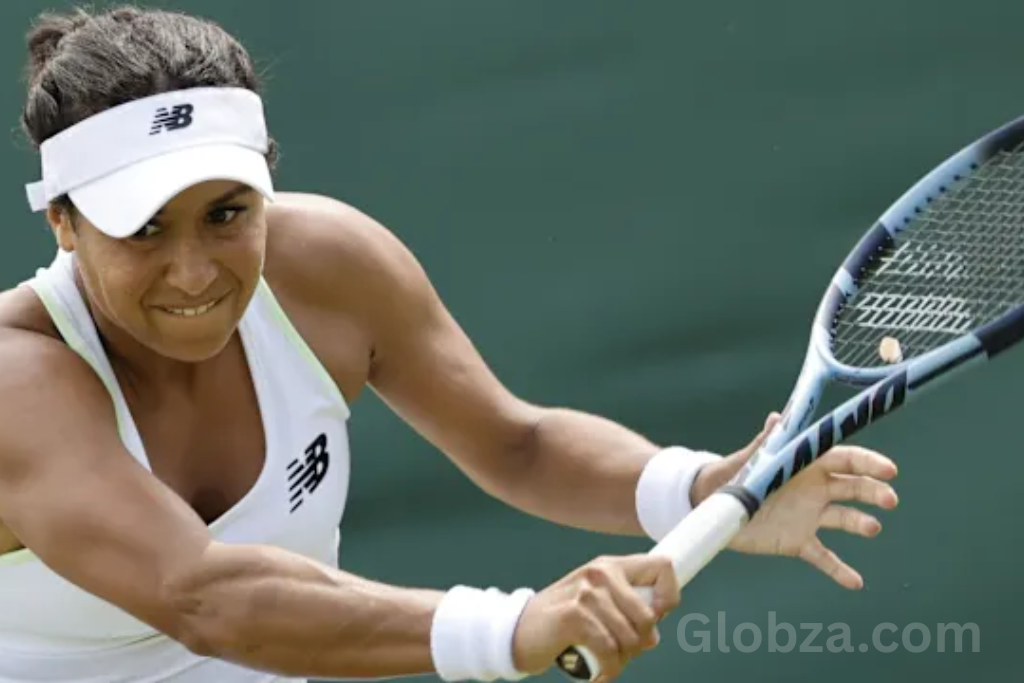
Introduction: Wimbledon Watson Beaten as Sinner Launches His Campaign Wimbledon Watson beaten headlines made waves across British tennis fans after Heather Watson crashed out early in the prestigious Grand Slam. Meanwhile, Jannik Sinner started his title chase with a confident win. Fans are eager to watch, listen, and follow every moment from the All England Club as the championships continue to unfold. BBC Sport commented, “It’s always heartbreaking to see a home favorite go out, but that’s the magic of Wimbledon — surprises can happen.” The drama of day one has already sparked debate about the form of Britain’s top players and the determination of global stars eyeing the title. Throughout this blog, we will dive into key matches, behind-the-scenes reactions, and expert analysis, giving you all the information you need to stay connected with Wimbledon 2025. Short paragraphs and concise updates will help you track the action easily. Wimbledon Watson Beaten: What Went Wrong? Heather Watson, the British hope, suffered a disappointing defeat in her opening match. Facing a tricky opponent with a powerful serve, Watson struggled to find rhythm on Centre Court. Her unforced errors proved costly. As The Guardian put it, “Watson’s performance showed flashes of brilliance but too many loose points let her down.” The match stats revealed that Watson’s first-serve percentage dropped below 50%, making it hard to compete at this elite level. Fans hoped she could build momentum after promising warm-up tournaments, but Wimbledon remains a tough battleground where even a momentary lapse can prove fatal. Analysts observed that her opponent capitalized on second serves, applying relentless pressure. Watson’s exit raises questions about the support needed for British players to make deeper runs at Grand Slam events. Wimbledon has always demanded the best — and on this day, Watson fell short. There is hope, though. Former champion Virginia Wade noted, “Heather can learn from this. Wimbledon defeats can be building blocks for future comebacks.” Fans will look forward to seeing Watson bounce back in future tournaments. Sinner Begins His Wimbledon Campaign Strong While Wimbledon Watson beaten stories dominate British headlines, Jannik Sinner delivered a sharp, confident performance to open his 2025 Wimbledon campaign. Facing an experienced player known for aggressive baseline play, Sinner showcased his powerful forehand and a steely mindset. BBC Sport praised him, saying, “Sinner played with maturity beyond his years, controlling the rallies and never looking flustered.” His victory in straight sets made a strong statement to the rest of the draw. Sinner’s serve proved to be a weapon, clocking speeds over 130mph and drawing weak returns he quickly dispatched. This clinical performance showed why Sinner is one of the favorites to challenge for the Wimbledon crown this year. Fans were also impressed by his footwork on the grass, adapting quickly to the surface’s unpredictable bounces. Grass-court veterans often warn newcomers about the challenge of moving confidently on the slick surface, but Sinner seemed right at home. “He’s the real deal,” said former champion Boris Becker. “Sinner looks hungry for a title.” How to Watch, Listen & Follow Wimbledon 2025 With Wimbledon Watson beaten and Sinner advancing, fans are keen to watch every twist of the 2025 tournament. The BBC offers live television broadcasts across its flagship channels, along with commentary on BBC Radio 5 Live. Fans can also stream matches live via BBC iPlayer or follow point-by-point updates through the BBC Sport website and app. Sky Sports, having acquired new highlights rights, will feature daily round-ups, interviews, and feature stories. As one fan told BBC Sport, “It’s never been easier to stay connected to every match.” For global fans, ESPN covers the tournament in the United States, while Eurosport offers coverage across Europe. Wimbledon’s official website is another excellent resource, with live scores, draws, and exclusive player interviews. In addition, social media channels will provide bite-sized video highlights and behind-the-scenes looks, making sure no point goes unnoticed by true tennis lovers. Wimbledon has a rich tradition of bringing people together, and in 2025 technology makes it easier than ever to share in the excitement. British Tennis in Focus After Wimbledon Watson Beaten Heather Watson’s loss has triggered new discussions about British tennis’ future. Despite historic moments like Emma Raducanu’s US Open win, consistency has eluded many British players. Wimbledon Watson beaten stories highlight a deeper need for investment in coaching, facilities, and junior programs. The LTA (Lawn Tennis Association) said in a statement, “We remain committed to developing world-class players and supporting their journey to Grand Slam success.” Former champion Tim Henman emphasized, “British players need greater exposure to international events to build the resilience required for these big matches.” Many fans agree, wanting more pathways to help young talent thrive. Wimbledon always carries massive pressure for British players, with intense media focus and crowd expectations. These factors, while inspiring, can also weigh heavily on an athlete’s mind. After Watson’s defeat, there is renewed urgency to build a system that nurtures mental strength alongside technical skills. “Grass-court tennis is one of the hardest styles to master,” said former coach Judy Murray. “Our players need more practice and support.” Grass-Court Challenges Beyond Wimbledon Watson Beaten The grass surface at Wimbledon presents unique challenges. Unlike clay or hard courts, grass is faster and lower bouncing, making timing and footwork critical. Wimbledon Watson beaten coverage has drawn attention to how difficult it is for even experienced players to adjust. Grass requires split-second reactions and the ability to change direction on a slick surface. According to ESPN analysts, “Players who thrive on grass have learned to trust their instincts and move with confidence.” Training on grass is limited for many players worldwide, making Wimbledon one of the most unpredictable tournaments. Even top seeds have been shocked by inspired opponents who use the surface to their advantage. Heather Watson’s early exit is a reminder that preparation on grass must be meticulous. Coaches emphasize low center of gravity, quick recovery steps, and efficient serving to survive the first week, where upsets are common. The debate…

Read More

GB finish fifth at European Athletics: Lessons & Hopes

Introduction: GB finish fifth at European Athletics Team Championships The recent European Athletics Team Championships concluded with a result that left fans of British athletics reflecting on both triumph and disappointment. GB finish fifth in the overall standings, a placement that sparked debate across the athletics community. Despite moments of brilliance on the track and field, the team’s performance revealed gaps that must be addressed. As British Athletics performance director Stephen Maguire noted, “We’ve seen some promising talent emerge, but there’s still work to do to compete with Europe’s best.” Let’s break down what went well, what went wrong, and what the future holds for Team GB as they continue their pursuit of continental glory. Key Performances: GB finish fifth but shine in individual events Throughout the championships, British athletes managed to deliver remarkable individual performances that kept the scoreboard alive. Dina Asher-Smith’s blazing sprints and Keely Hodgkinson’s dominant middle-distance run were among the standout moments. Hodgkinson herself reflected after her race, “Representing my country means everything, and it’s great to deliver when it matters.” Despite GB finishing fifth overall, these individual highlights show that British athletes remain forces to be reckoned with in Europe. Their efforts underscore how important it is to nurture these talents for future championships, building on the momentum they have created. In field events, Lawrence Okoye’s powerful discus throws and Jade Lally’s consistent technique contributed valuable points. While these individual efforts were impressive, they couldn’t fully offset weaker showings in other disciplines, demonstrating the need for more balanced team performances. As a UK Athletics coach put it, “We can’t rely on just a handful of big names if we want to climb the table.” These statements remind us that while celebrating achievements is vital, addressing weaknesses is equally essential to improve the overall team standing in upcoming tournaments. Missed Opportunities: Where GB finish fifth reveals deeper challenges GB finishing fifth points to structural and competitive gaps. Relay events, which have historically been strong for the UK, saw dropped batons and poor exchanges, leading to lost points. A former relay champion, speaking to BBC Sport, noted, “You can’t afford mistakes at this level — every point counts.” Technical events, like hurdles and pole vault, also showed inconsistency across the board. These missed opportunities suggest a need for more consistent high-level practice under competitive conditions. Another challenge was the depth of the squad. While star athletes performed brilliantly, second-tier competitors sometimes fell short of scoring critical points. This exposed the lack of backup athletes ready to step up at a moment’s notice. “We have talent, but we need more of it,” emphasized a British Athletics development officer. By investing in broader talent pools, GB can prevent these performance gaps from holding the team back in future European competitions. Team Spirit and Resilience: Highlights even as GB finish fifth Despite the disappointment of GB finishing fifth, there were unmistakable signs of resilience and spirit. Team GB athletes cheered one another, showed support through hard moments, and maintained a positive environment. As one team captain said, “We stick together no matter what.” This culture is crucial in fostering future success, as emotional support and team camaraderie can often lift individual performances. Support staff, coaches, and sports psychologists played a huge role in maintaining team morale. Their presence and encouragement helped athletes bounce back from disappointing results and refocus on their next events. Building on this spirit is one area where Team GB can truly shine in upcoming seasons, translating unity into even better results. Youth Development: The foundation for moving beyond fifth place GB finishing fifth shows the urgency of investing in youth development. Several young athletes made their debut in these championships, gaining invaluable experience. One junior champion commented, “This was a dream come true, and I learned so much.” These debuts provide hope that the next generation can grow stronger with better support systems. British Athletics has already announced plans for more grassroots competitions and youth camps to identify future stars. These programs aim to find talented athletes early and give them exposure to competitive environments. As the director of youth athletics stated, “If we want to win in 5 or 10 years, we must start with these kids today.” Prioritizing youth will ensure that Team GB develops a sustainable performance pipeline to secure higher rankings in future events. Coaching and Strategy: Adapting after GB finish fifth The coaching strategy behind GB finishing fifth deserves a closer look. Some event selections and athlete substitutions raised questions among fans and analysts. For example, a decision to rest a top hurdler backfired when the replacement underperformed. One respected athletics commentator observed, “Selection choices can win or lose championships.” These missteps highlight the need for clear, data-driven decision-making in event lineups. Additionally, the coaching framework must emphasize flexibility. Adapting in real time to injuries or surprising performances is vital in a team championship format. A former Team GB coach advised, “A rigid plan is a risky plan.” Going forward, building a more adaptable coaching approach could help Team GB close the gap with European rivals and push beyond a fifth-place finish next time. Future Prospects: Beyond GB finishing fifth Although GB finish fifth this time, there is reason for optimism. The talent is there, the support structures exist, and the lessons are clear. If British Athletics can apply these lessons with discipline, there is every chance of challenging for podium spots next year. As Stephen Maguire optimistically concluded, “This is a team in progress, and our goal is to be back in the top three.” Fans can look forward to stronger relay teams, improved depth, and new stars from the youth ranks. With a renewed focus on consistency and strategy, there is no doubt that Team GB will be motivated to deliver a stronger showing in future European Athletics Team Championships. The fifth-place result is not the end of the story — it is just the beginning of a new chapter. Conclusion: Lessons from GB finishing fifth In closing,…

Read More