Musk reduces role in Doge after Tesla profit drop

Musk to Reduce Role in Doge After Tesla Faces Profit Drop

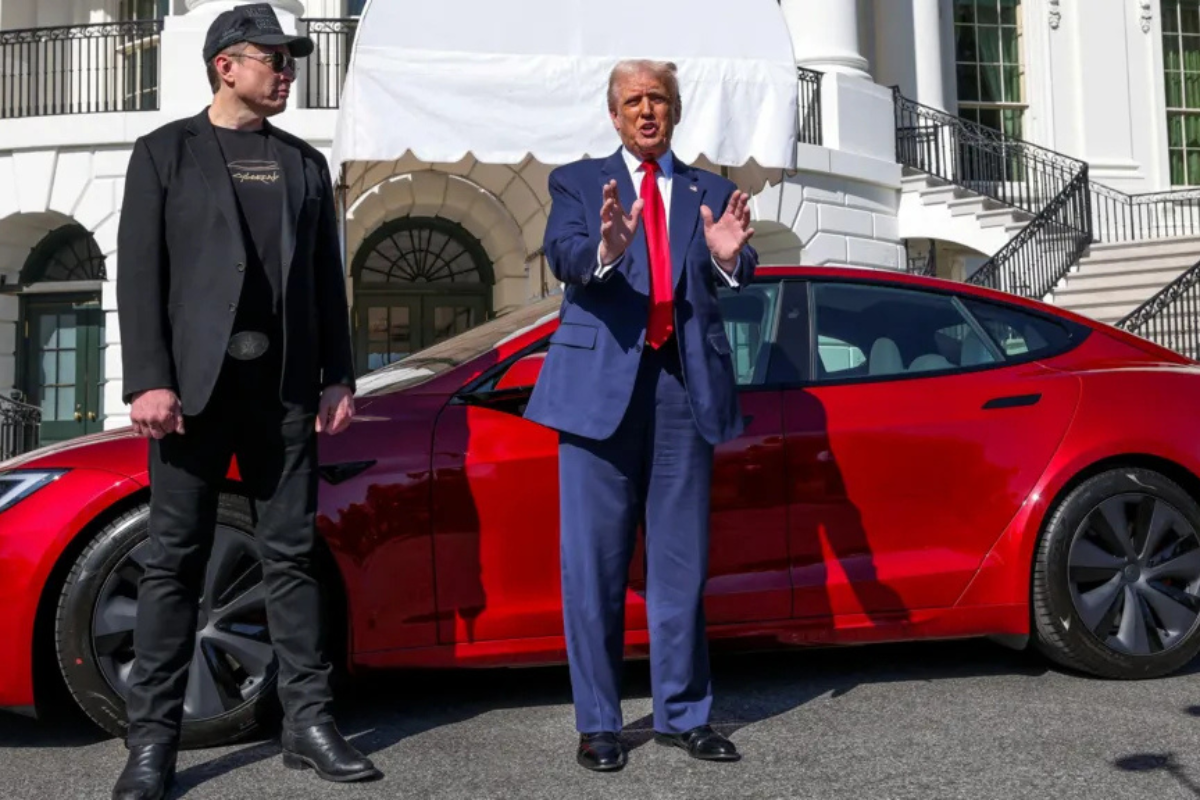
Musk to Cut Back Role in Doge Following Tesla’s Profit Decline Musk reduces role in Doge after Tesla profit drop, announcing he will significantly cut back his involvement with the Department for Government Efficiency (Doge). This change follows the disappointing financial results for Tesla at the start of the year. The company has reported a significant drop in both profits and car sales, prompting Musk to reassess his time allocation and prioritize Tesla’s future growth. Musk has led Doge since its creation last year. The department was established to spearhead efforts to reduce government spending and cut down on inefficient public sector jobs. Musk’s leadership in this initiative placed him at the heart of US government reform. However, after facing criticism for diverting his attention from Tesla, Musk revealed he would now allocate only one to two days a week to Doge, starting next month. Critics of his political involvement have argued that he has been neglecting his duties as Tesla’s CEO, and this move comes in response to those concerns.This marks the first time Musk reduces role in Doge after Tesla profit drop, signaling a renewed focus on Tesla amid backlash. Musk’s Political Involvement and Role Reduction in Doge After Tesla Profit Drop Musk’s political engagement, particularly his support for President Donald Trump, has led to protests and boycotts of Tesla vehicles in several countries. His financial contributions to Trump’s re-election campaign and his advisory role in government reforms have drawn the ire of some consumers. Many have accused Musk of using his position as a political platform rather than focusing solely on Tesla. Despite these challenges, Musk emphasized that he would now devote more time to Tesla. He explained that while he would remain involved in political affairs, his primary focus would be on ensuring the continued success of his electric car company. Musk referred to his role in Doge as “critical,” but stated that he would remain in the position only as long as President Trump wanted him there and as long as it served the greater good. Tesla Faces Decline Amid Trade Concerns Tesla has faced a number of significant challenges in recent months. The company’s stock has fallen by approximately 37% this year, reflecting investor concerns about its performance. After the financial report, however, Tesla’s shares experienced a 5% increase in after-hours trading, offering a glimmer of hope. For the first quarter of the year, Tesla reported a 20% drop in car sales compared to the same period last year. Additionally, profits fell by more than 70%, leading to concerns about the company’s ability to meet its growth targets. Tesla’s management warned that these challenges could continue for the foreseeable future, partly due to the impact of “changing political sentiment.” This shift could potentially harm demand for Tesla’s vehicles, especially in politically unstable markets. Musk and other Tesla executives have also expressed concern about the impact of President Trump’s trade policies. The company relies heavily on parts made in China, even though its vehicles are assembled in the U.S. The ongoing trade war between the U.S. and China, particularly Trump’s tariffs on Chinese imports, has placed a strain on Tesla’s supply chain. Although Musk has worked to localize Tesla’s supply chains in North America and Europe, he admitted that tariffs still present a challenge for the company’s margins. Musk Clashes with Trade Officials Elon Musk has had a number of public disagreements with Trump administration officials, especially on issues related to trade. One notable clash occurred earlier this month when Musk publicly criticized trade advisor Peter Navarro. Navarro had downplayed Tesla’s manufacturing capabilities, referring to the company as a “car assembler” rather than a full-fledged manufacturer. Musk vehemently disagreed with this characterization, calling Navarro a “moron” for such comments. Despite these differences, Musk has remained firm in his stance on advocating for lower tariffs. While he acknowledges that tariffs still impact Tesla’s bottom line, he believes that a reduction in trade barriers would benefit not just his company but the broader economy as well. Musk continues to argue for lower tariffs, particularly on electric vehicle components, which could help reduce production costs and make Tesla cars more affordable for consumers. Tesla’s Future: AI and Supply Chain Risks Looking ahead, Tesla has emphasized that artificial intelligence (AI) will play a pivotal role in the company’s future growth. Tesla’s AI initiatives, including its self-driving technology, are expected to drive innovation and attract new customers. However, despite Musk’s optimistic outlook, many investors have remained skeptical about the company’s AI-driven strategy. Some believe that Tesla may be overestimating the speed at which AI will impact the auto industry. Tesla also faces intense competition from both established automakers and new entrants to the electric vehicle market. As more companies invest in electric mobility, Tesla’s market share could be challenged. Furthermore, ongoing risks related to global supply chain disruptions, particularly in the wake of the U.S.-China trade tensions, could make it difficult for Tesla to maintain its growth trajectory. Analysts, including Dan Coatsworth from AJ Bell, have expressed concern about Tesla’s mounting problems. Coatsworth stated that while investors have “rock-bottom” expectations for the company’s performance, Tesla’s struggles are compounded by rising competition and potential supply chain disruptions. Looking Ahead: The Road for Tesla While Musk’s decision to reduce his role in Doge signals a shift in priorities, Tesla’s future remains uncertain. The company faces significant challenges, including declining profits, political pressures, and competition from other electric vehicle manufacturers. However, Musk has demonstrated time and again that he is willing to take bold steps to ensure Tesla’s survival and growth.With the announcement that Musk reduces role in Doge after Tesla profit drop, Tesla’s leadership signals a pivot back to core operations.  
Read More

Record Early Voter Turnout in Canada Hits 7.3 Million

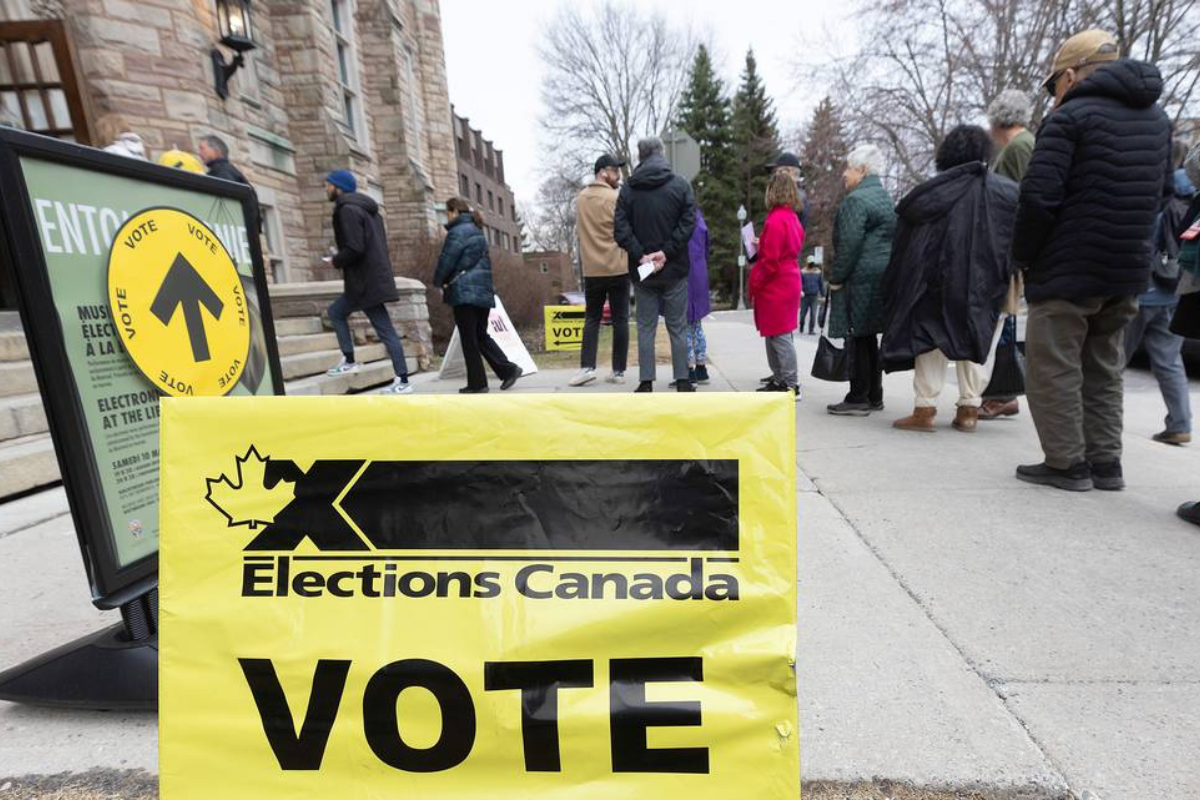
Historic Early Voter Turnout in Canada Redefines Federal Election Dynamics   Record Early Voter Turnout in Canada Signals High Civic Engagement Canada’s 2025 federal election is witnessing unprecedented voter participation. A record early voter turnout in Canada has broken historical precedents, as 7.3 million citizens cast ballots before the official election day. According to Elections Canada, this turnout represents approximately 25% of eligible voters and marks a 25% increase from the 2021 federal election. Advance Polls Over Easter Weekend Boost Participation Advance polling stations were open nationwide from Friday to Monday, overlapping with the Easter holiday weekend. The result? An overwhelming voter presence, with two million people casting their votes on Friday alone. This record-setting engagement highlights a significant shift in public enthusiasm for democratic participation. ➡️ Read more: Why early voting is becoming a civic norm in Canada       Rise in Mail-In Ballots Reflects Evolving Voter Preferences More than 754,000 mail-in ballots have been received by Elections Canada, up from 660,000 in 2021. The growing preference for mail-in voting demonstrates the importance of accessibility and convenience in civic participation, especially in a post-pandemic world. Political Stakes Intensify Ahead of Election Day As 28 April approaches, federal leaders are making their final appeals to voters. The early turnout reflects a deeply motivated electorate, driven by economic pressures, national security concerns, and ongoing tensions with the United States.   Mark Carney’s Liberal Campaign Focuses on Trade Strategy Liberal leader Mark Carney, once the head of Canada and the UK’s central banks, has made economic diplomacy a core campaign message. At rallies in Prince Edward Island and Quebec, Carney argued that his party is best equipped to handle escalating US trade tariffs. “Pierre Poilievre has no plan to stand up to President Trump,” Carney declared on Tuesday. The US administration has imposed 25% tariffs on Canadian goods, exempting only items under the USMCA agreement. These measures are impacting core sectors of the Canadian economy.   Automotive Job Losses Highlight Urgent Trade Issues Thousands of layoffs have already occurred in Canada’s automotive and manufacturing sectors due to the trade dispute. The economic implications are driving voters to demand leadership capable of defending national industry and labor rights. ➡️ Related topic: Impact of US-Canada trade relations on the automotive sector Poilievre Pushes for Change and Fiscal Restraint Conservative leader Pierre Poilievre is advocating for a “reset” in Ottawa. During a rally in Vaughan, a Toronto suburb, he emphasized cost of living, housing affordability, and government efficiency: “We can choose change. We can choose hope. We can choose our future.” The Conservative platform contrasts sharply with the Liberals, appealing to voters disenchanted by nine years of Liberal governance under Justin Trudeau.     🇶🇵 Bloc Quebecois and NDP Position for Regional Gains The Bloc Quebecois remains influential in Quebec, advocating for provincial autonomy and currently holding third place in national polling. Meanwhile, the New Democratic Party (NDP) continues to promote social welfare policies, though it trails behind.   Liberal Resurgence Tied to Record Early Voter Turnout in Canada After Trudeau’s resignation in January, the Liberal Party experienced a nosedive in support. However, under Carney’s leadership, the Liberals are now polling five points ahead of the Conservatives, largely thanks to record early voter turnout in Canada and renewed confidence among centrist voters.   What Record Turnout Reveals About Canada’s Democratic Priorities This massive voter engagement reveals deep public concern for economic resilience, international diplomacy, and domestic stability. Voters are actively shaping Canada’s direction through increased participation.   Record Early Voter Turnout in Canada and Global Democratic Lessons Canada’s 2025 election could become a global case study for how civic engagement influences policy direction. Political analysts suggest that such active participation may lead to governments that better reflect public sentiment and values. ➡️ Learn more: How voter turnout affects democratic legitimacy   A Message for World Democracies Canada’s example serves as a reminder to global democracies about the power of civic engagement. High turnout often results in more representative governments and robust policy discussions. The 2025 election has become a defining moment for Canada’s democratic fabric. The record early voter turnout in Canada is more than a statistic—it’s a declaration. Citizens are speaking out with their ballots, demanding accountability, equity, and future-forward policies.

Read More

Gold Bars Bribery Scheme: Nadine Menendez Guilty

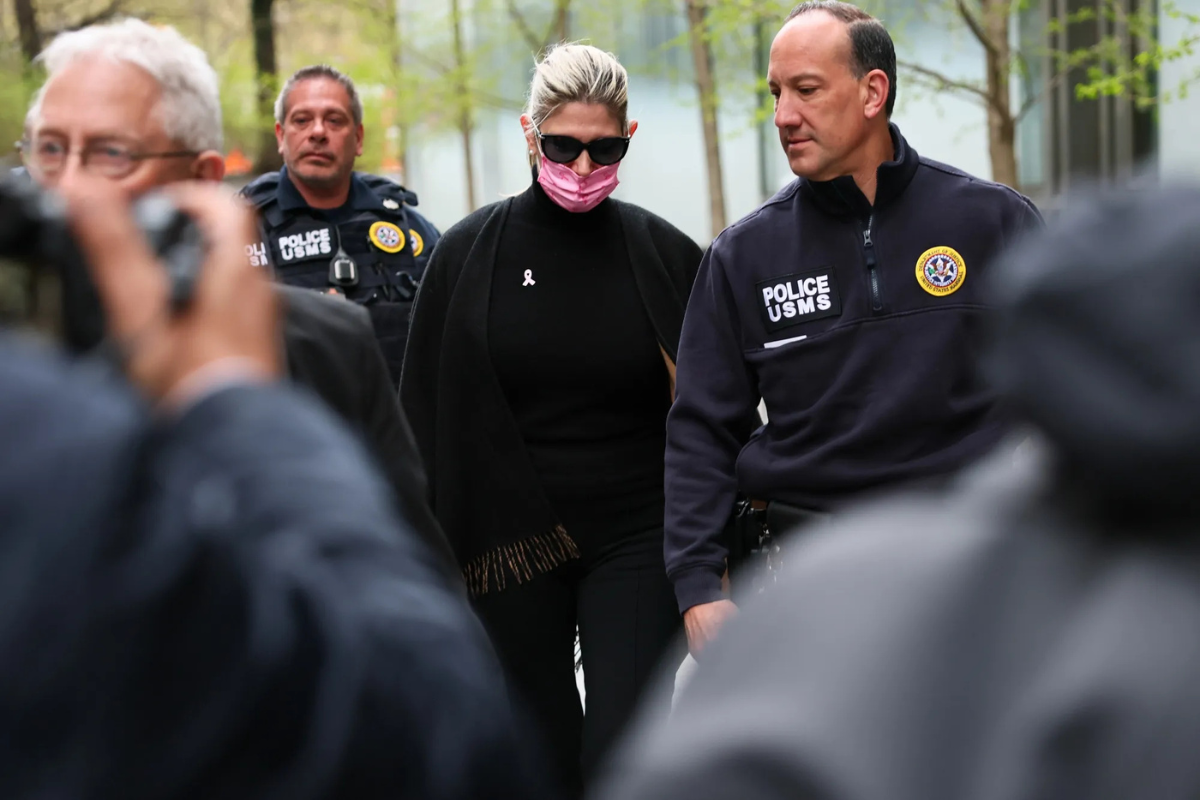
  Gold Bars Bribery Scheme: Ex-Senator’s Wife Nadine Menendez Found Guilty In a major political corruption case, a New York jury has convicted Nadine Menendez. She is the wife of former New Jersey Senator Robert Menendez. Her conviction stems from involvement in a multimillion-dollar bribery operation. The case, widely known as the gold bars bribery scheme, has drawn national attention. It involved lavish gifts, foreign influence, and the downfall of a once-powerful politician.     A Partner in Corruption: Nadine Menendez’s Role Exposed Nadine Menendez, 58, was found guilty on all 15 charges. These included bribery, obstruction of justice, and conspiracy. The charges were based on her role in accepting large amounts of cash, gold bars, and luxury items like a Mercedes-Benz. These gifts were exchanged for political favors. The US Attorney’s Office for the Southern District of New York called the couple “partners in crime.” The office emphasized that both were jointly responsible for corrupt official acts. 🔗 Southern District of New York – Press Release on Menendez Case   From Diagnosis to Courtroom: Health Delay and Legal Drama The trial was originally scheduled for late 2023. It was postponed due to Nadine Menendez’s breast cancer treatment. Still, prosecutors pushed forward with urgency. They presented strong evidence that connected her to nearly every part of the scheme. This evidence included encrypted messages, photos of gold bars, and detailed financial records.   Political Power and Foreign Favors: The Egyptian Connection Robert Menendez held one of the most influential positions in Washington as the Chairman of the Senate Foreign Relations Committee. This role granted him significant sway over U.S. foreign aid and diplomatic policies. Prosecutors alleged that the couple used this power to secretly benefit the Egyptian government in return for lavish bribes. Text messages, phone call logs, and even a Google search by the former senator — “How much is one kilo of gold worth?” — were used to demonstrate intent and awareness of the illegal dealings. 🔗 Senate Foreign Relations Committee – Background Information   The Verdict: A Landmark Conviction in a High-Stakes Trial Nadine Menendez now faces sentencing on June 12, while her husband was already sentenced to 11 years in federal prison in July 2024. The case marked one of the most high-profile bribery scandals in recent political history, and the outcome serves as a cautionary tale for abuse of governmental authority. Defense lawyer Barry Coburn expressed heartbreak over the verdict, describing the experience as a “very rough day,” but indicated plans to explore appeal options. Key Players in the Bribery Scheme: Associates Also Convicted The scandal didn’t stop at the Menendezes. Several associates were also implicated: Fred Daibes, a prominent property developer from New Jersey Wael Hana, an Egyptian-American businessman who ran a halal certification company Jose Uribe, an insurance broker, who pleaded guilty in March 2024 Each played a unique role in facilitating the illicit scheme, and all were found guilty for their contributions to the bribery network. 🔗 FBI Criminal Cases – Menendez Search Records A Home Filled with Gold and Secrets: FBI’s Breakthrough Raid One of the turning points in the investigation came in 2022 when the FBI raided the Menendez residence in New Jersey. The search uncovered: Over $100,000 in gold bars Hundreds of thousands of dollars hidden in clothing and envelopes Electronic communication tying the bribes to political actions This physical and digital evidence solidified the government’s case, making the gold bars bribery scheme one of the most clearly documented political corruption cases in decades.   Bribery in Modern Politics: What This Case Reveals The case highlights several critical issues: Vulnerability of powerful officials to foreign influence The effectiveness of digital surveillance and forensic accounting The thin line between campaign finance and criminal bribery It also reignites the debate about ethical standards among elected officials and how oversight bodies should evolve to better detect and deter similar crimes. 🔗 Government Ethics Office – Role and Responsibility Public Reaction and Political Fallout The reaction from the political world and the public has been swift. Critics from both sides of the aisle condemned the couple’s actions, calling for stricter anti-corruption laws and greater transparency in political donations and international dealings. Numerous political analysts have compared the gold bars bribery scheme to the scandals of the Watergate era, arguing that its implications for foreign influence and democratic integrity may be even broader. What Comes Next: Legal and Political Implications As the Menendez family prepares for Nadine’s sentencing, legal experts expect more fallout. Potential appeals, civil forfeitures, and additional charges could surface depending on the investigation’s broader scope. There is also speculation about legislative reform, with some lawmakers advocating for the creation of a special independent oversight panel to monitor foreign lobbying and personal enrichment in Congress. 🔗 Congressional Oversight – Proposed Legislation Tracker The gold bars bribery scheme has left a deep mark on American politics, reinforcing the dangers of unchecked power and hidden influence. As both Nadine and Robert Menendez face lengthy prison sentences, the public is left to reckon with the larger question — how many more such cases exist, hidden in the corridors of power? This case is not just about gold bars or cash envelopes. It’s about trust, responsibility, and the cost of compromising public duty for private gain.

Read More

JD Vance India Visit: PM Modi’s Hospitality Impresses Family

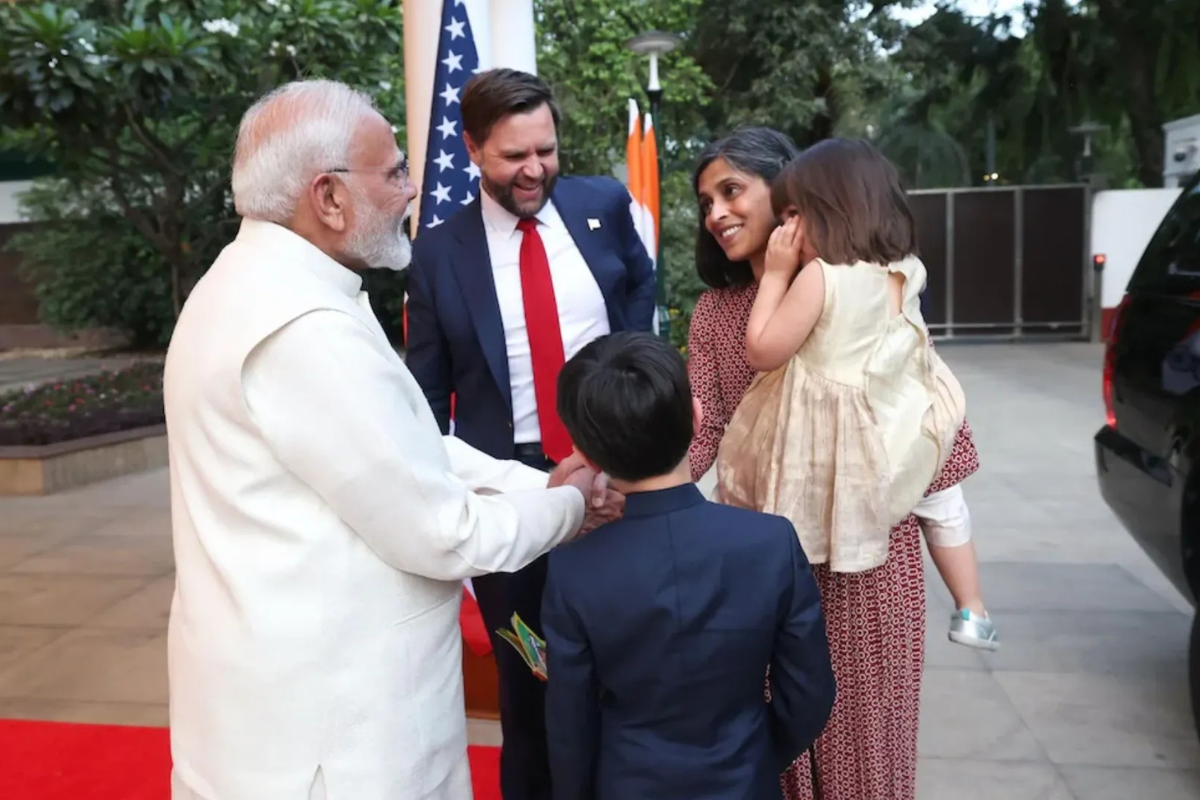
  JD Vance India Visit Strengthens Diplomatic Bonds The recent JD Vance India visit has sparked international attention—not just for its diplomatic significance but for the personal warmth displayed by Prime Minister Narendra Modi. As the US Vice President visited India with his wife Usha and their three children—Ewan, Vivek, and Mirabel—the family-oriented aspect of the trip captivated audiences both in India and abroad. With friendly gestures, heartfelt interactions, and shared experiences, the visit highlighted the growing strength of the India–US Comprehensive Global Strategic Partnership.     A Family Dinner That Captivated Hearts One of the most memorable moments during the JD Vance India visit was the family’s dinner with PM Modi at his official residence. JD Vance recounted how his seven-year-old son, Ewan, turned to him after the dinner and declared, “Dad, I think I can live in India.” This statement, light-hearted as it was, reflected the emotional impact that the evening had on the children. PM Modi’s Personal Touch PM Modi went beyond diplomatic formalities. He played with the children, gifted them peacock feathers—symbols of grace and Indian heritage—and listened attentively to their stories. The kids, dressed in traditional Indian clothing, responded warmly to this cultural engagement. This interaction not only humanized the office of the Prime Minister but also served as a soft-power asset for India’s global image.   Exploring India: From Temples to Forts As part of the JD Vance India visit, the family explored several iconic landmarks. Their stops included: Swaminarayan Akshardham Temple, where the family admired the intricate architecture and spiritual ambiance. Amber Fort in Jaipur, a place that enchanted and exhausted young Ewan, leading him to jokingly suggest a move to England to escape the heat. Central Cottage Industries Emporium, where the Vances appreciated Indian handicrafts and supported local artisans. Read more about Akshardham Temple’s history and significance   Cultural Connection Through Children JD Vance emphasized how the visit had a profound emotional impact on his family. His children formed an immediate bond with PM Modi, a sentiment previously reserved only for President Donald Trump. These moments of connection highlight how personal diplomacy can reinforce state-to-state relations. Vance’s reflection on PM Modi’s gesture during a previous summit—where the Prime Minister personally gifted a birthday present to his son Vivek—added further depth to the relationship. Explore soft diplomacy through family connections       Trade and Policy Talks: Beyond the Personal Moments While the JD Vance India visit was rich in emotional appeal, its core objective remained diplomatic. The bilateral talks focused on: Trade negotiations aimed at removing tariffs and boosting bilateral commerce. Technological cooperation, especially in semiconductors and AI. Defense collaborations, crucial in the Indo-Pacific context. Climate and energy partnerships. Vance acknowledged Modi’s reputation as a tough negotiator. He confirmed that both nations had agreed on a roadmap for finalizing a comprehensive trade agreement. Read about Indo-US trade policies on the USTR site     Engagements with Indian Officials and Media Vance didn’t limit his outreach to the central government. He met with: Rajasthan state officials, discussing regional development. Indian business leaders, promoting FDI. Indian and international media, reinforcing the narrative of mutual respect and future cooperation. His public engagements reinforced the Biden administration’s commitment to strengthening ties with democratic allies in Asia.   Spirituality and Indian Culture: A Learning Experience The children’s exposure to Indian traditions wasn’t just about sightseeing. At Akshardham, they learned about Hindu philosophies, Indian craftsmanship, and spiritual values. This kind of cultural immersion fosters long-term understanding between future generations of global leaders. Explore India’s spiritual diplomacy   JD Vance’s Strategic Language Choices in Public Speeches JD Vance’s use of inclusive language such as “we,” “our family,” and “shared values” served to humanize the otherwise formal diplomatic tour. His speeches repeatedly emphasized personal bonds over political strategies, indicating a nuanced approach to international relations. This visit also marked a departure from traditional, sterile diplomacy toward emotionally resonant storytelling—a method increasingly adopted in modern statecraft.   India-US Relations: Strengthening the Strategic Partnership The visit plays into the larger framework of the India-US Comprehensive Global Strategic Partnership, which covers: Defense and security cooperation Economic growth Sustainable development Technology exchange By involving his family in state affairs, JD Vance illustrated the trust and personal stakes involved in the alliance. See more on India-US strategic partnerships. What Comes Next? The Road Ahead The outcomes of the JD Vance India visit are expected to ripple across sectors, from defense and technology to culture and commerce. The finalization of a trade deal could come sooner than anticipated, and this familial warmth could influence bipartisan cooperation within the U.S. itself. The JD Vance India visit went beyond diplomatic norms. It showcased the power of personal connection, cultural appreciation, and soft diplomacy. PM Modi’s interaction with the Vance children will likely be remembered as a defining image of India-US friendship in this decade.

Read More

South Korea US Trade Talks: Acting President Seeks Win-Win Deal

  South Korea US Trade Talks: Acting President Seeks Balanced Outcome Through High-Level Diplomacy Amid shifting alliances and rising trade challenges, the South Korea US trade talks are drawing global attention. Acting President Han Duck-soo shared optimism during a Cabinet meeting. He believes the diplomatic efforts could lead to a “mutually beneficial solution” for both nations. Finance Minister Choi Sang-mok and Industry Minister Ahn Duk-geun are heading to Washington, D.C., for a pivotal summit on April 24. These discussions may redefine U.S.–South Korea economic ties. As reported by Yonhap News Agency, the U.S. initiated the meeting. Treasury Secretary Scott Bessent and U.S. Trade Representative Jamieson Greer will join the talks. While the official agenda remains unclear, experts expect debates on semiconductor policies, defense cost-sharing, supply chain cooperation, and strategies to counter China’s trade power.   Strengthening an Old Alliance Through Economic Cooperation These talks go beyond routine diplomacy. They mark a strategic response to evolving global dynamics. According to The Korea Herald, both countries aim to modernize their partnership. Key goals include adapting to emerging technologies and addressing supply chain risks. Before flying out from Incheon International Airport, Choi emphasized the urgency of these talks. He expressed a strong desire to “open the door” to greater cooperation. His words highlight South Korea’s role as a vital tech and trade partner for the U.S. Industry Minister Ahn will depart the next day. The delay reflects South Korea’s effort to finalize proposals and ensure unity before entering negotiations in Washington. Strategic Tensions: U.S.–China Relations in the Background The South Korea US trade talks occur against a tense backdrop of U.S.–China economic rivalry. Beijing’s Ministry of Commerce issued a strong rebuke earlier this week, accusing Washington of manipulating tariffs and encouraging other nations to join a protectionist economic agenda. This thinly veiled warning was in response to a South Korean media report suggesting that Seoul may discuss aligning with the United States in curbing Chinese trade routes. As Reuters recently reported, South Korea’s involvement in U.S.-led economic initiatives could escalate tensions with Beijing, especially if Seoul is seen as favoring Washington’s strategic pivot in the Indo-Pacific. In response to rising criticism, South Korea’s Ministry of Trade, Industry, and Energy released a cautious statement clarifying that the agenda was still “being coordinated with the U.S.” and nothing had yet been finalized. This ambiguity underscores the diplomatic balancing act Seoul must perform—navigating between its largest trading partner (China) and its oldest security ally (the U.S.). What’s at Stake? Defense Costs, Gas Projects, and Shipbuilding Despite the lack of official confirmation, defense cost-sharing is expected to resurface during these South Korea US trade talks. Former U.S. President Donald Trump had previously bundled defense spending with trade negotiations, advocating for a “one-stop shopping” approach. Although no formal announcement has been made, Acting President Han alluded to the complexity of the consultation process and the likelihood of defense-related issues being broached. Meanwhile, Seoul is eyeing strategic leverage through its technological strength and energy cooperation. South Korea’s globally competitive shipbuilding industry could become a key negotiating card. Moreover, participation in Alaska’s liquefied natural gas (LNG) project is reportedly being discussed as part of a broader package aimed at energy diversification and supply chain resilience. According to Nikkei Asia, South Korea views its potential involvement in the Alaskan gas project as not only economically beneficial but geopolitically strategic. It would reduce dependency on Middle Eastern energy and bring Seoul closer to Washington’s clean energy agenda. Domestic Political Implications for South Korea Back home, the South Korea US trade talks have sparked debate among lawmakers and business leaders. With general elections looming, Han Duck-soo’s administration is under pressure to show that the talks result in tangible benefits for the Korean economy. A senior official at the Korea International Trade Association (KITA) noted that sectors such as battery manufacturing, EVs, and biotech could significantly benefit from expanded access to U.S. markets. However, there are concerns that aligning too closely with Washington could provoke retaliatory trade measures from Beijing, affecting South Korean exports of electronics and petrochemicals. Political analysts have also warned that unresolved defense issues could polarize public opinion. South Korean citizens have expressed concern over rising defense costs, and any perception that Seoul is yielding to American demands without adequate reciprocity could erode support for Han’s interim leadership.   Global Reaction and Future Forecasts The outcome of the South Korea US trade talks will likely have ripple effects across Asia and beyond. Countries like Japan, Australia, and members of ASEAN will be closely monitoring the summit to gauge Washington’s ability to forge economic alliances in the Indo-Pacific. Experts at the Center for Strategic and International Studies suggest that successful negotiations could reinforce the Biden administration’s Indo-Pacific Economic Framework (IPEF), strengthening collective resilience against authoritarian influence and market coercion. At the same time, a poorly managed dialogue could send negative signals, emboldening rival powers to expand their own trade alliances and deepen economic fragmentation worldwide.

Read More
Modi Saudi Visit

Modi Saudi Visit: Major Agreements, Hajj Plans, and Strategic Ties

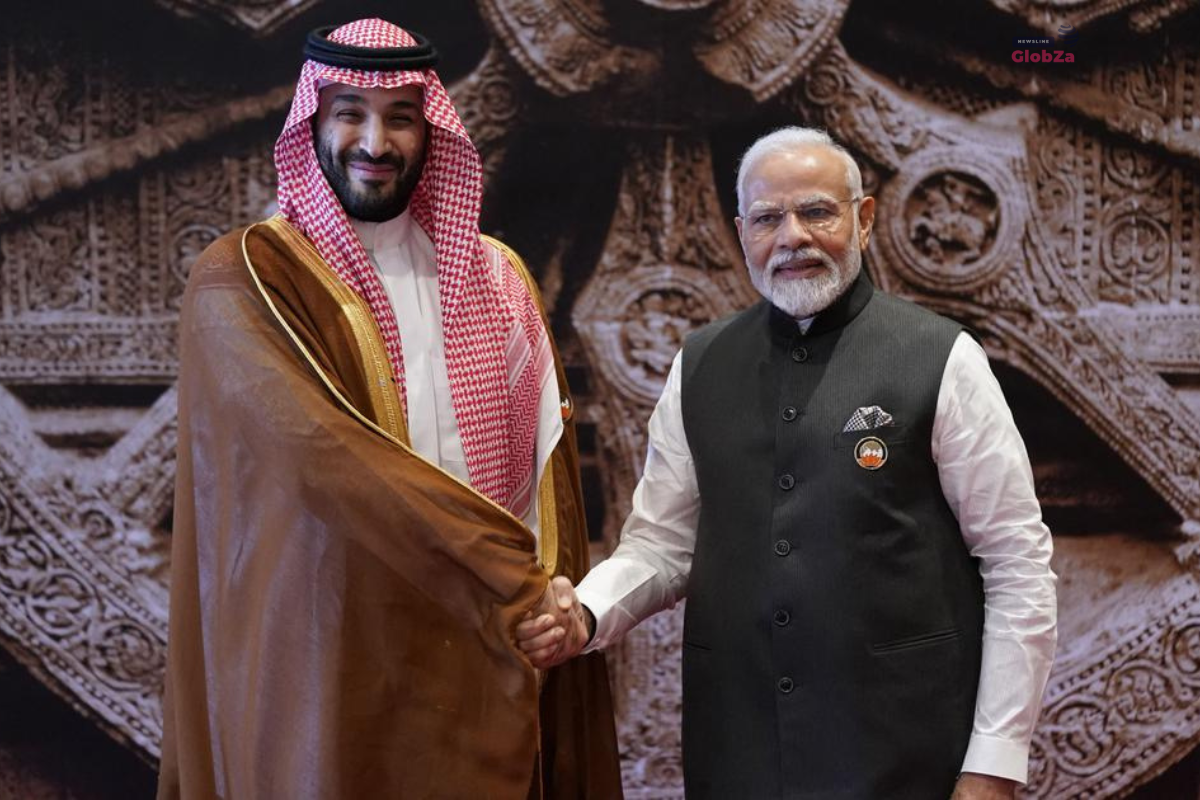
India and Saudi Arabia Set to Sign Multiple Agreements “The PM Modi Saudi Arabia Visit this week will mark a groundbreaking diplomatic milestone, as it will be the first time an Indian Prime Minister visits Jeddah in over 40 years.”, marking the first visit by an Indian Prime Minister to Jeddah in over 40 years. This historic journey, at the invitation of Saudi Crown Prince Mohammed bin Salman, will begin on Tuesday afternoon. The visit is viewed as more than a diplomatic gesture. It highlights India’s growing global influence and underscores the need to enhance India-Saudi relations across key sectors such as energy, technology, defense, and religious cooperation. Key Goals of the PM Modi Saudi Arabia Visit India and Saudi Arabia have been engaged in extensive talks, finalizing over six major Memoranda of Understanding (MoUs) in diverse areas. These agreements will solidify the deepening bilateral ties between the two nations. Main Focus Areas of the MoUs:   Space Exploration and Technology India and Saudi Arabia will collaborate on satellite development, joint missions, and space research. This partnership will enable shared space projects and advanced data exchange. Energy Cooperation Beyond traditional oil and gas, both countries will explore renewable energy sectors, including solar and hydrogen technologies. This focus aligns with their goals for green energy and sustainability. Healthcare and Medical Innovation The countries will work together on pharmaceutical collaborations, healthcare research, and initiatives aimed at improving public health systems. Joint ventures may extend to medical tourism and vaccine production. Science and Technological Research India and Saudi Arabia are set to share expertise and jointly fund research in artificial intelligence, biotechnology, and smart infrastructure. This will foster innovation in both nations. Cultural and Educational Exchange The visit will promote academic collaboration, cultural festivals, and language learning programs, building stronger people-to-people connections. Defense and Cybersecurity The two nations will enhance defense cooperation and cybersecurity, working together on regional stability and modernizing defense infrastructure. Further agreements are also under consideration in the fields of trade logistics, infrastructure development, and investment. Hajj and Pilgrim Services During PM Modi Saudi Arabia Visit One of the most significant aspects of this visit is the management of the Hajj pilgrimage. India is preparing to send over 175,000 pilgrims for Hajj in 2025. This is a significant rise from 136,020 pilgrims in 2014. This rise reflects the strengthening of religious ties between India and Saudi Arabia. However, around 42,000 pilgrims may miss out on the pilgrimage this year due to delays by Combined Hajj Group Operators in finalizing contracts with Saudi service providers. India’s Ambassador to Saudi Arabia, Suhel Ajaz Khan, emphasized the importance of Jeddah, stating: “Jeddah has always been the gateway for Indian pilgrims to Mecca, symbolizing our enduring cultural and religious relationship with Saudi Arabia.” Efforts to Improve Pilgrim Experience Several initiatives are planned to improve the pilgrimage process, including: Streamlining the pilgrimage management system Enhancing logistical support and medical facilities Improving coordination between Saudi Hajj authorities and India’s Ministry of Minority Affairs These measures will help ensure a smooth and safe pilgrimage for Indian Muslims. Strategic Partnership Council: Strengthening Ties One of the key events of PM Modi’s visit will be the second session of the India-Saudi Strategic Partnership Council, co-chaired by PM Modi and Crown Prince Mohammed bin Salman. This council, established during Modi’s 2019 visit, focuses on enhancing bilateral cooperation in: Security and strategic collaboration Trade and economic growth Technology and innovation exchange Environmental cooperation During this session, both leaders will assess progress made since their last meeting and set new goals for continued collaboration.“Read more about India’s strategic foreign policy moves on our India Diplomacy section.” Honoring Indian Workers PM Modi will visit a Saudi facility employing many Indian workers, recognizing their invaluable contribution to the Kingdom’s development. The Indian diaspora in Saudi Arabia is one of the largest in the Gulf, playing a crucial role in local projects while sending significant remittances back to India. The visit will emphasize: India’s commitment to protecting the rights of expatriate workers Ensuring fair labor conditions Recognizing the role of the Indian community in strengthening bilateral relations More details about Hajj regulations can be found on the Saudi Ministry of Hajj and Umrah website.

Read More

Predictions for the 2026 Tamil Nadu Election: Insights and Analysis

Overview of Tamil Nadu’s Political Landscape Tamil Nadu’s political landscape is characterized by a rich tapestry of history, culture, and partisan rivalries. The state has been prominently shaped by two major political parties: the Dravida Munnetra Kazhagam (DMK) and the All India Anna Dravida Munnetra Kazhagam (AIADMK). Both parties have played crucial roles in shaping the socio-economic framework of Tamil Nadu, with shifting allegiances often reflecting broader social dynamics. The DMK, founded in 1949, has its roots in the Dravidian movement, advocating for social justice, equity, and state rights. Over the decades, the DMK has garnered significant support, especially among marginalized communities. Its current leadership under M.K. Stalin marks a legacy of continuity coupled with an emphasis on progressive governance. The AIADMK, on the other hand, emerged in the late 1970s and became synonymous with charismatic leadership, particularly during the tenure of the late J. Jayalalithaa, whose political persona strongly influenced voter sentiments. The party’s struggles post-Jayalalithaa’s death present a complex scenario within Tamil Nadu’s electoral politics. In recent years, voter behavior in Tamil Nadu has shown notable trends toward coalition politics and regional parties gaining influence. The rise of new players and the formation of strategic alliances have rendered the political environment more dynamic. Recent elections have revealed a growing apathy towards traditional parties, further complicating the electoral calculus. The ongoing socio-economic challenges, coupled with the rapid changes in political alliances, make the upcoming 2026 elections particularly critical. The 2026 Tamil Nadu elections are poised to be a pivotal event, reflecting the aspirations and frustrations of the electorate. The evolving political dynamics and the shifting allegiances necessitate a nuanced understanding of the parties and their followers. As Tamil Nadu approaches this electoral milestone, the implications of these developments will resonate profoundly within the state’s broader political narrative. Key Issues Influencing Voter Sentiment The landscape of the Tamil Nadu state elections in 2026 is set against the backdrop of several pivotal issues that significantly influence voter sentiment. Among these, economic development remains a primary concern. Voters are increasingly preoccupied with the state’s economic trajectory, especially in light of job creation, industrial growth, and infrastructure development. Public opinion polls suggest that there is a growing demand for policies that foster sustainable economic growth and reduce unemployment rates. As the electorate assesses the government’s performance in delivering economic prosperity, these factors will play a crucial role in voters’ decision-making processes. Another critical issue that will dominate discussions is social justice. Voter sentiment has been shaped significantly by calls for greater inclusivity and equity among different social segments, particularly marginalized communities. The electorate appears keen on addressing inequalities stemming from caste dynamics which have historically influenced political alignments in Tamil Nadu. Surveys indicate that voters are likely to favor candidates who advocate for policies promoting social welfare and justice, reflecting a desire for meaningful change in the societal fabric of the state. Corruption continues to be a major concern that shapes voter attitudes as well. Allegations of corruption and lack of transparency in governance can deeply impact a candidate’s credibility. In recent polling data, a significant portion of the electorate expressed disillusionment with pervasive corruption in politics, suggesting that candidates who can convincingly address this issue may gain a strategic advantage. Moreover, the effectiveness of various welfare schemes initiated by the government cannot be overlooked. Public sentiment surrounding these programs is mixed, with many voters assessing their effectiveness and accessibility. In conclusion, the successful navigation of economic development, social justice, corruption, and welfare initiatives will be instrumental in determining voter behavior in the upcoming elections, making these issues pivotal for any political platform. Candidate Profiles and Potential Political Alliances The political landscape in Tamil Nadu is characterized by a vibrant interplay of established and emerging leaders, each bringing unique profiles to the 2026 election. Among the prominent candidates, the current Chief Minister, who has held the position since the last election, continues to command significant support due to his governance and populist schemes. His leadership style has garnered a dedicated voter base, yet challenges from internal factions and opposition parties pose potential threats to his re-election bid. In contrast, the leader of the main opposition party is gaining traction among younger voters, leveraging social media platforms to communicate his message and engage with constituents. This candidate’s strengths lie in his ability to connect with the electorate on issues such as employment and education. However, critics often point out his inexperience in handling larger governance issues, which could be a vulnerability during the campaign. Additionally, a new face on the political scene is emerging from a regional party that has historically influenced state politics. This candidate appeals to specific demographic segments and focuses on regional development concerns, which could significantly impact alliances. The potential for new coalitions between smaller parties and larger entities may reshape voter dynamics as we approach the elections. Such partnerships could attract diverse voter groups, enhancing their electoral prospects. Furthermore, the changing political alliances play a crucial role in Tamil Nadu’s electoral strategy. The possibility of cross-party collaborations aimed at combining resources and consolidating voter bases cannot be overlooked. Recent developments hint at a willingness among certain factions to ally, despite historical rivalries, perhaps giving rise to a formidable coalition that might challenge the incumbents. In summary, as the election approaches, the profiles of candidates alongside their potential alliances will significantly shape the electoral narrative in Tamil Nadu. This complex interplay of personal attributes and party strategies will provide a fascinating backdrop to the 2026 elections. Predictions and Scenarios for the 2026 Elections The 2026 Tamil Nadu elections are anticipated to be pivotal, shaped by the dynamics of the political landscape in the state. Several interconnected factors are likely to influence outcomes, including party alliances, voter sentiments, and socio-economic developments. Based on current trends, analysts predict that voter turnout may increase compared to previous elections, driven by heightened political awareness and engagement among various demographic groups, particularly the youth and first-time voters. One prominent scenario involves the incumbent parties,…

Read More
Trump Powell Interest Rates

Trump Powell Interest Rates Clash Amid Trade War Tensions

Trump Powell interest rates: Trump Reestablishes Assaults In the midst of Worldwide Exchange Tensions The Trump Powell interest rates dispute is back in the spotlight. In a renewed attack, former President Donald Trump criticized Federal Reserve Chair Jerome Powell for his cautious stance on interest rate cuts—reviving the Trump Powell interest rates debate amid intensifying global trade tensions. In a reestablished assault, previous President Donald Trump criticized Government Save Chair Jerome Powell for his cautious position on financial policy—reigniting the Trump Powell interest rates talk about amid a time of raising worldwide exchange pressures. This recharged clash highlights the persevering difference over techniques to fortify U.S. financial growth.Read more on Trump’s economic strategy here. Trump’s comments taken after the European Central Bank’s third intrigued rate cut of the year, provoking worldwide calls for extra facilitating. Numerous see Trump’s comments as an endeavor to weight Powell into embracing more forceful rate cuts—especially as expansion moderates and subsidence concerns endure. With race season drawing nearer, the Trump-Powell intrigued rate talk about is anticipated to stay at the bleeding edge of both financial and political conversations.   “Termination cannot come quick enough!” – Donald Trump on Jerome Powell   Trump Powell Interest Rates Clash: Trump Says Fed Too Slow to Act ECB has lowered rates amid trade tensions Powell warns of inflation and growth slowdown   Trump Powell Interest Rates: Fed’s Cautious Reaction Sparks Debate   The Trump Powell interest rates feud isn’t new—since appointing Powell in 2017, Trump has repeatedly clashed with the Fed Chair over cautious monetary policy.—even in spite of the fact that Trump assigned Powell to lead the Government Save in 2017. Since at that point, their relationship has been stamped by rehashed pressures. Trump regularly criticizes Powell’s cautious approach to rate cuts, calling it a boundary to solid financial growth.However, Powell pushes back on this account. He cautions that the exceptionally taxes Trump advances may harmed the economy—slowing force, disturbing worldwide supply chains, and driving swelling. From Powell’s point of view, money related approach must remain grounded in information and long-term objectives, not political weight or reactionary moves. “The level of the tariff increases… is significantly larger than anticipated.” – Jerome Powell   Tariffs reaching up to 245% on Chinese goods China retaliates with 125% duties on U.S. imports Stock markets rattled by uncertainty This contact underscores a broader challenge: protecting central bank freedom amid times of financial and political turbulence.   Trade Pressures: U.S.–China Duty Escalation The Trump Powell interest rates conflict plays out against a backdrop of global uncertainty, driven largely by the U.S.-China trade war and policy friction., intensely impacted by the U.S.-China exchange war. Trump’s choice to force soak duties on Chinese imports activated retaliatory measures from Beijing, counting noteworthy obligations on American goods. This tit-for-tat has shaken markets, disturbed worldwide supply chains, and made instability over businesses. The coming about financial strain has escalates weight on central banks to act decisively.   “The level of the duty increments… is altogether bigger than expected.” – Jerome Powell Tariffs coming to up to 245% on Chinese goods China strikes back with 125% obligations on U.S. imports Stock markets shaken by uncertainty   Powell as of late recognized that tax impacts are outperforming the Fed’s worst-case projections. He cautioned that moment costs and vulnerability are weighing intensely on financial figures. As worldwide central banks react with jolt measures, Powell highlighted the trouble of making national arrangement in an interconnected world. Inflation Pressures in the Trump Powell Interest Rates Debate While Trump continues pushing for lower rates, the Trump Powell interest rates dispute highlights deeper divisions in how to navigate inflation and recession risks.Powell remains centered on the Government Reserve’s double command: steady expansion and most extreme business. This adjusting act gets to be more complex with rising taxes and conceivable customer cost spikes.According to the Bureau of Labor Insights, expansion weight is mounting. Powell faces a intense choice—cut rates to energize development or hold relentless to dodge overheating costs. He demands on holding up for clear financial signals some time recently making any adjustments.   “We would consider how far off the economy is from each objective.” – Jerome Powell Fed’s double order: expansion & employment Powell favors caution some time recently advance cuts Interest rates remain at 4.25–4.5% Economists caution that forceful rate cuts may backfire—fueling expansion or making resource bubbles. Untimely moves may weaken Encouraged validity and flag politicization of money related approach. Powell emphasizes autonomy, demanding choices must be data-driven. Tariffs: Key Win or Financial Risk? Trump contends tariffs help the U.S. economy, but the Trump Powell interest rates dispute adds another layer of complexity to an already volatile economic strategy by raising government income and securing household businesses. He accepts combining duties with moo interest rates would assist invigorate development, boost investing, and counterbalanced cost hikes. However, financial information tell a diverse story. Taxes do raise income, but most of the burden falls on shoppers and businesses. Costs on fundamentals like eggs and basic supplies have risen, undermining the claim that taxes lower costs. Analysts caution of long-term harm if tall duties hold on. Supply chains are moving, generation costs are rising, and universal exchange is dividing. The coming about cost climbs strain shoppers and businesses alike. The World Exchange Organization has cautioned that protectionist arrangements may shrivel worldwide exchange and prevent participation. Whereas Trump’s approach has solid supporters, specialists stay doubtful of its long-term viability.According to the Federal Reserve, inflation targets remain central to policy decisions.

Read More
Gandhi National Herald case

Gandhi National Herald Case: ED vs Gandhis Clash

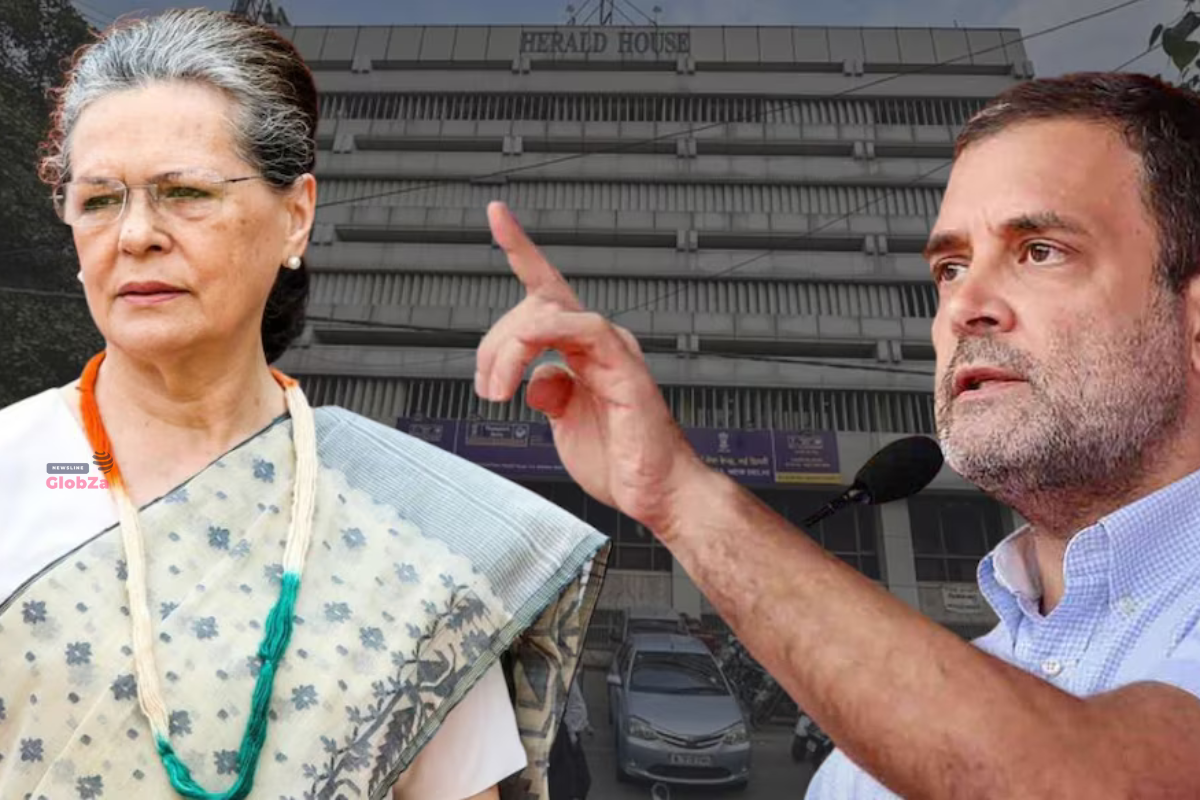
The ED vs The Gandhis – A Straightforward Faceoff with Political Undertones Published on globza.com India’s political  Gandhi National Herald case  landscape has taken a dramatic turn as the Enforcement Directorate (ED) filed money laundering charges against senior Congress leaders Sonia and Rahul Gandhi. The case, under investigation for years, centers on alleged financial irregularities surrounding the acquisition of assets linked to the iconic National Herald newspaper. This development marks a sharp escalation in one of the country’s most high-profile political probes, sparking media frenzy and fierce political backlash. “This isn’t about justice—it’s about silencing the strongest voice of the opposition.” — Jairam Ramesh, Congress spokesperson   ✅Charges filed by ED in Delhi court ✅Accused: Sonia Gandhi, Rahul Gandhi, Sam Pitroda & others ✅Allegations include forming a shell company (Young Indian) ✅Properties said to have acquired for ₹5M but valued at ₹20B Allegations Surrounding the National Herald   At the heart of the controversy lies the transfer of ownership and control of the National Herald’s assets—reportedly worth over ₹20 billion. Authorities allege that the Gandhis and their associates misused Congress party funds to take control of the newspaper’s parent company, Associated Journals Ltd (AJL), thereby acquiring valuable real estate and other prime assets. These allegations have intensified the ongoing political rift between the ruling BJP and the opposition Congress, especially with national elections on the horizon. “This isn’t about justice—it’s about silencing the strongest voice of the opposition.”— Jairam Ramesh, Congress spokesperson   ✅Filed by: Enforcement Directorate in Delhi Court ✅Accused: Sonia Gandhi, Rahul Gandhi, Sam Pitroda, and others ✅Core allegation: Use of a shell company (Young Indian) to gain control of assets ✅Asset value: Acquired for ₹5 million, allegedly worth ₹20 billion Read more political news and updates Congress Strikes Back The Congress party has condemned the charges, labeling them an act of political vendetta. Senior leaders argue the case lacks legal merit and was conveniently resurrected to divert attention from pressing national issues. Jairam Ramesh dubbed the move “vendetta politics,” accusing the BJP of misusing investigative agencies to suppress dissent and discredit opponents. Congress claims this legal offensive is part of a broader strategy to target critics and erode democratic checks and balances. With crucial elections approaching, the party contends that the BJP is using state agencies to control political narratives and manipulate public perception. “You can’t call it a bailout when you walk away with billions in real estate.” — Subramanian Swamy, BJP leader   ✅Young Indian owns 100% of AJL post-debt conversion ✅Gandhis each hold 38% stake ✅Congress claims no profit or personal gain involved ✅ED alleges ₹20B worth of assets bought for ₹5M Legacy of the National Herald Founded by Jawaharlal Nehru in 1938, the National Herald played a critical role in India’s freedom struggle. It served as a platform for nationalist voices and championed the ideals of secularism, democracy, and social justice. Even after independence, it remained a key pro-Congress publication shaping public discourse.   The newspaper halted its print edition in 2008 due to financial troubles but was relaunched digitally in 2016. Congress leaders claim this revival was a symbolic effort to preserve a historically significant institution. They argue that the party’s support of Associated Journals Ltd (AJL), the paper’s publisher, was aimed at preserving ideological legacy—not for personal or financial benefit. “The Herald was more than a newspaper—it was a voice for India’s soul.”— Jawaharlal Nehru, 1963 Silver Jubilee Message   ✅Founded: 1938 by Jawaharlal Nehru ✅Initial funding: Backed by 5,000 freedom fighters ✅Print ceased: 2008 ✅Digital relaunch: 2016 The Role of Young Indian Formed in 2010, Young Indian lies at the core of the controversy. Congress maintains it functions as a non-profit aimed at promoting social causes. However, the ED has zeroed in on its acquisition of AJL’s debt, which allegedly converted into equity and granted Young Indian control over AJL’s valuable real estate assets. The ED argues this wasn’t a debt restructuring but a calculated move to transfer assets worth ₹20 billion under the guise of philanthropy. Authorities claim the deal benefited a select few—including the Gandhis—despite assertions of no personal gain. Sonia and Rahul Gandhi each own a 38% stake in Young Indian. Congress leaders insist the move was intended to revive AJL and protect the Herald’s legacy, noting that no dividends were paid to shareholders, reinforcing their stance that it wasn’t a profit-making operation. “You can’t call it a bailout when you walk away with billions in real estate.”— Subramanian Swamy, BJP Leader   ✅Ownership: 100% control of AJL ✅Gandhi stake: 38% each ✅Congress claim: Non-profit; no shareholder profit ✅ED claim: Asset grab masked as debt conversion Explore our political commentary section The Role of Young Indian In response, the Congress party has announced nationwide protests scheduled for Wednesday. They frame this as a fight against what they term “state-sponsored intimidation.” According to party leaders, this isn’t an isolated incident, but part of a broader agenda to weaponize central agencies against opposition voices. With general elections nearing, several political analysts see the timing of the charges as deeply political. They argue that the BJP is leveraging legal institutions to weaken rivals and shape electoral narratives. For Congress, the implications go beyond court rulings—it’s about winning the battle in the court of public opinion. “Democracy survives on dissent—if that’s criminalized, we risk becoming an autocracy.”— Political Analyst, India Today   ✅Protests: Planned nationwide by Congress ✅Next hearing: April 25 ✅Opposition leaders targeted by ED since 2014: Over 150 ✅Global concern: Declining trust in democratic institutions and alleged misuse of agencies https://youtu.be/IOWL2zEDTLw?feature=shared

Read More