UK Resumes Asylum Claims After 7-Month Pause

UK Resumes Asylum Claims After Months of Suspension0. The UK resumes Syrian asylum claims after more than seven months of suspension. The pause followed a rebel offensive by Hayat Tahrir al-Sham (HTS) that overthrew President Bashar al-Assad, ending years of civil war. Why Did the UK Pause Asylum Claims for Syrians? In December, the UK government temporarily halted decisions on asylum and permanent settlement for Syrians. The move aimed to allow time to gather reliable information on Syria’s security and political situation. Officials said the pause was needed due to a lack of data for accurate decisions. Home Office on Why the UK Resumes Asylum Claims Asylum Minister Dame Angela Eagle said the Home Office worked quickly to lift the pause. The Home Office has issued updated guidance to help caseworkers assess current conditions in Syria. The rules require case-by-case reviews, and applicants must prove they risk persecution or serious harm if returned. Voluntary and Potential Enforced Returns More than 20 Syrian nationals who had been residing in the UK have already returned voluntarily this year. Ministers hope the first enforced returns could take place before the end of the year, with officials suggesting that this possibility is now close. Impact on Syrian Asylum Seekers in the UK The pause left more than 7,000 Syrian asylum seekers waiting for a decision. Most of them remain in government-funded accommodation, such as hotels. Campaigners have expressed concerns that the uncertainty made it difficult for people to work, find stable housing, or plan their future. Refugee advocacy groups continue to urge the government to ensure that safety remains the top priority when assessing claims. Current Situation in Syria and Risk Assessment HTS affiliates now control Syria, and its leader, Ahmad al-Sharaa, became interim president earlier this year. While the security situation has stabilized in some areas, concerns remain about risks to certain ethnic and religious groups. Who Is Most at Risk? According to updated Home Office guidance: International and Legal Context The UK’s decision follows similar moves in some European countries. Austria recently became the first EU nation to deport a Syrian national after the fall of Assad. The government stressed that the UK’s approach remains aligned with the UN Refugee Convention, which requires applicants to demonstrate a well-founded fear of persecution. UK resumes Syrian asylum claims

Read More

Ferrero WK Kellogg Acquisition: $3B Deal Nears Completion

Ferrero WK Kellogg Acquisition: A Game-Changer for the Breakfast Cereal Market The Ferrero WK Kellogg acquisition is poised to become a major shake-up in the North American food industry. Ferrero, the Italian company known for Ferrero Rocher, Nutella, and Kinder, is reportedly in advanced talks to acquire WK Kellogg in a deal estimated at around $3 billion. The news has triggered a surge in Kellogg’s stock price, with shares jumping more than 56% in after-hours trading. A Bold Move by Ferrero Amid Shifting Consumer Preferences If finalized, this acquisition would mark a major expansion for Ferrero, positioning it prominently in the competitive breakfast cereal segment in the United States. With iconic cereal brands like Froot Loops, Corn Flakes, and Rice Krispies under WK Kellogg’s umbrella, Ferrero could significantly broaden its portfolio beyond confectionery. Ferrero, founded in 1946 in Alba, Italy, has been rapidly growing through strategic acquisitions. The company has previously taken over Nestlé’s US confectionery unit, as well as several other prominent food brands. This latest move signals its ambition to diversify into new segments of the global food industry. Why WK Kellogg Is Central to the Ferrero WK Kellogg Acquisition WK Kellogg was spun off in 2023 from the global Kellogg Company, which rebranded its international snacks and convenience foods arm as Kellanova. While Kellanova focuses on popular snack brands like Pringles and Pop-Tarts, WK Kellogg retained the breakfast cereal division focused on the US and Canadian markets. However, WK Kellogg has faced tough financial headwinds since the split. The company has been grappling with a debt load exceeding $500 million, alongside declining sales as consumers shift away from sugary cereals toward healthier alternatives. The company’s market valuation stood at approximately $1.5 billion before news of the possible acquisition sent shares soaring. Ferrero WK Kellogg Acquisition: Why the $3 Billion Valuation Matters Analysts suggest that the rumored $3 billion acquisition price represents a significant premium over WK Kellogg’s current market value. However, this reflects more than just financials. It represents Ferrero’s strategic intent to diversify and dominate a new market segment. By absorbing WK Kellogg, Ferrero could create valuable synergies between its snack and cereal divisions, exploring cross-brand promotions and retail collaborations. How the Ferrero WK Kellogg Acquisition Reflects Changing Tastes and Rising Costs The global convenience food sector, once hailed for its speed and ease, is undergoing a profound transformation. Modern consumers are increasingly turning toward plant-based, organic, and health-conscious choices. Traditional cereals, often criticized for high sugar content and artificial ingredients, are now under greater scrutiny. Adding to the pressure are rising production costs, supply chain challenges, and inflationary pressures, which have prompted companies to raise product prices, impacting sales volumes. Cereal manufacturers, in particular, have struggled to maintain margins while facing changing dietary patterns and stiff competition from granola bars, protein shakes, and plant-based breakfast solutions. Regulatory Scrutiny: A Cloud Over the Colorful Cereals The US government has also turned its attention to the food industry. As part of the “Make America Healthy Again” initiative, federal regulators have begun challenging the use of synthetic food dyes and artificial ingredients, especially in products aimed at children. Brands like Froot Loops, known for their bright colors and sugary taste, have come under the spotlight. WK Kellogg responded by announcing plans to eliminate artificial coloring in cereals served in schools by the 2026-2027 academic year, although a broader commitment to reformulating all products has not been made public yet. Kellanova and Mars: A Precedent for Strategic Shifts Interestingly, WK Kellogg’s former parent, now operating as Kellanova, made headlines last year when it was acquired by Mars Inc. for a massive $36 billion. Mars, already a confectionery leader with brands like M&M’s and Snickers, expanded into snacks, indicating a wider trend of consolidation across the food industry. This precedent provides valuable context for the Ferrero-Kellogg deal. As snack companies grow into full-scale food empires, the boundaries between categories like candy, cereal, and snacks continue to blur. Who is Ferrero? A Legacy of Sweet Innovation Ferrero is far from a newcomer to strategic expansion. The company, privately owned by the Ferrero family, has built an empire of more than 30 global brands, ranging from Ferrero Rocher and Nutella to Kinder Surprise and Tic Tac. Known for its family-centric and brand-loyal philosophy, Ferrero has retained a tight grip on quality control and brand identity, even as it scales globally. Its recent acquisitions show an evolving strategy – one that seeks not just expansion but domination in new food sectors. Market Reactions: Investors Respond with Optimism The reaction from the stock market has been immediate and emphatic. WK Kellogg’s stock price surged by over 56% in after-hours trading following the leak of acquisition talks. This jump reflects investor confidence in Ferrero’s ability to revitalize Kellogg’s US cereal business and unlock new growth potential. Should the deal go through, it could double WK Kellogg’s valuation and inject much-needed capital into its operations. Moreover, it may inspire renewed interest in legacy brands that had otherwise struggled to keep up with modern food trends. Implications for the US Breakfast Market Ferrero’s entry into the US breakfast cereal arena could change the competitive landscape. Currently dominated by companies like General Mills and Post Holdings, the market has seen little disruption in recent years. Ferrero’s track record of product innovation and marketing prowess could breathe new life into Kellogg’s product lines. The company might leverage its global distribution network to extend the reach of WK Kellogg brands beyond North America, tapping into new markets across Europe and Asia where breakfast cereals are still a growing category. Consumer Behavior Is the Real Battleground For Ferrero, the real challenge will not be acquiring WK Kellogg – but transforming consumer behavior. Health-conscious millennials, ingredient-savvy parents, and Gen Z consumers are demanding transparency, nutrition, and ethical sourcing from food brands. If Ferrero can position WK Kellogg as a modern, health-aware, and sustainably-driven cereal company, it could potentially revive demand in a saturated and declining market. Outlook: Deal May Close Within…


Read More

Russian Drone Attack Kyiv: Deadly Strike Kills Two, Injures 13

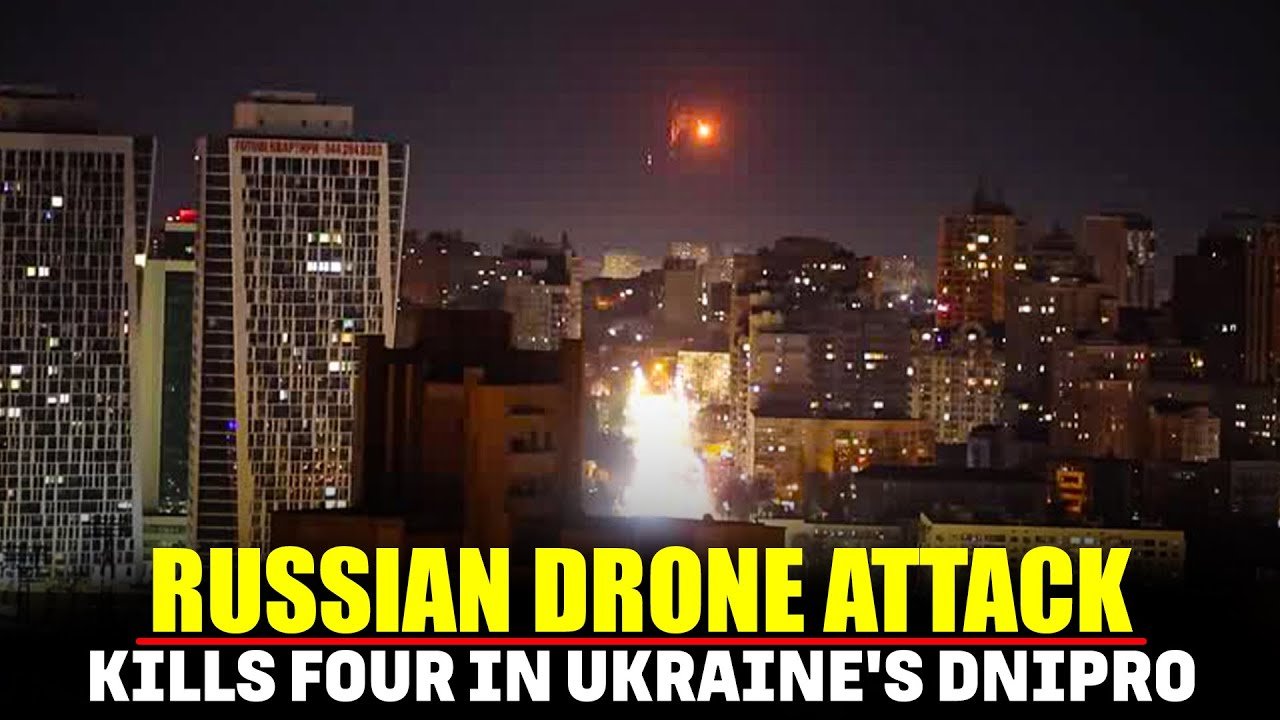
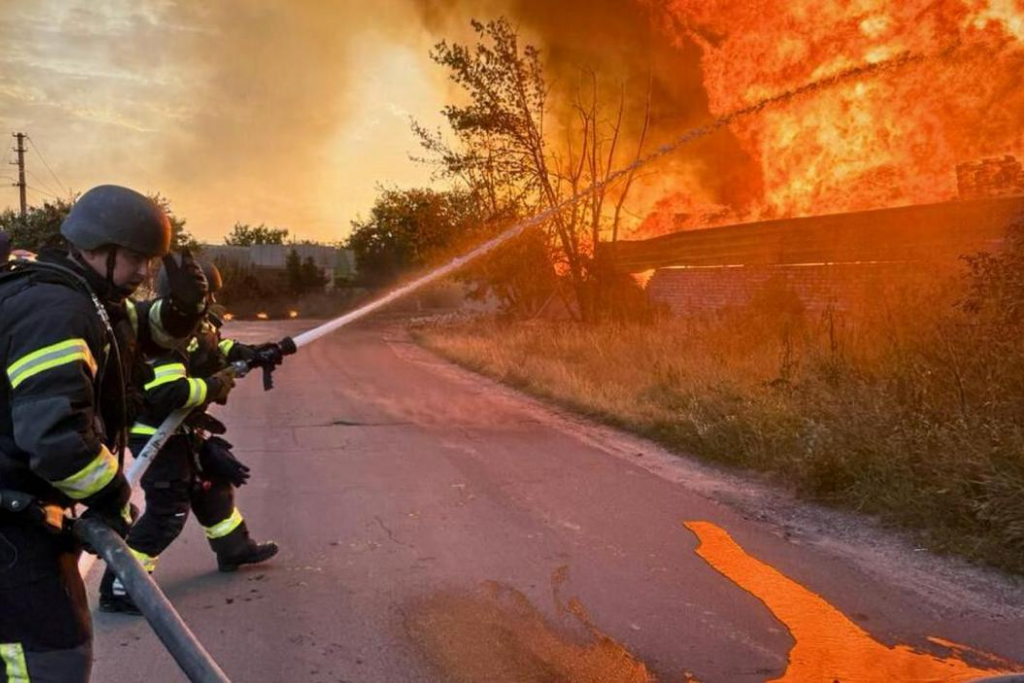
Russian Drone Attack on Kyiv Triggers Wave of Destruction A Russian drone attack on Kyiv overnight left at least two people dead and 13 others injured. Officials called it one of the most devastating assaults on the capital since the 2022 invasion. The strike hit several districts, sparking fires, damaging homes, and causing widespread panic across the city. Explosions lit up the sky across multiple districts, with air defenses activated for more than three hours. The Ukrainian air force reported simultaneous drone and missile threats across several regions, suggesting a large-scale coordinated attack. Residential Areas and City Infrastructure Damaged in Russian Drone Assault Kyiv’s Shevchenkivskyi district bore the brunt of the destruction. Drone debris crashed into the roof of a residential building, sparking fires across the area. Fires also erupted in other neighborhoods, damaging warehouses, vehicles, and offices. Tymur Tkachenko, head of Kyiv’s military administration, said Russian drones struck six districts. Fires broke out in homes, offices, and other buildings. Lives Lost and Critical Facilities Destroyed Among the victims of the Russian drone attack on Kyiv were a 68-year-old woman and a 22-year-old police officer stationed at a metro stop. Kyiv Mayor Vitaliy Klitschko said a Russian drone strike nearly destroyed a primary healthcare center in the Podilsky district. A local shopping mall also suffered heavy damage during the assault. Authorities urged citizens to remain in shelters during the attack and to keep their windows closed afterward because of lingering smoke contamination. Russian Drone Attack on Kyiv Marks Largest Air Assault in Ukraine’s History Ukraine labeled the earlier drone and missile barrage on Tuesday night—featuring 728 drones and 13 missiles—as the largest air attack since the beginning of the war. Although the exact number of drones involved in Thursday’s strike is still under investigation, its impact underscores Russia’s growing reliance on unmanned aerial weapons. Kremlin Silent as Global Outcry Grows Over Russian Drone Attack on Kyiv As of this writing, the Russian military has not issued a formal statement on the latest strike. However, the mounting civilian toll and infrastructure damage continue to draw strong condemnation from international allies. Ukraine’s emergency services also confirmed a separate deadly airstrike in the town of Kostiantynivka in the Donetsk region, which killed three people just hours before the Kyiv assault. International Reaction and Diplomatic Stalemate Despite regular dialogue between global powers, progress toward a ceasefire remains elusive. German Chancellor Friedrich Merz recently declared that all diplomatic avenues have been exhausted. Echoing this sentiment, Kremlin spokesman Dmitry Peskov noted the growing futility of current negotiations. US President Donald Trump voiced frustration with Russian President Vladimir Putin, saying, “We get a lot of nonsense thrown at us by Putin… it turns out to be meaningless.” Although Trump’s administration has threatened sanctions, it has yet to take meaningful action. Efforts to Protect Ukraine and Pressure Russia Intensify A bipartisan bill currently making its way through the US Congress aims to sanction countries like China and India that continue purchasing Russian fossil fuels. European nations are also collaborating on a new sanctions package aimed at crippling Russia’s war economy. These measures are expected to be key discussion points at an international conference on Ukraine’s recovery in Rome. Representatives from 77 nations are gathering to address the crisis. Later Thursday, U.S. Secretary of State Marco Rubio will meet Russian Foreign Minister Sergei Lavrov during a summit in Malaysia. Russia’s Drone Warfare Strategy Escalates The frequency and scale of drone strikes suggest a shift in Russian military tactics. These unmanned systems are cheaper, harder to intercept, and capable of striking targets deep within Ukrainian territory. Analysts believe this strategy is aimed at exhausting Ukraine’s air defense systems while spreading fear and chaos among civilians. Kyiv’s Resilience and the Road Ahead Despite the destruction, Kyiv’s emergency responders, medical staff, and volunteers continue to display remarkable resilience. As Ukraine braces for more attacks, the need for enhanced air defense support and diplomatic breakthroughs becomes increasingly urgent. The world now confronts a vital question: How far will Russia push its assault—and how fast can global leaders respond to halt the destruction?

Read More

Ukraine Suffers Heaviest Attack After Trump Remarks

Introduction: Ukraine Suffers Heaviest Attack Unfolds Ukraine Suffers Heaviest Attack is more than a headline—it signals a critical turning point in the ongoing conflict. Recent strikes caused widespread destruction, and Trump’s unexpected remarks about Putin have added fresh fuel to an already volatile situation. “The destruction we see today is unprecedented in scale,” stated a Ukrainian regional official. Heaviest Attack on Ukraine: Context and Impact For the first time in months, Ukraine experienced a large-scale offensive across multiple regions. The attack damaged hospitals, schools, and civilian housing. Analysts believe the strike was intended to disrupt everyday life and weaken national morale. “This isn’t just a military action—it’s psychological warfare,” said defense analyst Viktor Shevchenko. Trump’s Putin Remarks and Global Fallout Former President Donald Trump openly criticized Vladimir Putin in a recent rally, calling his leadership “reckless.” The comment sparked global debate and was quickly followed by Russia’s intensified attacks on Ukrainian targets. “His words have consequences,” noted NATO spokesperson Dana Mueller. “They shifted the global narrative overnight.” Humanitarian Toll of the Heaviest Strike The recent attacks displaced thousands of civilians. Aid groups scrambled to set up shelters while medical volunteers treated survivors in overwhelmed field hospitals. “We’re at capacity. People need urgent help now,” said Dr. Kateryna Lytvyn, coordinating medical relief in Odesa. Although NGOs deployed more resources, the sudden demand has pushed them to their limits. Military Movements After the Attack Following the attack, Ukraine’s military initiated targeted countermeasures. Troops advanced on known Russian artillery zones, aiming to neutralize immediate threats and restore public safety. “We are not backing down,” declared General Andriy Melnyk. “This land is ours—we will defend it at all costs.” Allied Response to the Ukraine Conflict International allies responded quickly. NATO countries announced enhanced air defense support. Meanwhile, the European Union introduced new sanctions targeting Russian tech and logistics sectors. “This is our moment to act decisively,” urged EU High Representative Josep Borrell. Media Focus and Civilian Reactions Coverage of the attack flooded global media. Civilian testimonies dominated headlines, while video reports from war correspondents added context to the unfolding crisis. “Every strike is a message,” said journalist Emily Rogers. “The people here live in fear, but they haven’t lost their resolve.” What Ukraine Faces Next Ukraine’s future remains uncertain. Diplomats continue working toward de-escalation, but progress is slow. Military analysts warn that further large-scale attacks remain a strong possibility. “The next few weeks will define the trajectory of this war,” noted defense expert Mykola Hlushchenko. Conclusion: Ukraine Suffers Heaviest Attack in a Shifting World The phrase Ukraine Suffers Heaviest Attack marks a devastating moment—one shaped by weapons and words alike. As diplomatic pressure builds and the frontline shifts, Ukraine stands firm. Now more than ever, the international community must choose decisive action over silence. “History will remember this turning point,” said UN Secretary-General António Guterres. “Let it remember us for standing on the right side.”

Read More

The Cartoonist Who Fought Censorship With Humor

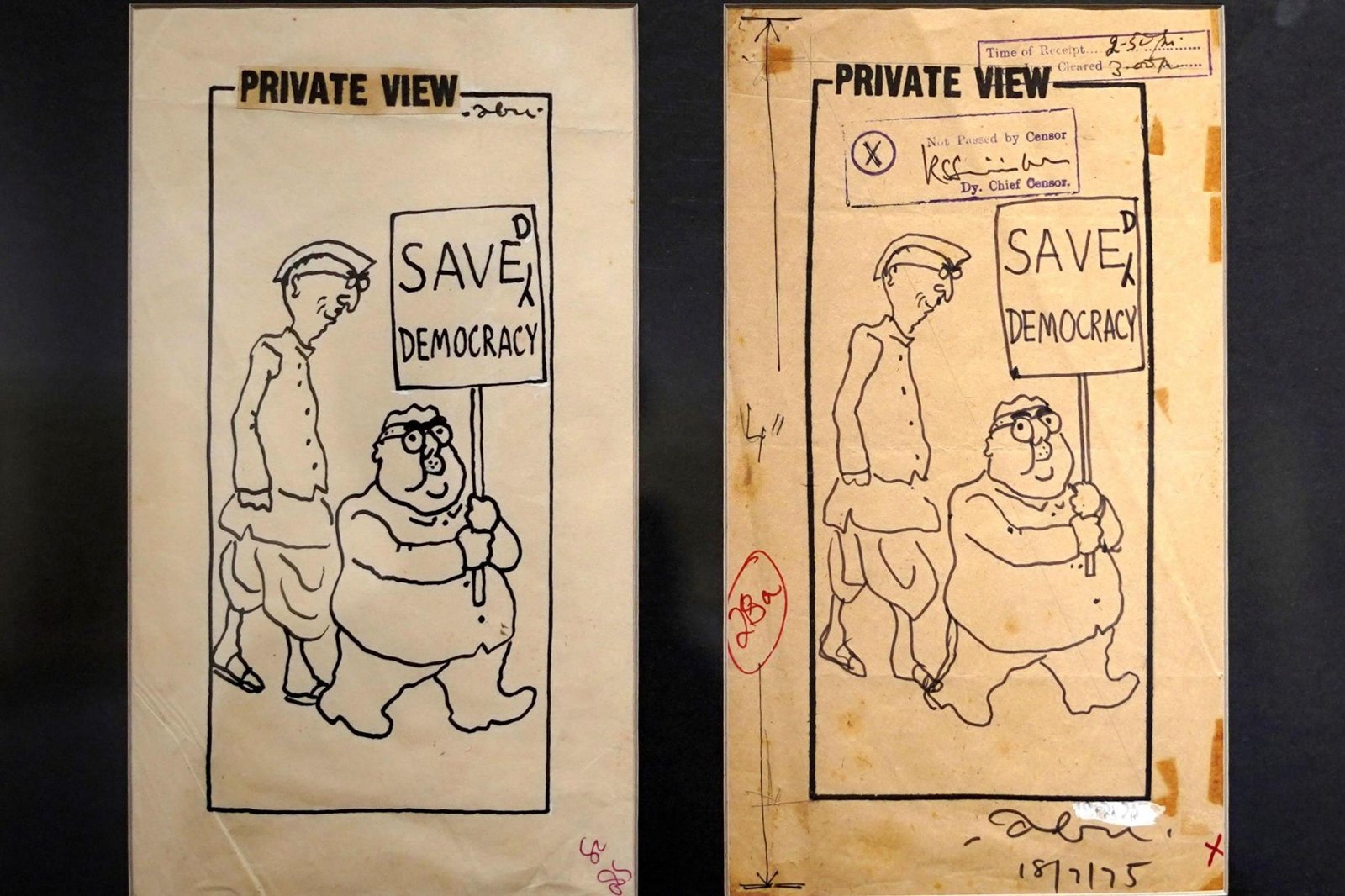
Abu Abraham: The Political Cartoonist Who Fought Censorship Born in 1924 in Kerala, Abu Abraham became one of India’s most influential political cartoonists — a cartoonist who fought censorship with wit and conviction. Through sharp satire, he boldly challenged authority, especially during the Emergency in India. He began his journalism career at the nationalist Bombay Chronicle, where he developed a deep fascination with politics and the power of the printed word. His early experiences witnessing India’s independence deeply shaped his voice as a cartoonist committed to truth and dissent. After working briefly at Shankar’s Weekly, Abu Abraham—the political cartoonist who would later be known as a cartoonist who fought censorship—set his sights on Europe. In 1953, a chance encounter with British cartoonist Fred Joss paved the way for his journey to London. Just a week after arriving, one of his cartoons was published in Punch, earning praise from editor Malcolm Muggeridge, who called it “charming.” Soon, Abu’s work appeared in Tribune, attracting the attention of David Astor, editor of The Observer. The editor offered him a staff position and suggested he adopt the pen name “Abu” to prevent misinterpretation of his surname in Europe.Astor guaranteed him full creative freedom—a rarity in the world of political commentary. How the Cartoonist Who Fought Censorship Rose in British Media Abu Abraham, a renowned political cartoonist, spent ten years at The Observer and three at The Guardian before returning to India. Widely respected for his empathetic satire, Abu Abraham was a cartoonist who fought censorship — especially during the Emergency in India. His fearless illustrations defined the phrase “Abu Abraham political cartoonist Emergency India” among admirers of press freedom. David Astor once told him, “You are not cruel like other cartoonists.” That remark captured Abu’s humanistic style and lasting legacy. While he achieved considerable success in Britain, Abu grew weary of British politics. By the late 1960s, he returned to India, joining The Indian Express as a political cartoonist. His return coincided with a politically volatile period in India. The Emergency: A Battle for Expression On 25 June 1975, the Indian government under Prime Minister Indira Gandhi declared a state of Emergency, marking one of the darkest periods for press freedom in India. As censorship laws took effect overnight, Abu Abraham, the fearless political cartoonist, rose to prominence for his satirical critiques. During the Emergency in India, Abu Abraham emerged as a bold voice of dissent against silenced media and shrinking civil liberties. Abu, already established as a leading voice in political satire, used his pen to critique the authoritarian measures. One of his iconic cartoons shows a grizzled editor grumbling over the phone: “It’s unfair to lift censorship suddenly. We should be given time to prepare our minds.” The irony struck deep. Another memorable cartoon featured two characters: one asks, “What do you think of editors more loyal than the censor?” Abu’s wit and incisive visual commentary challenged the fear and silence gripping the press. Satire as Resistance: How a Cartoonist Fought Censorship Abu’s cartoons during the Emergency era were bold. One unforgettable cartoon showed then-President Fakhruddin Ali Ahmed signing the Emergency proclamation from his bathtub. It captured both the absurdity and the haste of that decision. He often stamped his works with a defiant note: “Not passed by censors.” Another cartoon jabbed at the government’s forced positivity campaigns, with a placard that read “Smile!” and a character remarking, “Don’t you think we have a lovely censor of humour?” Abu didn’t shy away from critiquing Sanjay Gandhi either—the unelected son of Indira Gandhi, whose unofficial authority sparked both fear and resentment. Despite looming threats, Abu’s cartoons continued to be published, many questioning the shrinking space for democracy. Beyond Cartoons: Political Commentary and Parliament Abu viewed the world as inherently political. In a 1976 essay for Seminar magazine, he wrote, “Politics is simply anything that is controversial—and everything is controversial.” He lamented how dull newspapers had become, filled with praise and stripped of critique. In one column, he mocked the wave of political sycophancy with a fictional account of the “All India Sycophantic Society,” where the motto was, “Servility before self.” The parody ended with the declaration: “Touching all available feet and promoting a broad-based programme of flattery.” His commentary was as cutting in print as it was on paper. From 1972 to 1978, Abu served as a nominated member of India’s Rajya Sabha. He used the role to champion artistic freedom and responsible journalism. Returning Home: Kerala and the Comic Strip Era In 1981, Abu launched a comic strip called Salt and Pepper. It ran for nearly two decades, combining social commentary with everyday Indian life. It showcased his versatility—he could go from biting political critique to gentle, relatable humor. He returned to Kerala in 1988 and remained active as a writer and artist until his death in 2002. Even in his later years, Abu continued to reflect on the state of media, censorship, and the power of satire. A Legacy Etched in Ink Abu Abraham’s legacy goes far beyond the cartoons themselves. He once remarked, “If anyone has noticed a decline in laughter, it may not be due to fear of mocking authority, but because reality and fantasy, tragedy and comedy, have all somehow become blurred.” That mixture gave his work its lasting power—holding up a mirror to society, often absurd, occasionally tragic, but always honest. In a moment of sharp irony, he wrote, “The prize for the joke of the year should go to the Indian news agency reporter who praised a British newspaper’s comment that ‘trains are running on time’—not realizing it was once a classic joke about Mussolini’s Italy.” When we have such innocents abroad, we don’t really need humorists.” His pen never wavered, even as others chose silence. Through his fearless work, Abu Abraham became one of India’s most courageous and influential voices against censorship and conformity.

Read More

Pelvic Mesh Reforms Ignored by Government

Pelvic mesh reforms have become a critical issue in the UK’s healthcare system, as thousands of women continue to suffer severe complications from these once widely used surgical implants. Designed to support weakened pelvic tissue and treat incontinence, pelvic mesh procedures have instead left many patients with chronic pain, disability, and psychological distress. Although the First Do No Harm report in 2020 outlined essential recommendations for reform, campaigners argue that progress on pelvic mesh reforms has been painfully slow—leaving victims without justice, compensation, or adequate medical support. The Pelvic Mesh Reform Delay: A Devastating Medical Crisis Calls for urgent pelvic mesh reforms have intensified in recent years, as thousands of women continue to suffer from the life-altering complications of pelvic mesh implants. In 2020, the First Do No Harm report by Baroness Julia Cumberlege exposed systemic failures in the regulation and monitoring of these implants, alongside the drugs Primodos and sodium valproate. The review featured testimonies from over 700 affected individuals, revealing widespread harm and a healthcare system slow to act. Pelvic mesh, designed as a net-like implant to support pelvic organs, often caused severe complications. The mesh could harden or erode, cutting through internal tissues and leaving women with permanent, debilitating pain. Many victims reported being unable to walk, return to work, or maintain intimate relationships. Drugs like Primodos and sodium valproate also caused devastating outcomes. Researchers linked Primodos to birth defects and miscarriages. Sodium valproate, a medication for epilepsy, caused major birth defects when pregnant women used it. Critics argue that doctors and manufacturers failed to adequately inform patients about these risks. From Pelvic Mesh Victim to Reform Advocate Kath Sansom never imagined she would become a national voice for medical safety reform. After receiving a mesh implant to treat post-childbirth incontinence, she began experiencing “terrible pain” that altered her daily life. Realizing that countless other women had suffered similarly, she founded Sling The Mesh, a grassroots campaign advocating for recognition, justice, and reform. “The pelvic mesh reform delay reflects an institutional failure to take women’s health seriously,” Sansom said. “Baroness Cumberlege’s report was a landmark in exposing medical negligence, but five years later, too many of its critical recommendations remain untouched.” Pelvic Mesh Reform Delay: Progress and Stalemates Authorities have fully implemented only three of the nine key recommendations from the First Do No Harm report. Work is still underway to create a national database that tracks patients fitted with medical devices. However, major gaps remain. Chief among them is the absence of any government-backed compensation scheme for victims. Women who trusted their doctors and followed medical advice now find themselves abandoned by the very system meant to protect them. Political Frustration Sharon Hodgson, Labour MP and chair of the All-Party Parliamentary Group on medical harm, also criticised the government’s inaction. “The pelvic mesh reform delay is deeply disappointing. Five years ago, we felt that the system would begin to listen to women. But the silence is deafening.” She pointed out that thousands of women and children have been harmed by medical products whose risks were underestimated or ignored. “These families deserve compensation and a commitment to reform—not bureaucratic stalling.” Shifting the Safety Role One major concern voiced by campaigners is the recent decision to move the role of the Patient Safety Commissioner from the Department of Health and Social Care (DHSC) to the Medicines and Healthcare products Regulatory Agency (MHRA). Sansom sees this as a move that weakens accountability. “Transferring the commissioner to MHRA undermines the independence of the patient voice,” she said. “It feels like an attempt to dilute advocacy rather than strengthen it.” Government Response A spokesperson for the DHSC acknowledged that the effects of pelvic mesh harm are still being felt today and expressed sympathy for affected women. “The Department of Health is carefully considering all the recommendations and will provide a full update.” Health Minister Baroness Gillian Merron reportedly met with victims and has promised further engagement. However, critics argue that sympathy must be matched with action. The Call for Compensation and Reform Campaigners are urging the government to prioritize: Until these demands are met, advocates like Kath Sansom say that women harmed by pelvic mesh will continue to suffer in silence. “This isn’t just about pelvic mesh,” she said. “It’s about how the system treats women’s health and whether it takes responsibility for the harm it has caused.” Conclusion The pelvic mesh reform delay is a stark reminder of the challenges facing women in securing justice for medical harm. Five years after a landmark report, only limited progress has been made. Campaigners continue to call for full implementation of safety reforms, meaningful compensation, and a healthcare system that truly listens to its patients.

Read More

Texas Flood Kerr County: 24 Dead, 25 Children Missing

Texas Flood Kerr County: A Sudden Natural Catastrophe Unfolds Flash flooding devastated Kerr County during a shocking Texas flood on Independence Day, killing 24 people and leaving up to 25 children missing. The disaster unfolded rapidly, catching authorities and residents off guard. Kerr County, a region northwest of San Antonio, experienced extreme rainfall in a short time span, leading to what officials described as an unprecedented flooding event. The Guadalupe River rose by 26 feet within just 45 minutes, submerging entire neighborhoods, sweeping away vehicles, and tragically taking lives. The floods affected several counties, but Kerr County bore the brunt of the damage. Texas Flood Kerr County: Search and Rescue Efforts Intensify Texas Governor Greg Abbott confirmed that federal assistance had been pledged. In the wake of the Texas flood Kerr County event, over 400 personnel were deployed, including rescue swimmers, tactical vehicles, and military helicopters. The Texas Parks and Wildlife Department, along with FEMA and local law enforcement, coordinated search operations targeting high-risk zones such as summer camps, riverbanks, and rural homes. Authorities reported more than 20 children missing at Camp Mystic, a popular girls’ summer retreat. Parents and families gathered at nearby shelters awaiting news, as telecommunication breakdowns further hampered communication. Texas Flood Kerr County: Why No Warning System Was in Place Kerr County officials were questioned about the lack of prior evacuation and alert systems. County Judge Rob Kelly responded, stating, “We didn’t know this flood was coming,” acknowledging that the area lacks a flood early warning system. This lack of infrastructure mirrored the tragedy of 1987 when a flash flood in the same region killed 10 teenagers at a church camp. Without a formal alert network, residents were largely unaware of the looming danger. The Kerrville Breaking News Facebook group became an impromptu information hub, with residents posting about missing relatives, shelter locations, and recovery resources. Texas Flood Kerr County: The Emotional Toll on Families Heartbreaking stories continue to surface. One mother posted that her daughter and son-in-law were missing after floodwaters washed away their home near Kerrville Lake. A woman in Austin reported losing contact with her grandparents along the Guadalupe River. Social media has become the only tool for many desperate families to connect. Officials from National Weather Service and FEMA recommend families register for local emergency alerts and have evacuation plans ready, especially in flood-prone areas. Infrastructure and Climate Concerns Experts have noted that Kerr County and surrounding regions have faced increasing vulnerability to flash floods due to climate change, urban development, and outdated infrastructure. The region received several months’ worth of rainfall in just hours — a phenomenon that’s becoming more common. The Texas Department of Agriculture has urged residents to stay off flooded roads and heed evacuation orders. Commissioner Sid Miller reminded the public, “Turn around, don’t drown.” Displaced Communities and Ongoing Support The Texas flood Kerr County incident displaced hundreds. Rescue teams saved over 237 people and opened temporary shelters throughout the Hill Country and Concho Valley. Local churches, schools, and community centers opened doors to evacuees. Texas Maj Gen Thomas Suelzer confirmed that officials paired rescue teams with helicopters and boats to reach otherwise inaccessible areas. With 12 drones scanning submerged zones and 14 choppers in rotation, rescuers continued working around the clock. The Tragedy at Camp Mystic Camp Mystic, located on the banks of the Guadalupe River, became a central focus of rescue efforts. With over 100 girls in attendance, the sudden floodwaters overwhelmed staff efforts to move campers to safety. Many girls have since been accounted for, but more than 20 remained uncontacted as of Friday evening. Lieutenant Governor Dan Patrick emphasized that if officials had not contacted families, their children were likely safe but unreachable due to signal disruptions. New Jersey Also Suffers Storm Casualties In a related weather event, severe storms hit New Jersey, killing three people. A 79-year-old man and a 25-year-old man died when a tree fell on their car in Plainfield, while a tree struck and killed a 44-year-old woman under similar circumstances in North Plainfield. Lessons and the Road Ahead The Texas flood Kerr County disaster has sparked conversations about the state’s emergency preparedness, infrastructure, and climate resilience. Critics argue that Texas must prioritize flood detection systems, modernize its drainage infrastructure, and invest in public awareness campaigns. Officials encourage Texas residents to follow updates from Texas Emergency Management and donate to reputable organizations providing aid to displaced families. What Can Be Done? Improved emergency alert systems, updated infrastructure, and better planning for summer camps and recreational zones near rivers must become a priority. Communities should collaborate with meteorological agencies and disaster relief organizations to prevent future tragedies. A Wake-Up Call for Texas The Texas flood Kerr County event reminds us how unpredictable nature can be and underscores the need for communities to actively prepare. As families mourn, communities rebuild, and agencies respond, the need for systemic change becomes increasingly clear.

Read More
India-US Trade Deal

Is the big beautiful India-US trade deal in trouble

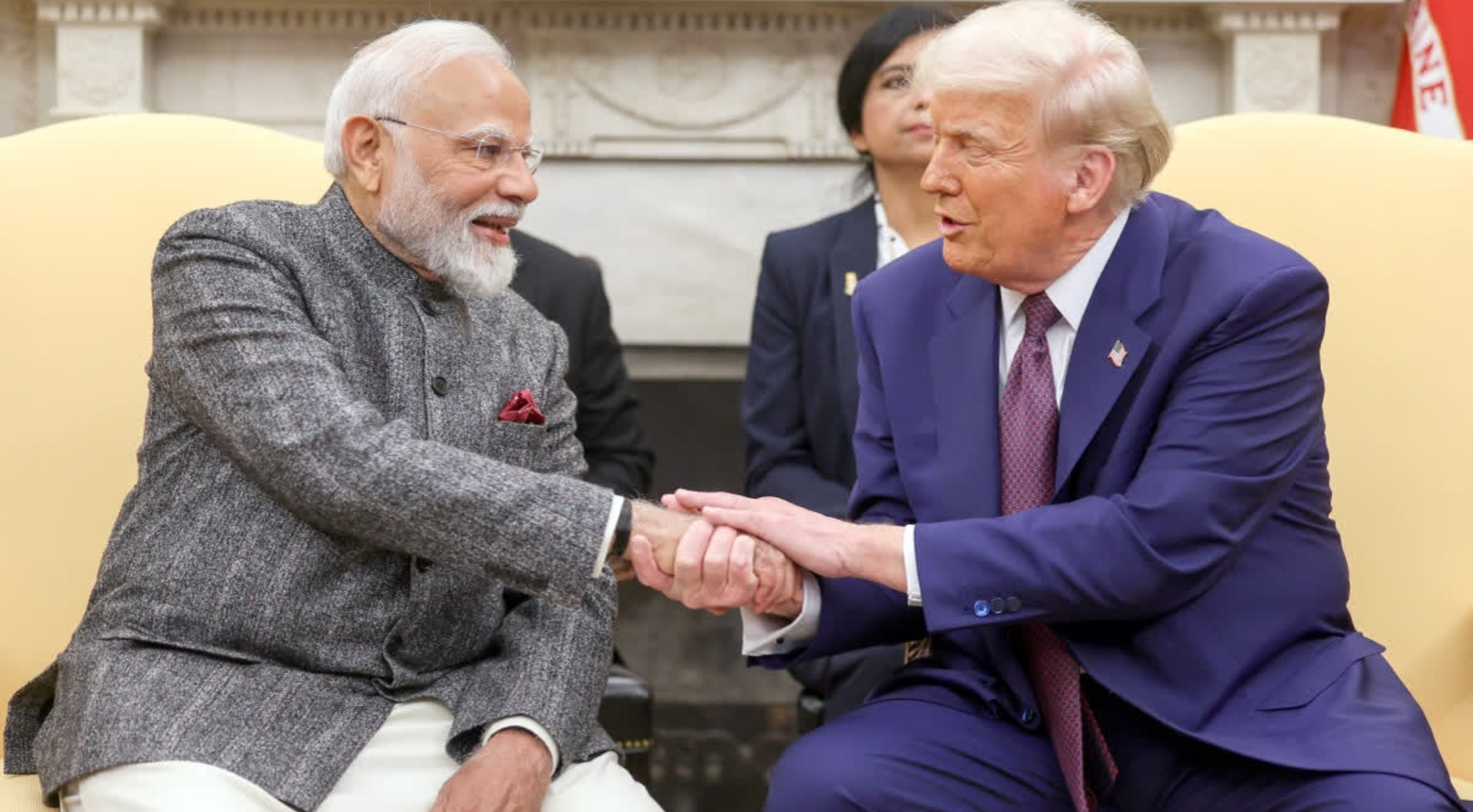
The India-US trade deal, once celebrated as a landmark opportunity to strengthen economic ties between the world’s largest democracy and the world’s largest economy, now faces serious challenges. As negotiations stall, many wonder if this “big, beautiful” trade deal is truly in trouble. The deal is important not only for boosting trade but also for enhancing strategic relations. This article dives into the issues at hand and what the future might hold. The Importance of the India-US Trade Deal The trade relationship between India and the United States is critical for both nations. The U.S. is one of India’s largest trading partners, while India represents a significant market for American goods and services. A strong trade deal could boost economic growth, create millions of jobs, and solidify geopolitical ties. Beyond economics, this partnership also serves as a counterbalance to other global powers in the Indo-Pacific region. However, achieving a comprehensive agreement has not been easy. Several obstacles have emerged that could stall or even derail the negotiations. Understanding these challenges is vital to grasp why the deal’s future is uncertain. Tariffs in the India-US Trade Deal: The Major Sticking Point One of the biggest hurdles in the talks is the issue of tariffs. Both countries have imposed tariffs on each other’s goods, leading to escalating tensions. For example, the U.S. is concerned about high tariffs on American products such as motorcycles, almonds, and agricultural commodities. India, meanwhile, objects to tariffs on steel, aluminum, and certain technology goods. These tariffs have a ripple effect, impacting businesses and consumers on both sides. They increase the cost of goods and limit market access, which ultimately slows down trade growth. Both countries must find a balanced approach to tariff reduction if they want the deal to succeed. Agriculture in the India-US Trade Deal: Sensitive Yet Vital Sector Agriculture is especially sensitive in this trade deal. India’s large farming population depends on protecting local agriculture from global competition. The U.S. wants India to open its agricultural markets more broadly, including sectors like dairy, wheat, and pulses. India, however, fears that such moves could threaten farmers’ livelihoods and food security. This impasse is complicated by India’s commitment to self-reliance and initiatives like “Make in India,” which aim to boost domestic production. Finding a compromise here requires delicate negotiations that protect farmers while allowing fair market access. Market Access in the India-US Trade Deal and Protecting Domestic Industries Market access remains a key issue beyond agriculture. The U.S. pushes for greater access in sectors like manufacturing and information technology. India, on the other hand, is cautious. It wants to nurture its domestic industries and prevent flooding by foreign competitors, which could hurt small businesses and job creation. India’s careful approach reflects its broader economic priorities, including promoting domestic manufacturing and innovation. Phased market opening or sector-specific deals might be the answer to ensure mutual benefits. Intellectual Property Rights in the India-US Trade Deal: Innovation vs. Accessibility Intellectual Property Rights (IPR) are another complex area. The U.S. advocates for stronger IPR protections to safeguard American companies’ innovations. India insists its current laws are adequate and worries that stricter rules could limit access to affordable medicines and technology. India has been a global leader in producing low-cost generic medicines, vital for millions worldwide. Any changes to IPR must carefully balance fostering innovation with protecting public health and affordability. Political Challenges Affecting the India-US Trade Deal on Both Sides Domestic politics heavily influence trade negotiations. In India, the government must address farmers, manufacturers, and diverse interest groups who scrutinize trade deals intensely. These factors can slow decision-making and complicate talks. In the U.S., political shifts, lobbying from different industries, and priorities such as countering China also affect trade policies. Trade agreements must align with domestic job creation goals and global strategic interests. Current Status and the Road Ahead Despite these hurdles, both countries remain engaged in talks. The deadline to finalize the deal is July 9, 2025. Missing this date risks reinstating high tariffs on Indian goods, which would negatively impact trade. Officials describe the negotiations as “50-50,” showing cautious optimism. India is even considering innovative clauses, like the “forward most-favored-nation” provision, which would extend the best trade terms India grants other countries to the U.S. Both sides are exploring sector-specific solutions and continue to emphasize transparency and trust. This ongoing dialogue is crucial to bridging gaps. Strengthening Ties Beyond Trade Even if trade talks face delays, India and the U.S. continue expanding cooperation in technology, defense, energy, and education. These areas provide a broader foundation for economic and strategic partnership. Joint research initiatives, infrastructure projects, and cultural exchanges help build long-term resilience in bilateral relations, less vulnerable to trade-specific setbacks. Conclusion: Will the Deal Survive? The India-US trade deal is at a crossroads. It faces multiple challenges that require compromise, creativity, and political will. If both nations can resolve tariff disputes, balance market access, and respect each other’s priorities, the deal can unlock significant growth. Ultimately, this trade partnership has the potential to serve as a global example of how two diverse economies can work together for mutual benefit. The coming months will be critical in determining whether this “big, beautiful” deal lives up to its promise or faces an uncertain future.

Read More

Thai prime minister suspended: Leaked call crisis deepens

Introduction The Thai prime minister suspended by court order after a leaked phone call has thrown Thailand into political turmoil. The audio recording, widely circulated on social media, raised serious allegations about potential abuse of power and manipulation of legal processes. “This is a fundamental test of accountability,” stated Dr. Anucha, a Thai political science professor. The Thai prime minister suspended in this dramatic way highlights growing public frustration with government transparency and ethics. Many citizens now demand thorough investigations, while some warn about possible political motivations behind the suspension. The entire country is waiting to see how the legal proceedings will unfold and what consequences may follow. With protests building and the economy fragile, this moment could shape Thailand’s leadership and institutional strength for years to come. The Thai prime minister’s suspension is no minor matter — it represents a crossroads in the nation’s political story. Political Fallout from the Thai prime minister suspended Decision The Thai prime minister suspended ruling has had major consequences for Thailand’s fragile coalition politics. Opposition groups view the suspension as a triumph of rule of law, while loyalists accuse the court of destabilizing an elected government. “No one should be above investigation,” opposition leader Ms. Kittiya declared. Parliament is now in disarray, with no clear plan to fill the leadership vacuum if the suspension drags on. Analysts warn the crisis could weaken democratic norms if political tensions continue to rise. At the same time, the Thai prime minister suspended pending investigation shows that checks and balances are still functional in the country’s constitutional framework. How fairly the judiciary proceeds will determine if the public sees this as a victory for democracy or a dangerous overreach by the courts. Public Reactions to the Leaked Phone Call The leaked call that led to the Thai prime minister suspended status has sparked huge public protests. In Bangkok and beyond, demonstrators have called for reforms and demanded answers. “It is about time the powerful are held accountable,” said protestor Aranya, holding a sign demanding truth and transparency. Social media has amplified these calls for justice, making it harder for authorities to ignore them. However, not everyone is convinced the call is authentic, and rumors about editing or manipulation have further divided the public. Businesses worry the protests could hurt tourism and sales. Small shop owners, who still struggle from the pandemic’s impact, fear renewed street clashes will drive customers away. Overall, the leaked call has ripped open deep tensions between government supporters and opponents. Legal Framework behind the Thai prime minister suspended Case According to Thailand’s constitution, a prime minister can be suspended if credible evidence of wrongdoing emerges. The constitutional court acted after the leaked phone conversation appeared to show potential misconduct. “The constitution provides strong safeguards for integrity,” explained Professor Pravit, a constitutional law expert. The Thai prime minister suspended ruling will now undergo a legal review to verify whether the allegations hold up in court. Both government and opposition lawyers are preparing for a fierce battle, with the public demanding a transparent process free of political gamesmanship. This case is a reminder that no leader should be immune from accountability. Yet it also raises concerns about weaponizing leaks to remove officials without a full investigation. The Thai public hopes for a fair trial that respects both democracy and the rule of law. Economic Impact of the Thai prime minister suspended Drama Thailand’s financial markets have been rattled since the Thai prime minister was suspended. Stock prices dipped, and the baht weakened against other currencies as investors feared prolonged political instability. “Business confidence is built on stable governance,” said economist Somchai Viroj. Tourism agencies also reported cancellations after the protests broke out. Thailand relies heavily on tourism revenue, and even brief political turmoil can harm its global reputation. People working in agriculture and small businesses are especially worried about programs stalling while the prime minister is out of office. Delays in subsidies or price support could hurt farmers during critical harvest periods. Unless the suspension is resolved quickly, Thailand risks sliding into deeper economic hardship. Media Coverage and Public Narratives The Thai prime minister suspended news has dominated local and global headlines. Journalists continue to analyze the leaked call, interview political figures, and track public protests. Some networks have framed the crisis as a democratic stress test, while others see it as evidence of a flawed system. “We are living through a turning point,” wrote columnist Siriporn in the Bangkok Daily. Social media, meanwhile, has become a battlefield of rumors and counterclaims. Verifying facts is increasingly difficult, especially as both sides push competing narratives. Responsible reporting will be vital to prevent disinformation from spreading. Ultimately, the role of the media in a crisis like this is to give citizens the facts they need to make informed decisions about their government’s future. International Reactions to the Thai prime minister suspended Crisis The Thai prime minister suspended crisis has triggered diplomatic statements across Southeast Asia. ASEAN members are calling for calm and respect for democratic procedures. Western allies have expressed measured concern, urging Thailand to uphold human rights while investigating the phone call’s authenticity. “Stability in Thailand benefits the entire region,” said a spokesperson for Singapore’s foreign ministry. Trade partners fear the turmoil could disrupt negotiations on regional deals if the crisis continues. International human rights groups also emphasized that protestors should be free to demonstrate peacefully. The coming weeks will show whether Thailand can preserve both stability and democratic accountability during such a politically sensitive case. Conclusion The Thai prime minister suspended after a leaked phone call shows how fragile political trust can be in a divided society. Whether this moment leads to deeper reforms or worsens the country’s divisions depends on how fairly the courts proceed. “We must not waste this chance for accountability,” Dr. Anucha urged in a recent interview. Citizens and institutions alike will have to protect democratic processes while avoiding chaos. The world is watching to see if Thailand can balance…

Read More
India factory blast

India Factory Blast: National Mourning After 34 Killed

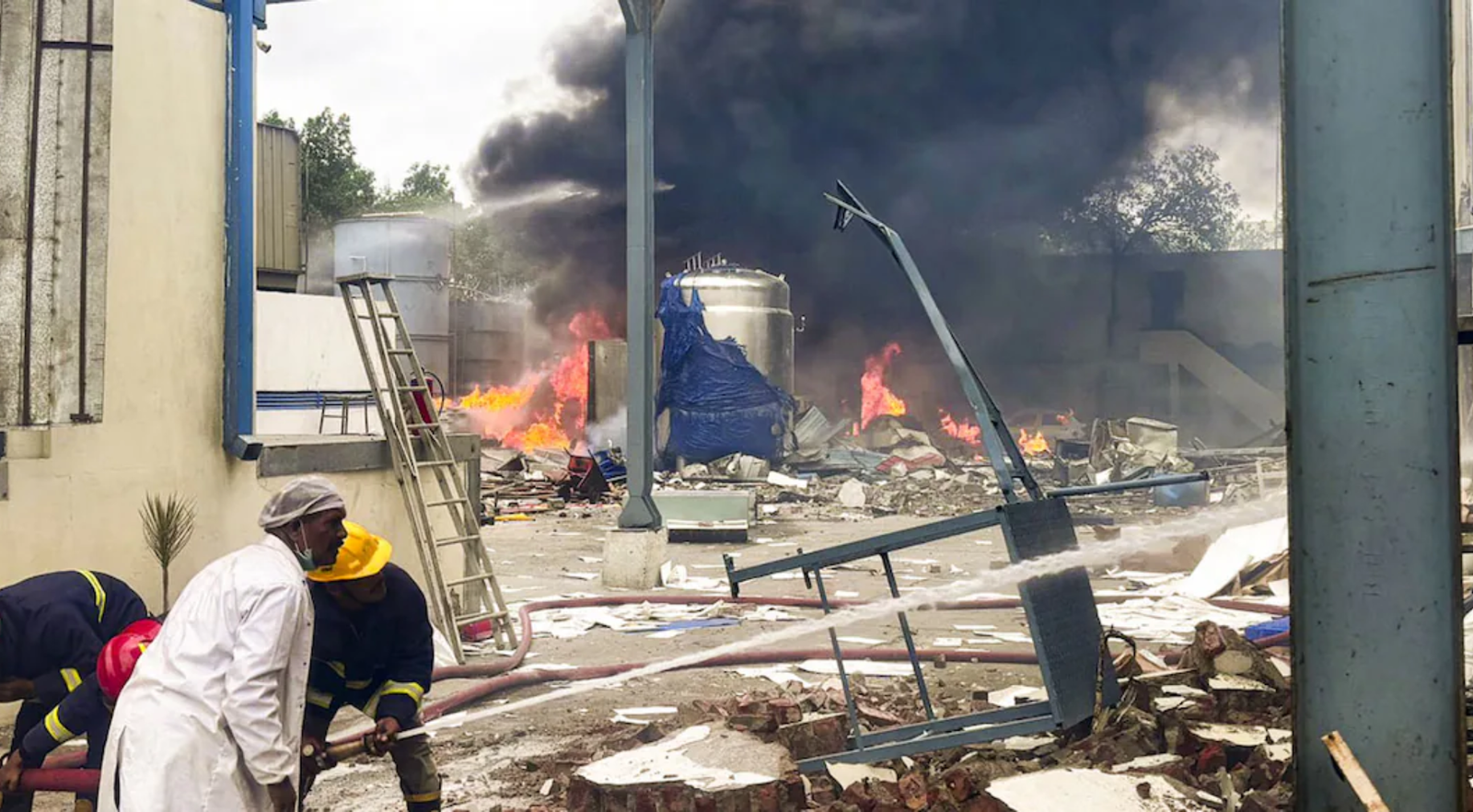
India Factory Blast: Tragedy at Sigachi Industries The India factory blast that occurred on Monday at a pharmaceutical unit of Sigachi Industries in Telangana has claimed at least 34 lives, authorities confirmed. This tragic event is considered one of the deadliest industrial accidents in India in recent years. According to senior police official Paritosh Pankaj, 31 bodies were recovered from the collapsed building, while three additional victims died later in the hospital. What Caused the India Factory Blast? The explosion happened during work hours when approximately 60 workers were inside the facility. Rescue teams reported that the blast caused a complete collapse of the structure. The unit was producing microcrystalline cellulose, a common binding agent used in pharmaceuticals, food products, and cosmetics. A senior rescue officer told The Indian Express: “Pressure seems to have built up while workers were operating the spray dryer. Fine dust chemical particles likely accelerated the blast and the resulting fire.” Blast Victims and Injuries: Human Cost of the Tragedy Most of the deceased and injured workers were migrant laborers from Jharkhand, Odisha, Bihar, Uttar Pradesh, and West Bengal. At least 25 people were hospitalized with severe burn injuries and toxic gas inhalation. Due to the intense blaze, many bodies were charred beyond recognition, prompting authorities to rely on DNA testing for identification. GV Narayana Rao, director of the Telangana Fire Disaster Response Team, stated: “Only after completely clearing the debris can we confirm whether more bodies remain trapped.” India Factory Explosion: Legal Action and Corporate Fallout Police have filed a case against the management of Sigachi Industries, based on a complaint from the son of one of the victims. In response, the company has announced a 90-day shutdown of operations at the affected unit, citing extensive damage to both equipment and infrastructure. In an official statement, Sigachi Industries said: “We deeply regret the loss of life and are currently working to determine the full extent of the injuries.” Government Compensation After the India Factory Blast Prime Minister Narendra Modi expressed his condolences on social media and announced financial compensation for the victims: The Telangana state government also conveyed “deep shock” over the tragedy and assured additional compensation and support for the affected families. Industrial Safety Under Scrutiny After Telangana Explosion This India factory blast has raised urgent questions about industrial safety standards in India’s chemical manufacturing sector. Experts are calling for: A Hyderabad-based industrial safety consultant explained: “Dust explosions are common in such environments. Unfortunately, safety audits are often outdated or completely skipped due to cost-cutting efforts.” Broader Industrial Safety Concerns in India This tragedy is not an isolated incident. India has seen multiple chemical factory explosions over the past decade, many of which resulted in mass casualties due to inadequate regulation and enforcement. Advocacy groups are now demanding: Conclusion: A Call for Justice and Reform As the death toll in the India factory blast continues to rise and rescue operations carry on, grieving families are left seeking answers, justice, and accountability. This catastrophic event casts a long shadow over India’s industrial sector and highlights the urgent need for systemic reform. The nation now mourns a tragedy that was likely preventable—and one that must serve as a wake-up call for both public officials and private industry leaders.

Read More