
“Pentagon Deploys Aircraft Carrier to Caribbean”

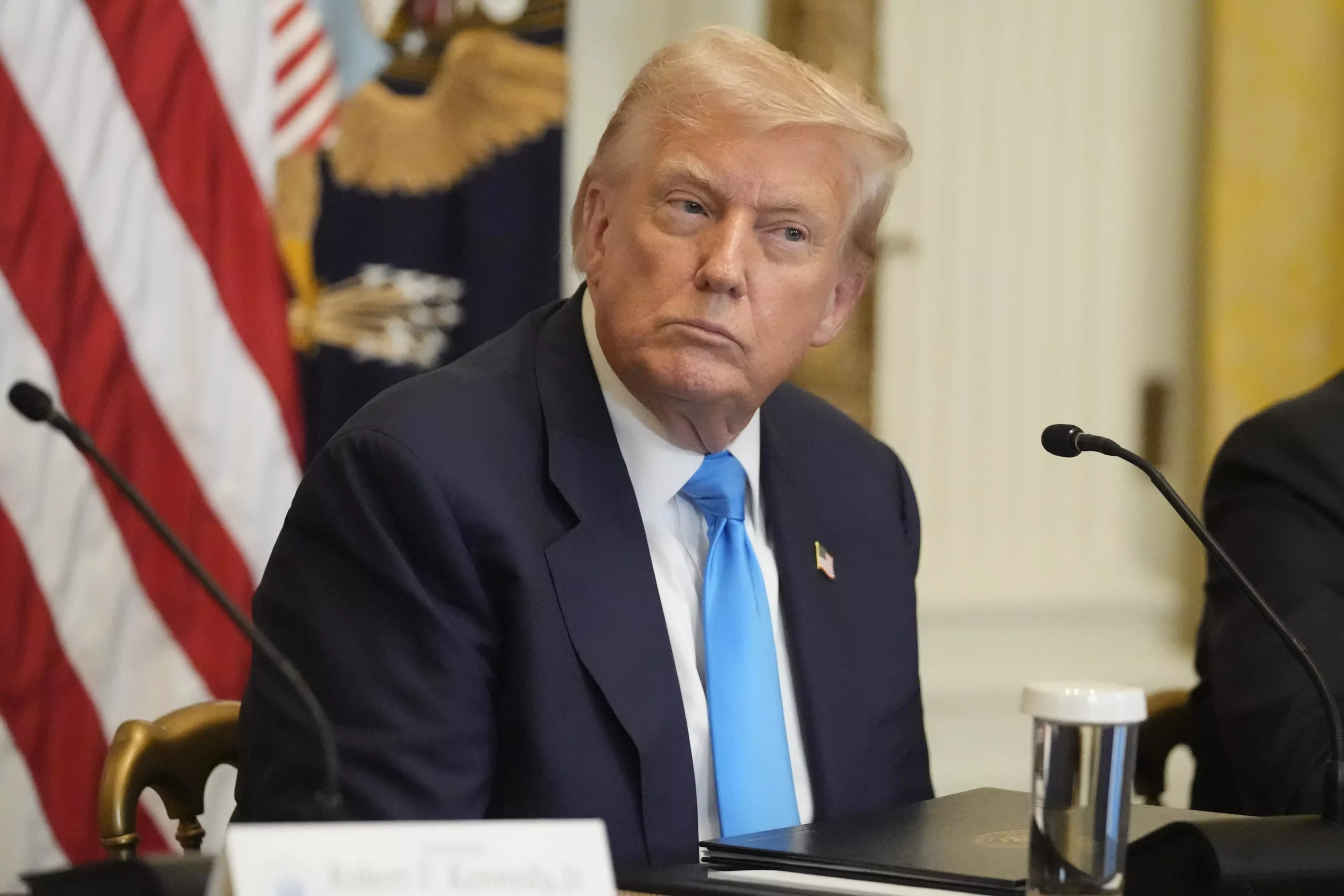
Pentagon Deploys Aircraft Carrier to Caribbean Amid Rising Tensions The Pentagon deploys aircraft carrier to Caribbean, marking a major escalation in the Trump administration’s campaign against drug cartels in Latin America. The USS Gerald Ford, America’s most advanced supercarrier, is moving toward Venezuelan waters with dozens of fighter jets and support vessels. According to defense officials, this deployment strengthens US military presence in the region and opens the possibility of airstrikes on land-based targets connected to alleged drug trafficking networks. USS Gerald Ford Strengthens US Military Presence The USS Gerald Ford comes equipped with F/A-18 Super Hornet fighter jets, advanced surveillance drones, and electronic warfare systems. Together, these assets significantly increase the United States’ ability to conduct precision operations.https://www.youtube.com/watch?v=U0xlDXNcDPA The strike group will also include destroyers and supply ships, expanding its ability to monitor and engage targets. Military analysts say the carrier’s arrival signals that the US intends to extend its campaign beyond maritime operations and into land-based interdictions. A Pentagon spokesperson, Sean Parnell, stated that the mission aims to “bolster US capacity to detect, monitor, and disrupt illicit networks that threaten the security and prosperity of the western hemisphere.” Venezuela Condemns US Military Build-Up From Caracas, Venezuelan President Nicolás Maduro condemned the expanded American military presence, accusing Washington of fabricating conflict to justify intervention. “They promised never to start another war, and now they are preparing one,” Maduro said during a televised address. The Pentagon’s decision to deploy the USS Gerald Ford to the Caribbean has heightened diplomatic tensions with Venezuela, already strained by years of sanctions and covert operations. Trump Confirms Plans for Ground Strikes President Donald Trump confirmed that the next phase of his anti-cartel operation will target land-based sites. “The land is going to be next,” he told reporters. “We’re going to hit the sources directly. You’ll see that soon.” When asked whether this would amount to a declaration of war against the cartels, Trump replied, “We’re going to eliminate the people bringing drugs into our country. They’re going to be dead.” His remarks underline a broader strategy that combines Pentagon operations with CIA intelligence, a partnership that has intensified since early September. CIA and Pentagon Coordination Expands Trump recently authorized “covert action” by the Central Intelligence Agency (CIA) in Venezuela to support military operations. Intelligence from the agency has reportedly guided multiple strikes on suspected drug-trafficking vessels over the past two months. However, the administration has faced criticism for offering limited evidence that those targeted had direct links to drug cartels. Pentagon briefings to Congress described the operations as actions against “designated terrorist organizations,” a classification that gives the military wider authority to engage in non-traditional conflicts. Legal and Strategic Questions Remain Legal experts have questioned the administration’s justification for these strikes, calling the framework “dubious.” The US government claims the targets are tied to terrorist groups, creating a legal basis for a non-international armed conflict. Critics argue that this interpretation stretches international law and risks unintended escalation in Latin America. Despite controversy, Pentagon officials continue to defend the campaign. They argue that deploying the aircraft carrier to the Caribbean will improve surveillance and interdiction efforts against drug smuggling operations. Next Steps and Regional Impact Military analysts predict that the USS Gerald Ford’s deployment could reshape US strategy in the Caribbean. The expanded presence not only supports counter-narcotics missions but also acts as a deterrent against what Washington views as hostile actions by the Venezuelan government. Meanwhile, regional leaders are urging diplomatic solutions to prevent a wider conflict. Many warn that continued escalation could destabilize an already fragile region.

Read More

US Strike on Suspected Drug Vessel Leaves Survivors Alive

US strike on suspected drug vessel in the Caribbean has resulted in survivors, marking the first known incident of its kind. A senior US official confirmed the event but provided no further details. US strike on suspected drug vessel in the Caribbean has resulted in survivors, marking the first known incident of its kind. A senior US official confirmed the event but provided no further details. As a result, serious questions are emerging. Did the US military assist the survivors? Are they now in custody? So far, officials have remained silent on the matter.US strike on suspected drug vessel in the Caribbean has resulted in survivors, marking the first known incident of its kind. A senior US official confirmed the event but provided no further details. As a result, serious questions are emerging. Did the US military assist the survivors? Are they now in custody? So far, officials have remained silent on the matter.As a result, serious questions are emerging. Did the US military assist the survivors? Are they now in custody? So far, officials have remained silent on the matter. Incident Details Remain Sparse So far, details remain limited. However, the presence of survivors contrasts sharply with previous strikes. In earlier cases, boats were completely destroyed, and no survivors were reported. It’s still unclear whether the military offered aid to the survivors. Their current location or legal status also remains unknown. Furthermore, the Pentagon has yet to comment on the incident or confirm whether the survivors are being detained. Legal and Ethical Concerns Grow This latest strike follows a pattern of US military actions in the Caribbean. The targets are often vessels suspected of smuggling drugs from Venezuela. Previous airstrikes have killed at least 27 people. As a result, legal experts and Democratic lawmakers are voicing concern. They question whether these operations comply with international law. The US continues to refer to these individuals as “narcoterrorists.” Officials claim the strikes are justified under wartime powers. Meanwhile, the Trump administration says the US is at war with drug cartels linked to Venezuela. Rising Military Tensions in the Caribbean The strike comes amid a broader military buildup in the region. US forces now include missile destroyers, F-35 fighter jets, a nuclear submarine, and over 6,500 troops.https://www.youtube.com/watch?v=Ba_XDDmBJLc Additionally, President Trump confirmed this week that the CIA has been cleared to conduct covert missions in Venezuela. This has fueled speculation that Washington may try to oust President Nicolás Maduro. Venezuela Pushes Back at United Nations In response, Venezuelan ambassador Samuel Moncada addressed the UN Security Council. He urged the Council to declare the strikes illegal and called on members to defend Venezuela’s sovereignty. Leadership Shake-Up Adds to Uncertainty Adding to the tension, the Pentagon recently shifted control of counter-narcotics operations. The mission will no longer be led by Southern Command. Instead, it will fall under the II Marine Expeditionary Force. This change surprised military analysts. Southern Command typically oversees operations in Latin America. Soon after the announcement, Defense Secretary Pete Hegseth revealed that Admiral Alvin Holsey will step down. His resignation will take effect at the end of the year—two years early. Political Reactions in Washington Senator Jack Reed, a top Democrat on the Senate Armed Services Committee, expressed serious concern. “Admiral Holsey’s resignation only deepens my worry that this administration is ignoring key lessons from past military conflicts,” Reed said. Conclusion The emergence of survivors from the US strike on suspected drug vessel brings new attention to a secretive and aggressive campaign. Legal, political, and ethical questions continue to mount. As the situation unfolds, the international community is watching closely.strikes, both domestic and international scrutiny is likely to increase.

Read More

Ukraine War Children Rescued: 23 Brought from Occupied Areas

Drones and Missiles Blackout Kyiv Amid Ukraine War Children Rescued Early Friday, Kyiv endured a large-scale Russian drone and missile attack that cut power and injured civilians across the city. Amid this chaos, Ukraine war children were rescued as part of the government’s emergency response. The missile barrage ignited a fire in a high-rise building and disabled key energy and water systems. The eastern districts, especially those along the Dnipro River, were hit hardest. Officials confirmed nine injuries, with five people hospitalized. As the strikes continued, the Ukrainian air force urged residents to remain in shelters. Ukraine War Children Rescued in “Bring Kids Back UA” Operatio President Zelenskyy’s administration confirmed that 23 children and adolescents were evacuated from Russian-occupied territories. This effort falls under the “Bring Kids Back UA” initiative, which aims to return minors forcibly relocated or trapped in occupied zones. According to chief of staff Andriy Yermak, several of the rescued children had resisted forced Russian schooling and re-education programs. https://www.youtube.com/shorts/QsFS0ubrjLQ U.S. and NATO Ramp Up Pressure on Russia With peace negotiations stalled, U.S. President Donald Trump stated that Washington and NATO are increasing both diplomatic and economic pressure on Russia. He hinted that further sanctions may be introduced if missile strikes on Ukraine continue. Strategic Counterstrikes and Energy Restoration In response to Russian aggression, Ukraine launched targeted missile and drone strikes. These attacks reportedly hit oil depots and supply hubs, including key locations in Russia’s Volgograd region. Russia accused Ukraine of damaging an ammonia pipeline near Donetsk, resulting in a gas leak. Meanwhile, officials have started reconnecting the Zaporizhzhia nuclear plant to the grid, with assistance from the IAEA.

Read More

Israel Gaza Conflict Resolution: Trump’s Ceasefire Hope

Temporary Calm in Gaza: A Ceasefire in the Israel-Hamas War The latest attempt at Israel Gaza conflict resolution—a ceasefire agreement brokered by Donald Trump—marks a pivotal moment in the ongoing war. Trump hailed the deal as a step toward achieving “strong, durable and everlasting peace.” While the statement was characteristically bold, this agreement represents only the beginning of a fragile and complex process. Both Israel and Hamas have accepted the preliminary phase of a broader peace plan, choosing to delay discussion of the most contentious issues. The decision to break the accord into stages reflects the deep-rooted divisions between the two sides. Still, even this partial agreement suggests a rare moment of cautious progress in a deeply fractured region. Israel Gaza Conflict Resolution: Was the Israel-Hamas Ceasefire Too Late? In both Gaza and Israel, the ceasefire announcement brought a moment of collective relief. Families celebrated the release of some hostages, and the arrival of humanitarian aid was a welcome development. Yet, the joy remains tempered by the weight of what has already transpired. More than 67,000 Palestinians have been killed, and vast areas of Gaza lie in ruins. The cost of the war, especially in human terms, is immeasurable. Children orphaned by the violence and communities devastated by airstrikes face a long road to recovery. The psychological toll will echo for generations. Gaza Conflict Resolution Delayed: Was the Israel-Hamas Ceasefire Too Late? By intervening forcefully and pressing allies like Qatar, Egypt, and Turkey to influence Hamas, Trump played a central role in halting the violence – for now. But this also raises uncomfortable questions: Why wasn’t such leverage used earlier? Critics argue that both Trump and his predecessor, Joe Biden, had opportunities to act decisively but delayed meaningful intervention. The war’s beginning, triggered by the horrific Hamas-led attacks on October 7, 2023, and the subsequent massive military retaliation, escalated rapidly into one of the most destructive phases in the region’s history. Over 30 hostages taken during that attack are now believed to have died in captivity.History of the Israel-Palestine Conflict Trump’s Gaza Peace Plan: Path to Stability or Political Control? While the current deal halts the fighting, it offers no clear path to a just political solution. Under Trump’s proposal, Gaza would not be annexed or occupied by Israel, but would effectively be placed under a new international administration led by Trump and former UK Prime Minister Tony Blair. Critics argue this framework risks replacing military control with political colonialism. Furthermore, there is little indication that Hamas plans to disarm, or that Israel is ready to recognize Palestinian aspirations for statehood. The exclusion of popular Palestinian leader Marwan Barghouti from Israel’s planned prisoner release also undermines efforts to unify Palestinian political factions. French President Emmanuel Macron emphasized that the ceasefire should lead to a renewed focus on the two-state solution, echoing international sentiment that peace must be rooted in justice and political resolution. Growing public outcry, particularly across Western democracies, has increasingly pressured Israel’s allies to reconsider their approach. Yet, there’s a real risk that global attention may now fade, with some governments tempted to treat this fragile ceasefire as a final resolution rather than a temporary pause. That would be a grave mistake. Sustaining the Gaza Ceasefire: The Road to Lasting Middle East Peace Despite the breakthrough, the road ahead is uncertain. Donald Trump may soon shift focus, especially after enjoying the political capital from this diplomatic victory. With the Nobel Peace Prize announcement looming, speculation grows over whether the timing of the deal was politically motivated.United Nations Press Release on Gaza Ceasefire Regardless, the global community cannot afford complacency. Ensuring a “durable and everlasting peace” means addressing the fundamental grievances at the heart of the Israeli-Palestinian conflict – from occupation and statehood to justice and human rights. Learn more about Marwan Barghouti’s role in Palestinian politics

Read More

Jet2 deportation video: Jess Glynne hits out at White House

Jet2 Deportation Video Sparks Outrage from Jess Glynne The Jet2 deportation video has sparked outrage after British pop star Jess Glynne condemned the U.S. government’s use of her hit song Hold My Hand in a politically charged deportation clip. U.S. immigration officers escort handcuffed individuals onto a GlobalX plane in a video posted on X (formerly Twitter), set to the upbeat Jet2holiday advert soundtrack featuring Glynne’s 2015 hit. How the Jet2 Deportation Video Became a Political Meme The original Jet2holiday advert, now a global meme, pairs Glynne’s cheerful track with the tagline “Nothing beats a Jet2 holiday.” In recent months, the ad’s catchy tone and playful voiceover have featured in over two million videos online. Many users have used it to highlight chaotic or comedic travel mishaps. However, the White House’s recent use of the audio has changed the context dramatically. It has sparked backlash from the public and people linked to the campaign. The controversial White House post included the caption: “When ICE books you a one-way Jet2 holiday to deportation. Nothing beats it!” This satirical attempt was widely condemned on social media. Users called it “inhumane,” “tone-deaf,” and “unprofessional. Jess Glynne Condemns Jet2 Deportation Video for Misusing Her Music Jess Glynne responded on Instagram, saying she wrote her music to “spread love, unity, and positivity — not division or hate.” She added that watching her song used in a context promoting deportation policies made her feel “sick.” The singer joins a growing list of artists publicly opposing the use of their work for political purposes without consent. Voiceover Artist Also Speaks Out Zoe Lister, the familiar voice behind the Jet2holiday commercials, also condemned the clip. “I would never condone using my voice to promote deportation or policies I fundamentally oppose,” she said. Lister said the ad was meant to bring humor and joy to people’s holiday stories—not to promote political agendas. Political Memes From the Trump Administration The White House has previously posted meme-style content, including an edited image of President Trump as Superman with the caption “Truth. Justice. The American Way. Superman Trump.” Another post earlier in July defended their meme-sharing activity by saying, “Nowhere in the Constitution does it say we can’t post banger memes.” President Trump has pledged $170 billion towards border and immigration enforcement, including $45 million specifically for detention facilities. Immigration and Customs Enforcement (ICE) will reportedly receive $76.5 billion in funding over the next five years. Jet2 Meme Goes Global — But Faces Boundaries Despite the controversy, the Jet2 meme has exploded in popularity online. One of the most viewed clips shows a woman on a rollercoaster getting hit by a seagull. The Jet2 soundtrack adds comic relief. Creators on TikTok and Instagram have used the audio to highlight everything from airport disasters to ruined vacations. Lister, who has worked with Jet2holidays for years, said the viral fame of the ad has taken her by surprise. “It’s hilarious that I’m now being booked for gigs and festivals just because of the voiceover. People can’t get enough of it.” But she also issued a warning: “Politicians should not use this. It’s meant to be funny and lighthearted — not political.” Not the First Artist to Object Jess Glynne is not alone in confronting political use of music. ABBA had earlier objected to the use of their songs at political rallies. They requested the removal of all related videos. The estate of the late Sinéad O’Connor also condemned the use of her music, stating that she would have been “disgusted” by the association with such content. Other major artists like Adele, Aerosmith’s Steven Tyler, and Pharrell Williams have all taken legal steps or issued public statements against the unauthorized use of their music in political campaigns. Artistic Integrity vs. Political Messaging The backlash over the White House deportation video featuring the Jet2holiday soundtrack underscores a deeper conflict between pop culture and political messaging. For Jess Glynne and Zoe Lister, the unexpected repurposing of a cheerful holiday ad into a tool for hardline immigration policy has raised important questions about consent, context, and the responsibility of those in power.

Read More

Trump South Korea Deal: 15% Tariff Agreed in $350bn Pact

Trump South Korea Deal Imposes 15% Tariff Ahead of Deadline The Trump South Korea deal imposes a 15% tariff on key imports like cars and semiconductors, announced just ahead of the 1 August deadline. This trade agreement, revealed by President Donald Trump, spares South Korea from a looming 25% tariff and secures a $350bn investment in the US. Trade Agreement Helps Seoul Avoid 25% Tariff Hike Had the agreement not been reached, South Korean exports to the US would have faced significantly higher taxes. The deal was struck under mounting pressure, especially after Japan negotiated similar terms the week before. By securing a lower rate, Seoul has avoided a possible setback for its automotive and tech industries. Trump South Korea Deal Includes $350 Billion Investment in US As part of the arrangement, South Korea has agreed to invest $350 billion in the United States. Around $150 billion will go toward shipbuilding, including warships, helping to boost America’s declining naval industry. The rest of the funds will support manufacturing projects involving semiconductors, batteries, and electric vehicles. Trump South Korea Deal Preserves Rice and Beef Market Protections South Korea stood firm on protecting its agriculture sector. The deal does not require Seoul to open its rice or beef markets to more US imports. This was a red line for South Korea, where farmers had been preparing for protests if these protections were lifted. Steel and Aluminium Still Face 50% Tariff While semiconductors and cars benefit from reduced tariffs, steel and aluminium exports from South Korea will face a 50% tax. This aligns with President Trump’s broader global tariff policy on those materials. South Korean Leadership Welcomes the Deal President Lee Jae Myung has hailed the agreement as a diplomatic win. According to him, South Korea now has fairer trade conditions compared to other US partners. He emphasized that the deal helps protect key domestic industries while advancing strategic partnerships. Military Talks Deferred to Upcoming Summit This agreement does not address the military alliance between the US and South Korea. Discussions around US military spending and troop presence in South Korea are expected to take place during President Lee’s upcoming visit to Washington. There is speculation that Seoul might be asked to increase its financial contribution for US defense support. Trump’s Trade Strategy Continues to Stir Debate Since returning to office in January, President Trump has reintroduced tariffs on several countries. He claims these measures will protect American jobs and revive domestic manufacturing. However, critics argue that his unpredictable trade policy is causing price hikes for US consumers and disrupting global markets. Final Thoughts: Strategic Gains Amid Uncertainty The Trump South Korea tariff deal showcases a calculated trade-off. South Korea secured reduced tariffs on key exports and retained agricultural protections. In return, it committed to vast US investments, mainly in defense and tech. While immediate economic conflict was avoided, future negotiations—especially on military matters—could bring more challenges.

Read More

US Carbon Emissions Regulation Repeal Threatens Climate

US Carbon Emissions Regulation Repeal: What’s at Stake for Climate Policy? The US carbon emissions regulation repeal is set to reshape the nation’s environmental policy. The government is moving to eliminate the Endangerment Finding, a landmark 2009 decision that empowers the Environmental Protection Agency (EPA) to regulate greenhouse gases as harmful pollutants. If successful, this repeal could drastically reduce federal authority to combat climate change. Endangerment Finding and the Fight Over Carbon Emissions Regulation in the US The Endangerment Finding originated from a 2007 Supreme Court ruling. It stated that greenhouse gases fall under the definition of air pollutants, giving the EPA legal grounds to regulate them. Two years later, the EPA formally declared that emissions from vehicles, factories, and power plants pose threats to public health and contribute to climate change. This finding forms the legal basis for emission standards set under the Clean Air Act. Without it, many of the rules aimed at reducing pollution could be invalidated. Trump’s Push for US Carbon Emissions Regulation Repeal President Donald Trump has long opposed federal climate regulations. He argues they slow economic growth and limit personal freedom. On returning to office in January, Trump instructed the EPA to reassess the Endangerment Finding’s legality and relevance. EPA Administrator Lee Zeldin recently described the repeal as a critical step in dismantling what he called “the climate change religion.” He claimed emissions rules distract from real economic issues and vowed to eliminate them to reduce regulatory burden. Economic vs. Environmental Concerns The EPA estimates that repealing these standards could save Americans around $54 billion annually. These savings would come from reversing regulations such as vehicle emissions limits and electric vehicle mandates introduced under the Biden administration. However, critics warn that these savings come at a high environmental cost. Removing limits on carbon dioxide, methane, and other pollutants could worsen the climate crisis, especially as the US is among the world’s top emitters per capita. Immediate Impact on Vehicle Emissions If finalized, the new EPA rule would revoke emission standards for light-duty vehicles established in 2010 and medium to heavy-duty vehicles set in 2011. This move would significantly loosen restrictions on the automotive and transport industries, which are major contributors to greenhouse gas emissions. Legal Challenges Expected Legal experts predict strong opposition in the courts. The EPA’s authority to regulate emissions is rooted in Supreme Court decisions. Stripping that authority could spark multiple lawsuits from states, environmental groups, and legal scholars. Richard Revesz, a law professor at New York University, warned that repealing the Endangerment Finding would undermine nearly all existing EPA greenhouse gas regulations. Even if the repeal is challenged, the delay and uncertainty could hinder progress in climate policy. Political Backlash and State-Level Response Governors from states like California and Wisconsin have sharply criticized the proposed repeal. They accuse the administration of ignoring science and undermining public health protections. In a joint statement, they emphasized that climate change is real and greenhouse gases are dangerous pollutants. “Firing scientists and manipulating research won’t change facts,” the governors said. “Greenhouse gases cause climate change and threaten our communities—plain and simple.” What Happens Next? The EPA’s draft rule will go through a public comment period and interagency review. Until a final decision is reached, existing emissions standards remain in place. However, uncertainty looms, and climate advocates fear a rollback in US environmental leadership. The repeal of the Endangerment Finding could become one of the most consequential climate decisions in US history. Its outcome will likely shape federal climate action for years to come. US carbon emissions regulation repeal.

Read More

Pacific Climate Justice: How Students Took Fight to UN Court

Pacific Climate Justice: From Student Idea to Global Campaign In 2019, a small group of Pacific Island students transformed a classroom discussion on climate change into what became the Pacific climate justice movement. This week, the International Court of Justice (ICJ), often called the UN World Court, is set to respond to their historic call. Cynthia Houniuhi, a leading voice behind this effort, recalls her childhood in the Solomon Islands with warmth and nostalgia. Her early memories include wading through the sea to reach school, planting sweet potatoes, and catching birds with her brothers. A trip to her father’s island of Fanalei revealed a harsh truth. Homes were already submerged by rising waters, forcing families to abandon their land. Pacific Climate Justice and Rising Seas Awareness This stark reality sparked Houniuhi’s passion for climate activism. The Solomon Islands and other low-lying Pacific states face extreme climate threats. Stronger storms and sea-level rise are displacing entire communities. Houniuhi’s curiosity and determination to seek answers pushed her to study law at the University of the South Pacific in Fiji. During her third year, lecturer Justin Rose challenged the class to find ways to promote climate justice. The idea of seeking an advisory opinion from the ICJ emerged. It was a bold and unprecedented step for a group of students. Though hesitant at first, Houniuhi recognized the global scale of the crisis. She knew this was a fight worth pursuing. Birth of Pacific Island Students Fighting Climate Change (PISFCC) Determined to act, Houniuhi and 26 other students formed Pacific Island Students Fighting Climate Change (PISFCC) in 2019. With just 80 Fijian dollars raised through crowdfunding, they launched their first banner and began lobbying for support. Ralph Regenvanu, Vanuatu’s then Foreign Affairs Minister and a strong climate justice advocate, backed their campaign. Fueled by the youth climate movement inspired by Greta Thunberg, PISFCC connected with governments, NGOs, and activists across continents. By 2023, their persistence paid off. Pacific students climate justice A total of 132 nations co-sponsored a resolution for the UN General Assembly to seek the ICJ’s opinion. Global Legal Battle for Climate Justice The ICJ’s advisory opinion could become a landmark in international climate law. It will determine states’ legal obligations to mitigate climate change and outline consequences for failure. For vulnerable nations, this case offers a chance to hold major polluters accountable. PISFCC worked closely with legal experts and youth groups like World’s Youth for Climate Justice. They guided nations in drafting submissions, developed handbooks, and raised global awareness. They also encouraged smaller states to participate and ensured their voices were heard. A Powerful Voice in The Hague In December 2024, Houniuhi and her team traveled to The Hague, overcoming financial challenges and visa hurdles. Wearing her family’s traditional rorodara headdress, she presented the Pacific students’ case. She highlighted how rising seas threaten their land, culture, and identity. Over 100 nations delivered oral arguments during the hearings. Pacific and Caribbean states stressed the severe impacts of climate change on food security, livelihoods, and human rights. Major emitters like the US, Australia, and China countered that the Paris Agreement and the UN Framework Convention on Climate Change should remain the primary legal frameworks. The Road Ahead Although the ICJ’s opinion will not be legally binding, it will strengthen future climate litigation. It will also influence global negotiations, especially at COP30 in Brazil later this year. For PISFCC, this campaign is far from over. Houniuhi, now a law lecturer, plans to hand over leadership to the next generation of activists. “Some fights are worth fighting, even if the outcome is uncertain,” she says. The network of youth activists formed through this campaign continues to grow. Pacific students climate justice They remain bound by shared passion, resilience, and the hope of building a safer future for their islands.

Read More

Jane Street Market Manipulation: Trouble in India

Jane Street Market Manipulation in India – SEBI’s Allegations Jane Street market manipulation in India has sparked a major controversy. The US trading firm is facing a ban after the Securities and Exchange Board of India (SEBI) accused it of creating artificial stock price movements. SEBI claims that this alleged manipulation misled small investors into trading at unfavorable prices. Jane Street denies wrongdoing and says it will challenge the order in court. Who Is Jane Street and Why Is It Under Scrutiny? Jane Street, founded in New York, is a quantitative trading firm that uses advanced algorithms to design trading strategies. It employs over 3,000 people and operates across 45 countries. In 2023, the firm handled 10% of North America’s equity trading volume. Allegations of Jane Street Market Manipulation in India SEBI’s probe focuses on trades in the Bank Nifty index, which tracks 12 leading Indian banks. Jane Street allegedly manipulated both the cash and derivatives markets through separate entities. One entity bought large volumes of shares in the morning, pushing up prices. The other entity bet on a decline in derivatives. Near market close, the company allegedly sold off the shares, causing prices to crash and benefiting its derivative positions. Jane Street Market Manipulation. This tactic, called “marking the close”, is illegal in many global markets. Impact of Jane Street Market Manipulation on Small Investors Retail investors bought shares during the artificial surge, only to face losses when prices collapsed. SEBI claims Jane Street earned $4.3 billion in India within two years. During the same time, retail traders in derivatives lost 1.05 trillion rupees ($11.6 billion) in FY25. Jane Street’s Response Jane Street says its trades were legal index arbitrage, exploiting price differences between cash and derivative markets. The firm insists SEBI has misinterpreted its strategies. What Experts Say Experts argue the trades went beyond normal arbitrage. “This is manipulation, not arbitrage,” says Deepak Shenoy, CEO of Capitalmind. Mayank Bansal, a derivatives investor, claims such activity distorted markets every week on contract expiry days. What Happens Next? Jane Street has deposited $560 million in an escrow account. SEBI is still reviewing the request to lift the ban. If proven guilty, Jane Street could face fines of up to three times its alleged profits under Indian law. Regulatory Concerns and Next Steps SEBI has ordered Jane Street to deposit $560 million in an escrow account while it reviews the firm’s request to lift the ban. If proven guilty, Jane Street could face penalties up to three times the alleged gains under Indian securities law. Industry experts warn that the case highlights weaknesses in real-time surveillance systems. “Regulators need to detect manipulation faster to protect small investors,” says Bansal.

Read More

Prada Cultural Appropriation in India: What Went Wrong

Prada Cultural Appropriation in India: Why Luxury Brands Struggle The controversy over Prada cultural appropriation in India highlights the disconnect between luxury brands and traditional Indian craftsmanship. Recently, Prada faced backlash after its Milan runway featured a toe-braided sandal resembling the iconic Kolhapuri chappal—a handcrafted leather footwear design with centuries of cultural history. The collection did not credit Kolhapur artisans, sparking outrage among fashion observers and Indian communities. Prada Cultural Appropriation in India: Brand Response and Damage Control Following the criticism, Prada issued a statement acknowledging the origins of the sandal and expressed interest in collaborating with Indian artisans. In a rare move, Prada representatives traveled to Kolhapur to meet local craftsmen and vendors to learn about the process behind creating these traditional sandals. The brand has hinted at possible partnerships with Kolhapuri footwear makers to ensure recognition of their craft. A Larger Pattern of Cultural Appropriation Prada is not alone in this controversy. Several global fashion labels, including H&M and Reformation, have been accused of borrowing heavily from South Asian traditions without giving credit. Dior also faced criticism for showcasing designs inspired by mukaish work, a centuries-old Indian metal embroidery technique, without acknowledging its origin. These incidents have intensified the conversation on cultural respect and responsible fashion. Why Luxury Brands Struggle with India India’s luxury market is growing but remains challenging for foreign brands. Analysts predict the market could double to $14 billion by 2032, driven by a young and affluent consumer base. However, many global brands still view India primarily as a production hub rather than a key luxury destination. Industry experts argue that this perspective contributes to cultural missteps. Delhi-based designer Anand Bhushan notes that many luxury brands depend on Indian artisans for embroidery and craftsmanship yet fail to honor their heritage. Cultural Respect vs. Exploitation Critics emphasize that drawing inspiration from another culture is not inherently wrong, but acknowledgment and fair credit are essential. Fashion writer Shefalee Vasudev calls it “cultural neglect” when powerful brands profit from centuries-old traditions without recognizing the artisans who create them. Indian craftspeople often work for weeks on intricate designs yet receive minimal wages or recognition. The lack of strong intellectual property laws leaves them vulnerable to exploitation by global companies. The Way Forward for Fashion Experts like Nonita Kalra, editor-in-chief of Tata CliQ Luxury, believe that the real issue lies in the lack of diversity in global fashion leadership. “Brands need people who understand different cultures,” she says. “This will help them avoid the blind spots that lead to cultural appropriation controversies.” The Prada sandal controversy could serve as a wake-up call for India as well. There is a growing need to protect, market, and celebrate indigenous crafts rather than leaving them uncredited and undervalued.

Read More