Paula Rego McDonagh series: Dark tales revealed

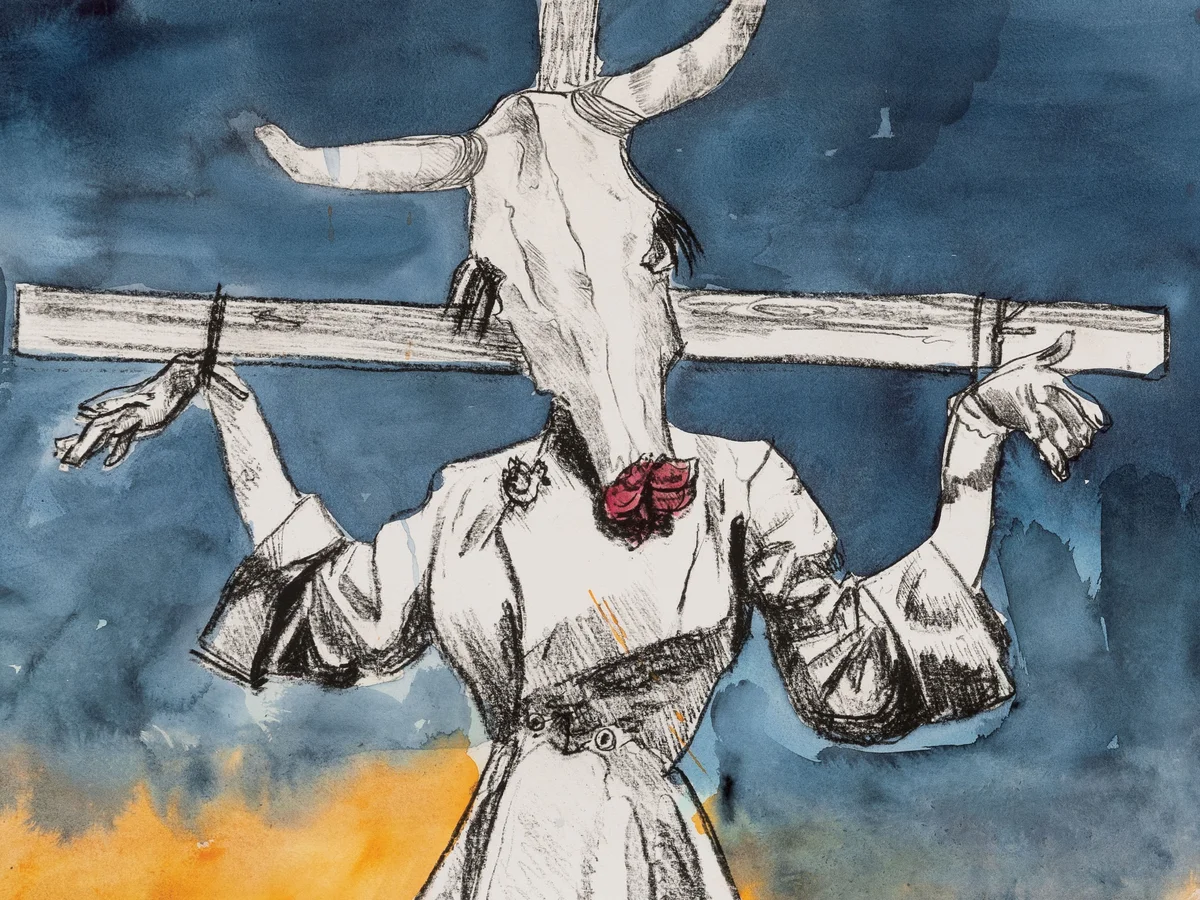
A Creative Collision Between Artist and Playwright The Paula Rego McDonagh series emerged from an unexpected connection between painter Paula Rego and playwright Martin McDonagh. After seeing one of his brutal, emotionally charged plays, Rego wrote to McDonagh for permission to name her new artworks after his story. Soon, an almost playful exchange of letters unfolded. This correspondence pushed Rego into one of the most imaginative phases of her late career. Stories That Matched Rego’s Own Darkness By then, Rego was a celebrated artist with a lifetime of confronting harsh realities. She immediately recognized parallels between McDonagh’s disturbing narratives and her own creative instincts. She noted that the mix of cruelty, humour, and emotional brutality in his writing felt familiar. It echoed the raw, unfiltered stories of her youth in Portugal. This affinity became the foundation for the Paula Rego McDonagh series, translating unsettling fiction into vivid visual drama. Building the Scenes: Dolls, Props, and Imagination During the years the Paula Rego McDonagh series took shape, Rego developed a unique method. She constructed elaborate scenes in her studio before painting them. With the help of her assistant, Lila Nunes—who often posed—Rego built theatrical worlds using life-size dolls, puppets, and props. These figures, called bonecos, carried emotional weight and brought McDonagh’s surreal characters to life. Many of these bonecos are preserved today. They provide rare insight into her process and appear in current exhibitions alongside the paintings. https://www.theguardian.com/stage/stage Stories That Hit Personal Nerves Of the dozens of tales McDonagh sent, four deeply resonated with Rego. One disturbing story featured a forest filled with the cries of unborn children. It made Rego confront memories of her own traumatic backstreet abortions as a young art student. In her paintings, she replaced the forest with domestic spaces: a woman slumped in a bathroom, a mother holding a baby over abortion remnants. These works became linked to her activism. During campaigns to legalize abortion in Portugal, the paintings reflected both artistic invention and personal pain. The Paula Rego McDonagh series thus merges creativity with lived experience. Symbols of Loss, Fear, and Burden Another key piece from the series depicts a cow-skulled scarecrow looming over a pig’s severed head. This shocking image symbolizes grief over her family’s financial collapse, the loss of their estate, and childhood memories of a beloved pig. The scarecrow, inspired partly by McDonagh’s writing, embodies helplessness, guilt, and family burdens. Perhaps the most mysterious painting features a man with turtles for hands. Rego never explained it fully, but her son believes it represents emotional burdens—creatures that weigh you down yet remain inseparable. A Dynamic Exchange That Shaped Masterpieces The Paula Rego McDonagh series reflects a burst of creativity over several years. It produced numerous pastels, prints, and preparatory objects. McDonagh, amazed at how deeply Rego connected with his old stories, even imagined a picture book collaboration. Though it never happened, both recognized the uniqueness of their creative bond. For Rego’s admirers, the series stands among her boldest works. It merges personal history, emotional trauma, political anger, and the unsettling power of narrative.


Read More

Hong Kong High-Rise Fire in Tai Po

Hong Kong High-Rise Fire Claims Four Lives in Tai Po A devastating Hong Kong high-rise fire broke out in the Tai Po district on Wednesday, engulfing multiple residential towers in flames and thick smoke. Four people have died, while several others remain trapped inside the burning buildings, according to local authorities. Two victims are reported to be in critical condition with severe burns. Firefighters Battle Tower Blaze Amid Dangerous Conditions Emergency services rushed to Wang Fuk Court, a residential complex of eight high-rise blocks housing roughly 2,000 people. Firefighters faced extreme hazards, with some sustaining injuries while tackling the blaze. They used ladder trucks and high-pressure hoses to fight the flames as thick smoke spread across the neighborhood. Witnesses gathered on nearby overhead walkways to watch the fire spread across the 31-storey towers. Some buildings were wrapped in traditional bamboo scaffolding, commonly used in Hong Kong for construction and renovation. https://www.youtube.com/watch?v=mYpyk8Fq4-4 Road Closures and Emergency Response The Hong Kong Fire Department received the first report of the fire at 2:51 pm local time and escalated it to a No. 4 alarm by 3:34 pm, one of the city’s highest emergency levels. Authorities temporarily closed a section of Tai Po Road, a key highway, forcing bus diversions and traffic disruptions. Rescue operations continued around the clock. Cause and Context of the Hong Kong High-Rise Fire While the exact cause of the blaze remains under investigation, officials noted that the presence of bamboo scaffolding may complicate firefighting efforts. Hong Kong authorities have recently announced plans to phase out bamboo scaffolding for public projects due to safety concerns, highlighting the risks in high-density urban areas. Residents’ Plight and Ongoing Rescue Efforts Firefighters continue to assist residents trapped inside the towers. Video footage shows emergency teams directing water from ladders onto the flames. Authorities coordinate rescue operations, prioritizing people in critical condition while searching for others who may still be inside.

Read More

Modern-Day Workwear Appeal: A Timeless Menswear Trend

Introduction Modern-Day Workwear Appeal: A Timeless Menswear Trend continues to shape how men dress today, blending practicality with effortless style. The modern-day workwear appeal stems from garments originally created for labourers, yet these pieces have seamlessly transitioned into contemporary fashion. Durable fabrics, relaxed cuts, and everyday utility make this timeless menswear trend popular among men of all ages, offering comfort, confidence, and a flattering fit without sacrificing style. Why Utility Pieces Have Become Everyday Essentials For men navigating modern life, workwear provides structure, comfort, and confidence. Unlike slim-cut fashion trends that emphasise physique, workwear embraces boxy silhouettes, durable fabrics, and timeless design. This makes it ideal for men who want style without feeling pressured to maintain a certain body shape. From chore coats to canvas jackets, pieces originally crafted for railway workers, farmers, and mechanics now attract designers, collectors, and everyday wearers alike. Their blend of simplicity and rugged elegance has helped the trend remain firmly rooted in today’s fashion culture. https://www.theguardian.com/fashion/fashion A Style That Transcends Age and Trend Cycles Many men gravitate to workwear as they get older, appreciating its forgiving cuts and structured fabrics. Heavy twills, canvas, and denim soften with time, yet maintain their shape—providing a flattering frame regardless of age or changing waistlines. While the look resonates strongly with middle-aged men, younger generations have embraced it enthusiastically. Collaborations between heritage brands and modern designers have introduced workwear to new audiences, helping classic silhouettes remain fresh and relevant. The Versatility of Workwear Across Wardrobes One of the strongest aspects of the modern-day workwear appeal is how easily the garments style with both contemporary and vintage clothing. A French railway jacket pairs just as easily with wide-cut chinos as with modern denim. Heavy shop coats, once used in workshops or shipyards, now function as transitional outerwear for unpredictable weather. Men mix these pieces in wildly different ways—some pairing them with polished footwear, others wearing them with boots or sneakers. Workwear adapts to the wearer rather than demanding a specific aesthetic. Navigating Criticism and Cultural Conversation Some critics argue that wearing workwear is a form of identity appropriation—especially for those not involved in manual labour. But clothing has always moved between social classes. Jeans were once work trousers; now they are global fashion. For many, wearing these garments is not about imitating a profession but appreciating craftsmanship, durability, and sustainable design. Vintage pieces were built to last, often made by unionised labour using natural materials rather than cheaply produced synthetic fabrics. A Practical Choice With Long-Term Value Beyond aesthetics, workwear appeals to men who value clothing that can withstand years of use. Heavy-duty jackets, chore coats, and field trousers often outlast fast-fashion alternatives by decades. They age gracefully, accumulating character rather than falling apart. Workwear also performs in everyday life—from holding essential items in deep pockets to resisting stains, stretching, and wear. For parents, commuters, and men navigating the unpredictability of modern life, the resilience of these garments is a major draw. The Revival of Heritage Brands and Craftsmanship With original vintage pieces becoming rarer and more expensive, modern workwear manufacturers are expanding production to meet demand. Many brands now recreate archival designs with higher-quality fabrics and ethical manufacturing standards. Old mills, family-run producers, and heritage workshops continue to preserve traditional techniques. This connection to craftsmanship is a core reason the modern-day workwear appeal feels more authentic than many fleeting fashion trends. A Quiet, Personal Revolution in Men’s Fashion Workwear’s understated strength resonates with men tired of fast fashion, body pressure, and disposable clothing. It offers a style that is practical, timeless, and rooted in real history. For many, adopting workwear is less about looking rugged and more about embracing garments with longevity, structure, and spirit. The modern-day workwear appeal ultimately reflects a shift toward authenticity—clothing that stands the test of time and lets men feel comfortable in their own skin.

Read More

Joseph Wright of Derby: Explore His Hometown and Inspirations

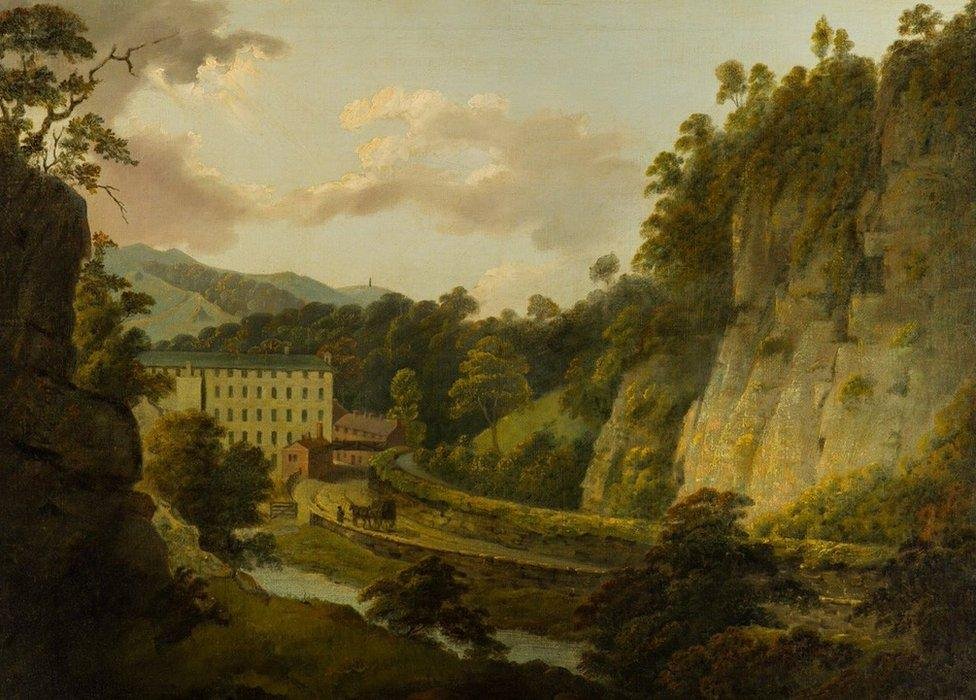
Exploring Joseph Wright of Derby’s Hometown Visiting Joseph Wright of Derby’s hometown immediately reveals the landscapes, towns, and industrial heritage that inspired one of England’s greatest 18th-century painters. Exploring Joseph Wright of Derby’s hometown allows art lovers to step directly into the scenes that shaped his work. With a major exhibition at London’s National Gallery, this journey blends natural beauty, historic architecture, and rich cultural history. By walking through Derby and nearby villages, visitors can truly experience the world of Joseph Wright of Derby. Dovedale: Nature That Inspired Joseph Wright of Derby The limestone valley of Dovedale, on the Derbyshire-Staffordshire border, is famous for its rushing River Dove and stepping stones. On a quiet autumn morning, the russet and gold trees and rolling green hills mirror the very landscapes Wright painted. “People started traveling to places that were previously hard to reach, like the Peak District,” explains Tony Butler, executive director of Derby Museums Trust. Wright’s fascination with the sublime reflected the 18th-century appreciation for nature’s power and beauty. Consequently, paintings such as Dovedale By Moonlight capture both serenity and drama, highlighting his skill in depicting light and atmosphere. Derby: Enlightenment, Industry, and Innovation Much of Wright’s work also reflects Derby’s industrial growth and Enlightenment spirit. Indeed, the town was a hub for inventors, scientists, and thinkers, including members of the Lunar Society, who influenced Wright’s art and ideas. One of his most famous works, A Philosopher Giving That Lecture on the Orrery, illustrates scientific discovery in Derby. The painting demonstrates his talent for showing light, shadow, and intellectual energy in a single scene. Today, visitors can explore Derby’s heritage at The Engine Room, a modern restaurant celebrating railway history, or stroll along the River Derwent. Furthermore, historic attractions like the Museum of Making, built on the Derby Silk Mill site, showcase 300 years of innovation and creativity. https://www.youtube.com/watch?v=5DzN-6VxzzM Cromford: Wright and the Industrial Revolution A short trip from Derby leads to Cromford, home of Sir Richard Arkwright’s Cromford Mills, the world’s first successful water-powered cotton spinning mill. Guided tours reveal machinery and techniques that Wright often depicted in his paintings. His depictions of Cromford, both by day and night, show dramatic light and shadow. Additionally, visitors can enjoy lunch at Oakhill, a boutique restaurant with views over the Derbyshire countryside and local dishes inspired by regional heritage. Experiencing Joseph Wright of Derby’s World Today From Dovedale’s dramatic landscapes to Derby’s museums and historic streets, exploring Joseph Wright of Derby’s hometown lets visitors experience the very settings that inspired his luminous paintings. The combination of nature, industry, and culture creates a direct link to the Enlightenment and Wright’s artistic vision. As Tony Butler notes, “To truly understand Wright’s art, you need to experience Derby and its landscapes, where industry and nature met to inspire some of the greatest paintings of the 18th century.” Tips for Visitors Enjoy regional cuisine at local restaurants inspired by Derbyshire’s heritage. Visit the Derby Museum and Art Gallery for Wright’s largest collection. Explore Dovedale on walking trails that reflect his landscapes. Tour Cromford Mills to understand the Industrial Revolution’s influence.

Read More

“Restaurant Snacks: Britain’s Small Bites Trend”

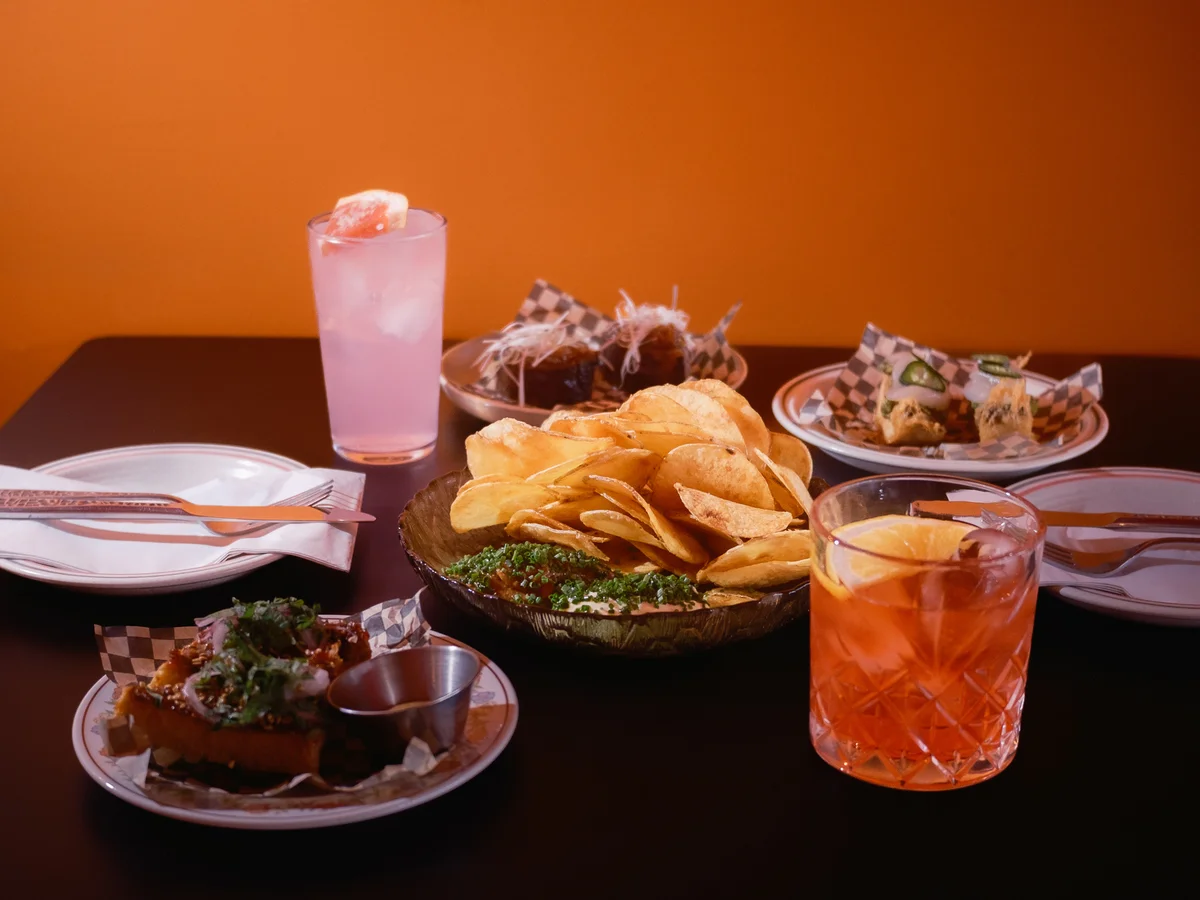
The Small Plates That Stole Dinner: How Restaurant Snacks Are Changing Britain’s Food Scene The Rise of Restaurant Snacks In Britain, restaurant snacks are no longer an afterthought. From cheese puffs to tuna eclairs, chefs are putting creativity front and center. At Elliot’s in Hackney, London, the snack menu sets the tone for a lively dining experience. Blond-wood interiors, natural wine, and playful music create the perfect backdrop. But it’s the snacks—plump Isle of Mull cheese puffs, fried potatoes with aïoli, and cheesecake—that steal the show. Signature Snacks That Delight The Isle of Mull cheese puffs were a “happy accident,” says co-owner Samantha Lim. Crispy outside, gooey inside, these cheesy bites have remained on the menu since 2012. Other standout snacks include potato flatbreads with creme fraiche and trout roe, or mangalitsa saltimbocca with quince. Each dish is designed to deliver maximum flavour in one or two bites, creating an instant connection with diners. Snacks Beyond the Starter Once reserved for pubs or Michelin-starred canapés, snacks have evolved into serious culinary creations. Restaurants across the UK are embracing this trend: Why Snacks Work Psychologist Charles Spence explains that snacks appeal to several trends: smaller meals, casual dining, and social experiences. They are informal, often handheld, and encourage sharing. According to Zak Hitchman, snacks allow chefs to showcase creativity in single bites. Emma Lyons of Bristol’s Other adds that snacks offer diners “interesting flavours and textures without committing to a full meal.” https://www.youtube.com/watch?v=8IRnxjueN2E Chefs Embracing Snack Menus Many chefs now treat snacks as an art form. At Other, tempura grey mullet with miso-cured scallop and blood-plum syrup combines crunch, smooth textures, and complex flavours. Snacks have even replaced starters on some menus, becoming the highlight for diners who want a taste of the chef’s skill. Snacks as Business Strategy Restaurant snacks are not just fun—they’re profitable. Using leftover ingredients like offcuts or crab meat reduces waste while creating high-margin dishes. Offering snacks at quieter times attracts new customers and keeps neighbourhood diners engaged. For instance, Elliot’s pig cuts are repurposed into pork crackling for the snack menu, while leftover brown crab meat makes a flavourful mayo for crab cakes. A Fun and Social Dining Experience Ultimately, restaurant snacks make dining enjoyable and interactive. They encourage sharing, experimentation, and discovery. As Lim says, snacks are “a fun ice-breaker, a warm, delicious way to start a meal, or even the main event on their own.” Across Britain, small bites are changing how we think about dinner—one snack at a time.

Read More

Ben Edge Art and the Modern British Identity

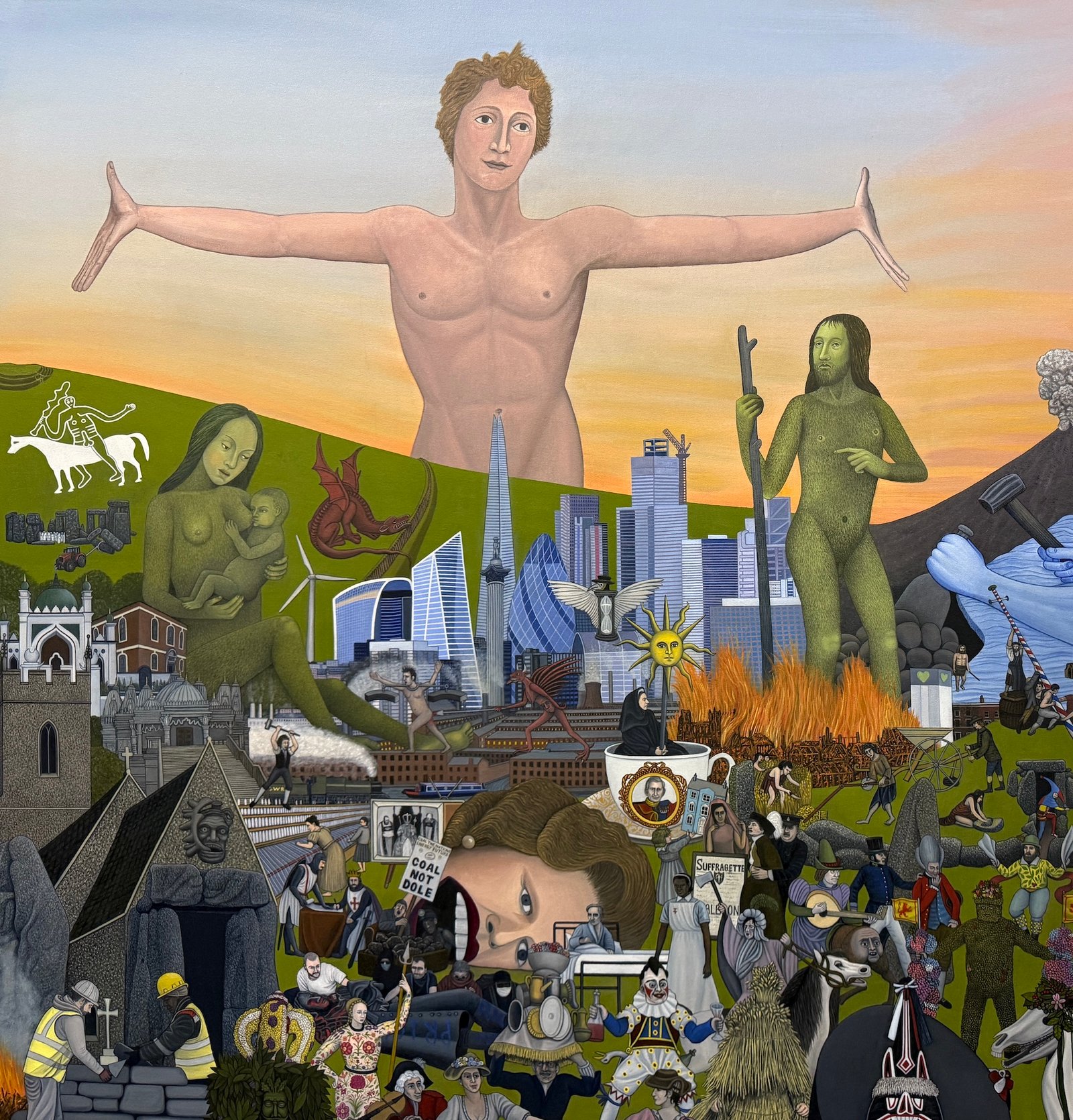
Ben Edge and the Modern British Identity The acclaimed British artist Ben Edge has built a career exploring identity, folklore, and the mysteries that connect people to nature. His latest exhibition reveals how Ben Edge art blends mythology and realism to reflect who we are today as a nation. Inside his London studio, vibrant canvases, mythic sculptures, and symbolic figures fill the space — including a life-sized horse ridden by a flower-garlanded mannequin. This striking work, Where Must We Go in Search of Our Better Selves, pays homage to the “Garland King,” a folkloric figure from Castleton, Derbyshire, who rides through the village every May. For Edge, this ritual represents self-discovery and the journey inward. A Chance Encounter That Changed Everything About a decade ago, Edge stumbled upon a druid ceremony at Tower Hill in London. “I saw people in white cloaks walking past a KFC and a red phone box,” he recalls. “They spoke about reconnecting to nature and how London would one day be reclaimed by it. That moment completely changed me.” From that experience, Edge began a deep dive into Britain’s forgotten customs — morris dancing, wassailing, and seasonal festivals — all of which have since shaped his artistic vision. His paintings merge poetic mysticism with social realism, capturing how folk traditions can ground modern society. For Edge, this journey didn’t just inspire his work — it helped him overcome years of depression. “Rediscovering our rituals and seasons gave me purpose,” he says.https://www.youtube.com/watch?v=GadSsclyIDQ The Folk Revival and British Identity Today, Edge is one of the leading voices in the modern folk revival. His art bridges ancient stories and contemporary themes, offering a fresh perspective on what it means to be British in an age of uncertainty. “There’s a myth that our folk culture is dying,” he explains. “It’s not. It’s thriving — and people are finally talking about it.” This vision comes alive in his monumental painting Children of Albion, which explores the shared history of the British Isles. Inspired by William Blake, Edge reimagines Albion — the ancient spirit of Britain — not as a symbol of division, but as a unifying figure awakening to self-awareness. The artwork’s vast canvas weaves together refugees, miners, vikings, and morris dancers, capturing both the pain and beauty of Britain’s complex past. “We’re all asking who we are after Brexit,” Edge says. “This painting helped me work it out.” Folklore, Faith, and Finding Connection Edge believes that folk traditions can help heal the disconnect between people and the environment. “When I was at my lowest, my only link to nature was putting recycling in the right bin,” he says. “Now, I understand how ancient customs — like planting seeds or celebrating solstices — remind us we’re part of something larger.” His sculptures, including Where Must We Go in Search of Our Better Selves, use symbolic elements like plastic flowers to comment on humanity’s relationship with nature. They also honor the communities that keep folk culture alive through creativity and improvisation. “Most of these traditions survive because ordinary people keep them going,” Edge explains. “They make costumes, gather materials, and celebrate with what they have. That’s real art.” Creating His Own Artistic Path Edge’s career is defined by independence. “You can’t wait for galleries to save you,” he says. “You have to build your own art world.” This self-reliant attitude has brought him growing recognition and loyal audiences who connect deeply with his vision. His work invites viewers to reconsider Britain’s identity — not through nostalgia, but through connection, honesty, and renewal. Conclusion: A New Vision of Albion Through his paintings and sculptures, Ben Edge art captures the spirit of a country rediscovering itself. His work reminds us that British identity isn’t static — it’s a living, evolving story shaped by both past and present. By blending folklore, faith, and contemporary insight, Ben Edge helps us ask one of the most important questions of our time: Who are we now, and who do we want to become?

Read More

European SpaceX Rival: Airbus, Leonardo, and Thales Unite

European SpaceX Rival: Airbus, Leonardo, and Thales Unite Three major aerospace firms — Airbus, Leonardo, and Thales — are merging their space divisions to form a powerful European SpaceX rival.This partnership will create a €6.5 billion company combining strengths in satellite technology, rocket systems, and defense innovation. The move shows Europe’s determination to compete directly with Elon Musk’s growing space empire. A Major Step for the European Space Industry Under the new deal, Airbus will own 35% of the venture, while Leonardo and Thales will each control 32.5%. The European SpaceX rival will be based in Toulouse, France, and employ around 25,000 people. Executives Guillaume Faury, Roberto Cingolani, and Patrice Caine described the merger as a “pivotal moment for Europe’s space future.” They said the partnership aims to pool research and engineering talent, strengthen autonomy, and speed up technological breakthroughs. Operational Goals and Future Synergies The European SpaceX rival plans to be fully operational by 2027 after regulatory approval. Leaders expect hundreds of millions of euros in yearly synergies after five years. Importantly, there are no immediate job losses or site closures. Unions will be part of the consultation process to ensure a smooth transition. Tackling Europe’s Space Industry Challenges Airbus, Leonardo, and Thales have faced several years of financial and operational struggles. Airbus reported €1.3 billion in losses last year and cut 2,000 jobs. Thales Alenia Space, a joint venture of Thales and Leonardo, also reduced its workforce by over 1,000 employees.https://www.youtube.com/watch?v=qFUsw-fZdfM By merging, the three companies hope to compete more effectively with SpaceX’s lower-cost launch services and the fast-growing Starlink satellite network. Reducing Europe’s Dependence on U.S. Launch Providers Europe’s reliance on SpaceX became clear after technical problems with Arianespace rockets delayed several satellite launches. Musk’s company had to launch key parts of Europe’s Galileo satellite navigation system. Although Arianespace, co-owned by Airbus and Safran, is not part of this merger, the new European SpaceX rival could help the continent regain independence in launch capability and space communications. A Strategic Move for Europe’s Future in Space As SpaceX continues expanding — completing its 11th Starship test flight this month — European aerospace leaders are acting fast. This merger combines financial strength and technical expertise to ensure Europe remains competitive in the global space race. The new company’s creation sends a clear message: Europe is ready to innovate, invest, and compete head-on with private U.S. space giants.

Read More

Diwali Sweet Treat Recipes: Ladoos & Easy Bread Pudding

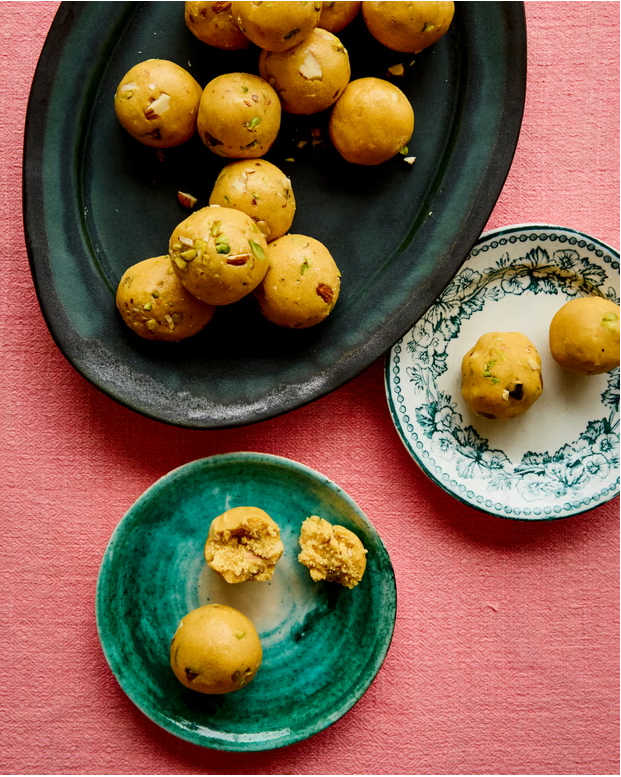
Sweet, Nutty Ladoos to Gift and Savor Looking for Diwali sweet treat recipes that are both traditional and easy to make? These ladoos are one of the most iconic Indian sweets. With their round, golden form and nutty, ghee-rich flavour, they shine during the festival of lights. These quick and rewarding treats are ideal for gifting or enjoying with a cup of chai. These ladoos are perfect for your Diwali sweet treat recipes collection — whether you’re preparing a festive platter for family or packaging edible gifts for friends. Ladoo Recipe (Makes 15–20) Ingredients: Method: Place on a plate spaced apart and let cool to room temperature. Serve immediately or store in an airtight container at room temperature for up to a week. Melt the ghee in a non-stick pan over medium heat. Lower the heat, add the gram flour and stir constantly. Continue roasting for 30–35 minutes until the mixture becomes peanut-butter-like and gives a nutty aroma — don’t rush this step. Remove from heat, stir in the cardamom and saffron (if using). Let cool until just warm to the touch. Add the chopped nuts and sugar, mix thoroughly. Pinch off small pieces and roll them between your palms into 4 cm balls (15–20 ladoos). Indian‑Style Bread Pudding for the Feast For a festive pudding that echoes the regal shahi tukda but saves time, try this bread pudding version — rich, fragrant and oven‑friendly. Recipe (serves 4‑6): Why These Recipes Work & How to Make Them Your Own Festive sweets don’t need hours of fuss. These two recipes deliver big flavour with manageable effort and offer flexibility: for example, swap granulated sugar for jaggery or add dried fruit to the pudding. They also lend themselves to sharing — ideal when friends and family gather. And for gifting, the ladoos in particular can be packaged beautifully.

Read More

Trick to Stop Wasps at Picnic – Simple Outdoor Hack – Duplicate – [#14151]

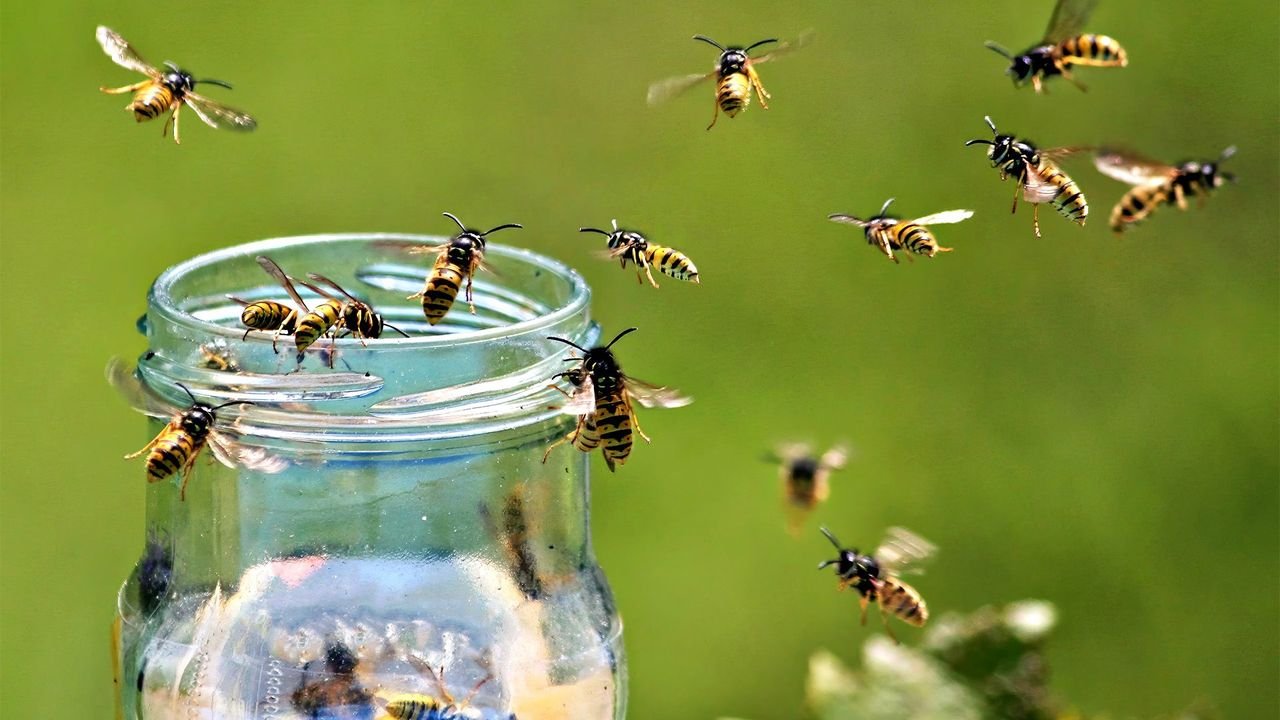
Trick to Stop Wasps at Picnic: Why They Crash Your Meal Trick to stop wasps at picnic gatherings is something every outdoor food lover needs to know. Sunny days invite us outdoors for al fresco meals, but these occasions often attract uninvited guests – wasps. These insects, particularly the common wasp (Vespula vulgaris) and the German wasp (Vespula germanica), are notorious for appearing suddenly when food is around. Although they may seem like pests, wasps play an essential role in nature. They are valuable pollinators and also act as natural pest controllers by preying on flies, caterpillars, and aphids. Learning a little about their behavior can help you enjoy your meal without fear. Trick to Stop Wasps at Picnic: Stay Calm and Still If a wasp hovers near your food, your first reaction may be to swat it away. But sudden movements signal danger. Wasps associate erratic motion and heavy breathing with predators, triggering their defensive instincts. Instead, remain calm and avoid flapping your hands. Keeping still makes you less of a target. How to Stop Wasps at Picnic by Watching What They Eat Every worker wasp is on a mission to collect food for the colony. Depending on the season, she may take a chunk of ham, a sip of jam, or a taste of your sugary drink. By observing what the wasp is interested in, you can anticipate what to offer her. The Wasp-Offering Method Here’s the simple trick: give the wasp her own share of food. Place a small portion of whatever she took – a bit of meat or something sweet – a short distance away from your picnic spot. The wasp will focus on this offering, leaving the rest of your meal undisturbed. Over time, you can move the offering further away to create a safe zone. This method is widely used in outdoor dining settings to prevent wasps from constantly buzzing around people’s food. Will One Wasp Bring a Swarm? Unlike bees, wasps are poor recruiters. They don’t perform dances or call large numbers of nestmates to food. At most, a few more wasps might arrive by chance if the nest is nearby. However, too many wasps in one spot usually discourages others from joining. trick to stop wasps at picnic. Why Wasps Want Protein in Summer and Sugar in Autumn Wasps’ food preferences change with the season. Early in summer, they crave protein like ham, chicken, or insects. This is because worker wasps must feed growing larvae, which are carnivorous. By late summer, the larvae pupate and no longer require feeding. At this stage, workers shift their focus to sugary substances for energy – which is why your jam tarts and lemonade become irresistible. Fascinating Facts About Wasps Coexist Peacefully with Wasps Instead of viewing wasps as picnic destroyers, think of them as natural pest controllers. By offering a small distraction portion of food and avoiding sudden movements, you can enjoy a peaceful outdoor meal. With a little knowledge and patience, it’s possible to balance your love for summer picnics with respect for these important insects. trick to stop wasps at picnic.

Read More

Hanle Astro‑Ambassadors: Life in a Dark Sky Reserve

Hanle Astro‑Ambassadors Dark Sky Reserve: Connecting Stars and Local Community The Hanle Astro‑Ambassadors Dark Sky Reserve in Ladakh is one of the best places in the world for stargazing. Created to protect India’s pristine night skies, this initiative trains local villagers—many of them women—as astro‑ambassadors who guide stargazing tours, explain constellations, and share ancient sky stories. The Hanle Astro‑Ambassadors Dark Sky Reserve blends traditional knowledge with modern astronomy while empowering the local community through sustainable tourism. What Is the Hanle Astro‑Ambassadors Dark Sky Reserve Initiative? Declared in 2022, the reserve covers about 22 km radius around Hanle and operates under the Indian Institute of Astrophysics. Locals become astro‑ambassadors, learn sky lore, use telescopes, and share astronomical knowledge. This section of Ladakh becomes not just a scientific hub but a cultural heart built by its people.. https://www.youtube.com/watch?v=sSX7crssAUk Lives Transformed by Hanle Astro‑Ambassadors in the Dark Sky Reserve About 24 locals—nearly 70% women—now guide tours under starry skies. They show visitors planets, nebulae, and constellations through telescopes. Many host guests in their homes at night and cook meals by day. For them, being an astro‑ambassador is a way to stay connected to their roots and support their families without leaving their land. Reviving Culture & Protecting the Sky with Astro‑Ambassadors Elders once used stars to mark seasons and guide life in the mountains. That knowledge drifted with modern life. Now, astro‑ambassadors record those stories and blend them with scientific astronomy. They also work to limit light pollution—using curtains, dim lighting, and guidelines for road lights—to keep skies dark and stars vivid. Economic Impact & Sustainable Tourism in Hanle Tourism around stargazing has grown fast. Homestays multiplied from a few to dozens. Villagers earn locally, preserving culture and community. Women especially gain new roles. Moonless nights bring in visitors wanting to see the Milky Way, planets, and the full sweep of stars., and Jupiter draws visitors especially on moonless nights. It also gives women new opportunity in remote areas. Risks & Challenges Ahead for Hanle Astro‑Ambassadors Growth brings threats: more light, new construction, even temporary infrastructure. Military lights or road lighting nearby can spoil the dark sky. Balancing tourism, development, and preservation will decide this project’s long‑term success. Final Thoughts: Hanle Astro‑Ambassadors as a Model of Stewardship The Hanle astro‑ambassadors show that protecting night skies can do more than awe—it can heal economies, preserve ancestral knowledge, and deepen human ties to nature. Their model offers hope wherever skies are still dark and communities wish to guard them., and reconnect humans with nature. It is a model worth watching and replicating wherever stars are still visible.

Read More