
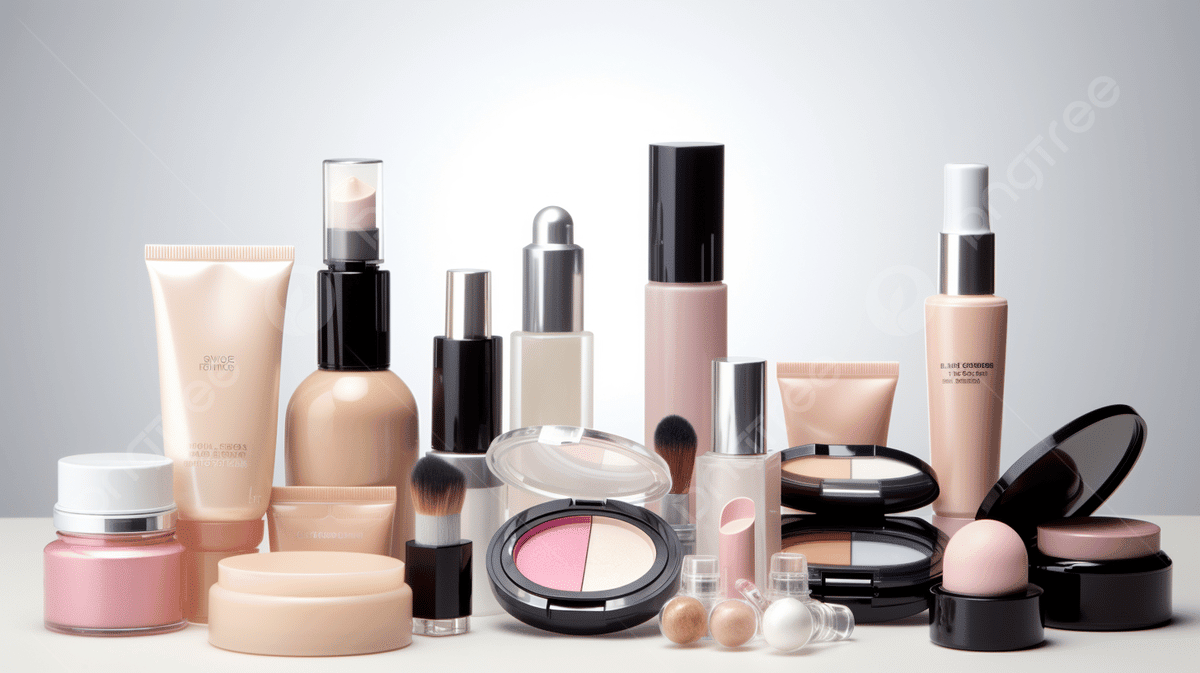
Toxic Chemicals in Beauty Products

Introduction: The Silent Threat in Everyday Beauty Products Toxic chemicals in beauty products have become a growing concern for health and safety in today’s cosmetic industry. Every day, millions of people around the world apply lotions, creams, makeup, and hair care products without a second thought. These items are part of personal hygiene, confidence, and style. However, beneath the appealing packaging and pleasant scents lies a serious issue — the hidden presence of harmful substances that may impact long-term well-being. Many of these chemicals are added to extend shelf life, improve texture, or enhance fragrance, yet their potential effects on the body raise important questions about safety and regulation. The modern beauty industry markets innovation and glamour, yet consumers remain unaware of how deeply these chemicals influence their daily routines. Studies have revealed that many cosmetic products contain compounds capable of disrupting hormones, irritating skin, damaging internal organs, or contributing to chronic illnesses. This issue transcends borders and brands, highlighting a global challenge in balancing beauty standards with health protection. This article explores the hidden dangers of toxic chemicals in beauty products, how they interact with the human body, and practical ways to make safer, more informed choices. Understanding what goes into these everyday items is not only crucial for personal well-being but also vital for promoting environmental and public health. The Chemical Landscape of Cosmetics Cosmetics and personal care products are sophisticated chemical formulations designed to achieve specific effects. From moisturizing to coloring, each product relies on a mixture of natural and synthetic ingredients. However, the complexity of these formulations can conceal hazardous compounds that are not always disclosed on labels. Many harmful substances are used to stabilize products, preserve them from microbial contamination, or enhance their appearance. Among the most concerning are parabens, phthalates, formaldehyde-releasing preservatives, silicones, and synthetic fragrances. These compounds may serve functional purposes but are associated with health risks ranging from hormone disruption to allergic reactions. Even small doses can accumulate in the body through continuous use. The skin, being a highly absorbent organ, allows certain chemicals to penetrate the bloodstream, particularly when used over long periods. The risk becomes even greater when multiple products — such as lotions, foundations, and hair sprays — are applied simultaneously, compounding exposure. Parabens: The Ubiquitous Preservatives Parabens are among the most commonly used preservatives in cosmetics, valued for their ability to prevent mold and bacteria. Despite their effectiveness, they mimic estrogen in the body and may interfere with hormonal balance. This imitation of natural hormones can affect reproductive health and has been linked to various endocrine disorders. Long-term exposure is especially concerning for those who use multiple paraben-containing products daily. Studies have found traces of these chemicals in human tissues, indicating that they are not easily eliminated from the body. The growing awareness of their potential effects has led to increased demand for paraben-free alternatives, though many products still contain them under different names such as methylparaben, propylparaben, or butylparaben. Phthalates and Fragrance Additives Phthalates are plasticizers used to make cosmetics flexible, smooth, and long-lasting. They are commonly found in perfumes, nail polishes, and hair sprays. While they make fragrances cling to the skin or hair, they are also suspected of disrupting hormonal systems and affecting fetal development. One of the most troubling aspects of phthalates is their presence under the term “fragrance” on labels. The word “fragrance” can legally conceal dozens or even hundreds of individual chemicals, many of which may be synthetic and untested. This lack of transparency makes it nearly impossible for consumers to determine what they are being exposed to. Continuous inhalation or dermal absorption of these substances can have cumulative effects over time. For those with sensitive skin or respiratory conditions, fragrance-laden products may also trigger allergic responses, headaches, or skin irritation. Silicones and Synthetic Smoothness Silicones are commonly used in shampoos, conditioners, and skin care products to give a silky, non-greasy finish. While they provide immediate cosmetic benefits, Toxic chemicals in beauty products they can coat the skin and hair, trapping dirt and preventing moisture from penetrating naturally. This artificial barrier may make skin appear smooth temporarily but can contribute to dryness and irritation over time. In environmental terms, silicones are not easily biodegradable. Their persistence in water systems poses risks to aquatic life, creating long-term ecological challenges. Despite their widespread use, concerns about their environmental and dermatological effects continue to grow. Formaldehyde and Preservative Derivatives Some hair straighteners, nail treatments, and shampoos contain formaldehyde or chemicals that release it gradually to prevent bacterial growth. Formaldehyde is recognized as a potential carcinogen, and even low levels of exposure can cause skin irritation, respiratory distress, and allergic reactions. Although certain countries have imposed restrictions on its use, it can still appear in products under different names such as DMDM hydantoin, imidazolidine urea, or quaternium-15. Repeated exposure to such ingredients, especially in enclosed spaces like salons, increases inhalation risks for both consumers and professionals. Colorants and Contaminants in Makeup Cosmetic pigments give vibrancy to lipsticks, eyeshadows, and blushes, but not all colorants are safe. Some synthetic dyes contain heavy metals such as lead, arsenic, or cadmium. These metals accumulate in the body and can affect neurological, reproductive, and immune systems. Natural colorants are often considered safer, yet even they can be contaminated during manufacturing. The purity of ingredients, therefore, becomes a crucial factor in determining product safety. Regulatory standards exist, but enforcement varies across regions, Toxic chemicals in beauty products leaving significant gaps in consumer protection. Shampoos and Hair Products: The Hidden Exposure Hair care products are among the most frequently used personal care items. Shampoos, conditioners, and styling products often contain sulfates, parabens, and synthetic fragrances that can irritate the scalp and strip natural oils. One of the most common irritants is sodium lauryl sulfate (SLS), a detergent that creates foam but can disrupt the scalp’s natural barrier. Overuse can lead to dryness, itching, and inflammation. Combined with other chemical additives, these effects may contribute to long-term scalp sensitivity and hair thinning….
Read More

How to Combat Hair Fall: Solutions and Tips for Men and Women

 Understanding Hair Fall and Its Causes Hair fall is a significant concern for both men and women around the world. It can be a distressing issue, affecting one’s self-esteem and confidence. Hair thinning or complete hair loss can stem from a variety of factors, including genetics, stress, hormonal imbalances, and lifestyle choices. Men and women experience hair loss differently, but the core causes and solutions often overlap. If you’re looking for ways to combat hair fall and regain your healthy, strong hair, it’s essential to understand the underlying causes of this condition and adopt a well-rounded approach to prevention and treatment.  The Science Behind Hair Loss Understanding hair loss starts with recognizing the natural hair growth cycle. Each hair follicle on the scalp goes through three phases: anagen (growth), catagen (transitional), and telogen (shedding). Typically, about 50 to 100 hairs are shed daily, but excessive hair fall may signal underlying problems. Various factors contribute to hair thinning, and recognizing them is essential in finding the right solutions. For men, the most common cause of hair loss is androgenetic alopecia, also known as male pattern baldness. Dihydrotestosterone (DHT), a derivative of testosterone, shrinks hair follicles and accelerates hair loss, causing this genetic condition.  Women, on the other hand, may experience hair thinning due to hormonal changes during pregnancy, menopause, or due to the use of birth control pills.  Why Does Hair Fall Differently in Men and Women? Hair loss is not a one-size-fits-all issue, and the reasons for hair thinning often differ between men and women. While men typically experience a receding hairline and bald patches, women are more likely to experience diffuse thinning across the scalp. Men’s hair loss tends to follow a predictable pattern, with thinning starting at the crown or temples. In contrast, women often experience hair thinning that distributes evenly across the scalp, gradually reducing overall hair density. Women may also experience temporary hair loss after pregnancy, while menopause significantly impacts hair health due to hormonal fluctuations. Both genders face different emotional and psychological challenges when dealing with hair loss. Society often links hair thinning in men to masculinity, while associating it with beauty and femininity in women.  Common Causes of Hair Loss in Both Genders Several factors cause hair fall in both men and women.Below are some of the most common causes: Genetics and Hereditary Factors: Androgenetic alopecia is the leading cause of hair loss, affecting both men and women. In men, this often results in male pattern baldness, whereas, in women, it leads to a more diffuse thinning. Hormonal Imbalances: Both men and women experience hormonal shifts at different life stages, such as puberty, pregnancy, and menopause. These hormonal fluctuations can lead to significant hair loss. Stress: Emotional and physical stress are powerful contributors to hair loss. Telogen effluvium, a type of hair loss triggered by stress, causes the hair follicles to enter the shedding phase prematurely. Poor Nutrition: Inadequate intake of essential nutrients like iron, biotin, and vitamin D can weaken hair follicles and lead to hair thinning. Medication Side Effects: Certain medications, including chemotherapy drugs, blood thinners, and medications for acne, can lead to hair shedding as a side effect. Environmental Factors: Pollution, exposure to chemicals, and harsh weather conditions can damage hair and lead to increased shedding.  Proven Solutions While hair fall is a common issue, there are several effective ways to prevent or reduce hair loss. The key lies in addressing the root causes of hair thinning, maintaining a healthy lifestyle, and using targeted treatments. Below are some proven solutions that can help combat hair fall: 1. Nutrition and Diet A nutrient-rich diet forms the foundation to combat hair fall. Prioritize foods rich in: ✅ Proteins (chicken, eggs, lentils) ✅ Omega-3 fatty acids (salmon, walnuts) ✅ Iron (spinach, beans) ✅ Vitamins (biotin, Vitamin D) 2. Exercise and Stress Management Exercise is essential for maintaining overall health and promoting hair growth. Regular physical activity improves blood circulation, ensuring that hair follicles receive adequate nourishment. Moreover, exercise helps reduce stress, a leading cause of hair loss. Stress management techniques such as yoga, meditation, and deep breathing exercises are also effective in preventing stress-induced hair shedding. 3. Hair Care Routine Proper hair care is crucial in preventing damage and hair loss. Avoid over-styling, harsh chemical treatments, and excessive heat exposure, all of which can weaken hair and cause breakage. Use a mild, sulfate-free shampoo and conditioner to preserve the natural oils in your hair. Additionally, regular scalp massages with essential oils like coconut or castor oil can stimulate blood flow and promote healthier hair growth. 4. Medical Treatments For more severe cases of hair loss, medical treatments such as minoxidil (Rogaine) and finasteride (Propecia) may be necessary. Minoxidil is an over-the-counter topical solution that promotes hair growth and is effective for both men and women. Finasteride is a prescription oral medication that works by blocking the effects of DHT, the hormone responsible for hair follicle shrinkage in men. Other options, like hair transplant surgery or Platelet-Rich Plasma (PRP) therapy, may be considered for those seeking permanent solutions. Natural Remedies to Prevent Hair Fall While medical treatments can be effective, natural remedies offer a more holistic approach to hair care. Several natural ingredients are known for their ability to promote hair growth and strengthen hair follicles: Aloe Vera: Aloe vera is known for its soothing properties and can help reduce scalp irritation and inflammation, which are often linked to hair loss. Onion Juice: Rich in sulfur, onion juice is believed to improve circulation to the scalp, promoting hair growth and preventing hair thinning. Fenugreek Seeds: Fenugreek seeds are packed with proteins and nicotinic acid, which help reduce hair fall and promote stronger, healthier hair. Green Tea: The antioxidants in green tea, particularly epigallocatechin gallate (EGCG), are believed to stimulate hair growth and prevent hair loss. Successfully combatting hair fall requires consistent effort and a comprehensive strategy. From nutritional changes to medical treatments and stress management, the right combination can restore hair health for both…

Read More

Strong Body, Strong Hair? The Science Behind Exercise and Hair Loss Prevention

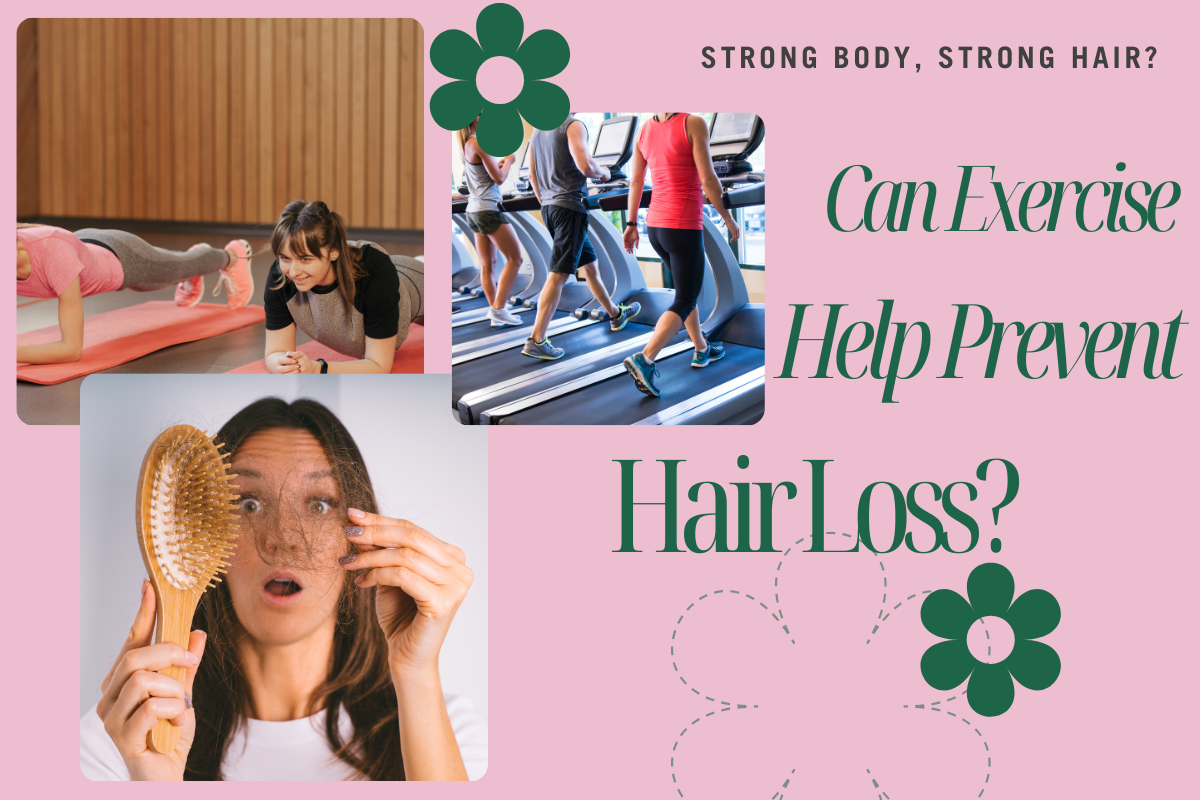
Hair loss is a prevalent concern affecting individuals across various age groups and genders. While genetics, hormonal imbalances, and lifestyle choices are commonly acknowledged factors, the influence of physical activity on hair health is often overlooked. This article delves into how regular exercise can impact hair growth and overall scalp health. Can Exercise Help Prevent Hair Loss? Exploring the Connection Between Fitness and Hair Health   Understanding Hair Loss: Causes and Concerns Hair loss, or alopecia, can result from multiple factors: Genetics: Conditions like androgenetic alopecia are hereditary and lead to pattern baldness. Hormonal Imbalances: Fluctuations in hormones, such as during pregnancy or menopause, can affect hair growth. Nutritional Deficiencies: Lack of essential nutrients like iron, protein, and vitamins can weaken hair follicles. Stress: Chronic stress elevates cortisol levels, potentially leading to hair thinning. Medical Conditions: Disorders like thyroid disease or autoimmune conditions can contribute to hair loss. Medications: Certain drugs, including chemotherapy agents, can cause temporary or permanent hair loss. Understanding these causes is crucial for addressing hair loss effectively. “Fitness: The Natural Prescription for Hair Health”     The Role of Exercise in Hair Health Regular physical activity offers numerous benefits that can positively influence hair health: 1. Enhanced Blood Circulation Exercise increases blood flow throughout the body, including the scalp. Improved circulation ensures that hair follicles receive adequate oxygen and nutrients, promoting healthy hair growth. 2. Stress Reduction Physical activity is a natural stress reliever. By lowering cortisol levels, exercise can mitigate stress-induced hair loss. 3. Hormonal Balance Regular workouts help regulate hormones, potentially reducing the impact of hormones like dihydrotestosterone (DHT), which is linked to hair thinning. 4. Detoxification Sweating during exercise aids in eliminating toxins from the body. This detoxification process can create a healthier environment for hair follicles. 5. Improved Sleep Quality Exercise promotes better sleep, which is essential for overall health, including hair regeneration and repair.   Best Exercises for Promoting Hair Health Incorporating specific exercises into your routine can enhance hair health: Yoga Practices like headstands and downward-facing dog improve blood flow to the scalp and reduce stress. Cardiovascular Workouts Activities such as running, cycling, and swimming boost circulation and overall health. Strength Training Building muscle mass helps balance hormones and supports metabolic functions beneficial for hair growth. Scalp Massages While not traditional exercise, regular scalp massages stimulate blood flow and can be combined with essential oils for added benefits. “Healthy Body, Healthy Hair: The Exercise Connection”     Complementary Practices for Optimal Hair Health While exercise is beneficial, combining it with other healthy habits maximizes results: Balanced Diet: Ensure adequate intake of proteins, vitamins, and minerals. Hydration: Drink sufficient water to maintain scalp and hair hydration. Proper Hair Care: Use gentle hair products and avoid excessive heat styling. Regular Sleep: Aim for 7-9 hours of quality sleep per night.   Integrating regular exercise into your lifestyle can play a significant role in maintaining and improving hair health. By enhancing circulation, reducing stress, and balancing hormones, physical activity supports the conditions necessary for healthy hair growth. Coupled with proper nutrition and hair care practices, exercise can be a powerful tool in preventing hair loss and promoting overall well-being.  

Read More