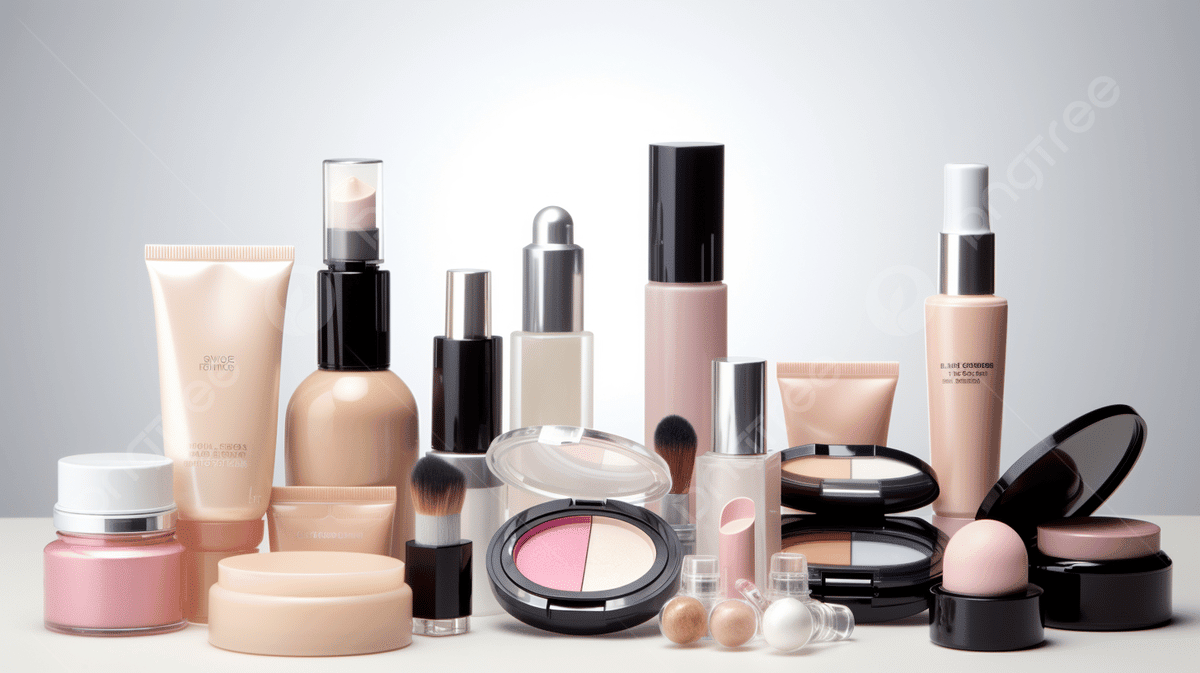
Introduction: The Silent Threat in Everyday Beauty Products Toxic chemicals in beauty products have become a growing concern for health and safety in today’s cosmetic industry. Every day, millions of people around the world apply lotions, creams, makeup, and hair care products without a second thought. These items are part of personal hygiene, confidence, and style. However, beneath the appealing packaging and pleasant scents lies a serious issue — the hidden presence of harmful substances that may impact long-term well-being. Many of these chemicals are added to extend shelf life, improve texture, or enhance fragrance, yet their potential effects on the body raise important questions about safety and regulation. The modern beauty industry markets innovation and glamour, yet consumers remain unaware of how deeply these chemicals influence their daily routines. Studies have revealed that many cosmetic products contain compounds capable of disrupting hormones, irritating skin, damaging internal organs, or contributing to chronic illnesses. This issue transcends borders and brands, highlighting a global challenge in balancing beauty standards with health protection. This article explores the hidden dangers of toxic chemicals in beauty products, how they interact with the human body, and practical ways to make safer, more informed choices. Understanding what goes into these everyday items is not only crucial for personal well-being but also vital for promoting environmental and public health. The Chemical Landscape of Cosmetics Cosmetics and personal care products are sophisticated chemical formulations designed to achieve specific effects. From moisturizing to coloring, each product relies on a mixture of natural and synthetic ingredients. However, the complexity of these formulations can conceal hazardous compounds that are not always disclosed on labels. Many harmful substances are used to stabilize products, preserve them from microbial contamination, or enhance their appearance. Among the most concerning are parabens, phthalates, formaldehyde-releasing preservatives, silicones, and synthetic fragrances. These compounds may serve functional purposes but are associated with health risks ranging from hormone disruption to allergic reactions. Even small doses can accumulate in the body through continuous use. The skin, being a highly absorbent organ, allows certain chemicals to penetrate the bloodstream, particularly when used over long periods. The risk becomes even greater when multiple products — such as lotions, foundations, and hair sprays — are applied simultaneously, compounding exposure. Parabens: The Ubiquitous Preservatives Parabens are among the most commonly used preservatives in cosmetics, valued for their ability to prevent mold and bacteria. Despite their effectiveness, they mimic estrogen in the body and may interfere with hormonal balance. This imitation of natural hormones can affect reproductive health and has been linked to various endocrine disorders. Long-term exposure is especially concerning for those who use multiple paraben-containing products daily. Studies have found traces of these chemicals in human tissues, indicating that they are not easily eliminated from the body. The growing awareness of their potential effects has led to increased demand for paraben-free alternatives, though many products still contain them under different names such as methylparaben, propylparaben, or butylparaben. Phthalates and Fragrance Additives Phthalates are plasticizers used to make cosmetics flexible, smooth, and long-lasting. They are commonly found in perfumes, nail polishes, and hair sprays. While they make fragrances cling to the skin or hair, they are also suspected of disrupting hormonal systems and affecting fetal development. One of the most troubling aspects of phthalates is their presence under the term “fragrance” on labels. The word “fragrance” can legally conceal dozens or even hundreds of individual chemicals, many of which may be synthetic and untested. This lack of transparency makes it nearly impossible for consumers to determine what they are being exposed to. Continuous inhalation or dermal absorption of these substances can have cumulative effects over time. For those with sensitive skin or respiratory conditions, fragrance-laden products may also trigger allergic responses, headaches, or skin irritation. Silicones and Synthetic Smoothness Silicones are commonly used in shampoos, conditioners, and skin care products to give a silky, non-greasy finish. While they provide immediate cosmetic benefits, Toxic chemicals in beauty products they can coat the skin and hair, trapping dirt and preventing moisture from penetrating naturally. This artificial barrier may make skin appear smooth temporarily but can contribute to dryness and irritation over time. In environmental terms, silicones are not easily biodegradable. Their persistence in water systems poses risks to aquatic life, creating long-term ecological challenges. Despite their widespread use, concerns about their environmental and dermatological effects continue to grow. Formaldehyde and Preservative Derivatives Some hair straighteners, nail treatments, and shampoos contain formaldehyde or chemicals that release it gradually to prevent bacterial growth. Formaldehyde is recognized as a potential carcinogen, and even low levels of exposure can cause skin irritation, respiratory distress, and allergic reactions. Although certain countries have imposed restrictions on its use, it can still appear in products under different names such as DMDM hydantoin, imidazolidine urea, or quaternium-15. Repeated exposure to such ingredients, especially in enclosed spaces like salons, increases inhalation risks for both consumers and professionals. Colorants and Contaminants in Makeup Cosmetic pigments give vibrancy to lipsticks, eyeshadows, and blushes, but not all colorants are safe. Some synthetic dyes contain heavy metals such as lead, arsenic, or cadmium. These metals accumulate in the body and can affect neurological, reproductive, and immune systems. Natural colorants are often considered safer, yet even they can be contaminated during manufacturing. The purity of ingredients, therefore, becomes a crucial factor in determining product safety. Regulatory standards exist, but enforcement varies across regions, Toxic chemicals in beauty products leaving significant gaps in consumer protection. Shampoos and Hair Products: The Hidden Exposure Hair care products are among the most frequently used personal care items. Shampoos, conditioners, and styling products often contain sulfates, parabens, and synthetic fragrances that can irritate the scalp and strip natural oils. One of the most common irritants is sodium lauryl sulfate (SLS), a detergent that creates foam but can disrupt the scalp’s natural barrier. Overuse can lead to dryness, itching, and inflammation. Combined with other chemical additives, these effects may contribute to long-term scalp sensitivity and hair thinning….