Dollar Princesses in Britain: The Heiresses Who Changed History

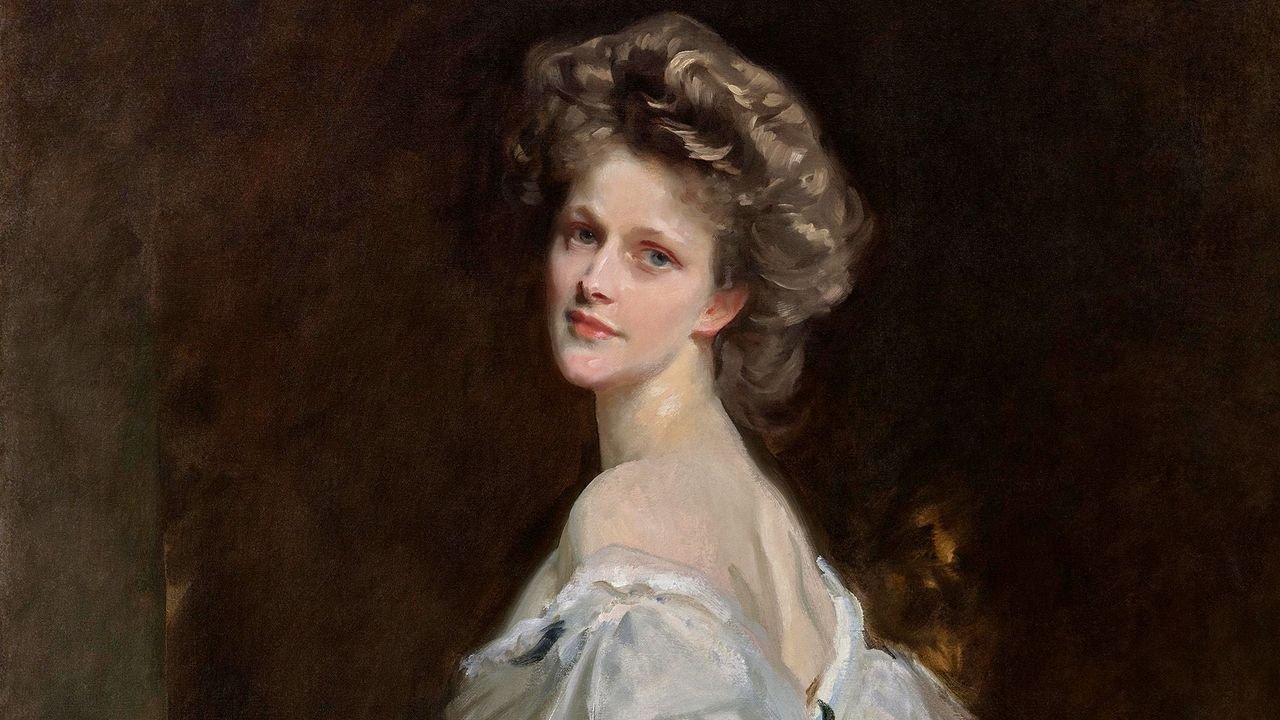
Dollar Princesses in Britain – The Glitter, Grit, and Gowns Behind ‘The Buccaneers’ Apple TV+’s glossy period drama The Buccaneers is back for a much-anticipated second season. It draws global audiences into a world of opulence, romance, and cultural clash. Though it dazzles with lavish visuals and aristocratic drama, the show draws directly from real history—specifically the story of dollar princesses in Britain. These wealthy American women, often from the Gilded Age elite, crossed the Atlantic in pursuit of titles, but ended up reshaping British high society itself. Between the 1870s and the eve of World War I, over a hundred American women—many from New York’s rising elite—married into the British aristocracy. They didn’t just join it; they transformed it, bringing with them new energy, vast fortunes, and a bold sense of independence that challenged the old order. Marriages of Money and Class: The Rise of Dollar Princesses in Britain Writers coined the term “dollar princesses in Britain” to describe wealthy American women whose marriages to cash-strapped British aristocrats became iconic symbols of the Gilded Age. Though often viewed cynically as transactions—titles in exchange for fortunes—these alliances were more nuanced than mere financial arrangements. The dollar princesses in Britain didn’t simply trade money for status; they brought ambition, influence, and a new cultural energy to British high society. According to historian Maureen Montgomery, an expert on Edith Wharton and the Gilded Age, the Great Agricultural Depression decimated traditional sources of aristocratic income. This forced many noble British families to seek financial salvation through marriage outside their social ranks. At the same time, dollar princesses in Britain—born to America’s industrial elite—were eager to gain the prestige of ancient titles that still held global sway. Yet many dollar princesses in Britain didn’t enter marriage merely as part of a strategic business deal cloaked in lace and etiquette. Behind the gilded portraits were women of intellect, resolve, and often, emotional turmoil. Their stories reveal the complexity of lives lived between wealth and restriction, independence and expectation. Dollar Princesses in Britain Who Challenged the Mold Consuelo Vanderbilt, one of the most famous dollar princesses, became a reluctant symbol of this phenomenon. Her family forced her to marry the Duke of Marlborough to elevate their social status. She famously wept behind her veil on her wedding day. In her memoir The Glitter and the Gold, she describes a life of emotional isolation. Despite the splendor of Blenheim Palace—saved by her dowry—she found little happiness there. In stark contrast was Daisy Leiter, the daughter of a Chicago magnate. Known for her independence and wit, Daisy chose her husband, the Earl of Suffolk, for love. Their union defied the stereotype of the dollar princess trapped in a loveless marriage. She later became one of the first female helicopter pilots—emblematic of the bold spirit many of these women possessed. The Real Dollar Princesses in Britain Behind the Fiction Edith Wharton, whose own social circle included both British aristocrats and American heiresses, began sketching out The Buccaneers in the 1920s. Real figures like Consuelo Vanderbilt and Consuelo Yznaga Montagu inspired her characters—strong, adventurous American women who challenged the constraints of old-world society. The show’s showrunner, Katherine Jakeways, embraced the feminist and social themes embedded in Wharton’s draft. “What’s really interesting,” she says, “is that these women were far more educated and outspoken than their English counterparts.” In the United States, women were beginning to have social and intellectual agency. That confidence clashed, often explosively, with the rigid gender norms of Victorian England. More Than Just ‘Gilded Prostitution’ The marriages provoked strong reactions across both sides of the Atlantic. British editor WT Stead famously referred to them as “gilded prostitution,” suggesting that women were selling themselves for titles while aristocrats sold their status for dollars. Even U.S. President Theodore Roosevelt decried the trend in 1906, lamenting that such unions diluted American values and drained its wealth. Yet the story isn’t so one-sided. As Wendy Monkhouse, curator of Heiress: Sargent’s American Portraits at English Heritage, argues, these women weren’t just passive participants. “There was a real gutsiness about them,” she said. “They fought to earn acceptance in British high society—and they did it on their own terms.” Portraits of Power and Personality John Singer Sargent, the portraitist of choice for the elite, immortalized many of these women. From the poised yet assertive Nancy Astor—America’s first woman to sit in the British Parliament—to the glamorous Cora, Countess of Strafford, Sargent’s brush captured not just beauty but personality. His work is now celebrated in the Heiress exhibition at Kenwood House in London. Through these portraits, modern audiences can glimpse the charisma and complexity of the women who changed the face of the aristocracy. A Legacy of Influence The cultural impact of the dollar princesses stretches beyond fashion and marriage. They helped reshape perceptions of American women abroad. Their assertiveness, education, and philanthropic work often challenged the norms of British high society and led to long-term changes in attitudes towards women and foreigners. Nancy Astor, for example, became a political force in her own right, holding her seat in Parliament for 25 years and influencing social reform debates. These women laid the groundwork for a transatlantic dialogue about class, gender, and identity that continues to resonate today. Fiction Meets Reality In The Buccaneers, fiction merges with history, but it also reclaims the agency of these women. The second season explores themes of power, politics, and identity as its characters evolve beyond the pursuit of love to embrace purpose and independence. By drawing on stories like Consuelo Vanderbilt’s and Daisy Leiter’s, Jakeways gives the show’s characters modern relevance while honoring the trailblazing spirit of the original dollar princesses. From Satire to Sisterhood Originally satirized in the press and looked down upon by both British aristocrats and American elites, the dollar princesses are now recognized as complex historical figures. They weren’t just marrying up—they were breaking boundaries. As public opinion shifts, so does the narrative. What once seemed like social climbing is now seen as…


Read More

Jurassic Park Dinosaur Impact on Pop Culture

On 9 June 1993, Steven Spielberg unleashed Jurassic Park, a film that revolutionized both the portrayal of dinosaurs in cinema and the potential of visual effects in storytelling. Adapted from Michael Crichton’s 1990 novel, the movie ignited global fascination with prehistoric creatures and reshaped how audiences experience blockbuster films. The Jurassic Park dinosaur impact was immediate and lasting, influencing everything from scientific curiosity to pop culture trends. With its blend of cutting-edge CGI, practical animatronics, and heart-stopping narrative, Jurassic Park dinosaur impact redefined what it meant to bring dinosaurs to life on screen. A Novel Approach: Michael Crichton’s Vision Michael Crichton’s interest in paleontology and ethical science experimentation laid the foundation for Jurassic Park. Inspired during a visit to a UK museum where children shouted dinosaur names with ease, Crichton realized how deeply rooted the fascination with these creatures was. His novel examined not just scientific ambition but also humanity’s fragile relationship with nature’s power. Evolution of Dinosaur Portrayals From their first scientific classification in 1824 with Megalosaurus, dinosaurs have intrigued the public. By 1854, life-sized cement sculptures at London’s Crystal Palace Park shaped early public understanding. These interpretations evolved, as Crichton noted, from religious symbols to evolutionary touchstones and finally into cinematic marvels. Early Cinema’s Dinosaur Legacy and the Jurassic Park Dinosaur Impact Before Jurassic Park, dinosaurs had been stomping through film history. Starting with the animated Gertie the Dinosaur (1914) and the stop-motion innovations of The Lost World (1925) and King Kong (1933), prehistoric beasts captivated audiences. Ray Harryhausen’s iconic work in 20,000 Fathoms (1953) and One Million Years B.C. (1966) added flair, even if scientifically inaccurate. Spielberg’s Game-Changing Vision Unlike previous films, Jurassic Park grounded its dinosaurs in modern science and plausible genetics. The storyline follows billionaire John Hammond as he resurrects dinosaurs using ancient DNA to populate a theme park. What begins as a marvel quickly spirals into chaos, revealing the dangers of tampering with nature. The film blended practical effects from Stan Winston’s animatronics team with CGI from Industrial Light & Magic. The result? Dinosaurs that looked and moved realistically, triggering awe and terror. From the graceful Brachiosaurus to the cunning Velociraptors, the creatures were more than spectacle—they were characters. Jurassic Park’s Box Office Triumph and Dinosaur Impact Jurassic Park smashed box-office records, grossing $914 million globally in its original run. It became the highest-grossing film at the time and was lauded by critics for its suspense and visual mastery. In 2018, it was added to the Library of Congress’s National Film Registry for its cultural, historical, and aesthetic significance. A Lasting Legacy: Sequels and Spin-offs The franchise expanded with The Lost World (1997), Jurassic Park III (2001), and the reboot trilogy starting with Jurassic World (2015). Each installment built upon the original’s themes of hubris, ethics, and survival. Despite mixed critical reception, the films remained commercial juggernauts. The upcoming Jurassic World Rebirth promises to continue the franchise’s legacy. More Than Monsters: Why Dinosaurs Still Matter Crichton suggested that dinosaurs serve as philosophical metaphors. “They’ve become extinct, and are we next?” he asked, prompting reflection on human vulnerability. Dinosaurs’ appeal lies not just in their grandeur, but in their symbolic power—they remind us of nature’s dominance and our fleeting place in its timeline. A Roaring Success From awe-inspiring visuals to deeper themes of extinction and ethics, Jurassic Park transformed dinosaurs into enduring film stars. The franchise’s blend of science, suspense, and spectacle continues to captivate audiences. As long as curiosity and imagination endure, the Jurassic Park dinosaur impact will never go extinct.

Read More

Rare White Storks Hatch in West Midlands After 600 Years

Rare white storks hatch in the West Midlands for the first time in over 600 years, with two chicks recently born in Staffordshire. This milestone marks a crucial step in restoring a species lost due to habitat destruction and hunting. Led by Celtic Rewilding, the conservation project focuses on reintroducing these majestic birds and rebuilding their population in the region. Conservation Efforts Supporting Rare White Storks Hatch in the West Midlands Rare white storks hatch under careful supervision in Staffordshire, marking a major milestone in their return to the West Midlands. Celtic Rewilding provides 24-hour care for the newborn storks using expert feeding methods that mimic natural parenting. They use white gloves and red tweezers so the chicks think they’re being fed by adult storks, encouraging natural behavior. Project lead Harvey Tweats said, “Our goal is to rebuild a thriving white stork population in Staffordshire, bringing back a species lost from the Midlands for over 600 years. The recent rare white storks hatch under carefully controlled conditions is a significant breakthrough for our conservation work.” Growth and Behavior of Rare White Storks Hatchlings in Staffordshire The two adult stork parents have formed a strong, inseparable bond, crucial for raising the chicks. The chicks are growing quickly and should reach adult size—around 3 feet tall with a 6.5-foot wingspan—within two months. The team hopes this marks the beginning of many future generations thriving in the wild. Historical Context and Future Outlook Historically, white storks were a common sight across the UK, symbolizing natural beauty and biodiversity. White storks vanished from the region due to habitat loss caused by farming, human expansion, and widespread hunting. Today, local communities are embracing their return, offering strong support for the conservation project. Katie Last from Derbyshire Wildlife Trust emphasized the project’s importance: “White storks are more than birds—they become part of the local community.”. Nesting pairs could establish themselves near homes and community centers, returning year after year, forging lasting connections with local residents.” Community Engagement and Awareness Public interest in the white stork’s return has grown rapidly. Many people have contacted Celtic Rewilding to learn about the species’ history in the Midlands. This engagement is vital for ensuring long-term success, fostering coexistence between humans and wildlife. Conclusion The rare white storks’ successful birth in the West Midlands marks hope for species restoration after more than 600 years. Conservationists are carefully nurturing the chicks to ensure their survival. This project shows how focused wildlife reintroduction can reverse long-term biodiversity loss. With ongoing community support and strong protection efforts, white storks could soon return as a beloved part of the region’s natural landscape.

Read More

New York Region US History: Changed the Nation 250 Years Ago

New York region US history was forever changed by a surprise pre-dawn raid on a British garrison in the Adirondacks. This bold attack helped ignite the American quest for independence. Today, the region is honored with commemorations highlighting its vital role in the birth of the United States. Before dawn in May 1775, a small group of British soldiers stood watch at Fort Ticonderoga. This strategic stronghold was on the shores of Lake Champlain. Suddenly, urgent cries woke the soldiers. As they rushed to defend the fort, they were caught off guard. Nearly seventy American militiamen had scaled the walls with flintlock rifles. They demanded the fort’s surrender. Caught by surprise and overwhelmed, the British defenders surrendered quickly without bloodshed. The Americans captured the fort’s commander, artillerymen, and approximately 100 cannons, securing crucial weaponry for the Continental Army. This bloodless victory was the colonial forces’ first offensive success. It marked a turning point before the Revolutionary War and led to US independence in 1776. Commemorating 250 Years of Revolutionary Heritage in the New York Region US History This year, Fort Ticonderoga marks the 250th anniversary with new museum exhibits. It also continues its regular reenactments, guided tours, and boat cruises. These experiences allow visitors to immerse themselves in the New York region US history, deeply intertwined with the Revolutionary War and the fight for independence.. Lake Champlain spans roughly 435 square miles, bordering western Vermont and eastern New York before flowing north into Canadian rivers. Fort Ticonderoga and nearby Crown Point were vital hubs during the colonial era. They moved British troops, supplies, and intelligence across this key waterway, says curator Matthew Keagle. Inspired by battles at Lexington and Concord, Ethan Allen and Benedict Arnold led a daring night raid on Fort Ticonderoga. This bold move shifted the conflict from defense to offense. Fort Ticonderoga: A Pillar of New York Region US History and Living Museum Today, the fort—affectionately called “Fort Ti”—has been restored to its original design. It features thick walls and a three-story barracks.. Its museum houses over 200,000 artifacts, including the largest collection of 18th-century military weapons and uniforms in the Western Hemisphere. Each year, Fort Ticonderoga features programs that explore different historical themes connected to the New York region US history. This year’s highlights include an exhibit on America’s emerging national identity. There are also reenactments of Benedict Arnold’s leadership and demonstrations of historic military rowing techniques. “We’re continually updating how we interpret history to engage visitors more deeply,” Keagle says. “Whether through lectures, walking tours, or our gardens, we encourage people to connect with the past in meaningful ways.” Crown Point: Preserving New York Region US History and Natural Heritage In contrast, the nearby Crown Point Historic Site remains an evocative ruin. Its limestone walls rise from the fields as reminders of its history. Scenic trails circle the site and lakeshore. These include a connection to the North Country Scenic Trail, which spans eight northern states. As a key stop on the Atlantic Flyway, Crown Point offers many chances to hear and spot migratory birds. These include bobolinks and raptors The bird-banding station here has recorded over 126,000 birds across more than 110 species since 1976. Site manager Sam Huntington stresses preserving both the visible ruins and the underground archaeological record. This reveals hidden stories from the past. Exploring Revolutionary History and Adirondack Wilderness The wider region around Lake Champlain is rich with natural beauty and history. Local trails like the Coot Hill Trail in Moriah, New York, offer panoramic views of the Adirondacks and Revolutionary landmarks. Arin Burdo, executive director of Champlain Area Trails, highlights that many lesser-known hikes provide rich history and great birdwatching, all without the crowds of popular peaks. From the summit of Bulwagga Mountain, you can see the sprawling farms below, the distant Green Mountains of Vermont, and the haunting ruins of Crown Point along the lake. Beyond History: Nature, Trails, and Local Culture The Champlain-Adirondack UNESCO Biosphere Reserve covers 400,000 acres and is a haven for fishing, boating, and terrestrial exploration. Outdoor guide Elizabeth Lee recommends exploring CAT’s 100 miles of trails. Hikers may spot wildlife like bobcats and white-tailed deer, along with unique native plants in bloom. The trails also reveal layers of human history, from colonial farming and mining to early 20th-century forestry. Charming architectural landmarks highlight the region’s evolving American culture. Taste of History: Defiance Hall and Local Flavors History continues to live in local establishments like Defiance Hall by War Cannon Spirits, a distillery housed in a restored 1820s sawmill near Crown Point. Here, sipping a signature Cannonball Old Fashioned—a blend of whiskey, bitters, maple syrup, and ginger—visitors can imagine the region’s storied past. Historic Hamlets and the Spirit of the Revolution In Elizabethtown, a town founded by Revolutionary War veterans, locals and visitors alike gather at the Deer’s Head Inn—a historic hotel and restaurant dating back to 1808. The menu honors the past with dishes like potted lamb in curry sauce and rustic fruit crumbles, offering a flavorful connection to the culinary traditions of the Revolutionary era A Nighttime Reflection on Adirondack History At Schroon, a town founded shortly after the Revolution, the still waters of Schroon Lake shimmer under moonlight. The recently opened Lodge at Schroon Lake sits on grounds once home to a religious compound, symbolizing how layers of history remain intertwined with the present in this Adirondack region. From preserved ruins to living traditions, the Adirondacks and Lake Champlain region offer an unforgettable journey through America’s fight for independence. Visitors can step into a story that still shapes the nation today.

Read More

Cleopatra’s Lost Tomb: Kathleen Martinez’s 20-Year Quest

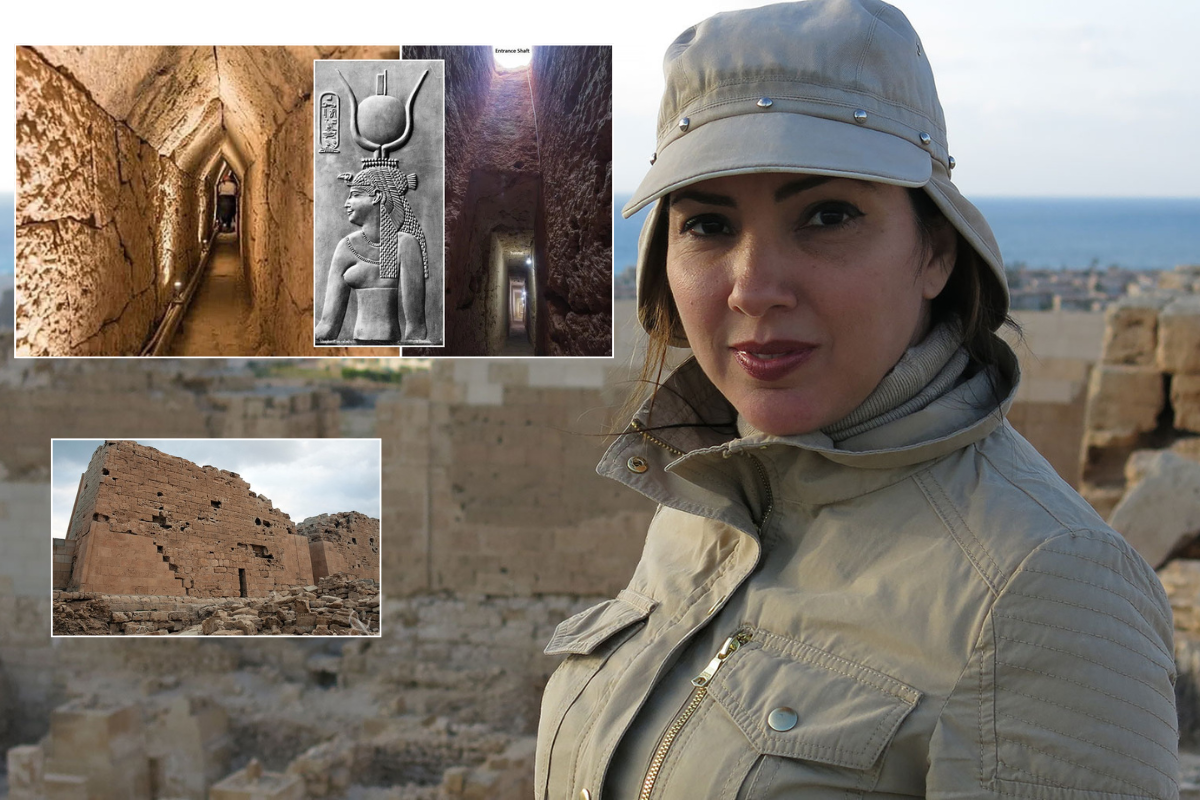
Unearthing the Legacy: Kathleen Martinez’s Pursuit of Cleopatra’s Hidden Tomb​ Cleopatra’s lost tomb remains one of the greatest unsolved mysteries of the ancient world. Cleopatra VII Philopator, the last active ruler of the Ptolemaic Kingdom of Egypt, continues to captivate historians, scholars, and archaeologists alike. Despite her historical prominence, the location of her burial site has eluded discovery for centuries. Among those leading the search for Cleopatra’s lost tomb is Dominican archaeologist Kathleen Martinez, who has devoted more than 20 years to unearthing the secrets of this iconic queen’s final resting place. Secrets of the Dead – Kathleen Martinez’s Quest to Find Cleopatra’s Tomb   The Hypothesis: Taposiris Magna as Cleopatra’s Burial Site​ Martinez’s extensive research led her to hypothesize that Cleopatra’s tomb lies within the temple complex of Taposiris Magna, located 25 miles west of Alexandria. This site, dedicated to Osiris, the god of the afterlife, aligns with Cleopatra’s association with the goddess Isis. Martinez believes that Cleopatra, identifying herself with Isis, would choose a burial site that reflects this connection. Her theory challenges the prevailing belief that Cleopatra was buried in Alexandria, a city now partially submerged due to seismic activity.​ Archaeological Discoveries at Taposiris Magna​ Martinez’s excavations at Taposiris Magna have yielded significant findings that bolster her hypothesis. In 2022, her team discovered a 1,305-meter tunnel, located 13 meters underground, which experts have described as an “engineering miracle.” This tunnel, along with the discovery of foundation deposits dating back to the Ptolemaic era, suggests a strong link between the temple and Cleopatra’s lineage. Artifacts such as coins bearing Cleopatra’s image and statues resembling her further support the site’s significance.​ Cleopatra: Beyond the Myths​ Cleopatra’s legacy has often been overshadowed by myths and Roman propaganda. Contrary to depictions of her as merely a seductress, historical evidence portrays her as a shrewd politician and scholar. Fluent in multiple languages and well-versed in various sciences, Cleopatra was a formidable leader who navigated complex political landscapes. Martinez aims to highlight these aspects of Cleopatra’s identity through her archaeological work.​ The Significance of Discovering Cleopatra’s Tomb​ Uncovering Cleopatra’s tomb would be a monumental achievement in archaeology, comparable to the discovery of Tutankhamun’s tomb. Such a finding would provide invaluable insights into Ptolemaic burial practices and Cleopatra’s reign. Moreover, it would allow historians to reassess Cleopatra’s legacy, moving beyond the narratives constructed by her Roman adversaries.​ Challenges and Future Prospects​ The search for Cleopatra’s tomb is fraught with challenges, including navigating complex underground structures and the potential for submerged ruins due to historical earthquakes. Martinez’s team continues to employ advanced archaeological techniques to explore these areas. The ongoing excavations at Taposiris Magna hold promise for future discoveries that could finally unveil the location of Cleopatra’s final resting place.​   Kathleen Martinez’s relentless pursuit of Cleopatra’s tomb exemplifies the enduring allure of ancient mysteries. Her work not only seeks to locate a lost tomb but also to restore Cleopatra’s rightful place in history as a powerful and intelligent ruler. As excavations continue, the world watches with anticipation, hopeful that the sands of Egypt will soon reveal one of history’s most elusive secrets.​ Tunnel discovered beneath Egyptian temple may lead to Cleopatra’s tomb  

Read More

The Hitler Diaries Hoax: Inside the Most Audacious Fake in History

When Fake Becomes Front Page In 1983, the Hitler diaries hoax sparked a media sensation that gripped Europe and astonished historians worldwide. Respected institutions, from Stern magazine in Germany to The Sunday Times in the UK, declared the discovery of Adolf Hitler’s long-lost personal diaries. The documents, allegedly chronicling the Nazi dictator’s thoughts from 1932 to 1945, promised to offer unparalleled insight into one of history’s most sinister figures. What emerged instead was a web of deceit. This meticulously fabricated archive would go down in history as one of the most audacious forgeries ever—a scandal that destroyed careers, enriched forgers, and reminded the world of the dangers of unchecked journalistic ambition. A Scoop for the Ages: The Diaries Are Found   A Mysterious Manuscript Emerges Journalist Gerd Heidemann, a known collector of Nazi memorabilia, claimed he had located the diaries through East German contacts. The source? A plane crash in 1945, where the journals were supposedly recovered from the wreckage and hidden away for decades. Stern’s Secret Negotiations Stern invested nearly 10 million Deutschmarks acquiring the diaries. Convinced of their authenticity, the magazine initiated a covert campaign to secure expert validation and international publishing rights. Their goal: reveal the documents to a stunned world and claim historical immortality. 🔗 Related: History Extra’s take on the Hitler Diaries hoax Validation or Wishful Thinking?   Trevor-Roper’s Crucial Endorsement Historian Hugh Trevor-Roper, also known as Lord Dacre, examined selected pages and initially gave his approval. Convinced by the volume of material and supposed chemical tests verifying the ink’s age, he lent his credibility to the project. The Role of Expert Assumptions The forgeries appeared authentic at a glance—bearing Nazi seals, Gothic script, and intimate entries about Eva Braun, bodily ailments, and even birthday messages to Stalin. Yet, Stern provided experts only with partial samples, limiting proper examination. The Hitler Diaries Hoax Unravels   Cracks Begin to Show Shortly after the first Sunday Times feature went to press, doubts emerged. Trevor-Roper himself reversed his position, admitting to being rushed and misled. Alarm bells rang within the editorial boards of both papers. An American Expert’s Revelation Autograph specialist Charles Hamilton quickly exposed the forgeries. With decades of experience detecting fake Hitler signatures, he noted inconsistencies immediately. “You could smell the forgeries,” he told BBC Breakfast. Chemical Tests and Blunders   Forensic Evidence Ends the Debate Independent analysis showed the ink, glue, and paper used in the diaries were all post-World War II products. Further, linguistic experts identified modern phrases and factual errors impossible for Hitler to have known. 🔗 Learn more about document forensic science   Outright Plagiarism The hoaxer had copied content from Hitler: Speeches and Proclamations 1932-1945 by Max Domarus, including historical mistakes from the book’s first edition. The journals’ attempts at intimacy—“Eva says I have bad breath”—only further discredited them. The Hoaxers Unmasked   The Forger: Konrad Kujau Konrad Kujau, a German artist with a criminal record, was revealed as the diaries’ creator. His extensive forgeries even fooled the very handwriting analysts tasked with verifying Hitler’s writing—since Kujau had also forged the “authentic” comparison samples. The Middleman: Gerd Heidemann Heidemann embezzled part of the money from Stern to fund his lavish lifestyle. His purchases included Hitler’s yacht, Nazi memorabilia, and allegedly even Idi Amin’s undergarments. He claimed innocence, but Kujau insisted otherwise. Fallout and Consequences   Media Meltdown Stern issued a public apology. The Sunday Times discontinued its serialisation and admitted fault. Careers were destroyed—editors resigned, and Lord Dacre’s scholarly reputation suffered irreversible damage. Legal Action and Jail Time In 1985, both Kujau and Heidemann were convicted of fraud. Kujau received four-and-a-half years; Heidemann, nearly five. During the trial, Kujau dramatically confessed in forged Hitler handwriting. https://youtu.be/oenHZd8H0XA?si=qOJLjxtWPj-AJUUb   A Hoax That Boosted Circulation   Murdoch’s Profitable Gamble Rupert Murdoch, despite calling the story a “mistake I’ll live with forever,” saw circulation spikes. Because of a contractual clause requiring Stern to refund all payments if the diaries proved fake, The Sunday Times escaped financially unscathed. Journalism’s Day of Reckoning   Lessons Learned The Hitler diaries hoax became a case study in journalistic failure. The rush for exclusivity had overtaken the rigour of verification. Historical integrity was sacrificed on the altar of media sensationalism. 🔗 Explore ethics in journalism at the Poynter Institute A Story Retold Today, the scandal lives on in books, documentaries, and film adaptations. It remains one of the most brazen deceptions in publishing history—a reminder of how even the most established institutions can be misled. The Hitler diaries hoax wasn’t just a media blunder. It was a cultural flashpoint—a moment when journalism, history, and deception collided. It showcased how personal obsessions, ideological blind spots, and corporate ambition can cloud judgment and create calamity. Decades later, its lessons continue to echo in newsroom ethics discussions and university classrooms. In the pursuit of truth, the world learned, due diligence is more important than the scoop.

Read More

Hidden Truths of Ancient Egypt

Ancient Egypt flourished as a green strip of life beside the Nile, a lifeline in the heart of a desert. A Civilization Shaped by Geography​ Ancient Egypt emerged and thrived along the Nile River, forming a narrow oasis of life amid the arid expanses of northeastern Africa. The country’s agricultural success depended entirely on the Nile’s annual flood, which deposited nutrient-rich silt onto the land. This fertile soil transformed the floodplain into one of the ancient world’s most productive agricultural zones, stretching from the limestone hills bordering the river to the broad Nile Delta north of modern Cairo. The Nile served not only as the source of water and fertile land but also as the primary artery for transport and communication. Its dependable rhythm united distant regions and sustained Egypt’s centralized society. Beyond the green banks of the river, the desert formed a natural barrier, shielding the civilization from invaders and reinforcing its identity.   Natural Frontiers and Strategic Connections To the south, the First Cataract at Aswān created a clear geographic border. Beyond lay Nubia, a region of narrow riverbanks and rocky sandstone terrain. Though less hospitable, Nubia was vital for access to goods and trade routes extending into central Africa. To the west, the vast Sahara Desert presented little agricultural potential but housed oases and mineral deposits. To the east, the desert between the Nile and the Red Sea offered mineral wealth—particularly gold—and served as a route to the Red Sea coast. The northeast connection through the Isthmus of Suez linked Egypt to the Sinai Peninsula and the greater Middle East. Through this corridor, Egypt obtained valuable resources like turquoise and copper and experienced waves of cultural exchange and occasional invasions. From the late second millennium BCE, the eastern Mediterranean coast saw increased contact, conflict, and influence from the outside world. Egypt’s strategic geography made it both a cultural crossroads and a guarded fortress.   Trade, Imports, and Economic Specialization While Egypt’s self-sufficiency meant that few imports were necessary for daily life, specific resources had to be sourced from beyond its borders. Timber, especially cedar, was a critical import, mostly from Lebanon’s Byblos. Precious stones like obsidian and lapis lazuli came from distant regions such as Anatolia and Afghanistan, indicating a wide trade network. Agriculture remained the cornerstone of the economy. Emmer wheat and barley were staples, with productivity so high that the nation could build reserves for times of shortage. Vegetables, fruit, and fish enriched the Egyptian diet, while papyrus became both a local utility and a valuable export. The importance of basin irrigation and crop management laid the foundation for Egypt’s enduring prosperity. Animals, Domestication, and Daily Life Cattle, donkeys, goats, and pigs played central roles in agriculture and diet. Donkeys were key for transportation, long before the camel became common in Roman times. Pigs, ducks, and geese supplemented food supplies. Egyptians also raised sheep—replacing native breeds with Asiatic ones—as well as keeping pets like dogs, cats, and monkeys. Wild game, especially antelope, ibex, and lions, was hunted by elites, while knowledge of native wildlife was widespread. Hunting was often symbolic and ceremonial, especially for royalty. Animal husbandry and dietary practices reflected both necessity and social customs, while illustrating a deep understanding of the natural world. Most Egyptians descended from early settlers in the Nile valley, with population growth largely fueled by natural increase. Though migrants from Nubia, Libya, and the Middle East added cultural layers, their demographic impact was limited. By the late second millennium BCE, Egypt’s population may have reached around 3 million. Villages and towns clustered near the river, typically built from mud bricks, making archaeological evidence scarce today. Major population centers such as Memphis and Thebes attracted elites, but overall, Egypt remained less urbanized than Mesopotamia for much of its early history. Settlements favored slightly elevated ground to avoid floods while ensuring easy access to water and transport. Nearly all Egyptians worked in agriculture, often tied to the land through customary obligation rather than outright slavery. While all land theoretically belonged to the king, it was assigned to officials and subject to taxes or tribute. Landholders could not easily be displaced, and even smallholders had limited freedom to leave. Though some free citizens emerged, land laborers typically paid a share of their produce to local elites or the state. Slavery existed but was rare and mostly limited to prisoners of war or those impoverished by debt. Over time, many enslaved individuals assimilated into society, and even married into free families. Punishments for disobedience included forced labor or exile to the desert oases. Craftsmanship and Monumental Architecture Egyptians developed sophisticated craftsmanship and construction techniques, often derived from earlier Asian innovations. The pinnacle of their achievement was the construction of massive stone monuments, including the famous pyramids. These structures required centralized planning, a large labor force, and impressive engineering acumen. The monumental architecture of the 4th Dynasty remains a wonder of technical achievement. Meanwhile, the rural population still used flint tools and lived in near-neolithic conditions, highlighting the stark contrast between urban elites and rural dwellers. Metal remained rare and was reserved for prestige objects rather than common use. A society built on farming, shaped by social order, and supported by technological ingenuity.   The nuclear family was the ideal in elite and urban contexts, but extended families were common in rural life. Egyptians generally practiced monogamy, and marriages lacked formal ceremonies or state recognition. Royal sibling marriages occurred but were exceptional and limited to royal lineage. Divorce was legally permissible, though financially difficult. Women held relatively high legal standing for the time. They could own property, initiate divorce, and engage in legal proceedings. While few held administrative roles, many participated in religious functions as priestesses. Titles such as “mistress of the house” reflected their respected position within the domestic and religious spheres. The Power of Centralization   Unlike other ancient civilizations that developed a network of towns and cities, Egypt concentrated its wealth and labor into a centralized capital structure. The king…

Read More

The Ship That Watched Titanic Sink: Uncovering the Truth in Abandoning the Titanic – SECRETS OF THE DEAD

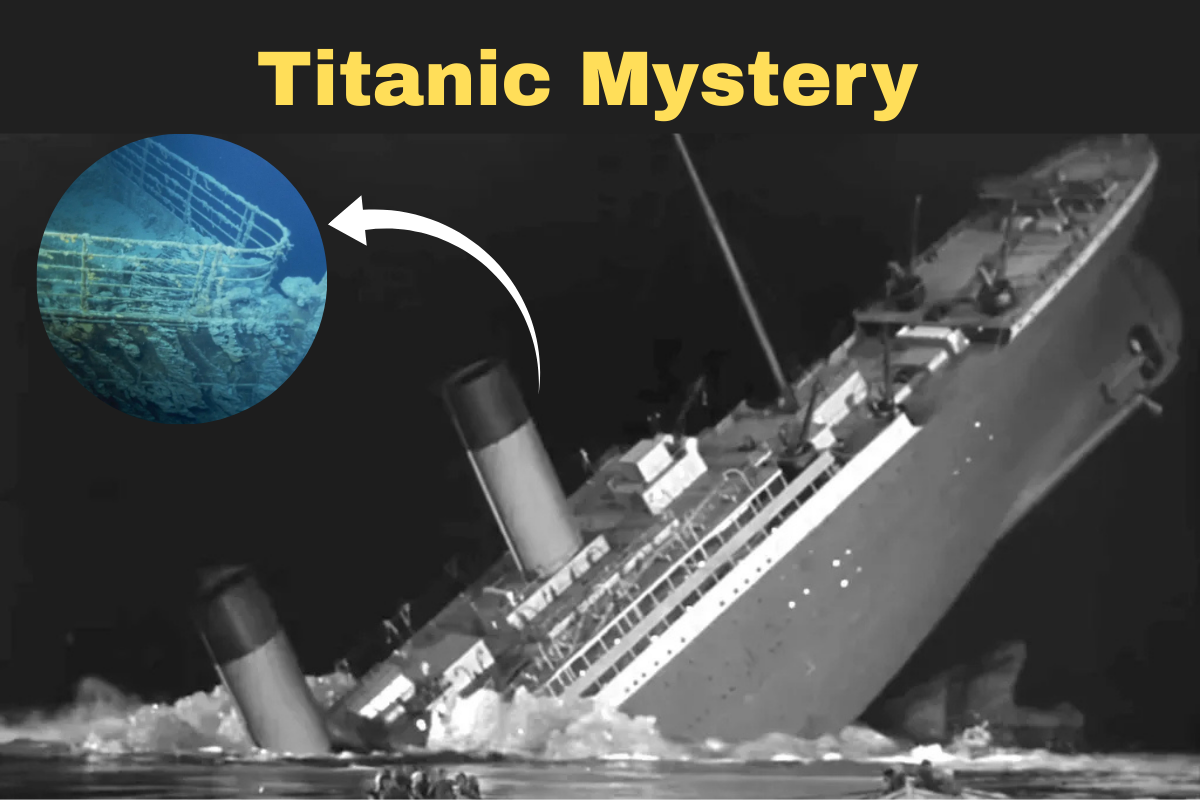
  ​The sinking of the RMS Titanic on April 15, 1912, remains one of the most infamous maritime disasters in history. While much attention has been given to the ship’s collision with an iceberg and the tragic loss of over 1,500 lives, less is known about the enigmatic vessel observed near the Titanic during its final hours. This “mystery ship” reportedly failed to respond to the Titanic’s distress signals, a lapse that has sparked over a century of debate and investigation. Initial inquiries pointed to the SS Californian and its captain, Stanley Lord, as the culpable parties. However, subsequent research has cast doubt on this conclusion, suggesting the involvement of another vessel. This article delves into the events of that fateful night, the investigations that followed, and the ongoing quest to identify the ship that abandoned the Titanic in its hour of need.   The Fateful Night: April 14-15, 1912 The RMS Titanic embarked on its maiden voyage from Southampton to New York City on April 10, 1912. Commanded by Captain Edward John Smith, the luxury liner carried approximately 2,200 passengers and crew. Despite receiving multiple warnings of icebergs in the vicinity, the Titanic maintained near-maximum speed through the frigid North Atlantic waters.​ At approximately 11:40 p.m. on April 14, lookouts spotted an iceberg directly ahead. Despite evasive maneuvers, the ship’s starboard side struck the iceberg, causing fatal damage. Water began flooding the compartments, and it became evident that the Titanic was doomed. Distress signals were sent out, and lifeboats were launched, though there were not enough for all on board YouTuber Arrested The Mystery Ship As the Titanic struggled in the icy waters, several passengers and crew reported seeing the lights of a nearby vessel. Distress rockets were fired, and Morse lamp signals were attempted, but the ship did not respond and eventually disappeared from view. This vessel came to be known as the “mystery ship,” and its failure to assist became a focal point in subsequent investigations. The SS Californian and Captain Stanley Lord The SS Californian, a British steamship owned by the Leyland Line, was in the vicinity on the night of the disaster. Under the command of Captain Stanley Lord, the Californian had halted for the night due to dense ice fields. Its wireless operator had retired for the evening, and the crew observed rockets in the distance but did not recognize them as distress signals. Captain Lord was informed but did not take immediate action. Both the U.S. Senate and British Wreck Commissioner’s inquiries scrutinized the actions of the Californian and Captain Lord. The U.S. Senate inquiry labeled Lord’s inaction as “reprehensible,” suggesting that prompt response could have saved many lives. The British inquiry concluded that the Californian was “nearer the Titanic than the captain is willing to admit” and criticized the crew’s failure to respond effectively. Captain Lord was never formally charged but faced public condemnation and spent the rest of his life attempting to clear his name. Reevaluating the Californian’s Role In 1992, the UK’s Marine Accident Investigation Branch (MAIB) reexamined the Californian’s involvement. The report concluded that while the Californian’s response was inadequate, it was unlikely that the ship could have reached the Titanic in time to prevent the loss of life. The report stated, “The effect of Californian taking proper action would have been no more than to place on her the task actually carried out by [the] Carpathia.” The SS Mount Temple: Another Suspect Attention has also turned to the SS Mount Temple, a Canadian Pacific Steamship Company vessel. The Mount Temple received the Titanic’s distress signals and reportedly attempted to respond. However, Captain James Henry Moore claimed that ice barriers prevented further progress. Some researchers, including journalist Senan Molony, have questioned the Mount Temple’s actions, suggesting discrepancies in the reported distances and efforts made to assist. Other Vessels in the Vicinity Several other ships were in the area during the Titanic disaster, including the SS Frankfurt and the SS Birma. The Frankfurt, a German vessel, communicated with the Titanic but was too far to provide immediate assistance. The Birma, a Russian ship, also received distress signals and altered course but arrived after the Carpathia had rescued survivors. The Carpathia’s Heroic Response The RMS Carpathia, under Captain Arthur Rostron, was approximately 58 miles away when it received the Titanic’s distress call. Despite the distance, the Carpathia navigated through dangerous ice fields at maximum speed, arriving approximately four hours later to rescue over 700 survivors. Captain Rostron and his crew were lauded for their prompt and courageous actions.​ Modern Investigations and Theories The identity of the mystery ship has continued to intrigue historians and researchers. The 2020 PBS documentary “Secrets of the Dead: Abandoning the Titanic” explored various theories, utilizing expert interviews and historical evidence to shed light on the enigma. While the documentary did not provide a definitive answer, it highlighted the complexities and challenges in identifying the vessel. The question of which ship failed to respond to the Titanic’s distress signals remains unresolved. While the SS Californian and Captain Stanley Lord have borne much of the historical blame, subsequent investigations have suggested that other vessels, such as the SS Mount Temple, may also have been involved. The tragedy underscores the critical importance of maritime vigilance and the dire consequences of miscommunication and inaction. As research continues, the story of the Titanic and the mystery ship serves as a poignant reminder of the human factors that can influence the outcomes of disasters at sea.

Read More

“Biggest ALIEN SEARCH Mission’s Results are Out – Did NASA Find Aliens?”

Results Are In from the Biggest Search for Alien Life – Did NASA Make Contact?     The quest to discover life beyond Earth has transitioned from the realm of science fiction into a rigorous scientific endeavor. Researchers employ a multifaceted approach, utilizing advanced technology and innovative methodologies to explore our solar system and distant exoplanets. This comprehensive search encompasses missions to Mars, investigations of icy moons like Europa, analysis of exoplanetary atmospheres, and the pursuit of signals from intelligent civilizations.   Perseverance and Sample Return Mars has long been a focal point in the search for extraterrestrial life due to evidence suggesting it once had liquid water on its surface. NASA’s Perseverance rover, which landed in Jezero Crater—a site believed to be an ancient lakebed—is at the forefront of this exploration. Since its landing, Perseverance has traversed over 20 miles, collecting 26 samples of rock, soil, and atmospheric particles. These samples are meticulously selected for their potential to hold biosignatures—indicators of past microbial life. The Mars Sample Return mission is designed to transport these samples back to Earth for comprehensive analysis. However, the mission faces significant challenges, including escalating costs and technical complexities. Originally projected to cost $5 billion, estimates have surged to approximately $11 billion, prompting NASA to explore partnerships with private aerospace companies to mitigate expenses and streamline operations. Despite these hurdles, the scientific community remains optimistic about the mission’s potential to provide unprecedented insights into Mars’s geological history and its capacity to have supported life. ​ Icy Moons: Europa Clipper and JUICE Missions Beyond Mars, attention has turned to the icy moons of Jupiter, particularly Europa, which is believed to harbor a subsurface ocean beneath its frozen crust. This concealed ocean, potentially warmed by hydrothermal vents, presents a compelling environment for life. To investigate, NASA launched the Europa Clipper mission in October 2024. The spacecraft is set to arrive at Jupiter in April 2030 and will conduct 49 close flybys of Europa, utilizing a suite of nine scientific instruments to assess the moon’s habitability by analyzing its ice shell, subsurface ocean, and potential plumes of water vapor. ​ https://youtu.be/431U7eAcMdI?si=jk8XWfY7ysM6kZUj Complementing this effort, the European Space Agency’s JUICE (JUpiter ICy moons Explorer) mission, launched in April 2023, is en route to study Jupiter’s moons Ganymede, Callisto, and Europa. JUICE aims to perform detailed observations of these moons’ surfaces and subsurface oceans to evaluate their potential to support life. The mission’s complex trajectory includes multiple gravity assists, such as an unprecedented Moon-Earth flyby, to optimize its path to the Jovian system. Exoplanet Atmospheres: Insights from the James Webb Space Telescope The search for life extends beyond our solar system to exoplanets—planets orbiting other stars. The James Webb Space Telescope (JWST), launched in December 2021, has revolutionized this field by enabling detailed studies of exoplanetary atmospheres. One of JWST’s targets is the TRAPPIST-1 system, located approximately 40 light-years away, which hosts seven Earth-sized planets. Recent observations have focused on TRAPPIST-1 b, the innermost planet, revealing that it likely lacks a substantial atmosphere, suggesting a barren, rocky surface. In contrast, studies of TRAPPIST-1 e, situated within the star’s habitable zone, have identified potential biosignatures—combinations of gases like methane and carbon dioxide that may indicate biological activity. These findings underscore the importance of atmospheric composition in assessing a planet’s habitability and the potential presence of life. Search for Extraterrestrial Intelligence (SETI) The Search for Extraterrestrial Intelligence (SETI) focuses on detecting signals from advanced civilizations. The Breakthrough Listen initiative represents a significant investment in this area, employing radio telescopes to monitor millions of stars for artificial transmissions. Recent advancements in technology, including the development of the Square Kilometre Array (SKA), are set to enhance SETI’s capabilities. The SKA, once operational, will be the world’s most powerful radio astronomy facility, capable of detecting faint signals across vast distances. Additionally, the Vera Rubin Observatory in Chile, equipped with the world’s largest camera, will survey the entire visible sky every few nights, potentially identifying transient phenomena indicative of extraterrestrial activity. ​

Read More