Terror Bird Killed by Reptile 13 Million Years Ago

A fossilized leg bone with distinct teeth marks sheds light on a dramatic prehistoric encounter. “Evidence suggests that a reptile killed a terror bird about 13 million years ago.”These fearsome birds stood taller than most humans. They were apex predators with powerful legs and hooked beaks designed to rip flesh. Palaeontologists in Colombia analyzed the fossil and matched the bite marks to a large caiman, a crocodile-like predator. Using advanced 3D digital scans of the puncture marks, scientists recreated what they believe was a “battle to the death.” The terror bird likely did not survive this fight. Prehistoric Battle: How a Terror Bird Was Killed by a Reptile “Researchers compared the scans to skulls and teeth of crocodilian species preserved in museum collections.” This study, published in Biology Letters, provides rare evidence of an encounter between two extinct top predators during the Middle Miocene era. The fossilized leg bone was unearthed over 15 years ago in Colombia’s Tatacoa Desert. This terror bird once roamed swampy landscapes millions of years ago. Standing nearly 2.5 meters tall, these birds used their strong legs and hooked beaks to subdue and rip apart prey. Was the Terror Bird Killed by a Reptile or Just Scavenged? The bite marks strongly suggest a violent attack. Yet, researchers cannot confirm if the caiman hunted and killed the bird or scavenged its remains. “There is no sign of healing around the bite marks,” said lead researcher Dr. Andres Link from Universidad de Los Andes in Bogotá, Colombia. “If the bird was alive during the attack, it did not survive. “That was likely the last day it walked this planet — until researchers discovered its remains 13 million years later.” Tatacoa Desert: A Fossil Treasure Trove The Tatacoa Desert, famous for its Middle Miocene fossil deposits, was once a humid wetland. Over time, river sediments preserved animal remains, creating a fossil record that reveals the ecosystem’s past. “Local fossil collector César Augusto Perdomo found the leg bone of the terror bird.” He has contributed greatly to cataloging the region’s ancient remains. During an examination of his collection, researchers identified the bone fragment as belonging to a terror bird — a rare and remarkable discovery. Terror bird killed by reptile. The Significance of the Discovery Terror bird fossils are exceptionally rare, which makes this find valuable and fascinating. The puncture marks show a violent encounter with another predator, most likely a massive caiman. These findings provide insight into predator-prey dynamics in prehistoric South America. “This discovery gives us a rare glimpse into the life-and-death struggles of ancient ecosystems,” Dr. Link said. “It proves that even apex predators like terror birds were not invincible.”ike terror birds were not invincible.”

Read More

Old Dubai Historic Streets Beat Extreme Heat with Passive Cooling

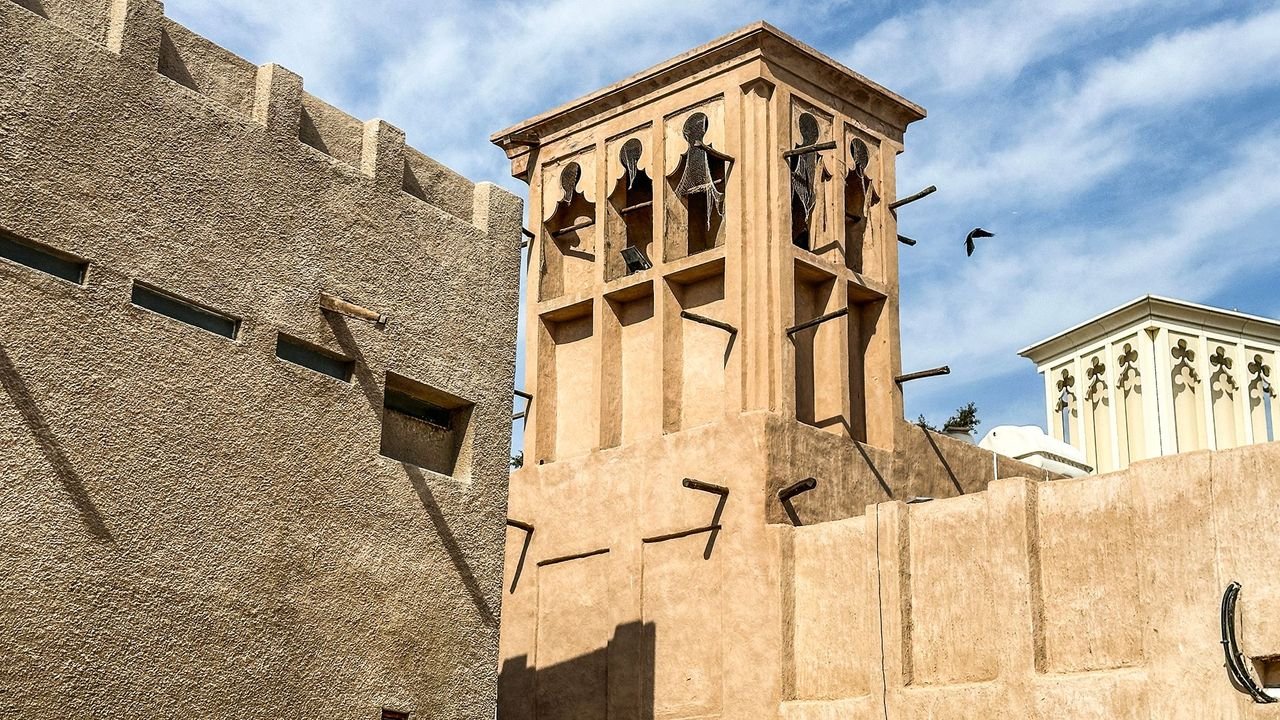
Old Dubai Historic Streets and Their Cooling Secrets Long before modern air-conditioning, Old Dubai historic streets used ingenious passive cooling techniques to keep homes comfortable in the desert heat. Today, these traditional methods are making a strong comeback as architects and urban planners look for sustainable ways to combat rising global temperatures. The Al Fahidi Historical Neighbourhood, with its shaded lanes and tall wind towers, showcases how traditional architecture could tame the desert’s relentless sun. Built centuries ago, these streets remain a model of energy-efficient design. Architectural Wisdom of Al Fahidi in Old Dubai Walking through Al Fahidi, one immediately feels the difference. The narrow sikkas (alleys) provide constant shade, while tall walls and wind towers—called barjeels—capture and channel cool breezes into homes. This natural ventilation system can lower indoor temperatures by up to 10°C without any mechanical aid. Parts of Al Fahidi date back to the 1700s. These designs are inspiring modern architects who want to create cities that stay cool naturally, even in extreme heatwaves. Old Dubai Historic Streets and Passive Cooling Techniques The original settlers of Dubai designed homes with features like enclosed courtyards, coral stone walls, and latticed windows (mashrabiyas) that promoted airflow and privacy. “Our ancestors created a holistic architectural system that used natural elements to manage heat and airflow,” says Ahmed Al-Jafflah, a cultural heritage expert. Courtyards act as natural thermal regulators. At night, cool air descends into the courtyard and circulates into adjacent rooms, while mashrabiyas block harsh sunlight but allow cross-ventilation. Studies show these features can reduce energy use for cooling by up to 18%. Reviving Old Designs for Modern Cities Modern urban projects in the UAE, like Masdar City in Abu Dhabi, incorporate Old Dubai passive cooling techniques. The city’s narrow streets and wind towers reduce heat absorption and create microclimates that are up to 10°C cooler than surrounding areas. As a result, Masdar City consumes 40% less energy than conventional developments. Residential complexes like Madinat Jumeirah also feature modern barjeels, narrow walkways, and greenery to maximize shade and airflow. Even religious and cultural buildings, like Khalifa Al Tjer Mosque, adopt wind-catching features to reduce dependency on artificial cooling. Global Influence of Emirati Design Dubai’s historic cooling strategies are now influencing architecture worldwide. The Louvre Abu Dhabi uses a mashrabiyas-inspired dome to filter sunlight. In London, the Royal Chelsea Hospital employs wind-catching concepts, while similar techniques appear in buildings in the US, Japan, and India. Old Dubai historic streets. “These approaches can be adapted globally by tailoring designs to local climates,” notes sustainable architecture researcher Sherihan Alshahed. “By combining traditional techniques with modern technology, we can reduce energy consumption and mitigate climate challenges.” A Sustainable Future Inspired by the Past The enduring wisdom of Old Dubai’s architecture demonstrates that cooling cities sustainably does not require high-tech solutions. “Understanding the environment and working with it, not against it, is key,” says Vrushali Mhatre, an interior design professor. “These passive techniques offer a roadmap for the future of eco-friendly urban living.”

Read More

Why Queen Elizabeth I Never Married – Virgin Queen’s Image

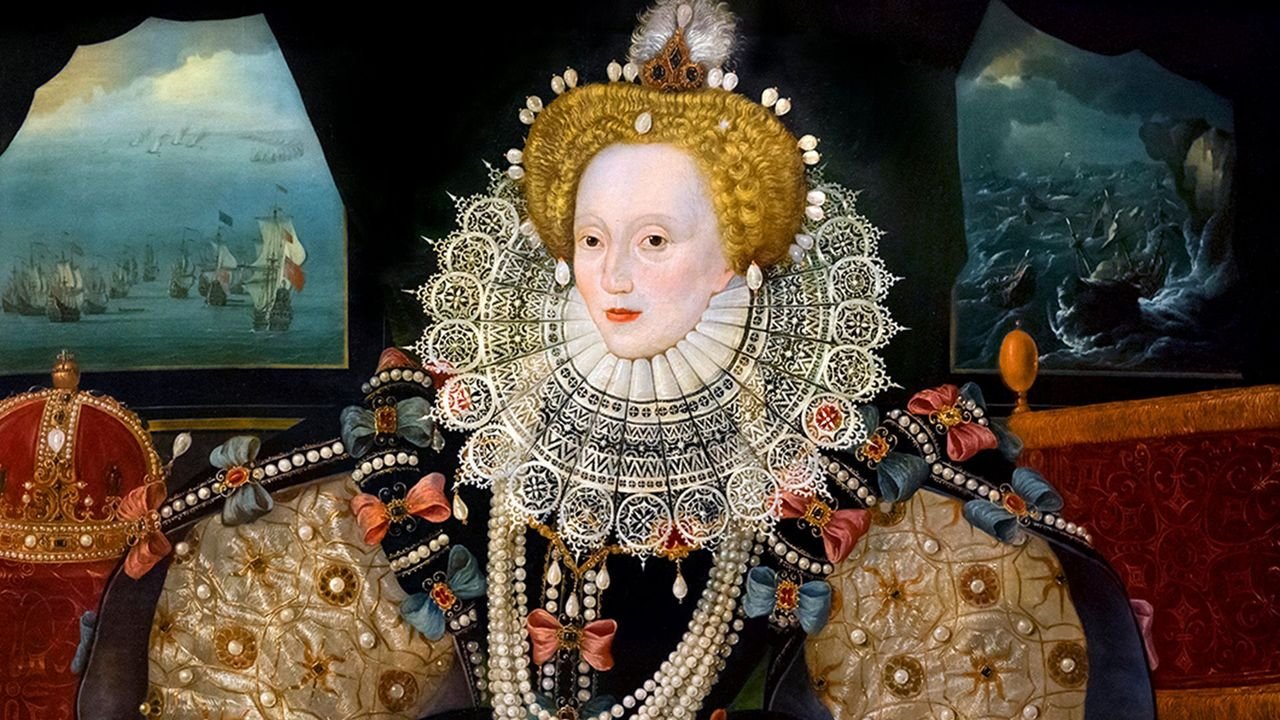
Why Queen Elizabeth I Never Married – The Virgin Queen’s Choice Elizabeth I, daughter of Henry VIII, remains the only English queen who never married. Her 1575 visit to Kenilworth Castle offers insights into this choice. The castle’s new art installation highlights themes of power, betrayal, and independence, echoing her reign. In July 1575, Elizabeth, then 41, visited Kenilworth Castle in Warwickshire. The castle, gifted to Robert Dudley in 1563, became the stage for a grand event. Dudley, believed to be her close friend and suitor, spent lavishly on music, fireworks, and theatrical performances. He even built a new garden and floating stages on the castle’s lake. The festivities were designed to impress—and possibly to win her hand in marriage. However, the highlight performance, a masque planned for 20 July, was abruptly cancelled. Was it bad weather or Elizabeth’s displeasure at being urged to marry? The masque featured Diana, goddess of chastity, and hinted at Elizabeth’s own marital status. Power, Politics, and the Virgin Queen’s Autonomy Elizabeth I’s decision not to marry was both personal and political. Parliament and her advisers constantly pressed her to marry for security and an heir. But Elizabeth refused. She famously declared, “I will have but one mistress here, and no master.” She had seen strong women like Katherine Parr govern while Henry VIII was away, proving that a woman could rule without a husband. Her personal history also played a role. Elizabeth’s mother, Anne Boleyn, was executed when Elizabeth was just three years old. This traumatic experience likely shaped her mistrust of marriage. Why Queen Elizabeth I Never Married – The Virgin Queen’s Image Elizabeth carefully crafted her image as the “Virgin Queen.” By staying unmarried, she avoided foreign influence through marriage alliances and strengthened England’s political independence. Her unmarried status became a powerful diplomatic tool. She declared, “I am married to England,” a line immortalized in Shekhar Kapur’s 1998 film Elizabeth. This decision also cemented her legacy as a ruler who placed her nation above personal desires. Why Her Choice Still Fascinates Modern historians believe her choice was strategic. Remaining single gave Elizabeth freedom to negotiate with France and Spain. It also prevented domestic rivalries, as marrying an English nobleman could have caused jealousy among other powerful families. Even in her relationship with Robert Dudley, Elizabeth never let emotion compromise her political power. When Dudley married another woman in 1578, she was furious but ultimately forgave him. Upon his death in 1588, she mourned deeply, keeping his final letter close to her until her own death. Elizabeth’s Legacy in Popular Culture Elizabeth’s unmarried status has become a defining element of her legacy. Films like Elizabeth (1998) and Elizabeth: The Golden Age (2007), starring Cate Blanchett, highlight her transformation into the “Virgin Queen,” a monarch married only to England. This narrative is echoed in historical records, where she stated she was “already bound unto a husband which is the Kingdom of England.” Even her close bond with Robert Dudley did not lead to marriage. When Dudley died in 1588, Elizabeth was devastated, locking herself in her chambers for days. A letter from Dudley, marked “his last letter,” was found in her personal belongings upon her death in 1603—a poignant reminder of their unfulfilled connection.

Read More

Maidstone Museum Gallery: A New Look at Local History

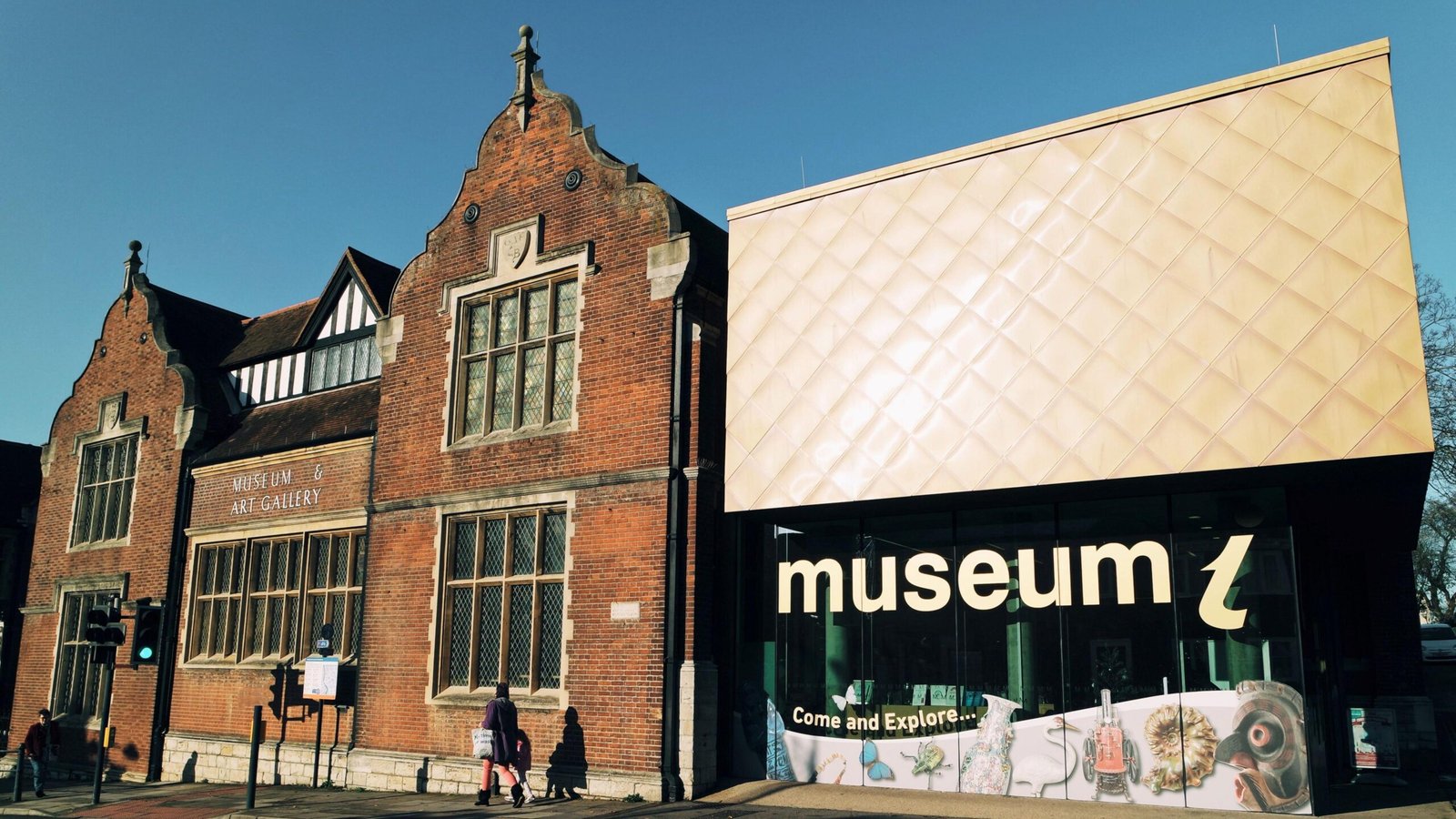
Maidstone Museum Gallery Ushers in a New Era of History Maidstone Museum has taken a bold step into the future with the launch of the new Maidstone history gallery, a space that showcases the town’s evolution from Tudor times to the present day. Locals and visitors alike are invited to explore how everyday life, industries, and community stories have shaped Maidstone’s modern identity. Bridging Past and Present Maidstone Museum’s Modern History Gallery: More Than Just a Display Set within the newly refurbished Oldham Gallery, the Maidstone Museum modern history gallery explores themes of industry, innovation, immigration, and identity. The aim is not just to inform but to connect generations through shared community heritage. Sharp’s Toffee and Local Industry in the Maidstone Museum Gallery The Legacy of Sir Kreemy Knut: Sweet Memories of Sharp’s Toffee One of the most delightful pieces is the miniature tin figure of Sir Kreemy Knut—once the public face of Sharp’s Toffee, a local candy empire. Sharp’s wasn’t just a sweet shop; it was a significant employer and cultural touchstone. Mysterious Finds in the Maidstone Museum Gallery: The 16th-Century Seal The Mystery Behind Maidstone’s Name A particularly intriguing item is a 16th-century seal. Historians believe it may relate to the town’s name—“Maid on the Stone.” This enigmatic object opens the door to speculation, discussion, and scholarly curiosity. Hands-On History: A Community Experience Interactive Exhibits and Local Voices in Focus The new gallery isn’t just visual. Visitors can engage with tactile exhibits, explore digital archives, and contribute stories through the rotating Community Cabinet. This space debuts with artifacts from Maidstone’s Polish community—an integral part of its modern identity. Building Through Community Collaboration Inviting Locals to Be Part of History The gallery extends an open call to community groups to share their own stories and objects. This co-curation model ensures the space evolves with the people of Maidstone, reflecting living history. Exhibition Launch Details Threads of Continuity: From the Landscape to the Town Linking to the ‘Lives In Our Landscape’ Gallery The new exhibition complements the museum’s existing “Lives in Our Landscape” gallery by diving deeper into how people have shaped—and been shaped by—the land and the industries that defined Maidstone. Why Modern History Matters Today Understanding Change Through Personal Narratives From immigrant stories to industrial evolution, the Maidstone Museum modern history gallery encourages reflection on how national and global shifts are experienced at the local level. The Future of the Maidstone Museum Gallery and Local Heritage A Model for Engaging Community-Centric Exhibitions This launch could serve as a blueprint for other regional museums looking to blend heritage preservation with modern engagement strategies. A Living Storybook The modern history gallery transforms a traditional exhibition into a living, breathing collection of shared memory. It isn’t just about looking back—it’s about understanding today through the lens of yesterday.

Read More

Battle of Langport Civil War: A Turning Point in England’s History

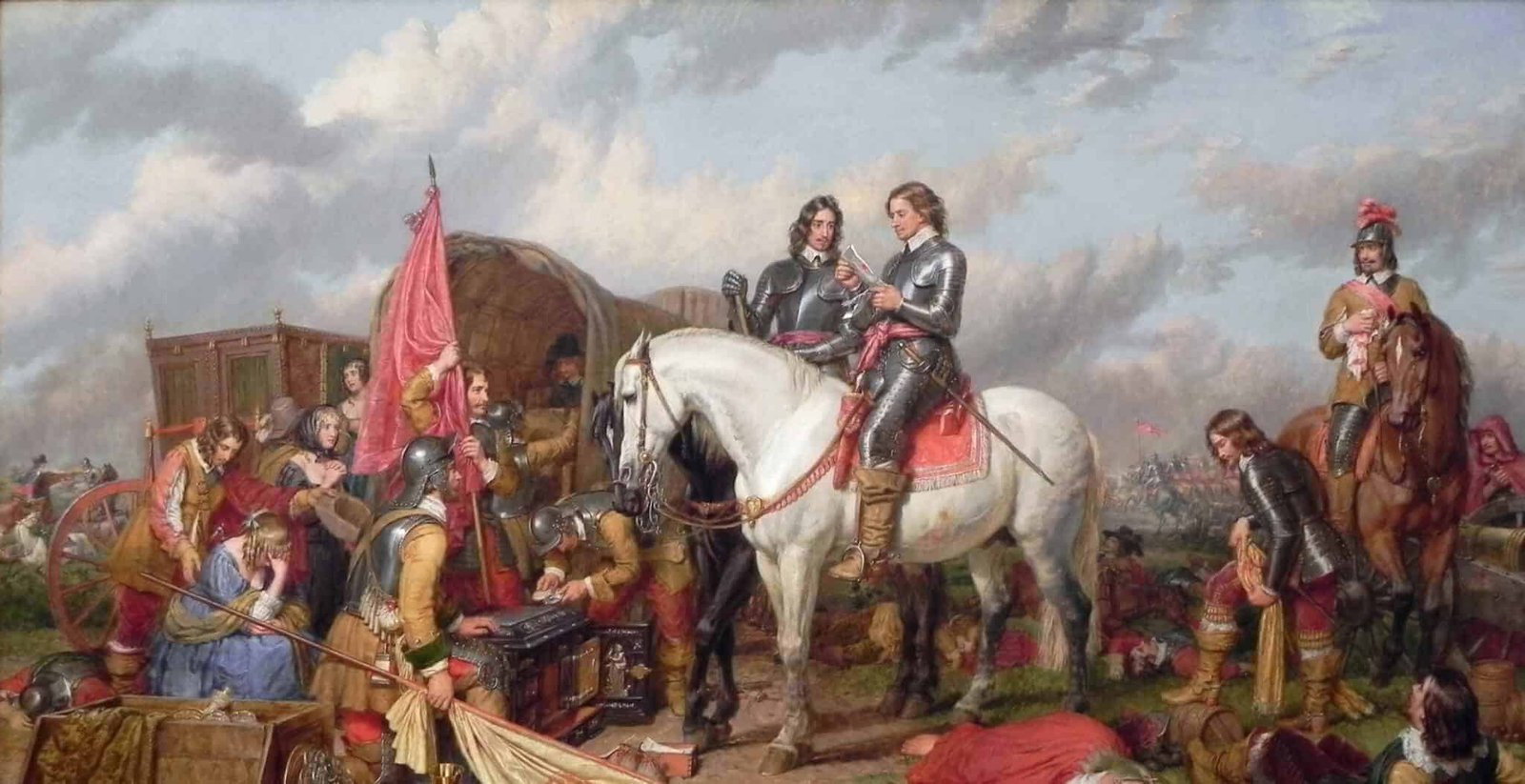
Battle of Langport Civil War: The Conflict That Changed England In July 1645, the Battle of Langport Civil War became a decisive turning point during the English. The Parliamentarians defeated the Royalists, seizing control of Somerset — a region of critical strategic importance. This historic clash marked a pivotal moment in England’s political evolution, ultimately contributing to the downfall of the monarchy and the rise of Parliamentary rule. Why the Battle of Langport Civil War Mattered This wasn’t just a battle — it shattered Royalist control of the West Country, a region of immense strategic importance. The Parliamentarian victory crushed Royalist morale and dismantled their ability to recover. As their cause collapsed, the stage was set for dramatic political shifts, including the execution of King Charles I and a temporary end to the monarchy. This critical engagement played a defining role in shaping England’s future. Commanders of the Battle of Langport: Fairfax vs. Goring Lord Goring led the Royalist forces for King Charles I. Sir Thomas Fairfax commanded the Parliamentarian New Model Army. This force was disciplined and well-organized. Historian Julian Humphrys from the Battlefields Trust described the Royalist troops as poorly paid and undisciplined. Locals resented them for constant plundering. Strategy and Outcome of the Battle of Langport Civil War The Royalists camped east of Langport near Huish Episcopi. They placed musketeers in hedgerows and positioned cannons at the main ford. Their goal was to delay the Parliamentarians and retreat to Bridgwater. But they underestimated their opponents. The Parliamentarians launched a swift attack. Their musketeers cleared the hedgerows at Picts Hill. This allowed cavalry to storm the crossing and overwhelm the Royalist lines. Resistance collapsed in minutes. Oliver Cromwell and the Impact of the Battle of Langport Sir Thomas Fairfax led the overall command. Oliver Cromwell, though a minor figure at the time, played a key role. He saw the New Model Army’s efficiency in action. This boosted his military reputation. Over time, Cromwell gained full command of Parliament’s army. His rise led to his future leadership as Lord Protector. Civilian Suffering During the Battle of Langport Civil War The war hit civilians hard. Armies looted for supplies, forcing locals to defend themselves. They formed “clubmen” groups using simple weapons. Trade stopped, disease spread, and homes were destroyed. Historian Julian Humphrys noted the high human cost. A larger portion of the population died during this war than in World War I. Archaeological Legacy Today, the battlefield still tells its story. People using metal detectors regularly uncover musket balls and pistol rounds in the fields. These relics are reminders of that fateful day. Commemorating the Battle of Langport Civil War Today Though often forgotten, the Battle of Langport Civil War remains vital to England’s history. It shows the impact of shifting power, public suffering, and political evolution. This battle helped pave the path toward constitutional change and a new national identity.

Read More

Norfolk Broads Photo Book Auction in London

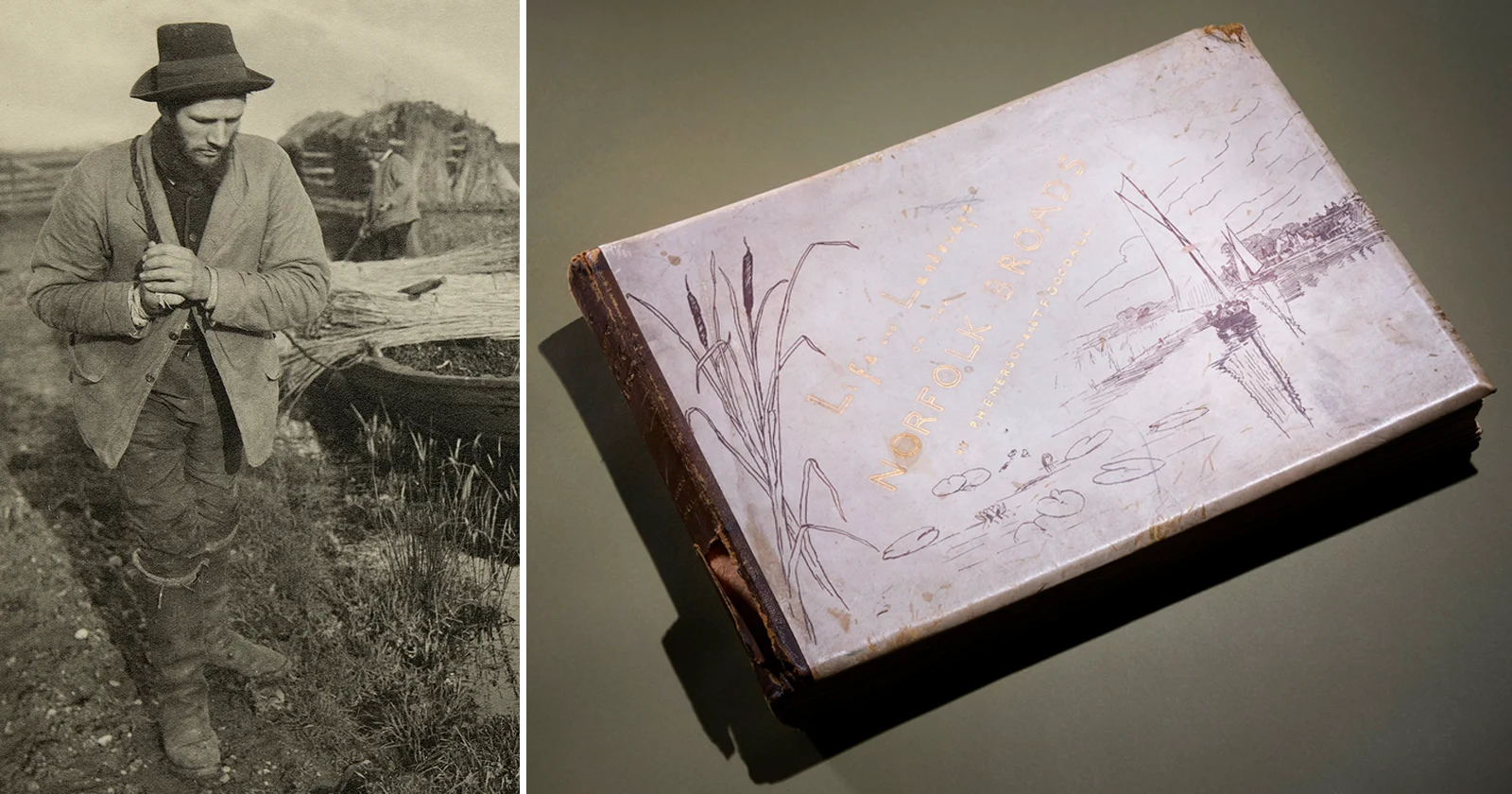
Norfolk Broads Historical Photo Book: A Remarkable Victorian Rarity Resurfaces A rare Victorian-era photo book, “Life and Landscape on the Norfolk Broads”, is gaining attention in the art world.. The Norfolk Broads historical photo book, dating back to 1886, will go under the hammer in London this Thursday. Featuring 40 exquisite platinum prints, it captures a now-vanished way of life on England’s iconic waterways. This edition stands out as one of only 25 deluxe copies ever produced. A family in Maryland, USA, found it during a house clearance, and auctioneers expect it to fetch between £30,000 and £50,000. Uncovering the Norfolk Broads Historical Photo Book: An Unlikely U.S. Discovery The rare volume was discovered tucked away in a wardrobe at the home of a 98-year-old woman. Her family had no idea of its historical or financial significance. They believe she and her late husband may have picked it up at a yard sale—one of many they frequented while hunting for first editions and hidden treasures. The discovery surprised the family and thrilled art historians and collectors worldwide, particularly fans of 19th-century British photography. A Tribute to Norfolk’s Rural Heritage The historic Norfolk Broads photo book was a joint creation by visionary photographer Peter Henry Emerson and accomplished artist Thomas Frederick Goodall. Emerson, who was born in Cuba and spent part of his youth in America, ultimately settled in England. His photographic work focused deeply on East Anglia’s rural life, giving voice and dignity to the region’s working-class communities. The book is described by Emerson’s great-grandson, Stephen Hyde, as a “love letter to Norfolk.” Hyde, also a photographer, reflected on the emotional depth of the collection, saying: “He had a profound connection to nature, and that tenderness comes through in these photographs.” Photography as High Art Auctioneer Jack Wallis, head of sales at Roseberys, London, described the item as an “exciting find in remarkable condition.” He emphasized Emerson’s pioneering efforts to elevate photography from a scientific curiosity into a legitimate fine art form. Mounted on delicate India paper, the 40 platinum prints reflect a luxurious choice that emphasized the creators’ artistic vision. Far from mass-produced photo books, these works were crafted as lasting artifacts of visual storytelling. Velum-Covered Deluxe Edition: A Collector’s Dream Out of the 175 original copies, most were bound in green cloth. The edition up for auction is one of only 25 deluxe copies bound in vellum. These vellum editions are prized for their rarity and high-quality prints. Whether it lands in a museum, an archive, or a private collection, this book stands as a powerful symbol of Norfolk’s heritage and a landmark in British photography. The Broads: Capturing a Vanishing World Emerson and Goodall spent time traveling through the Norfolk Broads, capturing scenes of reed cutting, boating, fishing, and agricultural labor. Their photographs capture more than beauty—they document a fading way of life threatened by the rise of industrialization. The Norfolk Broads are now a famous national park and popular tourist spot. But Emerson’s photographs capture an earlier era. They show local communities living and working along the waterways before tourism changed the region forever. Why the Norfolk Broads Historical Photo Book Still Matters In a digital world saturated with fleeting images, Emerson’s methodically crafted prints offer a counterpoint—slow photography, infused with emotion and purpose. They ask viewers to pause, to feel, and to remember. For collectors, historians, and fans of British heritage, this book is more than a collectible. It’s a tribute to Victorian craftsmanship and a visual record of a uniquely English landscape. Art Market Buzz and Expectations The buzz surrounding the auction has attracted interest from institutions like the Victoria and Albert Museum, independent collectors of Victorian photography, and even international museums interested in British culture. Jack Wallis noted: “It would be fantastic if it could make its way back to Norfolk, to a buyer interested in 19th-century photography or local history. It’s a really important piece of photographic history.”

Read More

Beyond words: The 200-year-old hidden languages of dating

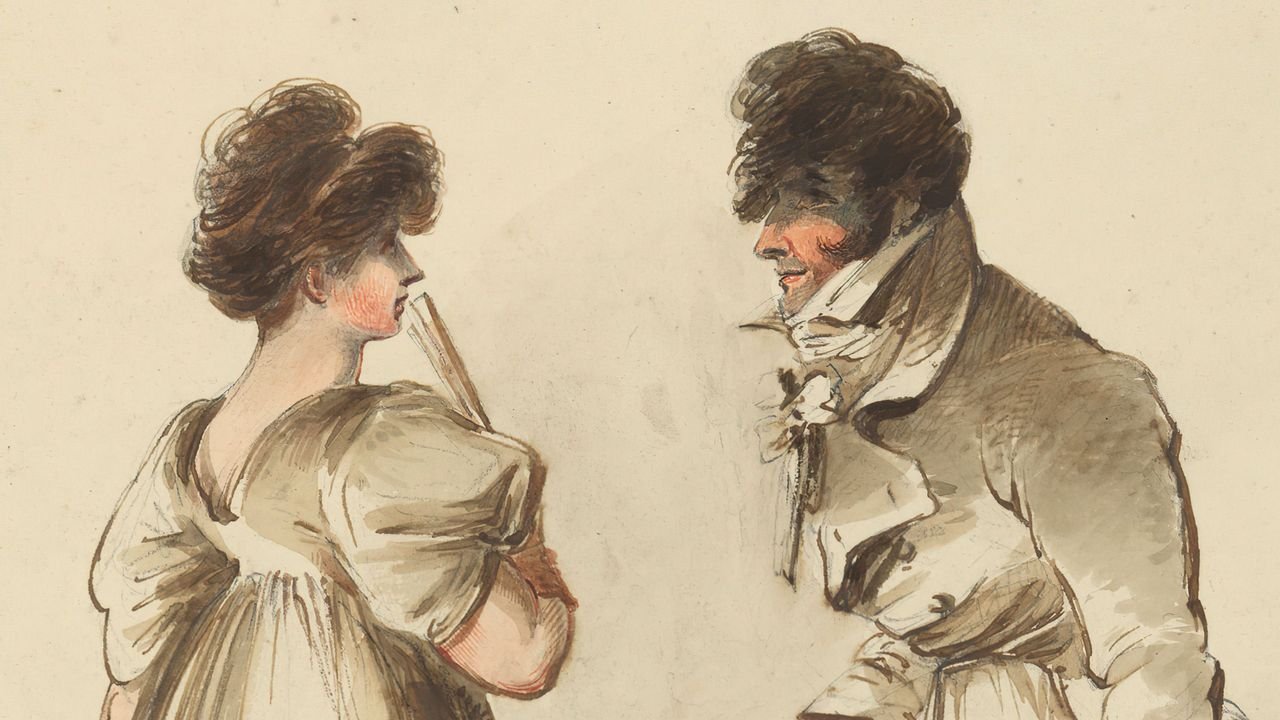
The Hidden Languages of Dating Across Time From the elegant drawing rooms of the Regency era to the neon-lit dance floors of 1920s Berlin, human beings have long relied on the hidden languages of dating to express affection and desire without speaking. These coded gestures, symbolic gifts, and discreet social cues were more than romantic quirks—they were vital tools for courtship in societies with strict rules. While today’s love lives often play out through swipes and emojis, the hidden languages of dating remind us that non-verbal communication still shapes our relationships. Across time and cultures, these timeless rituals show that the hidden languages of dating are as relevant now as ever. Regency Romance and the Hidden Language of the Fan During the Regency era, love blossomed in ballrooms and social salons where words were often replaced by gestures. Flirtation wasn’t just fun; it was an art. A popular form of silent communication at the time was “fan flirting.” Hand fans became tools of coded messages. Specific movements conveyed anything from interest to disdain. In 1797, a design called “Fanology” laid out a complete alphabet using fan positions. Although playful, it allowed women to express themselves in otherwise restrictive environments. Subtle gestures like fluttering the fan or placing it near the heart conveyed intentions that couldn’t be spoken aloud. Alongside this, lovers exchanged tokens: embroidered items, pressed flowers symbolizing virtues like modesty and fidelity, and locks of hair that served as intimate keepsakes. Books were shared with passages underlined to reveal personal values, while love letters were often scented to invoke desire. Visual Courtship and the Hidden Languages of Dating Through Portraits and Early Photography Before photographs, painted portraits played a crucial role in matchmaking, especially among the nobility. The betrothal portrait of Anne of Cleves famously swayed Henry VIII—though their union didn’t last, the portrait served its purpose in courtship. With the rise of photography in the Victorian era, portraits became more accessible. The cartes de visite, small portrait cards, became early social media equivalents. People shared these mementos with prospective partners, carefully posed to project status, personality, and attractiveness. Background props such as pets or books added layers of meaning—mirroring how today’s dating app profiles are curated with exotic travel shots or stylish aesthetics. Clandestine Communication in Berlin’s Nightlife By the 1920s, social conventions loosened. In Berlin, nightlife provided new venues for romantic pursuits. Clubs like Residenz-Casino offered unique systems of communication. Guests could send messages via pneumatic tubes directly to others’ tables. This early content moderation system included a switchboard operator who ensured messages remained polite. Trinkets, cigarettes, or even invitations to dance accompanied these notes. It was a thrilling mix of anonymity and excitement. Watching someone open a discreet message across a room created an unspoken connection—a practice echoed today in the mystery and anticipation of unread messages on dating apps. LGBTQ+ Symbols: Safety in Subtlety For LGBTQ+ individuals, hidden languages were often a necessity rather than a romantic indulgence. The green carnation, made famous by Oscar Wilde, became a symbol of queer identity. Violets and lavender, too, carried coded meanings, harkening back to ancient floriography. Jewelry, handkerchiefs, or specific fashion choices became visual markers of identity. These quiet yet powerful codes allowed queer people to signal safely and find connection within a hostile world. Even in the 20th century, coded classifieds and discreet exchanges helped queer communities navigate oppressive laws and societal judgment. Courting Through Gifting and Ritual The ritual of giving gifts to express affection spans cultures and centuries. In Regency England, women created personalized items like hand-embroidered waistcoats, while men gifted miniatures or floral arrangements. These practices persist today in digital form—couples share Spotify playlists, personalized memes, or game accounts. Whether digital or physical, the underlying message remains: “I know you. I see you.” The Art of Projection: From Cartes to Profiles Victorians crafted their image through posed cartes. Today, dating app profiles perform the same function. Users select photos, write bios, and choose hobbies to reflect their ideal selves. Props and environments, whether a surfboard or a skyline, help shape identity and compatibility. Just as 19th-century lovers treasured keepsakes, modern daters collect digital relics—screenshots of chats, saved photos, and social media tags. Each token speaks to connection and memory. The Thrill of Secrecy: Why Hidden Languages Persist Part of the allure of these secretive gestures is the thrill of shared knowledge. Whispered meanings and symbolic codes forge intimacy. Whether through the gentle flick of a fan or the careful selection of a book passage, these actions cultivate emotional closeness. In LGBTQ+ culture, this secrecy was also about protection and survival. But even beyond that, humans are drawn to the idea of romance as a private, sacred bond—a connection visible only to those within it. Modern Echoes of Old Codes Contemporary dating is steeped in the same silent signals: the double tap on a photo, the playlist sent late at night, the Snapchat streaks. Emojis carry nuanced meanings, while profile bios suggest compatibility or status through carefully chosen words and aesthetics. These modern expressions echo traditions from centuries past. Just as lovers once pressed flowers into books, today they share location pins or Venmo each other coffee money as love tokens. The Universal Language of Love Despite evolving technologies, one truth remains constant—humans crave connection. Whether through fans, photographs, coded messages, or emojis, we craft and interpret symbols to express our deepest desires. The hidden languages of dating offer more than nostalgia; they reveal how our pursuit of love is both timeless and inventive. In every era, the ways we flirt, signal, and connect reflect both cultural norms and universal emotions. Love may change shape, but its essence—quiet, creative, and deeply human—remains beautifully the same.


Read More

Ancient City in Peru Peñico Discovered After 3,500 Years

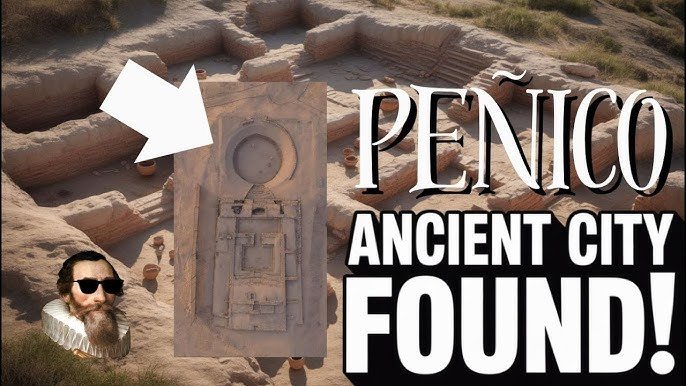
An Ancient City in Peru Rises from the Dust In a groundbreaking revelation, archaeologists have uncovered an ancient city in Peru dating back 3,500 years. Known as Peñico, this site lies in the Barranca province, about 200 kilometers north of Lima and 600 meters above sea level. Experts believe the ancient city in Peru served as a vital trading hub. It likely connected early Pacific coastal cultures with communities from the Andes and the Amazon rainforest. This remarkable discovery adds to Peru’s archaeological heritage. It also offers key clues about how civilizations in the Americas developed. Peñico now stands out as a major ancient city in Peru that bridged cultural and ecological regions. Where and When the Ancient City in Peru Was Built Peñico sits in a highland valley near the Supe Valley. This region is where the ancient Caral civilization—the oldest known in the Americas—first emerged. Radiocarbon dating shows that Peñico was founded between 1800 and 1500 BC. This timeline places it alongside other early civilizations like those in ancient Egypt, Mesopotamia, and the Indus Valley. The city sat at a strategic point between major ecological zones. Its location made it ideal for trade between diverse regions—the coast, the mountains, and the jungle. Aerial Footage Shows Monumental Architecture of Ancient City in Peru Recent drone footage released by researchers captures a stunning view of the city’s central plaza. At its heart, a circular structure stands on a hillside terrace. Various stone and adobe buildings surround the core structure, together forming an intricate urban landscape. Over the past eight years, archaeologists have uncovered 18 distinct structures. These include ceremonial temples, residential buildings, and public gathering areas. The size and organization of these constructions underscore the city’s significant social, political, and religious roles. Artifacts and Culture Unearthed in the Ancient City in Peru During excavations, researchers uncovered numerous ceremonial and artistic artifacts. Among these were: These items point to a complex society with symbolic and spiritual dimensions, highlighting the city’s cultural sophistication. Connection to the Ancient Caral Civilization Peñico’s discovery provides compelling evidence of cultural continuity and transformation in ancient Peru. Peñico lies near the ancient site of Caral, a 5,000-year-old civilization that thrived around 3000 BC. It seems to have inherited and adapted many aspects of Caral’s urban planning and religious traditions. Caral was renowned for its monumental pyramids, advanced irrigation systems, and structured urban settlements. However, scholars believe Caral eventually declined due to climate-related challenges. Peñico’s rise may signal a major shift in politics and economy. This shift likely helped Caral’s cultural legacy survive and evolve. A Strategic Hub for Trade and Exchange Dr. Ruth Shady, the lead archaeologist for both Caral and Peñico, believes the new city sat in an ideal location for trade. “The community occupied a strategic point for exchange between the coast, the highlands, and the jungle,” she explained. This connectivity likely facilitated the flow of goods, ideas, and cultural practices across regions, strengthening alliances and promoting social development among early Andean societies. Official Acknowledgment and Cultural Importance At a press conference organized by Peru’s Ministry of Culture, archaeologist Marco Machacuay emphasized that Peñico represents a critical link in the historical chain of Andean civilizations. He stated that the site serves as evidence of the ongoing evolution of society following the decline of Caral. The Ministry of Culture has pledged continued support for the preservation and further study of the site, recognizing its potential to transform our understanding of pre-Columbian history. Peñico’s Role in Understanding Ancient American Civilizations Peñico is more than just an archaeological site; it is a window into the social organization, religious beliefs, and economic systems of a bygone era. Its discovery helps address longstanding questions about the fate of early Peruvian cultures and their resilience in the face of environmental change. By studying the construction techniques, settlement patterns, and symbolic artifacts of Peñico, researchers are piecing together a narrative of cultural endurance, adaptation, and interconnectedness. Peru’s Rich Archaeological Landscape The unearthing of Peñico adds to Peru’s already impressive portfolio of ancient wonders. Home to iconic sites such as the Incan citadel Machu Picchu and the enigmatic Nazca Lines, Peru continues to captivate archaeologists and historians alike. Each new discovery affirms the country’s role as a cornerstone of early American civilization and highlights the diversity and depth of its cultural heritage. Looking Ahead: The Future of Peñico Efforts are currently underway to map the entire Peñico site, protect it from environmental damage, and prepare it for future archaeological investigations. Researchers hope to uncover additional residential areas, irrigation channels, and burial sites that will provide further insights into daily life in the ancient city. Public education and tourism initiatives are also being considered, with the aim of making Peñico an accessible and informative destination for visitors interested in ancient history. A Vital Chapter in Peru’s Ancient Story The discovery of Peñico marks a significant advancement in the understanding of early Andean civilization. As research continues, this ancient city will undoubtedly shed more light on the complex network of societies that flourished in South America long before European contact. Peñico not only bridges the historical gap between the Caral civilization and later Andean cultures but also stands as a testament to human ingenuity, adaptability, and the enduring legacy of Peru’s past.

Read More

Ancient DNA Egypt: New Findings Rewrite Civilization’s Origins

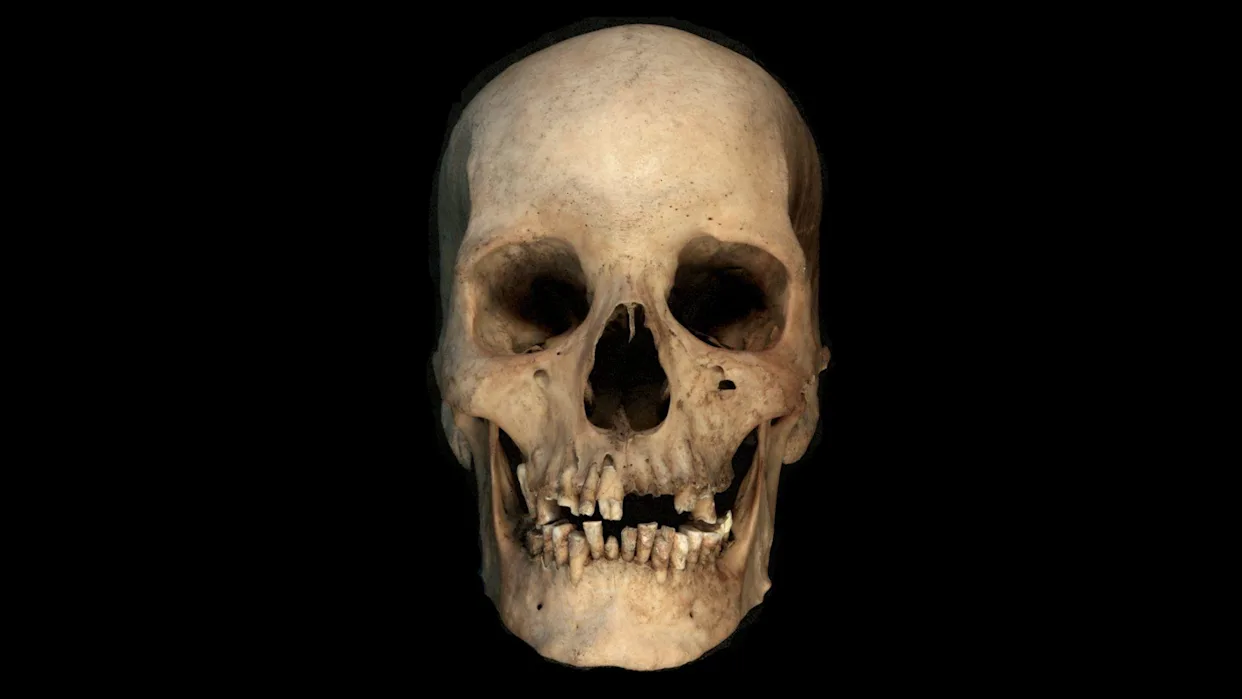
Ancient DNA Egypt: A Revolutionary Breakthrough in Understanding History Ancient DNA Egypt research has unveiled groundbreaking insights into early human migration. Scientists have extracted DNA from a 4,500-year-old skeleton in the Nile Valley. This discovery could reshape our understanding of ancient history. The results revealed surprising genetic links between early Egyptians and the distant Mesopotamian civilization. This marks the first direct biological evidence of human migration between these two ancient cultures and suggests that Egyptian society may have evolved through interactions with Mesopotamian communities. The Ancient DNA Egypt study focused on the remains of a man buried in the village of Nuwayrat, approximately 265km south of Cairo. Using advanced DNA extraction methods, researchers uncovered that nearly 20% of the man’s genome originated from populations in Mesopotamia, modern-day Iraq. These Ancient DNA Egypt findings offer compelling evidence that early civilizations were not isolated but actively exchanged ideas and innovations. Experts believe that major advances like writing and agriculture spread through direct human interaction. This groundbreaking Ancient DNA Egypt research now strongly supports that theory. Reconstructing a Life: Insights from Ancient DNA in Egypt Beyond the DNA evidence, researchers were able to piece together a remarkably detailed profile of the individual. Believed to be around 60 years old at the time of his death, the man likely worked as a potter. His skeletal structure showed signs of intense physical labor: enlarged seat bones from sitting on hard surfaces, a hooked occipital bone from tilting his head down frequently, and well-developed arm muscles indicating repetitive lifting motions. Analysis of chemical residues in his teeth revealed he had grown up locally in Egypt, further highlighting that although he lived his life in the Nile Valley, his ancestry traced back to communities 1,500km away. The convergence of local upbringing and foreign lineage provides a compelling case for long-distance migration and gene flow. Ancient DNA Egypt Reveals Early Cultural Exchange Between Civilizations This discovery strengthens a long-standing theory in archaeology: ancient civilizations such as Egypt and Mesopotamia were not isolated. Instead, they belonged to a broader network of cultural and intellectual exchange. Both societies developed early writing systems and practiced organized agriculture—advancements that may have spread through contact between the two regions. Scholars have long suspected that these similarities came from some level of direct contact. Until now, however, there was no concrete genetic evidence to back up these claims. DNA from the man’s inner ear bone confirms that people migrated between the Fertile Crescent and the Nile Valley. This movement may have helped Egypt evolve from scattered farming villages into one of the world’s earliest advanced civilizations. An Archaeological Marvel Preserved Through Time The skeleton was unearthed in 1902 and survived both storage for over a century and WWII bombings in Liverpool. The man had been buried in a ceramic coffin, typical for his era, before the widespread adoption of mummification. This unique burial method helped preserve his DNA, enabling researchers to analyze it centuries later. Scientists believe more discoveries like this will reveal deeper links between ancient civilizations through migration and shared ideas. This breakthrough may be the start of stronger evidence connecting early societies across regions via trade, movement, and innovation. How Science is Rewriting Human History The study reflects a broader shift in the way historians and archaeologists approach ancient narratives. Traditionally, elites such as kings, priests, and the powerful have documented much of human history. But DNA helps researchers uncover the lives of ordinary people who rarely appeared in written records yet shaped ancient societies. Genetic research, when combined with archaeology and anthropology, gives scientists a fuller picture of human history. In Ancient Egypt, this approach reveals how everyday people—potters, farmers, and traders—helped shape one of history’s greatest civilizations. A New Era in Egyptology This remarkable DNA study has opened the door to a new era in Egyptology—one where genetic data complements historical texts and artifacts to paint a fuller picture of how this ancient civilization came to be. More importantly, it underscores the importance of interdisciplinary collaboration in uncovering humanity’s shared past. Future research could include analyzing additional skeletal remains from the same period, potentially providing further evidence of genetic mixing between Egyptians and neighboring cultures. Researchers hope to develop a broader genetic map of the Nile Valley’s early population, charting migration patterns and cultural interactions with unparalleled precision. Looking Ahead The implications of this study reach far beyond Egypt and Mesopotamia. They highlight the power of ancient DNA analysis to unravel the complex stories of human migration, adaptation, and cultural exchange that shaped our world. As scientists continue unlocking our ancestors’ genetic code, they may rewrite history and redefine what we know about early human civilizations. The man buried in Nuwayrat has, after thousands of years, offered a voice to history. Through his bones and DNA, we are beginning to understand the intricate tapestry of relationships that defined the ancient world and ultimately laid the foundations for the modern era.

Read More

Jurassic World Rebirth Review: Flat Story, Big Stars

The highly anticipated Jurassic World Rebirth arrives as the seventh entry in a franchise that once redefined cinematic wonder. Yet despite its promise of revitalization and an all-star cast, the film struggles to live up to its legacy. In this Jurassic World Rebirth review 2025, we find that dazzling effects and familiar thrills are no longer enough to mask a formula that feels worn and uninspired. A Familiar Setup in Jurassic World Rebirth Starring Scarlett Johansson as mercenary Zora Bennett and Jonathan Bailey as palaeontologist Dr. Henry Loomis, the film follows a mission to retrieve dinosaur DNA from a dangerous island where past experiments went wrong. Their goal? To harness prehistoric genes to develop a miracle drug for heart disease – and generate massive profits. The plot mirrors the original Jurassic Park structure: a scientific pursuit that spirals out of control. While the premise holds promise, the film never fully commits to originality. It plays it safe, echoing story beats we’ve seen for over three decades, now without the tension that made the original unforgettable. Subplots That Outshine the Main Narrative Oddly enough, the subplot involving a stranded family proves far more engaging than the central story. Manuel Garcia-Rulfo plays Reuben, a father on a boat trip with his daughters Teresa (Luna Blaise) and Isabella (Audrina Miranda), along with Teresa’s boyfriend Xavier (David Iacono). Their adventure begins with a gripping Mosasaur attack that evokes Jaws-style suspense. As the family is separated on the island, their storyline carries more weight and emotion. The stakes feel real, the dangers more immediate. Unlike the stars, who are unlikely to meet a grim fate, the family’s vulnerability provides genuine tension. This dynamic makes the central expedition – led by Zora and Henry – feel oddly muted in comparison. Weak Thrills and Underused Stars in Jurassic World Rebirth Despite Scarlett Johansson’s action credentials and Bailey’s charisma, their characters lack tension-filled arcs. Director Gareth Edwards, known for “Rogue One” and “The Creator,” keeps the stars too distant from the teeth and claws of the film’s primary attraction — the dinosaurs. Even when Henry dangles from a cliff, the moment feels like a stale cliché rather than a pulse-raising set piece. In an awkward attempt at humor, Edwards includes repetitive scenes of Henry chewing mints, which land more as distractions than character-building moments. The pacing drags in the middle, and the island never quite becomes the thrilling landscape it should be. Jurassic Creatures: Awe Over Fear Rebirth does deliver when it comes to the design and scale of its prehistoric cast. The Titanosaurus, Quetzalcoatlus, and Mosasaurus dominate the screen with striking visuals. In one particularly majestic scene, herds of long-necked dinosaurs graze peacefully under soaring orchestral music. Composer Alexandre Desplat integrates John Williams’ original theme beautifully, reigniting nostalgic awe. Yet the sheer beauty of these creatures can’t compensate for the lack of real suspense. The film leans too much into wonder and not enough into fear — a misstep in a series that once thrived on nail-biting tension. Jurassic World Rebirth Review 2025: A Franchise in Decline? Despite Spielberg’s reported involvement in shaping the story, the absence of his directorial presence is deeply felt. Edwards tries to honor the spirit of the original but doesn’t take bold enough risks to evolve the franchise. While the visuals are technically impressive and the cast is talented, Rebirth lacks the magic – and menace – that made Jurassic Park a timeless classic. Final Verdict: Has Dino Fatigue Set In? The line in the film that says “public interest waned” in dinosaurs may unintentionally reflect reality. With Jurassic World Rebirth, the franchise continues, but perhaps not with the roaring success it once knew. For devoted fans, it may be a passable chapter. For newcomers, it’s a lukewarm introduction. This Jurassic World Rebirth review 2025 finds the latest dino outing beautiful to watch but emotionally hollow — more spectacle than storytelling, more repetition than rebirth.

Read More