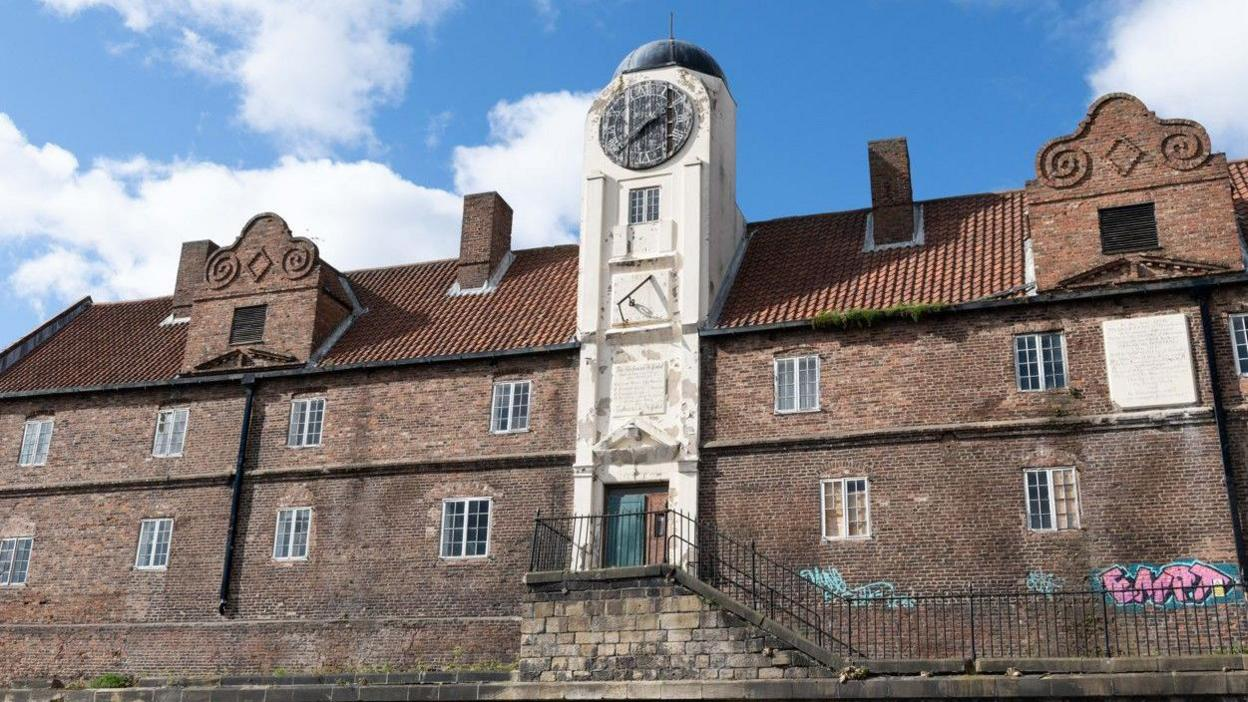
Keelmen’s Hospital Newcastle: Affordable Historic Homes

HistorHistoric Newcastle Keelmen’s Hospital to Become Affordable Homes Newcastle’s 300-year-old Keelmen’s Hospital is entering an exciting new chapter. Built to house retired dock workers, this Grade II* listed building has stood empty for nearly two decades. Thanks to a £4.6m National Lottery Heritage Fund grant and support from Newcastle City Council, the trust will convert it into affordable homes, giving the structure a fresh purpose while preserving its rich history. From Almshouse to Student Accommodation Keelmen’s Hospital opened in 1701 to support retired, sick, or destitute keelmen and their families. These workers transported coal along the River Tyne on flat-bottomed boats called keels. For 200 years, the building served the local community under strict rules, including fines for misbehavior and wandering animals. In the late 19th century, the hospital became tenement housing. Later, in 1989, Newcastle Polytechnic—now Northumbria University—converted it into student accommodation. Students recall cold rooms, unusual factory smells, and even occasional claims of a haunting. However, most agreed that the “ghostly presence” came from poor heating. Preserving Heritage While Creating Homes The Tyne & Wear Building Preservation Trust, in partnership with Newcastle City Council, leads the hospital’s transformation. Workers will restore the building’s historic features while adding 20 modern, energy-efficient apartments. The first residents should move in by Christmas 2027. Martin Hulse, chief executive of the trust, explained: “We rescue heritage at risk. This building has been forgotten for years. Now it will serve the community again.” Helen Featherstone, director for England, north at the Heritage Fund, added: Historic Significance of Keelmen’s Hospital The keelmen themselves funded the building, contributing one penny per tide from their wages. Over three centuries, the hospital has hosted families in cramped tenements and students throwing raves in the courtyard. Its clock tower and riverside views make it one of Newcastle’s most recognizable landmarks. The restoration will preserve these features, keeping the story of Newcastle’s working-class past visible for generations to come. https://www.youtube.com/watch?v=j8MNQELtBWI Affordable Homes and Community Impact Converting the building into residential units addresses two urgent needs: protecting a historic landmark and providing affordable housing. The project shows that heritage sites can serve practical, modern purposes while maintaining their character. Residents will enjoy contemporary homes while experiencing a piece of Newcastle’s maritime history. Other UK cities already watch the project as a model for repurposing historic structures. Final Thoughts: Breathing New Life into Historic Buildings Keelmen’s Hospital reflects Newcastle’s history, resilience, and creativity. Transforming it into affordable homes balances conservation, community needs, and sustainability. By reviving this landmark, Newcastle ensures that heritage serves the people while inspiring future generations.


Read More

Fossil Found on Dorset Coast Is Unique ‘Sword Dragon’ Species

Introduction: A Discovery That Changed Marine Reptile History A near-complete skeleton uncovered along Dorset’s famous Jurassic Coast has rewritten the story of prehistoric oceans. The fossil, now named Xiphodracon goldencapensis, translates to “sword dragon of Dorset” — an apt name for this remarkable marine reptile. The find represents not only a new species of ichthyosaur but also one of the most complete specimens ever found from a crucial evolutionary period around 185 million years ago. Paleontologists describe this discovery as a “missing puzzle piece” in understanding ichthyosaur evolution — the dolphin-like predators that once dominated the seas while dinosaurs ruled the land. The Jurassic Coast: A Window into Earth’s Deep Past The Jurassic Coast, stretching across Dorset and East Devon in southern England, is a UNESCO World Heritage Site known for its breathtaking cliffs and fossil-rich landscapes. This coastline tells a 185-million-year-long story of Earth’s geological history — from the Triassic through the Jurassic and into the Cretaceous period. It was here, amid the shifting sands and eroding cliffs, that fossil hunter Chris Moore stumbled upon something extraordinary in 2001: a nearly complete skeleton of an ichthyosaur at Golden Cap, the highest point on England’s south coast. The discovery would later become one of the most important marine reptile finds of the 21st century. Unearthing the Sword Dragon of Dorset When Moore uncovered the fossil, he immediately recognized its significance. The specimen was later transferred to the Royal Ontario Museum in Canada, where experts could conduct detailed preservation and analysis. For over 15 years, scientists meticulously examined every bone and fracture before identifying it as a new species. In 2025, a research paper led by Dr. Dean Lomax, an ichthyosaur expert from the University of Manchester, officially introduced the world to Xiphodracon goldencapensis — a species unlike any other. What Makes Xiphodracon Unique The ichthyosaur measured around 3 meters (roughly 10 feet) in length and exhibited several unique anatomical features. Among the most striking was its elongated, sword-like snout, which inspired the name “sword dragon.” Scientists believe it used this snout to hunt small fish and squid, striking with speed and precision in the shallow Jurassic seas. Another oddity was a prong-like bone near the nostril, a feature unseen in any other known ichthyosaur. Its enormous eye sockets indicate exceptional vision — a vital trait for navigating dark or murky waters. According to Dr. Lomax: “Xiphodracon translates to sword-like dragon, a nod to its long, slender snout and the fact that ichthyosaurs have been called sea dragons for over 200 years.” A Glimpse into Ichthyosaur Evolution Ichthyosaurs first appeared about 250 million years ago, thriving in the world’s oceans for more than 150 million years. They resembled modern dolphins or swordfish, with sleek bodies built for speed and endurance. Yet despite their dominance, many species — including Xiphodracon — went extinct long before the end of the dinosaurs. During the early Jurassic period, ichthyosaurs were diversifying rapidly, evolving new hunting strategies and body shapes. Fossils from this time are rare, making the “sword dragon” invaluable for understanding how these creatures adapted and survived after mass extinction events. Dr. Lomax noted: “During this period, ichthyosaurs are incredibly rare, and Xiphodracon is the most complete individual ever found from that time. It fills a vital evolutionary gap.” The Tragic Death of the Sword Dragon Fossilized bones often tell stories of both life and death. The Xiphodracon specimen revealed gruesome details — its limb bones and teeth were malformed, suggesting injuries or diseases during its lifetime. More strikingly, marks on the skull indicate it was likely bitten by a much larger predator, possibly another ichthyosaur. Dr. Erin Maxwell from the State Museum of Natural History Stuttgart, co-author of the study, explained: “The skull appears to have been bitten by a large predator — probably another, much larger species of ichthyosaur. Life in the Mesozoic oceans was perilous.” These bite marks provided rare forensic evidence of predator-prey behavior among marine reptiles. Life in the Mesozoic Oceans The early Jurassic oceans were teeming with life — from ammonites and belemnites to giant pliosaurs and marine crocodiles. Ichthyosaurs ruled the mid-tier predatory niche, feeding on smaller fish and squid. Their streamlined bodies and powerful tails allowed them to travel vast distances, much like modern whales. But these oceans were also battlegrounds. Predatory encounters, diseases, and fluctuating sea levels made survival a challenge. The “sword dragon” serves as a snapshot of that brutal ecosystem. Mary Anning and the Birthplace of Paleontology No discussion of Dorset fossils is complete without mentioning Mary Anning, the pioneering 19th-century paleontologist who first discovered ichthyosaur fossils along this very coast. Her groundbreaking work helped establish the field of vertebrate paleontology. More than 200 years later, her legacy continues with discoveries like Xiphodracon goldencapensis, reinforcing Dorset’s reputation as the birthplace of marine reptile research. From Discovery to Museum Display After its excavation, the fossil was carefully transported to the Royal Ontario Museum (ROM), where a specialized team undertook the painstaking process of preparation and reconstruction. Fossils often require years of cleaning, stabilizing, and comparing against known specimens. It took over 15 years for the research team to fully identify the differences between Xiphodracon and other ichthyosaurs. The process involved 3D scanning, digital reconstruction, and comparative anatomy, blending traditional paleontology with modern technology. The Man Behind the Discovery: Chris Moore Fossil hunter Chris Moore, who discovered the specimen, has found around 15 ichthyosaurs throughout his career — several of which turned out to be new species. Speaking from Dorset, Moore reflected: “I don’t wish to blow my own ichthyosaur trumpet, but I have found a few of them.” His modest humor belies a lifetime of dedication to fossil hunting along the treacherous cliffs of Lyme Regis and Charmouth — areas known for landslides that frequently reveal new finds. When asked how he planned to celebrate the recognition of a new species, Moore laughed: “Champagne or a mug of tea, I’m not sure which yet.” The Scientific Importance of the Sword Dragon Beyond its…

Read More

Venice Floods 2019: Salvaged 100-Year-Old Books

Venice Floods 2019: A Night That Changed the City Forever In November 2019, the Venice floods 2019 devastated the historic city, submerging nearly 85% of its streets and landmarks under water. A perfect storm of a full Moon, fierce winds, and a violent cyclone created the flooding, marking the second-worst disaster in Venice’s modern history after the catastrophic Acqua Granda of 1966. This calamity renewed global concern for the fragile future of the lagoon city. Amid the chaos, photographer Patrizia Zelano embarked on a remarkable journey of recovery and remembrance. Her mission was not only to document the destruction but also to salvage what could still be saved — books that carried the essence of Venice’s history, art, and culture. An Urgent Mission During the Venice Floods 2019 On the night of 12 November 2019, Zelano watched in disbelief as news footage revealed the rising tides consuming Venice. By dawn, she made a decision that would define her work — to head straight into the heart of the disaster. Leaving her home in Rimini, she drove for hours, then took a train into the flooded city, which was still under a state of emergency. When she arrived, the streets were covered with water nearly half a meter deep. Wearing rubber boots, Zelano waded through Strada Nova, a main pedestrian route now transformed into a canal. She visited the home of a friend’s acquaintance, where the aftermath was overwhelming. “Objects, furniture, and books were scattered everywhere — soaked and ruined,” she later recalled. Among the chaos, it was the books that captured her attention. Their pages, swollen with saltwater, appeared both fragile and resilient. One of them, so tightly sealed by silt and humidity, resembled an ancient artifact — “like an archaeological find from the Stone Age,” she said. Saving the Soul of Venice Realizing she needed to preserve more, Zelano contacted Lino Frizzo, a well-known Venetian bookseller who owns the shop Acqua Alta — aptly named “high water.” During those frantic days, Frizzo and his team were tirelessly trying to save what they could. Many of their books, however, were beyond repair. Zelano was given around 40 damaged volumes, many dating back to the early 1900s. “These were not antique books by definition,” she explained, “but they were beautifully made — with fabric covers and ornate lettering. Even in decay, they carried a deep sense of dignity.” Among them was a red-covered poetry anthology that she called an “injured book,” symbolic of the wounded soul of Venice itself. Venice floods 2019 A Gondola Full of History At 55, Zelano faced a daunting challenge — transporting these soaked, heavy relics across a flooded city. She placed them in large black plastic bags, but carrying them alone was nearly impossible. In a uniquely Venetian twist of fate, she persuaded a gondolier to help ferry her back to the train station. “Some books disintegrated at my touch,” she remembered. “Their pages turned to lace, delicate yet destroyed.” One particularly fragile book had holes in its cover that resembled sea coral — a haunting reminder of the lagoon that had both given and taken life from the city. Back in her studio, Zelano began photographing the damaged books under natural light. She didn’t open them. Instead, she let their shapes and textures speak for themselves. Each one became a symbol — of memory, fragility, and resilience. From Water to Art: Photographing the Damaged Books One of the rescued volumes was a Treccani encyclopedia from 1949, featuring an image of a Roman genie — a guardian spirit symbolizing protection. To Zelano, it felt almost prophetic. “It was as if this symbol of protection had survived to remind us that knowledge, too, must be safeguarded,” she said. Another encyclopedia, dated 1951, had warped into shapes resembling ocean waves. It was a poignant reflection of the forces that had destroyed it. With her camera, Zelano sought to transform loss into art — an act of resistance through creation. Her photographs highlight the intimate connection between Venice’s cultural heritage and its vulnerability to environmental change. As sea levels continue to rise — increasing by about 5.9mm annually according to NASA — the danger to the lagoon city grows. Compounded by land subsidence, which causes Venice to sink roughly 1.5mm a year, the future remains uncertain. A Tribute to Culture and Memory “These books are crying,” Zelano once said of her work. In one photograph, a drop of water still clings to the cover of an encyclopedia, symbolizing the tears of the city. For her, each image serves as both a eulogy and a celebration — a tribute to Venice’s enduring spirit. She described arranging several books together, their pages resembling waves or the curves of heart shapes. “When we face personal or environmental storms,” she reflected, “we learn what truly matters — what must be saved.” Among the books were encyclopedias of art history from 1978, containing reproductions of Canaletto’s paintings — the 18th-century artist famed for capturing Venice’s beauty. These volumes, warped and stained, echoed the same cityscapes that Canaletto once immortalized in oils. The irony was striking: Venice, long admired for its reflections in water, now risked being erased by it. The Rising Challenge of Venice Floods Venetians have long lived with acqua alta, the high tide that floods the city several times each year. However, the Venice floods 2019 were a stark warning that climate change and rising sea levels are amplifying these events. While the MOSE flood defense system — a series of mobile barriers designed to protect the lagoon — has been partially effective, experts warn it may not be enough in the decades ahead. For locals, floods are now an inevitable part of life. Yet, in their resilience lies the same spirit that Zelano’s photographs capture — a determination to rebuild, remember, and resist. Turning Destruction Into Hope Zelano’s work, now recognized by international art institutions, transforms devastation into meaning. Her photographic collection, part of a global sustainability exhibition, encourages reflection…

Read More

Extreme hurricanes in history: Deadliest storms ever

Extreme Hurricanes in History: The Great Hurricane of 1780 Hurricanes are no longer rare natural events; they are increasingly breaking records for strength, speed, and destruction. The most extreme hurricanes in history reveal how storms have grown deadlier and more unpredictable. In 2005, Hurricane Katrina devastated south-east Louisiana, killing 1,833 people and overwhelming New Orleans with floodwaters. The city was left without food, power, or shelter, as nearly 80% of it lay submerged. Even two decades later, Katrina remains a symbol of catastrophic hurricane damage. But Katrina is only one chapter in a long and devastating record. From the Great Hurricane of 1780 to Hurricane Erin in 2025, storms have reshaped nations, economies, and lives. Extreme Hurricanes in the US: The Galveston Disaster On 9 October 1780, the Caribbean island of Barbados awoke to a nightmare. A massive storm, later called the Great Hurricane of 1780, swept across the region. With winds believed to exceed 200 mph (322 km/h), it remains the deadliest Atlantic hurricane on record. The hurricane killed an estimated 20,000 to 27,500 people as it tore through Barbados, Martinique, Saint Lucia, and Sint Eustatius. Waves as high as 25 ft (7 m) erased villages, while fleets of naval ships were swallowed by the sea. Survivors described a landscape reduced to mud, wreckage, and silence. Historic Hurricanes That Shaped Modern Preparedness The United States experienced its deadliest hurricane on 6 September 1900, when a Category 4 storm slammed into Galveston, Texas. Between 6,000 and 8,000 people lost their lives as the hurricane leveled homes and left the city in ruins. The destruction prompted one of the largest recovery efforts of its time and led to the construction of Galveston’s seawall, a defensive measure still standing today. Cyclone Bhola of 1970: The Deadliest Tropical Cyclone Outside the Atlantic, storms are known as cyclones or typhoons. The deadliest of them all was Cyclone Bhola, which struck present-day Bangladesh and northeast India in November 1970. The storm brought a surge nearly 35 ft (10.5 m) high, wiping out entire coastal regions. As many as 500,000 people perished, making it one of the greatest humanitarian disasters in modern history. The Costliest Hurricanes: Katrina and Harvey When measuring destruction in financial terms, Hurricane Katrina remains the most expensive hurricane in US history. With winds of 140 mph (225 km/h) and a storm surge as high as 28 ft (8.5 m), it left New Orleans devastated. Katrina destroyed or damaged up to 300,000 homes, caused 59 tornadoes across eight states, and submerged neighborhoods under 20 ft (6 m) of water. Its total cost reached $201.3 billion (adjusted to 2024 dollars). The second costliest hurricane was Hurricane Harvey in 2017, which drenched Houston and parts of Louisiana with record rainfall, causing $160 billion in losses. Central America’s Monster Storm: Hurricane Mitch In October 1998, Hurricane Mitch struck Central America with unprecedented force. Initially a Category 5 storm, Mitch weakened before landfall in Honduras but stalled over the region, dumping relentless rain. Flooding and landslides killed between 10,000 and 19,000 people across Honduras, Nicaragua, Guatemala, Belize, and El Salvador. More than 200,000 homes were destroyed, and half a million people were left homeless. In Honduras alone, 70,000 homes and 92 bridges were swept away. Record-Breaking Winds: Hurricane Patricia Not all extreme hurricanes in history caused massive casualties, but some stunned the world with their strength. In 2015, Hurricane Patricia set a Western Hemisphere record with sustained winds of 221 mph (356 km/h). Patricia grew from a tropical storm to a Category 5 hurricane in just 24 hours. Fortunately, it struck a sparsely populated part of Mexico, where mountains quickly weakened it. Only a handful of lives were lost, but the storm demonstrated how quickly hurricanes can evolve into record-shattering events. Rapid Intensification: Erin and Other Modern Storms In 2025, Hurricane Erin shocked forecasters when it intensified from Category 1 to Category 5 in just over a day. Erin became one of the fastest-intensifying hurricanes recorded so early in the season, before September – the traditional peak of hurricane activity. Rapid intensification, defined as a storm’s winds strengthening by at least 35 mph in 24 hours, has become more common. This trend leaves less time for evacuation and preparation. Erin follows recent examples: Past hurricanes like Wilma (2005) and Felix (2007) also intensified at record speeds. But studies show intensification rates are now climbing faster due to warming oceans. Climate Change and the Future of Extreme Hurricanes The warming of ocean waters fuels more powerful and faster-growing hurricanes. Hurricane Erin, for example, passed over seas that were on average 1.1°C warmer than historical levels. This means extreme hurricanes in history may be surpassed by storms yet to come. Communities now face shorter warning times, greater flood risks, and rising financial losses. Unless adaptation and climate resilience efforts expand, future storms may cause devastation on a scale greater than Katrina, Mitch, or Bhola.

Read More

One Piece flags Indonesia: Anime symbol turns into political protest

One Piece Flags in Indonesia Spark Nationwide Protest Symbolism One Piece flags in Indonesia are becoming powerful symbols of political resistance. In a surprising turn, the iconic skull-and-straw-hat emblem from the beloved anime has been adopted across the country as a silent protest. As Independence Day nears, black pirate flags are replacing the national red and white on streets, reflecting growing unrest over President Prabowo Subianto’s centralisation policies. How One Piece Protest Flags Turn Anime Symbols into Activist Icons The straw-hatted skull, known as the Jolly Roger, represents freedom and rebellion in the One Piece universe. But for many Indonesians, it now also represents dissatisfaction with national leadership. Across cities and provinces, these fictional pirate flags have appeared in car windows, painted murals, shop fronts, and even rural homes. For many, this unexpected form of expression is rooted in real frustration. Rather than responding to calls from the president to fly the national flag, some have raised the One Piece symbol as a peaceful yet pointed rejection of the government’s recent direction. Indonesia’s Protest Flags Offer Creative Resistance to Centralisation President Prabowo recently urged citizens to proudly display Indonesia’s red and white flag in honor of independence. While many have complied, others have chosen to fly One Piece flags instead — suggesting their loyalty to the country remains, but their trust in its leadership is wavering. “To me, raising the Jolly Roger isn’t anti-national,” said Ali Maulana, a resident of Papua. “It’s a way of showing love for the country while questioning whether we’re truly free.” Maulana and others believe that the rise in One Piece protest Indonesia flags is a reaction not just to one speech, but to a growing sense of political disillusionment. Surging Demand for One Piece Protest Flags in Indonesia Dendi Christanto, who runs a clothing store in Central Java, says demand for the flags has exploded since late July. “We’ve received thousands of orders from all over Indonesia,” he shared. What began as a niche item has now become a viral protest tool — and a best-seller. This surge highlights just how deeply this symbol has resonated with the public. It’s not just anime fans buying the flags — it’s young voters, middle-aged citizens, and long-time political observers alike. Indonesia Officials Divided Over One Piece Flag Protests While some officials have condemned the movement as divisive or even “treasonous,” others have taken a more measured stance. Deputy Home Affairs Minister Bima Arya Sugiarto acknowledged that symbolic protests are a natural feature of democracy. “This is a healthier alternative to street protests,” said Deddy Yevri Sitorus, a member of the opposition. “If young people want to express dissent through cartoons, let them.” The government’s mixed response reveals tension between maintaining national unity and respecting democratic freedoms. Some politicians argue the pirate flags challenge patriotism, while others see them as harmless — even insightful — commentary on the nation’s current political climate. Is the One Piece Pirate Flag Protest a National Security Threat in Indonesia? Some lawmakers have suggested that flying fictional flags like the Jolly Roger is a threat to national stability. The Indonesian police have even issued statements that they are “monitoring” public displays of unofficial symbols. However, there is currently no law banning fictional flags unless flown improperly alongside national ones. The only requirement is that the red-and-white flag must always be positioned higher. Critics argue that treating the flag as a threat only validates the protest’s message. “When the government reacts so strongly to a cartoon flag, it’s a sign that the symbol has struck a nerve,” wrote one commentator online. One Piece Flags in Indonesia: Symbolism, Not Sedition For those taking part, the protest is not about rebellion but representation. Monkey D. Luffy, the One Piece protagonist, stands for freedom, loyalty, and justice — values many Indonesians feel are increasingly under threat. By adopting his emblem, citizens are tapping into a global pop culture icon to express local frustrations. It’s a rare instance where anime fandom and political activism intersect, creating a potent form of peaceful protest. As researcher Dominique Nicky Fahrizal put it, “This movement is creative, non-violent, and highly symbolic. It gives young Indonesians a voice in a language they understand — and that makes it powerful.” The Future of Protest in Indonesia Indonesia’s democracy, while one of the world’s largest, is still young. The emergence of the One Piece protest Indonesia movement reflects the evolving nature of political expression in the country. Rather than relying on marches or demonstrations, young Indonesians are using pop culture as a mirror to challenge power. And while the red-and-white flag remains a revered national symbol, the rising popularity of the Jolly Roger underscores a deeper truth: many Indonesians are ready for a new conversation about what freedom, independence, and national pride truly mean.

Read More

Stone Age Tools Sell at Auction for £41k After Kent Coast Discovery

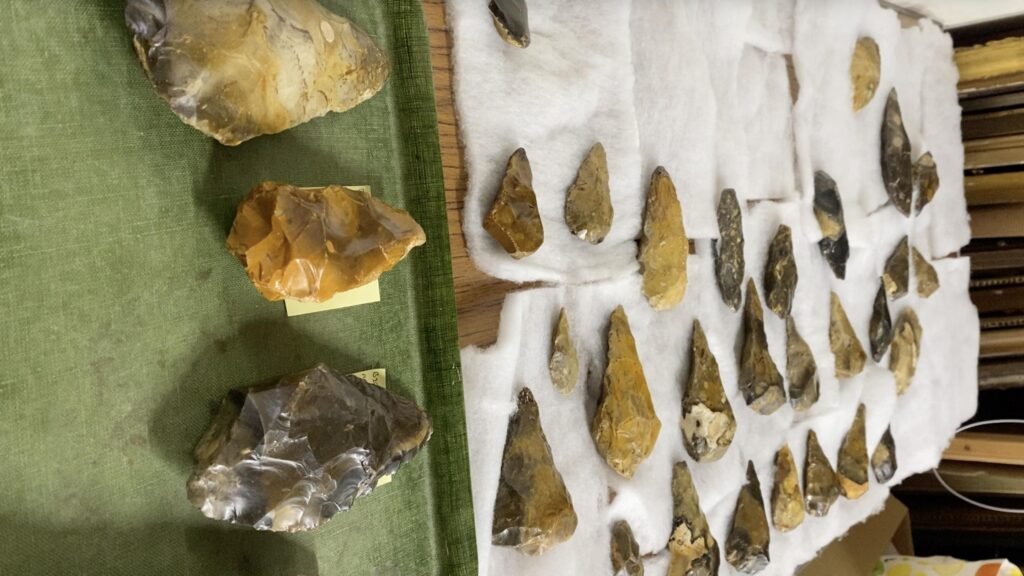
Stone Age Tools Fetch £41,000 at UK Auction A fascinating set of Stone Age tools discovered along the Kent coast has sold for over £41,000 at auction.The sale drew strong interest from history lovers and collectors. The tools include hand axes and early implements, believed to be around 400,000 years old. They were uncovered by amateur collector David Blake over a span of nearly 30 years. Discovering Stone Age Tools on the Kent Coast Between 1987 and 2013, David Blake explored the beaches and cliffs of Bishopstone, Reculver, and Herne Bay. Over time, he unearthed a remarkable set of 68 tools, including several rare and well-preserved examples of Acheulean hand axes. The careful documentation and condition of the pieces contributed significantly to their value at auction. Star Lot: Rare Stone Hand Axe Sells for £3,000 One standout item was a Wymer type D Acheulean grey hand axe. It exceeded expectations by selling for £3,000.The tool’s unique shape and excellent preservation impressed bidders. It achieved one of the highest prices in the sale, highlighting its historical significance. Auction Draws Bidders with Varied Interests Held at The Canterbury Auction Galleries on August 1 and 2, the event drew strong participation from collectors. In addition to the Stone Age tools, other notable lots included a collection of Pokémon trading cards, which fetched over £10,000, and a rare Victorian feather-filled golf ball, both of which drew interest from niche audiences. Stone Age Tools Offer a Link to Prehistoric Life Experts highlight that tools like those sold in this auction offer a unique glimpse into prehistoric human behavior, craftsmanship, and survival. The Stone Age, which began roughly 2.5 million years ago and ended around 3000 BC, is defined by the use of stone for tools and weapons. Discoveries like Blake’s help archaeologists and historians better understand life in ancient Britain. Collectors’ Interest in Early Human History Grows As public fascination with early human history increases, auctions featuring paleolithic artefacts continue to rise in prominence. This particular sale not only emphasized the monetary value of historical items but also showcased how personal passion—like Blake’s dedication to his coastal searches—can contribute to broader archaeological awareness. Summary The successful sale of this Stone Age tool collection illustrates growing interest in tangible connections to our prehistoric past. From hand axes shaped by early humans to fossilized remains, such artefacts remain vital in piecing together the timeline of humanity’s development.

Read More

2500-year-old honey discovered in ancient bronze jars in Italy

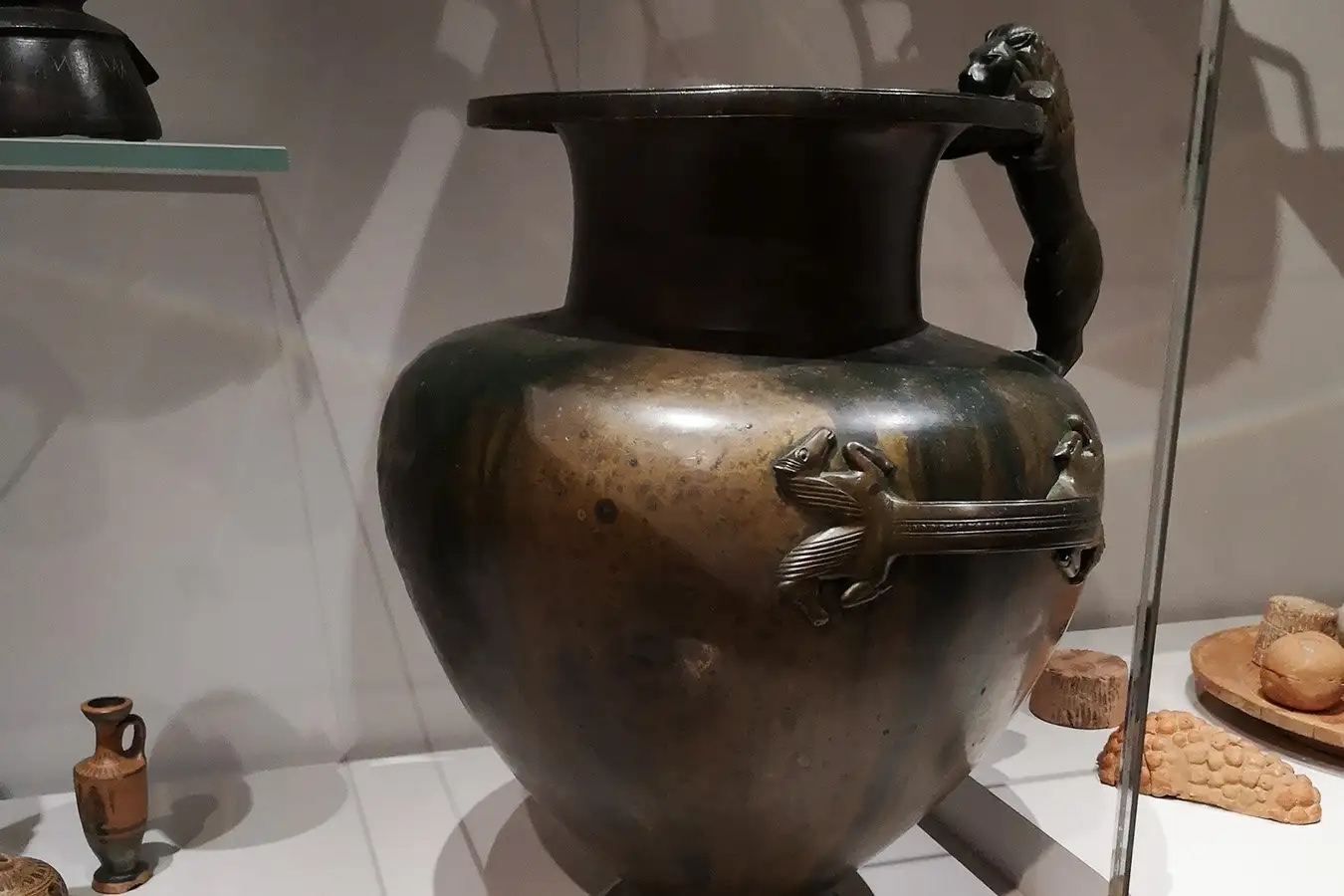
Discovery of 2500-Year-Old Honey in Bronze Jars in Southern Italy 2500-year-old honey has been identified in ancient bronze jars discovered in Paestum, southern Italy. Using modern analysis techniques, chemists confirmed the sticky substance as ancient honey — solving a decades-old archaeological mystery. Archaeologists unearthed the jars in 1954 from a 6th century BCE Greek shrine. At the time, archaeologists believed the sticky, orange-brown residue could be honey, a common offering to gods and the dead. How Scientists Confirmed the 2500-Year-Old Honey Mystery Three different teams previously examined the jars over the past 30 years. None could confirm the presence of honey. Most concluded it was some form of animal or vegetable fat, mixed with pollen and insect remains. Now, modern scientific tools have validated the discovery of 2,500-year-old honey. Researchers from the University of Oxford’s chemistry department used advanced mass spectrometry and spectroscopy to identify the residue. Honeycomb Traces Revealed Through New Techniques According to their study in the Journal of the American Chemical Society, biomolecular analysis showed clear signs of honeycomb. These findings confirmed that the jars once held honey. The team collaborated with the Ashmolean Museum and the Archaeological Park of Pompeii. The jars came from a shrine located 90 minutes from Pompeii. Expert Reactions to the Groundbreaking Study Dr. Luciana da Costa Carvalho, co-lead of the project, highlighted the importance of re-examining older artefacts. “This research reminds us that museum collections hold untapped scientific potential. Modern tools can reveal insights we once thought impossible,” she said. Professor James McCullagh, director of Oxford’s mass spectrometry facility, also emphasized the role of technology in the breakthrough. “Using several techniques helped us separate degradation products and contaminants from the original molecular structure,” he explained. New Hopes for Legacy Material Research The authors now hope this discovery will lead to a re-evaluation of other archaeological residues. Many museum collections contain jars and vessels that have not been examined with current scientific tools. Their success with the 2,500-year-old honey discovery may open new doors in the study of ancient offerings, rituals, and daily life. 2500-year-old honey.

Read More

Victorian Hull Exhibition Reveals City’s Lost Streets

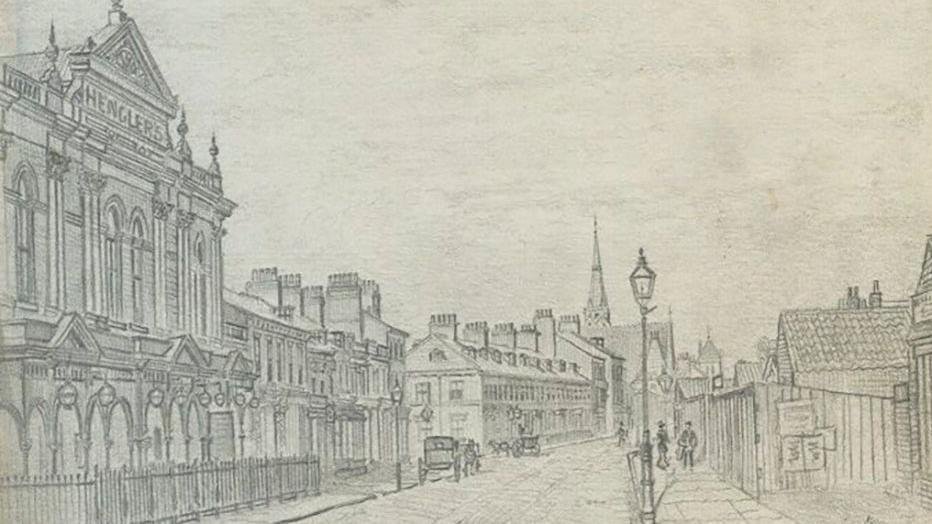
Victorian Hull Exhibition Unveils Forgotten Streets and Historic Charm The Victorian Hull exhibition captures the city’s lost 19th-century streets through the detailed sketches of artist Frederick Schultz Smith, offering a rare glimpse into historic architecture and a cityscape that has mostly vanished. How the Victorian Hull Exhibition Preserves the City’s Past Frederick Schultz Smith was active from the 1880s, sketching Hull’s streets, buildings, and daily life during a time of rapid change. His drawings show narrow cobbled roads, horse-drawn carts, and early industrial buildings. They preserve scenes that might have otherwise been forgotten. Among his notable pieces is a detailed rendering of Anlaby Road and Sculcoates Bridge, drawn around 1885. Hidden Gems from the Hull History Centre Archives The Hull History Centre archives preserve many of Smith’s original works. For this commemorative event, the centre is unveiling select pieces to the public. Visitors can explore Hull’s lost architecture through the eyes of a man who captured it with meticulous detail. Cultural Significance of FS Smith’s Drawings City officials have praised the Victorian Hull exhibition for enriching public understanding of local heritage. Rob Pritchard, councillor and portfolio holder for culture and leisure, noted that the artworks “increase our understanding of the development of the city” and showcase a version of Hull that stood on the brink of significant transformation brought about by Edwardian reforms and later the devastation of World War II. Exhibition Details and Visiting Hours The exhibition is open to the public on Tuesdays, Wednesdays, and Thursdays until 28 August. The centre invites art lovers, history enthusiasts, and local residents to visit and reflect on how Hull’s cityscape has evolved over time.

Read More

Sotheby’s Buddha Return: India Recovers Stolen Sacred Jewels

Sotheby’s Buddha Return: Jewels of Deep Historical Significance Repatriated to India The Sotheby’s Buddha return has made headlines globally, as the auction house hands over a set of sacred jewels to India following mounting pressure from the Indian government and Buddhist leaders worldwide. The returned artefacts, linked to the Buddha’s remains, include nearly 1,800 pearls, rubies, sapphires, and gold decorations. The collection, known as the Piprahwa Gems, was scheduled for auction in Hong Kong in May. However, diplomatic intervention and legal threats from Delhi led to its cancellation. The Mumbai-based Godrej Industries Group has since acquired the jewels. How the Sotheby’s Buddha Return Was Achieved Through Peaceful Negotiation Sotheby’s stated it was “delighted” to facilitate the return. The process involved two months of talks between the owner, the buyer, and the Indian government. The jewels will now go on permanent public display in India. Indian Prime Minister Narendra Modi hailed the return as a “proud and joyous moment.” He called it a victory for the nation’s cultural heritage, noting that the relics are returning home after 127 years. Godrej’s Role in the Buddha Jewels Return Legacy Godrej Industries serves more than a billion consumers globally across sectors like real estate, agriculture, chemicals, and consumer goods. Its Executive Vice Chairperson, Pirojsha Godrej, described the jewels as “timeless symbols of peace, compassion, and shared heritage.” “We are deeply honoured to contribute to this historic moment,” he said. Unearthed in 1898, Lost to History The jewels were discovered in 1898 by William Claxton Peppé, an English estate manager, during the excavation of a stupa in Piprahwa, northern India. The site lies near the Buddha’s birthplace. Alongside the jewels were bone fragments placed in an inscribed urn identifying them as belonging to the Buddha. Most of the original findings, including relics and urns, were handed to the colonial Indian government. Some relics were sent to the King of Siam (Thailand), while others went to the Indian Museum in Kolkata. However, a significant portion of the jewels remained hidden for more than a century in a British private collection. Public Exhibitions and Rising Controversy In recent years, around 300 gems held by the Peppé family appeared in major exhibitions. These included showings at Sotheby’s Hong Kong and The Met in New York. The family also created a website to document and share their findings. The auction plan faced global backlash, with many scholars and Buddhist leaders questioning the ethics of selling sacred items tied to religious figures. Some critics doubted the seller’s moral and legal right to auction such relics. Others argued that the objects should be revered, not sold. Ethical Debate Sparks Intervention Naman Ahuja, a renowned Indian art historian, voiced concern about commodifying sacred relics. He questioned how a custodian could ethically justify selling objects considered holy by millions of Buddhists. On the other side, Chris Peppé, great-grandson of William Claxton Peppé, defended the auction. He said that despite attempts to donate the relics, every option presented difficulties. According to him, an open sale appeared to be the most transparent and fair route. Sotheby’s Buddha return. Peppé also claimed that in his visits to Buddhist monasteries, few saw these relics as corporeal. He said that only a small number of academic interpretations had led to the recent controversies. Final Resolution: A Return to India Following media coverage and government concerns, Sotheby’s postponed the sale on 7 May. Talks between the Indian government and the auction house began soon after. This week, Sotheby’s confirmed the gems’ return and praised the Peppé family. The auction house acknowledged the family’s role in preserving the relics and thanked them for working with India to reach a “historic outcome.

Read More

Rare tree flowering230: Sixth bloom in 100 years at Borde Hill

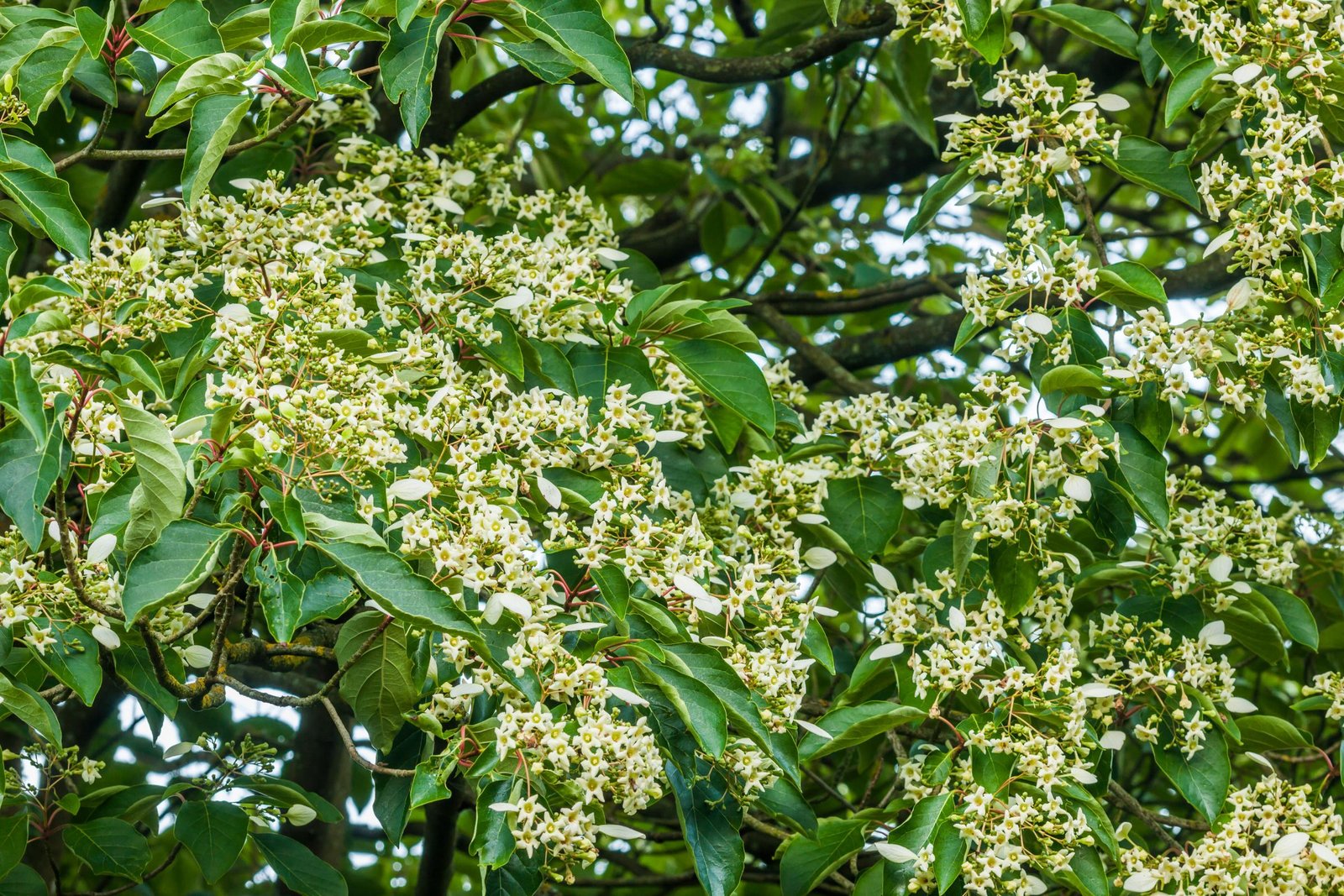
Rare tree flowering230 is underway in West Sussex, as a remarkable botanical event unfolds at Borde Hill Garden. The Emmenopterys henryi, a rare species from China, is preparing to bloom for only the sixth time in nearly 100 years — a momentous occasion in the garden’s history. Rare Tree Flowering230 – From Chinese Forests to English Soil Colonel Stephenson R Clarke planted the tree in 1928. He grew it from seeds collected in a remote forest in southern China. The tree rarely flowers in Western climates. Famous plant explorer Ernest Henry Wilson once called it “one of the most strikingly beautiful trees” of China. It took nearly a century before the tree bloomed for the first time in 2011. Now, it continues to amaze with its rare blossoms. What Triggers a Rare Tree to Bloom? Climate and Heatwaves Explained Experts at Borde Hill believe the flowering is triggered by early heatwaves this year. Climate changes are now influencing how and when plants bloom. This tree last flowered in 2021. Earlier bloom years include 2011, 2012, 2016, and 2018. A garden spokesperson described this as a “rare and spectacular botanical event.” Each bloom is a rare gift from nature. Rare tree flowering230. What Makes This Rare Flowering Tree So Unique? This tree is known for its fragrant, creamy-white flowers and stunning spring growth. The young shoots are reddish-purple and mature into dark, glossy green leaves. Each flower is about 2.5 cm (0.9 inches) wide. The blooms are surrounded by large, white bracts, creating a striking visual display. The fragrance and beauty of this flowering make it a highlight for plant lovers and visitors. Borde Hill’s Botanical Identity In 2023, the tree became the symbol of Borde Hill Garden. It inspired the garden’s new logo and rebranding. The Emmenopterys henryi now represents the garden’s rich botanical heritage. This move shows the importance of the tree not just in science, but in the garden’s identity and public image. Visitors Eagerly Await the Bloom The rare tree is expected to bloom fully within the next two weeks. Visitors and staff at Borde Hill wait in excitement. For them, this event is a celebration of nature’s timing. Andrewjohn Stephenson Clarke, the colonel’s great-grandson, said the changing climate has surprised them. “We wait years to see it,” he said, “but it’s worth it.” A Symbol of Patience and Legacy This tree is not just rare—it’s a living story. From its origins in Chinese forests to blooming in West Sussex, it reflects decades of care and change. It is also a reminder of how climate and human history shape the world of plants. As it prepares to bloom again, the Emmenopterys henryi continues to inspire gardeners, scientists, and nature lovers alike.

Read More