Retinol Skincare Guide: Unlock Your Best Skin at Any Age

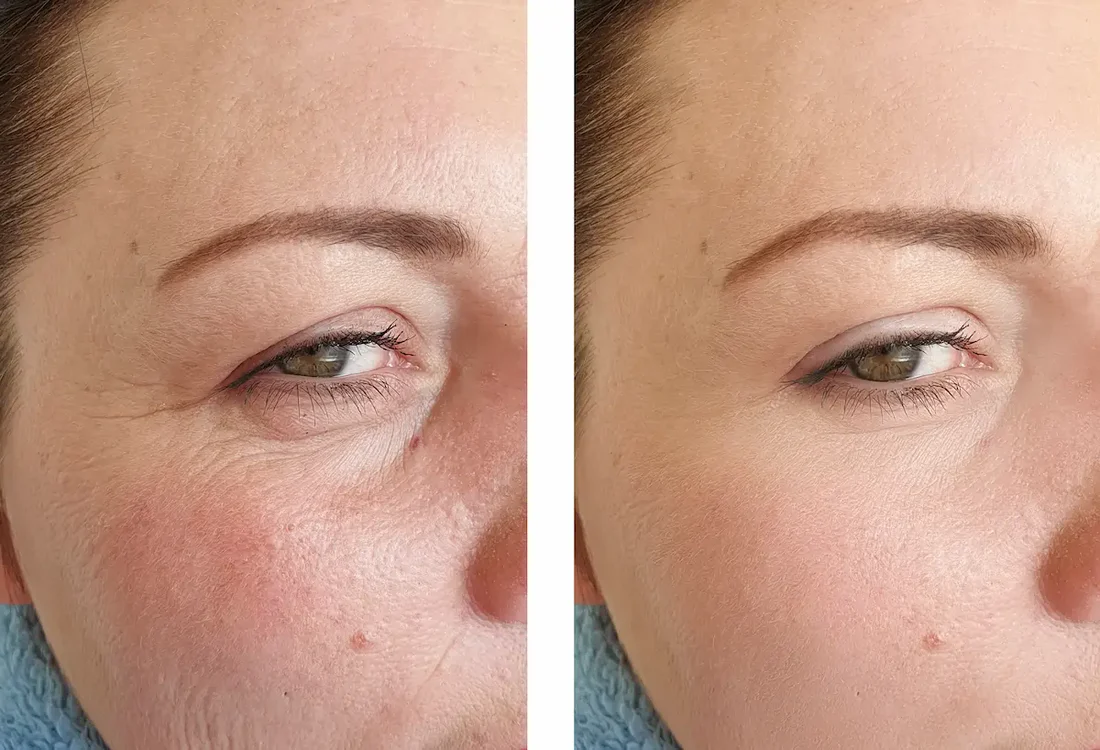
Introduction: Why a Retinol Skincare Guide Matters Acne, fine lines, hyperpigmentation, and dullness can affect anyone—from teenagers facing hormonal breakouts to adults striving for youthful, glowing skin. That’s where retinol comes in. This Retinol skincare guide will explore everything you need to know about this powerful vitamin A derivative. From how it works at the cellular level to practical tips for safe usage, and the best products available today, this comprehensive guide ensures you can harness retinol’s benefits at every stage of life. Retinol isn’t just for anti-aging. It’s also a proven treatment for acne, sun damage, and uneven skin tone. By understanding its mechanism, the right application techniques, and compatible products, Retinol skincare guide you can transform your skincare routine with confidence. Understanding Retinol and Its Benefits Retinol, a derivative of vitamin A, is widely known as the “holy grail” of skincare due to its multifaceted effects. Once applied, retinol converts into retinoic acid in the skin, stimulating collagen production, accelerating cell turnover, and improving skin texture. These actions make retinol effective not only for treating acne but also for combating the visible signs of aging, including fine lines, wrinkles, and sunspots. Retinol strengthens the skin over time, enhancing resilience against environmental damage while promoting a more youthful appearance. Its versatility allows it to benefit all skin types, whether oily, dry, or combination, making it a fundamental ingredient in both preventative and corrective skincare. https://www.aad.org/public/everyday-care/skin-care-secrets/anti-aging/retinoid-retinol The Role of Retinol in Treating Acne Retinol’s ability to regulate cell turnover and prevent clogged pores makes it a powerful tool against acne. By reducing the buildup of excess oil and dead skin cells, retinol minimizes the risk of breakouts and inflammation. Over time, consistent use can prevent post-acne scarring and the development of dark spots, leaving the skin smoother and more even in tone. Products such as RoC Retinol Correxion Deep Wrinkle Night Cream and La Roche-Posay Effaclar Adapalene Gel 0.1% have proven effective in treating mild to moderate acne, while Neutrogena Rapid Wrinkle Repair Retinol Oil addresses acne and early signs of aging simultaneously. For young adults struggling with persistent breakouts, retinol can transform not only their skin but also their confidence, allowing them to engage more freely in social and professional environments. Retinol’s Anti-Aging Effects Aging skin is characterized by wrinkles, fine lines, and loss of elasticity. Retinol addresses these concerns by stimulating collagen synthesis, improving firmness, and smoothing the skin’s surface. Individuals who consistently use retinol often notice reductions in the appearance of sun damage and hyperpigmentation, resulting in a more uniform complexion. High-quality products such as Skinceuticals Retinol 0.5% Refining Night Cream and Olay Regenerist Retinol 24 Night Moisturizer have become staples for those seeking long-term anti-aging results. The Ordinary Retinol 1% in Squalene offers a budget-friendly option without sacrificing efficacy, making advanced skincare accessible to a broader audience. By integrating retinol into a nighttime skincare routine, users can gradually restore youthful vibrancy and resilience to their skin. Incorporating Retinol Into Your Daily Skincare Introducing retinol into a routine requires careful attention to avoid irritation. Experts recommend starting with a lower concentration one to two times per week, gradually increasing frequency as the skin builds tolerance. A small amount applied to clean, dry skin is sufficient to achieve results, followed by a gentle moisturizer to minimize dryness or flaking. Although retinol is typically applied at night, it is essential to pair its use with a broad-spectrum sunscreen during the day, as retinol increases sensitivity to UV rays. Patience and consistency are crucial; while some users may observe improvements in acne within a few weeks, anti-aging benefits typically become noticeable after several months of dedicated use. Retinol for Sensitive Skin Individuals with sensitive skin must approach retinol with extra care. Retinol products formulated with soothing ingredients such as ceramides and peptides can provide the benefits of the vitamin A derivative while minimizing irritation. Serums like CeraVe Skin Renewing Retinol Serum and Paula’s Choice 0.3% Retinol + Peptides deliver effective results for sensitive skin types. These formulations allow gradual adjustment to retinol, helping the skin adapt without excessive redness, peeling, or discomfort. For first-time users or those with highly reactive skin, starting with small applications and monitoring the skin’s response ensures safe and effective integration of retinol into daily care. Complementing Retinol With Other Skincare Ingredients Retinol works best when paired with supportive ingredients that enhance its effects without causing irritation. Hyaluronic acid is a natural hydrator that plumps the skin, reducing dryness commonly associated with retinol. Niacinamide can soothe inflammation and enhance skin barrier function, while peptides support collagen synthesis, amplifying retinol’s anti-aging benefits. Careful consideration is needed when combining retinol with strong acids or other potent actives, as this can increase the risk of irritation. Understanding these interactions allows users to maximize retinol’s benefits safely, ensuring a balanced, effective skincare routine. Retinol Across Different Age Groups Retinol can benefit individuals across various life stages. Teenagers may use low-strength formulations to prevent acne and early signs of sun damage. In their twenties, people can use moderate-strength retinol to treat acne, uneven skin tone, and early signs of aging. Those in their forties and fifties can use stronger concentrations to smooth fine lines, reduce hyperpigmentation, and restore elasticity. Adults over sixty can benefit from retinol if it is paired with intensive hydration. This helps maintain skin health and reduces irritation. Adjusting concentration and frequency according to age and skin tolerance ensures optimal results for every user. Recommended Retinol Products Several products have proven effective for different skincare goals. For acne treatment, Neutrogena Rapid Wrinkle Repair Retinol Oil and La Roche-Posay Effaclar Adapalene Gel deliver consistent results. For anti-aging, Skinceuticals Retinol 0.5% and Olay Regenerist Retinol 24 Night Moisturizer help improve fine lines and skin texture. Sensitive skin users benefit from gentle formulations like CeraVe Skin Renewing Retinol Serum and Paula’s Choice 0.3% Retinol + Peptides. Budget-conscious consumers can try The Ordinary Retinol 1% in Squalane or RoC Retinol Correxion Deep Wrinkle Night Cream. Both are effective and affordable. Choosing…

Read More

Polio Awareness Canada: Protecting a Potential Return of the Virus

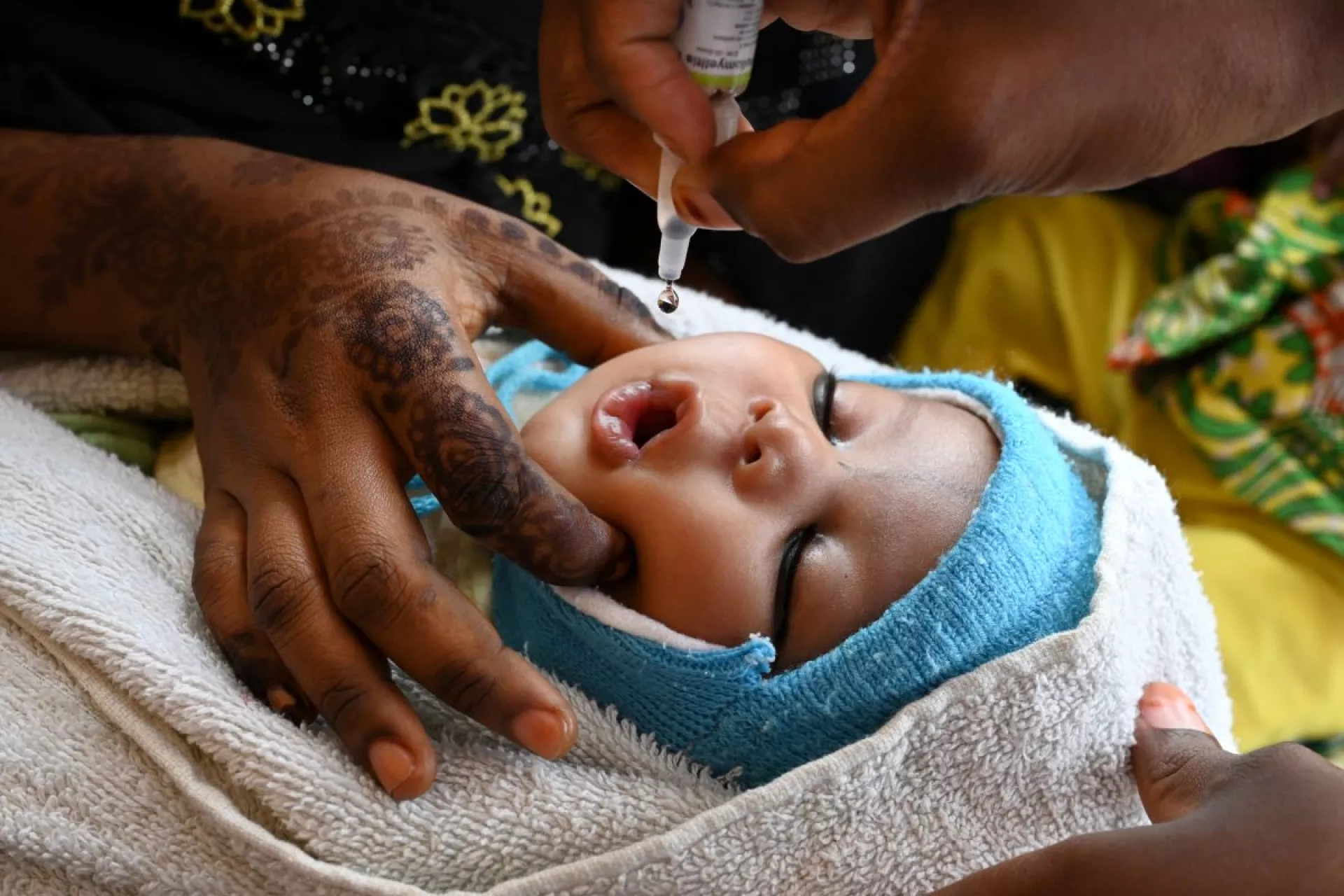
Polio Awareness Canada: Understanding the Risk Polio, a highly contagious viral infection that can cause paralysis and death, has been eradicated in Canada thanks to decades of successful vaccination campaigns. However, recent declines in vaccine coverage have raised concerns that the virus could return, putting children and vulnerable populations at risk. Polio Awareness Canada emphasizes the importance of routine immunization to prevent the resurgence of this devastating disease. Polio survivors in Alberta, including Pat Murray, recall the physical and emotional toll of the infection. Murray contracted polio at nine months old, experiencing severe paralysis and lasting health challenges. Her story, along with other survivors, underscores the potential consequences if vaccination rates fall below the herd immunity threshold. The Lasting Impact of Polio: Post-Polio Syndrome Many polio survivors now live with post-polio syndrome (PPS), a condition that affects 30 to 40 percent of those previously infected. PPS can appear decades after the initial infection, leading to gradual muscle weakness, atrophy, and fatigue. There is currently no cure, and treatment focuses on symptom management, physical therapy, and adaptive strategies to maintain mobility and independence. Alberta survivors such as Bernie Hornung and Ferne Hymanyk share firsthand accounts of lifelong challenges caused by polio. Hornung required ankle fusion to walk without support, while Hymanyk spent time in specialized hospital wards for intensive care. Their experiences highlight why maintaining high vaccination coverage is essential to prevent future generations from facing similar hardships. How Polio Spread and the Global Eradication Effort Historically, polio outbreaks were common, particularly in the early 20th century during the summer months. The virus spread through contaminated water and person-to-person contact, causing severe paralysis in thousands of children worldwide. Parents often avoided public spaces, and hospitals filled with children in iron lungs, dependent on mechanical ventilation for survival. The introduction of the polio vaccine in 1955 marked a turning point. The World Health Organization (WHO) launched a global vaccination campaign in 1988 with the ambitious goal of eradicating polio, a feat previously achieved only with smallpox. While Afghanistan and Pakistan remain the only countries where wild polio virus transmission continues, global vaccination efforts have dramatically reduced cases worldwide. Declining Vaccination Rates in Canada In Canada, polio was declared eradicated in 1994. However, herd immunity requires at least 95 percent of children to be fully vaccinated. According to Statistics Canada, national polio vaccine coverage for children by age two is approximately 91 percent, below the ideal threshold. In Alberta, the rate has dropped from 93 percent in 2017 to 85 percent in 2021, raising concerns about potential outbreaks. Polio vaccines in Canada are part of a combination immunization schedule (DTaP-IPV-Hib-HB), protecting against diphtheria, tetanus, pertussis, polio, Haemophilus influenzae type b, and hepatitis B. Multiple doses in early childhood ensure long-lasting immunity. Two doses provide 90 percent protection, while three doses offer 99 percent protection against severe disease. The Importance of Herd Immunity Herd immunity protects those who cannot receive the vaccine, such as infants, immunocompromised individuals, and those allergic to vaccine components. Maintaining vaccination rates above 95 percent ensures that poliovirus cannot spread, even if a single child becomes infected. Without sufficient coverage, polio could re-emerge in Canada, resulting in preventable paralysis and death. Survivors stress that misinformation and vaccine hesitancy threaten decades of progress. Murray emphasizes, “It just does not make sense to ignore solid science that ensures children can grow up healthy.” Public health campaigns must continue to educate parents about the life-saving benefits of vaccination. Personal Stories: The Human Cost of Polio Hearing survivors recount their experiences brings urgency to vaccination efforts. Murray recalls lying helplessly, able only to move her head, while her sister endured similar paralysis. Hymanyk remembers being separated from her family at age nine, sent to a hospital ward filled with children stricken by polio. Hornung’s lifelong reliance on braces and surgeries illustrates the long-term consequences of polio infection. These stories reinforce why high vaccine coverage is critical. Each polio case prevented is a life spared from paralysis, post-polio complications, or death. Public awareness campaigns in schools and communities are key tools in sustaining immunization rates. https://www.who.int/health-topics/poliomyelitis#tab=tab_1 Preventing a Return: What Canadians Can Do Polio Awareness Canada urges parents to ensure their children are up-to-date on routine vaccinations. Health authorities recommend checking immunization records, scheduling missed doses, and consulting healthcare providers for guidance. Beyond childhood immunization, adults traveling to areas where polio remains endemic should verify booster coverage. Public health measures also include monitoring and surveillance to quickly identify and contain any potential cases. Clinics and healthcare providers play a vital role in educating communities, dispelling myths, and providing easy access to vaccines. Global Lessons: Why Eradication Is Not Guaranteed Even countries with historically strong vaccination programs are not immune to polio resurgence. Conflicts, migration, and vaccine hesitancy can interrupt immunization campaigns, as seen in recent outbreaks in regions previously declared polio-free. Maintaining vigilance, funding, and public trust is critical to ensuring that Canada and other nations remain polio-free. WHO and partner organizations emphasize that eradication requires near-perfect immunization coverage and ongoing monitoring. One unvaccinated child anywhere in the world represents a potential source for the virus to spread globally. Conclusion: Protecting Future Generations Polio may have been eradicated in Canada decades ago, but declining vaccination rates highlight the ongoing risk. Survivors’ stories, scientific evidence, and global experience all point to the same message: immunization saves lives. Polio Awareness Canada urges all parents and caregivers to prioritize vaccinations, maintain herd immunity, and educate communities about the dangers of the disease. Protecting children from polio ensures that future generations will never experience the physical, emotional, and societal consequences that survivors endured.

Read More

Heart Disease Symptoms: Early Warning Signs and Conditions

How to Identify Symptoms of Various Heart Conditions Heart disease is a broad term that describes conditions affecting the heart’s structure and function. Recognizing symptoms early is crucial to preventing severe complications and improving overall cardiovascular health. Symptoms vary depending on the type of heart disease, age, underlying conditions, and individual health factors. Understanding these symptoms helps in seeking timely medical intervention and potentially saving lives. Symptoms of Coronary Artery Disease (CAD) Coronary artery disease occurs when plaque accumulates in the arteries that supply blood to the heart, reducing blood flow and raising the risk of heart attacks over time. The most common symptom of CAD is angina, or chest pain. Angina may feel like heaviness, pressure, squeezing, burning, or aching in the chest. It can sometimes be mistaken for indigestion or heartburn. Pain may also radiate to the shoulders, arms, neck, jaw, back, or even the throat. Other Symptoms Include: Treatment Approaches: Symptoms of a Heart Attack A heart attack, or myocardial infarction, occurs when blood flow to a part of the heart is blocked, causing damage to heart muscle. Symptoms include: Silent heart attacks may occur without noticeable symptoms, particularly in people with diabetes. Heart attack symptoms usually last longer than 30 minutes and are not relieved by rest or oral medications. Immediate emergency help is essential to minimize heart damage. Symptoms of Arrhythmias Arrhythmias involve irregular heart rhythms that can range from harmless to life-threatening. Some arrhythmias show no symptoms, while others manifest as: Treatment Options: Symptoms of Atrial Fibrillation (AFib) AFib is a type of arrhythmia that can increase the risk of blood clots, stroke, and heart failure. Symptoms include: Treatment includes medications to control heart rate or rhythm, anticoagulants to prevent blood clots, and procedures like catheter ablation, cardioversion, maze procedures, or left atrial appendage closure. Symptoms of Heart Valve Disease Heart valve disease occurs when one or more heart valves fail to function properly, disrupting blood flow. Symptoms may include:https://www.youtube.com/watch?v=LPoOFqYr6vE Treatment may include medications, valve repair surgeries (annuloplasty or valvuloplasty), or valve replacement (mechanical, pig, cow, or human tissue valves). Minimally invasive procedures like TAVI (transcatheter aortic valve implantation) may also be performed. Symptoms of Heart Failure Heart failure occurs when the heart cannot pump blood effectively, leading to fluid buildup and organ stress. Symptoms include: Treatment options may include diuretics, beta-blockers, ACE inhibitors, ARBs, ARNIs, SGLT2 inhibitors, and devices like pacemakers, defibrillators, or ventricular assist devices. In severe cases, heart transplant surgery may be required. Symptoms of Congenital Heart Defects Congenital heart defects are structural problems present at birth, sometimes diagnosed in infancy, childhood, or adulthood. Symptoms vary by defect but can include: Treatment may involve medications, pacemakers, implantable defibrillators, catheterization, heart surgery, or transplants. Children may require ongoing checkups to monitor heart function. Symptoms of Cardiomyopathy (Heart Muscle Disease) Cardiomyopathy affects the heart muscle, potentially leading to heart failure or sudden cardiac death. Symptoms may include: Treatment depends on the cause and severity, often including heart failure therapies, medications, devices, or, in advanced cases, a heart transplant. Symptoms of Pericarditis Pericarditis is inflammation of the pericardium, the sac surrounding the heart. Symptoms may include: Treatment involves anti-inflammatory medications, steroids in severe cases, fluid drainage, or surgical procedures for persistent or complicated conditions.

Read More

Back-to-School Acne Treatment: Dermatologist Tips for Clear Skin

Back-to-School Acne: Why It Matters Back-to-school acne treatment is essential for students facing the emotional and social challenges of returning to classrooms, campuses, and sports activities. Acne can significantly affect confidence and overall well-being, with visible breakouts often causing embarrassment, anxiety, and social withdrawal. Dermatologists stress that acne is not simply a cosmetic concern but a condition that can carry a psychosocial burden comparable to chronic illnesses. Students with persistent breakouts may avoid social interactions, feel self-conscious about their appearance, and even hide behind hairstyles or clothing. Early back-to-school acne treatment is crucial, as it not only improves skin health but also boosts mental well-being. Successfully addressing acne can lead to greater confidence, allowing students to actively participate in academic, extracurricular, and social activities with self-assurance. Understanding Acne Acne is one of the most common skin conditions affecting adolescents and young adults, although its prevalence is rising among adult women as well. At its core, acne is caused by a combination of factors including excess oil production, bacterial growth, clogged pores, and inflammation. Hormonal changes, particularly during puberty, often exacerbate these processes, leading to flare-ups that can persist into adulthood. While mild acne may manifest as small blackheads or whiteheads, more severe forms can involve inflamed papules, painful nodules, and cysts. Recognizing the type of acne is essential, as untreated severe acne can result in permanent scarring and long-term skin damage. Symptoms and Effects Acne manifests as a variety of lesions that differ in severity. Blackheads and whiteheads typically appear first, followed by inflamed red bumps known as papules. In severe cases, patients may develop nodules and cysts that are deep, painful, and capable of causing permanent scarring. The psychosocial impact of acne can be just as significant as the physical symptoms. Studies indicate that acne can lead to anxiety, depression, and social withdrawal. The visibility of breakouts often intensifies the emotional toll, as patients feel self-conscious in social and academic settings. Dermatologists note that successful treatment improves not only the skin’s appearance but also mental health and self-confidence, allowing students to participate more actively in school life. Treatment Strategies Effective acne management begins with a consistent skincare routine tailored to the patient’s skin type and severity of symptoms. Mild acne can often be managed with over-the-counter treatments containing ingredients such as salicylic acid or benzoyl peroxide. Retinoids, either prescription or over-the-counter, are frequently recommended for both mild and moderate cases. While topical treatments form the foundation of acne therapy, adherence to a daily regimen is essential to achieve visible results. Dermatologists stress that early intervention prevents the progression of acne and reduces the likelihood of scarring. In cases where acne persists despite at-home care, professional evaluation is crucial. Dermatologists may prescribe oral medications, stronger topical agents, or hormonal therapies for women to control underlying hormonal influences on acne. https://dermatology.ca/skin-acne/ Lifestyle and Preventive Measures Lifestyle factors play a significant role in both the prevention and management of acne. A balanced diet rich in fruits, vegetables, and lean proteins can help reduce inflammation and support overall skin health. Stress management is also important, as elevated stress levels can trigger hormonal changes that exacerbate breakouts. Adequate sleep is essential for maintaining healthy skin, as poor sleep increases inflammation and oil production. Physical activity improves circulation, which promotes skin health and overall well-being. Dermatologists advise students to combine lifestyle adjustments with consistent skincare routines to maximize treatment outcomes and prevent future flare-ups. Confidence and Mental Health Acne is more than a skin condition; it affects mental health and social confidence. Young people with persistent acne often experience embarrassment and self-consciousness, which can influence their participation in classroom discussions, social activities, and sports. Back-to-school acne treatment Studies demonstrate that successful acne treatment improves self-esteem and mental well-being, allowing students to navigate social environments more confidently. Dermatologists emphasize that treating acne should include addressing the emotional impact, as supportive guidance can help patients cope with stress and build resilience. Practical Skincare Tips for Students Students returning to school can benefit from a simple, consistent skincare routine. Cleansing twice daily with a gentle, non-comedogenic cleanser helps remove excess oil and dirt without irritating the skin. Moisturizing daily with a lightweight formula maintains hydration and supports the Back-to-school acne treatment skin barrier. Spot treatments containing benzoyl peroxide or salicylic acid can target active breakouts without affecting surrounding skin. Sunscreen is essential to protect against UV-induced inflammation and post-acne hyperpigmentation. Students should also avoid touching or picking at their skin, as this can introduce bacteria and worsen breakouts. Conclusion Back-to-school acne is a common challenge, but with the right approach, students can manage breakouts effectively while boosting confidence and mental well-being. Early intervention, consistent skincare routines, lifestyle adjustments, and professional guidance when needed form the cornerstone of acne management. By understanding the underlying causes and treatment options, students can navigate the school year with healthier skin and greater self-assurance, transforming acne care from a mere cosmetic concern into a holistic approach to wellness.

Read More

Ozempic for Kidney Health — Diabetes Management in Canada

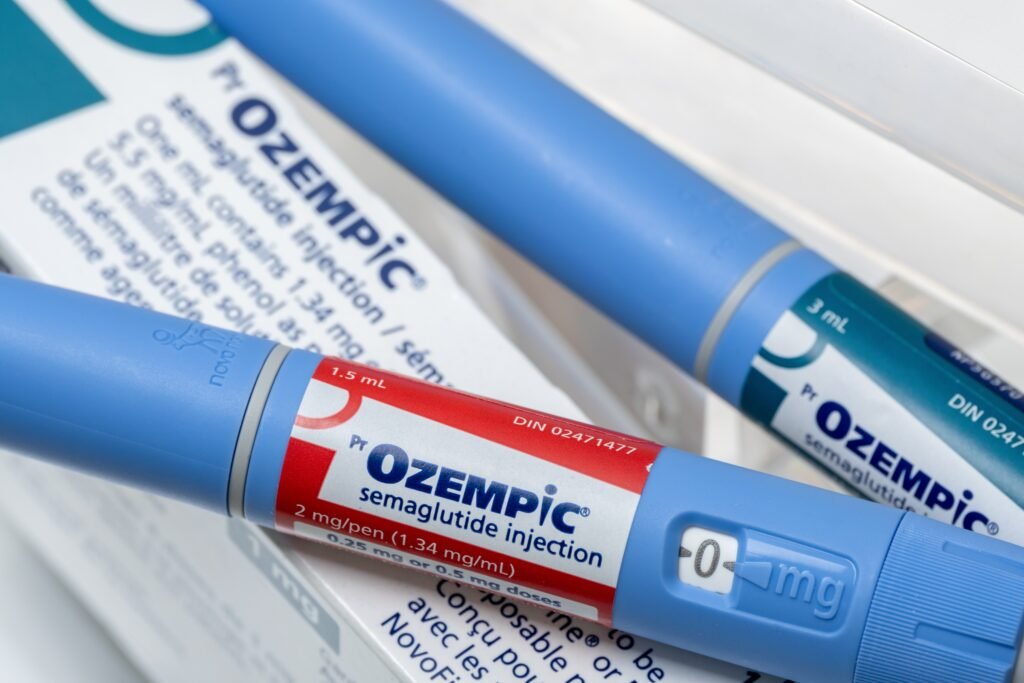
Health Canada has approved Ozempic, a semaglutide-based medication, to help reduce the risk of kidney decline in adults living with Type 2 diabetes. This approval comes at a crucial time, as between 30 and 50 percent of people with Type 2 diabetes develop chronic kidney disease during their lifetime. Ozempic, previously used primarily to control blood sugar, now offers dual benefits by protecting kidney function while also lowering cardiovascular risks, marking a significant advancement in diabetes care. The Rising Concern of Kidney Disease in Diabetes Chronic kidney disease is a serious complication of Type 2 diabetes that often progresses silently until advanced stages. Left unmanaged, CKD can lead to dialysis or even kidney transplantation. Early intervention has always been critical, but until recently, treatments that simultaneously manage blood sugar, reduce cardiovascular risks, and protect kidney function were limited. The approval of Ozempic in Canada introduces a therapy that addresses multiple aspects of diabetes-related complications in one medication, offering hope to millions of patients across the country. FLOW Trial: Clinical Evidence Behind Ozempic The international FLOW trial provided compelling evidence for Ozempic’s effectiveness. Conducted in 28 countries, including Canada, the trial involved 3,533 patients with Type 2 diabetes and chronic kidney disease. Participants were randomly assigned to receive either Ozempic or a placebo alongside their standard diabetes and blood pressure treatments. Over an average of 3.4 years, researchers tracked major kidney events, including kidney failure requiring dialysis, a 50% reduction in glomerular filtration rate, or death from kidney- or cardiovascular-related causes. The trial demonstrated a 24 percent reduction in kidney deterioration among those treated with Ozempic, confirming the drug’s potential to significantly slow the progression of kidney disease. How Ozempic Works: GLP-1 Hormone Benefits Ozempic is a glucagon-like peptide-1 (GLP-1) receptor agonist, a class of drugs known to improve blood sugar control. In addition to its glucose-lowering effects, Ozempic reduces appetite, promotes weight loss, and has anti-inflammatory properties that may protect kidney function. This multi-faceted approach makes Ozempic particularly valuable for patients with Type 2 diabetes, as it simultaneously addresses several interrelated health concerns, including metabolic health, weight management, cardiovascular risks, and kidney protection. Experts view these combined benefits as a major advancement in comprehensive diabetes care. Cardiovascular Protection Alongside Kidney Benefits Diabetes patients face a high risk of cardiovascular disease, which is closely linked to kidney health. Data from the FLOW trial showed that Ozempic not only slowed kidney deterioration but also reduced deaths from heart-related complications. Physicians in Canada have highlighted the importance of these dual protective effects, noting that Ozempic provides a unique opportunity to manage both kidney and heart health simultaneously, potentially improving long-term patient outcomes and quality of life. Expert Perspectives on Ozempic in Canada Canadian healthcare specialists are optimistic about the approval of Ozempic. Dr. David Cherney, a nephrologist at Toronto General Hospital, explained that many patients with diabetes fear dialysis or kidney transplantation. He believes that early use of Ozempic can reduce these fears by slowing disease progression and protecting kidney function. Dr. Ehud Ur, an endocrinologist in Vancouver, echoed this view, emphasizing that early intervention is crucial for managing chronic kidney disease in diabetes patients. Both experts noted that the additional benefit of weight loss makes Ozempic particularly valuable in long-term diabetes management. Potential Side Effects and Safety Considerations While Ozempic is generally well-tolerated, some patients may experience gastrointestinal side effects such as nausea, vomiting, constipation, or diarrhea. Rare complications include gallbladder inflammation and pancreatitis. Healthcare providers stress that the benefits of preventing kidney failure and cardiovascular complications far outweigh these risks. Patients should discuss concerns with their physician and watch for side effects while using the medication. https://www.nejm.org/doi/full/10.1056/NEJMoa2403347 Implications for Diabetes Care Across Canada The approval of Ozempic represents a significant milestone in Canadian diabetes care. By addressing kidney health, cardiovascular risks, and metabolic concerns simultaneously, the medication offers a comprehensive approach to disease management.Physicians now have a new tool to slow complications in Type 2 diabetes. This may reduce the number of patients needing dialysis or a kidney transplant. Early use of Ozempic is particularly important for maximizing its protective benefits and improving patient outcomes. Access and Availability of Ozempic in Canada Although Health Canada has approved Ozempic for kidney protection, access will depend on provincial drug plans, insurance coverage, and healthcare provider recommendations. Patients interested in Ozempic Canada diabetes kidney should discuss eligibility and potential benefits with their physicians to ensure appropriate use. Manufacturers and healthcare systems in Canada are working to make the therapy accessible to patients who can benefit most from its protective effects. Comprehensive Diabetes Management with Ozempic In addition to medication, patients with Type 2 diabetes should maintain a healthy lifestyle to support kidney and cardiovascular health. This includes regular physical activity, a balanced diet, careful monitoring of blood sugar, and routine check-ups with healthcare providers. When combined with Ozempic, these measures can help slow disease progression, reduce complications, and improve quality of life for patients living with diabetes in Canada. Looking Ahead: Research and Future Developments Ongoing research continues to explore the mechanisms behind Ozempic Canada diabetes kidney -protective effects and its potential in combination with other diabetes therapies. Clinical studies are also investigating its long-term impact on cardiovascular outcomes and its effectiveness in advanced kidney disease. As more data emerges, the role of Ozempic in Canadian diabetes care is expected to expand, further solidifying its place as a critical tool in managing the multi-dimensional challenges of Type 2 diabetes.

Read More

HIV Prevention Canada: Future of Twice-Yearly HIV Shots

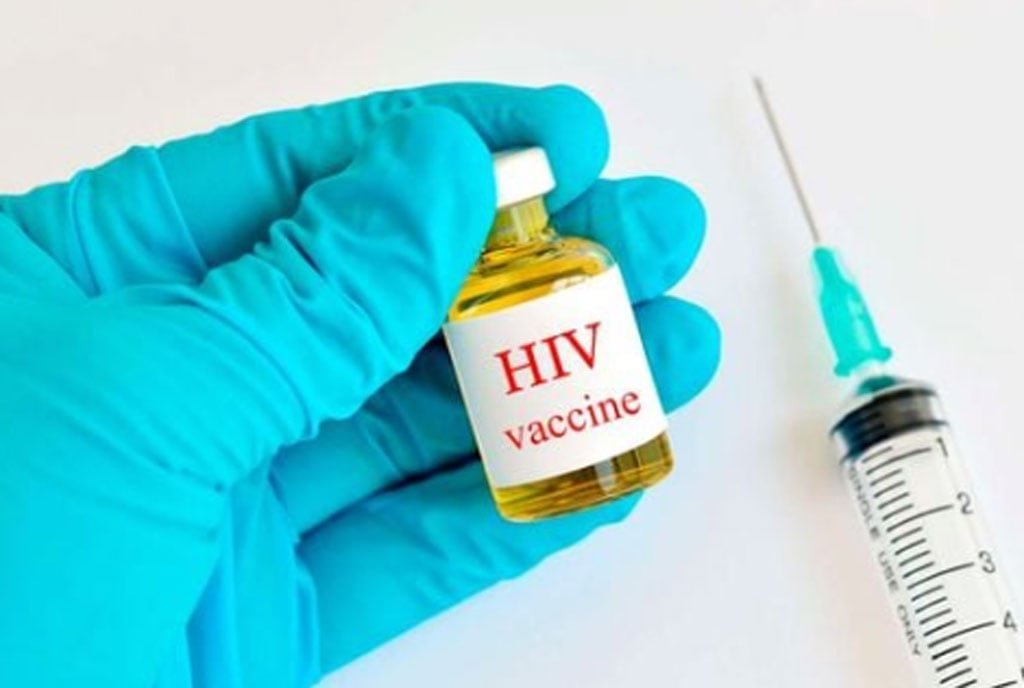
The fight against HIV may be entering a new era in Canada. Lenacapavir, a twice-yearly injectable drug approved in the United States for HIV prevention, is under review by Health Canada and could become available to Canadians as early as 2026. This long-acting pre-exposure prophylaxis (PrEP) offers unprecedented convenience and effectiveness, potentially transforming HIV prevention strategies nationwide. Health experts are calling lenacapavir a “monumental advance” in public health. Its six-month dosing schedule reduces barriers associated with daily oral medication, improves adherence, and could help curb new HIV infections, particularly among populations at high risk. This article provides an in-depth look at lenacapavir, including its clinical efficacy, administration, potential cost, accessibility challenges, and the broader implications for HIV prevention in Canada. Understanding Lenacapavir and How It Works Lenacapavir belongs to a class of long-acting HIV-prevention drugs designed to block the virus before it establishes infection in the body. Administered as an injection beneath the skin of the abdomen, the medication creates a small “depot” from which it is gradually absorbed over six months. Unlike daily oral PrEP pills, which rely heavily on strict adherence, lenacapavir offers flexibility. Once administered, the injection remains effective for months, ensuring continuous protection without the need for daily attention. Clinical trials have demonstrated that lenacapavir nearly eliminates new HIV infections among high-risk populations, surpassing the efficacy of daily oral PrEP. Participants in studies showed higher adherence rates and fewer missed doses, highlighting the practical advantages of long-acting formulations. https://www.catie.ca/ Approval and Review Process in Canada Gilead Canada submitted lenacapavir for pre-exposure prophylaxis use to Health Canada in April 2025. The application was accepted for review later that year. According to Health Canada, the standard evaluation timeline for a new indication of an already approved drug is approximately 300 calendar days, though it can vary depending on submitted data and additional considerations. If approved, lenacapavir would mark a milestone in Canada’s HIV prevention strategy. The regulatory process is critical to ensure the drug’s safety, efficacy, and quality. Health Canada has also highlighted that physicians may use authorized medications off-label if there is a medical need, although formal approval ensures broader access and insurance coverage. Clinical Effectiveness and “Wonder Drug” Status Experts are optimistic about lenacapavir’s potential. Peter Newman, a University of Toronto professor specializing in social work and HIV prevention, describes the injection as a “monumental advance” in public health. “Lenacapavir could significantly reduce new HIV cases,” Newman says. “It’s cost-effective over time because it prevents infections before they occur, saving lives and reducing healthcare costs.” The drug’s ability to offer long-term protection without daily adherence makes it especially appealing for populations who struggle with routine oral medication, including individuals with unstable housing, privacy concerns, or busy lifestyles. Administration and Safety Guidelines Lenacapavir is administered in two subcutaneous doses under the skin of the abdomen. The injections create a slow-release depot, gradually dispersing medication throughout the body over six months. Healthcare providers emphasize that patients must test negative for HIV before starting lenacapavir to ensure safe and effective use. The injection prevents HIV but does not protect against other sexually transmitted infections (STIs), so complementary prevention strategies, such as condoms, remain important. Patrick O’Byrne, a nurse practitioner at an STI clinic in Ottawa, notes: Accessibility and Potential Challenges While lenacapavir promises to revolutionize HIV prevention, several factors could impact its accessibility in Canada. Health Canada’s approval is only the first step; provincial and territorial drug plans will determine coverage and distribution. Cost remains a major consideration. In the United States, the annual list price of lenacapavir for HIV prevention is approximately USD $28,218. Although comparable to other PrEP options, this price may pose barriers for uninsured or underinsured individuals. In Canada, a combination of public and private insurance could help alleviate cost concerns, but equitable access is a continuing challenge. Advocates argue for expanding the number of healthcare providers authorized to administer the injection, including doctors, nurses, nurse practitioners, and potentially pharmacists. Doing so could reduce wait times, improve convenience, and increase uptake among populations at risk. Potential Public Health Impact The introduction of lenacapavir in Canada could have far-reaching consequences for public health. By reducing the burden of new HIV infections, it may alleviate strain on healthcare systems, lower long-term treatment costs, and improve quality of life for individuals at risk. Populations that could benefit the most include: By complementing existing HIV prevention strategies, lenacapavir has the potential to reduce disparities in infection rates and promote more equitable healthcare outcomes across Canada. Expert Perspectives on Implementation Healthcare providers and researchers emphasize that successful implementation requires coordinated efforts across provinces, healthcare facilities, and public health campaigns. Outreach and education will be critical to raise awareness about the new option and ensure that eligible populations can access it safely and effectively. Sean Hosein, science and medicines editor at the Canadian AIDS Treatment Information Exchange (CATIE), states: “The shots are only twice a year, reducing patient visits and barriers. Expanding access through multiple types of healthcare providers will make prevention more widely available.” Experts also stress the importance of integrating lenacapavir with existing prevention programs, including testing, counseling, and harm reduction strategies. Cost-Effectiveness and Health Economics While upfront costs may seem high, the long-term economic benefits of lenacapavir could be significant. By preventing new HIV infections, healthcare systems may save billions in treatment costs over decades. Analyses suggest that reducing HIV incidence could also decrease hospitalizations, improve workforce productivity, and enhance community well-being. Policymakers must weigh the initial investment against potential long-term gains in public health and economic stability. Future Outlook for HIV Prevention in Canada If lenacapavir is approved by Health Canada, it could redefine HIV prevention practices nationwide. Long-acting PrEP may increase adherence, reduce stigma associated with daily oral medication, and expand prevention options for marginalized populations. Ongoing research and community-based implementation studies will be critical to understand real-world effectiveness, optimize dosing schedules, and ensure equitable access. Collaboration between federal agencies, provincial health authorities, healthcare providers, and advocacy groups will determine the success of lenacapavir in…

Read More

Heart Attack: Symptoms, Causes, Treatment & Prevention

Introduction A heart attack, medically referred to as a myocardial infarction (MI), occurs when the blood flow to the heart is blocked, preventing the heart muscle from receiving oxygen. Immediate action is crucial, as a heart attack is a life-threatening emergency. Early recognition and prompt medical care can save lives and limit heart damage. The term “myocardial infarction” comes from three words: “myo” meaning muscle, “cardial” referring to the heart, and “infarction” meaning tissue death due to inadequate blood supply. The death of heart tissue can result in lasting damage, potentially affecting the heart’s ability to pump blood efficiently. Heart Attack Symptoms Heart attack symptoms can vary widely, and not everyone experiences the classic chest pain. Recognizing the signs is crucial for early intervention. Common symptoms include: Symptoms in Women and People Assigned Female at Birth Women often experience atypical symptoms, making it more difficult to identify a heart attack: Silent Heart Attacks Some heart attacks occur without noticeable symptoms. This is known as a silent myocardial infarction and is more common in individuals with diabetes. Signs may include mild fatigue, subtle discomfort, or brief episodes of lightheadedness that often go unnoticed. Understanding Heart Attack Sensations A heart attack often feels like intense pressure or squeezing in the chest, as if a heavy object is pressing down. This pain may last for several minutes. Additional sensations include: Silent heart attacks, however, may not produce these classic symptoms, making regular health checkups vital for those at risk. Types of Heart Attacks Heart attacks can be classified based on the extent of blockage in the coronary arteries: Heart Attack vs. Cardiac Arrest vs. Angina Understanding the differences can save lives: Causes of Heart Attack Heart attacks occur when the heart muscle is deprived of oxygen due to blocked arteries. Causes include: Risk Factors Heart attack risk factors include: What To Do During a Heart Attack Immediate response is critical: First Aid for Others Diagnosing a Heart Attack Doctors may use: Heart Attack Treatment Treatment focuses on restoring blood flow and reducing heart damage:https://www.youtube.com/watch?v=jouwrfr7_S0 Recovery and Lifestyle Changes Post-heart attack care includes: Diet and Exercise Recommendations Myths and Facts About Heart Attacks FAQs Q: Can women have different heart attack symptoms?Yes, women may experience fatigue, nausea, back pain, or sleep disturbances rather than classic chest pain. Q: How quickly should treatment start?The first 1–2 hours are critical. Early intervention can save heart muscle and lives. Q: Can heart attacks be prevented?Yes. Healthy lifestyle, managing blood pressure, cholesterol, diabetes, stress, and regular checkups reduce risk.

Read More

Lyme Disease on the Rise in Canada, US

Lyme disease, a tick-borne infection caused by the bacterium Borrelia burgdorferi, has been steadily increasing in both Canada and the United States. Once considered rare and confined to specific regions, Lyme disease is now a growing public health concern, affecting thousands of people annually and drawing attention from medical professionals, researchers, and the general public alike. The combination of environmental changes, expanding tick populations, and increased awareness has contributed to the surge in reported cases, highlighting the need for understanding, prevention, and timely treatment. The following discussion explores the rising prevalence of Lyme disease in North America, its symptoms, potential long-term effects, current treatment approaches, preventive strategies, and the importance of public awareness in combating this increasingly common infection. The Growing Threat of Lyme Disease In Canada, reported Lyme disease cases have climbed dramatically over the past decade. Data from the Public Health Agency of Canada (PHAC) indicates 5,239 preliminary cases in 2024, up from only 522 cases in 2014. Similarly, the U.S. Centers for Disease Control and Prevention (CDC) reported 89,470 cases in 2023, nearly triple the number from 2013. Experts attribute this increase to several factors, including climate change, which has expanded the range and active seasons of ticks. Warmer winters, shorter frost periods, and milder summers create ideal conditions for ticks to survive year-round. Additionally, shifts in wildlife populations, such as deer and small mammals, have increased the likelihood of human-tick interactions, raising the risk of Lyme disease transmission. Awareness also plays a role. As public knowledge of Lyme disease grows, more cases are being detected and reported. This improved recognition is essential for early diagnosis and treatment, although it also underscores the reality that Lyme disease is becoming a more visible threat across North America. Understanding Lyme Disease Lyme disease is caused by the bacterium Borrelia burgdorferi, which is primarily transmitted to humans through the bite of infected black-legged ticks, commonly known as deer ticks. These ticks attach to the skin and feed on blood, allowing the bacterium to enter the human body. Early detection is critical. Symptoms can appear days to weeks after a tick bite, and prompt treatment often leads to a full recovery. The hallmark symptom of Lyme disease is a distinctive skin rash known as erythema migrans, often shaped like a bullseye. Other early symptoms include fever, headache, fatigue, muscle and joint aches, and swollen lymph nodes. If untreated, the infection can progress to affect joints, the heart, and the nervous system, leading to more severe and potentially long-lasting complications. Chronic Lyme disease, sometimes referred to as post-treatment Lyme disease syndrome (PTLDS), can result in prolonged fatigue, pain, cognitive difficulties, and neurological issues, even after antibiotic treatment. https://www.cdc.gov/lyme/ High-Profile Cases Highlight Severity Public attention to Lyme disease has grown, in part, due to high-profile cases involving celebrities. Justin Timberlake, for instance, recently revealed his struggle with Lyme disease, describing “relentlessly debilitating” symptoms, including severe nerve pain and extreme fatigue. Other notable cases include Canadian musicians Avril Lavigne, Justin Bieber, and Shania Twain, each of whom experienced significant health challenges due to the infection. Lavigne reported being bedridden for five months following her diagnosis in 2014, while Twain experienced dysphonia, a vocal condition caused by Lyme disease that temporarily prevented her from singing. These examples illustrate that Lyme disease is not merely a mild illness; for some, it can be life-altering, causing extended periods of incapacitation and ongoing health challenges. How Lyme Disease Spreads The transmission of Lyme disease depends on the lifecycle of infected ticks. Deer ticks acquire the bacterium by feeding on infected animals such as mice, deer, or birds. Humans become incidental hosts when bitten by an infected tick, typically in areas with tall grasses, wooded regions, or leaf litter. Climate change has significantly influenced tick behavior. Warmer temperatures allow ticks to survive beyond traditional seasonal patterns, while habitat expansion has introduced them into new geographic areas. In Canada, ticks are now active whenever temperatures remain above freezing, creating a year-round risk for Lyme disease. Additionally, increased human outdoor activity in forested or rural areas can heighten the likelihood of tick encounters, further contributing to rising infection rates. Challenges in Vaccine Development Currently, there is no commercially available Lyme disease vaccine for humans. LYMERix, the first vaccine, was withdrawn in 2022 due to insufficient demand despite demonstrated efficacy. Researchers are continuing clinical trials in North America and Europe to develop new vaccines that could provide long-term protection against Lyme disease. Until an effective vaccine becomes widely available, prevention through tick avoidance, early detection, and prompt treatment remains the primary strategy. Public Health Implications The rise in Lyme disease cases presents challenges for healthcare systems and public health authorities. Increased incidence requires greater awareness among clinicians, timely diagnostic testing, and public education campaigns to inform communities about prevention and symptom recognition. Furthermore, the expanding geographic range of ticks increases the risk for populations previously considered low-risk. Vulnerable groups include children, the elderly, immunocompromised individuals, and outdoor workers. These populations may experience more severe disease and require targeted public health interventions. The Role of Climate Change Climate change has played a significant role in the proliferation of Lyme disease. Warmer winters, increased humidity, and shifting animal populations have expanded tick habitats, enabling the spread of Borrelia burgdorferi into new regions. Public health experts warn that without mitigating climate factors and implementing preventive strategies, Lyme disease could continue to expand, posing long-term risks to both human and animal populations. Awareness and Education Raising public awareness is essential to reducing Lyme disease incidence. Community outreach programs, school education initiatives, and accessible information on tick avoidance can empower individuals to protect themselves and their families. Healthcare providers also play a crucial role by staying informed about current Lyme disease trends, diagnosis protocols, and effective treatment regimens. By prioritizing education and vigilance, communities can mitigate the impact of this growing infectious disease. Conclusion Lyme disease represents an evolving public health challenge in Canada and the United States. Rising case numbers, influenced by environmental changes, increased…

Read More

WHO Recommends Twice-Yearly HIV Prevention Shot

Introduction: A New Tool in the Fight Against HIV The World Health Organization (WHO) has issued a global recommendation to include the newly approved HIV drug, lenacapavir, as a twice-yearly prevention shot for populations at high risk. Lenacapavir, previously approved for treatment, has demonstrated remarkable efficacy in preventing HIV infections, offering near-total protection in clinical trials. This recommendation underscores the importance of expanding HIV prevention tools to curb infections worldwide, especially in countries where the burden remains high. While the shot provides hope, global funding challenges threaten the reach and impact of this lifesaving intervention. Understanding Lenacapavir and Its Impact Lenacapavir, or LEN, represents a long-acting injectable option that can be administered twice a year. Unlike daily oral medications such as Truvada or bimonthly injectables like Apretude, lenacapavir’s six-month interval can improve adherence and accessibility for people who struggle with frequent clinic visits or have challenges maintaining daily medication routines. Clinical trials indicate that LEN can provide nearly complete protection against HIV when used as pre-exposure prophylaxis (PrEP), making it a significant breakthrough in the fight against the virus. WHO emphasizes that LEN should be offered alongside existing prevention methods as part of a comprehensive HIV strategy. How HIV Spreads and Why Prevention Matters HIV primarily spreads through unprotected sexual activity and shared needles, attacking the body’s immune system and potentially leading to AIDS if untreated. Globally, approximately 40 million people were living with HIV at the end of 2023. Prevention strategies such as PrEP are essential to curbing transmission, protecting vulnerable populations, and reducing long-term healthcare burdens. The introduction of LEN as a twice-yearly injectable expands these strategies, particularly in communities with limited access to healthcare or where daily medication adherence is challenging. Global Funding Challenges and Risks Despite the promise of lenacapavir, the global HIV response faces serious funding challenges. International support, including programs like PEPFAR, accounts for approximately 80% of prevention efforts in low- and middle-income countries. Recent reductions in funding, including the scaling back of PEPFAR contributions, have jeopardized the continuity of HIV prevention and treatment services. In countries like Nigeria and Kenya, these reductions have already resulted in significant decreases in the number of people receiving PrEP and other critical HIV interventions. Experts warn that without urgent funding support, millions of people could face new infections or disruptions in life-saving care over the next five years. Partnerships to Ensure Global Access To address the potential gaps in access, Gilead Sciences, the manufacturer of lenacapavir, has partnered with the Global Fund to supply the drug at no profit for low- and lower-middle-income countries. This collaboration aims to provide enough medication to protect up to two million people ahead of generic versions becoming available. WHO and its global partners, including UNAIDS, are working to support countries in implementing LEN programs effectively. Ensuring equitable access to this preventive tool is critical to curbing HIV infections worldwide and safeguarding vulnerable populations. At-Risk Populations and the Role of Prevention WHO highlights that certain populations are particularly vulnerable to HIV infection, including adolescents, sex workers, men who have sex with men, intravenous drug users, and pregnant and breastfeeding women. The twice-yearly injectable offers these groups a more practical and reliable method of protection compared to daily oral PrEP. Prevention not only protects individuals but also reduces community-level transmission, contributing to overall public health resilience. Global efforts must prioritize reaching these high-risk populations to maximize the impact of lenacapavir. The Importance of Integration into Existing HIV Programs Implementing LEN effectively requires integration into existing HIV programs and services. Countries need strong healthcare infrastructure, trained healthcare professionals, and community-based strategies to identify and reach those at risk. Rapid diagnostic tests, including at-home testing, are recommended alongside LEN to ensure accurate HIV status assessment before initiating or continuing PrEP. By combining preventive tools with effective testing and monitoring, health systems can achieve greater success in reducing HIV transmission. https://www.who.int/teams/global-hiv-hepatitis-and-stis-programmes/hiv/prevention The Consequences of Inaction Experts warn that failing to maintain HIV prevention programs and ensure access to new interventions like LEN could result in millions of additional infections and deaths. UNAIDS estimates that without sustained funding, 4 million extra deaths and 6 million new infections could occur globally between 2025 and 2029. Drug resistance could also increase if people stop treatment abruptly, further complicating the global HIV response. Immediate action is needed to prevent these outcomes and safeguard progress made over the past decades. Future Outlook and Global Solidarity While lenacapavir offers hope, its success depends on global cooperation and adequate financing. Governments, donors, healthcare providers, and civil society must work together to implement the WHO recommendation and ensure equitable access. Efforts must also include public Twice-yearly HIV prevention shot awareness campaigns, community engagement, and strategies to reach marginalized populations. LEN represents a pivotal opportunity to reshape the trajectory of the HIV epidemic, but achieving this goal requires coordinated global action and sustained commitment. Conclusion: A Critical Moment in HIV Prevention The recommendation to use lenacapavir as a twice-yearly HIV prevention shot represents a milestone in public health. This intervention has the potential to dramatically reduce HIV infections worldwide, particularly in high-burden regions and among at-risk populations. However, the global response will only succeed if funding gaps are addressed and implementation is supported through international collaboration. LEN is more than a medical breakthrough; it is a tool for equity, health security, and the fight against one of the world’s most persistent epidemics.

Read More

Diseases Returning Due to Falling Vaccination Rates

Introduction: Why Falling Vaccination Rates Matter Falling vaccination rates are driving the resurgence of diseases once considered eliminated in the United States. Measles, mumps, rubella, polio, and pertussis are among the infections that are increasingly appearing in communities with low immunization coverage. While individual vaccination provides strong protection, it is not enough to halt outbreaks if population-wide immunity declines. Understanding the consequences of declining vaccine coverage is critical to protecting vulnerable groups and maintaining public health. Measles and the Current Surge Measles has recently surged to record levels, with more cases reported this year than any year since it was declared eliminated in the US in 2000. The Centers for Disease Control and Prevention (CDC) data reveal falling vaccination rates in over 30 states, leaving communities at risk. In Texas alone, 753 cases have been reported since January, resulting in 98 hospitalizations and two child deaths. These outbreaks often originate in areas where fewer children receive recommended vaccines. The Ripple Effect of Low Vaccine Coverage A decline in vaccination rates does not just affect those who are unvaccinated. Even highly effective vaccines are not 100% protective. For example, two doses of the MMR vaccine are 97% effective against measles, leaving a small chance of breakthrough infection. As diseases spread in communities with declining immunization, even vaccinated individuals may face a higher risk of exposure, increasing the likelihood of illness. https://www.cdc.gov/measles/cases-outbreaks.html Vulnerable Populations at Risk Several groups are particularly vulnerable when vaccination rates fall: Newborns and InfantsInfants are too young to receive most vaccines and are highly susceptible to severe illness. Even mild infections in older children or adults can become life-threatening for newborns. Immunocompromised IndividualsPeople undergoing chemotherapy, transplant patients, and those on immunosuppressive medications may not respond fully to vaccines or may be unable to receive certain live vaccines, leaving them unprotected. Pregnant IndividualsPregnant people cannot safely receive certain vaccines, such as MMR and varicella. Rubella infection during pregnancy can lead to miscarriage, stillbirth, or congenital rubella syndrome, causing serious birth defects. Older AdultsImmunity from vaccines like pertussis can wane over time, leaving older adults susceptible to infections previously controlled during childhood. Combined with underlying health conditions, this group faces higher risks of severe illness. The Importance of Herd Immunity Vaccines protect individuals and the community. Herd immunity occurs when enough people are vaccinated to prevent disease spread, safeguarding those who cannot receive vaccines. Falling vaccination rates compromise this protective shield, putting entire communities at risk. Historical Lessons from Around the World Outbreaks in countries once free of diseases illustrate the consequences of low vaccine coverage. Polio has reemerged in regions affected by war and disrupted healthcare systems. Measles outbreaks have occurred in nations where it had previously been eliminated. These examples underscore the importance of maintaining high immunization rates to prevent the return of preventable diseases. Projected Impact of Declining Vaccination Rates Studies suggest alarming outcomes if vaccination rates continue to decline. A 10% drop in MMR coverage could result in over 11 million measles cases over 25 years. A 50% reduction could lead to tens of millions of infections, thousands of hospitalizations, and significant deaths. Polio and rubella could also make a resurgence, with long-term consequences for neurological health and child development. How Parents and Adults Can Protect Themselves and Others Staying up to date with vaccinations is essential for personal and public health. Parents should ensure their children receive recommended vaccines on schedule, and adults should review their vaccination status with a primary care provider. Booster doses may be necessary for older adults, particularly those at higher risk or with waning immunity. The Role of Medical Professionals Healthcare providers play a crucial role in educating patients about vaccines. Pediatricians, family physicians, and internists can verify vaccination status, recommend catch-up doses, and counsel families about the risks of declining immunization. Public health initiatives should focus on outreach, particularly in communities with historically low vaccination coverage. Combating Vaccine Hesitancy Addressing misinformation and building trust are key to maintaining high vaccination rates. Education campaigns should emphasize the safety, effectiveness, and community benefits of vaccines. Correcting misconceptions about disease risk and vaccine safety can encourage families to participate in immunization programs. Conclusion: Why Vaccines Protect Everyone Falling vaccination rates are not just a personal concern—they threaten the health of entire communities. Newborns, immunocompromised individuals, pregnant people, and older adults are most at risk. Maintaining high vaccine coverage protects the vulnerable and prevents the return of diseases like measles, polio, and rubella. Vaccines save lives, prevent severe illness, and are one of the most effective tools in public health.

Read More