
Early Peanut Introduction in Infants Reduces Risk of Food Allergies

Early Introduction of Peanuts Prevents Food Allergies in Children A growing body of research shows that introducing peanuts and other allergenic foods to infants at an early age can significantly reduce the risk of food allergies. For decades, traditional guidance recommended delaying the introduction of peanut products and other allergens until the age of three. However, studies over the past ten years have demonstrated that early exposure, starting as early as four months, can help the immune system develop tolerance to these foods and prevent life-threatening allergic reactions later in life. In the United States, after guidance on early peanut introduction was first issued in 2015, a noticeable decline in peanut allergies among children was observed. Children between the ages of zero and three experienced a reduction in peanut allergy rates by more than 27% initially, with subsequent guidance in 2017 expanding these recommendations to a broader population, resulting in a drop of over 40%. These statistics indicate that tens of thousands of children may have avoided developing peanut allergies through early dietary exposure. How Peanut Allergies Develop A peanut allergy occurs when the body’s immune system mistakenly identifies proteins in peanuts as harmful. This misidentification triggers the release of chemicals, causing symptoms that can range from mild hives and itching to severe respiratory distress and potentially fatal anaphylaxis. While the exact causes of peanut allergies are multifactorial, early introduction of peanuts to infants’ diets has emerged as an effective preventive strategy. Before these updated guidelines, medical advice often involved avoiding peanuts entirely during infancy. Research now shows that withholding allergens can increase the likelihood of the immune system reacting adversely when exposure finally occurs. By introducing small amounts of peanut-containing foods early, the immune system can recognize these proteins as safe, reducing the risk of developing allergies in later childhood. Evidence Supporting Early Allergen Introduction The recommendation for early peanut exposure was based on landmark clinical trials that demonstrated remarkable results. Infants who received peanut products starting at four months experienced a reduction in future peanut allergy development by over 80%. Follow-up studies have shown that this protection can persist into adolescence for many children. Implementing these guidelines in everyday practice initially faced challenges. While medical research provided clear evidence of benefit, adoption was slower due to uncertainty among caregivers and healthcare providers about how to safely introduce allergenic foods at home. Over time, more families and pediatric practices began integrating the recommendations, leading to a measurable decrease in the incidence of peanut allergies nationwide. Practical Steps for Parents Introducing peanuts early does not require large amounts of food. Small, controlled exposures, such as tiny tastes of peanut butter, peanut-containing yogurts, or tree nut butters, can provide sufficient exposure to train the immune system. Consistency is important, as repeated exposure during the early months can help build tolerance. Parents are encouraged to discuss early allergen introduction with their pediatricians, especially for infants with eczema or a family history of food allergies. The guidance suggests that, in most cases, prior allergy testing is not necessary, allowing families to safely introduce peanuts and other common allergens between four and six months. Impact on Public Health The widespread adoption of early peanut introduction in infants has made a significant impact on child health and public safety. Studies analyzing pediatric health records reveal that since 2015, approximately 60,000 children may have avoided developing food allergies, including 40,000 who would otherwise have developed peanut allergies. Although food allergies still affect around 8% of children, early exposure to peanuts has markedly reduced prevalence and contributed to improved immune system development. This approach represents a shift in preventive medicine, emphasizing proactive strategies over reactive treatment. Instead of treating allergies after they develop, early introduction helps the immune system learn tolerance, reducing both the frequency and severity of allergic reactions. https://www.foodallergy.org/resources/learning-early-about-peanut-allergy-leap Long-Term Benefits of Early Exposure Early peanut introduction in infants not only reduces the risk of developing peanut allergies but may also support broader immune system development. Exposing infants to a variety of allergenic foods helps the immune system learn to distinguish between harmful and harmless proteins, potentially lowering the risk of other allergies and promoting balanced immune responses as children grow. This approach aligns with current understanding of immune development. The first year of life is a critical window when the immune system is especially adaptable, and dietary exposures during this period can significantly influence long-term tolerance and overall immune health. Common Misconceptions Many parents and caregivers remain cautious about introducing peanuts early, often due to longstanding beliefs that delaying allergens is safer. Current evidence strongly supports the opposite: delaying peanut exposure can increase allergy risk. It is important to follow safe feeding practices, ensuring that peanut products are age-appropriate in texture and consistency to reduce choking hazards. Additionally, parents should recognize that early introduction does not guarantee complete immunity from allergies, but it substantially lowers the likelihood of severe peanut allergies. Consistency, moderation, and careful monitoring are key components of successful early allergen exposure. Conclusion Early introduction of peanuts and other allergenic foods has proven to be a safe and effective method to reduce the risk of food allergies in children. By providing controlled exposure during infancy, families can significantly decrease the likelihood of developing peanut allergies, improving health outcomes and supporting a more resilient immune system. The practice reflects a broader shift in preventive care, emphasizing proactive strategies that begin in infancy rather than waiting for allergic reactions to occur. By understanding the science behind early allergen introduction, parents and caregivers can make informed decisions that safeguard their children’s health and contribute to a generation with fewer food allergies.

Read More

Lung Cancer Treatment Disparities: Race & SES Effects

Introduction Recent findings unveiled at the American College of Chest Physicians (CHEST) 2025 Annual Meeting in Chicago underscore a troubling reality: lung cancer treatment disparities rooted in race and socioeconomic status (SES) continue to shape survival outcomes across the United States. Despite advances in diagnostic tools, surgical precision, and targeted therapies, certain communities remain systematically disadvantaged when it comes to accessing and receiving optimal lung-cancer care. The analysis presented at the meeting drew from one of the most comprehensive national cancer datasets — the Surveillance, Epidemiology, and End Results (SEER) database — to reveal how socioeconomic and racial inequities persist even as oncology continues to evolve. Researchers examined more than 45,000 patients diagnosed between 2010 and 2020 with either small-cell lung cancer (SCLC) or non-small-cell lung cancer (NSCLC). Their goal was not only to identify statistical differences in treatment and survival but also to guide future strategies that can narrow these gaps. Socioeconomic and Racial Gaps in Lung Cancer Care Lung cancer remains the leading cause of cancer-related deaths globally. Yet the burden of the disease is not shared equally. The study highlighted that non-Hispanic Black patients and those from lower-SES backgrounds face notable barriers to early diagnosis, timely treatment, and comprehensive follow-up care. In contrast, Asian/Pacific Islander patients demonstrated comparatively better survival outcomes, a pattern that may reflect differences in healthcare behavior, cultural factors encouraging screening, or regional access to advanced medical centers. lung cancer treatment disparities. Key Study Overview The cohort included 45,762 individuals with stage I–IV lung cancer whose records contained treatment details, survival metrics, and demographic variables. The researchers assessed three major forms of therapy: surgery, chemotherapy, and radiation. Survival was evaluated using two measures — overall survival (OS) and cancer-specific survival (CSS) — while socioeconomic data encompassed education, income, and insurance coverage. Major Findings at a Glance Statistical analysis revealed clear inequalities: These differences held statistical significance (P < .001) across treatment types and stages, demonstrating that inequality persists from diagnosis through follow-up. Why These Disparities Matter The findings emphasize that healthcare is not purely a matter of biology or technology; it is deeply intertwined with the social environment. Even as oncologists refine surgical techniques or develop novel targeted drugs, patients who lack adequate insurance, stable income, or education may not reach the same outcomes as those who do. Understanding these lung cancer treatment disparities is therefore critical for both clinical practice and policy formation. lung cancer treatment disparities.https://www.youtube.com/watch?v=XSDU3d2j4gY Beyond Numbers — The Human Story Behind the Data Behind every statistic lies a lived experience. A patient’s ability to undergo surgery or complete chemotherapy often depends on factors outside the hospital: transportation to appointments, paid leave from work, language support, and trust in the healthcare system. Non-Hispanic Black communities, for example, may experience historical mistrust toward medical institutions, while lower-income households often face competing priorities between health and survival needs. These realities influence adherence to treatment, follow-up visits, and ultimately survival. A Shift Toward Health Equity in Oncology In recent years, oncology societies and public-health agencies have prioritized health-equity initiatives. However, the CHEST 2025 findings show that progress remains uneven. While research funding and awareness campaigns have increased, structural determinants of health — such as neighborhood environment, educational opportunity, and systemic bias — continue to shape care delivery. The study’s investigators stressed that eliminating disparities requires interventions at multiple levels: healthcare systems, policy frameworks, and community engagement. lung cancer treatment disparities. Understanding the Role of Socioeconomic Status (SES) Socioeconomic status affects nearly every step of the cancer-care continuum. Patients with lower incomes or educational attainment are less likely to have regular check-ups, health insurance, or knowledge of lung-cancer risk factors. Many also live in regions with limited oncology facilities or specialists. These combined disadvantages delay diagnosis, limit treatment options, and increase the chance of late-stage detection — when survival rates drop dramatically. For example, a patient without insurance may postpone visiting a doctor after experiencing chronic cough or fatigue, attributing symptoms to infection or stress. By the time medical help is sought, cancer may have progressed beyond the curative stage. This pattern perpetuates the survival gap described in the SEER analysis. The Intersection of Race and Socioeconomic Barriers Race and SES often intersect, compounding inequality. Non-Hispanic Black individuals are statistically more likely to experience economic disadvantage, reside in medically underserved areas, and face implicit bias during clinical encounters. These overlapping barriers explain why racial gaps in survival persist even when controlling for income. Structural racism — manifested through historical housing segregation, employment discrimination, and inequitable insurance coverage — continues to shape who receives life-saving care. lung cancer treatment disparities.

Read More

U.S. Anti‑Vax Stance Measles Surge Hits the Americas

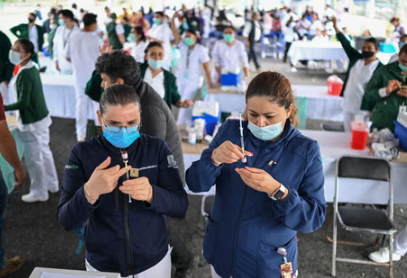
U.S. Anti‑Vax Stance Measles Surge Blamed for Regional Outbreaks Latin American governments are scrambling to vaccinate their populations after a dramatic rise in measles, driven in part by outbreaks in the United States. Experts say the U.S. anti‑vax stance measles surge is influencing vaccine hesitancy across the Americas. Although measles was declared eliminated in the region in 2024, recent cases from Mexico to Bolivia threaten that status. Measles Surge Across Americas Linked to U.S. Vaccine Policies From North to South, the Americas report over 11,600 measles cases in 2025, spanning ten countries. More than half of these cases are in the U.S. and Canada, with several deaths. Mexico leads Latin America in cases (4,800+), followed by Bolivia and Brazil. Health authorities warn the region may lose its measles‑free certification if new cases aren’t halted. How U.S. Anti‑Vax Rhetoric Fuels Misinformation and Outbreaks The U.S. is experiencing its worst measles outbreak in decades.Health Secretary Robert F. Kennedy Jr. has promoted vaccine skepticism, contributing to public confusion. Experts warn that the U.S. anti‑vax stance measles surge may be exporting resistance toward vaccination to neighboring countries. https://www.who.int/ Latin America’s Response to Measles Surge and Border Risks Brazil has launched a nationwide push for the MMR (measles, mumps, rubella) vaccine for children, teens, and unvaccinated adults. When a case appeared in Várzea Grande, authorities used ring vaccination and door-to-door outreach to contain spread. Mexico, Bolivia, and other countries are intensifying vaccination in high-risk and under‑served areas. Vaccine Hesitancy, Misinformation, and Access Inequities Many Latin American communities already face limited healthcare access and unequal vaccine coverage.Imported cases from travelers and communities with low uptake — including some Mennonite groups — heighten risk. Health experts emphasize engaging vaccine‑resistant communities rather than alienating them. Global Health Risks of the U.S. Anti‑Vax Measles Surge Without swift action, outbreaks could reverse decades of progress.The U.S. anti‑vax stance measles surge highlights how national policies ripple across borders in a connected world.Success depends on rebuilding trust, bridging access gaps, and reinforcing strong immunization programs regionally.

Read More

Poor Sleep and Brain Health: How Sleep Affects Aging

The Hidden Cost of Poor Sleep on Brain Health Poor sleep and brain health are closely linked, yet the critical role of sleep in maintaining cognitive function is often underestimated. Contrary to the idea that sleep is mere downtime, it is an active process that restores the body, strengthens the mind, and clears waste products from the brain. Disrupted or insufficient sleep can quietly erode brain health over the years, leading to subtle yet significant consequences. Recent research involving more than 27,000 UK adults aged 40 to 70 has highlighted the profound impact of sleep on brain aging. By analyzing detailed brain MRI scans, researchers discovered that individuals with poor sleep habits had brains that appeared older than their chronological age. This accelerated aging could predispose them to cognitive decline, dementia, and other neurological disorders. Understanding Brain Age Brain age is a measure of biological rather than chronological aging. While all humans age at the same chronological rate, their brains can show signs of accelerated or decelerated aging due to genetics, lifestyle, and health conditions. Advances in brain imaging and artificial intelligence Poor sleep and brain health now allow scientists to estimate brain age by assessing patterns such as cortical thinning, loss of brain tissue, and vascular damage. In the study, researchers trained machine learning models using brain scans from healthy participants to define the normal aging trajectory. Applying this model to the larger study population revealed a clear pattern: poor sleep was associated with an older-appearing brain. Participants with poor sleep profiles had brains nearly a year older than expected, while those with healthy sleep patterns showed no such discrepancy. Measuring Sleep Health Sleep health is multidimensional and cannot be captured by a single metric. The study assessed five characteristics: chronotype (whether a person is a morning or evening type), sleep duration, insomnia frequency, snoring, and daytime sleepiness. These factors were combined into a “healthy sleep score” to provide a comprehensive view of sleep quality. Participants with four or five healthy traits had optimal sleep profiles, while those with two to three traits were classified as intermediate, and those with one or none had poor sleep profiles. The analysis revealed that each one-point decrease in the healthy sleep score corresponded to a six-month increase in brain age relative to chronological age. Among the sleep traits, late chronotype and abnormal sleep duration contributed most strongly to accelerated brain aging. https://www.nia.nih.gov/health/sleep Mechanisms Linking Sleep and Brain Aging Several mechanisms may explain how poor sleep accelerates brain aging. Inflammation is a leading factor. Sleep disturbances elevate inflammatory biomarkers, which can damage blood vessels, encourage toxic protein buildup, and increase neuron death. Blood samples from study participants indicated that inflammation explained approximately 10% of the association between sleep and brain age. The brain’s glymphatic system, which clears waste during deep sleep, is another critical pathway. Insufficient sleep may impair this system, allowing harmful proteins such as beta-amyloid and tau to accumulate. These proteins are linked to neurodegenerative diseases like Alzheimer’s. Poor sleep also raises the risk of other conditions harmful to brain health, including type 2 diabetes, obesity, and cardiovascular disease. Consequences of Accelerated Brain Aging An older-appearing brain is not merely a statistical anomaly—it has tangible consequences. Research has shown that accelerated brain aging predicts faster cognitive decline, reduced memory retention, and increased risk of dementia. Even modest increases in brain age can compound over time, creating cumulative damage that may manifest decades later. Steps to Protect Your Brain Through Sleep The encouraging news is that sleep habits are modifiable. Several strategies can promote healthier sleep and potentially slow brain aging: Even small improvements in sleep habits may have a measurable impact on brain health and slow the progression of age-related cognitive decline. The Role of Lifestyle Beyond Sleep While sleep is critical, overall lifestyle also shapes brain aging. Physical activity, nutrition, social engagement, and mental stimulation all interact with sleep to support cognitive function. For instance, aerobic exercise improves blood flow to the brain, while a nutrient-rich diet supplies antioxidants that protect neural tissue. Combining healthy sleep with these lifestyle factors creates a robust defense against cognitive decline. Future Directions in Sleep and Brain Research This study represents one of the largest investigations of sleep and brain aging, integrating multidimensional sleep measures with thousands of MRI-derived brain features. Future research may explore interventions to optimize sleep across the lifespan and examine whether improving sleep can reverse signs of accelerated brain aging. The findings underscore that maintaining brain health is not solely a medical challenge but a lifestyle choice that begins with prioritizing sleep. Conclusion Brain aging is inevitable, but its pace is influenced by our behavior. Poor sleep accelerates biological aging of the brain, increasing the risk of cognitive decline and dementia. By adopting healthy sleep practices, monitoring for sleep disorders, and supporting overall wellness, individuals can protect brain function well into later life. Making sleep a priority is an investment in cognitive longevity and a key strategy to maintain a healthy, vibrant brain.

Read More

Heart Attack Symptoms in Adults: Causes & Risks

Introduction: Why Heart Health Matters in Summer Heart Attack Symptoms in Adults often become more noticeable during extreme heat, making it crucial to protect your heart during the dog days of summer. As record-breaking heat waves become more frequent, cardiovascular health is placed under greater strain. During the summer months, particularly in 2023, many regions of the United States experienced extreme temperatures that led to a surge in emergency visits for heat-related illnesses. Individuals with existing heart conditions, high blood pressure, or metabolic disorders face elevated risks when exposed to high heat combined with environmental stressors like air pollution. Understanding how heat impacts the heart and learning to recognize early warning signs can be life-saving. Climate change has extended the duration and severity of hot days, intensifying the pressure on the cardiovascular system. Prolonged exposure to high temperatures can worsen underlying conditions and increase the likelihood of cardiac events. Recognizing heart attack symptoms in adults early, planning outdoor activities wisely, and following preventive strategies are essential steps to maintain a healthy heart throughout summer. How High Temperatures Affect the Heart High temperatures impose extra stress on the cardiovascular system. The heart works harder to pump blood, both to the muscles and to the skin, helping the body release heat. When air temperature nears or exceeds body temperature—roughly 98°F—the body’s natural cooling mechanisms, such as sweating and heat radiation, become less effective. Humidity further complicates the body’s cooling process. Sweat evaporates into the air to remove heat from the skin. When relative humidity climbs above 75%, evaporation slows down, leaving the body more prone to overheating. Heat stress forces the heart to pump additional blood, which increases cardiac workload and can lead to irregular heart rhythms, palpitations, or even heart attacks in vulnerable individuals. Recognizing the Warning Signs of Heat Stress Knowing the signs of heat stress can prevent severe cardiac complications. Common indicators include: Severe cases may progress to heat exhaustion or heatstroke, both of which require immediate medical attention. Heatstroke can result in organ failure, unconsciousness, or cardiac arrest if not treated promptly. Hot-Weather Exercise Guidelines Exercise remains important during the summer, but modifications are necessary to reduce cardiovascular strain. Safe strategies include: 1. Timing Your Workouts Avoid outdoor exercise during the hottest part of the day, typically between noon and 3 p.m. Early morning or late evening sessions minimize exposure to peak temperatures. 2. Dressing Appropriately Lightweight, loose-fitting, light-colored clothing made from sweat-wicking materials allows better airflow and accelerates sweat evaporation. Breathable fabrics help maintain core temperature and reduce cardiac stress. 3. Staying Hydrated Water intake is essential. Drink water before, during, and after activity. For prolonged sessions lasting more than an hour, sports drinks containing electrolytes—such as potassium, sodium, and magnesium—help replenish minerals lost through sweat. Individuals taking diuretics or blood pressure medications should monitor hydration levels carefully, as they are more prone to dehydration. 4. Cooling Alternatives On extremely hot days, consider exercising in water (swimming or water aerobics) or indoors in an air-conditioned environment. These alternatives reduce cardiac load and maintain safe core temperatures. Understanding Air Quality and Its Effects on the Heart Summer heat accelerates chemical reactions in the atmosphere, producing smog and increasing particulate pollution. Sources include vehicle emissions, industrial output, wildfires, and dust. Tiny airborne particles, known as PM2.5, are smaller than 2.5 microns in diameter. These particles bypass the upper airway and reach the bloodstream, triggering inflammation, oxidative stress, and increased heart rate variability. Heart Attack Symptoms in Adults. Even low levels of air pollution can increase the risk of: Monitoring local air quality is essential, particularly during exercise. Smartphone weather apps and government resources, such as the Environmental Protection Agency’s AirNow, provide real-time air quality updates. Nutrition for Summer Heart Health Diet can support cardiovascular function and help regulate body temperature. Key strategies include: Medication Considerations Certain medications can affect hydration, blood pressure, and heart rate, particularly in hot weather. These include: Consulting a healthcare provider before high-heat activities ensures medication regimens are adjusted safely. Home and Environmental Cooling Strategies Not all households have air conditioning. Simple strategies can help: For those with heart conditions, maintaining a cool home environment is critical to reducing cardiac strain. Protect your heart during the dog days of summer. Heart Attack Symptoms in Adults.https://www.youtube.com/watch?v=-eVJhlIyFLg Traveling and Vacation Safety Summer vacations often involve heat exposure and air travel. Tips include: Lifestyle and Long-Term Strategies Protecting the heart during the summer is not just about immediate precautions. Long-term strategies include: Actionable Checklist for Summer Heart Safety Frequently Asked Questions (FAQs) Q: How long can the heart safely cope with extreme heat?A: Duration depends on fitness, hydration, and underlying health. Limit strenuous outdoor activity during peak heat and take frequent breaks. Heart Attack Symptoms in Adults. Q: Can air conditioning alone prevent heat-related heart problems?A: Air conditioning reduces risk, but hydration, exercise timing, and diet remain important factors. Q: Are all heart patients equally vulnerable to heat stress?A: Individuals with heart failure, arrhythmias, or high blood pressure are particularly at risk. Q: What is the safest indoor exercise in summer?A: Swimming, stationary cycling, and air-conditioned treadmill workouts minimize cardiac strain. Conclusion The dog days of summer present unique challenges to heart health. Extreme heat, high humidity, and air pollution increase cardiovascular risk, particularly for individuals with preexisting conditions. Adopting preventive strategies—hydration, exercise timing, clothing choices, indoor alternatives, diet, and air quality monitoring—can help safeguard your heart. By understanding the science behind heat stress and air pollution, making informed lifestyle choices, and responding promptly to warning signs, it is possible to enjoy summer safely while maintaining optimal cardiovascular health. Protect your heart during the dog days of summer. Heart Attack Symptoms in Adults.

Read More

Measles Case in Queenstown: New Zealand on Alert

Introduction Health authorities in New Zealand have confirmed a new measles case in Queenstown, creating renewed concern about the spread of the disease. Although this case has no known connection to the four previously reported cases in Northland, it underscores the ongoing vulnerability of communities to infectious diseases. With measles being highly contagious, timely public health interventions remain critical. Queenstown Case Details The patient in Queenstown is believed to have contracted the virus through overseas travel and is currently in strict isolation. Health officials are actively investigating possible exposure locations and identifying close contacts to prevent further transmission. This case illustrates how international travel can introduce diseases into otherwise unaffected regions, emphasizing the need for vigilance and rapid response measures. Northland Cluster Overview Northland has experienced a small cluster of measles cases, totaling four confirmed patients. The outbreak was linked to community events, including the high school production of the Kerikeri High School “Monsters” show on September 17. Although the affected individuals are no longer infectious, authorities continue to monitor potentially exposed persons. Public health officials have advised that attendees who have not been contacted should proactively reach out to health services and follow quarantine guidelines to prevent secondary spread. https://www.cdc.gov/measles/about/index.html Symptoms and Transmission of Measles Measles is a viral infection marked by symptoms such as high fever, cough, runny nose, sore eyes, and a characteristic red rash. The virus spreads easily through respiratory droplets when an infected person coughs or sneezes. Unvaccinated individuals are particularly at risk, Measles case in Queenstown and the disease can lead to severe complications, including pneumonia, encephalitis, and, in rare cases, death. Early recognition of symptoms is essential to limit transmission within communities. Public Health Response and Contact Tracing Health authorities have implemented rigorous contact tracing and quarantine protocols to contain the outbreaks. Public health professionals instruct close contacts to stay home and monitor for symptoms until they clear them. Regular updates and communication from health agencies help ensure that the public understands the necessary precautions and can take appropriate actions to protect themselves and others. Vaccination and Immunity The Measles, Mumps, and Rubella (MMR) vaccine remains the most effective protection against measles. Health experts recommend two doses, usually given after the age of 12 months. Immunization not only protects the individual but also contributes to community immunity, reducing the likelihood of outbreaks. Vaccinations are available through pharmacies, doctors, nurses, and local health providers and are free for individuals under 18 and eligible adults. Travel Risks and Precautions Overseas travel remains a significant factor in the introduction of measles into New Zealand communities. Health officials advise travelers to get fully vaccinated before international travel and to monitor their health after returning home. Using preventive measures, such as avoiding crowded areas and practicing good hygiene, can further reduce the risk of importing or spreading the virus. Schools and Public Events Schools and public gatherings are critical points of exposure for measles transmission. The recent case linked to the high school production highlights how easily the virus can spread in group settings. Authorities emphasize the importance of reporting attendance at events, staying home if exposed, and following public health guidance to protect vulnerable populations. Community Awareness and Education Raising awareness about measles is crucial for community protection. Public health campaigns provide guidance on identifying symptoms, seeking medical care, and understanding the importance of vaccination. Educating the public about the disease and preventive strategies helps reduce transmission and fosters a culture of health vigilance. Government Actions and Health Policies New Zealand authorities are coordinating with local and national health agencies to manage the outbreaks. Policies include strict isolation of confirmed cases, quarantine of exposed individuals, and widespread vaccination campaigns. The government continues to evaluate and update regulations to address gaps in protection and ensure rapid response capabilities. Long-Term Prevention and Outlook Sustaining high vaccination coverage and maintaining robust public health infrastructure are key to preventing future measles outbreaks. Continuous monitoring, early detection, and public cooperation remain essential. Community engagement, educational initiatives, and accessible vaccination programs provide a comprehensive strategy for long-term disease prevention. Conclusion The recent confirmation of a measles case in Queenstown serves as a reminder of the persistent threat posed by infectious diseases. Maintaining vigilance, adhering to vaccination recommendations, and following public health guidance are critical to safeguarding communities. Through proactive measures and widespread awareness, New Zealand can continue to control the spread of measles and protect the health of its population.

Read More

Imported Dengue Fever Cases in American Samoa

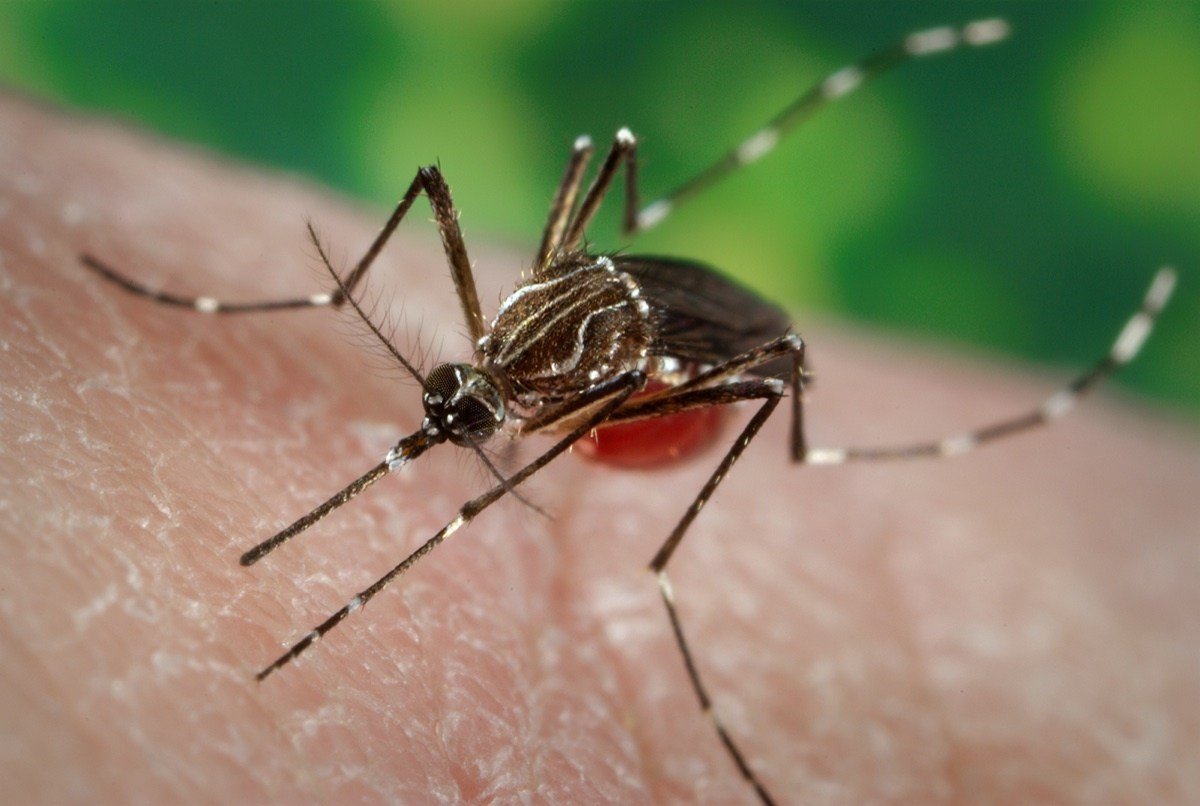
Introduction: Imported Dengue Fever Cases in American Samoa Health authorities in American Samoa recently confirmed three cases of dengue fever, all imported from travelers arriving from Samoa, which is currently experiencing an outbreak. While no local transmission has been reported, officials stress that even a single infected traveler can introduce the virus into the local mosquito population. Dengue fever is caused by the dengue virus and is transmitted by Aedes mosquitoes, which are present in many tropical and subtropical regions. Infection can range from mild flu-like symptoms to severe complications, making prevention a public health priority. Understanding the Risks of Imported Dengue The detection of these imported cases in American Samoa highlights the vulnerability of communities to mosquito-borne illnesses. Travelers returning from affected areas such as Samoa, Fiji, Tonga, and the Cook Islands can carry the virus, and mosquitoes can then transmit it to others in the community. The risk of local outbreaks increases when infected individuals are bitten by mosquitoes that subsequently bite other residents. Health authorities emphasize that public vigilance and preventive measures are crucial to reducing the spread of dengue and protecting public health. https://www.who.int/news-room/fact-sheets/detail/dengue-and-severe-dengue Symptoms of Dengue Fever Recognizing dengue fever symptoms early can prevent serious health complications. Common symptoms include a sudden high fever, severe headaches, and intense pain in muscles and joints, often referred to as “breakbone fever.” Many patients also experience nausea, vomiting, skin rashes, fatigue, and weakness. In severe cases, dengue can cause hemorrhagic fever, organ damage, or even death. Early identification and medical attention are essential for anyone displaying these symptoms, especially travelers returning from regions with active outbreaks. Preventing Dengue Fever Preventing the spread of dengue fever requires a combination of personal precautions and community-level mosquito control. Individuals can protect themselves by applying insect repellents, wearing long sleeves and pants, and staying in screened or air-conditioned accommodations. Eliminating standing water in homes and public spaces is equally important, as mosquitoes breed in containers, old tires, flower pots, and other stagnant water sources. Monitoring one’s health for 14 days after travel to affected regions and seeking prompt medical care if symptoms develop are also essential steps in preventing the virus from spreading locally. Mosquito Control and Community Measures Controlling mosquito populations is critical to preventing dengue outbreaks. Health authorities in American Samoa are focusing on regular inspections to eliminate breeding sites and promote proper waste disposal. Community awareness campaigns help residents understand the importance of mosquito control and encourage proactive participation. Additionally, larvicides can be used in water containers that cannot be emptied, while regional monitoring programs track mosquito populations and potential dengue activity. These collective efforts reduce the risk of the virus establishing local transmission and protect the community from outbreaks. Global Context of Dengue Fever Dengue fever is a growing concern across the Pacific region. Countries like Tonga and Samoa continue to experience outbreaks, highlighting the ease with which dengue can spread across borders. Severe cases have led to hospitalization and fatalities, underscoring the importance of early detection, medical care, and preventive measures. American Samoa’s proactive monitoring of travelers and public awareness campaigns reflect the lessons learned from neighboring countries and aim to prevent similar outbreaks locally. The Role of Public Awareness Community education is vital in preventing dengue outbreaks. Residents are encouraged to recognize symptoms, report suspected cases promptly, and participate in local mosquito control initiatives. Understanding the behavior of Aedes mosquitoes, particularly their peak biting times in the early morning and late afternoon, can help individuals protect themselves and reduce the likelihood of transmission. Public awareness also promotes cooperation among community members, making collective prevention efforts more effective and sustainable. Health Authorities’ Response Health authorities in American Samoa are taking extensive measures to prevent dengue transmission. These include monitoring travelers from dengue-affected countries, issuing advisories, and coordinating mosquito surveillance programs. Authorities are also working with regional health agencies to track outbreaks and ensure timely interventions. This approach emphasizes early detection, rapid response, and public education as key strategies for managing the risk of imported dengue fever cases in American Samoa. Future Outlook Although there is no specific antiviral treatment for dengue fever, ongoing research into vaccines and preventive therapies offers hope for reducing the disease’s impact. In the meantime, individual precautions, community involvement, and public health interventions remain the most effective strategies for controlling dengue. American Samoa’s proactive measures demonstrate how vigilance, education, and mosquito control can protect communities from the threat of imported dengue fever. Conclusion The confirmation of imported dengue fever cases in American Samoa serves as a reminder of the constant risk posed by mosquito-borne diseases. Residents and travelers alike must remain vigilant, practice preventive measures, and participate in community-level mosquito control initiatives. These actions help minimize the spread of dengue, ensuring the health and safety of the population.

Read More

SCAD in Women: New Zealand Joins to Prevent Heart Attacks

New Zealand Joins Global Effort to Study SCAD New Zealanders are participating in a world-first clinical trial aimed at understanding and treating spontaneous coronary artery dissection (SCAD), a dangerous heart condition affecting young women, including new mothers. SCAD occurs when a tear forms in the wall of a coronary artery, potentially leading to a heart attack. Despite its severity, research into heart conditions specific to women has historically been limited. This trial is a crucial step toward closing that gap and improving outcomes for female patients worldwide. Understanding SCAD: A Unique Cause of Heart Attacks Unlike traditional heart attacks caused by long-term buildup of plaque in arteries, SCAD involves a sudden tear in the artery wall. This tear can expand, restricting blood flow and triggering a heart attack, even in otherwise healthy young women. SCAD accounts for roughly one-third of heart attacks in women under 50 and half of all heart attacks occurring during pregnancy. Historically, SCAD has been underdiagnosed because physicians often do not consider heart attacks in young women to be likely. Improved diagnostic imaging has now enabled better detection, suggesting the condition may be more common than previously believed. The Role of the Heart Foundation The Heart Foundation is funding this pivotal research to determine optimal treatment strategies for SCAD. Clinical director Gerry Devlin explained the study’s significance: “It’s a really important trial. It will help define global guidelines for managing patients who present with SCAD.” The trial addresses critical questions about medication management. While blood thinners are commonly administered to heart attack patients, the best approach for SCAD remains unclear. Administering these medications could worsen the tear in the artery wall. The study will explore whether one blood thinner or a combination is most effective and examine the timing of administration. Global Collaboration for Faster Results Fifty New Zealanders will participate in the trial, which involves a total of 3,250 participants worldwide. Patients are selected upon hospital admission with confirmed SCAD. New Zealand’s involvement forms part of an international network of researchers and funders aiming to accelerate clinical trials through collaboration across countries. “We are creating an environment where important clinical questions can be answered more quickly by pooling expertise and data from many nations,” Devlin said. Women-Specific Heart Research Traditionally, heart research has focused predominantly on middle-aged men. However, evidence now shows that women may respond differently to treatments, and some therapies effective in men may not be optimal for women. Devlin highlighted the importance of sex-specific studies, noting that he has never treated a man with SCAD, emphasizing its prevalence among women. As diagnostic technology improves, SCAD is being detected more frequently. Experts believe its prevalence may increase further as imaging techniques continue to advance. https://www.medicalnewstoday.com/articles/151444 Symptoms and Early Warning Signs SCAD may present subtly, making awareness critical for early intervention. Common symptoms include: Early detection and prompt treatment are vital to prevent severe cardiac events and long-term complications. Importance of the Trial This SCAD trial is part of a broader effort to advance women’s heart health research. The Heart Foundation recently allocated grants totaling $4.2 million to 31 research projects, demonstrating a commitment to addressing knowledge gaps in cardiovascular care for women. Since its inception in 1968, the foundation has awarded $99 million for research initiatives aimed at improving heart health across the population. Potential Impact on Clinical Practice The results of the SCAD trial could transform how cardiologists approach heart attacks in women. Key outcomes may include: Ultimately, this research aims to reduce mortality and improve quality of life for women affected by this condition. Raising Awareness and Education Awareness is a vital component of SCAD prevention and treatment. Women, particularly those under 50 or pregnant, should be educated about the symptoms of SCAD and the importance of seeking immediate medical attention for chest pain or unusual cardiac symptoms. Healthcare providers also need training to recognize SCAD promptly to initiate life-saving interventions. Moving Forward: A Global Perspective Participation in international clinical trials positions New Zealand at the forefront of women’s heart health research. By collaborating with other countries, researchers can gather large-scale data, validate findings across diverse populations, and accelerate the translation of discoveries into clinical practice. “This trial is a game-changer for understanding heart attacks in women. It represents a new era where female-specific cardiac conditions receive the research attention they deserve,” said Devlin. Conclusion Spontaneous coronary artery dissection is a life-threatening yet under-recognized cause of heart attacks in young women and new mothers. New Zealand’s involvement in a global clinical trial marks a critical step toward improving understanding, diagnosis, and treatment. The study promises to guide future clinical practices, shape guidelines, and ultimately save lives by addressing a previously neglected area of heart health research.

Read More

EpiSign: Breakthrough in Rare Disease Diagnosis

First-of-its-Kind AI Technology Transforms Rare Disease Diagnosis Rare disease diagnosis has taken a monumental leap forward thanks to researchers at London Health Sciences Centre (LHSC) and Lawson Health Research Institute. Using cutting-edge artificial intelligence (AI) and epigenetic technologies, scientists can now identify previously undetectable rare diseases and prenatal exposure-related disorders through a simple blood test. This breakthrough promises faster, more accurate diagnoses, offering hope to patients and families who have long faced uncertainty. The technology, called EpiSign, was developed by Dr. Bekim Sadikovic and his team at Lawson. EpiSign analyzes the epigenome, a chemical layer on top of DNA that regulates which genes are active or silent. By examining these epigenetic patterns, the tool can identify over 150 rare diseases, offering hope to patients who previously could not obtain a definitive diagnosis. https://rarediseases.org/ How EpiSign Works EpiSign leverages AI to detect subtle epigenetic changes in DNA. Traditional genetic testing focuses solely on the DNA sequence itself, which is not always sufficient to pinpoint rare or environmentally induced disorders. EpiSign instead measures epi-signatures, unique patterns in the epigenome associated with specific diseases. In clinical applications, EpiSign has been used to: The technology allows clinicians to detect environmental and genetic contributions to disease, providing a level of diagnostic precision that was unattainable before. Transforming Patient Outcomes For patients, EpiSign represents a lifeline. Many individuals with rare diseases spend years undergoing repeated tests without ever receiving an accurate diagnosis. Dr. Sadikovic estimates that two-thirds of patients currently do not get definitive results from standard testing methods. EpiSign has the potential to change that by providing rapid, accurate diagnoses, guiding better treatment decisions, and helping families plan for the future. With prenatal exposure conditions like fetal valproate syndrome, the implications are profound. Doctors can now identify children affected by prenatal medication exposure, enabling early interventions to improve developmental outcomes. Clinical Research and Global Collaboration The EpiSign development and research involve collaboration with a global network of institutions, including trials in the United Kingdom, Australia, and European Union countries. Ongoing studies aim to expand the use of EpiSign to over 700 rare disorders, including potential applications in oncology and complex genetic syndromes. The research has been published in leading journals, demonstrating both the scientific rigor and the transformative potential of AI-assisted epigenetic diagnostics. By combining clinical expertise with machine learning, EpiSign sets a precedent for the future of rare disease diagnosis. Advantages Over Traditional Methods Traditional diagnostic testing often relies on sequencing or targeted gene panels. While effective for common genetic conditions, these methods fail in a large number of rare and complex disorders. EpiSign overcomes these limitations by: This approach reduces the physical, emotional, and financial burden on patients who might otherwise undergo repeated, inconclusive testing. Impact on Families and Healthcare Families of patients with rare diseases often face uncertainty and frustration. EpiSign’s ability to deliver a diagnosis can relieve the emotional burden and allow for timely interventions, therapies, and genetic counseling. It also empowers healthcare providers to make informed decisions and prioritize care based on precise diagnostic information. Furthermore, the accessibility of this technology can be scaled globally, ensuring patients in regions with limited diagnostic infrastructure can benefit from accurate testing. Future Directions in Epigenetic Diagnostics The success of EpiSign opens the door for broader applications in healthcare: Dr. Sadikovic emphasizes that this is just the beginning. With continuous research, AI, and global collaboration, EpiSign could redefine how clinicians approach complex and rare diseases in the future. Conclusion EpiSign represents a revolutionary advancement in rare disease diagnosis, providing answers where none existed. By combining AI with epigenetics, scientists can detect over 150 rare disorders from a blood test, including conditions caused by prenatal exposures. This technology improves outcomes for patients, guides treatment decisions, and offers hope for families navigating the uncertainties of rare diseases. As ongoing trials expand the use of EpiSign, the potential for early intervention, improved prognosis, and personalized medicine continues to grow, marking a transformative moment in healthcare.

Read More

Blood Pressure Regulation Spinal Cord Injury: Implant Therapy

Understanding Blood Pressure Challenges After Spinal Cord Injury Blood pressure spinal injury is a critical but often overlooked complication of spinal cord injuries. For individuals like Cody Krebs, a 32-year-old from Didsbury, Alberta, this issue has been life-changing. After a severe motor vehicle accident three years ago, Krebs became reliant on a wheelchair and quickly learned that his brain could no longer regulate his blood pressure. Before the accident, Krebs had little awareness of how volatile blood pressure could be. Even simple movements, such as transferring from bed to wheelchair, could cause dangerous drops, leaving him nearly unconscious. This complication, known as autonomic dysregulation, underscores the hidden challenges faced by those living with spinal cord injuries. The Role of the Nervous System in Blood Pressure Control Under normal circumstances, the brain communicates with the body through the spinal cord to maintain stable blood pressure. Signals adjust the contraction of blood vessels and the heart rate, ensuring organs receive sufficient oxygen and nutrients. Following a spinal cord injury, this communication is interrupted, causing extreme highs and lows in blood pressure, known as orthostatic hypotension and hypertension. These fluctuations are not only physically dangerous but also reduce energy levels and increase the risk of cardiovascular events, including strokes. Traditional management often relies on medication or lifestyle adjustments, but these methods can be insufficient for many patients. https://www.sintmaartenskliniek.nl Pioneering Research: Electrical Implants for Blood Pressure Regulation Recent studies from the University of Calgary’s Cumming School of Medicine, in collaboration with École Polytechnique Fédérale de Lausanne, University of Lausanne, and Sint Maartenskliniek in the Netherlands, have shown promising results in using electrical implants to stabilize blood pressure in spinal cord injury patients. The therapy involves an implant similar to a cardiac pacemaker, delivering targeted electrical stimulation to the spinal cord. This stimulation reconnects the nervous system pathways, allowing the body to regain some control over blood pressure. Researchers published their findings in Nature and Nature Medicine, highlighting the breakthrough nature of this approach for Blood pressure regulation spinal cord injury. Clinical Trials and Patient Experiences The clinical trial included 14 participants across four studies in Canada, Switzerland, and the Netherlands. Patients experienced life-changing improvements, with significant reductions in both low and high blood pressure episodes. Cody Krebs, one of the participants, reported dramatic changes in daily life. “Before the implant, I had to be careful with even minor movements,” he said. “Now, I feel more stable, energized, and confident in my routine.” Dr. Fady Girgis, a neurosurgeon and associate professor at the University of Calgary, described the surgical procedure as straightforward. “The simplicity of the surgery combined with the profound impact on patient outcomes is extraordinary,” he said. How the Implant Works The device operates by sending precise electrical signals to the spinal cord, mimicking the natural communication that occurs between the brain and body. This helps regulate blood pressure dynamically, reducing episodes of orthostatic hypotension and hypertension. Patients experience fewer dizzy spells, less fatigue, and a more consistent cardiovascular profile. Aaron Phillips, associate dean at the University of Calgary Medical School, emphasized the therapy’s dual effect: “It treats both the low and high blood pressure issues, addressing a major challenge for spinal cord injury patients.” Wider Clinical Trials and Global Implementation Government approval has been granted to initiate pivotal trials across approximately 20 neurorehabilitation and neurosurgical centers in Canada, Europe, and the United States. These trials aim to validate the therapy’s effectiveness on a larger scale and potentially make it a standard treatment for spinal cord injury patients. Researchers are also exploring long-term outcomes, including cardiovascular health, quality of life, and functional mobility improvements. The therapy’s potential to reduce hospitalizations and improve independence could represent a major advancement in neurorehabilitation. Patient Perspectives: Life Before and After the Implant Participants describe the implant as transformative. Beyond physical stability, many report enhanced mental well-being and increased confidence. Patients who previously struggled with daily activities and social interactions now report greater participation in family life, work, and recreational activities. Cody Krebs explained, “It’s more than just controlling blood pressure—it’s about regaining a sense of normalcy and independence that I feared was lost forever.” The Future of Spinal Cord Injury Treatment This research opens doors to further innovations in spinal cord injury care. Blood pressure regulation spinal cord injury Electrical implants could one day integrate with other neurorehabilitation strategies, such as mobility-enhancing exoskeletons or advanced physiotherapy regimens. With ongoing studies, the medical community anticipates a new era in which spinal cord injury patients can achieve greater autonomy and reduce the risk of secondary complications, including stroke and cardiovascular disease. Expert Recommendations Physicians advise patients with spinal cord injuries to maintain regular medical follow-ups and monitor blood pressure consistently. As technology advances, combining pharmacological management with implant-based therapies may provide the most comprehensive care. Dr. Girgis noted, “While not every patient will require an implant, for those struggling with severe blood pressure instability, this could be a life-changing intervention.”

Read More