
Presbyopia Eye Drops: Can They Replace Reading Glasses?
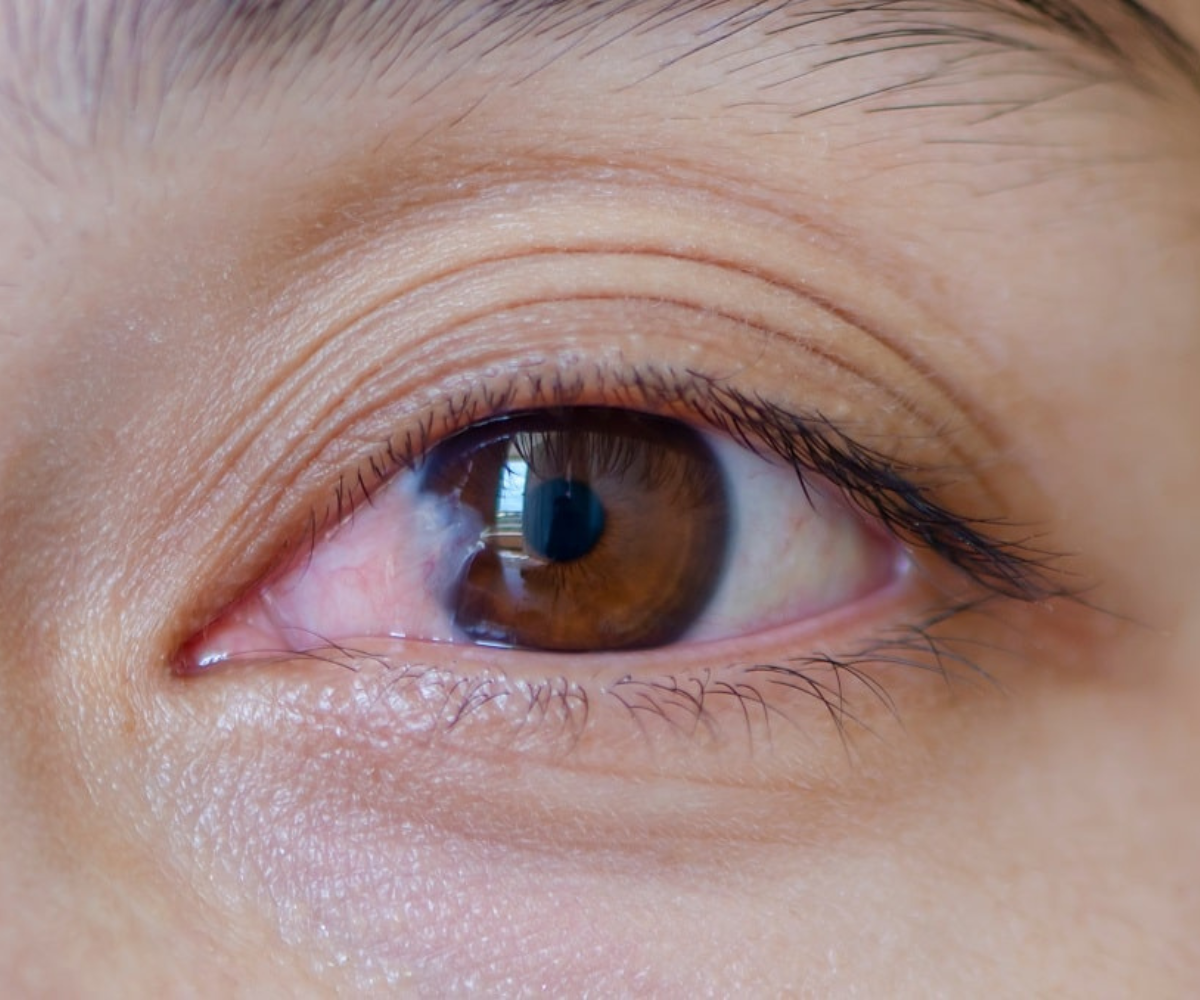
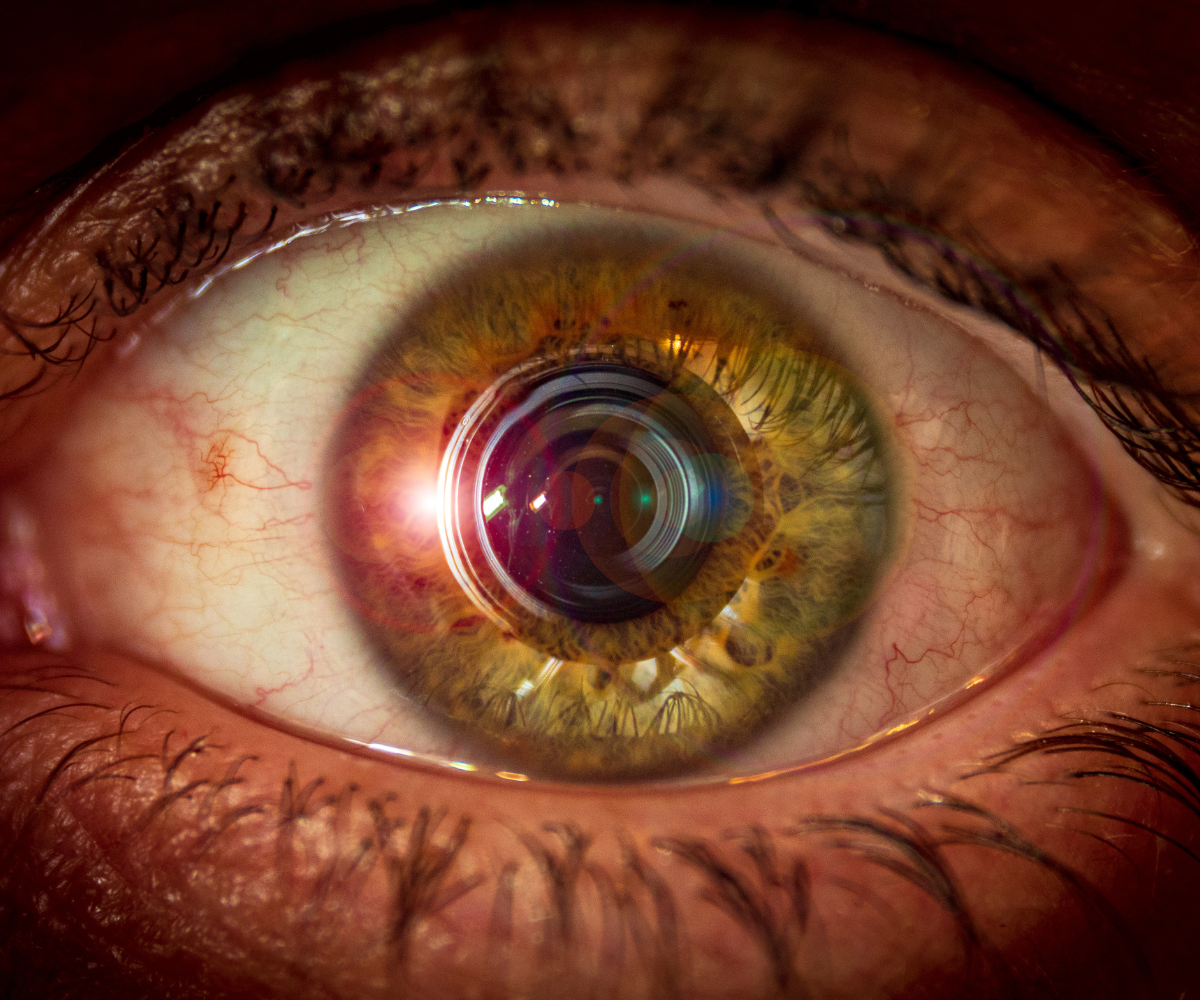
Introduction: A Modern Vision Challenge After the age of 40, many people begin to notice a frustrating change in their eyesight. Text on phones, menus, and product labels that once appeared crystal clear may now seem blurry or difficult to read. This natural, age-related condition is known as presbyopia, and it affects more than a billion people worldwide. Traditionally, reading glasses or bifocals have been the primary solution. But a growing number of adults are seeking alternatives — and presbyopia eye drops have emerged as a promising non-surgical option. What Is Presbyopia? Understanding Age-Related Near Vision Loss Presbyopia is derived from Greek roots meaning “old eye.” It refers to the gradual loss of the eye’s ability to focus on nearby objects. The condition develops as the lens inside the eye becomes less flexible with age. When the lens hardens, it cannot adjust easily to shift focus from distant to near objects. This makes everyday activities like reading, sewing, or using a smartphone more difficult. Unlike other vision problems such as myopia (nearsightedness) or hyperopia (farsightedness), presbyopia is not caused by the shape of the eye but rather by age-related stiffening of the lens. Everyone experiences it eventually, even those who have never needed glasses before. Causes and Risk Factors of Presbyopia The primary cause of presbyopia is the natural aging process. However, certain factors can accelerate or worsen its development: Symptoms of Presbyopia Presbyopia often progresses gradually. Early symptoms may include: If you find yourself moving your phone or book farther from your eyes to read comfortably, it’s a likely sign that presbyopia has begun. Traditional Solutions: Glasses, Contacts, and Surgery Historically, presbyopia has been managed with reading glasses or bifocals. Some people use progressive lenses that offer a gradient correction from near to far. Contact lens options like multifocal contacts or monovision lenses have also been popular. For more permanent correction, laser eye surgeries (like LASIK) or lens implants can be performed, though these procedures can be expensive and not suitable for everyone. However, in recent years, innovation in pharmacology has led to the development of presbyopia-correcting eye drops — an exciting new option for those who want to reduce or delay dependence on reading glasses. How Do Presbyopia Eye Drops Work? Presbyopia eye drops are designed to temporarily improve near vision by changing how light enters the eye. The most common mechanism involves pupil constriction — creating what’s called the “pinhole effect.” When the pupil becomes smaller, the eye’s depth of focus increases, allowing both near and distant objects to appear sharper. This effect works similarly to adjusting the aperture on a camera lens: a smaller opening brings more of the scene into focus. Some formulations also work by gently stimulating the ciliary muscles that help flex the lens, improving its focusing ability for short periods. Types of Presbyopia Eye Drops Several pharmaceutical companies have developed or are developing eyedrops for presbyopia correction. The three most notable products currently approved include: These drops provide a temporary fix — typically lasting half a day — and may need to be reapplied depending on the user’s daily routine. Who Can Benefit from Presbyopia Eye Drops? Presbyopia eye drops are not a one-size-fits-all solution. They tend to work best for: However, these drops may not work effectively for those with advanced presbyopia or other refractive errors requiring separate correction. Benefits of Using Presbyopia Eye Drops Many adults appreciate the convenience and cosmetic advantages of eye drops over reading glasses. Key benefits include: For people who value independence from glasses — especially in social or professional settings — these drops can significantly enhance comfort and confidence.https://www.youtube.com/watch?v=tM1R-ByIHvw Potential Side Effects and Drawbacks While presbyopia eye drops can offer convenience, they also come with possible side effects and limitations. These include: It’s essential to consult an ophthalmologist or optometrist before using these drops. In rare cases, people with pre-existing retinal issues may face an increased risk of retinal detachment, so a complete eye exam is crucial. Cost of Presbyopia Eye Drops Presbyopia drops are currently not covered by most insurance plans. On average: For comparison, a pair of high-quality reading glasses or bifocals may cost between $50–$300, but eye drops eliminate the hassle of multiple pairs or prescriptions. Surgical Alternatives for Presbyopia For people seeking a more permanent solution, surgical options may include: While these surgeries can yield excellent results, they come with higher costs and potential complications. Presbyopia eye drops offer a temporary but flexible middle ground. The Future of Presbyopia Treatment Ongoing research continues to refine pharmacological solutions for presbyopia. Future formulations may include: Several clinical trials are currently underway for new active compounds that could extend duration or enhance lens elasticity instead of only constricting pupils. Lifestyle Tips for Managing Presbyopia Even if you use eye drops, maintaining overall eye health is important: These lifestyle practices can delay the progression of presbyopia and support better vision health overall. When to See an Eye Doctor Consult an ophthalmologist if you experience: These may indicate other underlying eye problems that require professional treatment. Final Thoughts: Can Eye Drops Replace Reading Glasses? While presbyopia eye drops offer a convenient and innovative approach, they are not a universal cure. Their effects are temporary, and not everyone will experience significant improvement. For many adults in their 40s and 50s, however, they represent a meaningful step toward freedom from glasses — especially for those with mild or moderate presbyopia. As research continues, future formulations may bring even better outcomes. Until then, the best approach is to discuss all available options — glasses, drops, and surgery — with a qualified eye care professional to determine what suits your eyes and lifestyle best.