
Sedentary Heart Risk in Chest Pain Patients

Sedentary Behavior and Heart Risk: New Research on Chest Pain Patients New research reveals a direct link between sedentary heart risk and post-hospital outcomes in chest pain patients. Those who remain inactive for over 15 hours a day (not including sleep) face more than double the risk of heart complications or death within a year compared to those who sit less. Study Overview: Tracking Movement After Hospitalization A study published in Circulation: Cardiovascular Quality and Outcomes monitored 609 emergency room patients hospitalized with chest pain, with an average age of 62. Each patient wore a physical activity tracker for 30 days post-discharge, recording movements, sitting duration, and sleep patterns. The research team followed patients for a year to document subsequent heart events or mortality. Results showed that prolonged sedentary behavior significantly increased heart risk, underscoring the critical impact of lifestyle after hospitalization. Key Findings: Movement Lowers Heart Risk Replacing just 30 minutes of sitting time with any form of physical activity substantially reduces risk. Moderate to vigorous activity such as brisk walking or running lowered the chance of future heart problems or death by 62%. Even light activities like slow walking or household chores reduced risk by 50%. Additionally, substituting sitting with 30 minutes of extra sleep also provided health benefits, reducing risk by 14%. This highlights achievable steps for patients who may find exercise intimidating or difficult. Why Reducing Sedentary Time Matters Each year, over 8 million people in the U.S. are admitted for chest pain potentially linked to acute coronary syndrome (ACS), a group of conditions involving reduced heart blood flow. Even patients discharged without a definitive diagnosis of ACS remain vulnerable to serious heart issues later. This ongoing risk necessitates modifiable lifestyle factors to improve prognosis, with sedentary behavior now identified as a major concern. Understanding the Impact of Sedentary Behavior on Heart Health Prolonged sitting affects the body’s metabolism, particularly muscle activity that regulates blood sugar and lipid levels. Inactivity can cause elevated blood sugar and fats, contributing to inflammation, artery plaque buildup, and damage to vital organs. Research is ongoing to clarify the exact biological mechanisms behind the harm caused by sedentary lifestyles, but evidence clearly supports reducing sitting time after chest pain hospitalization. Practical Recommendations for Chest Pain Patients For individuals recovering from chest pain or heart conditions, increasing movement—even light activity—can be life-saving. While intense exercise offers the greatest health gains, small steps like standing more, walking slowly, or household chores also provide significant benefits. For those unable to increase physical activity, adding just half an hour of sleep daily is a simple, effective way to lower heart risk. The Road Ahead: Encouraging Movement After Hospital Discharge Healthcare providers should emphasize the dangers of prolonged sedentary behavior and encourage gradual activity increases tailored to patient ability. Psychological barriers, such as fear of exercise after a cardiac event, must be addressed with supportive education and personalized care plans. Empowering patients with achievable goals can improve long-term heart health and reduce the chance of future complications. Conclusion This study adds to growing evidence that sedentary behavior significantly elevates heart risk in chest pain patients. Importantly, it offers hope by showing that replacing sitting with any form of movement—or even additional sleep—can meaningfully improve outcomes. By prioritizing activity after hospitalization, patients can take concrete steps toward better heart health and a longer life.

Read More

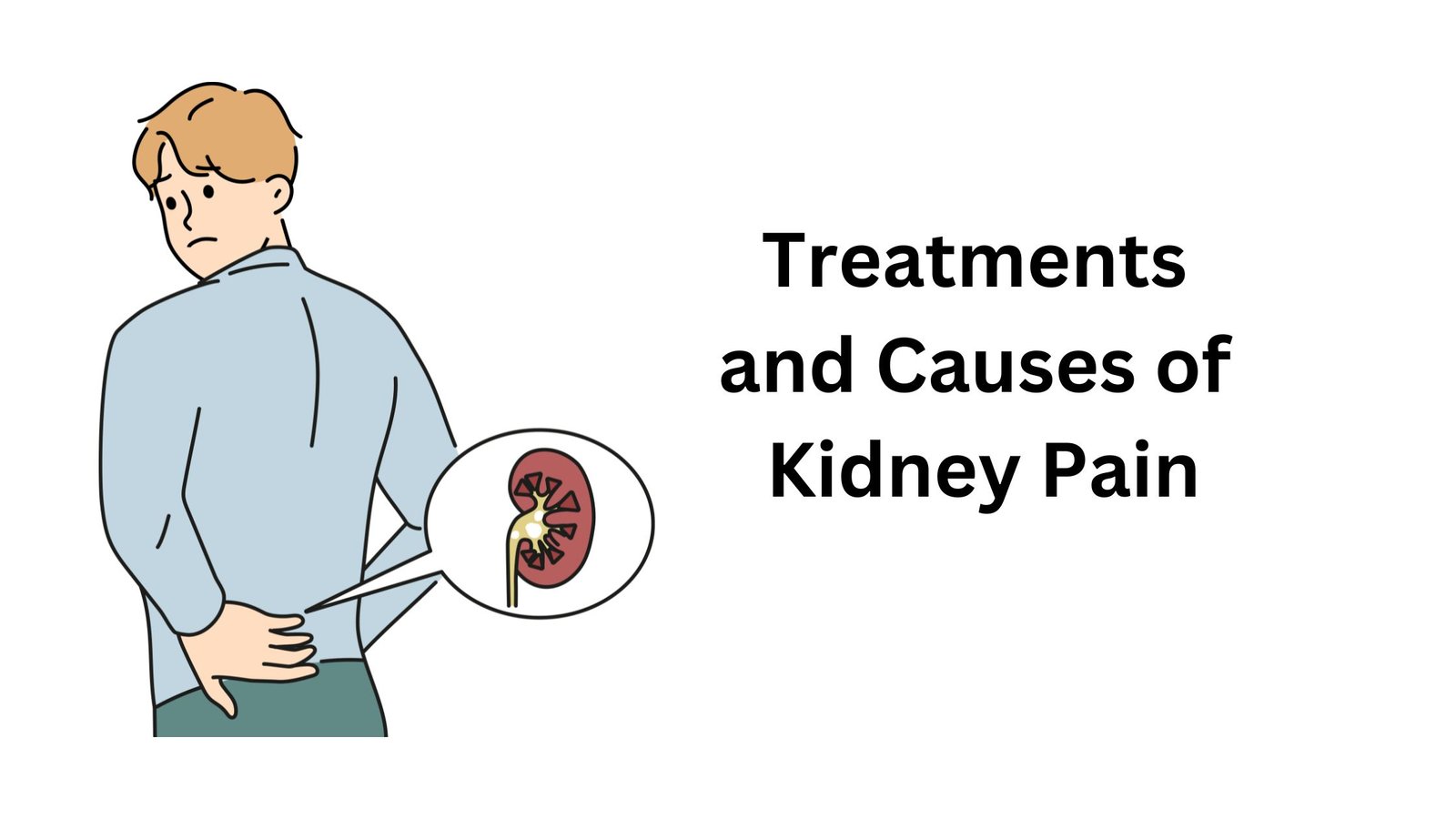
How to Relieve Kidney Pain: Causes and Remedies

If you’re wondering how to relieve kidney pain, it’s important to first understand what might be causing it. Research shows that discomfort in your back—particularly between your ribs and hips or radiating to your groin—can indicate kidney issues. While such pain isn’t always kidney-related, it’s crucial to consult a healthcare provider to rule out serious conditions. Your doctor can help determine the cause and suggest effective ways to relieve kidney pain based on your diagnosis. Relieving Kidney Pain How to Relieve Kidney Pain Naturally This is the single most important thing to relieve kidney pain. You should drink between two to three liters of water per day when healthy, but you may need more to help you pass kidney stones. Water helps wash away bacteria and dead tissues from the kidney. Stagnant urine is an excellent medium for bacterial growth. By drinking plenty of water, you can create a continuous flow of water through the kidney which prevents bacteria from growing and multiplying. Hydration Tips on How to Relieve Kidney Pain Sometimes bed rest can be helpful in reducing pain. If your pain is caused by a kidney stone or kidney injury, excessive movement or exercise could cause your kidney to bleed. Apply heat to reduce the pain One simple method for how to relieve kidney pain is by applying a hot pad or warm cloth to the affected area. The heat helps boost blood circulation and dulls nerve sensitivity, both of which can ease discomfort. If your kidney pain is related to muscle spasms, this is often an effective remedy to try at home.. Use analgesic medications Another common suggestion for how to relieve kidney pain is the use of over-the-counter painkillers. Medications like acetaminophen or paracetamol are frequently recommended for easing discomfort caused by infections or kidney stones. However, it’s essential to consult your doctor before using any pain relief medication, as certain drugs may worsen kidney function or interact with existing health conditions. Consult with your doctor about antibiotics Antibiotics should be used if you have any kind of urinary tract infection. Kidney stones can cause stagnant urine to get backed up in the kidney, which in turn causes bacterial growth and may lead to an infection. If this is the case, your doctor will prescribe you with an antibiotic. Avoid excess vitamin C Vitamin C is generally helpful to the human body; particularly when it comes to the healing of wounds and bone formation. However, excess vitamin C gets converted to oxalate in the kidney. This oxalate can then turn into a stone, so avoid getting excess vitamin C if you are prone to developing kidney stones, or have a history of stones in your family. Drink cranberry juice regularly Cranberry juice is an amazing natural remedy for kidney and urinary tract infections. It starts to act within eight hours of consumption by preventing bacteria from increasing and colonizing. It also helps to dissolve struvite and brushite kidney stones. Knowing What Causes Kidney Pain See a doctor if you think you may have a kidney infection or pyelonephritis Kidney infection begins as a urinary tract infection and progresses to your kidneys. It can cause permanent damage to the kidneys if it’s not treated promptly. One or both kidneys may be infected, causing a deep, dull pain in the abdomen, back, side, or groin. If you have the following symptoms, seek medical attention as soon as possible: Talk to a doctor if you think you have kidney stones Kidney stones are one of the main causes of kidney pain. The pain starts when the kidney tries to get rid of the stone and has a problem doing so. This sort of pain generally comes in waves. Go to the emergency room if you think your kidney may be bleeding The bleeding could be caused by trauma, disease, or drugs. Some bleeding disorders may lead to blood clot formation in the kidney. When the clot impairs blood supply to any part of the kidney, the pain starts. This sort of pain also comes in waves but is generally felt in the flank. The flank is located between the upper belly area and the back. Other symptoms of kidney injury include:

Read More

How to Use Fenugreek for Diabetes: Natural Blood Sugar Control

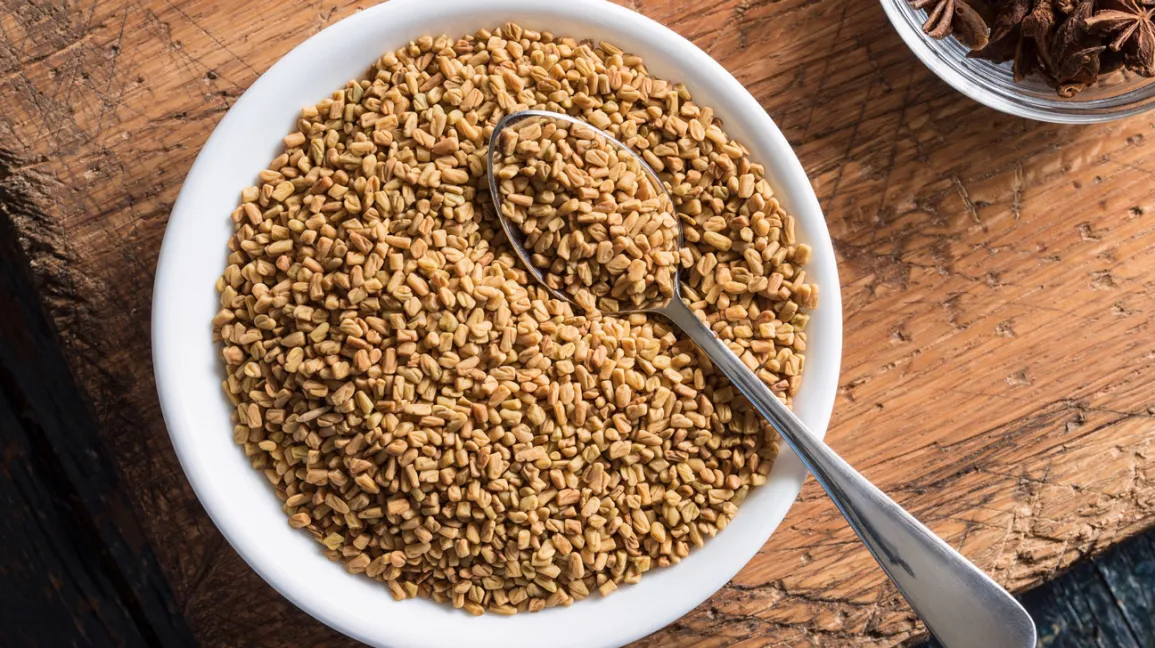
How Fenugreek Helps Manage Diabetes Naturally Talk to your doctor before using fenugreek for diabetes, as it can interact with various diabetes medications and blood thinners. Since fenugreek for diabetes may influence blood sugar levels, it’s crucial to consult a healthcare provider to avoid complications. Never discontinue or add any supplement—especially one like fenugreek for diabetes without professional medical guidance. Consider the dose range for fenugreek. The recommended dosage for fenugreek is between 2.5–15 grams (0.09–0.5 oz) daily, so it is important to talk to your doctor about your intentions and ask for a recommendation based on your weight and other factors. You may also want to consult an experienced herbalist or naturopath. Choose a high-quality fenugreek supplement. Some people do not like the taste of fenugreek seeds, so capsules are often recommended. If you choose to take fenugreek in supplement form, make sure that the product you choose is of high quality. The packaging should provide:  Add fenugreek to food. Some people do like the taste of fenugreek and may opt to add the seeds to food. You can seek out recipes that include fenugreek or simply sprinkle the seeds on your food as a garnish. Keep in mind that you should still follow your doctor’s recommendations for healthy eating. When adding fenugreek to food, 15 grams (0.53 oz) was a common dosage in some studies. Drink fenugreek with hot water. Making a fenugreek tea seems to produce the best results according to some studies. One study showed no significant results for patients who took fenugreek with yogurt, while those who took fenugreek with hot water experienced significant improvement. Participants in this study consumed a total of 10 grams (0.35 oz) of fenugreek per day. Other Health Benefits of Fenugreek Keep in mind that only a few studies have looked at fenugreek’s effects. Although fenugreek seems to be an effective way to reduce blood sugar levels after a meal, only a handful of studies have found this to be true so far. Therefore, it is still important to work with your physician to treat your diabetes. Be aware that you may have some side effects. Fenugreek is considered as “likely safe” for adults when you use it in amounts that are common for food. But it is considered “possibly safe” when taken as a supplement. During this time, you may experience some gastrointestinal side effects such as diarrhea, gas, and upset stomach. You may also experience some respiratory side effects such as congestion, wheezing, and coughing. Know when to avoid using fenugreek. Fenugreek is not considered to be safe for pregnant people and children. Do not take fenugreek if you are pregnant, nursing, or planning to become pregnant. Do not give fenugreek to children either, as some children have passed out from taking fenugreek.

Read More

Cancer Prevention Policy: A Bold Step to Cut Cancer Risk

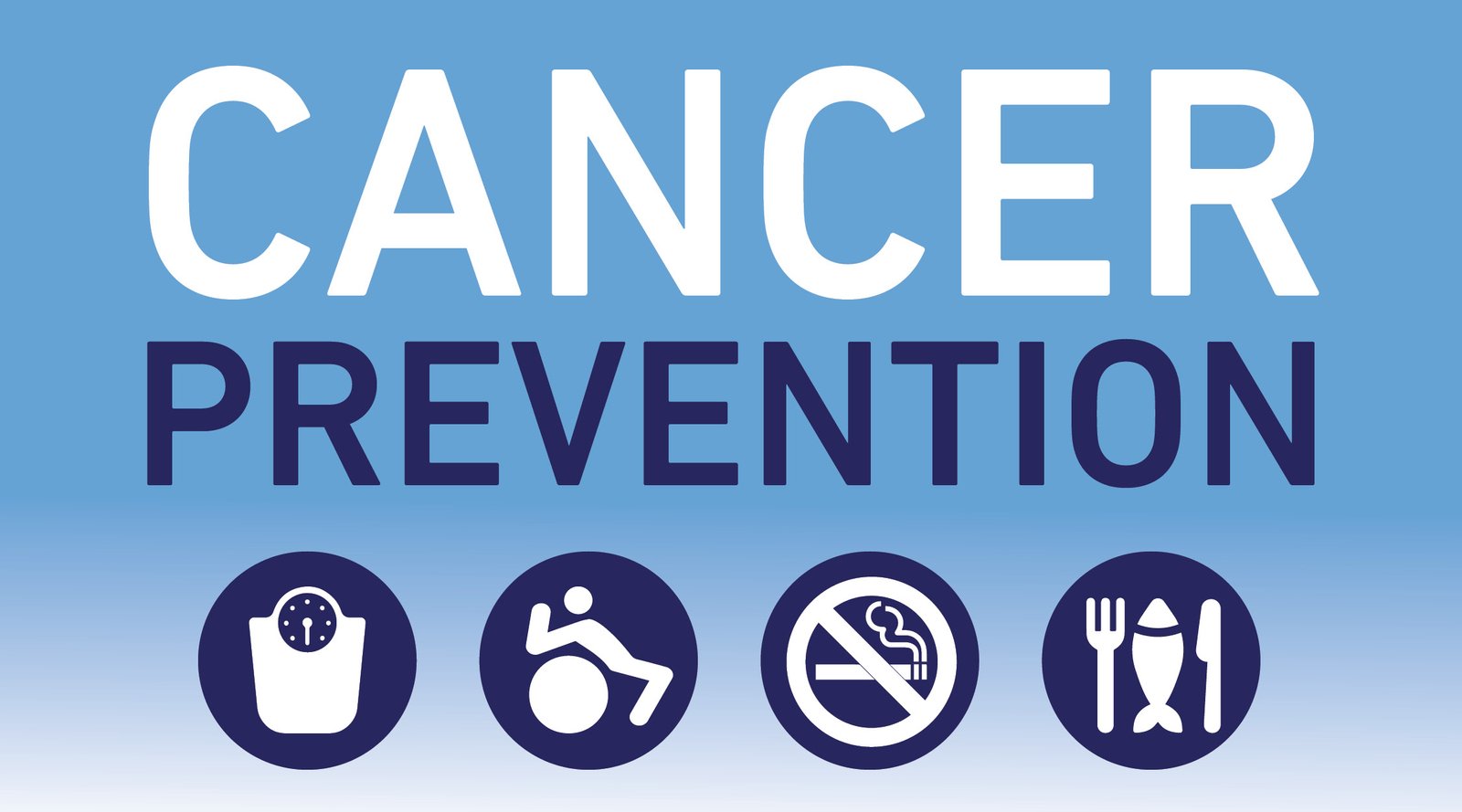
Why a Strong Cancer Prevention Policy is Urgent Cancer is no longer just a medical issue—it’s a global health crisis. According to projections, annual cancer cases are expected to soar from 20 million in 2022 to a staggering 35 million by 2050. The World Cancer Research Fund International (WCRFI) emphasizes that nearly 40% of these cases are preventable. Implementing a bold and comprehensive cancer prevention policy could save millions of lives and reduce massive economic strain on healthcare systems. Despite overwhelming scientific evidence, many countries are lagging in adopting effective prevention strategies. Policymakers often rely on public information campaigns or voluntary measures instead of enacting impactful structural changes. The time has come to transform scientific knowledge into legislative action. The Role of Lifestyle in Cancer Prevention WCRFI has led pioneering research through its Global Cancer Update Programme (CUP Global), analyzing how diet, weight, and physical activity affect cancer risk and survival. These studies form the foundation for their Cancer Prevention Recommendations, which highlight specific behaviors that reduce cancer risk: Adhering to these practices not only lowers cancer risk but also decreases the chances of other non-communicable diseases (NCDs) such as heart disease and diabetes. A well-designed cancer prevention policy must incorporate these lifestyle factors as core pillars. The Cost of Inaction: Economic and Human Impact The rising incidence of cancer is not just a health issue—it’s an economic one. Unhealthy weight alone is projected to cost the global economy over $4 trillion annually by 2035. Obesity is also expected to overtake smoking as the top preventable cause of cancer. A comprehensive cancer prevention policy can reduce these costs significantly. By investing in preventive healthcare, nations can reduce treatment burdens, increase productivity, and enhance quality of life. Despite this, political inertia and industry resistance have hampered progress. Addressing Policy Barriers and Industry Influence One of the biggest obstacles to implementing cancer prevention policies is the influence of powerful industries, particularly those involved in processed food, alcohol, and tobacco. These industries often lobby against mandatory labeling, advertising restrictions, and other measures that could reduce consumption of harmful products. Governments must resist this pressure and adopt evidence-based policies. For example: Without these steps, individual efforts will be limited in effect. A strong cancer prevention policy must support citizens by making the healthy choice the easy choice. WCRFI’s Policy Blueprint for Cancer Prevention To bridge the gap between science and policy, WCRFI launched a groundbreaking Policy Blueprint for Cancer Prevention. This document integrates two major frameworks: The Blueprint includes ten focused policy factsheets aligned with the organization’s Cancer Prevention Recommendations. These provide practical, step-by-step guidance for governments and NGOs on implementing impactful changes, including: This comprehensive strategy helps turn proven preventive measures into enforceable policies at national and regional levels. Making Science Accessible and Actionable One of WCRFI’s core missions is to make scientific research accessible for decision-makers. The CUP Global program continues to assess new factors in cancer development, including: These emerging areas of research are vital for updating the cancer prevention policy to stay current with evolving health risks. WCRFI’s Regular Grant Programme and INSPIRE Research Challenge are investing in groundbreaking studies that will shape future recommendations. Tailoring Prevention to National Contexts Every country faces unique cultural, economic, and political challenges in implementing cancer prevention strategies. That’s why the Policy Blueprint is designed to be adaptable. WCRFI works directly with governments to customize policies for local needs while maintaining alignment with global best practices. National Cancer Control Plans should prioritize preventive strategies alongside treatment infrastructure. Early investments in prevention yield long-term savings and healthier populations. Toward a Global Movement for Cancer Prevention The upcoming 2025 UN High-Level Meeting on Non-Communicable Diseases presents an opportunity to elevate cancer prevention on the global health agenda. WCRFI is advocating for a strong international declaration that places cancer prevention policy at the heart of NCD strategies. Key demands include: The Broader Impact of Cancer Prevention Policies Effective cancer prevention policies offer co-benefits beyond reducing cancer risk. These include: Cancer prevention is not a siloed issue—it’s a gateway to achieving broader public health and sustainable development goals. Prevention Is the Only Sustainable Path The rising global cancer burden threatens to overwhelm healthcare systems and devastate communities. Prevention is not just an option—it’s the only sustainable path forward. A bold and integrated cancer prevention policy, based on science and free from industry interference, can transform lives. WCRFI’s Policy Blueprint provides the roadmap. Now, governments, civil society, and global institutions must take the wheel. The time for passive awareness is over. It’s time for decisive action that puts prevention at the center of health policy.

Read More

The Mayan languages spreading across the US and their future

The Mayan languages spreading across the US: Ancient words in new lands Aroldo sat quietly by the fire, his heart heavy with grief after the passing of his father. In his native town of San Juan Atitán, nestled in the Guatemalan highlands, speaking Mam — one of the many Mayan languages that more people in the US now speak and recognize — offered solace. One evening, he turned to his mother and spoke the words that marked a new beginning: “Nan, waji chix tuj Kytanum Meẍ.” It meant, “Mum, I want to go to the white men’s nation” — a heartfelt way to say he was heading to the United States. Like thousands of Indigenous Central Americans, Aroldo was about to carry a legacy with him: the Mayan language. As he journeyed through deserts and mountains, the language spoken by his ancestors traveled with him, finding a new home far from the temples and towns of Mesoamerica. Today, Mayan languages are spreading across the US, especially in immigrant communities from Guatemala, Mexico, and Honduras. As immigration from these regions increases, languages like Mam and K’iche’ are finding new resonance, not just within families, but in schools, courts, and communities. The Mayan languages spreading across the US: A linguistic legacy rooted in ancient civilizations The Mayan languages are among the oldest spoken languages in the world, dating back thousands of years Before Spanish colonization, these languages formed the primary method of communication across much of Central America. Over 30 Mayan languages exist today, including Mam, K’iche’ (Quiche), Q’eqchi’, Yucatec, and more. These languages are derived from Proto-Mayan, spoken before 2000 BCE, and reflect a civilization that excelled in astronomy, architecture, and hieroglyphic writing. Despite colonization and forced cultural assimilation, the Mayan languages survived — preserved in rural villages and oral traditions. As Indigenous populations migrate to the United States, these languages are now expanding into a new cultural and geographical space. Migration Patterns: From the Highlands to the Bay The largest wave of Mayan immigration to the United States began in the 1990s and accelerated into the 2000s. Violence, poverty, and systemic discrimination in Guatemala and parts of southern Mexico led many Indigenous families to seek better opportunities abroad. Between 2000 and 2021, the Guatemalan population in the US surged from around 410,000 to nearly 1.8 million. A significant portion of these migrants are Indigenous, especially Mam and K’iche’ speakers from rural towns in Huehuetenango and Quiché. Many settled in states like California, Texas, Florida, and North Carolina. The San Francisco Bay Area, and particularly cities like Oakland and Richmond, now host thriving Mayan communities. These cities are hubs where Mayan languages are spreading across the US, thanks to the bonds of kinship and cultural preservation. The Changing Demographics of “Hispanic” America Official US government classifications have long labeled all Latin American migrants as “Hispanic,” assuming a shared Spanish-speaking heritage. But this label hides crucial differences. Not all immigrants from Guatemala or Mexico speak Spanish. For many Mayans, Spanish is a second — or even third — language. Their primary language remains Indigenous, such as Mam, which is spoken by over half a million people globally. This linguistic distinction is critical for everything from immigration court proceedings to health care access. Without appropriate language interpretation services, many Mayan speakers find themselves marginalized, misunderstood, or even wrongfully denied asylum or public assistance. New Laws Recognizing Indigenous Languages Recognition of this linguistic diversity is growing. In California, new legislation passed in 2024 mandates state agencies to collect detailed data on language preferences, including Indigenous languages. This law aims to ensure that communities speaking Mam, K’iche’, and other Indigenous tongues receive accurate services. Linguists, activists, and Indigenous community leaders are pushing for further changes nationwide — including the right to education and legal defense in one’s native language. The Mayan languages spreading across the US are thus not just cultural artifacts; they are living tools of communication that demand institutional recognition. Mayan Language Use in US Immigration Courts One striking example of this spread is in immigration courts. Mam and K’iche’ now rank among the top 25 languages used in these settings. Interpreters fluent in these languages are in high demand but short supply, often delaying or complicating legal proceedings for Indigenous migrants. Organizations like the Indigenous Language Office and local advocacy groups have stepped in to train interpreters and translate crucial documents. These efforts are helping to bridge the gap between ancient language and modern bureaucracy — a necessity for legal fairness. Radio, Classrooms, and WhatsApp: Modern Uses of Mayan Languages The revival of Mayan languages isn’t confined to the home. In cities like Oakland and Los Angeles, community radio stations now broadcast news and cultural programming in Mam and K’iche’. Indigenous youth are creating TikTok content and podcasts in their native languages. WhatsApp chats in Mam help keep extended families connected across continents. Some schools, particularly those in immigrant-heavy districts, are beginning to offer support for students who speak Indigenous languages. This includes hiring bilingual aides and developing educational materials in Mam or K’iche’. The spread of Mayan languages across the US is a powerful example of cultural resilience, especially as younger generations reclaim and celebrate their linguistic heritage. Ancient Languages with Modern Relevance For centuries, Mayan languages thrived under the shadows of temples and were passed down orally through generations. Today, they are being revitalized in new ways. Workshops and cultural organizations are helping preserve ancient Mayan scripts, teaching glyph-writing techniques, and incorporating Mayan symbolism into clothing and merchandise. Groups like Ch’okwoj and Chíikulal Úuchben Ts’íib use art, technology, and education to keep the language alive. The presence of Mayan languages in digital formats — from translation apps to subtitles in Mam on YouTube — reflects their enduring adaptability and relevance. Cultural Identity in a New Land Language is more than a means of communication; it is identity. For migrants like Aroldo, speaking Mam is a connection to his homeland and heritage. Even while living in the East Bay, he…

Read More

How to Treat Jaundice

Seeking Medical Help See your doctor. If you or your child develop any signs or symptoms of jaundice, it’s important to understand how to treat jaundice effectively. While treatment may not always be necessary, addressing any underlying cause is crucial for proper care. Some symptoms of short-term jaundice in adults include: How to Treat Jaundice in Children and Infants Children and infants can also develop jaundice. Jaundice is common in infants and it often goes away on its own within two weeks. However, severe jaundice can cause serious complications for some infants. Diagnosis: The First Step in How to Treat Jaundice In adults, jaundice is often caused by underlying conditions that require medical treatment. To determine how to treat jaundice effectively, your doctor may run diagnostic tests to identify the root cause. These tests may include blood work, an ultrasound, a CT scan, or even a liver biopsy. Understanding how to treat jaundice depends on diagnosing conditions such as hepatitis, gallstones, or liver disease. Once the cause is confirmed, your healthcare provider will outline a personalized plan on how to treat jaundice based on the findings. Common conditions that can cause jaundice include: Treating Underlying Conditions to Cure Jaundice If your doctor discovers an underlying condition that are causing your jaundice, she will likely treat that to see if it clears up other related health issues. Treating causes and complications of underlying conditions may help relieve your jaundice. Allow jaundice to clear on its own  In most cases, jaundice will go away without treatment. Speak with your doctor to make sure that foregoing treatment is the best option for you, especially if you have underlying conditions causing jaundice. How to Treat Jaundice-Related Itching with Medication Some people with jaundice experience itching. If the itching becomes bothersome or affects your daily life, take a medication such as cholestyramine to relieve your symptoms. Effective Treatment for Infant Jaundice Infant jaundice is very common and, like adult jaundice, often doesn’t require any treatment. However, if your doctor diagnoses jaundice in your baby, she could call for one of the following treatments to help relieve the condition: Preventing Jaundice Avoid hepatitis infections. Contracting the hepatitis virus is one of the main causes of jaundice in adults. Avoiding contact with the virus as much as you possibly can may minimize your risk for contracting not only hepatitis, but also jaundice. Alcohol Limits and How They Help Treat Jaundice Since your liver processes alcohol and is the source for jaundice, limit your alcohol consumption to daily recommended values. Not only can this help alleviate the symptoms of jaundice, but may also keep you from contracting alcohol-related liver diseases such as cirrhosis. Maintain a healthy weight Keeping your weight at a within a stable and healthy range can promote your overall healthy. But this can also keep your liver healthy, and in turn prevent jaundice. Manage your cholesterol Keeping your cholesterol in check can not only help prevent jaundice, but also help maintain your overall health. You can manage your cholesterol through healthy diet and exercise or, in other cases, with prescription medication. Ensure your infant is getting adequate feedings Making sure that your baby is getting enough to eat throughout the day. This is the best prevention or jaundice in infants. If you breastfeed, your baby should get 8-12 feedings per day in the first week of life If you are feeding your infant formula, she should get 1-2 ounces (30 to 60 milliliters) of formula every two to three hours during her first week of life.

Read More

Resistant Hypertension: Causes, Symptoms & Management 2025

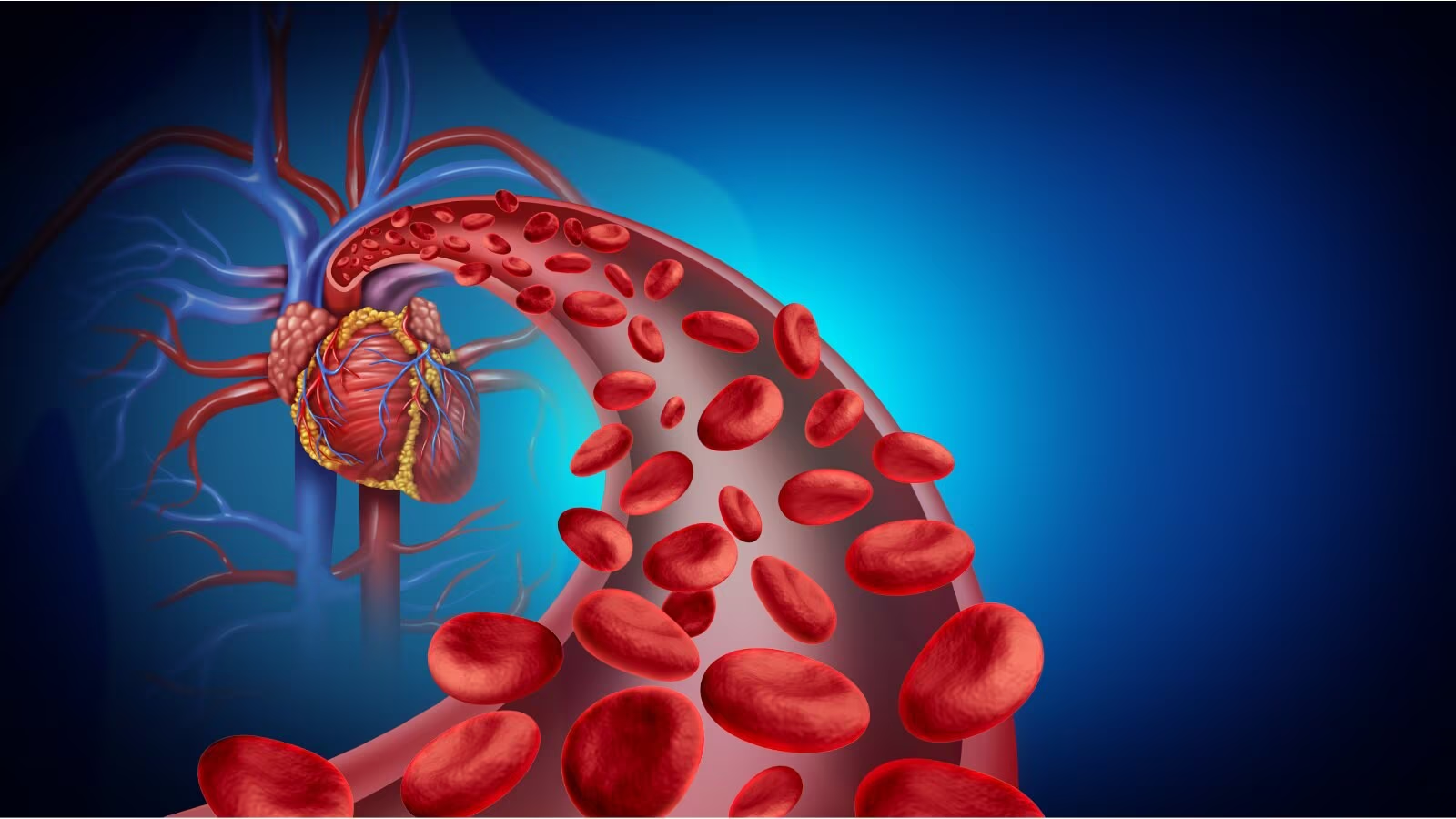
Why World Hypertension Day Matters Observed annually on May 17, World Hypertension Day aims to raise awareness about the dangers of high blood pressure—a condition that affects millions globally and often goes undetected until serious health problems arise. This year’s focus brings attention to a more complex condition: resistant hypertension, a form of high blood pressure that remains uncontrolled despite medical treatment. What Is Resistant Hypertension? Resistant hypertension is defined as high blood pressure that does not respond to treatment, even after taking three or more different types of blood pressure medications—one of which must be a diuretic. In some patients, the condition persists despite adherence to prescribed medication, signaling the need for a deeper medical evaluation and lifestyle changes. “True resistant hypertension is not very common, but what we often see in practice is pseudo-resistance caused by poor compliance, incorrect drug combinations, or unhealthy habits,” explains Dr. Manish Bansal, Senior Director, Clinical & Preventive Cardiology, Medanta, Gurugram. Common Causes of Resistant Hypertension Resistant hypertension may be linked to several factors, such as: According to Dr. Bansal, identifying and managing these contributing factors is crucial to controlling the condition. Health Risks of Uncontrolled Resistant Hypertension Leaving resistant hypertension untreated can significantly raise the risk of: “Persistent high blood pressure puts added strain on your heart, arteries, and kidneys. Timely diagnosis and proper intervention can prevent irreversible damage,” says Dr. Bansal. Recognizing the Symptoms While hypertension often has no symptoms, some individuals with resistant hypertension may experience: These symptoms should not be ignored, especially if you’re already on blood pressure medication but not seeing improvement. Effective Management of Resistant Hypertension Managing resistant hypertension requires a comprehensive approach. Below are expert-recommended steps: 1. Review Your Medications Ensure you’re taking the right combination and dosage of medications. Work with your doctor to explore newer drug options if needed. 2. Reduce Sodium Intake Avoid processed foods, snacks, and fast food. Use natural herbs and spices to flavor your meals instead of salt. 3. Limit Alcohol Consumption Excessive alcohol can raise blood pressure and reduce the effectiveness of medication. Stick to moderate drinking guidelines or abstain. 4. Get Regular Exercise Engage in at least 30 minutes of physical activity like walking, swimming, or cycling most days of the week to improve heart health. 5. Achieve a Healthy Weight Losing even a small amount of weight can lead to noticeable improvements in blood pressure control. 6. Monitor Your BP at Home Track your blood pressure regularly with a digital monitor. Keep a log to help your doctor fine-tune your treatment plan. 7. Manage Stress Effectively Incorporate relaxation techniques like meditation, deep breathing, or yoga into your daily routine to reduce blood pressure spikes caused by stress. Routine Checkups Are Essential For those with resistant hypertension, routine medical evaluations are vital. Doctors may screen for secondary causes like sleep apnea, thyroid dysfunction, or adrenal gland disorders to ensure proper treatment. Key Takeaway for World Hypertension Day 2025 This World Hypertension Day, take a proactive step toward understanding your blood pressure health. Resistant hypertension may not be common, but it’s serious and manageable with the right support and lifestyle changes. Don’t wait for complications—prioritize early diagnosis, informed treatment, and consistent follow-up care. Disclaimer This article is intended for informational purposes only and should not be considered a substitute for professional medical advice, diagnosis, or treatment. Always consult your doctor or healthcare provider for specific health concerns.

Read More