

Oxfordshire Vegan Lunch Policy Under Review

Oxfordshire Vegan Lunch Policy Faces Public Backlash The Oxfordshire vegan lunch policy, introduced in 2021, was designed to promote environmental responsibility by serving only plant-based meals at official council events. While the goal was to support climate action and reduce the council’s carbon footprint, the initiative—initially seen as progressive—has since drawn sharp criticism from within the council and the wider farming community. Now, the Oxfordshire vegan lunch policy is under review, as concerns grow that it may be failing to meet sustainability goals or align with the region’s own food strategies. Local Farmers Criticize Oxfordshire Vegan Lunch Policy for Overlooking Regional Produce The council’s exclusive use of vegan meals has sparked strong opposition, especially among local farmers. Jeremy Clarkson, television personality and owner of Diddly Squat Farm in Oxfordshire, was among several farmers who protested outside County Hall in 2022, arguing that the council’s move undermines local agriculture. Farmers claimed the policy bypasses local food systems and instead sources from companies that may not represent sustainable or regional farming practices. According to the National Farmers’ Union (NFU), nearly 75% of Oxfordshire’s land is used for agriculture. Critics argue the council’s decision to serve only vegan meals sends the wrong message to the region’s farming community. Councillors Urge Review of Oxfordshire Vegan Lunch Policy Councillor Bethia Thomas, from the Liberal Democrat-led council, acknowledged the backlash and ongoing tension. While she personally supports plant-based options, she emphasized the need to “rethink our existing catering policy” to better reflect the Oxfordshire Food Strategy, which encourages a balanced approach to local, sustainable, and accessible food. “I’m very happy to have a meal of any sort provided for me,” Thomas said, “but we should be supporting our farmers more directly.” Her comments highlight the growing sentiment among some councillors that the policy may be too rigid and not fully aligned with Oxfordshire’s broader environmental and economic goals. What the Oxfordshire Vegan Lunch Policy Entails Since 2021, Oxfordshire County Council has required entirely plant-based meals at full council meetings. These are typically provided by a catering company based in Kidlington, with other local firms used for separate events. The council introduced this policy in response to calls for climate-conscious governance, recognizing the significant environmental impact of meat and dairy production. The goal was to lead by example, showing how local authorities could embrace sustainability. Yet, as the conversation evolves, the question remains: Is excluding all non-vegan food the most effective way to support sustainability? Review Ordered Amid Rising Pressure Council leader Liz Leffman announced that she has formally requested a review of the lunch policy. She tasked the facilities management team with assessing whether the current meals meet the guidelines laid out in the Oxfordshire Food Strategy. This strategy outlines the importance of: Leffman admitted that it’s not always possible to use ingredients sourced entirely within Oxfordshire, but reaffirmed the council’s commitment to supporting local agriculture whenever feasible. “We may have to look further afield at times, but we must do everything we can to ensure that what we consume is sourced as locally as possible,” she said. Oxfordshire Food Strategy vs. Council Practice The Oxfordshire Food Strategy, which the council officially supports, promotes a holistic and inclusive vision of sustainability. It encourages: Critics of the current vegan-only policy argue that it contradicts these principles by: As the review moves forward, many are calling for a more flexible policy—one that includes both plant-based options and locally sourced, ethically raised meat and dairy. Balancing Environmental Goals with Local Support The climate case for reducing meat consumption is widely supported. Studies show that livestock farming contributes significantly to greenhouse gas emissions. However, opponents of the council’s policy point out that not all meat production is equal. Locally sourced, pasture-raised meat from small Oxfordshire farms often has a lower carbon footprint than imported plant-based products. Thus, an all-or-nothing approach may unintentionally harm local producers without significantly benefiting the environment. Could Flexitarian Menus Be the Future? One proposed compromise is the adoption of flexitarian catering—a menu model that prioritizes plant-based dishes but still allows for occasional inclusion of sustainable, locally raised meat and dairy. This approach could: By offering a range of sustainable options, the council could foster a more inclusive, practical, and effective food policy. Public Reaction: Divided Opinions Reactions to the vegan lunch policy remain mixed among residents and officials. While some praise the council’s climate leadership, others see the policy as symbolic but impractical. Many Oxfordshire residents feel excluded or unheard, especially those with strong ties to farming communities. Some worry that the policy may alienate voters and undermine efforts to build consensus on environmental initiatives. National Implications of Local Policy Although this is a local issue, the Oxfordshire vegan lunch policy is being watched closely by other councils across the UK. It raises broader questions: The outcome of Oxfordshire’s policy review could influence how other regional governments structure their food procurement policies in the future. Sourcing Meals Responsibly: What Should Councils Consider? For councils aiming to reduce their carbon footprint while supporting local economies, a balanced approach is essential. Key considerations include: By collaborating with local farmers, councils can develop custom food strategies that benefit both the planet and the local economy. What Comes Next for Oxfordshire’s Catering Policy? The council’s review of its vegan-only lunch policy is underway, and changes could be introduced soon. Options being considered may include: The goal is to find a practical solution that aligns with the county’s environmental, economic, and cultural values. Rethinking Sustainability Through Inclusion The Oxfordshire vegan lunch policy was created with noble intentions—to reduce environmental harm and promote climate action. However, its rigid implementation has sparked valid concerns from farmers, councillors, and community members who feel their needs and contributions were overlooked. As the council re-evaluates its approach, the conversation opens a broader dialogue about how sustainability should be pursued—not through exclusion, but through inclusion, balance, and collaboration with those directly affected. With thoughtful changes, Oxfordshire has the opportunity to become a national leader in responsible,…

Read More

4 Health Benefits of Walnuts You Should Know

4 Health Benefits of Walnuts: A Nutritional Powerhouse Walnuts are more than just a crunchy snack. These nutrient-dense nuts offer a wide range of health benefits, backed by science and supported by nutritionists worldwide. If you’ve ever wondered what makes walnuts so beneficial and how much you should eat, this guide will answer all your questions. Let’s explore the 4 health benefits of walnuts and the ideal serving size to boost your wellness routine. Walnuts and Heart Health: One of the Top 4 Health Benefits Walnuts are rich in omega-3 fatty acids, which are essential for heart health. These healthy fats help reduce inflammation and lower LDL (bad) cholesterol while raising HDL (good) cholesterol. Regular walnut consumption has been linked to improved artery function and reduced risk of heart disease. According to the American Heart Association, nuts like walnuts can be part of a heart-healthy diet when consumed in moderation. “A handful of walnuts a day can significantly reduce the risk of heart disease,” says Dr. Frank Hu, professor of nutrition at Harvard T.H. Chan School of Public Health. Incorporating just 28 grams (about 7 walnuts) daily into your diet may offer protective benefits for your cardiovascular system. Brain-Boosting Benefits: Why Walnuts Are Good for Mental Health Among the 4 health benefits of walnuts, brain support is perhaps the most fascinating. The shape of the walnut resembles the human brain, and fittingly, it contains neuroprotective compounds such as vitamin E, polyphenols, and essential fatty acids. These nutrients have been shown to improve memory, reduce oxidative stress, and delay cognitive decline, especially in older adults. “Walnuts are a superfood for the brain,” notes Dr. Lenore Arab of UCLA, whose study found improved memory and faster processing speeds in adults who consumed walnuts regularly. Eating a small handful of walnuts each day can support better focus and mental clarity. Anti-Inflammatory Effects: A Key Benefit of Eating Walnuts Chronic inflammation is a silent contributor to numerous health conditions, including arthritis, type 2 diabetes, and certain cancers. Walnuts are high in antioxidants like polyphenols, which neutralize free radicals and help calm the body’s inflammatory response. This anti-inflammatory property ranks among the most vital 4 health benefits of walnuts. “Polyphenolic compounds in walnuts are among the most potent anti-inflammatory nutrients,” explains Dr. Joe Vinson, a chemistry professor at the University of Scranton. Adding walnuts to your diet may help manage inflammatory conditions and support your immune system. 4 Health Benefits of Walnuts for Digestive and Gut Health Emerging research shows that walnuts positively impact gut health by increasing the abundance of beneficial bacteria. A balanced gut microbiome is key to digestion, nutrient absorption, and even mental well-being. One study from Penn State University found that eating walnuts led to increased levels of *Lactobacillus* and *Ruminococcaceae*, bacteria associated with better gut and metabolic health. “What you eat changes your microbiome. Walnuts, in particular, foster a healthier gut environment,” says Dr. Lauri Byerley, a researcher in nutritional sciences. Including a daily serving of walnuts may improve digestion and help regulate metabolism over time. How Much to Eat to Reap the 4 Health Benefits of Walnuts To reap the full 4 health benefits of walnuts, a daily portion of 28 grams (1 ounce) is ideal. This equals about 7 whole walnuts or 14 halves. Eating more than this occasionally isn’t harmful, but excess intake can lead to calorie surplus, especially if not balanced within your diet. It’s best to consume walnuts raw or lightly roasted without added salt or sugar for maximum benefit. “One ounce of walnuts a day is a great guideline,” suggests the Mayo Clinic. “They’re high in healthy fats but should be part of a balanced diet.” Use walnuts as a topping for oatmeal, blended into smoothies, or as a quick standalone snack. Creative Ways to Include Walnuts for Better Health Incorporating walnuts into your meals doesn’t have to be complicated. Here are a few simple, healthy ideas: “Walnuts add flavor, texture, and nutrition to every dish,” says Chef Anna Thomas, known for her plant-based recipes. Conclusion: Make the 4 Health Benefits of Walnuts Part of Your Daily Routine The 4 health benefits of walnuts make them a smart addition to any diet. From protecting your heart and enhancing your brain function to reducing inflammation and supporting gut health, these small nuts deliver big results. Just a handful a day can contribute to long-term wellness. Add them to your meals, enjoy them as a snack, and give your body the natural support it deserves. “Nature packed walnuts with everything our body and mind need,” concludes Dr. David Katz, a preventive medicine specialist. “It’s time we treat them as daily essentials, not occasional treats.”

Read More

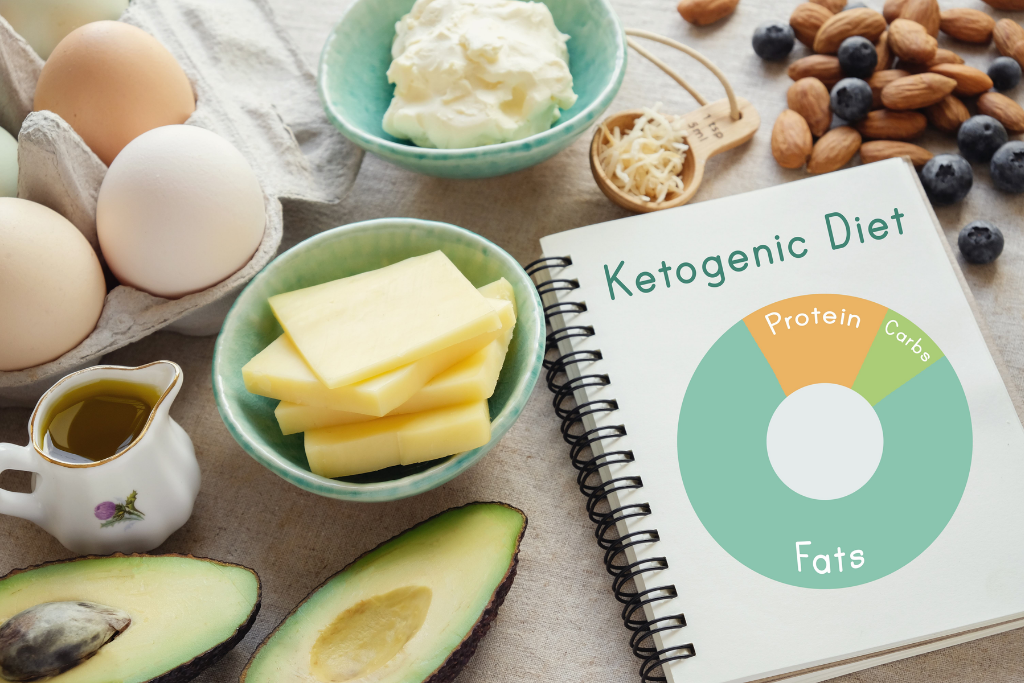
Keto Diet Benefits: What You Should Know Before Starting

Introduction: Understanding Keto Diet Benefits The keto diet benefits are gaining attention in the health world. Originally used for epilepsy treatment, this diet now appeals to people seeking weight loss, mental clarity, and steady energy. It reduces carbohydrates and increases healthy fats. This shift moves the body into ketosis, a state where fat becomes the primary energy source. Dr. Eric Westman explains, “The ketogenic diet is one of the most powerful tools we have in the fight against obesity and metabolic diseases.” How the Keto Diet Works: A Metabolic Shift To grasp keto diet benefits, it’s essential to understand ketosis. When you reduce carbs significantly, your body begins to break down fats into ketones. These ketones become an efficient alternative fuel. This process leads to consistent energy and fewer hunger spikes. “Ketosis is not starvation—it’s the body using an efficient, fat-fueled system,” says Dr. Dominic D’Agostino, a metabolic health expert. Keto Diet Benefits for Weight Loss Rapid weight loss is one of the most common keto diet benefits. The body quickly loses water weight in the early stages. Over time, it burns stored fat efficiently. Moreover, many people find they feel full longer and eat less overall. Dr. Stephen Phinney notes, “The appetite-suppressing nature of ketosis is one of its greatest benefits.” Improved Mental Clarity and Focus The brain thrives on ketones. As a result, many people report sharper focus and clearer thinking after adopting the keto diet. These effects usually appear within a few weeks. According to Dr. Mary Newport, “Ketones may provide a more efficient fuel for the brain, especially in cases of cognitive decline.” Stabilizing Blood Sugar and Managing Diabetes Another major keto diet benefit is improved blood sugar control. People with Type 2 diabetes often see better insulin sensitivity. Some even reduce their need for medication, with medical guidance. This happens because the body no longer needs to process high carbohydrate levels. “A well-formulated ketogenic diet can be life-changing for people with diabetes,” says Dr. Sarah Hallberg. Enhanced Energy and Endurance for Athletes Athletes are exploring keto diet benefits for performance and recovery. The diet allows them to use fat stores for energy during endurance events. It also helps reduce inflammation and shorten recovery time. This advantage is especially useful during long training sessions. Jeff Volek, PhD, RD, says, “The keto-adapted athlete can perform endurance events with less reliance on carbohydrates and experience faster recovery.” Heart Health and the Keto Diet Many assume a high-fat diet harms the heart. However, the keto diet can actually improve heart health if done right. It lowers triglycerides and raises HDL (good) cholesterol. The key is choosing healthy fats like olive oil, nuts, and avocados—not processed meats or trans fats. Cardiologist Dr. Bret Scher advises, “Keto is not a free pass for bacon and butter. It’s about smart fat choices.” Potential Risks and Considerations While keto diet benefits are impressive, the plan isn’t perfect. Some experience the “keto flu” in the first week. Others face challenges sticking to the plan long term. Nutrient deficiencies are also possible without careful food choices. Therefore, always consult a healthcare professional before starting. Nutritionist Abby Langer warns, “Any major dietary change should be medically supervised, especially for those with underlying conditions.” Is the Keto Diet Right for You? The keto diet offers many benefits, but it isn’t for everyone. Consider your goals, lifestyle, and health status. Try it for 4 to 6 weeks and track your progress. During this trial period, focus on whole foods and hydration. Working with a dietitian or doctor helps you avoid mistakes. Dr. Mark Hyman says, “Food is medicine. The right diet for you can change everything.” Conclusion: Final Thoughts on Keto Diet Benefits Knowing the keto diet benefits helps you make informed choices. It may boost fat loss, sharpen mental focus, and balance blood sugar. But it’s not a cure-all. Success depends on proper planning and professional guidance. If it fits your needs and lifestyle, the keto diet can be a powerful health tool. Dr. Ken Berry concludes, “The ketogenic diet, when done correctly, is a sustainable way to achieve better health.”

Read More

Registered Dietitians Support Healthy Eating and Lifestyle Changes

Introduction: How Registered Dietitians Support Lasting Health Changes Maintaining a healthy lifestyle and managing chronic illness requires more than just good intentions. It involves informed decisions, ongoing support, and expert guidance tailored to individual needs. That’s where registered dietitians support becomes invaluable. These professionals bridge the gap between nutrition science and daily life, helping people make realistic, sustainable changes. According to the Academy of Nutrition and Dietetics, “A registered dietitian is your most credible source of food and nutrition information.” Whether you’re aiming to improve your eating habits, lose weight, control a medical condition, or simply feel better overall, working with a registered dietitian can provide clarity and structure. This article explores the multifaceted role of dietitians, revealing how they empower you to achieve your health goals through education, personalized care, and science-backed strategies. How Registered Dietitians Support Nutritional Education and Awareness Education is the cornerstone of effective lifestyle change. Registered dietitians support clients by explaining nutritional principles in a way that’s easy to understand and apply. They debunk common food myths and highlight evidence-based choices that nourish the body. By assessing dietary habits and nutritional deficiencies, dietitians tailor plans that promote optimal health without relying on fads. “Education is the most powerful tool we give clients,” says registered dietitian Sarah Taylor, RDN. “Once they understand the ‘why’ behind recommendations, they’re more likely to stick with them.” In this way, dietitians equip individuals with the tools to make informed choices in any setting—whether grocery shopping, dining out, or preparing meals at home. How Registered Dietitians Support Chronic Disease Management Chronic conditions like diabetes, heart disease, hypertension, and gastrointestinal disorders often require dietary interventions for effective management. Registered dietitians support patients by crafting customized nutrition strategies that align with their medical needs. They collaborate with physicians and other healthcare professionals to ensure a cohesive care plan. “Nutrition therapy can significantly reduce complications and improve quality of life,” says Dr. Emily Nguyen, an endocrinologist. “Working with a dietitian is often as important as medication.” Meal planning, label reading, carb counting, and portion control are all part of the education dietitians offer, empowering patients to take control of their condition. How Registered Dietitians Support Weight Management and Eating Behaviors Rather than promoting restrictive dieting, registered dietitians support a balanced, non-judgmental approach to weight management. They focus on behavior change and mindfulness rather than calorie obsession. Clients learn to recognize hunger cues, emotional eating triggers, and patterns that sabotage progress. “We teach people how to eat with intention, not deprivation,” explains Amanda Lopez, RD, who specializes in weight loss counseling. By helping individuals build a healthy relationship with food, dietitians foster long-term success, not just short-term results. Supporting Mental Health Through Nutrition Emerging research confirms the link between mental well-being and diet. While dietitians are not therapists, they do collaborate in mental health support by promoting nutrient-rich foods that enhance mood and cognitive function. Key nutrients such as omega-3 fatty acids, B-vitamins, and magnesium can influence neurotransmitter production. “Diet is a powerful modulator of mental health,” notes Dr. Evelyn Martin, a psychologist and nutrition advocate. By integrating nutrition strategies with mental health care, clients often experience improvements in energy, sleep, and overall emotional balance. Empowering Lifestyle Change with Realistic Goals Lifestyle change is a journey, not a one-time event. Registered dietitians support this journey by setting measurable, achievable goals based on each client’s readiness and resources. From encouraging consistent hydration to promoting regular meal timing, every recommendation is grounded in sustainability. “Small steps add up to big changes,” affirms Jessica Park, RDN. “Success comes from progress, not perfection.” Clients gain confidence as they experience gradual improvements, and this positive reinforcement drives continued success. Meal Planning and Practical Strategies Practical support is key to making nutritional advice actionable. Registered dietitians support clients by providing realistic meal planning strategies that fit their budget, cooking skills, and cultural preferences. They offer grocery lists, easy recipes, and tips for meal prep, reducing the daily stress around food. “It’s not just about what to eat, but how to make it happen,” says dietitian Lauren Kim, who works with busy professionals and families. This hands-on support transforms abstract recommendations into practical, lifelong habits. Specialized Support for Unique Life Stages Nutritional needs vary greatly depending on age and life circumstances. Registered dietitians support individuals across every life stage—from pregnancy and childhood to aging and elder care. Pregnant women benefit from dietary guidance to support fetal development. Children require balanced nutrition for growth. Older adults may need plans to maintain bone health and muscle mass. “There is no one-size-fits-all approach,” says pediatric dietitian Maria Nunez. “Every stage has unique challenges and opportunities.” Dietitians provide evidence-based support tailored to each phase, ensuring optimal health across the lifespan. How Registered Dietitians Support Cultural and Personal Preferences Cultural food traditions are important and should be respected in any nutrition plan. Registered dietitians support diverse clients by integrating cultural foods and preferences into their recommendations. They acknowledge that food is more than fuel—it’s tradition, identity, and comfort. “Incorporating cultural dishes into a healthy lifestyle fosters acceptance and adherence,” notes cultural nutritionist Dr. Priya Shah. By valuing individual backgrounds, dietitians foster inclusive care and promote lasting change. Using Technology for Better Client Outcomes Modern dietitians leverage technology to enhance care. From mobile tracking apps to virtual consultations, digital tools help maintain accountability and consistency. Registered dietitians support remote clients through secure platforms, offering flexible and accessible services. “Telehealth allows us to meet clients where they are—literally,” says remote practitioner Alex Reid, RDN. These innovations make it easier to stay connected, monitor progress, and adapt plans in real-time, ensuring clients never feel alone in their journey. Conclusion: The Lasting Impact of Registered Dietitians Support Whether addressing illness, enhancing wellness, or shifting daily habits, registered dietitians support clients in powerful, meaningful ways. Their approach blends evidence, empathy, and practicality. The path to a healthier life can be challenging, but it doesn’t have to be confusing or lonely. With a dietitian by your side, you gain a partner committed…

Read More

Energy Drinks and Health: What You Need to Know

Introduction: Understanding Energy Drinks and Health Energy drinks and health have become a major topic of concern in today’s fast-paced world. With more people reaching for energy-boosting beverages during work, study, or workouts, it’s crucial to understand the true impact these drinks can have on the body. The ingredients vary widely—from caffeine and sugar to herbal stimulants—raising questions about safety and long-term effects. “The surge in energy drink consumption among young adults and teens makes it imperative to examine their health implications,” says Dr. Amanda Lewis, a public health expert. This article explores the physiological, psychological, and societal effects of energy drinks, empowering readers to make informed decisions. What Are Energy Drinks Made Of? To evaluate the relationship between energy drinks and health, it’s essential to examine what goes into these products. Common ingredients include high doses of caffeine, taurine, B vitamins, guarana, and large amounts of sugar or artificial sweeteners. While some of these components offer temporary mental stimulation, others pose health risks if consumed excessively. “A single can may contain up to 500 mg of caffeine—that’s more than four cups of coffee,” notes Dr. Javier Mendoza, a toxicologist. This excessive stimulation can lead to serious side effects, especially when combined with other stimulants like guarana. How Energy Drinks Affect the Heart One of the most researched aspects of energy drinks and health concerns the cardiovascular system. High doses of caffeine and other stimulants can cause elevated blood pressure, arrhythmias, and in extreme cases, cardiac arrest. These effects are amplified when consumed during physical activity or mixed with alcohol. “Caffeine constricts blood vessels, making the heart work harder,” explains cardiologist Dr. Nisha Verma. Studies show that people who regularly consume energy drinks may be at increased risk of heart issues, especially if they have preexisting conditions. The Impact on Mental Health and Sleep Another crucial dimension of energy drinks and health is their effect on the brain. While short-term cognitive benefits like alertness and concentration are often cited, the long-term consequences can include increased anxiety, mood swings, and poor sleep quality. Sleep disruption, in particular, can lead to a cascade of health problems. “Excess caffeine disrupts circadian rhythms, which may lead to insomnia and chronic fatigue,” says sleep specialist Dr. Erin Cho. Sleep-deprived individuals are more prone to stress, depression, and reduced cognitive function. Effects on Adolescents and Young Adults Energy drinks and health risks are particularly pronounced in adolescents and young adults. Developing bodies and brains are more vulnerable to the adverse effects of high caffeine intake. Many teenagers consume these drinks for better academic or athletic performance, often unaware of the dangers. “Teens are not just small adults. Their bodies process stimulants differently,” warns pediatrician Dr. Marcus Hill. The American Academy of Pediatrics strongly discourages energy drink consumption among minors due to potential harm to heart and mental health. Are Sugar-Free Energy Drinks Any Safer? Some consumers switch to sugar-free versions, assuming they’re better for health. While they eliminate the high sugar content, these drinks still contain caffeine and other stimulants. Moreover, artificial sweeteners like aspartame and sucralose come with their own health controversies. “Don’t be misled by ‘zero sugar’ labels. These drinks still pose risks,” states nutritionist Dr. Helen Park. Though they may reduce the risk of diabetes and weight gain, they are not free from other harmful effects. Energy Drinks vs. Coffee: A Healthier Choice? Comparing energy drinks and health effects with those of coffee can help consumers make better choices. While both provide caffeine, coffee generally lacks the added sugars and synthetic additives found in energy drinks. It also contains antioxidants that may benefit cardiovascular health. “Natural caffeine sources like coffee or tea are preferable due to their simpler composition,” suggests wellness coach Ava Dean. If energy is the goal, opting for a cup of black coffee could be a much safer route. Mixing Energy Drinks with Alcohol: A Dangerous Trend One alarming trend is the combination of energy drinks and alcohol. This practice masks the effects of intoxication, making individuals more likely to engage in risky behaviors or consume excessive alcohol. “This is a dangerous cocktail—literally. It can lead to alcohol poisoning without warning signs,” warns emergency physician Dr. Ray Banerjee. The stimulating effects of energy drinks may give a false sense of alertness while the body is still impaired. Long-Term Health Risks of Regular Consumption Frequent consumption of energy drinks can lead to chronic issues such as hypertension, obesity, metabolic syndrome, and even kidney damage. These risks highlight the long-term implications of poor dietary habits involving high-stimulant beverages. “The long-term risks often go unnoticed until it’s too late,” says dietitian Laura Kim. Prolonged exposure to artificial ingredients and caffeine overload can silently deteriorate health over the years. Healthier Alternatives to Energy Drinks Fortunately, there are many natural ways to boost energy without compromising health. Options like green tea, smoothies, or simply proper hydration can offer sustainable energy levels. Getting adequate sleep, regular exercise, and a balanced diet are the best long-term solutions. “Energy should come from healthy habits, not chemical stimulants,” affirms Dr. Noor Rahman, an integrative medicine expert. Investing in wellness strategies can eliminate the perceived need for energy drinks entirely. Conclusion: Rethinking Energy Drinks and Health The conversation around energy drinks and health must go beyond marketing slogans and colorful cans. From heart health and mental well-being to long-term chronic risks, the evidence is clear—these beverages can pose serious health hazards, particularly when consumed regularly or by vulnerable groups. “Education is the first step toward prevention,” concludes public health advocate Dr. Simon Lau. Understanding the science behind energy drinks enables smarter decisions for a healthier lifestyle. Choose wisely—for your heart, mind, and future.

Read More

Olive Oil Health Benefits: Why You Should Add It Daily

Introduction: Unlocking Olive Oil Health Benefits for a Better Life Olive oil health benefits go far beyond just culinary use. This golden liquid is more than a kitchen staple—it’s a daily health booster. Packed with antioxidants, heart-healthy fats, and anti-inflammatory compounds, it supports your body’s long-term vitality, olive oil is more than just a kitchen staple—it’s a daily health booster. By incorporating it into your routine, you’re not just enhancing flavor but also supporting your body’s long-term vitality. “Let food be thy medicine and medicine be thy food.” – Hippocrates, the Father of Medicine Heart Health and Olive Oil: A Cardiovascular Superfood One of the most acclaimed olive oil health benefits is its positive effect on cardiovascular health. Rich in monounsaturated fats, especially oleic acid, olive oil helps reduce LDL (bad cholesterol) while maintaining HDL (good cholesterol) levels. This dual action lowers the risk of heart disease and stroke. Additionally, olive oil contains polyphenols, powerful antioxidants that prevent oxidation of cholesterol in the blood—an early step in the development of heart disease. Regular consumption of extra virgin olive oil is linked to improved endothelial function, meaning healthier blood vessels and improved circulation. “The evidence strongly supports olive oil’s role in a heart-healthy diet.” – Dr. Mary Flynn, Clinical Nutrition Specialist, Brown University Brain Boosting Effects of Olive Oil Olive oil health benefits also extend to cognitive well-being. The phenolic compounds found in extra virgin olive oil help reduce inflammation and oxidative stress in the brain. These protective properties may reduce the risk of neurodegenerative diseases like Alzheimer’s. Research suggests that individuals following a Mediterranean diet rich in olive oil show slower cognitive decline and better memory retention. One particular compound, oleocanthal, mimics the effect of ibuprofen in reducing inflammation, supporting brain health naturally. “Diets high in olive oil show promise in protecting memory and cognitive function.” – Dr. Lisa Mosconi, Neuroscientist, Weill Cornell Medical College Weight Management and the Role of Olive Oil in Your Diet Though olive oil is calorie-dense, it can actually support weight management when used appropriately. The monounsaturated fats in olive oil increase satiety, reducing the urge to snack and overeat. It also boosts metabolic rate and assists in fat oxidation, making it a smart addition to weight-conscious diets. Studies have found that diets incorporating olive oil lead to better weight maintenance over time compared to low-fat diets. The key lies in moderation—drizzle it over salads, vegetables, or whole grains to gain its metabolic advantages without excess calories. “Olive oil helps us eat less while feeling full longer.” – Dr. Rachel Johnson, Professor of Nutrition, University of Vermont Digestive Health Benefits of Olive Oil Among the olive oil health benefits, aiding digestion is often overlooked. Olive oil encourages the production of bile and pancreatic enzymes, both essential for digesting fat and absorbing nutrients. It also acts as a mild laxative, helping to prevent constipation naturally. Furthermore, the anti-inflammatory effects soothe the gastrointestinal lining, making it beneficial for those suffering from IBS or other inflammatory bowel conditions. By protecting and lubricating the digestive tract, olive oil promotes smoother and healthier digestion. “A tablespoon of olive oil daily can improve digestive regularity and comfort.” – Dr. Andrew Weil, Integrative Medicine Pioneer Olive Oil for Skin and Hair Wellness Olive oil health benefits aren’t limited to internal health—this natural oil has long been used to nourish skin and hair. Rich in vitamin E, antioxidants, and squalene, olive oil moisturizes skin, improves elasticity, and fights signs of aging. When applied topically, olive oil helps treat dry patches, reduce acne inflammation, and protect against environmental damage. It can also be massaged into the scalp to strengthen hair, prevent split ends, and reduce dandruff. “Olive oil is nature’s moisturizer—perfect for glowing skin and strong hair.” – Dr. Joshua Zeichner, Dermatologist, Mount Sinai Hospital Immune System Support with Olive Oil The immune-boosting power of olive oil stems from its high antioxidant and anti-inflammatory properties. Its polyphenols and vitamins A, D, E, and K work synergistically to protect the body from oxidative stress and infections. Regular intake strengthens the body’s defense mechanisms, making it more resilient against common colds, flu, and chronic inflammation. Olive oil even enhances gut microbiota, a critical component of the immune system. “Olive oil plays a crucial role in maintaining immune balance and defense.” – Dr. Michael Greger, Physician and Nutrition Expert Comparing Olive Oil with Other Cooking Fats When comparing olive oil to other common cooking oils like canola, sunflower, or coconut oil, olive oil consistently ranks higher in health value. Its lower levels of saturated fat and high antioxidant content make it safer for long-term use. While coconut oil contains high saturated fat levels, which may elevate cholesterol, olive oil has the opposite effect. Even refined vegetable oils lack the polyphenols found in extra virgin olive oil, reducing their health benefits significantly. “Olive oil stands out among fats for both taste and health value.” – Dr. Walter Willett, Professor of Epidemiology, Harvard T.H. Chan School of Public Health Choosing the Best Olive Oil for Maximum Health Benefits To fully enjoy olive oil health benefits, it’s essential to choose high-quality extra virgin olive oil (EVOO). EVOO is made through cold pressing, preserving the antioxidants and nutrients that give the oil its healthful qualities. Look for dark glass bottles, harvest date labeling, and a strong, peppery flavor—a sign of rich polyphenol content. Avoid light or pure olive oils, which are often refined and stripped of nutrients. “The darker and more peppery the EVOO, the more potent its health benefits.” – Tom Mueller, Author of *Extra Virginity* Conclusion: Embrace the Daily Benefits of Olive Oil Incorporating olive oil into your diet is a simple yet powerful step toward better health. The olive oil health benefits—from heart support to brain protection and digestive health—make it a truly versatile superfood. Whether drizzled on meals or taken by the spoonful, this natural elixir can elevate both your wellness and your kitchen experiences. Start small, stay consistent, and let olive oil be your daily…

Read More

Sourdough vs White Bread: Which Is Healthier for You?

Sourdough vs White Bread: What Should You Be Eating? Sourdough vs white bread is more than just a debate over taste — it’s a question of health, nutrition, and food quality. From crowded supermarket aisles to artisan bakeries, bread remains a daily staple for millions. But the type we choose — whether it’s a slow-fermented sourdough or mass-produced white sliced bread — can have profound implications for our overall wellbeing. This comprehensive guide explores the key differences between sourdough and white bread, from ingredients and nutritional value to how each fits into a balanced diet. Why Sourdough Rose to Popularity During Lockdown Sourdough vs white bread became a trending topic during the global lockdown of 2020, as more people explored home baking. Sourdough quickly stood out for its rich flavor, chewy crust, and artisanal appeal. What sets it apart is the use of a natural starter — a living mixture of flour and water fermented with wild yeast and beneficial bacteria. Unlike the quick rise of commercial white bread, sourdough requires a long fermentation process that can last up to 36 hours. This slow fermentation not only improves flavor and texture but also boosts the bread’s nutritional value, making it a healthier and more rewarding option. Sourdough vs White Bread: How the Chorleywood Process Changed Baking In contrast, most supermarket white breads are made using the Chorleywood Bread Process (CBP), developed in the 1950s to mass-produce bread quickly. This method uses hard fats, extra yeast, and additives like emulsifiers and enzymes to hasten fermentation and extend shelf life. Today, about 80% of commercially available loaves use CBP, prioritizing convenience and cost over nutrition and digestibility. Sourdough vs White Bread: Nutritional Differences Explained Sourdough offers more than just flavor. Its slow fermentation breaks down gluten and phytic acid, making nutrients like magnesium, iron, and B vitamins more bioavailable. It’s also lower in FODMAPs, the fermentable sugars that can cause digestive issues for some. Sourdough’s structure slows digestion, leading to more stable blood sugar levels and prolonged satiety. White Sliced Bread: Convenience with Compromise White sliced bread is undeniably convenient. Soft, cheap, and long-lasting, it fits modern lifestyles. However, this convenience often comes with trade-offs. The refined flour used lacks fiber and many micronutrients. Additives like potassium bromate (used in some countries) help with texture but raise health concerns, including potential carcinogenicity. What Are Ultra-Processed Foods (UPFs)? Many commercially baked loaves fall under the category of ultra-processed foods (UPFs), which typically include additives, colorants, preservatives, and ingredients not found in a home kitchen. A good rule of thumb: if the ingredient list has five or more items you don’t recognize, it’s likely a UPF. Studies have linked high UPF consumption to obesity, heart disease, and metabolic issues. Wholegrain Bread: The Balanced Choice in the Sourdough vs White Bread Debate Wholegrain bread, made using all parts of the wheat kernel — germ, bran, and endosperm — offers a fiber-rich alternative. These loaves are packed with nutrients like folate, vitamin E, and polyphenols. Eating wholegrains has been shown to lower the risk of heart disease and improve gut health. While not as slowly fermented as sourdough, wholegrain breads offer substantial health benefits compared to refined white loaves. Misleading Labels: Seeded Isn’t Always Wholegrain Not all brown or seeded bread is wholegrain. Some loaves include added seeds for appearance but are still made with refined white flour. It’s important to read the ingredients carefully. The term “wholemeal” or “100% whole wheat” is more reliable than “multigrain” or “brown,” which can be misleading. Innovations in Bread: A Healthier White Loaf Researchers are developing white bread alternatives enriched with pulses, bran, and underused grains like teff and millet. These hybrid loaves aim to replicate the taste and texture of white bread while offering the nutrition of wholemeal. With added fiber and micronutrients, this innovation may soon offer a best-of-both-worlds option for health-conscious consumers who prefer white bread. Making Smarter Choices at the Supermarket While baking sourdough at home is ideal, it’s not feasible for everyone. Commercial sourdough options with minimal ingredients are increasingly available. When buying bread, prioritize loaves with fewer, recognizable ingredients. Look for wholegrain labels and avoid added sugars and preservatives where possible. Freezing bread is a great way to maintain freshness without relying on chemical preservatives. Final Thoughts: Which Bread Should You Eat? The healthiest bread depends on your goals. Sourdough ranks highest for gut health and nutrient absorption, but can be expensive or time-consuming. Wholegrain bread is a convenient, nutritious alternative. White sliced bread may offer shelf life and softness, but typically falls short nutritionally. Reading labels and understanding the bread-making process can empower you to make better choices that support your health.

Read More
Bitcoin Beach El Zonte

Bitcoin Beach El Zonte: El Salvador’s Crypto Town

Preface: A Surf Town Turns into a Financial Experiment Nestled along El Salvador’s Pacific coast lies El Zonte, a peaceful surf town known for its warm waters and rolling waves. But beyond the sandy beaches and palm trees, this sleepy village has made international headlines as Bitcoin Beach El Zonte — a bold and rare real-world trial in using cryptocurrency for everyday transactions. What began in 2019 as a grassroots initiative to support local youth has now transformed El Zonte into a global showcase for how Bitcoin can function in real-life communities. For curious travelers, economists, and crypto enthusiasts, El Zonte is more than just a beach getaway — it’s a living financial experiment. 💡 How Bitcoin Came to El Zonte The story of Bitcoin Beach El Zonte began when an anonymous donor gifted a significant amount of Bitcoin to a non-profit organization working in the area. Community leaders, including economist Mike Peterson and advocate Roman Martínez, saw an opportunity to build a local circular economy powered by Bitcoin. Initially, the project focused on paying teenagers in Bitcoin to clean up beaches and rivers. The goal was to provide income, teach financial literacy, and offer an alternative to gang involvement — a widespread issue in El Salvador. As the COVID-19 pandemic caused job losses, the initiative expanded to support entire families, including local businesses and street vendors. 🧠 Why El Salvador Was Ripe for Crypto Several unique financial conditions made El Salvador an ideal environment for Bitcoin adoption: With these conditions, Bitcoin offered locals a way to send and receive money, store value digitally, and make everyday purchases — all from their phones. 🌍 Global Spotlight: Bitcoin Beach Becomes National Policy In 2021, newly elected President Nayib Bukele shocked the world by announcing that Bitcoin would become legal tender in El Salvador — a decision inspired by the success of Bitcoin Beach El Zonte. Suddenly, Bitcoin wasn’t just accepted in El Zonte — it became legal nationwide. Businesses across the country were required to accept Bitcoin alongside the US dollar. The government also launched its own wallet app, Chivo Wallet, offering incentives like sign-up bonuses. While this decision sparked controversy globally, it made El Salvador the first country in the world to recognize Bitcoin as official currency. 🧳 Travel Meets Tech: What It’s Like for Tourists in Bitcoin Beach El Zonte For travelers, using Bitcoin in El Zonte is surprisingly simple: Most businesses — from food stalls to surf schools — accept Bitcoin without hesitation. Bartenders, shopkeepers, and street vendors are trained to handle crypto payments with ease. “We get quite a few people asking to pay with it,” said a waitress at the beachfront restaurant Nan Tal. “Especially during peak season.” 👨‍🏫 Empowering Locals Through Education and Opportunity Locals like Brian Flores, now 23, are living proof of Bitcoin Beach’s impact. Raised in poverty and surrounded by gang violence, Brian joined the initiative as a teenager. Today, he teaches others how to use Bitcoin, manages digital wallets, and speaks at global crypto conferences. “Bitcoin Beach changed my life,” he said. “Most of my school friends are either dead or in jail. I’ve now been to Argentina, Spain — and I’m planning to go to Las Vegas.” Bitcoin has opened safer and more connected paths for many Salvadoran youth and given them access to economic opportunities previously out of reach. 📉 2025 Reversal: Bitcoin No Longer Legal Tender — But Still Thriving in El Zonte In early 2025, under pressure from the International Monetary Fund (IMF), the Salvadoran government repealed Bitcoin’s status as legal tender. Though controversial, this decision had little impact on El Zonte. In fact, Bitcoin continues to thrive in the town, with most businesses voluntarily accepting it. The local community remains engaged, and the initiative has inspired over 100 similar projects globally in countries across Latin America, Africa, and Asia. 🏄 Plan Your Visit to Bitcoin Beach El Zonte Getting There:El Zonte is a 75-minute drive from San Salvador Airport. You can rent a car, book a taxi, or arrange hotel shuttle services. Where to Stay:There are options for all budgets: What to Do: Bitcoin Tips for Travelers: 🏖️ Crypto Meets Culture: Why Bitcoin Beach El Zonte Matters More than just a financial story, Bitcoin Beach El Zonte represents a cultural shift. It’s a small town leading a global conversation about how digital currencies can empower communities. “People didn’t come here for Bitcoin at first,” said a local hotel owner. “They came for the waves. But now, they come to experience a real Bitcoin lifestyle.” El Zonte proves that financial innovation doesn’t require skyscrapers or venture capital. What it needs is vision, trust, and a community ready to embrace change.

Read More
Public swimming pool hygiene

Public Swimming Pool Hygiene: Are Pools Safe in 2025?

As temperatures soar across the Northern Hemisphere, Public swimming pool hygiene become a top destination for relief, recreation, and exercise. Yet beneath the inviting waters lies an uncomfortable question: How safe are public swimming pools in 2025 when it comes to hygiene and health? Recent studies and expert opinions reveal that pools—while regulated and disinfected—can still harbor a cocktail of pathogens, including parasites like Cryptosporidium, bacteria such as Staphylococcus aureus, and even fungi and viruses. This article explores the current state of public swimming pool hygiene, the health risks lurking in the water, and what can be done to protect yourself this summer. Public Swimming Pool Hygiene: What’s Really in the Water? Despite appearing clean and sparkling, pool water often contains microscopic threats. According to research from England and Wales, swimming pools are the most common source of waterborne intestinal disease outbreaks. One of the main offenders is Cryptosporidium, a parasite that causes severe gastrointestinal illness. Symptoms include diarrhea, vomiting, stomach cramps, and sometimes a relapse even after recovery. Cryptosporidium can survive for more than a week in chlorinated water, thanks to its tough outer shell. Infection often occurs when swimmers unknowingly swallow contaminated water. In fact, a 2017 study in Ohio found that: And if the pool is crowded? The chance of encountering pathogens increases dramatically, especially during weekends and school holidays. Public Swimming Pool Hygiene Risks: Parasites, Bacteria, and Fungi While Cryptosporidium dominates headlines, other bacterial threats are also common in pools: These pathogens can infect through: Also noteworthy is Legionella bacteria, which can be inhaled via aerosols and cause Legionnaires’ disease, a severe lung infection. Public Swimming Pool Hygiene Challenges: Why Chlorine Isn’t Always Enough Chlorine remains the primary disinfectant used in pools. But contrary to popular belief, it doesn’t kill all germs instantly. Cryptosporidium can survive for over 168 hours in properly chlorinated water. Even bacteria like Shigella, Salmonella, and Campylobacter can survive long enough to pose a health risk. Furthermore, when chlorine reacts with sweat, urine, and other organic matter, it produces chloramines—irritants responsible for the familiar “chlorine smell” and for causing: Modern Pool Maintenance and Public Swimming Pool Hygiene Practices Modern pool maintenance involves: However, regulations vary: Public Swimming Pool Hygiene Tips: How to Stay Safe While Swimming Experts agree: Swimming has many health benefits, from improving cardiovascular fitness to reducing stress. However, to reduce your risk of infection, follow these simple steps: ✅ Before You Swim: 🚫 While Swimming: ✅ After Swimming: What About Wild Swimming? With concerns over public swimming pool hygiene, some turn to lakes, rivers, or beaches. But wild swimming comes with its own risks: Always research the area and avoid swimming after heavy rain, which can increase contamination. Conclusion: Is It Still Safe to Swim in 2025? Yes—public swimming pools are generally safe, but only when they are properly maintained and swimmers practice good hygiene. The risk of waterborne infections is real, but preventable. According to health experts, the benefits of swimming outweigh the risks—provided pools are well-managed and everyone does their part. So as the summer heat peaks, don’t skip the swim—just don’t skip the shower either. Swimming Lessons Save Lives: Essential Facts for Parents

Read More

An Apple a Day: Does It Really Keep the Doctor Away?

The phrase “an apple a day keeps the doctor away” has been echoed through generations, suggesting that this humble fruit might hold the secret to long-term health. Every year, nearly 100 million tonnes of apples are produced globally, making it one of the most widely consumed fruits in the world. Known for their wide range of varieties, colors, and flavors, apples have become synonymous with health and wellness. But what makes them stand out nutritionally? What Makes Apples a Nutritional Powerhouse? Apples pack a powerful nutritional punch, especially with their rich content of phytochemicals like flavanols and polyphenols. These compounds actively reduce oxidative stress in the body and help lower the risk of chronic conditions such as heart disease and type 2 diabetes. Phloridzin, a powerful polyphenol found in apples, helps regulate blood sugar levels and supports metabolic health.Another is anthocyanin, which gives red apples their vibrant color and supports cardiovascular health. Apples are also rich in pectin, a type of soluble fiber that aids digestion, helps lower bad cholesterol (LDL), and slows sugar absorption in the bloodstream. Together, these components make apples a low-calorie, nutrient-dense food that contributes positively to metabolic health. Key Health Benefits of Eating Apples Daily Numerous studies point to the positive effects of regular apple consumption. A 2017 meta-analysis of five studies indicated that people who regularly ate apples had an 18% lower risk of developing type 2 diabetes. Similarly, a 2022 review of 18 studies found that apple consumption significantly reduced LDL cholesterol when consumed consistently for more than a week. Research also shows that individuals who include apples in their diet tend to consume more phenolic compounds. These bioactive compounds offer protection against various ailments including certain cancers, asthma, obesity, and cardiovascular diseases. Apples and Disease Prevention: What the Science Says Though apples contain less vitamin C compared to citrus fruits, their strength lies in their range of antioxidants and anti-inflammatory agents. These nutrients help neutralize free radicals, protecting cells from damage and reducing the risk of long-term inflammation—a key factor in chronic disease development. Interestingly, a 2015 survey of 9,000 people found that daily apple-eaters were less likely to rely on prescription medications. Although apples alone didn’t significantly reduce doctor visits, people who ate them regularly tended to enjoy better overall health, likely due to their healthier lifestyles. Are Apples Better Than Other Fruits? Experts agree that although apples are incredibly healthy, other fruits and vegetables also contain many of the same beneficial compounds. What gives apples a unique advantage is their availability, affordability, and long shelf-life. These practical qualities make them a realistic and sustainable choice for many households. Additionally, apples are high in phloridzin—a polyphenol not commonly found in other fruits. This gives them a slight edge in helping regulate glucose metabolism and enhancing digestive function. Whole Apples vs. Processed Apple Products Studies show that people can also improve their health by consuming apple juice and puree—so long as they avoid added sugars and preservatives. However, for maximum benefit, experts recommend eating apples with the skin on, where most of the polyphenols and fiber reside. Do Apple Varieties Matter? Not all apples are created equal. Studies suggest that older apple varieties, such as the Pom Prussian apple from Italy, contain higher levels of health-promoting compounds compared to newer, commercially bred varieties. Modern apples tend to be selected for taste and size, which can sometimes come at the expense of nutritional quality. Apple a Day: Myth or Medical Truth? While there’s no guarantee that an apple a day will eliminate your need for medical attention, it can certainly be part of a health-promoting diet. Experts suggest that apple-eaters tend to be healthier overall—not necessarily because of apples alone, but as part of a broader pattern of health-conscious behavior. So perhaps the more accurate saying should be: “An apple a day keeps the pharmacist away.” Apples can help reduce dependence on medications for cholesterol, blood sugar, and possibly even inflammation-related conditions. How to Make Apples a Healthy Habit Here are a few simple ways to incorporate apples into your daily diet: Final Thoughts: Apples and Long-Term Wellness Eating an apple a day may not be a magical shield against illness, but when combined with a diet rich in whole plant foods, it can contribute significantly to long-term health. The key takeaway? Embrace variety, prioritize whole foods, and let apples be a delicious part of your wellness routine. In the end, apples serve as a symbol of the importance of daily dietary choices. One small fruit, eaten regularly, reflects a commitment to overall health—a message that still resonates, even after all these years.

Read More