Microplastics in Our Bodies: What They’re Doing to Us
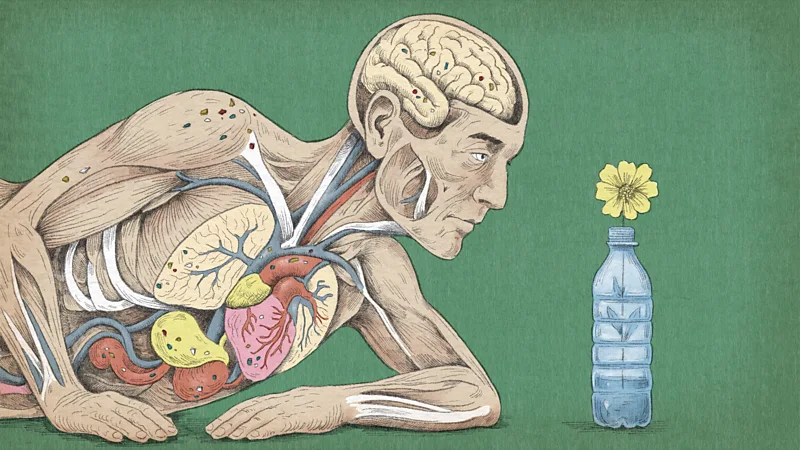
How Microplastics in Our Bodies Harm Human Health From the food we eat to the air we breathe, microplastics in our bodies are becoming alarmingly common. These microscopic particles—originating from broken-down plastic products—are now being detected in organs, blood, brain tissue, and even bones. But what are they really doing to us? Tracking Microplastics in Our Bodies and Their Long-Term Effects In recent years, scientists have identified microplastics in nearly every part of the human body. Studies have found them in the bloodstream, lungs, liver, kidneys, spleen, and even the placenta. More shockingly, recent findings have uncovered plastic particles in bone tissue and brain matter, raising urgent questions about long-term health implications. How Microplastics Enter and Accumulate in Our Bodies Microplastics are inhaled through the air, ingested with food or water, and even absorbed through the skin. Everyday actions—like drinking from plastic bottles, heating food in plastic containers, or brewing tea in plastic-sealed bags—contribute to the accumulation of microplastics in our bodies. Even a single liter of bottled water can contain up to 240,000 microplastic particles, often invisible to the naked eye but small enough to penetrate tissues and organs. What Happens After They Enter? Scientists believe that once microplastics enter the body, they can trigger several harmful responses: Emerging Links to Disease Recent studies have revealed possible connections between microplastics in our bodies and several health issues: 1. Heart and Blood Vessel Risks Microplastics have been discovered in arterial plaques, possibly accelerating heart disease and increasing the risk of stroke or heart attack. 2. Neurological Concerns Plastic particles have been detected in human brain tissue. Individuals with dementia showed up to 10 times higher levels of plastic in their brains, though direct causation remains under investigation. 3. Bone and Muscle Integrity Particles found in bone and muscle tissue may impair regeneration and performance, potentially affecting mobility and overall strength. 4. Cancer and Tumor Development Chronic inflammation from microplastics may create an environment that fosters tumor formation, though this remains an active area of research. Why Microplastics Pose a Complex Challenge Not all microplastics are created equal. They vary in size, shape, chemical composition, and toxicity. Some are nanoplastics, which are even smaller and more likely to penetrate cell membranes. Others act as carriers of heavy metals or toxins, intensifying their health impact. Furthermore, microplastics can harbor antibiotic-resistant genes, potentially undermining our ability to fight infections. Who Is Most at Risk? Certain groups may be more vulnerable to the effects of microplastics, including: The Path Forward: Research and Regulation Scientists are now developing laboratory models—like vascular organoids—to study how plastic particles interact with human tissues. Preliminary animal studies suggest that chronic exposure to even small amounts of microplastics can induce inflammation and metabolic changes. Experts emphasize the need to identify safe exposure thresholds and design safer plastics. Future recommendations may also target manufacturers to reduce harmful compounds in everyday products. Can We Protect Ourselves from Microplastics? While it’s nearly impossible to eliminate exposure completely, you can reduce your risk: A Hidden Health Crisis in Plain Sight Microplastics in our bodies may not cause instant illness, but their silent accumulation poses a long-term threat. From inflammation and hormonal disruption to cardiovascular and neurological risks, the impact of plastic pollution has moved from oceans and soil into the most intimate corners of our biology. As researchers race to uncover more, the message is clear: the era of invisible plastic exposure is here—and we need to respond.