Kissing Bug Disease in the US: Symptoms & Treatment

Chagas Disease in the US: Introduction and Overview Kissing bug disease, caused by the parasite Trypanosoma cruzi, is an emerging public health concern in the United States. This disease, also known as Chagas disease, is primarily transmitted by kissing bugs, or triatomines. Once thought to be limited to Latin America, recent research confirms that kissing bug disease now affects several regions across the US. Experts warn that without proper awareness, testing, and preventive measures, many Americans may remain unaware they carry this potentially life-threatening infection. The infection often goes undiagnosed early because initial symptoms are mild or nonspecific. By the time chronic complications, such as serious heart and digestive problems, appear, the disease may have been present for years. Increasing public and medical awareness significantly improves early detection and treatment outcomes. Overview of Kissing Bug Disease Chagas disease is caused by the protozoan parasite Trypanosoma cruzi. The World Health Organization classifies it as a neglected tropical disease, and it is widely established in many Latin American nations. In the United States, it is increasingly considered an emerging health concern, particularly in the southern states where kissing bugs are more common. Causes and Transmission of Kissing Bug Disease In the United States, the most common method of transmission is through the bite of infected kissing bugs. These insects feed at night and often defecate near the bite site. Infection occurs when the parasite in the bug’s feces enters the body through the eyes, mouth, mucous membranes, or broken skin. Transmission can also occur through contaminated blood transfusions, organ transplants from infected donors, congenital transfer from mother to child, and, in rare instances, contaminated food or drink. Many infections progress unnoticed because symptoms in the early stage are minimal. Early Symptoms Chagas disease develops in two distinct stages: acute and chronic. Early Symptoms The acute phase lasts a few weeks to a few months, during which individuals may experience fever, weakness, fatigue, headache, swelling at the site of the bite, rash, nausea, vomiting, or diarrhea. These mild signs often resemble common viral illnesses, making the condition difficult to detect in the early phase. Chronic Complications If the disease remains untreated, it may lead to chronic complications involving the heart, digestive tract, and nervous system. Long-term effects include heart failure, cardiac arrhythmias, enlargement of the esophagus or colon, stroke, and sudden cardiac death. Research indicates that between twenty and thirty percent of infected individuals eventually suffer from serious complications, emphasizing the importance of early diagnosis. Kissing Bugs and Their Spread in the US Kissing bugs are blood-feeding insects commonly found in warmer climates, especially in the southern regions of the United States.https://www.who.int/health-topics/chagas-disease#tab=tab_1 States with Known Kissing Bug Populations Scientists have confirmed the presence of kissing bugs in at least thirty-two states, including Texas, Arizona, California, Louisiana, Florida, Mississippi, and Arkansas. Climate shifts may allow these insects to expand into more northern regions, increasing the risk of transmission in additional areas. Infected Mammals and Pets Research reveals that several animals act as reservoirs for Trypanosoma cruzi. Infected mammals include raccoons, opossums, armadillos, coyotes, and domesticated pets such as cats and dogs. Veterinarians in affected states have reported cases among pets and zoo animals, which shows that the disease extends beyond human populations. Epidemiology of Chagas in the US The Centers for Disease Control and Prevention estimate that around 280,000 people in the United States are currently living with Chagas disease, though the exact number of individuals with chronic complications is uncertain. Human Cases in Kissing Bug Disease Documented human cases have been identified in states such as Arkansas, Arizona, California, Louisiana, Missouri, Mississippi, Tennessee, and Texas. Because Chagas disease is not nationally reportable in most states, a significant number of infections may go undetected. Public Health Implications Acknowledging Chagas disease as endemic in the United States would improve surveillance, enhance public education, increase funding for treatment and research, and prompt healthcare providers to screen at-risk groups more effectively. Many experts believe that viewing Chagas solely as a foreign disease has delayed the development of adequate public health strategies. Diagnosis of Chagas Disease Early detection is essential for successful treatment outcomes. Blood Tests and Screening Diagnosis usually relies on serological tests that detect antibodies against Trypanosoma cruzi. Screening is especially important for individuals who donate blood, pregnant women with potential exposure, and patients with unexplained heart or digestive problems. Challenges in Detection Kissing Bug Disease A major obstacle to timely diagnosis is the limited familiarity of US healthcare professionals with Chagas disease. Many patients only learn of their infection when they donate blood or when chronic complications have already begun. Treatment Options There is currently no vaccine for Chagas disease, but timely medical treatment can be effective, particularly during the early phase. Benznidazole and Nifurtimox The primary treatments are antiparasitic medications such as benznidazole and nifurtimox. These drugs work best during the acute stage, although some individuals in the chronic phase may still benefit from therapy. Managing Long-Term Complications In chronic cases, treatment centers on managing symptoms and preventing progression. Physicians focus on controlling heart failure and arrhythmias, addressing digestive disorders, and monitoring stroke risk. Consistent medical follow-ups and lifestyle adjustments improve the outcome for many patients. Preventing Chagas Disease Prevention focuses on limiting contact with kissing bugs and reducing the possibility of infection. Reducing Contact with Kissing Bugs Preventive actions include sealing cracks and gaps in homes, installing window screens, removing nesting or shelter areas near houses, and keeping pets indoors at night in high-risk locations. Public Health Measures Public health programs in countries where the disease is common have achieved success through community education and vector control efforts. Experts in the United States recommend similar strategies, such as training healthcare providers, launching awareness campaigns, and improving disease surveillance. Expert Insights and Global Comparisons Medical specialists emphasize the importance of recognizing Chagas disease as a domestic health concern. Nations such as Bolivia, Argentina, and Chile have reduced infection rates through coordinated strategies and public health initiatives. In contrast, US prevention efforts remain limited,…


Read More

Lung Fibrosis Drug Jascayd Wins FDA Approval

Introduction to the New Lung Fibrosis Drug Jascayd has officially become an FDA-approved lung fibrosis drug for treating idiopathic pulmonary fibrosis (IPF) in adults. Developed by Boehringer Ingelheim, this oral therapy is the first major breakthrough for IPF patients in over a decade. It brings renewed hope to those battling this progressive and life-limiting condition. What Is Idiopathic Pulmonary Fibrosis and Why Lung Fibrosis Drugs Are Needed Idiopathic pulmonary fibrosis is a rare, chronic disease that causes progressive lung scarring. This scarring gradually reduces lung function. The exact cause remains unknown, and the disease typically affects individuals over the age of 60. Symptoms include persistent dry cough, shortness of breath, fatigue, and unexplained weight loss. As the disease progresses, it can severely impact daily activities and overall quality of life.Lung fibrosis drug A Breakthrough Lung Fibrosis Drug for IPF Treatment Jascayd is the first and only preferential inhibitor of phosphodiesterase 4B (PDE4B) to be approved for IPF. By targeting this enzyme, Jascayd exerts both antifibrotic and immunomodulatory effects, slowing the decline in lung function associated with IPF. This novel mechanism of action distinguishes Jascayd from previous treatments, offering a new avenue for managing the disease. Clinical Trial Success The approval of Jascayd was based on data from the Phase III FIBRONEER-IPF clinical trial, which demonstrated that adults treated with Jascayd experienced a smaller reduction in forced vital capacity (FVC) compared to those on a placebo over a 52-week period. FVC is a key measure of lung capacity and function. Additionally, Jascayd exhibited a well-tolerated safety profile, with the most common side effects being gastrointestinal symptoms such as diarrhea and upper respiratory tract infections. Lung fibrosis drug Comparison with Existing Treatments Prior to Jascayd, the FDA-approved treatments for IPF included Ofev (nintedanib) and Esbriet (pirfenidone), both of which have been shown to slow disease progression. However, these therapies have limitations in terms of side effects and patient adherence. Jascayd’s novel mechanism and oral administration may offer advantages in terms of tolerability and patient compliance.https://www.youtube.com/watch?v=RHn2sIbm_5g Implications for the Future The approval of Jascayd represents a significant step forward in the treatment of IPF, a disease that has long been challenging for clinicians and patients alike. While Jascayd does not cure IPF, it provides a new option for managing the disease and improving patient outcomes. Ongoing research and clinical trials will continue to explore the full potential of Jascayd and other emerging therapies in the fight against IPF.Lung fibrosis drug Conclusion The FDA’s approval of Jascayd is a landmark achievement in the field of pulmonology, offering new hope to individuals affected by idiopathic pulmonary fibrosis. As research progresses, it is anticipated that additional therapies will emerge, further enhancing the management and treatment of this debilitating disease.

Read More

Long Beach Tuberculosis News: Emergency Declared

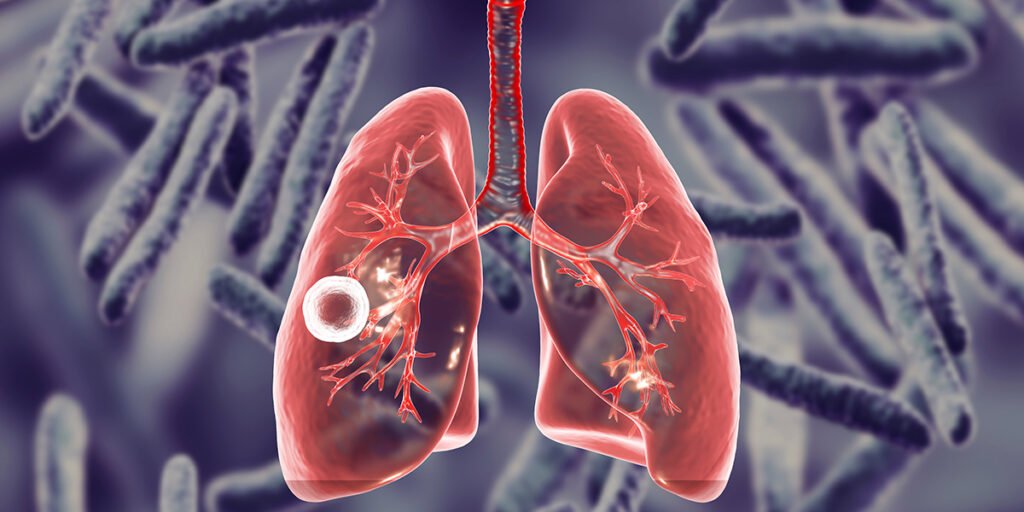
Public Health Emergency in Long Beach: Latest Tuberculosis News The latest Long Beach tuberculosis news reports that the city declared a public health emergency due to a TB outbreak. City Health Officer Dr. Anissa Davis made this decision to help the health department quickly mobilize resources. It also streamlines containment efforts. The City Council will likely ratify the declaration, highlighting the urgency of the situation. Health authorities identified about 170 individuals exposed during this outbreak. The overall risk for the general public remains very low. Health authorities linked the outbreak primarily to a single room occupancy hotel. To protect patient privacy, they have not disclosed the exact location. The affected population faces numerous challenges, including homelessness, housing insecurity, mental health conditions, substance use, and serious medical comorbidities. Among the fourteen confirmed cases, nine individuals required hospitalization, and one person died. The public health emergency declaration lets the city coordinate testing, treatment, and prevention more efficiently for high-risk individuals. Long Beach Tuberculosis News: Understanding the Risks and Symptoms Tuberculosis, or TB, is a bacterial infection that mainly affects the lungs. It can also impact other organs. Symptoms include persistent coughing, chest discomfort, fever, and coughing up blood or mucus.. TB is a serious illness, but it is treatable. Completing a full course of standardized antibiotics can cure the disease and prevent transmission. Preventive strategies, including vaccination, early screening, and adherence to treatment, are essential in controlling outbreaks. The Long Beach outbreak highlights the complexities of TB transmission, especially among populations facing socioeconomic challenges. Individuals in these groups often encounter barriers to healthcare access, making prompt diagnosis and treatment critical. Public health authorities are conducting thorough screenings to identify and manage new cases. These screenings include symptom assessments, blood or skin tests, and chest X-rays. https://www.cdc.gov/tb/index.html Long Beach Tuberculosis News: Understanding the Public Health Impact Although the outbreak has affected a specific population, city officials maintain that the overall risk for residents of Long Beach remains low. The affected group, which includes people experiencing homelessness and other health vulnerabilities, is at increased risk of severe outcomes due to TB. Hospitalizations have already occurred, and the potential for serious complications underscores the importance of the emergency declaration. By activating additional resources, the city can ensure that exposed individuals receive timely treatment and monitoring, which is crucial for preventing further transmission and reducing mortality risks. This outbreak also reflects broader trends in tuberculosis in the United States. After decades of declining cases, the incidence of TB has begun to rise slightly, with recent reports indicating a gradual increase following the disruptions caused by the Covid-19 pandemic. These trends highlight the importance of maintaining vigilance and public health preparedness even in areas where TB is relatively rare. Early Detection and Treatment of Tuberculosis Early identification of tuberculosis cases is essential for controlling outbreaks and improving patient outcomes. Individuals exposed to tuberculosis or experiencing symptoms such as persistent cough, fever, or chest discomfort should seek immediate medical attention. Once diagnosed, treatment typically involves a combination of antibiotics administered over several months to ensure complete eradication of the bacteria. Adherence to the treatment regimen is critical, as incomplete treatment can lead to drug-resistant strains of TB and increased transmission risk. Prompt treatment not only protects affected individuals but also safeguards the broader community by reducing the potential for secondary infections. Preventing Tuberculosis in the Community Preventive measures play a vital role in limiting the spread of tuberculosis. Vaccination programs, screening initiatives, and public education campaigns help health authorities identify and treat high-risk populations promptly. Long-term prevention also involves addressing underlying social determinants of health, such as housing instability, access to medical care, and exposure to environmental hazards. By focusing on both medical treatment and community-level interventions, public health authorities can effectively reduce the burden of TB and protect vulnerable populations. Health authorities urge residents to stay informed through official channels, monitor symptoms, and follow recommended guidance. While the general public’s risk remains low, awareness and proactive engagement are key to preventing further cases and supporting the health of the community. Tuberculosis Trends in the United States Tuberculosis has historically been a public health concern in the United States, and recent trends show a slight increase in reported cases following the Covid-19 pandemic. Before the pandemic, TB incidence had steadily declined, reaching 2.7 cases per 100,000 people in 2019. In 2020, rates decreased slightly to 2.2 per 100,000, but disruptions in healthcare services likely resulted in missed or delayed diagnoses. Researchers note that ongoing monitoring and reporting are essential to understanding the true burden of TB and implementing timely interventions. The Long Beach outbreak reminds us that tuberculosis still exists in the U.S. Effective public health measures remain necessary, even in areas with low TB rates. Guidance for Long Beach Residents Public health officials advise Long Beach residents to follow guidance. This is especially important for those staying at or in close contact with people from the affected hotel. Awareness of TB symptoms and timely medical evaluation are critical steps for prevention and early treatment. People can lower their risk by practicing good respiratory hygiene. They should stay up to date on vaccinations and avoid long exposure to infected individuals. Health authorities emphasize that the outbreak remains within a specific population. It does not threaten the broader community. The city conducts ongoing screening, treatment, and education to reduce the outbreak’s impact. These efforts also help prevent future cases.

Read More

Cardiologist Heart Health Tips: 8 Habits to Protect Your Heart

Cardiologist heart health tips come straight from Dr. Haider, a New York-based cardiologist and social media advocate known as @yourheartdoc. He practices what he preaches, balancing a demanding medical career with family life while emphasizing consistency, balance, and small daily habits over perfection. His practical, sustainable approach offers strategies anyone can follow to improve cardiovascular health. Prioritize What Matters Most Dr. Haider’s life is guided by a few key priorities: health, family, and purpose. Recognizing that time is his most limited resource, he has learned to be intentional about how he spends it. Carving out time for his top priorities takes planning, but it’s nonnegotiable. Cardiologist heart health tips Tips for implementing: Be Consistent, Not Perfect Dr. Haider often reminds patients that they don’t need to give up the things they love, even if those things aren’t always the healthiest choices. His philosophy is about building a sustainable lifestyle rooted in consistency for exercise, sleep, and diet rather than striving for perfection every day. Tips for implementing: Focus on Balance When It Comes to Nutrition Dr. Haider follows a balanced and flexible approach to eating. Most days, he practices intermittent fasting, but not every day. This approach is supported by a 2024 systematic review, which found that various forms of fasting can reduce cardiovascular risk, especially when combined with regular exercise. Tips for implementing: Find Ways You Enjoy Moving Your Body Many face a challenge with consistency, especially due to chronic pain or a busy schedule. Dr. Haider encourages focusing on what you can do when it comes to physical exercise rather than what you can’t. In fact, research suggests that even just 30 minutes of exercise a week can start to make a difference in your health, especially if you’re not currently active. Cardiologist heart health tips Tips for implementing: Manage Stress Through Setting Boundaries Dr. Haider has learned to mentally separate work from home life as a way to manage stress. It is not always possible, especially with a demanding job, but drawing clear boundaries helps him stay present and recharge outside of work. Tips for implementing: Take Sleep Seriously Dr. Haider used to believe he could function well with minimal sleep. Now, he sees sleep as one of the most important pillars of heart health. He aims for an average of seven hours per night over the week. If a night is cut short while he’s on call, he tries to make up for it later in the week. Cardiologist heart health tips Tips for implementing: Build Small, Consistent Habits Rather than relying on trendy supplements or complicated devices, Dr. Haider focuses on simple, manageable ways to monitor his heart health. He pays attention to key markers like cholesterol, blood pressure, and weight through regular check-ups, and uses his phone to track his daily steps. He recommends a goal of at least 7,000 steps a day.https://www.youtube.com/watch?v=FkEyHX6IVU0 Tips for implementing: Try to Be Proactive As we move through different stages of life, our health needs and priorities naturally change. Dr. Haider encourages regularly checking in with yourself to understand what’s working and being open to adjusting habits as your body and circumstances evolve. Rather than waiting for a problem to arise, try to take proactive, manageable steps that support your well-being over the long term. Tips for implementing:

Read More

COPD in Younger Adults: Causes, Risks, and Prevention Strategies

Understanding COPD in Younger Adults Chronic obstructive pulmonary disease (COPD) is a progressive lung condition that makes breathing difficult. While commonly associated with older adults, COPD can also develop in younger adults, affecting those under the age of 50. Recognizing COPD in younger adults is critical for early diagnosis and effective management, as early onset may increase the risk of hospitalizations and premature mortality. What is COPD? COPD is an umbrella term for lung diseases characterized by airflow obstruction and chronic respiratory symptoms. The two primary types are: Although COPD is chronic and progressive, treatments and lifestyle changes can improve quality of life and reduce exacerbations. Risk Factors for COPD in Younger Adults Early recognition of these risk factors can aid in prevention and management of COPD in younger adults. Prevalence of Early-Onset COPD Although COPD is typically associated with older age groups, emerging evidence shows that a notable percentage of younger adults are affected. Research indicates that approximately 4% to 5% of adults under the age of 50 meet diagnostic criteria for COPD, making young COPD a condition that warrants attention. The prevalence is slightly higher in populations with a history of smoking or exposure to environmental pollutants, but it is important to recognize that non-smokers can also develop COPD. This highlights the multifactorial nature of the disease, which includes genetic susceptibility, occupational hazards, and prior respiratory illnesses. Prevalence and Statistics Studies indicate that approximately 4–5% of adults under 50 may have early-onset COPD. Younger adults with COPD often experience increased hospitalizations and are at higher risk of premature death compared to peers without the disease. Understanding prevalence helps raise awareness and motivates early interventions. Symptoms of COPD in Younger Adults Common signs include: Since symptoms may be subtle in early stages, early diagnosis is often delayed. Diagnosis of COPD in Younger Accurate diagnosis is essential to implement treatment plans that can slow progression. Definition of COPD in Younger Adults Chronic obstructive pulmonary disease, commonly known as COPD, is a progressive lung condition that makes breathing increasingly difficult over time. While COPD is often associated with older adults, research shows that young COPD, or COPD diagnosed in adults under 50, is a growing health concern. This condition encompasses a group of lung diseases, primarily emphysema and chronic bronchitis, that result in airflow obstruction and compromised lung function. Emphysema damages the air sacs in the lungs, reducing their ability to exchange oxygen effectively, while chronic bronchitis is characterized by long-term inflammation, airway narrowing, and excessive mucus production. Young adults with COPD face unique challenges because the disease occurs during what would normally be the most productive and physically active years of life, increasing the risk of hospitalization, severe respiratory complications, and early mortality.https://www.cdc.gov/cdi/indicator-definitions/chronic-obstructive-pulmonary-disease.html?utm_source=chatgpt.com The Importance of Early Detection Early detection of COPD in younger allows for: Treatment and Management Strategies Effective management involves a combination of lifestyle changes, medications, and rehabilitation programs. Lifestyle Changes Medications Pulmonary Rehabilitation Structured exercise, education, and support programs improve breathing efficiency and endurance. Vaccinations and Infection Prevention Vaccines help prevent respiratory infections that can worsen COPD, including: Preventing COPD in Younger Adults Complications of COPD in Younger Adults Living with COPD in Younger Future Research and Awareness

Read More

Global Diabetes Diagnosis Statistics: Risk and Early Detection

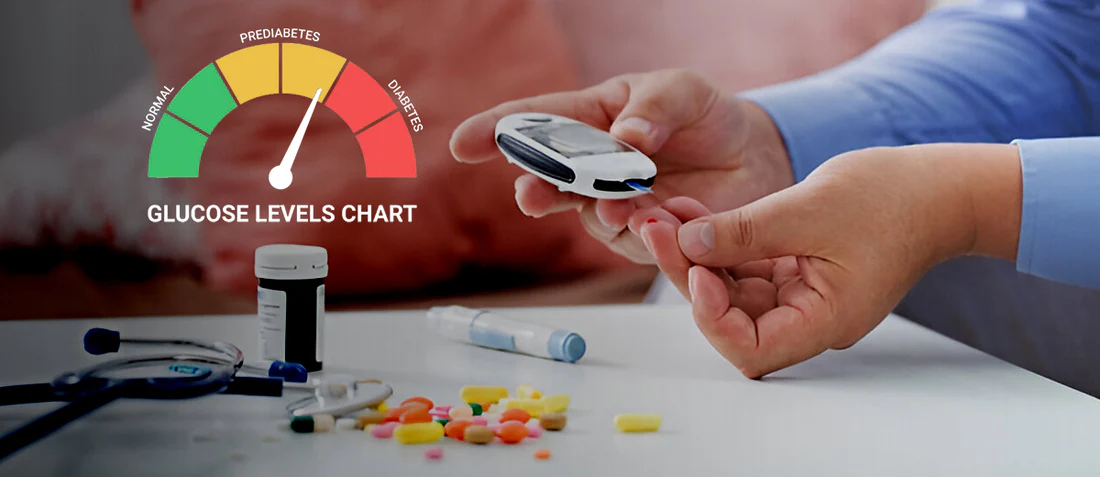
Introduction: Undiagnosed Diabetes in Young Adults Recent research highlights the importance of global diabetes diagnosis statistics, showing that nearly half of adults with diabetes worldwide are undiagnosed. These statistics reveal critical gaps in awareness, screening, and early detection, particularly among younger adults, and underscore the urgent need for public health interventions. Understanding these trends is essential for preventing long-term complications and improving outcomes for people living with diabetes. Global Statistics on Undiagnosed Diabetes Recent research analyzing data from 204 countries between 2000 and 2023 found that 44% of people aged 15 and older with diabetes are undiagnosed. Awareness varies widely by age and geography: younger adults are much less likely to know they have diabetes, and low- and middle-income countries generally report higher rates of undiagnosed cases than high-income nations. Global diabetes diagnosis statistics. Why Young Adults Often Remain Undiagnosed Young adults are less frequently screened for diabetes compared to older populations. Only 20% of young adults with diabetes are aware of their condition, according to global data. Because early diabetes often presents with few or no symptoms, many people remain unaware until complications arise, which are more common in older adults. Symptoms to Watch For Although diabetes can be silent in its early stages, common warning signs include: Anyone experiencing these symptoms, or with a family history of diabetes, should consider a glucose screening. Early diagnosis allows for timely management and reduces the risk of serious health complications. The Importance of Early Diagnosis and Treatment Diagnosing diabetes early enables effective management through lifestyle changes, medication, and regular monitoring. Studies indicate that only 40% of treated patients achieve optimal blood sugar control, highlighting the need for better follow-up and adherence to treatment. Undiagnosed diabetes is also linked with other health conditions, such as hypertension and chronic kidney disease, which can complicate treatment further. Addressing blood sugar early can prevent these comorbidities and improve long-term health outcomes. Preventing Diabetes: Lessons from Global Diagnosis Statistics While type 1 diabetes cannot currently be prevented, type 2 diabetes can often be avoided through lifestyle interventions:

Read More

Prediabetes at Young Age May Raise Dementia Risk

Introduction: The Overlooked Connection Between Blood Sugar and Brain Health Prediabetes and dementia risk in younger adults has become an important public health concern. Prediabetes is a condition where blood sugar levels rise above normal but do not yet meet the threshold for a diabetes diagnosis. While often considered a warning sign for type 2 diabetes, new studies reveal that when prediabetes develops at a younger age, it can significantly increase the likelihood of dementia and cognitive decline later in life. Millions of adults under 60 unknowingly live with prediabetes. This early metabolic imbalance can silently cause lasting damage — not only to the heart and blood vessels but also to the brain — highlighting the critical connection between blood sugar control and long-term brain health. Prediabetes and Dementia Risk in Younger Adults Explained A comprehensive study published in Diabetologia examined long-term health data from middle-aged adults in the United States. Participants were observed for decades to determine how the timing of diabetes onset affected cognitive health.The results were clear: individuals who developed type 2 diabetes before age 60 faced three times the risk of developing dementia in later life compared with those who never developed diabetes. When diabetes developed between ages 60 to 69, the dementia risk decreased slightly but remained significant. Conversely, if type 2 diabetes was not diagnosed until a person’s 70s, the risk dropped to 23%, and those diagnosed in their 80s showed no increased risk compared to non-diabetic individuals. How ‘Glucose Years’ Explain Prediabetes and Dementia Risk in Younger Adults Experts explain this pattern using the concept of “glucose years” — the amount of time the brain and body are exposed to high blood sugar levels.The longer a person experiences elevated glucose, the more cumulative damage occurs. Chronic high blood sugar leads to inflammation, oxidative stress, and damage to small blood vessels, including those in the brain.Early exposure to these harmful glucose levels accelerates aging of the brain, leading to memory decline and increased vulnerability to dementia. Why Prediabetes and Dementia Risk in Younger Adults Matters The Centers for Disease Control and Prevention (CDC) reports that more than 1 in 3 American adults have prediabetes — and over 80% are unaware of it.Even more concerning, nearly 1 in 5 adolescents aged 12 to 18 and 1 in 4 young adults aged 19 to 34 are already living with prediabetes. This means the foundations for dementia and cardiovascular disease may begin decades before symptoms appear. Prediabetes and Its Link to Alzheimer’s Disease Research indicates that diabetes increases levels of beta-amyloid protein in the brain — a key biomarker of Alzheimer’s disease.Furthermore, high blood sugar promotes chronic inflammation and damages blood vessels that supply oxygen and nutrients to the brain. This process can contribute to both vascular dementia and Alzheimer’s disease. According to the Alzheimer’s Association, individuals with type 2 diabetes have a 60% higher risk of developing dementia. People with both conditions also tend to experience faster cognitive decline and shorter life expectancy than those without diabetes. https://www.who.int/news-room/fact-sheets/detail/dementia Early Prevention Can Protect Brain Function Preventing the progression from prediabetes to diabetes could significantly reduce dementia risk. Maintaining healthy blood sugar levels through lifestyle interventions is one of the most effective strategies for long-term brain protection. Key preventive steps include: Who Is at Higher Risk for Prediabetes Certain factors increase susceptibility to prediabetes, including: Recognizing these risk factors early and undergoing a blood sugar screening can help prevent long-term complications. The Lifelong Impact of Early Intervention The link between early-onset prediabetes and dementia highlights an important public health message: blood sugar control is not just about preventing diabetes — it’s also about protecting the brain.Younger adults who take proactive measures to manage blood sugar can preserve both metabolic and cognitive health, significantly lowering their chances of dementia later in life.

Read More

Best Foods for Improving Heart Health Naturally

Your Guide to Improving Your Heart Health Taking care of your heart is one of the most important investments for long-term well-being. While quitting smoking is a key step toward better cardiovascular health, incorporating the best foods for improving heart health naturally into your diet can provide even greater benefits. Simple actions such as eating nutrient-rich meals, exercising regularly, and managing stress can protect your heart, improve blood circulation, and lower your risk of heart disease. Heart-Healthy Diet Changes for Improving Heart Health Start Your Day Right to Support Heart Health Carrying excess belly fat can increase blood pressure and raise harmful cholesterol levels. Research has shown that reducing abdominal fat lowers the risk of cardiovascular problems. Start by cutting down on extra calories, controlling portion sizes, and choosing nutrient-dense meals over processed foods. Manage Excess Body Fat to Improve Heart Health A fiber-rich diet supports a healthy heart. Soluble fiber, in particular, helps reduce bad cholesterol (LDL). Foods like oats, beans, apples, avocados, and barley are excellent sources of soluble fiber that promote better cholesterol balance. Never Skip Breakfast for Improving Heart Health A healthy breakfast sets the tone for the rest of your day. Include whole grains such as oatmeal or whole-grain bread, lean proteins like eggs or nut butter, and fresh fruits or vegetables. Eating breakfast regularly helps maintain energy levels and supports weight management. How Fish Can Help Strengthen Your Heart Fish rich in omega-3 fatty acids—like salmon, tuna, and sardines—can reduce inflammation and lower the risk of heart disease. Aim to include fish at least twice a week for maximum benefitBest Foods for Improving Heart Health Naturally. Control Body Fat to Support Improving Heart Health Nuts like almonds, walnuts, and pecans are packed with heart-friendly fats, protein, and fiber. Eating a small handful daily can help reduce bad cholesterol and improve heart function. Remember, moderation is key since nuts are calorie-dense. Manage Excess Body Fat Too much salt contributes to high blood pressure and heart disease. Cut down on processed foods and restaurant meals that tend to be salt-heavy. Use herbs, spices, or salt substitutes to flavor your meals without compromising taste. Reduce Body Fat for a Stronger, Healthier Heart Limit foods high in saturated fats, such as fried items, butter, and fatty meats. Replace them with healthier options like olive oil, avocados, nuts, and seeds. Reading nutrition labels helps you stay aware of what you’re consuming. Body Fat Management Tips for a Stronger Heart Green and black tea contain antioxidants that may help reduce the risk of heart disease. Enjoying one to three cups daily can support heart health and overall vitality. Enjoy Dark Chocolate in Moderation Dark chocolate contains flavonoids that can help reduce inflammation and improve blood flow. Choose dark chocolate with a high cocoa content (70% or higher) and enjoy a small portion guilt-free. Include Fiber-Rich Foods to Boost Heart Health Stay Active Throughout the Day Sitting for extended periods can negatively impact blood sugar and fat levels. Make a conscious effort to move regularly—take short breaks, stretch, and go for short walks to keep your heart pumping. Best Foods for Improving Heart Health Naturally. Practice Yoga Yoga promotes flexibility, balance, and stress relief. Regular practice helps reduce blood pressure, improves circulation, and supports a calm mind—all of which benefit your cardiovascular system. Add Strength Training Incorporating strength exercises into your fitness plan helps build muscle, burn fat, and boost metabolism. Stronger muscles mean better heart efficiency and improved endurance. Try Interval Training Alternate between high-intensity and low-intensity activities. Interval training not only burns more calories but also strengthens your heart and lungs. Dance for Fun and Fitness Dancing is a joyful way to stay fit. It improves heart rate, enhances coordination, and can burn up to 200 calories per hour—all while keeping your spirits high. Engage in Healthy Intimacy Studies suggest that regular sexual activity can help lower blood pressure and improve circulation, benefiting both emotional and physical well-being. Go for a Daily Walk Walking is one of the simplest and most effective exercises for heart health. Even a 30-minute walk each day can lower stress, regulate blood pressure, and boost your mood. Take the Stairs Small choices can make a big impact. Skip the elevator and take the stairs whenever possible to strengthen your heart and legs. Turn Housework into a Workout Cleaning, mopping, and gardening all get you moving. Add energy to your chores with music and turn them into calorie-burning activities. Play Like a Kid Again Physical activity doesn’t have to be boring. Try roller skating, bowling, or playing outdoor games. Have fun while keeping your heart strong. Mental Health and Heart Health Engage in Relaxing Hobbies Creative hobbies like painting, knitting, or cooking can lower stress levels and support heart health. Keeping your hands busy helps your mind relax. Laugh More Often Laughter releases endorphins, lowers stress hormones, and can even raise “good” cholesterol levels. Watch comedies, share jokes, or spend time with cheerful friends. Manage Stress Effectively Prolonged stress can increase blood pressure and inflammation. Meditation, deep breathing, journaling, or simply spending time outdoors can help you unwind and improve emotional balance. Monitor Your Health Numbers Keep track of your blood pressure, blood sugar, cholesterol, and triglyceride levels. Regular check-ups can help detect and prevent heart-related issues early. Consider Pet Companionship Spending time with pets has been linked to lower stress levels, improved heart function, and reduced risk of heart disease. Whether it’s walking your dog or playing with a cat, the joy they bring benefits your heart.Best Foods for Improving Heart Health Naturally Drive Calmly and Mindfully Stressful commutes can elevate blood pressure. Try listening to soothing music or taking scenic routes to help you stay calm and relaxed behind the wheel.

Read More

Food-Drug Interactions: How Food Messes with Medicine

Introduction to Food-Drug Interactions Most of us think of food and medicine as separate parts of our daily lives. But in reality, the meals we eat can sometimes interfere with the way medications work. These food-drug interactions can either increase a drug’s potency, reduce its effectiveness, or even cause dangerous side effects. While doctors are still uncovering new cases, researchers are now exploring how these effects could be used to improve treatments. A Painful Case of Food-Drug Interactions: When Pomegranate Met Viagra One unusual case involved a man who took sildenafil (Viagra) for erectile dysfunction. Despite sticking to safe doses, he developed a prolonged and painful reaction. Doctors soon discovered the cause: a large glass of pomegranate juice, which had amplified the drug’s strength. This incident highlights how something as simple as fruit juice can dramatically alter a medication’s effect. Grapefruit and Food-Drug Interactions: The Most Famous Culprit Grapefruit is perhaps the best-known food to interfere with medicines. It blocks an important enzyme, cytochrome P450 3A4, which helps break down drugs in the body. As a result, normal doses of medications like statins, blood pressure pills, and even some antivirals can become dangerously strong or toxic. Cranberries and Warfarin: Food-Drug Interactions in the Blood-Thinning Debate For years, doctors suspected that cranberries might interfere with warfarin, a common blood thinner. Some patients reported unusual bleeding after drinking cranberry juice or eating cranberry products. While recent studies suggest the risk is low in normal consumption, experts still recommend caution, as different forms (juice, extract, or sauce) may behave differently. Herbal and Natural Remedies: Not Always Harmless It’s not only fruits that interact with medications. Herbs and supplements can be just as risky: These examples show why “natural” doesn’t always mean safe. When Foods Weaken Medicines Sometimes food doesn’t make drugs stronger but weaker. Dairy products, for example, can reduce the absorption of antibiotics like ciprofloxacin, while fibre-heavy meals can block medicines from entering the bloodstream. Patients are often advised to avoid milk, cheese, or cereal within a few hours of taking certain prescriptions. Harnessing Interactions for Better Treatments Not all interactions are harmful. Researchers are exploring how specific diets can actually improve medical outcomes. For instance, low-carb or ketogenic diets may help some cancer drugs work more effectively by limiting the sugar available to tumors. Scientists are even developing databases to track food-drug interactions, hoping to tailor diets alongside prescriptions in the future. Conclusion Food and medicine interact in surprising ways—sometimes beneficial, sometimes dangerous. From pomegranates boosting Viagra to grapefruit making blood pressure drugs toxic, these interactions show just how complex the human body can be. For now, the best advice is to stay consistent with your diet and talk to your doctor about any concerns.

Read More

How Noise Sensitivity Disrupts the Brain, Body, and Mind

Understanding Noise Sensitivity: When Everyday Sounds Become Overwhelming For millions of people, noise is more than a mere annoyance — it’s a source of intense distress. Whether it’s footsteps from the apartment above, distant traffic, or a vacuum running next door, noise sensitivity can disrupt concentration, trigger anxiety, and even compromise long-term health. Unlike a temporary irritation, this condition can deeply affect emotional wellbeing, sleep quality, and even heart health. Understanding Noise Intolerance and Related Disorders While often confused with hyperacusis or misophonia, noise sensitivity stands apart. People with hyperacusis perceive sounds as louder than they really are, often experiencing discomfort or pain. Misophonia, meanwhile, is characterized by intense emotional reactions to specific triggers like chewing or pen-clicking. By contrast, noise sensitivity involves a broader, generalized emotional reactivity to various sounds — regardless of their volume or nature. For those affected, seemingly benign noises can provoke feelings of irritability, dread, or stress. The Impact of Sound on the Brain and Nerves Recent neuroscience research sheds light on why some people react more strongly to sound. In those with noise sensitivity, the brain shows increased activity in response to all kinds of noise, not just those considered threatening. One area of interest is the medial geniculate nucleus, which plays a crucial role in filtering sound before it reaches conscious awareness. In noise-sensitive individuals, this filter appears to function less effectively. As a result, the brain remains “on alert,” even during sleep. This might explain why those with noise sensitivity experience disrupted sleep patterns, fewer sleep spindles (essential brainwave activity during rest), and higher levels of daytime fatigue. The Physical and Mental Health Toll of Noise Sensitivity The consequences go beyond mere annoyance. Studies have linked chronic noise exposure to increased risks of hypertension, heart disease, anxiety, and depression, particularly in people who are more sensitive to noise. A recent survey found that those who identified as highly noise-sensitive reported poorer general health, less restorative sleep, and higher rates of emotional exhaustion. For many, everyday sounds can lead to a persistent fight-or-flight response, elevating cortisol levels and keeping the body in a constant state of stress. Is Noise Sensitivity Genetic – Or Learned Over Time? Genetic studies, including research on twins, suggest that noise sensitivity has a heritable component. However, environmental factors play a major role as well. Prolonged exposure to noisy surroundings, especially during formative years, may condition the brain to react more strongly over time. Furthermore, individuals with conditions like anxiety, PTSD, schizophrenia, and autism are significantly more likely to develop heightened sound sensitivity. Why Medical Recognition Matters for People with Noise Sensitivity Despite its clear impacts, noise sensitivity often gets dismissed in medical settings. Because it lacks a formal diagnosis, sufferers are frequently left to navigate the condition without guidance. Yet for many, it affects every part of daily life — from where they live to how they work or socialize. As awareness grows, there’s hope for more targeted support. Recognizing noise sensitivity as a valid concern could lead to better accommodations in workplaces, urban planning, and mental health services. How to Cope with Noise Sensitivity: Strategies and Treatments While eliminating noise entirely is unrealistic, there are practical steps that can make a big difference: Urban Planning Solutions for a Quieter Future Cities across Europe and beyond are experimenting with quieter infrastructure — including sound-reducing road materials, noise-dampening architecture, and quiet zones in parks and public spaces. These innovations show that solutions are not only possible but effective in improving quality of life for noise-sensitive residents. Living with Noise Sensitivity: Finding Calm Amid the Chaos While the world may not quiet down overnight, understanding how works is a powerful first step. Recognizing the biological and psychological roots of the condition can validate experiences and lead to better coping mechanisms. For now, tools like noise-blocking gear, therapeutic techniques, and conscious lifestyle choices offer relief. And with growing awareness, there’s hope for broader systemic changes — so that people with can find peace not only within their own homes but in the world around them.

Read More