GLP-1 Medication Type1 Diabetes: Risks, Benefits, and Research

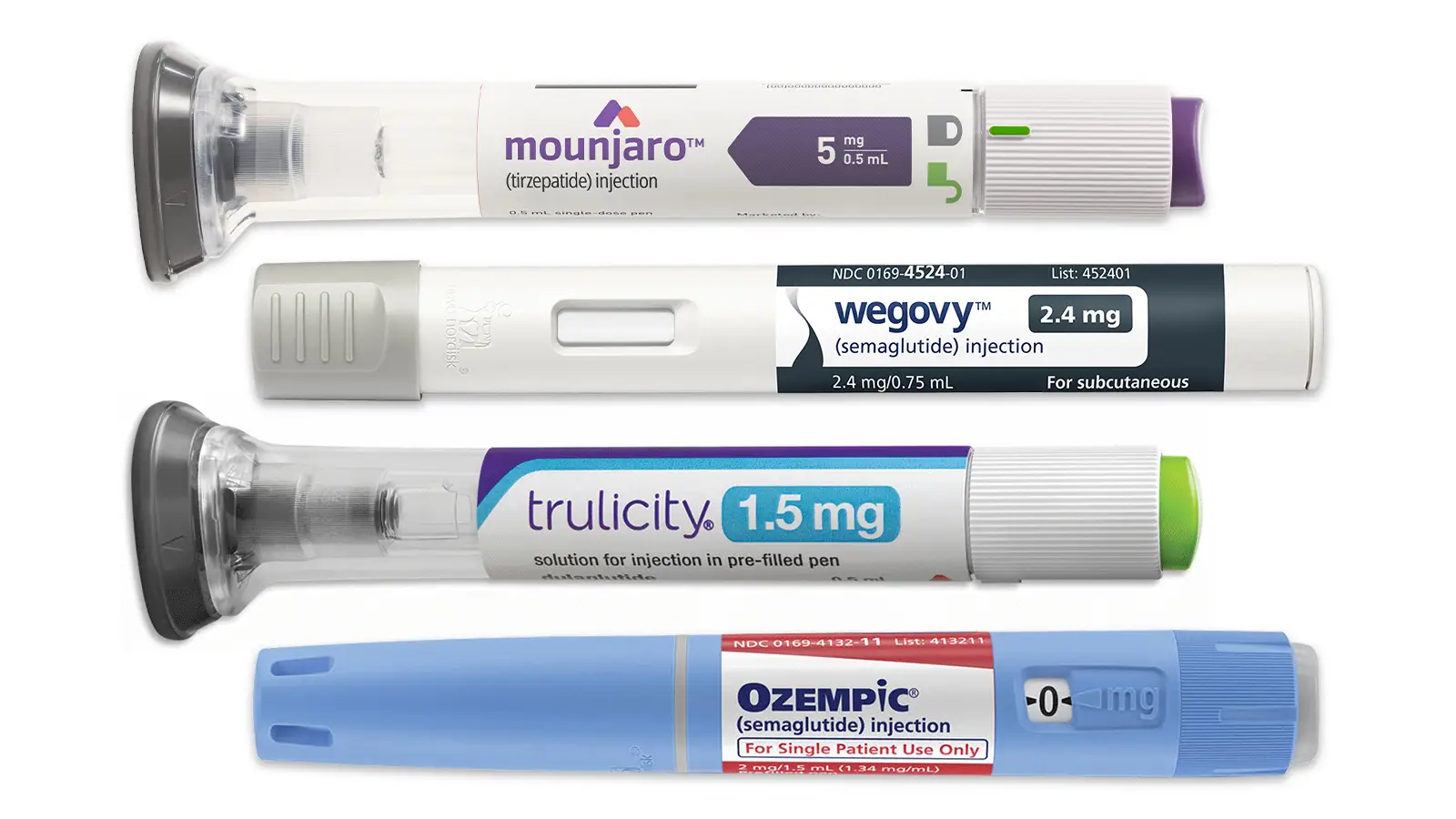
Introduction GLP-1 medication type1 diabetes use has been rising steadily, even though clinical evidence on their safety and effectiveness for people with type 1 diabetes remains limited. Medications like Ozempic, Wegovy, Zepbound, and Mounjaro were originally developed to treat type 2 diabetes, where the body becomes resistant to insulin. These drugs have also shown benefits in promoting weight loss, supporting cardiovascular health, and improving metabolic function in non-diabetic patients. However, individuals with type 1 diabetes depend entirely on insulin because their bodies cannot produce enough on their own. Using GLP-1 receptor agonists alongside insulin has raised concerns about potentially dangerous low blood sugar, and formal studies in type 1 populations are still scarce. Despite this, off-label prescriptions have become common, particularly for patients with type 1 diabetes who struggle with obesity or fluctuating blood sugar levels, highlighting a growing trend in clinical practice. Understanding GLP-1 Medications GLP-1 receptor agonists mimic the body’s natural glucagon-like peptide-1 hormone, which plays a crucial role in regulating blood sugar. These medications stimulate insulin secretion, slow the emptying of the stomach, and increase satiety, making them effective for controlling blood sugar and aiding weight management. Although these drugs have proven safe and effective for type 2 diabetes, their use in type 1 diabetes remains largely unexplored. The potential for low blood sugar and the lack of formal clinical trials in type 1 populations make careful monitoring essential. The Rising Obesity Trend in Type1 Diabetes Obesity rates among people with type 1 diabetes have been increasing over the past decade. Among children aged two to nineteen, obesity has risen from 18% to 26%, while in adults aged twenty and older, it has increased from 30% to 38%. This upward trend in obesity has prompted clinicians to explore additional treatment options, including GLP-1 medications, to help manage weight and improve glycemic control. For type 1 patients, maintaining a healthy weight is particularly challenging because insulin therapy can contribute to fat storage. Use of GLP-1 Medication in Type1 Diabetes Some type 1 diabetes patients report that GLP-1 medications help stabilize their blood sugar, reduce insulin requirements, and support weight loss. These benefits are most pronounced in patients with obesity, who face a higher risk of complications from insulin resistance and metabolic stress. However, not all type 1 patients benefit equally. Those who are not overweight may experience more gastrointestinal side effects, which can lead them to discontinue the medication. Careful dosing and close supervision by an endocrinologist are essential to prevent hypoglycemia, a potentially life-threatening condition that can occur if insulin and GLP-1 medications are not balanced properly. Evidence and Safety of GLP-1 Medication in Type1 Diabetes The current evidence for using GLP-1 medications in type 1 diabetes comes primarily from retrospective and observational studies. These studies suggest that some patients may experience improved blood sugar control and weight loss, particularly those who are insulin-dependent and overweight. Researchers have not conducted enough randomized controlled trials specifically for this population, which makes it difficult to fully assess long-term safety and efficacy. Patients commonly report side effects such as nausea, vomiting, and diarrhea, and hypoglycemia remains a key concern. Ongoing Clinical Trials Several clinical trials are currently investigating GLP-1 medications in type 1 diabetes. One study involves patients using an artificial pancreas system, which automatically adjusts insulin delivery based on continuous glucose monitoring. Researchers give participants weekly injections of semaglutide, a common GLP-1 drug, and monitor them for six months to evaluate blood sugar control, weight management, and safety. Another long-term trial at Yale University will follow patients for a year, with results expected in 2028. These trials aim to provide the rigorous, randomized data necessary to guide safe and effective use of GLP-1 medications in type 1 diabetes. Potential Benefits When prescribed appropriately, GLP-1 medications can help reduce insulin needs in type 1 patients with obesity. They can also stabilize blood sugar levels and support weight loss. Additionally, these drugs may offer cardiovascular benefits, improving lipid profiles and reducing inflammation in other populations. Anecdotal reports suggest better glucose control and improved quality of life. However, comprehensive clinical trials are needed to confirm these effects and ensure long-term safety. Risks and Limitations for GLP-1 Medication in Type1 Diabetes Despite their potential benefits, GLP-1 medications carry significant risks. Hypoglycemia is a primary concern when combined with insulin therapy, particularly for patients with fluctuating blood sugar levels. Gastrointestinal side effects are common and may interfere with adherence. Additionally, long-term effects of these drugs in type 1 diabetes are not well known. Careful monitoring and individualized treatment plans are essential. GLP-1 medications may not be suitable for all type 1 patients. This is especially true for those who are not overweight or have gastrointestinal disorders. Clinical Guidance for Patients Patients considering GLP-1 therapy should work closely with an endocrinologist to determine if the medication is appropriate. Blood sugar should be monitored rigorously, and insulin doses adjusted accordingly. Any adverse effects should be reported immediately.If side effects occur, or the medication is ineffective, other options can be considered. These include dietary changes, more exercise, or SGLT-2 inhibitors. Personalized approaches are critical, as responses to GLP-1 medications can vary widely among type 1 diabetes patients. https://diabetes.org/living-with-diabetes Future Directions The increasing off-label use of GLP-1 medications in type 1 diabetes underscores the urgent need for high-quality clinical trials. Researchers are focusing on identifying patient populations who are most likely to benefit, optimizing dosing strategies, and understanding long-term outcomes. With rigorous scientific evaluation, GLP-1 medications could serve as an important adjunct therapy. They may help manage weight and improve blood sugar control in type 1 diabetes patients, especially those with obesity-related challenges. Conclusion for GLP-1 Medications in Type1 Diabetes GLP-1 medications type 1 diabetes usage is a rapidly evolving area of clinical practice. Preliminary evidence suggests potential benefits for weight management and blood sugar control. However, risks such as hypoglycemia and gastrointestinal side effects require careful monitoring. Ongoing clinical trials will provide essential guidance on the safety and effectiveness of these drugs in type 1 diabetes….


Read More

Eye Trauma from Toy Guns: Protect Eyes from Paintball & Air Guns

Introduction Eye trauma from toy guns, including paintball guns, air guns, and other projectile-based toys, has become a serious public health concern. While these toys are often marketed as safe for children, they can cause severe eye injuries, sometimes resulting in permanent vision loss. This article explores the statistics, types of injuries, and essential preventive measures to protect the eyes from toy gun-related trauma. The Alarming Rise in Eye Injuries Statistics on Eye Injuries Between 1990 and 2012, eye injuries from air guns in the United States increased by 169%, with over 440,000 children treated in hospital emergency rooms during this period. This equates to more than 19,000 eye injuries each year, or approximately 52 per day. Disturbingly, more than half of these injuries were severe and required hospitalization. eye trauma from toy guns.https://www.youtube.com/watch?v=DXaHi9VAKP4 Since 2010, the number of hospital admissions for eye injuries from air guns has surged by a staggering 600%.Paintball guns have also been implicated in serious eye injuries, accounting for a significant proportion of posterior segment lesions, such as intraretinal or subretinal hemorrhages leading to macular atrophy or contusion maculopathy. Approximately one-third of these cases required ocular surgery, and 6.5% resulted in visual acuity worse than 20/200. Mechanisms of Injury Types of Eye Injuries The most common eye injuries resulting from air guns and paintball guns include: These injuries can lead to permanent vision impairment or blindness. For instance, a study found that 8% of eye injuries from air guns and other nonpowder toy guns resulted in phthisis, a condition where the eye becomes shrunken and non-functional. eye trauma from toy guns. The Role of Protective Eyewear Importance of Ballistic Eyewear The American Academy of Ophthalmology and other medical organizations strongly recommend the use of ballistic-rated protective eyewear when engaging in activities involving air guns or paintball guns. These goggles are specifically designed to withstand high-velocity impacts and provide comprehensive eye protection. It’s crucial to note that standard goggles or sunglasses, such as those designed for skiing or sun protection, are not adequate for preventing eye injuries from projectile toys. These eyewear types can shatter upon impact, potentially causing more harm than the projectile itself. eye trauma from toy guns. Preventive Measures Recommendations for Parents and Guardians Conclusion While paintball guns, air guns, and other projectile toys are popular recreational items, they pose significant risks to eye health. The rising incidence of eye injuries underscores the need for increased awareness and preventive measures. By prioritizing safety and adhering to recommended guidelines, we can mitigate the risk of severe ocular trauma associated with these toys.

Read More

Sugary Beverages and Fatty Liver: Risks and Prevention

Sugary Beverages and Fatty Liver: Risks, Research, and Prevention Nonalcoholic fatty liver disease (NAFLD), also called metabolic dysfunction-associated steatotic liver disease (MASLD), is one of the fastest-growing liver disorders worldwide. Research increasingly shows that sugary beverages and fatty liver are strongly linked, with even a single can of diet soda daily raising the risk of NAFLD by 60%, and regular sugary drinks increasing it by 50%. These findings challenge the common perception that diet drinks are harmless and emphasize the importance of making informed choices to protect liver health. How Sugary Beverages and Fatty Liver Contribute to NAFLD NAFLD occurs when excess fat accumulates in the liver, interfering with its normal function. Over time, this can lead to inflammation, fibrosis, cirrhosis, or even liver cancer. The disease is closely linked to metabolic conditions such as obesity, diabetes, and insulin resistance. In the United States, approximately 38% of the population is affected by NAFLD, marking a 50% increase over the past three decades. Lifestyle and dietary factors, particularly high consumption of sugary and diet beverages, are major contributors. Understanding the Link Between Sugary Beverages and Fatty Liver Impact of Sugar Sugary drinks are high in added sugars, particularly fructose, which can cause rapid spikes in blood glucose and insulin. This triggers the liver to convert excess sugar into fat, a process known as lipogenesis, leading to fat accumulation in the liver. Metabolic Effects Over time, excessive sugary drink intake contributes to insulin resistance, obesity, inflammation, and metabolic syndrome, all of which exacerbate fatty liver development. Surprising Risks of Diet Beverages Indirect Impact on Liver Diet drinks, although low in calories, may still negatively affect liver health. Research shows they can alter gut microbiota, increase insulin secretion, and heighten cravings for sweet foods, indirectly promoting fat deposition in the liver. Misconceptions About Diet Drinks Many people assume diet beverages are a safe alternative to sugary drinks. However, studies indicate that replacing sugary drinks with diet drinks does not significantly reduce the risk of fatty liver disease. Research Evidence: Key Findings A prospective study followed 124,000 participants over ten years using the UK Biobank. Researchers assessed dietary intake, including consumption of sugary and diet drinks, and monitored liver health. Key findings include: This study provides strong evidence that beverage choices directly influence liver health. Prevention Strategies Sugary Beverages and Fatty Liver Choose Water and Unsweetened Drinks Water, herbal teas, and unsweetened beverages are optimal for liver health. Unlike sugary or diet drinks, they do not disrupt metabolism and help maintain hydration and satiety. https://www.niddk.nih.gov/health-information/liver-disease Balanced Diet for Sugary Beverages and Fatty Liver A diet rich in fruits, vegetables, lean proteins, and healthy fats supports liver function and overall metabolic health. Limiting processed foods, refined carbohydrates, and added sugars is essential. Regular Physical Activity Exercise enhances insulin sensitivity, reduces hepatic fat, and improves overall metabolism. Active individuals have a significantly lower risk of fatty liver disease compared with sedentary peers. Early Detection and Management Routine screening for at-risk individuals may include liver function tests, imaging studies, and evaluation of metabolic risk factors. Healthcare providers should advise patients on the impact of both sugary and diet beverages and encourage healthier alternatives. For those diagnosed with NAFLD, interventions may include structured weight management, medical treatment for metabolic disorders, and ongoing monitoring to prevent disease progression. Policy and Public Health Measures Governments and public health agencies can reduce beverage-related liver risk through: These measures, combined with public education, can help reduce NAFLD prevalence at the population level. Understanding the Biological Mechanisms Both sugary and diet drinks influence liver function through: Targeting these mechanisms with diet, lifestyle, and emerging therapies is critical for long-term liver health. Long-Term Health Implications Regular consumption of sugary and diet drinks affects overall health: These systemic effects contribute to NAFLD progression and highlight the importance of healthy beverage choices. Managing Sugary Beverages and Fatty Liver: Recommendations for Individuals Early lifestyle interventions can prevent NAFLD and improve overall metabolic health. Sugary beverages and diet drinks significantly impact liver health. Both contribute to fat accumulation, metabolic disruption, and increased NAFLD risk. Prevention focuses on replacing these beverages with water, maintaining a balanced diet, exercising regularly, and monitoring liver function. Awareness, education, and supportive public health measures are essential to reduce the global burden of fatty liver disease. Making informed choices about daily beverages can have a lasting impact on liver health and overall well-being.

Read More

Loneliness Stroke Risk: Health Effects and Prevention

Introduction: Loneliness as a Stroke Risk Factor Loneliness is more than simply being alone; it is a subjective feeling of social isolation that affects mental and physical health. Recent research has linked chronic loneliness to a higher risk of severe stroke, highlighting its importance as a public health concern. Older adults who experience long-term loneliness face significantly higher chances of experiencing a stroke than those who feel socially connected. Understanding the connection between loneliness and stroke can help individuals and healthcare providers take proactive steps to reduce risk. How Loneliness Impacts Health Loneliness is associated with a wide range of health problems. It can affect both the body and mind, leading to increased stress, higher blood pressure, and inflammation. Over time, these physiological changes contribute to vascular issues that may precipitate a stroke. Mental health consequences include depression, anxiety, and cognitive decline, which can further amplify the risk of serious illnesses. Chronic loneliness has been shown to increase the likelihood of cardiovascular events by affecting heart rhythm, blood vessel function, and hormonal balance. Researchers emphasize that the longer the loneliness persists, the greater the potential impact on overall health. Loneliness and Stroke: Research Findings A recent observational study examined more than 12,000 adults over the age of 50 to determine how persistent loneliness correlates with stroke risk. Participants who consistently reported high levels of loneliness over several years were found to have a 56% higher likelihood of suffering a stroke compared to those who reported low levels of loneliness. This research suggests that it is not just temporary feelings of isolation that matter but sustained loneliness over time. While the study does not prove causation, it highlights a strong correlation between social isolation and cerebrovascular events, emphasizing the need for intervention. https://www.world-stroke.org Mechanisms Linking Loneliness to Stroke Researchers have proposed several mechanisms by which loneliness can elevate stroke risk: Who Is Most at Risk Although loneliness can affect anyone, certain populations are particularly vulnerable: Healthcare providers are encouraged to screen patients for feelings of social isolation as part of routine health assessments. Identifying Loneliness in Daily Life Loneliness is a subjective experience, meaning that even those surrounded by people may feel isolated. Signs of chronic loneliness can include: Self-administered questionnaires, like the Revised UCLA Loneliness Scale, can help individuals and healthcare professionals identify loneliness and its potential health consequences. Preventing Stroke Through Social Connection Addressing loneliness can play a critical role in stroke prevention. Strategies include: Lifestyle Measures to Reduce Stroke Risk In addition to addressing loneliness, lifestyle interventions can further reduce the likelihood of stroke: Combining social and lifestyle interventions provides a comprehensive approach to lowering stroke risk Recognizing Stroke Symptoms Early Early recognition of stroke is crucial for survival and recovery. The FAST acronym helps identify stroke warning signs: Timely medical intervention, including clot-busting treatments and supportive care, can significantly reduce disability and mortality. Role of Healthcare Providers Healthcare providers play a key role in mitigating stroke risk associated with loneliness: Early intervention by healthcare professionals can prevent strokes and improve overall quality of life. Social Programs and Community Support Communities can create supportive environments to combat loneliness and reduce stroke risk: Participation in structured social programs not only reduces feelings of isolation but also provides opportunities for physical activity and mental stimulation, further lowering stroke risk. The Bigger Picture: Loneliness as a Public Health Concern Loneliness has been recognized as a public health issue by organizations including the US Surgeon General. Chronic social isolation impacts millions of Americans, contributing to cardiovascular disease, stroke, and premature mortality. By prioritizing social connection and integrating mental health into primary care, communities can reduce stroke incidence and improve population health outcomes. Summary Chronic loneliness is a significant but often overlooked risk factor for stroke. Individuals who feel socially isolated over long periods are at increased risk of vascular events, including severe strokes. Addressing loneliness through social engagement, professional support, and healthy lifestyle changes can significantly reduce this risk. Healthcare providers, families, and communities all have a role to play in mitigating the health consequences of social isolation

Read More

Vascular Risks Stroke: Symptoms, Prevention, and Treatment

Introduction: Understanding Stroke and Its Impact Stroke is one of the leading causes of death globally, claiming approximately 5.5 million lives annually. It occurs when the central nervous system is damaged due to a vascular problem, either from a blockage in blood flow, known as ischemic stroke, or from a ruptured blood vessel, called a hemorrhagic stroke. While strokes can affect anyone, certain vascular risks significantly increase the likelihood of experiencing a severe stroke rather than a mild one. Researchers and healthcare professionals emphasize that managing these risks is crucial for preventing life-threatening complications and improving overall cardiovascular health. Vascular Risks Linked to Severe Stroke Research consistently shows that some vascular risks have a stronger association with severe stroke compared to milder forms. Hypertension, atrial fibrillation, and smoking are among the most significant contributors. High blood pressure affects nearly half of the adult population in the United States and is often underrecognized as a serious threat. Chronic hypertension damages the heart’s tissue and conduction system, increasing the likelihood of irregular heart rhythms and potentially severe strokes. Atrial fibrillation, an irregular heartbeat, can arise from long-standing hypertension, obesity, or other cardiovascular conditions. This arrhythmia increases the risk of blood clots forming in the heart, which can travel to the brain and trigger a severe ischemic stroke. Smoking, including both tobacco and marijuana smoke, introduces toxins that promote blood clot formation, arterial damage, and chronic inflammation. Air pollution also contributes similarly to vascular damage, further raising stroke risk. Other modifiable risks include obesity, elevated cholesterol, diabetes, and a sedentary lifestyle. These factors not only increase the likelihood of a stroke but are also strongly linked to more severe outcomes when a stroke occurs. Evidence suggests that individuals who actively manage these risk factors experience fewer complications and better recovery outcomes. Symptoms of Stroke and Early Recognition Recognizing stroke symptoms promptly is critical because the efficacy of treatment depends on how quickly a patient receives care. Early signs of stroke can include sudden numbness or weakness in the face, arms, or legs, particularly on one side of the body. Patients may also experience difficulty speaking, slurred speech, vision changes, confusion, loss of balance, and severe headaches with no known cause. The American Heart Association recommends using the FAST acronym to identify a stroke. Facial drooping, arm weakness, speech difficulty, and the urgency of time in seeking immediate medical care are essential indicators. Immediate intervention can reduce long-term disability and improve survival rates. Children and younger adults are less frequently affected, but the elderly and those with pre-existing vascular conditions face the highest risk. Early recognition, coupled with rapid transport to a hospital capable of advanced stroke care, remains the most effective strategy to minimize damage. How Vascular Risks Affect Stroke Severity Severe strokes often result from a combination of uncontrolled vascular risks. High blood pressure exerts constant pressure on arteries, causing them to weaken or develop blockages over time. Smoking exacerbates this effect by inflaming blood vessels and increasing clot formation. Atrial fibrillation enables clots to travel directly to the brain, which can trigger a severe ischemic stroke. Studies show that among patients with stroke, those who present with multiple vascular risk factors are more likely to experience severe neurological deficits, prolonged hospital stays, and long-term disability. In contrast, patients with well-managed blood pressure, no smoking history, and regular cardiovascular monitoring generally have milder strokes and better recovery potential. Preventing Stroke Through Lifestyle Changes Prevention is the most effective approach to reducing stroke risk. A plant-based diet rich in fruits, vegetables, and whole grains can lower cholesterol and support healthy blood pressure. Limiting sodium intake, avoiding processed foods, and maintaining a balanced weight further protect against vascular damage. Regular physical activity is essential for cardiovascular health. Exercise not only helps maintain a healthy weight but also reduces stress, lowers blood pressure, and improves heart function. Individuals who exercise regularly have a 25 to 30 percent lower risk of stroke compared with those who lead sedentary lifestyles. Stress reduction, adequate sleep, and avoiding harmful substances like tobacco and excessive alcohol also play a crucial role in minimizing vascular risks. Medical management of high-risk individuals may include antihypertensive medications, anticoagulants for atrial fibrillation, and cholesterol-lowering drugs. Regular health screenings are critical to detecting risk factors before they lead to stroke. Treatment Options for Stroke Stroke treatment varies depending on the type and severity of the incident. For ischemic strokes, clot-busting medications administered within the first few hours can restore blood flow to the brain and prevent further damage. Mechanical thrombectomy may also be used to remove large clots. Hemorrhagic strokes require controlling bleeding, reducing intracranial pressure, and sometimes surgical intervention. Supportive care, including rehabilitation, physical therapy, and occupational therapy, is critical for recovery. Patients who receive early and comprehensive care have significantly better outcomes. Additionally, managing underlying vascular risks after a stroke reduces the likelihood of recurrence. https://www.cdc.gov/stroke Public Awareness and Education Education about vascular risks and stroke symptoms is essential for community health. Many adults underestimate the dangers of hypertension and atrial fibrillation, while others fail to recognize the serious consequences of smoking. Public health campaigns promoting blood pressure checks, heart health awareness, and smoking cessation programs have proven effective in lowering stroke incidence. Health professionals encourage patients to understand their personal risk factors and take proactive steps. Early intervention and lifestyle modification are far more effective than treating stroke after it occurs. Schools, workplaces, and community centers can also play a role in educating the public about recognizing stroke symptoms and reducing vascular risks. Conclusion: Reducing Stroke Impact Through Risk Management Stroke remains a major cause of death and disability worldwide. However, by addressing modifiable vascular risks, including hypertension, atrial fibrillation, smoking, obesity, and high cholesterol, individuals can significantly reduce their likelihood of severe stroke. Early recognition of symptoms, rapid medical intervention, and proactive lifestyle changes form the cornerstone of stroke prevention. Ongoing research highlights the critical importance of public awareness and preventive healthcare in reducing the global burden of stroke. Managing…

Read More

Eye Exams Lung Risk: Early Detection Through Eye Health Signals

Introduction Eye exams lung risk detection is emerging as a powerful tool in preventive healthcare. Your eyes are more than just a window to the soul—they can also provide critical insights into your overall health. Recent medical research shows that subtle changes in the eyes can signal a wide range of conditions, including cardiovascular disease, diabetes, neurological disorders, and even early signs of respiratory damage. By understanding how eye health connects to lung function, individuals can uncover hidden risks and take proactive steps toward long-term well-being. How Eye Health Reflects Overall Health The eyes are unique in that they allow doctors to observe blood vessels, nerves, and tissue without invasive procedures. Because eye tissue shares microscopic structures with other organs, abnormalities observed during an eye exam can reflect systemic health issues. The Eyes and the Cardiovascular System Changes in the tiny blood vessels in the retina may indicate high blood pressure, clogged arteries, or increased risk of stroke. For instance, an ophthalmologist may notice narrowing or blockage in retinal vessels that mirrors cardiovascular problems elsewhere in the body. Early detection of these signs can prevent life-threatening events. Detecting Diabetes Through the Eyes Diabetic retinopathy is a condition in which high blood sugar levels damage blood vessels in the retina. Often, changes appear in the eyes before elevated glucose levels are detected in routine blood tests. Detecting these early signs through a comprehensive eye exam allows patients to manage diabetes proactively and prevent vision loss.eye exams lung risk Eye Clues to Neurological Disorders Certain eye abnormalities, such as changes in peripheral vision or eye movement, may indicate neurological issues including stroke, brain tumors, or trauma. For example, a loss of side vision may reflect damage to the brain rather than the eyes themselves. By identifying these warning signs, eye exams can prompt timely neurological evaluation. Other Health Conditions Detectable Through the Eyes The Importance of Regular Eye Exams Eye exams are not just for correcting vision—they are critical for monitoring overall health. Early detection can prevent disease progression and save lives. Recommended Frequency of Eye Exams What Happens During an Eye Exam A comprehensive eye exam evaluates: These assessments allow healthcare professionals to detect both ocular and systemic conditions. Case Study: How an Eye Exam Can Save Lives Consider the example of Robert Waters, who underwent a routine eye examination. The ophthalmologist observed changes in the retinal blood vessels and referred him for cardiovascular evaluation. Testing revealed a 90% blockage in his carotid artery—a condition that could have caused a stroke. Within weeks, Robert underwent surgery to restore blood flow and returned to normal activities. This example underscores how eye exams can serve as a non-invasive early warning system for critical health conditions. Preventive Measures to Protect Eye and Overall Health Lifestyle Tips Medical Monitoring Advances in Eye Health Research Emerging research highlights the role of advanced imaging, artificial intelligence, and blood biomarkers in detecting systemic health issues through the eyes. New technologies can identify microvascular changes, nerve damage, and early signs of diseases like hypertension, diabetes, and Alzheimer’s disease—often before traditional tests detect them .Eye exams lung risk Conclusion Your eyes are not just for seeing—they are vital indicators of your overall health. Regular comprehensive eye exams can detect silent diseases, prevent complications, and provide insights into systemic conditions ranging from diabetes and high blood pressure to neurological disorders and cardiovascular disease. Prioritizing eye health is a proactive step toward safeguarding your entire body.

Read More

Legionnaires’ Disease: Symptoms, Treatment, and Prevention

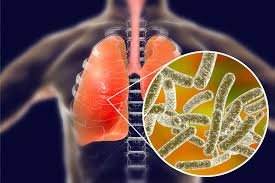
Introduction: Understanding Legionnaires’ Disease Legionnaires’ disease is a severe form of pneumonia caused by the Legionella bacteria. While most people may not be familiar with this infection, it has the potential to cause serious illness and even death if left untreated. Legionnaires’ disease often emerges in clusters, linked to contaminated water or air systems in buildings, making it a critical public health concern. Although the disease can affect anyone, certain populations, such as older adults and people with underlying medical conditions, face a higher risk of developing severe complications. Public awareness, early detection, and preventive measures are essential to controlling outbreaks and safeguarding community health. Causes and Transmission of Legionnaires’ Disease Legionnaires’ disease is caused by Legionella bacteria, which are naturally found in freshwater environments such as lakes, rivers, and soil. The bacteria become a problem when they grow and spread in human-made water systems, such as hot tubs, cooling towers, plumbing systems, and decorative fountains. Humans typically contract the disease by inhaling aerosolized water droplets containing the bacteria or accidentally aspirating contaminated water into their lungs. Unlike many types of pneumonia, Legionnaires’ disease does not spread from person to person. Outbreaks are frequently associated with large buildings or facilities where water systems are not adequately maintained. Historical investigations have shown that hotels, hospitals, cruise ships, and nursing homes are particularly vulnerable to Legionella proliferation if proper disinfection protocols are not in place. Risk Factors for Severe Illness Not everyone exposed to Legionella bacteria will become ill. Individuals with underlying health conditions such as chronic lung disease, kidney disease, diabetes, cancer, or immunodeficiency are at increased risk of severe disease. A history of smoking also raises the likelihood of complications, as does being 50 years or older. Healthy individuals may contract Legionnaires’ disease, but their risk of severe complications is generally lower. Understanding these risk factors helps public health authorities identify vulnerable populations and prioritize preventive interventions. Symptoms and Clinical Presentation Legionnaires’ disease can begin with symptoms that resemble the flu, making early recognition challenging. Common symptoms include cough, high fever, shortness of breath, headaches, and muscle aches. Gastrointestinal symptoms such as diarrhea, nausea, and abdominal pain are also frequent, and some patients experience neurological symptoms, including confusion. Symptoms typically appear within two to 14 days after exposure. Severe complications can develop, particularly in at-risk populations. These complications include respiratory failure requiring mechanical ventilation, kidney failure, septic shock, and multi-organ infection, which can ultimately lead to death. Because of the disease’s severity, timely medical attention and accurate diagnosis are crucial. Pontiac Fever – A Milder Form In addition to Legionnaires’ disease, Legionella bacteria can cause a milder, flu-like illness known as Pontiac fever. While individuals with Pontiac fever generally recover without specific treatment, it serves as a warning sign of Legionella exposure and emphasizes the importance of monitoring water systems to prevent severe outbreaks. Diagnosis of Legionnaires’ Disease Diagnosing Legionnaires’ disease involves a combination of tests. Respiratory specimens, obtained through sputum collection, and urine antigen tests are the primary methods used to detect the presence of Legionella bacteria. Timely diagnosis is essential to initiate effective treatment and prevent complications. Physicians must maintain a high index of suspicion, particularly for patients presenting with pneumonia who have potential exposure to contaminated water sources. Early detection significantly improves the chances of recovery. Treatment Options for Legionnaires’ Disease Antibiotic therapy is the cornerstone of Legionnaires’ disease treatment. Commonly used antibiotics include levofloxacin, azithromycin, doxycycline, and rifampin. The choice of medication depends on factors such as the patient’s overall health, preexisting conditions, and whether the infection was acquired in a hospital or community setting. Supportive care is often required for patients with severe symptoms, including supplemental oxygen or mechanical ventilation. Early intervention reduces the risk of complications and improves survival rates. Preventing Legionnaires’ Disease Prevention strategies focus on reducing the growth and spread of Legionella bacteria in water systems. Proper maintenance of plumbing systems, cooling towers, hot tubs, and decorative fountains is critical. Facilities should implement water management programs that identify potential risks and apply control measures, including regular flushing, disinfection, and temperature monitoring. For individuals, avoiding inhalation of aerosolized water from high-risk sources, such as poorly maintained hot tubs or misting systems, helps reduce the chance of infection. Awareness of environmental sources and symptoms ensures early medical evaluation and reduces the likelihood of severe disease. Cleveland Clinic – Legionnaires’ Disease: Causes, Symptoms & Treatment Public Health Measures Public health authorities play a vital role in preventing Legionnaires’ disease outbreaks. Investigations following reported cases include testing water systems, identifying contamination sources, and ensuring complete disinfection. Regulatory guidelines and monitoring programs for large buildings, hospitals, and other institutions help maintain safe water systems and prevent future outbreaks. Community education on Legionnaires’ disease and its risk factors further strengthens prevention efforts. Outbreak Investigation and Response Effective outbreak management requires rapid detection and response. In past outbreaks, public health departments have traced infections to specific water sources, such as cooling towers in large buildings. Remediation involves thorough cleaning and disinfection to eliminate Legionella bacteria. Follow-up monitoring ensures that preventive measures are effective and that no further cases occur. Long-Term Implications Legionnaires’ disease serves as a reminder of the importance of water safety in public and private facilities. Building managers, healthcare providers, and public health officials must maintain vigilance to reduce the risk of exposure. Proactive water system management, combined with early medical recognition of symptoms, can prevent fatalities and limit the public health impact of Legionella bacteria. Conclusion Legionnaires’ disease is a serious and potentially deadly infection that requires awareness, prevention, and timely treatment. Understanding the causes, symptoms, risk factors, and preventive measures is critical for individuals, healthcare providers, and public health authorities. Proper maintenance of water systems, early diagnosis, and effective treatment are key strategies for reducing the impact of this disease. By remaining informed and proactive, communities can minimize the risk of Legionnaires’ disease and protect public health.

Read More

Influenza in Children: Risks, Symptoms, and Prevention

Introduction: Influenza in Children Influenza in children is a serious public health concern that can lead to hospitalization and severe complications if not recognized and treated promptly. While some parents may perceive the flu as a minor illness, it can affect children more severely due to their smaller airways and developing immune systems. Early recognition and preventive measures are crucial to reduce the risk of severe illness and protect vulnerable family members. Children under the age of five, especially infants, are particularly susceptible to serious influenza complications, making awareness and vaccination essential. Understanding Influenza in Children Influenza, commonly called the flu, is caused by the influenza virus and spreads rapidly among children, particularly in households and schools. Unlike a common cold, influenza can lead to high fevers, body aches, and respiratory complications that may require hospitalization. Seasonal flu waves can vary in severity, and recent flu seasons have seen early and widespread outbreaks, highlighting the need for vigilance among parents and healthcare providers. Symptoms and Early Warning Signs Children with influenza often exhibit symptoms such as fever, fatigue, headache, sore throat, body aches, coughing, and nasal congestion. Infants may also display difficulty feeding or signs of dehydration. Because early symptoms can resemble other viral infections, flu in children is frequently underestimated until complications arise. Severe cases can lead to breathing difficulties, requiring medical interventions such as supplemental oxygen or even hospitalization in an intensive care unit. Complications and Risks Influenza in children can lead to secondary infections such as pneumonia, ear infections, and sinusitis. Children with preexisting conditions like asthma, diabetes, or weakened immune systems are at higher risk of developing severe complications. Even otherwise healthy children can experience life-threatening outcomes, emphasizing the importance of prevention and early intervention. Rapid progression of symptoms can result in hospitalization, especially for infants and toddlers. Household Transmission and Impact Influenza spreads easily within households, often affecting multiple family members in succession. Close contact, shared spaces, and caregiving responsibilities increase the risk of transmission. Parents of children with influenza frequently experience sleep disruption, fatigue, and stress due to monitoring symptoms and caring for multiple sick family members. This pattern can impact daily life, including missed school days, work absences, and prolonged household illness periods. Preventing Influenza in Children Vaccination remains the most effective method for preventing influenza in children. The Centers for Disease Control and Prevention (CDC) and the American Academy of Pediatrics recommend annual flu vaccination for all children aged six months and older. Children receiving the flu vaccine for the first time between six months and eight years old should receive two doses, spaced at least four weeks apart. In addition to vaccination, good hygiene practices, such as frequent handwashing and avoiding contact with sick individuals, can reduce the spread of the virus. H3: Role of Healthcare Providers Healthcare providers play a critical role in early detection, education, and treatment of influenza in children. Pediatricians can identify high-risk patients, recommend timely vaccination, and provide antiviral treatment when appropriate. Prompt medical intervention can prevent complications and reduce the duration of illness. Parents are encouraged to communicate any concerning symptoms promptly to their child’s healthcare provider. Treatment and Recovery Most children with influenza recover fully at home with supportive care, including rest, hydration, and symptom management. Severe cases may require antiviral medications such as oseltamivir, especially when administered early in the course of illness. Monitoring for warning signs like difficulty breathing, persistent high fever, or dehydration is essential to ensure timely medical care. With proper care and vaccination, children can recover safely and return to normal activities. Protecting the Entire Family Preventing influenza in children also protects family members, particularly those at higher risk, such as older adults, pregnant individuals, and people with chronic conditions. Ensuring all eligible family members receive the flu vaccine, practicing good hygiene, and isolating symptomatic individuals can significantly reduce the risk of household transmission. Conclusion Influenza in children is more than just a seasonal inconvenience; it poses real health risks that can escalate quickly without recognition and proper care. Vaccination, early detection, and preventive practices are essential to safeguarding children and their families. Parents should remain vigilant for symptoms, seek prompt medical attention when needed, and ensure children receive timely flu vaccinations each year to minimize the impact of influenza.

Read More

Early Detection Interstitial Lung Disease: Prevention & Care

Introduction Early-detection-interstitial-lung-disease is a rapidly evolving area of research focused on identifying individuals at risk before symptoms appear. By using blood biomarkers, imaging techniques, and molecular profiling, scientists aim to detect interstitial lung disease (ILD) early, improve patient outcomes, and develop strategies for prevention and treatment. Understanding Interstitial Lung Disease ILD is not a single disease but a family of chronic lung disorders that share the hallmark features of lung inflammation and fibrosis (scarring). These disorders can arise from environmental exposures, autoimmune conditions, infections, or in many cases, unknown causes. Types of ILD Symptoms of ILD Early detection of ILD is difficult because symptoms can be mild or nonspecific. Common signs include: Because these symptoms overlap with other lung conditions, ILD is often diagnosed at a stage when significant lung damage has already occurred. The Role of Biomarkers in ILD Recent scientific research has shown that certain biological indicators, or biomarkers, detectable in blood, can help identify individuals at risk for ILD. Biomarkers are molecules that reflect underlying physiological or pathological processes. Predictive Potential of Biomarkers Biomarkers can provide crucial information about disease progression and patient prognosis. Researchers have discovered specific proteins in plasma that correlate with both the likelihood of developing ILD and the survival outcomes of those already diagnosed. By monitoring these biomarkers, it may be possible to:https://www.youtube.com/watch?v=aqJeaD6IPMM How Biomarkers Complement Existing Tools Traditionally, ILD diagnosis relies on imaging studies like high-resolution CT scans, pulmonary function tests, and lung biopsies. Biomarkers can complement these approaches by offering a less invasive, more accessible method for identifying high-risk individuals and tailoring personalized treatment plans.early-detection-interstitial-lung-disease Advancing ILD Research: Mapping Molecular Hallmarks Understanding the molecular mechanisms underlying ILD is crucial for developing targeted therapies. By analyzing gene expression patterns, protein levels, and cellular pathways in lung tissue and blood, scientists are building a comprehensive map of the disease. This approach helps to: Challenges in Treating ILD Current treatment options for ILD, particularly IPF, are limited and often associated with side effects. Drugs approved to slow disease progression may affect liver function or cause gastrointestinal symptoms, making adherence challenging for patients. Additionally, because ILD often presents at an advanced stage, treatment options are largely palliative rather than curative. The urgent need for safer, more effective therapies has driven research toward early detection and prevention strategies. By identifying individuals at risk before irreversible lung damage occurs, new interventions can be tested to halt disease progression.early-detection-interstitial-lung-disease The Future of ILD Prevention Emerging research aims to shift the focus from treating established ILD to preventing its onset. Preventive strategies could involve: By combining biomarkers, genomics, and advanced imaging, scientists hope to establish a predictive model that guides early intervention, ultimately reducing the burden of ILD on patients and healthcare systems. Clinical Implications of Biomarker Research Accurate prediction of ILD development could transform patient care in several ways: Expanding Research Horizons Current studies have focused on identifying blood-based biomarkers that signal ILD risk. Future research directions include: Conclusion Interstitial Lung Disease remains a complex and challenging group of disorders with significant health impacts. However, advances in biomarker research are paving the way for early detection, better understanding, and potentially preventive interventions. By identifying adults at risk and understanding the molecular underpinnings of the disease, medical science is moving closer to transforming ILD care from reactive to proactive.early-detection-interstitial-lung-disease The ultimate goal is a future where ILD can be detected before symptoms appear, treated with safer and more effective therapies, and possibly prevented altogether, reducing the need for lung transplants and improving quality of life for countless patients.

Read More

Malaria Blood Donation Guidelines: Keeping US Blood Supply Safe

Introduction: Malaria Blood Donation Guidelines in the US Malaria remains a global health threat, with millions affected each year. Although the United States has a very low risk of local transmission, the growing international travel and climate changes make it important to maintain safe blood supplies. The US Food and Drug Administration (FDA) is reviewing malaria blood donation guidelines to prevent transfusion-related malaria cases. This involves testing donors, revising deferral criteria, and ensuring that blood banks can meet safety standards without unnecessarily excluding healthy donors. Experts emphasize that early detection, accurate screening, and clear guidelines are critical to maintaining a safe and sufficient blood supply nationwide. Understanding Malaria and Its Global Impact Malaria is caused by Plasmodium parasites, primarily transmitted through mosquito bites. According to the World Health Organization, there were over 249 million malaria cases globally in 2022, resulting in more than 608,000 deaths. While the disease is uncommon in the US, millions of Americans travel annually to malaria-endemic regions. Blood donation safety requires careful attention to prevent transfusion-transmitted malaria, even in regions where local transmission is extremely low. The History of Malaria in the United States Malaria was once prevalent in the US, with tens of thousands of cases annually in the 1940s. Concerted efforts during World War II and nationwide mosquito control campaigns reduced incidence drastically. By 1970, the US was declared free from endemic malaria. Today, most cases are travel-related, but sporadic local transmission has been reported in Texas, Florida, Maryland, and Arkansas, highlighting the need for updated malaria blood donation guidelines. Blood Transfusion and Malaria Risk Although rare, malaria transmission through blood transfusions can be severe. Historical data shows a small number of cases and fatalities linked to transfused blood. Current FDA screening involves donor questionnaires about travel history, prior infection, and residency in malaria-endemic areas. While effective, these methods have limitations and may inadvertently exclude eligible donors. Implementing improved malaria blood donation guidelines can reduce the risk of transfusion-transmitted infections while preserving blood availability. Current FDA Guidelines for Malaria Screening The FDA currently defers donors based on travel history, previous infection, and residency in endemic areas. Platelet and plasma collection follow slightly different rules. These guidelines aim to balance safety and availability, but gaps remain. Asymptomatic donors with partial immunity may pass the current screening, emphasizing the importance of new testing strategies. Technological Innovations in Blood Screening Advancements in diagnostic technology are reshaping malaria blood donation guidelines. Molecular assays, such as polymerase chain reaction (PCR) tests, can detect parasite DNA or RNA in donor blood, enabling early detection of asymptomatic infections. These tools, combined with selective testing based on donor risk assessment, can maximize both safety and efficiency. Additionally, automation and data integration can streamline blood bank operations, reduce human error, and provide real-time monitoring of potential threats. Incorporating such innovations into malaria blood donation guidelines represents a critical step forward in maintaining a safe blood supply. Proposed Updates to Malaria Blood Donation Guidelines The FDA is considering selective testing based on travel history and prior infection or broader one-time testing for all donors. Experts largely support selective testing as it minimizes unnecessary deferrals while maintaining safety. Other strategies include testing in areas with recent local transmission. Each approach has benefits and challenges, including cost, feasibility, and the potential impact on donor retention. https://www.cdc.gov/blood-safety/chagas/index.html Global Comparisons and Lessons Other countries with malaria-endemic regions have developed effective strategies to maintain safe blood supplies. For instance, in parts of Latin America, routine testing of donors, community awareness programs, and rapid-response protocols for transfusion-transmitted cases have significantly reduced risk. The United States can learn from these examples by integrating evidence-based testing, improving donor education, and promoting flexible guidelines that respond to emerging risks. Strengthening malaria blood donation guidelines in the US can ensure that the nation remains proactive in preventing rare but potentially fatal transfusion-related infections. Malaria Blood Donation Guidelines: Scientific and Public Health Considerations Malaria blood donation guidelines must account for parasite biology, asymptomatic carriers, and population mobility. Experts recommend modeling studies, targeted screening, and public health campaigns to complement regulatory guidance. Continuous monitoring of malaria trends in travelers and residents ensures that blood safety measures remain relevant and effective. Impact on Blood Banks and Donor Availability Updating malaria blood donation guidelines will affect donor eligibility and retention. Many deferred donors may not return, reducing supply. Selective testing and clear communication can improve confidence among donors and maintain sufficient inventory. Blood centers must balance rigorous safety protocols with operational efficiency to meet national demand. Public Awareness and Education Public education plays a key role in the successful implementation of malaria blood donation guidelines. Potential donors need clear information about eligibility, risk factors, and the importance of accurate reporting. Outreach campaigns can also raise awareness among healthcare providers, ensuring timely diagnosis of malaria in travelers and returning residents. By fostering a culture of informed participation, public health authorities can improve donor compliance, reduce transmission risk, and maintain confidence in the safety of the national blood supply. Safeguarding the Blood Supply Malaria remains a rare but serious risk for blood recipients. Comprehensive malaria blood donation guidelines, combining selective testing, updated deferral criteria, and public health awareness, are essential to protecting patients and donors alike. Maintaining a safe blood supply requires continuous evaluation of emerging risks, scientific advances, and population behavior to prevent transfusion-transmitted infections effectively.

Read More