
3D Scanner Facial Reconstruction: Faster & Improved Patient Care

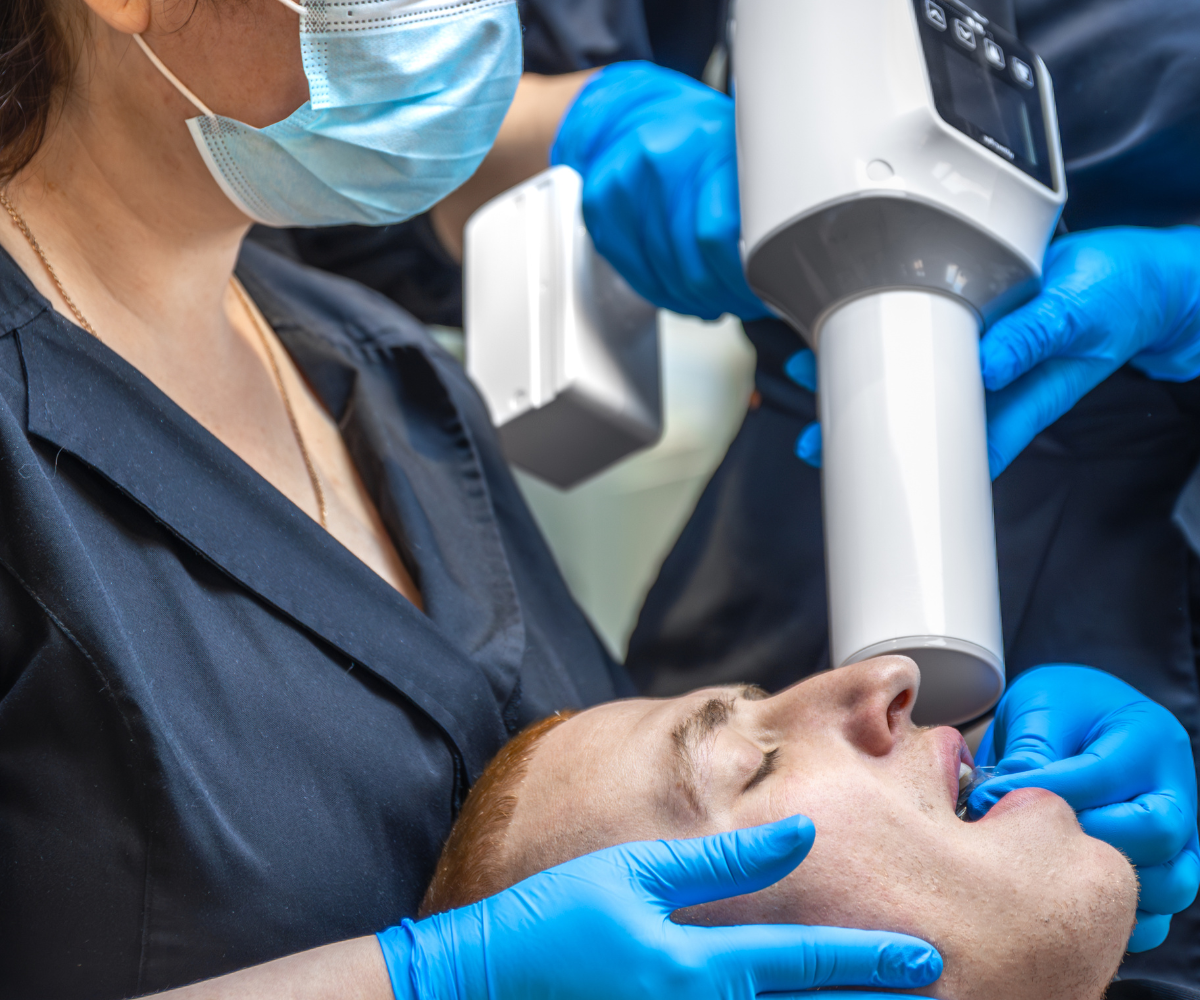
Introduction: Revolutionizing Facial Reconstructive Care 3D scanner facial reconstruction is revolutionizing facial reconstructive treatment, which has traditionally involved multiple lengthy and uncomfortable appointments for patients needing prosthetics for teeth and gums, particularly after surgery for head and neck cancers. This technology reduces the number of visits, increases accuracy, and enhances patient comfort. At Bradford Teaching Hospitals NHS Trust, the introduction of an intra-oral 3D scanner allows patients who previously required several consultations over weeks to complete a five-minute scan to map their oral structures. This innovation is streamlining facial reconstructive care while maintaining high standards of precision and patient safety. How 3D Scanners Work in Facial Reconstruction The intra-oral 3D scanner captures highly detailed digital impressions of a patient’s teeth and gums. Unlike traditional methods, which relied on viscous dental moulds that could cause discomfort or gag reflex, the scanner provides a quick, painless, and accurate mapping process. Once the scan is complete, dental technicians can use 3D printers to create precise prosthetic teeth and gums tailored to each patient. These prosthetics are then fitted seamlessly, reducing the need for repeated adjustments and multiple hospital visits. Reducing Patient Appointments and Improving Comfort Before the adoption of 3D technology, patients often underwent viscous jelly moulds that could make them retch during procedures lasting two to five minutes. Following this, fragile plaster casts were produced in laboratories, which sometimes broke, necessitating further appointments. With the 3D scanner, patients now benefit from a faster, more comfortable experience, with fewer disruptions to daily life. What used to take 10 to 12 weeks of consultations can now be accomplished with a single scanning session, greatly reducing physical and emotional strain for patients undergoing facial reconstructive treatment. Enhancing Surgical Precision with 3D Models One of the most significant advantages of 3D scanning and printing is that it allows surgeons to rehearse complex procedures before entering the operating room. Digital models enable medical teams to: By simulating surgery in advance, healthcare professionals can anticipate challenges and tailor treatments for each individual, leading to safer, more effective facial reconstructive procedures. Case Study: Bradford Teaching Hospitals NHS Trust Ahmed Al-Khayatt, restorative dentistry lead at Bradford Teaching Hospitals, explains that this technology has dramatically improved patient experiences. “We can now provide a much more accurate, faster, and more comfortable experience for our patients,” he says. Patients undergoing surgery for head and neck cancers can now receive tailored dental and gum prosthetics with far fewer appointments, ensuring continuity of care while reducing stress and discomfort. 3D scanner facial reconstruction. Patient Testimonials and Impact Laura Riach, director of Bradford Hospitals Charity, highlights that the 3D scanner and printer are already making a real difference in patient outcomes. Patients have reported: The technology is particularly transformative for patients recovering from cancer surgeries, who may face both physical and psychological challenges during treatment. The Role of Charity and Funding The acquisition of 3D scanners and printers often depends on charitable contributions. Bradford Hospitals Charity emphasizes that donations directly support technological advancements, enabling patients to benefit from cutting-edge medical care. 3D scanner facial reconstruction. By funding innovative equipment, charities play a crucial role in: Expanding Applications of 3D Printing in Healthcare Beyond facial reconstruction, 3D scanning and printing are increasingly applied in:https://www.youtube.com/watch?v=kg5Dof4kOTA The precision and efficiency of 3D technology make it a valuable tool for multiple medical disciplines, improving patient outcomes and optimizing hospital workflows. Future of Facial Reconstructive Treatment The integration of 3D scanning and printing in facial reconstructive surgery is just the beginning. Future developments may include: These innovations promise to further reduce appointment burdens, enhance surgical precision, and provide patients with a more comfortable and efficient care experience.3D scanner facial reconstruction. Conclusion: Transforming Patient Care with Technology The introduction of 3D scanners and printers in facial reconstructive surgery represents a paradigm shift in healthcare delivery. Patients benefit from fewer appointments, improved comfort, and highly accurate prosthetics. Surgeons can plan complex procedures with unprecedented precision, while hospitals can deliver care more efficiently. This technology, supported by charitable contributions and NHS investment, exemplifies how innovation can transform patient experiences, reduce stress, and improve clinical outcomes in facial reconstructive treatment.


Read More

Down Syndrome Adult Care: Improving Access and Lifelong Health

Introduction As more people with Down syndrome live into adulthood, the demand for comprehensive medical care tailored to their needs is growing. Adult Down syndrome care faces unique challenges, from managing chronic conditions to addressing cognitive decline and mental health. Families often struggle to find specialists who understand the complex health needs of adults with Down syndrome. Recent advances in specialized clinics and targeted therapies are transforming care, offering hope for improved quality of life and independence for this population. Challenges in Down Syndrome Adult Care Despite increasing life expectancy, adult Down syndrome care has lagged behind pediatric treatment. Many medical programs focus primarily on children, leaving adults with limited access to specialists. General practitioners often have minimal training in the unique health issues of adults with Down syndrome, leading to delayed diagnoses and overlooked conditions. As a result, families frequently spend months searching for providers who can recognize early signs of medical or cognitive decline. Specialized Clinics Transform Adult Care Specialized adult Down syndrome clinics are beginning to bridge this gap. Facilities like the University of Kansas Health System’s adult Down syndrome program provide comprehensive evaluations, monitoring, and coordinated care. Here, adults with Down syndrome receive assessments that go beyond routine pediatric care, including neurological exams, mental health screenings, and preventive therapies. Clinics like these empower patients and families to address health issues proactively rather than reactively. Addressing Cognitive and Mental Health Needs Adults with Down syndrome are at increased risk for cognitive decline, depression, and dementia-like conditions. Timely intervention can dramatically improve outcomes. Personalized care plans may include speech therapy, occupational therapy, and mental health support. Early recognition of behavioral changes and cognitive decline allows clinicians to implement strategies that maintain independence and enhance quality of life. Managing Chronic Health Conditions in Adults with Down Syndrome Many adults with Down syndrome experience chronic health issues such as thyroid disorders, sleep apnea, obesity, and heart conditions. Comprehensive adult care involves routine monitoring, preventive screenings, and individualized treatment plans. For example, early identification of cardiovascular or gastrointestinal problems can prevent serious complications and improve long-term outcomes. Personalized Approaches in Down Syndrome Adult Care Individualized care is critical. Providers tailor interventions to each patient’s medical history, lifestyle, and personal goals. Personalized dietary plans, exercise regimens, and medication management can reduce risks and improve overall health. Tracking progress through biomarkers, clinical tests, and functional assessments ensures that treatment plans remain effective over time. The Role of Advocacy and Community Support Advocacy organizations play a crucial role in advancing adult Down syndrome care. Families, caregivers, and patient advocates push for more clinics, research funding, and inclusive policies. Community support programs, including online resources and peer networks, empower families and encourage patients to participate actively in their own health care. Expanding Access to Rural and Underserved Areas Many adults live far from specialized care centers, creating disparities in access. Telehealth services, mobile clinics, and regional partnerships are emerging solutions to reach rural populations. Expanding these programs is essential to ensure that adults with Down syndrome receive timely care regardless of geographic location. Future Directions in Down Syndrome Adult Care The future of adult Down syndrome care lies in research, early intervention, and integrated care models. Increased training for healthcare providers, broader adoption of specialized clinics, and innovative technologies such as telemedicine will continue to improve outcomes. Lifelong monitoring and personalized strategies can ensure that adults with Down syndrome not only survive but thrive into middle and older age. Lifelong Care and Advocacy for Adults with Down Syndrome The remarkable increase in life expectancy for people with Down syndrome brings both opportunities and challenges. Adult Down syndrome care requires comprehensive medical support, cognitive and mental health interventions, and personalized lifestyle strategies. Specialized clinics, advocacy programs, and community support networks are key to improving outcomes. Stories like Sammee Laumeister’s highlight the transformative power of dedicated care. With continued research, expanded access, and systemic change, adults with Down syndrome can achieve greater health, independence, and quality of life. Addressing adult care as a civil rights issue ensures that every individual with Down syndrome is treated as a person, not just a condition.

Read More

Early Alzheimer’s Detection with Biomarkers

Introduction Early Alzheimer’s detection with biomarkers is revolutionizing the diagnosis and management of cognitive decline. In a recent preventive neurology study, adults at risk for Alzheimer’s demonstrated measurable improvements in blood markers of neurodegeneration after implementing personalized lifestyle changes. Traditionally, diagnosing Alzheimer’s required costly brain scans and invasive spinal taps, but blood-based biomarker testing now offers a less intrusive, more accessible way to identify the disease early. This approach enables clinicians to monitor progression in real-time and provides new hope for slowing or preventing cognitive decline. Early Alzheimer’s Detection with Biomarkers: A Breakthrough in Testing Alzheimer’s disease, a progressive neurodegenerative disorder, is notoriously difficult to detect in its early stages. Subtle cognitive changes, such as difficulty recalling words or minor memory lapses, often go unnoticed until significant brain damage occurs. Blood biomarkers now allow doctors to monitor key proteins associated with neurodegeneration—amyloid, tau, and markers of neuroinflammation—providing a window into the disease before major symptoms appear. Recent studies, including the Biorepository Study for Neurodegenerative Diseases (BioRAND), have shown that participants who adhered to structured lifestyle interventions displayed marked improvements in these biomarkers, suggesting that early detection coupled with proactive measures can slow disease progression. How Blood-Based Markers Are Transforming Diagnosis Biomarkers measured in the blood offer an efficient alternative to traditional diagnostic methods. Amyloid plaques and tau protein tangles, hallmarks of Alzheimer’s pathology, can now be quantified through simple blood draws. Additionally, markers such as glial fibrillary acidic protein (GFAP) and neurofilament light chain (NfL) provide insights into inflammation and neuronal damage. These tests are emerging as critical tools for clinicians, enabling them to detect subtle changes in brain health long before cognitive impairment becomes apparent. By monitoring these markers over time, medical teams can evaluate the effectiveness of interventions and personalize treatment plans for each patient. https://www.alz.org/alzheimers-dementia/research-and-progress/earlier-diagnosis Personal Stories Highlight the Power of Intervention Many participants in these studies report dramatic improvements in cognitive function alongside measurable changes in biomarkers. Penny Ashford, 61, for example, struggled with word retrieval and memory lapses after experiencing early signs of cognitive decline in her late 50s. Following a comprehensive lifestyle overhaul—including a Mediterranean diet, structured exercise, stress management, and tailored supplements—Ashford’s blood biomarkers reflected significant improvement. Her p-tau 217 levels dropped by 43%, p-tau 181 by 75%, and markers of neuroinflammation decreased substantially. Clinically, she regained the ability to communicate effectively and felt a renewed sense of mental clarity. Stories like Ashford’s highlight the real-world impact of integrating biomarker monitoring with lifestyle interventions. Measuring Amyloid, Tau, and Neuroinflammation Understanding the specific biomarkers used in early Alzheimer’s detection is key to appreciating their significance. Amyloid plaques disrupt communication between neurons, tau tangles affect memory centers, and markers like GFAP and NfL indicate ongoing inflammation and neuronal degradation. Advanced blood tests, including p-tau 217, p-tau 181, and the amyloid 42/40 ratio, provide precise quantification of these proteins. Research shows that combining multiple biomarkers increases diagnostic accuracy, sometimes reaching up to 90% in predicting Alzheimer’s-related cognitive decline. Early Alzheimer’s Detection with Biomarkers and Lifestyle Change While biomarkers offer insight into disease progression, the studies emphasize that proactive lifestyle measures can significantly alter outcomes. Participants who adhered to a structured program—focusing on diet, exercise, sleep, stress reduction, and metabolic optimization—showed the greatest improvements in biomarker profiles. This combination of early detection and intervention underscores a shift toward preventive neurology. Instead of waiting for symptoms to manifest, patients can now take actionable steps informed by real-time biological data. Comparing Blood Panels to Traditional Testing Historically, Alzheimer’s diagnosis relied on PET scans or cerebrospinal fluid analysis, both expensive and invasive. Blood-based biomarkers, in contrast, require minimal resources, can be repeated over time, and provide a less intimidating option for patients. Experts foresee a future where routine blood tests—akin to cholesterol screenings—become standard practice in assessing brain health. Such accessibility may revolutionize public health approaches to dementia prevention. Tracking Risk Reduction Through Biomarker Shifts Monitoring changes in biomarker levels allows clinicians to evaluate the effectiveness of preventive strategies. For instance, reductions in p-tau and neuroinflammatory markers correlate with improvements in cognitive function, providing tangible evidence that lifestyle modifications are making a difference. This dynamic tracking empowers both patients and providers, fostering engagement and adherence to brain-healthy behaviors. Early Alzheimer’s Detection with Biomarkers for Personalized Medicine and Long-Term Prevention Every individual’s risk profile and response to interventions are unique. Personalized medicine, guided by blood biomarkers, enables tailored approaches. By understanding a patient’s specific biomarker profile, clinicians can recommend targeted strategies in nutrition, exercise, supplementation, and stress management. The ongoing research suggests that this nuanced approach could slow, or in some cases prevent, the onset of Alzheimer’s disease, fundamentally changing how neurodegenerative conditions are addressed. Challenges in Standardizing Biomarker Testing Despite the promise, variability in testing platforms and interpretation of results presents challenges. Experts caution that while the technology is advancing rapidly, not all biomarker assays are equally validated. Research teams are working to establish consensus standards to ensure consistency and reliability, allowing broader clinical adoption without compromising accuracy. The Future of Early Alzheimer’s Detection with Biomarkers The ultimate goal is to democratize access to biomarker testing, making it affordable and widely available. Experts envision routine blood panels administered starting in early adulthood, with periodic monitoring to track risk and progress over decades.

Read More

Dental Check-Up Intervals Wales: NHS 2026 Reforms

Introduction: The Changing Landscape of NHS Dental Care in Wales NHS dental care in Wales is set for major reforms starting April 2026, which will affect dental check-up intervals in Wales, patient management, and the way practices are funded. These changes aim to streamline care, improve preventive services, and ensure adults without apparent dental issues continue to receive regular monitoring. However, dental professionals have raised concerns about the impact on early detection of problems and overall patient health. Centralized Waiting Lists and Patient Management The proposed system will establish a centralized waiting list for adult dental care across health boards. Patients will be allocated appointments for check-ups on a rolling basis, meaning that individuals may be scheduled at different clinics within their local health board area. While this approach seeks to maximize efficiency and reduce local shortages, critics argue that it may disrupt continuity of care. Follow-up treatments are planned to occur at the same surgery, but patients would return to the central registry afterward. This system is intended to streamline appointment allocation and reduce administrative burdens, yet it raises questions about the quality and consistency of patient-dentist relationships. Recall Intervals and Preventive Care Under the new policy, patients without obvious dental problems may be recalled every 18 to 24 months, in accordance with NICE guidelines. Previously, routine dental check-ups could occur more frequently, allowing dentists to monitor oral health and intervene early when issues arose. Experts warn that longer recall intervals may compromise the early detection of tooth decay, gum disease, and even oral cancer. Regular examinations play a crucial role in maintaining overall health, as dental professionals can identify signs of systemic conditions during routine visits. Funding Reforms: From Per-Visit Payments to Fixed Support The financial model for NHS dental practices in Wales is also set to change. Instead of being paid per patient visit, practices will receive a fixed amount to support ongoing care for healthy patients. While this model encourages preventive care, some dentists fear it may reduce incentives to identify and treat more complex issues. Dentists’ Perspectives: Workload and Challenges Many dental professionals in Wales are expressing concern about the sustainability of NHS work under the new system. Dr. May Bassett, a dentist in Abercynon, highlights that emergency care is currently the primary mode of treatment. Patients often present with advanced dental issues that could have been prevented with earlier intervention. “Many patients come in with teeth beyond the point of repair. The system is increasingly moving towards extraction rather than restorative care,” says Dr. Bassett. The pressure on dentists has led to an increasing trend toward private practice. NHS dentists face high patient loads, and the per-visit payment model often results in financial losses. Without sufficient support, there is a risk of a mass exodus from NHS dentistry, further limiting access for patients who rely on public healthcare. Social Implications of Limited Access The reform is not only a clinical issue but also a social one. Patients who cannot afford private dental care may experience worsening oral health, which can have long-term consequences for overall well-being. Poor oral health is linked to heart disease, diabetes, and other chronic conditions, underscoring the importance of accessible dental services for all socioeconomic groups. “The new system could create a social divide, where only those who can afford regular private care maintain good oral health,” warns Dr. Bassett. Patient Experiences: Waiting Lists and Barriers to Care Many residents in Wales are struggling to find NHS dentists. For example, Samar Salih has been on a waiting list for two years, dealing with severe dental issues and infections. She shares the emotional toll of not being able to smile confidently due to untreated dental problems. These personal stories highlight the urgent need for reforms that prioritize accessibility and patient-centered care. Payment Structures for NHS Dental Treatment Alongside changes to recall intervals, general fee rates for NHS dentists will rise from £135 to £150. Patients paying for NHS treatment will cover half the costs, capped at £384. Certain groups, such as children under 18, pregnant women, hospital patients, and individuals receiving specific benefits, remain exempt from charges. Balancing Preventive Care and Emergency Treatment A critical challenge for policymakers is balancing preventive care with emergency treatment. Emergency-only models often lead to tooth extractions rather than restorative treatments. This reactive approach not only affects oral health but can also increase long-term healthcare costs due to the systemic impacts of poor dental hygiene. The Role of Preventive Dentistry Preventive dentistry encompasses education, regular check-ups, and early intervention. By identifying potential issues before they escalate, dental professionals can provide treatments that preserve teeth and reduce the need for invasive procedures. Extended recall intervals may undermine these efforts, especially in vulnerable populations. Oral Health and General Health: An Interconnected Relationship Dental health significantly impacts overall well-being. Untreated dental issues can lead to infections, cardiovascular disease, diabetes complications, and even cognitive decline in older adults. Access to consistent dental care ensures that oral health is maintained, directly influencing quality of life. Future Outlook: Challenges and Opportunities The upcoming reforms in Wales present both opportunities and challenges: Dental professionals, patients, and policymakers must collaborate to ensure that reforms achieve their intended goals without compromising care quality.https://www.itv.com/watch/news/what-does-the-nhs-wales-dental-shake-up-mean-for-you/fqzzwk9 Strategies to Improve Access and Patient Outcomes Conclusion: Toward a Balanced Dental Care System The reforms to NHS dental care in Wales represent a significant shift in how dental services are delivered, funded, and accessed. While the goals of efficiency and preventive care are commendable, careful attention must be paid to maintaining quality, equity, and early detection capabilities. Ensuring that all patients, regardless of socioeconomic status, have access to essential dental services will be critical to the long-term success of the system. By addressing workload challenges, supporting dentists, and implementing patient-centered strategies, Wales can build a dental care system that balances prevention, accessibility, and quality outcomes for generations to come.Introduction: The Changing Landscape of NHS Dental Care in Wales NHS dental care in Wales is on the brink of significant reform,…

Read More

PREP Access and HIV Prevention: Combating Racial Disparities

Introduction Recent data show a decline in new HIV infections in the United States. This drop is largely due to better awareness and higher uptake of pre-exposure prophylaxis (PrEP) among young gay and bisexual men. Despite this progress, substantial disparities persist in access to this life-saving medication. Black and Hispanic populations, who are disproportionately affected by HIV, continue to receive significantly fewer prescriptions compared with White individuals. Addressing these inequities is essential for achieving equitable health outcomes and advancing national goals for HIV prevention. PrEP access HIV prevention remains a critical public health focus. Systemic barriers, cost, and stigma contribute to uneven uptake of this effective prevention strategy. Declining HIV Infections and Persistent Disparities Between 2017 and 2021, new HIV infections in the United States decreased by approximately 12 percent. A 34 percent decline among young gay and bisexual men aged 13 to 24 largely drove this reduction. . Increased testing, early diagnosis, viral suppression, and PrEP adoption played key roles in this decline. Clinical studies have demonstrated that when taken consistently, PrEP can reduce the risk of sexual transmission of HIV by more than ninety-nine percent. However, disparities in access remain pronounced. Black individuals account for a disproportionately high share of HIV diagnoses, and Hispanic populations face similar challenges. Despite these elevated risks, uptake of PrEP among these groups is markedly lower than among White individuals, reflecting systemic inequities in healthcare access, provider awareness, and socioeconomic factors. Healthcare providers serve as the primary gatekeepers of PrEP access. Many clinicians lack complete knowledge of PrEP, hold misconceptions about its efficacy, or hesitate to prescribe it due to concerns about patient adherence. Implicit bias also reduces the likelihood that providers offer PrEP equitably, based on assumptions about race, ethnicity, or sexual behavior. Addressing these barriers requires a multifaceted approach, including ongoing education, bias mitigation, and proactive strategies to encourage providers to prescribe PrEP to all eligible patients. https://www.verywellhealth.com/latinx-and-hiv-risk-gap-effects-know-your-status-5208016 Culturally Tailored Outreach and Community Engagement Efforts to increase PrEP uptake must address both provider- and patient-level challenges. For Black and Hispanic men who have sex with men, awareness of PrEP remains lower than among their White counterparts. Public health campaigns must be culturally tailored to effectively engage these communities. Social media platforms, popular dating apps, and community events actively share accurate information, address misconceptions, and normalize PrEP use. These campaigns can reduce stigma, improve awareness, and encourage adherence to preventive care by integrating community voices and featuring relatable testimonials. Empowering individuals to discuss PrEP with healthcare providers is equally important. Patients should be informed and confident in advocating for their own sexual health. For those lacking access to LGBTQ+-friendly providers, telehealth services and online PrEP programs offer alternative pathways for obtaining prescriptions, ensuring that geographic and logistical barriers do not prevent access to HIV prevention. Cost considerations also influence uptake, as brand-name PrEP medications can be prohibitively expensive. Assistance programs provided by government and nonprofit organizations help offset these costs, expanding access to populations who might otherwise be unable to afford these medications. Combating PREP Stigma Social and Cultural Challenges Stigma remains a major barrier to PrEP use, particularly among Black and Hispanic populations. Misconceptions about promiscuity, judgment in relationships, and negative interactions with healthcare providers reduce adherence. Addressing Stigma and Social Barriers Stigma surrounding PrEP remains a significant barrier to adoption, particularly in Black and Hispanic communities. Negative social perceptions often label PrEP users as promiscuous, while healthcare providers may unintentionally reinforce these stereotypes through judgmental interactions. Homophobia and racism compound these challenges, particularly in more conservative regions. Addressing stigma requires coordinated public health efforts that normalize PrEP use, celebrate diverse users, and highlight the effectiveness of this prevention strategy. Campaigns featuring real-life stories, social media promotion, and endorsements from trusted community figures can shift public perception and create a more supportive environment for at-risk populations. Policy Interventions to Expand Access Policy changes play a critical role in reducing disparities in PrEP access. Allowing individuals to obtain PrEP directly from pharmacists, as demonstrated in California, can remove barriers associated with clinic visits and physician prescriptions. Mandates for insurance coverage without cost-sharing further facilitate equitable access. Investments in community health centers, training programs, and public health infrastructure ensure that underserved populations are not left behind. By combining policy interventions with community engagement, healthcare systems can create sustainable pathways for equitable HIV prevention. Conclusion PrEP remains one of the most effective tools for preventing HIV transmission. While overall rates of new infections are declining, inequities in access continue to disproportionately affect Black and Hispanic populations. Addressing these disparities requires coordinated strategies that tackle provider biases, reduce cost barriers, increase awareness, and combat stigma. Ensuring equitable PREP access HIV prevention access is a vital component of public health efforts to eliminate HIV transmission and achieve national goals of ending the HIV epidemic by 2030. Empowering individuals, reforming policies, and engaging communities are all essential for a future in which HIV prevention is accessible to everyone at risk.

Read More

Nasal Spray Addiction: How to Stop & Stay Safe

Nasal Spray Addiction: Is It a Cause for Concern? Nasal spray addiction is a concern that affects many people who rely on over-the-counter sprays for relief from a stuffy nose. While these sprays can provide fast relief during colds, allergies, or sinus congestion, overusing certain types can lead to rebound congestion and long-term nasal problems. Some sprays are safe for regular use, but others, when used too frequently, may contribute to nasal spray addiction. Understanding the risks, safe usage practices, and alternatives is essential to maintain nasal health and prevent tissue damage. Understanding Nasal Spray Addiction The term “nasal spray addiction” is somewhat misleading. Unlike addictive substances such as nicotine or opioids, nasal sprays do not cause chemical dependency. However, frequent use—particularly of decongestant sprays—can lead to a cycle known as rebound congestion. Rebound congestion occurs when nasal tissues swell after the effects of the spray wear off, prompting a person to use the spray again. Over time, this cycle can worsen congestion and lead to permanent tissue damage. A study from 2014 involving 895 participants with nasal congestion found that nearly 50% overused nasal sprays, highlighting how common this issue is. Types of Nasal Sprays and Their Safety Not all nasal sprays carry the same risk. Here’s a detailed breakdown of the main types: Saline Nasal Sprays What they are:Saline sprays are simple, drug-free solutions containing salt and sterilized water. Some include preservatives to prevent bacterial growth, while others are preservative-free in sterile aerosol cans. Benefits: Are they addictive?No. Saline nasal sprays are entirely safe and non-addictive. They help maintain nasal moisture and hygiene without causing rebound congestion.https://www.youtube.com/watch?v=HLv9-usVZ4A Steroid Nasal Sprays What they are:These sprays contain corticosteroids, not the muscle-building anabolic steroids. Corticosteroids reduce inflammation caused by overactive immune responses. Uses: Side effects:Long-term use may lead to: Safety tips: Are they addictive?No. Steroid nasal sprays are safe for daily use, though long-term users should consult a physician periodically. Antihistamine Nasal Sprays What they are:Antihistamine sprays block histamine, a chemical responsible for allergy symptoms like sneezing, itching, and runny noses. Cromolyn sodium is a common over-the-counter example. Benefits: Are they addictive?No. These sprays are non-addictive and can be safely used daily for several weeks. For extended use, doctor consultation is recommended. Decongestant Nasal Sprays What they are:Decongestant sprays, including those with oxymetazoline or pseudoephedrine, shrink blood vessels in the nasal passages temporarily. Benefits: Risks of overuse: Signs of dependency: Safe use guidelines: Avoid continuous use to prevent rebound congestion

Read More

Beta-Blocker Heart Risk Women: Post-Heart Attack Findings

Introduction Beta-blocker heart risk women is gaining attention in recent research, showing that these medications may increase hospitalization and mortality in some female patients after a heart attack. Traditionally prescribed to support post-heart attack recovery, beta-blockers may not provide the same benefits for women as they do for men. Understanding this risk is essential for informed treatment decisions and better cardiovascular outcomes. Understanding Beta-Blocker Heart Risk Women What Are Beta-Blockers? Beta-blockers, also known as beta-adrenergic blockers, are medications that reduce heart rate, blood pressure, and strain on the heart. They work by blocking the effects of adrenaline, preventing overactivation of the heart. Historically, they have been prescribed after heart attacks to minimize the chance of a second event, protect against arrhythmias, and improve long-term survival. How They Work in Heart Attack Patients After a myocardial infarction, the heart muscle is often weakened and more vulnerable to stress. Beta-blockers help stabilize cardiac function by slowing the heart rate and lowering blood pressure, which reduces oxygen demand. These effects can prevent the heart from overworking during recovery and may limit further damage. Emerging Concerns for Women Research on Beta-Blocker Risk in Women Recent groundbreaking research indicates that beta-blockers may pose risks for women who have had heart attacks but maintain normal heart function. Women with a left ventricular ejection fraction above 50%—indicating preserved heart pumping ability—were found to experience higher rates of hospitalization, repeat heart attacks, and even death when treated with beta-blockers compared to women who were not prescribed the drug. Why Women May Respond Differently Biological and physiological differences contribute to these findings. Women generally have smaller hearts and different hormonal profiles, which can influence how medications affect cardiovascular function. The interaction of beta-blockers with estrogen and other sex-specific factors may partly explain the heightened risk. Hormonal and Physiological Factors Hormonal fluctuations, especially estrogen levels, influence blood vessel tone, heart rate, and cardiac remodeling. Beta-blockers may interact with these processes differently in women than men, leading to variations in drug efficacy and side effects. Understanding these mechanisms is critical to Beta-blocker heart risk women designing safer, gender-specific treatment protocols. Study Findings on Risk Beta-Blockers Risk in Women After Heart Attack: Mortality and Hospitalization The REBOOT study, which tracked over 8,500 heart attack patients across Spain and Italy, revealed that women with preserved heart function who received beta-blockers were nearly three times more likely to die than those who did not. Hospitalization for heart failure and recurrence of myocardial infarction were also significantly higher among women taking these drugs. European Society of Cardiology High Dosage Concerns Women receiving higher doses of beta-blockers faced an amplified risk. Dose sensitivity appears to be more pronounced in women due to smaller body size and distinct cardiac physiology, underscoring the importance of careful prescription practices. Beta-Blockers Risk for Women After Heart Attack With Normal Ejection Fraction These findings are particularly relevant for women with ejection fractions above 50%, a group previously considered low-risk for complications. Standard post-heart attack guidelines have traditionally recommended beta-blockers for all patients, but these results Beta-blocker heart risk women challenge the universality of this approach. Differences in Treatment Outcomes While women with preserved heart function face higher risks with beta-blockers, studies indicate that men do not experience the same level of harm. Men with normal ejection fractions after a heart attack generally show minimal adverse effects, and the medications may still provide some protective benefit against arrhythmias. This sex-specific difference highlights the need for individualized therapy. Why Men Respond Differently Men typically have larger hearts and different blood vessel structures. The response to beta-blockers in men tends to be more predictable, and the risk of complications such as severe hypotension or bradycardia is lower compared to women. These physiological distinctions underscore the importance of considering sex as a factor when prescribing heart medications. Side Effects of Beta-Blockers Common Adverse Effects Beta-blockers can lead to fatigue, low blood pressure, dizziness, depression, and sexual dysfunction. In women, these side effects may be more pronounced due to differences in metabolism and hormonal interactions. Understanding the side effect Beta-blocker heart risk women profile is essential for weighing risks versus benefits in post-heart attack care. Serious Risks The most concerning risk, particularly for women with preserved heart function, is the potential for increased mortality. High doses of beta-blockers can precipitate hypotension, severe bradycardia, and poor perfusion to vital organs, which may contribute to adverse outcomes. When Beta-Blockers Are Useful Reduced Ejection Fraction Beta-blockers remain beneficial for patients with reduced left ventricular ejection fraction (below 40%). In these individuals, the medication helps prevent arrhythmias, improves heart function, and reduces mortality. Arrhythmia Prevention For patients prone to dangerous heart rhythms, beta-blockers are effective at preventing sudden cardiac events. This includes both men and women, particularly those who have had significant myocardial damage. Post-Heart Attack Guidelines While traditional guidelines recommend beta-blockers for nearly all post-heart attack patients, new research suggests a more nuanced approach may be necessary. Women with preserved heart function may benefit from alternative therapies or lower doses, while high-risk patients with compromised heart function should continue to receive standard therapy. Shift in Treatment Guidelines Evidence-Based Updates The recent studies are prompting discussions about updating international cardiovascular guidelines. Experts are advocating for sex-specific recommendations, with careful consideration of patient ejection fraction, dosage, and overall risk factors. Personalized Medicine Approach A more individualized treatment approach considers sex, heart function, comorbidities, and patient lifestyle. Personalized therapy aims to reduce the risks associated with beta-blockers while maximizing cardiovascular protection for those who need it most. Future Directions Ongoing research is investigating alternative medications and strategies for women post-heart attack. Clinical trials focusing on sex differences, dosing, and combined therapies are critical to developing safer, more effective treatment protocols.

Read More

Pneumonic Plague Arizona: Risks, Symptoms, and Prevention

Pneumonic Plague in Arizona: What You Need to Know A recent death from pneumonic plague in Arizona marks the first such case in nearly two decades in the state. While this may seem alarming, this disease is extremely rare, and modern treatments significantly reduce fatality rates. The case has renewed public interest in understanding how plague spreads, the symptoms to recognize, and measures to minimize exposure. Awareness and early medical attention are key to preventing severe outcomes. Understanding Pneumonic Plague Pneumonic plague is one of three forms of plague caused by the bacterium Yersinia pestis. The classification depends on which part of the body the bacteria infect. Bubonic plague affects the lymph nodes and produces painful swellings called buboes. Septicemic plague spreads through the bloodstream and can result in multi-organ failure and shock. Pneumonic plague, however, infects the lungs and can be transmitted directly from person to person through airborne droplets. This form of the disease is particularly concerning because it can spread rapidly among close contacts if left untreated. How Plague Spreads The bacteria that cause plague can enter the body in multiple ways. Fleas that have bitten infected rodents can transmit the bacteria to humans, and direct contact with sick or dead animals, including rodents and cats, can also result in infection. Pneumonic plague may occur when bacteria spread to the lungs from an existing bubonic or septicemic infection, or when airborne droplets are inhaled. While the disease is transmissible, the risk to the general public remains very low, especially with prompt preventive and medical measures. Symptoms of Pneumonic Plague All forms of plague share general infectious symptoms such as fever, chills, headache, and weakness. Pneumonic plague, specifically, affects the lungs and manifests as rapidly progressing pneumonia with cough, shortness of breath, and chest pain. Early recognition of these symptoms is essential, as the disease can escalate quickly without medical intervention. Delays in treatment significantly increase the risk of severe complications or death. https://www.cdc.gov/plague/maps-statistics Prevalence and Risk Plague is extremely rare in the United States, with the CDC reporting an average of seven human cases annually. More than 80% of these cases are bubonic plague, while pneumonic cases are even less common. In the U.S., plague primarily occurs in regions including northern Arizona, northern New Mexico, southern Colorado, California, southern Oregon, and western Nevada. Globally, cases have been reported in parts of Africa, Madagascar, and Peru. Despite the recent Arizona case, the risk of widespread exposure remains very low. Diagnosis and Treatment Diagnosis of plague relies on laboratory testing of blood, sputum, or lymph node tissue. Because the disease progresses rapidly, prompt initiation of antibiotic therapy is critical. Effective antibiotics include gentamicin and fluoroquinolones, and when administered early, they significantly reduce the risk of fatal outcomes. Untreated pneumonic plague can have a fatality rate ranging from 30% to 100%, which highlights the importance of early recognition and treatment. Prevention Measures Residents in areas where plague has been reported can reduce their risk through basic preventive measures. Avoiding contact with wild animals, particularly sick or dead rodents, is essential. Controlling rodent populations around homes, maintaining a clean environment, and ensuring pets do not roam in rodent-prone areas further reduce risk. Flea control for pets and using repellents when outdoors can also help prevent transmission. While plague remains a rare disease, these precautions are effective in minimizing potential exposure and protecting both humans and animals. Vaccination and Future Outlook Currently, there is no plague vaccine available to the general public in the U.S., although vaccine candidates are under development. Most Americans do not need to worry about plague due to its rarity and the effectiveness of antibiotics. Public health authorities continue to monitor plague cases closely and advise preventive measures only in regions where the disease has been historically reported. Awareness, early diagnosis, and prompt treatment remain the most effective tools against pneumonic plague in Arizona.

Read More

Weekly Insulin Therapy for Diabetes: Benefits, Risks, and Research

Introduction: Weekly Insulin Therapy in Diabetes Weekly insulin therapy for diabetes is emerging as a potential alternative to daily injections for people with type 1 and type 2 diabetes. Novo Nordisk’s insulin icodec, a once-weekly basal insulin, is currently under review by the U.S. Food and Drug Administration (FDA). This innovative treatment could reduce the burden of daily injections and improve adherence, but safety concerns—particularly for type 1 diabetes patients—have raised debate among FDA advisers. Insulin icodec is designed to maintain stable blood glucose levels while minimizing the frequency of injections. Early Phase 3 trial data show promising convenience and adherence benefits but also highlight an increased risk of hypoglycemia, or dangerously low blood sugar. Careful evaluation of the benefits versus risks is essential before this therapy becomes widely available. How Weekly Insulin Therapy Works Weekly insulin therapy uses long-acting basal insulin that remains active in the bloodstream for an entire week. This differs from traditional daily insulin, which requires precise timing and multiple injections. By providing steady insulin levels, weekly therapy aims to: Clinical studies of insulin icodec indicate that it can lower high blood glucose levels effectively. However, it may also increase the frequency of clinically significant hypoglycemia, particularly in type 1 diabetes patients who rely entirely on insulin for survival. https://www.uptodate.com/contents/general-principles-of-insulin-therapy-in-diabetes-mellitus FDA Advisory Committee Review In a recent meeting, the FDA’s Endocrinologic and Metabolic Drugs Advisory Committee reviewed the evidence for insulin icodec. Members evaluated whether the benefits outweigh risks, particularly for adults with type 1 diabetes. The FDA advisory committee provides guidance to the FDA, which makes the final decision on drug approval. Benefits of Weekly Insulin Therapy Reduced Injection Burden Daily insulin injections can be challenging, leading to missed doses and poor blood glucose control. Studies suggest approximately 53% of adults with type 1 diabetes adhere fully to their basal insulin schedules, and around 22% miss at least one dose over 14 days. Weekly insulin could simplify diabetes management and improve adherence. Improved Patient Convenience Weekly insulin reduces the need for daily planning, potentially enhancing quality of life for patients managing complex regimens. This could be particularly valuable for those with busy schedules, frequent travel, or injection fatigue. Risks and Safety Concerns Increased Hypoglycemia Risk Clinical trial data indicate insulin icodec is associated with 50–80% higher rates of clinically significant hypoglycemia compared to insulin degludec. Hypoglycemia can cause dizziness, seizures, unconsciousness, and in extreme cases, death. Risk mitigation strategies are essential if the therapy is approved. Need for Careful Patient Selection Not all patients may benefit equally. Experts emphasize that weekly insulin therapy may be best suited for adults with consistent blood glucose monitoring habits and those who struggle with adherence to daily injections. Emerging Clinical Research Several studies are evaluating long-acting insulin formulations beyond insulin icodec: Ongoing research aims to clarify safety, optimize dosing, and assess long-term outcomes. Expert Opinions on Weekly Insulin Advocates Proponents suggest weekly insulin offers a “toolbox” option for clinicians, especially for patients struggling with adherence or injection fatigue. Proper education on dosing and monitoring is critical to minimizing risks. Critics Skeptics point to higher hypoglycemia rates and emphasize that daily insulin degludec remains highly effective with a strong safety profile. They urge caution until more robust data is available. Implications for Type 1 Diabetes Management Weekly insulin therapy represents a potential paradigm shift in type 1 diabetes care. Reducing injection frequency could improve adherence, quality of life, and overall glycemic control. However, safety concerns, particularly hypoglycemia, highlight the need for careful patient selection and provider guidance. Patients should consult their endocrinologist before considering weekly insulin. Continuous glucose monitoring and patient education are essential components of safe adoption. Future Directions and Research Needs The development of weekly insulin therapy aligns with broader efforts to simplify diabetes management and improve outcomes for patients struggling with complex regimens.

Read More

Nasal Health Guide: Anatomy, Functions & Common Disorders

Introduction The human nose is a multifaceted organ that serves as the primary entry point for air into the respiratory system. Beyond its role in breathing, it contributes to our sense of smell, influences speech, and plays a vital role in filtering and conditioning the air we inhale. Understanding the anatomy, functions, common disorders, and maintenance of nasal health is essential for overall well-being. Anatomy of the Nose External Structure The visible part of the nose consists of bone, cartilage, and soft tissue. Key components include: Internal Structure Internally, the nose comprises several intricate structures: Functions of the Nose The nose performs several critical functions: Common Nasal Disorders Several conditions can affect nasal health: Treatments for Nasal Conditions Management of nasal disorders varies based on the specific condition: Maintaining Nasal Health To keep the nose healthy: When to Consult a Healthcare Provider Seek medical attention if you experience: Conclusion The nose is a vital organ that plays a crucial role in respiratory health, olfaction, and overall well-being. Understanding its anatomy, functions, common disorders, and maintenance strategies can help individuals take proactive steps in preserving nasal health. Regular care and timely medical attention are essential for addressing any nasal issues and ensuring optimal respiratory function.

Read More