
Dopamine Deficit Symptoms: How to Reset Your Brain Naturally

Introduction Have you ever noticed that activities that once brought joy now feel dull, or that you spend hours on social media without real enjoyment? These are common dopamine deficit symptoms, indicating an imbalance in dopamine, a key neurotransmitter responsible for motivation, reward, and pleasure. Modern life exposes the brain to highly stimulating foods, behaviors, and digital media that can overwhelm the reward system, leading to reduced satisfaction from everyday activities. Understanding these symptoms and learning how to restore dopamine balance can help bring back motivation, focus, and genuine enjoyment in life. What Dopamine Is and Why It Matters Dopamine is a chemical messenger produced in the brain that communicates between neurons, helping regulate essential processes such as mood, motivation, and the perception of pleasure. It allows the brain to evaluate experiences and assign them a sense of reward, guiding behavior toward activities necessary for survival and well-being. Dopamine is not solely responsible for pleasure, but it is one of the most important neurotransmitters for measuring the brain’s response to rewarding stimuli. When dopamine levels are balanced, simple pleasures feel satisfying, and motivation to pursue goals remains high. Signs of Dopamine Deficit A dopamine deficit can develop when the brain’s reward system is overstimulated repeatedly, leading to a downregulation of dopamine receptors. When this happens, everyday activities that once felt enjoyable may no longer bring satisfaction, leaving individuals feeling unmotivated and emotionally flat. People experiencing dopamine deficit often struggle to find excitement in hobbies, lose interest in social interactions, and rely on high-stimulation activities like video games, social media, or ultraprocessed foods to feel temporarily engaged. This pattern can create a cycle where dopamine release from natural rewards feels insufficient, driving cravings for stronger or faster sources of pleasure. How Modern Lifestyles Affect Dopamine Contemporary life is filled with easily accessible high-potency rewards. Ultraprocessed foods with high sugar content, addictive digital media, and social comparisons on social platforms all trigger intense dopamine responses. Unlike natural sources of pleasure, these modern stimuli often provide immediate and concentrated dopamine surges, which the brain may struggle to regulate. Over time, constant exposure can lower the baseline of pleasure, making normal daily activities feel less satisfying. Additionally, the convenience of modern life reduces friction to access these rewarding behaviors, increasing the likelihood of overconsumption and further disrupting dopamine balance. The Connection Between Dopamine and Addiction Dopamine plays a central role in addiction because it regulates the brain’s reward pathway. When highly stimulating behaviors or substances are repeatedly consumed, the brain adapts by reducing the sensitivity of dopamine receptors, which diminishes the sense of pleasure from normal activities. This adaptation can lead to tolerance, requiring more intense stimulation to achieve the same effect. Withdrawal symptoms such as irritability, anxiety, and low mood may appear when the behavior or substance is unavailable. Addiction is not limited to drugs or alcohol; digital media, sugar, and other highly rewarding behaviors can also hijack the brain’s dopamine dopamine deficit symptoms system, producing similar compulsive patterns. Strategies to Reset Dopamine Balance Restoring dopamine balance requires intentional changes to daily habits and environments. One effective approach is a structured abstinence period, often referred to as a dopamine fast. This involves avoiding the behavior or substance that is overstimulating for a set period, typically around 30 days. During this time, individuals may experience temporary discomfort as the brain adjusts, but over a few weeks, simple pleasures regain their appeal, and motivation returns. Another important strategy is creating physical and behavioral barriers to overstimulating activities. For instance, removing ultraprocessed foods from the home or scheduling limited, intentional time for social media can help reduce compulsive consumption. Surrounding oneself with people who practice healthy behaviors also reinforces positive habits. After the abstinence period, reintroducing these activities in a controlled, intentional way allows for moderation while maintaining balance in the reward system. Lifestyle Changes to Support Dopamine Function “Natural ways to support dopamine include regular exercise, eating a balanced diet, getting enough sleep, and practicing mindfulness. Exercise helps increase dopamine receptor density, enhancing the brain’s response to natural rewards. Eating tyrosine-rich foods such as eggs, nuts, and lean proteins helps the body produce dopamine. Quality sleep regulates dopamine sensitivity, while meditation and mindfulness reduce stress and improve emotional regulation. Setting achievable goals and celebrating small successes also creates healthy dopamine responses, reinforcing motivation and positive behavior. https://med.stanford.edu/addictionmedicine.html Preventing Future Dopamine Deficits Maintaining balanced dopamine levels requires awareness and intentional planning. Limiting exposure to high-potency rewards, monitoring digital media usage, and creating environments that support moderation are key strategies. Intentional self-binding can prevent overconsumption. This includes setting boundaries around screen time or keeping tempting foods out of reach. Engaging in social circles that model balanced behavior further reinforces healthy patterns. By managing these influences consciously, individuals can maintain a stable dopamine system. This helps reduce dopamine deficit symptoms and brings more enjoyment and motivation to daily life. Conclusion Dopamine deficit can quietly undermine motivation, pleasure, and overall life satisfaction. Recognizing the signs and understanding what disrupts dopamine balance can help. Using intentional strategies to reset the reward system restores joy in simple activities. Structured abstinence, environmental changes, and healthy lifestyle practices can help regain dopamine balance and rediscover natural sources of pleasure..

Read More

Gene Therapy for Huntington’s Disease: Promising Breakthrough

Gene Therapy for Huntington’s Disease: A Breakthrough in Treatment Huntington’s disease is a rare, inherited neurological disorder caused by a genetic mutation that gradually destroys nerve cells in the brain. Symptoms include involuntary movements, cognitive decline, and behavioral changes. Until recently, no treatment could slow or halt the disease’s progression. However, new developments in gene therapy are offering hope for patients and families affected by this devastating condition. Understanding Huntington’s Disease Huntington’s disease affects approximately 7 in 100,000 people, predominantly of European ancestry, and is less common in other populations. It typically manifests in mid-adulthood, though symptoms can appear earlier or later. The mutation responsible for Huntington’s disease causes abnormal proteins to accumulate, damaging neurons and impairing brain function. The progressive nature of Huntington’s disease affects motor coordination, cognition, and emotional regulation. Patients often face challenges with daily activities, communication, and independence, making early intervention critical. Breakthrough: AMT-130 Gene Therapy A pivotal Phase 1/2 study has revealed that the experimental gene therapy AMT-130 can slow disease progression in Huntington’s patients. Administered surgically, the therapy is injected directly into the striatum, a brain region crucial for motor and cognitive functions. Patients receiving a high dose of AMT-130 experienced a 75% reduction in disease progression after 36 months. This therapy represents one of the first potential genetic treatments for Huntington’s disease, targeting the root cause rather than merely managing symptoms. How AMT-130 Works AMT-130 employs a gene-silencing approach, reducing the production of harmful proteins associated with Huntington’s disease. By directly addressing the genetic mutation, the therapy may protect neurons from further damage, preserving brain function and slowing the onset of severe symptoms. Researchers also monitored levels of neurofilament light protein, a marker of neurodegeneration, in participants’ cerebrospinal fluid. Results showed an average reduction of 8.2%, indicating the therapy’s potential effectiveness in slowing neuronal damage. Clinical Trial Insights The study involved 29 participants, treated with either low or high doses of AMT-130, and followed for 36 months. While the high dose showed significant benefits, the low dose did not exhibit a similar effect. Adverse events were generally related to the surgical procedure and were resolved without long-term consequences. Assessments included motor, cognitive, behavioral, and functional tests to evaluate disease progression. These findings, though early, suggest that targeted gene therapy may transform Huntington’s treatment by addressing the underlying genetic cause. Safety and Tolerability Safety is a critical consideration in gene therapy, and AMT-130 was reported as “generally well-tolerated” with a manageable safety profile. Most side effects were associated with the surgical procedure itself rather than the therapy. These results provide reassurance for patients and researchers pursuing further trials. https://hdsa.org/ The Future of Huntington’s Disease Treatment If approved by regulatory authorities, AMT-130 could become the first gene therapy available for Huntington’s disease, offering long-term benefits with a single intervention. This breakthrough highlights the potential for precision medicine to address genetic neurological disorders beyond Huntington’s disease, potentially reshaping treatment approaches for other degenerative conditions. Implications for Patients and Families For the estimated 42,000 Americans living with Huntington’s disease, gene therapy could provide hope for maintaining independence and improving quality of life. While the therapy is not yet widely available, clinical trials continue to expand, allowing more patients to access innovative treatments and contribute to scientific progress. Ongoing Research and Support Clinical trials are essential for refining gene therapy approaches and understanding long-term outcomes. Patient advocacy groups, including the Huntington’s Disease Society, emphasize cautious optimism and encourage participation in research to accelerate the development of effective therapies. Conclusion Gene therapy for Huntington’s disease represents a groundbreaking shift in treatment, targeting the genetic root of the disorder rather than only managing symptoms. While further research and regulatory approval are required, early findings show promise in slowing disease progression and improving patient outcomes. For those affected, gene therapy offers hope for a future where Huntington’s disease may no longer define their lives.

Read More

Dental Implants Abroad Risks: Infections and Breathing Issues

Introduction Traveling abroad for dental procedures is becoming increasingly popular, but understanding dental implants abroad risks is essential before making a decision. While lower costs and the promise of aesthetic perfection attract many patients, serious complications such as infections, surgical errors, and long-term health issues can occur. One UK woman’s experience highlights the dangers of dental tourism and the importance of thorough research and professional guidance. Leanne Abeyance, a 41-year-old DJ and producer from Telford, travelled to Turkey for dental implants, hoping to save thousands of pounds compared to UK prices. Instead, she was left with severe infections, a collapsed nasal septum, and chronic pain that has persisted for over 18 months. Background: The Growing Trend of Dental Tourism Dental tourism, where patients travel internationally for oral procedures, has gained popularity due to the significant cost differences. Many individuals are enticed by social media promotions and influencer recommendations, presenting treatments as affordable and convenient. While affordable treatment may appear attractive, it often comes at the expense of safety, professional accountability, and post-operative care. Case Study: Leanne Abeyance’s Experience Initial Treatment in Turkey In April 2024, Leanne travelled to Antalya, Turkey, for dental implants after having previous veneers in the same country. She paid £3,000 in cash for four implants, a significantly lower price than the £50,000 quote she received in the UK. The procedure included: Despite receiving local anaesthetic, Leanne reported feeling every step of the procedure. She described the bone graft as feeling “like a hammer smashing into the side of her face” and the sinus lift as making her entire face feel lifted. Immediate Complications Following the surgery: Upon returning to the UK, her condition worsened. She experienced: Long-Term Health Consequences Nearly 18 months post-surgery, Leanne continues to suffer from: Medical imaging revealed that the implants were piercing her nasal cavity, creating severe functional complications. Attempts at private corrective surgery have been limited due to ongoing infection risks.https://www.youtube.com/watch?v=9D6L0EUEHkU Understanding the Medical Risks of Dental Implants Abroad Surgical Complications Dental implant procedures abroad carry higher risk due to differences in medical standards, training, and equipment. Common complications include: Post-Operative Infection Infections can arise from improper sterilization, poor surgical technique, or inadequate aftercare. Overseas clinics may not provide long-term follow-up, leaving patients to manage complications independently. Dental implants abroad risks. Functional and Cosmetic Issues Procedures affecting the upper jaw and sinuses can result in: Costs and Hidden Expenses While dental procedures abroad may seem cost-effective initially, complications can lead to: Leanne’s experience illustrates this: she spent an additional £2,000 on UK private treatment after her initial £3,000 abroad procedure. NHS Guidance and Warnings The NHS advises caution when seeking elective or cosmetic procedures abroad. Key recommendations include: NHS Shropshire, Telford and Wrekin highlighted that corrective treatment for complications from overseas cosmetic procedures is generally not covered unless there is a clinical need. Dental implants abroad risks. Government Initiatives to Raise Awareness The UK government has partnered with social media influencers to warn about the dangers of traveling abroad for cosmetic treatments. Health Minister Karin Smyth emphasized that many patients face life-altering injuries without proper advice or safeguards. Preventing Dental Tourism Complications To reduce risks, patients considering overseas dental work should: Conclusion Leanne Abeyance’s story serves as a cautionary tale for anyone considering dental implants abroad. While the financial appeal may be strong, the risks—including severe infection, chronic pain, and functional impairment—can far outweigh the savings. Dental implants abroad risks. Choosing safe, regulated, and professionally guided dental care is crucial. Dental tourism may offer lower costs, but serious health consequences, such as those experienced by Leanne, highlight the importance of prioritizing safety over price.

Read More

Stroke Disparities in Black Americans: Risks and Prevention

Introduction Stroke disparities in Black Americans represent a critical public health challenge. Research shows that Black individuals experience strokes more frequently and at younger ages than White counterparts. These differences result from a combination of genetic, medical, socioeconomic, and systemic factors. Hypertension, diabetes, and obesity disproportionately affect Black populations, increasing stroke risk. Meanwhile, social determinants like healthcare access, insurance coverage, and historical inequities compound these risks. Understanding stroke disparities in Black Americans is essential for prevention, early detection, and improved health outcomes. Public awareness, education, and advocacy are key tools for bridging this gap. Stroke Risk and Racial Disparities Black Americans face a significantly higher risk of stroke compared to their White counterparts, often experiencing these life-threatening events at younger ages. Strokes remain a leading cause of death and disability across the United States, and recent research highlights stark disparities in incidence rates between racial groups. Studies analyzing decades of hospital data from Ohio and Kentucky show that while the overall rate of stroke has declined over time, Black adults continue to experience strokes at a rate nearly 50 to 80 percent higher than White adults. Alarmingly, these strokes often occur almost a decade earlier for Black adults, amplifying the long-term health and social consequences for individuals and communities. Personal Stories Highlight the Urgency Personal accounts underscore the gravity of this issue. Leslie Jordan, a Black mother, described a severe stroke following childbirth complicated by preeclampsia, leaving her fully paralyzed and unable to see, walk, or speak. The experience illustrates how pregnancy-related complications can compound stroke risk, particularly in Black women. Similarly, Dina Piersawl suffered an ischemic stroke at just 41 years old, highlighting how strokes can strike unexpectedly at a relatively young age. Her advocacy over the past two decades emphasizes the need for education, early detection, and proactive healthcare management to mitigate stroke risk in Black communities. Underlying Risk Factors Several medical and social factors contribute to the elevated stroke risk among Black Americans. Hypertension, high cholesterol, diabetes, and obesity are prevalent in this population and are well-known contributors to cerebrovascular disease. Preeclampsia, gestational hypertension, and other pregnancy-related complications further increase the risk for Black women. Additionally, socioeconomic factors, including limited access to quality healthcare, disparities in treatment, and systemic stressors such as discrimination, compound these health risks. Collectively, these elements create a scenario where Black Americans not only experience strokes more frequently but also face greater challenges in recovery and prevention. Early Detection and Awareness Awareness of stroke warning signs is crucial for timely intervention. Symptoms such as facial drooping, arm weakness, and difficulty speaking can indicate an impending stroke. Regular monitoring of blood pressure, cholesterol, and blood sugar levels is essential, particularly for high-risk populations. For Black Americans, proactive engagement with healthcare providers, routine screenings, and lifestyle modifications can significantly reduce stroke incidence and improve outcomes. Healthcare professionals emphasize that early detection and education are vital components of reducing racial disparities in stroke risk. Prevention Strategies Preventing strokes requires a multifaceted approach. Lifestyle changes, including maintaining a healthy diet, regular physical activity, and smoking cessation, play a significant role in reducing risk factors such as hypertension and diabetes. Stress management and mental health support are also critical, as chronic stress can elevate blood pressure and trigger vascular complications. For women, especially Black women, managing pregnancy-related conditions with close medical supervision can prevent strokes linked to preeclampsia and other complications. Community education programs and public health initiatives further empower individuals to take proactive steps toward stroke prevention. https://www.cdc.gov/stroke/ The Role of Advocacy Advocacy and community engagement are powerful tools in addressing stroke disparities. Survivors like Leslie Jordan and Dina Piersawl have dedicated themselves to raising awareness, educating peers, and influencing policy to improve healthcare access for Black communities. Their stories reinforce the importance of self-advocacy in navigating healthcare systems and ensuring timely, effective treatment. By sharing personal experiences and spreading knowledge about stroke symptoms and risk factors, advocates help foster a culture of vigilance and preventive care. Advocacy and Education Black women, in particular, must advocate for their health. Leslie Jordan and Dina Piersawl’s stories highlight the importance of self-advocacy. Black patients are more likely to have symptoms dismissed or misdiagnosed, making education and awareness essential. Organizations like the American Heart Association and local community health initiatives play a critical role in outreach, providing information on stroke risks, symptoms, and preventive measures. Public education campaigns targeting high-risk populations help empower individuals to take control of their health. Looking Ahead Addressing the elevated stroke risk among Black Americans requires a comprehensive approach that combines education, early detection, preventive care, and equitable access to healthcare resources. Reducing disparities involves not only medical interventions but Stroke disparities in Black Americans also broader societal efforts to address social determinants of health, including access to nutritious food, safe environments for exercise, and affordable healthcare. With sustained efforts, education, and policy support, the gap in stroke incidence and outcomes between Black and White Americans can be narrowed, ultimately saving lives and improving quality of life for high-risk communities.

Read More

Bad Toothbrushing Habits and Heart Disease: Risks and Prevention

Introduction: How Toothbrushing Impacts Heart Health Oral hygiene is often considered a matter of aesthetics and comfort, but research increasingly shows that bad toothbrushing habits and heart disease may be closely linked. Brushing your teeth twice daily for at least two minutes not only prevents cavities and gum disease but may also reduce the risk of cardiovascular events like heart attacks, heart failure, and stroke. Poor oral hygiene can cause periodontal disease, a condition marked by gum infection, inflammation, and damage to the teeth-supporting structures. This persistent inflammation may have systemic effects that influence heart health over time. The Link Between Gum Disease and Heart Health Studies show that gum inflammation can lead to chronic systemic inflammation. Key points include: Toothbrushing Habits and Cardiovascular Risk A study examining 682 participants found that individuals who brushed less than twice a day or for under two minutes had a three-fold increase in the risk of cardiovascular events compared to those with proper brushing habits. Medications, Oral Health, and Heart Risk Certain medications, such as those for high blood pressure, may impact oral health: Preventing Heart Disease Through Dental Care Practical steps to reduce heart risk through oral hygiene include: The Role of Dentists in Heart Health Dentists are often the first to notice signs of systemic disease: By treating gum disease and educating patients on proper oral hygiene, dentists indirectly help reduce cardiovascular risk.https://www.youtube.com/watch?v=AspsOGF1lL8 Lifestyle and Oral Health Integration Good oral hygiene is part of a broader approach to wellness: Conclusion: Oral Care as a Key to Heart Health Maintaining proper oral hygiene is more than a cosmetic concern—it is an essential component of preventive healthcare. Brushing twice daily for at least two minutes, flossing, and regular dental visits may significantly reduce the risk of heart disease, strokes, and other cardiovascular complications. By understanding the connection between toothbrushing habits and heart health, individuals can adopt simple daily practices that support long-term cardiovascular and overall wellness.

Read More

Preventing Dementia: Neurologists’ Guide to Brain Health

Introduction: Preventing Dementia as a Global Health Priority Dementia is a condition that slowly erodes memory, thinking, and independence, affecting millions worldwide. Preventing dementia is increasingly recognized as one of the most critical public health goals. Experts warn that cognitive decline can begin decades before symptoms appear, making early intervention essential. Neurologists emphasize that brain health is not only shaped by genetics but also by lifestyle choices, diet, physical activity, and mental stimulation. With the aging global population, understanding strategies for preventing dementia has never been more urgent. Understanding the Brain: The Body’s Command Center The brain controls every aspect of human life, from physical coordination to memory, decision-making, and emotional regulation. Neurologists stress that while people often prioritize heart health or digestive function, the brain is the organ that governs all others. Maintaining optimal brain function through preventive measures can significantly reduce the risk of cognitive decline. Emerging research highlights that preventive neurology, a field dedicated to early intervention, can help people preserve memory, attention, and mental acuity across their lifespan. The Role of Lifestyle in Preventing Dementia Lifestyle factors play a critical role in protecting the brain. Neurologists recommend regular physical activity, a balanced diet, quality sleep, and cognitive engagement as foundational elements. Physical exercise improves blood flow to the brain, reduces inflammation, and supports neuron health. A diet rich in vegetables, fruits, whole grains, and healthy fats provides essential nutrients for brain function. Sleep is vital for memory consolidation and clearing neurotoxins, while lifelong learning and mental challenges strengthen cognitive reserve. Each of these factors contributes to slowing or preventing the onset of dementia. https://www.ucihealth.org/about-us/news/2024/03/preventing-alzheimers-disease Early Detection: Genetic and Biomarker Testing Advances in medicine now allow clinicians to identify early signs of cognitive decline before symptoms are apparent. Genetic testing can reveal the presence of risk variants such as APOE4, which increases susceptibility to Alzheimer’s disease. Blood tests can measure biomarkers like amyloid and tau proteins, which accumulate in the brain years before memory problems develop. By detecting these indicators early, individuals can implement targeted strategies to reduce risk. Preventive neurology emphasizes a personalized approach, considering both genetic and lifestyle factors in designing interventions. Cardiovascular Health and Its Link to Brain Health Neurologists note a strong connection between cardiovascular health and cognitive function. High blood pressure, elevated cholesterol, diabetes, and obesity are risk factors for dementia. Vascular damage from these conditions can impair blood flow to the brain, accelerating memory loss and cognitive decline. Regular monitoring and management of these health conditions are key strategies in preventing dementia. Exercise, a heart-healthy diet, and proper medical care not only protect the heart but also significantly benefit brain health over time. The Impact of Hormones and Gender on Dementia Risk Research indicates that women face unique risk factors for dementia. Hormonal changes during menopause, particularly the rapid decline of estrogen, can influence brain aging and memory function. Pregnancy history, breastfeeding duration, and lifetime exposure to hormones also play roles in cognitive health. Men are affected differently, with cardiovascular risk factors often driving cognitive decline. Neurologists advocate for gender-specific strategies in preventing dementia, emphasizing individualized assessments and interventions. Sleep and Cognitive Function Sleep is one of the most underestimated aspects of brain health. Studies show that adults who consistently sleep fewer than seven hours per night face higher risks of cognitive decline and dementia. During sleep, the brain consolidates memory and clears toxins that could otherwise damage neurons. Preventing dementia includes prioritizing good sleep hygiene, maintaining regular sleep schedules, and creating an environment conducive to restorative rest. Quality sleep enhances memory, emotional regulation, and overall cognitive performance. Emotional and Mental Health: A Key Factor Emotional well-being is crucial for maintaining brain function. Chronic stress, depression, anxiety, and unresolved trauma can all impair cognitive performance over time. Adverse childhood experiences, such as neglect or abuse, have lasting effects on brain development. Neurologists recommend mindfulness, therapy, social engagement, and stress-reduction techniques as part of a comprehensive plan for preventing dementia. Emotional resilience strengthens neural networks and reduces the impact of harmful stress hormones on the brain. Precision Medicine and Personalized Brain Care Preventive neurology is moving toward precision medicine, tailoring interventions to each individual’s specific risks and lifestyle factors. Personalized plans may include targeted exercise regimens, dietary adjustments, cognitive training, hormone management, and regular medical monitoring. By integrating genetic, biomarker, and lifestyle information, neurologists can develop actionable strategies to slow or prevent the progression of dementia. Personalized brain care empowers individuals to take control of their cognitive future. Emerging Technology and Access to Preventive Neurology Technological advancements are helping democratize access to brain health assessments. Digital tools allow people to conduct cognitive tests, monitor memory, and receive personalized recommendations from home. Remote risk assessments and virtual brain checkups expand preventive care to populations who might not have access to specialized clinics. Integrating technology with preventive neurology promises to reach more people, offering early interventions that could significantly reduce the global burden of dementia. Global Implications of Preventing Dementia The prevalence of dementia is increasing worldwide, with the aging population placing an unprecedented burden on healthcare systems. Preventing dementia has implications not only for individual health but also for public health and economic sustainability. Neurologists stress that early education, lifestyle modification, and preventive care can slow the global rise of cognitive decline. Collaborative international efforts, awareness campaigns, and accessible brain health programs are essential components of a worldwide strategy to combat dementia. Conclusion: Taking Action Today for a Healthier Brain Preventing dementia requires a lifelong commitment to brain health. Neurologists recommend a comprehensive approach that includes healthy lifestyle choices, regular screenings, emotional well-being, and personalized interventions. By prioritizing the brain as the central organ of human health, individuals can reduce their risk of cognitive decline, improve quality of life, and extend independence into later years. Early action, consistent monitoring, and a proactive approach to brain care are key to addressing the global dementia challenge.

Read More

Health Conditions Detected by Dentists: Heart and Diabetes

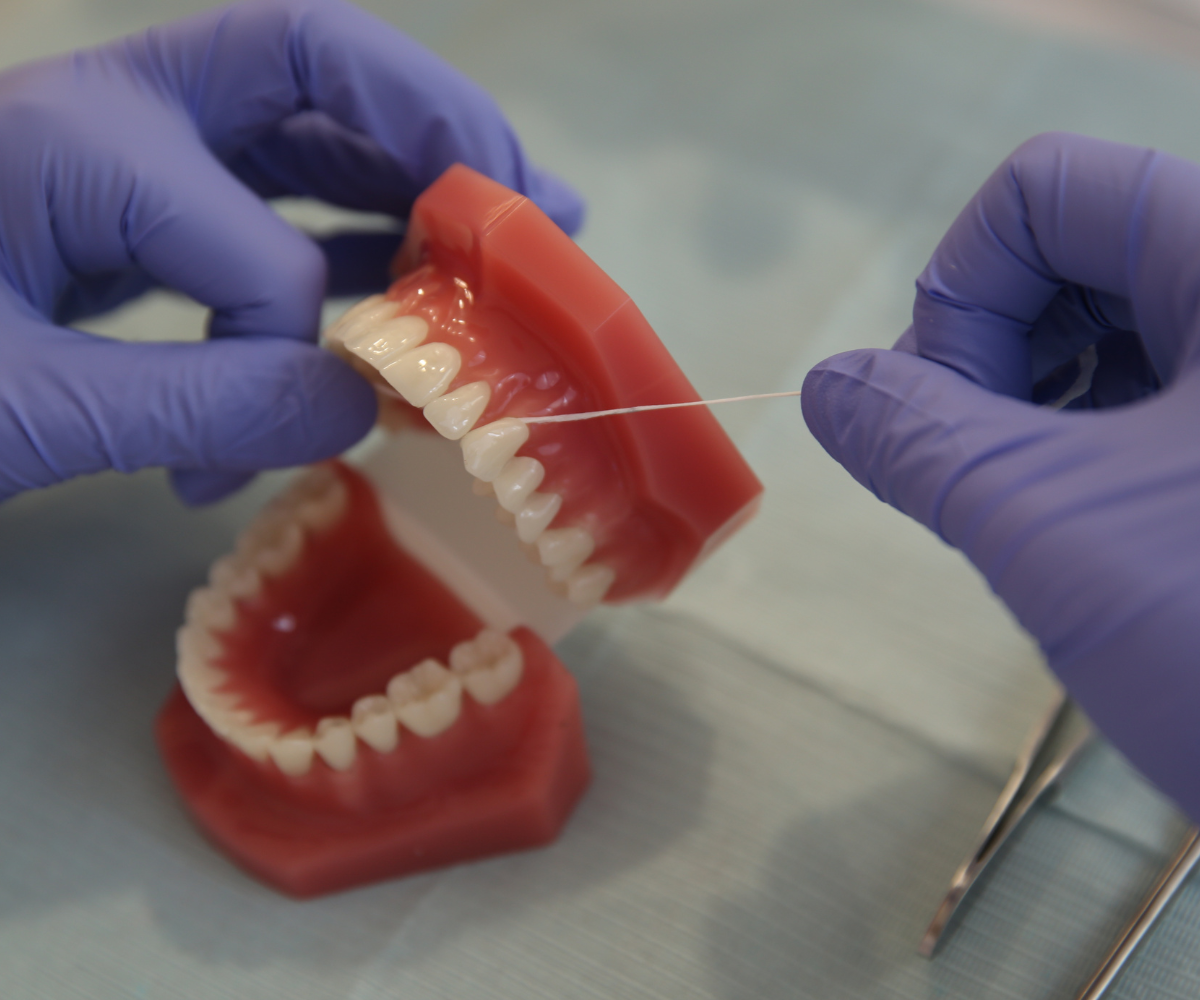
Introduction: Dentists as Early Detectors of Systemic Health Issues While dental checkups are typically associated with teeth and gums, visits to the dentist can also reveal critical health conditions detected by dentists that extend far beyond the mouth. The oral cavity can serve as a window into the body, with more than 100 diseases presenting symptoms that dentists may observe during routine exams. For example, periodontal disease—inflammation and infection of the gums and supporting bone—is more common and severe in individuals with diabetes. Similarly, certain medications, such as those for hypertension, may cause gum swelling or dry mouth, which can accelerate tooth decay. Dentists are increasingly trained to notice systemic red flags during oral exams, allowing them to connect patients with the necessary medical care and preventive strategies. Hypertension and Oral Health Dental offices often take patients’ blood pressure readings before procedures like cleanings or extractions requiring local anesthesia. High blood pressure may otherwise go unnoticed, and dental visits become an important point for early detection. Diabetes: Oral Clues to Systemic Disease Oral health is deeply connected to diabetes management. High blood sugar can disrupt the oral microbiome, increasing the risk of: Dentists may be the first to notice signs of undiagnosed diabetes in patients who perceive themselves as healthy. Early detection can prevent complications such as cardiovascular disease, kidney disease, and neuropathy.https://www.youtube.com/watch?v=iyB1jttl2l8 Detecting HIV and Immune Conditions Oral lesions, infections, and other unusual oral presentations can be indicators of immune system issues, including HIV. Dentists trained to recognize these signs play a crucial role in early diagnosis, helping patients access medical care before severe systemic complications occur. COVID-19 and Oral Health Insights During the COVID-19 pandemic, dental clinics implemented screening measures to reduce infection risk. Research has shown that COVID-19 can impact the heart and brain, and dentists’ vigilance can help identify patients at higher risk due to underlying conditions such as diabetes, hypertension, and immune disorders. Health conditions detected by dentists. Oral Health as a Window to Overall Wellness Dentists are not a replacement for primary care physicians, but they provide valuable preventive insights through oral exams. Regular dental visits can reveal systemic conditions early, supporting: Common Health Conditions Dentists May Detect Prevention and Patient Education Dentists can guide patients to maintain both oral and systemic health: Conclusion: The Integral Role of Dentistry in Preventive Health Dentists are uniquely positioned to detect systemic health issues through routine oral exams. By recognizing early signs of diseases such as hypertension, diabetes, immune disorders, and infections, dental professionals contribute to lifelong health and prevention strategies. Regular dental visits are not only vital for oral care but also serve as an essential component of overall wellness, emphasizing the interconnectedness of oral and systemic health. Health conditions detected by dentists.

Read More

Eye Microvascular Disease After Preeclampsia: Heart Risk

Introduction: Preeclampsia’s Long-Term Impact on Women’s Health Eye microvascular disease can develop decades after preeclampsia, a form of high blood pressure during pregnancy that affects up to 8% of women. While the immediate risks to mother and baby are well-known, research shows that damage to tiny blood vessels in the eyes may persist long-term. These changes serve as early indicators of cardiovascular risk, allowing healthcare providers to implement preventive strategies and help women maintain lifelong heart and eye health. Understanding Preeclampsia and Microvascular Disease Preeclampsia is characterized by: These symptoms indicate stress on the vascular system, including the small blood vessels that supply vital organs. Research shows that microvascular disease in the retina reflects broader cardiovascular health and may predict: By examining retinal vessels, doctors can identify early microvascular damage that may signal future heart disease risk. Research Findings: Retinal Changes Decades After Pregnancy A study involving over 19,000 women who gave birth approximately 28 years prior found: These results highlight that retinal microvascular damage is specific to preeclampsia, and not all pregnancy-related hypertension carries the same long-term cardiovascular risk.https://www.youtube.com/watch?v=5Plc7d0dUqI The Eye as a Window to Cardiovascular Health The retina provides a non-invasive glimpse into the body’s microvascular system. Unlike the heart, which is difficult to examine directly, retinal imaging allows: Experts suggest that retinal images could become an essential tool in long-term cardiovascular risk assessment for women with a history of preeclampsia. Eye microvascular disease. Long-Term Health Implications for Women Women who experienced preeclampsia should be aware that their cardiovascular risk remains elevated decades later. Recommended preventive measures include: The Role of Early Detection and Preventive Care Early identification of retinal microvascular changes allows healthcare providers to: By recognizing these risks early, women can reduce the likelihood of heart disease and related complications later in life. Eye microvascular disease. Global and Demographic Considerations Conclusion: Lifelong Care After Preeclampsia Preeclampsia is more than a temporary pregnancy complication. Its effects on the microvasculature of the eyes may predict long-term heart disease risk. Women with a history of preeclampsia can: By taking a proactive, life-course approach, women can improve both cardiovascular and ocular health for decades after pregnancy. Eye microvascular disease.

Read More

Sleep and Diabetes Risk: How Poor Rest Raises Health Concerns

Introduction: Sleep and Diabetes Risk Sleep and diabetes risk are closely linked. Research shows that not getting enough sleep greatly increases the chance of developing type 2 diabetes. Individuals who sleep fewer than six hours per night face disruptions in glucose metabolism, insulin sensitivity, and overall energy regulation. Even those who maintain a healthy diet are not fully protected from the harmful effects of sleep deprivation. Understanding the complex interaction between sleep patterns and diabetes is critical for prevention and long-term health management. The global prevalence of diabetes continues to rise, making it imperative to address sleep as a key lifestyle factor. How Sleep Duration Impacts Diabetes Risk Multiple studies have confirmed that chronic short sleep is associated with higher rates of type 2 diabetes. Sleep deprivation affects the body’s ability to regulate blood sugar effectively.When sleep is insufficient, the pancreas produces less insulin. The body’s cells also respond less effectively to the insulin that is available. Over time, this imbalance can lead to persistent hyperglycemia and increase the risk of developing type 2 diabetes. Short sleep also disrupts appetite-controlling hormones. This can increase calorie intake and cause weight gain, both known risk factors for diabetes. Globally, populations experiencing shorter average sleep durations are reporting higher diabetes incidence, demonstrating the universal nature of this health concern. The Science Behind Sleep and Glucose Metabolism The relationship between sleep and glucose metabolism is rooted in complex endocrine and neurological pathways. During deep sleep, the body regulates hormones such as cortisol, leptin, and ghrelin, which influence glucose balance and appetite control. Lack of restorative sleep disrupts these processes, causing insulin resistance and altered glucose tolerance. Sleep loss also increases inflammatory markers in the body, which further exacerbates metabolic dysfunction. Studies using continuous glucose monitoring show that even one night of restricted sleep can raise fasting blood sugar. It can also reduce insulin sensitivity. For people at risk of diabetes, keeping a regular sleep schedule is as crucial as diet and exercise for controlling blood sugar. Study Findings: Short Sleep and Increased Diabetes Incidence Large-scale longitudinal studies have revealed that individuals sleeping fewer than six hours per night have a significantly higher incidence of type 2 diabetes over time. A study of nearly 250,000 participants over 12 years found that people who slept very little were almost twice as likely to develop diabetes as those who slept seven to eight hours per night. The risk remained elevated even after accounting for diet, body mass index, age, and physical activity. This evidence shows that sleep plays an independent role in diabetes prevention. It highlights the need for public health programs that promote healthy sleep habits alongside diet and exercise. https://www.who.int/news-room/fact-sheets/detail/diabetes Diet Alone Cannot Offset Sleep Deficiency While a healthy diet can reduce the risk of diabetes, it cannot completely counteract the effects of chronic sleep deprivation. Participants in research studies who followed recommended dietary guidelines, including adequate fruit, vegetable, and fish intake, still exhibited higher diabetes risk when their sleep was insufficient. This indicates that diet and sleep operate through different mechanisms in the body, and both are crucial for optimal metabolic health. Public health messages focusing solely on diet or exercise without addressing sleep may fail to fully prevent the development of type 2 diabetes, emphasizing the need for a holistic approach to lifestyle modification. Lifestyle Factors Amplifying Diabetes Risk In addition to sleep and diet, several lifestyle factors contribute to the risk of type 2 diabetes. Sedentary behavior, chronic stress, and irregular daily routines can exacerbate the metabolic effects of sleep deprivation. High levels of stress increase cortisol production, which raises blood sugar levels and promotes fat deposition around the abdomen. Lack of physical activity further reduces insulin sensitivity and can lead to obesity, a major risk factor for diabetes. Smoking and excessive alcohol consumption are also linked to increased risk. When combined with insufficient sleep, these factors create a synergistic effect, amplifying the likelihood of diabetes onset. Sleep Hygiene Strategies to Lower Diabetes Risk Improving sleep hygiene is a practical strategy for mitigating diabetes risk. Consistent sleep and wake times, a dark and cool sleeping environment, and pre-sleep routines such as reading or meditation can promote restorative sleep. Avoiding caffeine and alcohol several hours before bedtime also helps the body achieve deeper stages of sleep necessary for metabolic regulation. For shift workers or individuals with irregular schedules, strategies such as strategic napping, blackout curtains, and melatonin supplementation may be beneficial. Public health programs and individual lifestyle interventions should prioritize sleep education to complement dietary and exercise recommendations for diabetes prevention. Global Implications of Sleep-Related Diabetes Trends The link between sleep deprivation and diabetes has significant implications for global health. In countries where long work hours, electronic device use, and urban lifestyles reduce average sleep duration, type 2 diabetes prevalence is rising at alarming rates. Developing nations face additional challenges, as limited access to healthcare and growing urbanization contribute to sleep disruption and chronic disease development. Addressing sleep as a public health priority could significantly reduce the global burden of diabetes and related complications, including cardiovascular disease, kidney disease, and neuropathy. Recommendations for Healthcare Providers Healthcare providers should routinely assess patients’ sleep patterns as part of comprehensive diabetes risk evaluations. Screening for sleep disorders such as insomnia and sleep apnea, and providing guidance on sleep hygiene, can complement traditional interventions like diet and exercise counseling. Clinicians should educate patients about the impact of sleep on glucose metabolism, emphasizing that even modest improvements in sleep duration and quality can reduce diabetes risk. Multidisciplinary approaches involving nutritionists, sleep specialists, and endocrinologists may optimize outcomes for patients at high risk. Future Research Directions in Sleep and Diabetes Despite mounting evidence, more research is needed to fully understand the mechanisms linking sleep and diabetes. Randomized controlled trials are necessary to establish causality and determine whether interventions that improve sleep can effectively reduce diabetes incidence. Longitudinal studies across diverse populations will help identify vulnerable groups and tailor interventions accordingly. Additionally, research into the interaction of sleep with…

Read More

Diabetes Silent Killer: Understanding the Global Health Threat

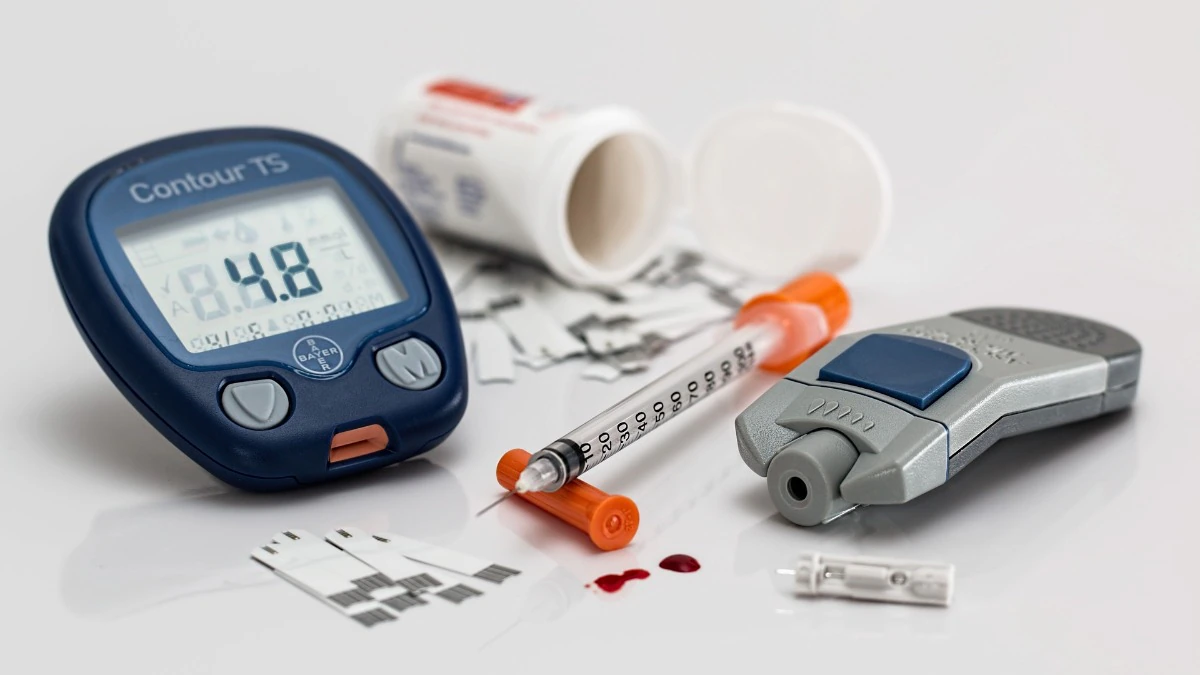
Introduction: The Diabetes Silent Killer Diabetes has earned the reputation of a silent killer because it can develop silently for years, often without noticeable symptoms, while causing progressive damage to organs. Globally, more than 530 million adults live with diabetes, but a large portion remains undiagnosed, unaware of the serious risks they face. The disorder interferes with the body’s ability to regulate blood sugar, which can silently affect the heart, kidneys, eyes, nerves, and blood vessels. Understanding the risks, recognizing early signs, and implementing preventive or treatment measures are crucial steps to reduce long-term health consequences. What Diabetes Does to the Body Diabetes disrupts the body’s natural regulation of glucose due to problems with insulin production or its effectiveness. In type 1 diabetes, the immune system attacks insulin-producing cells, leaving patients dependent on daily insulin therapy. Type 2 diabetes, the more common form, occurs when the body develops resistance to insulin or cannot produce enough. Gestational diabetes arises during pregnancy, creating potential risks for both mother and child. Regardless of type, uncontrolled diabetes silently damages organs over time, increasing the risk of life-threatening complications if left unmanaged. The Silent Progression of Diabetes One of the most concerning aspects of diabetes is its silent nature. Many individuals remain unaware of their condition for years, as blood sugar levels gradually rise without causing obvious symptoms. This silent progression contributes to irreversible organ damage, including cardiovascular issues, kidney failure, vision impairment, and nerve damage. Patients often first learn about their diabetes only after severe complications arise. Early detection through regular screenings can prevent these outcomes and is key to reducing the global burden of the disease. Global Impact of Diabetes Diabetes is a worldwide health challenge affecting populations across every continent. Rapid urbanization, sedentary lifestyles, unhealthy diets, and aging populations contribute to the rising prevalence of type 2 diabetes. According to the World Health Organization, approximately one in ten adults globally has diabetes, and numbers continue to increase. Low- and middle-income countries face additional challenges, including limited access to healthcare, lack of awareness, and delayed diagnosis. The condition not only affects individual health but also places a significant burden on healthcare systems worldwide. https://diabetes.org/about-diabetes Recognizing Symptoms Early Although diabetes is a silent killer, subtle signs may indicate its presence. Increased thirst, frequent urination, unexplained weight loss, fatigue, blurred vision, and slow-healing wounds are often overlooked, yet they signal that blood sugar levels are elevated. Numbness or tingling in the extremities may also occur due to nerve damage. Early recognition of these symptoms and timely medical evaluation can prevent long-term organ damage and improve quality of life. Understanding Risk Factors Several factors contribute to the development of diabetes. Genetics plays an important role, as family history can increase susceptibility. Lifestyle factors, including poor diet, obesity, and physical inactivity, significantly elevate risk. Age also influences susceptibility, particularly for type 2 diabetes. Other health conditions, such as high blood pressure and high cholesterol, can further increase the likelihood of developing diabetes. Awareness of these risk factors allows individuals to adopt preventive strategies and reduce their chances of contracting the disease. Long-Term Complications If diabetes remains uncontrolled, it can lead to serious complications. Cardiovascular diseases, including heart attacks and strokes, are common outcomes due to damage to blood vessels. Kidney disease may progress to renal failure, while diabetic retinopathy is a leading cause of vision loss worldwide. Nerve damage, or neuropathy, can result in chronic pain and increase the risk of infections or amputations. These complications highlight why diabetes is often referred to as a silent killer, capable of causing devastating health consequences without obvious warning signs. Diagnosis and Screening Healthcare providers use specific tests to detect diabetes early, even when symptoms are absent. Blood glucose levels, fasting glucose tests, and Hemoglobin A1C measurements are common methods used to assess long-term glucose control. Annual screenings are recommended for adults, particularly those with risk factors such as obesity, family history, or high blood pressure. Early diagnosis allows for timely intervention, including lifestyle modifications and medical treatment, reducing the risk of complications. Treatment Approaches Managing diabetes requires a comprehensive approach tailored to each individual. Medications, including insulin for type 1 diabetes and various oral agents for type 2, are essential to regulate blood sugar. Lifestyle changes, including maintaining a balanced diet, regular physical activity, and weight management, are equally critical. Monitoring blood sugar regularly helps patients and healthcare providers track progress and adjust treatment as needed. Psychological support also plays a role in helping individuals adhere to treatment plans and manage the challenges of living with a chronic disease. Prevention Strategies Preventing diabetes relies heavily on proactive lifestyle choices. Maintaining a healthy weight, engaging in regular physical activity, and following a diet rich in whole foods, vegetables, and fruits can reduce risk. Avoiding excessive sugar and processed foods further supports blood sugar regulation. For individuals with a family history of diabetes or other risk factors, early screening and monitoring are vital. Population-level initiatives focusing on education, awareness, and lifestyle interventions are essential to curb the global rise of diabetes. Living with Diabetes With proper management, people living with diabetes can lead fulfilling lives. Adherence to prescribed medications, structured diets, and exercise routines are key components. Regular checkups ensure complications are identified and treated early. Access to education programs, counseling, and support groups helps patients cope with the emotional and psychological challenges of managing a chronic illness. These comprehensive care strategies reduce long-term risks and improve overall quality of life. Global Public Health Perspective Diabetes represents a significant public health challenge worldwide. Its prevalence continues to rise, and the associated complications burden healthcare systems and societies. Governments and health organizations are promoting awareness campaigns, preventive screenings, and community-based interventions to reduce the disease’s impact. Addressing diabetes proactively not only improves individual health outcomes but also reduces the broader economic and healthcare burden. Research and Future Directions Ongoing research focuses on understanding the causes of diabetes, improving treatment options, and preventing complications. Innovations include new medications, advancements in insulin delivery,…

Read More