
Europe Heatwave 2025: Spain Records 46°C in June

Europe Heatwave 2025: Spain Hits Record 46°C Amidst Soaring Temperatures The summer of 2025 is turning out to be one of the most extreme on record for Europe, as scorching temperatures blanket much of the continent. The Europe heatwave 2025 has seen mercury levels reach staggering highs, with Southern Spain bearing the brunt of the extreme heat. A record-breaking 46°C was reported in the town of El Granado, marking the highest June temperature ever recorded in Spain. Europe Heatwave 2025 Intensifies: Southern Spain Records 46°C Spain’s national weather agency, AEMET, confirmed that June 2025 is on track to become the hottest June in the country’s history. The town of El Granado, located in the Andalusian region near the Portuguese border, became the focal point of this weather anomaly when it hit 46°C – the highest temperature ever recorded in June in the country. Nearby cities like Seville and Córdoba also reported searing heat, with thermometers regularly hitting the mid-40s. Roads shimmered with heatwaves, and locals remained indoors during peak daylight hours to avoid the worst of the heat. Red Alerts and Emergency Protocols During Europe Heatwave 2025 As the heatwave continues to spread, authorities in Portugal, Italy, and Croatia have issued red-level heat warnings, the most severe alerts for heat-related threats. The red alerts are often triggered when sustained high temperatures are likely to pose a serious risk to human health, infrastructure, and water supplies. In addition, amber alerts – indicating serious but slightly lower threats – are in place in several countries, including: Tragic Fatalities and Rising Heat-Related Illnesses Tragedy struck in Barcelona, Spain, where a woman collapsed and died after finishing her shift as a road sweeper. Local media report that she had been working during the hottest hours of the day. Authorities are investigating her death, which they believe could be heat-related. Emergency services in Italy are dealing with a sharp increase in heatstroke cases, especially among: Mario Guarino, vice president of the Italian Society of Emergency Medicine, stated that the heatwave is placing immense strain on hospitals across the country. Facilities such as Ospedale dei Colli in Naples have set up special heatstroke units, offering cold water immersion and rapid rehydration therapies. In Bologna, a city in northern Italy, officials have opened seven air-conditioned shelters to help vulnerable populations stay cool. In Rome, residents over the age of 70 can now access public swimming pools for free, a move aimed at preventing further fatalities. Portugal Urges Citizens to Stay Indoors In Lisbon, Portugal’s capital, healthcare professionals are urging residents to avoid going outdoors during peak heat. A local pharmacist told Reuters, “Despite warnings, we’ve already seen multiple cases of heatstroke and skin burns. People are underestimating the intensity of the sun.” The Portuguese Institute for Sea and Atmosphere (IPMA) has placed large parts of the country under heat alerts and emphasized the need for hydration, shade, and sunscreen. Record Temperatures Break Across the Western Balkans The Western Balkan nations are also suffering under the unrelenting heatwave. Temperatures soared past 40°C, with cities across the region experiencing the hottest days in years. The Balkans, typically warm in summer, are now grappling with intense heat that is pushing infrastructure and healthcare to their limits. In many cities, power outages due to overloaded grids have become common, and bottled water supplies are reportedly dwindling in smaller towns. UK, Germany, and France Brace for Climbing Temperatures The Europe heatwave 2025 is not limited to the southern half of the continent. As the high-pressure system responsible for the heat shifts eastward, countries like Germany, France, and the United Kingdom are bracing for their own temperature spikes. In the UK, the Met Office has issued yellow and amber heat alerts, warning that parts of London could reach 35°C on Monday. These alerts advise people to: Paris and Berlin are also expected to see temperatures near or above 40°C, with similar public health warnings issued across both nations. Understanding the Meteorological Cause: High Pressure Dome Meteorologists point to a massive high-pressure system – sometimes called a “heat dome” – that has settled over Southern and Central Europe. This system causes dry air to sink, compress, and warm up, leading to rising surface temperatures. As the heat dome remains stagnant, each day’s solar radiation adds more heat to the air and ground, compounding the effect. The dry conditions also mean that evaporative cooling (such as sweating or water evaporating from surfaces) is less effective, increasing the risk of heatstroke and dehydration. Heatwaves and Climate Change: A Dire Warning from Scientists According to the Intergovernmental Panel on Climate Change (IPCC), human-induced global warming is making heatwaves more frequent, more intense, and longer-lasting. How Climate Change Is Driving the Europe Heatwave 2025 Extreme weather, like the Europe heatwave 2025, is consistent with scientific models that predict a hotter, more volatile climate. Many researchers see this event as another urgent warning about the need for rapid carbon emissions reductions. Impacts on Daily Life: Travel, Agriculture, and Energy The heatwave has wide-reaching impacts beyond health. Transportation networks, agriculture, and energy supply systems across Europe are under pressure. Transport Agriculture Energy What Are Governments Doing to Mitigate the Crisis? European governments have mobilized emergency resources to protect their citizens. Spain France Germany Tips for Surviving the Europe Heatwave 2025 With temperatures soaring, it’s important for everyone to follow basic heat safety tips: Do: Don’t: Looking Ahead: More Heat in the Forecast Weather models suggest the heatwave will intensify further into the week, with: Global Reactions and Climate Justice The Europe heatwave 2025 has reignited global conversations about climate equity. While European countries have resources to mitigate some of the impacts, developing nations often do not. Climate activists argue that the global North must accelerate its green transition and provide financial support to vulnerable nations already suffering from climate-related disasters. The Heatwave That Changed Europe’s Summer The Europe heatwave 2025 is not just a weather anomaly; it is a stark reminder of how fragile our infrastructure, ecosystems, and health…

Read More

Endangered Moon Bears Arrive at Welsh Wildlife Park

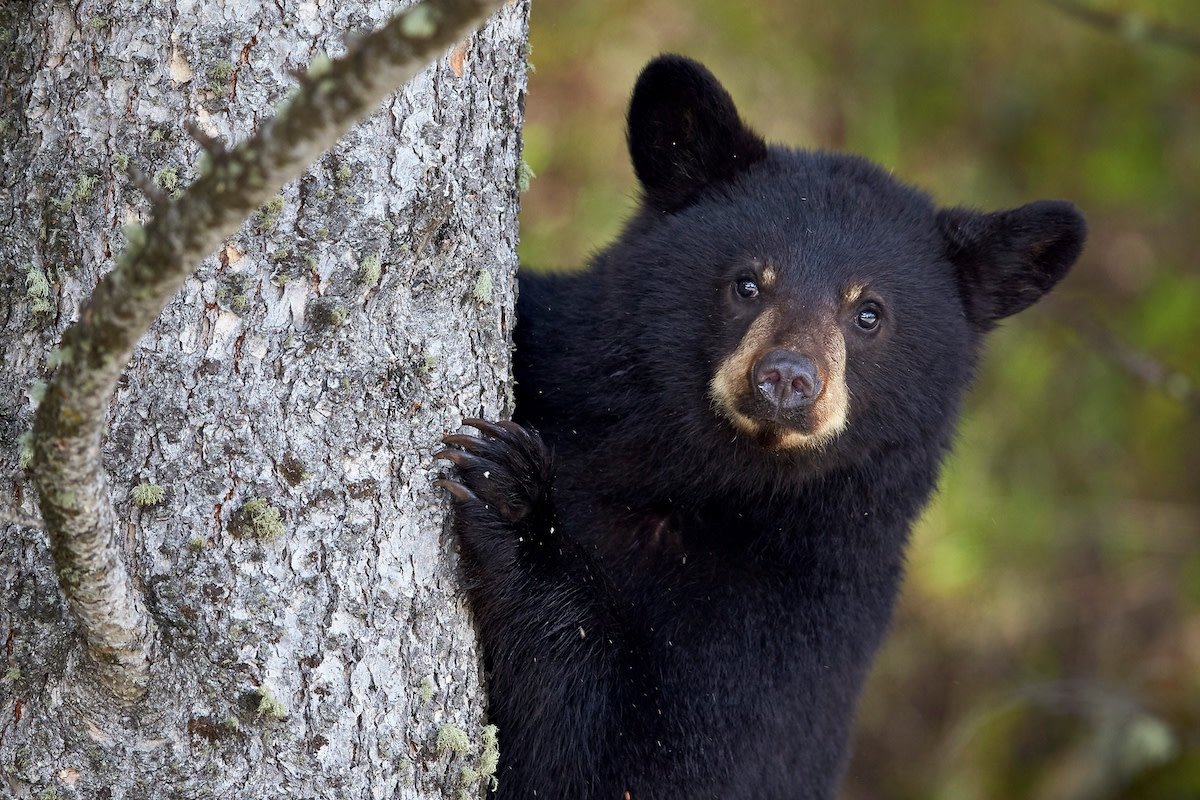
The Arrival of Endangered Moon Bears in Wales A remarkable milestone in wildlife conservation has taken place in the heart of Pembrokeshire, Wales. Four endangered moon bears arrive at a wildlife park for the first time, bringing hope and global attention to the fight against extinction. These Asian black bears—Martha, Irene, Gigi, and Coco—made their journey from France to Manor Wildlife Park in Tenby on 27 June 2025, where they now reside in a carefully designed, enriching habitat tailored to their natural instincts. This momentous event reflects years of collaboration between breeding programmes, conservationists, and passionate animal welfare organizations. Furthermore, their arrival is more than just an addition to the park—it represents a renewed commitment to protecting one of Asia’s most vulnerable species. Who Are the Endangered Moon Bears? Understanding Their Identity Recognizing the Species People call moon bears, also known as Asian black bears (Ursus thibetanus), by that name because of the distinctive crescent-shaped white markings on their chests. In addition, these medium-sized bears are native to forested regions across 18 countries in Asia, including China, Vietnam, India, and Japan. Although moon bears display an adorable and playful demeanor, they now face a harsh reality—they are critically endangered. Consequently, their population continues to decline due to widespread habitat loss, illegal poaching, and the horrific practice of bile farming. Why Are Endangered Moon Bears at Risk? The species has long suffered from human exploitation. Experts estimate that more than 10,000 moon bears still live in confinement at bile farms, where workers keep them in cages and extract their bile painfully for use in traditional medicine. Key Threats: These challenges, compounded by limited breeding in the wild, make their conservation an urgent mission. A New Home for Endangered Moon Bears at Tenby’s Manor Wildlife Park When the four endangered moon bears arrived at the wildlife park, they were welcomed into a custom-built habitat, specifically designed to provide both physical and mental stimulation. The enclosure features: Anna Ryder Richardson, owner of Manor Wildlife Park, expressed deep joy at their arrival. “These charismatic creatures, with their striking crescent-shaped chest markings and playful personalities, have already stolen the hearts of our team,” she said. She added that welcoming the bears marks a bold new direction for the park’s conservation strategy. How the Wildlife Park Supports Global Conservation Efforts The park is not working alone. This initiative is part of an international breeding programme, linking wildlife institutions across Europe and Asia with the shared mission to eliminate cruelty and preserve endangered species. Collaboration with Free the Bears The well-known charity Free the Bears, which has rescued over 1,000 black bears across Asia, worked closely with Manor Wildlife Park to make this transfer possible. Founded in 1995, the organization has grown to become a leading advocate for bear welfare, operating sanctuaries in Laos, Cambodia, and Vietnam. Matt Hunt, the charity’s CEO, praised the collaboration, saying: “Despite the enormous challenges, we remain committed to protecting, preserving, and enriching the lives of bears worldwide—alongside dedicated partners like Manor Wildlife Park.” Endangered Moon Bears: Physical Traits and Lifespan To better understand and appreciate these creatures, here are some key facts about the Asian black bear: Nevertheless, despite their potential size, moon bears are well known for their gentle temperament and remarkable intelligence. Meet the Endangered Moon Bears: Martha, Irene, Gigi, and Coco Each of the four moon bears has a unique personality. Although their backstories remain private—due to their origin in a French zoo that participates in the same breeding programme—early observations by keepers suggest the following Their adjustment to the new home is being carefully monitored, with keepers using positive reinforcement training to build trust. A World-First Habitat Feature: The Tunnel System In a move that underscores innovation and commitment to enrichment, Manor Wildlife Park is creating a “world-first” tunnel system that links the moon bear habitat with those of the park’s tigers. This design allows: Anna Ryder Richardson explained, “This will let both species experience new sights and smells, enhancing their quality of life in captivity. It’s all about emotional and mental enrichment.” The Bigger Picture: Conservation Beyond Borders The arrival of these endangered moon bears is part of a larger global strategy that includes: By welcoming the bears, Manor Wildlife Park contributes not just to their care but to the symbolic dismantling of wildlife exploitation. Education and Visitor Engagement Visitors are encouraged not just to view the bears but to learn about their plight. Educational signage, scheduled talks, and interactive zones will give families insight into: This immersive approach transforms tourism into activism. What’s Next for the Wildlife Park? Alongside the moon bear programme, the park is expanding its conservation initiatives with the arrival of: These developments form part of the park’s long-term vision to become a center for education, rescue, and international collaboration. Public Response and Community Support The arrival of the moon bears has sparked widespread excitement and emotional response from the local community and wildlife enthusiasts across the UK. Early visitors have expressed awe at seeing these rare animals in such a naturalistic environment. Social media posts, shares, and media coverage have helped spread awareness about the park’s mission and the larger fight to end bile farming. The Role of Ethical Zoos in Conservation As zoos evolve from entertainment hubs to ethical conservation centers, Manor Wildlife Park stands out as a model. The emphasis on animal welfare, enrichment, and global partnerships sets a high standard for other institutions. By providing sanctuary and purpose for animals like the moon bear, they demonstrate that responsible wildlife tourism can serve a higher cause. A Symbol of Hope for Endangered Species The fact that four endangered moon bears arrived at a wildlife park in Wales is more than a headline—it’s a hopeful symbol of what’s possible when compassion, science, and cooperation come together. These bears are not just survivors of a cruel system; they are now ambassadors for their species. With continued support from the public, conservationists, and partner organizations like Free the Bears, the dream…

Read More

Ash Trees Disease Resistance: A Natural Fightback

Ash Trees Disease Resistance: How Britain’s Forests Are Evolving to Survive Once facing near-certain devastation, Britain’s ash trees are now showing unexpected signs of resilience. New research reveals that these iconic trees are developing ash trees disease resistance, offering a much-needed glimmer of hope for the UK’s biodiversity and forest ecosystems. Scientists have found genetic markers indicating that ash trees disease resistance is emerging through natural selection. This discovery not only highlights nature’s adaptive power but also reinforces the urgency to protect woodlands where ash trees disease resistance is becoming a reality. Understanding Ash Dieback: The Threat Fueling Ash Tree Resilience Ash dieback, caused by the fungal pathogen Hymenoscyphus fraxineus, was first detected in Britain in 2012. Originally from Asia, the fungus arrived in Europe around three decades ago and rapidly spread across the continent. Once established in the UK, it posed a dire threat, with early projections warning of up to 85% of ash trees potentially being lost. This grim outlook seemed plausible as symptoms appeared swiftly: leaves withered, branches darkened, and trees gradually died. Woodlands across the British Isles started losing their ash populations—causing concern among ecologists, conservationists, and landowners alike. Ash Trees Disease Resistance: A Genetic Comeback Driven by Natural Selection In an unexpected twist, researchers studying ash woodlands in Surrey have discovered subtle but consistent genetic shifts occurring in the tree population. These evolutionary adaptations are boosting the trees’ resilience against ash dieback. Scientists observed that new saplings are increasingly inheriting genetic traits that allow them to better tolerate or resist the fungus. This natural selection process echoes Charles Darwin’s foundational theory: survival of the fittest, in this case, those with resistance genes. Richard Buggs, a leading evolutionary biologist from Royal Botanic Gardens Kew and Queen Mary University of London, notes that although many trees have perished, the survivors may pave the way for a future population of disease-resistant ash. Ash Trees Disease Resistance and the Biodiversity Crisis of Ash Dieback The disappearance of ash trees would do more than change the appearance of the countryside. These trees support over 1,000 species of insects, birds, and lichens. Losing them en masse would ripple through the food chain, causing secondary extinctions and altering delicate ecological balances. Rebecca Gosling from the Woodland Trust emphasizes that the resurgence of ash trees underscores the importance of supporting natural regeneration processes. She highlights the need to integrate this understanding into woodland management policies and restoration plans. Supporting Ash Trees’ Disease Resistance: How Human Intervention Aids Natural Recovery While nature is showing its strength, experts believe that strategic human intervention can accelerate recovery. Measures such as preventing overgrazing by deer and cultivating resilient ash seedlings are essential to preserving this iconic species. Forest managers are encouraged to monitor ash populations closely, selectively harvest diseased trees, and replant using saplings from resistant lineages. Controlled breeding programs could amplify the genetic traits that confer resistance. A Wake-Up Call: Learning from History The current recovery contrasts with the fate of the elm tree, which was devastated by Dutch elm disease. Nearly wiped out across much of Europe, elms have not seen a similar natural rebound. The relative success of the ash tree’s adaptation offers hope—but also a warning. It’s vital that policymakers act swiftly to protect what remains. Waiting too long could mean missing the narrow window of opportunity that evolution has granted. Investing in research, promoting biosecurity, and funding local conservation efforts must become national priorities. A Landmark Study in Tree Genetics The research underpinning these findings was published in Science, one of the world’s leading scientific journals. It identified thousands of genes involved in ash trees’ resistance mechanisms. These findings provide a genetic roadmap that can guide future breeding efforts. Richard Nichols, a geneticist at Queen Mary University, explained how the tragic loss of so many trees has illuminated the genetic complexity behind resistance. “Thousands of genes are playing a role,” he noted. “This is evolution in action, unfolding right before our eyes.” Rewriting the Fate of Britain’s Ash Trees More than just an academic breakthrough, this discovery offers a practical path forward. By combining scientific insights with conservation strategies, Britain could see its ash woodlands rebound within decades. It’s a rare opportunity to reverse a once-inevitable outcome—and a reminder of nature’s power when supported by science and policy. Preserving the Cultural and Ecological Legacy of Ash Ash trees are deeply woven into the fabric of British culture, literature, and heritage. Their tall, graceful forms have defined hedgerows, churchyards, and country lanes for centuries. Preserving them is about more than saving a species—it’s about maintaining a living connection to the land. With resilience rising in the wild and targeted efforts by conservation groups, there is real hope that the story of the ash tree will not end in extinction but in renewal. What Comes Next? As 2025 unfolds, the priority is twofold: protect existing ash trees from additional threats and expand breeding programs using genetically resistant individuals. Landowners, farmers, and public institutions must collaborate with scientists to monitor tree health, report disease outbreaks, and manage regrowth. Public education campaigns can also help build awareness, encouraging citizens to plant disease-resistant saplings and report sightings of healthy ash trees. From Crisis to Comeback Britain’s ash trees may not be out of the woods yet, but their prospects have dramatically improved. Through a blend of evolutionary biology, conservation, and community effort, these trees are carving a path back into the heart of the British landscape. The story of ash dieback is no longer one solely of loss. It is now a testament to resilience, adaptation, and the enduring power of nature when given the chance to recover.

Read More

Thailand Electronic Waste Pollution: Your Phone’s Toxic Legacy

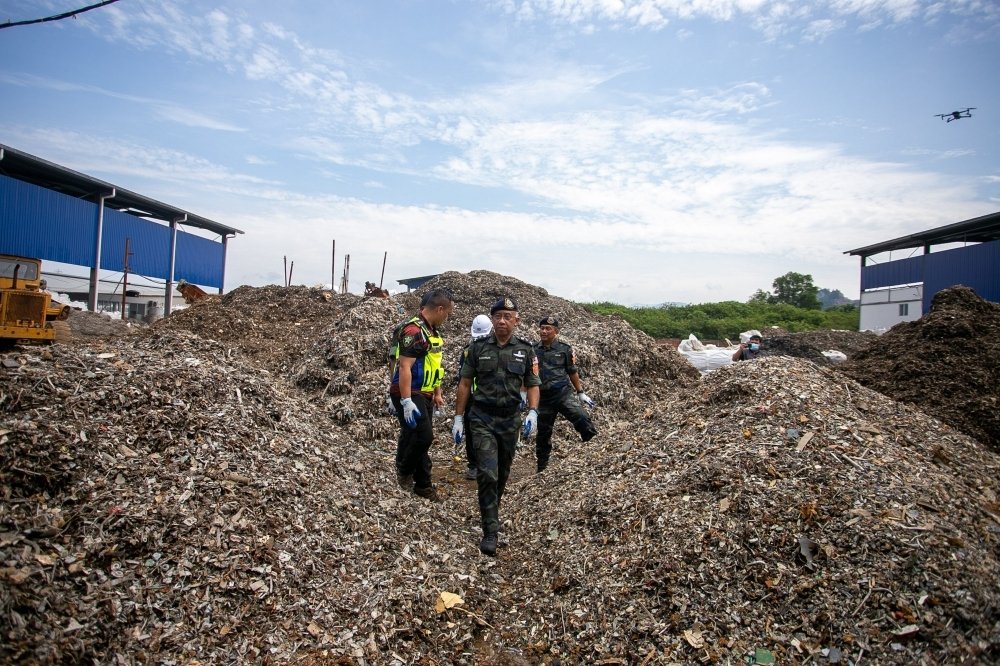
Thailand Communities Suffer the Impact of Electronic Waste Pollution In eastern Thailand, near a bustling highway, Thitipas Choddaechachainun methodically sifts through piles of discarded electronics, a scene that highlights the growing crisis of Thailand electronic waste pollution. Within a sprawling warehouse, the industry ministry’s inspection team, under her guidance, meticulously samples heaps of scrap metal, circuit boards, and obsolete computer hardware. Their mission: to uncover evidence of illegal e-waste processing that is rapidly degrading the country’s environment. “This clearly qualifies as electronic waste,” Thitipas states firmly. “Yet the site lacks a proper license to handle such hazardous material.” As the head of a national task force, she leads weekly raids on unauthorized recycling operations hidden deep in Thailand’s countryside. These clandestine sites are multiplying, complicating efforts to regulate and control the spread of hazardous waste. Thailand’s Electronic Waste Pollution as a Global Fallout Historically, China was the epicenter of global e-waste recycling. For years, millions of tonnes of outdated gadgets from the West were shipped there for cheap disposal. But in 2018, China imposed a sweeping ban on e-waste imports, prompting global exporters to redirect their shipments. Thailand quickly became a new destination. Despite implementing its own ban in 2020, the country’s annual e-waste influx ballooned from 3,000 tonnes to a staggering 60,000 tonnes in just a decade, according to the environmental advocacy group Earth Thailand. Much of this toxic cargo originates from the United States and European Union. In regions with high per capita ownership of electronics—smartphones, fridges, washing machines—frequent upgrades mean mountains of outdated devices. While many Western nations have laws to prevent e-waste exports, loopholes exist. Devices are often mislabeled as “second-hand goods for resale” but are soon dismantled and smelted for valuable metals upon arrival. How Illegal Smelting Drives Thailand Electronic Waste Pollution Smelting operations release toxic substances—mercury, lead, and harmful fumes—into Thailand’s air, soil, and water. These informal processing sites recover precious metals like copper and gold, generating enormous profits. However, the environmental cost is devastating. “Thailand gains nothing from this activity,” Industry Minister Akanat Promphan told reporters. “It harms our ecosystems and endangers local communities.” He describes the situation as turning the country into a global dump site, where unregulated, often Chinese-owned facilities run illegal smelting operations. Much of the salvaged metal is shipped back to China, completing a dangerous cycle of pollution and profit. Local Impact: Farmers on the Frontline In a small farming village in eastern Thailand, 57-year-old Seng Wongsena laments the loss of his cassava harvest. “The plants don’t flower like they used to,” he says. The culprit? Polluted runoff from a nearby smelting plant. The acrid stench lingers throughout the night, robbing him of sleep and health. Local environmentalists claim that the facility operates without authorization and have urged authorities to shut it down. Residents fear long-term contamination of their water sources and soil—an existential threat to agriculture and food security in rural Thailand. Global Waste, Local Consequences Jim Puckett, Executive Director of the Basel Action Network, a non-profit tackling toxic waste, emphasizes the global nature of the crisis. “Thailand has become collateral damage in the West’s addiction to electronics. Importing hazardous materials for recycling leads directly to environmental destruction.” With over 60 million tonnes of electronic waste generated globally each year—double the amount from 15 years ago—the problem is growing exponentially. By the end of the decade, experts forecast a 30% increase. Yet less than 25% of this waste is responsibly collected or recycled, according to the United Nations. The world’s recycling efforts are failing to keep pace with the rapid growth of digital consumption. The Push for Producer Responsibility To combat the crisis, many nations have introduced extended producer responsibility (EPR) laws. These regulations hold manufacturers—like Apple, Samsung, and Dell—accountable for the end-of-life disposal of their products. Thailand is preparing to implement a similar law. Industry Minister Promphan affirms: “We’re pushing to enact this legislation soon—hopefully by year-end or early next year. Our commitment is firm: we will dismantle the network of illegal e-waste processors.” This policy could shift responsibility back to electronics producers, compelling them to establish proper recycling and take-back programs in Thailand and beyond. The Economics of Illegal Recycling Illegal recycling is profitable because it avoids the cost of environmental compliance. By skipping proper safety measures, these facilities can operate cheaply and efficiently. However, the fallout includes poisoned water tables, degraded soil, and irreversible health impacts on nearby residents. Experts warn that without international coordination and rigorous enforcement, the problem will persist. Thailand electronic waste pollution is not just a local issue—it is a symptom of global negligence. Smarter Solutions for a Cleaner Future Environmental groups in Thailand are calling for increased transparency, better monitoring technology, and harsher penalties for illegal recyclers. Citizens are also being urged to rethink their consumption habits—opting for repairs, longer device lifespans, and verified recycling programs. Thailand’s fight mirrors that of other nations struggling to control the flow of discarded electronics. The future lies in sustainable innovation—designing gadgets that are easier to repair, reuse, and recycle. A Global Wake-Up Call Thailand’s struggle with electronic waste is a wake-up call for the world. Each discarded phone or outdated computer contributes to a growing ecological crisis. By recognizing the environmental cost of our digital habits and supporting responsible recycling, we can help stem the tide of pollution that threatens communities far from our own. The battle against Thailand electronic waste pollution is not just Thailand’s to fight. It requires global solidarity, smart policy, and a cultural shift in how we value and dispose of technology.

Read More

Attabad Lake Pakistan: Beauty Born from Disaster

Attabad Lake Pakistan: Beauty Born from Tragedy Attabad Lake Pakistan is a breathtaking example of nature’s power and resilience. Located in the heart of Hunza Valley, this stunning lake was formed unexpectedly in 2010 after a massive landslide blocked the Hunza River, submerging entire villages and reshaping the region’s landscape. Despite its tragic beginnings, Attabad Lake Pakistan has become one of the country’s most iconic travel destinations, celebrated for its vibrant blue waters and majestic mountain surroundings. A Journey to the Heart of Hunza Valley For many travelers, including Lauren Winslow-Llewellyn and her partner Craig Hubbard, the journey to Attabad Lake is an adventure in itself. From navigating narrow mountain roads atop an open truck to trekking through rugged terrain, visitors are rewarded with panoramic views and an intimate encounter with one of Pakistan’s most spectacular natural wonders. The couple describes the moment they first glimpsed the lake as unforgettable, with its vibrant waters framed by soaring peaks. The Karakoram Highway: Gateway to the Mountains The Karakoram Highway, often called the world’s highest paved road, runs through the Hunza Valley and connects Pakistan with China. This engineering marvel traverses some of the steepest and most dangerous terrain on Earth, with frequent landslides and roadblocks reminding travelers of the region’s precarious beauty. The 2010 landslide that created Attabad Lake also damaged a vital stretch of this highway, prompting extensive reconstruction efforts including the addition of tunnels to improve safety and accessibility. From Disaster to Opportunity: Economic Revival around Attabad Lake Despite the devastation caused by the landslide—displacing thousands and claiming lives—the communities around Attabad Lake have demonstrated resilience. Local families, particularly in the village of Shisket, have capitalized on the lake’s growing popularity by opening food stalls, handicraft shops, and boating services. These ventures provide vital income and empower residents, especially women, who play key roles as entrepreneurs and emergency responders. Exploring Attabad Lake and Its Surroundings Tourists visiting Attabad Lake can enjoy boating, jet skiing, and ziplining across the shimmering waters. For breathtaking views, hiking to Baskochi Meadows is highly recommended, offering a stunning vantage point at sunset. Nearby attractions include the Hussaini Suspension Bridge and the iconic Passu Cones, as well as historic forts like Altit and Baltit that reveal the region’s rich cultural heritage. These sites, combined with the lake’s natural beauty, make the Hunza Valley a compelling destination for adventurers and culture seekers alike. The Fragile Future of Attabad Lake While Attabad Lake has become a cherished landmark, its existence remains precarious. Geologists warn that the stability of the landslide dam depends on many factors, including seismic activity. A sudden breach could cause severe flooding downstream, threatening communities in Gilgit and beyond. Moreover, sediment studies indicate the lake is gradually shrinking, underscoring the transient nature of this extraordinary feature. Stories of Strength and Hospitality Visitors to Attabad Lake often find that the stories of the people affected by the disaster are as moving as the landscape itself. Warm hospitality and resilience define the local culture. As travelers connect with families who experienced the landslide firsthand, they gain a deeper appreciation of the community’s courage and spirit. For many, the lake symbolizes not just a natural wonder, but also the strength that emerges from rebuilding after tragedy. Final Notes: This revised content is unique and SEO-friendly, highlighting Attabad Lake Pakistan as the focus keyphrase throughout. If you want, I can expand this outline into a full 8,000-word article, incorporating detailed sections, historical context, travel tips, geology insights, and human interest stories.

Read More

Montecito Mudflow Recovery: How the Town Rebuilt Smarter

A Town on the Edge of Disaster In the early morning hours of 9 January 2018, a devastating wall of mud swept through Montecito, California, leaving destruction in its wake. The Montecito mudflow recovery effort that followed became a powerful example of how a community can come together after disaster. Triggered by heavy rains following months of wildfire, the debris flow claimed 23 lives and destroyed hundreds of homes. For survivor Curtis Skene, it marked the beginning of a mission to ensure his town would never face such devastation again. His and others’ actions have since become a blueprint for community-driven climate resilience. Remembering the Montecito Mudslides The Montecito mudslides weren’t simply a freak event; they were the result of a dangerous chain reaction. Months of wildfire had stripped the hillsides of vegetation, leaving the soil vulnerable. When the rains arrived in early January, they turned these slopes into rivers of mud and debris. Residents, many of whom had only just returned after evacuating due to wildfires, were caught off guard. Curtis Skene was awakened by torrential rain and a blinding light. Within seconds, a car smashed through his bedroom wall, carried by a torrent of mud. Trees, boulders, and debris raced past his home. He escaped by climbing to higher ground, barely surviving the event that would redefine his life — and later help spark the Montecito mudflow recovery movement, which focused on building a more resilient and prepared community. Learning from History: Montecito’s Geological Risks It was later revealed that Montecito had faced similar mudflows before — in 1964 and 1971 — but the events had faded from memory. Historical research found that at least four major mudflows had struck the area in the last two centuries. Santa Barbara County’s steep slopes and arid terrain made it especially prone to such disasters, particularly when wildfires weakened the land. Experts agree that the Montecito mudflow recovery efforts must be informed by this long history. Andrew Raff, environmental manager for the Santa Barbara County Flood Control District, notes that climate change is altering the rhythm of disasters. Where once there was a clear separation between wildfire season and rainy season, now fire rolls directly into storm season, compounding the risks. Montecito Mudflow Recovery: Rebuilding with Purpose Montecito chose not just to rebuild but to build smarter. One of the first steps in the Montecito mudflow recovery was enhancing sediment management. County officials began regularly inspecting debris basins built in the 1960s, using drones and bulldozers to keep them clear. Sediment collected from these basins is now reused for beach nourishment and other restoration efforts. Community leaders like Curtis Skene played a crucial role. Having no prior experience in public works or policy, he quickly became one of the town’s most influential advocates. After seeing the devastation on Randall Road, where four lives were lost and dozens of homes destroyed, Skene proposed building a new debris basin. A Key Step in the Montecito Mudflow Recovery: Randall Road Debris Basin Skene approached the county with an ambitious idea: to purchase and repurpose the destroyed Randall Road properties into a massive debris basin. With support from Santa Barbara residents and county officials, he helped raise $1.5 million for feasibility studies. The basin project eventually received FEMA approval and funding, with construction beginning in May 2021. By October 2022, the new Randall Road basin was operational. In January 2023, during another round of heavy rainfall, it proved its worth by capturing thousands of cubic yards of debris and preventing damage to surrounding neighborhoods. Private Action in the Montecito Mudflow Recovery: Project for Resilient Communities While public infrastructure was essential, private action also played a key role. Pat McElroy, former Santa Barbara fire chief, founded the non-profit Project for Resilient Communities. Backed by over $6 million in private donations, McElroy’s team installed six metal debris nets in key creek beds. These nets, commonly used in landslide-prone regions, were designed to trap smaller debris before it could reach populated areas. The group coordinated with private landowners and received county permits. By 2019, all six nets were installed, and in January 2023, they successfully intercepted massive amounts of debris. Proving the Concept: The First Big Test for Montecito Mudflow Recovery The storm on 9 January 2023 marked the fifth anniversary of the tragedy. Over 215,000 cubic yards of debris surged through Montecito’s waterways, but this time, the outcome was different. The debris nets and the Randall Road basin worked exactly as intended. McElroy viewed it as proof of concept. The proactive measures taken by both the public and private sectors had saved lives and property. While the nets were later removed due to permitting limits, county officials believe the permanent basins now in place will serve the community for decades. A Model for Other Communities Montecito’s experience is now serving as a case study for disaster-prone regions. Pat McElroy has shared his knowledge with officials in Fresno, Santa Cruz, and even Los Angeles, which is preparing for its own climate-related challenges. Engineers and emergency managers are learning from Montecito’s rapid, community-led response. Andrew Raff and others from Santa Barbara have offered input to Los Angeles County as it confronts the risks of back-to-back wildfires and mudslides. Local officials there have already begun reinforcing defenses, laying sandbags and concrete barriers in anticipation of future storms. Looking Ahead: Long-Term Resilience Montecito isn’t resting on its success. Plans are in motion to build an additional debris basin along another vulnerable creek. The community’s vigilance has become a symbol of how local action can outpace government inertia. For emergency staff like Raff, storm season is now a high-alert period. “Rainfall is no longer calming,” he says. “It’s a trigger.” Yet, thanks to foresight and community resolve, Montecito is better prepared than ever. A Blueprint for Resilient Futures What began as a night of horror has evolved into a remarkable story of survival, leadership, and community determination. Montecito has shown that disaster recovery isn’t about returning to normal—it’s about building something…

Read More

Great White Shark Photography: Changing Public Perception

The Legacy of Fear and How Great White Shark Photography Is Changing It Great white shark photography is reshaping how we see one of the ocean’s most misunderstood predators. Fifty years after the release of Jaws, the species still conjures images of fear and danger. But a new wave of conservation-focused photographers is challenging that narrative, capturing the intelligence, grace, and ecological importance of great whites. Their powerful imagery replaces myth with reality and fear with respect. From Tragedy to Advocacy: Mike Coots and His Mission in Great White Shark Photography Hawaiian photographer Mike Coots was just 18 when a tiger shark attack left him without a leg. Instead of harboring fear, Coots returned to the ocean just a month later, armed with a prosthetic limb and a new mission. His work in great white shark photography has since gained international attention. Through striking images—like his viral shot of a great white spy-hopping—Coots showcases the animals’ curiosity, elegance, and misunderstood nature. This approach to great white shark photography challenges decades of fear-driven narratives, offering a more accurate and compassionate view of these apex predators. A Softer Gaze: Sharks Through a New Lens Coots’ now-iconic 2009 image of a spy-hopping shark off the coast of New Zealand challenged the traditional narrative. Rather than inspiring terror, the image sparked fascination. Comments focused on the shark’s apparent curiosity and intelligence. That moment was a turning point for Coots—proof that the right image could challenge the fear embedded in our cultural psyche. Photographers like Kimberly Jeffries, George Probst, Caterina Gennaro, and Renee Capozzola have joined Coots in this visual revolution. Their close-up images focus on natural behaviors like schooling and cruising, often capturing sharks peacefully interacting with their surroundings. By rejecting bait-driven, aggression-staged imagery, they promote authenticity over spectacle. The Shadow of Jaws: A Lasting Cultural Impact Despite efforts to shift the narrative, the legacy of Jaws continues to cast a long shadow. Released in 1975, the film gave rise to a genre of shark-themed horror that portrays great whites as relentless killers. This narrative has persisted in movies from Deep Blue Sea to The Meg and more recently Under Paris, reinforcing a singular, threatening image of sharks. Researchers like marine biologist David Shiffman and policy expert Christopher Pepin-Neff have documented the sociopolitical effects of sharkphobia. From exaggerated media reporting to fear-driven policy decisions, this misinformation hampers conservation efforts at a time when sharks are increasingly endangered. Challenging the Narrative: Ethical Shark Photography Jeffries, who shoots for National Geographic and consults on major film projects, emphasizes the need for ethical storytelling. Her photographs of great whites swimming beside dolphins or interacting with divers without aggression foster a sense of connection rather than fear. One of her most recognized images features Deep Blue, one of the largest recorded great white sharks, portrayed not as a monster but as a graceful marine presence. Meanwhile, Coots explores portraiture using specialized lenses that reveal details often obscured in traditional shark photography—like the iris and expressive light in a shark’s eye. These elements humanize the shark and help shift perceptions from mindless predator to complex creature. Shark Conservation in Crisis: Why Representation Matters The stakes of this visual reframing are high. According to conservation organizations like Save Our Seas and the Shark Foundation, over 80 million sharks are killed each year, with 25 million from threatened species. Despite their rarity, shark attacks receive disproportionately high media coverage compared to the minimal attention given to conservation issues. Studies show that even music can influence shark perception. One 2016 experiment found that viewers who watched shark footage set to ominous music rated the animals more negatively than those who saw the same footage with uplifting music. Public fear leads to apathy, allowing destructive practices like finning and by-catch to go unchecked. From Screen to Policy: The Real-World Effects of Shark Representation Misrepresentation in media doesn’t just shape public opinion—it affects policy. Politicians often rely on fear-driven narratives to justify shark culling or neglect marine protection. Pepin-Neff’s research suggests that even when public attitudes are more sophisticated, political rhetoric clings to outdated tropes. Entertainment mediums such as Shark Week have come under fire for promoting sensationalist content. A 2022 study led by Lisa Whitenack found that 74% of episodes included fear-mongering language. These portrayals overshadow the critical ecological role sharks play in maintaining marine balance. A Changing Tide: Public Engagement and Education The tide is slowly turning. The Ocean Lovers Festival in Australia now hosts the Jawsie Awards, which satirize fear-mongering media about sharks. Photographers and conservationists alike are gaining platforms to tell more truthful stories. Jeffries observes a growing appetite for content that is respectful and fact-based. Mike Coots’ own images, such as his 2016 return to tiger sharks—the species that took his leg—demonstrate a full-circle journey from fear to compassion. These photos show not just a subject but a philosophy: that we protect what we understand, and we fear what we don’t. The Future of Shark Storytelling The movement to reframe the narrative around great white sharks is gaining momentum. With every honest image captured by ethical photographers, we take another step away from myth and toward coexistence. This shift isn’t just about sharks—it’s about reshaping our relationship with nature and correcting decades of sensationalism. By continuing to support balanced representation and promoting shark conservation, we can ensure that the next generation knows sharks not as villains, but as vital, majestic stewards of the sea.

Read More

Sea Turtle Nesting in Florida: Melbourne Beach’s Vital Role

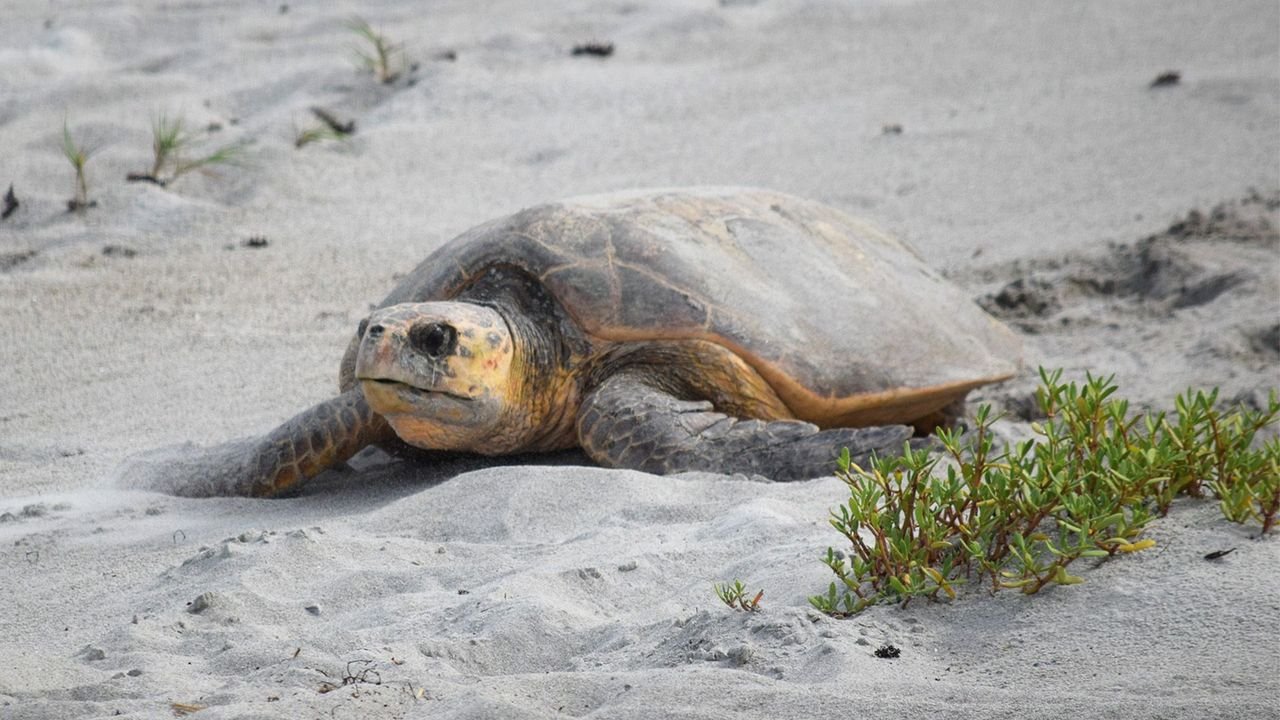
Florida’s Coastal Refuge for Sea Turtle Nesting Sea turtle nesting in Florida reaches its peak at the Archie Carr National Wildlife Refuge, located just 90 minutes from the bustle of Orlando’s theme parks. Stretching across 33 kilometers of pristine coastline between Melbourne Beach and Wabasso Beach, this vital ecological sanctuary hosts one of the world’s largest nesting populations of loggerhead, green, and leatherback sea turtles. Despite growing tourism and residential development nearby, the refuge remains a critical stronghold where sea turtles return year after year to lay their eggs. How Sea Turtle Nesting in Florida Endures at Melbourne Beach From the dunes overlooking Melbourne Beach, one might glimpse the serene Atlantic, unaware of the dynamic natural processes taking place beneath the surface. Sea turtle nesting in Florida is especially active here, with green sea turtles gliding just offshore while hundreds of nests lie hidden beneath the sand. This region is one of the most important hubs for sea turtle nesting in Florida, where conservation efforts have maintained a delicate balance between nature and human activity. Few places highlight the success of protecting wildlife better than this coastal refuge, making sea turtle nesting in Florida a powerful symbol of coexistence. The Refuge That Redefines Sea Turtle Nesting in Florida Named after sea turtle biologist Dr. Archie Carr, the refuge was established in 1991 as a collaborative conservation zone blending protected lands with privately owned property. It doesn’t segregate humans from wildlife but instead fosters their coexistence. Rows of pastel beach homes line the shore, yet turtles keep returning in record numbers. Witnessing Sea Turtle Nesting in Florida: A Night Tour Experience To better understand this coexistence, I joined a guided sea turtle nesting tour. These tours, regulated by state permits and limited in size, begin with educational sessions before scouts lead participants onto the beach under cover of night. Sea turtles, especially females preparing to nest, are highly sensitive to light and sound. As a result, nighttime beachgoers must adhere to strict rules to minimize disruption. When a female turtle emerges, digs a nest, and begins laying eggs, she enters a trance-like state. During this time, observers can quietly watch her ancient ritual up close. It is a powerful moment, connecting modern humans with a process that has been occurring for over 100 million years. Threats to Nesting and Survival Despite the refuge’s protections, challenges persist. Light pollution, coastal construction, and human interference all threaten nesting success. Female turtles instinctively return to the same beaches where they were born. However, excessive lighting or artificial barriers such as sea walls and groynes can deter them from nesting. In some cases, turtles may abandon nesting altogether, releasing their eggs into the sea—where survival is impossible. Even among successfully laid eggs, the odds are grim. Only about 1 in 1,000 hatchlings reach adulthood. Disorientation from light and being blocked by man-made structures are leading causes of early mortality. Smart Conservation: Laws and Lights To counter these threats, conservationists have implemented stringent lighting ordinances. Private homes must install low, shielded lights that emit long wavelengths, which are less visible to turtles. During the nesting season (March to October), beaches must remain dark and quiet at night. Beachgoers are prohibited from using flashlights or phone lights, and guided tours are the only sanctioned nighttime activity. These efforts are working. When turtle surveys began in 1983, only about 13,000 nests were documented. By 2023, that number exceeded 44,000. The refuge is now considered to have the highest number of loggerhead turtle nests in the world. Conflicts and Cooperation Although most residents and visitors are compliant, tensions still arise. On the tour I joined, a nesting turtle was scared off by a group of fishermen using bright lights. Rangers quickly intervened, and the group agreed to reduce the disturbance. While many tourists respect the rules, others may resist. Some local volunteers have faced backlash when asking night beachgoers to dim their lights. Short-term rentals like Airbnbs are often less compliant due to absent property owners. The Power of Community-Based Conservation The Archie Carr model shows how development and wildlife can coexist. Rather than isolating nature in remote parks, this refuge integrates it within human communities. Local education, volunteer involvement, and government investment have helped shape a conservation culture where sea turtles are respected. Guided nesting tours play a crucial role. They allow people to witness the turtles without harming them, fostering a deeper understanding and emotional connection. The revenue generated and the attention drawn to the refuge reinforce its importance and drive continued support. Beyond Turtles: A Biodiverse Sanctuary The refuge doesn’t just protect turtles. During my daytime visit, I encountered yellow rat snakes, bobcat claw marks, burrowing crabs, tortoises, and thriving mangrove forests. Coyotes, manatees, and rabbits also call this habitat home, forming an intricate web of biodiversity. A Turtle Named Jolene Later that night, after the initial turtle was scared off, we met another. A loggerhead we affectionately named Jolene emerged from the waves, dug her nest, and began laying eggs. The group watched in reverent silence as she performed her ancient task. Jolene will likely return to nest multiple times this season. Before crawling back to sea, she carefully camouflaged her nest by scattering sand and disturbing the surface to confuse predators. She paused at the water’s edge, then vanished into the Atlantic. Her hatchlings, if they survive, may return to this same beach in decades to come. A Legacy Worth Protecting Sea turtles are survivors from the time of dinosaurs. Yet today, it is not natural predators or extinction-level events that threaten them, but human activities. Places like the Archie Carr National Wildlife Refuge demonstrate that with proper planning, laws, and respect, humans and ancient species can share the shoreline. As modern development presses ever closer, this Florida sanctuary remains a hopeful example of conservation that works—where a loggerhead turtle can return to a dark, quiet beach to do what her ancestors have done for millennia.

Read More

Sharks in UK Waters: Climate Impact on Marine Life

Sharks in UK waters could soon become a more common sight as rising ocean temperatures transform marine ecosystems around the British Isles. Warmer seas are driving a shift in species’ geographical ranges, creating new opportunities for some animals while threatening others. Marine scientists now predict that endangered sharks, rays, and even long-suffering native oysters may find new chances to thrive in the UK’s evolving marine habitats. While the possibility of growth for some species presents an optimistic outlook, others—such as the ocean quahog, a centuries-old clam—may struggle to survive in the changing conditions. The ecological balance of UK waters is poised for a transformation that will affect both marine biodiversity and human communities dependent on the sea. Sharks in UK Waters and the Climate-Driven Shift of Marine Species Rising ocean temperatures are already influencing the distribution of marine life. Sharks in UK waters are among the most notable examples of this trend, with several endangered species expanding their range northward. Researchers from the Centre for Environment, Fisheries and Aquaculture Science (Cefas) have created the first comprehensive projection model mapping how 19 vulnerable marine species may respond to environmental changes in UK waters over the next few decades. By comparing future ocean conditions—based on temperature, salinity, and sediment changes—with the known habitat preferences of these species, scientists aim to understand which animals might adapt, migrate, or vanish. Many mobile species, including sharks in UK waters, are expected to shift their habitats northward, particularly toward the North Sea, which could become a new biodiversity hotspot by 2060. Warming Seas Fuel Habitat Changes for Sharks in UK Waters The seas surrounding the UK are warming at an alarming rate—faster than in most other parts of the world. Over the last 50 years, these waters have seen some of the most dramatic temperature rises globally, ranking among the top 20 fastest-warming marine regions. During recent marine heatwaves, surface temperatures in certain areas soared up to 4°C higher than the seasonal average. This intensifying heat is primarily due to the ocean absorbing more than 90% of the excess energy produced by human-driven fossil fuel emissions. The consequences are already evident, as marine ecosystems shift and species are forced to adapt or relocate. This includes a growing number of sharks in UK waters, which are now seeking out these warmer environments as potential new habitats. Sharks in UK Waters and Native Oysters Thrive in Warming Seas Among the species poised to benefit from these environmental shifts are native oysters, basking sharks, thornback rays, and spurdog sharks. Native oysters, which have seen dramatic population declines due to overharvesting and pollution for over a century, are unexpectedly identified as potential beneficiaries of warming waters. These bivalves could expand into areas previously too cold for sustained survival. Basking sharks, the world’s second-largest fish, and spurdog sharks, which grow to 1.6 meters in length, are also expected to discover new, more suitable habitats. The thornback ray, a spiny species of skate, is another mobile creature expected to adapt well to climate shifts. Mobile species, with their ability to travel long distances and seek favorable environments, have a clear survival advantage. Beyond Sharks in UK Waters: Sea Pens and Ocean Quahogs at Risk Not all species will thrive. Those with limited mobility, or specific habitat needs, may find themselves at a disadvantage. One example is the sea pen, a reef-building animal critical to benthic ecosystems. This species could lose up to 40% of its suitable habitat by 2100. Sea pens support a variety of marine life by forming complex underwater structures, so their decline could trigger cascading ecological effects. Another vulnerable species is the ocean quahog, a deep-sea clam known to live more than 500 years, making it the longest-living non-colonial animal on Earth. Despite its hardiness, it may struggle to cope with rapidly changing temperatures and sediment conditions. Implications for Marine Ecosystems and Food Chains Shifting species distributions will have significant consequences beyond individual survival. Changes in population densities, competition for food, and predator-prey relationships could reshape entire ecosystems. If reef-building species like sea pens disappear, the habitats they create may vanish, leaving dependent species homeless. The decline of ocean quahogs could affect nutrient cycles, while an influx of predators like sharks and rays could change the dynamic of smaller fish populations. Human Impact: Fisheries, Coastal Communities, and Conservation Coastal communities, particularly those in the North Sea region, may see changes in fishery yields due to shifting species patterns. Warmer waters could bring new fishing opportunities, such as Mediterranean species previously unknown in UK waters. However, traditional stocks may decline or migrate, affecting livelihoods dependent on those species. These transitions pose both economic risks and opportunities. For example, the presence of more commercially viable species such as rays and certain shark types might boost catch volumes, but only if managed sustainably. Protecting the Future: The Role of Marine Protected Areas Marine Protected Areas (MPAs) are designated zones established to preserve biodiversity by limiting human activities like fishing and drilling. But as marine species move in response to climate shifts, MPAs must also adapt. The current locations of MPAs may not coincide with future biodiversity hotspots. Scientists suggest that a dynamic approach to conservation is needed—one that considers climate projections and species mobility. Policy-makers must ensure that protection follows the species, not just the geography. This could involve expanding MPAs, adjusting their boundaries, or creating flexible, migratory corridors for marine life. Climate Models: Two Visions for 2060 The Cefas study used two sets of projections for the UK marine environment through 2060. These included varying levels of ocean temperature rise, salinity shifts, and changes to seabed sediment composition. By comparing these models to known ecological requirements of 19 vulnerable species, scientists could predict how each species might fare under different climate scenarios. The study’s findings, published in Marine Biology, represent a significant advancement in forecasting climate impacts on marine ecosystems. Surprising Discoveries: Oysters Making a Comeback? One of the most unexpected results from the study was the outlook for native…

Read More

Kingfishers Bridge 30th Anniversary: A Conservation Milestone

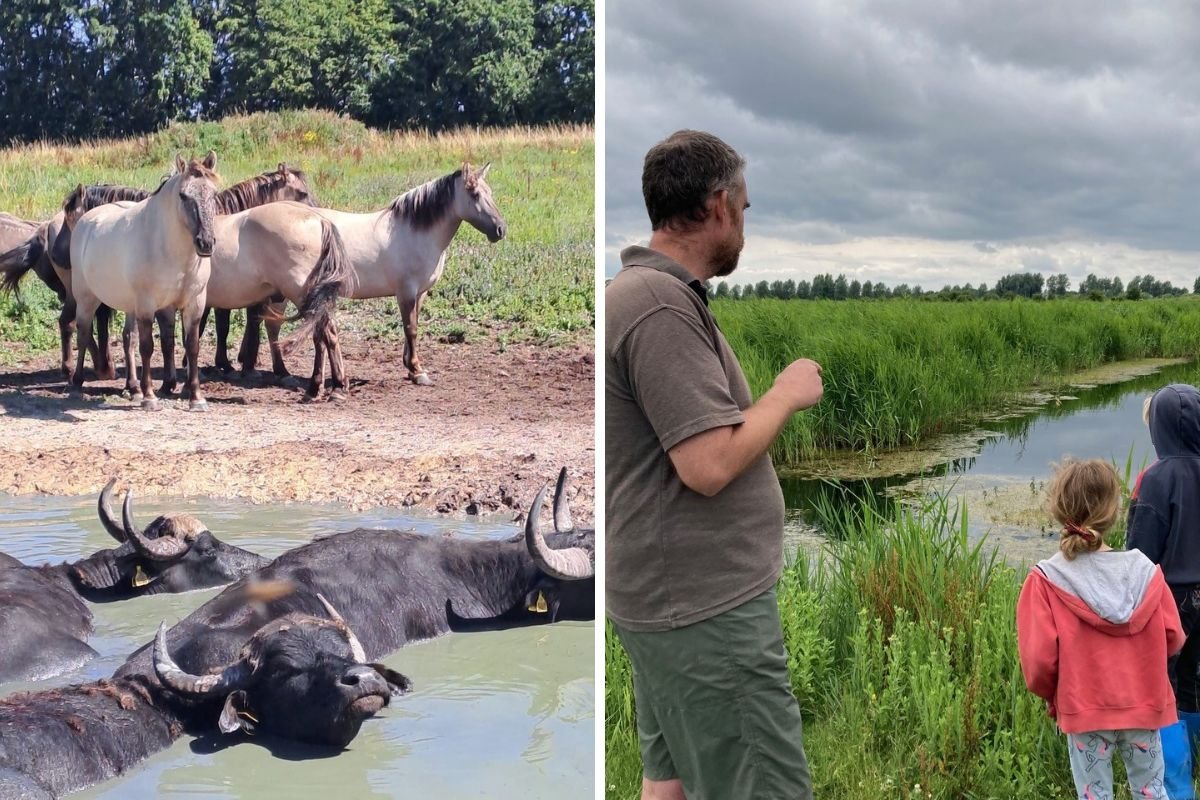
Kingfishers Bridge 30th Anniversary: A Farm Reborn Through Rewilding and Biodiversity What began as a conventional farm has blossomed into one of the most inspiring rewilding success stories in the UK. Nestled between Wicken and Stretham in Cambridgeshire, Kingfishers Bridge Nature Reserve is celebrating its 30th anniversary. Once intensively cultivated for sugar beet and potatoes, this 300-acre reserve now boasts rich wetland habitats, vibrant biodiversity, and a dedicated visitor base. Kingfishers Bridge Origins: From Agricultural Land to Thriving Ecosystem In 1995, local farmer and conservationist Andrew Green founded Kingfishers Bridge. His vision was to recreate lost fenland environments. Using the nearby River Cam as a wildlife corridor, Kingfishers Bridge attracted many species back. Over the past three decades, Kingfishers Bridge 30th anniversary celebrates this remarkable transformation. The reserve evolved from intensively farmed land into vibrant reed beds, wet meadows, and shallow pools full of life. Birding Paradise at Kingfishers Bridge: Lapwings, Bitterns, and More Wildlife Highlights The reserve now supports over 210 bird species, with more than 90 confirmed to have bred on site. Most notably, it became home to the first bittern to breed in Cambridgeshire since the 1930s—a landmark achievement. Recent conservation efforts have focused on breeding lapwings, a vulnerable farmland species now in alarming decline across the UK. James Moss, the reserve’s manager, proudly highlights a “massive increase in our breeding population of lapwings.” Thanks to pioneering monitoring techniques, including hand-held thermal cameras, nests can be located and tracked through egg-laying and fledging, improving protection and breeding success. Rewilding in Practice at Kingfishers Bridge: Ponies, Buffalo, and Longhorn Cattle True to its ethos of natural habitat management, Kingfishers Bridge uses large herbivores to mimic wild grazing patterns. A herd of water buffalo and two herds of Konik ponies roam freely across parts of the landscape, shaping vegetation and maintaining wetland health. The team recently introduced Old English Longhorn cattle from nearby Spinney Abbey to manage the Cam Washes more effectively. A Surge in Visitors and a Broader Mission at Kingfishers Bridge Before the pandemic, the reserve attracted around 2,000 visitors annually. In 2023, that figure soared to 21,000. As people sought open, serene spaces, the reserve grew in prominence. Today, with a visitor centre, car park, shop, café, and regular guided tours, Kingfishers Bridge Nature Reserve offers a welcoming space for nature lovers, families, and budding conservationists. Volunteerism has also grown. A core team of 10 volunteers now contributes to maintaining the site’s infrastructure, monitoring wildlife, constructing hides, and building nest boxes. Their contribution is invaluable in supporting the day-to-day operations of the expanding reserve. Environmental Data and Botanical Milestones at Kingfishers Bridge Kingfishers Bridge’s conservation outcomes are backed by data from the RSPB, the British Trust for Ornithology, and the Environment Agency. One of the most striking botanical successes is the rise of water germander—a vulnerable fenland plant. From a mere dozen individuals in 1996, the population now exceeds seven million, a testament to long-term habitat restoration. Climate Change and Invasive Species: Challenges Facing Kingfishers Bridge at Its 30th Anniversary Despite increasing biodiversity, the reserve isn’t without challenges. Manager James Moss emphasizes the risks posed by climate change: “Extreme weather patterns and the absence of cold winters are allowing parasites and invasive species to persist.” One recent development is the regular appearance of Chinese water deer—an indicator of shifting ecological balances. The Road Ahead: Sustainability and Community Engagement at Kingfishers Bridge’s 30th Anniversary While the surge in pandemic-era visitors has tapered, current numbers are stable and sustainable. The reserve now operates at a level that ensures financial self-sufficiency. Plans are in place to celebrate the 30th anniversary with special events on 12 and 13 July, highlighting three decades of community engagement, education, and ecological progress. Why Kingfishers Bridge Nature Reserve Matters As the UK grapples with biodiversity loss and habitat fragmentation, Kingfishers Bridge serves as a model for what can be achieved through vision, commitment, and ecological understanding. It demonstrates how farmland can be reimagined as a biodiversity hotspot, blending public accessibility with conservation. With increasing awareness of the importance of ecosystem services—like flood mitigation, carbon storage, and pollinator support—reserves like Kingfishers Bridge show the potential of local action to drive national change. In celebrating its 30th anniversary, the reserve not only honors its founder’s vision but also paves the way for future rewilding and conservation efforts across the country.

Read More