Snowdonia Hawkweed Conservation Effort in Wales
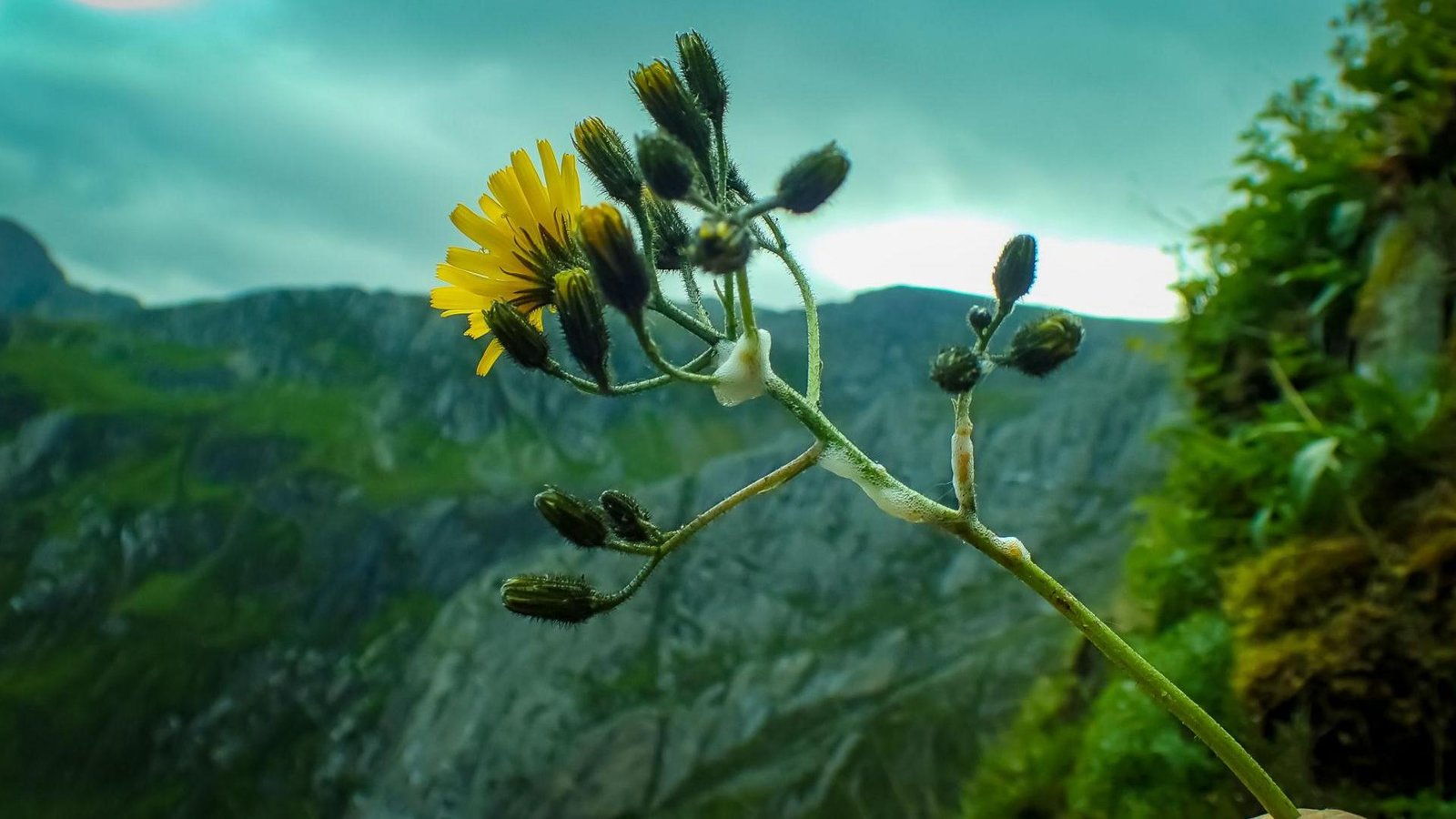
Snowdonia Hawkweed Conservation: Hope for a Plant Thought Lost High on the misty cliffs of Eryri National Park in Wales, a plant once presumed extinct has begun to flower again. With only four specimens known in the wild, the Snowdonia hawkweed conservation effort has emerged as one of the most critical and inspiring ecological missions in the UK. Nicknamed “the Welsh dodo”, this Arctic alpine relic is being brought back from the brink by a small group of dedicated conservationists. Their mission not only revives a plant but safeguards a living fragment of Ice Age history—and offers hope for other threatened mountain species in Wales. The Rarest of the Rare: Inside Snowdonia Hawkweed Conservation The Snowdonia hawkweed (Hieracium snowdoniense) is a yellow-flowered plant from the dandelion family. It thrives only in a few specific cliff-side habitats in Eryri (Snowdonia) and is one of the rarest flowering plants on Earth. The species was thought to be extinct for more than 50 years until 2002, when a lone plant was rediscovered. Since then, its elusive nature and the fragility of its mountain environment have made it a symbol of the delicate balance between biodiversity and extinction. Snowdonia Hawkweed Conservation: A Secret Nursery Takes Root In 2023, ecologist Robbie Blackhall-Miles—working with Plantlife Cymru under the Natur Am Byth (“Nature Forever”) initiative—undertook a daring mission. He climbed one of the Ogwen Valley’s steep cliffs to document and collect a cutting from the rare plant. Now, that single cutting has bloomed into about 50 Snowdonia hawkweed plants, growing in a secret nursery funded by the National Lottery Heritage Fund. The goal is to protect these fragile plants and eventually reintroduce them into suitable, protected habitats. This nursery forms part of a broader program called “Jewels of the Mountain” (Tlysau Mynydd Eryri), which seeks to protect Wales’ unique Arctic alpine plant communities. Snowdonia Hawkweed Conservation: A Secret Nursery Takes Root According to Blackhall-Miles, the Snowdonia hawkweed is not just rare—it’s ancient. It has been present in Wales longer than any other known species, having survived the last Ice Age on peaks that stood above the glaciers. As glaciers melted and retreated, this and other Arctic-alpine species descended the mountains, becoming the first settlers of the Welsh landscape. That makes their preservation not just a scientific priority, but a way of protecting Welsh natural heritage stretching back millennia. Why Did It Almost Go Extinct? For centuries, these rare species coexisted with local ecosystems. But their numbers plummeted with the onset of: During the 19th century, many alpine species—including the Snowdonia hawkweed—were dug up to satisfy a craze for exotic plants in herbariums and ferneries. With their populations already small and isolated, even minor disturbances had catastrophic impacts. Snowdonia Hawkweed Conservation Strategy The Snowdonia hawkweed conservation strategy involves multiple stages: Partner institutions such as Treborth Botanic Gardens and the National Botanic Garden of Wales have joined the effort, offering their facilities and expertise to scale up the recovery mission. Why Alpine Species Matter for Climate Research The hawkweed belongs to a group of plants that evolve rapidly. This makes them ideal subjects for climate change research. By studying how these species adapt to extreme conditions, scientists can better understand: Blackhall-Miles emphasized that allowing these plants to continue their evolutionary journey is crucial: “Extinction creates a dead end. If that extinction is caused by human activity, we’ve stopped a natural process.” Challenges of Reintroduction: Grazing and Access Even with healthy nursery populations, reintroducing plants like the Snowdonia hawkweed is complex. Mountain grazing by sheep and goats can easily destroy young plants if not carefully managed. That’s why reintroduction sites like Cwm Idwal were selected—areas where grazing can be regulated. Access is another major hurdle. Some of the remaining wild plants live on nearly inaccessible cliff faces. Blackhall-Miles described the 2023 climb to reach them as “the sketchiest piece of climbing ever done.” Uncharted Territory: What Else Grows on These Cliffs? The discovery of the hawkweed and its habitat highlights another important point: even in a country as thoroughly explored as Wales, there are unknown ecological corners. Some cliffs in Eryri remain so difficult to access that botanists can only guess what other rare plants might survive there. “In Britain, where we think everything is accessible, there are still wild places we know almost nothing about.” This realization has sparked new interest in expedition-based conservation, using climbing teams and modern tech like drones and sensors. Beyond Hawkweed: Other Arctic Alpine Species at Risk The Snowdonia hawkweed isn’t the only species benefiting from this conservation focus. Others include: These species are indicators of ecological health in high-altitude environments. Their survival signals resilience in the face of rising temperatures and shifting ecosystems. Tracking Beetles With Sniffer Dogs and QR Codes The elusive Snowdon rainbow beetle, known only to live above 400m, hasn’t been spotted in over a year. To find it, ecologists are now training sniffer dogs—an unusual but increasingly effective approach for locating hidden species. Meanwhile, education and outreach efforts are also ramping up. At Snowdon Mountain Railway, QR codes placed along fences allow hikers to learn about these rare species and how to support conservation. A Clam’s Journey from Siberia to Snowdonia The Arctic pea clam, a minuscule mollusk the size of a sesame seed, has been confirmed in four Welsh lakes. Surprisingly, DNA tests show it’s the same species found in Siberia, raising the question: how did it get there? Most likely, the clam hitched a ride on a migrating bird’s foot as glaciers melted thousands of years ago. It’s a small creature with a long story—one that connects continents and epochs. Rosy Saxifrage Returns to the Wild Another success story is the rosy saxifrage, which vanished from Wales’ wilds in 1962. Thanks to careful cultivation and reintroduction, it was brought back in 2023—and flowered beautifully in its new mountain home. Better still, it has been visited by goats and sheep without being eaten. That’s a good sign that the plant is integrating naturally into the landscape, possibly…