Rare Beetle Breeding: First Captive Success in England

Rare Beetle Breeding Breakthrough Boosts Insect Conservation Rare beetle breeding has reached a breakthrough as a conservation team successfully bred one of England’s rarest insects in captivity. The endangered heath tiger beetle, known for its charcoal wing cases with yellow markings, is now thriving at Sparsholt College near Winchester. This milestone marks the first successful breeding of the species, thanks to a joint effort between Sparsholt College and the Species Recovery Trust. Heath Tiger Beetle: A Symbol of Rare Beetle Breeding Success The heath tiger beetle (Cicindela sylvatica) is a fast-moving predator. Despite its toughness, the species is now very rare in England. It survives at only a few sites in the south. The biggest reason for its decline is the loss of lowland heathland, its natural home. Urban growth and poor land management have caused this habitat to shrink. Rare Beetle Breeding Achieved in Captivity for the First Time Last year, a pair of beetles were collected from a site in Surrey. They were moved to a custom-built enclosure at Sparsholt College. There, experts recreated the beetles’ natural habitat. This year, the team saw healthy adults emerge. “We are thrilled to see them,” said Charlotte Carne, Project Officer at the Species Recovery Trust. “These beetles are now incredibly rare. It would be wonderful to return them to heathland areas where they’ve vanished.” Hope for the Future: Breeding and Reintroduction Plans The breeding success is only the beginning. The team now plans to grow the captive population. Their long-term goal is to release the beetles into suitable areas in Surrey and Dorset. These sites once supported the species but lost them over time. Gary Miller, Head of Zoo at Sparsholt College, said, “This is a big step for us. It helps support the small wild population that still exists. We’ve already spent seven years preparing for this.” Why Captive Breeding Is Important For rare species like the heath tiger beetle, captive breeding is a lifeline. It helps preserve genetic diversity. It also gives habitats time to recover. Captive populations can later boost wild numbers. And most importantly, they protect species from vanishing forever. This success shows how science and care can work together to save wildlife. The beetle’s survival depends on continued effort. Bringing Life Back to Heathlands The team’s efforts could also help the entire heathland ecosystem. Heath tiger beetles are top insect predators. They control the population of smaller bugs. This balance supports healthy biodiversity. Bringing the beetles back could signal wider ecological recovery. A Small Insect, A Big Victory The news that a team breeds rare beetle for first time is a bright spot in conservation. It proves that even the smallest creatures can be saved. With ongoing support, these beetles may soon return to their rightful homes in England’s heathlands.

Read More

Ancient British Trees Star in New London Art Exhibit

Ancient British Trees: A Living History Rooted in Time An exhibition opening in London brings the past to life through the presence of ancient British trees that predate some of the country’s earliest environmental laws. Titled Totems to the Charter, the display showcases four remarkable trees—silent witnesses to over 800 years of British history and ecological heritage. These trees were already standing when King Henry III signed the Charter of the Forest in 1217. This document followed the famous Magna Carta and became one of Britain’s earliest steps toward environmental legislation. The exhibition will run from July 25 to September 19 at the Society of Antiquaries in Burlington House. Totems of Time: How Ancient British Trees Survived the Centuries Artist Dan Llywelyn Hall created four paintings for this exhibition. Each piece captures the atmosphere, mystery, and historical gravity of the chosen trees. These natural relics stand as accidental survivors in dense forests, with stories rooted deep in the soil of British heritage. The Ankerwycke Yew: An Icon Among Ancient British Trees and Royal History The Ankerwycke Yew, near the ruins of St Mary’s Priory in Surrey, stands at an estimated age of 1,400 to 2,500 years. Some believe the sealing of Magna Carta occurred under its canopy. It is also linked to the courtship of Henry VIII and Anne Boleyn. The Glen Loyne Pine: A Majestic Symbol of Ancient British Trees Descended from Britain’s earliest pines, which arrived around 7,000 BC, the Glen Loyne Pine is now critically endangered. Only 57 of these trees remain. Overgrazing deer and a shifting ecosystem now threaten their survival. This tree symbolizes nature’s resilience amidst modern threats. The Curley Oak: Monmouthshire’s Guardian of Time Hidden deep in Wentwood Forest, the Curley Oak is over 1,000 years old and believed to be Wales’ oldest oak tree. Llywelyn Hall described it as “oozing with atmosphere and an otherworldly presence.” Its squat form and location give it a mythical aura. The Lost Pond Beech: The Silent Sentinel of Epping Forest The beech trees near Lost Pond in Epping Forest are among the oldest of their species worldwide. The largest of them—called the Lost Pond Beech—sprawls like a sleeping giant. Llywelyn Hall likens it to an “ominous guardian” of the woods, silently overseeing the passage of centuries. The Charter of the Forest: Early Environmental Reform Signed in 1217, the Charter of the Forest aimed to limit royal control over woodland and granted commoners access to land, food, and fuel. It was a landmark in environmental and social justice. Some of its principles remained in effect until the 1970s. While the document was English in origin, it referenced the rights and concerns of Welsh and Scottish rulers. It is considered the first to bring together English and Welsh law and suggests early cooperation among the nations. Protecting Nature’s Monuments Llywelyn Hall calls these trees “rare, silent witnesses” that deserve more reverence than any manmade structure. He will auction the paintings to support the Society of Antiquaries library, Trees for Life, and Trees for Cities. Ancient British trees. The Forest as a Living Archive These trees are more than botanical marvels—they are living records of human and natural history. As accidental survivors in dense forests, they carry the weight of myth, memory, and law. Their preservation reflects not only respect for nature but also for the cultural foundations that shaped modern Britain.

Read More

Baby Beavers in Cornwall Born at Helman Tor Reserve

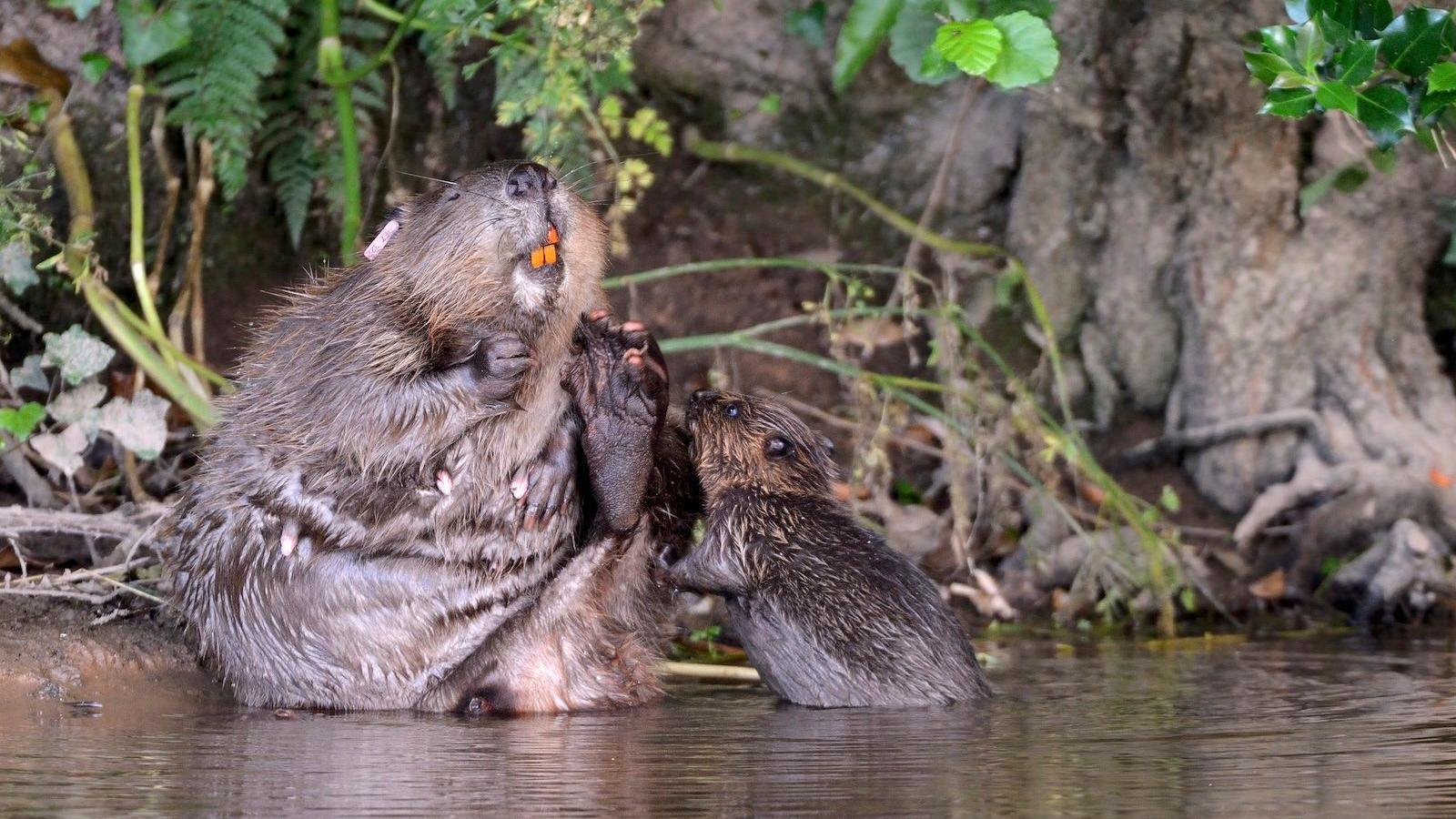
Baby Beavers in Cornwall Born After Secret Helman Tor Release In a remarkable turn of events, a Cornish nature reserve is now home to a family of wild beavers. The Cornwall Wildlife Trust has confirmed the arrival of the first baby beavers, or kits, at Helman Tor near Bodmin. Their birth marks a major ecological milestone for the region. The kits are believed to be the offspring of adult beavers illegally introduced in early 2024. This event is now locally referred to as a “beaver bombing.” While their release was controversial, their impact on the land is already clear. Footage Confirms Baby Beavers in Cornwall at Helman Tor Motion-sensitive cameras captured footage of the kits. One young beaver was briefly visible, and its high-pitched squeaks were clearly heard. These clips confirm that the adult beavers have successfully bred in the wild. The evidence has thrilled both ecologists and local nature enthusiasts. A Landscape in Transformation Cheryl Marriott, from Cornwall Wildlife Trust, spoke about the changes. “The beavers are already transforming the landscape in remarkable ways, and this is just the beginning,” she said. Their activity has helped form wetland areas. These support more wildlife and improve natural water flow. Beavers are known as “ecosystem engineers” for good reason. Their dams create wetlands, reduce flooding, and increase biodiversity. Conservationists are watching their progress closely. They are tracking both the benefits and any possible challenges. Controversy Surrounding the Beaver Bombing The kits’ birth is being celebrated, but their origin is still debated. The adult beavers were not part of an official rewilding plan. They arrived through an unsanctioned release that avoided legal oversight. Despite this, the early success of the beaver pair has reduced some of the criticism. Their positive impact is becoming harder to ignore. Landowners and conservation groups are now working together. Their goal is to protect the beavers while managing their presence legally. Future of Beavers in Cornwall The successful birth of kits raises new questions. How should beavers be managed going forward in Cornwall? If these kits survive, they could help establish a thriving wild population. This may lead to the restoration of more wetlands and support increased biodiversity. Conservationists hope this moment inspires more structured, legal efforts. They want to see beavers returned to other suitable habitats across the UK. Community Response and Educational Opportunities Local interest in the beavers is growing fast. Nature walks, school tours, and educational events are being planned. Many schools and wildlife groups now use Helman Tor as a learning example. Students explore topics like animal behavior, ecology, and water systems. Conclusion The fact that a Cornish nature reserve welcomes first baby beavers is more than a feel-good story. It signals a new era in conservation. Despite the illegal release, the beavers are already reshaping the local ecosystem. Their kits are now part of a wild landscape that is healing and evolving. baby beavers in Cornwall. This moment marks the start of a new chapter for wildlife in Cornwall.

Read More

Underwater bushfire Australia and the Future of Coral Reefs

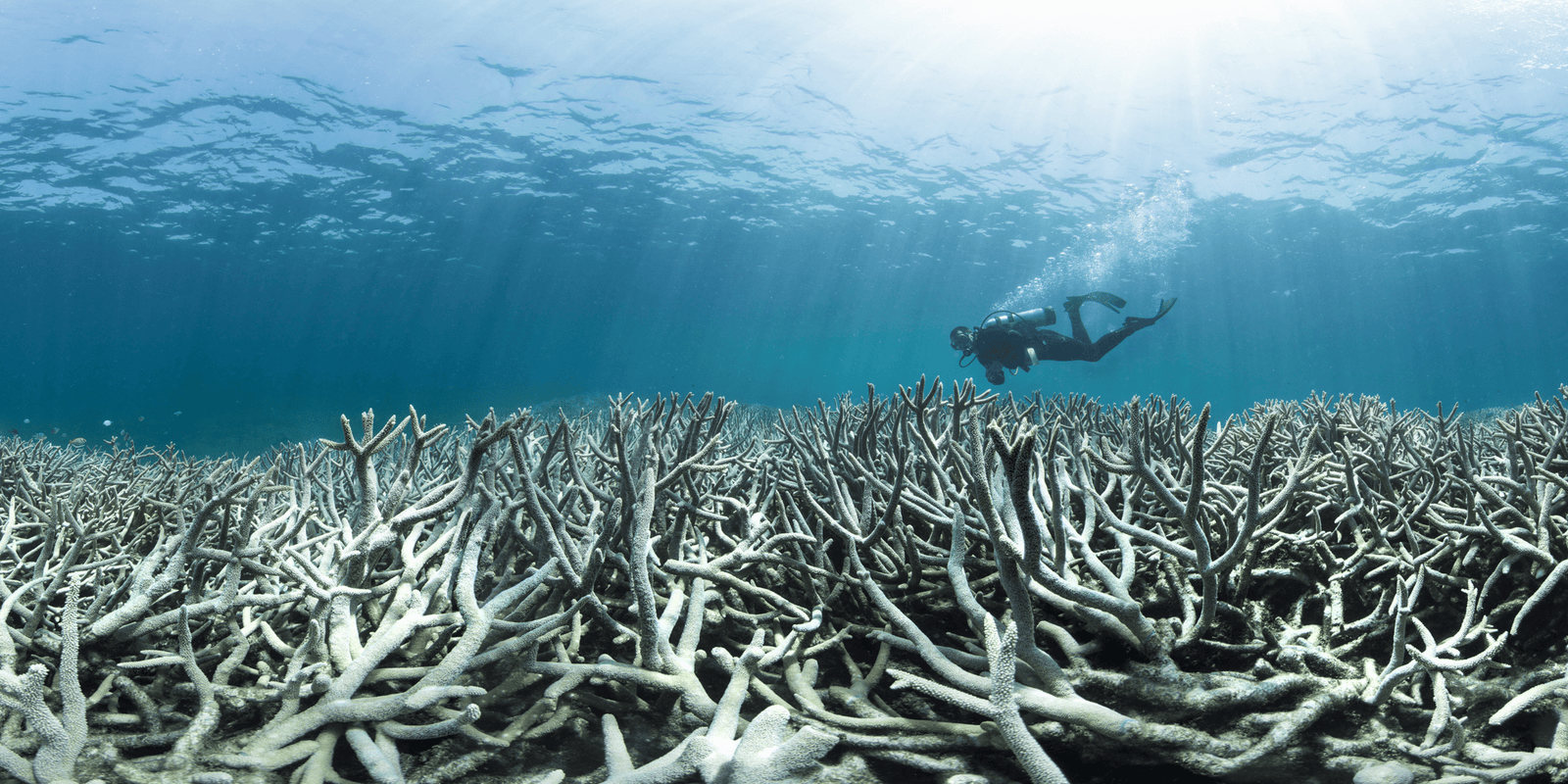
Underwater bushfire Australia is the alarming phrase experts are using to describe the ongoing coral bleaching crisis devastating the nation’s reefs. Australia is home to some of the most iconic natural wonders on Earth. The Great Barrier Reef, stretching along the north-east coast, is celebrated as the world’s largest coral reef system and a UNESCO World Heritage Site. Known for its vibrant marine biodiversity, it is often described as a diver’s paradise. However, on the opposite side of the country lies another natural marvel: Ningaloo Reef, located along Western Australia’s north-western coastline. While not as globally famous, Ningaloo holds its own record-breaking title — it is the largest fringing reef on the planet and is also recognized as a UNESCO World Heritage Site. Just 14 hours north of Perth, Ningaloo’s turquoise waters are lined with coral gardens that stretch for hundreds of kilometers, attracting manta rays, reef sharks, and the world’s largest fish, the whale shark. But this spectacular ecosystem is now under threat. Underwater Bushfire Australia: Marine Heatwave Threatens Ningaloo This year, Ningaloo has faced unprecedented stress due to a powerful marine heatwave. Rising ocean temperatures have caused the corals to turn white, a phenomenon known as coral bleaching. While some corals may recover if conditions improve, scientists are concerned that many may not survive. What makes this event alarming is that for the first time in recorded history, both Australia’s western and eastern reef systems — Ningaloo and the Great Barrier Reef — have suffered bleaching at the same time. “It’s like a raging underwater bushfire that’s been burning for months,” says Paul Gamblin of the Australian Marine Conservation Society. “The scale of damage is shocking and far from normal.” Underwater Bushfire Australia – How Did This Crisis Start? The marine heatwave impacting Ningaloo began in the Caribbean in 2023 before moving through the Indo-Pacific region, leaving damaged coral ecosystems in its wake. By 2024, the Great Barrier Reef had already experienced bleaching, and now Ningaloo is facing the same fate. This phenomenon is part of the fourth global coral bleaching event, which experts say has affected more than 80% of coral reefs worldwide. Dr. Kate Quigley, a principal research scientist at the Minderoo Foundation, explains that corals rely on tiny algae called zooxanthellae living inside their tissues for survival. “When water temperatures rise beyond a certain point, this relationship breaks down, leading to bleaching. It’s similar to when our own body systems malfunction due to illness,” she says. What’s more concerning is the prolonged heat stress observed this year. Normally, water temperatures cool after summer, but this time, elevated temperatures have persisted well past April. Why Ningaloo’s Future Looks Fragile “In past bleaching events, corals had time to recover as water temperatures dropped,” says Dr. Quigley. “This time, if the heat continues, we could see mass coral mortality in the coming months.” Government agencies, including Western Australia’s Department of Biodiversity, Conservation and Attractions, are conducting follow-up surveys to assess coral survival. Dr. Tom Holmes, the department’s Marine Science Programme Leader, notes: “Some corals can remain bleached for months and still recover, but we’ll only know the full impact after further monitoring.” For divers and tourists visiting Ningaloo, the visual damage is already striking. “It was like snorkelling over a ghost reef,” says traveler Jenna-Rae Clark. “The colours and life were gone.” Local residents fear the decline could deter tourism, which supports around 200,000 visitors annually. “There are still stunning areas of the reef worth exploring,” says conservationist Sara Morgillo. “But witnessing this damage firsthand is both heartbreaking and eye-opening.” Climate Change and Carbon Emissions – The Root Cause Scientists agree that rising carbon emissions are the primary driver of marine heatwaves. According to NASA, the oceans absorb 90% of global warming, with the past decade being the warmest since records began. Adding to the challenge is the presence of the North West Shelf gas project, one of the world’s largest fossil fuel operations, located not far from Ningaloo. The Australian government’s decision to extend the project’s lifespan until 2070, along with plans for new gas exploration, has sparked criticism from environmentalists. “The idea of approving more fossil fuel projects while reefs like Ningaloo are dying is incomprehensible,” says Gamblin. “These ecosystems are as valuable as the Amazon or the Serengeti, yet they’re being sacrificed.” Can We Save Ningaloo? While tackling climate change remains the ultimate solution, scientists are working on local conservation efforts. At the University of Queensland, Dr. Chris Roelfsema is using drone imaging to map coral health, helping to monitor recovery patterns. Individual actions also matter. “Reducing fossil fuel use, voting for leaders who prioritize renewable energy, using public transport, and cutting down on energy consumption all make a difference,” Dr. Roelfsema says. Meanwhile, Dr. Quigley and her team are experimenting with selective breeding of corals to identify heat-resistant strains. By raising coral “babies” in controlled conditions, they aim to repopulate reefs with species better suited to warming oceans. Underwater bushfire Australia. However, she admits this is not a long-term solution. “We can’t restore every reef on Earth this way. The real solution is cutting emissions.” A Race Against Time Despite being underwater, coral reefs play a vital role in protecting coastlines, supporting marine life, and sustaining human livelihoods. They act as natural barriers against storms, provide food for millions, and generate billions in tourism revenue globally. “Reefs are the rainforests of the ocean,” says Gamblin. “If we lose them, we lose a huge part of the planet’s life support system.” The ongoing underwater bushfire cooking Australia’s reefs is a stark warning of what’s to come if action isn’t taken. Without immediate global efforts to curb carbon emissions, iconic ecosystems like Ningaloo and the Great Barrier Reef may not survive the century. Underwater bushfire Australia.

Read More

Filipino Sea Cucumber Comeback

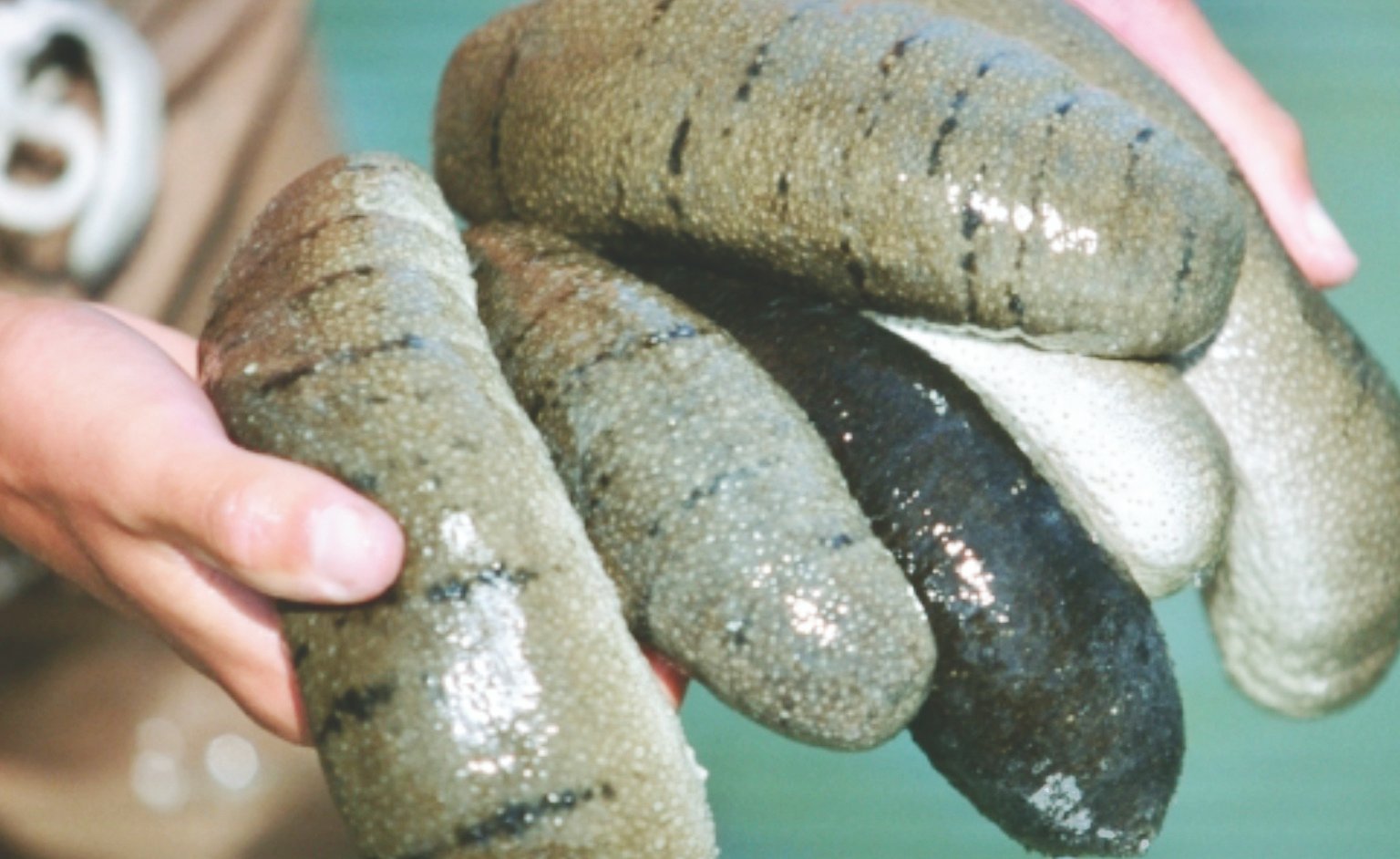
Filipino Sea Cucumber Comeback in Bolinao The Filipino sea cucumber comeback is transforming the coastal waters of Bolinao, Philippines. Once abundant, these “janitors of the sea” are returning thanks to local fisherfolk, especially women, who are leading sustainable sea ranching efforts. Aweng Caasi, a 61-year-old widow, spends hours guarding a sea cucumber ranch. Her late husband, Ka Artem, helped start the project nearly 20 years ago. Now, Caasi continues his legacy by protecting and nurturing the creatures. Why the Sea Cucumber Comeback Matters for Marine Life Sea cucumbers, locally called balat or balatan, have been harvested in Asia for centuries. They are prized for their culinary and medicinal value. In Chinese cuisine, some dried species are considered delicacies worth thousands of dollars per kilogram. Beyond their market value, sea cucumbers are vital to marine health. They clean the seafloor by eating organic waste and recycling nutrients. Their presence improves sediment quality and supports coral reefs. Filipino Sea Cucumber Decline and Fresh Start In the 1980s, the Philippines led the world in sea cucumber exports. Fisherfolk in Bolinao could collect up to 100kg per person daily. By 2002, catches had dropped to just 2.5kg per person due to overfishing. To revive the population, the University of the Philippines Marine Science Institute (UPMSI) partnered with locals. They developed hatcheries and sea ranching systems to allow young sea cucumbers to grow safely before being released. Women at the Heart of Conservation Women like Aweng Caasi, Marivic Carolino, and Gemma Candelario lead much of the work. They guard the ranch, monitor growth, and protect the sea cucumbers from poachers. “We want to restore them so they can multiply,” says Caasi. Sea Ranching: A Sustainable Approach The process begins at hatcheries, where larvae grow to 4mm, the size of a grain of rice. They are then transferred to floating nets, called hapas, where they feed on algae and bacteria. Once they reach the size of a thumb, they move to ocean nurseries for further growth. Finally, they are released into a larger ranch area to breed and reach a market weight of 320g. This careful cycle happens twice a year, ensuring a steady population increase. Economic and Environmental Impact The ranch’s population has grown from a few hundred to more than 4,400 sea cucumbers per hectare. This growth also attracts other marine life like fish, crabs, and shrimp. The creatures clean the seabed, which benefits the entire ecosystem. Though income from sea cucumber farming is modest, the ecological impact is huge. A new ordinance in 2025 declared Bolinao’s sea cucumber farms as exclusive reserves. This ensures sustainable harvesting and financial support for local communities. A Legacy of Resilience For the women involved, this project is about purpose as much as income. “I’m happy to see them grow bigger and multiply,” says Candelario. Caasi adds, “My husband’s work lives on. As he always said, ‘No retreat, no surrender.’”

Read More

Australia Toxic Algae Bloom Declared a ‘Natural Disaster’

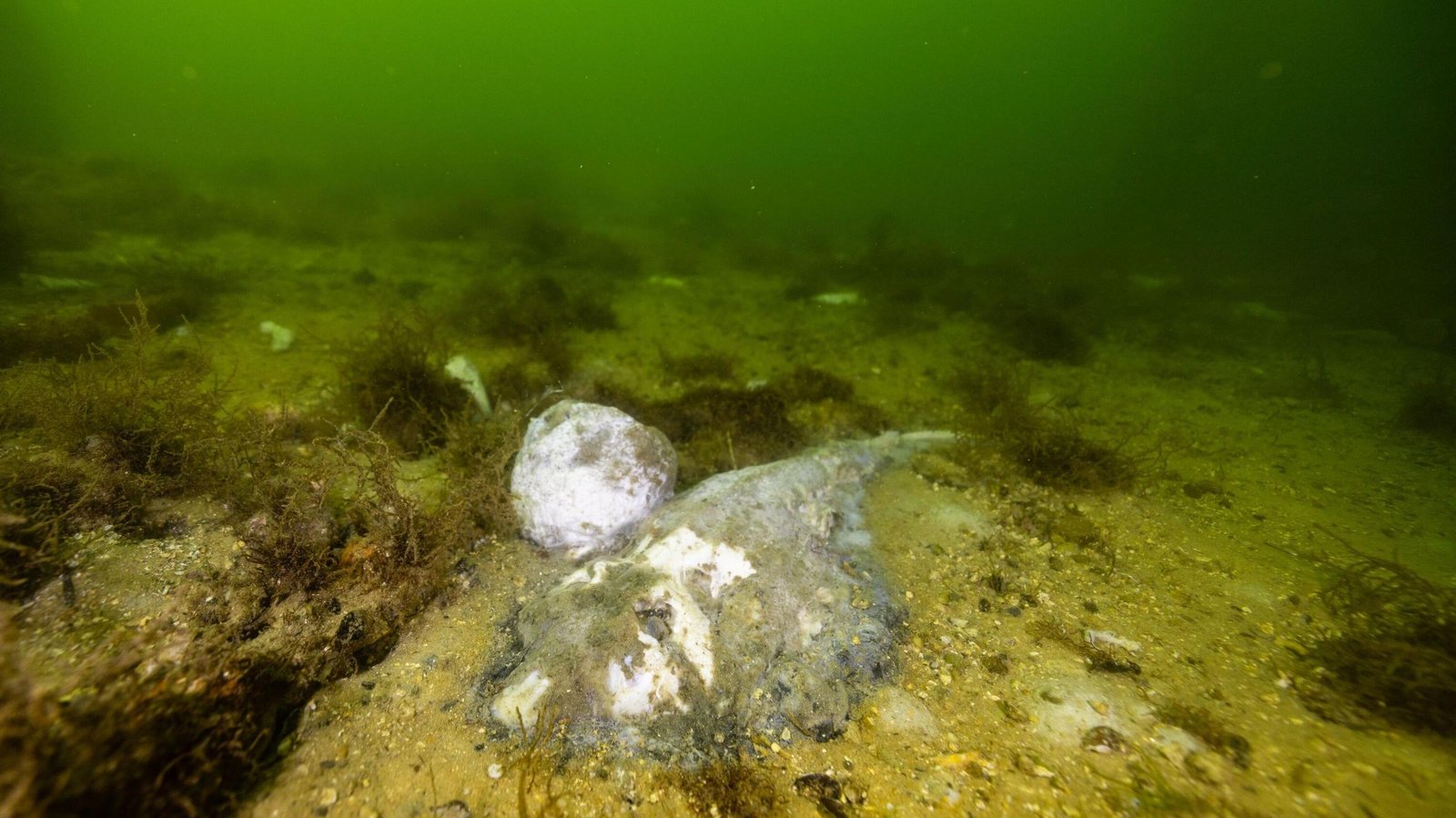
Marine Life Devastated by Australia Toxic Algae Bloom An Australia toxic algae bloom has turned South Australia’s once-clear waters into a toxic green, suffocating marine ecosystems and killing over 400 species of marine life. South Australian Premier Peter Malinauskas has called the crisis a “natural disaster,” emphasizing the massive scale of destruction since the bloom began in March. Stretching from Coorong to the Yorke Peninsula, the algae now covers an area twice the size of the Australian Capital Territory. The disaster is crippling fishing industries and hurting local businesses that rely on healthy marine environments. Australia Toxic Algae Bloom: Funding Response and Political Dispute The federal government announced an A$14 million ($9m; £6.7m) relief package for research, cleanup efforts, and struggling industries. However, it refused to label the algae outbreak a formal natural disaster. That term is usually reserved for cyclones, bushfires, and floods, which trigger greater federal intervention. Premier Malinauskas criticized the federal stance, stating:“This crisis represents a natural disaster, and leaders must acknowledge it. Politicians harm their credibility when they focus on technicalities.” The South Australian government has pledged to match the A$14 million contribution to boost cleanup and recovery efforts. Climate Change and Environmental Impact Although algal blooms can occur naturally, experts link this outbreak to ocean warming, prolonged marine heatwaves, and nutrient pollution. These factors, all intensified by climate change, have made the bloom worse. Environmentalists warn that without immediate action, more severe and frequent blooms will likely occur. Criticism from Environmental Leaders Greens Senator for South Australia Sarah Hanson-Young accused the federal government of downplaying the crisis.“If this toxic algal bloom was wreaking havoc on Bondi Beach or Sydney’s North Shore, the prime minister would already be on site,” she said. Federal Environment Minister Murray Watt admitted the situation is “incredibly disturbing” but argued it does not meet the legal definition of a natural disaster. Economic Fallout and Local Desperation The algae bloom has devastated local fisheries, leaving many operators without income for months. Ian Mitchell, a middleman between fishers and retailers, said:“I’ve got fishermen in tears on the phone. Some haven’t earned a cent in three months.” Brad Martin of OzFish, a non-profit focused on fish habitat protection, described the scene:“It is like a horror movie for fish.” Dead marine life now lines parts of the South Australian coastline, underscoring the scale of the ecological crisis. Australia toxic algae bloom.

Read More

Kashmir heat crisis hits health and harvests

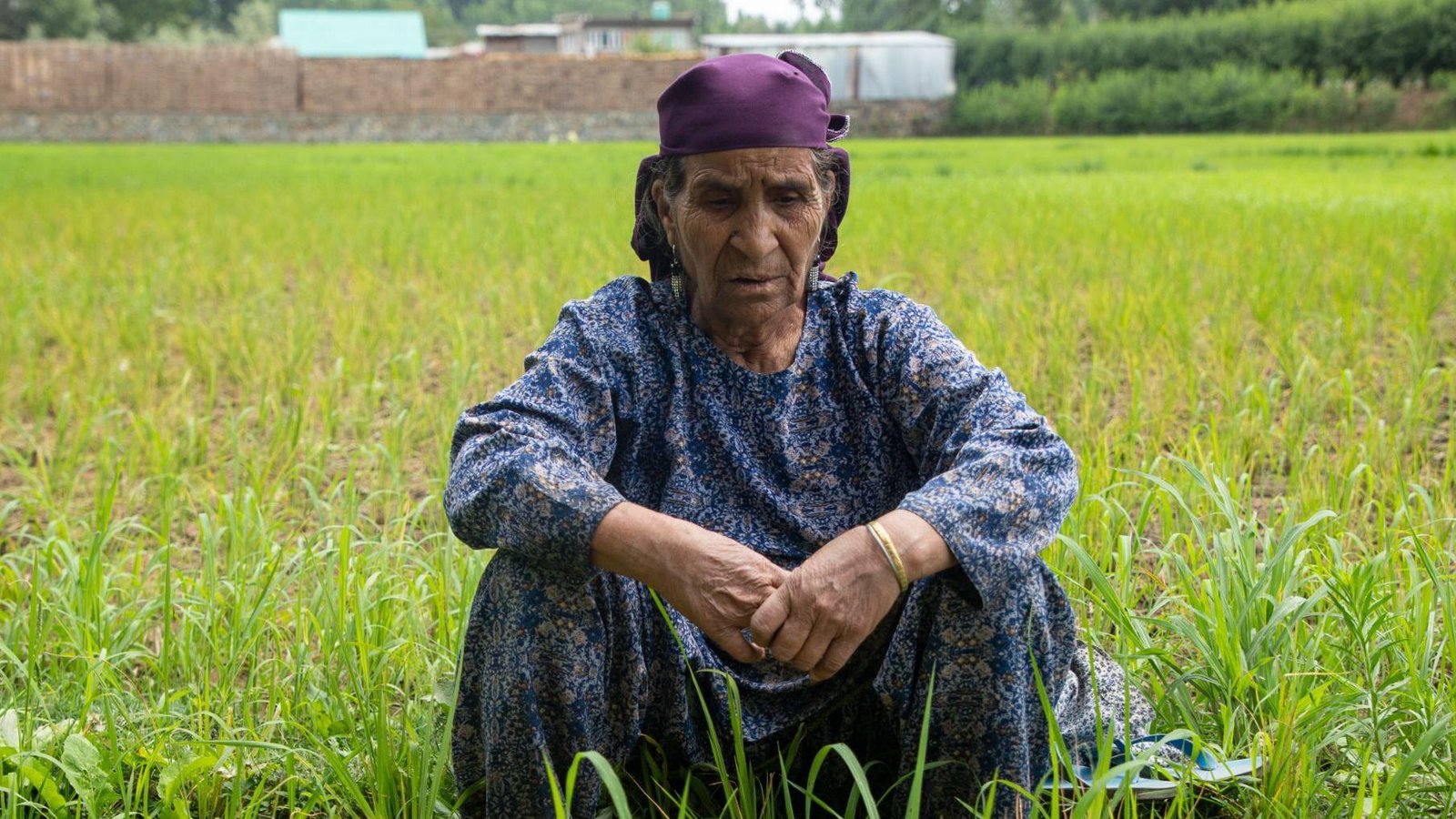
Kashmir Heat Crisis: Farmers Struggle as Heatwave Devastates Crops The Kashmir heat crisis has intensified over the past few months, gripping the valley with unrelenting temperatures and pushing farmers like Zaina Begum to the brink of despair. Standing beside her withering paddy field in Pulwama district, she had been waiting for over a month for rain to save her crops. When the skies finally opened earlier this week, her hopes briefly rose — but the damage was already irreversible.“Our land had completely dried up,” she lamented. The picturesque Himalayan region, known for its cool climate and snow-capped peaks, has been recording unprecedented temperatures this summer. At 37.4°C (99.3°F), Kashmir recently logged its highest daytime temperature in 70 years — around 7°C above the seasonal norm. June also marked the hottest month in five decades, prompting authorities to close schools and colleges for two weeks. Though some areas received heavy rains this week, experts warn that this relief is temporary, and the coming days may bring even more extreme heat. Kashmir Heat Crisis and Agriculture: A Growing Climate Challenge For generations, Zaina Begum’s family has cultivated paddy — a water-intensive crop — on their one-acre farm in Chersoo village. But over the last five years, erratic weather and inconsistent rainfall have wiped out successive harvests.“This summer, our worst fears have come true,” she said. “We have nothing left.” The heatwave has wreaked havoc on the region’s agriculture, with farmers reporting both lower yields and deteriorating crop quality. Ali Mohammad, an orchardist from Bandipore district, switched from rice to apples two decades ago due to unreliable rains. However, even his apple orchard — typically less water-dependent — is suffering.“The orchards need watering at least three times a month. For the past two months, there was no rainfall, and the irrigation canals dried up,” he explained. Kashmir heat crisis. Kashmir Heat Crisis: Rising Temperatures Threaten Human Health The intense heat is not only damaging crops but also putting residents’ health at risk. Parveez Ahmad, a 63-year-old from northern Kashmir, had to be rushed to the hospital after suffering severe breathlessness.“The doctors told me it was due to the heat and humidity,” he said. Climate Change Accelerates Glacial Melt Environmental experts warn that these extreme events are signs of a broader climate crisis. Reduced snowfall during winter and soaring summer temperatures have accelerated glacier melting, leading to water shortages and long-term risks for biodiversity. According to glaciologist Mohammad Farooq Azam, the diminishing western disturbances — Mediterranean storms that bring rain and snow to the Himalayas — are worsening the situation.“Less snow cover means the ground absorbs more heat. As glaciers shrink, water availability becomes unpredictable, affecting agriculture and human settlements,” Azam explained. Kashmir: A Victim of Global Climate Change Jasia Bashir, a professor at the Islamic University of Science and Technology, highlighted that Kashmir contributes little to global carbon emissions due to its limited industrial activity.“Yet, the region is paying the price for a crisis it did not create,” she said. Urbanisation and Deforestation Worsen the Crisis Rapid urban growth and deforestation have further weakened the region’s natural climate resilience. Reports show that Jammu and Kashmir lost nearly 0.39% of its total tree cover between 2001 and 2023 due to forest fires and clearing of land. In addition, over 600,000 trees have been cut down in recent years, reducing natural shade and increasing heat absorption in urban zones. The Rising Energy Demand Cycle With rising temperatures, more people are installing air conditioners for the first time, increasing power demand and greenhouse gas emissions.“This creates a vicious cycle — higher energy consumption leads to more emissions, which in turn intensify warming,” Bashir noted. Call for Strong Climate Action While local authorities claim they are addressing climate change, experts argue that much stronger policies, sustainable farming techniques, and water management plans are urgently needed.“Climate change is not just a global issue; its effects are being felt in every household here,” Bashir emphasized.

Read More

Concern over ‘cruel’ fox traps on Black Mountain

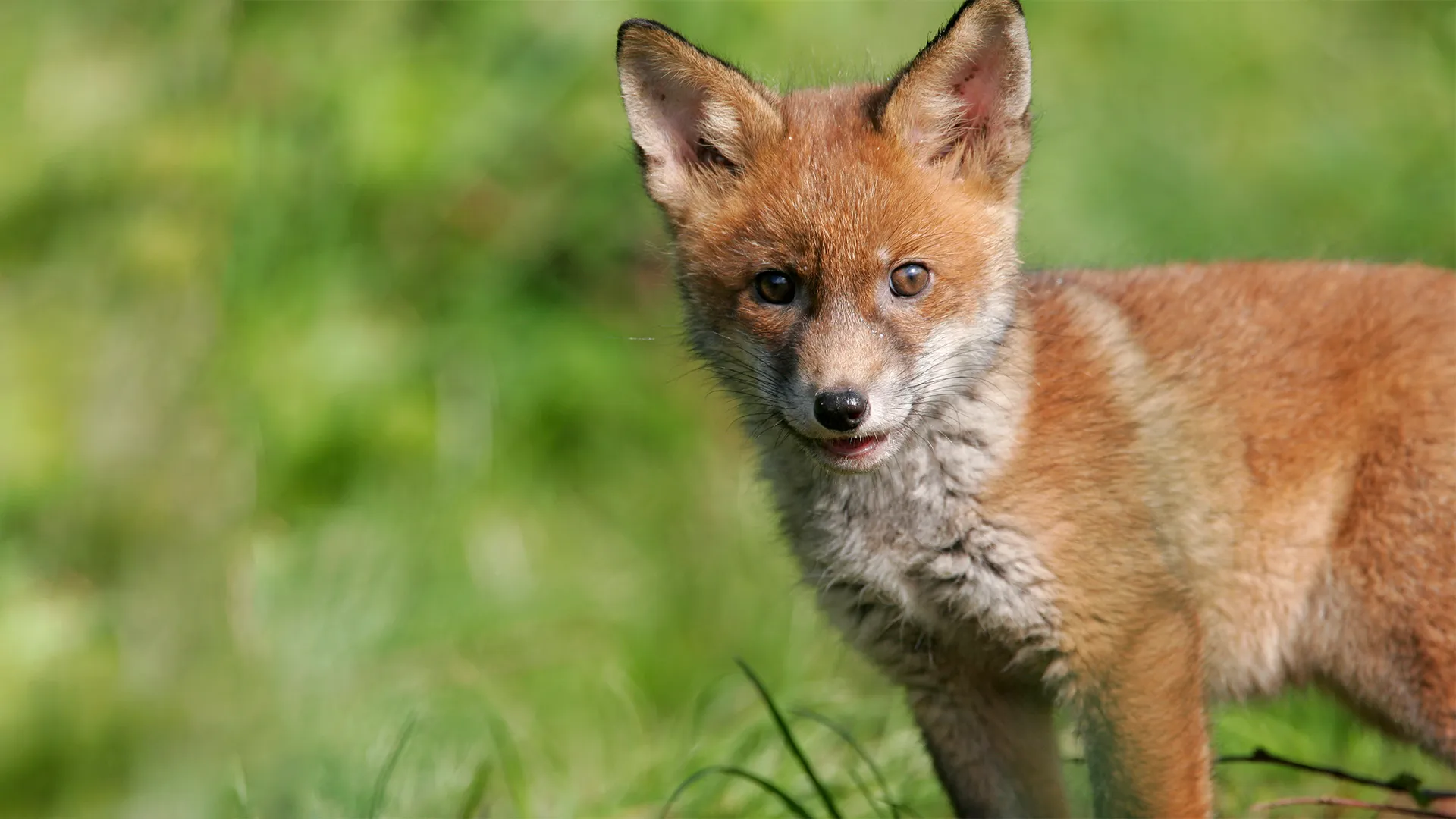
Fox Traps Black Mountain Raise Serious Concern Wildlife conservationists have raised alarm after discovering cruel fox traps on Black Mountain in Belfast. The makeshift traps, built from old shopping trolleys, were found hidden on privately-owned land overlooking the city. Aaron Kelly, founder of the Black Mountain Rewilding Project, described his heartbreak upon finding the devices. One trap had been baited with a dead magpie, designed to slam shut and capture any animal that entered. Kelly suspects hunters set the traps to capture foxes alive, potentially to use them for training young hunting dogs. “What a terrible way to go, and I don’t know what sort of person could do that,” he said. Why Fox Traps on Black Mountain Are a Threat to Wildlife Aaron Kelly launched the Black Mountain Rewilding Project during the first Covid lockdown five years ago. The initiative, which began with weekly litter picks, has since transformed the area by planting trees, increasing woodland cover, and encouraging wildlife to return. One notable success was attracting a barn owl back to the Belfast hills by installing nesting boxes. “This mountain is the last wild place in Belfast,” Kelly explained. “All our work is aimed at making it a better, safer place for wildlife.” The fox traps were discovered just a short distance apart while Kelly was patrolling the lower slopes. “I was hoping to find something positive that day, but instead I found cruelty,” he recalled. Inhumane Snares Endanger Multiple Species Kelly fears that foxes were the primary targets, but other animals—such as badgers, hedgehogs, birds, and even domestic pets—are at risk. The traps have since been removed with the help of a local landowner, and cameras have been installed to monitor the area for any future illegal activity. He recently shared images of the traps on social media, urging an end to such cruel practices. “Killing an animal is one thing, but leaving it to suffer in pain and fear is something else entirely,” he wrote. Belfast Hills Partnership Condemns Wildlife Crime Jo Boylan, operations manager for the Belfast Hills Partnership, strongly condemned the discovery. “Snares are banned and completely inhumane,” she said. “Unfortunately, wildlife crimes like this still happen across the hills.” The Belfast Hills Partnership manages around 5,500 hectares of high ground, including Black Mountain, and works to combat illegal activities such as badger baiting, fly-tipping, and deliberate wildfires. Pinpointing Wildlife Crime Hotspots To better protect the hills, the partnership collaborates with landowners and local groups to record and map criminal incidents. “The more data we have, the better we can protect the hills for the future,” Boylan explained. She praised Aaron Kelly for his dedication to wildlife protection. “Aaron was one of our youth rangers. He’s incredibly passionate about the mountain and the community.”

Read More

Wasps Are Back This Summer – Why Numbers Are Rising

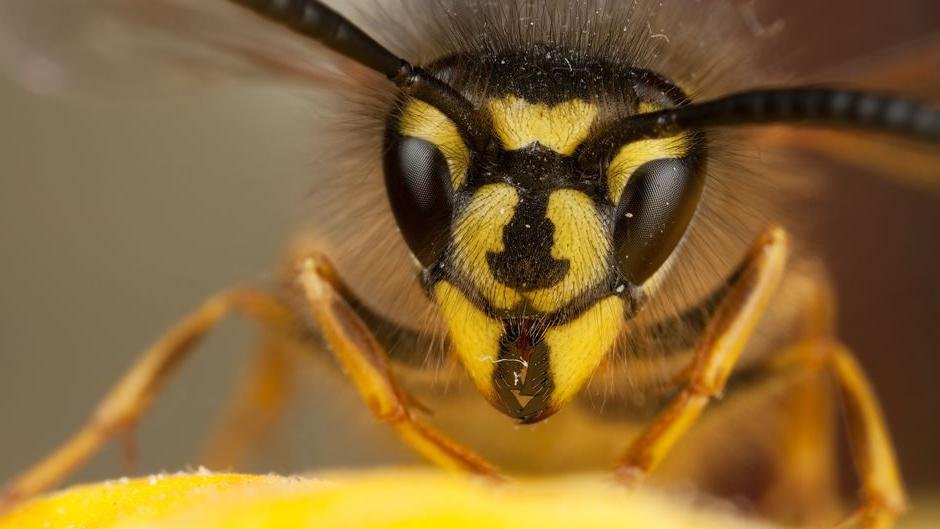
Wasps Are Back This Summer – What’s Behind the Surge? Wasps are back this summer, and the UK is witnessing a sharp rise in their activity due to warm and dry weather conditions. John Horsley, a pest control professional, recently experienced firsthand how troublesome these insects can be when one crawled down his T-shirt and stung him multiple times. According to Horsley, this year has been unusually busy for pest controllers dealing with wasps. He notes that larger nests have appeared earlier in the season, and sightings of wasps around gardens and public spaces have increased. Why Are Wasps Back This Summer in Greater Numbers? Wasps are currently busy raising their young, but later in the season, they often congregate in parks and picnic spots searching for sweet treats before their colonies die out. Horsley explains that wasp populations tend to rise every few years due to specific weather patterns. “This year’s warm and dry conditions have been ideal for them,” he says. The Met Office also reported that this spring was the warmest in over 50 years, a stark contrast to last summer, which was the coolest in nearly a decade. Experts Predict a Strong Wasp Season Professor Seirian Sumner of University College London, one of the world’s leading wasp researchers, believes that all signs point to a thriving wasp season, although official population data will take time to confirm. Based on current weather patterns and the increase in other insect species, her gut feeling is that 2025 will be a “good year for wasps.” The UK is home to around 9,000 wasp species, but only a few, such as the common wasp (Vespula vulgaris), interact regularly with humans. A 2021 poll even ranked them as the second most disliked insect in the UK, just behind spiders. Wasps are back this summer Why Wasps Are Crucial for the Environment Despite their reputation, experts emphasize that wasps are vital to maintaining healthy ecosystems. Professor Sumner describes them as “apex predators” of the insect world. Removing wasps would disrupt the natural balance, leading to unchecked populations of other pests. “They’re natural pest controllers,” she explains. “Wasps play an important role in our gardens, farmland, and wild landscapes by keeping pest insects under control.”Wasps are back this summer. Living Alongside Wasps Without Harm Nikki Banfield from the insect conservation charity Buglife stresses the need to appreciate wasps rather than fear them. “Many people think of wasps as aggressive bees, but they play an essential role in the environment,” she says. Globally, insect populations are declining due to intensive agriculture, pesticide use, and climate change. This decline has serious effects on birds, amphibians, and other wildlife that depend on insects for food. However, the common wasp’s population has remained stable for over a century. Other species like houseflies, cockroaches, and the European hornet are also thriving, with the latter expanding its range northward due to warming temperatures. Sightings of the invasive Asian hornet, which arrived in the UK in 2016, are increasing as well. After a poor year for butterflies in 2024, naturalists are now reporting a resurgence of common butterfly species, as well as an increase in ladybirds, thanks to this year’s warm weather. How to Avoid Wasp Stings For those worried about their picnics being invaded, Banfield suggests leaving a small dish of sweet liquid, like jam or juice, away from where you’re sitting to distract the wasps. It’s also important to remain calm – avoid screaming, waving your arms, or swatting at them, as this can provoke aggression. Wasp stings can be dangerous, especially for those with severe allergies, as they can trigger anaphylactic shock. Horsley advises: “Don’t disturb wasp nests. If they become a problem, seek help from a professional pest control expert.”

Read More

Anglian Water Hosepipe Ban: Summer Restrictions Possible

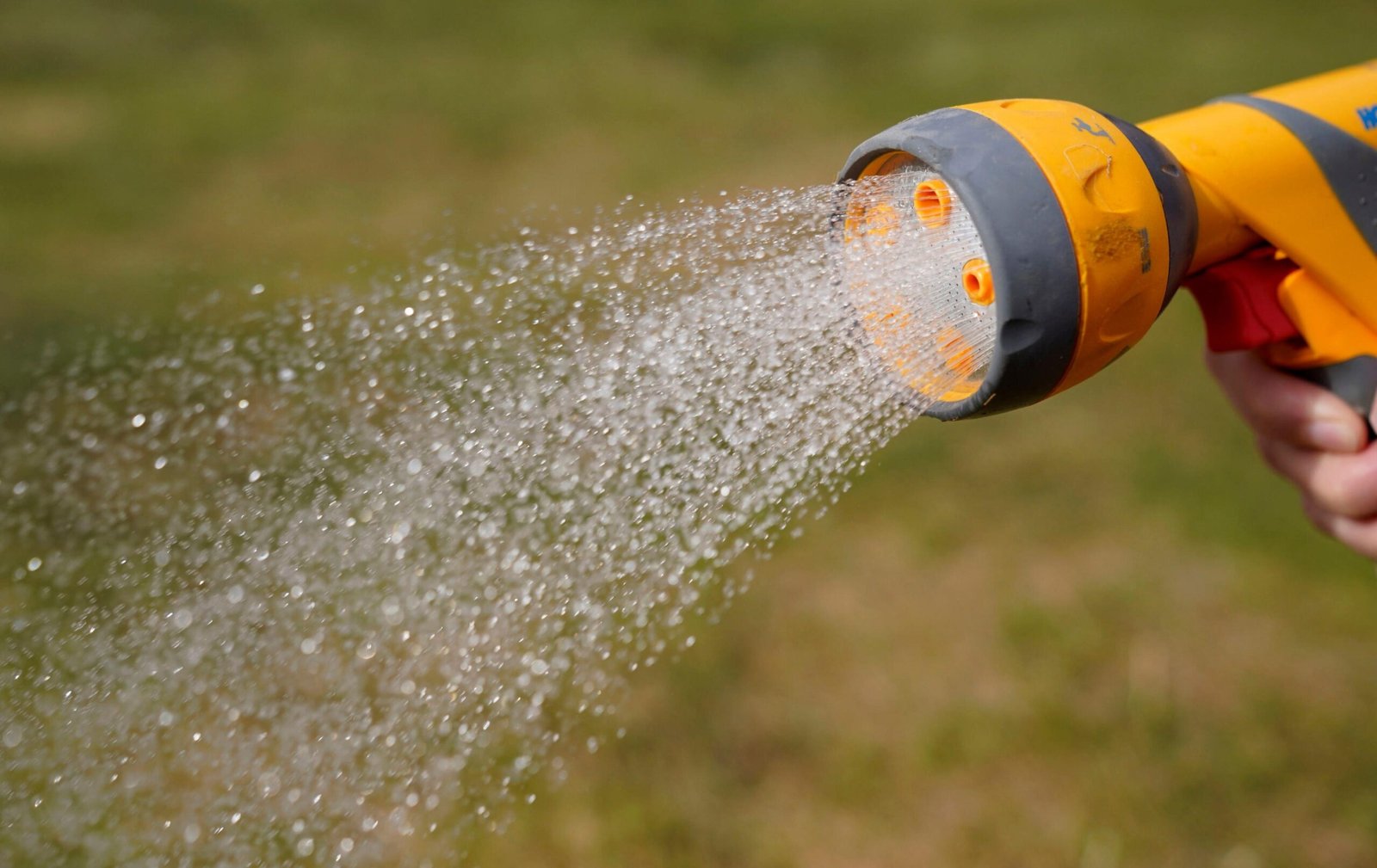
Anglian Water Hosepipe Ban Warning: Restrictions Likely Anglian Water has stated that while it is not currently restricting household water use, an Anglian Water hosepipe ban may still be necessary later this summer. Despite recent rainfall slightly improving river and reservoir levels, the company said these conditions have only postponed the need for restrictions rather than eliminated the risk. Why an Anglian Water Hosepipe Ban May Still Happen The water supplier, which serves a large part of the East of England, highlighted uncertainty in long-term weather forecasts as a key reason why an Anglian Water hosepipe ban could still be enforced. This comes after several other UK water companies have already introduced hosepipe restrictions due to an unusually hot and dry start to the year. Dry Conditions and Leak Prevention Recent months have been exceptionally dry, prompting Anglian Water to focus heavily on tackling leaks and preventing water loss. The company has allocated £10 million this year for pipe maintenance and invested in a dedicated team of 250 people working on leakage reduction. According to Ian Rule, Director of Water Services, this investment has delayed the need for restrictions so far. “The East of England is the driest part of the country, so we plan carefully. However, the past few months have been exceptionally dry, even for our region. Forecasts remain uncertain, so a hosepipe ban by Anglian Water is still a possibility,” Mr Rule stated. Impact on Rivers, Agriculture, and Environment River levels were reported to be low following a dry spring, though they responded better than expected to recent rainfall. Still, the company emphasized that the decision on an Anglian Water hosepipe ban involves balancing environmental protection with supporting agriculture in the region. Farmers have already raised concerns about crop damage and water shortages. Climate Change and Long-Term Challenges The driest start to spring in 69 years has raised alarms about water scarcity, with low reservoir levels and wildfires affecting parts of the region. Although the Environment Agency reports only a medium risk of drought, the Met Office confirmed that March was the driest since 1961, with record sunshine levels. Some farms, like those near the Norfolk-Suffolk border, are investing millions in building additional reservoirs to cope with future water shortages. Experts warn that climate change is shifting the UK’s weather patterns dramatically. Reports indicate hotter and drier summers are becoming the norm, with more intense heatwaves leading to higher evaporation rates. These conditions make hosepipe bans by Anglian Water and other suppliers more likely in the years ahead. What Residents Can Do Anglian Water is urging households to use water responsibly to help avoid stricter measures such as a hosepipe ban later this year. Small actions like fixing household leaks, using water-efficient appliances, and reducing outdoor water use can make a big difference in preserving supplies.

Read More