Great apes in zoos: Born Free urges boycott over animal welfare

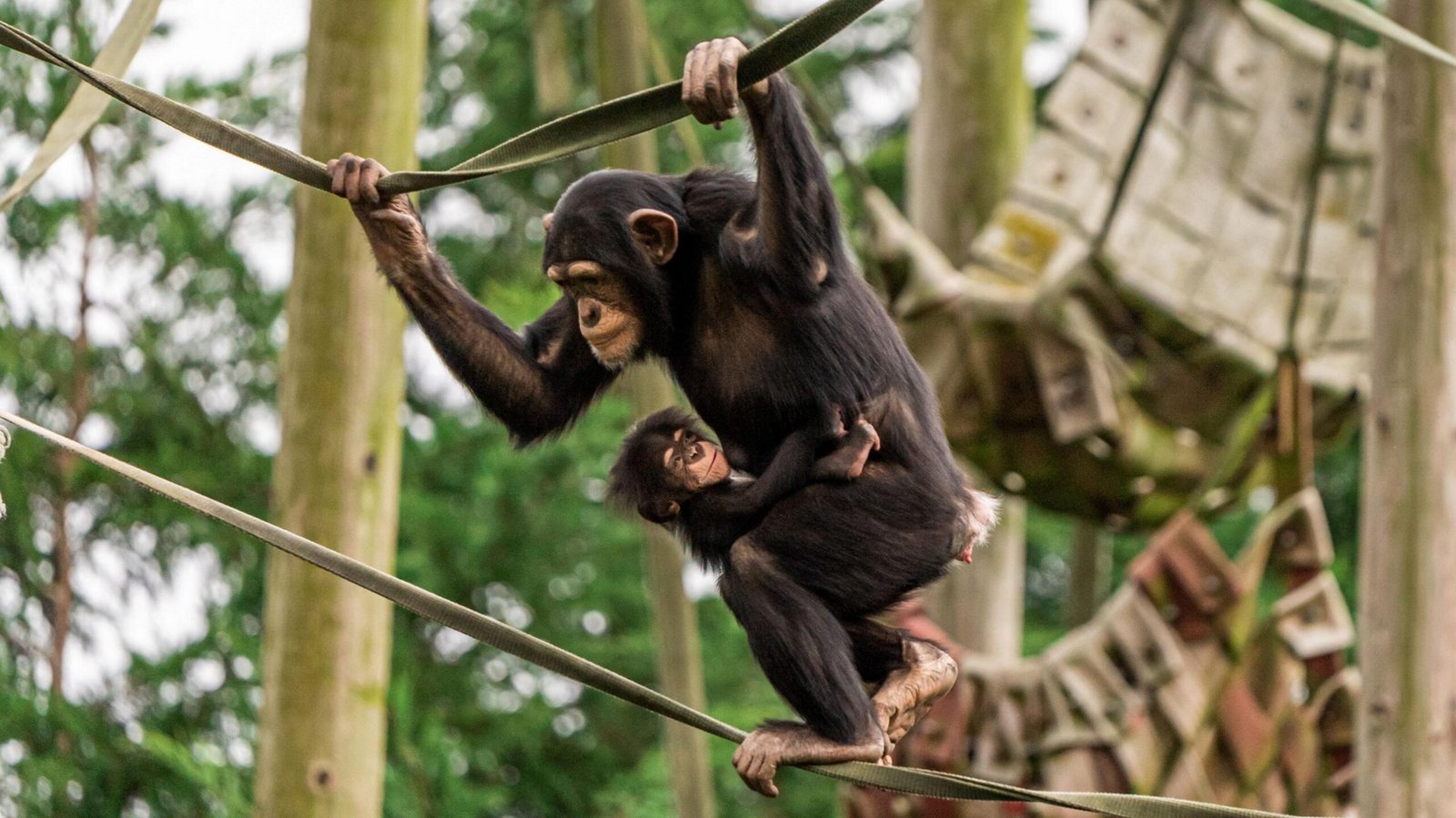
Born Free Urges Boycott to Protect Great Apes in Zoos The Born Free Foundation has urged the public to avoid visiting zoos that keep great apes in captivity. The wildlife charity believes housing species like orangutans, chimpanzees, and gorillas in artificial environments causes long-term harm. Concerns Mount Over Conditions for Great Apes in Zoos The foundation reports that UK zoos currently keep over 300 great apes. In the North West alone, zoos house 43 of them. Chester Zoo reportedly houses 18 chimpanzees, seven Bornean orangutans, and eight Sumatran orangutans. Blackpool Zoo keeps six Bornean orangutans and four lowland gorillas. Captivity of Great Apes Called ‘Unethical’ by Born Free Born Free’s latest report describes the practice as outdated, unethical, and damaging. The foundation argues that keeping intelligent primates for public display can no longer be justified. They report cases of chronic stress, obesity, and heart disease among captive great apes. Chris Packham Joins Call to End Captivity of Great Apes in Zoos TV naturalist Chris Packham has backed the campaign. He emphasized the need for urgent reforms and said evidence of ape suffering is overwhelming. We must not imprison great apes for entertainment,” he stated. Zoo Experts Defend Their Conservation Role Chester Zoo’s conservation officer defended their approach, saying their work helps prevent extinction. She stated that without such institutions, species like the Bornean orangutan could disappear forever. Zoos Highlight Education and Welfare Standards A spokeswoman for Blackpool Zoo added that accredited zoos support education and awareness. Both zoos say they design habitats to suit ape needs and follow international standards. Born Free Calls for Change in Wildlife Ethics Chris Lewis from the foundation said science and ethics no longer justify using intelligent beings for entertainment. He added that animal welfare and public safety must now take priority. Born Free’s Legacy in Animal Advocacy Founded in 1984, Born Free was established by actors Bill Travers and Virginia McKenna. The couple, along with their son Will Travers, launched the foundation after starring in the 1966 film Born Free. Their goal has always been to promote animal rights and keep wildlife in the wild.

Read More

Danish Zoo Asks for Unwanted Pets to Feed Its Predators

Danish Zoo Asks for Unwanted Pets to Feed Its Predators Danish zoo asks for unwanted pets in a new appeal to the public, offering to use healthy animals like rabbits, chickens, and guinea pigs to feed its carnivores. Aalborg Zoo says this approach supports the natural diets of predators such as tigers, lions, and the Eurasian lynx by mimicking how they would feed in the wild. What Unwanted Pets Can Be Donated to the Zoo? The zoo accepts small animals such as rabbits, guinea pigs, and chickens. These animals are humanely euthanised by trained staff. The zoo also accepts live horses, as long as they meet specific health rules. To donate a horse, the animal must: Horse donors may also be eligible for a tax deduction, as the zoo treats these donations under livestock laws. How Feeding Unwanted Animals Mimics the Wild The zoo says feeding whole animals—fur, bones, and all—is closer to what carnivores would eat in nature. This approach helps meet both their nutritional and behavioral needs. “Small livestock are a key part of the diet of our predators,” the zoo explained. “This is especially true for animals like the Eurasian lynx.” Feeding animals this way also provides mental stimulation, similar to what they would get while hunting in the wild. How to Donate Unwanted Pets to the Danish Zoo Small animals can be dropped off during weekdays. People may donate up to four animals at a time without an appointment. Larger animals, like horses, require prior approval. All donated animals must be healthy and untreated for illness within 30 days. The zoo ensures that euthanisation is done in line with high welfare standards. Cultural Acceptance in Denmark While the idea may seem shocking elsewhere, this practice is common in Denmark. Many locals support it. They see it as a sustainable way to handle unwanted pets while helping zoo animals. Deputy director Pia Nielsen said this practice has been in place for years.“When we feed our carnivores, we aim for whole prey—fur, bones, and all. It’s healthier and more natural for them,” she explained. Danish zoo asks for unwanted pets like rabbits and chickens to feed predators, offering a natural diet and an option for ethical animal donation. Ethical Discussion: A Divisive Topic The policy has sparked debate. Some praise it as practical and humane, while others find it troubling. The zoo argues that this method respects both animal welfare and environmental responsibility. Supporters say it’s better than wastefully euthanising pets. Critics worry about the emotional impact of turning pets into food—even ethically. A Natural and Thoughtful Solution The idea that unwanted pets feed predators may be controversial, but Aalborg Zoo believes it’s the right choice. It benefits both the zoo’s animals and pet owners who can no longer care for their pets. As ethical animal care evolves, this method could become more accepted—or at least more openly discussed—around the world.

Read More

Countries gather to thrash out deal on ‘plastic crisis’

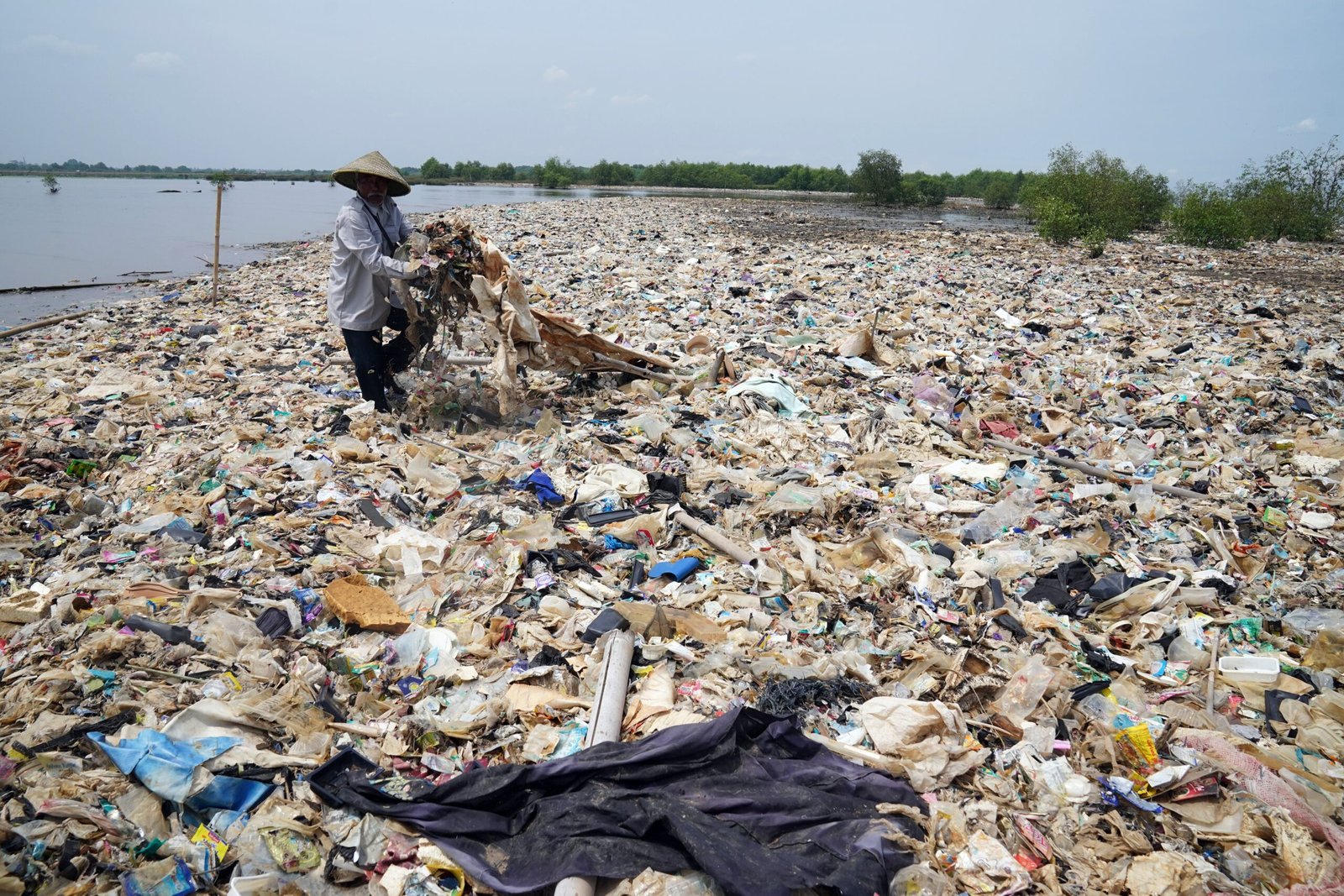
Countries Gather in Geneva to Confront the Plastic Crisis The world is drowning in plastic. With nearly 200 trillion plastic particles floating in oceans, the plastic crisis has become an urgent global issue. In a historic move, over 170 nations are meeting once again in Geneva to attempt to finalize a treaty aimed at curbing plastic pollution. The clock is ticking, and expectations are high as negotiators work to thrash out a deal that has eluded consensus for years. Why Plastics Became Indispensable—and Dangerous Plastics revolutionized human society due to their flexibility, durability, and affordability. Originally derived from natural materials like rubber and horn, plastics evolved into synthetic products made from fossil fuels in the 20th century. Their usefulness has spanned across every sector—medicine, agriculture, construction, fashion, and beyond. However, this rapid expansion has come at a cost. The very properties that make plastic so useful—its durability and resistance to degradation—also make it an environmental hazard. How the Plastic Crisis is Devastating the Planet Plastic production skyrocketed from 2 million tonnes in 1950 to 475 million tonnes in 2022. Around 60% of plastics are designed for single use, and only about 10% are recycled, according to recent studies. Once discarded, plastic waste frequently ends up in rivers and oceans, posing severe threats to marine life. Sea creatures often mistake plastics for food, leading to ingestion that damages their organs and causes death. Others become entangled in plastic debris, particularly fishing nets and packaging. Even more alarming is the breakdown of plastics into microplastics—tiny particles that have been found in the most remote corners of the Earth, including deep oceans and mountain peaks. Microplastics: Invisible and Invasive Microplastics are not just an environmental concern—they are a growing public health threat. These particles enter the food chain and are now found in human blood, lungs, and even placentas. Their long-term effects are still being researched, but scientists warn of potential cell damage, inflammation, and hormonal disruption. With the plastic crisis escalating, failure to act could triple the amount of plastic in oceans within a few decades, creating irreversible harm to ecosystems and human health. Plastics and Human Health: The Hidden Cost Plastics contain over 16,000 chemicals, many of which are toxic, including carcinogens and hormone disruptors. A recent global health review estimated the annual cost of health damages from plastics at $1.5 trillion. From production to disposal, plastics release harmful pollutants into the air, soil, and water. These pollutants contribute to respiratory illnesses, reproductive disorders, and even cancers. The lack of transparency around chemical use in plastics makes it even more difficult for consumers and regulators to understand the true risks. The Global Treaty on Plastics: Will Countries Agree? In 2022, the international community pledged to finalize a legally binding treaty to tackle the plastic crisis within two years. Despite multiple negotiation rounds, no deal has yet been signed. The current Geneva summit is being viewed as a last major chance to push the agreement forward. Key areas under discussion include: Supporters of a strong treaty include nearly 100 nations advocating for production caps. However, oil-rich countries like Saudi Arabia and Russia prefer to emphasize recycling over reducing plastic output, since plastics are a growing market for the fossil fuel industry. The Role of Business in Solving the Plastic Crisis Major companies that rely heavily on plastic packaging—such as food, beverage, and cosmetics giants—are also urging governments to act. Industry coalitions are calling for harmonized global regulations to reduce compliance costs and improve recyclability. For instance, something as simple as removing color from plastic bottles can double the value of recycled material. Uniform design rules could save money, improve recycling efficiency, and reduce the demand for virgin plastic materials. What Individuals Can Do to Reduce Plastic Waste While systemic changes are essential, individuals can also make a difference in tackling the plastic crisis: Every choice adds up, especially when multiplied across millions of consumers. A Tipping Point for the Planet The Geneva summit is more than just another round of talks—it is a crucial moment in the global effort to resolve the plastic crisis. Scientists, businesses, and civil society are united in their call for urgent, bold action. Whether or not the world’s nations can agree on a binding treaty remains to be seen, but one thing is clear: continuing on the current path of plastic overproduction and under-regulation is no longer sustainable.

Read More

Philippine Crocodile Conservation: Saving a Species

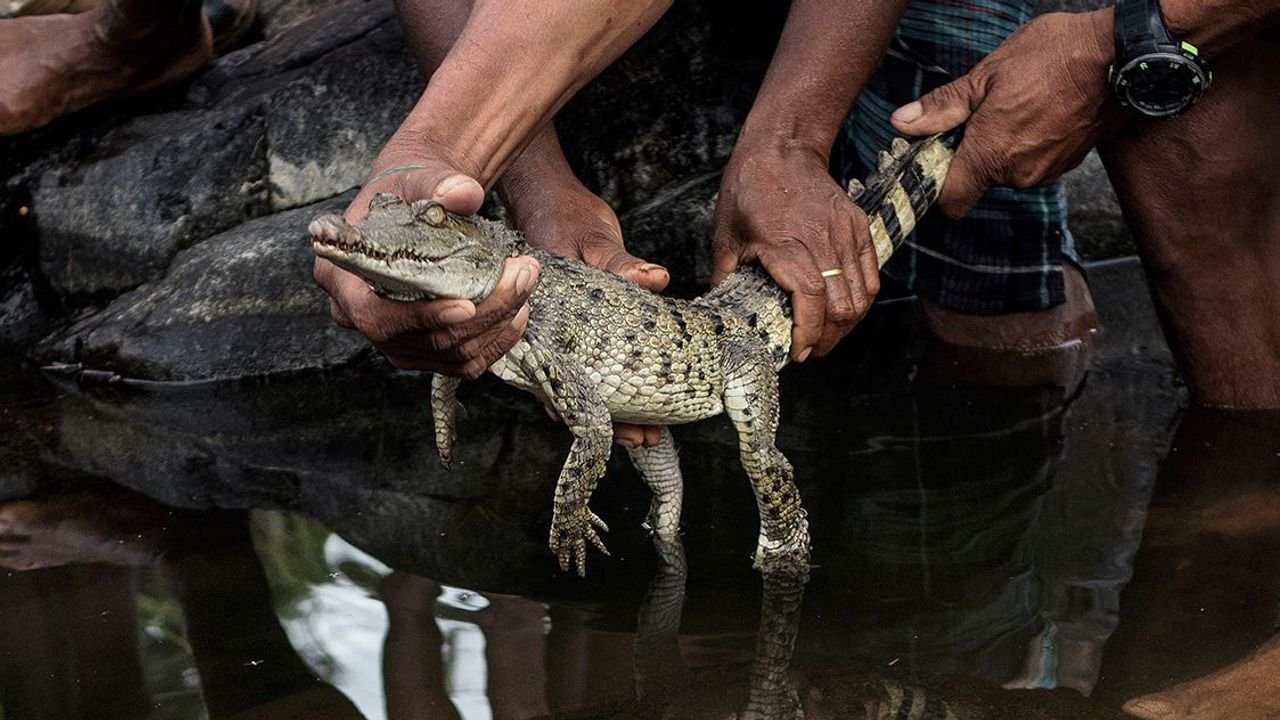
Philippine Crocodile Conservation: Saving a Species from Misconception and Extinction In the rain-soaked forests of the Philippines’ Sierra Madre, Philippine crocodile conservation efforts are gaining momentum. Conservationists are working to save one of the world’s rarest reptiles — the Philippine crocodile (Crocodylus mindorensis). These small freshwater crocodiles are critically endangered. They are often feared and misunderstood. Fewer than 125 remain in the wild. Now, scientists and indigenous communities are joining forces to change that. Restoring the Balance: Rewilding the Philippine Crocodile Once found throughout the Philippine archipelago, the species has suffered a steep population drop. Habitat destruction, illegal hunting, and fear-driven killings pushed them to the brink. By the 1990s, only about 100 crocodiles remained. They were mainly isolated in Luzon and Mindanao. In response, captive breeding programs began in the 1980s, led by Silliman University. Early rewilding efforts failed, but recent strategies are showing better results. These combine habitat restoration with local education. By 2021, some released crocodiles began reproducing on their own — a major milestone. Indigenous Wisdom Meets Modern Science The Mabuwaya Foundation partners with Agta and Kalinga communities in the north. Their conservation model blends cultural heritage with science. In the past, many locals saw crocodiles as sacred. Some even called them “Nono,” meaning grandfather. That reverence is returning. Together, these communities have created eight crocodile sanctuaries. In these protected zones, hunting and fishing are banned. Indigenous and non-indigenous volunteers, called Bantay Santuwaryo, act as stewards. They patrol rivers, guard nests, and protect young crocodiles during their early, fragile months. Changing the Narrative: From Monster to National Treasure Crocodiles still suffer from harmful stereotypes. They’re often seen as man-eaters. But conservation campaigns are working to change this. Puppet shows, radio programs, school visits, and crocodile mascots are helping shift public opinion. Young people especially are learning that crocodiles are not villains. In fact, they’re key to healthy river ecosystems. For Agta elder Marshall Magas, saving the crocodile is personal. It’s not just about wildlife — it’s about saving traditional fishing, foraging, and spiritual practices. Hope for the Future Thanks to conservation efforts, the wild population has grown to around 125 crocodiles. This includes 17 adults and 41 juveniles. Head-starting programs, which raise hatchlings in safety before release, now show success rates of up to 79%. The species isn’t safe yet — but momentum is growing. Leaders like Bernard Tarun and Marites Gatan-Balbas once feared crocodiles. Now, they see them as symbols of resilience and pride. As Gatan-Balbas says:“Philippine crocodile — something to be proud of.”

Read More

Jersey Zoo Otters: Giant Duo Arrive at New Habitat

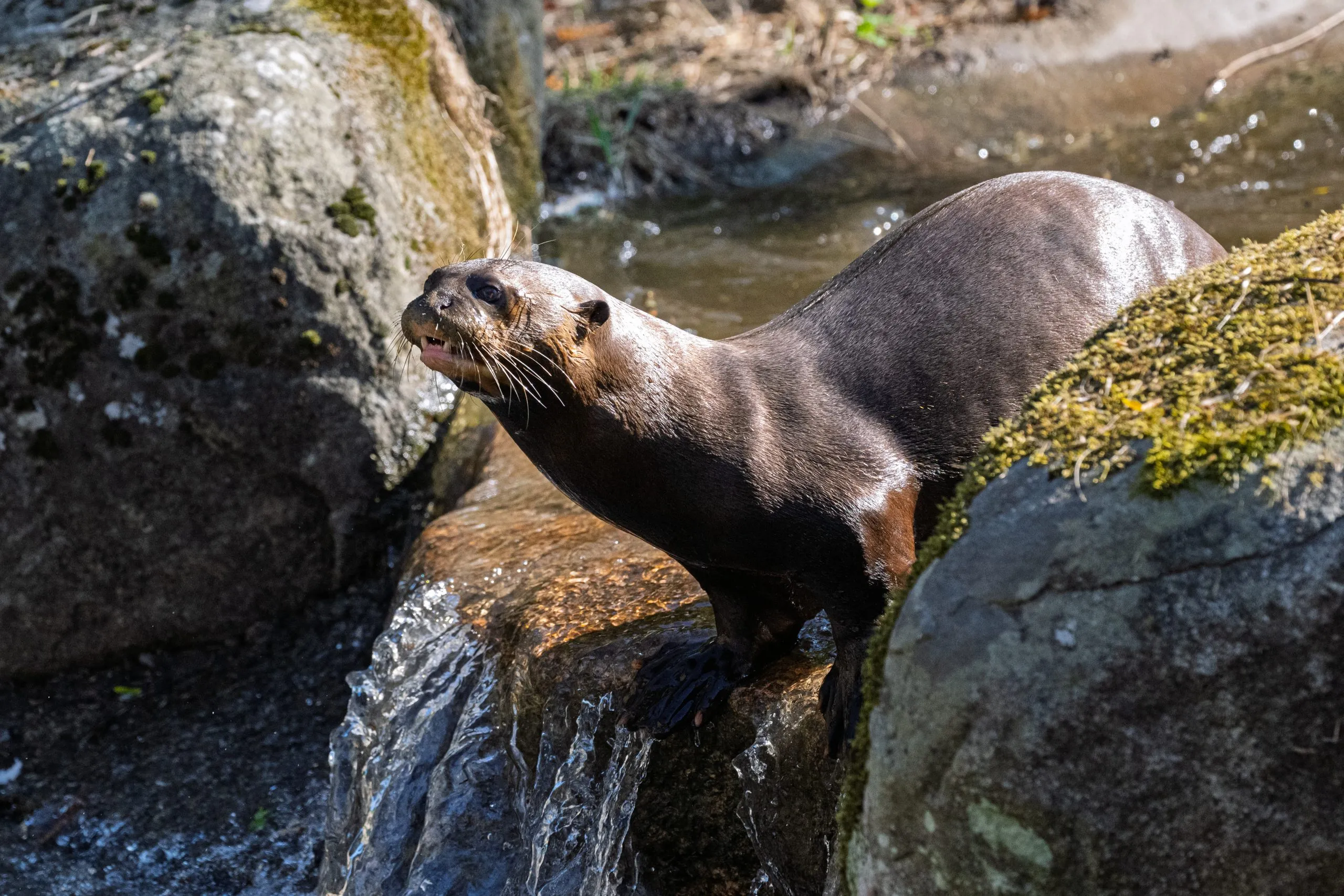
Jersey Zoo Otters Settle into Their New Home A new chapter has begun for two giant otters, Alexandra and Fia, as they settle into their habitat at Jersey Zoo. This mother and daughter pair have arrived from Yorkshire Wildlife Park and are now residing in the zoo’s South American House—an area specially designed to mimic their native environment. Why Giant Otters at Jersey Zoo Are So Important Giant otters, native to South America’s river systems, are not just fascinating creatures—they’re also critically important to their ecosystems. With their streamlined bodies, webbed feet, and muscular tails, they are expert swimmers and skilled predators, helping to maintain a healthy balance in aquatic food chains. Yet despite their ecological importance, these otters are increasingly rare. Protecting the Endangered Jersey Zoo Otters Giant otters are officially classified as endangered by the International Union for Conservation of Nature (IUCN). Their populations have suffered dramatic declines over the past decades. Major threats include: In many parts of their native range, they have vanished entirely. Conservation breeding programs like the one at Jersey Zoo are essential to preserving the species. Alexandra and Fia: Ambassadors for Conservation Zoo officials are enthusiastic about their newest residents. Alexandra, the mother, and her daughter Fia are described as healthy and curious. Keepers say they have already begun exploring their enclosure, showcasing their strong swimming skills and playful personalities. Jersey Zoo otters. “These otters are more than just animals to admire,” a spokesperson from the zoo explained. “They are ambassadors for their species, helping raise awareness about the challenges facing wildlife in the Amazon basin.” A Habitat Designed for Otters The South American House at Jersey Zoo was created to provide an enriching environment for animals from tropical ecosystems. For Alexandra and Fia, this includes: The design also helps visitors understand the otters’ way of life and the threats they face in the wild. Part of a Bigger Conservation Mission Jersey Zoo, operated by the Durrell Wildlife Conservation Trust, has a long history of protecting endangered species. Hosting Alexandra and Fia is part of a broader strategy to safeguard the future of giant otters. The zoo participates in international breeding programs that aim to maintain healthy genetic diversity within captive populations. The hope is that, one day, conservationists may be able to reintroduce these animals into safe, protected habitats in the wild. Visitors Can Help Too Zoo guests can play a part in conservation simply by learning about animals like Alexandra and Fia. Through educational signage, talks by zookeepers, and interactive exhibits, visitors are encouraged to understand the impact of environmental damage on species like the giant otter. Supporting conservation organizations, reducing use of harmful products, and making sustainable choices in everyday life can also contribute to the survival of endangered wildlife.

Read More

Snails Threatened by Own Beauty: Mission Begins to Save Them

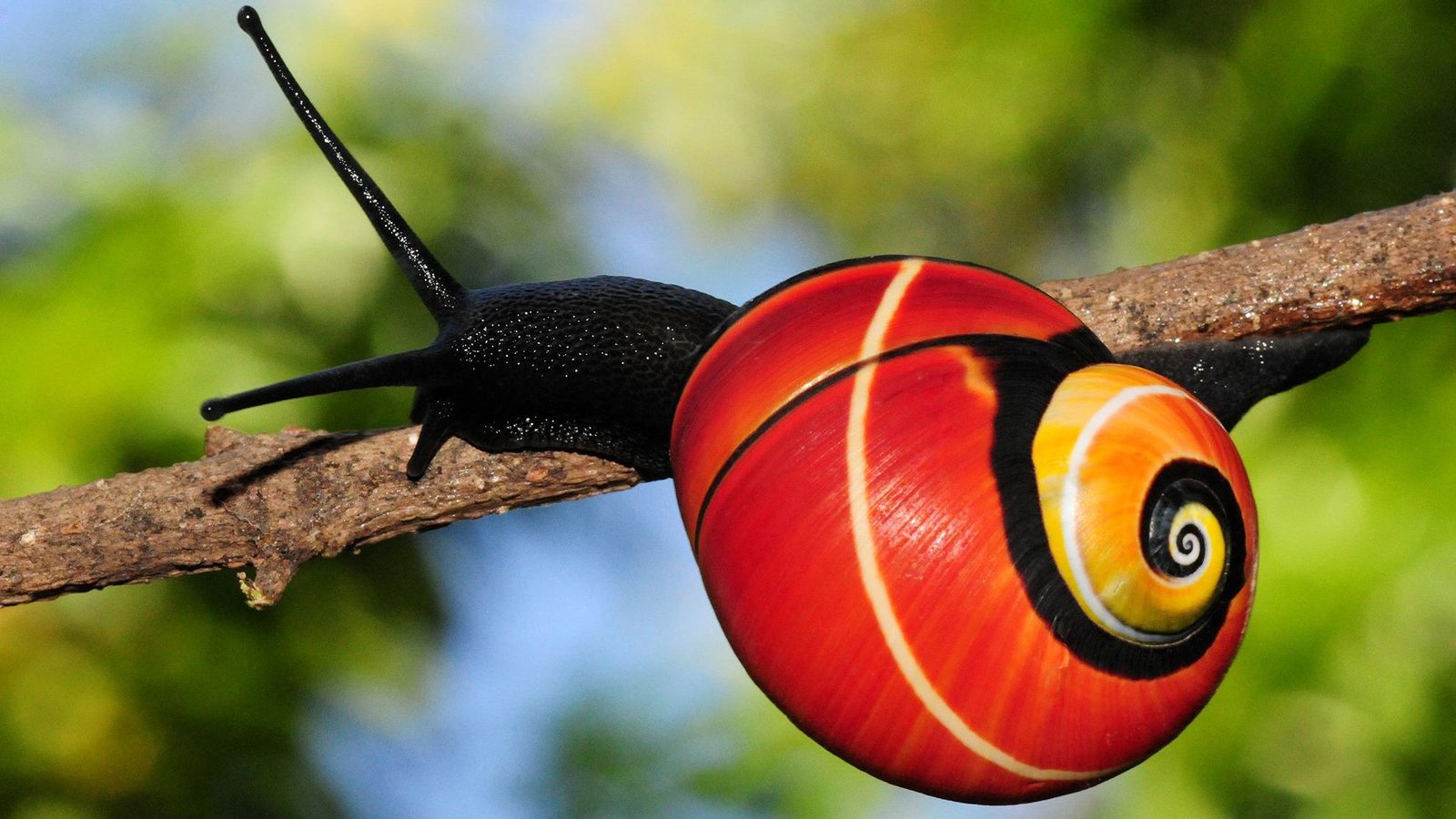
Rescuing Polymita Snails Threatened by Beauty in Cuba Polymita snails threatened by beauty are facing a serious survival crisis in the forests of Eastern Cuba. Known for their dazzling, multicoloured shells, these snails are admired worldwide—but that same beauty has put them in grave danger. Collectors prize their vibrant shells, driving illegal trade that now threatens the species with extinction. Their colourful shells are highly prized. As a result, collectors are pushing the species toward extinction. What Makes Polymita Snails Threatened by Beauty So Unique? Polymita snails are found only in Cuba. There are six known species. Each has shells with unique patterns and brilliant colours—bright greens, fiery oranges, and spirals of yellow and red. The most endangered species, Polymita sulphurosa, has lime-green shells with blue flames and orange-yellow bands. This beauty makes them attractive to collectors but puts them at extreme risk. How Beauty Puts Polymita Snails at Risk of Extinction People around the world seek these snails for jewellery and decoration. Shell collectors pay large sums online. On some websites, a set of seven shells can cost over £150. While the shells look pretty in homes, every shell once belonged to a living creature. Taking these animals from the wild puts entire populations at risk. Weak Laws, Strong Demand International rules ban the export of Polymita snails without permits. But enforcing these laws is difficult. Once shells leave Cuba, they can often be sold legally in other countries. This loophole fuels the illegal trade. Conservationists warn that even a few collectors can destroy a species already weakened by habitat loss and climate change. Scientists Unite to Protect the Snails To fight back, scientists from Cuba and the UK have joined forces. Their goal is to save the species and understand what makes them so colourful. Researchers from the University of Nottingham are working with Prof Bernardo Reyes-Tur, a conservation biologist in Cuba. Together, they are studying the snails and working on captive breeding projects. Breeding Hope in Cuba Prof Reyes-Tur is raising Polymita snails in his own home in Santiago de Cuba. With poor electricity and hot weather, it’s a tough job. But he remains committed to saving them. “They haven’t bred yet, but they’re doing well,” he said. “We have blackouts often, which makes things harder.” Decoding Colour Through DNA In Nottingham, scientists are using genetics to study the snails’ colours. They keep tissue samples frozen and use them to read the snails’ DNA. This research helps confirm how many species exist and how they evolved. It may also uncover what genes create their unique colours and patterns. Such insights could help stop illegal shell trading. If scientists can trace the origin of a shell, they can help enforce protection laws more effectively. More Than Just a Pretty Shell Each Polymita snail plays a vital role in the forest. They help break down plants and return nutrients to the soil. Losing them would affect the whole ecosystem. Yet many people still see them only as decoration. Conservationists stress that these snails deserve protection—not because they’re pretty, but because they are important. Local Knowledge is Key Polymita snails live only in Eastern Cuba. That makes local scientists and conservationists crucial to their survival. They understand the species better than anyone else. Working with international experts, they aim to build a long-term plan. The hope is that science and conservation together can turn the tide. A Future for Polymita Snails This project is a race against time. Habitat loss, climate change, and collectors are all threats. But with global support and local action, there’s still hope. Saving these snails means more than saving a shell. It means preserving a unique part of nature that exists nowhere else. By protecting Polymita snails threatened by beauty, scientists are also preserving the balance of Cuba’s forest ecosystem. Their colours may have put them in danger, but they might also be the reason they survive.

Read More

Canada’s Remote Islands Are Reclaiming Their Future

Canada’s Remote Islands Guided by Haida Custodians On the misty shores of Canada’s remote islands, a transformative journey is unfolding. At SG̱ang Gwaay Llnagaay, a sacred site deep within Gwaii Haanas National Park Reserve, a young woman from the Haida Watchmen programme traced her family crest on a centuries-old totem pole. Despite having the opportunity to work in a distant city, she chose to return home, embodying a deep-seated connection to her land and heritage. As she led visitors along a shell-strewn path under canopies of moss-covered trees, the haunting call of a raven echoed. At the remnants of ancient longhouses, she described how her ancestors split enormous beams using stone tools—an illustration of deep ecological knowledge and enduring ingenuity. Exploring the Cultural Depths of Canada’s Remote Islands This archipelago of more than 200 islands stretches along British Columbia’s northern coast. Known as Haida Gwaii, it has been home to the Haida Nation for over 14,000 years. While colonisation once fractured their connection to the land, new agreements—Gaayhllxid / Gíihlagalgang (“Rising Tide”) and Chiix̲uujin / Chaaw K̲aawgaa (“Big Tide, Low Water”)—mark a powerful transition to Haida-led governance. These historic treaties not only affirm cultural rights but prioritize stewardship and sustainability. For the Haida, these agreements represent the return of decision-making power and the revival of cultural practices. For visitors, they open doors to immersive, respectful, and Indigenous-led experiences on Canada’s remote islands. The Haida Watchmen: Guardians of Culture on Canada’s Remote Islands Today, SG̱ang Gwaay Llnagaay is safeguarded by the Haida Watchmen, stewards who maintain sacred sites and guide visitors with storytelling. Access to this UNESCO World Heritage Site is strictly regulated—reservations are limited, orientation is mandatory, and visitor numbers are capped—to preserve the integrity of both land and legacy. An ongoing archaeological project, led by Haida experts and Parks Canada staff, is unearthing history hidden beneath layers of forest and storm-battered soil. Unlike past excavations that excluded Indigenous voices, these are now Haida-directed, merging science with oral history and cultural continuity. Tragedy and Resilience: Echoes of the Past SG̱ang Gwaay once bustled with life—elders mentoring youth, canoes lining the shore, and children laughing beneath towering poles. That changed in the late 1800s when waves of disease reduced a thriving Haida population of up to 30,000 to just a few hundred. Survivors were relocated to G̱aw and HlG̱aagilda. “One day, even the last pole will fall,” an elder once said. And yet, his words hinted at hope. New generations were already learning the language, carving poles, and rediscovering ancestral ways. Ancestral Memory and Environmental Knowledge The Haida story spans back to the Ice Age. As glaciers melted and oceans rose, the ancestors of today’s Haida adapted to island life. They cultivated food in clam gardens, fished the abundant seas, and became expert navigators. But with the arrival of European traders in the 1700s, their ecological balance was disrupted—sea otters were hunted to near extinction, kelp forests disappeared, and traditional lifeways were altered. Yet the gravest wound came from colonisation itself: cultural suppression, language loss, and residential schools. Despite these assaults, the Haida held on. The War in the Woods: A Turning Point In 1985, Haida Elders stood firm against clear-cutting on Lyell Island, sparking the “War in the Woods.” This peaceful resistance ignited a nationwide reckoning on environmental stewardship and Indigenous sovereignty. The protest catalyzed negotiations with Canada, leading to the creation of Gwaii Haanas National Park Reserve—a model of co-managed conservation grounded in respect. Transforming Tourism on Canada’s Remote Islands The earlier tourism model was extractive—fly-in fishing lodges offered limited understanding of Haida culture. But today, guided by visionaries like the Cowpar brothers of Haida Style Expeditions, the industry is transforming. Their tours take visitors into the heart of the territory, offering insights into language, values, and historical struggles. “Tourism used to take everything,” said James Cowpar. “Now, visitors contribute to a story of renewal. They learn that we don’t own the land—it owns us.” Collaborators like Maple Leaf Adventures work closely with Haida communities, employing local ambassadors and following a strict code of conduct rooted in cultural sensitivity and ecological respect. Haida-Led Business and Cultural Revival With more than a dozen Indigenous-owned tourism enterprises operating across the islands, economic sovereignty is taking shape. These ventures support cultural resurgence while educating travellers through authentic, low-impact experiences. Hot Springs Island (Gandll K’in Gwaay.yaay) and Windy Bay (Hlk’yah G̱awG̱a) are among the most visited sites, offering soaks in geothermal pools, wildlife sightings, and moments of reflection beneath the towering poles of the Gwaii Haanas Legacy site. Balance, Not Ownership At Windy Bay, a black bear—the taan—briefly blocked the visitor path, flipping stones in search of crab. The respectful plea, “Yahguudang,” was whispered by a guide, using the Haida word for “respect” as a request to cross the beach. The bear eventually wandered away. Here, language isn’t just spoken—it’s lived. The Haida belief that “everything depends on everything else” echoes across the land, reaffirming the interdependence between humans, animals, and ecosystems. The Legacy Pole: A Beacon for the Future The Gwaii Haanas Legacy Pole, raised in 2013, marks the 20th anniversary of the co-management agreement and stands as the first pole erected in Gwaii Haanas in more than a century. Carved with traditional symbols and new stories, it bridges the past and the future, embodying a Haida vision of self-determination and environmental harmony. With the recent governance agreements now in place, this vision is evolving into reality—Canada’s remote islands are not only being protected; they’re being reclaimed. Final Thoughts: A Model for Reconciliation Haida Gwaii is more than a destination—it’s a lesson in what’s possible when ancestral knowledge, ecological awareness, and political will intersect. The success of this Indigenous-led revival offers a blueprint for reconciliation across Canada and beyond. Travellers who venture to Canada’s remote islands do more than witness breathtaking beauty—they become part of a living story, shaped by respect, resilience, and renewal.

Read More

Radioactive Rhino Horns Used to Deter Poachers in South Africa

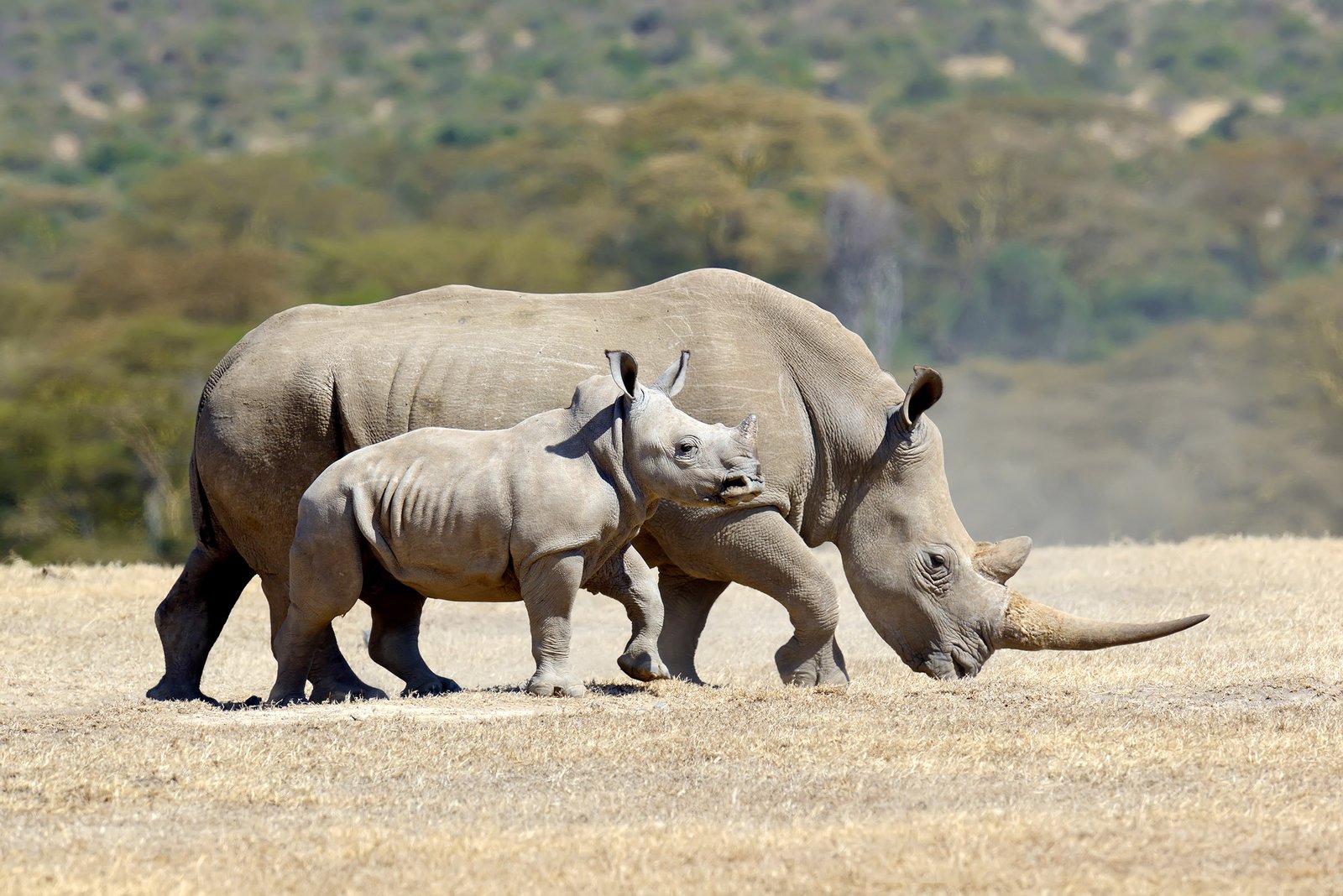
Radioactive Rhino Horns: A New Weapon Against Wildlife Crime In an ambitious move to combat wildlife crime, South African scientists have introduced a new solution: injecting rhino horns with low-dose radioactive material. This method helps border security detect smuggled horns worldwide. As a result, authorities can better target and stop the illegal rhino horn trade. Why Radioactive Rhino Horns Are Safe for Animals but Threaten Poachers Researchers at the University of the Witwatersrand (Wits University) are leading the groundbreaking Rhisotope Project. After six years of research, the team has confirmed the radioactive isotope is entirely safe for the animals. “We have demonstrated, beyond scientific doubt, that the process is completely safe for the rhino and highly effective in enhancing horn detectability through global nuclear security scanners,” said Professor James Larkin of Wits University. Global Detection Through Nuclear Technology Working in partnership with the International Atomic Energy Agency (IAEA), the scientists found that even large shipping containers could not conceal the modified horns. This makes it nearly impossible for poachers and traffickers to smuggle them undetected. By incorporating radioactive markers, the rhino horns trigger alarms on nuclear detection systems used at international borders and shipping ports. This added layer of security increases the chances of intercepting illegal shipments before they reach black markets in Asia. Scaling the Project for Greater Impact Jessica Babich, the head of the Rhisotope Project, emphasized the team’s long-term goal: scaling the project across South Africa to cover as many rhinos as possible. “Our objective is to deploy Rhisotope technology widely, ensuring that this threatened species has a fighting chance,” she stated. “We are protecting not only rhinos but a vital element of Africa’s natural heritage.” The Stark Reality: Hundreds Still Poached Each Year Despite security efforts, rhino poaching remains rampant. Poachers have killed over 400 rhinos each year in South Africa since 2021, driven by demand in Asian countries where people use rhino horn in traditional medicine and value it as a symbol of wealth. White rhinos, the most populous species in Africa, are considered threatened. The black rhino, meanwhile, is classified as critically endangered. The hope is that radioactive tracking will significantly reduce the incentive for poaching. A Turning Point in Wildlife Protection? This radioactive rhino horn initiative could be a turning point in the global fight against poaching. By leveraging science and international collaboration, South Africa may lead a model of conservation technology that other countries can adopt.

Read More

Radioactive wasp nest found at former US nuclear site

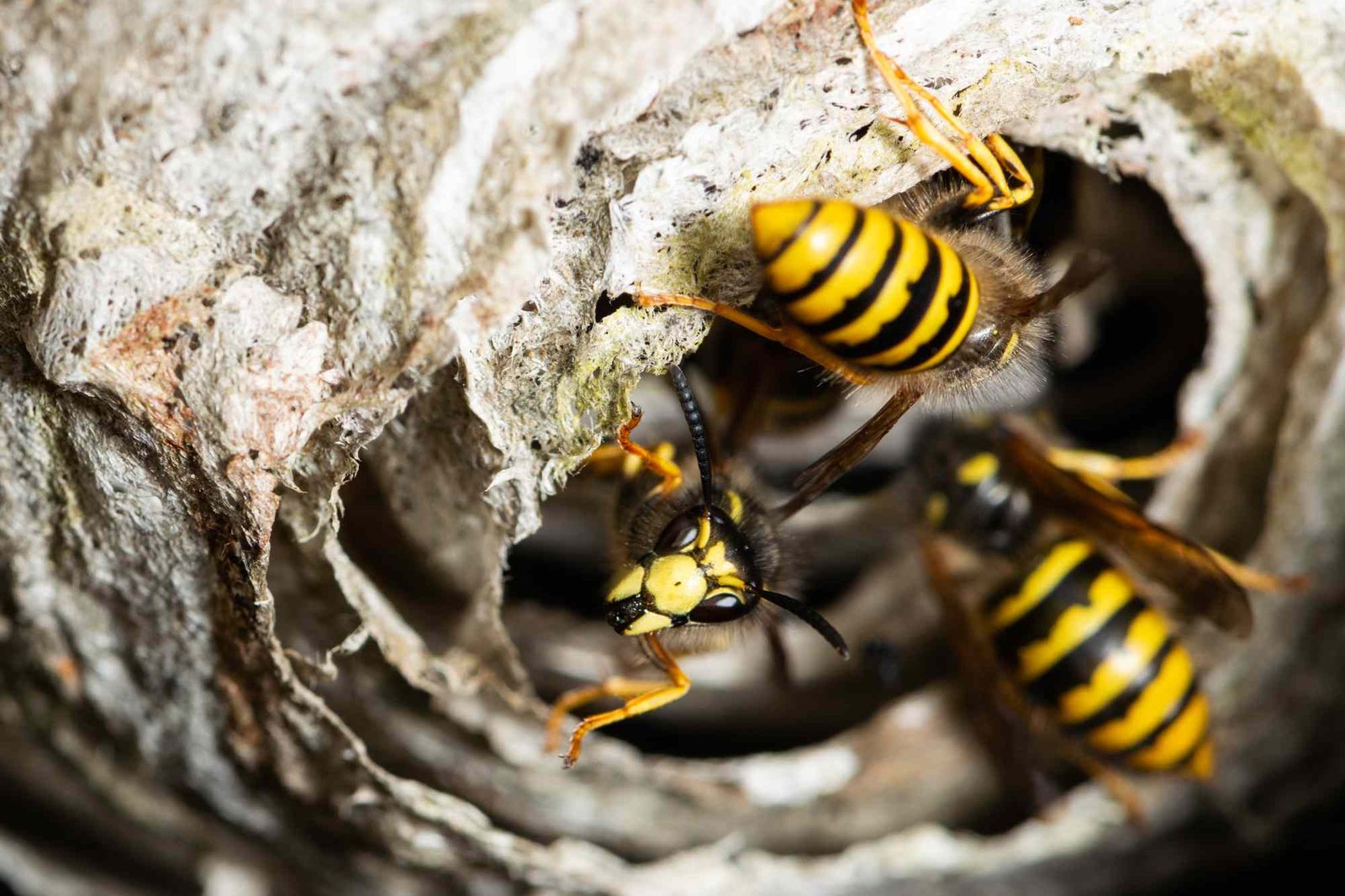
Radioactive Wasp Nest Discovered at Former US Nuclear Site During a routine radiation inspection at the Savannah River Site (SRS) in South Carolina, workers uncovered a radioactive wasp nest with radiation levels ten times higher than regulatory limits. This discovery has reignited concerns about nuclear contamination at legacy weapons facilities. Workers Find the Contaminated Nest Near Nuclear Waste Tanks On July 3, radiation monitoring teams found the wasp nest on a metal post near underground storage tanks containing millions of gallons of liquid nuclear waste. Although the radiation levels were dangerously high, inspectors confirmed that no leakage occurred from the tanks. Radioactive Wasp Nest Tied to Cold War Nuclear Contamination According to the Department of Energy (DOE), residual contamination from the Cold War era caused the radiation. During the 1950s, SRS produced plutonium for nuclear weapons. Although the site now supports nuclear energy, leftover radioactive particles remain embedded in some areas. Workers Secure Radioactive Wasp Nest to Prevent Exposure After identifying the nest as radioactive, workers sprayed it with pesticide, sealed it in protective bags, and classified it as radiological waste. Their quick action ensured no wasps escaped or spread contamination. The DOE confirmed that radiation levels around the nest remained normal and posed no danger to employees or the nearby community. Wasps typically fly only a few hundred feet from their nests. Since the SRS spans 310 square miles, officials believe the insects likely stayed within the facility’s boundaries. Environmental Groups Demand More Accountability Despite reassurances from the DOE, watchdog groups expressed strong dissatisfaction. Savannah River Site Watch, which monitors the facility, questioned the origin of the contamination and whether officials withheld critical information. “I’m as mad as a hornet,” said Tom Clements, the group’s spokesperson. “The DOE hasn’t explained how the nest became radioactive or whether there’s an undetected leak.” Site Still Houses Dangerous Nuclear Waste Over the decades, the Savannah River Site has stored more than 165 million gallons of high-level nuclear waste. At present, 43 underground tanks remain in use, while eight have undergone permanent closure. The potential risks from aging storage systems continue to worry environmental groups and nearby communities. Fallout from a Nuclear Past The radioactive wasp nest at the US nuclear site serves as a stark reminder of the challenges posed by legacy contamination. Even long after nuclear bomb production ended, lingering hazards continue to surface. Incidents like this underscore the importance of rigorous oversight and long-term waste management. What Happens Next? The DOE pledged to expand site monitoring and maintain high safety standards. Still, environmental advocates insist on more transparency, independent reviews, and clear communication with the public. As radioactive incidents reemerge in unexpected forms—like a wasp nest—communities near nuclear sites demand answers and action. Addressing legacy contamination is not just a technical task but a matter of public trust and environmental justice.

Read More

Extreme life in deep ocean revealed in new expedition

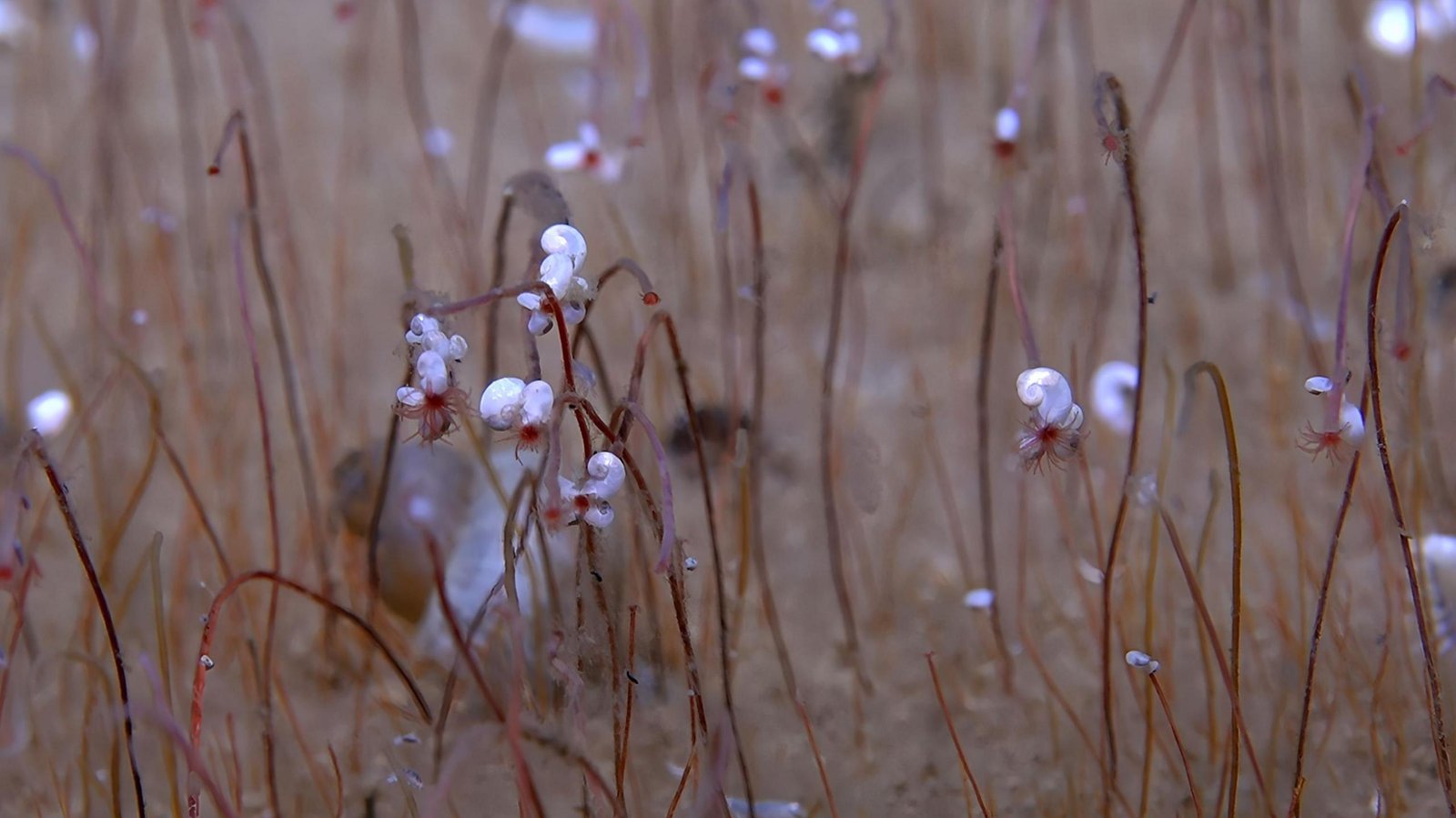
Extreme Life in Deep Ocean: Mysterious Ecosystem Discoveries Unveiled In a groundbreaking expedition, scientists have revealed the existence of vibrant, mysterious ecosystems teeming with extreme life in deep ocean trenches. These new insights challenge previous beliefs about the capacity of life to thrive in the pitch-black, high-pressure zones of the deep sea. Exploring 9,000-Meter Trenches for Extreme Life in Deep Ocean Using a human-occupied submersible named Fendouzhe, a research team led by the Chinese Academy of Sciences ventured into the oceanic trenches of the northwest Pacific. The submersible, capable of diving deeper than 10 kilometers, allowed scientists to reach unprecedented depths—beyond 9,500 meters (over 5.9 miles). During the mission, which covered more than 2,500 kilometers of ocean floor, the team filmed and photographed creatures living in conditions previously thought to be nearly inhospitable. Extreme Life in Deep Ocean Thrives in Total Darkness Among the most astonishing finds were dense colonies of long, slender tube worms—some reaching up to 30 centimeters in length. These tube worms, along with molluscs and free-swimming polychaetes, formed what scientists described as “thriving communities.” The seabed was dotted with fields of life, including bacteria mats that resembled icy patches and pinkish-white clams nestled in sediment. Chemosynthesis: Life Without Sunlight What makes these deep-sea ecosystems remarkable is their reliance on chemosynthesis—a process that allows organisms to derive energy from chemicals like methane and hydrogen sulfide, rather than sunlight. These gases seep out through cracks in the Earth’s crust, creating a fuel source for microbes, which in turn support larger life forms like molluscs and tube worms. These chemical-fueled communities demonstrate that life can exist independently of the sun, relying entirely on geological and chemical activity deep within the Earth. Never-Before-Seen Species and Adaptations The team documented several species never previously recorded. The discovery of Macellicephaloides grandicirra, a spiky white creature found among the tube worms, is just one of the expedition’s many surprises. These organisms exhibit unique adaptations that enable them to survive crushing pressure and complete darkness. One of the lead researchers, Dr. Xiaotong Peng, emphasized the significance of these observations: “What we saw was truly remarkable—an abundance of life in a world that had never before been explored.” Life Under Pressure: The Next Scientific Puzzle Another fascinating aspect of this deep-sea life is its apparent ability to withstand extreme pressure—conditions that would obliterate most known forms of life. As Dr. Megran Du noted, one of the expedition’s next goals is to understand the biological “tricks” that allow these creatures to endure such an environment. Understanding how these organisms metabolize toxic chemicals and survive intense pressure may yield groundbreaking insights into biology, biochemistry, and even the search for extraterrestrial life. A New Understanding of the Deep Ocean These findings are reshaping long-held assumptions. Far from being barren or sparsely populated, the deep ocean may host widespread ecosystems fueled by chemical energy. Such revelations have immense implications not only for marine biology but also for our broader understanding of Earth’s biosphere. According to senior marine scientists, the presence of methane-driven ecosystems in the deepest oceanic trenches suggests a far more complex and interconnected deep-sea world than previously imagined. The Emotional Impact of Deep-Sea Exploration For the scientists involved, descending into the uncharted depths of the ocean was not just a scientific endeavor, but a deeply emotional experience. Being among the first humans to observe such untouched life forms was awe-inspiring and humbling. As they gazed through the submersible’s windows into the darkness, they witnessed a hidden universe—one alive with strange, beautiful creatures, perfectly adapted to an environment devoid of light yet rich in life. Final Thoughts: A Hidden World Comes to Light This pioneering exploration has illuminated a vibrant underworld that challenges how we define the limits of life. The discovery of extreme life in deep ocean trenches proves that even in the harshest corners of our planet, ecosystems not only exist—they flourish. Future missions will likely uncover more of these astonishing life forms, offering new perspectives on resilience, adaptation, and the extraordinary diversity of life on Earth.

Read More