Mindanao Earthquake 2025: 7.6 Quake Jolts Philippines

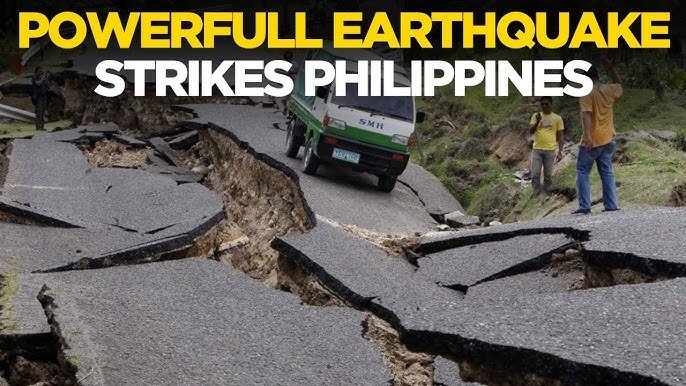
Massive Tremor in Mindanao — A Shocking Start A Mindanao earthquake 2025 measuring around 7.6 magnitude struck off the coast of Davao Oriental, sending tremors across southern Philippines. The quake triggered an immediate tsunami warning, later canceled as assessments continued. Tsunami Warning and Evacuations After Mindanao Earthquake 2025 Following the initial tremor, the Philippine Institute of Volcanology and Seismology (PHIVOLCS) issued a tsunami advisory, warning that dangerous waves could impact shorelines within a 300-kilometer radius of the epicenter. Nearby Indonesia also issued a precautionary tsunami warning for parts of North Sulawesi and Papua, with minor sea level changes reported. Devastation on the Ground Following Massive Philippines Earthquake At least one person was confirmed dead, struck by falling debris, and dozens more were injured as buildings shook violently across the region. Schools were immediately evacuated, with some students treated for panic attacks and breathing issues.ety https://www.phivolcs.dost.gov.ph/index.php/earthquake In Butuan City, cracks appeared on the Magsaysay Bridge, while buildings in Davao City, including the international airport, sustained visible damage. Despite this, no flight cancellations were reported.Philippines earthquake safety tips First-Hand Experiences from the Mindanao Earthquake 2025 “This was the strongest quake we’ve ever felt,” said Jun Saavedra, a disaster officer in Governor Generoso town. He reported that over 50 students were hospitalized after fainting or suffering dizziness during the quake./cebu-earthquake-2025 Christine Sierte, a teacher in Compostela, described the terrifying moments during an online meeting: “The shaking grew so intense we couldn’t leave the building immediately. Parts of the ceiling collapsed.” earthquake emergency response Energy Secretary Sharon Garin confirmed that electricity providers in Mindanao are under close observation after power disruptions affected several areas. It’s still unclear whether the outages were precautionary or a direct result of the quake.https://www.redcross.org.ph/ President Ferdinand Marcos Jr. announced that emergency response teams are on full alert: “We’re working around the clock to assess the situation and deliver aid where it’s most needed.” seismic activity in the Philippines Located along the Pacific Ring of Fire, the Philippines experiences frequent seismic activity. More than 800 tremors occur annually, but this quake ranks among the most severe in recent years. This event comes just 10 days after a deadly 6.9-magnitude earthquake struck Cebu province, killing at least 74 people and displacing thousands in Bogo City and surrounding towns

Read More

Venice Floods 2019: Salvaged 100-Year-Old Books

Venice Floods 2019: A Night That Changed the City Forever In November 2019, the Venice floods 2019 devastated the historic city, submerging nearly 85% of its streets and landmarks under water. A perfect storm of a full Moon, fierce winds, and a violent cyclone created the flooding, marking the second-worst disaster in Venice’s modern history after the catastrophic Acqua Granda of 1966. This calamity renewed global concern for the fragile future of the lagoon city. Amid the chaos, photographer Patrizia Zelano embarked on a remarkable journey of recovery and remembrance. Her mission was not only to document the destruction but also to salvage what could still be saved — books that carried the essence of Venice’s history, art, and culture. An Urgent Mission During the Venice Floods 2019 On the night of 12 November 2019, Zelano watched in disbelief as news footage revealed the rising tides consuming Venice. By dawn, she made a decision that would define her work — to head straight into the heart of the disaster. Leaving her home in Rimini, she drove for hours, then took a train into the flooded city, which was still under a state of emergency. When she arrived, the streets were covered with water nearly half a meter deep. Wearing rubber boots, Zelano waded through Strada Nova, a main pedestrian route now transformed into a canal. She visited the home of a friend’s acquaintance, where the aftermath was overwhelming. “Objects, furniture, and books were scattered everywhere — soaked and ruined,” she later recalled. Among the chaos, it was the books that captured her attention. Their pages, swollen with saltwater, appeared both fragile and resilient. One of them, so tightly sealed by silt and humidity, resembled an ancient artifact — “like an archaeological find from the Stone Age,” she said. Saving the Soul of Venice Realizing she needed to preserve more, Zelano contacted Lino Frizzo, a well-known Venetian bookseller who owns the shop Acqua Alta — aptly named “high water.” During those frantic days, Frizzo and his team were tirelessly trying to save what they could. Many of their books, however, were beyond repair. Zelano was given around 40 damaged volumes, many dating back to the early 1900s. “These were not antique books by definition,” she explained, “but they were beautifully made — with fabric covers and ornate lettering. Even in decay, they carried a deep sense of dignity.” Among them was a red-covered poetry anthology that she called an “injured book,” symbolic of the wounded soul of Venice itself. Venice floods 2019 A Gondola Full of History At 55, Zelano faced a daunting challenge — transporting these soaked, heavy relics across a flooded city. She placed them in large black plastic bags, but carrying them alone was nearly impossible. In a uniquely Venetian twist of fate, she persuaded a gondolier to help ferry her back to the train station. “Some books disintegrated at my touch,” she remembered. “Their pages turned to lace, delicate yet destroyed.” One particularly fragile book had holes in its cover that resembled sea coral — a haunting reminder of the lagoon that had both given and taken life from the city. Back in her studio, Zelano began photographing the damaged books under natural light. She didn’t open them. Instead, she let their shapes and textures speak for themselves. Each one became a symbol — of memory, fragility, and resilience. From Water to Art: Photographing the Damaged Books One of the rescued volumes was a Treccani encyclopedia from 1949, featuring an image of a Roman genie — a guardian spirit symbolizing protection. To Zelano, it felt almost prophetic. “It was as if this symbol of protection had survived to remind us that knowledge, too, must be safeguarded,” she said. Another encyclopedia, dated 1951, had warped into shapes resembling ocean waves. It was a poignant reflection of the forces that had destroyed it. With her camera, Zelano sought to transform loss into art — an act of resistance through creation. Her photographs highlight the intimate connection between Venice’s cultural heritage and its vulnerability to environmental change. As sea levels continue to rise — increasing by about 5.9mm annually according to NASA — the danger to the lagoon city grows. Compounded by land subsidence, which causes Venice to sink roughly 1.5mm a year, the future remains uncertain. A Tribute to Culture and Memory “These books are crying,” Zelano once said of her work. In one photograph, a drop of water still clings to the cover of an encyclopedia, symbolizing the tears of the city. For her, each image serves as both a eulogy and a celebration — a tribute to Venice’s enduring spirit. She described arranging several books together, their pages resembling waves or the curves of heart shapes. “When we face personal or environmental storms,” she reflected, “we learn what truly matters — what must be saved.” Among the books were encyclopedias of art history from 1978, containing reproductions of Canaletto’s paintings — the 18th-century artist famed for capturing Venice’s beauty. These volumes, warped and stained, echoed the same cityscapes that Canaletto once immortalized in oils. The irony was striking: Venice, long admired for its reflections in water, now risked being erased by it. The Rising Challenge of Venice Floods Venetians have long lived with acqua alta, the high tide that floods the city several times each year. However, the Venice floods 2019 were a stark warning that climate change and rising sea levels are amplifying these events. While the MOSE flood defense system — a series of mobile barriers designed to protect the lagoon — has been partially effective, experts warn it may not be enough in the decades ahead. For locals, floods are now an inevitable part of life. Yet, in their resilience lies the same spirit that Zelano’s photographs capture — a determination to rebuild, remember, and resist. Turning Destruction Into Hope Zelano’s work, now recognized by international art institutions, transforms devastation into meaning. Her photographic collection, part of a global sustainability exhibition, encourages reflection…

Read More

Fourth Largest City in USA: Locals Debate the Best

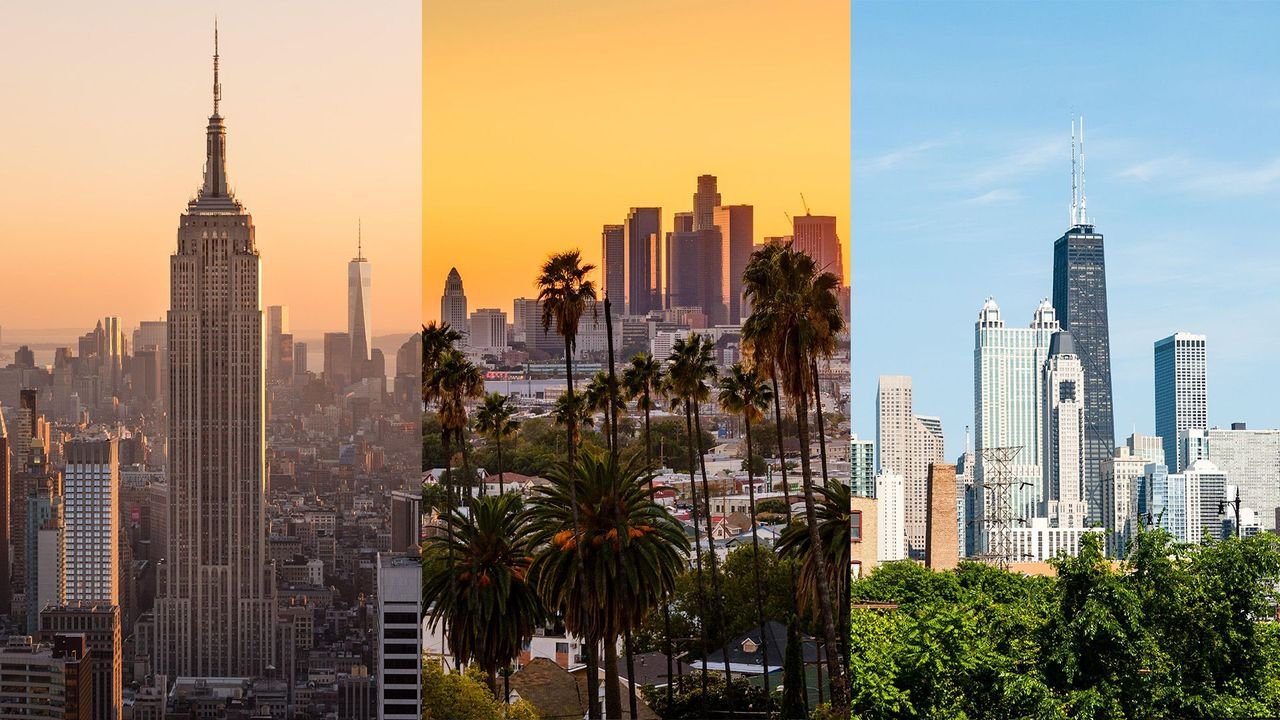
America’s Big Three Cities and the Race for the Fourth Largest City in USA The United States is home to some of the world’s most iconic cities. New York City leads the pack with 8.5 million residents, shaping global culture, finance, and fashion. Los Angeles follows as the nation’s entertainment hub, known for Hollywood, beaches, and laid-back lifestyles. Chicago holds the third spot, famous for its architecture, skyscrapers, and vibrant urban identity. Now, attention turns to which city deserves the title of the fourth largest city in USA, sparking debates among residents and city enthusiasts across the country. With these three cities firmly established, the big question arises: which metropolis should earn the title of the fourth largest city in USA? Across the country, residents are making their case, highlighting history, culture, and influence. Washington DC: A Contender for the Fourth Largest City in USA The nation’s capital was designed to stand apart from the states, built along the Potomac River with a layout by Pierre Charles L’Enfant. Anchored by the National Mall, DC houses the Capitol, Smithsonian museums, and monuments that symbolize American democracy. Residents believe Washington deserves the fourth spot due to its political importance and history. Beyond politics, the city is walkable, connected by an efficient Metro system, and rich in culture. Visitors can explore the U Street Corridor, a hub of Black culture and music, or stop by iconic eateries like Ben’s Chili Bowl. DC offers a mix of history, diversity, and accessibility that few cities can match. San Francisco: Innovation, Culture, and the Fourth Largest City Debate San Francisco blends a rich past with modern innovation. Since the Gold Rush of the 1850s, the city has attracted dreamers and entrepreneurs. Today, it stands as the gateway to Silicon Valley, shaping global technology. Locals point to the city’s creative spirit, multicultural food scene, and stunning landmarks. With its historic Chinatown, sprawling Golden Gate Park, and coastal views, San Francisco is both a tourist gem and a liveable city. The blend of culture and innovation makes it a strong contender for the fourth largest city in USA. Atlanta: A Global Hub Atlanta has risen as a cultural and economic powerhouse. Home to the world’s busiest airport, it attracts millions of travelers each year. The 1996 Olympics transformed the city, fueling growth and establishing it as a modern hub. Known as the “hip-hop capital of the world,” Atlanta thrives on music, sports, and diversity. Major attractions like the Georgia Aquarium, World of Coca-Cola, and the Beltline showcase its energy. From Broadway shows to Beyoncé’s memorable performances, Atlanta’s cultural influence keeps growing. Miami: Competing for the Fourth Largest City in USA Miami ranks high in international tourism and serves as the nation’s gateway to Latin America. With a diverse population—70% Hispanic and Latino—it is one of the most multicultural cities in the US. Locals emphasize Miami’s role in shaping global music, art, and fashion. The city also shines as a sports hub, especially with Lionel Messi’s arrival at Inter Miami CF and its hosting role in the 2026 FIFA World Cup. Colorful neighborhoods like Wynwood add to its vibrant identity. Boston: History and Education Boston, founded in 1630, is one of America’s oldest cities. It shaped the nation’s beginnings and continues to influence through education, innovation, and culture. Home to Harvard, MIT, and dozens of universities, it attracts students and researchers from around the world. The city also charms visitors with its walkable streets, historic landmarks, and seasonal beauty. From autumn foliage to modern dining, Boston blends the old and the new. Residents praise its tight-knit community feel and authentic New England character. Which City Deserves the Fourth Spot? The debate over the fourth largest city in USA highlights the diversity of American urban life. Washington DC offers political power and history, San Francisco thrives on innovation, Atlanta represents cultural energy, Miami shines as an international hub, and Boston preserves heritage while driving education. Each contender has a unique claim, and the discussion reflects just how dynamic and influential US cities are beyond the established top three.

Read More

Neptune Balls Ocean Plastic: How Seagrass Sends Trash Back

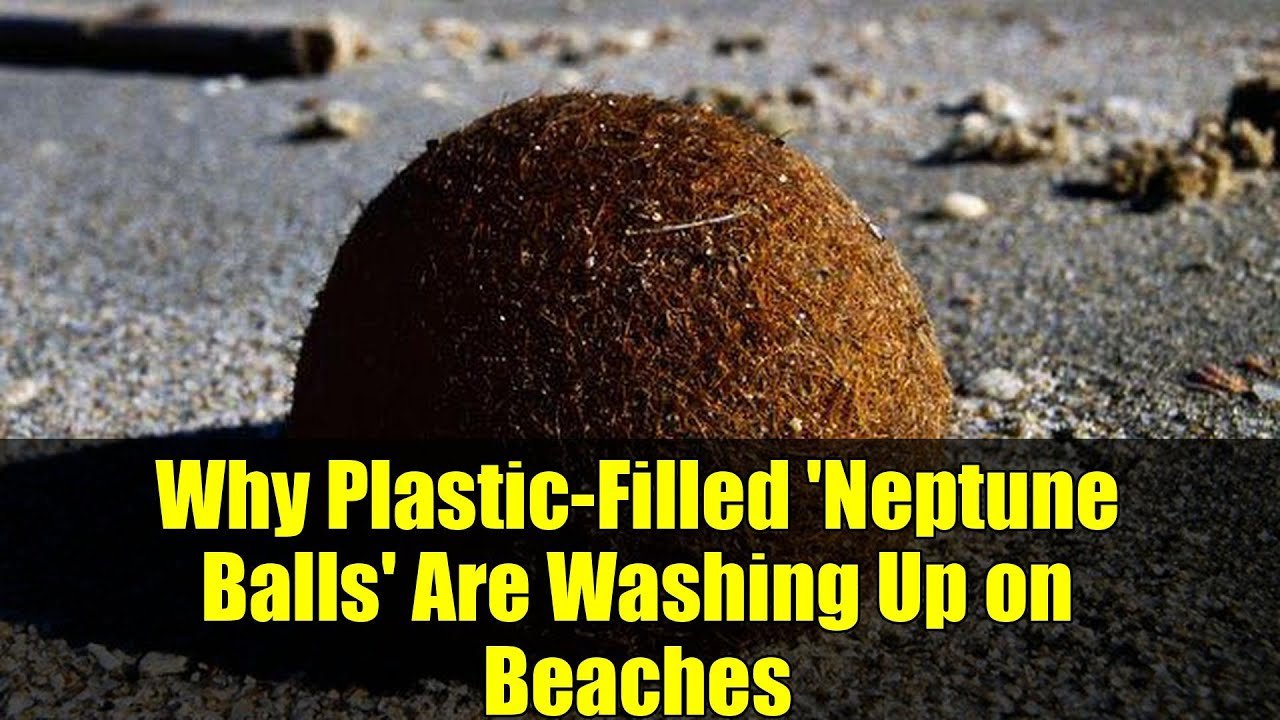
As the threat of microplastics grows worldwide, seagrass meadows in the Mediterranean are quietly playing a surprising role. These meadows form fibrous bundles known as Neptune balls, which are now being recognized as natural collectors of ocean plastic. What Are Neptune Balls Ocean Plastic Bundles? Neptune balls, scientifically called Posidonia oceanica, are dense, spherical bundles made from the fibrous remains of seagrass. While they have long been used traditionally for packaging, bedding, and even insulation, researchers have uncovered another crucial function: helping to trap plastic waste. Microplastics in the Ocean and Seagrass Meadows Microplastics – fragments smaller than 5mm – often come from discarded bags, bottles, fishing nets, and other single-use items. They pose risks to human and environmental health, affecting hormones, bones, and even brain function. Since most plastic pollution originates on land, oceans become the ultimate sink, with seagrass meadows acting as natural filters. How Seagrass Collects and Traps Ocean Plastic The long leaves of Posidonia slow down water movement, allowing carbon, sediments, and unfortunately, microplastics to settle. Over time, the fibrous remains of seagrass intertwine, trapping plastic fragments and forming Neptune balls. Each year, researchers estimate that seagrass meadows in the Mediterranean capture nearly 900 million plastic pieces. Plastic Found in Neptune Balls and Their Impact A study in Mallorca revealed that while only 17% of Neptune balls contained plastic, those that did were densely packed – with as many as 1,500 fragments per kilogram. Larger Neptune balls, sometimes called “monster balls,” were even found to contain sanitary products, wipes, and other heavier plastics. Neptune Balls Ocean Plastic Washed Ashore by the Sea During storms or strong tides, Neptune balls break loose from the seafloor and drift ashore. Scientists describe this process as “the sea returning our trash” – highlighting how the ocean pushes back the waste that never belonged there. Neptune balls ocean plastic. Not a Solution, but a Sign Despite their role, experts warn that Neptune balls should not be seen as a fix for marine pollution. They are a natural byproduct of seagrass ecosystems, not a method of ocean cleanup. If found on beaches, they should be left untouched, as they provide moisture and nutrients to coastal habitats. The Decline of Seagrass Meadows Globally, seagrass coverage has declined by nearly 30% since the late 19th century due to pollution, rising ocean temperatures, invasive species, and coastal development. In the Mediterranean, Posidonia oceanica faces increasing threats from industrial activity and heatwaves. Conservation Efforts to Restore Seagrass Despite challenges, conservation projects such as Spain’s Marine Forest in the Bay of Pollença and the Posidonia Gardeners initiative in Sicily and Malta are working to restore seagrass meadows. These ecosystems not only trap plastic but also absorb carbon dioxide, protect coastlines, and support marine biodiversity. Neptune balls ocean plastic. A Reminder From Nature Neptune balls are a striking reminder of how ecosystems interact with human pollution. While they offer a glimpse of nature’s resilience, they also underscore the urgent need to reduce plastic waste at its source. Seagrass meadows may help filter our mistakes, but long-term solutions lie in reducing plastic use and protecting marine ecosystems.

Read More

Why Wild Venison is a Climate-Friendly Swap for Beef

Discover why wild venison can be a climate-friendly swap for beef. Learn how culling, methane emissions, and local hunting practices make venison a sustainable protein option. Why Wild Venison is a Climate-Friendly Choice Seven years ago, I decided to reduce my meat consumption. While my family enjoyed a final steak dinner before flying home to Costa Rica, I marked it as my farewell to a diet rich in red meat. Since then, my meals have been mostly vegetarian, with occasional seafood or a carefully chosen animal product that has a lower environmental impact. This change came from covering the climate crisis. Foods like mussels or other low-carbon options still appear on my plate regularly. But high-carbon meats, such as beef and pork, are rare indulgences, reserved for festive occasions or nostalgic cravings. For me, eating sustainably isn’t about eliminating meat entirely, but about reducing emissions tied to food choices. That approach has been challenged and reshaped since I moved to Scotland—where venison has become part of the sustainability debate. Deer Populations and the Case for Sustainable Venison Scotland is home to nearly a million wild deer, almost double the number recorded in 1990. With natural predators such as wolves and lynx long gone, deer populations have expanded unchecked, leading to overgrazing and damage to woodlands. To protect ecosystems, government agencies and landowners cull deer annually. This creates a surplus of wild venison—raising the question: could eating this meat actually help the climate? Wild Venison Climate-Friendly: Carbon Footprint Compared to Beef Beef is one of the most carbon-intensive foods, responsible for about 5% of global greenhouse gas emissions. Cattle farming drives deforestation, releases large amounts of methane, and requires significant resources for grazing and feed production. Producing 100 grams of protein from beef releases an average of 25kg of CO2 equivalent (CO2e). In contrast: Where does wild venison fit in? A 2024 study commissioned in Scotland estimated that 100 grams of protein from wild venison results in 11.9kg of CO2e. This is significantly lower than beef but higher than chicken and pork. Wild Venison Climate-Friendly? The Methane Debate The high footprint for venison comes mainly from methane produced by deer. As ruminants, they digest food in multiple stomach chambers, releasing methane just like cows. But here’s the key debate: should we count methane from wild deer toward the carbon cost of venison? Unlike cattle, wild deer are not bred for human consumption. They would produce methane regardless of whether they are culled. Many experts argue that since venison is a byproduct of necessary culling, its methane should not be treated the same as livestock emissions. If methane from wild deer is excluded, venison’s footprint drops dramatically—making it more sustainable than beef, chicken, and pork. Hunting Efficiency Matters Another factor influencing venison’s climate impact is the efficiency of hunters. Studies show that travel fuel for hunters accounts for up to 90% of venison’s non-methane emissions. For example, in one case study, many hunters traveled long distances but failed to cull any deer. If fewer, more skilled hunters covered the same territory, the carbon footprint of venison could be cut nearly in half. This raises important questions: should hunting licenses prioritize skilled shooters, or should more training be offered to reduce unnecessary travel and emissions? Limits of Scaling Venison Consumption Even if every deer in Scotland were culled, venison could only provide a fraction of the country’s total meat demand. Similar studies in the US found that all wild game harvested nationally made up only about 3% of total meat calories consumed. wild venison climate-friendly. This means venison cannot replace industrial meat at scale. Instead, it works best as a local, niche, climate-conscious alternative where deer overpopulation is already a problem. Venison and Forest Carbon Storage Beyond emissions, deer heavily influence carbon storage in forests. They browse on seedlings and saplings, slowing woodland regeneration and reducing the ability of forests to capture and store carbon. In Scotland, deer impact was recorded on up to 20% of young trees. Managing deer numbers through culling improves forest health, which in turn boosts carbon sequestration. Eating the venison generated by these culls supports ongoing woodland recovery efforts. Can Venison Become a Mainstream Choice? Challenges remain before wild venison can be widely adopted. Price, availability, and unfamiliarity in cooking prevent many households from choosing it over more common meats. Yet, experts argue that encouraging venison consumption can reduce waste from culling programs and provide a lower-carbon meat option. For those unwilling to give up meat altogether, venison offers a compromise—satisfying taste preferences while aligning more closely with climate goals. wild venison climate-friendly. Conclusion: A Pragmatic Climate-Friendly Swap Wild venison is not a magic solution for the global meat industry. But in regions like Scotland, where deer overpopulation damages ecosystems, it represents a practical, lower-carbon swap for beef.

Read More

Bittern Breeding Record at Middleton Lakes: Rare Birds Thrive

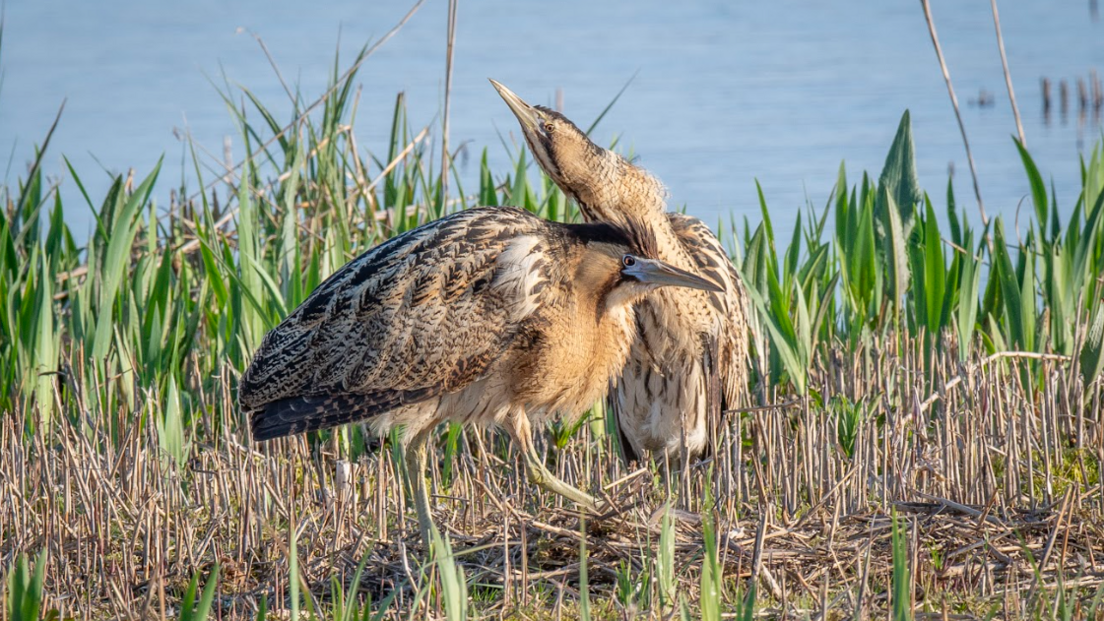
Bittern Breeding Record Marks Thriving Season at Middleton Lakes Middleton Lakes in Staffordshire has marked a record-breaking breeding season for one of the UK’s rarest birds: the bittern. Once extinct in Britain, bitterns have made a remarkable comeback thanks to dedicated conservation efforts. In 1997, only 11 booming males were recorded in the country, highlighting the species’ fragility. This year, the RSPB confirmed two males and two active nests at Middleton Lakes. At least five chicks have fledged so far, though the exact number remains uncertain due to the birds’ secretive habits. Despite their elusive nature, male bitterns are known for their loud, booming calls, which can travel up to three miles to attract a mate. Conservation Efforts Drive Bittern Breeding Record in the West Midlands Careful habitat management has played a pivotal role in the bitterns’ recovery. Since bitterns successfully bred in the West Midlands for the first time in over a century in 2021, Middleton Lakes has continued to see fledging each year. Kate Thorpe, site manager at RSPB Middleton Lakes, says, “We are thrilled to see bitterns and other wading birds thrive. This highlights how resilient habitats can help species bounce back even with the challenges posed by climate change.” Wader Breeding Success Adds to Record-Breaking Year Middleton Lakes has also celebrated significant success for other wading birds. Avocets have raised ten families totaling 16 chicks, while lapwings have produced 14 young from 11 pairs. Other wader species at the reserve have also fledged chicks this season, reflecting the effectiveness of RSPB’s habitat management and favorable weather conditions. Bittern Breeding Record. From Quarry to Wildlife Haven Once a gravel quarry, Middleton Lakes was transformed into a sanctuary for wildlife when the RSPB took over in 2007. Over the years, the reserve has become a vital refuge for threatened birds and an example of how careful conservation can restore ecosystems.Bittern Breeding Record. Thorpe adds, “Our success shows that protecting and improving habitats pays off. Every chick that fledges represents hope for the future of these iconic birds.”

Read More

Best science pictures of the week: Interstellar comet, caterpillars

Best science pictures of the week at a glance The best science pictures of the week highlight breathtaking sights from Earth and space. They feature an interstellar comet, fiery wildfires, glowing marine animals, and mysterious caterpillars. Record warm seas feature in the best science pictures of the week Britain’s seas recorded their warmest start to the year ever. Average temperatures from January to July were 0.2°C higher than any year since the 1980s. The unusual warmth has brought bluefin tuna and salps to UK waters. Salps are glowing, jelly-like animals that rarely appear so far north. Experts link these changes to the growing effects of climate change on marine life. An interstellar comet races through the Solar System NASA’s Hubble Space Telescope captured the clearest image yet of comet 3I/Atlas, a rare interstellar visitor. The comet races through space at 130,000 miles (209,000 km) per hour, the fastest ever recorded. Astronomer David Jewitt compared spotting it to “glimpsing a bullet for a fraction of a second.” Its origin remains a mystery. Hairy caterpillars and their mysterious cycles Every ten years, Western tent caterpillars swarm across British Columbia, Canada, then vanish without a trace. Professor Judith Myers has studied them for five decades. Her research shows that a species-specific virus drives their population cycles. Despite warming conditions, these caterpillars show surprising resilience to climate change. Europe faces devastating wildfires Southern Europe has endured record heatwaves, with parts of Spain, Portugal, France, and Italy reaching 40°C (104°F). The scorching temperatures sparked dozens of wildfires. Thousands of people were forced to evacuate their homes. Scientists warn climate change is creating longer and more intense fire seasons. Europe’s average temperature has risen twice as fast as the global average since the 1980s. The Perseid meteor shower lights up the night sky The Perseid meteor shower gave skywatchers across the northern hemisphere a dazzling show. The meteors are dust particles from comet Swift-Tuttle, which orbits the Sun every 133 years. Each August, Earth crosses the comet’s debris trail, creating one of the brightest and most reliable meteor showers.

Read More

Southern Small White butterfly in UK spotted for first time

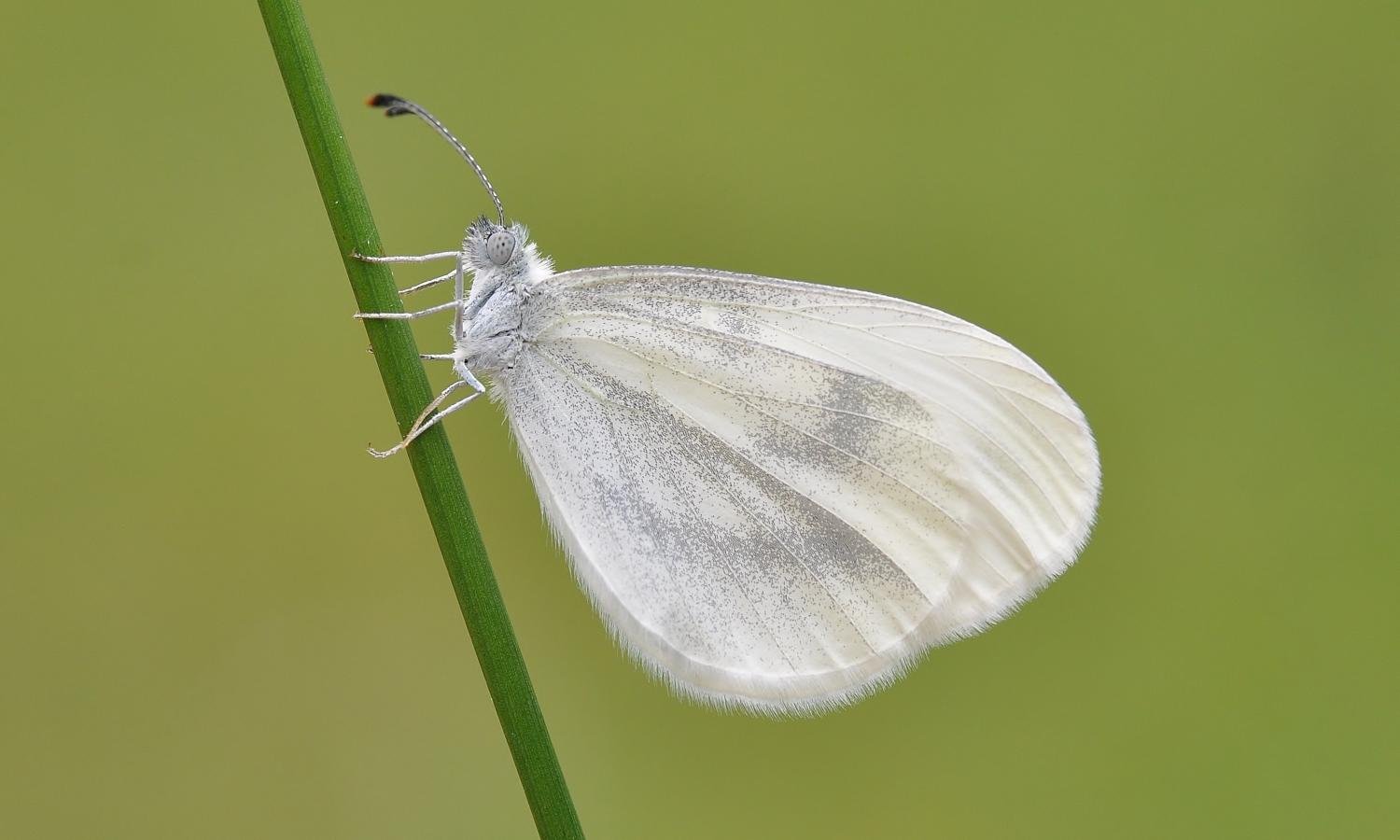
Southern Small White butterfly in UK spotted for the first time For the first time, the Southern Small White butterfly in UK has been officially recorded. A volunteer at Landguard Bird Observatory in Suffolk photographed the butterfly on 2 August, marking a historic arrival for this species previously confined to warmer regions of Europe. Southern Small White butterfly expanding its range across Europe Once limited to southern and south-eastern Europe, the butterfly has been steadily extending its territory northward over recent decades. It was first noticed north of the Alps in France and Germany in 2008, reached the Netherlands in 2015, and was recorded in Calais by 2019. Experts believe climate change has played a major role in its expansion. However, early models published in the Climatic Risk Atlas of European Butterflies (2008) suggested the species would not appear in northern Europe until after 2050, even under severe warming scenarios. Its arrival far earlier than expected has surprised many conservationists. Key identification features The Southern Small White can be distinguished from the more common Small White butterfly. Its dark spot on the edge of the forewing extends lower, aligning with the circular spot further down. This subtle difference allows experts to confirm sightings with accuracy. An “ecological leap” northward Dr Dan Hoare, Director of Nature Recovery at Butterfly Conservation, described the butterfly’s arrival as an “ecological leap.” “Southern Small White has spread rapidly, colonising regions from the Swiss Alps to the North Sea within a decade. It has moved north at nearly 100 kilometres a year—an extraordinary pace,” he explained. This rapid movement sets it apart from other butterflies occasionally blown into the UK, which do not represent broader ecological shifts. Will it become a resident species? Whether the Southern Small White butterfly in UK establishes a long-term presence remains uncertain. Its caterpillars feed primarily on Candytuft, a garden plant that is not widely grown across Britain. Without an abundant food source, the species may not be able to sustain breeding populations. At present, the sighting is considered a remarkable one-off record rather than proof of colonisation. Unlike migratory species, the Southern Small White has never previously travelled to the UK and has not yet been observed reproducing here.

Read More

Great Barrier Reef Coral Decline Reaches Record Levels in 2025

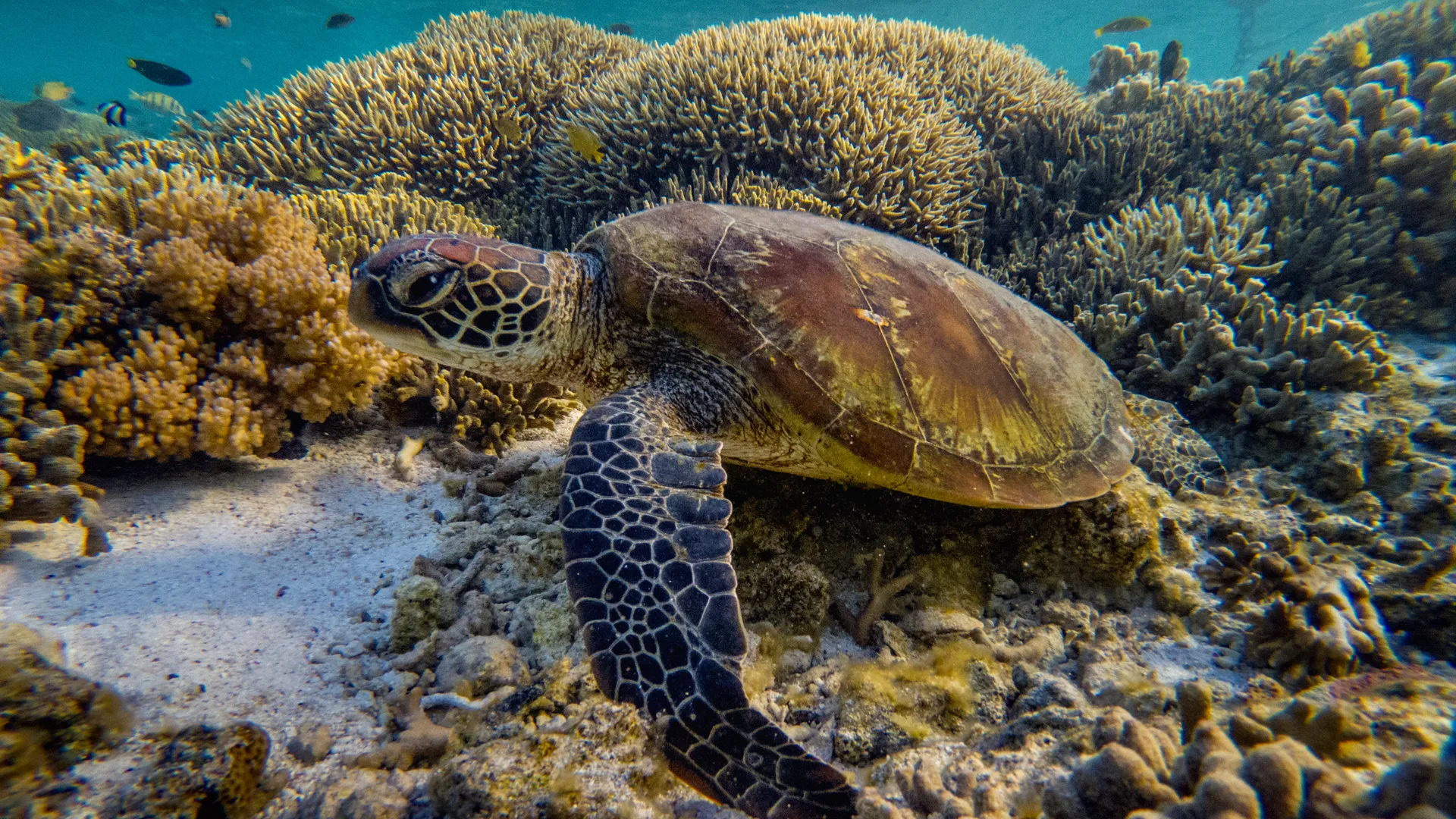
Great Barrier Reef Coral Decline Unfolds into National Crisis The Great Barrier Reef coral decline has reached unprecedented levels in 2025, according to the latest marine health reports. Stretching over 2,300 kilometers along Australia’s northeastern coast, the reef—long hailed as the world’s largest living structure—is now facing its most severe coral degradation since monitoring began nearly 40 years ago. Extreme Heat Triggers Widespread Coral Bleaching in Great Barrier Reef Surveys conducted between August 2024 and May 2025 revealed extensive bleaching across the reef’s northern and southern regions. Experts point to extreme heat stress, fueled primarily by climate change, as the dominant factor in the widespread coral loss. Warmer waters have pushed many coral species beyond their thermal limits, resulting in bleaching events where corals expel their symbiotic algae and turn ghostly white. Frequent Disasters Hinder Coral Recovery in Great Barrier Reef The Australian Institute of Marine Science (AIMS) warned that the reef may be approaching a tipping point. If environmental conditions continue to deteriorate, corals might not recover fast enough between events like heatwaves, storms, and starfish outbreaks. The report suggests the reef now faces a “volatile and uncertain future.” Acropora Coral Species Hit Hard Among the most affected species are Acropora corals, known for their fast growth but also their vulnerability to heat stress. These branching corals also happen to be a preferred food source for crown-of-thorns starfish, further compounding their decline. Starfish Infestations Accelerate Coral Decline in Great Barrier Reef Despite some success with starfish control programs, these creatures remain a major threat. Capable of consuming large swathes of coral, their population has surged due to nutrient run-off from agricultural activities. In 2025, no major outbreaks were recorded in central reef zones, largely thanks to continued efforts to inject starfish with ox bile or vinegar, curbing their growth. Dual Disaster: Ningaloo Reef Also Bleached For the first time ever, both the Great Barrier Reef and Ningaloo Reef—Australia’s second-largest coral system—experienced simultaneous bleaching in 2025. The dual event underscores the scale of ocean warming across the region and raises alarms about the long-term sustainability of coral ecosystems. What Causes Coral Bleaching and Great Barrier Reef Coral Decline? Coral bleaching occurs when water temperatures exceed normal levels for extended periods. If the ocean warms just 1°C above a coral’s thermal limit for two months, the coral becomes stressed and may bleach. Prolonged exposure or higher temperatures can lead to irreversible damage and death. Climate Change and El Niño: A Deadly Combination While climate change remains the primary driver of ocean warming, natural cycles like El Niño amplify its effects. The result is prolonged periods of warm water across tropical seas, triggering more frequent and severe bleaching episodes. Great Barrier Reef coral decline. A Call for Global Action Environmental experts warn that without bold climate action, the Great Barrier Reef could suffer irreversible damage. Richard Leck of a global conservation organization noted that some reefs globally have already passed the point of no return. The Great Barrier Reef might be next if emissions are not rapidly curtailed. Coral’s Role in Marine Ecosystems Often referred to as the “architect of the sea,” coral plays a critical role in marine biodiversity. Coral reefs are home to around 25% of all marine species, making their protection vital not just for Australia, but for the health of global oceans. A Legacy at Risk: Heritage and Biodiversity Having been heritage-listed for over 40 years, the Great Barrier Reef is a global icon. But with warming seas and increasing pollution, it now faces a growing threat. International bodies have raised concerns that it could soon be reclassified as “in danger”, reflecting its deteriorating condition. Is Recovery Still Possible? Despite the grim outlook, researchers remain hopeful. Coral has shown the ability to rebound—but only when environmental stressors are reduced. Recovery depends on reducing emissions, limiting coastal pollution, and controlling starfish outbreaks. “The reef has shown an incredible ability to recover when given the chance,” said a lead marine scientist. “But time is running out.” Great Barrier Reef coral decline.

Read More

Cloudburst Triggers Floods in India, Dozens Feared Trapped

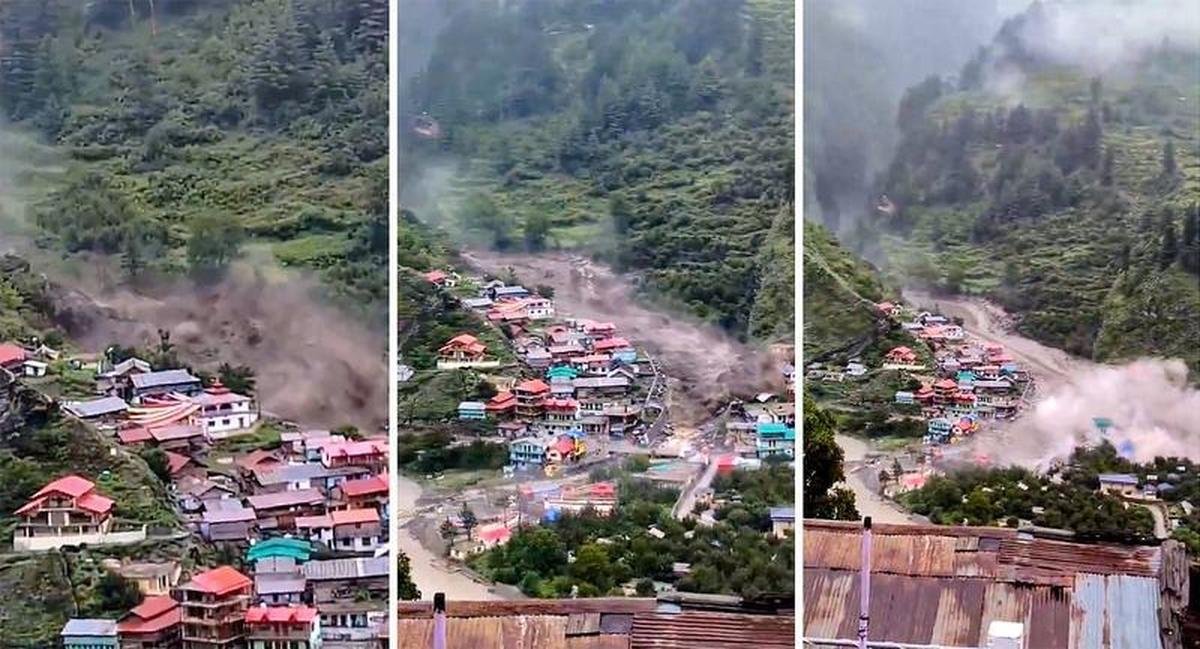
Cloudburst triggers floods in India, causing devastation in Dharali village of Uttarkashi district, Uttarakhand. The sudden and intense rainfall has left dozens feared trapped under debris and mud as rescue operations intensify. Tourist Hub Turns Disaster Zone A giant wave of muddy water slammed into Dharali, a popular tourist destination known for its hotels, resorts, and eateries. The flash flood swept through the area, damaging buildings and cutting off roads. Dramatic footage captured by locals shows water gushing through narrow streets. People screamed and shouted warnings as the flood surged, giving residents no time to flee. Historic Temple Damaged in Uttarakhand Floods Eyewitnesses saw slush covering many buildings. They also believe the ancient Kalpkedar temple suffered damage. Some fear thick layers of mud and water may have buried it. Rescue Teams Mobilize After Cloudburst Triggers Floods Personnel from the Indian Army and paramilitary forces, including the Indo-Tibetan Border Police (ITBP), have reached the disaster zone. Officials say rescue teams are working continuously, but heavy rain and rough terrain are slowing them down. Some of the injured are receiving emergency treatment at a nearby army camp in Harsil, just 2km away from Dharali. Government Acts After Cloudburst Triggers Floods in India Prime Minister Narendra Modi expressed his condolences to the affected families. In a social media post, he stated that all possible rescue and relief efforts are underway. He assured that no stone would be left unturned in assisting the victims. Cloudburst triggers floods in India. Prashant Arya, a senior district official, said that communication remains patchy due to poor connectivity. He confirmed that more rescue teams are now on the ground to support ongoing efforts. What is a Cloudburst? A cloudburst is an extremely heavy downpour over a limited area in a short period. It often causes flash floods in hilly terrains. In this case, the Kheerganga River overflowed rapidly, inundating roads, homes, and shops across Dharali. Rains Continue to Hamper Rescue Heavy rainfall continues to lash the region, making rescue operations more difficult. Authorities are concerned about more landslides and further water accumulation if the rain does not subside.

Read More