Venomous Snakes Strike: How Fangs and Venom Kill Prey

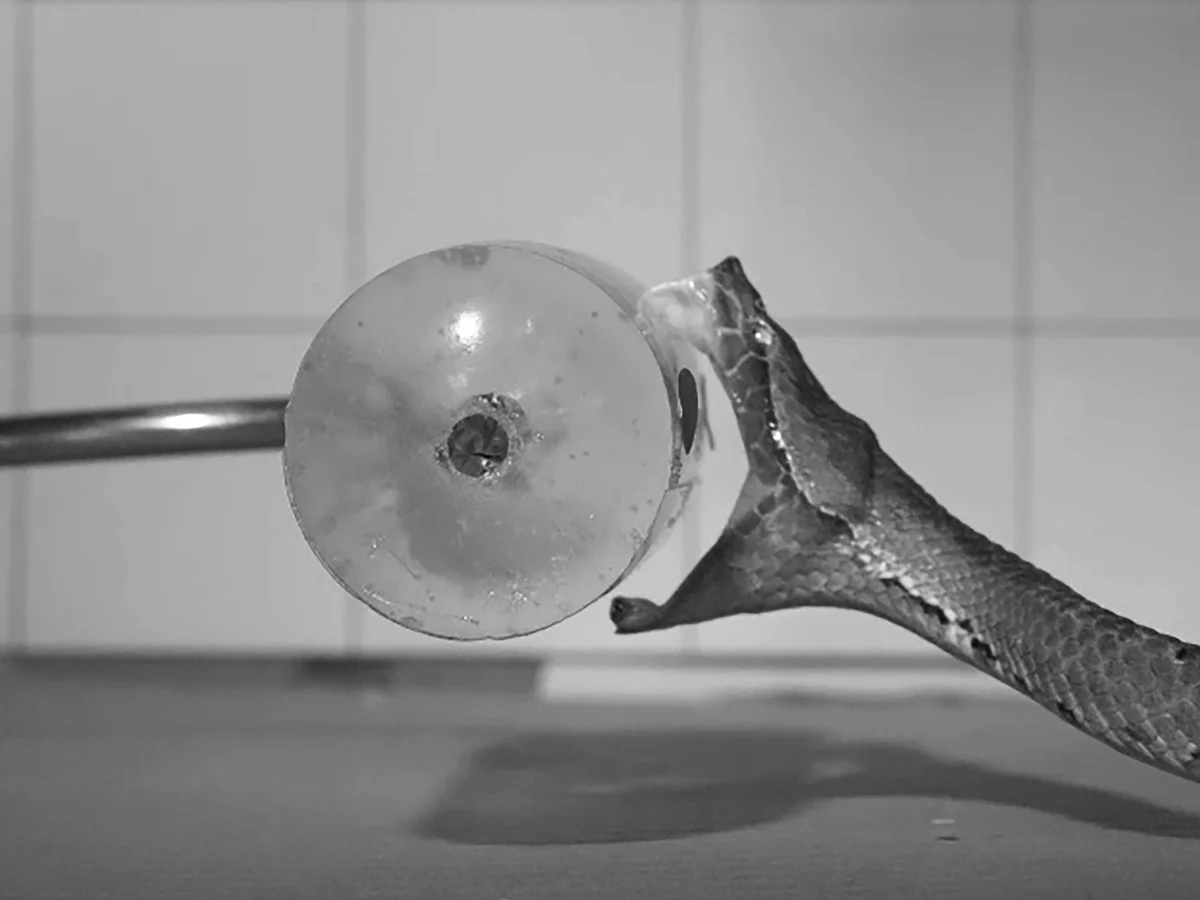
Venomous Snakes Strike in Record Time Venomous snakes strike with astonishing speed, sinking their fangs into prey in as little as 60 milliseconds. This rapid attack is essential to prevent prey from escaping, especially when hunting small rodents. Recent research has captured high-speed footage of 36 venomous snake species striking objects that mimic human skin and muscle, filmed at 1,000 frames per second, providing unprecedented insight into their hunting mechanics. Vipers: Precision and Fang Movement Viper species, such as the sharp-nosed pit viper (Deinagkistrodon acutus), strike within 100 milliseconds, walking their fangs forward to achieve the perfect angle before injecting venom. “When vipers strike, they can unfold their fangs at just the right moment,” explains Prof. Alistair Evans. This precise fang deployment ensures maximum venom delivery while minimizing the risk of injury to the snake. Elapids: Repeated Bites for Effective Venom Delivery Elapid snakes, including species like the rough-scaled death adder (Acanthophis rugosus) and Cape coral snake (Aspidelaps lubricus), often sneak up on their prey and strike multiple times. Elapids have permanently erect fangs, which are shorter than vipers’. Multiple strikes help contract the muscles around their venom glands, delivering venom efficiently over several bites. This family also includes cobras, mambas, and taipans, known for their rapid and lethal strikes.https://www.youtube.com/watch?v=JLJt6z6Q5aE Colubrids: Rear Fangs and Jaw Rotation Colubrids, such as the mangrove snake (Boiga dendrophila), have fangs located toward the back of their mouths. To inject venom, they must open their jaws wider and saw or rotate their jaws, cutting into the prey to maximize venom penetration. This strategy allows colubrids to deliver venom effectively despite their less specialized fang structure. Fang Loss During Feeding High-speed observations revealed that snakes occasionally lose fangs when striking too quickly. For example, a blunt-nosed viper (Macrovipera lebetina) was observed losing a fang when it reached its prey too fast. “Fang loss is common and not dangerous, as snakes continuously replace fangs throughout their lives,” Prof. Evans notes. Previous studies have also found fangs in snake droppings, showing that broken fangs are swallowed and replaced naturally. Implications for Conservation and Research Understanding how venomous snakes strike is crucial for conservation. By knowing their diet, hunting techniques, and behavior, researchers can develop more effective protection strategies for these species. Dr. Silke Cleuren, lead researcher, and her team at Venomworld in Paris emphasize that slow-motion footage fills knowledge gaps in snake behavior. Dr. Alessandro Palci of Flinders University adds: “Strike behavior correlates closely with fang anatomy, confirming differences between viperids, elapids, and colubrids.” Conclusion Venomous snakes strike with remarkable precision and adaptability. From vipers’ unfolding fangs to elapids’ repeated bites and colubrids’ jaw rotation, these strategies ensure survival and effective venom delivery. High-speed studies of their hunting provide not only fascinating insights but also critical data for conservation and species protection.

Read More

Elephant Migration Routes Blocked Amid Deadly Clashes

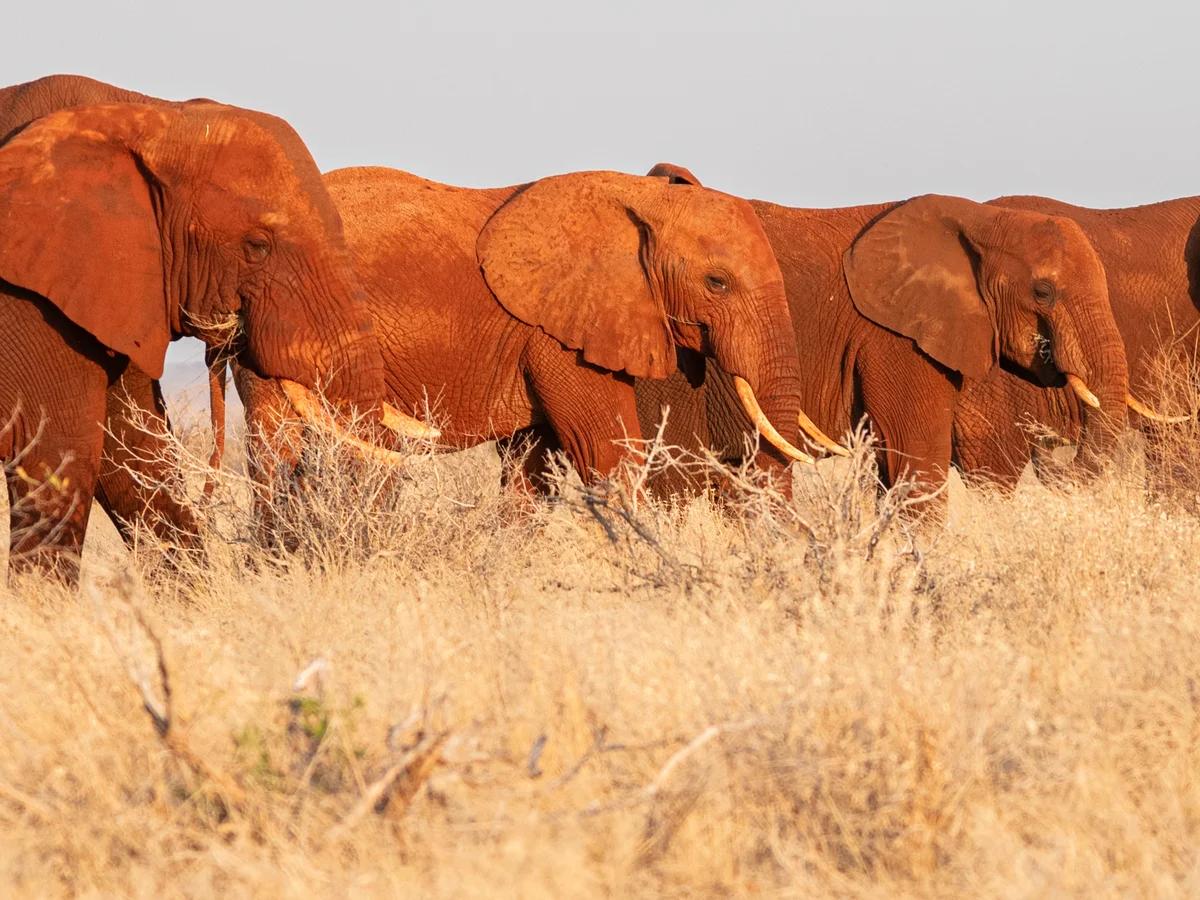
Elephant Migration Routes Blocked – Rising Death Toll Alarms Experts Ancient Paths Cut Off by Development At nearly 3.5 metres tall and as heavy as a bus, you could easily assume Goshi – one of fewer than 30 remaining African “super‑tusker” elephants – would stand out. But in the dry, grey scrub of northern Kenya, even his radio tracker beeps that he’s within 200 metres, and he remains almost invisible.For thousands of years, elephants have followed seasonal rains across vast distances. But today, many of the elephant migration routes blocked by highways, railways, fences and expanding human settlements are disrupting those ancient movements. Human‑Wildlife Conflict Overtakes Poaching In Kenya’s vast rangelands, the true crisis isn’t just ivory poachers anymore — conflict between people and elephants has become the more deadly threat. The destruction of crops, raids at night, and fatal encounters are on the rise. One village elder described how his teenage son was attacked just metres from home while herding goats. The bull elephant struck so fast that escape was nearly impossible.https://www.youtube.com/watch?v=PkuWF70tvuw Why Migration Routes Are Being Blocked Life on the Frontline: Communities Adapt In Oldonyiro village, which sits on a key passageway for migrating elephants, life has shifted. Fields of cassava are uprooted overnight, children play near trails once used only by animals, and villagers stay alert through the night.But some communities are fighting back with innovation. Farmers have installed beehive fences — strands of beehives spaced around fields that deter elephants with buzzing bees. Research shows these fences can reduce crop raids by up to 86 % under the right conditions. Can Anything Stop the Rising Death Toll? Preventing fatalities on both sides means restoring and protecting migration corridors, improving early‑warning systems, and involving local people in solutions rather than sidelining them. Groups like the World Wildlife Fund highlight that restoring natural movement paths is key to reducing conflicts. Solutions include: Wider land‑use planning that keeps space for wildlife. Mapping and protecting existing elephant routes. Encouraging farmland fencing and deterrents. Community‑led monitoring of elephant movement.

Read More

Sydney Blistering Weather Heat Sparks Fire and Wind Alerts

Record-Breaking Heat Scorches Eastern Australia Sydney blistering weather heat has taken hold as temperatures soar across eastern Australia. Forecasts show Sydney could reach 39°C, which would break the previous October record of 38.2°C. On Tuesday, both New South Wales and Queensland experienced their hottest October days since records began in 1910. Birdsville in Queensland hit 46.1°C, while Bourke in NSW recorded 44.8°C. Forecast Points to “Blistering Day” in Sydney A senior meteorologist warned of a blistering day across eastern Australia. Temperatures in Sydney suburbs are also expected to climb into the high 30s, with some areas possibly hitting 40°C. By early afternoon, the CBD reached 36.8°C. Rising inland winds continued to drive hot air towards the coast, pushing temperatures higher through the day.https://www.youtube.com/watch?v=io8x_2MDadU Strong Winds Compound Weather Risks While the east copes with heat, southern states are facing strong winds. A low-pressure system sweeping across Bass Strait is bringing gusts up to 130km/h along Victoria’s southwest coast. Melbourne faced widespread winds between 90km/h and 100km/h. Coastal areas and the Dandenong Ranges reported even stronger gusts. Authorities have issued emergency warnings urging residents to prepare for fast-changing conditions. Fire Danger High as Heat Builds Extreme heat and high winds have prompted total fire bans in Greater Sydney, the Hunter region, Illawarra, Shoalhaven, and parts of western NSW. By Wednesday afternoon, 37 bush and grass fires were burning across NSW, with 13 still uncontrolled. Officials warned that the combination of heat, wind, and dry vegetation increases the risk of fast-moving fires. Health and Safety Precautions Urged NSW Health urged residents to take precautions during the Sydney blistering weather heat. Vulnerable individuals, including the elderly and those with medical conditions, are especially at risk. To stay safe, authorities recommend remaining indoors during peak heat, keeping blinds closed, drinking water regularly, and avoiding physical activity outdoors. Symptoms of heat stress—such as fatigue, nausea, dizziness, and cramps—should be treated immediately. Heatwave Driven by Climate and Weather Patterns Meteorologists explained that the intense heat developed after hot air built up over Western Australia and the inland Northern Territory. A strong southern weather system has pushed that heat across the country. Southeast Queensland is expected to see its hottest day on Thursday, with the heat likely to persist into the weekend.

Read More

Sponge City Strategy to Tackle UK Flood Risk

IWhy a Sponge City Flood Strategy Matters The Sponge City flood strategy is gaining attention across the UK as climate change intensifies rainfall and increases flood risk. Although the government recently pledged a “record” £10.5 billion in funding, experts argue that this falls short. To truly protect homes and communities, we urgently need bold, nature-based solutions. Record Pledges vs. Rising Risk While £10.5 billion over ten years is a headline figure, it fails to match the escalating threat. Recent flood risk assessments show that the danger is growing faster than funding. At the same time, over £100 billion will be spent on water and sewage infrastructure in just five years. This comparison reveals how severely underfunded flood protection remains. Reforestation Is Essential To reduce flooding, the UK must prioritise reforesting upper catchments. Trees naturally slow runoff and help absorb excess water.https://www.youtube.com/watch?v=nf-Yy3EuZi0 However, the government has yet to implement its promised land-use framework. Additionally, its sustainable farming subsidy, which supports water management practices, remains paused. These delays stall urgently needed progress. Introduce Sponge City Designs in Urban Areas New developments should adopt Sponge City flood strategy elements such as: These features slow surface runoff and reduce pressure on drainage systems. Although towns like Slough have already piloted these designs, national implementation is slow. Some departments argue that mandating these features could slow down housebuilding. Nevertheless, long-term flood resilience depends on their adoption. Fix the Policy Gap: Reform the Sequential Test Currently, the sequential test requires new developments to be placed in low-risk flood areas. Yet many local authorities don’t have timely access to flood data. As a result, developers face sudden planning rejections—often after significant investment. To solve this, the government should align housing and flood policy. Developers could be allowed to build in medium-risk areas—if they include strong, built-in flood mitigation features. Support Local Councils with Tools and Training Many councils lack the tools, data, or expertise to assess flood risk effectively. This creates delays and weakens flood prevention planning. To address this, the government must: This assistance will help councils make faster, more informed decisions that align with both housing goals and climate resilience.

Read More

Australian Rainforest Carbon Shift Raises Global Alarm

Australian Rainforest Carbon Shift Marks Global First Australian rainforest carbon shift has been confirmed, marking the first known case of a tropical forest transitioning from a carbon sink to a carbon source. Researchers say this transformation is the result of hotter and drier conditions, which have caused more trees to die and less new growth to occur. The change, first observed around 25 years ago, primarily affects tree trunks and branches in Queensland’s tropical forests. Roots, however, continue to function as carbon sinks. Carbon Storage in Crisis Tropical trees usually store carbon while growing and release it only when they decay. For decades, these forests have been critical carbon sinks, absorbing more CO₂ than they emit. However, nearly 50 years of data from Queensland now show that these forests have become net carbon emitters. This Australian rainforest carbon shift is largely due to increased tree mortality and insufficient new tree growth. Dr. Hannah Carle, lead author from Western Sydney University, noted: “This is the first tropical forest globally to show a long-term switch from sink to source.” A Preview of What’s to Come? Australia’s tropical forests naturally exist in warmer and drier climates than those in South America, Africa, or Asia. That makes them a potential warning system for what may occur elsewhere under climate change. Prof. Adrienne Nicotra from the Australian National University emphasized the urgency: “Further global research is needed. If similar shifts happen in other tropical forests, the global carbon cycle could be at serious risk.”.https://www.youtube.com/watch?v=pjT1dVuHQBQ Impact on Climate Models and Policies According to climate expert Prof. David Karoly, who was not involved in the study, this shift represents a critical tipping point. He explained that many climate models assume forests will continue absorbing increasing levels of atmospheric CO₂. But if these assumptions are wrong, global warming could accelerate faster than projected. “If this trend becomes global, climate projections may seriously underestimate future warming,” said Karoly. Even though these forests still absorb some carbon, their reduced capacity makes carbon neutrality targets much harder to reach.. The Value of Long-Term Forest Data This discovery comes from nearly five decades of field research involving over 11,000 trees at 20 sites in Queensland. The study focused on above-ground biomass—mainly trunks and branches—though it did not assess below-ground storage in soil and roots. Dr. Raphael Trouve from the University of Melbourne, who was not involved in this study, praised the use of long-term data: “These studies allow us to test theories against real-world outcomes. We assumed forests would store more carbon as CO₂ rises—but that’s not happening.” Trouve’s own work in Victoria’s mountain ash forests has similarly shown rapid forest thinning under hot, dry conditions.orests still absorb some carbon, their reduced capacity makes carbon neutrality targets much harder to reach.. What Happens Next? The Australian rainforest carbon shift signals a turning point in how scientists understand carbon storage and forest resilience. If other tropical forests follow the same path, global climate strategies may need urgent revision. This research also underscores the importance of reducing fossil fuel emissions. With less natural carbon absorption from forests, humanity has less room for error.

Read More

Coral Reefs Tipping Point Reached: Climate Crisis Unfolds

The Coral Reefs Tipping Point: A Climate Red Flag The coral reefs tipping point has officially arrived. A major global report confirms that soaring greenhouse gas emissions have pushed warm-water reef ecosystems beyond their ability to recover. As a result, mass coral die-offs are accelerating, threatening marine life and the livelihoods of millions of people. This event marks the first collapse of a major global ecosystem due to climate change. Why This Tipping Point Signals a Global Emergency A team of 160 scientists from 23 countries released this landmark report, highlighting coral reefs as the first planetary ecosystem to cross a catastrophic climate threshold. If the world fails to reduce global temperatures quickly, most warm-water reefs could vanish within decades. Moreover, the disappearance of coral reefs will ripple across environmental, economic, and human systems. This makes it a clear signal that the planet is entering dangerous territory. Bleaching at Scale: The Coral Crisis So Far Since early 2023, coral reefs have endured the worst global bleaching event ever recorded. More than 80% of reefs across 80+ countries have suffered from dangerously high ocean temperatures. Researchers estimate that reefs reached their tipping point between 1.0°C and 1.5°C above pre-industrial temperatures, with a central estimate at 1.2°C. Currently, global temperatures hover around 1.4°C, placing coral ecosystems at extreme risk. Ripple Effects: From Ocean Life to Human Lives Crossing the coral reefs tipping point affects much more than marine ecosystems. It brings serious consequences for people and economies:.https://www.youtube.com/watch?v=7AI7geRxfHc Additionally, this could trigger tipping points in other systems like the Amazon rainforest, Greenland’s ice sheet, and vital ocean currents such as the AMOC. Scientific Perspectives: Is There Still Hope? Despite the alarming data, some scientists believe recovery is still possible in certain reef regions. Climate refugia—areas naturally resistant to ocean warming—could serve as vital hubs for reef survival and regrowth. However, experts caution against assuming reefs will recover on their own. Suggesting the situation is hopeless might reduce public support for conservation, which is urgently needed. What Can We Do? Urgent Global and Local Solutions To prevent total collapse and reverse the coral reefs tipping point, scientists urge: These strategies, implemented together, offer a chance to restore reef ecosystems and prevent further climate tipping points

Read More

Everest 2025 Rescue: Trekkers Survive Heavy Snowstorm

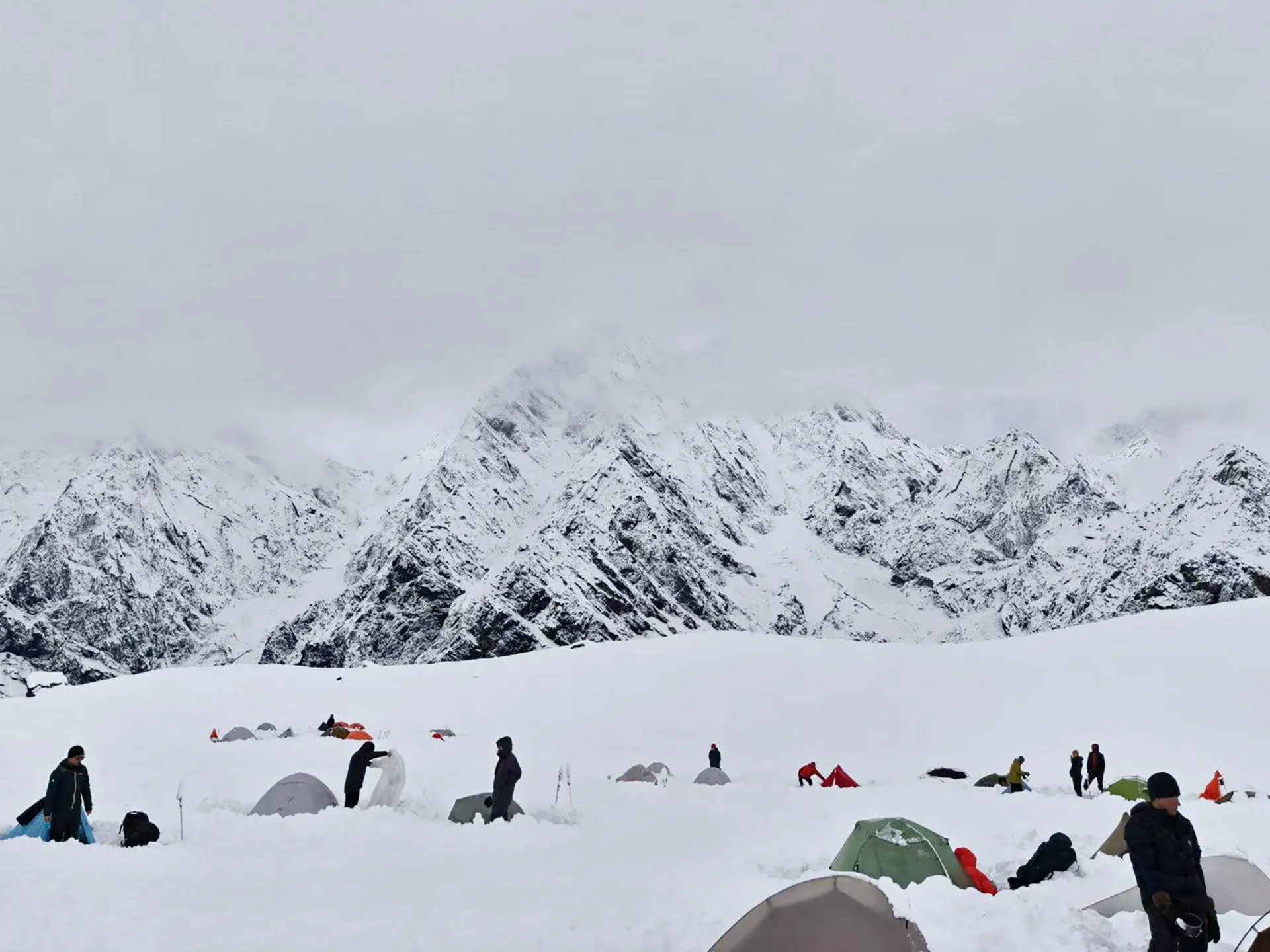
Everest Rescue 2025: Trekkers Trapped by Heavy Snowstorm on Eastern Slopes During the massive 2025 Everest rescue, over 1,000 hikers were stranded amid a sudden and intense snowstorm on the mountain’s eastern side. Local villagers, yak herders, and guides teamed up to bring the trekkers to safety through harsh conditions. Sudden Snowstorm Stops Everest Treks in 2025 In early October, just before China’s national holiday, groups of trekkers set off despite weather warnings. Shu Wei, a mountain guide leading one group, grew concerned as the snow deepened. “By 8pm, it was knee-deep and kept falling all night,” he said. Stranded Trekkers Face Severe Winter Conditions The heavy snowfall trapped trekkers in their tents for days. Wu Bin, one of the hikers, described snow piling up nearly blocking his tent windows. Guides gathered everyone in a dining tent to stay warm and plan the next steps, preparing for a potentially long delay. https://www.youtube.com/watch?v=zscUd_G0__U Yak Herders and Villagers Provide Crucial Support The following day, trekkers began their slow descent through deep snow. After two kilometers, yak herders arrived with animals to clear a path, speeding up their progress. Villagers along the way offered food, warm drinks, and supplies, providing vital assistance. Weather Warnings and Controversy Over Trekking Decisions Forecasters predicted the storm days in advance, causing many climbing groups to turn back and authorities to halt ticket sales and close roads. Still, some trekkers continued, raising concerns about whether officials underestimated the risks during the holiday. Evacuations Conclude Amid Mixed Outcomes By midweek, nearly 900 people, including guides and local helpers, were evacuated safely to nearby villages. Tragically, a Taiwanese trekker died from hypothermia and altitude sickness. Officials in Xinjiang stopped 300 hikers from continuing, and Nepal reported no trapped climbers on its side.

Read More

Aldabra Giant Tortoise Artificial Incubation Success

Conservation Boost for the Aldabra Giant Tortoise The Aldabra giant tortoise, native to the Seychelles, ranks among the largest and longest-living reptiles in the world. These tortoises can weigh up to 250kg and live for over a century. However, natural hatching rates in the wild have remained alarmingly low. A recent breakthrough in Aldabra giant tortoise artificial incubation has brought new hope, with 13 hatchlings successfully born through this method — a first for the species. To improve survival rates, conservationists collected 18 eggs from a single nest on Cousin Island. Using controlled artificial incubation techniques, they helped 13 tortoise hatchlings emerge safely. These young tortoises now thrive on a diet of banana slices and leafy greens. youtube.com/shorts/88TRaUlwjVQ Science Behind Aldabra Giant Tortoise Artificial Incubation The research team used advanced diagnostic tools to examine whether undeveloped eggs had been fertilised. They discovered that 75% of the eggs were fertilised, but the embryos had died early—mostly due to environmental stress, not genetic problems. “This success with Aldabra giant tortoise artificial incubation proves how targeted conservation can make a real impact,” said Dr. Alessia Lavigne, one of the lead researchers on the project. Wild Nesting Still Faces Major Challenges Even with these successes, natural reproduction continues to struggle. The Aldabra giant tortoise remains classified as vulnerable by the IUCN. Sailors wiped out populations across most Indian Ocean islands in the 19th century, leaving Aldabra Atoll—now a UNESCO World Heritage site—as their primary refuge. Conservationists have introduced tortoises to other islands like Cousin to create backup populations. However, juvenile sightings remain rare. Experts point to poor nesting conditions—such as soil temperature, moisture, and structure—as likely causes of failure. Artificial Incubation: A Support Tool, Not a Long-Term Fix Although artificial incubation offers a valuable safety net, scientists agree it shouldn’t replace natural reproduction. “These eggs proved viable under lab conditions,” said Dr. Nicola Hemmings from the University of Sheffield. “Now, we must focus on improving natural nest conditions to boost wild hatchling success.” The research team plans to monitor nesting environments more closely and adjust variables like humidity, temperature, and soil quality to support better outcomes in nature. Expanding the Impact: Global Conservation Connections Researchers hope to share their Aldabra giant tortoise artificial incubation success with global partners, including conservationists in the Galápagos Islands—the only other home to giant tortoise species. By promoting both habitat restoration and selective use of artificial incubation, the team aims to build a global model for endangered reptile conservation.

Read More

Aldabra Giant Tortoise Artificial Incubation Succeeds in Seychelles

🐢 Aldabra Giant Tortoise Artificial Incubation Marks Conservation Breakthrough in Seychelles In a landmark success for wildlife conservation, scientists in Seychelles achieved a breakthrough with Aldabra giant tortoise artificial incubation, successfully hatching 13 tortoise babies. This first confirmed success offers new hope for boosting the survival of this vulnerable species. 🌱 Conservation Boost for Aldabra Giant Tortoise The Aldabra giant tortoise, native to the Seychelles, ranks among the largest and longest-living reptiles in the world. These tortoises can weigh up to 250kg and live over a century. Despite their longevity, natural hatching rates in the wild have remained worryingly low. To improve survival rates, conservationists collected 18 eggs from a single nest on Cousin Island. Using controlled artificial incubation techniques, they helped 13 tortoise hatchlings emerge safely. These young tortoises now thrive on a diet of banana slices and leafy greens. youtube.com/shorts/88TRaUlwjVQes 🔬 Science Drives Incubation Success The research team used advanced diagnostic tools to examine whether undeveloped eggs had been fertilised. They discovered that 75% of the eggs were fertilised, but the embryos had died early—mostly due to environmental stress, not genetic problems. “This success with Aldabra giant tortoise artificial incubation proves how targeted conservation can make a real impact,” said Dr. Alessia Lavigne, one of the lead researchers on the project. ⚠️ Wild Nesting Still Faces Major Challenges Even with these successes, natural reproduction continues to struggle. The Aldabra giant tortoise remains classified as vulnerable by the IUCN. Sailors wiped out populations across most Indian Ocean islands in the 19th century, leaving Aldabra Atoll—now a UNESCO World Heritage site—as their primary refuge. Conservationists have introduced tortoises to other islands like Cousin to create backup populations. However, juvenile sightings remain rare. Experts point to poor nesting conditions—such as soil temperature, moisture, and structure—as likely causes of failure. 🧪 Artificial Incubation: A Support Tool, Not a Long-Term Fix Although artificial incubation offers a valuable safety net, scientists agree it shouldn’t replace natural reproduction. “These eggs proved viable under lab conditions,” said Dr. Nicola Hemmings from the University of Sheffield. “Now, we must focus on improving natural nest conditions to boost wild hatchling success.” The research team plans to monitor nesting environments more closely and adjust variables like humidity, temperature, and soil quality to support better outcomes in nature. 🌍 Expanding the Impact: Global Conservation Connections Researchers hope to share their Aldabra giant tortoise artificial incubation success with global partners, including conservationists in the Galápagos Islands—the only other home to giant tortoise species. By promoting both habitat restoration and selective use of artificial incubation, the team aims to build a global model for endangered reptile conservation.

Read More

Fossil Found on Dorset Coast Is Unique ‘Sword Dragon’ Species

Introduction: A Discovery That Changed Marine Reptile History A near-complete skeleton uncovered along Dorset’s famous Jurassic Coast has rewritten the story of prehistoric oceans. The fossil, now named Xiphodracon goldencapensis, translates to “sword dragon of Dorset” — an apt name for this remarkable marine reptile. The find represents not only a new species of ichthyosaur but also one of the most complete specimens ever found from a crucial evolutionary period around 185 million years ago. Paleontologists describe this discovery as a “missing puzzle piece” in understanding ichthyosaur evolution — the dolphin-like predators that once dominated the seas while dinosaurs ruled the land. The Jurassic Coast: A Window into Earth’s Deep Past The Jurassic Coast, stretching across Dorset and East Devon in southern England, is a UNESCO World Heritage Site known for its breathtaking cliffs and fossil-rich landscapes. This coastline tells a 185-million-year-long story of Earth’s geological history — from the Triassic through the Jurassic and into the Cretaceous period. It was here, amid the shifting sands and eroding cliffs, that fossil hunter Chris Moore stumbled upon something extraordinary in 2001: a nearly complete skeleton of an ichthyosaur at Golden Cap, the highest point on England’s south coast. The discovery would later become one of the most important marine reptile finds of the 21st century. Unearthing the Sword Dragon of Dorset When Moore uncovered the fossil, he immediately recognized its significance. The specimen was later transferred to the Royal Ontario Museum in Canada, where experts could conduct detailed preservation and analysis. For over 15 years, scientists meticulously examined every bone and fracture before identifying it as a new species. In 2025, a research paper led by Dr. Dean Lomax, an ichthyosaur expert from the University of Manchester, officially introduced the world to Xiphodracon goldencapensis — a species unlike any other. What Makes Xiphodracon Unique The ichthyosaur measured around 3 meters (roughly 10 feet) in length and exhibited several unique anatomical features. Among the most striking was its elongated, sword-like snout, which inspired the name “sword dragon.” Scientists believe it used this snout to hunt small fish and squid, striking with speed and precision in the shallow Jurassic seas. Another oddity was a prong-like bone near the nostril, a feature unseen in any other known ichthyosaur. Its enormous eye sockets indicate exceptional vision — a vital trait for navigating dark or murky waters. According to Dr. Lomax: “Xiphodracon translates to sword-like dragon, a nod to its long, slender snout and the fact that ichthyosaurs have been called sea dragons for over 200 years.” A Glimpse into Ichthyosaur Evolution Ichthyosaurs first appeared about 250 million years ago, thriving in the world’s oceans for more than 150 million years. They resembled modern dolphins or swordfish, with sleek bodies built for speed and endurance. Yet despite their dominance, many species — including Xiphodracon — went extinct long before the end of the dinosaurs. During the early Jurassic period, ichthyosaurs were diversifying rapidly, evolving new hunting strategies and body shapes. Fossils from this time are rare, making the “sword dragon” invaluable for understanding how these creatures adapted and survived after mass extinction events. Dr. Lomax noted: “During this period, ichthyosaurs are incredibly rare, and Xiphodracon is the most complete individual ever found from that time. It fills a vital evolutionary gap.” The Tragic Death of the Sword Dragon Fossilized bones often tell stories of both life and death. The Xiphodracon specimen revealed gruesome details — its limb bones and teeth were malformed, suggesting injuries or diseases during its lifetime. More strikingly, marks on the skull indicate it was likely bitten by a much larger predator, possibly another ichthyosaur. Dr. Erin Maxwell from the State Museum of Natural History Stuttgart, co-author of the study, explained: “The skull appears to have been bitten by a large predator — probably another, much larger species of ichthyosaur. Life in the Mesozoic oceans was perilous.” These bite marks provided rare forensic evidence of predator-prey behavior among marine reptiles. Life in the Mesozoic Oceans The early Jurassic oceans were teeming with life — from ammonites and belemnites to giant pliosaurs and marine crocodiles. Ichthyosaurs ruled the mid-tier predatory niche, feeding on smaller fish and squid. Their streamlined bodies and powerful tails allowed them to travel vast distances, much like modern whales. But these oceans were also battlegrounds. Predatory encounters, diseases, and fluctuating sea levels made survival a challenge. The “sword dragon” serves as a snapshot of that brutal ecosystem. Mary Anning and the Birthplace of Paleontology No discussion of Dorset fossils is complete without mentioning Mary Anning, the pioneering 19th-century paleontologist who first discovered ichthyosaur fossils along this very coast. Her groundbreaking work helped establish the field of vertebrate paleontology. More than 200 years later, her legacy continues with discoveries like Xiphodracon goldencapensis, reinforcing Dorset’s reputation as the birthplace of marine reptile research. From Discovery to Museum Display After its excavation, the fossil was carefully transported to the Royal Ontario Museum (ROM), where a specialized team undertook the painstaking process of preparation and reconstruction. Fossils often require years of cleaning, stabilizing, and comparing against known specimens. It took over 15 years for the research team to fully identify the differences between Xiphodracon and other ichthyosaurs. The process involved 3D scanning, digital reconstruction, and comparative anatomy, blending traditional paleontology with modern technology. The Man Behind the Discovery: Chris Moore Fossil hunter Chris Moore, who discovered the specimen, has found around 15 ichthyosaurs throughout his career — several of which turned out to be new species. Speaking from Dorset, Moore reflected: “I don’t wish to blow my own ichthyosaur trumpet, but I have found a few of them.” His modest humor belies a lifetime of dedication to fossil hunting along the treacherous cliffs of Lyme Regis and Charmouth — areas known for landslides that frequently reveal new finds. When asked how he planned to celebrate the recognition of a new species, Moore laughed: “Champagne or a mug of tea, I’m not sure which yet.” The Scientific Importance of the Sword Dragon Beyond its…

Read More