NSW Storms 2025: Deaths, Power Cuts, Train Delays

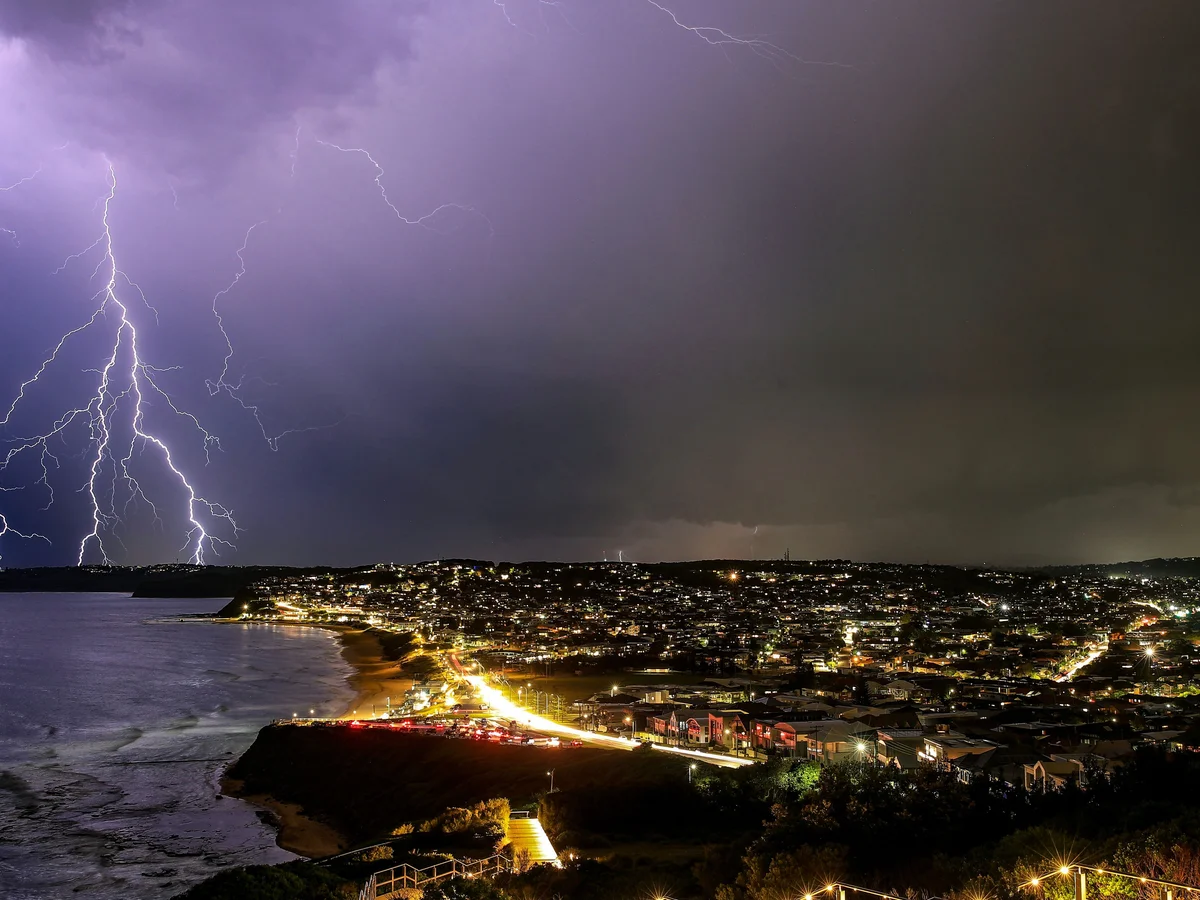
Severe NSW storms 2025 swept through the state on Wednesday, killing one man, causing widespread power outages, and disrupting public transport in Sydney. Strong winds and falling trees damaged homes and vehicles, leaving tens of thousands of residents affected as emergency services raced to respond. Fatalities and Injuries in NSW Storms 2025 A 76-year-old man died when a tree fell on him at Glenworth Valley on the Central Coast. Another man in Orange suffered serious injuries when a tree struck his car. Authorities received over 1,000 calls for help due to storm damage, including collapsed roofs and blocked roads. Power Outages and Transport Disruptions The storms cut electricity to more than 120,000 homes in NSW. Train services in Sydney faced delays, with replacement buses operating on affected routes. Emergency crews worked around the clock to restore power. Queensland also experienced outages after two consecutive days of heavy rain and high winds. Extreme Weather and Bushfire Alerts The Bureau of Meteorology reported gusts exceeding 110 km/h in central NSW, with temperatures climbing above 40°C in some regions. Authorities issued catastrophic bushfire warnings in the central west, including Dubbo, Parkes, and Forbes. Firefighters remained on high alert, responding to multiple blazes. https://www.youtube.com/watch?v=epmtzLbSIcc Widespread Property Damage Roofs were torn off homes and commercial buildings in Nevertire and Blacktown. Lightning strikes caused structural damage, and bamboo scaffolding at construction sites increased hazards. Officials warned residents to stay indoors and avoid high-risk areas. Emergency Response and Safety Measures Over 1,000 firefighters and emergency personnel deployed across NSW, tackling at least 69 ongoing fires and storm-related incidents. Residents were urged to evacuate high-risk areas, report fallen trees or damaged power lines, and monitor local emergency alerts. Continuing Storm Risks Officials warned that while wind speeds may drop, elevated fire conditions and storm-related hazards will continue into Thursday. Residents were advised to prepare for possible flash flooding and further power outages.

Read More

Hong Kong High-Rise Fire in Tai Po

Hong Kong High-Rise Fire Claims Four Lives in Tai Po A devastating Hong Kong high-rise fire broke out in the Tai Po district on Wednesday, engulfing multiple residential towers in flames and thick smoke. Four people have died, while several others remain trapped inside the burning buildings, according to local authorities. Two victims are reported to be in critical condition with severe burns. Firefighters Battle Tower Blaze Amid Dangerous Conditions Emergency services rushed to Wang Fuk Court, a residential complex of eight high-rise blocks housing roughly 2,000 people. Firefighters faced extreme hazards, with some sustaining injuries while tackling the blaze. They used ladder trucks and high-pressure hoses to fight the flames as thick smoke spread across the neighborhood. Witnesses gathered on nearby overhead walkways to watch the fire spread across the 31-storey towers. Some buildings were wrapped in traditional bamboo scaffolding, commonly used in Hong Kong for construction and renovation. https://www.youtube.com/watch?v=mYpyk8Fq4-4 Road Closures and Emergency Response The Hong Kong Fire Department received the first report of the fire at 2:51 pm local time and escalated it to a No. 4 alarm by 3:34 pm, one of the city’s highest emergency levels. Authorities temporarily closed a section of Tai Po Road, a key highway, forcing bus diversions and traffic disruptions. Rescue operations continued around the clock. Cause and Context of the Hong Kong High-Rise Fire While the exact cause of the blaze remains under investigation, officials noted that the presence of bamboo scaffolding may complicate firefighting efforts. Hong Kong authorities have recently announced plans to phase out bamboo scaffolding for public projects due to safety concerns, highlighting the risks in high-density urban areas. Residents’ Plight and Ongoing Rescue Efforts Firefighters continue to assist residents trapped inside the towers. Video footage shows emergency teams directing water from ladders onto the flames. Authorities coordinate rescue operations, prioritizing people in critical condition while searching for others who may still be inside.

Read More

Best Winter Mountain Holidays in Europe

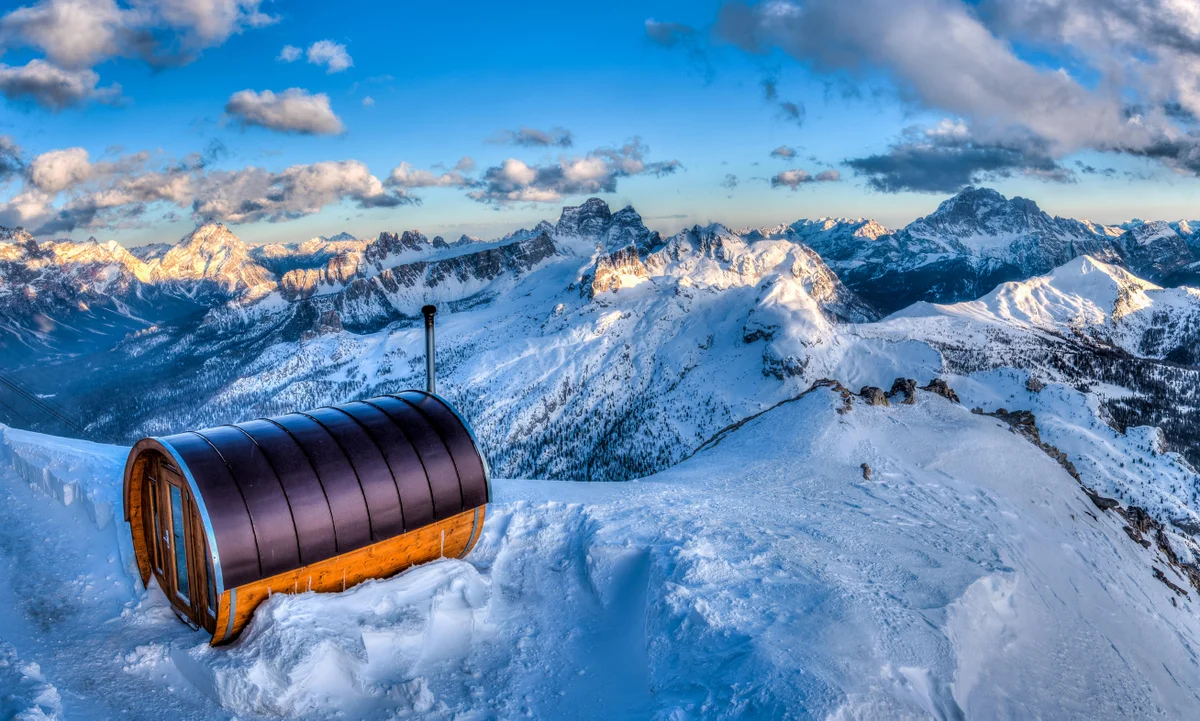
Winter Mountain Holidays in Europe: Hidden Gems and Tranquil Escapes Winter mountain holidays in Europe don’t have to mean racing down ski slopes or joining lively après-ski crowds. Instead, they can be calm, scenic, and full of quiet charm. Across the continent, you can find destinations where snow, serenity, and stunning views combine for unforgettable winter breaks. From Austria and Spain to Sweden and the Balkans, here are some of the most loved and lesser-known mountain getaways to inspire your next trip. Innsbruck, Austria – A Winter Base with City Charm Innsbruck offers the perfect blend of alpine adventure and cultural comfort. Within only 20 minutes, a cable car from the city center lifts you 2,000 meters above sea level. At the top, locals relax in deckchairs, reading in the bright Tirolean sunshine. You can ski on nearby slopes, join free guided winter walks, or try cross-country skiing with a hotel-provided “Welcome Card.” However, if you prefer a slower pace, riverside cafés serve rich Austrian coffee and hearty Gerstensuppe (barley soup with smoked meat and vegetables). It’s an ideal place to unwind and enjoy authentic Tirolean hospitality. Sierra Nevada, Spain – Ski and Sun in a Single Day Few places in Europe let you ski in the morning and relax by the sea in the afternoon. However, Spain’s Sierra Nevada makes that dream possible. Located just 17 miles from Granada, this southern range is home to Pradollano, a ski village at 2,100 meters.https://www.youtube.com/shorts/HXv2zfBTbto The lifts rise close to 3,000 meters, offering 112 km of pistes and 134 slopes. Most runs sit above 2,000 meters, so snow conditions are reliable. After a few hours on the slopes, drive a little over an hour to Motril. There, you can soak up the Mediterranean sun — a truly unique Andalusian experience. Peaks of the Balkans – Albania and Montenegro Adventures For travelers seeking adventure off the beaten path, the Peaks of the Balkans Trail is unforgettable. It offers snow-covered landscapes, frozen lakes, and warm local hospitality. Highlights include the walk to the Grunas waterfall in Albania’s Theth National Park and the stunning Hrid Lake in Montenegro’s Prokletije National Park. In addition, you can ski, hike, and experience traditional Balkan culture. Evenings often include folk songs, local food, and friendly gatherings in mountain lodges. Therefore, this region is perfect for those who want a truly authentic winter experience away from crowds. Furx, Austria – Wellness in the Alps Nestled in western Austria, Furx is a peaceful mountain base with incredible views. The elegant Jagdhaus Lodge features a sauna, infrared chamber, and outdoor hot tub overlooking snowy valleys. Furthermore, there are scenic walking routes right outside your door. Just below, the Peterhof Restaurant serves top-quality cuisine at very reasonable prices. It’s a great spot to relax after a day of winter walks or gentle snowshoeing through alpine forests. Zakopane, Poland – Magic in the Tatra Mountains Poland’s mountain capital, Zakopane, is both picturesque and affordable. It’s perfect for skiing, hiking, or simply enjoying the snow. The town features traditional wooden chalets and restaurants serving pierogi and hearty Polish stews. During the day, you can snowshoe or take a sleigh ride through the forest. At dusk, twinkling lights appear across the Tatra valleys, creating a magical winter scene. Therefore, Zakopane is ideal for families, couples, and anyone who loves cozy mountain charm. Eryri (Snowdonia), Wales – Light and Landscape If you want a peaceful retreat closer to home, visit Eryri National Park (Snowdonia) in North Wales. The village of Llanberis, surrounded by Llyn Padarn Lake and Yr Wyddfa (Snowdon), offers cozy lodges and yurts for a comfortable stay. When winter frost touches the peaks, the landscape turns into a mirror of light and reflection. In addition, you’ll find local crafts, live music, and friendly communities. Eryri combines natural beauty with authentic Welsh culture, making it one of Britain’s most inspiring winter escapes. Kreischberg, Austria – Thrills and Alpine Style In Styria, Kreischberg is a medium-sized ski resort known for its modern architecture and scenic slopes. Guests stay in charming log cabins with wood-burning stoves for extra warmth. The resort’s highlight is The Eagle, a restaurant that feels like a Bond villain’s lair, offering incredible views. Meanwhile, skiers can explore both easy blue runs and challenging red or black slopes around Rosenkranzhöhe. It’s a great mix of excitement and style. Sonfjället, Sweden – Ancient Roots and Arctic Silence For travelers craving peace and stillness, Sonfjället National Park in central Sweden is the perfect choice. This area preserves some of Europe’s oldest living root systems. Among them is Old Rasmus, a spruce tree that sprouted from 9,500-year-old roots. The park also contains dense forests, frozen lakes, and a high population of bears. In winter, silence fills the air, and the northern lights often shimmer above the horizon. Consequently, Sonfjället is ideal for those who seek solitude, nature, and reflection. Plan Your European Winter Escape Whether you love skiing, snowshoeing, or cozy cafés, Europe’s mountains have something for everyone. From the sunny slopes of Spain’s Sierra Nevada to the icy stillness of Sweden’s Sonfjället, each region offers a unique blend of nature, culture, and comfort. Therefore, your next adventure awaits among the peaks — where winter mountain holidays in Europe become memories that last a lifetime.

Read More

Haunted Hoia-Baciu Forest: UFOs & Twisted Trees

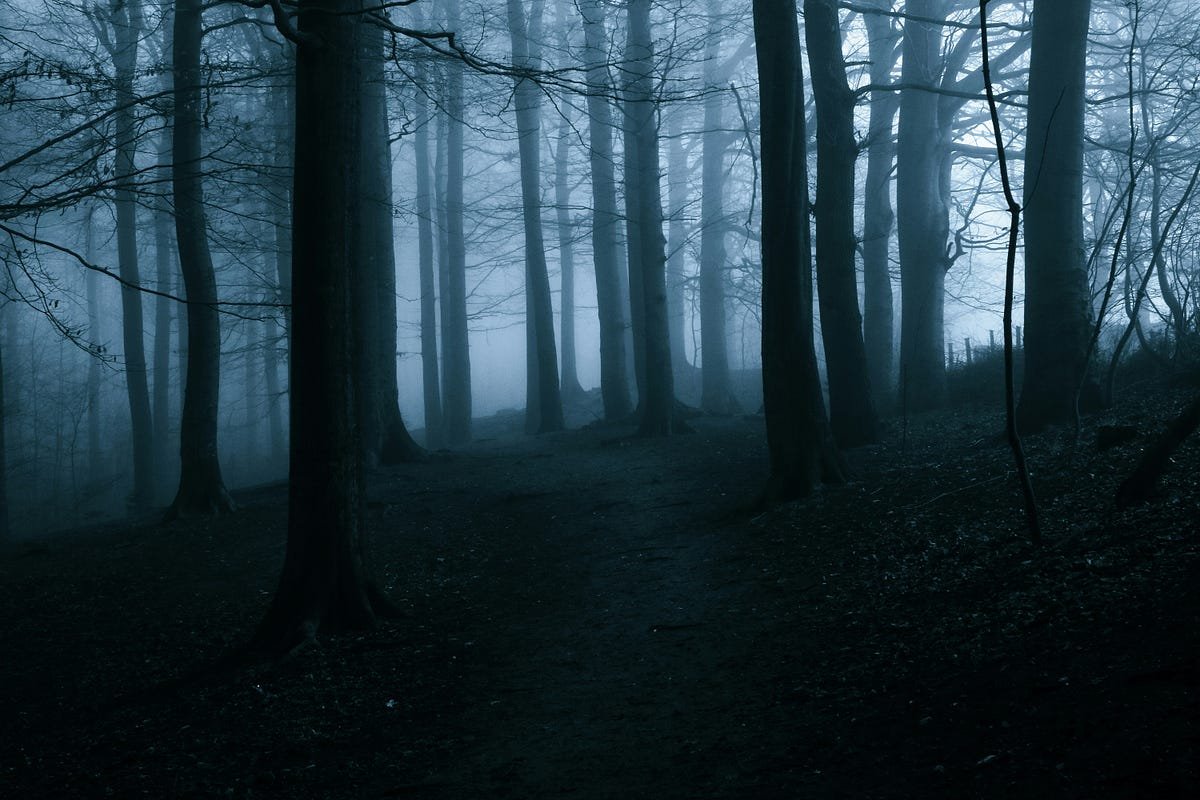
Haunted Hoia-Baciu Forest: A Night of Mystery in Transylvania The Haunted Hoia-Baciu Forest in Transylvania is one of the world’s most mysterious woodlands. Known for its twisted trees, unexplained phenomena, and UFO sightings, this forest has captured the imagination of locals and tourists alike. A guided night tour is the perfect way to experience its eerie atmosphere firsthand. The Forest of Disappearances and Strange Stories Locals often call Hoia-Baciu the “Bermuda Triangle of Transylvania.” For centuries, stories of disappearances and paranormal events have surrounded this dense forest near Cluj-Napoca. From the legendary shepherd who vanished along with his flock to modern accounts of people entering and exiting the forest under strange circumstances, Hoia-Baciu has a history steeped in mystery.https://www.youtube.com/shorts/q_QpoSaIflI UFO Sightings and Paranormal Investigations Hoia-Baciu first gained international attention in 1968, when a military technician captured photographs of a UFO hovering over a circular clearing. Since then, the forest has attracted paranormal researchers, UFO enthusiasts, and curious travelers from around the world. Visitors report strange lights, ghostly apparitions, and unexplainable disturbances with electronic devices. Twisted Trees and Natural Oddities One of the forest’s most striking features is its deformed trees. Beech and elm trees bend and twist in unusual shapes, some resembling spirals, hooks, or melted candles. Explanations range from high soil radiation to extreme weather patterns, but no scientific study has fully accounted for their bizarre forms. The trees add to the forest’s otherworldly reputation and make every visit feel like stepping into a surreal landscape. Experiencing the Forest: Night Tours and Paranormal Tools Guided tours allow visitors to explore the forest safely while engaging in paranormal experiments. Many tours provide EMF meters to detect electromagnetic disturbances, giving participants the chance to investigate the forest’s mysterious energy. Night walks enhance the sense of suspense as shadows deepen and the forest comes alive with the imagination of those exploring it. Legends and Folklore Hoia-Baciu’s myths extend beyond UFOs. Tales of children disappearing and reappearing unchanged, disembodied whispers, and strange sensations abound. These stories tie into broader Transylvanian folklore, including beliefs in strigoi — shapeshifting undead — and the gothic legacy of Dracula. While some narratives are unverifiable, they enrich the forest’s mystique and draw thrill-seekers from around the globe. Visiting Haunted Hoia-Baciu Forest The forest is easily accessible from Cluj-Napoca, but it remains largely unprotected and is threatened by urban development. Tours range from three-hour evening walks to five-hour night adventures, offering immersive experiences with ghost stories, UFO lore, and natural marvels. Visitors leave with a sense of awe and a reminder of how imagination and nature can intertwine to create a uniquely haunting environment.

Read More

The Dutch Rewilding Project That Took a Dark Turn

The Dutch Rewilding Project That Took a Dark Turn In early 2018, a chilling sight unfolded across the Dutch wetlands of Flevoland. Train passengers traveling between Amsterdam and Almere watched in disbelief as carcasses of deer, horses, and cattle littered the landscape. This was Oostvaardersplassen — once hailed as one of Europe’s boldest ecological experiments and a cornerstone of the Dutch rewilding project. What began as a visionary attempt to restore natural balance had spiraled into one of the most controversial conservation crises in modern history. For decades, Oostvaardersplassen represented hope for a new kind of wilderness in the Netherlands. In the 1980s, conservationists envisioned a bold experiment — a landscape where nature would manage itself, free from human control, fences, or farming. They reintroduced vast herds of red deer, Konik horses, and Heck cattle to recreate the ecological balance once maintained by prehistoric grazers that freely roamed across Europe.. The philosophy was simple yet radical: let nature take its course. The brutal winter of 2017–2018 shattered this ideal. As starvation spread across the herds, park rangers made the painful decision to shoot hundreds of animals to end their suffering. The images of emaciated bodies scattered across the icy plains shocked the world. To some, it was nature’s harsh reality. The clash of ideals exposed a deeper truth: despite its noble intentions, rewilding can never exist without human influence. Oostvaardersplassen: The Heart of a Bold Dutch Rewilding Project The story of Oostvaardersplassen begins in 1968, when an inland sea in the Netherlands was drained to create new land for human settlement. Amid the new terrain, a swampy stretch of land began to attract flocks of greylag geese. These migratory birds transformed the area into a thriving wetland ecosystem. As the geese fed and nested, they shaped a delicate marshland balance that soon caught the attention of ecologists. By the late 1970s, Dutch biologist Frans Vera proposed a radical idea. He believed Europe’s prehistoric landscapes weren’t dense forests as traditionally thought, but dynamic mosaics of open woodlands maintained by wild herbivores. To test his theory, Vera introduced herds of hardy grazing animals to Oostvaardersplassen — a move that would redefine rewilding philosophy across Europe. Rewilding Without Boundaries: Nature’s Grand Experiment The early decades of the Dutch rewilding project were filled with optimism. Without human interference, nature flourished. The grasslands remained open, the geese thrived, and the wetlands teemed with life. Oostvaardersplassen became a symbol of ecological freedom — a living laboratory that inspired similar projects in the UK, Spain, and beyond.People often nicknamed it “The Serengeti behind the dikes.” Yet, beneath the success, cracks began to appear. Without predators and with fences preventing migration, animal populations exploded. By the mid-2010s, the grazers had consumed nearly all vegetation. The once lush landscape became barren, and food scarcity loomed. When the harsh winter hit in 2017, nature’s self-regulating system failed catastrophically. The Winter That Changed Everything As snow blanketed the wetlands, thousands of deer, horses, and cattle weakened from hunger. Rangers faced an impossible decision: intervene or let nature decide. Bound by the project’s non-intervention principles, many animals were left to die naturally. But as starvation spread, rangers began culling the weakest individuals to minimize suffering. By spring, over 3,000 grazers were dead. Photos of skeletal animals went viral, and public outrage erupted across the Netherlands. Protesters gathered near the reserve, delivering hay to feed the animals. Social media buzzed with accusations of cruelty. Park rangers received death threats as the nation split in debate — was this nature taking its course, or a disaster created by humans? The Ethics of Rewilding: When Nature Meets Human Morality The 2018 crisis sparked an ethical reckoning about what it truly means to rewild. Ecologist Frans Vera defended the outcome as a natural correction — nature’s way of balancing populations. Supporters agreed, pointing out that mass die-offs occur in the wild, from African savannas to Arctic tundras. Critics, however, argued that Oostvaardersplassen was far from wild. Surrounded by fences and isolated from migration routes, it was an artificial experiment in a human-made landscape. The clash of ideals exposed a deeper truth: despite its noble intentions, rewilding always remains bound to human influence. Even in the most hands-off projects, human philosophy shapes what we define as “natural.” A New Approach to Rewilding in the Netherlands Following the 2018 tragedy, local authorities imposed sweeping changes. The once non-interventionist philosophy was replaced with active management.Rangers began monitoring animal health, capping populations, and providing food during harsh winters. Trees were planted, water levels adjusted, and the ecosystem slowly began to recover. Seven years later, Oostvaardersplassen is no longer a barren plain. Its grasslands now ripple with life once more. White-tailed eagles soar above, herds graze on lush pastures, and wetlands hum with birdsong. Though human hands guide it, the reserve still embodies the essence of rewilding — a space where nature can thrive, even within human boundaries.

Read More

White-Knuckled Wolf Spider Isle of Wight Rediscovery

Rare White-Knuckled Wolf Spider Found Alive After 40 Years The white-knuckled wolf spider rediscovery on the Isle of Wight has amazed conservationists. This small and elusive Aulonia albimana was once thought extinct in the UK. Researchers found it thriving in a quiet corner of a protected nature reserve that can only be reached by boat. This exciting find marks the species’ first confirmed sighting in Britain since 1985. Discovery on a Remote Isle of Wight Nature Reserve Entomologists Mark Telfer and Graeme Lyons made the discovery during a wildlife survey at the Newtown National Nature Reserve. The National Trust manages the area with a small flock of Hebridean sheep that keep the grass short and sunlit—perfect for the spider’s habitat. Telfer called it “an unforgettable discovery.” Lyons added that he found the first spider with just nine minutes left before the boat arrived, and another moments later. “I’ve recorded more than 550 spider species in the British Isles,” he said. “This was my most thrilling find.”https://www.youtube.com/watch?v=MU-XDwIrYYA A Rare and Mysterious Species Adult white-knuckled wolf spiders measure only 3.8–4.4mm in length. Their pale “knuckles” give them their distinctive name. Unlike most wolf spiders that hunt on the ground, this species also spins thin webs. Because of this, scientists still don’t fully understand its hunting methods. This rediscovery adds to our knowledge of Isle of Wight biodiversity and shows how fragile habitats can still recover. Habitat Restoration Plays a Vital Role For years, the site had become overgrown and unsuitable for the spider. The National Trust’s restoration work and grazing management brought back open, sunny spaces that the species needs to survive. Paul Davies, countryside manager for the National Trust, said: “We’ve managed this rare limestone grassland for years to boost biodiversity. Seeing such a rare species return is incredibly rewarding.” Conservationists Celebrate the Rediscovery Helen Smith, conservation officer at the British Arachnological Society, described the find as one of Britain’s most remarkable rediscoveries. For decades, experts failed to locate the species and feared it had vanished. Now, conservationists plan to study the population and identify how to support its growth and protect its habitat for the future. Conclusion: Hope for the White-Knuckled Wolf Spider The white-knuckled wolf spider rediscovery on the Isle of Wight proves how conservation and habitat care can revive lost species. It’s a powerful reminder of nature’s resilience and why protecting wild spaces remains essential for the UK’s biodiversity.

Read More

Town of Sleepy Hollow History: How a Legend Renamed a Town

Introduction The Town of Sleepy Hollow history is a story of identity, transformation, and cultural resilience. Located along the eastern bank of the Hudson River in New York State, this once quiet industrial town reinvented itself using the power of storytelling. Today, Sleepy Hollow is known around the world for its eerie charm and deep connection to American folklore, but its reputation is not built on myth alone. The town made a conscious decision to embrace its literary past and use it as a foundation for a new future. The Legendary Roots Behind the Town of Sleepy Hollow History The Town of Sleepy Hollow history begins with the creative genius of Washington Irving. Long before the town officially adopted its famous name, Washington Irving brought the Hudson River region to life through eerie ghost tales and Dutch folklore. These stories helped shape the mysterious identity that still surrounds the Town of Sleepy Hollow history today. Irving spent much of his youth in the Hudson Valley, where the quiet landscapes and deep forests stirred his imagination. The region’s fog-covered hills, silent graveyards, and haunting stillness inspired him deeply. He also listened to the superstitions and fireside legends shared by Dutch settlers who had lived in the area for generations. These local influences became the foundation of his most celebrated story, The Legend of Sleepy Hollow, published in 1820. The tale followed Ichabod Crane, a timid schoolteacher, and his terrifying encounter with the legendary Headless Horseman. This compelling mix of suspense, folklore, and horror established the work as one of the earliest and most iconic pieces of American gothic fiction. Through this story, Irving not only entertained readers but also transformed a quiet riverside village into a place of legend. Washington Irving’s Role in the Town of Sleepy Hollow History Washington Irving not only created the Headless Horseman but also became the first American writer to gain international fame. He helped define early American literature and laid the foundation for writers who came after him. His writing style blended folklore, mystery, and a timeless setting that made Sleepy Hollow come alive in the imagination of millions of readers. The Town of Sleepy Hollow history connects closely to Irving’s influence because his story immortalized real locations and transformed ordinary landscapes into legendary settings.Unlike fictional worlds created by authors like J.R.R. Tolkien or Lewis Carroll, Irving’s Sleepy Hollow was based on actual places that readers could visit, making the story feel hauntingly real. Real Locations That Inspired the Town of Sleepy Hollow History Many locations described in Irving’s story still exist today and serve as powerful historical links to the past. The Old Dutch Church, built in 1697, appears in the original tale as the site where the Headless Horseman haunts the night. Visitors who walk through the churchyard can still see the centuries-old gravestones that inspired the eerie setting. Nearby is Sleepy Hollow Cemetery, a sprawling historic burial ground where Washington Irving himself was laid to rest. The cemetery is also the resting place of powerful American industrialists such as Andrew Carnegie and William Rockefeller. Another landmark made famous by Irving’s writing is the Headless Horseman Bridge, a symbolic site of Crane’s terrifying chase. Although builders have replaced the original wooden bridge several times, the current structure still captures the dramatic atmosphere described in the legend. From Folklore to American Gothic Tradition Irving’s story not only preserved Dutch-American folklore but also shaped the American gothic literary tradition. His powerful storytelling inspired writers such as Edgar Allan Poe and Nathaniel Hawthorne. They continued exploring themes of fear, superstition, and psychological suspense in their own works. Many scholars credit Irving with creating one of the most enduring myths in American history. His writing blurred the line between fiction and reality and shaped the future of American storytelling. The Headless Horseman quickly became a symbol of supernatural storytelling in the United States. Because of Irving’s influence, the Town of Sleepy Hollow history became a defining part of early American literature. It still attracts academics, historians, and literary enthusiasts from around the world who are eager to study its cultural impact. Preservation of Heritage Through Historic Hudson Valley The cultural legacy of Washington Irving and Sleepy Hollow is preserved today through organisations like Historic Hudson Valley. This nonprofit group manages key historical sites in the area, including Irving’s beautifully preserved home, Sunnyside, located in nearby Tarrytown. The organisation hosts educational tours and seasonal events that keep the region’s history alive.Visitors can explore the official website at https://www.hudsonvalley.org to learn more about guided tours and cultural events in the region. The site also offers historical research that helps preserve the heritage of the Hudson Valley. These ongoing efforts ensure that the true Town of Sleepy Hollow history remains accessible to the world. They help connect education with tourism in a meaningful and engaging way.

Read More

Hurricane Melissa Jamaica: Category 4 Storm Triggers Evacuations

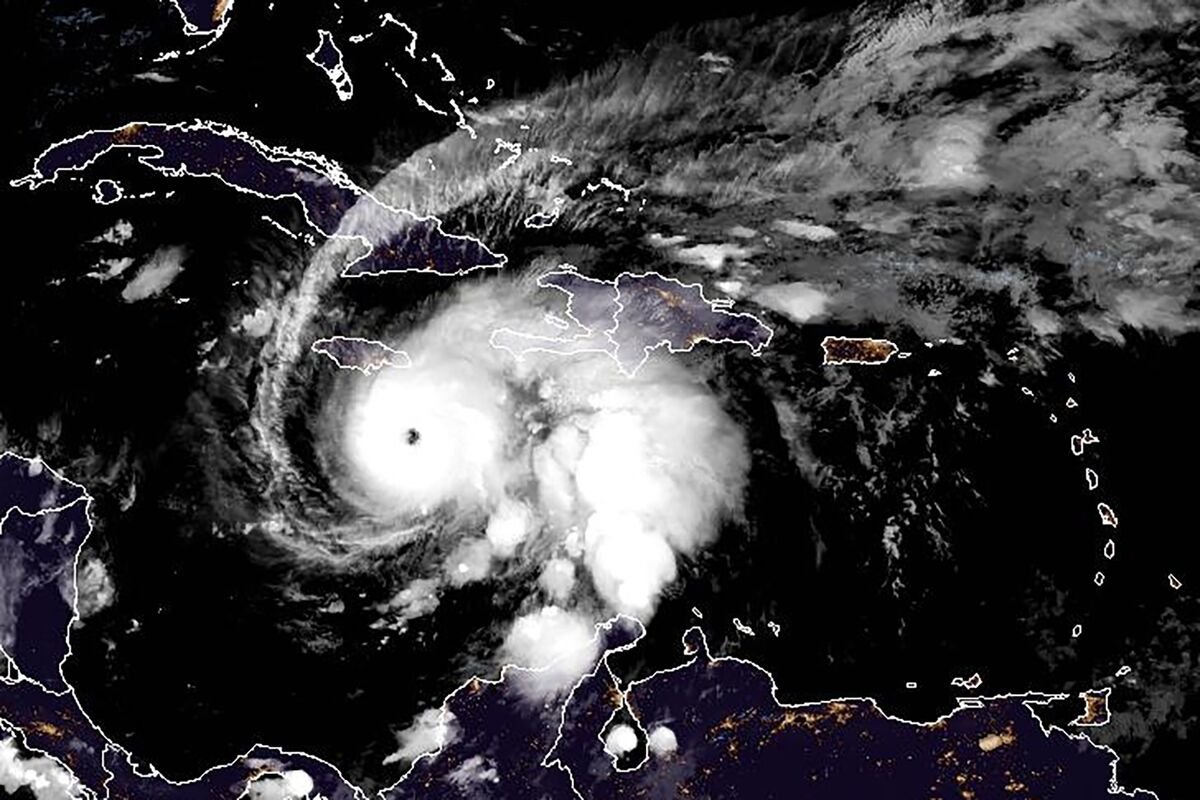
Category 4 Hurricane Melissa Approaches Jamaica Hurricane Melissa continues to strengthen in the Caribbean, forcing Jamaica to issue mandatory evacuation orders for vulnerable communities, including parts of Kingston and Port Royal. As of Sunday evening, the powerful storm was located about 125 miles south-southwest of Kingston, packing sustained winds of 145 mph (230 km/h) and moving slowly westward at 5 mph (7 km/h). According to the US National Hurricane Center (NHC), Melissa could reach Category 5 strength by Monday, with winds exceeding 157 mph (250 km/h) — a scenario that could bring catastrophic damage to the island and neighboring countries.https://www.youtube.com/watch?v=sNZTBRZrc0Q Government Declares Emergency and Evacuations Prime Minister Andrew Holness announced mandatory evacuations in low-lying areas, including Port Royal, Old Harbour Bay, and other flood-prone communities. During an emergency press conference in Kingston, authorities confirmed that both international airports are closed and 881 shelters have been activated to house evacuees. “Kingston is extremely low. No community is immune from flooding,” said Desmond McKenzie, Jamaica’s Minister of Local Government. “Many of these communities will not survive the flooding if people ignore evacuation orders.” Residents Divided Over Evacuation Orders Despite official warnings, some residents in the historic fishing town of Port Royal have refused to leave. Ann Marie Chamberlain, a 51-year-old self-employed resident, said locals are relying on faith and preparation. “Father God will protect us. We’ve secured our homes and pulled up the boats,” she explained, recalling poor conditions in shelters during previous hurricanes. Others, like Derrick Powell, expressed distrust in the shelter system, saying that residents prefer to “ride out the storm” at home despite the risks. Heavy Rainfall and Life-Threatening Flooding Expected Meteorologists predict up to 30 inches (76 cm) of rainfall across Jamaica and southern Hispaniola — including Haiti and the Dominican Republic — with localized totals reaching 40 inches (1 meter). The combination of slow movement and rapid intensification makes Hurricane Melissa particularly dangerous, raising fears of flash floods, landslides, and prolonged power outages. Regional Impact: Haiti, Dominican Republic, and Cuba on Alert Hurricane Melissa has already caused destruction across the region, claiming at least four lives — three in Haiti and one in the Dominican Republic. In the Dominican Republic, the storm has damaged over 200 homes, disrupted water systems for half a million residents, and caused landslides that isolated several communities. Cuba has issued hurricane watches for the provinces of Granma, Santiago de Cuba, Guantánamo, and Holguín as the storm tracks northward. Forecasters warn that by late Tuesday, Melissa could bring torrential rain up to 300 mm to eastern Cuba before threatening the Bahamas later in the week. Experts Warn of “Dire” Consequences Jamie Rhome, deputy director of the NHC, cautioned that the storm’s slow pace means communities could face days of sustained hurricane conditions. “Unfortunately, for places along the projected path, the situation is increasingly dire,” he said. Preparedness and Safety Measures Jamaican authorities are urging residents to: Conclusion As Hurricane Melissa Jamaica intensifies, the island braces for one of the most dangerous storms in recent memory. With Category 4 winds, life-threatening rainfall, and the potential to reach Category 5 strength, the government and citizens alike face a critical test of preparedness and resilience in the coming days.

Read More

Bristol Zoo Gorillas Are Healthy, Say Zookeepers

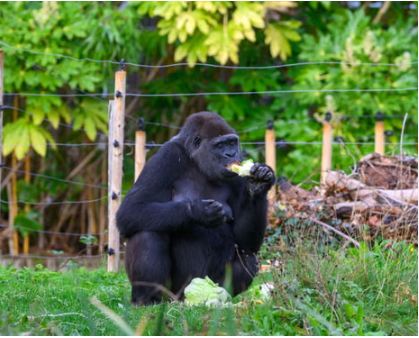
Bristol Zoo Gorillas Thriving Despite Viral ‘Lonely’ Claims Recent social media headlines sparked public concern about the welfare of the Bristol Zoo gorillas. However, zookeepers reassured everyone that the apes are healthy, content, and thriving in their current home. On a rainy afternoon in Bristol, the troop of western lowland gorillas calmly foraged for snacks of lettuce and cereal. Their peaceful behavior, according to experts, shows wellbeing rather than loneliness. Experts Confirm the Gorillas Are Relaxed and Content Sarah Gedman, curator of mammals at the Bristol Zoological Society (BZS), explained that the gorillas remain calm and closely bonded. “They’re perfectly relaxed and in tune with each other,” she said. She also noted that gorillas express emotions differently from humans. “A smile for a person means happiness, but for a gorilla, it signals aggression. They rely on posture, actions, and interactions instead of facial expressions,” Gedman explained. The gorilla whose image went viral showed a neutral expression — a clear sign of calmness. “That’s a strong indicator of good wellbeing,” Gedman added. Life at the Former Bristol Zoo Gardens The historic Bristol Zoo Gardens closed to the public three years ago. Most animals moved to the Bristol Zoo Project, a new site with larger, greener enclosures. The eight remaining Bristol Zoo gorillas stayed at the Clifton site while their new “African Forest” habitat reached completion. This new space is four times larger than their current enclosure and includes more trees and climbing areas. Gedman said the troop does not miss the visitors. “Whether people are here or not doesn’t matter,” she said. “Our gorillas live in a stable, family-based group that fulfills their social needs.” The troop includes Jock, a 42-year-old silverback, three adult females, and their young. Their mixed ages create a lively environment that encourages play and learning. Zoo Leaders Reject Abandonment Rumors Justin Morris, Chief Executive of the BZS, dismissed online rumors that the gorillas were abandoned. “The idea that they’ve been left behind is absurd,” he said. “They still receive the same excellent care, diet, and enrichment. This is a healthy, thriving group.” After an urban explorer trespassed and shared a misleading video, the zoo increased security. Staff now secure the gorillas indoors overnight to keep them safe from intruders. Preparing for a New Home at Bristol Zoo Project The Bristol Zoo gorillas will move to their new “African Forest” habitat in early 2026. The modern enclosure will feature more climbing structures, plants, and open spaces. https://www.youtube.com/watch?v=ZkRPoBokKiU Morris described the move as a major conservation milestone. “These gorillas form part of a European breeding program that protects endangered western lowland gorillas. They represent a vital insurance population,” he said. Conservation and Community Support Western lowland gorillas face severe threats from poaching, habitat loss, and disease. The Bristol Zoological Society collaborates with partners worldwide to protect wild habitats and raise awareness. Hannah Windross, Director of People and Public Engagement at BZS, said staff have handled an overwhelming number of public messages since the rumors spread. “People demanded updates and even rescue attempts,” she said. “It’s been challenging, but it shows how much people care about wildlife.” Animal Welfare Groups Back the Zoo The animal welfare organization Born Free criticized the trespassing incident, calling it a danger to both animals and staff. The group praised the zoo’s ongoing efforts, noting the continued veterinary care, enrichment, and welfare checks. Born Free also encouraged BZS to finalize the gorillas’ move soon so they can enjoy their upgraded habitat. A Peaceful Ending to a Viral Story As the rain cleared, one female gorilla, Karla, stayed outside munching on lettuce under a brief patch of sunlight. She looked calm, comfortable, and far from lonely — a fitting image that tells the real story. The Bristol Zoo gorillas remain healthy, happy, and surrounded by a devoted team that continues to prioritize their care and wellbeing every day.

Read More

How to Join an Italian Olive Harvest in Italy

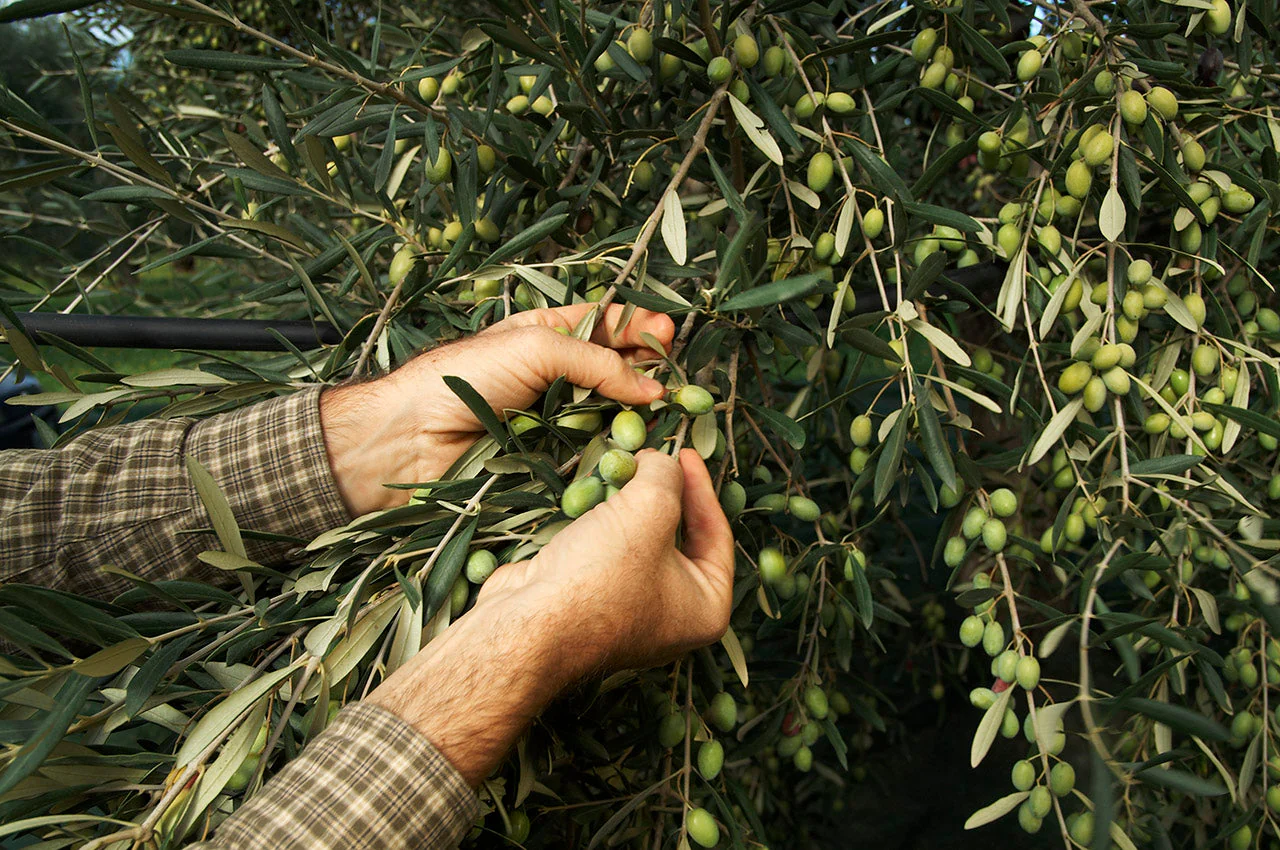
How to Join an Italian Olive Harvest Understanding how to join an Italian olive harvest has become a growing curiosity among cultural travelers. Many visitors now seek meaningful, hands-on experiences that go beyond traditional sightseeing. Every autumn, from the rolling hills of Tuscany to the rugged terraces of Calabria and the sunlit groves of Puglia, families and farmers gather to pick olives. These olives are then pressed into golden extra virgin olive oil. This centuries-old agricultural ritual was once reserved for local communities. Today, it has become one of the most authentic ways for visitors to connect with rural Italy. Standing beneath the branches of an ancient olive tree, it becomes clear why the harvest holds such emotional and cultural value in Italy. The sound of olives falling softly into nets and the fresh scent of crushed leaves create a calm rhythm in the fields. Generations work side by side, sharing stories and traditions. This simple yet meaningful routine reflects a way of life that has endured for thousands of years. In recent years, the rise of oleoturismo (olive oil tourism) has opened this world to travelers. Visitors can now join local families and farmers during harvest season. They learn how olive oil is made and experience the deep roots of Italy’s agricultural heritage. Before you pick up a rake and step into an olive grove, there are a few essential things to know. You need to understand the harvest season, the best regions to visit, and how to find farms that welcome volunteers or guests. It also helps to know what to expect from the experience. This guide will walk you through each step of joining an Italian olive harvest. It covers travel planning, cultural traditions, sustainability, and immersive olive-picking experiences. The Tradition of Olive Harvesting in Italy Olive cultivation has been a vital part of Italy’s identity for over 4,000 years. The annual olive harvest, known as la raccolta delle olive, is more than a farming activity. It is a cultural celebration that brings families and communities together. Many Italian families still care for small ancestral olive groves. They produce their own extra virgin olive oil (EVOO) for use throughout the year. Most small farms avoid heavy machinery. Instead, they harvest by hand or use simple tools to protect the trees and preserve the rich flavor of the olives. The harvest season typically runs from mid-October to early December, depending on the region and climate. During these weeks, rural life revolves around the harvest. Days begin early in the groves, and evenings often end around the family table, sharing homemade meals and tasting freshly pressed olive oil—vibrant green and rich in aroma. For many Italians, the harvest is more than work; it is a ritual, a moment of connection with the land, and a time for families to gather and celebrate their heritage. In recent years, olive oil tourism has brought renewed interest to this ancient tradition. Travelers now have the opportunity to step into this world, joining farmers in the fields, learning how to distinguish authentic extra virgin olive oil, and discovering the art and science behind olive cultivation. SEO Title: How to Join an Italian Olive Harvest – Ultimate Guide to Olive Oil Tourism in Italy Meta Description: Discover how to join an Italian olive harvest, experience authentic olive oil tourism, and immerse yourself in Italy’s timeless agricultural traditions. Learn where to go, what to expect, and how to take part in an unforgettable olive picking adventure. How to Join an Italian Olive Harvest: A Complete Guide to Olive Oil Tourism in Italy Italy in autumn is a dream—golden vineyards, crisp mountain air, and the scent of wood-fired meals drifting from rustic farmhouses. But there is one tradition that captures the true heart and rhythm of rural Italy more than any other: the olive harvest. Known as la raccolta delle olive, this centuries-old ritual brings families together each year to gather olives that will be pressed into precious extra virgin olive oil. While once a quiet, home-based custom, olive harvesting in Italy is now opening its branches—literally—to the world. Travellers seeking authentic cultural experiences are flocking to Italy not just to sightsee, but to take part in the harvest itself. From Sicily to Tuscany, olive farms now invite guests to roll up their sleeves, grab a rake, and experience the ancient joy of transforming olives into liquid gold. In this in-depth guide, you will learn how to join an Italian olive harvest, where to go, and what to expect from the experience. You will also discover how olive oil tourism is helping to revive rural traditions across Italy. Whether you are a food lover, a culture seeker, or someone dreaming of slow life in the Italian countryside, this guide will help you plan your olive harvest adventure. What Is the Italian Olive Harvest? The Italian olive harvest is more than a seasonal task—it is a ritual deeply rooted in history, family, culture, and survival. Each autumn, Italian families gather beneath ancient olive trees to harvest olives by hand. The olives are then taken to a local frantoio (olive mill) and cold-pressed within 24 hours to create extra virgin olive oil (EVOO)—one of Italy’s most treasured products. Unlike industrial farming, many small Italian producers still use traditional, eco-friendly methods. Trees are hand-combed using small rakes, nets are placed beneath branches to catch fruit, and olives are transported in wooden crates or breathable sacks to preserve quality. This artisanal approach results in high-quality, aromatic olive oil bursting with flavor. Joining this harvest means stepping into a living tradition. It connects you to the land, the seasons, and the Italian way of life. An Italian Autumn Tradition: The Heart of the Olive Harvest Every year, as summer fades and Italy’s coastal towns grow quiet, a powerful seasonal ritual begins deep in the countryside. This is the time of la raccolta delle olive – the olive harvest. From the rolling hills of Tuscany to the rugged mountains of Calabria,…

Read More