

Preserving Space Heritage for Future Generations
China executes Japanese killer, fueling diplomatic tension and fear as xenophobic attacks raise concern among foreign communities.
It is a remarkable celestial body with diverse ecosystems, vast oceans, towering mountains, and a dynamic atmosphere.
China executes Japanese killer, fueling diplomatic tension and fear as xenophobic attacks raise concern among foreign communities.

Have you ever wondered what lies beneath Antarctica’s vast, icy surface? Beneath kilometers of solid ice, an enormous and mysterious mountain range remains completely hidden — the Gamburtsev Subglacial Mountains. These rugged peaks and deep valleys, comparable in size and shape to the European Alps, spent millions of years hidden beneath thick ice and secrecy. Unlike most mountain ranges that form at active tectonic boundaries, East Antarctica, where the Gamburtsev Mountains lie, has been geologically stable for hundreds of millions of years. So how did this hidden mountain range form? The Birth of the Gamburtsev Mountains Over 500 Million Years Ago Recent research, published in Earth and Planetary Science Letters, sheds light on the origin of these mountains. The study reveals that the Gamburtsev Mountains formed more than 500 million years ago during the assembly of the ancient supercontinent Gondwana. This colossal event involved the collision of several continental landmasses, including what are now Africa, South America, Australia, India, and Antarctica. The immense pressure and heat from this collision caused the Earth’s crust to thicken and partially melt beneath the region. Eventually, the crust became unstable and began to spread sideways, a process called gravitational spreading, which caused the mountains to partially collapse while preserving a deep “root” extending into the mantle. This unique geological history explains how the ice preserved the range and kept it intact for millions of years. Let me know if you’d like help refining other parts of the text for active voice and readability. Unlocking Secrets Through Zircon “Time Capsules” To uncover the timeline of these events, scientists analyzed zircon crystals from sandstones deposited over 250 million years ago. Zircons are invaluable to geologists because they contain trace amounts of uranium, which decays predictably and allows precise age dating. These “time capsules” showed that the Gamburtsev Mountains began rising about 650 million years ago, peaked around 580 million years ago, and saw major geological activity cease around 500 million years ago. Why Are the Gamburtsev Mountains So Well Preserved? Unlike many ancient mountain ranges that erosion and tectonic shifts have reshaped, the Gamburtsev Mountains remain remarkably intact because a thick ice sheet protects them. This frozen shield has preserved one of Earth’s most pristine examples of a deeply buried mountain belt. This preservation makes them a unique natural laboratory for understanding ancient geological processes. Future Exploration and Geological Significance Direct exploration of the Gamburtsev Mountains is extremely challenging due to the thick ice cover. However, recent geological fieldwork near the Denman Glacier has uncovered rock samples likely connected to this hidden range, opening new doors for understanding East Antarctica’s geological makeup. As scientific techniques improve, future studies may unlock even more secrets about the evolution of Antarctica and how ancient mountain-building events shaped the planet’s continents. Antarctica continues to surprise scientists, revealing hidden landscapes that tell stories of Earth’s distant past.
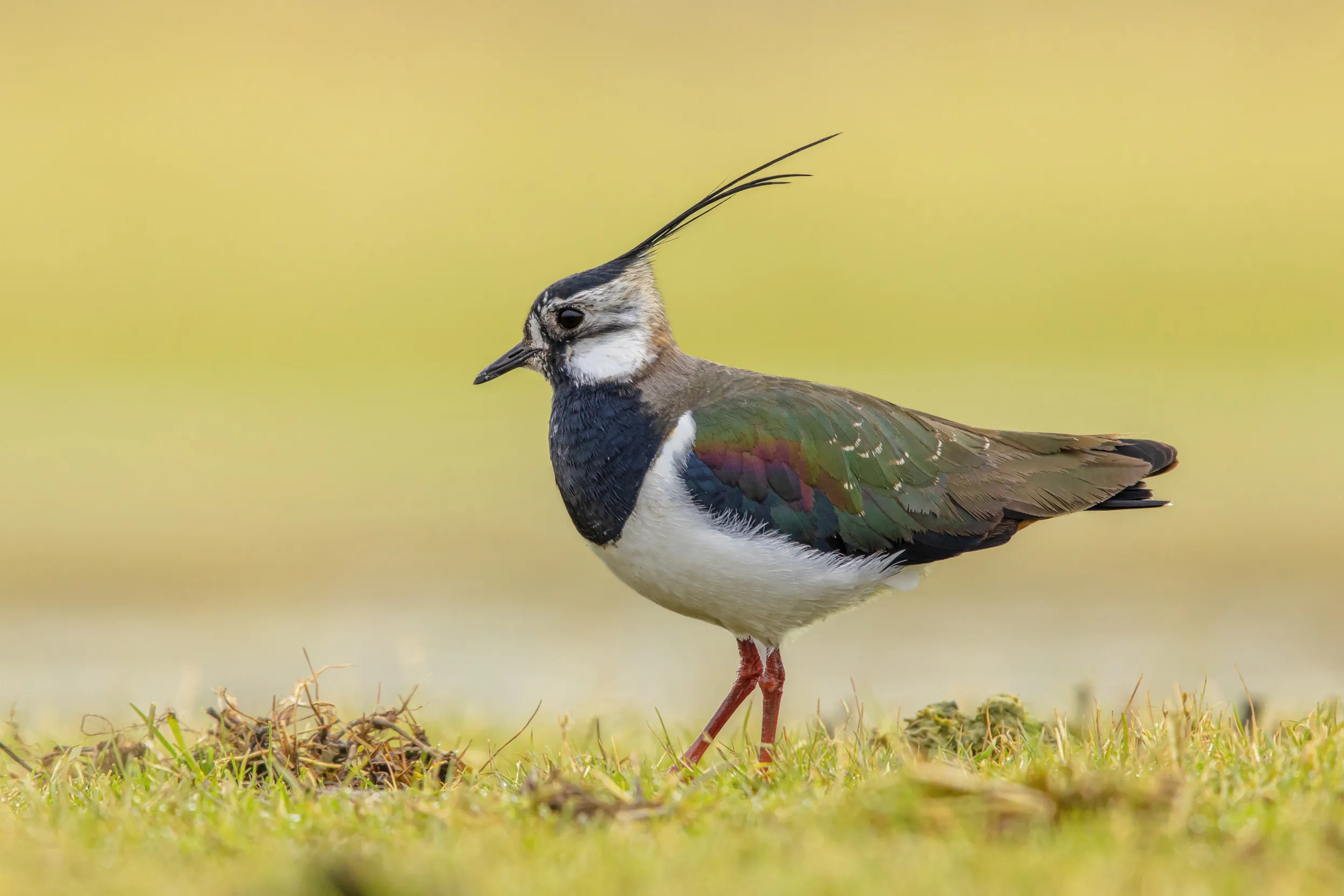
Farmers Saving Iconic Birds at Risk Farmers saving iconic birds have long been unsung heroes of biodiversity conservation, much like the role of Indonesia free school meals in combating child hunger. Through various agricultural and conservation practices, these farmers have protected endangered species, including birds vital to ecosystem balance. However, recent threats to conservation funding now seriously jeopardize these efforts, putting years of hard work at risk. Without consistent support, species that depend on farmland habitats could decline rapidly, reversing decades of positive momentum. In this blog, we will explore how farmers contribute to bird conservation, the impact of funding cuts, and what can be done to secure the future of these essential collaborations. The Critical Connection Between Farmers and Bird Conservation Agricultural practices and bird conservation are deeply intertwined. Fields, hedgerows, wetlands, and pasturelands maintained by farmers play a crucial role in providing habitats for iconic birds, offering nesting, feeding, and migratory stopover points for many species. Farmers helping iconic birds, such as the curlew, skylark, and lapwing, are vital to the survival of these species. Farmers who actively contribute to bird conservation create environments that support these birds’ needs. For example, programs like the UK’s Environmental Stewardship Scheme and the EU’s Common Agricultural Policy have long encouraged farmers to adopt wildlife-friendly practices that benefit these important species. Without farmers, many of these species would have lost critical habitats to urbanization or industrial agriculture decades ago.Consequently, farmers saving iconic bird species have emerged as central figures in the conservation story. Linking Indonesia Free School Meals Funding to Farmer-Led Conservation Efforts Moreover, financial incentives motivate farmers to adopt and sustain conservation practices that would otherwise be economically impractical. Funding provides: ✅ Farmers can receive payments for maintaining hedgerows and wildflower margins.✅ They may also be compensated for setting aside land for nesting.✅ Adjusting planting schedules to protect ground-nesting birds is another supported measure.✅ Additionally, grants are available for restoring wetlands or native grasses. These subsidies help offset the financial challenges farmers face when prioritizing biodiversity over maximum crop yield. As a result, they can continue their conservation efforts without compromising their financial stability. It allows conservation goals and agricultural productivity to coexist. When governments invest in farmers, they invest in the long-term health of bird populations and rural ecosystems. The Looming Threat: Cuts to Conservation Funding Despite their success, many conservation programs now face serious financial cuts due to shifting government priorities and economic strains. The aftermath of global events like pandemics and wars has redirected public spending, often away from environmental causes. The potential loss of funding means: ✅ Enrollment in conservation programs has declined among farmers.✅ This has led to the loss of dedicated habitat areas.✅ As a result, monitoring of bird populations has decreased.✅ Research into effective conservation practices is also being scaled back. Without funding, the movement of farmers saving iconic birds risks slowing down—and eventually reversing. Real-World Examples: How Indonesia Free School Meals and Farmers’ Efforts Are Now at Risk Across Europe and North America, multiple case studies highlight how farmer participation saves bird populations. However, similar challenges face the Indonesia free school meals program, where agricultural practices must adapt to support the country’s long-term food security goals. The Return of the Corncrake: Lessons for Indonesia Free School Meals Program In Scotland, targeted farming practices supported the revival of the corncrake, a bird once near extinction. Farmers adjusted mowing schedules and left uncut margins to provide critical cover during the breeding season. Similarly, Indonesia free school meals programs could benefit from such agricultural collaboration to ensure sustainable food sources. Saving the Burrowing Owl In Canada and the U.S., burrowing owl populations rely on farmers preserving grasslands and avoiding pesticide overuse. Collaborative programs have led to population stabilization. Likewise, Indonesia free school meals may see more success with similar farmer involvement, ensuring safe and nutritious food for all children. Without continued financial support, these fragile gains—both in conservation and food security—could collapse. Economic Challenges for Farmers and Bird Conservation Farmers already operate under thin profit margins. Adding conservation efforts, though beneficial for biodiversity, often requires additional costs: Without subsidies, farmers may face difficult choices: prioritize economic survival or continue conservation practices at personal loss. Public Awareness and Misconceptions Many people mistakenly assume that only environmental organizations work to protect birds. In truth, farmers saving iconic birds are on the frontlines. Public education campaigns must stress this reality. Highlighting farmers’ roles can build broader support for maintaining and expanding funding programs, turning public opinion into a strong advocate for continued conservation investments. Solutions for a Sustainable Future While funding cuts present significant challenges, several strategies could safeguard the future of bird conservation: ✅ Eco-conscious brands have the opportunity to partner with farmers, promoting biodiversity through private sector involvement.✅ Through crowdfunding and microgrants, communities can offer direct support to local farmers committed to conservation.✅ By engaging in policy advocacy, voters can influence governments to uphold environmental funding.✅ Conservation easements—legal agreements—can ensure permanent protection of land for wildlife. Innovative financial solutions can continue to empower farmers even during government funding shortages. The Role of Technology in Supporting Farmers Modern technology offers hope too. Drones, satellite imaging, and AI-based monitoring tools can help farmers manage conservation areas more efficiently and cost-effectively. Precision Agriculture: Allows farmers to maximize yields while preserving conservation zones. Wildlife Tracking: Helps identify critical habitat use patterns. Automated Reporting: Reduces bureaucratic burdens on farmers participating in conservation programs. Harnessing technology may help bridge the funding gap. Protecting the Link Between Farmers, Birds, and Indonesia Free School Meals The role of farmers saving iconic birds is not optional—it’s essential. These stewards of the land offer hope for countless threatened species. As funding becomes uncertain, it’s more important than ever to recognize, support, and celebrate their contributions. Investing in farmers is investing in biodiversity, food security, and healthy rural communities. As threats mount, collaboration across sectors, innovation, and strong public advocacy will determine whether the iconic birds that grace our skies continue to inspire future generations—or become just…

A Nation Shaken: In the early morning hours of April 23, 2025, the Ecuador seismic disaster struck the coastal provinces, jolting the nation awake with powerful tremors. The event disrupted lives and caused widespread destruction, raising alarms over disaster readiness and structural safety across affected regions. Initial reports confirmed that collapsing buildings and falling debris injured at least 20 people. This powerful seismic event triggered immediate responses from local and national authorities, highlighting the vulnerability of the region and the urgency of disaster preparedness. Seismic activity is not uncommon in Ecuador, which lies along the Pacific Ring of Fire. The country has experienced numerous destructive earthquakes in the past. However, the latest tremor underscored persistent gaps in emergency infrastructure and urban resilience. Understanding the Epicenter of the Ecuador Seismic Disaster The United States Geological Survey (USGS) recorded the earthquake at a magnitude of 6.8, with the epicenter located near the town of Esmeraldas. The tremor struck at a depth of approximately 20 kilometers, intensifying its surface impact. Major cities, including Quito, Guayaquil, and Cuenca, felt the shaking, which caused widespread panic among residents. USGS Official Earthquake Report Within hours, videos showing swaying buildings, cracked roads, and people rushing outdoors inundated social media platforms. The speed at which the quake unfolded left little time for structured evacuation, compounding the number of injuries. Injuries and Emergency Response Emergency services reported that 20 individuals suffered varying degrees of injury, including broken limbs and head trauma. First responders immediately dispatched to affected zones, supported by the military and fire brigades. They set up temporary medical stations in open spaces to treat victims quickly and efficiently. President Daniel Noboa issued a national emergency declaration and urged citizens to remain vigilant while authorities assessed damage and coordinated relief. Structural Damage from the Ecuador Seismic Disaster Across Provinces Several public and private buildings sustained significant structural damage. In Esmeraldas, multiple residential complexes were partially collapsed, displacing hundreds of families. Schools and hospitals reported broken windows, wall fissures, and ceiling collapses. Infrastructure disruptions included ruptured water pipelines, damaged electrical grids, and road blockages caused by landslides and debris. The Ecuador Ministry of Public Works estimated the cost of preliminary repairs to exceed $200 million. Displacement and Shelter Efforts In total, over 1,200 people were temporarily displaced. Community shelters were quickly established in schools and sports centers, where humanitarian organizations such as the International Federation of Red Cross and Red Crescent Societies (IFRC) distributed food, blankets, and hygiene kits. IFRC Earthquake Response Volunteers played a key role in organizing shelter activities and offering psychological first aid to traumatized families. Social workers emphasized the need for long-term mental health services, especially for children affected by the chaos. Emotional Impact of the Ecuador Seismic Disaster on Mental Health Beyond physical injuries, the psychological toll of the Ecuador earthquake has been significant. Reports of anxiety, insomnia, and post-traumatic stress were common in affected communities. The Ministry of Health launched mobile counseling units staffed with psychologists and crisis counselors to offer immediate support. Educational programs are being introduced in schools to help students process their experiences through art, group discussions, and structured coping strategies. These efforts are critical in promoting emotional resilience. Social Media Response During the Ecuador Quake Platforms such as Twitter and Facebook became vital channels for information dissemination during and after the quake. Government agencies used these platforms to issue real-time updates on emergency contacts, road closures, and aftershock warnings. Hashtags like #EcuadorEarthquake and #PrayForEcuador went viral, drawing international attention and generating financial aid campaigns. Influencers and celebrities helped amplify local donation efforts, significantly boosting resource availability. Seismic Vulnerability: Lessons from the Past Ecuador’s location along tectonic boundaries places it at frequent risk of seismic events. The devastating 2016 earthquake, which claimed over 600 lives, prompted initial reforms in building codes and emergency planning. However, enforcement has remained inconsistent, particularly in rural areas. Experts from the Geophysical Institute of Ecuador (IGEPN) have called for updated seismic hazard maps and the implementation of real-time early warning systems. IGEPN Seismic Research The Road to Recovery: Government and International Aid Recovery will be a long and complex process. The Ecuadorian government has pledged to fast-track reconstruction projects, prioritize funding for resilient infrastructure, and collaborate with global development agencies. The World Bank and UNDP are expected to assist with financial grants and technical expertise to rebuild schools, hospitals, and transportation networks. World Bank in Ecuador UNDP Disaster Risk Reduction Community Solidarity and Local Initiatives Grassroots initiatives have surged in the wake of the Ecuador earthquake. Community kitchens, clothing drives, and donation centers have been established across cities to support those most affected. University students, religious groups, and local businesses have offered their facilities and manpower to aid in recovery efforts. This outpouring of solidarity underscores the strength and unity of Ecuadorians during times of adversity. Final Reflections: Rebuilding Stronger The recent Ecuador earthquake has left scars both visible and invisible. Yet, it has also reignited discussions around disaster resilience, policy reform, and community engagement. With strategic action, transparent governance, and international support, Ecuador has an opportunity to rebuild not only its infrastructure but also its social fabric. While challenges remain, the courage and collaboration witnessed in these difficult times offer a powerful narrative of hope and determination.

In a significant shift that could reshape global technology supply chains, China has halted rare earth exports, creating ripple effects across sectors like defense, electric vehicles, semiconductors, and renewable energy. Known for controlling over 60% of the world’s rare earth production, China’s recent export freeze has prompted urgent global dialogues. But can Australia—rich in critical minerals but still developing refining capacity—step up to stabilize the rare earth market? Understanding Rare Earth Elements and Their Strategic Significance What Are Rare Earths and Why Do They Matter? Rare earth elements (REEs) consist of 17 metallic elements critical to modern technology. From the neodymium used in magnets for wind turbines and electric motors to yttrium and europium in display screens and lasers, REEs are vital for both commercial and defense applications. Despite their name, rare earths aren’t particularly scarce—but they are rarely found in economically viable concentrations. Processing them also involves complex and environmentally intensive steps, which makes the supply chain vulnerable to geopolitical influences. China’s Dominance in the Global Rare Earth Export Market For decades, China has invested heavily in rare earth mining, processing, and export infrastructure. According to the U.S. Geological Survey, China rare earth exports accounted for around 60% of global rare earth production in 2023 and nearly 90% of refining capacity. China rare earth exports have long been a cornerstone of the global supply chain. Export halts, whether due to geopolitical tensions or domestic policy decisions, now have wide-reaching impacts on global manufacturers. This latest move has forced governments and companies worldwide to reconsider the resilience of their supply chains. Australia’s Opportunity: Can It Step In? Australia’s Rare Earth Reserves and Production in Response to China Rare Earth Exports Australia ranks among the top countries with large rare earth reserves. Mining companies like Lynas Rare Earths have already carved out a significant position in the global market, supplying countries like Japan and South Korea. However, refining is still a bottleneck. Most of the Australian mined material is sent overseas—largely to Malaysia or China—for processing. Refining Challenges and Government Investments in Rare Earth Processing To reduce dependency, the Australian government has announced funding for domestic rare earth processing plants, like the one being developed by Lynas in Western Australia. These projects are expected to come online within the next few years, gradually shifting value-add stages back to Australian soil. Quad Nations and Global Cooperation in Rare Earth Supply Chains Amid China Rare Earth Exports Halt Australia is not alone in its ambitions. The U.S., Japan, and India—partners in the Quad security alliance—are working together on critical mineral supply diversification. In 2023, a multilateral agreement was signed to boost investment in non-Chinese rare earth supply chains, with Australia playing a leading role. Building Alternatives to China While no single nation can immediately replace China, a network of cooperative suppliers, like Canada, Vietnam, and Australia, could collectively buffer the market. Australia, given its political stability and established mining infrastructure, stands out as a reliable source. Environmental and Regulatory Challenges in the Global Rare Earth Supply Chain Rare earth mining, like all extractive industries, faces scrutiny over environmental impact. Water use, radioactive waste, and land degradation are pressing concerns. Australian mining laws are strict, meaning operations must meet high standards before scaling. Skilled Workforce and Technology Australia also faces a talent gap in rare earth processing. While its mining workforce is experienced, rare earth-specific refining skills are still being developed domestically. Technological partnerships with nations like Japan and Germany are critical to accelerate this growth. Defense and Aerospace The U.S. military depends heavily on , fighter jets, and missile guidance technologies. With China’s export freeze, pressure is mounting on defense contractors to find alternative suppliers quickly. Australia could benefit from direct long-term contracts. Electric Vehicles, Green Tech, and the Role of Rare Earth Elements Electric vehicle manufacturers like Tesla and BYD rely on magnets made from rare earths. An extended supply disruption from China could delay production timelines. Australia’s growing presence might help stabilize supply for automakers pivoting toward sustainability. Conclusion: The Global Stakes of Rare Earths and Australia’s Emerging Role China’s decision to suspend rare earth exports has disrupted the global balance. In the short term, it’s a wake-up call for overreliance on a single supplier. In the long term, it may be the catalyst the world needs to diversify and decentralize this critical supply chain. Australia is not yet a complete alternative to China—but it’s moving rapidly toward becoming a cornerstone in rare earth stability. With investment, innovation, and international support, Australia can play a pivotal role in reshaping the global rare earth narrative.

China executes Japanese killer, fueling diplomatic tension and fear as xenophobic attacks raise concern among foreign communities.
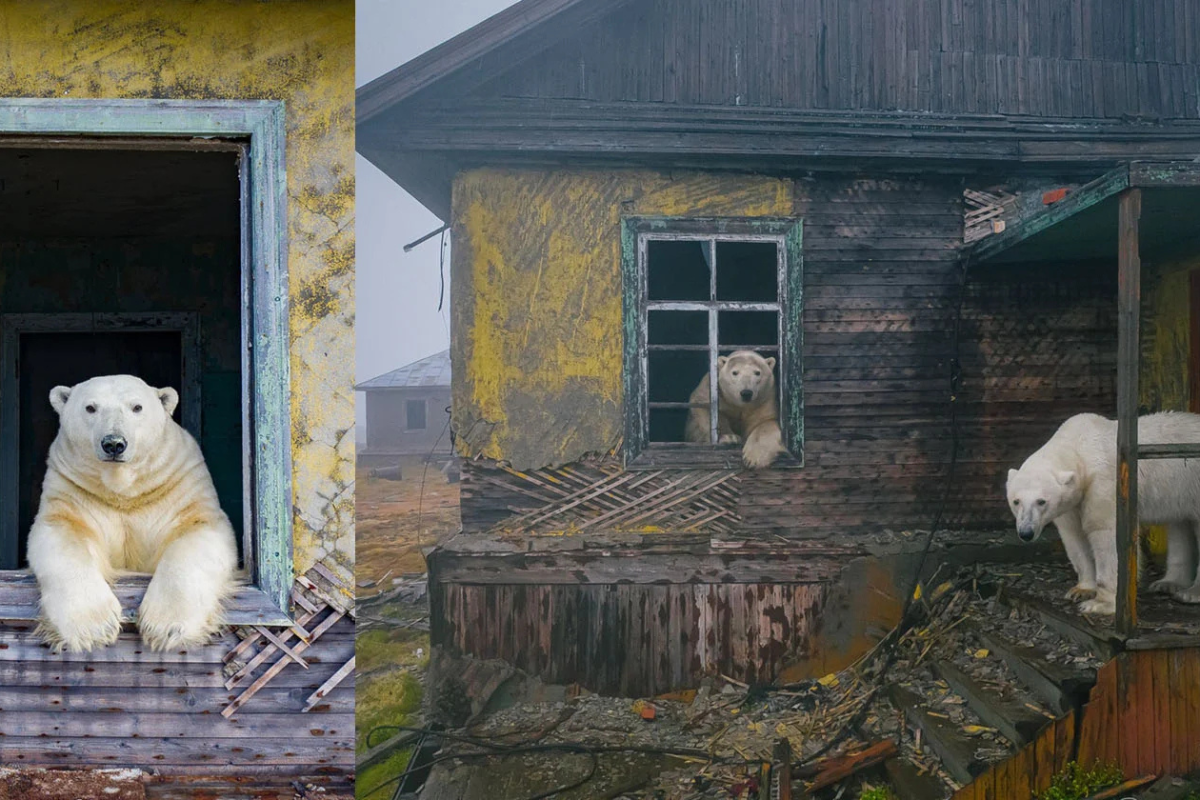
Polar bears in abandoned buildings : A Stark Indicator of Climate Change In September 2021, Russian wildlife photographer Dmitry Kokh set out to explore Wrangel Island, famous for its polar bear population. A powerful storm rerouted his team toward Kolyuchin Island. There, in an eerie turn of events, they saw polar bears in abandoned buildings once used as a Soviet weather station — a visual symbol of changing climates and displaced ecosystems. To their astonishment, they observed movement on the island. Using binoculars, they identified 15 to 20 polar bears roaming the deserted buildings. Typically, during this season, polar bears are found on sea ice or Wrangel Island. The presence of these apex predators so far south was unexpected. Approaching the island posed significant risks. Instead, Kokh utilized a drone to capture images, gradually acclimating the bears to its presence. The resulting photographs, depicting polar bears peering from dilapidated structures, garnered international acclaim. One such image, titled “House of Bears,” earned Kokh the prestigious Wildlife Photographer of the Year award. Climate Change and Altered Polar Bear Behavior Polar bears in abandoned buildings are not isolated incidents. Experts, including Professor Tom Smith from Brigham Young University, note that polar bears are inherently curious, often exploring human-made structures. However, the increasing frequency of such encounters is alarming. As Arctic sea ice diminishes due to rising temperatures, polar bears are compelled to spend more time on land, leading them to venture into human settlements in search of food. Open garbage dumps in northern communities become unintended feeding grounds. Securing these waste sites is challenging and costly, especially in remote areas. The shift from traditional, sustainable practices to modern waste generation exacerbates the problem.Instagram+3National Geographic+3Canadian Geographic Magazine+3USGS Health Implications for Polar Bears The transition from a diet rich in seal blubber to land-based food sources adversely affects polar bear health. Studies indicate that polar bears on land lose approximately one kilogram of body mass daily. The lack of high-fat prey leads to malnutrition, decreased reproductive rates, and increased mortality. Research highlights that polar bears cannot adapt rapidly enough to the changing environment. Their specialized physiology, evolved for a marine-based diet, makes prolonged terrestrial living unsustainable.AP News Human-Wildlife Conflicts When polar bears in abandoned buildings move closer to human settlements, the risk of human-wildlife conflict increases. The encroachment of polar bears into human habitats raises safety concerns. Incidents of bears entering villages, rummaging through waste, and even attacking humans, though rare, are becoming more frequent. In 2019, the village of Ryrkaypiy in Russia witnessed 60 polar bears near its vicinity, leading to the cancellation of public events and heightened alertness among residents. Such interactions often result in the culling of bears, further threatening their population. Implementing measures like bear-proof waste containers and community education can mitigate these conflicts. The haunting images captured by Kokh serve as a poignant reminder of the broader implications of climate change. They underscore the urgency for global efforts to reduce greenhouse gas emissions, preserve natural habitats, and implement sustainable waste management practices. Protecting polar bears requires a multifaceted approach, combining scientific research, community engagement, and international policy changes. Only through collective action can we ensure the survival of these majestic creatures and the ecosystems they inhabit. seee more.. WWF Arctic Programme Polar Bears International

🤖 World’s First Humanoid Half-Marathon Held in China China recently made headlines by hosting the world’s first humanoid robot half-marathon. The event took place in Beijing’s tech-focused Yizhuang district. More than 20 bipedal robots lined up beside 12,000 human participants, aiming to complete a challenging 21-kilometer (13-mile) course. While none of the androids outpaced their human competitors, the event marked a significant moment in the advancement of humanoid robotics. This half-marathon wasn’t just a race—it was a clear sign of China’s push into advanced robotics. (18 words) With the government identifying humanoid robots as a strategic innovation priority, the race served as both a spectacle and a benchmark for measuring technological progress in real-world conditions. 🏃♀️ How the Race Was Structured and Who Took Part The race route featured a mix of urban terrain, including curves, slight inclines, and paved lanes separated from human runners. Each robot had a dedicated team tracking progress and adjusting its pace. They also changed batteries when needed. Unlike human athletes who hydrate at water stations, robots received battery replacements at designated checkpoints.Research teams from Chinese universities, tech startups, and robotics labs joined the competition. Teams could switch to a backup robot. But each change added a 10-minute penalty. This rule added a strategic element—teams had to decide whether to continue with a slowing robot or incur the penalty for fresh performance. The winning robot, Tiangong Ultra, developed by the Beijing Humanoid Robot Innovation Center, completed the full course in 2 hours and 40 minutes. Despite finishing well behind human runners, its endurance and mechanical stability impressed researchers and onlookers alike. 🦿 Technological Features That Powered the Robots Most of the participating robots were designed with bipedal locomotion systems, imitating human gait. For example, Tiangong Ultra was equipped with elongated mechanical legs and a flexible running algorithm that mimicked the energy efficiency of human walking patterns. Engineers fine-tuned these features for the marathon. They improved balance, step precision, and speed control. Each robot also used onboard sensors, gyroscopes, and stabilizers to manage terrain variability. Some relied on remote assistance, with handlers jogging closely behind in case of a fall. A few required physical leashes for guidance, reflecting the current limitations of autonomous navigation in unpredictable outdoor environments. This mix of autonomy and manual support underscored the field’s early stage—robotic mobility is advancing fast, but true self-sufficiency remains a work in progress. 🇨🇳 China’s Strategic Focus on Humanoid Robotics China’s commitment to humanoid robotics goes beyond public stunts. In a 2023 policy paper, the Ministry of Industry and Information Technology named the sector as a “core competitive frontier” for national innovation. The document outlined objectives for achieving mass production and establishing reliable component supply chains by 2025. Events like this marathon serve dual purposes: showcasing development and encouraging competition. They align with China’s broader strategy to close the gap with U.S. and European tech firms, many of which also work on advanced humanoid models. Clips on Weibo and Douyin show Chinese robots doing flips, kicks, and even riding bikes—skills that are being refined for practical applications in logistics, healthcare, and security. 🧠 What the Future Holds for Humanoid Robot Performance Although robots fell behind human runners this time, experts say the trajectory of improvement is clear. AI expert Alan Fern from Oregon State University highlighted that merely finishing the race was an impressive achievement. “I didn’t expect any of them to finish,” he said, emphasizing how far the field has come. Future marathons may see robots running untethered, responding dynamically to terrain changes, and competing more closely with humans. Advances in machine learning, lightweight materials, and energy-efficient actuators are all expected to improve robot endurance and mobility. Furthermore, as global investment in AI and humanoid robotics surges, collaborative developments between China, the U.S., and Europe could lead to rapid breakthroughs in robot-human performance parity.
China executes Japanese killer, fueling diplomatic tension and fear as xenophobic attacks raise concern among foreign communities.

🐍 A New Species: The Black-Eyed Snake of Papua New Guinea Scientists have made a striking discovery in Papua New Guinea’s rich ecosystem—a large, black-eyed snake called Dendrelaphis atra. Recently identified by renowned herpetologist Fred Kraus on Misima Island in the Louisiade Archipelago, Scientists around the world have shown strong interest in this newly recorded species. This black-eyed snake from Papua New Guinea is notable for its dark matte scales, adaptive habitat behavior, and mysterious nature. Fred Kraus’s discovery of Dendrelaphis atra, which can grow over four feet long, highlights the region’s untapped biodiversity. Kraus’s work also revealed three additional previously undocumented snake species, emphasizing the ecological richness hidden within Papua New Guinea’s forests. 🌳 Where Was the Black-Eyed Snake Discovered? Misima Island is part of the remote Louisiade Archipelago in Papua New Guinea. It is known for its dense tropical forests, scattered villages, and remnants of mining activity. While exploring ridgelines and degraded areas on the island, Fred Kraus encountered an unusual serpent: a snake with matte black coloring and clear white chins, slithering not just through trees, but around homes and man-made structures. This combination of natural and urban proximity made the black-eyed snake stand out. Its unique features didn’t match any known species. This led scientists to conduct a full taxonomic review and classification. 📛 Name Origins: What Does “Atra” Mean? Researchers named the species Dendrelaphis atra, with “atra” deriving from Latin, meaning “black.” This name reflects the snake’s unique and gradually changing coloration. Juveniles start out gray-brown. As they mature, their color shifts to a deep, dark black. This rare color transformation is virtually unheard of in this snake’s genus, and helped scientists identify it as a distinct species. The snake’s jet-black appearance and large, glossy black eyes inspired both its Latin name and common reference—the black-eyed snake of Papua New Guinea. 🏡 A Snake That Lives Near Humans One of the most fascinating features of the black-eyed snake in Papua New Guinea is its adaptability. It’s been observed in a wide range of habitats, including: Village gardens Abandoned mining areas Forest edges and ridgelines Overgrown human pathways This is highly unusual for a newly discovered species, as most reptiles are found in undisturbed environments. The black-eyed snake’s tolerance for human presence suggests it may already be part of daily life on Misima Island—just unnoticed until now. Despite this visibility, scientists still know very little about its diet, reproduction, or ecological role. Its comfort around humans adds to the mystery of its hidden lifestyle. 🌍 Why It Matters: An Endemic Species? So far, Dendrelaphis atra has only been found on Misima Island. Scientists have not recorded any sightings on nearby islands or the mainland. This limited range may indicate that the species is endemic, meaning it exists nowhere else in the world. The big questions now are: Did this species once have a broader range? Is it a relic from an ancient population? Has it evolved uniquely on Misima Island due to geographic isolation? Researchers must conduct more field research and compare regional snake populations to answer these questions. 🔬 Kraus’s Bigger Mission: Documenting Hidden Biodiversity This discovery is just one part of a much broader mission. During the same expedition, Fred Kraus also discovered three more snake species, each unique to its own island in the Louisiade Archipelago. These findings reinforce how much biodiversity in Papua New Guinea remains undocumented. Kraus’s work showcases the importance of long-term biological surveys and field studies in remote, unexplored ecosystems.Read more about recent species discoveries Colossal Squid Discovery – First-Ever Deep Sea Footage