UN Deep Sea Warning: Oceans Must Be Protected

Deep Sea Mining Risks: A Global Battleground Emerges The world’s oceans, long considered vast and mysterious, are now under increasing threat from an emerging frontier — deep sea mining. In a UN deep sea warning, Secretary-General António Guterres cautioned that the ocean floor must not become a lawless, profit-driven “Wild West.” His statement comes amid rising global concerns about unregulated extraction of precious metals from the seabed, especially in international waters. This growing interest in seabed mining has triggered a fierce debate. While proponents argue that these mineral-rich regions could power the future of green technologies, environmentalists and marine scientists warn that the ecological cost could be devastating and irreversible. UN Deep Sea Warning: Protecting Our Shared Oceans At the United Nations Oceans Conference held in Nice, France, Secretary-General António Guterres issued a strong UN deep sea warning, making it abundantly clear that the world must not sacrifice oceanic health for economic gain. He emphasized the need to regulate and, where necessary, halt deep sea mining until adequate research is done to understand its environmental impact. “The deep sea cannot become the Wild West,” Guterres said during his opening address. Joining the UN chief in his concern was French President Emmanuel Macron, who made a compelling call to the international community to treat the oceans as a global common good. “The ocean is not for sale,” Macron said. “It is madness to launch predatory economic action that will destroy biodiversity and disrupt the seabed.” Understanding Deep Sea Mining Amid UN Concerns Deep sea mining refers to the process of retrieving mineral resources from the ocean floor, particularly from areas beyond national jurisdictions. These areas, known as the high seas, contain polymetallic nodules rich in cobalt, manganese, nickel, and rare earth elements. Targeted Areas: The lure of these precious resources has intensified as demand grows for batteries, solar panels, and other components essential to the clean energy transition. But the technological and ecological risks associated with mining these deep-sea areas are still largely unknown. Environmental Concerns Behind the UN Deep Sea Warning 1. Biodiversity Destruction Deep sea ecosystems are some of the most fragile on Earth. Scientists warn that disrupting these environments can destroy species that are yet to be discovered, many of which may never recover. 2. Irreversible Damage Unlike terrestrial ecosystems, the deep sea recovers at an extraordinarily slow pace. Any mining activities could take centuries—or even millennia—to heal. 3. Impact on Global Carbon Storage Seabed ecosystems play a crucial role in carbon sequestration. Disrupting them could potentially accelerate climate change by releasing stored carbon. 4. Noise and Light Pollution Mining machinery generates intense light and low-frequency noise, both of which interfere with the natural behavior of marine life, including whales and deep-sea fish. Global Scientists Call for Moratorium on Deep Sea Mining Ahead of the UN conference, over 2,000 marine scientists and ocean experts gathered to analyze the latest data on ocean health. Their conclusion was unanimous: a halt on deep sea mining is necessary until further research clarifies its impact. The scientific recommendation includes: More than 30 nations have expressed support for this precautionary approach. However, major political players like the United States remain outliers in the debate, with former President Trump having issued permits for exploratory mining activities in international waters. Treaty to Safeguard the High Seas Amid UN Deep Sea Warning One of the primary goals of the UN Oceans Conference was to get at least 60 countries to ratify the High Seas Treaty, an international agreement designed to place 30% of the world’s international waters under protected status by 2030. Key Objectives of the Treaty: To date, 47 countries have ratified the treaty. French President Macron announced during the conference that 15 more countries had joined since the last session. However, without universal participation, the treaty’s enforcement remains weak. UK’s Delayed Commitment Amid UN Deep Sea Warning on Ocean Protection While the UK has expressed support for sustainable ocean policies, it has yet to ratify the High Seas Treaty. On a positive note, it announced intentions to extend a ban on bottom trawling across MPAs in England. Bottom trawling is a controversial fishing practice where heavy nets are dragged across the ocean floor, disrupting marine habitats and killing unintended species, including endangered ones. Environmentalists, including Sir David Attenborough, have urged that the treaty include explicit bans on such destructive methods. UN Deep Sea Warning Reveals Political Roadblocks to Ocean Protection The divide between economic ambitions and environmental stewardship is stark. Countries with strong technological capabilities see the deep sea as the next economic frontier. Meanwhile, nations that prioritize biodiversity and indigenous marine rights are advocating for a more cautious approach. Challenges to Policy Implementation: Global Civil Society Responds to UN Deep Sea Warning Beyond governments, civil society and environmental NGOs are playing a vital role in pushing for stronger protections. Global campaigns, documentaries, and grassroots initiatives are raising public awareness about the irreversible dangers of deep sea mining. Notable Initiatives: Indigenous Perspectives on Ocean Stewardship Many coastal and island communities hold the ocean as sacred, and their traditional knowledge can play a crucial role in conservation. These communities emphasize the interconnectedness of life and warn that industrial activities in the deep sea go against the spirit of ecological balance. Their participation in international policymaking remains limited but increasingly vocal, demanding that any future ocean treaty includes indigenous rights and perspectives. Technology and the Race for Critical Minerals The shift to renewable energy and electric vehicles has created a booming demand for minerals like cobalt and lithium. Companies argue that deep sea mining can reduce dependency on land-based sources, which often involve human rights violations and environmental degradation. However, critics argue that: The Path Forward: Sustainable Oceans for All Policy Recommendations: A Defining Moment for Ocean Protection The UN warning on deep sea mining is more than a diplomatic statement—it’s a call to action for humanity to rethink how we treat our oceans. With climate change accelerating and biodiversity under threat, the decisions we…

Read More

Neglect Your Garden: A New Path to Supporting Wildlife Naturally

Should You Neglect Your Garden? Exploring Sustainable Gardening Practices Beautiful gardens filled with vibrant blooms and carefully arranged bee hotels are admired by many. However, a new question is gaining traction among ecologists and gardening experts: should you neglect your garden? Instead of constant pruning, planting, and cleaning, some scientists suggest that letting nature take its own course could lead to healthier ecosystems, more resilient pollinator populations, and increased biodiversity. In fact, when you neglect your garden in strategic ways—like leaving leaves in autumn or delaying mowing in spring—you create essential habitats for insects and birds. More experts now argue that to truly support nature, it may be better to neglect your garden just enough to allow native plants and pollinators to thrive. While it may seem counterintuitive, the act of choosing to neglect your garden could actually become one of the most sustainable choices a homeowner can make. Turning Your Garden Wild: How Controlled Neglect Supports Biodiversity and Pollinators Ashley Louise Miller Helmholdt, a garden educator at Cornell University, maintains a variety of green spaces around her home—from native plant beds to wild patches. While she doesn’t claim to be a master gardener, her knowledge of native ecology allows her to support local biodiversity. Weeds, often unwelcome in traditional gardening, play a crucial role in sustaining pollinators and insects across seasons. How Letting Gardens Grow Wild Boosts Pollinator Health and Biodiversity Pollinators such as bees, butterflies, and other insects have been facing sharp population declines globally since the 1990s. One of the major causes is habitat loss due to urbanization, pesticide use, and climate change. In urban and suburban areas, neatly manicured lawns offer little in terms of nectar and shelter. Even the famed Western Monarch butterfly saw its population shrink to just over 9,000 individuals in 2024—a dangerously low figure. Matthew Shepherd of the Xerces Society explains that even a small patch of pollinator-friendly space can help reverse this trend. “Community gardens, school yards, and backyard plots collectively offer a patchwork of habitat that can support insects throughout their life cycles,” he says. Why Traditional Garden Care Often Falls Short in Supporting Wildlife and Pollinators Neat rows of wildflowers and tidy bee hotels may look beautiful, but they don’t always serve the deeper needs of wildlife. True wildlife gardens should support the full life cycle of insects, which means providing food, shelter, and breeding areas year-round. Conservation biologist Desirée Narango from the Vermont Center for Ecostudies emphasizes that winter habitat is just as important as summer forage. Dead plant stems, leaf piles, and even patches of bare ground are essential hiding places for insects during colder months. The Case for Controlled Neglect in Modern Gardening: Boosting Biodiversity and Pollinator Health Narango’s own backyard in rural Vermont is a thriving meadow of native plants. She rarely intervenes, allowing native flora to spread naturally. Her strategy of minimal gardening offers shelter and nourishment to a wide array of species. Occasionally, she removes invasive plants like dandelions, but otherwise lets the ecosystem maintain itself. Research has shown that native plants support more diverse insect populations than non-native ones. While some non-natives can boost nectar availability, they should be carefully controlled to avoid overwhelming native species. Starting From Scratch: How to Create a Wildlife-Friendly Garden by Letting Nature Lead In more conventional suburban backyards, turf lawns dominate. Creating a thriving wildlife garden in such spaces often means removing the existing lawn to allow native plants a chance to establish. Miller Helmholdt advises tilling the soil several times to eliminate weed seeds before planting native varieties. Reconsidering Weeds: Embracing Nature’s Helpers in Your Garden While often treated as nuisances, some weeds offer surprising benefits. For instance, white clover can significantly boost nectar availability in pollinator gardens. Similarly, stinging nettles support dozens of insect species across Europe and North Africa. Yet Narango warns that outside their native habitats, such plants usually benefit only generalist pollinators, not those that are endangered or ecologically specialized. Finding Balance: Using Native and Non-Native Plants in a Wildlife-Friendly Garden Going completely native may not be practical for everyone, but partial conversion still has major ecological benefits. In a recent study co-authored by Narango, researchers found that if 70% of your garden’s biomass is native plants, local bird populations can be sustained. Non-native plants tend to reduce insect availability, indirectly affecting higher species in the food web. The Mow Debate: How Less Mowing Supports a Wildlife-Friendly Garden Campaigns like “No Mow May” encourage homeowners to let lawns grow in early spring, offering a critical window for pollinators to forage and nest. Susannah Lerman, a USDA research ecologist, prefers the term “Slow Mow Summer,” emphasizing that reduced mowing throughout the warmer months benefits ground-nesting bees and other wildlife. Miller Helmholdt agrees: “Pollinators like ground-nesting bees rely on undisturbed soil and organic debris. Mowing less frequently gives them a fighting chance.” Total Garden Neglect: Risks and Rewards for Ecosystem Health Letting a garden grow wild without intervention can sometimes backfire. Aggressive invasive species can dominate, reducing plant diversity and degrading habitat quality. Ecological landscape designer Larry Weaner cautions that neglect may lead to a homogenized space overrun by a few dominant species. Shepherd of the Xerces Society adds, “An untended garden may offer food and shelter, but without intentional diversity, its value to wildlife is limited.” Still, in some cases, totally neglected land can foster surprising biodiversity. Former industrial or commercial sites in the UK and US have become unlikely refuges for rare species, like the distinguished jumping spider near London or urban wildlife hubs in Detroit. Leave the Leaves: How Autumn Garden Neglect Supports Biodiversity In fall, instead of raking and blowing leaves, experts suggest letting them lie. The “Leave the Leaves” initiative from the Xerces Society advocates for allowing leaves and dead stems to accumulate naturally, providing essential overwintering habitat for insects. Narango highlights the luna moth, which requires a soft, leafy landing zone during its pupation phase. “If all it finds is compacted soil and manicured lawn, it…

Read More

Reviving Extinct Species: Nature’s SAFE Brings Rhinos Back

Reviving Extinct Species Through Biobanking Reviving extinct species is no longer just a dream of science fiction—it is fast becoming a tangible reality. Thanks to groundbreaking biotechnological advances, organizations like Nature’s SAFE are leading the charge in this effort. The UK-based charity, dedicated to preserving endangered species through biobanking, has successfully revived living cells from a southern white rhino that died in 2021. This remarkable feat offers renewed hope for the conservation and revival of species once thought to be lost forever (Nature’s SAFE, Times of India). The Process of Biobanking: Preserving Life After Death Biobanking refers to the process of collecting and preserving biological samples—such as tissues and cells—at ultra-low temperatures to keep them viable for future use. Nature’s SAFE leads this effort by operating a “living biobank” where it cryopreserves samples at -196°C. This approach enables scientists to store genetic material long-term and apply it in assisted reproductive technologies that support species conservation..conservationoptimism.org+3natures-safe.com+3natures-safe.com+3natures-safe.com+1natures-safe.com+1 Case Study: The Southern White Rhino In 2021, a 40-year-old southern white rhino at Whipsnade Zoo passed away. Before its death, veterinarians collected tissue samples, which were then cryopreserved by Nature’s SAFE. In a remarkable achievement, scientists successfully revived millions of living cells from these samples nearly four years later . This marks a significant milestone in conservation science, demonstrating the potential of biobanking in reviving extinct species.timesofindia.indiatimes.com The Role of Stem Cells in Species Revival Stem cell technology plays a crucial role in the potential revival of extinct species. By reprogramming preserved skin cells into induced pluripotent stem cells (iPSCs), scientists can generate various cell types, including gametes (sperm and egg cells). This approach has been successfully demonstrated in mice and is now being explored in larger mammals, including rhinos .conservationoptimism.org+2safaripark.cz+2izw-berlin.de+2cell.com Global Collaborations and Ethical Considerations Nature’s SAFE collaborates with various organizations, including Chester Zoo and the University of Oxford, to advance biobanking and reproductive technologies . While the revival of extinct species offers exciting possibilities, it also raises ethical questions about de-extinction and the prioritization of conservation resources. Experts emphasize the importance of focusing on preserving existing biodiversity and using these technologies responsibly.safaripark.cz+7wired.com+7bbc.com+7 A New Frontier in Conservation The successful revival of living cells from a deceased southern white rhino by Nature’s SAFE represents a significant advancement in conservation efforts. Biobanking and stem cell technologies offer promising tools for preserving genetic diversity and potentially reviving extinct species. As science continues to push the boundaries of what’s possible, ethical considerations and responsible application will be paramount in guiding these groundbreaking endeavors.

Read More

Clownfish Ocean Heat Adaptation: Shrinking to Survive

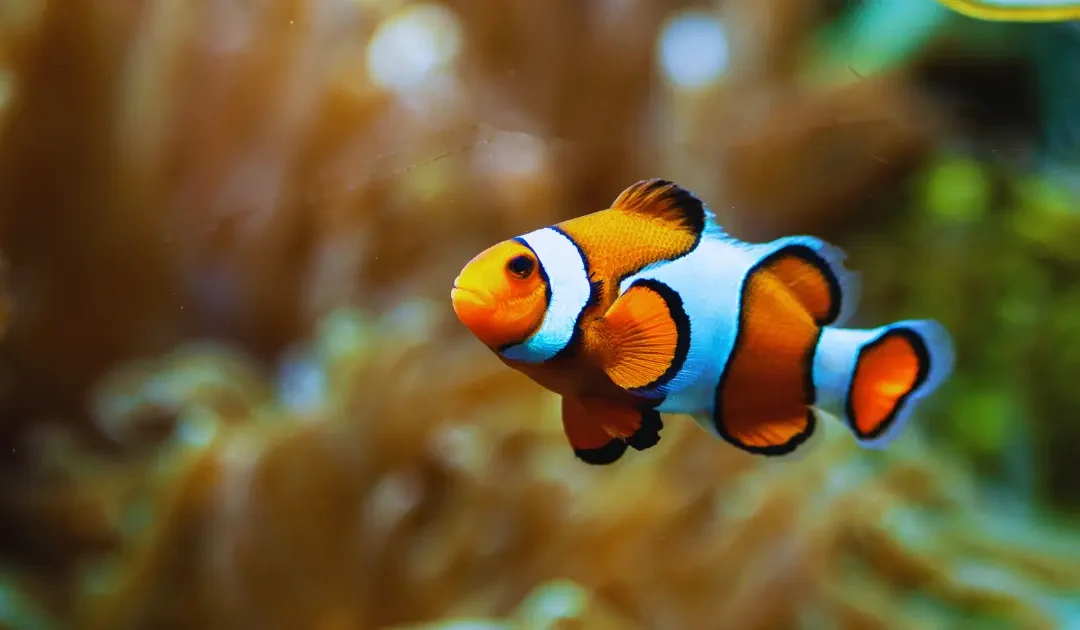
Clownfish Ocean Heat Adaptation: Shrinking as a Climate Warning Clownfish ocean heat adaptation is driving these vibrant reef fish to shrink in size as marine heatwaves worsen due to climate change. Known for their bright orange and white stripes, clownfish are now evolving rapidly to survive rising ocean temperatures. Recent studies in 2023 revealed that clownfish living on coral reefs significantly reduced their size during extreme heat events—a surprising discovery that sheds light on how marine species cope with environmental stress. Marine Heatwaves and Clownfish Size Reduction Researchers studying clownfish ocean heat adaptation documented populations living in coral reefs around Kimbe Bay, Papua New Guinea, during the scorching summer of 2023. As ocean temperatures soared, causing widespread coral bleaching, the delicate ecosystem that clownfish depend on was disrupted. Throughout this period, scientists observed a dramatic reduction in the physical size of clownfish—both in length and weight—highlighting a clear example of clownfish ocean heat adaptation in response to environmental stress. Quantifying the Shrinkage: Measurable Adaptation Over 75% of clownfish studied experienced size reduction at least once during the heatwave. Unlike mere weight loss from food scarcity, these fish actually shortened in length by several millimeters. The findings suggest a metabolic adaptation where the fish reduce their size to consume less oxygen and food, thereby increasing their survival odds under heat stress. Biological Strategy: Metabolic Downscaling in Clownfish Ocean Heat Adaptation Dr. Theresa Rueger, a senior lecturer in tropical marine science, explained that clownfish are undergoing a physical transformation—not simply losing fat, but actively modifying body composition. This strategy is likely a defense mechanism to conserve resources. Similar processes have been observed in other species like marine iguanas, where body tissues are reabsorbed to reduce metabolic demand. Why Clownfish Matter: Ecosystem Indicators in Clownfish Ocean Heat Adaptation Clownfish serve as an important species within coral reef ecosystems. Their health reflects broader environmental conditions. When clownfish shrink in response to climate stress, it signals potential distress across the food chain. As reefs bleach and degrade, the biological feedback loops in these ecosystems may spiral toward collapse. Global Implications for Marine Life in Clownfish Ocean Heat Adaptation This phenomenon is not isolated. Researchers point to a growing trend where various animal groups—including birds, insects, and reptiles—are altering their body sizes in response to climate stress. The clownfish case is particularly compelling because it demonstrates a rapid and measurable change within a single season. Evolution or Emergency? Clownfish Ocean Heat Adaptation at a Critical Crossroads While the ability to shrink suggests adaptability, scientists caution that it may be a short-term solution. Shrinking may impair reproduction, competitive ability, or predator evasion. Over generations, it’s unclear whether this adaptation will persist or if it signals a population under severe pressure. Clownfish as Climate Messengers The symbolic weight of clownfish, made popular by animated films, makes them ideal ambassadors for marine conservation. As public icons, they can help raise awareness about the real-time effects of climate change on biodiversity. The notion of “shrinking Nemo” adds a powerful visual metaphor to the climate crisis. Coral Reefs and the Domino Effect As coral reefs continue to bleach and die due to rising sea surface temperatures, species like clownfish that rely on them are caught in a life-or-death struggle. Reefs provide food, shelter, and breeding grounds. Their decline disrupts an entire web of marine organisms, emphasizing the interconnected nature of ocean ecosystems. Technological Advances in Marine Observation This breakthrough was made possible through advanced underwater monitoring equipment and repeated measurement of tagged clownfish. The precision of these tools allowed researchers to detect subtle changes in fish morphology that may have gone unnoticed in the past. Future Research Directions Ongoing studies aim to understand whether clownfish can recover their size once heatwaves subside and if similar changes are observed across multiple generations. Scientists are also exploring the genetic basis for this size plasticity and whether it can be passed to offspring. Adaptation or Extinction? The line between adaptation and decline is thin. While size reduction helps fish survive short-term heat stress, it may not be sustainable. Smaller body sizes can reduce mating success and increase vulnerability to predators. If heatwaves become more frequent and intense, clownfish may struggle to maintain healthy populations. What We Can Learn The case of the shrinking clownfish highlights how even the smallest creatures are dramatically affected by human-driven climate change. It underscores the urgency of reducing greenhouse gas emissions and protecting marine biodiversity through policy, innovation, and conservation efforts. Action Steps for Conservation The Future of Nemo Clownfish are not just movie stars—they are climate survivors. Their ability to shrink in response to heatwaves is remarkable, but it’s also a red flag. As oceans warm and reefs vanish, species like clownfish face an uncertain future. Understanding their response to stress offers critical clues in the fight to preserve marine life.

Read More

Drinking Water Shortage UK: Plans to Build New Reservoirs

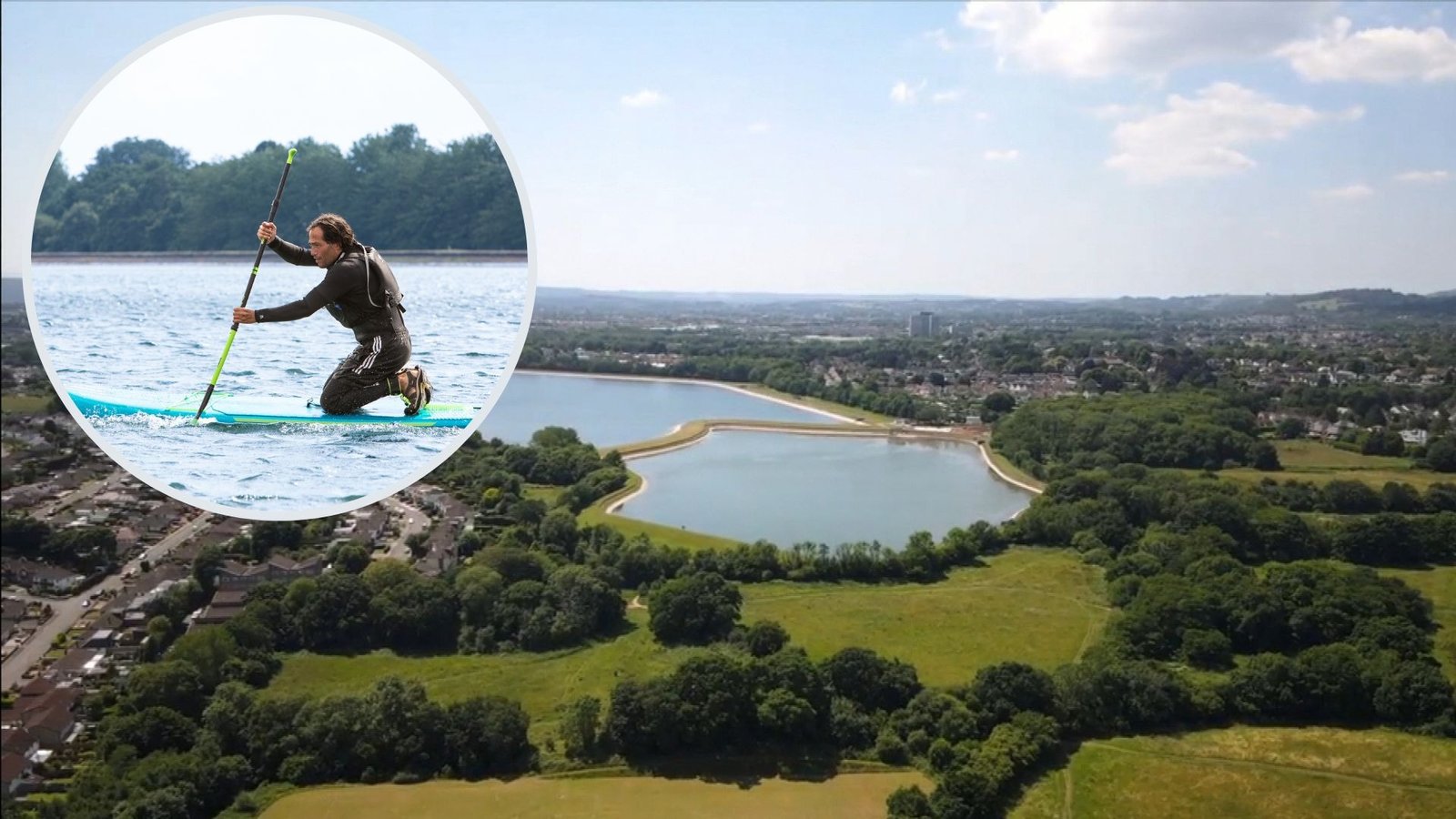
England faces a serious drinking water shortage UK crisis that could become critical within ten years. With rising temperatures, population growth, and ongoing droughts, the need for new water infrastructure is urgent. This article explores reservoir plans, construction challenges, and why changing water use is key to future supply. The Growing Threat of Drinking Water Shortage UK Faces Recent dry spells, including an exceptionally dry spring, have pushed many regions in England to dangerously low water levels. For example, Woodhead Reservoir in Derby showed significantly reduced water volumes earlier this year, highlighting a growing trend. Scientists and officials warn of a UK-wide drinking water shortage if new reservoirs aren’t built soon. Government Initiatives to Combat Drinking Water Shortage UK In response to the crisis, the UK government has sped up plans for two major reservoirs: the Fens Reservoir in Cambridgeshire and the Lincolnshire Reservoir. These are due for completion by 2036 and 2040. They will increase water storage in some of England’s driest areas. Water Minister Emma Hardy stressed the urgency, warning that without these reservoirs, England could face drinking water shortages by the mid-2030s. Why New Reservoirs Are Needed to Address Drinking Water Shortage UK Reservoirs play a critical role in mitigating drought impacts by storing excess rainfall during wet seasons for use in dry periods. Climate change predictions point to hotter, drier summers ahead, making water scarcity more frequent and severe. However, England has not built a major reservoir since 1992, leaving the country vulnerable to increasing demand from new housing developments, industry, and population growth. Challenges in Building New Reservoirs While reservoir projects are vital, they face numerous hurdles including local opposition, high costs, and long timelines. Local communities often resist plans due to concerns about land use, environmental impact, and disruption. Additionally, constructing reservoirs can be expensive and may lead to higher water bills. The government’s move to classify these projects as nationally significant aims to streamline approvals but has sparked debate about balancing local interests with national needs. The Role of Water Conservation Experts agree that new reservoirs alone cannot solve the drinking water shortage UK problem. There must be a comprehensive approach to managing water consumption, including reducing household use, fixing leaks, recycling water, and smarter planning around new developments. Professor Hannah Cloke of the University of Reading advocates for retrofitting existing homes and regulating new construction to minimize water waste. Climate Change and Its Impact on Water Supply Climate change is intensifying the frequency and severity of droughts in the UK. The Met Office warns that drier summers and unpredictable rainfall patterns will continue, putting additional pressure on water resources. This environmental shift makes it all the more critical to invest in infrastructure and adopt sustainable water management practices. Conclusion The UK is at a crossroads where action on drinking water shortage UK issues cannot be delayed. Building new reservoirs, accelerating infrastructure projects, and transforming how water is used are all essential steps. Only by combining these strategies can England ensure reliable drinking water supplies for future generations.

Read More

Blackbird Decline Is a Taste of the Future: A Growing Warning

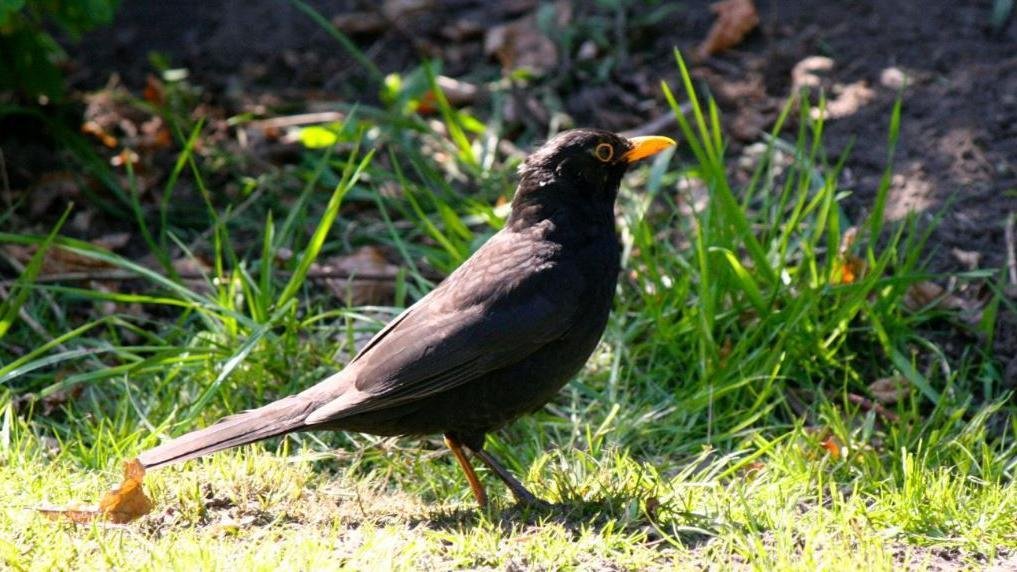
Why Blackbird Decline Is a Taste of the Future for UK Wildlife Once a familiar melody in British gardens and parks, the cheerful song of the blackbird is now growing faint. A stark 40% decline in blackbird populations across parts of the UK has sparked concern among conservationists and wildlife enthusiasts. Among them is Mya-Rose Craig, a 23-year-old ornithologist and climate activist, who warns that this rapid decline is not just about one bird—it is a grim indicator of broader ecological collapse. According to Craig, the blackbird decline is a taste of the future if climate change and habitat loss are not urgently addressed. How the Usutu Virus Shows Blackbird Decline Is a Taste of the Future Over the past five years, a mosquito-borne disease known as the Usutu virus has taken root in southern England. This virus, relatively new to the region, has been linked to a dramatic decrease in blackbird numbers, especially in urban areas like Greater London. The virus is spread by mosquitoes, whose populations are expanding due to warming temperatures and increasing rainfall—two phenomena directly tied to climate change. As a result, birds that once thrived in UK gardens are now disappearing at an alarming rate. Mya-Rose Craig Warns That Blackbird Decline Is a Taste of the Future Known online as BirdGirlUK, Mya-Rose Craig has been an environmental campaigner since she was 13. Speaking on BBC Breakfast, she described the blackbird’s plight as deeply troubling, especially given that blackbirds are among the most common and beloved bird species in the UK. “When people hear birdsong, it’s often the blackbird. To think of that sound vanishing is incredibly sad,” she said. Her passion for conservation is not just professional—it is deeply personal. Why Blackbird Loss Signals a Bigger Problem Moreover, the disappearance of blackbirds is not an isolated phenomenon. Ms Craig emphasized that climate change and environmental degradation are impacting numerous bird species. For instance, starling numbers have dropped by 80% since the 1960s. This trend highlights a broader ecological crisis. As Craig put it, “Our garden species are so special, which is why the speed of their decline is so worrying.” In addition, Craig warned that most people remain unaware of how dire the situation truly is. “Our wildlife is really, really struggling in the UK in a way I don’t think people really realise,” she said. This disconnect between perception and reality can delay critical policy responses. Climate Change Fuels a Perfect Storm Increasingly erratic weather patterns, including warmer temperatures and more frequent flooding, create ideal conditions for the spread of diseases like Usutu virus. As mosquito habitats expand, so too does the risk to native bird populations. Consequently, the blackbird’s vulnerability becomes a harbinger of things to come. Craig stated, “With warmer weather and increased flooding, it feels like kind of a taste of what’s to come.” A Personal Commitment to Nature Craig’s advocacy extends beyond blackbirds. She has consistently campaigned for greater awareness and stronger action on climate change, biodiversity loss, and environmental education. Awarded an honorary doctorate by the University of Bristol in 2020, she uses her platform to engage young people with nature and to encourage them to become environmental stewards. She also champions the often-overlooked “small brown birds” that make up much of the UK’s garden avifauna. These species, though less flashy than some of their counterparts, play critical roles in ecosystems—from pest control to pollination. Their decline, Craig argues, must not be ignored. Mental Health and the Soundscape of Nature Furthermore, Craig points out that the loss of birdsong has psychological consequences. “Imagine a city without birdsong—it has a really terrible knock-on effect on people as well,” she explained. Numerous studies support her claim, showing that natural sounds like birdsong contribute to reduced stress and improved mental health. As such, protecting bird populations is also about preserving human wellbeing. Solutions and the Path Forward So what can be done to reverse this disturbing trend? Craig advocates for stronger policies on climate mitigation, wildlife protection, and disease monitoring. She also encourages individual actions such as creating bird-friendly gardens, reducing pesticide use, and supporting conservation organizations. In the long term, collaborative efforts between scientists, policymakers, and the public will be essential. Early detection systems for new wildlife diseases, improved public education, and international cooperation on climate action can all help mitigate the threats to the UK’s biodiversity. A Call to Listen Ultimately, the blackbird’s fading song should serve as a wake-up call. As Mya-Rose Craig reminds us, the blackbird decline is a taste of the future—a future where inaction leads to silent mornings and vanishing wildlife. If we wish to preserve the natural harmony that so enriches our lives, we must act now. By responding to these early warnings with urgency and compassion, we can ensure that future generations inherit a world still filled with birdsong and biodiversity. The time to listen—and act—is now.

Read More

Climate Change Threatens Species: A Growing Crisis

Climate Change Threatens Species and Drives the Biodiversity Crisis Climate change threatens species worldwide and is no longer a distant or abstract danger. A new analysis of over 70,000 wild animal species reveals that climate change now poses a serious risk to thousands of them. This threat adds to existing challenges like habitat loss and overexploitation. With nearly 5% of assessed species impacted by climate-related factors, scientists warn that the biodiversity crisis is rapidly worsening.. How Climate Change Threatens Species Across Land and Sea Climate change threatens species worldwide, becoming one of the leading causes of biodiversity loss. Recent research shows that over 3,500 wild animal species are directly impacted as climate change threatens species through rising temperatures, droughts, floods, storms, and ocean acidification. This study, published in BioScience, highlights that climate change threatens species especially among ocean invertebrates, many of which face mass die-offs due to these changing environmental conditions. Ocean Invertebrates: Vulnerable Species Threatened by Climate Change Climate change threatens species, especially marine invertebrates such as mollusks, sea stars, corals, and horseshoe crabs. The ocean absorbs around 90% of the excess heat generated by greenhouse gas emissions, turning it into a major hotspot for climate-related stress. Since many marine invertebrates are immobile or slow-moving, their ability to escape rising ocean temperatures is severely limited. Additionally, climate change threatens species through ocean acidification, which disrupts the formation of calcium carbonate, weakening the shells and reefs that these organisms rely on for survival. A Hidden Crisis: How Climate Change Threatens Marine Species Amid Data Gaps The real scope of the crisis may be even larger. According to marine conservation authorities, only 15% of the species assessed by the IUCN Red List are marine species, and only 20% of those are invertebrates. That leaves a significant knowledge gap. Experts warn that we may be flying blind when it comes to understanding the full impact of climate change on ocean biodiversity. Small Creatures, Big Impact: How Climate Change Threatens Invertebrate Species While large animals like polar bears and sea turtles often symbolize the climate crisis, many of the most critical species being affected are small invertebrates. Bees, corals, and spiders — key providers of pollination and ecosystem stability — are increasingly suffering. As these species disappear, the food chains and ecological processes they support begin to unravel. Mass Die-Offs as Warning Signals From heatwaves to disrupted food webs, the study documents numerous examples of mass mortalities linked to climate change: These events are not isolated but part of a growing pattern of ecological collapse driven by climate extremes. How Climate Stress Affects Land Animals On land, animals are facing their own climate-induced crises. Rising temperatures, shifting precipitation patterns, and severe weather events are destroying habitats and reducing food availability. Bumblebee populations, for example, are collapsing across Europe and North America. More than 60 bumblebee species are now locally extinct due to extreme heat. The Domino Effect: Ecosystems in Jeopardy When one species collapses, it affects many others. Ecosystems are interconnected webs, and losing keystone species can set off a chain reaction. Pollination, nutrient recycling, and natural pest control services decline. Human societies, reliant on these services, also feel the consequences through reduced food security and health impacts. Monitoring the Collapse: A Call for a Global Database To track and understand the impacts of climate change on wildlife, researchers recommend creating a global database of mass mortality events. Such a database could document the species affected, location, cause, and intensity of climate-induced die-offs. An existing model is the T-MEDNet initiative in the Mediterranean Sea, which could be expanded globally. Filling the Data Gaps: Urgent Need for Assessments With only 5.5% of Earth’s species currently assessed by the IUCN Red List, the true extent of the biodiversity crisis is likely underestimated. Immediate efforts are needed to evaluate more species, especially underrepresented groups like marine invertebrates. These assessments can inform risk models and guide global conservation priorities. Climate and Biodiversity Policy Must Converge Conservationists emphasize the need for integrated policy solutions. Climate action and biodiversity protection must go hand-in-hand. Governments should not treat them as separate issues. Bold policies must reduce greenhouse gas emissions while also preserving critical habitats and protecting threatened species. The Role of Fossil Fuels in the Crisis Fossil fuel combustion remains the leading driver of climate change. In 2024 alone, global carbon dioxide emissions reached 41.6 billion metric tons — a record high. Rapidly phasing out coal, oil, and gas is essential to curbing the worst impacts on biodiversity. Without deep and immediate cuts, the future of countless species remains uncertain. Public Action: What Individuals Can Do Everyone has a role in preventing biodiversity loss. Individuals can support climate-conscious policies, reduce their carbon footprints, and advocate for stronger environmental protections. Raising awareness and pushing for accountability from governments and corporations are key steps in safeguarding Earth’s biodiversity. The Future Depends on Us Climate change is not a looming threat — it is here and it is already decimating wildlife. From ocean invertebrates to land mammals, no group is immune. Without rapid and coordinated global action, we risk losing not just individual species but the very ecosystems that sustain life. This pivotal moment demands immediate attention, scientific collaboration, and public commitment to reverse the tide of biodiversity loss.

Read More

Sloth Evolution Study Reveals Secret to Their Survival

Unveiling the Mystery of Sloth Survival: Insights from a Sloth Evolution Study A recent sloth evolution study has shed new light on how these famously slow creatures have thrived for millions of years. Despite their sluggish reputation, sloths have developed unique adaptations—like low metabolism and deliberate movements—that have been critical to their survival. While many giant, land-dwelling sloths vanished thousands of years ago, today’s tree-dwelling sloths have evolved to thrive in the rainforests of South and Central America. The Ancient World of Sloths: Evolutionary History and Diverse Lineage Sloths once roamed across the Americas in astonishing diversity. Ancient fossil records show they existed in a range of environments, from forest floors and caves to underground tunnels and even aquatic habitats. This sloth evolution study reveals how these prehistoric sloths varied significantly in size and behavior. Some were as massive as elephants, standing over three meters tall, while others remained small and nimble tree-dwellers. Evolutionary Flexibility in Sloths: Body Size Adaptation Revealed by Sloth Evolution Study Amid Climate Change By analyzing fossil evidence and genetic data, scientists have discovered that sloths underwent several body size transformations in response to climate fluctuations. Unlike many species, these shifts did not lead to extinction, underscoring their evolutionary resilience. However, the tipping point came around 15,000 years ago, not due to natural environmental changes, but with the arrival of human hunters. Human Impact on Sloth Evolution: The Demise of Giant Sloths Revealed The extinction timeline of large ground-dwelling sloths coincides with the spread of early humans across the Americas. These giant sloths, slow and unable to flee from predators, became easy prey. Their extinction represents a pivotal moment in sloth history, marking a shift from diverse terrestrial habitats to the specialized arboreal niche sloths occupy today. Sloths’ Evolutionary Success: The Power of Being Slow Living sloths exhibit an extremely low metabolic rate, a trait that enables them to conserve energy efficiently. This slow-motion lifestyle limits their need for food and allows them to thrive on a low-nutrient diet of leaves. Their minimal movement helps them avoid predators by blending seamlessly into the forest canopy. In contrast to their extinct relatives, this strategy has proven to be a masterstroke in evolutionary survival. Surviving the Test of Time: Genetic Insights into Modern Sloths Genomic studies show that modern sloths have maintained high genetic diversity despite their limited geographical range and population size. This genetic variability contributes to their adaptability and continued existence. Researchers also found evidence that sloths have retained ancient genetic markers that offer insights into their slow metabolism and muscle physiology. Conservation of Modern Sloths: A Critical Warning Today, only a handful of sloth species remain, all confined to the tropical forests of Central and South America. Despite their evolutionary tenacity, these species face grave threats from deforestation, habitat fragmentation, and climate change. Scientists warn that without urgent conservation efforts, we risk losing the last living branches of a once-flourishing evolutionary tree. The Sloth’s Legacy: A Reminder of Nature’s Ingenuity The story of the sloth is a testament to nature’s adaptability. From towering giants to discreet treetop dwellers, sloths exemplify how a unique survival strategy can shape an entire lineage. Their continued existence today is not merely a biological curiosity but a call to action—preserve what remains before it’s lost forever. Learning from Sloths’ Evolutionary Journey Sloths have thrived through epochs of environmental upheaval by relying on an unlikely strategy: taking it slow. As science uncovers the full scope of their evolutionary success, it also highlights our responsibility to protect them. These seemingly simple creatures carry the legacy of millions of years of adaptation, offering invaluable lessons in resilience and survival.

Read More