UN Ocean Conference Sparks Action for Marine Life

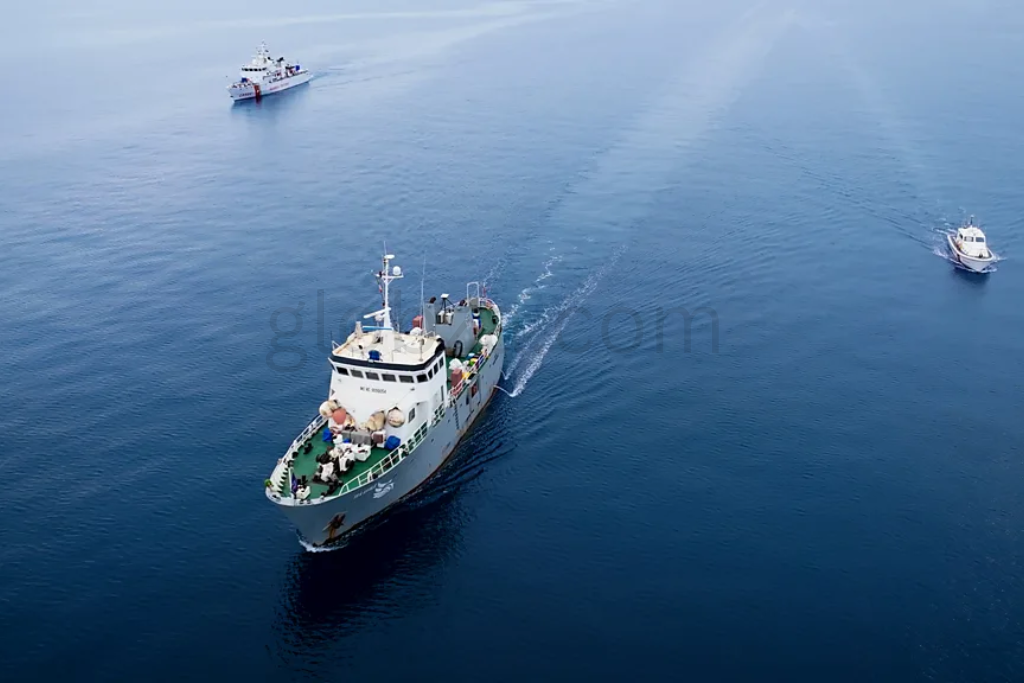
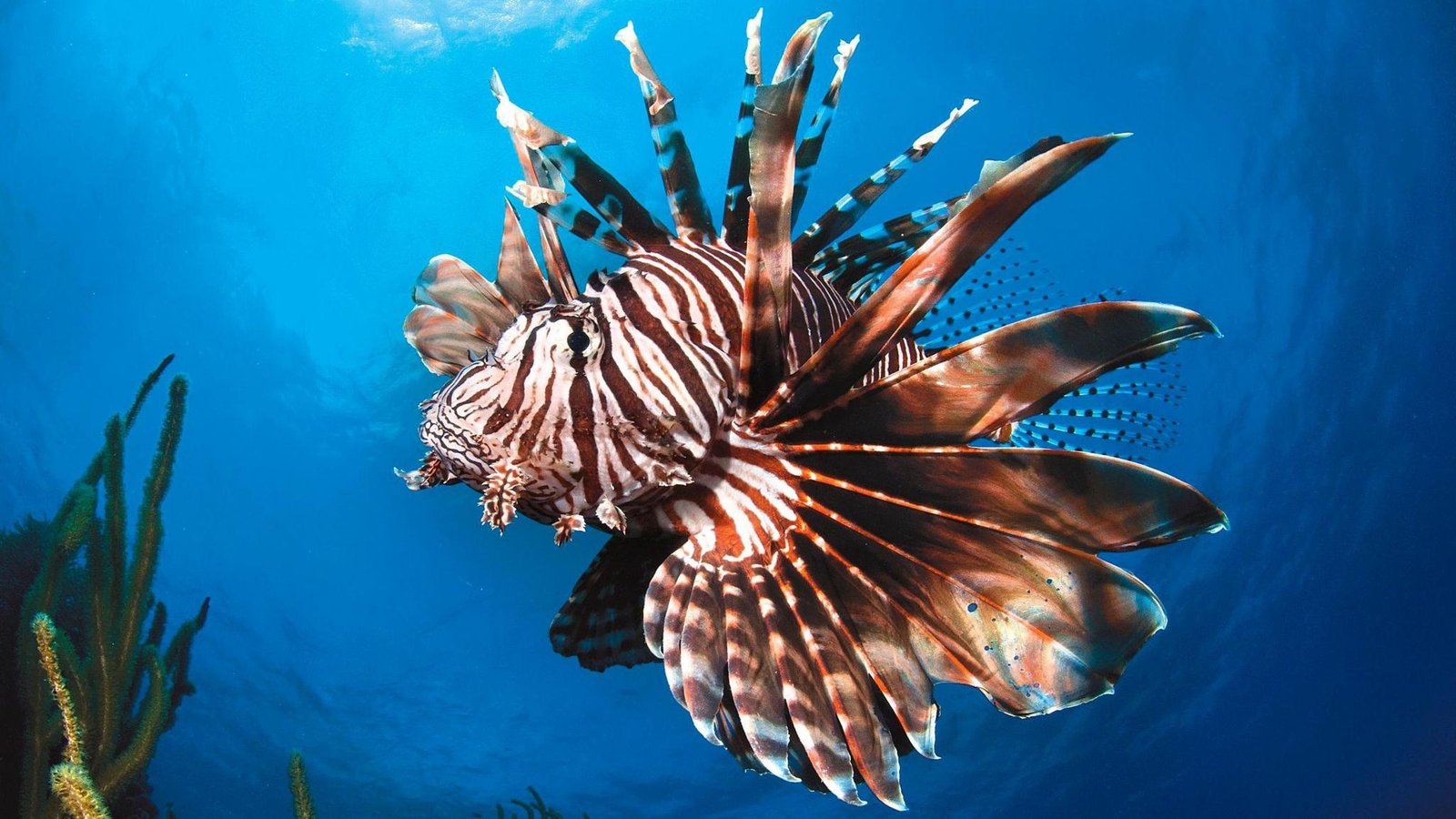
The world’s oceans, long viewed as boundless and resilient, are now at a tipping point. Climate change, pollution, overfishing, and habitat destruction have converged to pose unprecedented threats to marine biodiversity. However, the latest developments at the UN Ocean Conference marine life summit, held in Nice, France, have renewed global optimism. With nearly 200 countries in attendance, the conference aimed to revitalize international cooperation and accountability regarding the protection and restoration of ocean ecosystems. While many previous global negotiations have struggled to make tangible progress, this summit marked a clear turning point—particularly in the context of the High Seas Treaty and actions against illegal fishing and plastic pollution. UN Ocean Conference: Why Marine Life Needs Urgent Protection Oceans cover over 70% of the Earth’s surface and support a vast range of biodiversity, economies, and climate regulation systems. Despite their importance, marine ecosystems are under siege. According to leading scientists and oceanographers, biodiversity in the oceans is declining at an alarming rate due to multiple overlapping stressors: This context formed the backdrop for the UN Ocean Conference marine life discussions, with global leaders recognizing the pressing need for coordinated, science-based solutions. UN Ocean Conference Boosts High Seas Treaty Momentum One of the most anticipated outcomes of the conference was progress on the High Seas Treaty, an agreement initially signed in 2023 to designate 30% of the world’s oceans as Marine Protected Areas (MPAs) by 2030. Unlike coastal waters, the high seas—areas beyond national jurisdictions—are notoriously hard to regulate. Without legal frameworks, these regions have long been exploited by commercial interests, including unregulated fishing and potential seabed mining. Before the conference began, only 27 countries had ratified the treaty—less than half of the 60 required for it to enter into force. By the end of the conference, 50 countries had ratified the treaty, with several more pledging to complete ratification before year’s end. This was hailed as a breakthrough in international environmental law. Why Speed Matters in Marine Life Protection Efforts Environmental organizations noted that it normally takes 5 to 7 years for such treaties to be ratified. The rapid pace of support for the High Seas Treaty is thus unprecedented and indicates strong political will. “The global momentum behind marine protection is real and growing. This treaty’s near-completion gives marine life a fighting chance,” said a leading marine policy expert. UN Ocean Conference Targets Illegal and Unregulated Fishing Illegal, unreported, and unregulated (IUU) fishing continues to undermine conservation efforts and cause billions in economic losses. One of the crucial advancements made during the UN Ocean Conference marine life discussions was the ratification of the Port State Measures Agreement (PSMA) by new countries, including China. China operates the world’s largest distant-water fishing fleet, and its participation in PSMA is considered a monumental step. The agreement strengthens port inspections and deters IUU vessels from offloading illegal catches. The UK also pledged to ban bottom trawling in a third of English marine protected areas—an action long advocated by environmental NGOs. Such moves signal increasing willingness to convert policy into enforcement. UN Ocean Conference: French Polynesia Launches World’s Largest Marine Protected Area While global treaties provide structure, individual nations also stepped up with bold domestic commitments. French Polynesia, for instance, announced the creation of the largest marine protected area in history, covering 900,000 square kilometers. Notably, extractive activities such as commercial fishing and deep-sea mining will be entirely prohibited within this zone. This initiative alone quadruples the area of the United Kingdom and sets a high bar for ocean protection. Environmentalists hailed it as a model of indigenous leadership and marine stewardship. UN Ocean Conference Highlights Plastic Pollution Crisis Plastic pollution remains a severe threat to the health of marine ecosystems. The UN Ocean Conference marine life agenda included urgent calls to address plastic production, not just waste. Experts estimate that nearly 200 trillion plastic particles now float in our oceans. Without bold action, this number is expected to triple by 2040. Plastic debris entangles marine animals, is ingested by fish, and breaks down into microplastics that infiltrate the food web—including humans. Beyond physical damage, the chemicals in plastics pose toxic risks. Alarming Chemical Impact According to ecotoxicologists, over 16,000 chemicals are used in plastic manufacturing, and more than 4,000 have been proven to cause reproductive, genetic, or cancerous damage in marine organisms. “It’s not just litter; it’s toxic waste. Plastic is a slow-motion disaster for marine life,” said a marine biochemist attending the conference. Although progress was made through political declarations—signed by 97 countries including the UK—to pursue a global treaty on plastic pollution, only one major oil-producing nation, Canada, endorsed it. This highlights the geopolitical challenge: reducing plastic production directly impacts fossil fuel revenue, which many countries are reluctant to jeopardize. Marine Life Protection at Risk from Ocean Heatwaves and Climate Change The conference emphasized that climate change is not a separate issue from marine conservation—it is central to it. Oceans absorb over 90% of the excess heat from human-generated emissions, leading to marine heatwaves that bleach coral reefs, alter fish migration patterns, and threaten food security. While no new commitments on emission reductions were made at the conference, developing nations pushed for the acceleration of climate financing promised by richer countries. Tuvalu’s Prime Minister voiced the frustration of many island nations: “We may not have the power to change global policy, but we must keep telling our stories. Meetings like this give us a platform.” Deep-Sea Mining: The Divisive Frontier One of the most controversial issues at the UN Ocean Conference marine life discussions was deep-sea mining. This emerging industry seeks to extract rare earth metals from the ocean floor but is fraught with ecological unknowns. Despite President Macron’s opening appeal for caution, countries remained split. Only 37 nations called for a moratorium on deep-sea mining, even after 2,000 scientists signed a letter urging a pause until more research is conducted. “We’ve mapped only 0.001% of the seabed. Proceeding with mining is like doing brain surgery blindfolded,” said an environmental lawyer…


Read More

Oil Prices Soar Amid Israel-Iran Conflict and Market Uncertainty

Global Oil Prices Soar After Israel Attacks Iran Oil prices soar following Israel’s latest military strikes on Iran, sparking a sharp spike in global energy costs and escalating geopolitical tensions across the Middle East. This sudden surge has rattled energy markets and raised fears of a broader conflict that could disrupt vital oil supplies worldwide. Brent Crude Surges as Oil Prices Soar Following the news, Brent Crude surged by over 10%, briefly reaching its highest price point in months. West Texas Intermediate (WTI) also saw a substantial increase, reflecting the market’s immediate response to the heightened risk in the energy-rich region. By mid-morning in Europe, oil prices had eased slightly but remained around 5% higher compared to the previous day’s close. Brent was trading near $72.80 per barrel, while U.S. Nymex crude hovered at approximately $73.20. Energy Traders Brace for Further Disruption The sudden escalation has led to widespread speculation about the future of oil flows from the Gulf region. Traders are particularly wary of potential disruptions in the Strait of Hormuz—one of the world’s most critical maritime chokepoints for crude oil and liquefied natural gas. Around 20% of the global oil supply passes through this narrow corridor bordered by Iran to the north and the UAE and Oman to the south. In a worst-case scenario, experts warn that Iran could target vital shipping lanes or infrastructure, effectively crippling the movement of millions of barrels of oil per day. Markets React: Safe-Haven Assets Surge The uncertainty has also impacted global financial markets. Major stock indexes across Asia and Europe dipped sharply amid investor anxiety. The FTSE 100 in the UK opened with a 0.6% decline, while broader European and Asian markets followed suit. Meanwhile, investors flocked to traditional “safe haven” assets such as gold and the Swiss franc. Gold prices rose by 1.2%, reaching their highest value in nearly two months at $3,423.30 per ounce. The surge underscores investor demand for more stable assets during periods of geopolitical turmoil. Drones, Military Targets, and Escalation Risks Reports suggest that following Israel’s strike, Iran responded by launching approximately 100 drones toward Israeli territory. Defense analysts warn that the situation remains volatile and could either de-escalate quickly or spiral into a much broader regional conflict. “If this tension escalates, we could witness severe implications for global energy supplies,” commented one senior energy strategist. “The oil market is already on edge, and further military action could set off a chain reaction impacting global fuel prices, inflation, and supply chains.” Strategic Implications for Global Energy Supply The conflict has highlighted the vulnerability of global energy markets to regional hostilities. With multiple oil tankers constantly navigating the Strait of Hormuz, any threat to this route could result in significant delays, supply cuts, and price volatility. Energy analysts are closely watching the situation to assess whether the conflict will remain contained or develop into a long-term disruption affecting multiple countries and sectors.

Read More

New Forest Cicada Reintroduction Marks UK Wildlife Milestone

New Forest Cicada Reintroduction Revives Rare Insect Species in Southern England The New Forest cicada reintroduction marks a hopeful turning point for one of Britain’s rarest insect species. After more than three decades of silence, the distinctive song of these musical insects may once again echo through southern England. Conservationists have reintroduced the cicadas to a specially designed habitat in Hampshire, aiming to restore their lost population. How the New Forest Cicada Reintroduction Is Restoring Native Biodiversity Once common in the New Forest National Park, the cicadas had not been spotted in the wild since the 1990s. Conservationists from the Species Recovery Trust (SRT) believe that land-use changes played a major role in their disappearance. This week, the team released 11 female cicadas into a secure site near Romsey, close to their former habitat. The area was carefully prepared to mimic the conditions of their native environment, offering hope for a long-term revival. A Complex and Hopeful Conservation Mission According to SRT project coordinator Charlotte Carne, seeing the cicadas return was “like bringing them back from the dead.” She described the moment as deeply rewarding, especially given the difficulty of the project. The team sourced the cicadas from northern France, where the species continues to thrive. Some of the relocated females are thought to be pregnant and have already started laying eggs in the new habitat. Looking Ahead: A Long-Term Recovery Plan The lifecycle of the New Forest cicada includes a lengthy underground nymph stage, lasting at least four years. As a result, researchers won’t know whether the reintroduction has succeeded until 2029 at the earliest. Nevertheless, the team remains optimistic. If the initial group establishes itself, future plans involve releasing more adult cicadas into undisclosed parts of the New Forest to protect the population from human interference. Support and Significance This first-of-its-kind project was supported in part by Natural England, which hailed the initiative as a major step toward restoring native insect populations. Graham Norton, speaking on behalf of the organization, expressed enthusiasm about this critical milestone and the next phase of reintroduction. Restoring a Forgotten Sound The New Forest cicada reintroduction marks a powerful step in reviving Britain’s lost species and reconnecting people with the sounds of a wilder, more biodiverse countryside. With careful stewardship, the song of the cicada may once again become a regular part of Hampshire’s summer soundscape.

Read More
North Korea warship launch

North Korea Warship Launch Now Declared a Success

Introduction: North Korea Warship Launch Back on Track North Korea warship launch efforts appear to be back on course after state media reported a successful second attempt at launching a new 5,000-ton naval destroyer. This comes less than a month after the vessel capsized during its initial debut. North Korean leader Kim Jong Un, accompanied by his daughter Kim Ju Ae, personally oversaw the relaunch at Rajin Port in the country’s north, signaling renewed confidence in the country’s naval modernization drive. The destroyer, one of two newly constructed warships of this size, marks a major leap in Pyongyang’s maritime capabilities. It also highlights Kim’s ambition to build a nuclear-capable navy as part of a broader military buildup. First Attempt Fails: North Korea Warship Launch Capsizes In May, North Korea’s pride in its military engineering took a hit when its brand-new 5,000-ton destroyer capsized shortly after launch. The incident occurred under highly secretive conditions, but satellite imagery later confirmed the ship had overturned in the harbor. Leader Kim Jong Un was reportedly furious with the failure. According to intelligence sources and confirmed by North Korean state media, at least four officials were arrested, including three shipyard engineers and one senior military planner. The North Korean government demanded immediate repairs, setting an unusually aggressive timeline to restore the vessel to operational condition. Relaunch at Rajin Port: Second Warship Launch Attempt Succeeds On Tuesday, June 11, North Korean state media outlet KCNA reported that the destroyer had been fully repaired and successfully relaunched. Photos published by KCNA show Kim and his daughter observing the ship at Rajin Port during the event. Despite the regime’s assurances, analysts are skeptical. “Given the scale of damage likely caused by the capsize, a full restoration in under four weeks raises serious doubts,” said a senior defense analyst at the International Institute for Strategic Studies (IISS). Kim Jong Un’s Role in the North Korea Warship Launch The North Korea warship launch is part of Kim Jong Un’s greater ambition to transform his country’s naval force into a nuclear-capable fleet. Over the past year, North Korea has rolled out two 5,000-ton warships—the largest in its navy—capable of, in theory, launching ballistic missiles, including those with nuclear payloads. Kim has publicly announced plans to build two more destroyers within the next year, indicating a clear strategic shift toward maritime deterrence. This comes amid rising tensions in the region and escalating U.S.-South Korea military drills, which Pyongyang views as provocative. Nuclear Ambitions: What the North Korea Warship Launch Signals Independent satellite imagery reviewed by maritime analysts shows a clear timeline of the ship’s status post-capsize: This aligns with KCNA’s claim of a rapid repair and re-launch, though questions linger about the ship’s long-term seaworthiness and combat readiness. Official Remarks: Kim Warns of Regional Power Projection During the re-launch ceremony, Kim Jong Un delivered a fiery speech, reaffirming North Korea’s commitment to its naval modernization program. He dismissed the initial failure as a minor setback and warned adversaries to prepare for a show of strength. “Soon, enemies will experience how provocative and unpleasant it is to sit and watch the ships of an adversary run rampant on the fringes of sovereign waters,” Kim was quoted as saying by KCNA. His comments are being interpreted as a thinly veiled threat toward South Korea, the United States, and Japan—all of which have expressed concern over North Korea’s increasing missile and naval capabilities. International Reaction: Wary Eyes on Pyongyang So far, international reactions to the relaunch have been measured but cautious. Several military experts have pointed out that the warship’s exact missile capabilities remain unclear, but if nuclear-enabled, the regional security dynamics could shift dramatically. Military Capabilities: What We Know About the Warship According to limited information from North Korean media and external intelligence analysis, the new destroyers are equipped with: These warships are not just symbolic. If armed as claimed, they represent a major advancement in North Korea’s asymmetric warfare strategy. Internal Politics: The Fallout of Failure The arrests following the failed May launch highlight the pressure on North Korean officials to meet ambitious military timelines. While the state strives to show strength externally, internal accountability measures—often harsh—reveal the regime’s intolerance for setbacks. Some defectors and analysts argue that these purges serve both as punishment and deterrent, keeping military and engineering personnel in a constant state of pressure. Looking Ahead: What This Means for Global Security The successful North Korea warship launch, even if rushed, signals Pyongyang’s persistence in expanding its military reach. The move has several implications: Conclusion: Symbolism, Strategy, and Suspicion While the re-launch of the 5,000-ton destroyer may be seen as a symbolic recovery from failure, it also reflects a larger strategic pivot in North Korea’s defense doctrine. Kim Jong Un’s focus on naval capabilities, particularly those with potential nuclear applications, raises serious alarms for regional and global security. As North Korea warship launch events unfold, analysts, allies, and adversaries alike will continue to scrutinize Pyongyang’s next move—on the sea and beyond.

Read More

Illegal Fish Traps in Italy’s Mediterranean Threaten Life

1. Illegal Fish Traps in Italy’s Mediterranean: A Threat Hidden Beneath the Waves Beneath the serene surface of Italy’s Mediterranean coastline lies a silent, invisible menace—illegal fish traps. Fishermen and illegal operators scatter these clandestine devices—often made of barbed wire, nets, and sharp hooks—across the seabed, turning it into an invisible minefield. For decades, this hidden network has disrupted marine biodiversity, endangered diving expeditions, and fueled black-market economies in the fishing industry. The problem has escalated so dramatically that seasoned divers compare these zones to war zones, describing the seascape as “a battlefield of wires, death traps, and illegal ambition.” Illegal fishers heavily concentrate these traps around hotspots like the Aeolian Islands, Calabria, and parts of Sicily, prompting coast guards to pull hundreds of these devices from the sea every year. While traditional fishing practices in these regions date back centuries, the aggressive overfishing by illegal operators threatens to obliterate marine populations like groupers, sea bream, and bluefin tuna—already teetering on the brink due to climate change and commercial exploitation. Environmentalists argue that these traps are not only unethical but ecologically catastrophic. According to WWF Italy, “Each illegal trap isn’t just a threat to fish; it’s a hazard to the entire ecosystem. These traps entangle turtles, dolphins, and even seabirds, often leading to injury or death. Satellite tracking and marine surveillance drones have exposed vast networks of these traps extending over kilometers, often maintained by organized crime groups that profit from the unregulated marine harvest. “The sea is like a minefield. You never know when you’ll hit a line, snap a propeller, or lose a diver,” warns Marco Colombo, a marine conservationist working in Southern Italy. The unregulated nature of these operations makes enforcement extremely difficult. Italian Coast Guard officers conduct surprise raids, but the perpetrators often return within days. Despite international conventions and EU fisheries legislation, the problem persists, exacerbated by bureaucratic loopholes and limited patrol resources. The challenge lies not just in removing the traps but in dismantling the systems—social, economic, and criminal—that enable their continued use. 2. The Environmental Fallout: How Illegal Fish Traps Are Destroying Marine Biodiversity Illegal fish traps in Italy’s Mediterranean are having a profound and irreversible impact on marine biodiversity. What begins as an attempt to harvest fish outside legal quotas quickly spirals into an ecological disaster. These traps often target high-value species, but their indiscriminate design captures everything from endangered sea turtles to juvenile fish that are crucial for replenishing stocks. The traps’ designs are particularly cruel. Most consist of longline nets with barbed hooks or cages baited to attract unsuspecting marine animals. Once inside, escape is nearly impossible. Dead or injured animals become bait themselves, creating a grim cycle of death. Marine biologist Dr. Alessia Romano describes it as “an underwater ghost town. The traps kill more than they capture, and the damage they cause often goes unseen until it’s too late.” A study conducted by the University of Naples found that illegal traps contributed to a 30% decline in grouper and snapper populations in monitored zones. Even more alarming, illegal traps kill non-targeted species—like octopuses and cuttlefish—at similar rates through entanglement and stress. Aside from the direct loss of life, these traps cause mechanical damage to delicate ecosystems like seagrass meadows and coral reefs, which serve as essential breeding and feeding grounds. Each trap deployment displaces sand, crushes flora, and introduces synthetic materials into otherwise pristine environments. In turn, this affects the overall food chain, from microscopic plankton to apex predators. “Every time we remove one of these traps, it’s like unburying a piece of the ocean’s soul,” says Luca Brandi, a volunteer with Oceanus Italia. “But for every one we find, ten more are set.” The long-term implications are deeply concerning. As fish populations decline, illegal competition drives law-abiding artisanal fishers—who rely on the sea for sustenance—out of business. This shifts economic pressure to already-deprived coastal communities, many of which are witnessing an increase in youth migration and unemployment. Illegal traps inflict an incalculable cost—not just by wiping out marine life, but by collapsing entire marine systems. 3. Who’s Behind the Web: Organized Crime and the Illegal Fishing Economy The proliferation of illegal fish traps in Italy’s Mediterranean is not merely a tale of rogue fishermen—it is deeply entwined with organized crime syndicates. From the Camorra in Naples to the ‘Ndrangheta in Calabria, criminal networks have turned the sea into a lucrative black market, exploiting fisheries regulations and environmental blind spots. These groups deploy fleets of unregistered vessels equipped with GPS jammers, night-vision gear, and sonar systems to set and retrieve traps undetected. The fish caught are sold to underground markets or even funneled into the legitimate food supply through corrupt intermediaries. Restaurants and wholesalers who buy this fish often turn a blind eye, lured by cheaper prices and higher profits. “You’re not just buying a plate of fish—you’re feeding a criminal economy,” states journalist Fabrizio Gatti, who investigated seafood smuggling rings in southern Italy. There are also disturbing reports of human trafficking and forced labor tied to this illegal industry. Migrants and impoverished locals are recruited to do the dangerous work of setting traps, navigating unlit waters, and avoiding patrol boats—all for a pittance. They face harsh conditions and often receive threats if they try to leave. Despite a 2019 EU directive aimed at curbing illegal fishing, enforcement remains toothless. Legal loopholes, lack of transparency in seafood supply chains, and minimal funding for marine patrols have allowed these networks to flourish. Investigations into illicit fisheries often go cold due to corruption or fear of retaliation. The challenge is immense. Law enforcement needs technological upgrades, international coordination, and robust whistleblower protections. Until then, organized crime will continue to profit from the slow death of the Mediterranean’s ecological and economic vitality. 4. Voices from the Sea: Fishermen, Divers, and Conservationists Speak Out To truly understand the depth of this crisis, one must listen to those who live and work on the front lines. From veteran fishermen in Liguria to…

Read More

Winterwatch Mount Stewart 2026: Nature on Display

Winterwatch Mount Stewart 2026 Showcases Northern Ireland’s Rich Winter Wildlife Mount Stewart, a breathtaking estate nestled along the shores of Strangford Lough in County Down, has been chosen as the venue for Winterwatch 2026. The site, known for its rich ecological tapestry, is home to over 10,000 recorded species spanning woodlands, farmland, hedgerows, and freshwater habitats. Despite suffering major tree losses during Storm Éowyn in early 2025, the estate has been actively restoring its natural spaces. Conservationists and estate managers are also working proactively to safeguard its diverse flora from the long-term effects of climate change. Earlier scouting by the Springwatch 2025 team confirmed the site’s readiness. In January, a four-night series of wildlife observation will spotlight the estate’s seasonal wonders. Wildlife Encounters During Winterwatch Mount Stewart 2026 From elusive pine martens and agile red squirrels to shy badgers and soaring songbirds like linnets, redwings, and goldfinches, Mount Stewart transforms into a haven for wildlife during the winter months. Its abundance of seeds and berries offers an irresistible food source, drawing in both native and migratory species. Capturing Nature Live Live cameras will be installed across the demesne to broadcast unfiltered glimpses of Northern Ireland’s natural world. This immersive approach allows nature lovers across the country to witness winter behaviours as they unfold — from nocturnal foraging to early morning birdcalls. Preserving Biodiversity Amid Climate Challenges Mount Stewart’s dedicated estate team has not only recovered from recent storm damage but is also adapting practices to prepare for extreme weather and shifting climates. These efforts ensure that both rare and common species continue to thrive across the 1,000-acre expanse. Looking Ahead to a New Season of Nature The upcoming nature series will offer educational and heartwarming insights into the lives of the region’s animals while celebrating the resilience of ecosystems in flux. “We’re excited to showcase Mount Stewart’s biodiversity and share the stories of how both wildlife and caretakers are adapting,” said Jenny Ferguson, general manager of the estate. “This project is about celebrating nature and recognizing the urgent need to protect it.”

Read More
glow-in-the-dark axolotls

Glow-in-the-Dark Axolotls Reveal Limb Regeneration Secrets

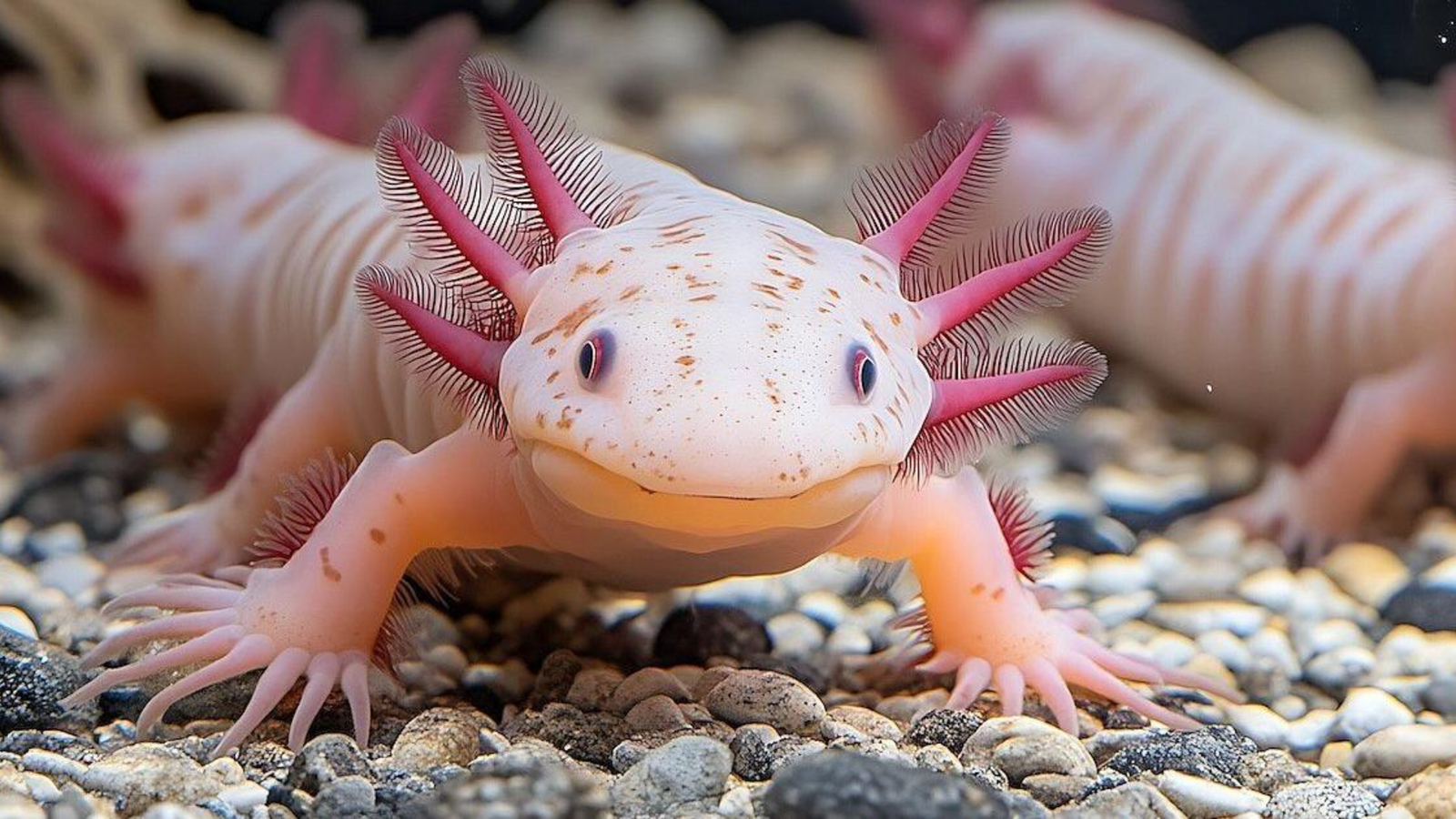
What Are Glow-in-the-Dark Axolotls? Axolotls are amphibians known for their astonishing ability to regenerate limbs, spinal cords, and even parts of their heart and brain. Now, thanks to recent scientific advancements, researchers have created glow-in-the-dark axolotls—a breakthrough that’s offering unprecedented insights into the mechanics of regeneration. These axolotls aren’t radioactive or dangerous. Instead, they’ve been genetically engineered using GFP (green fluorescent protein), a substance originally derived from jellyfish. The protein makes parts of the axolotl glow under specific light, especially the regenerating areas. Why Scientists Use Glow-in-the-Dark Axolotls in Regeneration Research The main goal of creating glow-in-the-dark axolotls is to observe regeneration in real-time. By marking cells with fluorescent tags, scientists can track their movement, transformation, and behavior as the animal regrows a limb. According to Dr. Julian Ramirez from the Regenerative Biology Institute, “It’s like turning the lights on in a dark room. We can now see which cells are doing what, and when.” This visibility helps researchers determine the specific genes and proteins involved in regeneration—a process that could one day benefit human medicine. Gene Editing Glow-in-the-Dark Axolotls: How It Works Scientists introduced the GFP gene into axolotls using a safe viral vector or CRISPR gene editing. The gene gets activated during tissue regeneration, especially when the limb is regrowing. Under a fluorescence microscope, the regrowth area appears green, highlighting how stem cells transform into muscles, nerves, and skin. This glow maps the biological choreography of healing at the cellular level. What We’ve Learned About Regeneration So Far Thanks to glow-in-the-dark axolotls, researchers have uncovered several key insights: Dr. Emily Zhao from MIT notes, “These findings shift how we think about healing. Instead of patching up damage, some creatures rebuild with blueprint-like precision.” Potential Implications for Human Medicine Humans can’t regenerate limbs, but the knowledge gained from axolotls may unlock possibilities in the future. Scientists hope that by mimicking the axolotl’s cellular behavior, they can create therapies for: While clinical applications are still years away, the road to regenerative medicine is being paved by the glowing trail of axolotls. Ethical and Environmental Considerations The use of genetic modification in animals often sparks ethical debates. However, researchers emphasize that glow-in-the-dark axolotls are not released into the wild and are strictly used in lab-controlled environments. These organisms are bred under humane conditions and monitored closely. According to lab guidelines, the gene editing causes no suffering or harmful side effects to the animals. Public Reaction and Fascination News of glow-in-the-dark axolotls has ignited public curiosity. Social media platforms are flooded with videos and images of the radiant amphibians. One Reddit user wrote, “It’s like watching science fiction come to life—except it’s real and happening in a lab right now!” Science outreach platforms have also embraced the discovery, using it as a teaching tool for genetics and regeneration in classrooms worldwide. What’s Next in Regenerative Research? Scientists aim to enhance this research by: The long-term dream? Activate similar mechanisms in humans for targeted tissue repair. Lighting the Way to the Future Glow-in-the-dark axolotls do more than dazzle—they provide a living model for what regenerative healing could one day look like in humans. By shedding light on limb regeneration, they offer hope for medical breakthroughs that once seemed impossible. As Dr. Ramirez puts it: “In the darkness of scientific mystery, these creatures literally glow with answers.”

Read More

Cloud Microbes Impact on Weather and Human Health

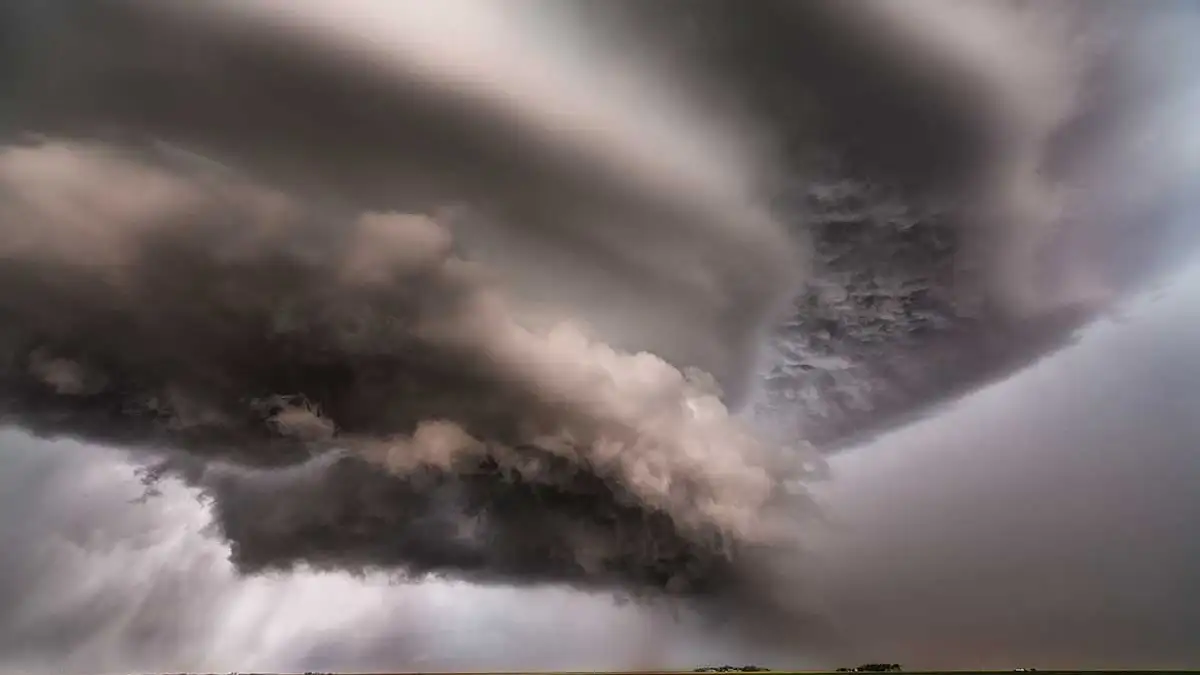
Cloud Microbes Impact Life Above the Earth High above our heads, in the seemingly sterile domain of clouds, an invisible world thrives. Trillions of microbes—including bacteria, fungi, viruses, and algae—ride air currents across the globe, forming an aerobiome that profoundly influences our weather systems, ecosystems, and even human health. Recent research highlights the cloud microbes impact on these systems, showing they do much more than float: they eat, grow, and even shape the climate in remarkable ways. The Cloud Microbes Impact: A Hidden Ecosystem in the Sky Clouds, long admired for their beauty and power, conceal an extraordinary truth: they are floating ecosystems teeming with microscopic life. The concept of an airborne biome, or aerobiome, dates back to Louis Pasteur’s 19th-century experiments capturing airborne germs. However, only in the past few decades have scientists developed the tools to fully explore this atmospheric frontier. Today, high-altitude drones and DNA sequencing technologies allow researchers to map this biological network with unprecedented detail. How Cloud Microbes Reach the Sky and Influence the Atmosphere The journey of microbes into the atmosphere begins on the Earth’s surface. Ocean waves, crashing against the shore, release airborne droplets filled with bacteria, algae, and viruses. On land, winds lift soil particles and microbes, while evaporating moisture in forests draws up additional microscopic life. Wildfires, too, create powerful updrafts that launch organisms skyward. Some species have evolved specialized structures—like moss spore pouches or fungal spore cannons—to deliberately enter the sky. The Resilient Travelers of the Atmosphere Airborne microbes must survive harsh conditions—ultraviolet radiation, extreme temperatures, and desiccation. Fungi, for example, boast spores capable of surviving up to 20 km above sea level, shielded by hardy shells. Researchers estimate that over one trillion trillion bacterial cells, along with 50 million tonnes of fungal spores, become airborne each year, often traveling vast distances before settling back to Earth. Cloud Microbes Impact: Discoveries from the Summit of Puy de Dôme France’s Puy de Dôme volcano has emerged as a key observation post in this field. Regularly shrouded in clouds, it allows scientists like Pierre Amato from the University of Clermont Auvergne to capture airborne microbes directly from cloud masses. Amato’s team has identified over 28,000 bacterial species and 2,600 fungal species in these high-altitude droplets—some familiar, many entirely new to science. Cloud Microbes: Survival and Growth Contrary to earlier beliefs, clouds may be nurturing environments for certain microbes. Trapped in isolated droplets, microbes experience less competition for resources. Amato’s research reveals that microbial cells in clouds are often metabolically active. By comparing RNA and DNA ratios in cloud samples versus clear-air samples, his team discovered evidence that bacteria are not only surviving but growing in clouds. Feeding on Clouds: Microbial Metabolism in the Atmosphere Certain bacteria, like Methylobacterium, harness sunlight to break down organic compounds inside cloud droplets, essentially feeding on clouds. These bacteria collectively decompose an estimated one million tons of organic carbon in the atmosphere annually. This metabolic activity plays a crucial role in cloud chemistry and underscores the cloud microbes’ impact on environmental processes. Cloud Microbes and Weather Modification Microbes also contribute to weather patterns by aiding in precipitation. Water vapor needs particles to condense into raindrops or snowflakes, and biological particles like fungal spores and bacteria often serve this role. Among the most effective is Pseudomonas, a bacterium capable of catalyzing ice formation. Their presence can trigger rainfall, forging a fascinating link between terrestrial ecosystems and atmospheric phenomena. A Natural Cycle of Cloud Seeding and Rainfall There is speculation that plants may benefit from cloud-seeding bacteria like Pseudomonas. These bacteria, lifted from leaves by wind, ascend into clouds and help trigger rain. That rain nourishes the plants, which in turn support more bacteria—suggesting a potential feedback loop that connects Earth’s biosphere to atmospheric weather cycles. Microbial Life Beyond Earth? The presence of active microbes in clouds raises tantalizing questions about extraterrestrial life. Venus, for instance, is inhospitable on the surface but has cooler cloud layers. Astrobiologist Sara Seager hypothesizes that microbial life may persist there, having migrated to the clouds as surface conditions deteriorated. If true, our own aerobiome may offer clues to where life might exist beyond Earth. Antibiotic Resistance: A Sobering Twist Perhaps the most alarming discovery is the airborne spread of antibiotic resistance. Human activities, such as overuse of antibiotics and livestock feed practices, have driven the evolution of drug-resistant bacteria. These microbes now appear in the aerobiome as well. Studies show high concentrations of resistance genes in cloud samples and even in air filters from cities around the world. Trillions of Resistance Genes in the Sky Amato’s team found up to 10,000 antibiotic resistance genes per cubic metre of cloud water. A single cloud may contain over a trillion such genes. These genetic elements help bacteria survive in clouds by expelling toxic substances—whether antibiotics or stress-induced waste products. Once these microbes descend in rain, they may pass their resistance genes to other organisms, further spreading the problem. Global Impact of the Aerobiome This constant microbial migration means the aerobiome is a major player in planetary health. It influences everything from cloud chemistry to global disease patterns. Understanding how cloud microbes impact weather and ecosystems can inform climate models, public health policy, and even space exploration strategies. A Cloud-Connected Earth Our skies are not empty. They are bustling highways of microbial life, each droplet of cloud potentially teeming with microscopic organisms. These cloud microbes influence our weather, affect climate cycles, and carry the genetic fingerprints of human impact. As science continues to explore this frontier, we may uncover not just how clouds shape life—but how life shapes clouds.

Read More

Australian Housing Crisis: Home Prices Top A$1 Million

Australia’s property market has reached an alarming milestone: the average price of a home has now exceeded A$1 million. This record-breaking figure not only highlights the ongoing Australian housing crisis, but also reflects broader global trends of housing inaccessibility in wealthy nations. In the March quarter of 2025, the Australian Bureau of Statistics (ABS) reported that the average residential property was worth A$1,002,500, marking a 0.7% rise from the previous quarter. While such numbers signal economic activity, they also signify growing despair for Australians who find homeownership increasingly out of reach. This blog unpacks the statistics, causes, and consequences of the Australian housing crisis and explores how Australia compares to countries like the UK and Canada. Australian Housing Crisis by the Numbers: What the Data Shows Australia is home to 11.3 million residential dwellings, encompassing everything from detached houses and terrace homes to apartments. The ABS reported that housing values increased across all states and territories in the first quarter of 2025, with the most notable surges in Western Australia, South Australia, and Queensland. State-by-State Breakdown NSW, being the most populous state, continues to lead with the highest housing prices, driven largely by demand in Sydney and surrounding metropolitan areas. What’s Driving the Australian Housing Crisis? Experts agree that the Australian housing crisis is not a new phenomenon. It’s the product of years of misaligned policy, population pressures, and market speculation. Here are the core drivers: 1. Chronic Undersupply Australia has not built enough homes to keep up with population growth. Planning regulations, zoning restrictions, and bureaucratic delays have slowed down housing development in urban areas where demand is highest. 2. Population Growth Post-pandemic immigration surges have placed additional pressure on the housing market. Cities like Melbourne, Brisbane, and Perth are experiencing population booms without the infrastructure or housing to match. 3. Tax Incentives for Investors Schemes like negative gearing and capital gains tax concessions continue to encourage property speculation. Investors buying multiple properties outbid first-time homebuyers, further inflating prices. 4. Inadequate Social Housing Australia has failed to maintain and expand its public housing stock. As a result, lower-income households are pushed into a private rental market with soaring rents and low availability. 5. Wage Growth Lagging Behind While property values have surged, wage growth has stagnated, especially over the past decade. The income-to-house-price ratio has ballooned, leaving many Australians unable to afford even a modest home. Emotional and Social Impact of the Australian Housing Crisis Housing is not just an economic issue—it’s a deeply personal and emotional one. For many Australians, the idea of owning a home has been a cultural expectation, a marker of adulthood, and a source of security. But as middle-income families also start getting priced out, the dream of homeownership is slipping away from more than just the working class. Mental Health Impacts Research shows that housing stress—defined as spending more than 30% of income on housing—correlates strongly with anxiety, depression, and family instability. The Rise of “Generation Rent” A growing demographic of young Australians no longer expects to own property. Instead, they are resigning themselves to lifelong renting, with fewer rights and less stability than homeowners. How the Australian Housing Crisis Fuels Rental Market Struggles While the spotlight is often on homeownership, the rental crisis is equally severe. Vacancy rates are at historic lows in cities like Sydney and Melbourne, and average rents have surged by over 10% year-on-year. According to real estate data, Brisbane saw an 18% increase in rental prices over the past year alone. Landlords cite rising interest rates and maintenance costs, but the lack of rental supply remains the root problem. How the Australian Housing Crisis Compares Globally The Australian housing crisis is not unique. Other wealthy nations like Canada and the UK are facing similar challenges, but key differences shape their outcomes. United Kingdom Canada Australia ranks among the least affordable housing markets globally, with Sydney and Melbourne frequently appearing in the top 10 cities with the worst housing affordability ratios. Government Response to the Australian Housing Crisis and Its Political Impact Prime Minister Anthony Albanese, recently re-elected for a second term, campaigned heavily on housing affordability. His government has pledged to build 1.2 million new homes in the next five years and reduce bureaucratic red tape for developers. Measures Announced However, critics argue that building new homes alone won’t solve the crisis without addressing the investor-favored tax system and protecting renters. Policy Ideas to Combat the Australian Housing Crisis Experts suggest a multi-pronged approach: 1. Reform Investor Tax Incentives Curbing negative gearing and taxing capital gains at higher rates could disincentivize speculative investment and cool down the market. 2. Expand Social Housing Reinstating a national social housing strategy and restoring funding to public housing bodies would provide relief to those most in need. 3. Support First-Time Buyers Implementing shared equity schemes, low-deposit loans, or government-backed mortgages can help first-time homebuyers compete with investors. 4. Zoning and Planning Reforms Allowing higher-density developments near transport hubs and employment centres could create more affordable options in desirable areas. 5. Renters’ Rights and Regulations Introducing rent caps, banning no-cause evictions, and standardizing lease terms could make the rental market fairer and more secure. The Private Sector’s Role in the Australian Housing Crisis The construction and property development industry has an essential role in resolving the crisis. However, developers often cite local planning laws and inconsistent regulations as barriers. Some are now pivoting toward build-to-rent models, where they retain ownership of properties and offer long-term leases. These can provide more stability for renters but must be regulated to ensure affordability. The Future of Housing Amid the Australian Housing Crisis The road ahead for solving the Australian housing crisis is complex. It requires coordination across all levels of government, private developers, financial institutions, and community organizations. Urban vs Rural Trends While major cities struggle with affordability, regional areas have also seen price surges due to remote work and lifestyle migration during the pandemic. Policies must reflect these shifting dynamic There’s a growing movement…

Read More

Gloucester Glyphosate Ban: Urban Greening Strategy

The Gloucester glyphosate ban is at the heart of a bold new urban greening strategy aimed at creating a healthier, more sustainable city. Gloucester City Council is preparing to approve this initiative, which seeks to reduce reliance on the controversial weed killer glyphosate while boosting urban vegetation. The strategy is designed to combat climate change, reverse biodiversity loss, and enhance residents’ well-being through nature-based solutions. Gloucester Glyphosate Ban Strategy: Building Green Infrastructure The proposed urban greening strategy, which includes the Gloucester glyphosate ban, focuses on boosting the city’s natural defences against extreme weather and ecological degradation. Key elements include the introduction of more trees, hedgerows, green roofs, and green screens in public spaces. These features aim to absorb carbon dioxide, reduce urban heat, and support insect populations vital for maintaining ecosystem health. As part of the broader environmental push behind the Gloucester glyphosate ban, the council also plans to implement rainwater gardens to manage surface runoff, reduce flood risks, and ease the burden on the city’s drainage infrastructure. These green installations will not only offer environmental benefits but also enhance the aesthetic appeal of local neighborhoods. Implementing the Gloucester Glyphosate Ban: A Step-by-Step Approach One of the most contentious aspects of the plan is the proposed phasing out of glyphosate. This herbicide has drawn criticism globally for its potential impact on health and biodiversity. Though used sparingly in Gloucester, concerns remain about its harmful effects on insects, small mammals, and pets. Councillors are expected to vote on scaling back its usage, starting with the city centre — an area where high foot traffic naturally limits weed growth. The council has committed to continuously reviewing this decision based on community feedback and environmental impact assessments. Gloucester Glyphosate Ban: Balancing Practical Needs with Environmental Safety Despite the phase-out, glyphosate may still be used in limited instances, particularly where vegetation poses a threat to infrastructure or where invasive species like Japanese knotweed require containment. This targeted approach ensures essential safety measures remain while the city transitions to safer alternatives. Public Concerns and Political Advocacy The move has sparked debate among Gloucester’s councillors. Alastair Chambers, an Independent councillor, strongly criticized glyphosate use, labeling it a “cancer-linked chemical” and citing its bans across more than 30 countries, including France, Germany, and Austria. “We cannot continue to ignore international precedent and mounting scientific evidence. Our community deserves a safe, healthy environment,” he argued. Meanwhile, Sebastian Field, a Liberal Democrat councillor, expressed support for the new direction, stating, “By reducing glyphosate use and increasing our green spaces, we’re responding to the ecological crisis and helping to reverse the alarming decline in insect populations.” Community Involvement and Policy Flexibility The council emphasized that resident feedback will be crucial in guiding future decisions. Community engagement will ensure that any changes to urban maintenance strategies reflect public values and priorities. In addition to phasing out harmful chemicals, the strategy invites residents to participate in greening initiatives, from tree planting to local conservation programs. The council hopes this collaborative approach will foster a sense of ownership and pride in the city’s environmental efforts. The Bigger Picture: Urban Greening as Climate Action Gloucester’s initiative is part of a growing global trend recognizing urban greening as a vital tool in climate adaptation. Trees and green infrastructure not only reduce carbon emissions but also improve air quality, mitigate heat islands, and support mental health and social cohesion. By investing in nature-based solutions, Gloucester aims to build a more resilient, liveable city. The Urban Greening Strategy represents a proactive response to ecological challenges, combining policy innovation with public engagement. A Step Toward Sustainable Urban Living Gloucester’s Urban Greening Strategy marks a significant shift in how the city approaches land management and sustainability. By reducing dependence on chemical weed control and embracing natural solutions, the council is leading by example in climate-responsive governance. With continued support from local leaders, environmental advocates, and residents, this initiative could set a new standard for urban resilience and ecological responsibility in the UK and beyond.

Read More