Sand Art Sculptures by Mark Lewis Spread Joy

A Unique Talent: Mark Lewis’s Sand Art Masterpieces Mark Lewis is a part-time church minister from York. He has captivated many with his stunning sand art sculptures crafted on beaches across England. His latest creation—a giant pair of crocs carved on Weymouth Beach—shows his growing reputation as a creative force in sand art sculptures. Mark’s motivation goes beyond visual appeal. He aims to “put a little bit of joy into the world” through these ephemeral, joy-filled creations. The Journey from Sandcastles to Sculptures What began as playful sandcastle building with his sons soon became a passion for sand art sculptures. By 2010, Mark had turned this hobby into a serious creative outlet. He now showcases a wide range of imaginative sand art sculptures, including dragons, mermaid tails, and a giant ice cream cone. He practices either in a home sandpit or on beaches like Scarborough. Mark’s dedication to the craft is clear in every sculpture he creates. The Creation Process: From Sand to Sculpture Mark’s technique involves stacking damp sand inside a plastic-ringed mold, compacted tightly with seawater. Using an assortment of handmade tools—palette knives among them—he carves the sand with incredible focus and precision. Each sculpture takes roughly seven hours to complete, demanding both physical effort and mental concentration. This immersive process brings Mark a meditative calm and a welcome escape from everyday worries. Interactive Art: Sculptures That Engage the Public One reason Mark’s work resonates so well is the interactive nature of his sculptures. For instance, the giant crocs and mermaid tail invite beachgoers to touch, photograph, and experience the art up close. This engagement adds a communal element to his creations, making the art accessible and joyful for all ages. Embracing Ephemeral Art Mark fully embraces the temporary nature of sand art. He acknowledges that waves and weather will eventually reclaim his sculptures, but for him, the joy lies in the creative process and the moment of sharing the artwork with the public. “You’re creating ephemeral art—a temporary medium,” he explains. “You really can’t be bothered about what’s going to happen to it afterwards.”

Read More

Monsoon Rains in India’s Cities: Why Flooding Happens Every Year

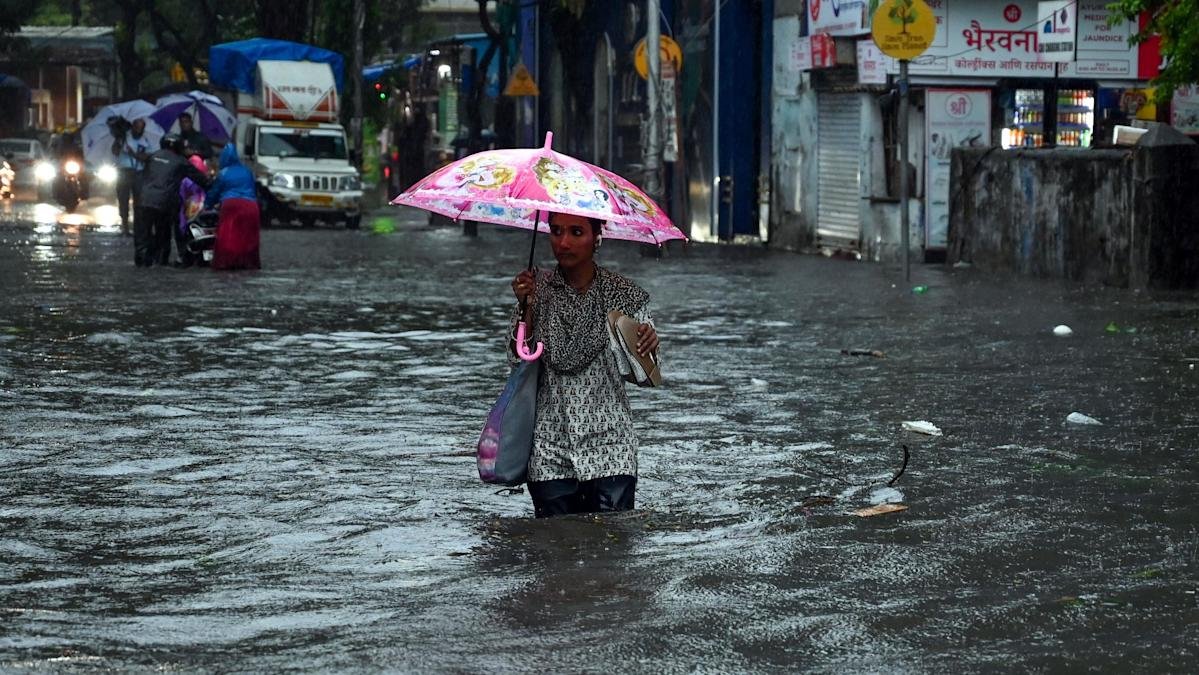
Causes Behind Monsoon Rains Flooding in India’s Urban Areas Every year, the onset of the monsoon season triggers widespread disruption in India’s major urban centers. The keyphrase monsoon rains in India’s cities sums up a persistent challenge faced by millions of residents from Mumbai to Delhi, Bengaluru to Kolkata. Heavy rains lead to flooding, traffic chaos, and damage to infrastructure, raising urgent questions about the capacity of India’s cities to cope with seasonal downpours. Recent heavy rains in Mumbai, India’s financial capital, caused severe flooding even before the monsoon reached its peak. Streets turned into rivers, and vehicles stalled mid-commute, trapping thousands. This recurring annual crisis exposes not only fragile infrastructure but also systemic weaknesses in urban planning and governance. Urban Planning and Monsoon Rains: Why India’s Cities Are Vulnerable Mumbai’s flood crisis is a stark reminder of how vulnerable Indian cities have become to heavy rains. In late April 2025, unexpected downpours brought large parts of Mumbai to a halt. Newly constructed metro stations, expected to be symbols of modern infrastructure, were inundated with muddy water, turning them into flooded traps. The Brihanmumbai Municipal Corporation (BMC), the city’s main civic body, initially blamed clogged drains filled with rubbish and debris from ongoing construction for the flooding. In response, the BMC installed de-watering pumps in flood-prone areas and began manual cleaning of drains. Yet, many residents found these efforts inadequate and delayed. The monsoon rains in Mumbai are not just a natural phenomenon but a test of urban resilience, revealing how the city’s infrastructure has struggled to keep pace with rapid growth. Unplanned Urban Expansion and Its Role in Monsoon Rains Flooding in India’s Cities India’s cities are expanding rapidly, often in ways that outstrip the development of supporting infrastructure. According to Dikshu Kukreja, an urban planner based in Delhi, “The pace of urban expansion has far exceeded the evolution of water and drainage systems.” Many cities rely on drainage systems designed decades ago, while unchecked urban sprawl has led to the loss of natural drainage channels, wetlands, and water bodies. These natural systems once acted as buffers, absorbing excess rainwater during monsoons. Today, these critical flood defenses are being paved over or neglected. Each city’s geography, population density, and climate conditions require tailored flood management strategies. There is no one-size-fits-all solution to the annual problem of monsoon rains in India’s cities. Delhi’s Annual Battle with Floods During Monsoon Rains in India’s Cities: The Minto Bridge Story Delhi, India’s capital, faces its own monsoon challenges. The Minto Bridge has become infamous for flooding every year during the monsoon season, often trapping buses and trucks beneath it and symbolizing the city’s ongoing struggle with urban waterlogging. In 2025, Delhi experienced its wettest May in over a century, with more than 185mm of rainfall recorded. The heavy rains led to property damage, injuries, and even fatalities in severe storms. The city’s aging drainage infrastructure is ill-equipped to handle such volumes of water. Rapid urbanization without adequate upgrades to water management systems has exacerbated these problems. Bengaluru: The Vanishing Lakes and the Rise of Flood Risk Bengaluru’s flooding problems stem from a different but related issue. Once celebrated for its network of lakes, the city has seen many water bodies vanish under urban development. Apartment complexes, roads, and business hubs have replaced lakes that historically absorbed rainwater and prevented flooding. Ram Prasad, a lake conservationist, explains that Bengaluru’s three major valleys, where most lakes are situated, were initially protected as no-construction zones. However, legal changes and lax enforcement allowed construction in these critical areas. As a result, the city now faces flood risk where none existed before. Poor urban planning and encroachment on water bodies are central to Bengaluru’s vulnerability during the monsoon. Natural Challenges Compounded by Human Action: Mumbai’s Geography and Ecology Mumbai’s geographic location makes it naturally vulnerable to flooding. Being a coastal city with many low-lying areas near the sea, it is prone to waterlogging, especially during high tides coinciding with heavy rains. However, human actions have worsened the situation. Mangrove forests, which once acted as natural barriers against flooding, have been cut down to make way for development. Additionally, building on floodplains has disrupted the natural drainage system. These practices amplify the impact of monsoon rains in India’s cities, leading to deeper and longer-lasting floods. Climate Change and Erratic Weather Patterns Experts agree that climate change is making monsoon rains more unpredictable and extreme. Unseasonal rainfall, flash floods, and droughts linked to extreme heat events are becoming more common. This year, the monsoon arrived early in parts of southern India due to unusual weather patterns, catching many local authorities unprepared. Skymet’s meteorologist Mahesh Palawat highlighted the role of a depression over the Arabian Sea in pulling the monsoon current earlier than usual. The increasing variability of the monsoon challenges cities that already struggle with outdated infrastructure and insufficient planning. The Human Cost of Annual Flooding Floods during the monsoon season have a heavy human toll. In May 2025, heavy storms in Delhi resulted in several deaths and injuries. Elsewhere, northeastern states faced deadly floods and landslides that displaced tens of thousands. Beyond immediate damage, floods disrupt livelihoods, damage property, and contribute to health hazards from waterborne diseases. These effects hit vulnerable populations hardest, exacerbating social inequalities. Towards Solutions: Technology, Governance, and Community Action Is there hope for India’s cities to better withstand the yearly onslaught of monsoon rains? According to urban planner Dikshu Kukreja, the answer is yes — but only with comprehensive, long-term strategies. Modern technology like real-time sensors and predictive flood mapping can help identify risk zones and provide early warnings to communities. However, technology alone is insufficient. Effective governance, stronger enforcement of regulations, and community participation are critical. Building Resilience: Planning for the Future To prevent recurring floods caused by monsoon rains in India’s cities, urban planners and policymakers must adopt forward-thinking approaches. This includes: Only through integrated and proactive efforts can Indian cities hope to reduce the devastating impact of monsoon floods. Turning Crisis…


Read More

Philosophy of Banksy: Five Works That Reveal His Deep Ideas

The philosophy of Banksy isn’t just painted on walls—it challenges us to reflect on identity, power, and truth. Banksy, the mysterious and often controversial street artist, has always walked the tightrope between political commentary and philosophical inquiry. Banksy’s bold visuals and elusive persona do more than provoke thought—they spark reflection on society and selfhood. One of his latest murals in Marseille provides a vivid entry point into this ongoing philosophical dialogue. But it’s far from his first. Many of Banksy’s iconic pieces echo historical philosophical thought, from Plato’s allegory of the cave to Foucault’s theories of surveillance. Banksy’s philosophy emerges through classical and postmodern themes, exploring the tension between reality and illusion, chaos and control. Marseille Lighthouse and the Philosophy of Banksy: Echoes of Plato’s Allegory In May 2025, a new mural by Banksy emerged in a quiet alleyway on Rue Félix Fregier in Marseille. This latest work perfectly illustrates the philosophy of Banksy, which often explores themes of identity and perception. At first, the scene seems ordinary — a rusting bollard and a shadow on the wall shaped like a lighthouse. This clever interplay reflects the philosophy of Banksy by challenging what is real versus what is imagined. Accompanying this silhouette is the poignant statement, “I want to be what you saw in me,” a phrase that encapsulates the core of the philosophy of Banksy: the tension between reality and aspiration. This mural flips a fundamental philosophical concept on its head—Plato’s allegory of the cave. In Plato’s story, prisoners see shadows as reality, unaware they are just reflections of higher truths. Banksy flips this idea — the dull bollard casts a shadow that stands for hope and aspiration. The shadow is not a falsehood but an ideal — a symbol of what could be. This inversion prompts the viewer to consider where truth truly resides. Is it in what we currently are, or in what we might become? The lighthouse symbolizes how our greatest ideals may live in aspirations, not in our current state. This mural calls on us to live up to the best versions of ourselves seen by others. The Philosophy of Banksy in Girl with Balloon (2002): Schopenhauer and the Futility of Desire Girl with Balloon, one of Banksy’s most iconic works, shows a girl reaching for a drifting heart-shaped balloon. The original mural, which surfaced in London in 2002, was accompanied by the phrase: “There is always hope.” But this seemingly simple image carries a heavy philosophical load. This work echoes the ideas of 19th-century German philosopher Arthur Schopenhauer, who described human desire as an endless, irrational force — the “Will” — that drives us toward unattainable goals. For Schopenhauer, the pursuit of desire is inherently tragic, as satisfaction is fleeting or unattainable. The girl’s longing for the balloon, which is likely forever out of reach, mirrors this endless striving. Even more compelling is Banksy’s 2018 stunt during a Sotheby’s auction, when a framed version of the piece shredded itself upon being sold. This act wasn’t merely performance art—it became a literal enactment of Schopenhauer’s philosophy. Desire, once fulfilled, self-destructs. The balloon, like the artwork, was never meant to be held. Hope, however, remains. Flower Thrower (2003): The Philosophy of Banksy on Nonviolence and the Ethics of Protest Another deeply philosophical piece by Banksy is Flower Thrower, also known as Love Is in the Air. Painted in Jerusalem in 2003, this mural shows a masked man mid-throw—not of a Molotov cocktail, but a bouquet of flowers. This work embodies the philosophy of Banksy by contrasting violence with peace in a powerful and complex way. The philosophy of Banksy often explores how symbols can be weaponized or transformed, and Flower Thrower is a perfect example of this. At first glance, this may seem to align with Gandhian nonviolence, or Satyagraha—a principle advocating resistance through moral strength rather than violence. But Banksy complicates this interpretation. The protester’s aggressive posture suggests rage, not peace. The flowers, symbols of beauty and love, are hurled like weapons. This work challenges the traditional dichotomy between peace and violence, suggesting that ideals such as truth and beauty can themselves be radical instruments of disruption. The mural serves as a philosophical paradox: does the transformation of violence into love undermine protest, or make it more powerful? This ambiguity echoes the moral questions posed by thinkers like Søren Kierkegaard and Friedrich Nietzsche, both of whom believed that true ethical action often lies beyond conventional definitions of good and evil. In Flower Thrower, Banksy invites us to consider whether defiance rooted in love can be a form of revolution. One Nation Under CCTV (2007): Foucault’s Panopticon Realized In 2007, Banksy created One Nation Under CCTV, a mural located near Oxford Street in London. The piece features a child on a ladder painting the titular phrase in massive letters, while a police officer and a dog surveil him. Above them, a real CCTV camera looms, watching all. This work is a direct engagement with the theories of French philosopher Michel Foucault, particularly those expressed in Discipline and Punish: The Birth of the Prison. Foucault resurrected the concept of the Panopticon—a prison design by Jeremy Bentham that allows a single guard to observe all inmates without them knowing if they’re being watched. This architectural metaphor became Foucault’s symbol for modern society’s pervasive systems of surveillance and control. Banksy’s mural visualizes this concept perfectly. The viewer is caught in a loop of watching: we see the officer watching the boy, while we ourselves are watched by the camera. The message is chillingly clear: we are all subjects within an invisible prison, policed not only by authority but by ourselves. The child’s rebellious act—painting the truth—suggests that awareness of surveillance can itself be a form of resistance. Mobile Lovers (2014): Simone de Beauvoir and the Ethics of Authentic Connection Mobile Lovers, a mural unveiled in 2014, portrays a couple locked in an embrace, both gazing lovingly — not at each other, but at their smartphones, which cast an…

Read More

Joseph Charm Britain’s Got Talent: Facing Trolls with Resilience

Joseph Charm Britain’s Got Talent: Rising Star’s Journey Joseph Charm, a comedian from Milton Keynes, Buckinghamshire, rose to fame after finishing fifth in the 2025 series of Britain’s Got Talent. His journey captured the hearts of many after receiving the coveted Golden Buzzer from judge Alesha Dixon—and remarkably, from his own mother, who served as a guest judge on the panel. This buzzer automatically advanced him to the semi-finals, marking a key milestone in his budding career. Although Joseph did not win the grand prize of £250,000, his experiences on the show brought him widespread acclaim and a strong fanbase from his hometown. Despite the applause, Joseph also faced significant backlash in the form of online trolling. Yet, he remains unfazed and uses his platform to advocate for positivity and resilience. The Road to Joseph Charm’s Britain’s Got Talent Success Joseph Charm’s story is one of determination and passion. In 2024, he took the bold step to quit his job to pursue comedy full-time—a decision that proved to be life-changing. His charismatic performances and genuine personality earned him the Golden Buzzer, a rare and special honor on the show. This propelled him straight to the semi-finals, setting the stage for a memorable run on the competition. His success was not just personal; it became a source of pride for Milton Keynes. Joseph often spoke about how the local support fueled his drive to succeed on the national stage. Dealing with Online Trolls: Turning Negativity into Strength Despite the widespread support, Joseph Charm also faced harsh criticism online. Trolls targeted him with hurtful comments questioning his talent and motives. Some remarks were racially charged, aiming to undermine his achievements. Speaking openly, Joseph said the negativity did not upset him. Instead, he chose to respond with humor and understanding. “Comedy is subjective,” he explained in response to some saying he was “not even funny.” When confronted with racist comments, Joseph cracked jokes to deflect hostility while making it clear such behavior is unacceptable. He described the trolls as “fragile, fickle, weak, and sad,” expressing a sincere hope that they “find light in their lives” and stop trying to belittle others on the internet. Spreading Joy: Joseph Charm’s Vision Beyond the Show Joseph Charm is focused on using his newfound platform to spread positivity. He told fans that although he did not take home the prize money, the experience itself was invaluable—especially for his mother, who enjoyed the chance to meet entertainment mogul Simon Cowell. Looking ahead, Joseph wants to maintain momentum and “spread joy in a number of different ways.” His mission extends beyond comedy to inspiring kindness and resilience in others, encouraging people to rise above negativity and find happiness in shared experiences. The Impact of Online Trolls on Performers: A Broader Look Joseph’s story highlights a larger issue faced by many public figures today: the impact of online abuse on mental health and career growth. Internet trolling can discourage emerging talents and create toxic environments that stifle creativity. Many performers like Joseph Charm use humor as a shield and a weapon to combat negativity, but the psychological toll can be significant. Awareness and public conversations about respectful online behavior are crucial in fostering safer spaces for artists to thrive. Joseph Charm’s Comedy Style and Future Projects Known for his quick wit, relatable storytelling, and light-hearted jabs at social issues, Joseph Charm’s comedy resonates with diverse audiences. His style balances sharp humor with warmth, making complex topics accessible and entertaining. Since his appearance on Britain’s Got Talent, Joseph has been booking gigs across the UK and plans to expand his reach internationally. He is also exploring opportunities in television and digital media to connect with broader audiences. Supporting Local Talent: The Role of Community in Joseph’s Success The enthusiastic support from Milton Keynes played a vital role in Joseph’s journey. Local fans rallied behind him, attending shows, sharing his work online, and celebrating his progress on the national stage. Joseph often credits his community for helping him stay grounded and motivated. His story inspires other aspiring performers in smaller cities and towns, proving that with talent and determination, national recognition is within reach. Advice for Aspiring Comedians Facing Online Criticism Joseph Charm’s experience offers valuable lessons for up-and-coming comedians dealing with public scrutiny Joseph Charm, Britain’s Got Talent Finalist, Inspires with Resilience From an aspiring comedian to a finalist on Britain’s Got Talent, Joseph Charm’s journey showcases remarkable courage and optimism despite challenges. Throughout the competition, he faced online trolls and harsh criticism but remained undeterred. His story is a powerful reminder of the strength needed to persevere and the importance of spreading positivity, even in difficult times. By openly addressing online trolling with humor and compassion, he sets a powerful example for performers and audiences alike. As he continues to grow his career and spread joy, Joseph’s story reminds us all of the importance of kindness—both on stage and online.

Read More

Cambridge Bus Gate Fines: Over 4,600 Issued in Seven Weeks

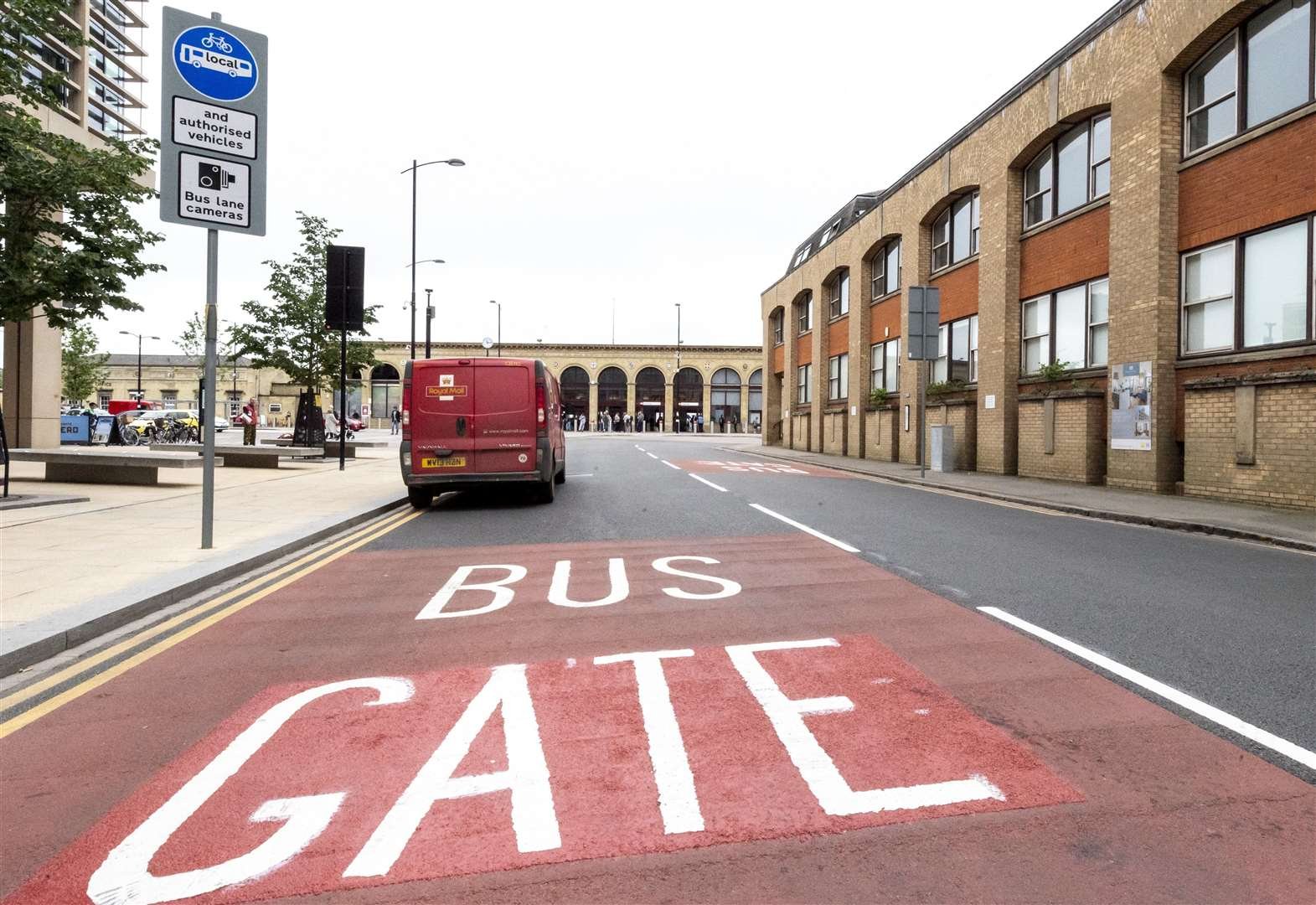
Mill Road Cambridge Bus Gate Fines Surge in Early Weeks A new Cambridge bus gate fines system on Mill Road bridge has led to over 4,600 fines in just seven weeks. Cambridgeshire County Council reported that enforcement officers issued nearly 100 penalties per day to drivers who ignored the vehicle restrictions. The high number of Cambridge bus gate fines has sparked widespread public debate. The council introduced the bus gate on 11 March 2025 to ban most motor vehicles from crossing Mill Road bridge. Only registered buses, emergency vehicles, taxis, and blue badge holders’ vehicles are allowed. The purpose of the bus gate is to reduce motorised through-traffic and create a safer, more pedestrian- and cyclist-friendly environment. Purpose Behind Cambridge Bus Gate Fines and Restrictions Councillor Alex Beckett, who chairs the county’s highways and transport committee, said the restriction aims to make Mill Road a safer and more enjoyable place to visit. “Mill Road is the centre of a community. He said they want Mill Road to be safer and more enjoyable, encouraging more people to visit the area. “Reducing motorised through traffic and installing the bus gate will help achieve this.” Exemptions and Enforcement of Cambridge Bus Gate Fines Cambridgeshire County Council enforces the traffic restrictions through a Traffic Regulation Order (TRO), which outlines a list of exemptions.. These exemptions apply to: To benefit from the exemptions, qualifying drivers must apply for formal clearance with the council. Despite the range of exceptions, many motorists still entered the restricted area without permission. Timeline of Penalties Emergency repairs on a burst water main delayed enforcement, which was originally scheduled to begin on 11 March, by two days.. Fines officially began on 13 March. During the first full week, starting on 16 March, authorities issued 857 fines. The number peaked in the week of 30 March, when enforcement teams fined 887 drivers. The total for the initial seven weeks reached 4,677 Penalty Charge Notices (PCNs), each carrying a fine of £70, reduced to £35 if paid within 21 days. The consistent number of daily violations highlights either a lack of awareness or ongoing public resistance to the new rules. Previous Legal Challenges and Reinstatement The 2025 installation of the Mill Road bus gate followed a previously failed attempt to implement a similar restriction.A legal challenge led the council to revoke an earlier TRO, forcing them to restart the approval process. Following community consultation and a legal review, the council implemented the current order, installed warning signs, and introduced a grace period where violators received warnings instead of fines. Signage and Communication Efforts To prepare the public, the council placed clear signage at both ends of the bridge and conducted an initial formal warning period. During that phase, the council issued warning PCNs to give motorists time to adapt to the new system.Despite these efforts, thousands of drivers still crossed the bridge illegally. Community Reactions and Outlook Reactions have been mixed. Some local residents and businesses have welcomed the move as a step toward a greener, safer, and more walkable neighborhood. Others—particularly those reliant on private vehicles—have criticised the measure, citing inconvenience and unclear signage. Cambridgeshire County Council remains firm in its stance, maintaining that the changes are in line with broader environmental and urban planning goals. As enforcement continues, it is expected that the number of violations will decrease as drivers adjust. Broader Implications for UK Urban Planning The situation on Mill Road reflects a growing trend across the UK, where local governments are implementing traffic reduction strategies to create more livable urban spaces. Bus gates, low-traffic neighborhoods, and congestion charges are all tools being used to tackle air pollution, encourage walking and cycling, and reduce reliance on private vehicles. A New Era for Cambridge Streets The Mill Road bus gate represents a significant step in Cambridge’s transport evolution. With thousands of fines already issued, the initiative demonstrates both the challenges and potential benefits of urban traffic reform. As residents adjust, the long-term success of the scheme will depend on clear communication, responsive policy adjustments, and ongoing community engagement.

Read More

Disney Layoffs 2025: Hundreds More Jobs Cut Amid Industry Shift

Introduction In 2025, Disney continues to face industry pressures as it announces hundreds more layoffs across the globe. The entertainment giant, known for its iconic brands like Marvel, Hulu, and ESPN, is restructuring to cut costs and adapt to the streaming era. This latest wave of job cuts impacts several departments, including film, television, casting, and corporate finance. The Context Behind Disney Layoffs 2025 As audiences shift away from traditional cable TV towards streaming platforms, Disney is under pressure to reinvent its business model. Chief Executive Bob Iger, who led major layoffs in 2023, is focused on saving billions of dollars while maintaining the company’s creative edge. In May 2025, Disney reported stronger-than-expected earnings driven by Disney+ subscriber growth, but the company remains cautious about future costs. Which Departments Are Affected by Disney Layoffs 2025? The latest round of layoffs affects marketing teams within Disney’s film and television units, as well as casting, development, and finance departments. Despite these cuts, Disney assures that no teams will be closed entirely. A spokesperson emphasized the company’s surgical approach to minimize employee impact. Financial Performance and Streaming Growth Disney reported $23.6 billion in revenue in the first quarter of 2025—a 7% increase from the previous year—fueled primarily by Disney+ subscriptions. However, challenges remain as some recent film releases, such as the live-action Snow White remake, underperformed at the box office. Box Office Success and Future Outlook Despite setbacks, Disney’s animated release Lilo & Stitch broke US Memorial Day weekend box office records and has grossed over $610 million worldwide. This success highlights Disney’s continued strength in animation, even as the company streamlines its workforce. What Disney Layoffs 2025 Mean for the Industry The layoffs underline the entertainment industry’s ongoing transformation. Disney’s strategic cost-cutting aims to balance innovation and financial discipline in a rapidly evolving market, signaling that the streaming wars are reshaping media giants in profound ways.

Read More

Rare Juices in the Amazon: 8 Exotic Drinks to Try

Rare Juices in the Amazon – A Taste of the Rainforest’s Liquid Treasures Rare juices in the Amazon offer a vibrant world of exotic fruit flavors far from mainstream smoothie chains and pre-packaged powders. Vendors pulp these wild juices just hours after harvest and serve them fresh. Found in the planet’s most biodiverse ecosystem, they provide not just nourishment but deep cultural value. With more than 220 edible fruit-bearing tree species, the Amazon is a juice lover’s paradise. Many of these botanical treasures remain unknown outside the jungle. From the Peruvian highlands to the lush Brazilian floodplains, Amazonian markets overflow with vibrant and nutrient-rich juices. These tangy drinks have been enjoyed by locals for generations. Each of these eight rare Amazonian juices showcases the rainforest’s natural bounty. They are intensely flavorful, steeped in cultural history, and too delicate to export. 1. Aguaje: The Feminine Fruit of the Jungle The aguaje fruit of the Moriche palm grows on the eastern slopes of the Andes, near Tingo Maria’s misty forests. This fruit is one of the many rare juices in the Amazon that locals cherish. Its reddish-brown, scale-like skin resembles an armadillo shell. After soaking and peeling, it reveals a bold, bright orange flesh. The resulting beverage, known as “aguajina,” is thick, custard-like, and reminiscent of a blend between pumpkin pie and flan. Among the rare juices in the Amazon, aguaje stands out for its cultural significance and health benefits. Locals believe aguaje is especially beneficial for women’s health due to its supposed phytoestrogen content. While scientific evidence remains limited, sellers like Gianina Pujay, a respected aguajinera in Tingo Maria, firmly believe in its benefits. They say aguaje juice helps the skin, improves complexion, and strengthens bones. 2. Cocona: The Amazonian Tomato’s Zesty Cousin Often compared to a tropical tomato, cocona delivers a surprising taste that fuses pineapple with papaya. Cocona grows in the same Peruvian region as aguaje. Its pulp is acidic and fibrous, so juice is the easiest and most enjoyable way to consume it. Its smooth yet oily texture and sharp tang make it stand out in juice stalls across the Amazon. According to nutritionist Miluska Carrasco of Peru’s Instituto de Investigación Nutricional, cocona’s quick spoilage necessitates immediate juicing, helping to preserve both taste and nutrients. 3. Camu Camu: The Vitamin C Powerhouse The camu camu fruit, no larger than a cherry, is one of the most prized rare juices in the Amazon. It hides an astonishing amount of vitamin C—over 2,000mg per 100g, far surpassing the modest 6mg found in an orange. Found along the Ucayali River in the Peruvian Amazon, especially in the city of Pucallpa, this sour plum-like fruit offers a tart yet refreshing flavor with hints of strawberry and peach. Because of its short harvest season from January to March, fresh camu camu juice is a highly sought-after commodity among those who appreciate the rare juices in the Amazon. Locals enjoy drinking it as juice or eating the fruit raw with salt, carefully discarding the seeds.. 4. Tucumã: The Nutty Amazonian Superfruit In Brazil’s Amazonas state, the fibrous orange fruit of the tucumã palm makes for a gritty, nutrient-rich juice with a slightly nutty flavour. From February through August, this fruit dominates regional breakfast tables, often consumed with cassava flour or featured in the famous x-caboquinho sandwich alongside coalho cheese and fried plantains. Processing tucumã into juice requires peelers and sieves to remove the coarse fibres. According to Francisco Falcão of Bom Jesus village in the Tefé National Forest, the fruit is highly praised for its benefits to skin and eyesight—owing to high concentrations of calcium and manganese. 5. Pupunha: The Palm Fruit of Celebration Known in various Amazonian regions as pejibaye or pijuayo, pupunha is an acorn-shaped palm fruit that cannot be consumed raw. It’s typically boiled and served as a snack, akin to a dense, oily sweet potato. In the Tefé region, the fruit is also processed into a smooth orange juice, thick in texture and rich in vitamin B1 and E. During the harvest season between December and February, pupunha takes centre stage in community celebrations. In Peru, the fermented version known as chicha or masato is used in traditional rituals and festivals. 6. Cupuaçu: The Creamy Cousin of Cacao Cupuaçu is perhaps one of the Amazon’s best-kept secrets, a fruit related to cacao but with a creamy, tangy flavour profile reminiscent of pineapple mixed with chocolate. Common in Manaus and throughout the northern Amazon, cupuaçu pulp is now finding its way into juices, ice creams, and even a type of chocolate called cupulate. Daniel Tregidgo of the Mamirauá Institute sees cupuaçu as a potential ethical commodity for the future, though challenges in exporting it sustainably persist. For now, its rich, silky juice remains a local treasure. 7. Jenipapo: The Fruit That Paints and Nourishes Known for its use as a natural blue dye and body paint, jenipapo also makes a delicious juice with a flavour reminiscent of dried apricots. Commonly found in the Amazon delta and along Brazil’s coast, this yellow-fleshed fruit is high in vitamin B1 and zinc. Aside from fresh juice, jenipapo is enjoyed as “licor de jenipapo”—an artisanal liqueur infused into cachaça and sipped in traditional Brazilian bars known as botecos. 8. Açaí: One of the Most Beloved Rare Juices in the Amazon and the Original Jungle Superfood Globally recognised yet often misunderstood, açaí in the Amazon is a far cry from the sugar-laden bowls found abroad. With seven distinct species across Brazil, including juçara and açaí-do-Pará, the authentic pulp is extracted with pneumatic presses and sold in bags at Belém’s markets. Consumed as a thick, purplish puree, locals eat it straight from bowls like a cold gazpacho. Rich in antioxidants and deeply embedded in Amazonian diets, true açaí is a cultural staple long before it became a wellness fad. Sipping the Spirit of the Forest: Exploring Rare Juices in the Amazon Each of these eight rare Amazonian juices represents more than just refreshment—they encapsulate traditions, ecosystems,…

Read More

China Salt Battery Electric Scooters Drive Innovation

China Salt Battery Electric Scooters: A Quiet Revolution on Two Wheels China salt battery electric scooters are quietly revolutionizing urban transportation. Commonly seen zipping through Chinese city streets, these electric scooters are becoming champions of a green tech shift. While the world races to perfect lithium-ion batteries, China is shifting its focus to sodium-ion—or “salt”—batteries. This quiet revolution is gaining traction not in sleek electric cars, but in China’s favorite urban ride—the electric scooter. These affordable and practical two-wheelers are everywhere, driving innovation by testing safer, cheaper battery chemistry. With manufacturers like Yadea and Tailg leading the charge, China’s push may soon spark a global shift. Why Sodium-Ion Batteries Matter for China’s Electric Scooters Abundance and Accessibility Sodium is one of the most abundant elements on Earth, commonly found in seawater and the Earth’s crust. It’s around 400 times more abundant than lithium, which currently dominates the rechargeable battery market. This abundance makes sodium a promising element for China salt battery electric scooters, offering a cheaper and more sustainable alternative to lithium-ion technology. Lithium needs complex mining in countries like Australia and Chile, and most of it is refined in China. Sodium, by contrast, promises cheaper and more sustainable production. That abundance makes sodium-ion batteries particularly attractive for mass-market applications such as scooters. Similar Structure, Different Chemistry Sodium-ion batteries function similarly to lithium-ion ones, and this technology is central to China salt battery electric scooters. Both involve the movement of ions between a cathode and anode to charge and discharge. The key difference lies in the ion itself. Sodium ions are larger and heavier, which lowers their energy density—the key to how much energy a battery stores. Still, sodium-ion tech is quickly advancing, making it ideal for low-range uses like short scooter commutes. The Chinese Salt Battery Electric Scooter Surge Two-Wheelers as a Launchpad In China, two-wheelers dominate urban transport. Known affectionately as “little electric donkeys,” these scooters shuttle commuters, delivery drivers, and students through packed city streets. In 2023 alone, over 55 million electric scooters were sold in China—dwarfing the sales of electric cars. This popularity creates an enormous opportunity to test and scale emerging technologies like sodium-ion batteries. Yadea, one of China’s largest scooter manufacturers, is leveraging this market by embedding sodium-ion batteries into new scooter models and building a support ecosystem of fast-charging and battery-swapping stations. Battery Swapping: A Game Changer for China’s Salt Battery Scooters Speed and Convenience for Urban Users Yadea has introduced a battery-swapping system that enables users to exchange a drained battery for a fresh one in just 30 seconds using a simple QR code scan. These stations are being deployed across major cities, particularly in Shenzhen, where more than 150,000 food delivery couriers are participating in a pilot program. The city’s government, along with industry partners like the Shenzhen Electric Bicycle Industry Association, plans to install 50,000 charging or swapping pods by 2027. By 2025, commuters are expected to find a charging station every five minutes of travel time. Such infrastructure eliminates one of the primary barriers to electric vehicle adoption: range anxiety. Leading the Sodium Battery Pack in China’s Electric Scooters Yadea and Tailg: Pioneers in Practice China salt battery electric scooters are gaining momentum as Yadea has already launched three sodium-ion powered scooter models and is actively expanding production. Their new research facility, the Hangzhou Huayu New Energy Research Institute, focuses exclusively on alternative chemistries like sodium-ion. Tailg, another major manufacturer, began offering sodium-powered scooters in 2023 and is investing in research and development alongside larger battery firms. Meanwhile, CATL, the world’s largest battery maker, announced plans in 2025 to mass-produce sodium-ion batteries under its Naxtra brand, targeting both heavy-duty vehicles and energy storage. Salt Battery vs Lithium: Advantages for China’s Electric Scooters Safety in Focus After a series of battery fires linked to lithium-ion batteries in 2024, especially in scooters and energy storage stations, safety has become a top priority. Sodium-ion batteries are believed to be chemically more stable, reducing the likelihood of overheating and combustion. Research from Chinese universities, including Xi’an Jiaotong University, supports this. Sodium’s stable behavior and lower heat sensitivity make it less prone to runaway reactions, a problem that has plagued lithium-ion systems. Better in Cold Weather Sodium-ion batteries also outperform lithium-ion in extremely cold climates. A team at Xi’an Jiaotong has developed a special electrolyte that maintains 80% capacity at −40°C—a major breakthrough for regions with harsh winters. Challenges on the Road Ahead Energy Density Limits Despite its promise, sodium-ion battery technology still struggles with lower energy density. Studies show that these batteries can store 30% less energy than comparable lithium-ion cells, making them less suitable for long-range EVs. This limitation explains why sodium-powered cars have not yet made a splash. In 2024, only 204 sodium-powered microcars were sold in China—minuscule compared to the tens of millions of electric vehicles sold that year. Production Costs and Market Dynamics While sodium is cheaper as a raw material, sodium-ion batteries are not yet cheaper to produce than lithium-ion due to a lack of scaled manufacturing. Moreover, the price of lithium has dropped dramatically since 2022, lessening the urgency for alternatives in the eyes of some manufacturers. Even so, the battery industry views sodium-ion as a strategic backup—especially in scenarios where lithium supply chains are disrupted. A Bigger Market: Energy Storage Why Stationary Storage Is Ideal While sodium-ion batteries face hurdles in EVs, they are particularly suited for energy storage systems (ESS). Unlike vehicles, these systems don’t need to worry about weight or size, making sodium’s lower energy density a non-issue. As renewable energy sources like solar and wind proliferate, grid-scale energy storage becomes essential to store power during off-peak hours and release it when demand spikes. The International Energy Agency (IEA) estimates that global energy storage capacity must increase 35-fold by 2030 to meet climate goals. Sodium-ion batteries, with their cost-effectiveness and safety, are likely to play a central role. Environmental Impact: A Greener Alternative? Mining and Emissions China salt battery electric scooters benefit from…

Read More

Guernsey Tourism France Ferry: Record Arrivals Boost Island

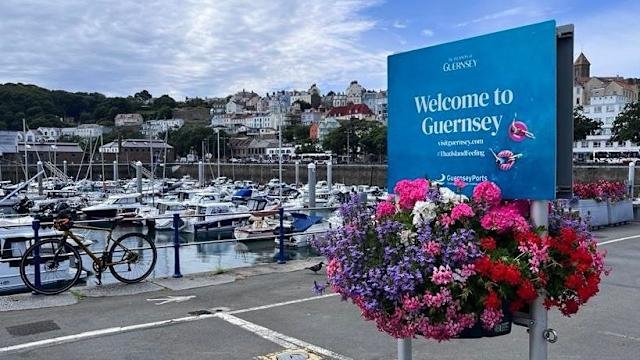
Unprecedented Visitor Numbers from France Guernsey has recently witnessed a remarkable surge in Guernsey tourism France ferry arrivals, setting new records for passenger traffic.Brittany Ferries, Guernsey’s main ferry operator, reported an unprecedented influx. About 750 car and foot passengers arrived from St Malo in a single day. This marked the busiest continental arrival ever recorded.foot passengers alone increased by over 190% compared to last year.This clearly highlights a significant revival in cross-Channel tourism. This surge marks a milestone for Guernsey tourism. It shows the island’s strong appeal to French visitors. Local authorities and tourism groups worked diligently. They enhanced signage, cultural outreach, and provided live entertainment. This improved the visitor experience. This article explores the causes, implications, and future prospects of this record visitor trend from France to Guernsey. The Importance of Guernsey Tourism France Ferry Visitors French tourists have long been a vital part of Guernsey tourism. Guernsey’s proximity, strong cultural ties, and convenient France ferry travel make it a preferred short-break destination for Northern French residents. The recent record-breaking arrivals underscore the importance of maintaining and strengthening this connection. Historically, tourism contributes a significant portion of Guernsey’s economy, supporting local businesses, restaurants, hotels, and cultural venues. Furthermore, French visitors are especially valuable since they often stay longer and actively explore the island’s culture, cuisine, and heritage. As a result, the increased numbers provide a significant boost to the island’s economic recovery following the pandemic. Brittany Ferries: The Guernsey France Ferry Gateway Indeed, Brittany Ferries operates one of the most important France ferry links between Guernsey and the French mainland, serving as a vital connection for both passengers and goods. Its services from St Malo to Guernsey offer travelers an accessible and scenic route, preferred for its reliability and comfort. The ferry company has played a proactive role in promoting this route, adapting schedules and marketing strategies to attract a larger French clientele and boost Guernsey tourism. Furthermore, the company’s investment in customer service and onboard amenities has significantly enhanced the overall travel experience. Consequently, this improvement has contributed to the rise in bookings for the France ferry service. Marketing Efforts and Visitor Experience Enhancements In preparation for the record visitor numbers, the States of Guernsey’s tourism office, led by Zoe Gosling, undertook a comprehensive campaign to welcome French tourists. This included expanding French-language signage throughout key arrival points and public areas, ensuring visitors feel at home from the moment they step off the ferry. Additionally, VisitGuernsey arranged live musical performances and distributed French-language maps and informational brochures, enriching the visitor experience. Such gestures have been warmly received, fostering goodwill and encouraging repeat visits. Economic Impact on Guernsey’s Local Businesses The influx of visitors from France ferry arrivals has brought immediate economic benefits to Guernsey. Increased footfall in shops, cafes, restaurants, and cultural attractions has generated higher revenues, supporting jobs and local entrepreneurship within Guernsey tourism. Seasonal businesses, often reliant on summer tourism, have experienced a particularly strong boost. This recovery is crucial as Guernsey navigates post-pandemic economic challenges, and the robust French visitor numbers offer a promising sign for sustained growth in Guernsey tourism. Sustaining Growth and Strengthening Ties As Guernsey enjoys this surge in Guernsey tourism France ferry visitors, stakeholders are focused on sustaining the momentum. Continued collaboration between ferry operators, local government, and tourism bodies will be essential. Efforts to diversify attractions, improve infrastructure, and maintain cultural outreach will help keep Guernsey an attractive destination for French tourists in the years ahead. The record visitor numbers are a hopeful indicator of Guernsey’s tourism revival, with clear benefits for the island’s economy and community. By continuing to foster strong cross-Channel ties and promoting the Guernsey tourism France ferry route, Guernsey can build a resilient, thriving tourism sector for the future.

Read More

Church Solar Trial Knaresborough Powers Local Homes

Church Solar Trial Knaresborough: Pioneering Community Energy A pioneering solar energy project, the Church solar trial Knaresborough, is underway. As part of this trial, a local church has installed 91 solar panels on its roof. The primary goal is to share excess renewable energy with nearby homes and businesses, including public services such as the town’s fire station. Rather than sending surplus power back to the National Grid, this innovative scheme keeps energy within the local area. As a result, the surrounding community benefits directly from clean and affordable electricity. This trial is part of a bigger effort led by Ofgem, the UK’s energy regulator. The goal is to find better ways to distribute local renewable energy within neighborhoods. By generating and sharing energy in a defined local area, the project promotes sustainability. Moreover, it helps build community resilience and saves money. Explore the Church solar trial Knaresborough, where clean, affordable energy is shared directly with local homes and businesses. This innovative community project reduces reliance on the National Grid and supports local sustainability. How the Knaresborough Church Solar Trial Shares Renewable Energy The Gracious Street Methodist Church in Knaresborough recently installed 91 solar panels on its roof. These panels capture sunlight and turn it into electricity for local use. A unique feature of this trial is its focus on local energy sharing. Excess electricity from the solar panels doesn’t go back to the National Grid. Instead, it is redirected to 78 nearby homes, small businesses, and public services such as the fire station. This means that the energy produced in the immediate vicinity is used locally, reducing transmission losses and enhancing energy efficiency. This approach stabilizes the local electricity network and lowers carbon emissions. Moreover, this approach empowers communities to actively participate in the transition to renewable energy. Consequently, it fosters greater local involvement and ownership in sustainable practices. In addition, such engagement helps build a stronger, more resilient community committed to environmental stewardship. The Vision Behind the Church Solar Panels Trial in Knaresborough: Community Energy and Environmental Responsibility Reverend Gordon Hay of Gracious Street Methodist Church is excited about the project’s potential to unite the community through energy sharing. He said, “Sharing energy with our neighbours—people who live or work just around the corner—feels like exactly what a church should do.” The church’s leaders and congregation wanted to do more for their community beyond traditional roles. In doing so, they embraced the church as both a spiritual and energy hub. This project fits with the Methodist commitment to environmental care and social justice. It shows how faith communities can lead on climate action and local sustainability. Benefits of Local Energy Sharing in the Church Solar Panels Trial for Knaresborough Residents and Businesses The scheme offers multiple advantages for local residents and businesses. First, it provides clean, renewable electricity generated nearby. This reduces reliance on fossil fuels and the national grid. Consequently, it can lower energy bills because local power typically costs less than grid electricity due to fewer distribution fees. Moreover, by keeping energy local, the scheme eases pressure on the wider energy infrastructure. This could delay or eliminate the need for costly upgrades like new pylons or underground cables. These are usually needed to carry electricity over long distances. Furthermore, local energy sharing strengthens grid resilience. In fact, during peak demand or emergencies, communities with local power and storage can maintain electricity supply more reliably. Ofgem’s Role in Driving Renewable Energy Innovation Ofgem, the UK’s energy regulator, commissioned this and other trials to explore innovative ways to integrate renewable energy more effectively into local electricity systems. As the UK aims to reach net zero carbon emissions by 2050, such initiatives are vital to testing new technologies and business models that promote equitable access to clean energy. The Knaresborough project is part of a suite of community energy trials across the country that are helping to pave the way for a smarter, more decentralized energy future. These projects test how solar power, battery storage, and smart meters can work together to optimize energy distribution and empower consumers. Knaresborough Community Energy: Leading Local Renewable Initiatives Additionally, the overall scheme includes similar solar panel projects at two other local sites. It is led by Knaresborough Community Energy, a group committed to promoting renewable energy and sustainability in the area. Their work supports community ownership and benefits, creating opportunities for residents to engage directly with energy production and management. Mr. Hay remarked, “It started with members of the congregation asking, ‘what more can we do?’ We’re already a community hub – now we can be an energy hub too.” This demonstrates how grassroots enthusiasm and collaboration can drive impactful environmental projects. Economic and Environmental Impact of Solar Panels on Community Buildings Installing solar panels on community buildings like churches offers a dual benefit: environmental sustainability and financial savings.As a result, the panels installed over the Easter period will significantly reduce the church’s energy costs. Savings can be reinvested into community services, enhancing the church’s role as a local resource center. Environmentally, the shift from grid-supplied electricity—often generated from fossil fuels—to locally generated solar power reduces carbon emissions and air pollution, contributing to healthier local environments and combating climate change. The Role of the Yorkshire North & East Methodist District in Promoting Net Zero Tim O’Brien, Net Zero Officer for the Yorkshire North & East Methodist District, highlighted the broader vision for the project. “This is about building a smarter, more community-focused energy system. Instead of relying on energy from distant sources, we generate it here in Knaresborough and use it locally — thereby saving money and reducing waste. The Methodist District supports churches and communities across the region in adopting renewable energy and sustainable practices, advancing the church’s commitment to net zero carbon emissions. How Local Renewable Energy Trials Could Shape the Future of Power Distribution Trials like the one in Knaresborough provide critical insights into the future of electricity distribution. By demonstrating how renewable energy can be generated and…

Read More