Korea Dog Meat Ban Forces Farmers to Rethink Livelihoods

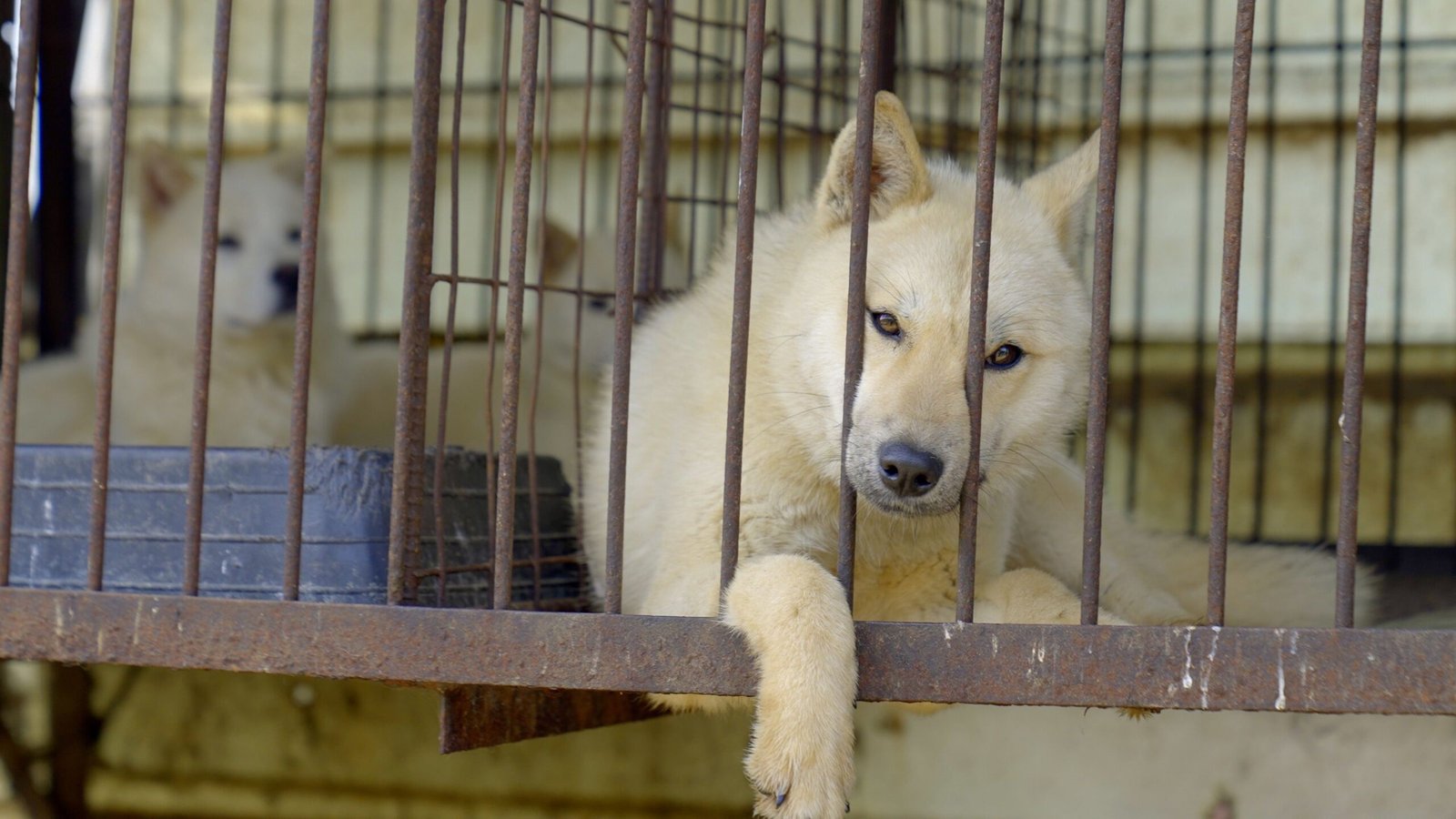
Korea Dog Meat Ban: A Nation at a Crossroads In a landmark move, South Korea officially passed a dog meat ban for human consumption in early 2024, with full enforcement expected by February 2027. While hailed by animal rights activists as a major victory, the dog meat ban in Korea has created deep anxiety among farmers, traders, and animal welfare groups alike. With over 500,000 dogs currently on meat farms, the country now faces the daunting challenge of addressing the fate of these animals before the dog meat ban Korea deadline arrives. Farmers Left Behind by Korea’s Dog Meat Ban Reverend Joo Yeong-bong, once a preacher and now president of the Korean Association of Edible Dogs, epitomizes the crisis triggered by the dog meat ban Korea passed in 2024. His dog farm, once a viable source of income, is now on the brink of collapse. “We’re drowning in debt,” he laments. “There are no buyers, and we can’t shut down.” Like Reverend Joo, younger farmers such as 33-year-old Chan-woo—who invested his life savings into the trade—now face prison time if they fail to comply with the dog meat ban Korea enforcement deadline. With 600 dogs to rehome in 18 months, he sees no viable path forward Flaws in Korea’s Dog Meat Ban Enforcement Although the Ministry of Agriculture, Food and Rural Affairs (Mafra) has promised support—offering 600,000 Korean won per dog and pledging $4.3 million annually for shelter expansions—implementation remains sluggish. The promised assistance is insufficient to meet the scale of the challenge. Lee Sangkyung, campaign manager at Humane World for Animals Korea (Hwak), highlights the gap: “They passed the law without a real plan. The logistics of rescuing and rehoming half a million dogs are staggering.” A Storm of Practical Challenges One of the biggest hurdles is rehoming the animals. Many dogs from meat farms are large breeds like tosa-inus, classified as “dangerous” in South Korea. Prospective adopters often live in high-rise apartments and prefer smaller, less aggressive breeds. Compounding this are fears about disease and trauma among the rescued dogs. Additionally, most shelters are already overwhelmed. Humane groups like Hwak have managed to rehome nearly 2,800 dogs since 2015, but absorbing all remaining dogs is impossible. A Grim Reality: Euthanasia as a Last Resort Despite the government’s reassurance that euthanasia is not part of its official plan, rights groups admit that it may be inevitable. Cho Hee-kyung of the Korean Animal Welfare Association stated candidly in 2024, “There will be dogs left over.” This has provoked outrage and heartbreak, especially from those who assumed the ban would include a full rescue strategy. International Help: A Silver Lining Some relief has come from overseas. In 2023, the Korean animal welfare group Hwak rescued 200 dogs from a meat farm in Asan, successfully relocating them to Canada and the United States—countries with higher adoption rates and greater public support for rescue initiatives. Former dog meat farmer Yang Jong-tae was moved by the experience. “They handled the dogs like they were people—with so much care and compassion,” he said. “It really touched my heart.” Still, such international rescue missions are costly and logistically complex. While they represent hope for a small number of animals, they remain insufficient in the face of the dog meat ban Korea has enacted. With hundreds of thousands of dogs still confined in farms across the country, these efforts cannot realistically absorb the overwhelming numbers left behind. The Ethical Dilemma: Why Dog Meat and Not Other Meats? Opponents of the dog meat ban Korea implemented argue that it represents a cultural double standard. “Why is it legal to consume beef, pork, or chicken, but not dog?” asks former farmer Mr. Yang. However, veterinary professionals like Dr. Chun Myung-Sun of Seoul National University refute this comparison. She explains that dog meat exists outside of Korea’s formal food safety and hygiene frameworks, making it a riskier option for human consumption. Beyond health concerns, public attitudes in South Korea have shifted dramatically. According to a 2024 government survey, only 8% of respondents reported eating dog meat that year—a steep decline from 27% in 2015. Even more telling, just 3.3% indicated they would continue to do so after the dog meat ban Korea is fully enforced in February 2027. A Livelihood Lost The dog meat industry supported thousands of people. Since the ban’s announcement, 623 out of 1,537 farms have closed. Many farmers, particularly younger ones, now face bleak futures. “We’re stuck, with no way forward or back,” says Chan-woo. For some, the emotional toll is unbearable. Reverend Joo warns, “By 2027, something terrible will happen. People can’t endure this much uncertainty.” What Comes Next? With less than two years before the full ban takes effect, the future remains uncertain. Activists continue to push for a structured, humane phase-out plan that includes funding, rehoming logistics, and mental health support for displaced workers. In the absence of a clear, compassionate path forward, South Korea risks turning a moral victory into a humanitarian crisis.


Read More

Juneteenth Birthplace Galveston: A Year-Round Tribute

Juneteenth Birthplace Galveston: Where Freedom Day Began On June 19, 1865, Union General Gordon Granger arrived in Juneteenth Birthplace Galveston to announce the emancipation of enslaved African Americans. Although the Emancipation Proclamation had been signed two years earlier, the order had not been enforced in this remote island city until the Civil War ended. When the news finally reached Galveston, it marked a historic moment of liberation. The emotional response from newly freed Black residents — ranging from shock to joy — laid the foundation for Juneteenth. Today, Juneteenth Birthplace Galveston is recognized nationwide for preserving this powerful legacy and sharing it with future generations. From Juneteenth Birthplace Galveston to Nationwide Recognition Originally rooted in Juneteenth Birthplace Galveston, this significant day began as a local observance and gradually became a national tradition. As Black Texans migrated across the United States, they brought the spirit of Juneteenth with them. Officially recognized as a Texas state holiday in 1980 and later as a federal holiday in 2021, Juneteenth — also known as Freedom Day, Emancipation Day, and Jubilee Day — is now celebrated nationwide with parades, cultural festivals, and communal gatherings that honor emancipation and African American heritage. Galveston Leads with Year-Round Celebrations While cities like Philadelphia, Atlanta, and Tulsa host large-scale Juneteenth events, Galveston remains the symbolic heart of the movement. The island city embraces its historical significance not just on June 19 but throughout the year. “It’s about more than one day,” said Mary Beth Bassett, public relations manager at Visit Galveston. “Visitors can come any time to understand the importance of Galveston’s role in American freedom.” Juneteenth Birthplace Galveston Marks 160 Years with Special Events To commemorate the 160th anniversary, Galveston has organized a diverse lineup of activities. In addition to the annual parade and fireworks show, a reenactment of General Order No. 3 at Ashton Villa allows visitors to relive the original announcement. From lectures on local African American heroes like educator John Rufus Gibson to panel discussions with the family of George Floyd, these events provide context and connection. The Legacy Project and the Future Museum Local historian and activist Sam Collins III is the driving force behind The Juneteenth Legacy Project. “Our shared history is incomplete without these stories,” Collins stated. He is leading the development of the International Juneteenth Museum, which aims to preserve and highlight African American narratives, both historical and contemporary. Cultural Tours and Historic Sites For those eager to delve deeper, Dr. Araminta Coleman Sorrell’s “Juneteenth and Beyond” tours offer a rich exploration of Galveston’s African American heritage. Stops include the Reedy Chapel AME Church, the first Black church in Texas, and the NIA Cultural Centre. This centre also hosts the Juneteenth Headquarters and a vibrant art gallery featuring African American artists. One of the tour highlights is the Absolute Equality mural, a 5,000-square-foot visual timeline tracing Black history from the transatlantic slave trade to the modern day. “It’s an impactful way to educate through art,” said Coleman Sorrell. Museums and Educational Trails Galveston museums have committed to preserving this legacy through exhibitions like “And Still We Rise…” at Ashton Villa. This interactive experience uses multimedia storytelling to bring history to life. In addition, two self-guided walking tours—the Freedom Walk and the African American History Tour—provide immersive historical context for visitors. Ongoing Support for Cultural Heritage The city has shown strong institutional support for Juneteenth. “They’re backing up their words with real action,” noted Coleman Sorrell. From grant programs for Juneteenth events to a dedicated website listing ongoing festivities, the commitment to cultural preservation is tangible. Galveston’s Lasting Role in American Freedom Juneteenth in Galveston is not just a date on the calendar; it’s a living legacy. Through museums, public art, lectures, and reenactments, the city educates locals and tourists alike about the ongoing journey toward equality. With each passing year, Galveston’s commitment strengthens, ensuring that the significance of June 19, 1865, is never forgotten.

Read More

Shakespeare Play by Refugee Students at Bradford College

Shakespeare Play by Refugee Students in West Yorkshire A powerful Shakespeare play by refugee students is set to take the stage at Bradford College, where teenagers seeking asylum are using the Bard’s timeless drama The Tempest to master English. These learners, many of whom have been studying the language for less than a year, are not simply reciting lines — they’re transforming Shakespeare’s work into a bridge between cultures and a tool for communication. Refugee Students Learn English Through Shakespeare Play The unique initiative — a Shakespeare play by refugee students — is part of an ongoing collaboration between Bradford College and the Royal Shakespeare Company (RSC). For the past seven years, this partnership has brought Shakespeare’s works into the classroom for students learning English as a second language (ESOL). Bradford College stands out as the only institution in the UK where nearly all ESOL students participate in this program, making it a pioneering effort in education. ESOL teacher Esther Wilkey emphasizes that the Shakespeare play by refugee students is far more than just a performance. “It’s about understanding where language comes from,” she explains. “We don’t just teach students what Shakespeare says, we explore how to interpret and use language. It’s incredibly empowering for students who are new to English.” How a Shakespeare Play by Refugee Students Brings Language and Literature to Life Rather than simply translating Shakespeare line by line, the approach focuses on interpretation through context. Wilkey recalls classroom moments where students collaboratively decipher lines of Elizabethan English: “I’ll ask, ‘What do you think that means?’ If they don’t know, I’ll say, ‘Neither do I, let’s figure it out together.’ That process mirrors real-life language acquisition and boosts their confidence.” This method helps bridge the gap between Shakespearean vocabulary and the language skills needed to excel in contemporary English courses, such as GCSE English. Refugee Stories Mirror Shakespeare’s Narrative The Tempest, a story of shipwrecked individuals encountering strange new lands and forming unexpected alliances, strongly resonates with the students. Many of them, having fled conflict or hardship in their home countries, identify with the play’s themes of displacement, resilience, and transformation. Student Daniel Ghadiri candidly reflects, “To be honest, at first Shakespeare was boring for me. I didn’t understand why we were studying this. But once we started rehearsing, it became meaningful. If I return to Bradford College next year, I definitely want to do Shakespeare again.” Fostering Peace, Unity, and Collaboration One of the most inspiring elements of this initiative is its impact on community building. With over 20 nationalities represented among the 40 students participating in the Shakespeare play, their collaboration stands as a powerful symbol of unity. As Ms. Wilkey notes, “Some of these countries are at war with each other, yet here we have peace in our department.” The process of preparing for the play cultivates not only language proficiency but also teamwork and mutual respect. Students like Habiba Syedi share how the experience goes beyond the classroom: “It improves everything—speaking skills, friendships, teamwork.” Personal Growth Through Character Exploration Performing Shakespeare allows students to explore and express their identities through the characters they portray. Abdurrakhman Korzhavin says, “I enjoy it because I can show my vision of the character to everyone. And the teamwork—it’s really helpful.” This type of character exploration not only improves their command of English but also allows students to gain confidence and take ownership of their learning journey. Celebrating Success and Innovation The success of Bradford College’s Shakespeare initiative was recently recognized when it received the 2025 Association of Colleges’ Bell Foundation Excellence in ESOL Award. This national recognition highlights the innovative and inclusive nature of the program, which seamlessly combines the arts with academic achievement. The upcoming performance coincides with Refugee Week, the world’s largest arts and culture festival celebrating the resilience, creativity, and contributions of refugees. The event provides the perfect backdrop for this remarkable student-led performance of The Tempest, showing how the arts can bridge cultures and build futures. Redefining the Role of Shakespeare in Modern Education The use of Shakespeare’s works in ESOL programs marks a significant departure from traditional English language learning methods. It validates students’ experiences and invites them into the rich heritage of English literature, empowering them to claim ownership of the language they are learning. Esther Wilkey believes this method holds broader implications: “This approach can be a model for other schools. Shakespeare doesn’t have to be intimidating. When we break it down together, it becomes a shared journey—not just into English, but into expression, empathy, and belonging.” A Stage for Every Voice The Shakespeare play by refugee students at Bradford College is more than just a school performance. It’s a vibrant, transformative educational experience that amplifies student voices and unites communities through language and art. It showcases how classic literature can speak to modern realities, and how English learning can be reimagined through creative, compassionate pedagogy. As the curtain rises on The Tempest, the audience will witness not only Shakespeare’s world brought to life but the real-world journeys of students who are shaping new narratives—one line, one word, and one performance at a time.

Read More

Odisha Crocodile Conservation: 50 Years of Wildlife Success

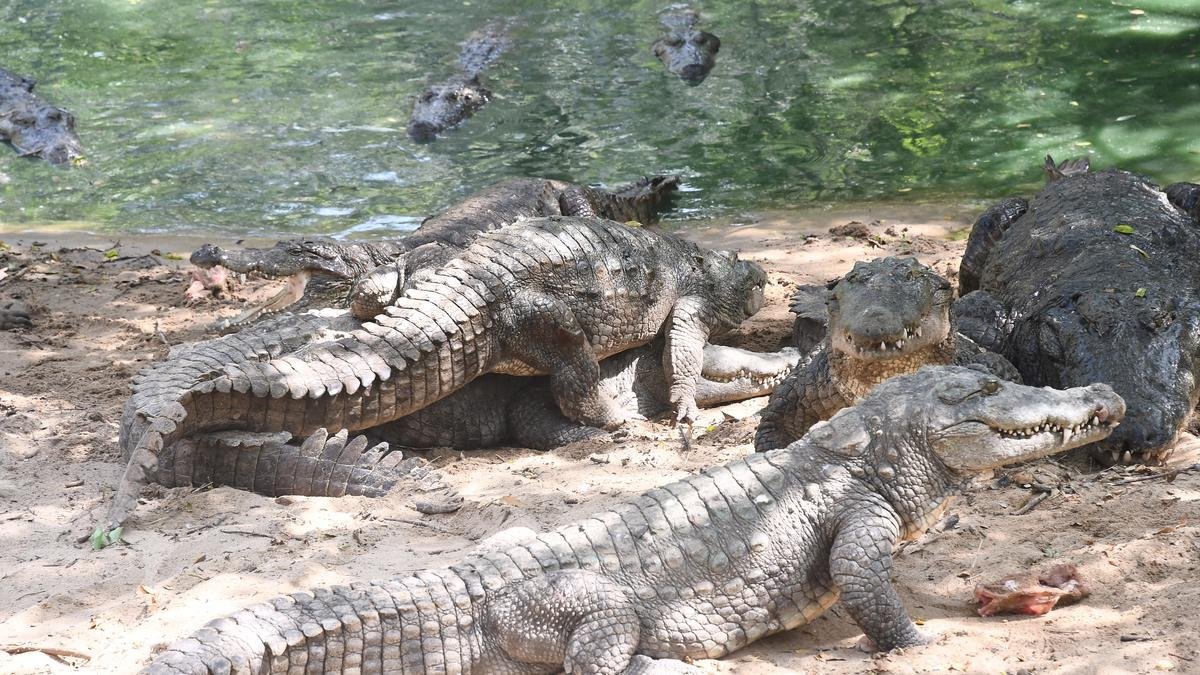
A Historic Milestone in Odisha Crocodile Conservation On the occasion of World Crocodile Day, the eastern Indian state of Odisha is celebrating a landmark achievement: 50 years of Odisha crocodile conservation. Since 1975, the state has led India’s reptilian protection efforts, with targeted initiatives focused on conserving saltwater crocodiles in Bhitarkanika, gharials in Satkosia, and muggers in Similipal. This comprehensive Odisha crocodile conservation program has made the state the only one in India to host and successfully protect all three native crocodilian species. The Origins of the Odisha Crocodile Conservation Program The journey began in 1975 with three targeted initiatives: These efforts were designed to restore and stabilize declining crocodile populations and were supported through captive breeding, habitat restoration, and scientific monitoring. A Model Program Led by Experts One of the defining moments in India’s wildlife conservation history was the introduction of saltwater crocodile breeding at Bhitarkanika. Led by eminent herpetologist Dr. Sudhakar Kar and supported by Australian expert H. R. Bustard, the project saw the establishment of a robust captive breeding system. The Bhitarkanika region, now a protected sanctuary, is India’s second-largest mangrove ecosystem and offers ideal conditions for these apex predators. Today, thanks to continued efforts, Odisha’s crocodile populations stand at impressive numbers: Odisha Crocodile Conservation and Its Role in Reptilian Biodiversity This 50-year journey highlights Odisha’s commitment to conserving biodiversity, especially in fragile ecosystems. Unlike other Indian states that may host one or two crocodile species, Odisha is unique in its inclusive conservation approach that spans three different habitats and species. Dr. Prem Kumar Jha, the state’s Principal Chief Conservator of Forests, described the initiative as “one of India’s most successful wildlife conservation stories.” Commemorating 50 Years of Odisha Crocodile Conservation To honor this landmark achievement, Odisha’s forest and wildlife department has launched a week-long celebration involving a variety of public events: These activities are meant to inspire a new generation of conservationists and promote community engagement in wildlife preservation. The Legacy of Conservation Pioneers This golden jubilee pays tribute to pioneers like Dr. Sudhakar Kar, Dr. B. C. Choudhury, and L. A. Singh, whose vision and dedication laid the groundwork for what is now considered a national model in reptilian conservation. Their legacy lives on in the thriving populations and sustainable habitats that now define Odisha’s wildlife sanctuaries. Bhitarkanika: A Living Laboratory of Saltwater Crocodile Conservation Bhitarkanika National Park has evolved into a living laboratory, attracting researchers and wildlife enthusiasts from around the world. Spanning over 650 sq km, this biodiverse area is home to rich mangrove forests, migratory birds, reptiles, and amphibians. Saltwater crocodiles are the park’s flagship species, and visitors can often spot them basking on riverbanks. The estuarine environment here not only supports crocodiles but also benefits the entire aquatic food web. Satkosia Gorge: A Sanctuary for the Critically Endangered Gharial Satkosia Wildlife Sanctuary, situated along the majestic Mahanadi River, serves as a critical habitat for the gharial, a long-snouted fish-eating crocodilian species. Gharials are critically endangered, and Odisha’s efforts have been crucial in preventing their local extinction. Conservation programs include: Mugger Crocodiles in Similipal: Adapting to Riverine Ecosystems The mugger crocodile, India’s most adaptable crocodilian species, thrives in Similipal National Park and other rivers across Odisha. Their presence in forested and semi-urban river systems highlights the balance between wildlife and human habitation. The forest department actively monitors mugger populations and conducts regular awareness drives in nearby villages to mitigate conflict. Confronting Modern Challenges: Human-Crocodile Conflict While Odisha’s success in crocodile conservation is commendable, it is not without its challenges. Human-crocodile conflicts, particularly around Bhitarkanika, are becoming more frequent due to population growth and habitat overlap. To address this, the state has implemented: Dr. Kar emphasized the need for coexistence strategies, saying, “Conservation is not just about protecting animals; it’s about balancing human and wildlife needs.” Integrating Technology in Conservation Monitoring Odisha is also embracing modern tools like drone surveillance, satellite tracking, and digital census systems to improve the accuracy and effectiveness of its conservation programs. These innovations allow for more precise monitoring of nesting sites, habitat changes, and crocodile movements. Community Involvement: A Pillar of Conservation Success A key reason for the initiative’s longevity has been the active participation of local communities. Residents near crocodile habitats are trained to report sightings, avoid nesting zones during breeding seasons, and participate in habitat restoration projects. Several eco-development committees have been formed to integrate conservation with livelihood activities, such as eco-tourism, organic farming, and handicrafts. Crocodile Conservation and Climate Resilience Crocodiles are not just charismatic megafauna—they are indicators of ecological health. Their presence in Odisha’s wetlands signifies clean water and balanced ecosystems. As climate change continues to affect river flows and coastal mangroves, these reptiles play a vital role in stabilizing the food chain and maintaining biodiversity. What the Future Holds As Odisha reflects on 50 years of dedicated crocodile conservation, the state is also setting its sights on future goals: The golden jubilee is not merely a celebration—it’s a reaffirmation of Odisha’s commitment to protecting its unique reptilian heritage for generations to come. A Blueprint for National and Global Replication Odisha’s comprehensive approach to crocodile conservation—from captive breeding and community involvement to habitat protection and technological integration—serves as a blueprint for similar programs across India and the globe. With the combined effort of scientists, government agencies, and local communities, the future of these majestic reptiles looks promising. In a world where biodiversity is under constant threat, Odisha’s 50-year crocodile conservation journey stands out as a shining example of what dedicated, science-backed, and community-driven initiatives can achieve.

Read More

Jason Wilsher-Mills MBE: Honoured for Art and Disability Advocacy

The King’s Birthday Honours List 2025 celebrates outstanding individuals from across the United Kingdom. It recognises their contributions to the arts, education, and community welfare. Among the honorees is Jason Wilsher-Mills MBE, a Lincolnshire-based artist known for his innovative visual art and disability rights advocacy. Originally from Wakefield and now residing in Sleaford, Wilsher-Mills expressed deep gratitude at receiving the award. “It is a wonderful honour and one of the highest accolades I could receive,” he said. “This honour recognises both my artistic journey and my work to raise awareness of disability issues through art.” His recent exhibition Are We There Yet?, held at Ferens Art Gallery in Hull, drew over 50,000 visitors. Wilsher-Mills creates interactive art using vibrant digital sculptures and augmented reality. His work challenges perceptions of disability and promotes accessibility in modern spaces. Jason Wilsher-Mills MBE Leads Lincolnshire’s Honoured Artists The honours list also includes individuals from diverse backgrounds whose quiet yet impactful contributions have transformed lives within their communities: Disability Advocacy and Art: The Empowerment Behind Jason Wilsher-Mills MBE’s Recognition These awards are part of the wider King’s Birthday Honours List and highlight civic and cultural contributions across the UK. While some recipients gained national attention, many are local heroes who’ve made lasting impacts on schools, neighborhoods, and art communities. Among them, Jason Wilsher-Mills MBE stands out for using his artistic talents to drive meaningful conversations around disability rights and accessibility in the arts. The honours system, established to celebrate individuals who go above and beyond in public service, shines a light on those often overlooked in their efforts to better the lives of others. This year’s list especially highlights the role of inclusion, education, and cultural identity in building a more equitable society. Jason Wilsher-Mills’ story is a testament to resilience and innovation. Contracting chickenpox at age 11 led to significant damage to his central nervous system, resulting in the use of a wheelchair. Rather than allow his disability to define his limits, Wilsher-Mills has redefined the possibilities of interactive, accessible art. His installations often include elements that allow viewers of all abilities to engage and connect with his work. Looking Forward: Building on Honour For many of the honorees, this recognition is not an endpoint, but a new chapter. Plans are underway for Wilsher-Mills to expand his touring exhibitions across the UK, incorporating schools and community centres into the journey. Eleanor Hutton has announced new early-learning partnerships aimed at boosting literacy and emotional wellbeing among children from underserved communities. Paul Boucher continues to advocate for policy changes that will ensure long-term support for the Traveller community. As communities across the country celebrate the achievements of these outstanding individuals, the King’s Birthday Honours List 2025 stands as a reminder of the transformative power of service, creativity, and compassion.

Read More

Royal Air Crash Tribute at Trooping the Colour

Royal Air Crash Tribute Turns Ceremony into Solemn Memorial This year’s Trooping the Colour ceremony, traditionally a grand and jubilant celebration of the monarch’s birthday, will carry a somber weight as King Charles III leads a Royal air crash tribute in honour of the recent Air India disaster victims. In a rare and moving gesture, senior royals participating in the parade will wear black armbands, marking a public show of mourning and solidarity. The tribute reflects the Royal Household’s recognition of the profound sorrow felt across both the UK and global communities affected by the tragedy. King Charles Leads Royal Air Crash Tribute During Parade Buckingham Palace announced that King Charles personally requested a minute of silence during the event, following his inspection of the troops. With this gesture, he aims to honor “the lives lost, the families in mourning, and all the communities affected by this awful tragedy,” reflecting his empathy and global awareness. The Trooping the Colour air crash tribute will add new layers of meaning to a ceremony that already represents centuries of military pageantry and national pride. For a monarch undergoing cancer treatment, the King’s participation—albeit in a carriage rather than on horseback—is both symbolic and significant. It underscores his commitment to duty and unity during times of collective sorrow. Royal Air Crash Tribute: Nation in Mourning with Armbands and Half-Mast Flags To further emphasize the solemn nature of the tribute, royal staff have already lowered flags at royal residences to half-mast. Now, the addition of black armbands, worn by key figures in the parade, will visually demonstrate solidarity with those who lost loved ones in the crash. Royal coachmen, parade marshals, and military personnel in ceremonial dress—especially those in senior ranks like the Prince of Wales—will don the armbands. However, not all members of the Royal Family will be in uniform. Those attending in civilian attire may not wear armbands, but their presence will still contribute to the atmosphere of mourning and remembrance. Honoring the Fallen Through National Ceremony More than 1,350 troops will take part in this year’s parade, continuing a tradition that dates back to the 17th century. For centuries, the British Army has used Trooping the Colour to showcase regimental pride and unity. Each year, a different regiment has the honor of presenting its colors to the monarch, and this year, it is the Coldstream Guards who will march with their symbolic flags. Despite the ceremonial nature of the event, the inclusion of the air crash tribute reaffirms the evolving role of the monarchy as a source of national reflection. The King’s message of condolence—sent shortly after the crash—expressed his shock and sadness over the incident, particularly mentioning the tragic scenes in Ahmedabad, where the crash occurred. The Changing Face of the Monarchy in Times of Crisis For King Charles, who has recently returned from a well-received visit to Canada and continues to undergo cancer treatment, the decision to carry forward with the event speaks to his resilience and enduring sense of responsibility. Although the King will travel by carriage instead of horseback, as he did in the previous year, his visible role at the center of the parade ensures continuity and national stability. This moment also echoes his mother Queen Elizabeth II’s tradition of maintaining public appearances during challenging times—a quality that has come to define the British monarchy in the modern age. The Royal Family’s Deepening Humanitarian Role The integration of the Trooping the Colour air crash tribute reveals how the Royal Family is increasingly recognizing international tragedies as part of its humanitarian role. King Charles’s reaction to the crash was swift and heartfelt, with his message to affected families demonstrating a sincere commitment to global compassion. This growing emphasis on empathy was also seen last year when attention was focused on the Princess of Wales’s first public appearance after her own cancer diagnosis. The royal narrative is shifting—no longer only about pageantry, but about human connection, vulnerability, and shared national emotions. A Ceremony Beyond Celebration Although Trooping the Colour typically culminates in the dazzling Red Arrows flypast over Buckingham Palace and a festive gathering on the balcony, this year’s tone will be unmistakably subdued. While the flypast and balcony moment will still occur, they will follow a period of silence and reflection—a rare combination of joy and grief in the royal calendar. The fact that the King’s actual birthday falls in November—yet the parade takes place in June to accommodate better weather—adds a poetic symmetry this year. The sunny skies and vibrant colors will contrast with the black armbands and bowed heads, illustrating how celebration and mourning can coexist in public life. Legacy of Trooping the Colour: Evolving with Purpose Over the centuries, Trooping the Colour has adapted from a purely military event to a broader symbol of national unity and royal presence. This year, it stands as a testament to the ability of public traditions to absorb and reflect the emotional needs of the nation. As communities continue to grapple with the devastating loss from the Air India crash, the inclusion of this tribute at a state ceremony helps bring solace and visibility to grief. It also reinforces the monarchy’s ability to mirror the public mood and support healing through thoughtful symbolism. A Day of Reflection, Honour, and Shared Humanity The decision to integrate the Trooping the Colour air crash tribute into this historic event marks a significant and compassionate gesture from the Royal Family. More than just a ceremonial obligation, it is an acknowledgment of pain and loss felt deeply across borders and cultures. In doing so, the monarchy reminds us that even amidst grandeur, there is room for humility, empathy, and remembrance. This year, Trooping the Colour will not only celebrate the King’s official birthday but also stand as a national moment of solidarity with those whose lives have been forever changed.

Read More

How Healthy Are Boiled Eggs? Nutrition & Health Benefits

Are Boiled Eggs Good for You? Here’s What You Need to Know Boiled eggs are a staple in many diets, prized for being easy to prepare, affordable, and packed with nutrition. But are eggs actually good for you? Health experts say yes—when eaten in moderation and as part of a balanced diet, boiled eggs can offer a range of nutritional benefits without excess calories or harmful fats. Let’s take a deep dive into the nutritional profile of eggs, how they impact cholesterol levels, and how often they can be safely included in your diet. Nutritional Value: What’s Inside a Boiled Egg? eggs are a rich source of high-quality protein, vitamins, and minerals. A single large boiled egg contains: According to USDA FoodData Central, eggs also contain: Boiling doesn’t require oil or added fats, making eggs one of the healthiest ways to prepare this protein-rich food. How Much Protein Do You Need Daily? The amount of protein you need depends on your age, activity level, and weight. The Recommended Dietary Allowance (RDA) is: So, for example, someone who weighs 180 pounds (82 kg) should aim for 65 to 130 grams of protein daily, depending on activity levels. eggs are an easy way to help meet this requirement. Two eggs provide about 12.6 grams of protein—almost 20% of an average adult’s daily needs. Are Boiled Eggs Good for Weight Loss? Yes, boiled eggs can be a great food for weight management. Here’s why: Including eggs in your breakfast may help reduce overall calorie intake throughout the day. Studies suggest high-protein breakfasts can reduce snacking and help control appetite. Can I Eat Boiled Eggs Every Day? For most healthy individuals, eating up to two or three boiled eggs a day is considered safe and beneficial. According to the 2020–2025 Dietary Guidelines for Americans, it’s important to consume a variety of protein sources, and eggs can be a nutritious part of that mix. Registered dietitians suggest balancing your intake with: The key is moderation and variety. Eating eggs every day is fine, but it’s important to mix in other protein-rich foods to ensure a well-rounded diet. Are Boiled Eggs Bad for Cholesterol? This is a common concern. While boiled eggs do contain dietary cholesterol, research increasingly shows that for most people, dietary cholesterol doesn’t significantly impact blood cholesterol levels. A large boiled egg contains about 200 mg of cholesterol, mostly found in the yolk. The American Heart Association recommends that individuals with heart disease or high cholesterol limit dietary cholesterol—but not necessarily avoid eggs entirely. According to a 2022 review in Nutrients, there is no consistent link between egg consumption and heart disease in healthy individuals. However, people with specific medical conditions should consult with their healthcare provider. The greater concern may be saturated fat, which is more strongly linked to increased LDL (bad) cholesterol. Since boiled eggs contain just 1.6 grams of saturated fat, they’re a better choice than fried or scrambled eggs cooked with butter or oil. Who Should Limit Egg Intake? If you have one or more of the following conditions, you may want to moderate your egg consumption: However, this doesn’t mean you must avoid boiled eggs entirely. If you’re following a diet low in saturated fat, including boiled eggs occasionally can still fit within a heart-healthy eating pattern. Always talk to your healthcare provider or a registered dietitian about your individual needs. How to Incorporate Boiled Eggs into a Healthy Diet Here are some easy, healthy ways to enjoy boiled eggs: Avoid adding too much salt or high-fat sauces, and aim for moderate portion sizes. Boiled Eggs vs. Other Types of Eggs: Which Is Healthiest? Preparation Calories Fat Added Oil? Boiled 72 5g No Scrambled ~91 7g Yes (if butter/oil used) Fried 90–120 8–10g Yes Poached 72 5g No Boiled and poached eggs are healthier options since they don’t require added fats during cooking. Fried eggs or omelets can be nutritious too—just be mindful of oil and cheese additions. Final Verdict: Are Boiled Eggs Good for You? Yes, boiled eggs are a healthy, nutrient-dense food when consumed as part of a varied, balanced diet. They provide high-quality protein, vitamins, and minerals with minimal calories and fat. For most people, two to three eggs per day is perfectly fine—especially when boiled instead of fried. If you’re concerned about cholesterol or heart health, focus more on your overall dietary pattern rather than eliminating eggs entirely. Boiled eggs can play a valuable role in supporting your health goals, from muscle building to weight loss to brain support.

Read More

Mills Breaks Farah’s Record in Stunning Oslo Diamond League Win

Mills Breaks Farah’s UK Record: A Historic Night in Oslo On a cool, electric night in Oslo, British middle-distance runner James Mills broke Mo Farah’s UK record in the 5000 meters, delivering one of the most memorable performances in Diamond League history. In a race that showcased tactical brilliance and physical grit, Mills crossed the finish line in 12:56.89, eclipsing Farah’s previous best of 12:57.01, a record that had stood unchallenged since 2011. The Oslo Diamond League became the stage where Mills breaks Farah’s UK record, ushering in a new era for British long-distance running. What made this moment truly historic was not just the time on the clock but the symbolic shift it represented. With this triumph, Mills breaks Farah’s UK record and with it, the psychological barrier many believed was unbreakable. “I never set out to chase anyone’s legacy,” Mills said after the race. “But I knew if I ran my race, stayed patient and kept pushing the limits, anything could happen.” Mills’ journey from national anonymity to record-breaking stardom is the ultimate long-game narrative in modern British athletics. Before Mills breaks Farah’s UK record, he was known in smaller circuits as a determined underdog. That underdog mentality became the foundation of his ascent. After years of injuries, a failed Olympic bid, and questions about whether he could ever contend at a world-class level, Mills retooled his training and mindset. With support from his coach and a rigorous altitude training regimen, he reached the point where breaking Farah’s UK record became not just possible—but expected. “Farah opened the door. Mills just walked through it with thunder,” said former British Olympian Steve Cram during commentary. Oslo wasn’t just about a number on a clock. It embodied belief, demanded resilience, and marked a long-awaited moment. For Mills—and for British athletics—it was finally time. Before Mills Breaks Farah’s Record: The Journey from Unknown to Elite Mills’ achievement didn’t happen overnight. His climb from obscurity to international stardom is a testament to patience, sacrifice, and raw determination. Just five years ago, he was juggling part-time work, nursing injuries, and questioning whether professional athletics was a viable future. Today, he’s a record-holder and arguably Britain’s most exciting distance runner. Born in Leeds and raised in a modest household, Mills never had access to elite training resources early in life. What he did have was a relentless work ethic and a fascination with the idea of speed over distance. His early coaches often noted his discipline—he was the last to leave the track, always asking for extra reps. “He wasn’t the fastest kid at first,” recalls his high school coach, Tom Lawrence. “But he had this incredible engine. And more importantly, a mind that just wouldn’t quit.” After struggling with injury setbacks in 2021 and a disappointing performance at the European Championships in 2022, Mills made a critical change—he moved to train in Flagstaff, Arizona, where altitude training and international coaching reshaped his career. Under Coach Diego Martinez, a former Spanish national champion, Mills began redefining his training philosophy. This dedication bore fruit in 2024 when he clocked a sub-13:10 for the first time, setting the stage for what was to come in Oslo. “I’ve lived and breathed this lifestyle. It’s not glamorous, but it’s real. And this record? It proves I belong here,” Mills stated. He isn’t just a runner anymore. He’s a symbol of persistence. How Mills Breaks Farah’s Record with Tactical Brilliance in Oslo Breaking a national record isn’t only about running fast—it’s about racing smart. Mills’ victory in Oslo was as much a tactical win as it was a physical one. Unlike the all-out aggressive approach many younger runners adopt, Mills displayed composure, efficiency, and an innate understanding of pacing. Coach Diego Martinez revealed post-race that Mills was targeting specific splits—2:36 per kilometer for the first 3k, before dropping to a sub-2:30 pace for the final segments. This wasn’t guesswork. Every session, every taper week, every stride had been precisely calibrated. “James followed the plan like a metronome,” Martinez said. “That’s what it takes to break a legend’s record.” Mills knew the importance of staying tucked in the pack. He avoided unnecessary surges, resisted the urge to lead early, and saved his energy for the final kick—a strategy that paid off handsomely as his 55-second final lap underlined. What also set him apart was his racing IQ. When Ethiopian runner Muktar Edris surged at 800 meters to go, Mills didn’t panic. He tracked Edris carefully, staying within striking distance. When the bell rang for the final lap, Mills exploded. “He knew exactly where he needed to be and when,” said British Athletics performance director Paul Harkins. “That’s the mark of an elite competitor.” Oslo may have been the stage, but Mills was the conductor of a symphony built on years of experience, data-driven training, and ruthless execution. Mills vs Farah: Comparing Two British Greats Across Eras Any conversation about Mills’ record will inevitably compare him to Mo Farah. While it’s tempting to pit their accomplishments against each other, it’s more accurate to view them as defining figures of two different eras in British distance running. Farah’s dominance was rooted in his devastating final lap speed and ability to control races from the front. His Olympic golds in 2012 and 2016 turned him into a national treasure. His time of 12:57.01 was set in a period dominated by East African runners, where breaking 13 minutes was still rare for Europeans. Mills, however, runs in a different context. The global field is now deeper than ever. The use of carbon-plated spikes, improved track surfaces, and advanced physiology monitoring make today’s times even more competitive. “Mo ran to win. Mills runs to redefine the limits,” says BBC analyst Michael Johnson. What’s similar is their charisma. Mills may not yet have the global media aura Farah enjoyed, but within UK athletics circles, he’s a beacon of what’s next. And more importantly, he carries the responsibility well. Farah himself was gracious in acknowledging Mills’…

Read More
Foxconn India iPhone exports

Foxconn India iPhone Exports Shift to US Amid Tariff Move

Introduction: Foxconn India iPhone Exports Shift to US Amid Tariff Pressures Apple’s contract manufacturer Foxconn has ramped up its iPhone exports from India, with customs data revealing that nearly 97% of these devices shipped from March to May 2025 were destined for the United States. This marks a sharp increase from the 2024 average, where only about half of India’s iPhone exports reached the US. This strategic move clearly shows Apple’s effort to circumvent high tariffs imposed on China-made goods, primarily under the Trump administration’s trade policies. Apple’s Strategic Shift: Realigning Foxconn India iPhone Exports Towards the US Market Between March and May 2025, Foxconn exported iPhones worth $3.2 billion from India, with the vast majority directed to the US market. Previously, exports from India were distributed more widely across countries such as the Netherlands, the Czech Republic, and the UK. However, recent customs data show a decisive focus on the US, with nearly $1 billion worth of devices shipped in May alone. This shift is a clear reaction to the ongoing US-China trade tensions, especially with looming tariffs that could reach 55% on Chinese goods. Recognizing US Tariffs and How They Affect Apple’s Supply Chain Under former President Donald Trump’s administration, tariffs on Chinese imports surged, prompting companies like Apple to reconsider their supply chain strategies. While India faces a baseline 10% tariff, significantly lower than China’s proposed 55%, the US and India are negotiating to prevent a 26% “reciprocal” tariff that could threaten Apple’s growing manufacturing base in India. Trump himself criticized Apple’s expansion in India, urging the company to build more products within the US. Despite these political pressures, Apple continues to expand its India operations as a means to reduce dependency on China and mitigate the risk of punitive tariffs. The Contribution of Foxconn to Increasing India’s iPhone Manufacturing Capacity Foxconn has been the principal manufacturer responsible for Apple’s iPhone production in India. In the first five months of 2025, Foxconn’s exports from India to the US totaled $4.4 billion, already surpassing the entire 2024 figure of $3.7 billion. This growth highlights India’s rising prominence in the global smartphone supply chain. Apple has expedited production timelines, even chartering planes to move iPhone models 13, 14, 16, and 16e to the US, ensuring market demands are met without delay. Furthermore, Apple successfully lobbied for customs clearance reductions at Chennai International Airport, cutting the time from 30 hours to just six hours, optimizing export efficiency. Tata Electronics: India’s Emerging iPhone Exporter Tata Electronics, a subsidiary of India’s Tata Group, is another key player in Apple’s manufacturing footprint in India. Although a smaller producer compared to Foxconn, Tata has rapidly increased its US export share, shipping about 86% of its iPhones to the US during early 2025. Tata began iPhone production and exports in mid-2024, with the US market representing just over half of its shipments that year. This diversification within India’s manufacturing sector is critical for Apple as it expands production capacity and reduces geopolitical risks linked to China. The Indian government’s efforts to position the country as a global center for smartphone manufacturing Prime Minister Narendra Modi’s administration has actively promoted India as a major hub for electronics manufacturing, including smartphones. While India offers cost advantages such as a large labor pool and growing infrastructure, high import duties on mobile phone components remain a challenge, raising production costs compared to countries like Vietnam or Mexico. Despite this, Apple’s increasing reliance on India for iPhone production reflects confidence in the country’s potential. Analysts project that India-made iPhones could represent 25-30% of global shipments by the end of 2025, up from 18% in 2024, marking a significant milestone in India’s manufacturing landscape. What This Means for Apple, the US, and Global Trade Apple’s supply chain realignment, with Foxconn’s India exports nearly exclusively serving the US, is a direct response to ongoing trade tensions and tariff policies. This strategy not only mitigates tariff-related costs but also enhances supply chain resilience amid global uncertainties. For the US, this means access to more competitively priced iPhones without the tariff burden associated with Chinese imports. For India, it signals a growing role in the high-tech manufacturing ecosystem, promising economic growth and job creation. Conclusion: Foxconn India iPhone Exports Reflect a Shifting Global Tech Manufacturing Landscape The surge in Foxconn’s iPhone exports from India to the US underscores the evolving dynamics of global manufacturing driven by geopolitical forces. Apple’s efforts to navigate US tariffs by ramping up India production exemplify how companies adapt to trade policies and maintain competitive advantage. As India continues to build its manufacturing capabilities and the US-China trade relations fluctuate, Foxconn’s India operations will likely remain central to Apple’s global strategy — a testament to the shifting geography of smartphone production.

Read More
North Korea warship launch

North Korea Warship Launch Now Declared a Success

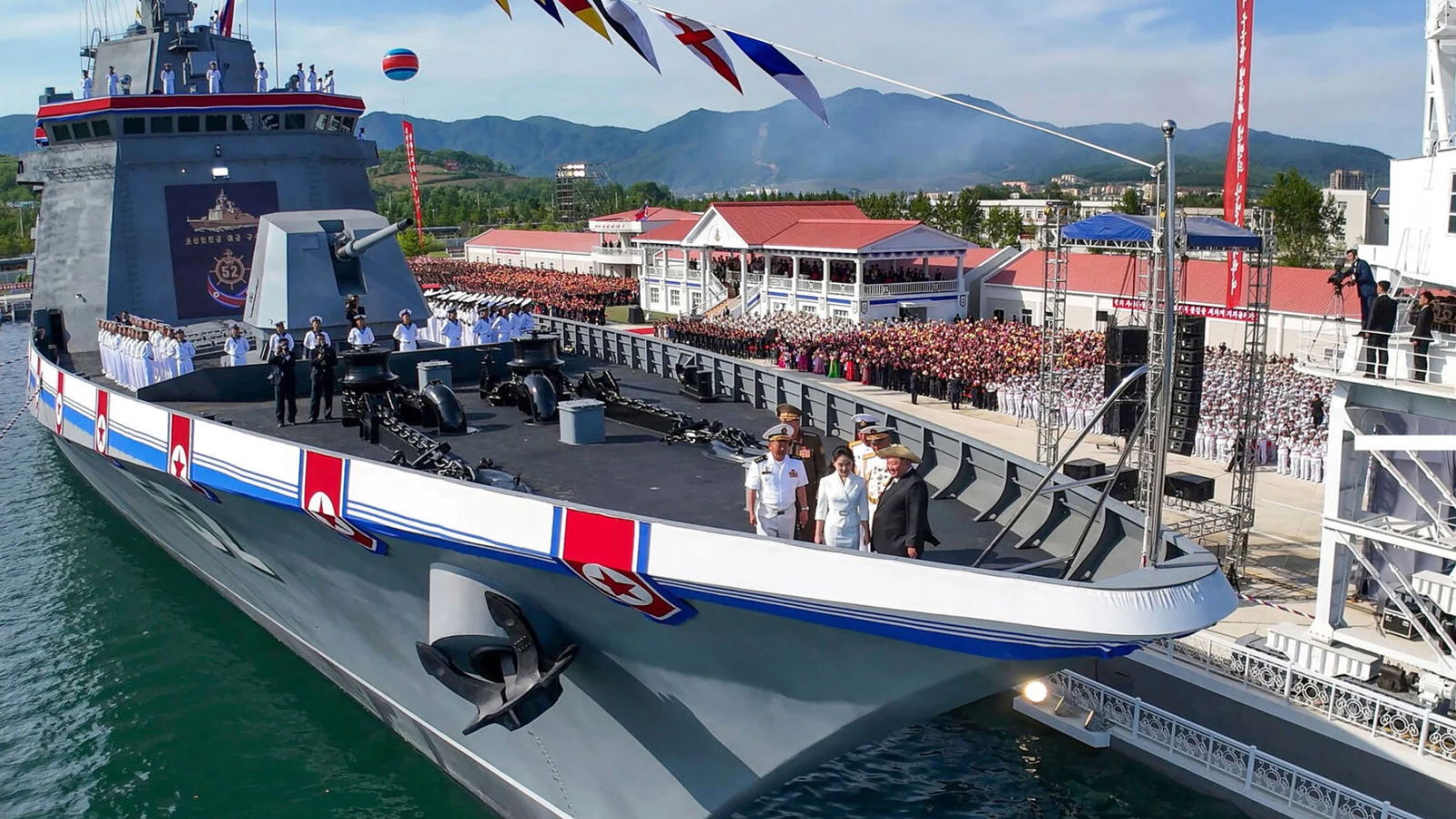
Introduction: North Korea Warship Launch Back on Track North Korea warship launch efforts appear to be back on course after state media reported a successful second attempt at launching a new 5,000-ton naval destroyer. This comes less than a month after the vessel capsized during its initial debut. North Korean leader Kim Jong Un, accompanied by his daughter Kim Ju Ae, personally oversaw the relaunch at Rajin Port in the country’s north, signaling renewed confidence in the country’s naval modernization drive. The destroyer, one of two newly constructed warships of this size, marks a major leap in Pyongyang’s maritime capabilities. It also highlights Kim’s ambition to build a nuclear-capable navy as part of a broader military buildup. First Attempt Fails: North Korea Warship Launch Capsizes In May, North Korea’s pride in its military engineering took a hit when its brand-new 5,000-ton destroyer capsized shortly after launch. The incident occurred under highly secretive conditions, but satellite imagery later confirmed the ship had overturned in the harbor. Leader Kim Jong Un was reportedly furious with the failure. According to intelligence sources and confirmed by North Korean state media, at least four officials were arrested, including three shipyard engineers and one senior military planner. The North Korean government demanded immediate repairs, setting an unusually aggressive timeline to restore the vessel to operational condition. Relaunch at Rajin Port: Second Warship Launch Attempt Succeeds On Tuesday, June 11, North Korean state media outlet KCNA reported that the destroyer had been fully repaired and successfully relaunched. Photos published by KCNA show Kim and his daughter observing the ship at Rajin Port during the event. Despite the regime’s assurances, analysts are skeptical. “Given the scale of damage likely caused by the capsize, a full restoration in under four weeks raises serious doubts,” said a senior defense analyst at the International Institute for Strategic Studies (IISS). Kim Jong Un’s Role in the North Korea Warship Launch The North Korea warship launch is part of Kim Jong Un’s greater ambition to transform his country’s naval force into a nuclear-capable fleet. Over the past year, North Korea has rolled out two 5,000-ton warships—the largest in its navy—capable of, in theory, launching ballistic missiles, including those with nuclear payloads. Kim has publicly announced plans to build two more destroyers within the next year, indicating a clear strategic shift toward maritime deterrence. This comes amid rising tensions in the region and escalating U.S.-South Korea military drills, which Pyongyang views as provocative. Nuclear Ambitions: What the North Korea Warship Launch Signals Independent satellite imagery reviewed by maritime analysts shows a clear timeline of the ship’s status post-capsize: This aligns with KCNA’s claim of a rapid repair and re-launch, though questions linger about the ship’s long-term seaworthiness and combat readiness. Official Remarks: Kim Warns of Regional Power Projection During the re-launch ceremony, Kim Jong Un delivered a fiery speech, reaffirming North Korea’s commitment to its naval modernization program. He dismissed the initial failure as a minor setback and warned adversaries to prepare for a show of strength. “Soon, enemies will experience how provocative and unpleasant it is to sit and watch the ships of an adversary run rampant on the fringes of sovereign waters,” Kim was quoted as saying by KCNA. His comments are being interpreted as a thinly veiled threat toward South Korea, the United States, and Japan—all of which have expressed concern over North Korea’s increasing missile and naval capabilities. International Reaction: Wary Eyes on Pyongyang So far, international reactions to the relaunch have been measured but cautious. Several military experts have pointed out that the warship’s exact missile capabilities remain unclear, but if nuclear-enabled, the regional security dynamics could shift dramatically. Military Capabilities: What We Know About the Warship According to limited information from North Korean media and external intelligence analysis, the new destroyers are equipped with: These warships are not just symbolic. If armed as claimed, they represent a major advancement in North Korea’s asymmetric warfare strategy. Internal Politics: The Fallout of Failure The arrests following the failed May launch highlight the pressure on North Korean officials to meet ambitious military timelines. While the state strives to show strength externally, internal accountability measures—often harsh—reveal the regime’s intolerance for setbacks. Some defectors and analysts argue that these purges serve both as punishment and deterrent, keeping military and engineering personnel in a constant state of pressure. Looking Ahead: What This Means for Global Security The successful North Korea warship launch, even if rushed, signals Pyongyang’s persistence in expanding its military reach. The move has several implications: Conclusion: Symbolism, Strategy, and Suspicion While the re-launch of the 5,000-ton destroyer may be seen as a symbolic recovery from failure, it also reflects a larger strategic pivot in North Korea’s defense doctrine. Kim Jong Un’s focus on naval capabilities, particularly those with potential nuclear applications, raises serious alarms for regional and global security. As North Korea warship launch events unfold, analysts, allies, and adversaries alike will continue to scrutinize Pyongyang’s next move—on the sea and beyond.

Read More