
India factory blast

India Factory Blast: National Mourning After 34 Killed

India Factory Blast: Tragedy at Sigachi Industries The India factory blast that occurred on Monday at a pharmaceutical unit of Sigachi Industries in Telangana has claimed at least 34 lives, authorities confirmed. This tragic event is considered one of the deadliest industrial accidents in India in recent years. According to senior police official Paritosh Pankaj, 31 bodies were recovered from the collapsed building, while three additional victims died later in the hospital. What Caused the India Factory Blast? The explosion happened during work hours when approximately 60 workers were inside the facility. Rescue teams reported that the blast caused a complete collapse of the structure. The unit was producing microcrystalline cellulose, a common binding agent used in pharmaceuticals, food products, and cosmetics. A senior rescue officer told The Indian Express: “Pressure seems to have built up while workers were operating the spray dryer. Fine dust chemical particles likely accelerated the blast and the resulting fire.” Blast Victims and Injuries: Human Cost of the Tragedy Most of the deceased and injured workers were migrant laborers from Jharkhand, Odisha, Bihar, Uttar Pradesh, and West Bengal. At least 25 people were hospitalized with severe burn injuries and toxic gas inhalation. Due to the intense blaze, many bodies were charred beyond recognition, prompting authorities to rely on DNA testing for identification. GV Narayana Rao, director of the Telangana Fire Disaster Response Team, stated: “Only after completely clearing the debris can we confirm whether more bodies remain trapped.” India Factory Explosion: Legal Action and Corporate Fallout Police have filed a case against the management of Sigachi Industries, based on a complaint from the son of one of the victims. In response, the company has announced a 90-day shutdown of operations at the affected unit, citing extensive damage to both equipment and infrastructure. In an official statement, Sigachi Industries said: “We deeply regret the loss of life and are currently working to determine the full extent of the injuries.” Government Compensation After the India Factory Blast Prime Minister Narendra Modi expressed his condolences on social media and announced financial compensation for the victims: The Telangana state government also conveyed “deep shock” over the tragedy and assured additional compensation and support for the affected families. Industrial Safety Under Scrutiny After Telangana Explosion This India factory blast has raised urgent questions about industrial safety standards in India’s chemical manufacturing sector. Experts are calling for: A Hyderabad-based industrial safety consultant explained: “Dust explosions are common in such environments. Unfortunately, safety audits are often outdated or completely skipped due to cost-cutting efforts.” Broader Industrial Safety Concerns in India This tragedy is not an isolated incident. India has seen multiple chemical factory explosions over the past decade, many of which resulted in mass casualties due to inadequate regulation and enforcement. Advocacy groups are now demanding: Conclusion: A Call for Justice and Reform As the death toll in the India factory blast continues to rise and rescue operations carry on, grieving families are left seeking answers, justice, and accountability. This catastrophic event casts a long shadow over India’s industrial sector and highlights the urgent need for systemic reform. The nation now mourns a tragedy that was likely preventable—and one that must serve as a wake-up call for both public officials and private industry leaders.


Read More

Hot Dog History: The Birth of America’s Favorite Snack

Coney Island Origins: The Beachside Start of Hot Dog History Hot dog history is deeply woven into the fabric of American culture. These sizzling, bun-wrapped sausages are as American as fireworks on the Fourth of July — served at barbecues, ballgames, and bustling street corners from coast to coast. But the story behind this iconic snack doesn’t begin in a modern diner or stadium; it starts on the sandy shores of Coney Island. Hot Dog History: How a German Immigrant Created America’s Favorite Snack In the aftermath of the American Civil War, German immigrant Charles L. Feltman arrived in Brooklyn with a passion for baking and a fondness for frankfurters, a sausage common in his homeland. Initially selling pies and clams from a cart to beachgoers in Coney Island, Feltman soon noticed a growing demand for warm, portable food. In 1867, he transformed his pie cart with a custom charcoal grill and bread warmer to create what we now call the hot dog: a frankfurter served in a long bun. Hot Dog History: Feltman’s Legacy from Pushcart to Culinary Empire The beach-friendly sausage sandwich quickly caught on. That summer, Feltman sold thousands of his new creation, dubbed “Coney Island red hots,” at just five cents each. His entrepreneurial spirit led him to open Feltman’s Ocean Pavilion in 1871. Over the decades, it expanded into an entertainment complex spanning an entire block, featuring restaurants, a carousel, a beer garden, and even hosting President William Howard Taft. By the 1920s, Feltman’s was considered the world’s largest restaurant, churning out up to 40,000 hot dogs a day. His success shaped not just food culture in New York, but also inspired other entrepreneurs. Nathan’s Famous: A New Challenger Emerges Among Feltman’s many employees was a young Polish immigrant named Nathan Handwerker, who worked slicing rolls. In 1916, with a $300 loan and a family recipe, Nathan opened his own hot dog stand just blocks away, selling his franks at half the price of Feltman’s. His business strategy appealed to the masses and soon Nathan’s became a fixture of the boardwalk. Despite economic downturns, Nathan’s survived and eventually outlived its original rival. Feltman’s closed in 1954, leaving behind a flavorful legacy and countless fans who remembered its larger, juicier hot dogs. A Family Recipe Reborn: The Feltman’s Comeback For Coney Island native Michael Quinn, the hot dog history was personal. Inspired by his grandfather’s stories about Feltman’s and motivated by a desire to honor his late brother, Quinn resurrected the brand in 2015. He secured the original spice blend recipe and reopened Feltman’s in its original Coney Island location in 2017. Today, Feltman’s red hots are once again a local favorite, bridging past and present. Hot Dogs and American Identity Hot dog history isn’t just about food. It’s about immigration, innovation, entrepreneurship, and culture. It tells a story of how a German sausage transformed into a distinctly American tradition. From presidential visits to backyard grills, hot dogs remain an enduring symbol of comfort and celebration. Where to Taste the Legacy For those seeking an authentic taste of hot dog history, a visit to Coney Island is essential. Feltman’s and Nathan’s still serve their iconic franks within walking distance of each other. Whether you prefer the original red hot or the modern classic, there’s no better way to experience Americana than through a bun and sausage on the boardwalk. The Evolution Continues Today, hot dogs have evolved into gourmet variations with international twists. But the story always circles back to that pivotal moment on a Brooklyn beach. Hot dog history is a reminder that great ideas can start small — even in a bun pushed on a sand-covered cart.

Read More

Fly Larvae Food Waste: Insects Transforming Recycling

Most people instinctively shoo flies away from food, and the idea of maggots crawling in kitchen bins tends to trigger disgust. Yet a quiet revolution is taking place: cities are discovering the remarkable potential of fly larvae food waste processing. Far from being pests, fly larvae are emerging as essential allies in sustainable waste management. Lithuania Adopts Fly Larvae Food Waste Recycling In Vilnius, the capital of Lithuania, fly larvae are now part of the city’s waste infrastructure. Partnering with the waste management firm Energesman, the city is using insect larvae to process over 2,700 tonnes of food waste annually. By 2026, the goal is to scale that up to 12,000 tonnes. This initiative not only cuts down food waste but also saves the city around €2 million per year. Energesman introduced orange food waste collection bags to households and launched a local awareness campaign to improve waste sorting. Fly Larvae Food Waste Process: Turning Waste Into Wealth Energesman hosts over six million flies in its plant, each mating every six hours. With females laying up to 500 eggs in their short lifespan, the company handles over three million larvae per month. These larvae devour up to 11 tonnes of food waste in their initial growth stage. Before transforming into adult flies, the larvae are harvested and processed. They become raw material for animal feed, industrial compounds (like glue, paint, and furnishings), and even organic fertilizer known as frass. Their use extends into research, fishing bait, and agriculture. Fly Larvae Products: Promising but Complex While the concept of insect-based recycling is gaining traction, it’s not without challenges. Energesman’s attempts to develop products like fly-larvae-infused paint faced issues with color accuracy. However, early prototypes of furniture and lampshades are promising. The company is also collaborating with universities for further experimentation. The Regulatory Roadblock One major hurdle is regulation. In the EU, larvae that consume mixed household waste cannot be repurposed for human-edible insect products due to contamination risks from meat or fish scraps. Despite these restrictions, fly larvae are widely used in non-edible applications. In Kenya, for instance, Project Mila turns larvae into protein and fertilizer, helping Mombasa tackle food waste and empower farmers. International Case Studies in Insect Recycling In Australia, Goterra has used fly larvae for food waste recycling in Sydney and other municipalities as part of a pilot program. For three years, it has supported food waste processing for communities in the Queanbeyan-Palerang Regional Council, handling about 10 tonnes of food waste. UK’s Fly Larvae Food Waste Future: Waiting on Law Back in the UK, Flybox CEO Larry Kotch believes it’s only a matter of time before councils adopt this approach. His company builds insect waste processing units for private businesses and supermarkets. Kotch is confident the first UK council insect plant could launch within two years — if regulations evolve. Currently, DEFRA regulations prevent insects from processing household food waste due to biosecurity concerns. Still, with new mandates for weekly food waste collections in England from March 2026, the pressure to adopt effective alternatives is mounting. The Global Food Waste Crisis Needs Innovative Solutions Worldwide, over 1.3 billion tonnes of food is wasted each year. Experts estimate that up to 40% of this waste could be upcycled using insect waste management systems. Compared to traditional disposal methods like landfills or anaerobic digestion, insect recycling offers a low-emission, high-value alternative. Not only does it reduce landfill methane emissions, but it also generates valuable by-products such as protein and fertilizer. As cities like Vilnius and organizations in Australia and Kenya lead the way, the case for fly larvae food waste solutions continues to grow stronger.

Read More

Club World Cup thriller: Man City stunned by Al-Hilal in epic clash

Introduction: Club World Cup thriller rewrites Man City’s script In a Club World Cup thriller for the ages, Manchester City were left reeling after a stunning 4-3 defeat to Al-Hilal. Pep Guardiola’s side had hoped to sweep through the semi-finals with their trademark control, but instead met a Saudi giant who refused to bow down. The match delivered non-stop drama, with seven goals lighting up the stadium and leaving fans breathless. “That’s football,” admitted Guardiola. “We were punished for our mistakes.” Short, sharp passes and even sharper counter-attacks undid City’s usually impenetrable structure, marking a rare blemish on their otherwise gleaming record. Rarely has a global audience witnessed such a fearless performance against the English champions. Al-Hilal’s forwards capitalised on every City slip, leaving defenders in their wake. “We were confident,” said Al-Hilal coach Jorge Jesus. “Our players believed we could do something special.” This match will be talked about for years to come as a true Club World Cup thriller. First-half fireworks: Al-Hilal sets the tone Al-Hilal wasted no time making their intentions clear. From the first whistle, they harassed City’s defenders, forcing errors in the build-up play. Within 12 minutes, Salem Al-Dawsari rifled a shot past Ederson after a slick combination with Malcom. The roar from Al-Hilal’s traveling fans was deafening. City responded through Julian Alvarez, who tapped in a cross from Bernardo Silva to level the match. Yet Al-Hilal would not be denied. A curling effort from Ruben Neves restored their lead before the break, leaving Guardiola visibly frustrated. “They were better in the transitions,” he later admitted. The Club World Cup thriller had only just begun, but the Saudis had already made a statement. Analysts praised Al-Hilal’s bravery. “They pressed high, played forward, and refused to sit back,” said one commentator on FIFA’s broadcast. That strategy paid off in the opening forty-five, punishing City’s occasionally careless passing and forcing them onto the back foot. Even Kevin De Bruyne, so often City’s midfield master, was harried into errors. For Al-Hilal, belief turned into action — and action turned into a two-goal advantage by the break. The underdogs were writing their own Club World Cup thriller script. Second-half surge: City fight back Manchester City are rarely rattled for long, and they emerged from the dressing room determined to shift momentum. Phil Foden injected urgency with darting runs that stretched the Al-Hilal back line. Within ten minutes, a corner swung in by De Bruyne found Ruben Dias, who nodded home to make it 3-2. The City bench erupted. Their usual patterns of play returned as Al-Hilal briefly fell deeper to protect the lead. It felt, for a moment, like City might turn the tide. Guardiola, patrolling the technical area, urged his players to keep calm and trust their plan. “It was our moment,” he said in the post-match interview. But the Club World Cup thriller was far from over. Just as City gathered steam, Al-Hilal counterpunched. Malcom, a former Barcelona man, danced through defenders to slot a fourth past Ederson, shocking the European champions once more. City’s fans were stunned silent. They had seen their team escape difficult situations before, but the Saudis were refusing to fold. Commentators described the match as “pulsating,” praising its unpredictability and the courage on display. For neutral fans, this was an instant classic. Key players and turning points in the Club World Cup thriller Several heroes stood out in this Club World Cup thriller. Salem Al-Dawsari was a menace on the left wing, repeatedly exploiting space behind Kyle Walker. Ruben Neves bossed midfield, dictating the tempo for Al-Hilal and scoring a wonder goal that had fans on their feet. Meanwhile, Malcom provided the killer instinct up front. On City’s side, Foden showed flashes of brilliance, and Dias’s headed goal nearly changed the match, but individual errors haunted the Premier League champions. Guardiola lamented the “small details” that decided the outcome. “In games like this,” he told FIFA reporters, “one mistake can change everything.” That was evident when Al-Hilal’s quick passing sequences caught City’s defense square. The difference in ruthlessness — Al-Hilal taking their chances, City wasting several — defined the match. “Football punishes wastefulness,” said a pundit on the international feed. Fans around the world agreed, applauding the underdogs for their bravery and execution. The Club World Cup thriller had become a memorable chapter in football folklore. Reaction and global perspective on this Club World Cup thriller Social media exploded as news of City’s shock defeat spread. Hashtags praising Al-Hilal trended across platforms, while stunned City fans called for a rethink of their defensive approach. Analysts highlighted how global club competitions are closing the gap between Europe’s elite and the rest. “This is no longer a one-horse race,” said a former World Cup winner on a broadcast panel. The Club World Cup thriller proved that teams from outside Europe can match, and beat, even the best. Guardiola echoed that view. “They deserve respect,” he said of Al-Hilal. “They were incredible.” Fans in Saudi Arabia celebrated long into the night, seeing the victory as a historic moment. One supporter told local TV: “We showed the world what we can do.” The global football community will surely remember this semifinal for the drama and the surprise result. In a sport that thrives on stories of underdogs toppling giants, this match will stand as a testament to the power of belief, unity, and skill. Conclusion: Lessons from a Club World Cup thriller Manchester City will surely regroup, but their aura of invincibility took a dent in this remarkable Club World Cup thriller. Al-Hilal’s courage, tactical discipline, and clinical finishing exposed weaknesses rarely seen in City’s armor. It was a reminder that even the mightiest can fall if their opponents play without fear. “We have to learn,” Guardiola admitted. And learn they will, as champions always do. But Al-Hilal’s triumph will live on as an inspiration — for their fans, for Saudi football, and for underdogs everywhere who dream of giant-killing glory. As one commentator summed…

Read More

Fluminense history maker: 44-year-old eyes Peter Shilton

Introduction: In the fast-moving world of football, few stories shine as brightly as the tale of the Fluminense history maker who, at 44, has his eyes on surpassing the legendary Peter Shilton. With a career that has defied age, expectations, and even logic, this remarkable figure continues to inspire. As the Brazilian club’s loyal fans rally behind him, he stands as a symbol of perseverance. According to sports journalist Paulo Vinicius Coelho, “This is the kind of feat that reminds us why we love football — it is a sport of dreams.” The Fluminense veteran is not simply playing; he is rewriting what is possible for an athlete of his age. His journey resonates far beyond the Maracanã, offering hope that passion can keep the flame of greatness alive for decades. Fluminense history maker and the quest to surpass Peter Shilton The Fluminense history maker is not merely extending his career for personal glory. His eyes are firmly fixed on the benchmark set by Peter Shilton, England’s goalkeeping legend with 1,390 senior appearances. The Brazilian icon has already shattered domestic records, drawing admiration from teammates and rivals alike. Sports commentator Milton Neves observed, “Watching him is like witnessing a living legend, chasing an even greater one.” He trains with the determination of a 20-year-old, refusing to accept the limits of age. Every match brings him closer to Shilton’s seemingly unbreakable milestone, and every fan in Rio knows they are witnessing something special. His motivation has lit a spark among supporters who now believe longevity is a new form of greatness in modern football. Critics once claimed a player past 40 should retire, but the Fluminense history maker has flipped that narrative. Instead of winding down, he has become a role model for younger teammates. Many have credited his mentoring for improving their own performance on the pitch. As midfielder André stated, “His hunger pushes us to go further.” It is rare to see a player stand as a legend while still actively competing, but he continues to redefine the boundaries of the beautiful game, one appearance at a time. The legacy of a Fluminense history maker beyond trophies While trophies and titles remain important, the Fluminense history maker is crafting a legacy that goes beyond silverware. His true triumph lies in showing future generations that passion and discipline can sustain excellence. Fans proudly recount how he stuck with Fluminense through highs and lows, wearing the club’s colors with unmatched loyalty. This loyalty has endeared him even to rival supporters who respect his unwavering commitment. Brazilian sports columnist Juca Kfouri summed it up perfectly: “He has become more than a player. He is a guardian of Fluminense’s spirit.” Community programs in Rio now invite him to speak to children about resilience and dreams. Many youngsters see in him the living proof that obstacles can be overcome. Each training session, each match, is a lesson in dedication. The Fluminense veteran has shown that true greatness is built on years of consistency, hard work, and belief. That message echoes in every packed stand where fans chant his name long before kickoff. Training secrets of a Fluminense history maker It takes more than luck to perform at the highest level past 40. The Fluminense history maker has shared glimpses of the rigorous routine keeping him match-fit. His schedule includes not only technical drills but also mental preparation. Legendary coach Abel Braga once remarked, “His focus is laser-sharp, and that’s what separates him from everyone else.” Sports nutritionists help maintain an optimal diet, ensuring recovery after each demanding game. He uses advanced physiotherapy sessions to manage muscle fatigue and reduce injury risk. Off the field, he relies on mindfulness practices to stay calm under pressure. According to fitness trainer Rodrigo Nunes, “He approaches every day like a student, willing to learn.” His discipline inspires younger teammates who have integrated similar habits into their own routines. This culture of relentless improvement has strengthened Fluminense’s entire squad, proving that veteran leadership can be transformative on and off the pitch. Each of these habits has contributed to a performance standard that leaves fans in awe and opponents struggling to keep up. Fans rally behind the Fluminense history maker Supporters have embraced the Fluminense history maker with an intensity rarely seen in modern football. Banners, songs, and social media posts celebrate his never-ending journey. Fan leader Lucas Almeida said, “He gives us hope. If he can keep going, so can Fluminense.” His presence feels like a bridge to the club’s past glories, uniting older and younger generations around a common symbol. Attendance has surged whenever he is on the lineup, with fans keen to witness history in real time. Even rival supporters have acknowledged the significance of his achievement. There is a sense that football itself is richer for his continued presence. Many believe he is on track to break more records, pushing Fluminense to new heights. While Shilton’s legendary tally remains the goal, his current streak is enough to place him among Brazil’s most enduring athletes. From favelas to high-rise apartments, his story resonates with anyone who has ever dreamed of defying expectations and chasing greatness no matter the odds. Challenges faced by a Fluminense history maker at 44 Maintaining elite performance at 44 is no small feat. The Fluminense history maker has confronted injuries, doubts, and the intense scrutiny that comes with being a record-setter. Sports psychologist Helena Souza commented, “Every step he takes is under the microscope.” Hamstring strains, joint soreness, and reduced recovery speed are just a few of the physical challenges he overcomes through sheer determination and cutting-edge medical care. Mentally, handling pressure is a daily battle. Expectations are sky-high, especially with a target as iconic as Shilton’s. Yet he continues to show an almost superhuman calm on the pitch. Many attribute this to his wealth of experience, having seen every tactic, every opponent, and every stage of the game. Younger players, who often burn out quickly, watch him with admiration. His story…

Read More

Rabbit pie: England’s ruthless talk against tailenders

Introduction: Rabbit pie and England’s unique advantage Rabbit pie is a classic phrase in English cricket, symbolizing a clever mental strategy against lower-order batters. These “rabbits” come to the crease with fragile confidence. England’s players know how to apply pressure with sharp comments and well-timed remarks. Michael Vaughan summed it up best: “A tailender already fears the bowler. One more doubt finishes him.” Rabbit pie blends tradition with psychological tactics, turning the last wickets into easy targets. This article explores how England made it part of their identity — and why it still works in the modern game. County roots: The rise of Rabbit pie tactics In county cricket, the idea behind Rabbit pie took shape. Lower-order players were easy prey. They rarely had the defensive skills or the confidence of top-order stars. County players quickly learned to target them with banter and teasing. “He’s a walking wicket” became a familiar line on English fields. Nasser Hussain recalled, “County cricket was where we learned how to unnerve a rabbit.” That tradition of exposing tailenders’ mental weaknesses moved into the national team and grew sharper. Rabbit pie turned from informal banter into a refined psychological tool at the highest level. Breaking tailenders: The mental science behind the strategy Tailenders are vulnerable because they doubt themselves. They know batting is not their role, and that pressure can freeze them. England exploits this. Former fast bowler Steve Harmison put it clearly: “If you talk to them, they’ll believe you.” A sharp line from the slip cordon or a keeper’s quiet taunt is enough to plant panic. It distracts the batter from their survival plan. Sports psychologists agree: confidence collapses faster under added stress. This is where Rabbit pie works best — feeding the tailender’s insecurity until mistakes come naturally. It is a subtle, ruthless form of pressure that fits perfectly into Test cricket’s long battles. Targeted sledging: Beyond Rabbit pie This tactic is more about precision than volume. England uses gentle jokes at first, then increases the pressure. Graeme Swann once described it: “You start with a laugh, then you get serious.” Fielders act in unison, echoing the bowler’s message. A slip might add, “He’s only here for one ball,” or the keeper might say, “Look how scared he is.” These small comments build a chorus of doubt. Rabbit pie is not mindless chatter — it’s targeted, timed, and meant to break concentration. That makes it an art form as much as a tradition, keeping the tailender off balance until the inevitable mistake. The modern game: Is Rabbit pie still alive? Some fans think sledging has died out with modern fair play rules. But England still uses these psychological tactics — carefully, and without crossing personal lines. Joe Root admitted, “We still remind them they’re not batters, just politely.” Even with stricter codes of conduct, mind games survive. Test cricket’s long format and stressful conditions give them room to work. When a tailender faces a swinging ball, surrounded by catchers, one sly comment can still break them. Rabbit pie might have evolved, but its power to end innings remains strong in today’s matches. Psychological skills: Lessons for every cricketer Rabbit pie offers a lesson beyond England’s team. Sledging, used carefully, is a real skill. It saves overs, unites the fielders, and finishes games quickly. Matt Prior said it best: “If you can break a rabbit, you break their team.” Younger cricketers learn to balance respect with a strong voice. The idea is never to cross a line, but to remind opponents of their weaknesses. Other phrases like “bunny hunting” or “soft target” carry the same meaning. In cricket, success often depends on mental toughness — and Rabbit pie shows that the psychological side of the game is just as vital as any technical skill. Conclusion: Rabbit pie’s place in England’s cricket folklore Rabbit pie will always have a home in English cricket stories. It teaches that a batter’s mind is as important as technique. Tailenders will keep facing the challenge of surviving against better bowlers. England’s tradition of using clever words and subtle pressure is not going away. Michael Atherton once summed it up: “A rabbit is there to be hunted.” Rabbit pie may change its tone for modern cricket, but the spirit will endure. As long as there are lower-order players who fear the ball, England’s fielders will be ready to serve up their Rabbit pie strategy, true to the game’s rich mental battles.

Read More
Trump global aid cuts

Trump Global Aid Cuts Could Cause 14 Million Deaths by 2030

A new study in The Lancet warns that Trump global aid cuts may result in over 14 million preventable deaths by the year 2030. Alarmingly, nearly one-third of those at risk are children under the age of five. These cuts primarily affect low- and middle-income countries, threatening to reverse two decades of health progress. What the Lancet Report Reveals About Trump Global Aid Cuts Researchers from the Barcelona Institute for Global Health analyzed data from 133 countries between 2001 and 2021. According to their findings, USAID programs saved 91 million lives during that time. However, the 83% cut to USAID funding, announced by the Trump administration, could drastically alter the trajectory. “For many low- and middle-income countries, the resulting shock would be similar to a global pandemic or a major armed conflict,”— Dr. Davide Rasella, lead author Specifically, the projections include: 🇺🇸 Why Trump Slashed USAID Funding: Inside the Global Aid Cuts The decision to reduce USAID support stems from a cost-cutting strategy linked to former President Donald Trump and tech billionaire Elon Musk. Their shared goal is to reduce government spending and streamline the federal workforce. In March 2025, Secretary of State Marco Rubio confirmed that over 80% of USAID programs had been shut down. He stated: “Approximately 1,000 programs will continue under the U.S. State Department, where they can be administered more effectively.” Although the administration claimed the cuts were necessary, critics argue that the decision was driven by ideology rather than efficiency. Trump’s team accused USAID of promoting “liberal agendas” that allegedly did not align with U.S. interests. 🇺🇸 Why Trump Slashed USAID Funding: Inside the Global Aid Cuts Conditions in refugee camps and underdeveloped regions have quickly deteriorated. For instance, in Kenya’s Kakuma Refugee Camp, families are now receiving record-low food rations. One UN worker explained: “Hundreds of thousands are slowly starving. We’ve never seen food provisions fall this low.” At a nearby clinic, a malnourished baby showed signs of extreme dehydration and peeling skin, highlighting the human toll of the funding cuts. Global Reactions and Pressure Mount Over Trump Global Aid Cuts The report’s release coincides with a major UN aid summit in Seville, Spain, the largest of its kind in ten years. Leaders from across the globe are now calling for coordinated efforts to fill the financial void left by the U.S. “These cuts risk undoing two decades of health progress,”— Dr. Rasella emphasized. Countries such as Germany, Canada, and Sweden have pledged to increase their own humanitarian contributions. However, experts remain unsure whether these pledges will be enough to mitigate the global impact. Trump Global Aid Cuts: Economic Priorities vs. Human Cost Supporters of the Trump plan insist that the cuts are necessary to reduce the federal deficit and eliminate wasteful spending. Nevertheless, economists argue that the human and geopolitical costs far outweigh any short-term budget savings. By scaling back aid, the U.S. risks triggering regional instability, worsening migration crises, and weakening its global influence. Children at Highest Risk from Trump Global Aid Cuts The most tragic impact falls on children: Health experts warn that infant mortality could surge in Sub-Saharan Africa and South Asia, areas already struggling with underfunded health systems. 📌 Final Thoughts: Global Responsibility in Question The projected effects of Trump global aid cuts are devastating. With millions of avoidable deaths, especially among children, the world faces a profound ethical and political test. If the United States continues to withdraw from global humanitarian leadership, will other nations step up? This crisis demands not only financial resources but also moral courage. The choices made today will shape the future for millions in need.

Read More

Cat Meow Genetics: Why Some Cats Talk More

Decoding Cat Behavior: What Genetics Reveal About Meowing and Temperament New findings on cat meow genetics suggest that a feline’s vocal personality might be rooted in its DNA. A recent study led by wildlife expert Yume Okamoto at Kyoto University analyzed DNA samples and behavioral traits of over 280 domestic cats. The research found a strong link between variations in the androgen receptor (AR) gene and differences in vocalization and temperament. Cat Meow Genetics: How the Androgen Receptor Gene Influences Feline Vocalization The AR gene, central to hormone regulation like testosterone, includes a repeat DNA sequence that varies in length. Shorter sequences make the receptor more responsive to hormones. In other animals, such as dogs and humans, shorter repeats have been linked to increased aggression and sociability. Vocal Cats and the Short AR Variant Among the cats studied, those with shorter AR gene sequences purred and meowed more frequently, especially males. These felines tended to be more assertive in their interactions with humans, vocalizing to be fed or to go outside. In contrast, cats with longer gene variants were generally quieter and more docile, a trait common among pedigree breeds bred for calmness. Aggression in Female Cats Interestingly, female cats with the same short AR variant exhibited more aggressive behavior toward strangers. This highlights how genetics can manifest differently depending on sex. The link between the short AR gene and assertiveness, however, doesn’t follow the typical narrative of domestication making animals more sociable. Domestication: A Complex Genetic Story The short AR gene variant is not exclusive to domestic cats; it’s also found in wild feline species like lynxes. This challenges the assumption that domestication always selects for gentler traits. In fact, traits like boldness or aggression might be advantageous in urban or high-stress environments where resources are limited and attention from humans must be earned. Environmental Influence on Animal Behavior This idea isn’t unique to cats. A similar pattern is seen in urban gulls. A study from Liverpool John Moores University revealed that urban gulls are bolder and more aggressive than their rural counterparts. These birds, often labeled as nuisances in the media, show that living among humans can encourage more confrontational behavior. Urban Gulls: A Parallel Tale Urban environments present both opportunities and challenges for animals. Just like cats, gulls in cities must compete fiercely for food, leading to more assertive behavior. These adaptations show that proximity to humans doesn’t always result in docility. Sometimes, pushy traits improve survival odds. Cat Meow Genetics: A Delicate Balance The Kyoto study illustrates a genetic trade-off. Cats with the short AR gene variant may gain human attention more easily through vocalization and assertiveness, which is beneficial in competitive settings. Yet, this same genetic trait might lead to increased aggression, especially in females. This complex relationship underscores that domestication can lead to both desirable and challenging behaviors. Evolution Needs Variation Variation in behavior is a cornerstone of evolution. Without it, species would be ill-equipped to adapt to new environments. In cats, a wide range of temperaments may serve a purpose. Some thrive as social lap cats, others as independent observers. There is no single “perfect” feline personality. Genetics Aren’t Destiny While cat meow genetics play a role in behavior, they are just one part of the puzzle. Environment, upbringing, and human interaction shape feline temperament just as much. A quiet kitten may become vocal in a stimulating household, while a naturally chatty cat might mellow out with age. Final Thoughts: Understanding Our Feline Friends Understanding the genetic factors behind cat behavior helps owners better appreciate their pets’ unique personalities. Rather than expecting uniform behavior, embracing the diversity of feline communication can lead to stronger human-animal bonds. Encouraging Further Research The connection between cat genetics and vocalization opens new avenues for behavioral research. More studies across various breeds and environments could help pinpoint how specific genes interact with life experiences to shape personality. This research could one day lead to more personalized care for cats based on their genetic profiles. Conclusion: The Genetic Symphony of the Cat Meow From ancient wildcats to modern housecats, vocal behavior has always served a purpose. Whether it’s a soft purr or an assertive meow, these sounds reflect a blend of genetic heritage and life experience. By understanding the underlying genetics, like the AR gene’s role in vocalization and aggression, we can better care for and understand the cats who share our homes. And as science continues to unravel the genetic code, one thing becomes clear: every meow carries a story.

Read More

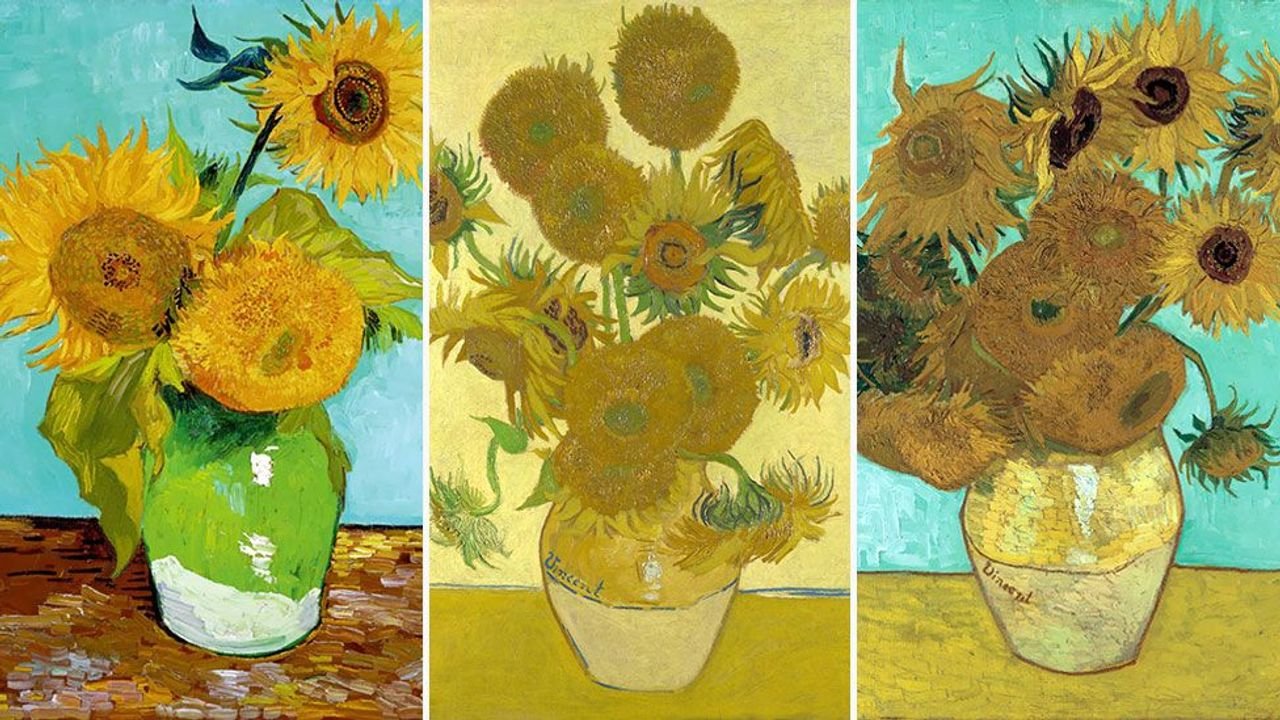
Van Gogh Sunflower Symbolism: What the Paintings Really Mean

Van Gogh Sunflower Symbolism: The Enduring Allure of His Iconic Blooms When people think of Vincent van Gogh, his bold and luminous sunflowers are often the first image that comes to mind. These paintings have not only become emblematic of the artist himself but have also come to symbolize deeper emotional and spiritual themes. Van Gogh sunflower symbolism reflects the artist’s desire for others to understand him through color and nature. But what inspired this profound connection? What messages lie beneath the thick strokes of yellow and ochre? Van Gogh Sunflower Symbolism in Three Artistic Phases Van Gogh’s sunflower paintings emerged in three creative bursts. The first four were produced in 1887 while he lived in Paris. The second, perhaps most iconic set, came in 1888 in Arles, where he created them in under a week with euphoric energy. The final trio was made in early 1889, when Van Gogh replicated some of his earlier works. Altogether, he produced 11 sunflower-themed paintings. These pieces were more than just aesthetic explorations; they were deeply tied to van Gogh sunflower symbolism, intended to decorate a guest room for fellow artist Paul Gauguin, symbolizing friendship and artistic solidarity. This personal use of van Gogh sunflower symbolism reflects his longing for connection and emotional warmth. Van Gogh Sunflower Symbolism in Yellow: Emotion and Artistic Expression While Van Gogh never explicitly explained the meaning behind his sunflower paintings, clues exist in his letters and compositions. The flowers allowed him to experiment with yellow hues, using them to express vitality, hope, and spiritual enlightenment. Some art historians believe the sunflowers represent Van Gogh’s inner longing—for recognition, companionship, and emotional fulfillment. Their inclusion in the Arles studio was a symbolic gesture of welcome for Gauguin, whom he deeply admired. From Isolation to Immortality: The Cultural Impact Though Van Gogh died largely unrecognized, his sunflower paintings rose to iconic status in the early 20th century. The European avant-garde found them captivating, writers like Katherine Mansfield drew inspiration from them, and critics such as Roger Fry hailed their “supreme exuberance.“ The paintings transitioned from obscure personal works to revered symbols of artistic passion, resilience, and originality. Van Gogh Sunflower Symbolism and Its Roots in Art History The sunflower’s symbolic journey predates Van Gogh. Native to the Americas, the sunflower made its way to Europe in the 16th century, where its heliotropic behavior—turning to follow the sun—fascinated observers. Botanist Giacomo Antonio Cortuso connected it to the Greek myth of Clytie, a nymph whom the gods transformed into a sunflower because of her unyielding love for Apollo. This connection established the sunflower as a symbol of loyalty, devotion, and unfulfilled longing. Devotion, Faith, and Love: Evolving Meanings Artists like Maria van Oosterwyck and Anthony van Dyck incorporated sunflowers into works that depicted romantic and religious devotion. Van Dyck’s “Rest on the Flight into Egypt” positioned a sunflower above the Virgin Mary, representing spiritual intercession. The sunflower also came to symbolize fidelity in relationships and loyalty to artistic ideals. Dutch poet Joost van den Vondel even compared the sunflower to the nature of art itself—forever reaching for beauty and truth. Sunflowers as Political and Social Commentary The flower’s symbolism has evolved into the political sphere as well. Ai Weiwei’s installation “Sunflower Seeds” (2010) alluded to Maoist propaganda, in which the Chairman was likened to the sun and the people to sunflowers. This modern reinterpretation casts the sunflower as a symbol of conformity, power, and resistance, reflecting societal dynamics far beyond Van Gogh’s era. The Kiefer Connection: Anselm Kiefer and the Sunflower Legacy German artist Anselm Kiefer has often revisited sunflower imagery in his work, most recently in the Royal Academy’s exhibition exploring Van Gogh’s influence. In pieces like “Danaë” and “Hortus Conclusus,” Kiefer portrays sunflowers emerging from books and human forms, emphasizing themes of decay, regeneration, and cosmic connection. Influenced by 17th-century mystic Robert Fludd, Kiefer sees sunflowers as bridges between earthly and celestial realms—echoing Van Gogh’s unspoken spiritual inclinations. Transience and Eternity: What Van Gogh May Have Meant Van Gogh once described his sunflower paintings as “a cry of anguish while symbolising gratitude.” This complex duality captures the human condition—our awareness of life’s impermanence coupled with an enduring hope for connection, love, and spiritual meaning. Whether viewed as personal totems, artistic experiments, or cultural icons, his sunflowers mirror our own search for identity and transcendence. Sunflowers in Modern Perspective: The Cycle Continues Today, Van Gogh’s sunflowers continue to resonate deeply with global audiences. They evoke themes of renewal, loyalty, and the fleeting nature of existence. Artists, writers, and thinkers still draw inspiration from their warm palette and symbolic depth. Their story is one of persistence—like the sunflower that turns to follow the sun, always seeking light. Beyond the Petals Van Gogh’s sunflowers are more than vibrant still-life paintings. They are visual metaphors for hope, loyalty, sorrow, and transcendence. From ancient myth to modern installations, the sunflower has remained a potent symbol of our spiritual and emotional striving. Through Van Gogh’s brush, this simple flower became a timeless icon—one that reminds us to turn toward the light, even in the darkest times.

Read More

Council Emissions Cut with Vegetable Oil Fuel

Cutting Council Emissions with Vegetable Oil: Swindon’s Clean Fuel Approach A recent report by Swindon Borough Council outlines a bold plan for a major council emissions cut by switching its vehicle fleet to hydrated vegetable oil (HVO). If implemented, the move could reduce carbon dioxide emissions by 1,703 tonnes annually — an impressive 81% reduction in the fleet’s output. Although this sustainable move could increase annual fuel costs by up to £150,000, council officials believe the environmental benefits far outweigh the financial implications. “This transition will contribute to making Swindon greener and better,” the report stated, highlighting the council’s commitment to climate action and innovation. Understanding HVO: A Key to Reducing Council Emissions Hydrated vegetable oil is a renewable, low-emission alternative to conventional diesel. It is produced by adding hydrogen to vegetable oils, used cooking oil, and animal fats, while simultaneously removing oxygen and other impurities. This refined fuel can be used in existing diesel engines without the need for significant mechanical modifications. HVO offers several advantages: These attributes make it an increasingly attractive solution for municipalities aiming to meet their net-zero or climate neutrality goals. Swindon’s Environmental Vision: Driving a Council Emissions Cut The move towards using vegetable oil to cut council emissions aligns with Swindon’s broader environmental strategy. Local authorities are under increasing pressure to reduce carbon output, particularly from municipal fleets that contribute significantly to urban pollution. According to the council report, over 1,700 tonnes of CO2 could be saved annually by replacing traditional diesel with HVO across all suitable vehicles. This would contribute directly to Swindon’s climate action goals, supporting the UK’s broader 2050 net-zero emissions target. Financial Implications: The Green Trade-Off While the environmental case for HVO is compelling, the economic aspect is more complex. The switch could cost Swindon Borough Council up to £150,000 more per year in fuel expenses. Despite the cost increase, many councils across the UK are exploring similar transitions, viewing them as long-term investments in sustainability. Reducing emissions also brings public health benefits, including improved air quality and reduced healthcare costs related to pollution. Moreover, as demand for sustainable fuels grows, economies of scale and government incentives may eventually lower prices for HVO. Council Emissions Cut: Compatibility and Implementation Plan One major advantage of HVO is its drop-in compatibility with existing diesel engines. This eliminates the need for expensive upgrades or retrofitting. Fleet vehicles, including refuse trucks, council vans, and transport service vehicles, can switch to HVO with minimal disruption. This practicality makes the fuel a realistic choice for municipal fleets looking for a swift sustainability boost. The report emphasizes a phased rollout, prioritizing vehicles that consume the most fuel and are easiest to convert. A pilot program could be introduced to evaluate performance and monitor emissions savings in real-time. Global and National Trends in HVO Use The use of vegetable oil to cut council emissions is part of a growing international trend. Scandinavian countries like Sweden and Finland have already integrated HVO widely into their transport sectors. In the UK, cities such as Birmingham and Bristol are piloting similar programs. Nationally, there’s increasing interest in renewable diesel as part of local government decarbonization strategies. The British government has also indicated its support for renewable fuels through various grants and carbon credits, which could support Swindon in this initiative. Environmental Impact and Public Health Benefits Aside from reducing carbon emissions, switching to HVO also lowers emissions of harmful pollutants, such as: These pollutants are linked to respiratory diseases, cardiovascular conditions, and poor urban air quality. Cleaner fuel directly improves the health and wellbeing of Swindon’s residents, particularly vulnerable populations such as children and the elderly. Long-term, these improvements could translate into lower public health spending and improved life expectancy for the community. Challenges and Considerations Despite its promise, adopting HVO is not without challenges. Key considerations include: The council also needs to consider how the transition might affect vehicle warranties, maintenance costs, and operational training. Stakeholder Perspectives Public reaction to sustainability initiatives like these is generally positive, but transparent communication is essential. Stakeholders — including residents, council staff, and local businesses — should be informed about: Community engagement can help ensure broad support and identify potential issues early in the rollout process. A Step Toward a Greener Swindon Swindon Borough Council’s proposal to use vegetable oil to cut council emissions demonstrates leadership in tackling climate change at the local level. While the financial cost is notable, the environmental and public health benefits are profound. If successful, the initiative could serve as a model for other UK councils, proving that innovative, sustainable fuel solutions are viable, even in mid-sized municipalities. Vegetable Oil as a Viable Climate Solution As the climate crisis intensifies, cities and towns must explore every option to reduce their carbon footprints. The Swindon proposal shows how vegetable oil can serve as a powerful tool in local climate action, cutting emissions without requiring massive infrastructure changes. With proper implementation, public engagement, and support from national bodies, this initiative could help pave the way for a cleaner, healthier, and more sustainable urban future.

Read More