
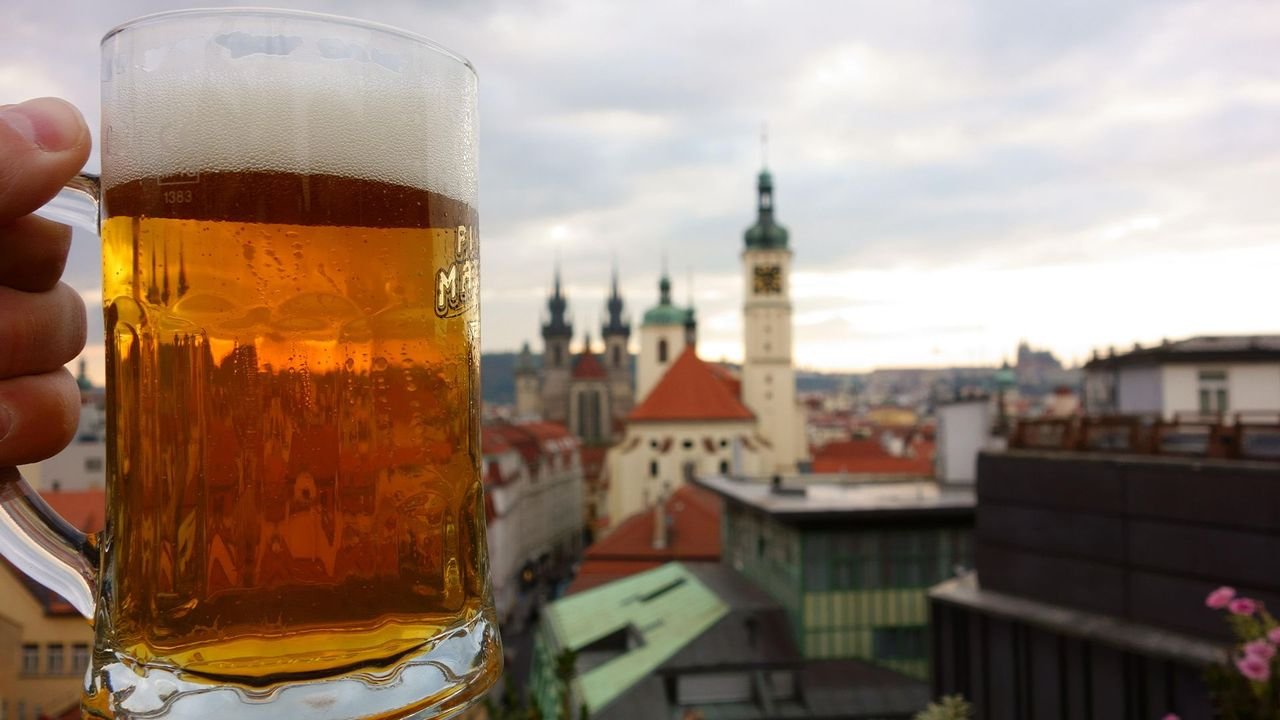
Beer Diplomacy: How Czech Brewers Influence the World

Beer Diplomacy Begins in Bohemia: A Global Toast to Tradition In the heart of Europe, the Czech Republic has quietly launched an unexpected but highly effective form of cultural outreach: beer diplomacy. For the past six years, this Central European nation has invited craft brewers from around the world to immerse themselves in its time-honored brewing traditions. The effort, spearheaded by the Czech Ministry of Agriculture, aims to spread appreciation for Czech-style lagers and position the country as the global capital of beer culture. Brewing Bonds Through Beer Diplomacy: Inside the Czech Initiative During these week-long beer summits, invited brewers from countries like Australia, Canada, and the United States are given a crash course in Czech brewing methods. The itinerary is anything but a vacation. Participants engage with hops farmers, meet with both large and small-scale brewers, learn from seasoned bartenders, and tour historic breweries like Pilsner Urquell in Plzeň and Budvar in České Budějovice. The program, though informal, functions as a strategic cultural export, with the goal of spreading Czech beer practices and building lasting international partnerships. It is a form of soft power reminiscent of Thailand’s ‘gastro-diplomacy’ campaign that successfully globalized Thai cuisine. Czech Lager: A Rich and Underrated Heritage While Czech beer has existed for over a millennium, its global recognition has lagged behind that of Belgian ales and German pilsners. This discrepancy is partly due to geopolitical hurdles. For decades, Cold War isolation restricted Czech beer exports, and post-communist era privatization forced many breweries to modernize rapidly. Today, the resurgence of interest in traditional lagers is giving Czech beer its long-overdue spotlight. Lagers brewed in the Czech Republic are known for their golden hue, crisp body, and frothy head. They often feature a slight bitterness and a buttery finish, qualities that have earned them admiration among connoisseurs. Brewers learning these techniques abroad take home a deeper appreciation for decoction mashing, open fermentation, and other traditional methods rarely practiced outside Bohemia. Craft Brewers Spread the Word The results of beer diplomacy are beginning to show. North American brewers who have participated in the programme have introduced Czech-style lagers to their taprooms and menus. Breweries like Sacred Profane in Maine and Good Word Brewing in Georgia are now known for their authentic pours. Even the hardware is spreading: Lukr, a Plzeň-based company that manufactures side-pull taps, has increased its sales in North America from just a dozen units in 2015 to over 2,000 units annually. These specialized taps are integral to achieving the foamy, creamy pour that defines a true Czech lager. Ondřej Rozsypal, a tap master from Lukr and a past Master Bartender of the Year, notes that the foam adds a sweetness and richness that lingers until the last sip. Pouring Respect: The Art of Serving In the Czech Republic, the ritual of pouring beer is just as important as the brewing process. Institutions like Institut Pivo in Prague educate both locals and international visitors on how to serve beer with care and precision. Lucie Janečková, a manager at the institute, believes that improper pouring is a disservice to the craft and culture. “We want to teach foreign brewers the respect that Czech beer deserves,” she says. Taste That Doesn’t Travel Despite international enthusiasm, Czech beer doesn’t always travel well. It loses its freshness and often its characteristic taste, leading many brewers to insist that the only way to truly understand Czech lager is to drink it in its homeland. “It just doesn’t taste the same in Canada,” says Ryan Moncrieff of Rafter R Brewing in Saskatchewan. “You need to come to the Czech Republic to taste the real thing.” A Cultural Exchange Beyond Borders For the Czech government, beer diplomacy isn’t just about beer; it’s about fostering cultural exchange and building mutual respect. As brewers return to their home countries, they don’t just bring back techniques and equipment. They carry with them stories, experiences, and a commitment to uphold Czech standards. Their breweries become informal embassies of Czech beer culture, educating local customers and raising global awareness. The Bigger Picture: Edible Soft Power This approach to diplomacy mirrors a broader trend where nations leverage culinary or beverage heritage as cultural exports. From Japan’s sake promotion to South Korea’s kimchi campaigns, food and drink are proving to be powerful tools of influence. In this arena, the Czech Republic has found its niche. Unlike Czech cuisine, which remains relatively underappreciated internationally, beer has universal appeal. Where to Sample the Result of Beer Diplomacy If you’re curious to taste Czech-style lagers brewed outside the Czech Republic, start with these alumni of the beer diplomacy program: United States: Canada: Cheers to a Growing Tradition Whether you’re a seasoned brewer, casual beer lover, or someone discovering lagers for the first time, the Czech Republic’s beer diplomacy is leaving a mark. With centuries of brewing wisdom and a culture that reveres every aspect of the pint, the country is not just exporting a beverage – it’s exporting a philosophy. So next time you sip a Czech-style lager, remember: you’re not just tasting beer. You’re tasting centuries of tradition, a carefully curated craft, and the growing reach of Czech beer diplomacy.

Read More

Lego History Exhibition Brings Civilization to Life

Exploring History with Lego: A Creative Journey Through Time History isn’t always dusty books and silent galleries. This summer, it’s being reimagined in one of the most playful, colorful, and innovative ways possible—with Lego bricks. From July 5th to August 30th, Beverley Art Gallery in East Yorkshire will host the Lego History Exhibition. This immersive, family-friendly event uses the world’s most beloved plastic bricks to retell humanity’s most significant milestones. Renowned Lego artist Warren Elsmore and his team created this exhibition to blend education with art. Visitors will explore everything from prehistoric cave paintings to modern smartphones — all crafted in miniature Lego form. The Lego History Exhibition in East Yorkshire: Bricks That Tell the Human Story Designed for history buffs, children, educators, and curious minds alike, the Lego history exhibition adds an imaginative twist to traditional timelines. It guides visitors through a thoughtfully arranged journey. Each intricately crafted scene vividly illustrates the evolution of human civilization. From the discovery of fire and the building of pyramids to the Renaissance and space exploration, Lego reimagines each milestone with striking creativity and detail. Each model is built with meticulous attention to detail, using thousands of tiny Lego bricks to depict events that shaped our past—and our future. From the Big Bang to Beethoven — An Expansive Timeline of History in Lego The exhibition opens with a nod to the origins of the universe, represented in an abstract cosmic Lego scene. Afterward, visitors journey through the timeline of human history, beginning with Stone Age hunters and primitive dwellings, gradually advancing toward more complex civilizations. One standout installation features primitive cave paintings recreated on faux-rock Lego panels. As visitors continue through the exhibit, they encounter ancient Egyptian pyramids, Greek philosophers, Roman aqueducts, and Michelangelo’s iconic Sistine Chapel fresco, The Creation of Adam — all recreated with colorful Lego bricks and vibrant artistry. Scientific Discovery and Innovation Brought to Life Through Lego Art The Lego history exhibition does not merely focus on the distant past—it includes milestones in scientific and technological progress. Visitors will marvel at recreations of: Afterward, visitors journey through human history, starting with Stone Age hunters and simple dwellings, then gradually advancing to more complex civilizations. Lego Legends: Honoring Influential Historical Figures Through Creative Brick Art In addition to showcasing major events, the exhibition also highlights influential historical figures who helped shape the world. Among them are: Each character is carefully sculpted in Lego minifigures and surrounded by miniatures that reflect their legacy. Interactive Start: Join the Free Lego Mosaic Workshop and Build Together To kick off the exhibition, the opening weekend features a free Lego mosaic workshop, where children and adults alike can join in building a community-designed Lego artwork. This hands-on activity not only engages visitors creatively but also embodies the collaborative spirit that defines the entire event. Regardless of your experience level—whether you’re a seasoned Lego builder or a curious first-timer—the workshop provides an ideal introduction, setting the stage for a deeper appreciation of the exhibition’s intricate and artistic Lego models. A Family Destination for Summer 2025: Fun and Learning at the Lego History Exhibition Gallery curator Hannah Willetts emphasized the event’s importance for local tourism and community engagement. “We are thrilled to bring something that combines art, history, and play in such an inspiring format,” she said. “It’s a journey through world history told entirely through Lego bricks.” According to Councillor Nick Coultish, Cabinet Member for Culture, Leisure, and Tourism, the exhibit offers “a unique and creative way to explore history.” He emphasized that events like this play a crucial role in promoting cultural engagement throughout East Yorkshire. Consequently, the gallery anticipates large crowds—especially families looking for creative and educational experiences during the school summer holidays. Lego as Educational Art: Bridging Creativity and History What sets the Lego history exhibition apart is its ability to merge STEM and art education. Moreover, the models themselves are architectural marvels, serving as gateways to deeper narratives — from social transformation to philosophical enlightenment and technological disruption. Moreover, each exhibit uses visuals and interactive QR codes to offer historical context that suits various ages and learning levels—making it perfect for school trips or independent exploration. Bricks and Learning: A New Educational Model Across the globe, educators are increasingly turning to edutainment—the intersection of education and entertainment. The Lego history exhibition fits this trend perfectly, showing how history can be fun, engaging, and accessible without sacrificing accuracy or importance. Importantly, educators and parents have praised Warren Elsmore’s previous exhibitions for sparking curiosity in young minds—encouraging thoughtful questions about history while promoting creative learning through hands-on Lego engagement. Behind the Scenes: Meet the Lego Artists Warren Elsmore is a well-known name in the world of Lego artistry. With several published books and exhibitions under his belt, he brings experience and passion to the East Yorkshire show. Elsmore and his team spent months designing and building the exhibits, often working with historians to ensure accuracy. Each diorama is a feat of engineering, sometimes requiring tens of thousands of Lego pieces and hundreds of hours to assemble. The Cultural Impact of Lego Storytelling This exhibition isn’t just a novelty—it is part of a broader movement that uses Lego as a tool for storytelling. From architecture to activism, Lego is now used in classrooms, museums, and even therapy sessions to promote expression and comprehension. Moreover, the Lego history exhibition in East Yorkshire continues this legacy by showing how immersive, visual, and tactile experiences can significantly boost memory retention and encourage empathy across all age groups. Why Lego? The Power of Play and Structure Lego bricks have long transcended toy status. Thanks to their uniform shape, endless versatility, and bright color palette, Lego bricks have become powerful storytelling tools that transcend both age and language barriers. At the Lego history exhibition, children not only recognize the familiar bricks they play with at home but also absorb meaningful lessons about history, innovation, and cultural milestones—delivered in an engaging, educational, and unforgettable format. Adults are transported back to…

Read More

Alcoholic Liver Disease: Early Action Saves Lives

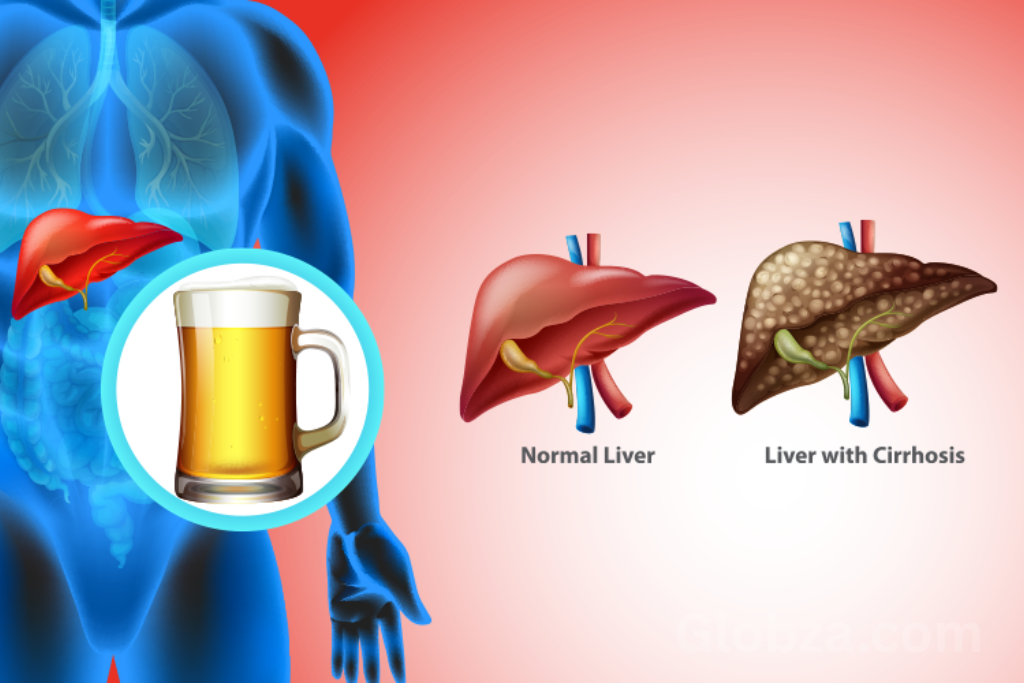
Alcoholic Liver Disease: Take Charge Before It’s Too Late Alcoholic Liver Disease is a serious but preventable condition that destroys liver cells over time. Many people don’t recognize the damage until it becomes severe. “Early detection and lifestyle changes can make a dramatic difference,” says Dr. Angela Cross, a leading hepatologist. In this article, we will explore how to protect your liver, recognize danger signs, and prevent progression of this disease. Understanding Alcohol-Related Liver Conditions Alcohol misuse can cause a range of liver problems, from fatty liver to alcoholic hepatitis and eventually cirrhosis. According to the National Institute on Alcohol Abuse and Alcoholism, “Alcohol is a factor in nearly half of liver disease deaths in the United States.” Stopping alcohol use and seeking medical advice are the most effective steps to avoid these severe consequences. “Every reduction in alcohol helps,” explains Dr. Cross. Small changes today can prevent advanced liver failure tomorrow. Recognizing Symptoms of Liver Disease Symptoms of Alcoholic Liver Disease may start subtly, including fatigue, loss of appetite, or mild abdominal pain. As the disease progresses, jaundice, leg swelling, and confusion may occur. “Most patients don’t seek help until the liver is already severely damaged,” warns the Mayo Clinic. If you notice these symptoms, consult your doctor right away. Awareness is the first step toward prevention and early treatment. Managing Drinking Habits to Protect the Liver Reducing alcohol intake is essential to prevent or reverse liver disease. According to the American Liver Foundation, “Abstinence is the cornerstone of treatment.” Support groups, behavioral therapy, and medications can make quitting easier. Setting small, achievable goals and surrounding yourself with supportive people can improve your chances of staying sober. “Quitting drinking is the best gift you can give your liver,” Dr. Cross adds. Healthy Lifestyle for Liver Support Beyond quitting alcohol, adopting a healthy lifestyle protects your liver. A balanced diet full of whole grains, lean protein, fruits, and vegetables supports regeneration. Exercise helps manage body weight and improves overall metabolism. “Your liver has an amazing capacity to heal if given the chance,” explains the World Journal of Gastroenterology. Regular checkups and routine liver blood tests can catch early problems before they turn into serious disease. Nutrition Tips to Prevent Liver Damage Good nutrition is essential to maintain liver health. Patients with Alcoholic Liver Disease often suffer from vitamin deficiencies that slow recovery. A diet rich in vitamins A, B, C, and E helps protect liver cells. The European Association for the Study of the Liver reports, “Nutritional support improves outcomes for alcoholic hepatitis.” Consulting a dietitian can help you build a liver-friendly plan to avoid future complications. Breaking Liver Disease Myths There are many myths about alcohol and liver damage. Some believe only heavy drinkers are at risk, but even moderate long-term drinking can be harmful. Others think stopping alcohol instantly repairs all damage. “Some forms of scarring are permanent,” explains Dr. Cross. Educating yourself about real liver disease risks helps motivate change. Share this knowledge to help others avoid the same mistakes. Supporting Mental Health During Recovery Mental health challenges are common with Alcoholic Liver Disease. Depression, anxiety, and addiction may make quitting alcohol harder. According to the National Institute of Mental Health, “Treating mental health alongside liver disease improves long-term outcomes.” Therapy, medications, and support groups can build resilience and help you stay on track. Reducing stigma around mental health makes it easier for people to get the help they need. Conclusion: Take Action to Prevent Alcoholic Liver Disease Alcoholic Liver Disease is preventable, and early action can even reverse damage. Quitting alcohol, eating well, exercising, and seeking professional advice will protect your liver. “Don’t wait for severe symptoms,” urges Dr. Cross. Take charge now to secure a healthier future. Encourage your loved ones to act, too. Together, we can raise awareness and fight back against Alcoholic Liver Disease.Alcoholic Liver Disease: Take Charge Before It’s Too Late Alcoholic Liver Disease is a serious but preventable condition that destroys liver cells over time. Many people don’t recognize the damage until it becomes severe. “Early detection and lifestyle changes can make a dramatic difference,” says Dr. Angela Cross, a leading hepatologist. In this article, we will explore how to protect your liver, recognize danger signs, and prevent progression of this disease.

Read More
Bitcoin Beach El Zonte

Bitcoin Beach El Zonte: El Salvador’s Crypto Town

Preface: A Surf Town Turns into a Financial Experiment Nestled along El Salvador’s Pacific coast lies El Zonte, a peaceful surf town known for its warm waters and rolling waves. But beyond the sandy beaches and palm trees, this sleepy village has made international headlines as Bitcoin Beach El Zonte — a bold and rare real-world trial in using cryptocurrency for everyday transactions. What began in 2019 as a grassroots initiative to support local youth has now transformed El Zonte into a global showcase for how Bitcoin can function in real-life communities. For curious travelers, economists, and crypto enthusiasts, El Zonte is more than just a beach getaway — it’s a living financial experiment. 💡 How Bitcoin Came to El Zonte The story of Bitcoin Beach El Zonte began when an anonymous donor gifted a significant amount of Bitcoin to a non-profit organization working in the area. Community leaders, including economist Mike Peterson and advocate Roman Martínez, saw an opportunity to build a local circular economy powered by Bitcoin. Initially, the project focused on paying teenagers in Bitcoin to clean up beaches and rivers. The goal was to provide income, teach financial literacy, and offer an alternative to gang involvement — a widespread issue in El Salvador. As the COVID-19 pandemic caused job losses, the initiative expanded to support entire families, including local businesses and street vendors. 🧠 Why El Salvador Was Ripe for Crypto Several unique financial conditions made El Salvador an ideal environment for Bitcoin adoption: With these conditions, Bitcoin offered locals a way to send and receive money, store value digitally, and make everyday purchases — all from their phones. 🌍 Global Spotlight: Bitcoin Beach Becomes National Policy In 2021, newly elected President Nayib Bukele shocked the world by announcing that Bitcoin would become legal tender in El Salvador — a decision inspired by the success of Bitcoin Beach El Zonte. Suddenly, Bitcoin wasn’t just accepted in El Zonte — it became legal nationwide. Businesses across the country were required to accept Bitcoin alongside the US dollar. The government also launched its own wallet app, Chivo Wallet, offering incentives like sign-up bonuses. While this decision sparked controversy globally, it made El Salvador the first country in the world to recognize Bitcoin as official currency. 🧳 Travel Meets Tech: What It’s Like for Tourists in Bitcoin Beach El Zonte For travelers, using Bitcoin in El Zonte is surprisingly simple: Most businesses — from food stalls to surf schools — accept Bitcoin without hesitation. Bartenders, shopkeepers, and street vendors are trained to handle crypto payments with ease. “We get quite a few people asking to pay with it,” said a waitress at the beachfront restaurant Nan Tal. “Especially during peak season.” 👨‍🏫 Empowering Locals Through Education and Opportunity Locals like Brian Flores, now 23, are living proof of Bitcoin Beach’s impact. Raised in poverty and surrounded by gang violence, Brian joined the initiative as a teenager. Today, he teaches others how to use Bitcoin, manages digital wallets, and speaks at global crypto conferences. “Bitcoin Beach changed my life,” he said. “Most of my school friends are either dead or in jail. I’ve now been to Argentina, Spain — and I’m planning to go to Las Vegas.” Bitcoin has opened safer and more connected paths for many Salvadoran youth and given them access to economic opportunities previously out of reach. 📉 2025 Reversal: Bitcoin No Longer Legal Tender — But Still Thriving in El Zonte In early 2025, under pressure from the International Monetary Fund (IMF), the Salvadoran government repealed Bitcoin’s status as legal tender. Though controversial, this decision had little impact on El Zonte. In fact, Bitcoin continues to thrive in the town, with most businesses voluntarily accepting it. The local community remains engaged, and the initiative has inspired over 100 similar projects globally in countries across Latin America, Africa, and Asia. 🏄 Plan Your Visit to Bitcoin Beach El Zonte Getting There:El Zonte is a 75-minute drive from San Salvador Airport. You can rent a car, book a taxi, or arrange hotel shuttle services. Where to Stay:There are options for all budgets: What to Do: Bitcoin Tips for Travelers: 🏖️ Crypto Meets Culture: Why Bitcoin Beach El Zonte Matters More than just a financial story, Bitcoin Beach El Zonte represents a cultural shift. It’s a small town leading a global conversation about how digital currencies can empower communities. “People didn’t come here for Bitcoin at first,” said a local hotel owner. “They came for the waves. But now, they come to experience a real Bitcoin lifestyle.” El Zonte proves that financial innovation doesn’t require skyscrapers or venture capital. What it needs is vision, trust, and a community ready to embrace change.

Read More
Public swimming pool hygiene

Public Swimming Pool Hygiene: Are Pools Safe in 2025?

As temperatures soar across the Northern Hemisphere, Public swimming pool hygiene become a top destination for relief, recreation, and exercise. Yet beneath the inviting waters lies an uncomfortable question: How safe are public swimming pools in 2025 when it comes to hygiene and health? Recent studies and expert opinions reveal that pools—while regulated and disinfected—can still harbor a cocktail of pathogens, including parasites like Cryptosporidium, bacteria such as Staphylococcus aureus, and even fungi and viruses. This article explores the current state of public swimming pool hygiene, the health risks lurking in the water, and what can be done to protect yourself this summer. Public Swimming Pool Hygiene: What’s Really in the Water? Despite appearing clean and sparkling, pool water often contains microscopic threats. According to research from England and Wales, swimming pools are the most common source of waterborne intestinal disease outbreaks. One of the main offenders is Cryptosporidium, a parasite that causes severe gastrointestinal illness. Symptoms include diarrhea, vomiting, stomach cramps, and sometimes a relapse even after recovery. Cryptosporidium can survive for more than a week in chlorinated water, thanks to its tough outer shell. Infection often occurs when swimmers unknowingly swallow contaminated water. In fact, a 2017 study in Ohio found that: And if the pool is crowded? The chance of encountering pathogens increases dramatically, especially during weekends and school holidays. Public Swimming Pool Hygiene Risks: Parasites, Bacteria, and Fungi While Cryptosporidium dominates headlines, other bacterial threats are also common in pools: These pathogens can infect through: Also noteworthy is Legionella bacteria, which can be inhaled via aerosols and cause Legionnaires’ disease, a severe lung infection. Public Swimming Pool Hygiene Challenges: Why Chlorine Isn’t Always Enough Chlorine remains the primary disinfectant used in pools. But contrary to popular belief, it doesn’t kill all germs instantly. Cryptosporidium can survive for over 168 hours in properly chlorinated water. Even bacteria like Shigella, Salmonella, and Campylobacter can survive long enough to pose a health risk. Furthermore, when chlorine reacts with sweat, urine, and other organic matter, it produces chloramines—irritants responsible for the familiar “chlorine smell” and for causing: Modern Pool Maintenance and Public Swimming Pool Hygiene Practices Modern pool maintenance involves: However, regulations vary: Public Swimming Pool Hygiene Tips: How to Stay Safe While Swimming Experts agree: Swimming has many health benefits, from improving cardiovascular fitness to reducing stress. However, to reduce your risk of infection, follow these simple steps: ✅ Before You Swim: 🚫 While Swimming: ✅ After Swimming: What About Wild Swimming? With concerns over public swimming pool hygiene, some turn to lakes, rivers, or beaches. But wild swimming comes with its own risks: Always research the area and avoid swimming after heavy rain, which can increase contamination. Conclusion: Is It Still Safe to Swim in 2025? Yes—public swimming pools are generally safe, but only when they are properly maintained and swimmers practice good hygiene. The risk of waterborne infections is real, but preventable. According to health experts, the benefits of swimming outweigh the risks—provided pools are well-managed and everyone does their part. So as the summer heat peaks, don’t skip the swim—just don’t skip the shower either. Swimming Lessons Save Lives: Essential Facts for Parents

Read More

Dog Walking in Hot Weather: Safety Tips for Pet Owners

Dangers of Dog Walking in Hot Weather: What Every Owner Should Know Dog walking in hot weather can be incredibly dangerous—even deadly—for your four-legged companion. As someone who has worked alongside a guide dog for more than two decades, I’ve seen firsthand how quickly heat exhaustion sets in. The heavy, labored panting, drooping ears, and sluggish steps are warning signs many owners miss. Yet, every summer, people unknowingly put their dogs at risk by walking them during dangerously high temperatures. Animal welfare organizations like the RSPCA report that dogs are 10 times more likely to experience heat-related illnesses from dog walking in hot weather than from being left in cars. This surprising statistic underscores just how little it takes for a dog to overheat while exercising under the sun. Why Dog Walking in Hot Weather Puts Your Pet at Risk Unlike humans, dogs do not regulate body temperature through sweat. They have sweat glands only in their paws, and rely primarily on panting to cool themselves down. When the air is hot and humid, panting becomes ineffective, causing their core temperature to spike rapidly. Signs of overheating include: Immediate action is required if your dog shows any of these symptoms. First Aid for Overheating After Dog Walking in Hot Weather If your dog overheats, move them to a shaded area immediately. Use cool (not ice-cold) water to gently wet their body, avoiding their head. Avoid placing wet towels on them, as this can trap heat instead of dissipating it. Offer small sips of cool water and contact your veterinarian as soon as their breathing begins to normalize. Common Dog Walking Mistakes in Hot Weather That Could Endanger Your Pet’s Life Even with heat alerts in place, many pet owners underestimate the danger. Just recently, I observed a dozen dog walkers out in 30°C heat around 1pm. My own guide dog remained inside, while I used a human guide due to the dangerous heat. It astonished me how many people ignored their dogs’ clear signs of discomfort. Tips to Keep Your Dog Safe in the Heat 1. Test the Pavement Place the back of your hand on the pavement for five seconds. If it’s too hot for your hand, it’s too hot for your dog’s paws. 2. Carry Water Always bring a portable bowl and cool water when out with your pet. Hydration is key to preventing overheating. 3. Avoid Midday Walks Limit dog walking in hot weather to early mornings or late evenings. Temperatures are cooler, and pavements are less likely to burn their paws. 4. Skip the Walk If Needed Your dog won’t suffer from skipping a walk for a day or two. Use indoor playtime instead. Keep them in air-conditioned or well-ventilated rooms. Rethinking Exercise in the Heat A dog’s need for movement doesn’t mean putting them in harm’s way. Throw a toy in a shaded yard or hallway, play tug-of-war, or use food-dispensing puzzles. These can stimulate your pet without exposing them to deadly heat. Final Thought: Protect Your Companion Dog walking in hot weather can become a fatal mistake if precautions aren’t taken. As responsible owners, we must prioritize our dogs’ safety over our routines. When the thermometer rises, it’s time to cool down the schedule—not the dog. By understanding the dangers and adjusting our behavior, we ensure our loyal companions stay healthy, safe, and by our side for years to come.

Read More

Alcohol and Your Health: Understanding Risks, Benefits, and Myths

Introduction: Alcohol and your health — an honest conversation Alcohol and your health is a topic that sparks constant debate. From social drinking to harmful consequences, alcohol occupies a complicated space in our lives. The World Health Organization states, “Alcohol consumption contributes to 3 million deaths each year globally.” Such statistics highlight the urgency to rethink how we view alcohol. Whether you drink casually or abstain entirely, understanding the risks, benefits, and controversies is essential. In this blog, you will explore balanced perspectives, real-world advice, and evidence-backed information to make informed choices about drinking. Let’s start a conversation without judgment or fear, just facts and honest reflections. Alcohol has shaped cultures and rituals for centuries. Yet, research warns about its potentially devastating impact on health. According to Dr. Nora Volkow, Director of the National Institute on Alcohol Abuse and Alcoholism, “Even moderate drinking can elevate the risk of certain cancers.” These realities push us to ask tough questions. What does moderate drinking mean? Is any amount safe? You’ll find answers and context here. Keep reading to uncover what experts, researchers, and people like you have to say about alcohol and your health. Alcohol and your health: Physical risks you cannot ignore When it comes to alcohol and your health, physical harm is a primary concern. The liver is one of the first organs to suffer from alcohol misuse. Cirrhosis, fatty liver, and hepatitis can all result from long-term excessive drinking. As the Centers for Disease Control and Prevention put it, “Excessive alcohol use is a leading cause of preventable death.” These consequences are not limited to heavy drinkers; even moderate consumption can cause cellular changes that pave the way for disease. Each sip matters more than you might think. In addition, alcohol weakens the immune system, making you more susceptible to infections. The digestive system, heart, and pancreas are also vulnerable. Cardiovascular disease risk rises with higher alcohol intake, despite the old myth that a glass of red wine is always heart-healthy. Research increasingly suggests there is no truly safe amount. Dr. Tim Naimi, a public health expert, explained, “No level of alcohol improves health overall — it is a toxin that increases cancer risk.” These truths deserve attention and honest discussion to help you make healthier choices. Understanding mental health and alcohol: A complicated bond The impact of alcohol on your mental health is as critical as its physical effects. Alcohol often masks anxiety or stress in the short term. Over time, though, drinking may worsen mood disorders and increase the risk of depression. “Alcohol is a depressant,” says psychiatrist Dr. Sarah Allen Benton, “so while people drink to feel better, it often makes symptoms worse.” Many do not recognize the subtle shift from social drinking to alcohol dependence until their mental health deteriorates. Alcohol can also fuel a dangerous cycle. Someone who drinks to cope may feel shame or guilt, then drink again to numb those feelings, creating a self-sustaining spiral. Sleep disruption, memory loss, and irritability are common consequences. As one recovering drinker shared, “I thought alcohol was my friend, but it was slowly destroying my peace of mind.” These personal stories, combined with medical facts, should make anyone pause and reflect on the emotional costs of drinking. Understanding this bond is key to breaking free from harmful patterns. Moderation, abstinence, or harm reduction? Rethinking your approach When discussing alcohol and your health, the next question is whether to drink moderately, abstain, or aim for harm reduction. Experts recommend evaluating your personal risk factors before deciding. Family history of addiction, medical conditions, or medications may mean abstinence is safest. For others, a harm-reduction approach — limiting frequency and amount — can help. According to the CDC, “If you don’t drink, don’t start.” That simple advice resonates for many. Still, not everyone is ready to give up alcohol. For them, setting clear limits, avoiding binge episodes, and choosing low-alcohol beverages can be a middle ground. “Moderation is possible for some, but not all,” explains addiction specialist Dr. George Koob. The honest truth is no universal rule fits everyone. Take time to reflect on your habits, talk to a doctor, and don’t be afraid to get support. In the end, the decision should protect your overall well-being above social expectations or myths. Alcohol and your health: Cultural and social controversies Alcohol and your health are shaped by culture, tradition, and social pressure. Across the globe, drinking rituals mark celebrations and even grief. In some places, refusing a drink feels rude, while in others, it is a sign of strength. This creates controversy when public health messaging clashes with deeply rooted customs. As Professor David Jernigan noted, “Alcohol marketing normalizes excessive consumption even in cultures that know its harms.” That tension makes it harder to change behavior. Alcohol’s presence in advertising and media also contributes to unrealistic expectations about drinking. Party culture, movies, and social media glamorize alcohol, rarely showing its darker side. “I grew up thinking drinking was cool, until it nearly ruined me,” says one former binge drinker. These voices matter. Challenging the myths takes courage and honesty. Reimagining a social life without relying on alcohol is possible, and more people are discovering that every day. Exploring potential benefits of moderate alcohol intake It’s impossible to discuss alcohol and your health without mentioning the widely debated topic of benefits. Some studies have linked moderate red wine consumption to heart health, thanks to antioxidants like resveratrol. However, the benefits might be overblown. The American Heart Association warns, “No direct cause-and-effect relationship has been proven between alcohol and better heart health.” Instead, a healthy diet, exercise, and stress management may deliver those same benefits without alcohol’s risks. “Any benefits of alcohol are overshadowed by its harms,” insists Dr. Koob. If you choose to drink, know your limits and consider alternatives. Herbal drinks, nonalcoholic beer, or simply sparkling water can satisfy social rituals without exposing you to harm. The key is understanding what truly supports your well-being, and making choices…

Read More
Intense heatwave in Europe 2025

Intense Heatwave in Europe 2025: Deaths and Record Highs

An intense Europe heatwave 2025 is wreaking havoc across much of the continent, bringing record-breaking temperatures, wildfires, and tragic fatalities. As this severe weather event intensifies, governments and citizens alike are grappling with the immediate dangers and long-term impacts of rising global temperatures. Fatalities and Emergencies in Italy Amid the Europe Heatwave 2025 In Italy, the heatwave kills in Italy have sadly risen, with two confirmed deaths linked directly to the extreme conditions. A 47-year-old construction worker in Bologna collapsed on-site due to the oppressive heat, while a 70-year-old man drowned during sudden flash flooding near a tourist resort west of Turin. These incidents highlight the deadly consequences of extreme weather in vulnerable populations. Local authorities have issued heat alerts for most Italian cities, advising residents to avoid outdoor activities during peak heat hours. Emergency services have reported a 20% increase in hospital admissions in the Tuscany region alone. In Lombardy, strict regulations now ban outdoor work between 12:30 pm and 4 pm to protect laborers from heat-related illnesses.intense Europe heatwave 2025 Wildfires Spread Across Turkey and the Balkans The Europe wildfires 2025 are another devastating result of this heatwave.Firefighters have evacuated over 50,000 people in western Turkey, especially in Izmir province, while battling hundreds of blazes fueled by the scorching weather. Provinces including Bilecik, Hatay, Sakarya, and Manisa have also reported widespread fires. Similar wildfire outbreaks have been reported in the Balkans, including Montenegro, where high temperatures combined with dry conditions create a dangerous environment for communities and ecosystems. Record Temperatures and Heat Alerts in Spain, Portugal, and France Parts of Spain and Portugal are experiencing some of the hottest temperatures ever recorded in June.In southwest Spain, El Granado recorded a staggering 46°C. This came shortly after Mora in central Portugal reached 46.6°C. This may be the highest June temperature ever recorded. In France, many cities saw their hottest day and night in June. This led to an unprecedented red alert in Paris and 15 other regions. The Eiffel Tower’s summit was closed due to the extreme heat. Additionally, over 1,350 public schools will be partially or fully closed to protect students and staff. Rising Temperatures Affecting the UK, Germany, and Greece The Europe heatwave 2025 has also pushed parts of the UK close to its hottest June days on record, with Heathrow Airport reaching 33.1°C. Wimbledon experienced its hottest opening day ever at 32.9°C. Meanwhile, Germany is bracing for potential record-breaking temperatures nearing 38°C, affecting transportation and increasing freight costs as the Rhine River water levels drop. In Greece, temperatures hovering around 40°C have triggered wildfires near Athens, destroying homes and forcing evacuations. The region continues to face severe fire risk amid prolonged drought. Environmental and Economic Impacts of the Europe Heatwave 2025 Beyond immediate human health risks, this extreme heat is stressing fragile ecosystems. Alpine glaciers are shrinking at alarming rates, and the warming Adriatic Sea is encouraging invasive species like the poisonous lionfish to spread. Economically, the heatwave is impacting agriculture, transportation, and outdoor labor sectors across Europe. The impact of heatwave on Europe is a stark reminder of the broader challenges posed by climate change. According to experts, heatwaves like this will become more frequent and severe if global greenhouse gas emissions are not curtailed. Calls for Climate Adaptation and Global Action The United Nations human rights chief has highlighted the heatwave as a call to accelerate climate adaptation efforts and shift away from fossil fuels. Rising temperatures, droughts, floods, and wildfires threaten basic human rights, including the right to life and health. The UN’s Intergovernmental Panel on Climate Change warns that human-caused climate change will make such extreme heat events more common. Scientists emphasize the need for urgent global action to mitigate these effects and prepare vulnerable regions for future climate realities.

Read More

Swimming Lessons Save Lives: Essential Facts for Parents

Swimming Lessons Save Lives: Introduction Swimming lessons save lives. This truth is echoed by experts worldwide who emphasize water safety. According to the CDC, drowning is a leading cause of accidental death for children. Teaching kids to swim is a proven protective factor. “Learning to swim is as essential as learning to cross the street safely,” says Dr. Sarah Thompson, a pediatric safety researcher. Parents who enroll their children in lessons give them critical skills to survive water emergencies. In this blog, you will learn how swimming lessons save lives, what to look for in a program, and why water safety education is vital for every family. Short, structured, and fun swimming lessons could be the difference between a close call and a tragedy. Let’s dive into what parents must know. How Swimming Lessons Save Lives Swimming lessons save lives by giving children the skills to float, tread water, and reach safety. Research from the American Academy of Pediatrics shows that formal swim lessons reduce drowning risk by up to 88% in children ages 1 to 4. “Swimming lessons teach children to respect water, not fear it,” says swim instructor Carlos Reyes. Kids who can float and breathe are less likely to panic, and that can buy critical seconds until help arrives. Lessons also teach safe pool behaviors, like never swimming alone. These habits reinforce safety even when adults aren’t nearby. Parents should consider consistent lessons over many months, so skills are remembered and improved. Swimming is not just a sport; it is a survival skill that every child deserves to learn, no matter their age. Choosing the Right Swimming Lessons When choosing swimming lessons, parents should check instructor qualifications. Certified teachers know how to build skills step by step. According to the Red Cross, parents should look for small class sizes and lessons adapted for the child’s age. “The right instructor will work with your child’s comfort level, not force them,” explains safety expert Jenny Kim. Look for lessons that focus on floating, water entry, and safe exits, rather than only on strokes. Observe a class before enrolling. Check that lifeguards are on duty, and that facilities are clean and safe. These details matter. Swimming lessons save lives, but only if they are taught properly by trained professionals. The confidence gained in a good program will stay with a child for a lifetime, even if they rarely swim outside lessons. Water Safety Beyond Lessons Swimming lessons save lives, but supervision is still essential. Drowning happens fast and often silently. “Children can slip under water in less than 30 seconds,” warns water safety advocate Rachel Lee. Even children with strong swimming skills need watchful eyes. Parents should stay within arm’s reach of younger children and avoid distractions like phones. Install fences around pools and always empty small backyard pools after use. Also teach children about rip currents and lake safety, if they swim outdoors. Remember, lessons reduce risk but cannot erase it entirely. Combining swimming skills with constant adult supervision is the strongest shield against tragedy. Share water safety rules with caregivers and babysitters so they are equally aware of what is needed to protect kids around water. Benefits Beyond Survival Skills Swimming lessons save lives, but they offer more than safety. Swimming builds confidence, coordination, and a love of physical activity. Kids who swim tend to develop stronger lungs and muscles. According to pediatrician Dr. Ravi Patel, “Swimming is a full-body workout that supports both mental and physical growth.” Lessons often include games and teamwork, helping children develop social skills. The water provides a soothing environment, lowering stress and encouraging relaxation. Children who learn early may even grow up to join competitive teams

Read More
India-US Trade Deal

Is the big beautiful India-US trade deal in trouble

The India-US trade deal, once celebrated as a landmark opportunity to strengthen economic ties between the world’s largest democracy and the world’s largest economy, now faces serious challenges. As negotiations stall, many wonder if this “big, beautiful” trade deal is truly in trouble. The deal is important not only for boosting trade but also for enhancing strategic relations. This article dives into the issues at hand and what the future might hold. The Importance of the India-US Trade Deal The trade relationship between India and the United States is critical for both nations. The U.S. is one of India’s largest trading partners, while India represents a significant market for American goods and services. A strong trade deal could boost economic growth, create millions of jobs, and solidify geopolitical ties. Beyond economics, this partnership also serves as a counterbalance to other global powers in the Indo-Pacific region. However, achieving a comprehensive agreement has not been easy. Several obstacles have emerged that could stall or even derail the negotiations. Understanding these challenges is vital to grasp why the deal’s future is uncertain. Tariffs in the India-US Trade Deal: The Major Sticking Point One of the biggest hurdles in the talks is the issue of tariffs. Both countries have imposed tariffs on each other’s goods, leading to escalating tensions. For example, the U.S. is concerned about high tariffs on American products such as motorcycles, almonds, and agricultural commodities. India, meanwhile, objects to tariffs on steel, aluminum, and certain technology goods. These tariffs have a ripple effect, impacting businesses and consumers on both sides. They increase the cost of goods and limit market access, which ultimately slows down trade growth. Both countries must find a balanced approach to tariff reduction if they want the deal to succeed. Agriculture in the India-US Trade Deal: Sensitive Yet Vital Sector Agriculture is especially sensitive in this trade deal. India’s large farming population depends on protecting local agriculture from global competition. The U.S. wants India to open its agricultural markets more broadly, including sectors like dairy, wheat, and pulses. India, however, fears that such moves could threaten farmers’ livelihoods and food security. This impasse is complicated by India’s commitment to self-reliance and initiatives like “Make in India,” which aim to boost domestic production. Finding a compromise here requires delicate negotiations that protect farmers while allowing fair market access. Market Access in the India-US Trade Deal and Protecting Domestic Industries Market access remains a key issue beyond agriculture. The U.S. pushes for greater access in sectors like manufacturing and information technology. India, on the other hand, is cautious. It wants to nurture its domestic industries and prevent flooding by foreign competitors, which could hurt small businesses and job creation. India’s careful approach reflects its broader economic priorities, including promoting domestic manufacturing and innovation. Phased market opening or sector-specific deals might be the answer to ensure mutual benefits. Intellectual Property Rights in the India-US Trade Deal: Innovation vs. Accessibility Intellectual Property Rights (IPR) are another complex area. The U.S. advocates for stronger IPR protections to safeguard American companies’ innovations. India insists its current laws are adequate and worries that stricter rules could limit access to affordable medicines and technology. India has been a global leader in producing low-cost generic medicines, vital for millions worldwide. Any changes to IPR must carefully balance fostering innovation with protecting public health and affordability. Political Challenges Affecting the India-US Trade Deal on Both Sides Domestic politics heavily influence trade negotiations. In India, the government must address farmers, manufacturers, and diverse interest groups who scrutinize trade deals intensely. These factors can slow decision-making and complicate talks. In the U.S., political shifts, lobbying from different industries, and priorities such as countering China also affect trade policies. Trade agreements must align with domestic job creation goals and global strategic interests. Current Status and the Road Ahead Despite these hurdles, both countries remain engaged in talks. The deadline to finalize the deal is July 9, 2025. Missing this date risks reinstating high tariffs on Indian goods, which would negatively impact trade. Officials describe the negotiations as “50-50,” showing cautious optimism. India is even considering innovative clauses, like the “forward most-favored-nation” provision, which would extend the best trade terms India grants other countries to the U.S. Both sides are exploring sector-specific solutions and continue to emphasize transparency and trust. This ongoing dialogue is crucial to bridging gaps. Strengthening Ties Beyond Trade Even if trade talks face delays, India and the U.S. continue expanding cooperation in technology, defense, energy, and education. These areas provide a broader foundation for economic and strategic partnership. Joint research initiatives, infrastructure projects, and cultural exchanges help build long-term resilience in bilateral relations, less vulnerable to trade-specific setbacks. Conclusion: Will the Deal Survive? The India-US trade deal is at a crossroads. It faces multiple challenges that require compromise, creativity, and political will. If both nations can resolve tariff disputes, balance market access, and respect each other’s priorities, the deal can unlock significant growth. Ultimately, this trade partnership has the potential to serve as a global example of how two diverse economies can work together for mutual benefit. The coming months will be critical in determining whether this “big, beautiful” deal lives up to its promise or faces an uncertain future.

Read More