Free Chickens for Food Waste: A European Solution

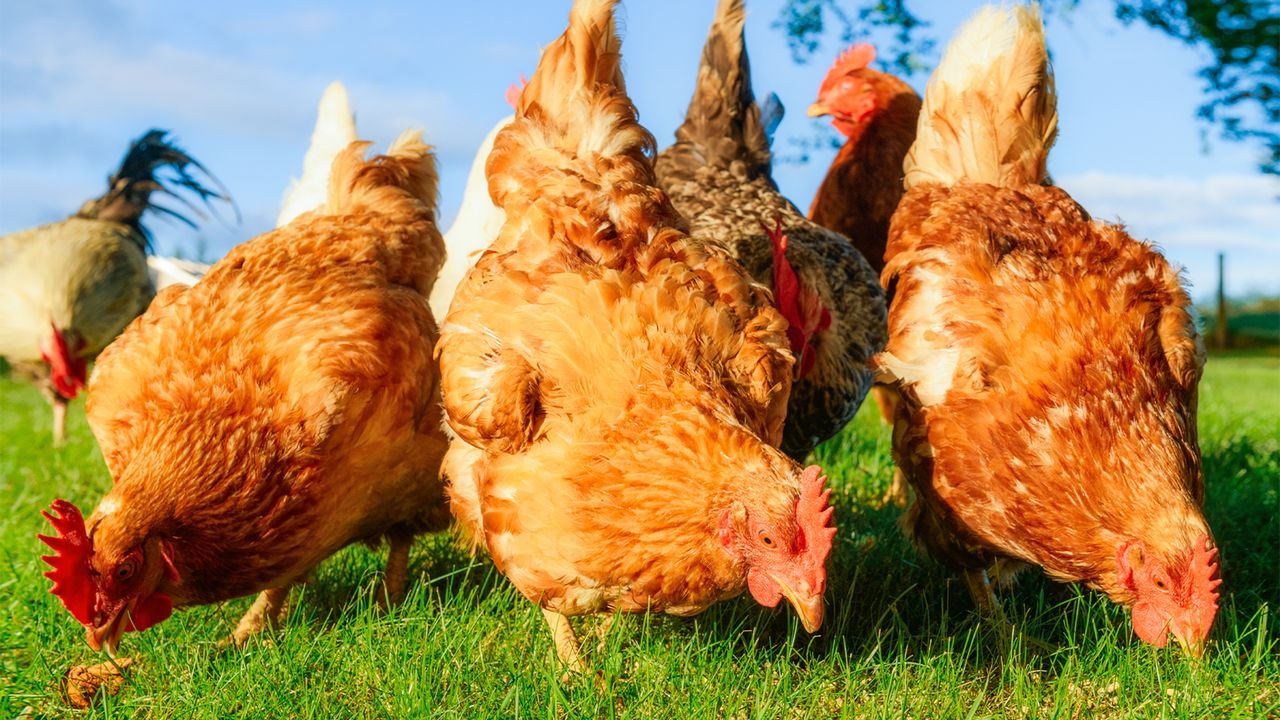
The Rise of Free Chickens for Food Waste Solutions In a small but impactful shift toward sustainability, towns across France and Belgium have adopted a unique strategy to cut food waste: giving away free chickens for food waste management. This creative approach, launched in Colmar, France, in 2015, encourages households to raise hens that consume kitchen scraps and provide fresh eggs in return. The growing popularity of free chickens for food waste initiatives shows that low-tech, community-based solutions can deliver both environmental and social benefits. Colmar’s Free Chickens for Food Waste Initiative The idea of giving away free chickens for food waste began in Colmar in 2014. Gilbert Meyer, then-president of Colmar Agglomération, campaigned with the slogan “one family, one hen.” In 2015, the town launched the project with support from two local poultry farms. Each selected household received two hens—either Poulet Rouge or traditional Alsace breeds—along with basic care instructions. Residents committed to raising the birds and signed pledges that allowed authorities to conduct occasional welfare checks. Though henhouses weren’t provided, recipients were expected to have enough outdoor space (8 to 10 square meters) to ensure humane conditions. Over time, the program grew in popularity, eventually encompassing all 20 municipalities in the Colmar area. Reducing Food Waste with Free Chickens The primary objective of Colmar’s free chicken initiative was to tackle the growing problem of food waste. Chickens consume about 150 grams of organic waste daily. According to Eric Straumann, the current president of Colmar Agglomération, the hens distributed since 2015 have collectively diverted over 273 tonnes of bio-waste from landfills. Food waste is a major contributor to methane emissions, especially when it ends up in landfills. Methane, a potent greenhouse gas, has more than 80 times the warming potential of carbon dioxide over a 20-year period. Therefore, even small local actions like feeding kitchen scraps to chickens can contribute to broader climate change mitigation efforts. Community and Educational Benefits Beyond environmental gains, the initiative has created unexpected social benefits. Chickens became more than just food recyclers; they became a source of community bonding. Neighbors worked together to care for the birds, especially when families went on vacation. For children, raising chickens also offered lessons in animal welfare, food responsibility, and the natural cycle of life. Similar Initiatives in France and Belgium Colmar wasn’t the first town to implement this idea. In 2012, Pincé, a small town in northwestern France, handed out chickens to residents as a way to reduce organic waste. What began as a light-hearted concept quickly turned into a successful waste management strategy. Belgium also embraced the approach. Cities like Mouscron and Antwerp, along with the Limburg province, distributed chickens to thousands of families. Residents were required to prove they had sufficient space and sign agreements not to slaughter the chickens for at least two years. Can Free Chicken Schemes Work Elsewhere? While the concept seems promising, experts note several hurdles. In the UK, strict regulations discourage feeding kitchen scraps to poultry due to disease control concerns. In the US, although egg prices have surged due to bird flu outbreaks, some experts argue that giving away chickens might not be feasible. Chickens require care, housing, feed, and time – resources not all families can afford. Mark Bomford of Yale University points out that low-income families might not see actual savings due to these hidden costs. Moreover, he emphasizes that food system solutions should consider accessibility and practicality. Innovations Inspired by Free Chicken Models Despite the limitations, entrepreneurs have adapted the idea. In New Hampshire, a couple launched a business called Rent The Chicken. They offer temporary chicken ownership, complete with feed and support, so families can enjoy fresh eggs without long-term commitment. Animal welfare also plays a role. Experts like Paul Behrens from the University of Oxford warn that industrial breeds often suffer due to unnatural productivity demands. He recommends using older breeds and accepting fewer eggs in return for better animal health and longevity. Waste Reduction Starts with Prevention While chickens help divert waste, experts stress that the most effective solution is to prevent food waste altogether. Some researchers suggest that composting – and now chicken keeping – might give people a false sense of environmental responsibility. The priority should always be reducing waste at the source. Building Community Through Chickens One of the most valuable takeaways from Colmar’s chicken initiative is its social impact. The project fostered neighborhood cooperation and gave families a shared purpose. According to Straumann, this sense of community has kept participation levels high and inspired similar programs in other regions. A Model Worth Considering Colmar and other European towns have demonstrated that free chickens can offer more than eggs. They reduce food waste, cut methane emissions, and bring people together. While the model may not work everywhere due to logistical and regulatory challenges, it presents a creative, low-cost solution worth exploring in communities worldwide.
Read More

Rare Daffodils Feared Lost: Tracking Them Across Britain

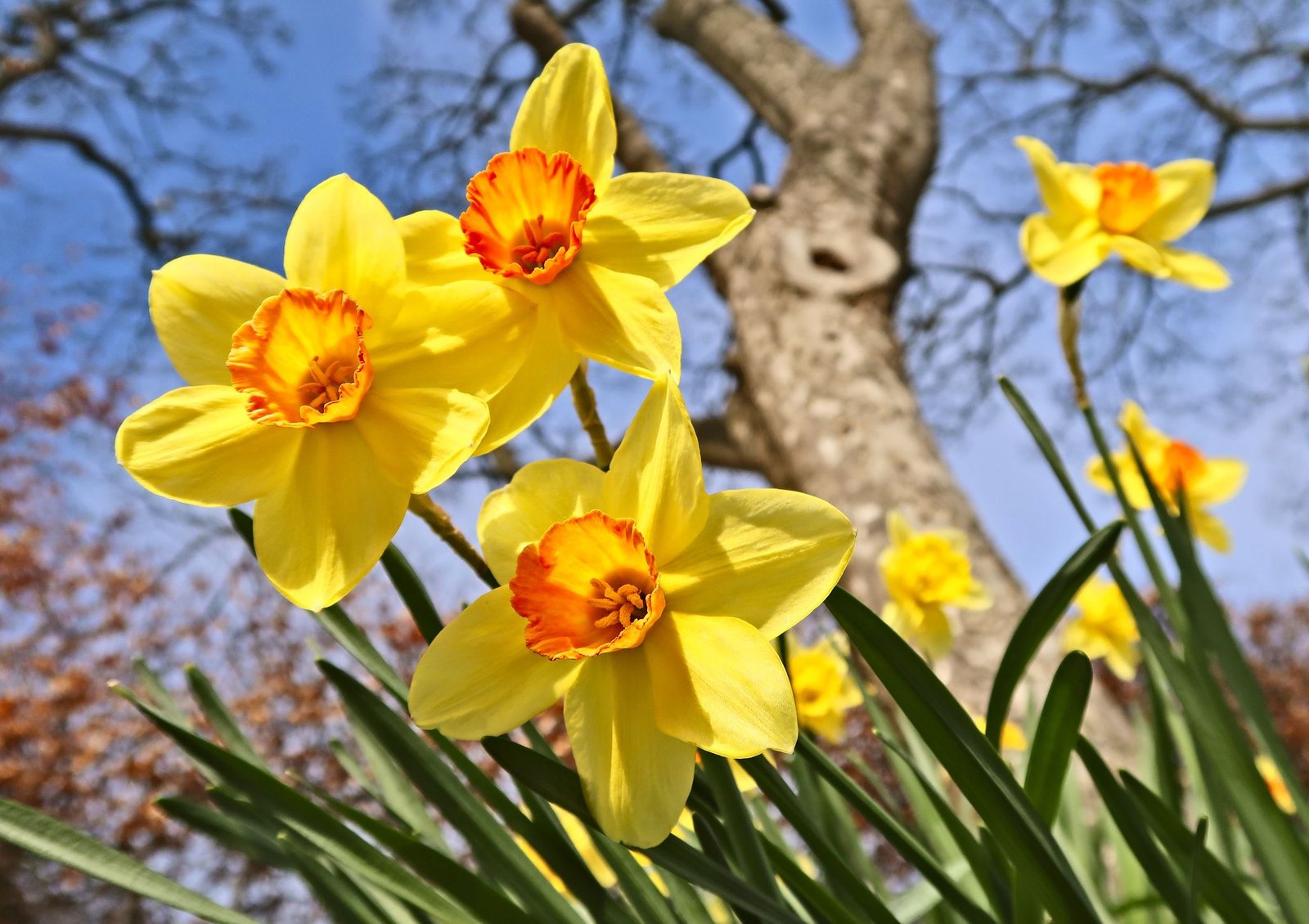
An Urgent Call to Find and Save Rare Daffodils Feared Lost Across gardens, parks, and countryside estates, yellow trumpet-shaped daffodils are a cheerful and familiar sight each spring. But not all daffodils are the same. Hidden among the common cultivars may be rare daffodils feared lost—forgotten floral varieties with links to British horticultural history. Now, plant conservationists and scientists are urging the public to help find them before they disappear forever. A nationwide appeal has been launched by organizations like Plant Heritage and the Royal Horticultural Society (RHS) to locate these missing botanical treasures. Their goal: to recover daffodil varieties once thought extinct or missing, some of which may still be thriving unnoticed in gardens and hedgerows. Why Preserving Rare and Forgotten Daffodils Still Matters Rare daffodils aren’t just beautiful. They’re also a vital part of Britain’s botanical legacy, each carrying a story linked to local history, people, or places. Many of them were bred generations ago and have either fallen out of fashion or faded into obscurity. If left untraced, these floral lineages may be lost forever. Gwen Hines, a spokesperson for Plant Heritage, emphasized the importance of rescuing these plants: “There’s the joy they bring every spring, but also future scientific value. Some may hold medicinal properties or unique genetic traits.” In fact, daffodils (botanically known as narcissus) have long been used in medicine. They are a natural source of galantamine, a compound used to treat the symptoms of Alzheimer’s disease. Protecting daffodil diversity could therefore play a role in future medical breakthroughs. The History of Rare Daffodils Feared Lost in Britain Believed to have been introduced to Britain by the Romans, daffodils have evolved through centuries of cultivation. Over time, passionate breeders developed countless varieties with diverse shapes, sizes, and colours. Today, more than 30,000 different types are recognized globally. While most people are familiar with the classic yellow daffodil, many varieties boast white petals, orange coronas, and even salmon-pink hues. Among these, some extremely rare types have all but vanished. Sussex Bonfire: A Bonfire Yellow Bloom Among Rare Daffodils Feared Lost One of the most intriguing examples of a lost variety is the Sussex Bonfire daffodil. Once renowned for its intense orange-yellow bloom, it was named after the famous Bonfire Night celebrations in Lewes, East Sussex. This vibrant daffodil was bred by local horticulturist Noel Burr, who was known for creating striking varieties. But the Sussex Bonfire hasn’t been officially documented in over two decades. The only surviving image of it dates back to the late 20th century. Roger Parsons, a Sussex-based horticulturist, remains hopeful: “It may still exist somewhere in a private garden. Our challenge is to find the person who unknowingly kept it alive.” Reclaiming this daffodil could preserve vital genes important for future plant breeding. Mrs R. O. Backhouse: A Legacy Bloom Among Rare Daffodils Feared Lost Another variety on the watchlist is the Mrs R. O. Backhouse daffodil, a cultivar notable for its unusual salmon-pink trumpet surrounded by ivory-white petals. It holds historical significance as one of the earliest daffodils to feature pink tones. This daffodil was bred by pioneering plantswoman Sarah Backhouse and named in her memory by her husband following her death in 1921. While it still exists in national daffodil collections, its wider presence remains uncertain. Locating surviving plants of this cultivar in public or private gardens is key to re-establishing its place in horticultural history. A Victorian Gem: The Mrs William Copeland Daffodil The Mrs William Copeland variety is another daffodil of interest. Known for its large, double white blooms, it was bred during the late Victorian and Edwardian eras when daffodils enjoyed widespread popularity. Its creator, William Fowler Copeland (1872–1953), was among the most prolific daffodil breeders of his time. This cultivar was named in honor of his wife, showcasing a personal story embedded in botanical heritage. Preserving this daffodil ensures that historical breeding techniques and aesthetics from over a century ago remain accessible to future generations of horticulturists. Daffodils and Science: Why Genetics Matter Each of these rare daffodils represents more than beauty; they also hold unique genetic traits that could be vital for breeding disease-resistant, climate-adapted flowers in the future. With climate change altering blooming patterns and survival rates, biodiversity within species like narcissus becomes more critical. RHS scientist Dr. Kálmán Könyves has spent over 15 years studying daffodils. He emphasized the value of data collection: “Tracking where and when daffodils bloom helps us understand how climate change affects flowering time and plant health.” Citizen scientists can play a vital role by reporting sightings and documenting bloom timings, thereby contributing to real-world climate research. How to Help in the Hunt Whether you’re a gardener, a nature walker, or a casual observer, you can contribute to this nationwide botanical treasure hunt. Here’s how: Every sighting may help in rescuing a lost variety from extinction. Digital Resources and Mapping Tools To support the search, conservationists are developing digital databases and public tools. Interactive maps allow users to pin daffodil sightings and descriptions, contributing to real-time crowd-sourced floral conservation. Smartphone-friendly platforms are also being rolled out, making it easier to report sightings instantly with photos and GPS data. These resources will be pivotal in identifying unknown cultivars or confirming the continued existence of presumed-lost ones. Why This Matters Now More Than Ever As biodiversity faces mounting threats from urbanization, changing weather patterns, and shrinking green spaces, plant conservation has never been more urgent. While daffodils may seem common, their diversity is at risk—and once a variety is lost, it may never be recovered. Rare daffodils feared lost today could become the genetic lifeline of tomorrow—offering resistance to diseases, tolerance to harsh climates, or even contributing to pharmaceutical advances. Stories in the Soil: Personal Histories Behind Each Bloom Part of the magic of this campaign is the personal connection people share with daffodils. These flowers often mark family gardens, local traditions, or community events. Rediscovering a forgotten daffodil is as much about reconnecting with emotional landscapes as it…

Read More

Ed Sheeran Art Exhibit Opens at London’s Heni Gallery

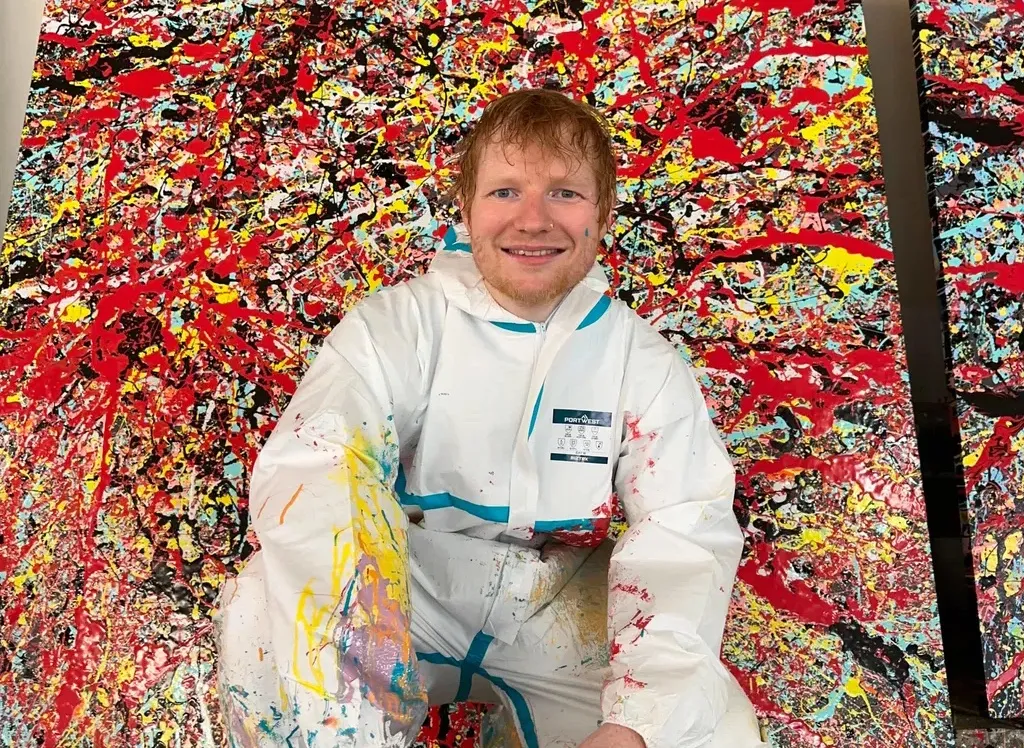
Ed Sheeran Art Debuts at London’s Cosmic Carpark Exhibition Global music icon Ed Sheeran is once again capturing attention—this time not with his music, but with his art. Ed Sheeran’s original splash-style artworks are now on display at the Heni Gallery in Soho, London. He created them in a disused car park during breaks between tour dates. Titled Cosmic Carpark Paintings, the exhibit runs until August 1st and features vibrant pieces inspired by celestial patterns. Ed Sheeran’s Artistic Journey: From Music to Splash Painting Sheeran’s journey into visual art began in 2019, towards the end of his Divide Tour. Though best known as a chart-topping singer-songwriter, he had long harbored a love for visual expression. Growing up in Suffolk with parents involved in the arts, Sheeran developed a natural interest in painting early on. I started painting at the end of my Divide Tour in 2019, and it’s been my creative outlet ever since,” Sheeran shared. “Growing up with parents deeply involved in art naturally sparked my passion for it. Ed Sheeran Art Ritual: Painting in a Soho Car Park While in the UK between tour stops, Sheeran developed a daily routine. Each morning, Ed Sheeran ran to a quiet, disused car park in Soho, where he spent hours painting in solitude before running back home. This dedicated routine helped him create a vibrant collection that showcases his bold splash painting style—now featured as the centerpiece of his first gallery exhibition. “I used a lot of my downtime in the UK to paint,” he said. Each morning, I’d run to a disused car park in Soho to paint, then head back home—repeating that routine daily until I returned to touring. The Cosmic Inspiration Behind Ed Sheeran’s Art The paintings in the Ed Sheeran Cosmic Carpark Paintings exhibition are visually vibrant and abstract, drawing influence from astronomical forms and cosmic structures. This theme complements Sheeran’s dynamic splash technique and adds a meditative quality to the pieces. Sheeran originally created the artworks as personal gifts for friends and family, but encouragement from fellow artists—like Damien Hirst and Heni founder Joe Hage—led him to share the pieces with the public. Free Public Exhibition at Heni Gallery The Heni Gallery exhibition is open to the public free of charge, with no appointment necessary. Visitors can explore Sheeran’s collection in an intimate setting, gaining a fresh perspective on the multi-talented performer. The artworks are also available for purchase, with all proceeds directed to The Ed Sheeran Foundation. The foundation supports music education initiatives, aiming to provide access and opportunities to young people from all walks of life. Combining Music and Visual Art Though best known for his chart-topping music and global tours, Ed Sheeran reveals a more personal side through his painting. His artwork captures the same emotion, rhythm, and spontaneity that define his songs—offering fans a fresh lens into his multifaceted creativity. This artistic milestone aligns with another major moment in Sheeran’s calendar—his trio of homecoming concerts at Portman Road stadium in Ipswich. The back-to-back sold-out shows are set for Friday, Saturday, and Sunday, celebrating his roots with thousands of devoted fans. More Than a Hobby: A Legacy in the Making The Ed Sheeran Cosmic Carpark Paintings exhibition is more than a celebrity art show—it’s a testament to Sheeran’s evolution as a multidimensional artist. Whether through song or stroke, he continues to inspire audiences with his creativity, humility, and commitment to giving back. Art lovers, music enthusiasts, and curious visitors can explore Ed Sheeran’s creative side at the Heni Gallery in Soho, where his painting exhibition runs until August 1st. Blending music, visual art, and philanthropy, the show adds a vibrant new chapter to the evolving story of one of the world’s most dynamic and influential artists. Stay tuned for additional updates and reflections from the exhibition.

Read More

Ukraine Suffers Heaviest Attack After Trump Remarks

Introduction: Ukraine Suffers Heaviest Attack Unfolds Ukraine Suffers Heaviest Attack is more than a headline—it signals a critical turning point in the ongoing conflict. Recent strikes caused widespread destruction, and Trump’s unexpected remarks about Putin have added fresh fuel to an already volatile situation. “The destruction we see today is unprecedented in scale,” stated a Ukrainian regional official. Heaviest Attack on Ukraine: Context and Impact For the first time in months, Ukraine experienced a large-scale offensive across multiple regions. The attack damaged hospitals, schools, and civilian housing. Analysts believe the strike was intended to disrupt everyday life and weaken national morale. “This isn’t just a military action—it’s psychological warfare,” said defense analyst Viktor Shevchenko. Trump’s Putin Remarks and Global Fallout Former President Donald Trump openly criticized Vladimir Putin in a recent rally, calling his leadership “reckless.” The comment sparked global debate and was quickly followed by Russia’s intensified attacks on Ukrainian targets. “His words have consequences,” noted NATO spokesperson Dana Mueller. “They shifted the global narrative overnight.” Humanitarian Toll of the Heaviest Strike The recent attacks displaced thousands of civilians. Aid groups scrambled to set up shelters while medical volunteers treated survivors in overwhelmed field hospitals. “We’re at capacity. People need urgent help now,” said Dr. Kateryna Lytvyn, coordinating medical relief in Odesa. Although NGOs deployed more resources, the sudden demand has pushed them to their limits. Military Movements After the Attack Following the attack, Ukraine’s military initiated targeted countermeasures. Troops advanced on known Russian artillery zones, aiming to neutralize immediate threats and restore public safety. “We are not backing down,” declared General Andriy Melnyk. “This land is ours—we will defend it at all costs.” Allied Response to the Ukraine Conflict International allies responded quickly. NATO countries announced enhanced air defense support. Meanwhile, the European Union introduced new sanctions targeting Russian tech and logistics sectors. “This is our moment to act decisively,” urged EU High Representative Josep Borrell. Media Focus and Civilian Reactions Coverage of the attack flooded global media. Civilian testimonies dominated headlines, while video reports from war correspondents added context to the unfolding crisis. “Every strike is a message,” said journalist Emily Rogers. “The people here live in fear, but they haven’t lost their resolve.” What Ukraine Faces Next Ukraine’s future remains uncertain. Diplomats continue working toward de-escalation, but progress is slow. Military analysts warn that further large-scale attacks remain a strong possibility. “The next few weeks will define the trajectory of this war,” noted defense expert Mykola Hlushchenko. Conclusion: Ukraine Suffers Heaviest Attack in a Shifting World The phrase Ukraine Suffers Heaviest Attack marks a devastating moment—one shaped by weapons and words alike. As diplomatic pressure builds and the frontline shifts, Ukraine stands firm. Now more than ever, the international community must choose decisive action over silence. “History will remember this turning point,” said UN Secretary-General António Guterres. “Let it remember us for standing on the right side.”

Read More

Young Artist Open Exhibition Returns to Hull in 2025

Young Artist Open Exhibition 2025: Hull Showcases Youthful Creativity Hull’s art community is calling on young creatives to join one of the city’s most anticipated cultural events—the Young Artist Open Exhibition. Held at the iconic Ferens Art Gallery, the annual showcase gives children and teens a chance to express their creativity. It also allows them to share their artistic vision with the public. The 2025 edition promises to be even more exciting, as hundreds of young artists prepare to present their work. Nurturing Tomorrow’s Artists: A Proud Tradition of Youth Art in Hull The Young Artist Open Exhibition, originally known as the Junior Open, began in 2004. Since then, it has grown into a cherished event in Hull’s cultural calendar. Every year, the gallery features between 300 and 700 pieces created by talented individuals aged 15 and under. The works span a wide range of media including painting, drawing, pastels, collage, and printmaking. Young Artist Open Exhibition 2025: Submission Guidelines and Important Dates Submissions are open to artists in three age groups: six and under, seven to 11, and 12 to 15. Young artists can submit their entries up until Sunday, 13 July. The Ferens Art Gallery will host the exhibition from 10 October 2025 to 11 January 2026, showcasing the next generation of artistic talent. Nurturing Creative Growth Through the Young Artist Open Exhibition Councillor Rob Pritchard praised the initiative as a “wonderful opportunity to nurture the artists of the future.” The exhibition does more than showcase young talent; it inspires children to connect with art in a meaningful way. The feedback and visibility they receive can be incredibly affirming and motivating. Young Artist Open Exhibition: Prizes and Recognition Each age category in the Young Artist Open Exhibition will have the chance to win special prizes. These awards are designed to celebrate imagination, effort, and skill, ensuring that young creators feel recognized and valued for their contributions. Young Artist Open Exhibition Showcases a Variety of Mediums and Styles Hull City Council, which oversees the Ferens Art Gallery, emphasized the diversity of entries expected in this year’s event. From intricate ink drawings to vibrant mixed-media collages, the Young highlights the unique styles and visions of Hull’s young population. Young Artist Open Exhibition: A Platform That Inspires Madeline Brace, exhibitions assistant at the gallery, shared her enthusiasm: “Each year, we’re amazed by the imagination and dedication of Hull’s young artists. Their work never fails to inspire visitors of all ages.” How to Enter Entry forms are now available at the Ferens Art Gallery and online through the gallery’s official website. Each form includes submission guidelines, size requirements, and instructions for delivering artworks to the gallery. There is no entry fee, making the event accessible to all interested participants. Building Confidence Through Art Participation in the Young Artist Open Exhibition not only develops artistic technique but also boosts confidence and community engagement. For many, this exhibition serves as the first step into the world of public artistic expression. The Role of Art in Youth Development Art education and creative expression have been shown to improve cognitive function, enhance problem-solving skills, and promote emotional wellbeing in young people. Events like the Young are crucial in offering children a safe and supportive environment to explore and grow. A Community Affair The exhibition has steadily grown in popularity over the years, drawing large numbers of visitors, educators, families, and art lovers. Its success reflects Hull’s commitment to nurturing young talent and celebrating creativity across all age groups. Why This Exhibition Matters Unlike many professional shows, the Young Artist Open Exhibition creates an egalitarian space where all participants—regardless of experience—can shine. It values effort as much as outcome, offering an inclusive venue for exploration and recognition. Looking to the Future As the arts continue to play an essential role in education and wellbeing, the Young Artist Open Exhibition serves as a reminder of the importance of investing in youth creativity. It’s more than just an exhibition—it’s a movement to celebrate imagination, empower the next generation, and enrich the cultural fabric of Hull. Final Thoughts With hundreds of entries expected and a supportive community ready to celebrate their work, Hull’s Young Artist Open Exhibition 2025 is poised to be a remarkable event. Whether you’re a parent, teacher, or young creative, this is your chance to be part of something special. For submission details, rules, and updates, visit the official Ferens Art Gallery website or stop by the gallery in person to pick up your entry form.

Read More

Hollywood Sign Restoration: Alice Cooper’s Role

The Fading Glory and the Push for Hollywood Sign Restoration Perched atop Mount Lee, the Hollywood sign has long stood as a symbol of dreams, stardom, and the magic of American cinema. But by the 1970s, the landmark was crumbling, prompting a movement for Hollywood sign restoration. Originally built in 1923 as an advertisement for a real estate project called “Hollywoodland,” the sign featured 13 massive letters and thousands of light bulbs. Though never intended to endure, it evolved into one of America’s most iconic cultural symbols. Over time, the sign transcended its marketing origins. As Hollywood became synonymous with the film industry, the sign endured—albeit battered by storms, vandalism, and neglect. By 1949, the final four letters were removed, and “Hollywood” alone remained. However, decades of wear left the structure barely standing. The Collapse of a Landmark and the Restoration Campaign In the 1970s, time caught up with the sign. Severe weather and a lack of maintenance reduced the once-majestic landmark to a sad shadow of itself. Several letters had collapsed or were missing parts. One especially stormy season left it reading “HuLLYWO D.” This dilapidated state caught the attention of rock icon Alice Cooper. During a 1978 interview, he lamented the fact that no one seemed willing to rescue the landmark. Initially thinking a benefit concert might raise enough money, Cooper later learned the structure was beyond repair. Restoring it would cost far more—it would need to be entirely rebuilt using steel columns anchored into concrete to survive the harsh hillside environment. Launching the Hollywood Sign Restoration Campaign The restoration cost was estimated at $250,000, a hefty sum for the time. That same year, the Hollywood Chamber of Commerce launched the “Save the Sign” campaign. Cooper was the first celebrity to step forward, pledging $27,000 to sponsor the letter ‘O’ in honor of his friend Groucho Marx, who had recently passed away. His involvement inspired other icons to contribute. Andy Williams, Gene Autry, and Warner Brothers were among those who sponsored individual letters. Playboy founder Hugh Hefner hosted a glamorous fundraiser at his mansion, rallying even more support. Their efforts ultimately succeeded, leading to the construction of a brand-new, fortified version of the iconic sign. Hollywood’s Symbol Reinvented By the end of 1978, a new 450-foot-long Hollywood sign, weighing 240 tons, stood proudly on Mount Lee. Built to endure the elements, it quickly reclaimed its place as the crown jewel of Los Angeles. Alice Cooper’s initiative and passion not only preserved a symbol but sparked a broader movement for Hollywood sign restoration, ensuring its legacy would endure for future generations. Today, the Hollywood sign is more than just a marker—it’s a monument to resilience, reinvention, and cultural legacy. It frequently appears in movies, TV shows, and pop culture references. It’s also been humorously altered many times: to “HOLLYWeeD” in 1976 and 2017, “HOLYWOOD” during the Pope’s 1987 visit, and “OLLYWOOD” in response to political events. Each transformation reflects a chapter of contemporary history, filtered through the lens of Los Angeles. A Monument of Entertainment History The Hollywood sign has become more than a landmark. It represents both the aspiration and the illusion of fame. Its preservation, thanks to Alice Cooper and a host of cultural figures, reminds us that symbols matter. They tell stories—of cities, industries, and people who shape them. What once was a short-lived billboard is now an eternal beacon of cinematic ambition, largely because a rock star decided it was worth saving.

Read More

Kolhapuri Sandal Controversy: Prada Faces Backlash

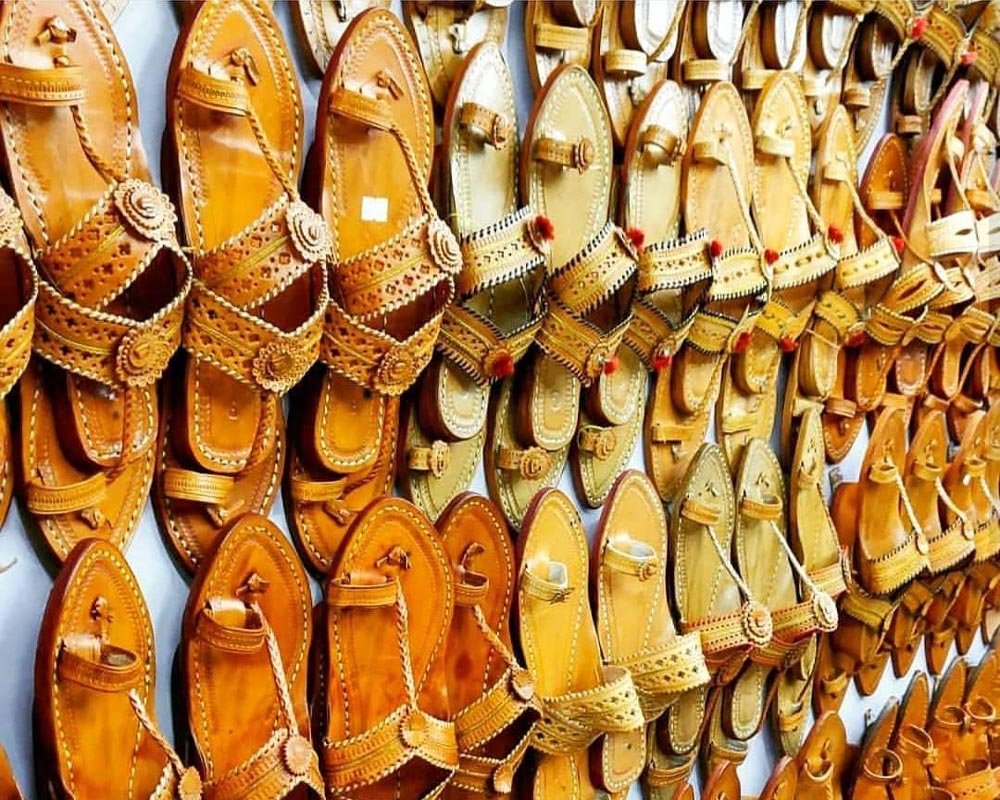
Kolhapuri Sandal Controversy Sparks Global Debate Over Design Rights The Kolhapuri sandal controversy has thrust the quaint town of Kolhapur in western India into the global spotlight. Thousands of skilled artisans are accusing luxury fashion house Prada of replicating their iconic handcrafted footwear designs without credit or compensation. As this cultural appropriation claim gains momentum, the voices of India’s traditional shoemakers are finally echoing beyond their workshops. Generations of Kolhapuri Craftsmanship at Risk In a dimly lit workshop, the rhythmic tapping of hammers echoes as Sadashiv Sanake, 58, diligently shapes leather into the renowned Kolhapuri sandals. “I learnt this craft during my childhood,” he says, as he carves intricate patterns into the leather. Each day, he manages to produce about eight to ten pairs of these sandals, which are sold locally for just $8 to $10. Kolhapuri sandals are not merely footwear; they are the result of generations of artisanal skill. Yet, only about 5,000 artisans remain in the trade, struggling to sustain a livelihood amid increasing costs, poor working conditions, and competition from mass production. When High Fashion Imitates Tradition: The Kolhapuri Sandal Controversy The dispute erupted when Prada unveiled a collection of luxury leather sandals at Milan Fashion Week that bore a striking resemblance to the Kolhapuri design. Though the brand later acknowledged the design’s Indian roots, local artisans and cultural experts viewed the move as a textbook case of cultural appropriation. Kolhapuri sandal maker Mr. Sanake, upon seeing Prada’s designs, was astounded to learn that such sandals might retail for hundreds of pounds in international markets. “Do they have gold in them?” he asked mockingly. Kolhapuri Sandal Controversy: A Legacy Spanning Centuries The roots of Kolhapuri sandals trace back to the 12th century. Originally crafted by the Charmakar community, who traditionally worked with leather, these sandals gained recognition and royal patronage in the early 20th century under Chhatrapati Shahu Maharaj, a progressive ruler of Kolhapur. According to the Maharashtra Chamber of Commerce, Industry and Agriculture (MACCIA), approximately 100,000 artisans across India are still engaged in this traditional craft. Despite this, the majority of these workers remain underpaid and undervalued. Kolhapuri Sandal Controversy: Women Artisans Behind the Craft Women artisans, like 60-year-old Sunita Satpute, play a crucial role in the production process, especially in engraving delicate patterns. “I was never educated. This is the only skill I know,” she says, revealing that she earns only about $4-5 a day. For this reason, her children are reluctant to continue the family trade. Traditional Trade vs. Modern Challenges In Kolhapur’s famous ‘Chappal Gully’, or sandal lane, storefronts line the streets, but many are struggling to stay open. Rising leather prices have made production more costly. Furthermore, the 2015 Maharashtra ban on cow slaughter has forced artisans to switch from cowhide to buffalo leather, which is more expensive and harder to source. These challenges are compounded by the flood of synthetic replicas in the market, making it harder for authentic Kolhapuri sandals to compete. “Customers often can’t distinguish between genuine leather and synthetic copies,” explains Rohit Balkrishna Gavali, a second-generation shop owner. Legal and Global Implications In 2019, Kolhapuri sandals received the Geographical Indication (GI) tag, granting them legal protection within India. However, this protection does not extend globally. Legal experts argue that India can file a case under the WTO’s TRIPS agreement, but such measures are costly and difficult to enforce. MACCIA President Lalit Gandhi plans to seek an international patent for the Kolhapuri design, aiming to create a precedent that protects traditional Indian crafts in global markets. The Need for Ethical Recognition Fashion designers and industry veterans argue that true change requires ethical and cultural recognition. “India must advocate for co-branding and royalty-sharing arrangements,” suggests fashion designer Ritu Beri. “Only by valuing our traditions can we prevent their exploitation.” This sentiment resonates with artisans who hope for more than just temporary attention. They seek respect and a fair share of the profits generated from their designs. Global Brands and Cultural Appropriation This isn’t the first instance of international brands facing backlash over Indian craftsmanship. Techniques like Chikankari embroidery, Ikat weaving, and mirror work have long been used by luxury fashion houses without proper credit or collaboration with artisans. “The artisans remain invisible, while brands thrive off their creativity,” Beri adds. A Silver Lining? Interestingly, the controversy may have inadvertently increased demand for Kolhapuri sandals. Gavali notes a spike in international orders, particularly from clients in Dubai, the U.S., and Qatar. “Sometimes, controversy can actually help,” he remarks. “But we also want it to bring dignity and better compensation.” Toward a Collaborative Future Legal action has already been initiated, with a plea filed in an Indian high court seeking compensation from Prada and a possible collaboration overseen by judicial authorities. While Prada has acknowledged discussions with MACCIA, the outcome remains uncertain. However, artisans like Sadashiv and Sunita remain hopeful. With international attention, there may finally be a chance for meaningful recognition of their heritage and hard-earned craft. Conclusion The Kolhapuri sandal controversy has ignited a critical conversation about cultural ownership, global fashion ethics, and the dignity of traditional artisans. As the legal and moral debate unfolds, the focus must remain on preserving this invaluable legacy and ensuring that the hands behind the heritage are not left behind.

Read More

Kids the Heroes of Their Own Story with Lapp

Lapp Helps Make Kids the Heroes of Their Own Story Through Personalized Tales Jason, a 40-year-old father from Bradley Stoke in Bristol, is changing how children read with Lapp—his personalized story app that helps make kids the heroes of their own story. A former Royal Marine turned tattoo artist, Jason was inspired by his son’s growing interest in screens. Wanting to use technology for good, he created Lapp to promote confidence, imagination, and literacy. By placing children at the center of each tale, Lapp empowers kids to see themselves as heroes, helping them build emotional resilience and face real-life challenges with courage. Launched in August 2023, Lapp is the product of 18 months of collaboration with child psychologists, writers, and educators. The app allows children to upload their own photos, select emotions, and choose skin tone—creating personalized, empowering narratives where they become the heroes of their own story. These custom stories help children process emotions and develop resilience by walking through challenging situations in a safe, imaginative way. Whether it’s a first day at school or everyday worries, Lapp helps make kids the heroes of their own story by guiding them to see themselves as brave, capable, and resourceful. “When a child sees themselves solving problems in a story, real-life situations feel less intimidating,” says Jason. The app is free to download, ad-free, and offers optional upgrades for deeper customization and additional educational tools. By giving children ownership of their narratives, Lapp turns kids into heroes of their own story, nurturing emotional strength, literacy, and self-belief in the digital age.. Turning Reading into an Adventure Where Kids Are the Heroes I want to balance screen time with real-world engagement,” Jason explains. When kids become the heroes of their own story, seeing themselves overcome challenges like a first day at school in a story can reduce fear and build emotional resilience in real life. “I want to balance screen time with real-world engagement,” Jason explains. Seeing themselves handle a first day at school in a story helps children feel less afraid when it happens in real life. From Screen Time to Story Time Jason acknowledges that screens play a major role in children’s lives today, but he believes we can use technology as a force for good. By using Lapp, parents can turn passive screen time into interactive, meaningful storytelling sessions. The app is currently available for iPads, with plans to expand to iPhones and Android devices. Lapp is free and ad-free, with optional subscriptions for advanced story customization and extra educational tools. Supporting Emotional Growth Through Storytelling Lapp’s design goes beyond entertainment—it’s intentionally built to support emotional development. Each personalized story helps make kids the heroes of their own story, addressing everyday childhood anxieties such as starting school, making new friends, or handling unfamiliar situations. By seeing themselves overcome challenges in a narrative, children gain the emotional tools and confidence to face real-life experiences with resilience. Jason plans to expand the app to better support children with special educational needs. “This is about inclusion,” he says, “and helping every child see themselves as capable, brave, and resourceful.” Family Feedback: Real Impact, Real Pride Jason’s children, Theo and Olive, have been enthusiastic users of the app. “Theo told me, ‘I’m really proud of you and excited for you, Daddy.’ That meant everything to me,” Jason shares. His four-year-old daughter Olive also loves the experience, often calling her personalized story “her favorite part of the day.” For Jason, seeing his kids become the heroes of their own story is the most rewarding part. By making kids the heroes of their own story, Lapp reinforces self-esteem and makes storytelling a truly personal journey. Looking Ahead: Connecting Children Through Shared Stories The journey of building Lapp was long and challenging, but Jason is determined to continue its growth. Future updates include options for children to read and play with friends in shared storytelling experiences. “Creating this app has been a labor of love,” Jason reflects. “Even if it failed, I knew I was doing something that mattered. Now, I just hope it inspires more parents to see the power of storytelling.” With a mission rooted in empathy, creativity, and literacy, Lapp isn’t just another app—it’s a gateway for children to explore their emotions, build confidence, and see themselves as heroes in their own lives.

Read More

Bear Kills Motorcyclist in Romania’s Carpathian Mountains

Bear Kills Motorcyclist: Shocking Romanian Mountain Attack Sparks National Outcry Bear kills motorcyclist in Romania’s scenic Southern Carpathians, reigniting national debate over wildlife management and public safety. The tragic incident occurred Tuesday morning, when a brown bear attacked a man along the Transfagarasan road and dragged him down an 80-metre ravine. How the Bear Killed the Motorcyclist: A Fatal Encounter Unfolds Authorities say the victim had stopped his motorcycle near a sign that explicitly warned visitors not to feed bears. Despite wearing a helmet and full protective gear, the man was mauled to death. The bear dragged him approximately 80 meters (262 feet) into a ravine before rescuers arrived. “Unfortunately, he was already dead when we arrived,” confirmed Ion Sanduloiu, head of the Arges County Mountain Rescue Service. “The injuries were extremely severe. Even though he was properly equipped, it wasn’t enough.” Romania’s Brown Bear Dilemma: After Bear Kills Motorcyclist, Calls for Reform Intensify Romania is home to the largest brown bear population in the European Union. Recent genetic studies by the environment ministry estimate Romania’s bear population at 10,400 to 12,800—far above the 4,000 considered sustainable by the former environment minister. As bear-human interactions rise, so do safety concerns. Several fatal incidents in recent years have prompted growing calls for improved prevention strategies, population monitoring, and local authority empowerment. Transfagarasan: A Danger Zone for Wildlife Encounters The Transfagarasan highway, often hailed as one of the most beautiful roads in Europe, has become a hotspot for dangerous bear encounters. Tourists frequently stop to photograph or feed bears, often ignoring safety signs. Sanduloiu stressed the need for immediate deterrents. I believe the solution is simple: impose higher fines and even prison sentences on people who feed bears. Calls for Coexistence — Not Culling While some government officials advocate for simplifying euthanasia laws for bears entering residential zones, conservationists argue the real issue lies in mismanagement, not overpopulation. Gabriel Paun, founder of the environmental NGO Agent Green, blames systemic failure for the recent tragedy. “This is the result of multiple failures: irresponsible tourist behavior, inadequate local deterrents, and poor national implementation of wildlife coexistence plans,” he said. Paun also highlighted climate change, deforestation, and persecution as existential threats to Romania’s bear population, warning against scapegoating wildlife. “Romania is becoming a key destination for international trophy hunters — that’s the real threat.” Risk Zones and the Way Forward To address the growing number of conflicts, the Romanian Environment Ministry has proposed introducing risk zone maps to better manage bear populations. These would help authorities balance conservation with public safety by identifying high-conflict areas for targeted action. Former environment minister Mircea Fechet has called for legislative changes that would streamline intervention protocols and give local authorities the power to act swiftly in dangerous situations. Critics argue, however, that without adequate funding and education, these reforms may fall short. Preventable Tragedies? This latest incident underscores the urgency of both public education and policy reform. As Romania continues to grapple with its iconic — and increasingly endangered — bear population, one thing is clear: a sustainable, humane, and enforceable strategy is desperately needed.

Read More

Why Honey Doesn’t Spoil: Nature’s Sweetest Preservative

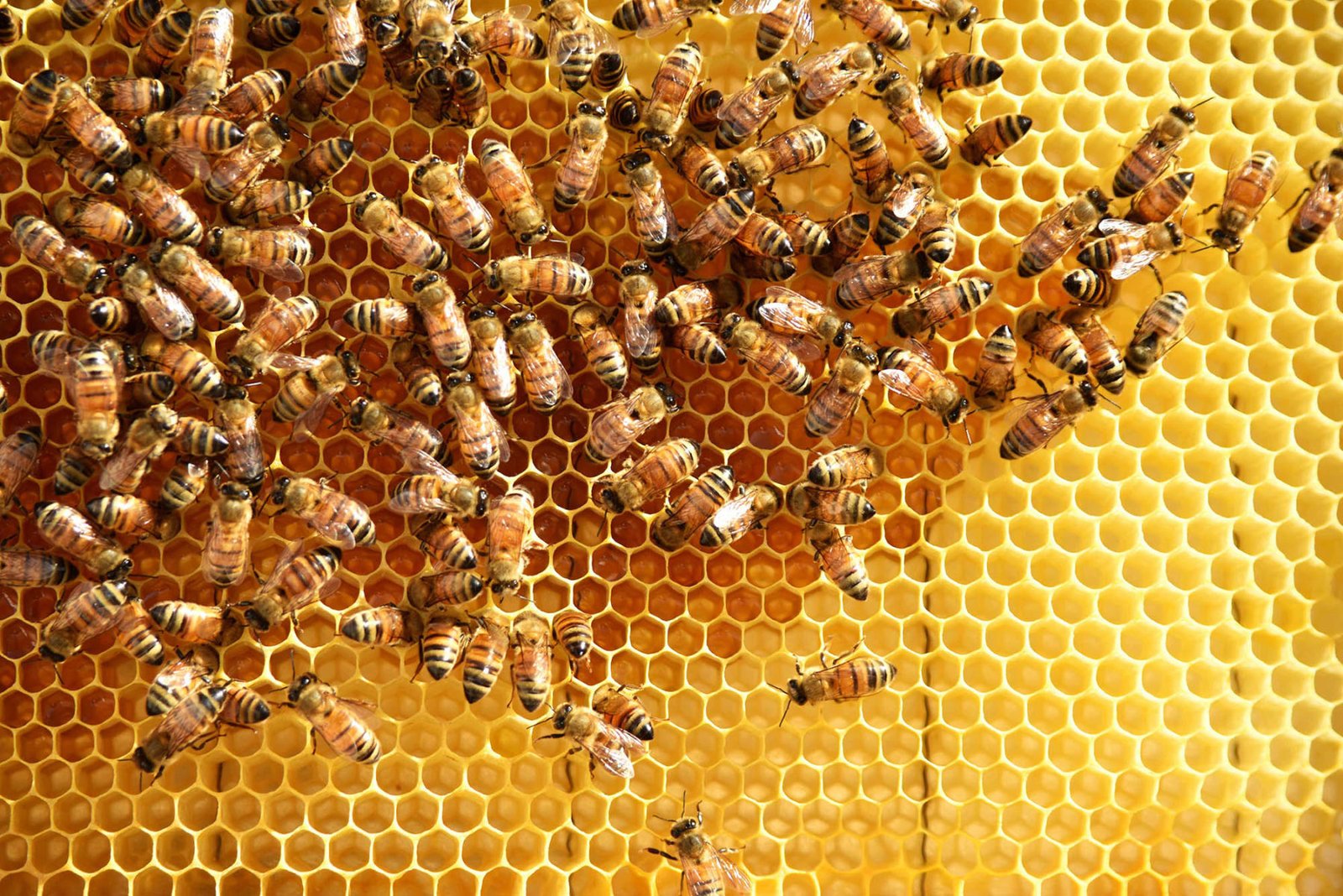
Why Honey Doesn’t Spoil: Nature’s Most Durable Sweetener Why honey doesn’t spoil has fascinated scientists and food lovers alike. Unlike most foods that go bad within weeks or months, honey can last indefinitely when stored properly. This remarkable longevity isn’t magic — it’s due to a unique combination of natural chemistry and the sophisticated processes honeybees use to create and preserve it. The Science Behind Why Honey Doesn’t Spoil Typically, when food “goes bad,” it means bacteria, fungi, or mold have begun to break it down. These microbes thrive in warm, moist, and oxygen-rich environments. Even foods that are canned, refrigerated, or preserved with additives eventually succumb to spoilage, especially when exposed to air or contaminated utensils. Jars of sauces or spreads, for example, often grow mold or develop unpleasant smells if left unused for too long. But honey stands apart. Despite being a sugary, moist-looking substance—an ideal breeding ground for microbes—it remains edible indefinitely. What Makes Honey Immune to Spoilage? The secret to honey’s longevity lies in its low water content and high acidity. Initially, nectar gathered by bees contains a high percentage of water—70-80%.—But honeybees dramatically reduce this. On their way back to the hive, bees begin concentrating the nectar by digesting and regurgitating it repeatedly, mixing it with special enzymes. One key enzyme, glucose oxidase, breaks down glucose into gluconic acid and hydrogen peroxide. This increases the honey’s acidity and introduces natural antibacterial agents. Once in the hive, bees further dehydrate the substance by fanning it with their wings, reducing the water content to a mere 15-18%. This dehydration creates an environment hostile to microbial life. In scientific terms, honey has low “water activity,” meaning there’s not enough unbound water for bacteria or mold to thrive. The Role of Acidity and Enzymes Honey’s pH level typically ranges between 3.2 and 4.5, making it acidic enough to inhibit the growth of most bacteria and fungi. The acidity, coupled with the presence of hydrogen peroxide and other antioxidants, creates a powerful antimicrobial cocktail that naturally preserves the honey. Additionally, sugar itself is a preservative. The high concentration of sugars in honey acts osmotically, pulling water out of microbial cells and dehydrating them to death. Bee Engineering: A Natural Food Processor Bees don’t just gather nectar—they process and preserve it. Their entire method of transforming nectar into honey is a natural food preservation technique: Once humans extract and seal honey in clean containers, this preservation continues almost indefinitely. Why Honey Crystallizes but Doesn’t Spoil Over time, honey can crystallize—a process where glucose separates from water and forms crystals. This is a natural, harmless change in texture, not a sign of spoilage. Gently warming the jar can re-liquefy crystallized honey without damaging its quality. Crystallization is more common in raw, unfiltered honey and is affected by storage temperature, the ratio of glucose to fructose, and even the type of flower nectar used. When Honey Can Spoil Though honey has impressive staying power, it’s not entirely invincible. Once a jar is opened and used regularly, it is exposed to moisture and contaminants from the air or from utensils. Double-dipping or using wet spoons introduces water and microbes, which can eventually lead to fermentation or mold growth. However, if kept tightly sealed, stored in a dry, cool place, and handled hygienically, honey can stay good for decades—even centuries. From Preservation to Fermentation: Turning Honey into Mead Interestingly, when water is deliberately added to honey, and yeast is introduced, it ferments into mead, one of the oldest alcoholic beverages in human history. The very conditions that spoil most foods can, when applied intentionally, create a delightful honey wine. A Sweet Wonder of Nature Honey is far more than a sugary treat; it is a natural marvel engineered by bees through sophisticated biological processes. Its resistance to spoilage is due to a perfect storm of low moisture, high acidity, natural enzymes, and careful bee-crafted storage. For thousands of years, honey has sweetened lives—and thanks to its chemistry, it will continue to do so for many more.

Read More