AI App for Potato Blight: Tackling £3.5bn Crop Losses

AI App for Potato Blight to Support Farmers Researchers in Wales are developing an AI app for potato blight to combat the devastating fungal disease. Potato blight causes £3.5bn in global losses each year. This innovative tool will detect infections before they become visible. It will help farmers reduce crop damage, boost productivity, and cut harmful pesticide use. How the AI App for Potato Blight Technology Works The DeepDetect project uses artificial intelligence and machine learning to provide accurate, location-based diagnoses. Farmers can upload smartphone images of potato leaves to the app. It will then analyze the images to identify early signs of late blight. Detecting infections early allows farmers to prevent widespread damage. “By integrating farmer feedback from the beginning, we aim to build a tool that solves real agricultural challenges,” explained Edore Akpokodje, a computer science lecturer at Aberystwyth University. Reducing Environmental Impact Preventive pesticide spraying costs Welsh farmers around £5.27m each year. With precise and early interventions, the AI app could lower these costs and cut chemical use. Potatoes are among the world’s most vital staple crops.Farmers in Wales grow potatoes on over 17,000 hectares of land. Future Plans for the AI App The research team is developing a prototype using extensive image datasets of healthy and infected potato plants. Once refined, this technology could form the basis of a national early warning system. It also has potential applications for other crops and regions worldwide. Aiswarya Girija from the Institute of Biological, Environmental and Rural Sciences at Aberystwyth University said, “Potato blight isn’t just an agricultural issue—it’s a global food security challenge.” “With AI, we can protect yields and ensure sustainable food production.”

Read More

Queen Elizabeth II Fashion Exhibition to Celebrate Her Legacy

Iconic Outfits on Display A grand Queen Elizabeth II fashion exhibition will open at Buckingham Palace next year. It will celebrate the centenary of the late monarch’s birth. The event will showcase around 200 curated pieces, including dresses, jewellery, hats, and shoes. It is expected to be the largest display of her iconic wardrobe. One of the main highlights is her legendary wedding dress from 1947, designed by Sir Norman Hartnell. The exhibition, titled Queen Elizabeth II: Her Life in Style, will give visitors a close look at her fashion journey. It will span her childhood to the decades of her historic reign. Queen Elizabeth II Fashion Exhibition: Chronicling a Century of Style The exhibition opens at the King’s Gallery at Buckingham Palace next spring. It will explore the Queen’s life through the outfits she wore for public appearances and personal occasions. The Royal Collection Trust, which preserves her wardrobe, curated the collection. Among the earliest items is a silver lamé and tulle bridesmaid dress. She wore it at eight years old during her uncle, the Duke of Kent’s wedding in 1934. The display also includes casual attire such as hacking jackets, tartan skirts, and signature headscarves. Fashion as Diplomacy and Personal Expression Queen Elizabeth II used fashion to send subtle diplomatic messages. A notable example is the green and white gown worn at a 1961 state banquet in Pakistan. The dress included the country’s national colours, reflecting her attention to detail and respect for local traditions. Visitors will also find printed dresses from the 1970s, design sketches, and personal notes. These items offer insight into her personal style and collaboration with designers. Celebrating Queen Elizabeth II’s Timeless Fashion Legacy “In the year that she would have turned 100, this exhibition celebrates Queen Elizabeth’s uniquely British style and fashion legacy,” said curator Caroline de Guitaut. She explained that the display highlights both the craftsmanship of each garment and the symbolic power of her wardrobe. Designers Behind Queen Elizabeth II Fashion Exhibition Looks The exhibition honours the designers who shaped her signature style. Sir Norman Hartnell, Hardy Amies, and Stewart Parvin played key roles. They ensured her attire was both elegant and functional, suitable for every royal occasion. Global Influence of Her Style Queen Elizabeth II’s outfits inspired women worldwide. Her bold use of bright colours made her stand out in crowds. Her signature Launer handbags and pearl necklaces became global fashion symbols. Modern royals, like Catherine, Princess of Wales, continue to draw inspiration from these timeless choices. A Glimpse into Royal History The Queen Elizabeth II fashion exhibition is more than a display of clothing. It is a journey through her life, history, and diplomacy. Each piece reflects her personality, values, and role as a global icon. The exhibition is expected to be one of the most significant cultural events of the year.

Read More

Eclectic Group of Works Exhibition Opens at Erin Arts Centre

Rock Paper Canvas Exhibition Showcases Eclectic Group of Works “The eclectic group of works featured in the Rock Paper Canvas exhibition at the Erin Arts Centre is captivating visitors with 40 distinctive art pieces, each created by talented local artists. Designed to offer ‘something for everyone,’ the exhibition celebrates diversity in both artistic styles and materials.” Creative Voices of Five Local Artists at the Eclectic Group of Works Exhibition The exhibition features a remarkable lineup of artists: Sally Black, Ongky Wijana, Ella Magee, Ellie Baker, and Helen Faragher. Each artist brings their own unique creative approach, ranging from intricate stone carvings to vivid landscape paintings. Ella Magee, one of the contributors, described the collection as having “a real energy” due to its mix of techniques and themes. Rock Paper Canvas Exhibition Showcasing Artistic Diversity The name Rock Paper Canvas reflects the variety of mediums on display. Visitors can expect to see stone slates with Celtic cross designs, sculptures of Loughtan sheep heads, antique-framed brush portraits, and striking paintings and drawings of Manx landscapes. The exhibition also includes colorful abstract pieces alongside monochromatic works, offering a wide spectrum of visual experiences. Rock Paper Canvas Exhibition – From Past Success to New Creativity “Following the success of the Six Ways of Seeing exhibition at the House of Manannan, this new collection of the eclectic group of works aims to bring fresh artwork to another part of the Isle of Man. The display, running until 15 August, offers both locals and visitors a chance to explore the evolving creativity of these five artists and the diversity within this eclectic group of works.” Rock Paper Canvas Exhibition – Unique Styles in One Space According to Magee, the exhibition is special because “everyone has their own style and aesthetics,” making it rare to see such variety in one venue. The combination of traditional craftsmanship, like Ongky Wijana’s stone carvings, with modern and abstract interpretations creates a dynamic, engaging experience. A Celebration of Local Talent The exhibition is more than just a display of artworks; it is a testament to the thriving art scene on the island. With the Erin Arts Centre providing a cultural hub, Rock Paper Canvas invites audiences to connect with local creativity and appreciate the rich diversity of artistic expression.

Read More

India French Fry Production: How Gujarat Leads the Boom

India French Fry Production: How Gujarat Became a Global Leader The journey of India french fry production has transformed the lives of many farmers and placed the country on the global map for frozen potato exports. Jitesh Patel, a farmer from Gujarat, is one of the success stories. His family once relied on cotton farming, but recurring droughts and low profits forced them to rethink their future. India French Fry Production Shift: From Cotton to Potatoes “After the 2001 and 2002 droughts, we realized that cotton wasn’t sustainable,” says Patel. Seeking a crop that required less water, the family experimented with potatoes. Initially, they grew table potatoes for local markets, but the profits were no better than cotton. The turning point came in 2007 when major french fry producers entered Gujarat. Patel switched to growing industrial potato varieties, specifically bred for making frozen fries. “Since then, there’s been no looking back,” he says proudly. Gujarat – The Heart of India’s French Fry Boom India is now the world’s second-largest potato producer, and Gujarat has become the hub of India french fry production. Major companies like McCain Foods and HyFun Foods operate large-scale factories that process and export frozen fries worldwide. In February 2025, India’s monthly frozen fry exports surpassed 20,000 tonnes for the first time. Over the past year, exports grew by 45%, reaching 181,773 tonnes. Analysts attribute this growth to India’s competitive pricing. In 2024, Indian fries were even cheaper than those from China, strengthening India’s foothold in Asian markets such as Thailand, Indonesia, and the Philippines. Innovation on the Farm To meet rising demand, farmers like Patel have embraced modern agricultural practices. He and his family implemented drip irrigation as early as 2003 to save water. They also enrich their soil with natural fertilizers like cow manure and rotate crops to maintain soil health. Patel’s focus now is on seed innovation. “We are experimenting with new potato varieties to improve yield and quality,” he says. Agricultural tech firms like Jain Irrigation Systems are collaborating with farmers through advanced tissue culture methods to create disease-resistant, high-quality potato seeds suitable for frozen fries. Challenges in Cold Storage and Logistics Despite the success, India’s frozen food sector faces infrastructure hurdles. Only 10–15% of the nation’s cold storage facilities are suitable for frozen goods, and most are concentrated in a few states. “There is a significant shortage of refrigerated trucks and containers, making it difficult to maintain the cold chain for exports,” says Vijay Kumar Nayak, co-founder of Indo Agri Foods. Frequent power outages further increase the risk of spoilage, adding costs for exporters who compete with countries like Thailand, Brazil, and China, which have better infrastructure. The Future of French Fry Exports HyFun Foods, India’s largest french fry manufacturer, currently runs seven processing plants in Gujarat, with two more expected by 2026. CEO Haresh Karamchandani says that rising urbanization, changing food habits, and the popularity of frozen foods are driving demand both domestically and internationally. Patel believes this trend is here to stay. “Becoming a contract farmer for french fry companies has given us steady income and financial security. Gujarat is truly a food processing hub now,” he says.

Read More

India’s Ancient Dwarf Chambers at Hire Benkal

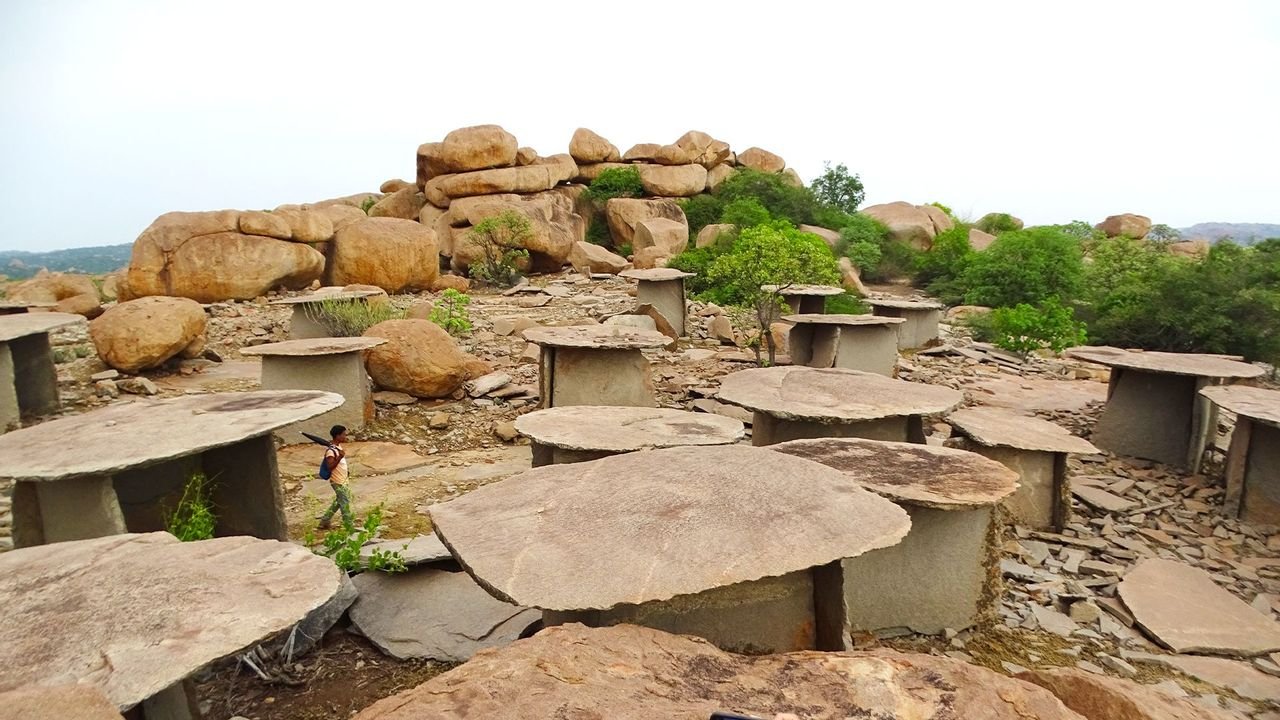
Hire Benkal: Explore India’s Ancient Dwarf Chambers Nestled in Karnataka’s rugged landscape lies Hire Benkal, home to India’s ancient dwarf chambers and one of the country’s largest megalithic burial sites. Locals call it the “Hill of the Dwarfs” (Moryar Gudda in Kannada). This plateau is dotted with nearly 1,000 prehistoric stone structures dating back more than 2,500 years. Hiking up the granite-strewn ridge feels like stepping into a Tolkien-inspired world. Massive dolmen tombs and stone circles dominate the landscape. Natural rock formations add to the view, along with shelters painted in ochre. These artworks, showing hunters, animals, and rituals, date back to 700–500 BCE. Despite decades of research, the true purpose of these mysterious stone chambers remains unknown. Why India’s Ancient Dwarf Chambers Are Called Stonehenge of the South While Stonehenge draws millions of visitors, Hire Benkal remains a hidden treasure. The necropolis spans 20 hectares and features carefully aligned dolmen. Some are clustered around an ancient water basin. Experts believe the basin held ceremonial or astronomical significance. Experts believe these structures served as burial or commemorative sites. Their precision has inspired local myths about supernatural builders called moriyars. According to legend, these extinct dwarfs created the chambers using superhuman strength. The Legend of the Moriyars: Myth or Memory? Villagers still share tales of the moriyars, tiny beings with immense strength. They supposedly built the stone chambers before perishing in a fiery cataclysm. Some legends echo similar folklore across southern India, where sites like Moribetta and Moral Parai also mention “little people.” Archaeologist Srikumar Menon suggests these stories may preserve a cultural memory of extinct human relatives, like Homo floresiensis, discovered in Indonesia. Still, historians agree the megaliths were constructed by early human communities skilled in stonework. A Site at Risk: Vandalism and Neglect Despite its significance, Hire Benkal is largely overshadowed by the nearby UNESCO World Heritage temples of Hampi, just 42 km away. Only a few dozen travelers trek to this site monthly, leaving it vulnerable to vandalism, treasure hunters, and natural decay. Organizations like INTACH are campaigning for UNESCO recognition to ensure conservation. However, experts warn that unregulated tourism could also harm the fragile landscape, emphasizing the need for controlled access and cultural education India’s Ancient ‘Dwarf Chambers’. Why Hire Benkal Deserves Global Attention Hire Benkal is more than an archaeological site—it’s a window into India’s prehistoric past. From its enigmatic dolmen to ancient rock art and rich biodiversity, the site blends history, myth, and nature into an unforgettable experience. As conservationists push for protection, Hire Benkal remains a hauntingly beautiful secret waiting for curious travelers and researchers. Whether these chambers were tombs, ceremonial spaces, or something else entirely, their enduring mystery ensures they remain one of India’s most fascinating heritage sites.

Read More

Bulls in the City Birmingham: Art Trail Adds Color

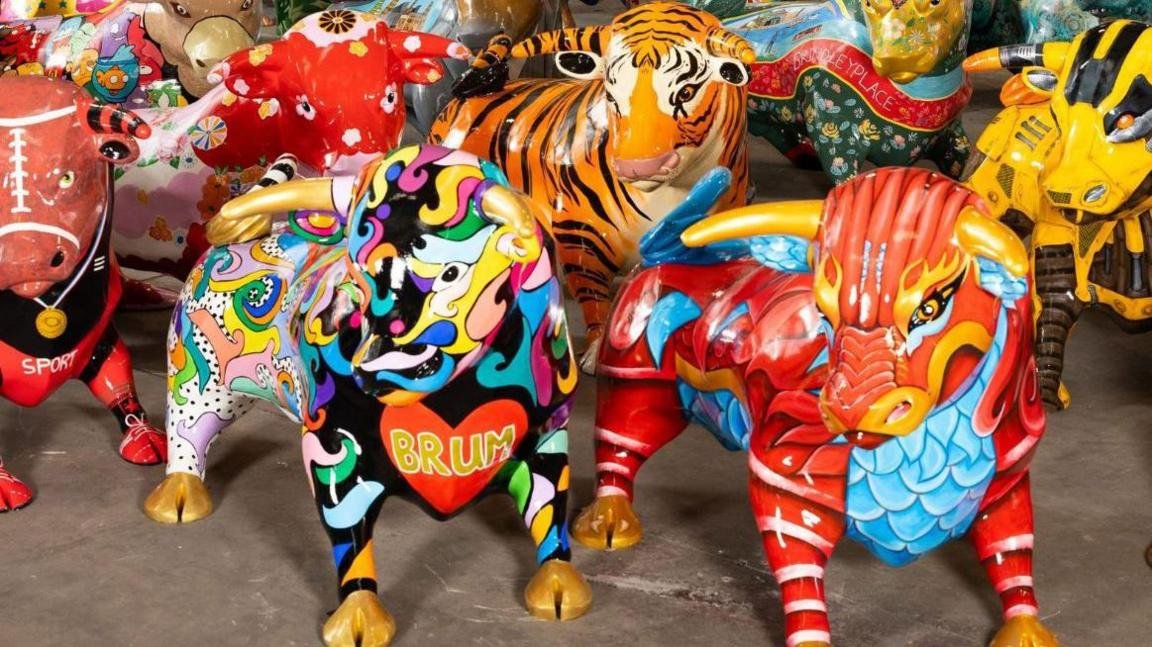
Bulls in the City Birmingham: A Creative Stampede Hits the Streets Birmingham has embraced creativity in a bold new way with its Bulls in the City art trail. This spectacular public exhibition transforms the city into an outdoor gallery. For eight weeks, residents and visitors can explore more than 120 bull sculptures scattered across Birmingham. Each sculpture is a unique piece of art, celebrating the city’s culture and community spirit. What is Bulls in the City Birmingham? The Bulls in the City Birmingham trail takes inspiration from the famous Bullring bull statue, a symbol loved by locals. Organized by Birmingham Hospice in partnership with Wild in Art, the event blends creativity with community engagement. It also serves as a major fundraising effort. The project adds vibrant color to Birmingham’s streets while raising vital funds for hospice care services, which cost about £19 million each year. An Artistic Stampede Across Birmingham More than 40 large fibreglass bulls, each sponsored by local businesses, dominate high streets and landmarks throughout Birmingham. From Harborne High Street to Boldmere, and the bustling city center, these vibrant sculptures are impossible to miss. In addition, 88 mini bulls, crafted by local schools and community groups, are displayed in Birmingham Hospice shops and other venues, adding a touch of grassroots creativity to the initiative. Designs That Tell a Story Every bull sculpture is a masterpiece in its own right, showcasing creativity from local artists. Designs include bold murals that celebrate Birmingham’s industrial heritage, whimsical patterns inspired by modern culture, and imaginative creations that transform bulls into mythical creatures such as dragons and tigers. One of the showstoppers is a miniature version of Ozzy, the giant mechanical bull that wowed audiences at the Commonwealth Games Opening Ceremony. Why Bulls in the City Matters Paul Bytheway, Chief Executive of Birmingham Hospice, said the trail is a unique chance to showcase the hospice’s vital work. He explained that it engages the community in a fun and meaningful way. “Even the smallest donation can make a big impact,” he stressed. Bytheway also highlighted that voluntary contributions are essential to keep hospice care services running. Hospice care in Birmingham is not fully funded by the NHS, making community fundraising and donations essential. The Bulls in the City trail raises awareness, encourages generosity, and ensures that vital healthcare services remain accessible to those who need them most. A Boost for Birmingham’s Local Economy and Culture West Midlands Mayor Richard Parker praised the initiative as a celebration of Birmingham’s resilience and creativity. These sculptures will boost trade and attract visitors,” he said. “They also celebrate local artists and highlight Birmingham Hospice’s remarkable work. This art trail not only uplifts the community spirit but also drives footfall into the city center, benefiting local businesses. How to Join the Bulls in the City Birmingham Trail The trail runs until 14 September, offering plenty of time to plan your visit. Participants can download the Bulls in the City app for a digital map or pick up a printed guide from locations across the city. For art lovers, families, and curious explorers, this experience combines creativity, charity, and discovery in an unforgettable way. At the end of the trail, all sculptures will be auctioned, with proceeds going to Birmingham Hospice, ensuring that the legacy of this event extends far beyond the summer months.

Read More

AI Voice Cloning Preserves UK Accents

AI Voice Cloning for UK Accents: A New Era for Digital Voices In an ambitious move to preserve regional authenticity, British AI company Synthesia has introduced a new voice-cloning tool designed to accurately replicate UK regional accents. Named Express-Voice, this technology steps away from the traditionally homogenised tone of artificial speech—typically influenced by North American or Southern English dialects—and instead aims to reflect the diverse vocal landscape of the United Kingdom. AI Voice Cloning Breaks the Accent Barrier: Why Regional Nuance Matters AI-generated speech often fails to represent the broad spectrum of spoken English across the UK. This shortcoming arises from the fact that most training datasets originate from US-based or London-centric sources. As a result, many synthetic voices sound generic or culturally detached. Synthesia tackled this by building a robust database of regional voices collected through studio sessions and online recordings. This linguistic diversity enables Express-Voice to reproduce everything from a thick Glaswegian burr to the soft vowels of a Welsh lilt. “If you’re the CEO of a company or just a regular person, when you have your likeness replicated, you want your accent to be preserved,” said Synthesia Head of Research Youssef Alami Mejjati. He emphasised the importance of reflecting real identities, not just polished imitations. Accent Bias and Representation in AI Tools For years, synthetic speech models have suffered from accent bias, frequently favouring American or Canadian English. Even French customers, Mejjati noted, often complain that AI-generated voices tend to sound French-Canadian instead of Parisian. This results from an over-reliance on easily accessible North American datasets. In response, Synthesia’s regional model aims to democratise voice synthesis by giving underrepresented accents the same technological legitimacy as their more dominant counterparts. Challenges in Cloning Rare Accents Despite the technological leap, certain challenges persist. The rarer the accent, the more difficult it is to reproduce due to limited training material. Less-documented dialects such as Northern Irish or Cornish English pose a steep hurdle. Moreover, AI-powered voice recognition systems, like smart speakers, still struggle to understand strong regional accents. In 2023, internal discussions within the West Midlands Police raised concerns about whether such systems could reliably interpret the Brummie accent. The Global Divide: Accent Preservation vs. Accent Neutralisation Interestingly, while Synthesia is advancing accent preservation, other companies are pursuing the opposite. US-based startup Sanas is working on software for call centres that “neutralises” the voices of Indian and Filipino workers. The intent is to mitigate accent-related discrimination, but critics argue it risks erasing cultural identity under the guise of efficiency. Accent neutralisation may reduce communication friction in customer service, but it raises ethical concerns about forced linguistic conformity in the workplace. Linguistic Diversity Under Threat in the Digital Age The homogenisation of speech isn’t limited to accents. There are broader fears that AI is accelerating the erosion of linguistic diversity. UNESCO estimates that nearly half of the 7,000 existing languages are endangered. Meanwhile, fewer than 2% of these are supported by Google Translate, and only 0.2% receive over 80% accuracy from GPT-4. AI advisor Henry Ajder warns that language models, by standardising speech, contribute to the extinction of unique dialects. These concerns are not theoretical—they affect real-world communication, cultural identity, and heritage. Voice-Cloning and the Deepfake Dilemma With great power comes great responsibility. As voice-cloning tools become more accurate, they also become more vulnerable to misuse. Synthesia has implemented guardrails on its Express-Voice system to prevent hate speech and explicit content. Unlike some free alternatives, its product won’t be available without payment. However, the open-source voice landscape is growing fast—and with it, the threat of voice-based deepfakes. In early July, AI-generated messages mimicking US Secretary of State Marco Rubio circulated among officials, exemplifying the risks posed by synthetic speech in misinformation campaigns. Balancing Innovation With Ethics Synthesia’s Express-Voice marks a significant step forward in ensuring AI respects and reflects regional and cultural identity. By accurately cloning UK accents, it contributes to a more inclusive digital future. Still, this progress must be tempered with ethical oversight, especially as voice cloning tools become more accessible. The future of speech synthesis lies in striking a delicate balance: embracing linguistic diversity while preventing the exploitation of AI for deception. Whether it’s preserving a local accent or protecting against digital fraud, the stakes have never been higher.

Read More

Italy’s Secret Mosaic School in Spilimbergo

Italy’s Secret Mosaic School: A Hidden Artistic Gem Spilimbergo is a peaceful town in northeastern Italy’s Friuli-Venezia Giulia region. Hidden here is a rare artistic institution that few outside the art world know about. Despite its quiet presence, the school holds a global reputation. This is Italy’s secret mosaic school, officially called Scuola Mosaicisti del Friuli. The school preserves the ancient craft of mosaic-making and brings it to life — tile by tile. Founded in 1922, the school represents a commitment to excellence, craft, and cultural preservation. The school’s halls, workshops, and classrooms are more than just places of learning. They are living archives of an ancient art form that dates back to antiquity. Students from around the world come here to study the meditative discipline of laying tesserae — the tiny tiles that make up a mosaic. They work with the same focus and reverence once shown by Roman, Byzantine, and medieval artists. The Quiet Craft of Mosaic Art Step inside the school on any given morning, and the first thing you notice is the profound silence. It’s not the absence of activity, but rather the presence of focus. Gone is the clatter of a typical art school.In its place are soft sounds — hammers tapping and tiles shifting. It’s the quiet rhythm of a craft that requires complete focus. The school is decorated in a way that echoes its legacy. Mosaics stretch across the floors, walls, and even ceilings. Students have recreated famous works like Picasso’s Guernica and Michelangelo’s Pietà using stone, glass, and enamel. These shimmering mosaics have been carefully assembled over decades. Each corridor is a gallery, and every step reveals a story. Italy’s Secret Mosaic School: More Than Just a School Unlike conventional academic institutions, the Scuola Mosaicisti functions more like a bottega, or artisan workshop, where students learn by doing. From the moment they begin the three-year course, students dive into real-world projects — some they create for private collections, others for public displays across the globe. Each year, about 40 students are admitted, but only a select few complete the full program. Those who persevere earn the distinguished title of maestro mosaicista — a master of mosaics. The curriculum spans from Greco-Roman motifs to cutting-edge contemporary designs, all of it grounded in technique, history, and collaborative skill. The Discipline Behind the Art Mosaic-making, though visually stunning, is a discipline built on patience, repetition, and precision. Students place hundreds, sometimes thousands, of tesserae by hand. The task demands steady hands and a natural sense of rhythm, proportion, and balance. Materials range from marble and smalto (colored glass) to shells and natural stones sourced locally from the Tagliamento River. Artists shape, cut, and assemble these raw elements to depict scenes from mythology, religion, nature, and modern life. “The essence of mosaics is humility,” explains one instructor. “It’s a team effort. No single tile stands out, but together, they form something extraordinary.” The History Behind Italy’s Secret Mosaic School The roots of mosaic-making stretch back to Mesopotamia, with the art flourishing in ancient Greece, Rome, Byzantium, and later in Islamic cultures. Throughout history, mosaics have adorned temples, cathedrals, palaces, and modern buildings. Yet, while painting and sculpture often celebrate individual genius, mosaic has always celebrated collective skill. This philosophy has been deeply ingrained in the DNA of Friuli-Venezia Giulia. With its proximity to Venice and a long-standing supply of natural stone, the region became a hub for mosaic art even as it waned elsewhere in Europe. Innovators like Gian Domenico Facchina, a native of the region, helped modernize the technique in the 19th century by developing a system that allowed mosaics to be assembled remotely and installed at scale. Mosaic Art in Modern Times Today, alumni of Italy’s secret mosaic school have left their mark worldwide — from the Paris Opéra Garnier to New York subway stations, from Jerusalem’s religious landmarks to installations in Tokyo. This quiet school in Spilimbergo has shaped some of the most recognizable public artworks on Earth. Current projects continue that legacy. A team of alumni and current students is assembling one of the school’s largest commissions — a sprawling 1,265-square-meter mosaic of local flora and fauna. They expect the piece to take over a year to complete. Once finished, it will decorate the school’s open courtyard. Visiting Italy’s Secret Mosaic School: A Cultural Treasure Though a functioning academic institution, the school is increasingly opening its doors to the public. Guided tours are available and provide access to more than 800 mosaic artworks, classroom visits, and historical archives. Trained guides — many of whom are locals — offer rich insights into both the craft and the context of the pieces. Visitors can also sign up for short courses, ranging from weekend introductions to full-week intensives. These allow travelers to experience firsthand the meditative process of crafting a mosaic, from cutting the tesserae to placing the final piece. Spilimbergo: An Open-Air Mosaic Gallery The school is just one part of the mosaic experience in Spilimbergo. Throughout the town, mosaics can be found embedded in public walkways, decorating churches and restaurants, and displayed in galleries and boutiques. The Duomo of Spilimbergo, a grand Roman-Gothic cathedral, features intricate religious mosaics that echo the techniques taught at the school. Shops along Corso Roma sell student and alumni creations, offering travelers a chance to take home a piece of Friulian craft. On the town’s edge lies Fabbrica di Mosaici Mario Donà, a historic workshop that creates the colored enamels used in traditional mosaics — open to visitors by appointment. Nature as Inspiration and Material Many of the school’s most stunning pieces take inspiration from the local landscape — particularly the stones of the Tagliamento River and the gravel plains of the Magredi region. These natural elements not only form the physical materials of mosaic-making, but influence its motifs: wildflowers, birds of prey, river fish, and forest animals. The connection between land and craft is one of the things that makes this school so unique. It’s not…


Read More

Traditional Indian Yoga in Jersey: A Cultural Wellness Journey

Traditional Indian Yoga in Jersey: How One Woman is Spreading Wellness on the Island In the heart of Jersey’s tranquil coastal setting, a quiet movement is taking root. Rashmi Singhal, a certified yoga instructor from India, is introducing traditional Indian yoga in Jersey, offering residents more than just fitness — she’s sharing a deep cultural practice rooted in thousands of years of history. Having previously lived in Malta, where she also held yoga sessions, Singhal recently relocated to Jersey with her husband. Inspired by the calm and welcoming environment of the island, she saw an opportunity to build a bridge between cultures through yoga — a discipline she personally turned to for relief from neck pain, but which transformed her life. From India to Jersey: A Journey of Healing and Heritage Rashmi’s connection to yoga is not just professional — it’s personal and deeply emotional. “I started yoga because of a small health issue, just a minor neck pain,” she recalls. “But what I discovered was so much more — a stillness, a balance, and a connection between the body and mind.” Her journey began in her hometown in India, where yoga is more than an exercise routine — it’s a spiritual and cultural way of life. It includes pranayama (breath control), asana (postures), dhyana (meditation), and yoga nidra (conscious relaxation). These principles form the foundation of her sessions on Jersey. After six years of teaching in Malta, Rashmi found herself drawn to the natural serenity of Jersey. The ocean, the sand, and the peaceful energy of the island inspired her to hold beach yoga sessions, which she says amplify the effects of the practice. “Doing yoga in nature is something magical. The sounds, the air, the light — they all help you go deeper into yourself,” she said. Yoga on the Beach: Embracing Nature’s Healing Power One of the most unique aspects of Rashmi’s classes is her commitment to holding them outdoors — particularly on the beaches of Jersey. “The beach is healing,” she says with a smile. “It feels so much more powerful in nature. It grounds you.” She encourages participants to simply show up, even if they’ve never done yoga before. “There’s no pressure to be perfect. You just start. You practise again and again, and eventually, your body opens up. Yoga isn’t about touching your toes; it’s about what you learn on the way down.” Her beach sessions typically begin with breathwork, then move into gentle postures that are suitable for all levels, from beginners to experienced practitioners. The goal, she emphasizes, is not performance but awareness — an inward journey supported by breath and stillness. Community Response: Embracing Traditional Indian Yoga in Jersey Rashmi’s initiative has not gone unnoticed. Residents of Jersey, both new and long-time locals, have welcomed her classes with enthusiasm. One of her students, Patricia McMahon, joined the sessions after a recommendation from a friend. She now attends regularly. “It’s been wonderful,” Patricia shared. “The breathing exercises especially have helped me wind down after stressful workdays. I didn’t expect something so simple to make such a difference.” For Patricia and others, Rashmi’s classes offer more than just physical flexibility — they provide mental clarity and emotional release in an otherwise fast-paced world. A Culture of Connection: More Than Just Movement What sets Rashmi’s classes apart is her approach — deeply rooted in Indian cultural philosophy. She begins each session with a short intention-setting practice, sometimes reciting Sanskrit mantras or sharing brief wisdom from the Bhagavad Gita or Patanjali’s Yoga Sutras. “It’s important to me that people understand where yoga comes from,” she explains. “Yoga isn’t a trend. It’s an ancient practice. I want to honour that and share its essence.” Participants often leave the sessions feeling not just more relaxed, but more connected — to themselves, to nature, and to one another. Rashmi believes that’s part of yoga’s true gift: its power to build inner peace and external harmony. Settling into Island Life: A Warm Welcome Rashmi and her husband, Turban Banerjee, have settled well into life on the island. Turban, an IT consultant, first came to Jersey two years ago on a work project and immediately knew it was special. “I remember walking on the beach in St Helier and just falling in love with the place,” he said. “It felt calm, and people were genuinely helpful. That’s rare these days.” Their decision to make Jersey home was shaped not just by the island’s beauty, but by its people. “Everyone is so kind,” Rashmi adds. “People greet you with a smile. There’s a warmth here that reminds me of home.” Cultural Integration Through Wellness The success of Rashmi’s initiative reflects a broader trend — the growing appreciation for holistic wellness practices from diverse cultures. Yoga, while now global, still holds deep roots in Indian philosophy, and Rashmi is proud to be preserving that authenticity. In addition to yoga, she has plans to host Indian wellness workshops, which may include Ayurvedic cooking, meditation circles, and seasonal detox sessions rooted in traditional Indian healing practices. Her vision is to create a cross-cultural wellness community, where residents and newcomers alike can come together to share stories, learn, and grow — all while improving their mental and physical health. Yoga as an Anchor in a Busy World As stress, anxiety, and burnout become increasingly common, especially in urban and high-demand work environments, yoga offers an anchor. Rashmi’s approach—grounded, inclusive, and culturally rich—addresses this growing need. “Yoga gives people tools,” she says. “Not just to stretch or strengthen their bodies, but to find peace. To breathe. To pause. That’s powerful in today’s world.” And for many in Jersey, her presence has been just that — a breath of fresh air. Future Plans: Expanding Traditional Indian Yoga in Jersey Looking ahead, Rashmi is optimistic. She hopes to collaborate with local wellness centres, schools, and even corporate offices to expand access to traditional Indian yoga in Jersey. Her dream is to create a permanent wellness studio near…

Read More

Instagram Wrongful Ban: Users Speak Out on AI Errors

Instagram Wrongful Ban: How AI Mistakes Devastate Users The issue of the Instagram wrongful ban is drawing growing concern as users report being locked out of their accounts over false accusations related to child sexual exploitation. Triggered by the platform’s automated moderation system, these bans have left individuals distressed—cut off from years of memories, business pages, and digital connections. The moderation issue has affected hundreds of individuals, with more than 27,000 people signing a petition calling out Meta’s flawed enforcement systems. Many affected users describe Meta’s appeal process as ineffective, pointing to a lack of human oversight and generic AI-generated responses. Mental Impact of Instagram Wrongful Ban and False Flags David, a user from Aberdeen, was informed that his Instagram and connected Facebook accounts were permanently disabled for violating child safety guidelines. He described the ordeal as mentally exhausting, stating that it caused extreme stress, sleepless nights, and feelings of isolation. “The accusation was deeply distressing,” he said. “I lost more than ten years of photos and private conversations. It’s not just a technical glitch; it affects your life.” David eventually had his accounts reinstated after escalating his case to the media. He received a standard apology stating the action had been a mistake. Creative Professionals Hit Hard by Instagram Wrongful Ban Faisal, an aspiring artist from London, faced a similar situation. His Instagram account, which he used to promote his work and take commissions, was banned under similar allegations. The suspension also affected his Facebook access. “This experience shattered my confidence,” said Faisal. “Being falsely labeled like this is traumatic. Even after regaining access, the psychological damage remains.” Like others, Faisal worried that the incident could negatively impact future background checks or professional opportunities. Small Businesses and Influencers Suffer Losses Salim, another affected user, had both his personal and business accounts disabled. He noted the appeal process was largely ignored and that many others experienced similar treatment without resolution. His accounts were eventually restored, but the downtime resulted in a loss of income and customer engagement. User Communities Push Back The wave of wrongful bans has led to the creation of Reddit forums and social media groups where users share their experiences and attempt to support one another. Many note that Meta’s moderation policies appear to be flagging innocent behaviors, with no context or warning. Experts suggest that overly broad AI algorithms and vague policy wording could be leading to false positives. According to researchers, platforms like Instagram rely heavily on automated systems to detect harmful content, but those systems often lack the nuance required to differentiate between real threats and harmless activity. Global Concern Over Platform Accountability While Meta has not acknowledged a widespread problem, reports indicate that regulatory officials in countries such as South Korea have raised concerns about wrongful suspensions. Social media researchers warn that the combination of powerful algorithms and inadequate appeal mechanisms can have devastating consequences, especially when accusations involve sensitive issues like child protection. Meta says it uses a mix of automated tools and human review to monitor content. However, users argue that the current process lacks transparency, and appeals are rarely reviewed manually. The company also reports suspicious activities to global child safety organizations, further amplifying the stakes for wrongly flagged users. The Need for Reform in Automated Moderation Advocates and digital rights groups are now calling for greater transparency in how content moderation decisions are made. They urge Meta to improve its appeal system and ensure real human reviewers assess serious allegations before account bans are enforced. For affected individuals, the experience goes far beyond digital inconvenience. It involves personal reputations, professional livelihoods, and lasting psychological distress. Digital Oversight Must Include Human Judgment Wrongful account bans under the guise of child protection policies reveal the darker side of algorithmic enforcement. While platforms must remain vigilant against exploitation, they must also safeguard innocent users from being caught in automated errors. As more users come forward, it is clear that tech companies must balance safety with due process.

Read More