
The Life of Chuck Movie Review: Flanagan’s Most Poetic Film

The Life of Chuck Movie Review Introduction: Mike Flanagan’s Most Intimate Film   In this The Life of Chuck movie review, we explore Mike Flanagan’s most introspective work to date. Known for chilling masterpieces like The Haunting of Hill House and Doctor Sleep, Flanagan shifts from supernatural horror to a soul-stirring celebration of life, memory, and mortality. Based on the novella from Stephen King’s If It Bleeds, The Life of Chuck isn’t about ghosts—it’s about goodbyes. And yet, it still haunts. This The Life of Chuck movie review uncovers how Flanagan turns quiet moments into emotional revelations. The Life of Chuck Movie Review: Chuck’s Story Told in Reverse   Starring Tom Hiddleston as Chuck Krantz, The Life of Chuck unfolds in reverse. It starts at the end of the world and traces its way back to the gentle beginnings of a single life. Along the way, the trailer reveals glimpses of collapsing cities, cherished childhood memories, and mysterious moments. Its tone feels part Benjamin Button, part Eternal Sunshine of the Spotless Mind. Still, it remains undeniably The Life of Chuck. In contrast to his usual focus on fear, The Life of Chuck centers on memory, connection, and love. It’s not just a story about one man—it’s a reflection on how ordinary moments become extraordinary when viewed through the lens of memory and loss. Through it all, Flanagan turns The Life of Chuck into a love letter to life’s smallest, most powerful moments. https://youtu.be/h7YABBTStds   Three Chapters in The Life of Chuck: A Backward Journey Through One Man’s Life   As the chapters rewind, The Life of Chuck shifts focus from death to the beauty of living. Each vignette brims with emotion—subtle, surreal, and deeply human. Chuck’s life is defined not by epic events, but rather by intimate moments: a hallway conversation, a memory of dancing, a child looking up at the stars. With Hiddleston anchoring the narrative, the film gently asks: What if the end of the world is really just the end of someone’s world? And what if that world, in all its quietness, held true brilliance? More importantly, it shows that even the most unremarkable lives leave a lasting imprint. Ultimately, in Flanagan’s hands, Chuck’s life becomes a cosmic elegy—a deeply emotional reminder that every heartbeat echoes, even as it fades. “People think horror is about ghosts. But sometimes, it’s just about memory.” — Mike Flanagan Ordinary Life, Cosmic Consequence: A Deeper Look in The Life of Chuck Movie Review   That’s where The Life of Chuck hits its emotional peak. Instead of frightening apparitions, Flanagan brings emotional echoes. The supernatural is used more as metaphor than menace. The flickering stars, the crumbling skies, the abandoned streets—each serves as a symbol of Chuck’s unraveling presence. In fact, it feels as though the world isn’t ending around him—it’s ending with him. This surreal overlap between one man’s life and the collapse of reality may be Flanagan’s most daring concept yet. Through this, he proposes that an ordinary life can be woven into the very structure of the universe. “You might see a lot more than you wanted, but if you have heart, you have hope.” — Albie Krantz Key Moments from the Trailer Tom Hiddleston dancing in the street under exploding billboards Mark Hamill stargazing with young Chuck, delivering a soul-piercing monologue Chiwetel Ejiofor smiling with quiet wisdom A weeping Matthew Lillard, possibly in a final farewell Glimpses of Karen Gillan, Carl Lumbly, and Mia Sara adding richness to Chuck’s life The Life of Chuck Movie Review: Cast and Character Highlights   The supporting cast adds incredible warmth to the film. For instance, Mark Hamill plays a mysterious neighbor who seems to understand everything. Karen Gillan portrays Chuck’s sister, showing a bond strained by time but strengthened by love. Meanwhile, David Dastmalchian delivers a quiet but moving performance as a coworker. Flanagan has always had an eye for casting actors who bring soul to silence. In this case, the focus shifts from survival to remembrance. It’s no longer about who endures the apocalypse—it’s about who remembers us when we’re gone. Notable Cast Highlights: Mark Hamill as Chuck’s grandfather, Albie, guiding with star-woven wisdom Matthew Lillard in an emotional high point Chiwetel Ejiofor bringing gravity to Chuck’s journey Karen Gillan & Mia Sara as key figures from Chuck’s past The Life of Chuck Movie Review Conclusion: The Extraordinary Within the Ordinary   As we wrap up this The Life of Chuck movie review, it’s clear that Mike Flanagan’s latest film is more than a story—it’s an emotional experience. With poetic visuals and soul-bearing performances, it invites viewers to reconsider what makes a life meaningful. In moving away from traditional horror, Flanagan has created something rare—a film that gently lingers in the mind and heart. The Life of Chuck may be quiet, but it speaks volumes. If you’re searching for a film that touches the soul and asks the big questions, then this The Life of Chuck movie review stands as a heartfelt recommendation. “Jin’s simple love for curry-rice isn’t just charming—it’s part of a larger trend of global stars embracing Indian culture. If you loved this, you might enjoy our feature on K-Pop Idols Who Tried Indian Food – And Loved It!”

Read More

BTS Star Jin Wins Hearts Eating Curry-Rice the Indian Way

BTS Star Jin Embraces Desi Vibes, Eats Curry-Rice with His Hands — Watch In a recent episode of Kian’s Bizarre B&B, BTS’s Jin surprised fans by fully embracing Indian dining traditions. The global superstar was spotted enjoying a hearty meal of curry and rice — the traditional way — using his hands, much to the delight of viewers. His down-to-earth approach and genuine curiosity about different cultures quickly won hearts online. https://youtu.be/1aq28eqQxyk?si=aR3udJ6yEazapgw3 BTS member Jin has officially made his Netflix debut in the quirky variety show Kian’s Bizarre B&B, where he’s seen embracing a new culture in the most heartwarming way. The reality series stars the K-pop idol alongside actress Jin Ye Eun and the ever-entertaining host, Kian84. In the latest episode, viewers were treated to a delightful moment as Jin tried Indian-style curry and rice—using his hands, just like it’s traditionally done in India. The idea came from Kian, who had previously traveled to India and encouraged the cast to ditch cutlery and go all in with their hands. https://youtu.be/F6eq00f_578?si=vxpBrGOz1EX_0aAy Without hesitation, Jin rolled up his sleeves and dug in, much to the excitement of fans around the world. The clip of Jin eating curry-rice went viral, especially among Indian ARMYs, who couldn’t contain their joy at seeing their idol embrace a bit of Desi culture. Kian’s Bizarre B&B is a reality show centered around Kian84 running a quirky guesthouse with celebrity guests joining each season as staff members. The format mixes laughter, bonding, and unexpected experiences—and Jin’s episode was no exception.   https://youtu.be/uQRsJO1hUvU?si=yUzcxhZ7iWq-jjs-   Speaking at a recent press event, Jin shared his thoughts on the show’s popularity. “I’ve never gotten this many messages in my life,” he admitted. “Even after winning awards, I’d maybe get a handful. But this time, over ten people reached out to say how funny the show was.” Jin added that the show’s accessibility might have helped more people connect with it. Aside from his variety show appearance, Jin is also preparing for his solo return to music. His second studio album, Echo, is set to release on May 16, following the success of his debut album Happy, which came out last November. As for BTS, the full group is expected to reunite later this year, much to the anticipation of fans worldwide. https://youtu.be/lMyj58oW3Jc?si=ZSDzHPCzGiZdgC4M

Read More
Tesla Tariff Impact

Tesla Tariff Impact: Cybercab and Semi Delayed Amid Trade War

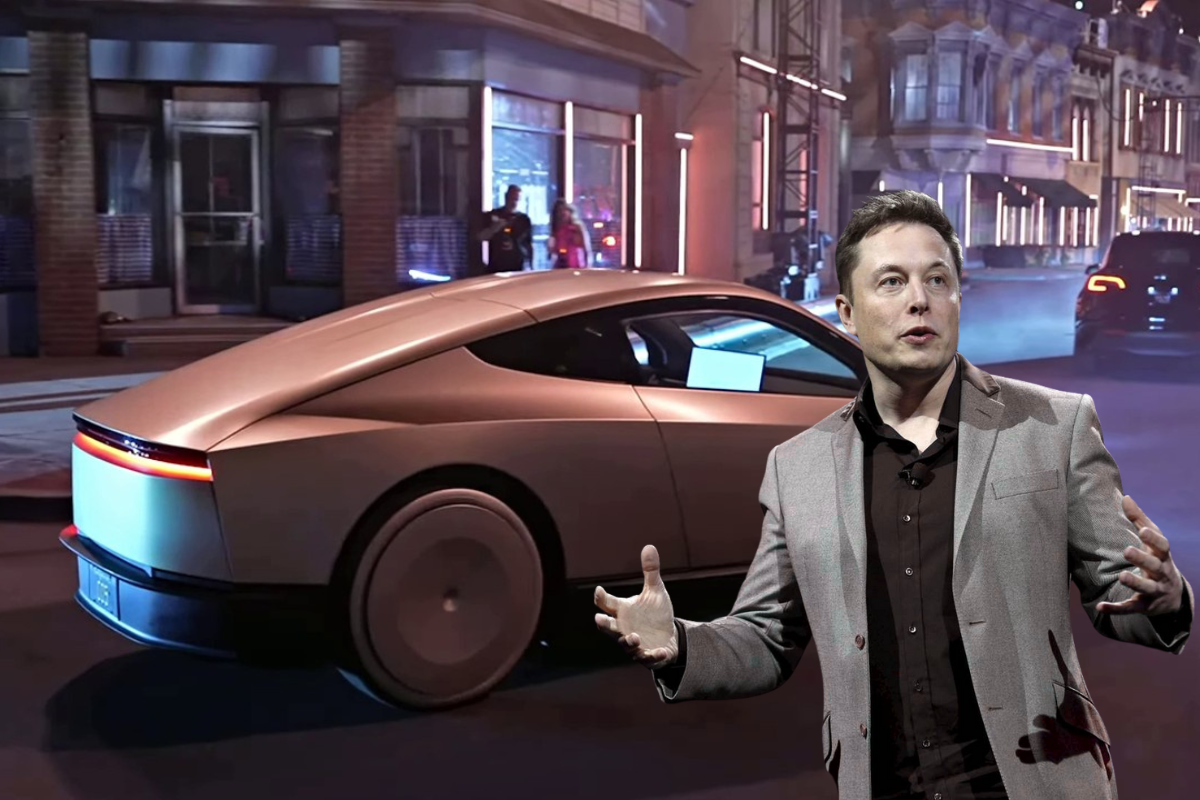
Tesla Tariff Impact: When Trade Politics Derail EV Innovation The Tesla Tariff Impact is becoming a serious roadblock to next-gen electric vehicle innovation—not due to technical failures or competition, but due to escalating global trade tensions.The Tesla Tariff Impact—sparked by recent changes in trade policy—has thrown a wrench into the company’s ambitious timeline for its highly anticipated Cybercab and Semi Truck models. The spike in tariffs, particularly on Chinese imports, has disrupted Tesla’s supply chain and cast doubt on its production roadmap. For more background on this issue, see our in-depth analysis of Tesla’s Tariff Challenges. To understand what this means for the broader industry, read The Future of Electric Vehicles. Originally set for a late 2025 launch, both projects are now delayed beyond 2026 due to a sharp tariff increase on Chinese imports, introduced by former President Trump. Given Tesla’s significant reliance on Chinese suppliers for critical EV components, this policy move has triggered a cascade of disruptions across its supply chain. “Tariffs are the new oil crisis—choking supply chains and stalling innovation.” — Global Trade Analyst ✅Original Tariff: 34% ✅Final Tariff After Hike: 145% ✅Affected Models: Cybercab (Texas), Semi Truck (Nevada) ✅New Production Timeline: Delayed beyond 2026   Tesla Tariff Impact Sparks Cost Shock and Immediate Fallout Tesla initially intended to absorb the original 34% tariff without major disruptions, but the Tesla Tariff Impact escalated far beyond expectations, forcing production delays and cost recalculations. But when the rate skyrocketed to 145%, the financial pressure became unsustainable. This forced Tesla to: “This isn’t just about EVs—it’s about the future of innovation being held hostage by politics.” — Supply Chain Expert ✅Delay essential component shipments from China ✅Pause trial production scheduled for October ✅Reassess its global logistics and sourcing strategies Tesla Tariff Impact and the Great Supply Chain Recalibration Tesla has long depended on Chinese manufacturers for advanced EV parts like battery modules, electronic chips, and thermal systems. These suppliers provided the cost-efficiency and quality needed to drive Tesla’s innovation-led strategy. But escalating trade tensions have now upended this long-standing relationship. “You can’t grow a global company with domestic-only roots. Innovation needs connection.” — Elon Musk (via X)   Tesla’s Response: Shifting to North American Suppliers Since 2022, Tesla has diversified its supplier network across the U.S., Mexico, and Canada. This move is part of a larger plan to: ✅Minimize tariff exposure ✅Strengthen regional supply chain resilience ✅Support local manufacturing ecosystems ⚠️ The Catch? Transition Isn’t Easy Tesla faces major challenges in replacing high-performance Chinese components: ✅Custom-engineered parts require new R&D investment ✅Regulatory recertification and quality testing take time ✅New domestic suppliers may struggle to match efficiency and scale  Cybercab and Semi: Tesla’s Vision on Pause The Cybercab, Tesla’s sub-$30,000 autonomous vehicle, was positioned to redefine personal transport. With no steering wheel and next-gen AI systems, it symbolized Tesla’s bold vision of the driverless future. Meanwhile, the Tesla Semi was engineered to disrupt the freight sector—offering zero emissions, lower operating costs, and commercial clients like Pepsi ready to go. Both vehicles were scheduled for mass production in 2026. But the tariff shock has halted progress indefinitely. “Tesla was building a clean, electric, and autonomous future—until duties disrupted everything.” — Industry Insider   Projects Collide With Political Realities ✅Cybercab Production Site: Gigafactory Texas ✅Semi Truck Production Site: Gigafactory Nevada ✅Launch Milestones: Originally late 2025 → now on indefinite hold ✅Investor Impact: Rising concerns over missed targets and unstable timelines Elon Musk had meticulously mapped out Tesla’s production schedule to scale in both the consumer and commercial EV segments. However, the sudden disruption to component availability has left those projections in doubt. 🇺🇸🆚🇨🇳 Politics, Profits & Public Sentiment Ironically, the tariffs designed to protect American manufacturing have wounded one of its most iconic innovators. Tesla—an emblem of U.S. ingenuity—is now facing stalled production and uncertain launch dates due to policies meant to strengthen domestic industry. “Trade wars have no winners—only industries forced into pause mode.” — Former U.S. Trade Envoy 🌍 Global Fallout: China Hits Back In retaliation, China imposed a 125% import tax on U.S. vehicles. Tesla responded by: Halting new orders for the Model S and Model X in China Pausing international expansion plans Reevaluating global growth strategy These once-flagship vehicles played a crucial role in Tesla’s premium market presence overseas. Now, they’ve become collateral damage in a tit-for-tat economic conflict.Tesla’s global operations—once a model of borderless innovation—are increasingly vulnerable to geopolitical headwinds. As economic nationalism rises, the company must walk a tightrope between localization and its global vision. 🌍 Global Fallout: China Hits Back What was once a seamless road toward EV leadership is now tangled in the complexities of trade politics. While Tesla is resilient and resourceful, the current climate threatens to undermine its ability to deliver on its boldest ambitions. Whether Tesla can weather the Tesla Tariff Impact and overcome these economic headwinds will shape the future of not just the company—but the entire electric vehicle industry. https://youtu.be/8_lfxPI5ObM?feature=shared

Read More

A Significant Year: Europe Promises €21bn Military Help to Reinforce Ukraine’s Defenses

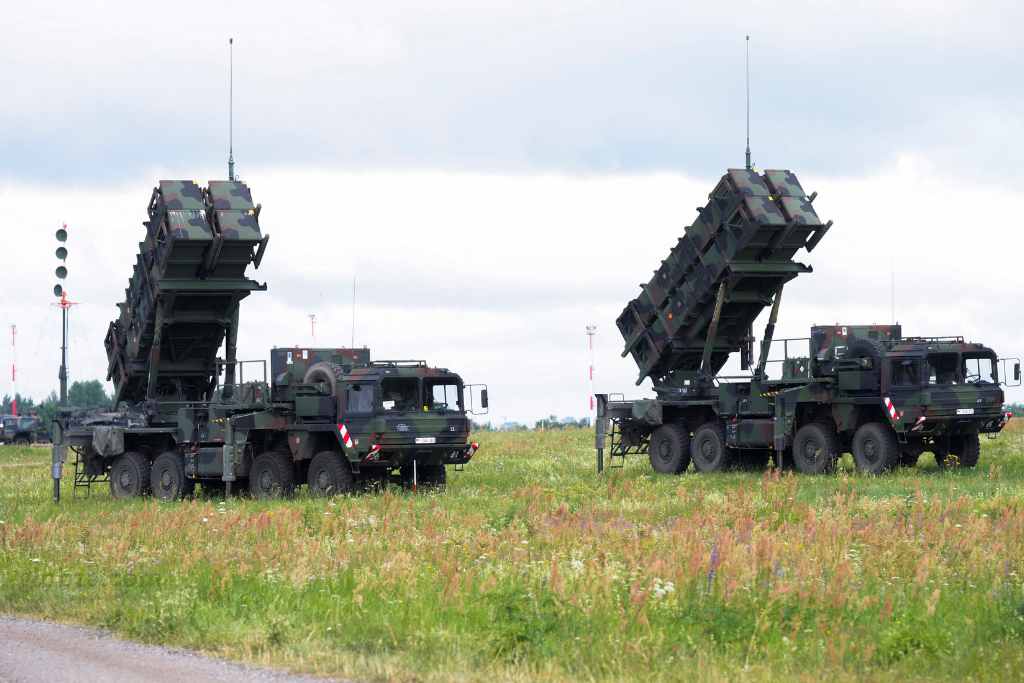
Europe Takes the Lead in Ukraine’s Defense     In what numerous examiners are depicting as a critical turning point in the extended Ukraine struggle, European partners have collectively swore an uncommon €21 billion in unused military help to Kyiv. This significant commitment reflects a developing sense of criticalness and duty inside the European Union, particularly as the Joined together States signals a slow diminishment in its coordinate military and calculated inclusion. With Washington’s center moving progressively internal in the midst of residential political weights, Europe is venturing forward to fill the gap—both to fortify Ukraine’s defense capabilities and to state its part as a central player in the region’s security dynamics. European pioneers have surrounded the year 2025 as a “critical juncture,” emphasizing the require to solidify picks up, anticipate encourage Russian progresses, and guarantee that Ukraine remains prepared to both guard its region and support its sway. The subsidizing bundle incorporates progressed weaponry, preparing bolster, and long-term calculated help, underscoring a broader commitment not fair to Ukraine, but to the soundness of the European landmass as a entire. This move too marks a typical realignment in the transoceanic union, as Europe takes on more vital duty in the midst of advancing worldwide control flow.   Germany has risen as the biggest single donor inside the modern European bolster bundle, vowing a significant €11 billion over the another four a long time. This noteworthy money related commitment—paired with viable help in the frame of progressed weaponry, ammo, and calculated support—sends a capable message to both Moscow and NATO partners. It underscores Germany’s developing administration part in European defense and its unequivocal back for Ukraine’s sway and regional integrity. The weight of this vow is not as it were typical but too key. It reflects Berlin’s advancing position on military engagement, stamping a move from its generally cautious approach to a more confident part in shielding European security. At a time when solidarity inside NATO is being tried and the future of Western back is beneath examination, Germany’s activity fortifies Europe’s collective resolve and signals that the landmass is arranged to bear more prominent duty in maintaining worldwide standards and countering animosity. “Ukraine needs a solid military and as it were at that point can the transaction handle lead to a fair and enduring peace.” — Boris Pistorius, German Resistance Minister Key Points: €21bn promised by European allies €11bn from Germany over 4 years 50-nation solid amalgamation at Brussels NATO summit   Prioritizing Discuss Defense and Ramble Warfare         The war zone flow in Ukraine are quickly advancing, with unmanned airborne frameworks playing an progressively prevailing part. Agreeing to British Protection Serve John Healey, rambles presently account for about 80% of casualties—a stark outline of how present day fighting is moving absent from ordinary strategies. In reaction to this change, a significant parcel of the recently promised help is being reserved for supporting Ukraine’s discuss defense capabilities. This incorporates progressed anti-drone innovations, coordinates observation radars, and frameworks outlined to distinguish, captured, and neutralize airborne dangers in genuine time. This key assignment reflects not as it were the substances on the ground but too the developing significance of mechanical prevalence in hilter kilter fighting. As Ukraine adjusts to a war zone characterized by speed, mechanization, and steady observation, Western accomplices are adjusting their bolster to coordinate these changing demands—ensuring Kyiv remains flexible against Russia’s progressively drone-reliant attack strategy.   The Joined together Kingdom and Norway have mutually promised £450 million in military help, with a center on providing progressed radar frameworks, anti-tank mines, and hundreds of thousands of rambles. This most recent commitment is closely adjusted with the advancing nature of combat operations in Ukraine, where coast bombs and one-way assault rambles have ended up central apparatuses in focusing on both basic framework and cutting edge military positions. The scale and specificity of this bolster reflect a sharp understanding of current war zone prerequisites. As Russia escalate its utilize of precision-guided weapons and low-cost, high-impact ramble strikes, Ukraine’s capacity to identify, caught, and counter these dangers has ended up a best key need. The UK-Norway bundle is outlined not fair to strengthen protective capabilities, but too to empower Ukraine to proactively disturb adversary operations and keep up strategic dexterity in a war progressively characterized by speed, observation, and mechanical adaptation. “In our calculations, 70% to 80% of front line casualties are presently caused and incurred by rambles.” — John Healey, UK Guard Secretary Key Points: £450m from UK & Norway for rambles, radars, and mine systems 10,000 coast bombs utilized by Russia in Q1 of 2025 Four modern IRIS-T frameworks and 300 rockets from Germany   Germany’s Heavy Lift – Tanks, Artillery & Surveillance       Germany’s aid package is heavily centered on strengthening Ukraine’s artillery firepower and enhancing its ground mobility along the frontlines. The comprehensive support includes 100,000 artillery shells, 25 infantry fighting vehicles, and 15 modern tanks—demonstrating Berlin’s commitment to reinforcing both defensive and offensive operations in contested regions. This substantial contribution is tailored to meet the immediate demands of high-intensity warfare, particularly in areas where trench combat, urban resistance, and positional battles continue to dominate. The artillery rounds will help replenish Ukraine’s heavily taxed stockpiles, while the armored vehicles and tanks provide vital protection and maneuverability for troops operating in volatile zones. Germany’s focus on battlefield sustainability and tactical superiority not only boosts Ukraine’s military resilience but also reflects a growing European consensus on the need for sustained, long-term support. In addition to heavy military hardware, Germany is supplying 100 ground surveillance radars and 120 MANPADS (Man-Portable Air Defense Systems), further enhancing Ukraine’s layered defense capabilities. This comprehensive support package is designed to improve battlefield situational awareness and bolster Ukraine’s ability to counter aerial threats, especially low-flying drones, helicopters, and cruise missiles. The deployment of ground surveillance radars will significantly improve Ukraine’s reconnaissance and early warning systems, allowing for quicker, more coordinated responses to enemy movements. Meanwhile, the MANPADS offer frontline units…

Read More

Trump’s Trade Gamble: Is the US Any Closer to Its Economic Goals?”

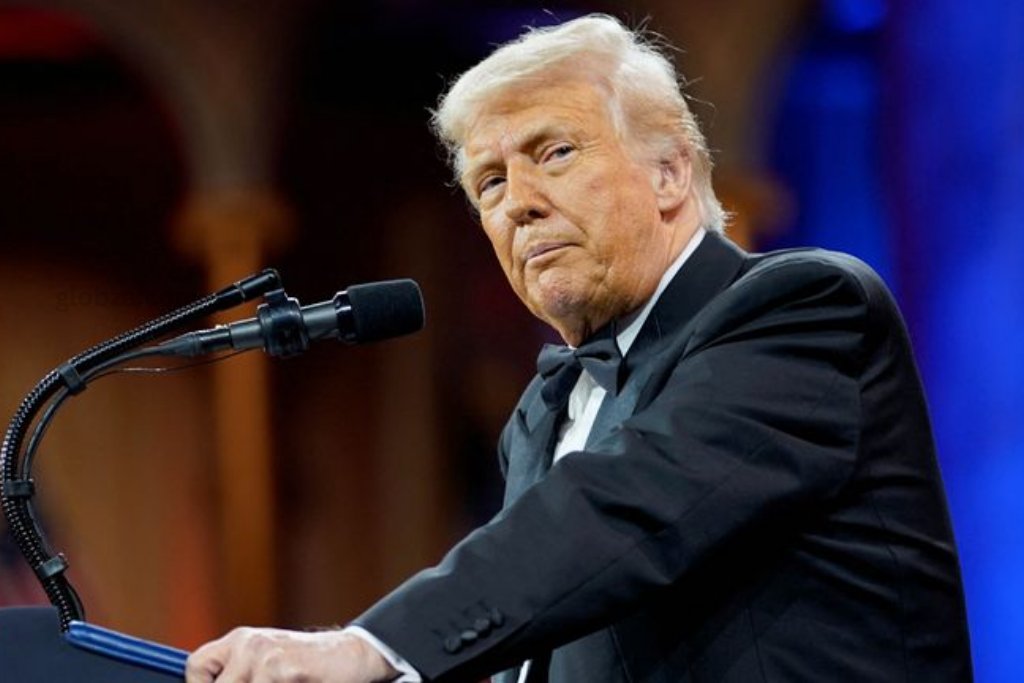
Better Trade Deals or Broken Bridges?      Former President Donald Trump’s central trade pledge was rooted in the idea of disrupting the global economic order to extract more favorable terms for the United States. His bold and combative tariff proposal—a blanket 10% levy on all imports coupled with “reciprocal” penalties for countries deemed to be taking unfair advantage—sent tremors through global markets. The policy sparked widespread uncertainty, prompting U.S. allies and trading partners to urgently seek renegotiations in a bid to avoid punitive measures. Reports suggest that dozens of countries moved quickly to initiate discussions, hoping to secure exemptions or redefine trade terms under the looming threat of economic retaliation. The administration touts these developments as signs of progress, pointing to active negotiations with key partners such as South Korea, Japan, and others. However, concrete details remain limited, and the temporary 90-day suspension of tariff implementation may do little more than delay the inevitable. Beneath the surface, fundamental tensions persist—highlighting the fragility of current trade relations and raising questions about the long-term efficacy of the administration’s confrontational approach. “Our country has been looted, pillaged, and plundered… both friend and foe alike.” – Donald Trump Key Trade Deal Takeaways:   Flat 10% tariff initially announced “Reciprocal” tariffs on 60+ nations 90-day pause opens doors for fast-track negotiations Mixed global reactions, from engagement to backlash Reviving American Industry – Boom or Bust?     Trump swore to light a private mechanical reclamation, fighting that charges would drive a resurgence in American manufacturing and drive work creation. The method of reasoning was clear: securing U.S. businesses from a surge of cheaper exterior imports would incentivize neighborhood era and reestablish monetary self-reliance. In any case, the reality has been far off more complex. Clashing course of action advising and startling shifts in trade heading have made precariousness over key fragments, taking off businesses hesitant to contribute or develop in the middle of murky long-term signals from Washington. The unpredictability surrounding tariff announcements is proving detrimental to long-term investment planning. For businesses, stability and clarity are essential prerequisites for committing capital to major decisions such as reshoring operations or constructing new manufacturing facilities. In the absence of consistent policy direction, many companies are opting to hold off—adopting a wait-and-see approach rather than risk exposure to abrupt regulatory changes. This hesitation threatens to undercut the very industrial revival the tariffs were intended to spark. “Jobs and factories will come roaring back… We will supercharge our domestic industrial base.” – Donald Trump Challenges to Industry Revival:   Tariff reversals make planning difficult Companies reluctant to invest amid policy shifts Only short-term boosts seen in select sectors No broad-based industrial recovery confirmed   China in the Crosshairs – Trade War or Tactical Move?     Trump’s trade agenda places China squarely at its core. Striking a calculated balance between praise and condemnation, he casts himself as the first president willing to confront Beijing’s trade practices head-on. By attributing decades of economic imbalance to the inaction of prior administrations, Trump frames his approach as a long-overdue correction to systemic unfairness. Yet, the ongoing confrontation suggests more than a passing dispute—it reflects a deeper shift toward strategic decoupling, with the U.S. and China increasingly repositioning their economies in anticipation of prolonged geopolitical and economic rivalry. In spite of the combative talk, there are signs that the U.S. is unobtrusively looking for an off-ramp. Open articulations from key authorities indicate at a eagerness to lock in in exchange, recommending that behind the extreme conversation lies a acknowledgment of the tall stakes included. However, the potential for heightening remains noteworthy. As pressures stew, the suggestions amplify distant past exchange balances—touching on broader geopolitical elements, worldwide supply chains, and the future of worldwide financial administration. The challenge presently lies in finding a way forward that maintains a strategic distance from showdown whereas protecting key interface. “They [China] were taking tremendous advantage of us.” – Donald Trump Trade War with China:   Tariffs focused more heavily on Chinese imports U.S. seeks leverage for long-term trade concessions Allies sidelined as U.S.-China dominates headlines Exit strategy still unclear despite mixed signals   Duties and Treasury – A Income Boon?     One often overlooked aspect of Trump’s tariff strategy is its potential to generate substantial government revenue. According to estimates from the Tax Foundation, a universal 10% tariff could yield as much as $2 trillion over the next decade. Trump has positioned this revenue as a key financial lever—promising to use the funds to finance tax cuts, reduce the national debt, and bolster domestic economic programs. While the focus has largely been on trade dynamics and international tensions, this fiscal angle adds another layer to the administration’s broader economic vision. However, tariffs are inherently regressive in nature. Rather than placing the burden squarely on foreign governments, they often fall disproportionately on American consumers and businesses. Higher import costs typically translate to increased prices on everyday goods, squeezing household budgets and elevating production costs for domestic companies. While proponents argue that long-term gains—such as reshored manufacturing and greater economic independence—justify the approach, these benefits may be offset by short-term economic strain, reduced consumption, and disrupted supply chains. In effect, the policy risks undermining the very prosperity it aims to strengthen.   “Use trillions and trillions of dollars to decrease our charges and pay down our national debt.” – Donald Trump   Tariffs and U.S. Revenue: ✅ $2 trillion anticipated income over 10 years ✅ Offset against $5 trillion in assess cut costs ✅ Increased buyer costs may decrease effectiveness ✅ Political backfire if income falls brief https://youtu.be/iPjbj2S8S_I?si=gQkhN0m2Zrt22EMM

Read More

Australia Chooses Independence: Turning Down China’s Call to Unite Against US Tariffs

A Crossroads in Trade Diplomacy – Why Australia Declined China’s Hand     Amid rising global tariff tensions and intensifying trade disputes, Australia has firmly clarified its position: it will not side with China in opposition to tariffs imposed by the United States. Even though Australian exports have been subjected to a 10% tariff by the US, the nation is choosing to navigate an independent course—one that emphasizes its sovereign national interest and long-term diplomatic objectives. Rather than forming reactive or opportunistic alliances, Australia is opting for a measured and strategic approach, seeking to maintain balanced relationships while safeguarding its economic resilience and geopolitical credibility on the world stage. “It’s about pursuing Australia’s national interests, not about making common calls with China.” – Richard Marles, Defence Minister The appeal for greater cooperation was voiced by China’s ambassador, Xiao Qian, who openly criticized U.S. trade policy, labeling it as “hegemonic and bullying.” However, Australian Prime Minister Anthony Albanese promptly and firmly rejected the proposal, underscoring Australia’s commitment to maintaining an autonomous foreign policy. He reiterated the nation’s determination to chart its own course, free from external pressures, and emphasized a forward-looking strategy focused on economic diversification, resilience, and strengthening ties with a broader range of global partners. Why Australia Refused to ‘Join Hands’:   Commitment to independent foreign policy Desire to avoid entanglement in US-China tensions Focus on diplomatic negotiation rather than retaliation Long-term goal of trade diversification beyond China and the US Economic Strategy – Diversification Over Dependency   Australia is not merely declining China’s call for alignment—it is actively recalibrating its broader economic strategy. Recognizing that more than 80% of its trade occurs outside the United States, the Albanese government is turning its attention toward strengthening partnerships with key global players such as India, Indonesia, the United Kingdom, and the United Arab Emirates. This deliberate pivot reflects a strategic effort to future-proof Australia’s economy, enhance trade diversification, and reinforce national resilience amid an era increasingly shaped by geopolitical tensions and global trade fragmentation. “Eighty percent of trade does not involve the United States. There are opportunities for Australia and we intend to seize them.” – Prime Minister Anthony Albanese From the Indo-Pacific to Europe, Australia is intensifying its trade diplomacy with renewed urgency. Trade Minister Don Farrell has proactively initiated discussions with key regional partners, including Singapore, South Korea, and Japan—nations seen as vital to building a more balanced and resilient economic framework. This evolving strategy is aimed at reducing overreliance on any single market by cultivating a diversified web of trade relationships, thereby safeguarding Australia’s economic sovereignty in an increasingly uncertain global landscape. Australia’s New Trade Priorities: Strengthening ties with India and Southeast Asia Enhancing economic relations with UK and UAE Deepening strategic cooperation with Japan and South Korea Investing in domestic industries to reduce foreign dependency   Strolling the Political Tightrope – Adjusting Partners and Autonomy     Australia’s decision to remain neutral in the escalating US-China trade dispute underscores a deeper balancing act within contemporary geopolitics. While steadfast in its security alliance with the United States, Canberra is equally mindful of the importance of maintaining stable relations with China—its largest trading partner. This delicate approach reflects a strategic tightrope walk, where economic interests must be carefully weighed against longstanding diplomatic loyalties. It is a nuanced dance between safeguarding national security and preserving vital trade links, emblematic of the complex choices facing middle powers in an increasingly polarized world. “We don’t see our connections as commonly elite. We oversee them with rule and pragmatism.” – Penny Wong, Remote Minister This diplomatic stance highlights Australia’s commitment to a multi-vector foreign policy—one that prioritizes flexibility and pragmatism over rigid alignment. As a middle power, Australia’s strategy is not about choosing sides, but about expanding its range of options in an increasingly fluid and unpredictable global environment. By fostering diverse partnerships and maintaining strategic autonomy, Australia positions itself to navigate shifting power dynamics while safeguarding its national interests on multiple fronts. How Australia Is Adjusting Relationships:   Remaining firm on security organizations with the US Re-engaging China through exchange, not alliance Building territorial coalitions for vital hedging Advocating for a rules-based arrange in exchange debate   The Ripple Effect – What This Means for Asia-Pacific Trade     Australia’s independent course may well set a compelling precedent for other Asia-Pacific nations navigating the turbulence of US-China tensions. As regional economies look for ways to shield themselves from the volatility of great power rivalry, Canberra’s measured and diversified approach could serve as a model for strategic autonomy. By demonstrating how a middle power can recalibrate its trade partnerships without jeopardizing key alliances, Australia is quietly reshaping the regional playbook. Smaller nations are observing closely, weighing how this evolving economic realignment might inform their own paths toward stability and resilience. “Australia’s choice reflects a broader regional desire to decouple from dependency and strengthen resilience.” – Trade Analyst, Asia Economic Forum By rejecting binary allegiances, Australia is carving out a “third way” in trade diplomacy—one that champions cooperation without confrontation. This nuanced approach not only affirms Australia’s commitment to strategic independence but also opens the door for a more cohesive and pragmatic regional bloc. Rooted in shared economic interests rather than ideological divides, such a coalition could foster greater stability, resilience, and innovation across the Asia-Pacific, offering a constructive alternative to the zero-sum dynamics that often dominate global trade discourse. Potential Impacts on the Region:   Encouragement for ASEAN members to diversify trade Less dependency on China-centric supply chains Boost in multilateral trade forums like CPTPP or RCEP Opportunities for regional infrastructure and green economy deals

Read More

Zelensky Claims 155 Chinese Nationals Are Fighting for Russia in Ukraine

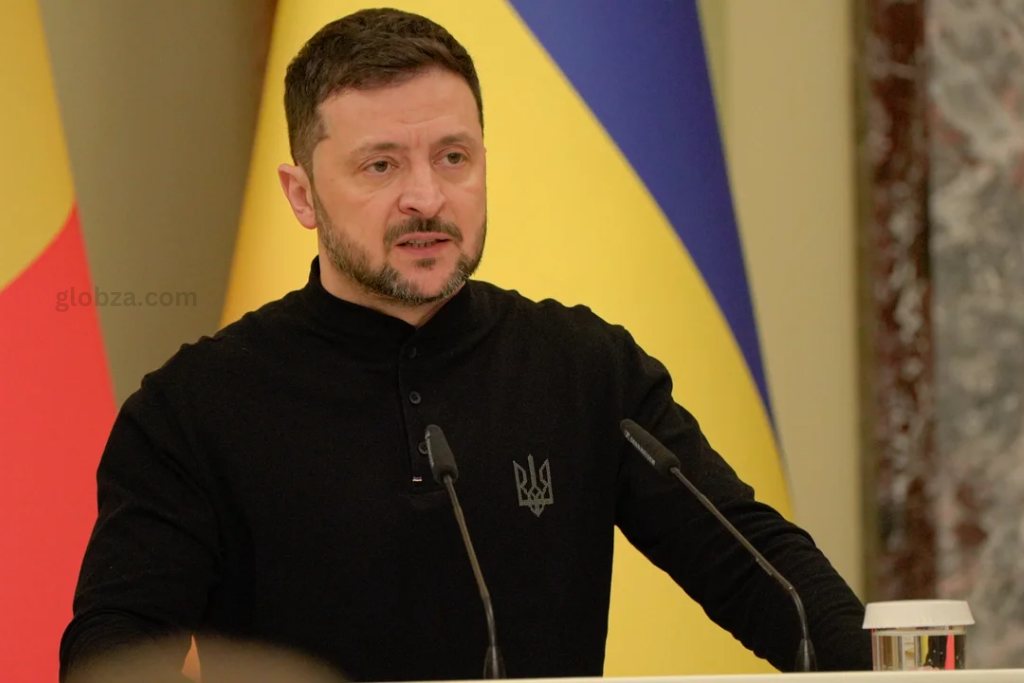
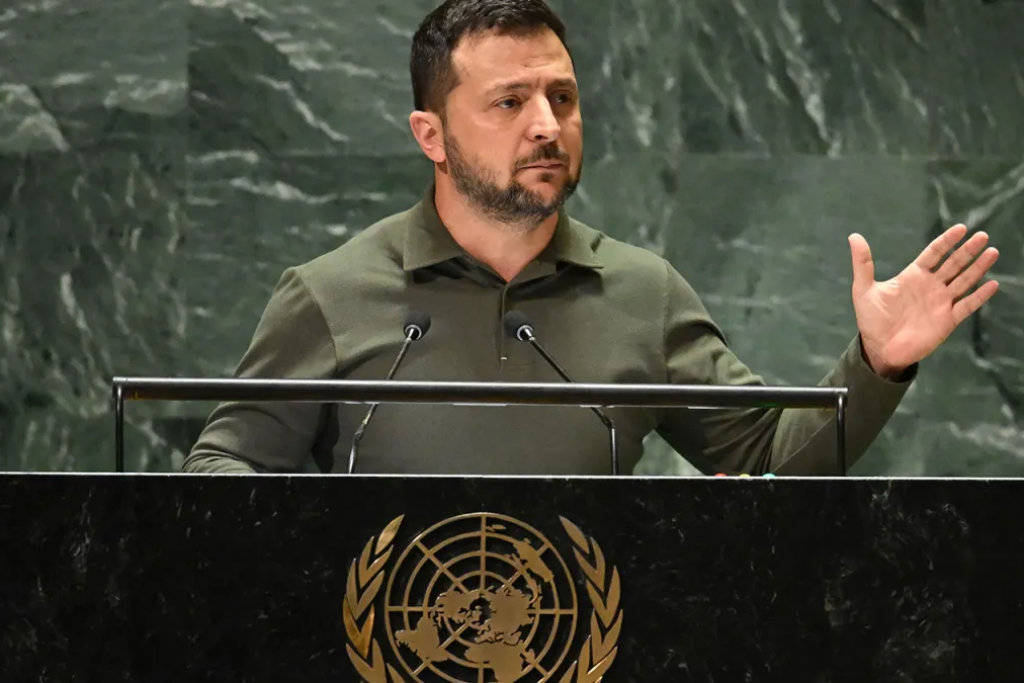
In a striking development in the ongoing war in Ukraine, President Volodymyr Zelensky has made a significant allegation that at least 155 Chinese citizens are actively fighting alongside Russian forces. This marks the first official statement from Ukraine suggesting that China may be indirectly involved in supporting Russia’s military operations—not through weapons or logistics, but through the provision of human resources. The claim raises serious concerns and adds a new dimension to the already complex geopolitical situation, especially considering China’s repeated assertions of neutrality in the conflict. This accusation could signal a potential shift in the international narrative surrounding the war. If verified, the involvement of Chinese nationals might strain diplomatic relations between Ukraine and China, and could prompt renewed scrutiny from global powers regarding Beijing’s true stance on the conflict. It also underscores the increasingly global nature of the war, as foreign individuals or entities become more entangled in its progression. The Ukrainian government has called for further investigation and international attention to this matter, emphasizing the urgent need for transparency and accountability on the world stage. What Did Zelensky Say?   Speaking to journalists on Wednesday, President Volodymyr Zelensky revealed a startling development in the ongoing conflict with Russia. He stated that Ukrainian intelligence services had identified 155 Chinese nationals actively participating in combat operations against Ukraine. According to Zelensky, authorities have gathered comprehensive evidence, including passport information, verifying the identities of these individuals. This revelation marks a significant escalation in Ukraine’s diplomatic stance and underscores the country’s growing concern over foreign involvement in the war. Zelensky emphasized the gravity of the situation, stressing that such actions cannot be dismissed or overlooked by the international community. “This is a very serious matter,” he said, urging global leaders to pay close attention. He called on China to clarify its position and take responsibility if its citizens are indeed found to be part of Russia’s military efforts. The Ukrainian leader’s statement could potentially complicate China’s global diplomatic relations, especially as it continues to maintain a public image of neutrality regarding the conflict. “The Chinese issue is serious. There are 155 people with surnames, with passport data.” In addition to his public remarks, President Zelensky also released a video on X (formerly known as Twitter) that further fueled international concern. The footage appeared to show the interrogations of two captured Chinese soldiers who were allegedly fighting alongside Russian forces. One of the detainees, speaking on camera, claimed that he had never even fired a gun before being thrown into combat, suggesting he may have been unprepared or possibly misled about the nature of his involvement in the conflict. The video has since circulated widely online, drawing reactions from political analysts and human rights observers alike. According to Ukrainian officials, both individuals were captured in the eastern Donetsk region, a hotbed of intense fighting and one of the key territories contested between Ukrainian and Russian forces. The presence of Chinese nationals in this volatile area raises new questions about how they arrived there and under what circumstances. The release of the video seems to be a strategic move by the Ukrainian government to bring global attention to the growing international dimensions of the war, and to increase pressure on China to respond to the allegations. Details of the Captured Soldiers     During their interrogations, both individuals communicated in Mandarin, further confirming their Chinese nationality. One of the detained soldiers revealed that it was his “first time in combat,” indicating a lack of prior military engagement or frontline experience. According to their accounts, they were deployed as part of small, tactical units that lost coordination and became scattered during the intensity of battle. Notably, one of the individuals recounted surrendering alongside Russian forces, underscoring a significant level of operational integration between the foreign recruits and regular Russian troops. Ukrainian President Volodymyr Zelensky alleges that these Chinese nationals were not only trained in Moscow but were also supplied with migration documents to facilitate their movement. He further claims that the recruitment process is actively taking place through various social media platforms. According to Zelensky, this coordinated effort strongly implies that the Chinese government is aware of, if not complicit in, these activities. China’s Response   China swiftly issued a response, categorically denying any official involvement in the alleged recruitment or deployment of its citizens in the ongoing conflict. Officials emphasized that if any Chinese nationals were found to be participating in combat operations, they were acting independently and without government authorization. Reiterating its stance, Beijing stated that it has consistently urged its citizens to avoid entering armed conflict zones, and any such involvement would be considered a personal decision rather than a reflection of state policy. “China is not one or the other the maker nor a party to the Ukrainian emergency. We are a staunch supporter and dynamic promoter of the quiet determination of the crisis.” – Chinese Outside Service Representative Lin Jian In response to the allegations, Chinese officials firmly denied any state involvement, asserting that if any Chinese nationals were participating in the conflict, they were doing so independently and without government authorization. A spokesperson reiterated that Beijing has consistently advised its citizens to avoid entering active war zones and engaging in armed hostilities, emphasizing that any such actions were personal choices and did not reflect official policy or endorsement by the Chinese government. The Bigger Picture     This isn’t the first time President Zelensky has questioned China’s stance of neutrality in the ongoing conflict. He has previously accused Beijing of indirectly aiding Russia by providing components that end up in Russian weapon systems. These include dual-use technologies—such as drones, semiconductors, and other electronic parts—that, while not exclusively military, can be adapted for use in warfare. Such claims have fueled growing concern over China’s potential role in bolstering Russia’s military capabilities without direct engagement. Meanwhile, the United States has described the recent reports as “disturbing,” raising serious concerns about the broader implications of China’s potential involvement. U.S. officials…

Read More

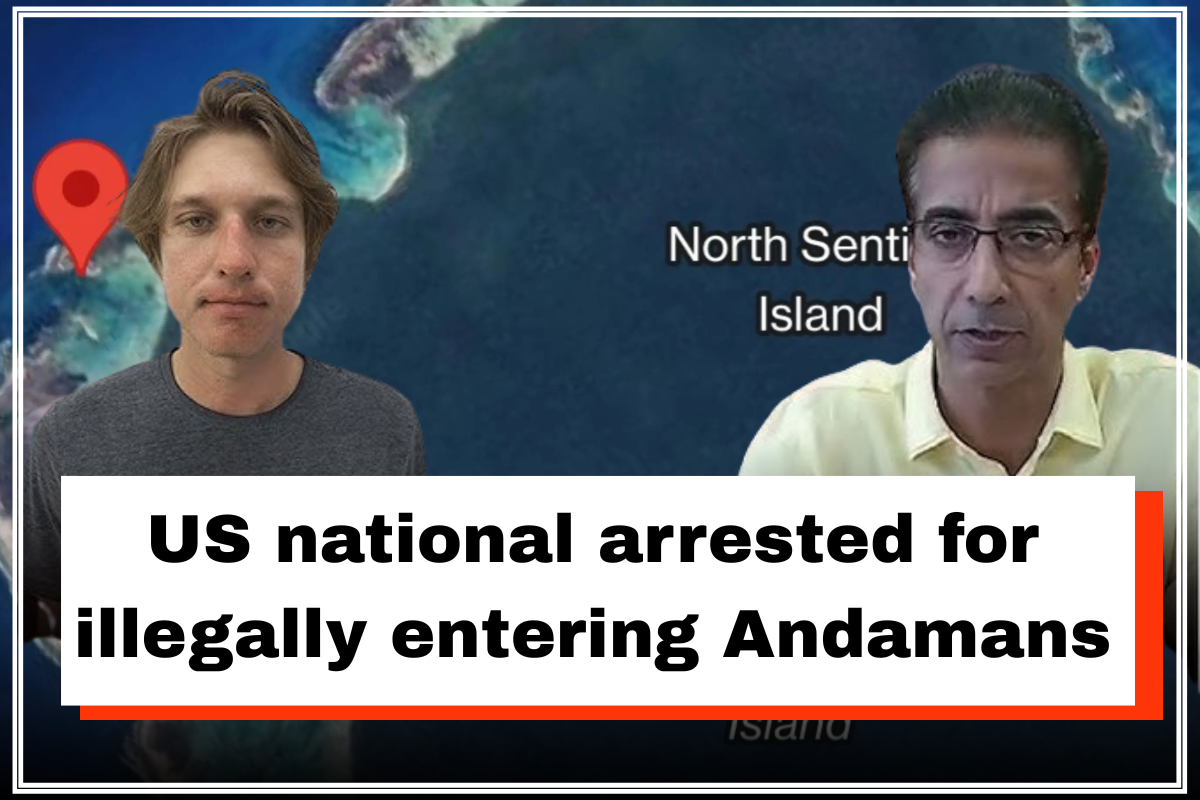
24-Year-Old YouTuber from US Faces Arrest for Unauthorized Visit to North Sentinel Island

  American YouTuber Arrested After Illegally Attempting Contact with North Sentinel Tribe   In the early hours of March 29, 2025, a lone inflatable dinghy bobbed silently across the turquoise waters of the Indian Ocean. Its sole occupant, 24-year-old Mykhailo Viktorovych Polyakov, was not your typical tourist. A self-proclaimed adventurer and social media content creator from the United States, Polyakov was not there to enjoy the white-sand beaches or explore coral reefs. His destination was far more mysterious—and infinitely more dangerous: North Sentinel Island. Located in the Bay of Bengal, North Sentinel is home to the Sentinelese, an uncontacted Indigenous tribe known for violently rejecting any and all outsiders. Indian law has long prohibited any attempt to land on or even approach the island within a radius of five nautical miles. Despite this, Polyakov set out on what would become one of the most controversial journeys of recent times. Armed with a GoPro, a can of Diet Coke, and a single coconut, Polyakov hoped to film what he believed would be a historic and exclusive encounter with one of the last isolated tribes on Earth. What he found instead was a firestorm of international outrage, legal trouble, and a harsh reminder that some frontiers are not meant to be crossed. YouTuber Arrested   Man Behind the Camera Polyakov was not new to extreme travel. On his YouTube channel, which had amassed a modest following, viewers could find footage of him navigating conflict zones, trekking through politically unstable regions, and interviewing people in places few dared to visit. He had previously uploaded vlogs from remote Afghan villages—some of which showed him interacting with local militias and even handling firearms. His tagline? “Exploring the world’s wildest places, no matter the cost.” To many, he was a fearless traveler. To others, he was a reckless provocateur seeking online fame at the expense of local laws and ethical boundaries. Friends and online followers described him as “obsessed” with the idea of uncontacted tribes. In one livestream posted a few months earlier, Polyakov talked about the Sentinelese with a mix of fascination and romanticism, referring to them as “the last real humans untouched by modern civilization.” “Just imagine what they could teach us,” he said in the video. “Everyone’s afraid of them, but I think they’re just misunderstood.” It was clear that he had been planning his trip to North Sentinel for months, if not years. According to Indian police, his research included tidal charts, satellite imagery, and navigation routes from the mainland to the island. Despite the danger—and the law—he saw the journey as his ultimate adventure. YouTuber Arrested Landfall and Arrest On March 29, using GPS navigation and satellite tracking, Polyakov reached the island’s northeastern shore at precisely 10 a.m. He reportedly scanned the coastline with binoculars in hopes of spotting the elusive tribe but found no signs of life. Undeterred, he stepped ashore, leaving behind the coconut and soda as a peace offering—symbols he believed would signal friendly intent. He collected sand samples, recorded video footage, and soon returned to his boat. What he didn’t know was that the Indian Coast Guard had already been alerted to suspicious maritime activity in the area. Surveillance teams had been monitoring GPS pings near North Sentinel and noticed a breach of the protected zone. When Polyakov returned to Port Blair on March 31, he was promptly detained by local authorities. He was charged with violating the Protection of Aboriginal Tribes Regulation, a law that criminalizes any attempt to approach or contact protected Indigenous groups. The offense carries a potential sentence of up to five years in prison, along with significant fines. The Sentinelese are considered one of the most isolated tribes on Earth. Believed to have lived on the island for over 60,000 years, they have steadfastly resisted contact with the outside world. Their rejection of modern civilization is not merely a cultural quirk—it is a means of survival. Because they have remained genetically and socially isolated for millennia, they lack immunity to common diseases such as influenza, measles, and the common cold. Contact with outsiders could easily trigger an epidemic capable of wiping out the entire tribe. Tragically, history has shown the consequences of ignoring this reality. In 2006, two Indian fishermen were killed by the Sentinelese after their boat accidentally drifted ashore. In 2018, American missionary John Allen Chau made headlines around the world when he attempted to convert the tribe to Christianity. He was shot with arrows upon landing and his body was never recovered. The Indian government has since doubled down on enforcing the island’s restricted status. Patrols are conducted regularly, and signs warn would-be adventurers of the deadly consequences of trespassing. Calculated Risk According to statements released by the police, Polyakov admitted during interrogation that he was well aware of the island’s legal and cultural protections. However, he believed that his offering and “respectful approach” would set him apart from past intruders. “He claimed he was motivated by a passion for discovery and a desire to undertake extreme challenges,” an officer reported. “He thought the risks were worth the potential reward.” Officials said they recovered his GoPro footage, which showed Polyakov’s landing and his attempts to attract attention by blowing a whistle from his inflatable boat. No Sentinelese were seen in the footage, but authorities deemed the incident a clear violation of India’s laws. The Ministry of External Affairs notified the U.S. Embassy, which has since confirmed that it is aware of the situation. A spokesperson for the State Department declined further comment, citing privacy concerns. Polyakov’s family has remained silent, and multiple attempts by journalists to contact relatives have gone unanswered.

Read More

Trump UK Trade Uncertainty: New Tariffs Shake British Economy

Trump UK Trade Uncertainty: New Tariffs Shake British Economy   The phrase “Trump UK trade uncertainty” is now echoing throughout Westminster. As Donald Trump resumes power in the White House, the UK must quickly adjust to the changing global climate. Within hours of Chancellor Rachel Reeves presenting the Spring Statement, new challenges emerged, highlighting just how unstable global conditions have become. UK Export Industry Faces Tariff Pressure   Trump’s recent 25% tariff on all imported cars has caused alarm. The move directly affects UK carmakers, who rely heavily on access to the American market. The United States ranks as the UK’s second-largest car export destination, just behind the EU. Because of the tariff, British cars may become too expensive to compete in the U.S. Many manufacturers fear job losses, reduced revenue, and long-term damage to the industry. As a result, pressure is growing on the UK government to respond. Learn more from SMMT’s latest auto trade stats and UK government export policy.   Government Response to Trump’s Trade Policies   During her Spring Statement, Rachel Reeves signaled that the government would rethink spending priorities. She referred to a “changed world” and acknowledged how external factors, like Trump’s trade approach, demand fresh strategies. In Parliament, lawmakers from all parties are urging fast action. Some propose rebuilding trade ties with the EU, while others call for domestic investment to protect key sectors. Read the Spring Statement 2025 summary or explore how UK trade policy is evolving.   How Trump UK Trade Uncertainty Signals a Global Shift   The Trump UK trade uncertainty reflects more than just one tariff. It marks a shift in global alliances and economic priorities. For the UK, this means preparing for less predictable policies from a country long seen as a close ally. Furthermore, there are concerns about ripple effects across other sectors, such as defense and technology. Many experts warn this may be the beginning of a larger realignment in international cooperation. For global perspectives, visit the BBC’s trade coverage or The Economist’s global economy section. So far, the UK government’s approach has been one of cautious diplomacy—opting for private negotiations while avoiding public confrontation with Trump, wary of provoking his well-known volatility. Behind closed doors, officials have been working tirelessly to secure a UK-US trade deal that could provide some buffer against these sudden economic shifts. However, this situation highlights a broader challenge: uncertainty has become the new certainty in international relations, forcing UK leaders to constantly anticipate and react to potential upheavals. The Office for Budget Responsibility (OBR), the independent forecaster, has attempted to predict the impact of these changes, though it acknowledges the difficulty of making economic projections in such an unpredictable landscape. Its latest report examines possible outcomes if the US raises tariffs by 20 percentage points, including scenarios where other countries, including the UK, retaliate. The worst-case scenario—where global trading partners reciprocate with their own tariffs—could severely impact the UK’s fiscal plans, undoing the careful economic balancing act that Reeves has been managing. With Trump, Unpredictability is the UK’s Only Certainty   With Trump’s self-proclaimed “Liberation Day” just around the corner—when a fresh wave of tariffs is expected to be announced—intensive negotiations between the UK and US are in full swing. Reeves has confirmed that talks are ongoing to address tariffs on cars, steel, and other key sectors, stressing that the UK is keen to avoid a full-scale trade war. As the world continues to evolve unpredictably, UK policymakers remain in a reactive stance, trying to mitigate the fallout of Trump’s economic maneuvers while keeping the country’s financial stability intact. As Trump reasserts his influence on global trade, the UK must act quickly. With exports under threat and uncertainty rising, leaders are under pressure to adapt. The next few months will be critical for both British industry and foreign policy.

Read More

Zelensky Drops Stunner: Ukrainian Troops Active Inside Russia

Ukrainian President Volodymyr Zelensky has officially acknowledged for the first time that Ukrainian forces are actively conducting military operations inside Russian territory—specifically within the Belgorod and Kursk regions. This declaration marks a pivotal escalation in Ukraine’s wartime strategy, highlighting a bold shift from a purely defensive stance to a more assertive, cross-border approach. The move sends a powerful and unmistakable message to both Russia and the international community: Ukraine is now prepared to carry the fight beyond its own borders, directly targeting strategic areas within Russia in a bid to weaken enemy capabilities and shift the dynamics of the ongoing conflict. War Must Return to Where It Came From” – Zelensky’s Strong Statement In an intense and unwavering explanation, Zelensky legitimized Ukraine’s cross-border operations by framing them as a necessary response to relentless Russian aggression. He asserted that these actions are not acts of provocation but acts of defense—strategic, calculated, and vital for Ukraine’s survival. With visible resolve, Zelensky declared that Ukraine will no longer allow enemy forces to find sanctuary just beyond its borders, emphasizing that the war has entered a new phase—one where the price of invasion will be felt deep within Russia itself. “If Russia thinks it can strike us with impunity, it is mistaken,” he said, underscoring that Ukraine’s reach now extends to those who once believed they were untouchable. “We proceed to carry out energetic operations in the border zones on adversary territory… and that is completely reasonable — war must return to where it came from.” What This Signals:   Ukraine has moved from defense to proactive counter-attacks. These activities point to destabilize Russian troop concentrations and redirect Moscow’s focus. There is a ethical suggestion to Zelensky’s message—he sees equity in pushing war back over the border. Affirmed: Ukrainian Strengths Working in Belgorod  In his address, President Zelensky particularly lauded the bravery and exactness of the 225th Assault Regiment, commending their basic part in the cross-border operations. His affirmation marks the to begin with time Kyiv has freely recognized particular Ukrainian military activities conducted interior Russian domain. This phenomenal confirmation signals not as it were a key advancement in Ukraine’s military tenet but moreover a striking political explanation: Kyiv is no longer shying absent from owning its hostile maneuvers on Russian soil. By highlighting the 225th Regiment, Zelensky put a confront to Ukraine’s unused stage of warfare—one that is unapologetically self-assured, fastidiously arranged, and willing to meet Russian hostility head-on, indeed past national lines.  “Well done, folks! I’m proud of each and every one of you fighting for Ukraine!” Zelensky declared with fervor. “Your courage, your sacrifice, and your determination are writing a new chapter in our nation’s history. You are the shield and the sword of our freedom.”   Key Takeaways:   Top commander Gen. Oleksandr Syrskyi is directing these operations. Ukraine’s nearness in both Belgorod and Kursk has been authoritatively affirmed.   Why Belgorod and Kursk? Strategic Distraction at Play  These regions weren’t chosen at random—they are integral to a calculated and deliberate military strategy aimed at reshaping the battlefield dynamics and turning pressure back on Moscow:  Divert Russian Forces: By launching targeted operations in Belgorod and Kursk, Ukraine compels Russia to reallocate troops, air defenses, and logistical support away from critical frontlines—most notably in Donetsk, where Russian forces have been gaining ground. This strategic pressure dilutes Moscow’s offensive momentum, disrupts supply chains, and forces the Kremlin to defend its own soil, undermining the perception of Russian territorial invulnerability. It’s not just a distraction—it’s a calculated move to fracture Russia’s operational focus and force a reactive posture. Shield Ukrainian Cities: Cross-border strikes serve as a preemptive buffer against looming Russian offensives targeting key northeastern cities such as Sumy and Kharkiv. By engaging Russian forces closer to their own territory, Ukraine disrupts enemy staging areas, supply lines, and artillery positions before they can be fully mobilized. This approach buys critical time, eases pressure on frontline defenders, and helps safeguard millions of civilians living under constant threat of air raids and missile attacks. It transforms defense into proactive deterrence—pushing the threat zone further from Ukraine’s urban centers. Strengthen Negotiation Position: Seizing and holding ground within Russian territory—even if only temporarily—provides Kyiv with tangible leverage in any future diplomatic negotiations. It sends a powerful message: Ukraine is not only surviving, it is capable of striking deep into enemy territory and altering the battlefield calculus. These incursions disrupt Russia’s aura of untouchability and demonstrate that the cost of continued aggression will be paid at home. As talks of potential ceasefires or peace deals arise, such bold actions give Ukraine critical bargaining chips—territorial, psychological, and strategic—placing Kyiv in a stronger position to dictate terms rather than accept them.   What’s Happening on the Ground?    Despite Russia’s official denial, independent reports paint a far more complex picture: Fighting has been reported inside Demidovka, a seemingly modest yet strategically vital village nestled just 2 kilometers from the Ukrainian border. Despite Moscow’s persistent claims that its territorial integrity remains intact and secure, multiple independent accounts on the ground tell a different story—one of firefights, advancing Ukrainian units, and disrupted Russian defensive lines. The sheer closeness of this engagement to Ukrainian territory is no coincidence; it highlights a deliberate escalation in Kyiv’s military doctrine, signaling that Ukraine is not only defending its borders but actively shaping the conflict beyond them. Demidovka now stands as a symbol of Ukraine’s shifting approach—calculated, bold, and increasingly unrestrained by traditional frontline boundaries. The Institute for the Study of War (ISW)—a leading military think tank—recently stated: “Ukrainian forces have made measurable advances in the Belgorod region, consolidating their positions on the outskirts of Demidovka and Prilesye.” This analysis indicates not only an incursion but a sustained Ukrainian presence, challenging the notion that such operations are fleeting or symbolic. Russian military bloggers—often regarded as more transparent and unfiltered than Kremlin-controlled media—have also acknowledged the presence of Ukrainian units on Russian soil. Unlike official state outlets, which continue to downplay or deny incursions, these pro-war but…

Read More