Pahalgam terrorist attack

Pahalgam Terrorist Attack: 7 Tourists Injured in Baisaran

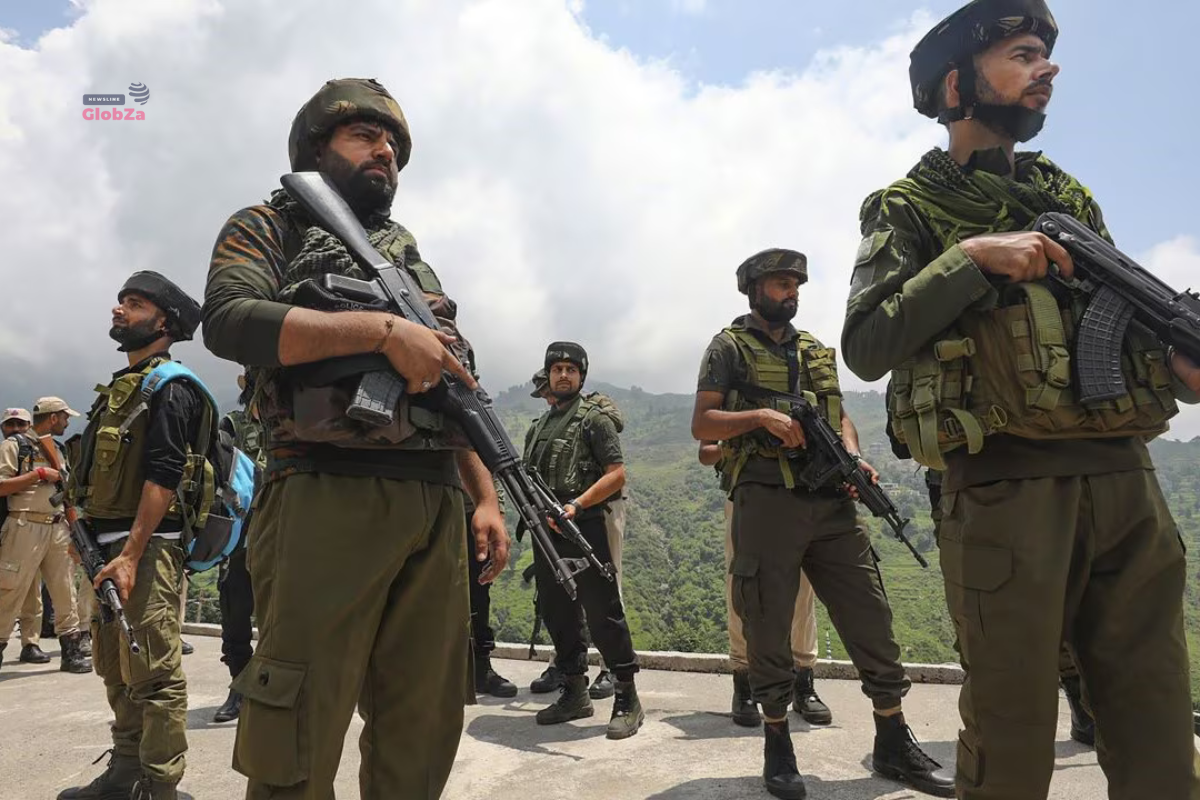
Scenic Pahalgam Shaken by Terror In a devastating incident that shocked the entire country, a terrorist attack took place in the popular tourist destination of Baisaran, located in Pahalgam, Jammu and Kashmir. Unidentified terrorists injured seven innocent tourists when they opened fire on a group enjoying the natural beauty of the region. The gunfire shattered the peaceful ambiance of this scenic valley within seconds as chaos and panic erupted. Baisaran Turns Into Chaos Amid Pahalgam Terrorist Attack Baisaran, known for its lush green meadows, pine forests, and breathtaking views, has long been a favorite among tourists. Nicknamed the “Mini Switzerland of India,” the area is often crowded with travelers from different parts of the country and abroad. On the day of the attack, families were enjoying pony rides and picnics when gunshots rang out. The sudden violence left many running for their lives while others rushed to help the injured. Eyewitnesses Recall Horror of Baisaran Attack Eyewitnesses described the scene as horrifying. The attackers emerged from nearby forest cover and began firing indiscriminately. Tourists, unaware of the danger, were caught completely off guard. Screams echoed across the valley as people scrambled for shelter. Several fell during the stampede, while others ducked behind rocks and trees. The gunmen fled into the surrounding wilderness shortly after the attack. Swift Emergency Response Saves Lives Local authorities, along with the Central Reserve Police Force (CRPF), quickly sprang into action in response to the attack. Quick coordination between police, paramedics, and local volunteers played a crucial role in saving lives.Authorities provided first aid to the seven injured tourists at the site and Rescue teams airlifted them to Srinagar’s SMHS Hospital.Doctors confirmed that all victims remain out of danger and receiving the necessary treatment. Kashmir’s Tourism Industry Suffers a Blow This incident has once again overshadowed the already struggling tourism industry in Jammu and Kashmir. The valley had just started witnessing a surge in domestic and international tourists after a long period of unrest and pandemic restrictions. The attack triggered tourists to cancel bookings, especially in Pahalgam and surrounding areas. Hoteliers and travel agencies fear significant revenue losses in the coming weeks. Political and Public Outrage Leaders across political lines strongly condemned the attack.. The Lieutenant Governor of Jammu and Kashmir called the act “barbaric” and vowed that the perpetrators would be brought to justice. The Ministry of Home Affairs has also demanded a full investigation.Citizens across India flooded social media with anger and messages of support for the victims. Security Tightened Across the Valley In response to the attack, security forces have heightened surveillance across sensitive areas, including tourist hotspots like Gulmarg, Sonamarg, and Srinagar. Additional forces have been deployed to patrol trekking routes and high-altitude picnic zones. Security forces set up checkpoints, and Authorities launched drone surveillance  in and around Baisaran.Officials asked tourists to avoid venturing into isolated trails without official escort. Local Community Shows Resilience The residents of Pahalgam have come together in solidarity. Locals have visited hospitals to check on the victims and offer support. “We depend on tourism for our survival,” said Altaf Hussain, a local pony owner. “We will not let fear win. Tourists are our guests, and we will keep them safe.” This sense of unity and defiance against terror was visible across the region. Tourists Urged to Stay Informed and Alert The Jammu and Kashmir Tourism Department has urged visitors to remain calm but vigilant. Support hotlines have been established to aid travelers. Tourists are advised to stay updated with verified news and follow all safety instructions provided by the local administration. The tourism department issued travel advisories, highlighting high-risk zones and areas to avoid. Visit Jammu and Kashmir Tourism‘s official site for travel updates.Check updated travel advisories from the Ministry of Tourism. Nationwide Solidarity with the Victims Celebrities, influencers, and civil society groups have joined the chorus of support. People continue to flood social media platforms with messages of hope and strength. Communities across cities are organizing candlelight vigils and peace marches in several cities to stand in solidarity with the victims and their families. A Renewed Call for Peace and Protection While investigations are ongoing, the attack underlines the urgent need for stronger counter-terrorism operations and intelligence coordination. Experts stress the importance of securing not just urban centers but also remote tourist destinations. It is a reminder that sustainable peace in Kashmir requires continued vigilance, development, and dialogue. Conclusion: Hope Will Triumph Over Fear Despite the tragedy, the resilience of Kashmir and its people continues to endure. The attack on tourists in Baisaran was a heinous attempt to disrupt peace, but the response—both local and national—has shown resilience and unity. As the wounded recover and life returns to normal, one message rings clear: terrorism will never silence the voice of peace and harmony. Modi Saudi Visit: Major Agreements, Hajj Plans, and Strategic Ties 

Read More

Kristen Stewart Wedding: A Sweet Ceremony in Los Angeles

Kristen Stewart Wedding: Intimate Ceremony with Dylan Meyer in LA Kristen Stewart wedding celebrations took place in a private, heartfelt ceremony in Los Angeles with longtime partner Dylan Meyer. The couple, known for keeping their relationship mostly private, made headlines with their simple yet romantic union on April 20. Fans of Stewart, who rose to global fame through The Twilight Saga, were thrilled to witness her happily ever after. Their decision to keep the celebration intimate made it all the more special. Friends, family, and a few Hollywood names joined the pair to witness the beautiful moment, solidifying the love between Kristen Stewart and Dylan Meyer. Key Moments from the Kristen Stewart Wedding Unlike the lavish affairs often seen in celebrity weddings, the Kristen Stewart wedding was relaxed and deeply personal. The ceremony took place at Casita Del Campo—a beloved Mexican restaurant in Los Angeles—rather than a traditional venue. Kristen wore a light gray mini skirt, matching cardigan, and cropped white T-shirt. Dylan Meyer looked stunning in a cream silk mini dress with a sheer top. The choice of outfits reflected the down-to-earth tone of their ceremony. https://youtu.be/T7oIWFwDt_k?si=8TqnkRK4SHgD5VkS Celebrities and Friends in Attendance The guest list included several close friends and family. Actress Ashley Benson and her husband Brandon Davis were among the attendees, along with Stewart’s Living for the Dead co-creator, CJ Romero. Their presence demonstrated the support surrounding the couple’s journey. Check out our article on Hollywood celebrity couples to explore more stories like theirs.   Kristen Stewart and Dylan Meyer’s Relationship Timeline Stewart and Meyer’s journey as a couple began publicly in October 2019 when they first shared their relationship on Instagram. Since then, they have been one of the most adored couples in Hollywood, with fans eagerly following their story. In 2021, they got engaged, further solidifying their commitment to each other. Stewart had previously mentioned in interviews that she envisioned a laid-back wedding in Los Angeles, without any formalities like walking down the aisle. She expressed her desire for the event to be a relaxed celebration with family and friends, with the emphasis on enjoying the moment rather than adhering to traditional wedding customs. The Fun and Heartwarming Details of the Wedding The wedding ceremony itself was full of personal touches, including the presence of some unexpected items. During the ceremony, the officiant held up quirky objects like bandaids, a clock, and a mug, adding a fun and lighthearted touch to the occasion. This playful moment was just one of the many ways the couple made the day uniquely their own. Stewart had once joked about wanting a wedding officiated by Guy Fieri, the famous chef and television personality, known for presiding over a number of gay weddings. While Fieri did not officiate their ceremony, the playful spirit of Stewart’s words was evident throughout the event.   Looking Forward to the Future Together Stewart and Meyer’s wedding marks the beginning of a new chapter in their lives, one that they are excited to share with each other. For the couple, their journey has always been about more than just the wedding day itself—it’s about building a life together filled with love, laughter, and shared experiences. Their wedding was a testament to their enduring love and the bond they’ve built over the years. As they embark on this new journey as a married couple, fans continue to support them and celebrate their happiness. Kristen Stewart’s marriage to Dylan Meyer is a beautiful moment in the actress’s personal life, one that reflects her desire for a simple and meaningful celebration of love. The intimate ceremony, attended by close friends and family, was a heartfelt event that showcased the couple’s deep connection. As they move forward as a married couple, fans eagerly await the next chapter in their relationship and wish them all the best in their future together.

Read More

Panda Diplomacy: China’s Giant Ambassadors Go Global

Panda diplomacy—the strategic gifting or loan of giant pandas by China—has reemerged as a powerful tool of soft power. This practice returned to international headlines when Yun Chuan and Xin Bao arrived at the San Diego Zoo in mid-2024. These black-and-white ambassadors are more than just adorable zoo attractions—they play an active role in global geopolitics. According to Smithsonian Magazine, China uses panda diplomacy to sweeten deals, ease tensions, and increase its global presence. As China expands its international outreach, these fluffy bears lead the charge. Their return highlights not just charm, but a deeper strategic mission with global impact. The Origins of Panda Diplomacy: China’s First Diplomatic Pandas Panda diplomacy has deeper roots than most people realize. Although seen as a modern move, gifting animals for diplomatic reasons dates back centuries. During the Tang Dynasty (618–907 CE), Empress Wu Zetian reportedly sent two pandas to Japan. This gesture aimed to express goodwill and strengthen ties between the two nations. These early acts laid the foundation for today’s panda diplomacy. Offering rare animals has long served as a silent yet powerful statement in foreign affairs. Panda Diplomacy and China’s Soft Power Strategy After the People’s Republic of China formed in 1949, the government transformed panda diplomacy into a formal foreign policy tool. Mao Zedong, eager to improve China’s global image, sent pandas as symbols of friendship. The 1957 gift of Ping Ping and Qi Qi to the Soviet Union marked the first major act in this modern era. Unlike traditional political moves, panda loans offered a dual advantage. They shared China’s cultural identity while softening its global image. As Foreign Affairs notes, this strategy positions China as a friendly partner—not a rival. https://youtu.be/XaVjJbLw5eM?si=QxT_BRkd2coUerOi 1972: A Turning Point in US-China Relations Arguably the most iconic example of panda diplomacy occurred in 1972 following President Richard Nixon’s historic visit to Beijing. As diplomatic ties between the US and China began to thaw, China gifted two pandas, Hsing-Hsing and Ling-Ling, to the Smithsonian’s National Zoo. Their arrival sparked a “panda craze” in the United States, with millions flocking to see the cuddly diplomats. This gesture was no mere novelty. It underscored China’s willingness to open up and collaborate with the West, using animals instead of armaments to foster dialogue. These pandas lived for decades in Washington, DC, becoming cultural symbols of reconciliation between two global powers. Panda Loans Replace Gifts: A Shift in Strategy In the early 1980s, China’s approach evolved. Rather than gifting pandas outright, the Chinese government began implementing long-term panda loans. This allowed for ongoing diplomatic and scientific cooperation without permanently giving away the animals. These loan agreements typically included financial contributions to conservation efforts in China and mandated the return of any offspring born abroad. This model transformed panda diplomacy from a symbolic gesture into a full-fledged diplomatic contract. According to WWF, the cost of hosting a panda can exceed $1 million annually, yet zoos are willing to pay the price for the prestige and attention that comes with it. Modern Resurgence of Panda Diplomacy The 21st century has witnessed a dramatic revival of panda diplomacy. Pandas have been sent to countries like Australia, France, Germany, Canada, and Malaysia, often coinciding with important trade deals or diplomatic summits. Australia, for example, received pandas shortly after finalizing a uranium export agreement with China in 2009. Following a period of strained relations, China recalled several pandas from the US and UK in 2023 and 2024, including those at the National Zoo and the Edinburgh Zoo. Yet by mid-2024, with Yun Chuan and Xin Bao arriving in San Diego, China signaled a desire to rekindle goodwill and scientific partnership. Strategic Symbolism and Economic Leverage According to a research paper by Oxford University, panda loans are often aligned with broader economic and geopolitical aims. The study found strong correlations between panda loans and trade contracts—especially those involving strategic materials like lithium, rare earth elements, and seafood exports. This isn’t a coincidence. China’s foreign policy is heavily guided by the principle of guanxi, or relationship-building, and panda loans are among its most effective tools for solidifying trust and reciprocity. San Diego Zoo’s New Arrivals and Conservation Goals San Diego Zoo, previously home to pandas from 1996 to 2019, welcomed two new pandas in June 2024: Yun Chuan, a male born in China and descended from the zoo’s earlier residents, and Xin Bao, a four-year-old female whose name means “precious treasure.” The zoo has a history of successful panda breeding, research, and conservation. The new arrivals mark the beginning of a 10-year loan program aimed at bolstering international research on panda health and reproduction. Collaborations between American and Chinese veterinarians are already underway, including state-of-the-art monitoring using CT scans, ultrasounds, and dietary analytics.     Public Reception and Diplomatic Implications Public enthusiasm was immediately evident when the pandas made their debut in August 2024. Over 20,000 visitors attended the event, and social media buzz soared. For many, the pandas symbolize not just biological diversity, but the fragile and fluctuating nature of international diplomacy. Greg Vicino, VP of Wildlife Care at San Diego Zoo, emphasizes that conservation is rooted in relationships. “Diplomacy may belong to governments, but cooperation belongs to people,” he noted in an interview with National Geographic. Panda Diplomacy’s Dual Mission: Soft Power and Species Survival Beyond diplomatic intent, panda diplomacy contributes significantly to species conservation. With only around 1,800 pandas left in the wild, the survival of the species depends on captive breeding programs, habitat restoration, and global awareness. The collaborative approach between China and host countries has yielded numerous scientific breakthroughs. From developing artificial insemination techniques to enhancing bamboo nutrition and behavioral enrichment protocols, the partnerships have helped prevent extinction and raised awareness about endangered species. When Pandas Become Political Barometers Sometimes, panda movements offer insights into current political climates. In 2010, two US-born panda cubs were returned to China just days after President Obama met the Dalai Lama, despite an earlier agreement to keep the pandas in the US longer….

Read More
China's Ghost Network

China’s Ghost Network: The Truth Behind the First 10G Internet

China’s Ghost Network is a remarkable feat of technology. The world’s first commercial 10G broadband network runs through the quiet, empty streets of Xiong’an, offering speeds that can download multiple 4K movies in just one second. With incredible speeds of 9,834 Mbps, this network boasts capabilities that few people are using. Huawei and China Unicom’s mutually beneficial alliance created this groundbreaking 10G network. The system delivers unmatched performance with response times under 3 milliseconds and upload speeds reaching 1,008 Mbps. These specifications put the network well ahead of other high-speed networks across the globe. The situation presents an interesting contrast. The planet’s most advanced commercial broadband network operates in an area that lacks enough people to use it. This unusual scenario makes us wonder about the future of high-speed connections and the reasoning behind deploying such ambitious technology. China’s Ghost Network: What Just Happened in Xiong’an? China Unicom and Huawei made technological history in September 2023. Xiong’an New Area became the first in the world to roll out a commercially available 10G broadband network.This breakthrough puts them years ahead of the rest of the world. China’s Ghost Network:How fast is 10G really? Xiong’an’s 10G network sets a new benchmark, unmatched in its class. Let’s compare it to what we use today. A typical 100 Mbps connection needs about 13 minutes to download a 10GB file. The same file takes just 8 seconds on this new network. On top of that, this network offers matching upload and download speeds – a game-changer for content creators and remote workers. Tests showed download speeds reaching nearly 10 Gbps (9,834 Mbps to be exact) and upload speeds of more than 1 Gbps. The network’s response time is even more remarkable. Data travels between points in less than 3 milliseconds – about 10 times faster than your home internet. This speed opens up new possibilities for cloud computing and instant applications. Regular users can expect almost magical experiences: Downloading 4K movies now takes less than a second with this ultra-fast connection. Multiple 8K video streams play at once Cloud gaming without any buffering Cloud computing happens instantly What is 50G-PON technology? Xiong’an’s amazing speeds come from its state-of-the-art 50G-PON (Passive Optical Network) technology. The current 10G service is just the beginning – this system can handle up to 50 Gbps. 50G-PON leads the fiber optic networking world. Unlike older systems that share bandwidth, it gives each user their own wavelength on a single fiber. This means faster speeds without laying new cables. The technology uses advanced signal processing and quantum dot lasers to keep signals strong over long distances. Xiong’an serves as both a commercial service and a testing ground for future network technologies. This network runs on real 50G-PON technology right now. Today’s 10G service uses only 20% of the network’s capacity. Future upgrades won’t need new infrastructure. AI systems manage the network by watching usage patterns. They direct bandwidth where it’s needed most, making this blazing-fast network even more efficient. This network looks toward the future. Its design allows for updates as technology improves. Most networks last 5-7 years, but this one could serve for decades. China’s Ghost Network:Why Xiong’an Was Chosen for the 10G Rollout It’s no surprise that Xiong’an New Area was chosen as the launchpad for the world’s first commercial 10G network. This emerging city, situated about 100 kilometers southwest of Beijing, offers a clean slate to implement next-generation technologies without old infrastructure getting in the way. China’s Ghost Network:The vision behind Xiong’an President Xi Jinping unveiled this landmark urban development initiative in April 2017. The plan aimed to ease Beijing’s overcrowding while creating a blueprint for future Chinese cities. Right from the start, Xiong’an was meant to be more than just another city. Chinese planners wanted to showcase “high-quality development” where state-of-the-art technology and sustainable urban planning meet. Xiong’an stands out because the central government directly oversees this nationally-significant project. Most cities grow naturally over time, but Xiong’an started with a detailed plan from day one. This top-down approach lets technologies like the 10G network merge into the city’s foundation. The sort of thing I love about Xiong’an is how its development schedule lines up with China’s tech goals. The country wants to lead key tech sectors and become self-sufficient. Xiong’an serves as both a testing ground and a showcase. The city sits close enough to Beijing for easy monitoring but far enough to grow its own character. Urban planning and smart infrastructure Xiong’an’s master plan shows why it became the obvious choice for the 10G network. The planners built this “smart city” differently – they put digital infrastructure before physical construction. It’s like laying down the neural network before the rest of the body takes shape. This unique approach to city building creates perfect conditions to test next-generation tech. The planners could design everything – from traffic systems to utility management – around ultra-high-speed networks instead of trying to modernize old systems. Xiong’an also features a modular urban grid that welcomes new technologies. To name just one example, the city’s underground utility tunnels have extra space for future network expansions beyond the current 10G setup. The choice of Xiong’an also shows how infrastructure planning and policy goals work together. The area proves to both Chinese and international audiences what happens when network planning comes before other development aspects. Notwithstanding that, we now see an unusual situation – an amazing network running at full capacity in an area still waiting for people to move in. This timing gap between infrastructure and usage might benefit future residents. They’ll get a tested, mature network instead of dealing with the usual problems of new systems. The planners picked Xiong’an because the 10G network forms the foundation of something bigger – a new way of building cities where digital capabilities shape physical spaces, not the other way around. The Ghost Town Controversy Xiong’an, China’s cutting-edge smart city, has recently earned an unwelcome label — the country’s latest ghost town. This ultra-modern metropolis…

Read More

Pope Francis Dies at 88 on Easter Monday

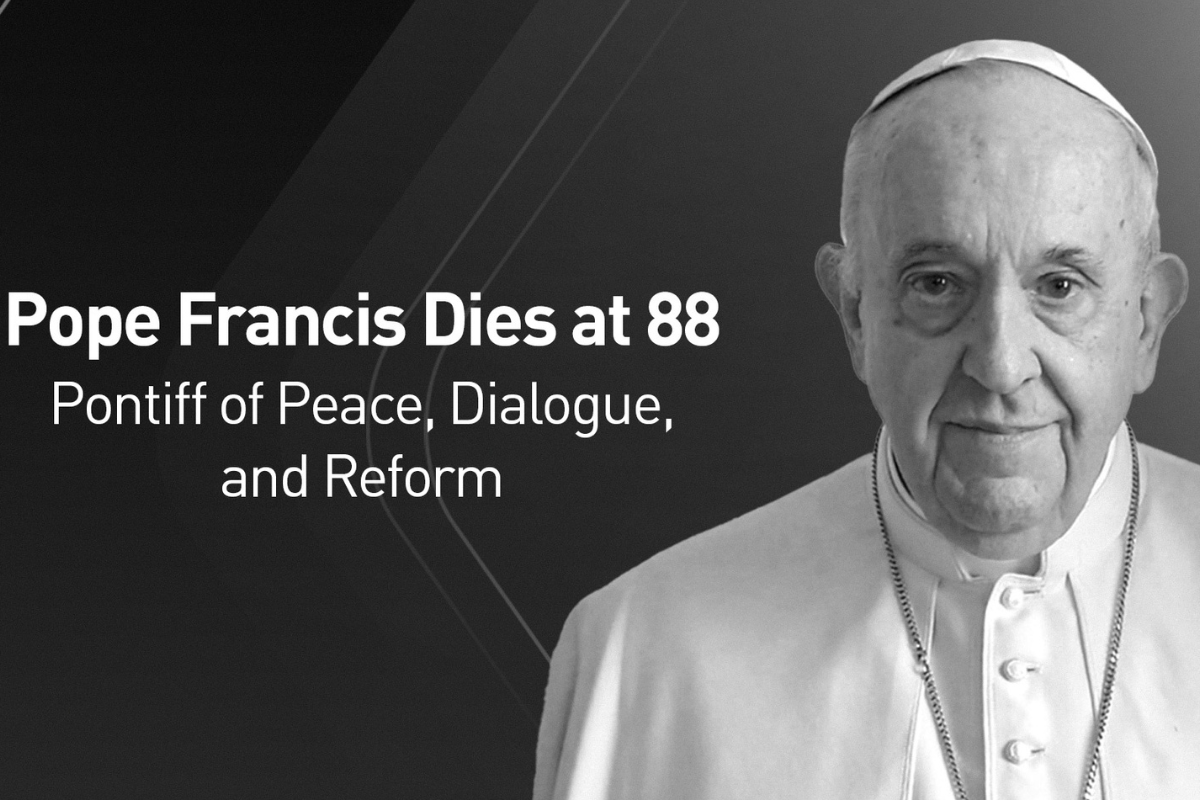
Pope Francis Dies at 88: A Transformational Papacy Ends on Easter Monday Pope Francis dies at 88 on Easter Monday, marking the end of a 12-year papacy filled with both profound reforms and challenges. The Vatican confirmed the news early Monday morning, sending waves of grief across the global Catholic community. His death comes shortly after making a final public appearance at Easter Mass, just one day before his passing. The Final Days of a Beloved Pontiff In the final weeks of his life, Pope Francis battled severe health issues. He was hospitalized on February 14 for bronchitis, later diagnosed with double pneumonia. Despite a critical condition and early signs of kidney failure, he appeared to be recovering by late March, even greeting crowds from a hospital balcony on March 23.He returned to the Vatican to rest, only to fall ill again in early April. Just days before his passing, he met with U.S. Vice President JD Vance and appeared at Easter Sunday Mass, offering a final wave to the faithful gathered at St. Peter’s Square. Related reading: Vatican News – Easter Mass Highlights     Pope Francis Dies at 88: A Humble Life Concludes The Vatican’s Cardinal Kevin Farrell announced the pope’s death during a live broadcast, stating, “Francis returned to the house of the Father… His life was a service to the Lord and His church.”He was the first Latin American pope, the first Jesuit elected to the role, and the first non-European pontiff in over 1,200 years. A Life of Service, Simplicity, and Social Justice Born Jorge Mario Bergoglio in Buenos Aires, Argentina, in 1936, Pope Francis became known for his humility and advocacy for the poor. Upon election in 2013, he immediately broke papal traditions, choosing modest living quarters and emphasizing mercy over judgment. During his papacy, he: Traveled to over 65 countries Created more than 900 saints Appointed women to leadership roles in the Vatican Reformed internal church governance Defended migrants, the environment, and LGBTQ+ individuals His efforts faced resistance from both traditionalist and progressive factions within the Church. Learn more: Catholic News Agency – Pope Francis’s Key Reforms   https://www.youtube.com/live/EBL-DUMrYus?si=i4QkEjfmWVvPZueC The Legacy of Pope Francis: Bridging Tradition and Modernity Francis inherited a fractured institution under intense scrutiny following global abuse scandals. He worked to increase transparency, enforce accountability, and shift the tone of the Church toward empathy and inclusiveness. Notably, he approved blessings for same-sex couples under specific conditions and urged global leaders to address climate change with urgency. While some conservative clergy viewed his actions as too liberal, others felt he could have gone further. Nonetheless, he remains one of the most transformative popes in modern history. Burial Plans Reflect a Life of Humility True to his nature, Pope Francis requested to be buried outside Vatican grounds, in the Santa Maria Maggiore Basilica in Rome. He also declined the tradition of a triple coffin, opting for a simpler burial in a wooden and zinc casket. This decision reinforces the values he championed throughout his life: simplicity, accessibility, and spiritual service. What Happens After Pope Francis Dies at 88? With the Pope’s death, the Catholic Church now enters the conclave phase, a process governed by centuries-old rules. In 15 to 20 days, cardinals from around the world will gather to elect the next spiritual leader of the 1.4 billion Catholics.In the interim, daily Vatican operations fall to the camerlengo, Cardinal Kevin Farrell. For updates: The Holy See – Official News   https://www.youtube.com/live/OiHNz2ni6oI?si=-Gq7vXO4WVNzNsNI The passing of Pope Francis marks more than the end of a papacy—it closes a chapter of unprecedented openness in the Catholic Church. His initiatives, both applauded and criticized, laid the groundwork for future reform. His legacy, grounded in humility, social advocacy, and bold spiritual leadership, will resonate for generations.

Read More
JD Vance India visit

JD Vance India Visit: A New Chapter in US-India Strategic Ties

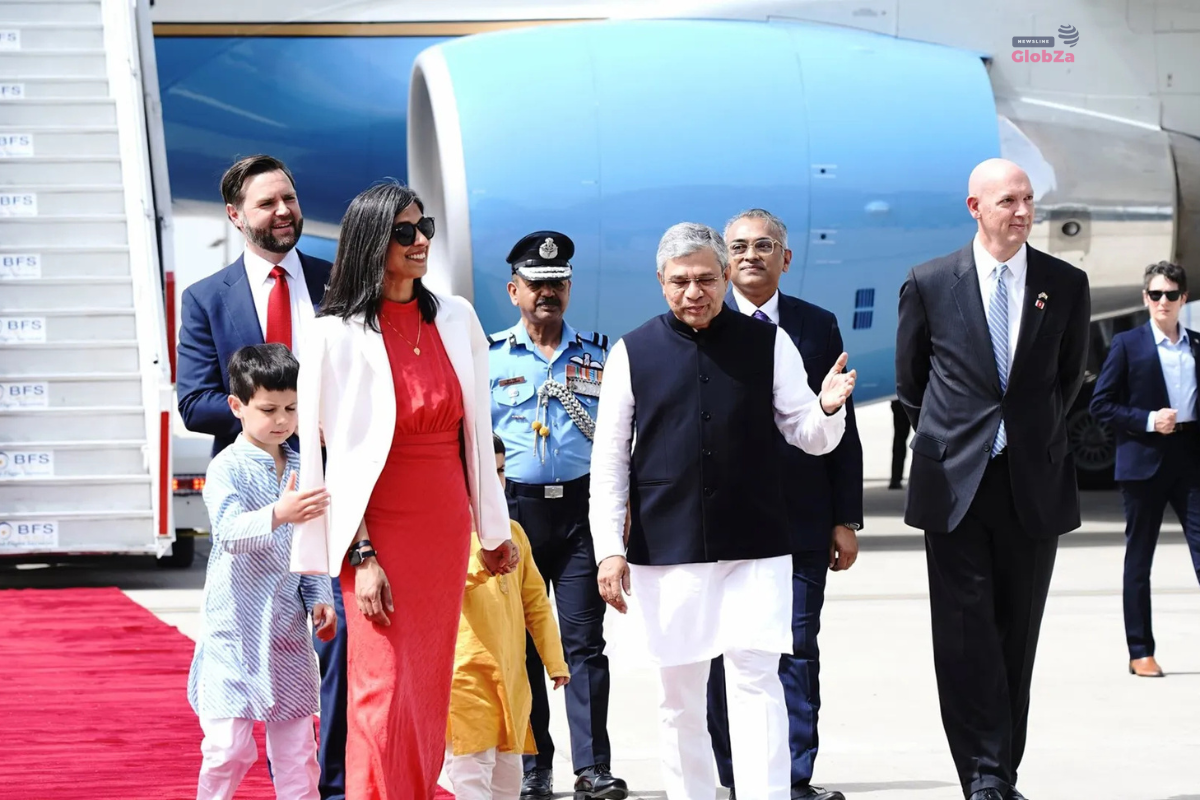
High-Level Talks Kick Off the JD Vance India Visit The JD Vance India visit marks a crucial moment in U.S.-India relations.JD Vance arrived in New Delhi on Monday, starting a four-day trip centered on strategy and personal engagements. The visit highlights the strong interest both the U.S. and India have in fortifying their partnership, particularly in areas like trade, defense, and regional stability. On the first day, Vance met with Indian Prime Minister Narendra Modi to assess the current status of India–U.S. relations. Their discussions echoed themes from Modi’s past visit to Washington to meet President Trump.   A key objective of the meeting is to finalize a new trade agreement by 2025.Throughout the JD Vance India visit, both governments focused on strengthening regional security and economic alignment. Both nations aim to more than double bilateral trade to $500 billion by 2030. Achieving this would benefit both economies and build a stronger bond between the world’s two largest democracies.The outcomes of the JD Vance India visit are expected to shape bilateral strategies for years to come. A Warm Cultural Welcome with Family Ties Vance received a warm welcome at Palam Airport, where traditional Indian music and dance performances greeted him, showcasing the growing cultural exchange between the two nations. His wife, Usha Vance, of Indian origin and a practicing Hindu, accompanied him with their three children. The family visited Akshardham Temple in Delhi, one of the city’s most iconic spiritual sites. They also planned visits to the Taj Mahal and Amer Fort in Rajasthan. By including his family, Vance demonstrated that the trip was both diplomatic and personal, highlighting the strong people-to-people ties that underpin U.S.-India relations. JD Vance India Visit Focuses on Indo-Pacific Strategic Ties Vance’s trip is also part of a broader U.S. strategy to expand influence in the Indo-Pacific region. India plays a central role, especially amid rising tensions with China over issues such as defense, trade, and technology.   As a key member of the Quad alliance (U.S., India, Japan, and Australia), India is instrumental in countering China’s growing influence. Vance’s visit comes ahead of a Quad Summit later this year in New Delhi, where President Trump is also expected to attend. Modi and Vance discussed regional challenges including maritime security, cybersecurity, and counterterrorism. A new 10-year defense agreement is expected to be signed by the end of 2025. India has already expanded its defense imports from the U.S., including helicopters, aircraft, and missile systems. Trade Talks and Tariff Challenges Mark JD Vance India Visit Trade was a top priority during the visit. India is seeking to avoid renewed U.S. tariffs on key exports such as agriculture products, gems, auto parts, and tech goods. The Trump administration had previously imposed a 26% tariff on Indian exports. While some of these duties have been lifted, Trump continues to pressure India, recently labeling it a “tariff abuser.” For India, securing a trade deal is essential to protect local industries and improve access to the U.S. market. Former Indian Foreign Secretary Harsh Vardhan Shringla said Vance’s visit comes at a “crucial time” for global trade and security cooperation. “Trump’s trade strategy gives India a chance to become a key player in global supply chains,” said Shringla. “Both nations stand to gain significantly if these efforts continue.”

Read More

India Road Safety Issues: A Death Every 3 Minutes

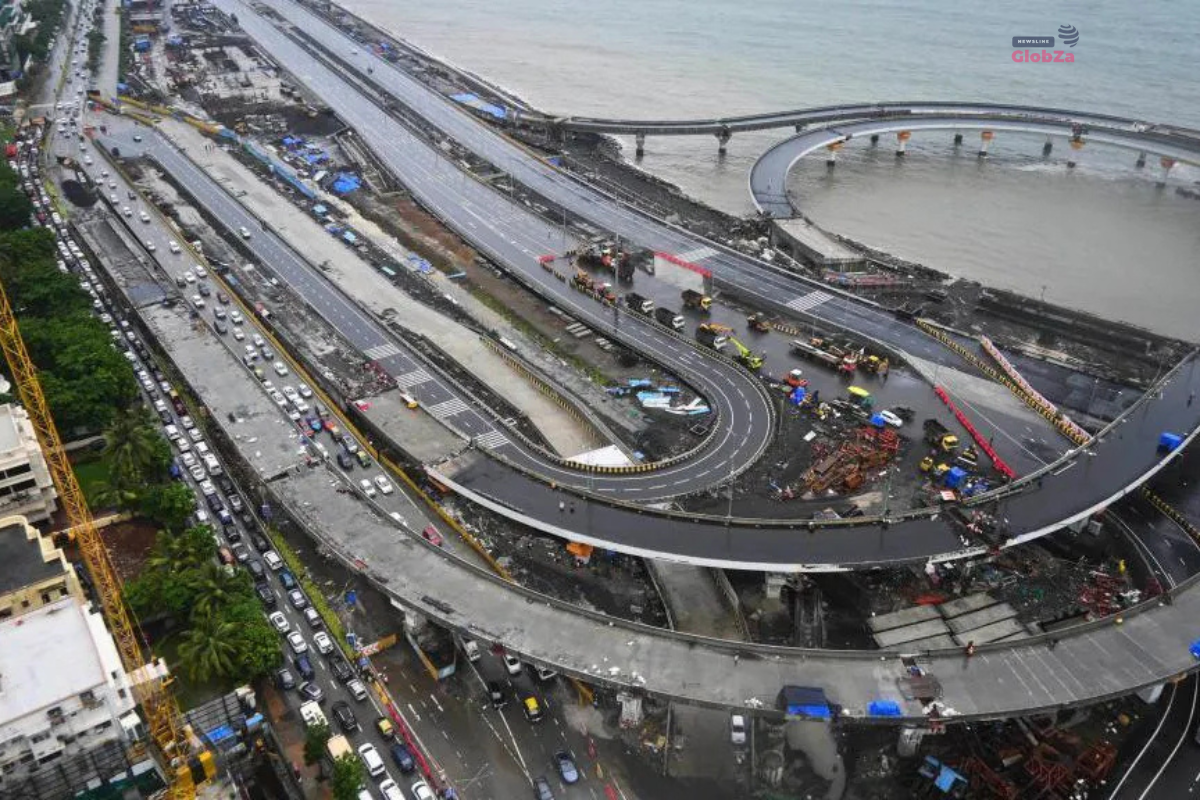
India’s Sweeping Street Arrange and the Surge in Vehicle Numbers India hosts the world’s second-largest road network, covering over 6.6 million kilometers—surpassed as it were by the Joined together States. This broad framework includes national highways, state highways, locale streets, country courses, and an expanding number of advanced expressways. In spite of the noteworthy length, as it were almost 5% of this street organize comprises national and state interstates. However, these streets handle the lion’s share of vehicular activity, setting them beneath steady and gigantic pressure. Over the past few decades, vehicle numbers in India have skyrocketed. Today, over 350 million registered vehicles—including cars, buses, and motorcycles—navigate this vast road network. This sensational increment in vehicular thickness is a coordinate result of financial development, urbanization, and rising middle-class yearnings for individual mobility. However, this fast motorization has a drawback. The framework has battled to keep pace with the developing number of vehicles. Streets frequently endure from conflicting plan benchmarks, need of appropriate support, and visit activity congestion—especially in urban and semi-urban regions. Compounding these issues is the destitute requirement of activity laws, counting path teach, speed limits, and security regulations.The result is a genuine street security emergency. India witnesses one of the most noteworthy rates of street mischances in the world. Shockingly, there is one street casualty each three minutes, making activity mischances a driving cause of passing and damage across the nation.   Human Error and Engineering Flaws: A Deadly Combination When it comes to road accidents in India, driver behavior is often seen as the primary cause. Reckless driving, overspeeding, distracted driving, and fatigue are frequent contributors to fatal crashes. Transport Minister Nitin Gadkari has consistently emphasized that the core problem lies in human behavior, especially the widespread disregard for traffic rules. Many drivers ignore speed limits, traffic signals, and safety protocols, creating dangerous conditions for themselves and others. However, human error is only one side of the coin. Minister Gadkari has also brought attention to another critical yet often overlooked factor: engineering flaws in road construction. Poorly designed roads, the use of substandard construction materials, lack of safety features like guardrails, and inadequate signage have all played a role in India’s road safety crisis. In many cases, roads are not built to handle the current volume and speed of traffic, leading to dangerous curves, blind spots, and sudden merges. Since 2019, the Ministry of Road Transport and Highways has identified 59 major construction faults on national highways alone. More alarmingly, India has nearly 14,000 accident-prone “black spots”—locations with a high rate of crashes. Yet, only about 5,000 of these black spots have received permanent engineering fixes. The rest remain hazardous, putting millions of drivers at risk daily. Secured up Dangers in Road System Design India’s rising road incident numbers aren’t reasonable a result of hasty driving—they as well stem from unsafe defects in road establishment arrange.Recent road safety audits by TRIPP at IIT Delhi uncovered several hidden yet critical design failures. These issues significantly increase the risk of accidents and fatalities, various of which increase the reality of incidents and fatalities.One major concern is the dishonorable foundation of crash hindrances. These structures are designed to absorb impact and prevent vehicles from veering off the road. Be that as it may, various boundaries over India are either set as well tall or not settled securely, causing vehicles to flip or vault over or perhaps than being brought to a stop. Another regularly overlooked hazard is the improvement of tall medians or road dividers. As per arrange rules, these should to not outperform 10 cm in stature to ensure vehicle relentlessness upon influence. In reality, various are built removed taller. At tall speeds, a collision with such medians can result in tire bursts, incident of control, or rollover crashes. <p><p><p>Geetam Tiwari of IIT Delhi warns, “Unless introduced precisely as indicated, crash obstructions can do more harm than good.” Poorly placed or loosely fixed barriers can increase the risk of fatal accidents. This highlights a deeper issue: even when safety features are present, improper implementation can make them dangerous. Challenges in Authorization and Execution of Security Standards India has a vigorous system of street security guidelines, covering everything from street plan and signage to crash boundaries and medians. These rules are well-documented and, if taken after, might altogether diminish mishaps and fatalities. In any case, the genuine challenge lies not in the policy—but in its execution and enforcement. Many infrastructure projects neglect or poorly enforce compliance with safety standards. Development contracts regularly emphasize the number of kilometers completed, or maybe than the quality The punishments for such non-compliance are regularly negligible, permitting substandard development hones to proceed with small result. There is constra ined responsibility, and oversight is either conflicting or incapable. Numerous ventures need legitimate reviews or third-party security checks, making it simple for builders to cut corners. According to Prof. Geetam Tiwari of IIT Delhi, “Unless introduced precisely as indicated, crash obstructions can do more hurt than great.” Despicably situated or freely settled obstructions can increment the hazard of lethal mischances instep of avoiding them. This highlights a more profound issue: indeed when security components are show, off base execution can render them perilous. Can Street Extension Unravel the Security Crisis? India is quickly overhauling its street framework. A later government activity points to change over 25,000 kilometers of two-lane streets into four-lane interstates, with the objective of facilitating blockage and supporting financial development. But does more extensive and speedier fundamentally cruel safer?Experts stay cautious. Concurring to Kavi Bhalla, a street security analyst at the College of Chicago, extending streets regularly leads to higher vehicle speeds, which excessively imperil people on foot, cyclists, and motorcyclists—who as of now make up a expansive parcel of street clients in India. He cautions that India as often as possible duplicates Western street plan models, which do not reflect the special challenges of Indian activity, such as blended vehicle sorts, tall person on foot development, and unregulated intersections. India has received…

Read More

Singapore Woman Posts Candid Resignation Note: ‘I Felt Like Toilet Paper’

What added to the note’s striking impact was its unusual medium—it was scribbled directly onto a piece of toilet paper. A Singapore-based entrepreneur recently sparked a wave of reactions on LinkedIn after posting a raw and revealing resignation letter from a former employee. The letter, which quickly went viral, included the searing line: “I felt like toilet paper—used when convenient, then thrown away.” In a dramatic gesture, the employee chose to write the message on an actual piece of toilet paper. “This material reflects exactly how I’ve been treated here. I’m done,” the note concluded. Angela Yeoh, the company’s director, said the incident left a powerful mark on her. By sharing the story publicly, she aimed to shed light on a broader workplace issue—the silent damage caused when employees feel devalued and unseen. She shared her thoughts, saying, “Treat your employees with such sincere respect that when they leave, they carry gratitude instead of bitterness. True appreciation goes beyond keeping someone—it shows that their worth is seen, not only in their work, but in who they are as individuals.” https://youtu.be/pNTrryCpiHs?si=-ewiRU1nuX03g3VJ Her honest post struck a chord online, with the comments section overflowing with heartfelt responses and shared experiences. One commenter noted, “Beautifully expressed. At the end of the day, it’s up to leadership to foster an environment where teams feel secure and supported.” Another added, “It’s not just about policies—people shape the culture. A company’s values are only as strong as the leaders who practice them. Lead with purpose and compassion.” Another user responded with deep emotion, writing, “This really resonated. It’s a clear and powerful reminder that the way we treat people in the small, often unnoticed moments defines our workplace culture more than any mission statement or values poster. True appreciation isn’t measured by dramatic gestures—it’s shown through everyday respect, kindness, and human connection. When employees feel genuinely acknowledged as people—not just roles or job titles—they take that feeling with them wherever life leads. What we do consistently speaks louder than what we say. Thank you for putting this into words.”   https://youtu.be/E-uMQzu8Clk?si=lenR99K7eT0kHTQ9   Someone else chimed in with a bit of humor tinged with honesty: “I’m honestly relating to this on a personal level. Your post title sums up exactly how I feel about my current job situation. Looking back, I probably should’ve handed in my resignation on toilet paper too—it would’ve made the message clearer.”

Read More

Philippine Screen Icon Nora Aunor Dies at Age 71

Nora Aunor, a revered icon in Philippine cinema, has passed away at the age of 71. Her family confirmed the news on Wednesday through social media, though the cause of death was not disclosed. “She inspired countless lives with her extraordinary talent, humility, and dedication to her art,” her daughter, actress Lotlot de Leon, shared in a heartfelt post. “Her legacy is eternal, and her spirit will continue to shine in every performance she left behind.” Aunor rose from humble beginnings in Iriga City to become a household name in film, music, and television. With a career spanning nearly seven decades, she was honored in 2022 as a National Artist for Film and Broadcast Arts—one of the Philippines’ highest cultural recognitions.   She first found fame as a singer in the 1960s, later transitioning into acting, where she built a remarkable portfolio of over 200 roles across film and television. Among her most acclaimed roles was in the 1995 film The Flor Contemplacion Story, which depicted the real-life case of a Filipino domestic worker executed in Singapore. Her powerful performance earned widespread acclaim, winning both local and international awards, adding to the many accolades she received throughout her distinguished career. https://youtu.be/jZGhtKzeIC8?si=PYCz-YYkygA_Qusr Nora Aunor was once married to fellow actor Christopher de Leon, with whom she shared a deeply public and widely followed relationship from 1975 until their separation in 1996. Together, they raised five children—building a family that often remained in the spotlight alongside her celebrated career. In a heartfelt Facebook tribute, her son Kristoffer Ian De Leon paid homage to his mother’s profound influence on their lives, describing her as a “source of unconditional love.” He went on to say, “She was the heart of our family. Her warmth, strength, and unwavering support were felt by everyone who had the blessing of knowing her.” Aunor’s dedication to her family was matched only by her lifelong commitment to the arts. Even in her later years, she remained active in the entertainment industry. One of her most recent roles was in the 2024 television drama Lilet Matias, Attorney-at-Law, where she portrayed a key supporting character whose wisdom and resilience resonated with audiences. She also made a special appearance in Isang Himala, a musical tribute to her iconic film Himala. Her brief but poignant cameo served as a powerful reminder of her enduring legacy and the timeless nature of her contributions to Filipino culture and cinema.   Unforgettable Performances Nora Aunor captivated audiences with standout roles in acclaimed films like 1976’s Tatlong Taong Walang Diyos (Three Years Without God), 1984’s Bulaklak sa City Jail (Flowers of the City Jail), 1995’s The Flor Contemplacion Story, among others—each showcasing her remarkable range and emotional depth.   Honors and Accomplishments Nora Aunor earned her place in Philippine cinematic history through a career filled with critically acclaimed performances and industry recognition. Among her most celebrated roles was her portrayal in the 1990s film Andrea, Paano Ba ang Maging Isang Ina?—a powerful drama that cemented her reputation as one of the country’s most accomplished actresses. Her emotional depth and authenticity in that role are still remembered as a defining moment in local film. In 2012, she gained further international acclaim by winning Best Actress at the prestigious Asian Film Awards for her role in Thy Womb, where she played a midwife confronting personal and cultural challenges in a remote fishing village. Her subtle, grounded performance drew widespread praise and introduced her artistry to a global audience. Aunor’s artistic achievements were formally recognized in 2022 when she was named a National Artist for Film and Broadcast Arts—one of the Philippines’ highest distinctions for individuals in the creative field. This honor not only celebrated her body of work but also her enduring influence on generations of actors and filmmakers.   Recent Projects Despite decades in the industry, Nora Aunor remained active and passionate about her craft. In 2023, she starred in the film Mananambal (translated as “The Healer”), where she took on the role of a spiritual figure rooted in Filipino folklore and traditional medicine. The performance highlighted her continued ability to take on complex roles with grace and authenticity. That same year, she also appeared in the television drama Lilet Matias, Attorney-at-Law, where she played a key supporting character whose quiet wisdom added depth to the series. Her participation in recent projects reflected her unwavering commitment to storytelling and her lasting appeal to both longtime fans and newer audiences alike.   https://youtu.be/JOEQHQb8Fc0?si=Wuts2Jr7UOB0IEK5   Family Nora Aunor was married to actor Christopher de Leon from 1975 until their separation in 1996. She leaves behind their children—Lotlot, Ian, Matet, Kiko, and Kenneth de Leon—who continue to honor her legacy both within and beyond the entertainment world.

Read More